Best Autofocus Mirrorless Cameras

Capture sharp portraits, fast-moving action, and everyday moments with the best autofocus mirrorless cameras, ranked by user review ratings. Explore options with responsive focusing and subject-tracking features to help keep your photos crisp and your videos in focus, whether you’re capturing family outings or honing your photography skills.

Read More

What to look for in autofocus mirrorless cameras

1. Subject Detection

Look for autofocus modes that recognise the subjects you photograph most, such as people, animals, birds, or vehicles. Eye-detection autofocus can help keep portraits sharp, but supported subjects and detection performance vary by camera.

2. Continuous Autofocus and Tracking

For sports, wildlife, and other moving subjects, prioritise reliable continuous autofocus rather than burst speed alone. Check whether the camera maintains autofocus during high-speed shooting and offers tracking sensitivity adjustments for subjects that change direction or pass behind obstacles.

3. Focus Coverage and Low-Light Performance

Wide autofocus coverage helps you track subjects across the frame and compose off-centre shots. Compare low-light autofocus ratings under similar test conditions, since lens aperture and camera settings can affect how reliably a camera focuses in dim light.

4. Lens Compatibility and Video Autofocus

Choose a camera system with compatible lenses suited to your subjects, as lens focusing motors can affect autofocus speed, smoothness, and noise. If you shoot video, look for dependable subject tracking and adjustable focus transition speeds, and check for autofocus limitations in your preferred recording modes.
Citrus catapult arrow
  1. 1

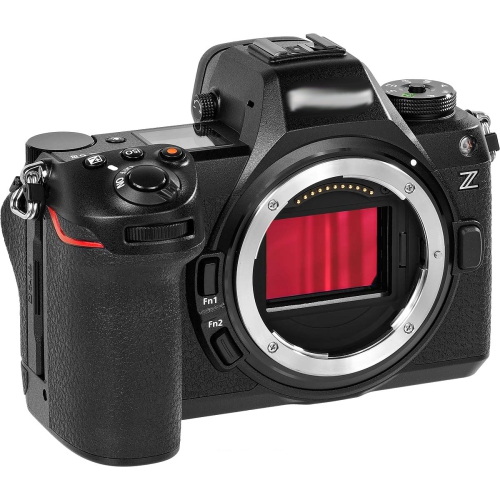
    NIKON Z6 Iii Mirrorless Camera (Body) - 1890

    About this product

    A powerful mirrorless camera featuring a 24.5MP sensor, 6K video, AI autofocus, and tilting touchscreen.

    What customers like

    • Fast and accurate autofocus with AI features
    • Versatile features and easy-to-use controls
    • Outstanding low light and high ISO performance
    • Robust build and ergonomic design
    • Excellent image and video quality
    (98)
    $3,159.95
    SAVE $339
    Your price for this item is $3159.95
  2. 2

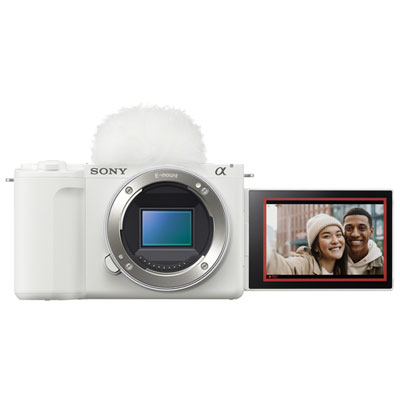
    Sony Alpha ZV-E10 II Mirrorless Camera (Body Only) - White

    About this product

    A white mirrorless camera with a 26MP APS-C sensor, ideal for content creators and vloggers.

    (1)
    $1,399.99 Your price for this item is $1399.99
  3. 3

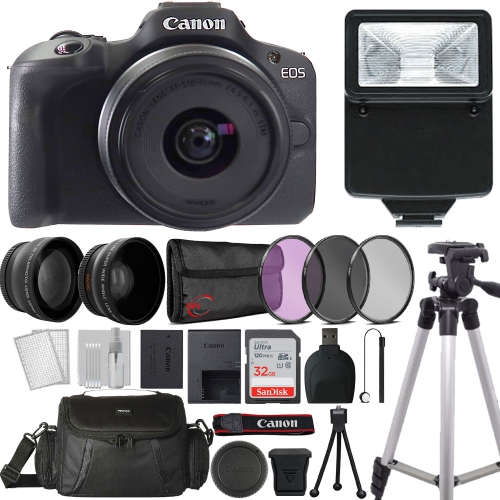
    CANON Eos R100 Mirrorless Camera With Rf-S 18-45 Lens Professional Accessory Kit

    About this product

    A compact mirrorless camera kit with RF-S 18-45mm lens, ideal for versatile photo and video creation.

    $863.99 Your price for this item is $863.99
  4. 4

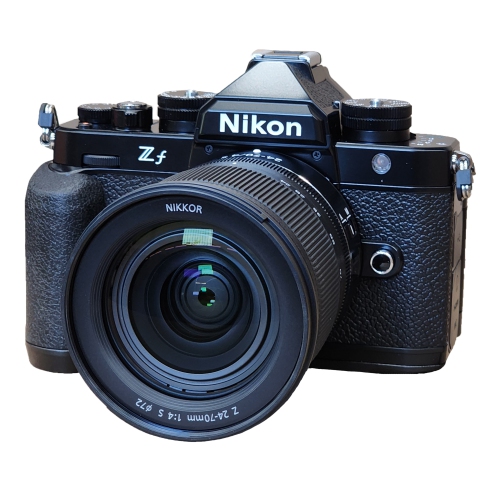
    NIKON Zf Mirrorless Camera With 24-70MM F/4 Lens - 1772

    About this product

    A 24.5MP mirrorless camera with 5-axis vibration reduction, 4K video, and 3D tracking autofocus.

    $3,589.95 Your price for this item is $3589.95
  5. 5

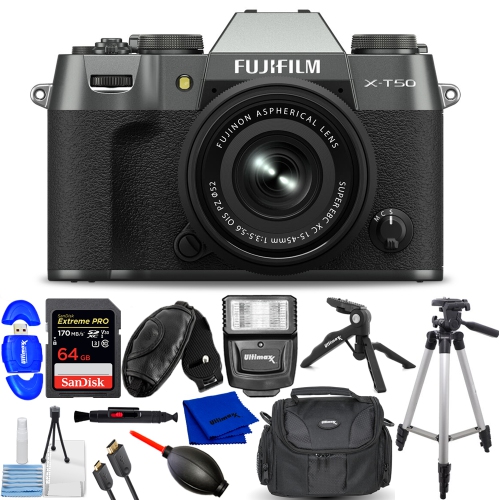
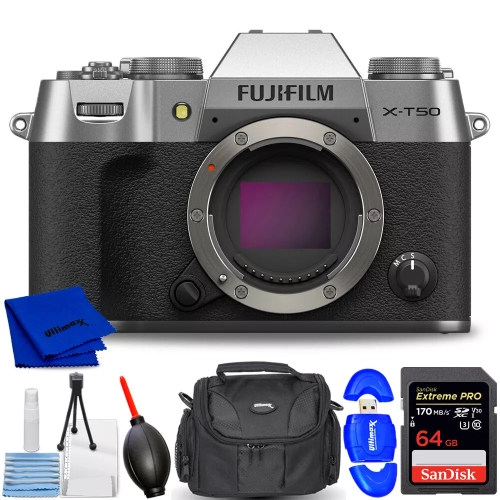
    FUJIFILM X-T50 Mirrorless Camera With 15-45MM Lens (Charcoal Silver) Kit

    About this product

    A charcoal silver mirrorless camera with 40.2MP sensor, 4K video, and AI-assisted autofocus.

    $2,379.95
    SAVE $480
    Your price for this item is $2379.95
  6. 6

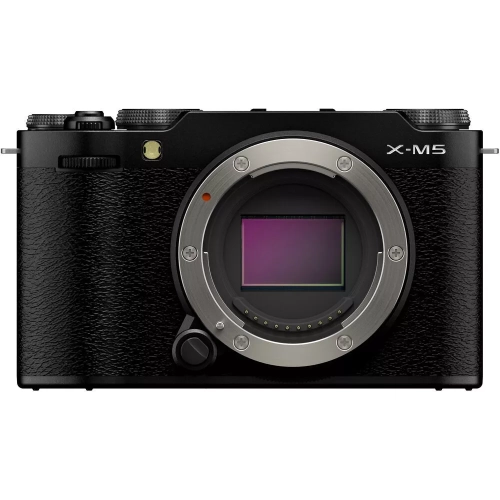
    FUJIFILM X-M5 Mirrorless Camera (Black) - 16900678

    About this product

    A black mirrorless camera with 26.1MP sensor, 6.2K video, and AI-based subject detection.

    $1,405.99 Your price for this item is $1405.99
  7. 7

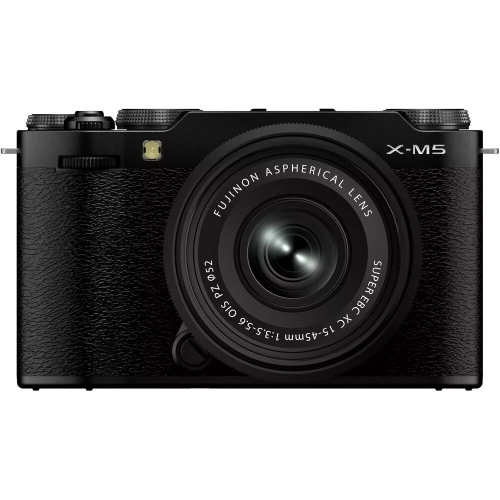
    FUJIFILM X-M5 Mirrorless Camera With Xc 15-45MM F/3.5-5.6 Lens (Black) - 1690073

    About this product

    A black mirrorless camera with 26.1MP sensor, AI processing, and 6.2K video capabilities.

    $1,510.95 Your price for this item is $1510.95
  8. 8

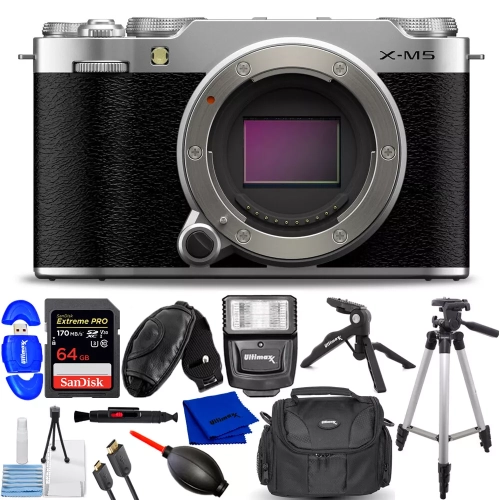
    FUJIFILM X-M5 Mirrorless Camera (Silver) 16900707 - 12PC Accessory Bundle

    About this product

    A silver mirrorless camera bundle featuring a 26.1MP sensor, 6.2K video, and advanced autofocus.

    $1,569.95
    SAVE $520
    Your price for this item is $1569.95
  9. 9

    NIKON Z7 Mirrorless Digital Camera (Body Only) - 1591

    About this product

    A high-resolution mirrorless camera featuring a 45.7MP sensor, 4K video, and advanced 5-axis stabilization.

    $2,999.00
    SAVE $601
    Your price for this item is $2999
  10. 10

    FUJIFILM X-T50 Mirrorless Camera (Silver) 16828313 - 7PC Accessory Bundle

    About this product

    A silver mirrorless camera with 40.2MP sensor, 4K video, in-body stabilization, and AI-assisted autofocus.

    $2,499.95 Your price for this item is $2499.95

Why sharp focus takes more than subject detection

The best autofocus mirrorless cameras combine quick focus acquisition, dependable subject tracking, and precise eye detection to help keep important details sharp as a scene changes. These qualities matter when a child turns towards the camera, a bird lifts off from a branch, or an athlete moves through a crowded frame. Rather than relying on a single specification, autofocus performance depends on how well the camera, lens, and focus settings work together for the subject being photographed. Many mirrorless cameras use phase-detection autofocus points on the imaging sensor to determine which direction focus needs to move, while hybrid systems also use contrast information to refine accuracy. Broad autofocus coverage gives subjects room to move away from the centre of the frame without immediately leaving the focus area. Subject-detection features can identify people, animals, birds, or vehicles on supported cameras, although the subjects recognized and the depth of tracking control vary by model. Eye-detection autofocus is especially useful for portraits, where a sharp eye can make the difference between an engaging photograph and one that feels slightly off, even when the face appears generally in focus. Continuous autofocus adjusts as the distance to the subject changes, making it valuable for action, candid family photographs, and pets that rarely sit still. Single autofocus remains useful for stationary subjects, including carefully arranged objects, architecture, and posed portraits. For moving subjects, a high burst rate is most helpful when the camera can continue updating focus throughout the sequence; the highest advertised shooting speed does not always include the same autofocus capabilities as slower settings. Buffer capacity, viewfinder responsiveness, and sensor readout speed also affect how comfortably a photographer can follow action. Fast readout can reduce distortion when using an electronic shutter, but autofocus alone cannot prevent motion blur from a shutter speed that is too slow. For shoppers comparing broader everyday options alongside action-focused bodies, Good Mirrorless Cameras offers a related starting point. The strongest match is a camera whose focusing strengths suit the moments it will photograph most often.

Sensor format, lens compatibility, and handling all influence how autofocus translates into finished photographs. Full-frame, APS-C, and Micro Four Thirds mirrorless cameras can each deliver capable autofocus; sensor size alone does not establish which system tracks a moving subject most reliably. Full-frame sensors can provide advantages for image quality in dim light, while smaller formats can support a more compact camera-and-lens combination, particularly for travel or long-lens photography. Actual size and weight depend on the lenses selected, not just the body. A lightweight camera paired with a large telephoto lens may need a substantial grip and comfortable support for extended shooting. Lens motors affect focusing speed and sound, and native-mount compatibility can help preserve the features a camera is designed to provide. Adapted lenses may work well, but tracking behaviour, burst performance, and supported focus modes can differ. Wide-aperture lenses gather more light and allow pronounced background blur, yet their shallow depth of field makes precise eye focus particularly important. In a close portrait, focus on an eyelash rather than the iris can be noticeable. For indoor performances or family gatherings, low-light autofocus sensitivity deserves attention alongside lens aperture and subject contrast. Published sensitivity ratings are measured under particular test conditions, so they are not a promise that every subject will be easy to track in a dim room. Image stabilization helps reduce blur from camera movement, especially with stationary subjects, but it does not freeze a dancer crossing a stage. Physical fit matters just as much during everyday use: a secure grip, accessible autofocus controls, and a clear electronic viewfinder make it easier to stay with an unpredictable subject. A joystick or responsive touchscreen can help place the focus area quickly when automatic detection chooses the wrong person in a group. Beginners may appreciate straightforward subject selection, while experienced sports and wildlife photographers often value adjustable tracking sensitivity and controls that can be customized without taking an eye away from the viewfinder.

For video, the best autofocus mirrorless cameras need more than rapid reactions. Smooth, controlled transitions can look more natural than an abrupt jump between subjects, particularly during interviews, demonstrations, or close-up footage. Adjustable focus-transition speed and tracking responsiveness let the camera hold attention on a speaker or move deliberately to an object entering the frame. Face and eye tracking are useful for solo creators recording presentations or tutorials, but video autofocus support can change with resolution, frame rate, and recording mode. A camera that tracks confidently in one setting may offer fewer detection options in another. Lens behaviour also matters: quiet focusing motors help limit mechanical noise near an onboard microphone, while reduced focus breathing keeps the framing more consistent as focus distance changes. A fully articulating screen can make self-recording easier, and dependable touch tracking is helpful when shifting attention between two people in a scene. For photographers and video creators alike, construction affects comfort and longevity. Bodies may combine engineered plastics, metal components, or magnesium-alloy structures, with differences in weight, rigidity, and resistance to everyday wear. A heavier body is not automatically more durable, and protective construction does not remove the need for careful handling. A padded bag, a properly secured strap, and lens caps help protect equipment during transport. Dust around the lens mount should be removed carefully before changing lenses, and exposed sensor surfaces should never be wiped casually with clothing or household tissues. A clean microfibre cloth is suitable for routine exterior care, while lens glass and sensor cleaning require appropriate tools and methods. Battery endurance, memory-card requirements, and convenient charging options also influence how comfortably a camera fits into regular use, especially during long photo sessions or extended recording. These cameras suit families preserving lively everyday moments, students developing photography skills, enthusiasts following birds or sport, and creators producing both still images and video. As a gift, compatibility with the recipient’s existing lenses and preferred subjects matters more than a headline feature. A well-matched autofocus system gives the photographer more freedom to concentrate on expression, timing, and composition while retaining control over where the image is sharp.
Read More

FAQ

Some products may be subject to Environmental Handling Fees (EHF) depending on your province. Learn more about EHFs.