Cameras With Fast Autofocus
Capture every moment with precision using Cameras With Fast Autofocus. Whether you're photographing fast-paced action, lively events, or everyday adventures, these cameras are designed to help you seize the shot exactly when it happens. Explore a wide selection of options that make it easier to keep up with moving subjects and never miss a beat. Find the perfect camera to match your creative vision and enjoy crisp, clear results in any setting.
Sort
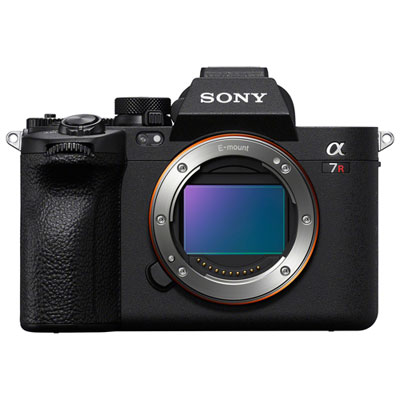
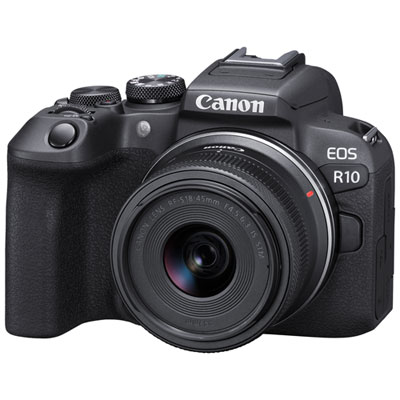
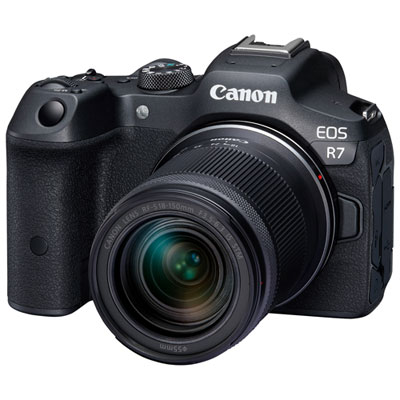
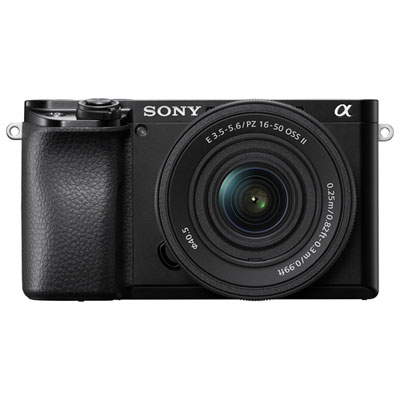
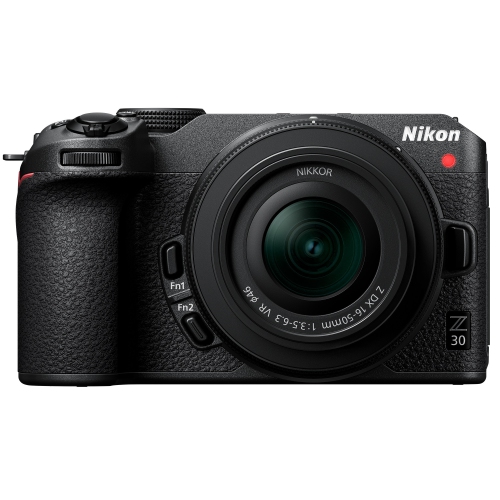
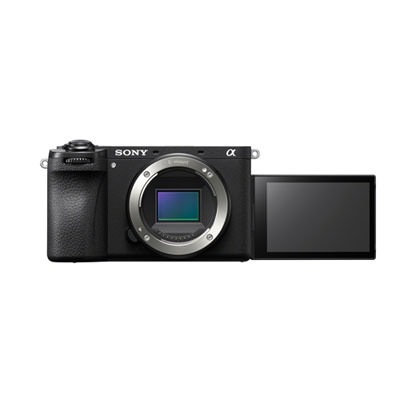
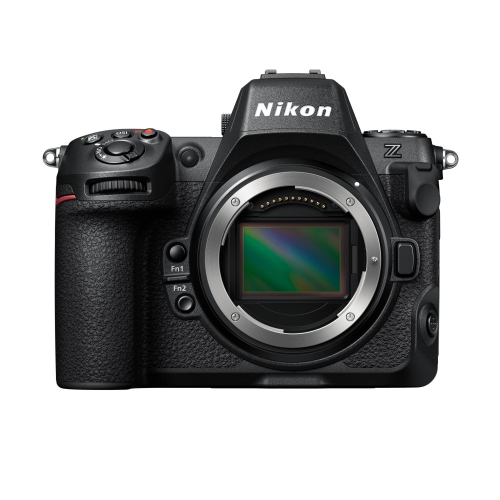
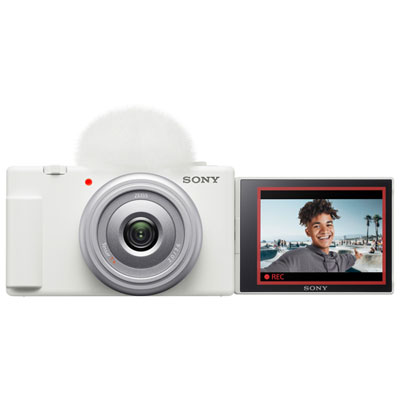
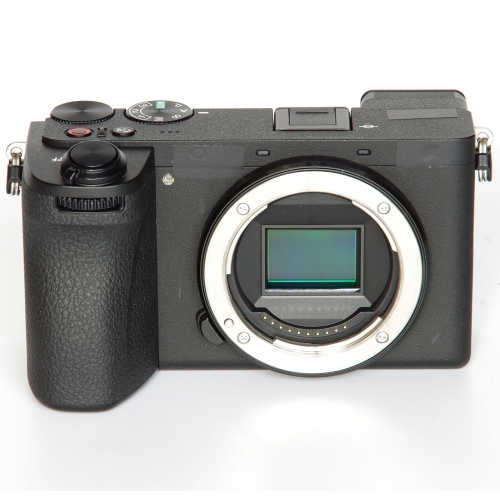
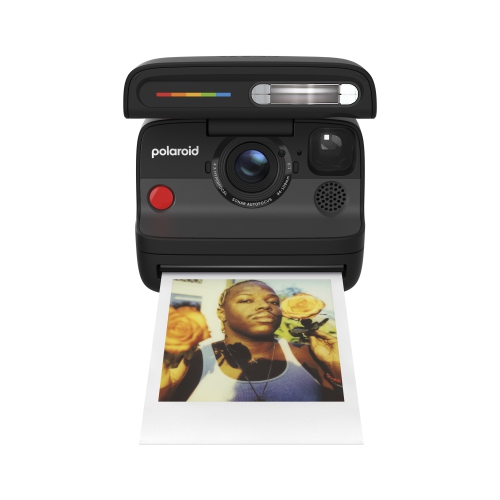
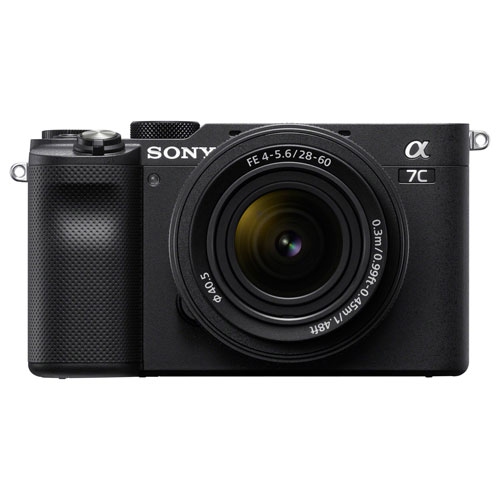
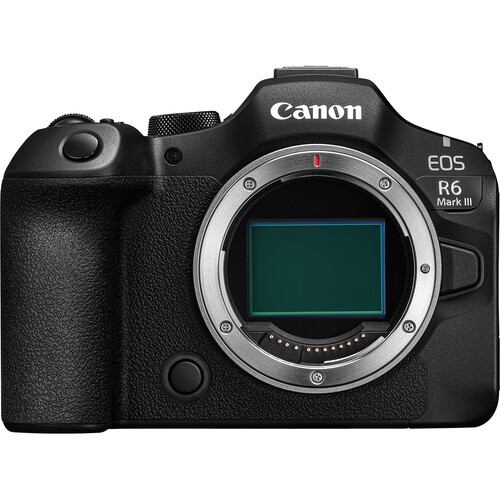
Sharp action shots take more than focusing speed
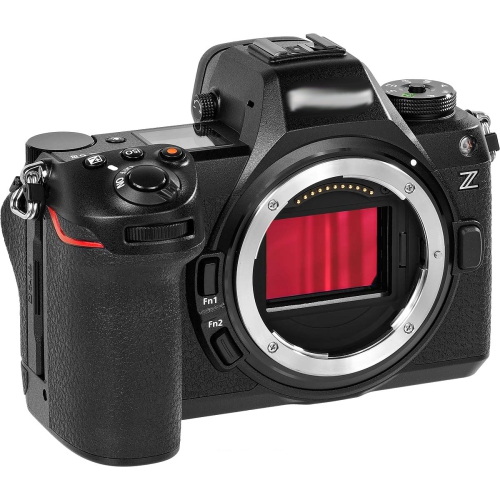
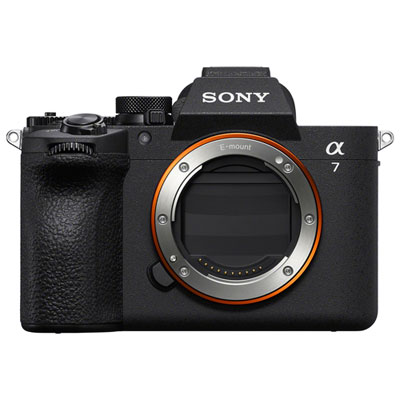
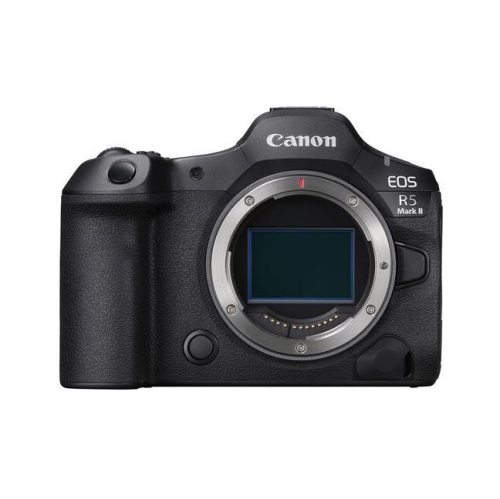
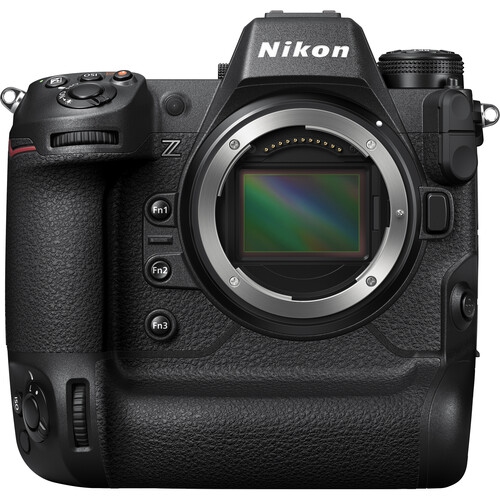
Cameras with fast autofocus help keep fleeting moments sharp, from a basketball player driving towards the net to a dog sprinting across a park or a child turning towards the camera. Their appeal lies in both speed and consistency: acquiring focus quickly matters, but so does maintaining it as a subject moves closer, changes direction, or passes behind an obstacle. Autofocus performance depends on the camera’s focusing system, processing capabilities, settings, and lens, as well as the light and contrast in the scene. Phase-detection autofocus can determine which direction to adjust focus and approximately how far, making it particularly useful for moving subjects. Contrast-detection autofocus evaluates image contrast to establish focus and can be highly precise, though performance varies by implementation. Hybrid systems combine these approaches. Across these technologies, broad autofocus coverage gives photographers more freedom to place a subject away from the centre of the frame without losing tracking support. Face and eye detection can help place focus where it matters in portraits, while subject-detection modes on compatible cameras may identify animals, birds, or certain vehicles. Detection is not a guarantee of a sharp image, however; a subject’s size in the frame, obstructions, and the selected tracking mode still influence results. For sports and wildlife photography, continuous autofocus is especially relevant because it keeps adjusting focus while the subject moves. For family gatherings, performances, and candid portraits, dependable eye tracking can be just as valuable as outright focusing speed. A camera that follows a face as someone leans forward or turns sideways can reduce the need to reposition a focus point between shots. Beginners may appreciate straightforward subject selection and responsive touchscreen focusing, while experienced photographers often value customizable focus areas and tracking controls. The most useful combination is one that responds reliably to the intended subject and remains comfortable to operate when there is little time to adjust settings.
Fast autofocus and fast shutter speed serve different purposes, even though they often work together. Autofocus establishes the plane of sharp focus; shutter speed controls how long light is captured for an exposure and affects how much subject movement appears as blur. A camera can focus accurately on a runner yet produce a blurred photograph if the exposure is too long. Conversely, a very short exposure can freeze movement while leaving the runner soft if focus lands on the background. For a closer look at the other half of capturing action, digital cameras with fast shutter speed offer a related selection. Burst shooting adds another consideration: a high frame rate provides more moments to choose from, but its value depends partly on whether continuous autofocus remains active at that rate. Some shooting modes impose limits on focus tracking, exposure adjustment, or image quality, so maximum burst speed alone does not describe real-world performance. Buffer capacity and memory card compatibility also affect how long a camera can sustain a sequence before slowing down. Lens choice is equally important. A responsive focusing motor and a suitable focal length help the camera follow the action, whether that means a wider view of children playing nearby or tighter framing of a bird across a pond. With interchangeable-lens cameras, autofocus behaviour can vary between lenses, and adapted lenses may not support every focusing feature. A lens with a wide maximum aperture can admit more light, but using that aperture also reduces depth of field, making precise focus placement more important. In dim interiors, low-light autofocus capability can help, although published sensitivity figures depend on specified test conditions and do not guarantee identical results with every lens. Image stabilization can reduce blur from camera shake, especially with longer lenses, but it does not stop a moving subject. Together, these distinctions explain why dependable action photography comes from a balanced camera-and-lens combination rather than a single headline specification.
For video, fast autofocus is most useful when it is also controlled and predictable. A presenter stepping towards the lens, a dancer crossing the frame, or a pet moving between furniture calls for tracking that holds the intended subject without repeatedly shifting to the background. Adjustable autofocus transition speed can make a change between subjects feel gradual rather than abrupt, while tracking sensitivity settings may help the camera stay with a person when someone briefly crosses in front. Touch-to-focus controls and an articulating screen can make subject selection easier for solo filming, particularly when the camera sits on a tripod. Quiet lens operation is another practical consideration when sound is captured close to the camera. Beyond focusing specifications, body size, grip shape, and control placement affect how naturally a camera fits into everyday use. A deeper grip may feel more secure with a long lens, while a smaller body and compact lens can be easier to carry for walks, travel, or family outings. Mirrorless cameras, DSLRs, and compact digital cameras differ in size and operation, and autofocus capabilities vary substantially within each type. Viewfinder clarity, screen visibility, and accessible focus controls can matter as much as body dimensions when following unpredictable movement. Construction also deserves attention: reinforced composite bodies can keep weight manageable, while metal-alloy construction may provide added rigidity, depending on the design. No body material makes a camera immune to impact, so a supportive strap and padded bag remain useful companions. Routine care includes removing loose grit with appropriate cleaning tools, wiping the exterior with a soft cloth, and using lens-safe materials on optical surfaces. Keeping caps in place during storage and limiting dust exposure when changing lenses can help protect the equipment; sensor cleaning should follow the manufacturer’s recommendations. Spare batteries and compatible memory cards support longer sessions without changing the camera’s focusing ability. As gifts, cameras with responsive autofocus can suit aspiring sports photographers, wildlife enthusiasts, parents documenting busy family life, or creators who film themselves. Compatibility with an existing lens collection, comfortable handling, and straightforward controls help make that gift useful well beyond the first outing.
Fast autofocus and fast shutter speed serve different purposes, even though they often work together. Autofocus establishes the plane of sharp focus; shutter speed controls how long light is captured for an exposure and affects how much subject movement appears as blur. A camera can focus accurately on a runner yet produce a blurred photograph if the exposure is too long. Conversely, a very short exposure can freeze movement while leaving the runner soft if focus lands on the background. For a closer look at the other half of capturing action, digital cameras with fast shutter speed offer a related selection. Burst shooting adds another consideration: a high frame rate provides more moments to choose from, but its value depends partly on whether continuous autofocus remains active at that rate. Some shooting modes impose limits on focus tracking, exposure adjustment, or image quality, so maximum burst speed alone does not describe real-world performance. Buffer capacity and memory card compatibility also affect how long a camera can sustain a sequence before slowing down. Lens choice is equally important. A responsive focusing motor and a suitable focal length help the camera follow the action, whether that means a wider view of children playing nearby or tighter framing of a bird across a pond. With interchangeable-lens cameras, autofocus behaviour can vary between lenses, and adapted lenses may not support every focusing feature. A lens with a wide maximum aperture can admit more light, but using that aperture also reduces depth of field, making precise focus placement more important. In dim interiors, low-light autofocus capability can help, although published sensitivity figures depend on specified test conditions and do not guarantee identical results with every lens. Image stabilization can reduce blur from camera shake, especially with longer lenses, but it does not stop a moving subject. Together, these distinctions explain why dependable action photography comes from a balanced camera-and-lens combination rather than a single headline specification.
For video, fast autofocus is most useful when it is also controlled and predictable. A presenter stepping towards the lens, a dancer crossing the frame, or a pet moving between furniture calls for tracking that holds the intended subject without repeatedly shifting to the background. Adjustable autofocus transition speed can make a change between subjects feel gradual rather than abrupt, while tracking sensitivity settings may help the camera stay with a person when someone briefly crosses in front. Touch-to-focus controls and an articulating screen can make subject selection easier for solo filming, particularly when the camera sits on a tripod. Quiet lens operation is another practical consideration when sound is captured close to the camera. Beyond focusing specifications, body size, grip shape, and control placement affect how naturally a camera fits into everyday use. A deeper grip may feel more secure with a long lens, while a smaller body and compact lens can be easier to carry for walks, travel, or family outings. Mirrorless cameras, DSLRs, and compact digital cameras differ in size and operation, and autofocus capabilities vary substantially within each type. Viewfinder clarity, screen visibility, and accessible focus controls can matter as much as body dimensions when following unpredictable movement. Construction also deserves attention: reinforced composite bodies can keep weight manageable, while metal-alloy construction may provide added rigidity, depending on the design. No body material makes a camera immune to impact, so a supportive strap and padded bag remain useful companions. Routine care includes removing loose grit with appropriate cleaning tools, wiping the exterior with a soft cloth, and using lens-safe materials on optical surfaces. Keeping caps in place during storage and limiting dust exposure when changing lenses can help protect the equipment; sensor cleaning should follow the manufacturer’s recommendations. Spare batteries and compatible memory cards support longer sessions without changing the camera’s focusing ability. As gifts, cameras with responsive autofocus can suit aspiring sports photographers, wildlife enthusiasts, parents documenting busy family life, or creators who film themselves. Compatibility with an existing lens collection, comfortable handling, and straightforward controls help make that gift useful well beyond the first outing.
Top selling and popular products
-
 Your price for this item is $1899.99
 -
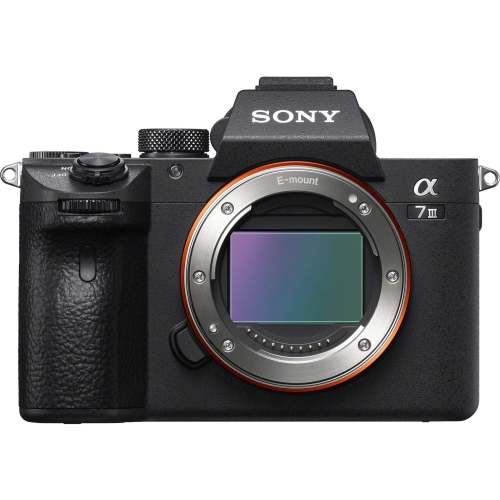 Your price for this item is $1899
 -
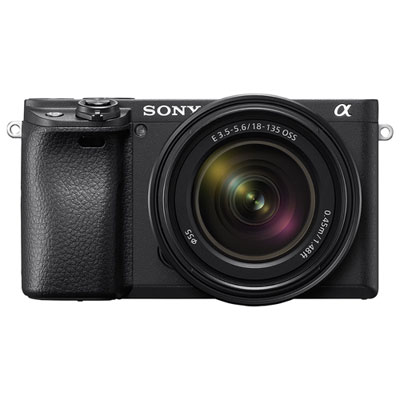 Your price for this item is $1749.99
 -
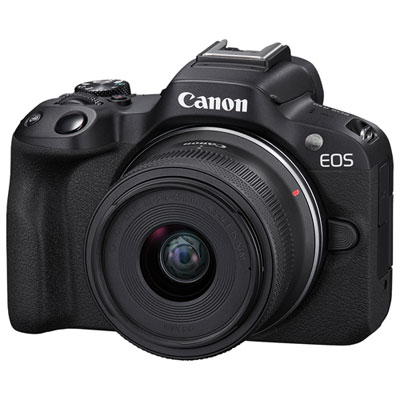 Your price for this item is $999.99
 -
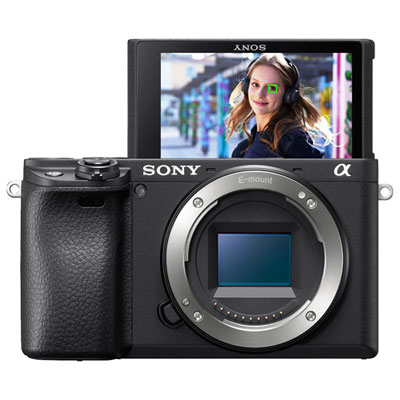 Your price for this item is $1249.99
 -
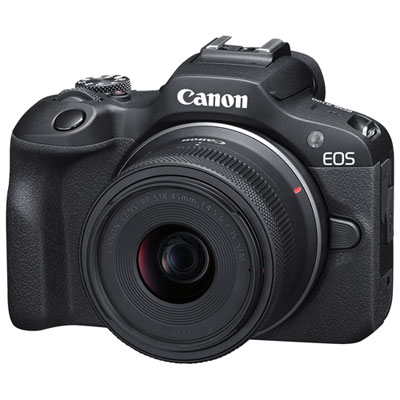 Your price for this item is $749.99
 -
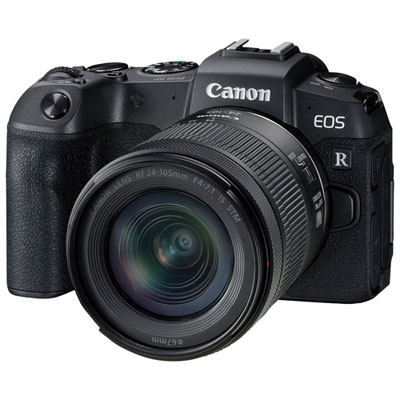 Your price for this item is $1499.99
 -
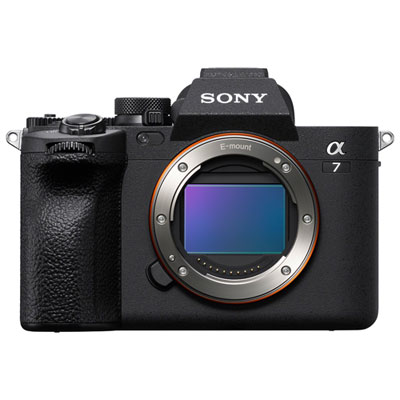 Your price for this item is $2699.99
Discover more categories related to Cameras With Fast Autofocus
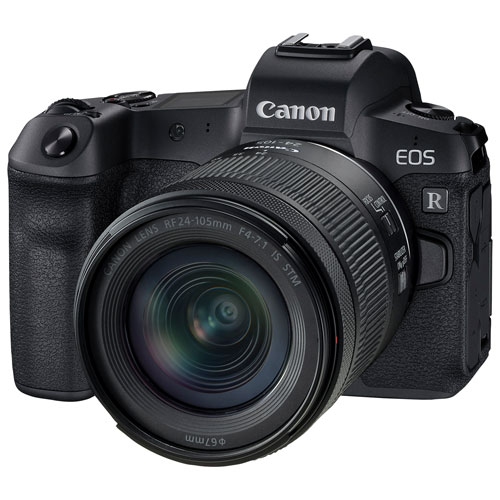
Top Collections:
Pokemon Centers, Kindle Devices, Best Budget Office Chairs, Apple iPhones 16, Best Laptops for Writers, iPhone 15 Apple, Canon G7X Cameras, Refurbished Apple Laptops, Alarm Clock, Motorola Razr Phones
Some products may be subject to Environmental Handling Fees
(EHF) depending on your province.
Learn more about EHFs.