Drones for Boys
Looking for the perfect drone to spark your little boy's imagination? Look no further than our selection of drones specifically curated with boys in mind. Whether they dream of soaring through the skies or capturing epic aerial shots, our range of drones for boys is sure to deliver endless hours of excitement and adventure. From beginner-friendly models to advanced options, we have something to suit every skill level and budget. Get ready to elevate playtime to new heights with the coolest drones for boys available at Best Buy Canada.
Sort

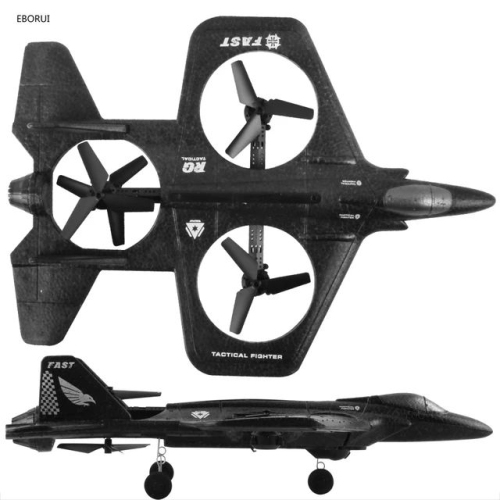
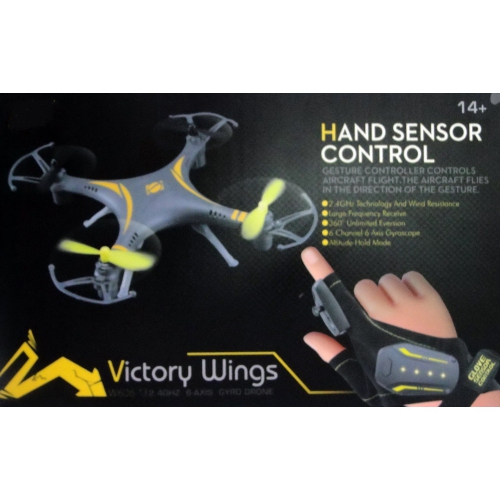
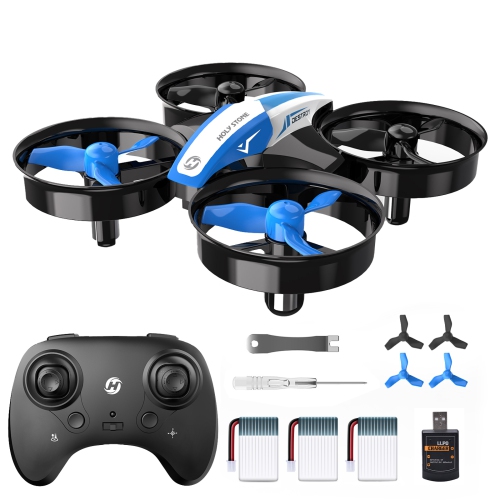
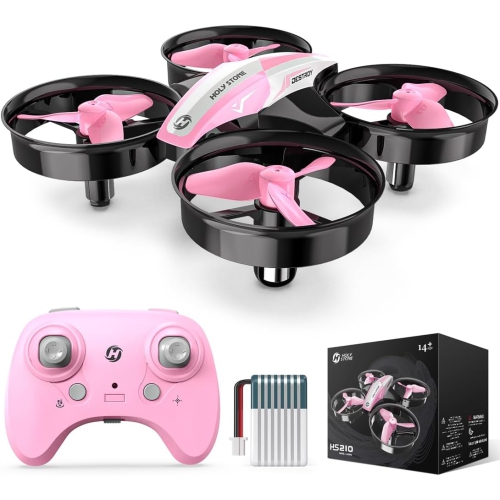
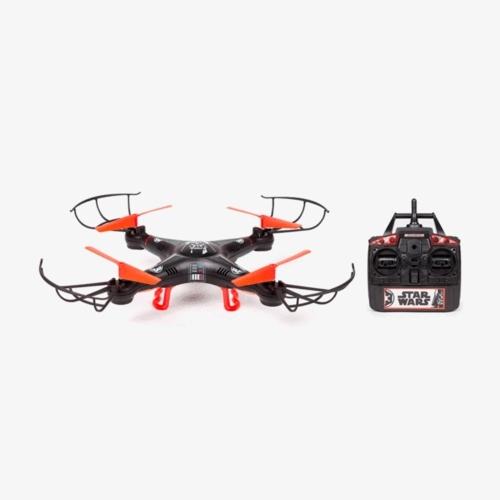
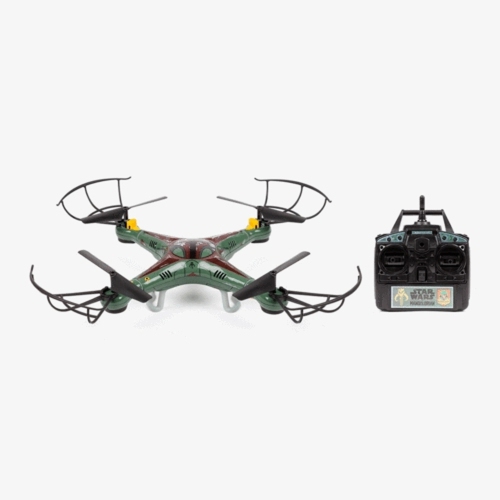

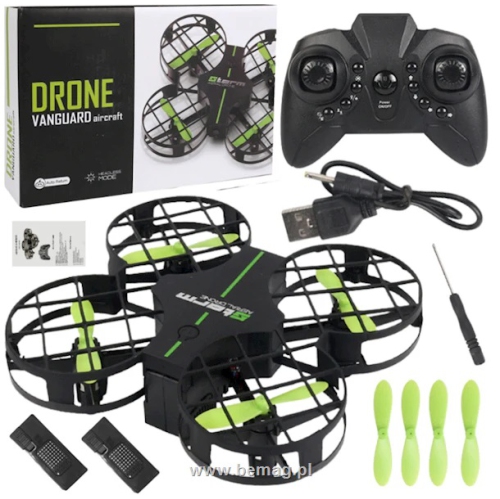
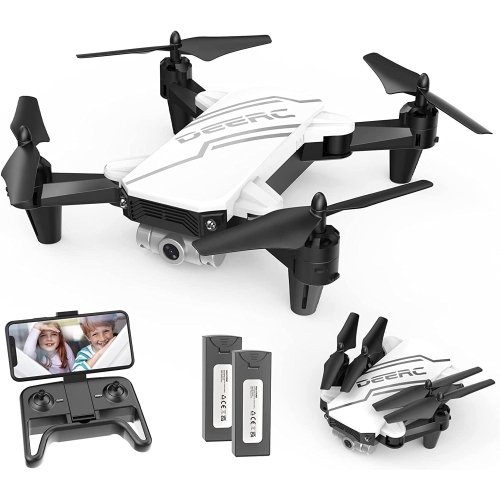

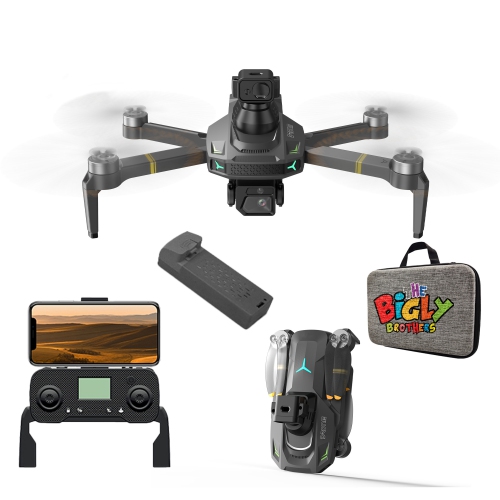
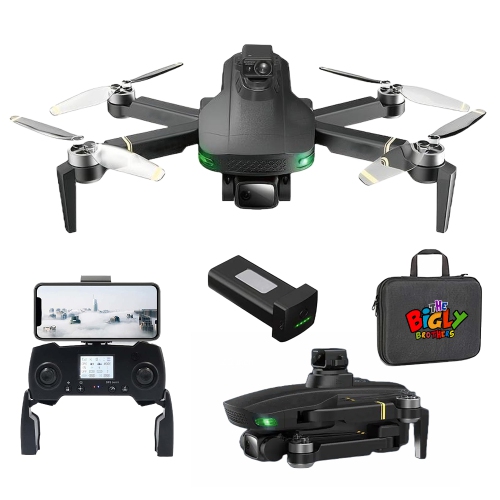
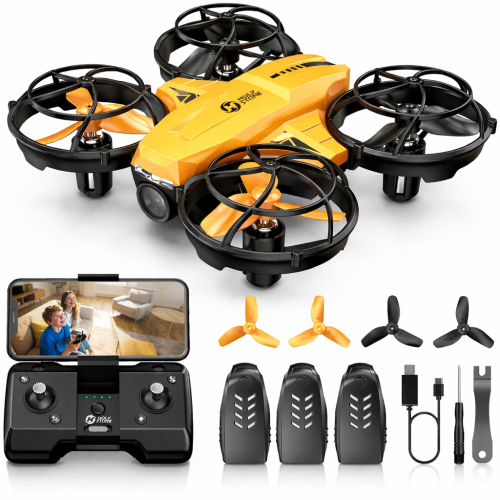
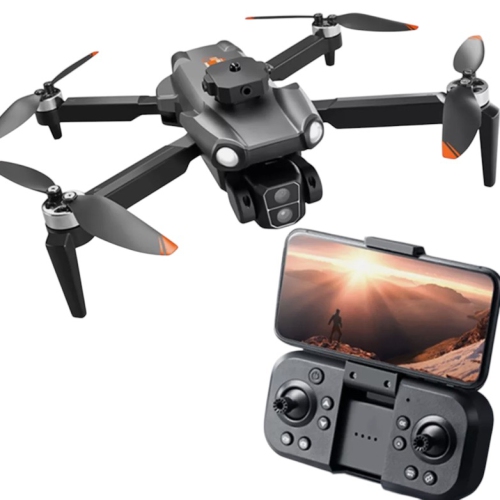
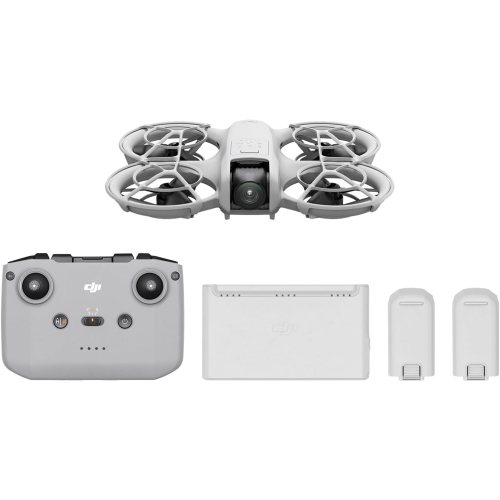
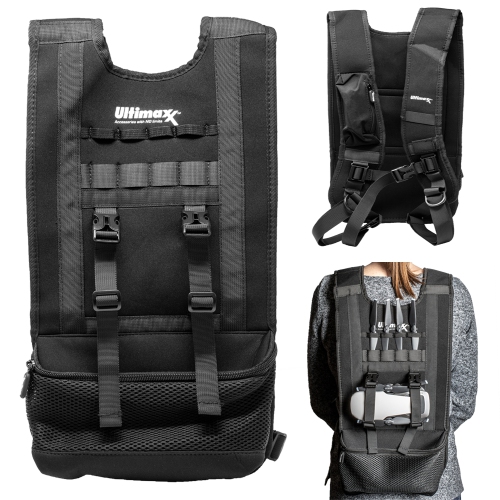
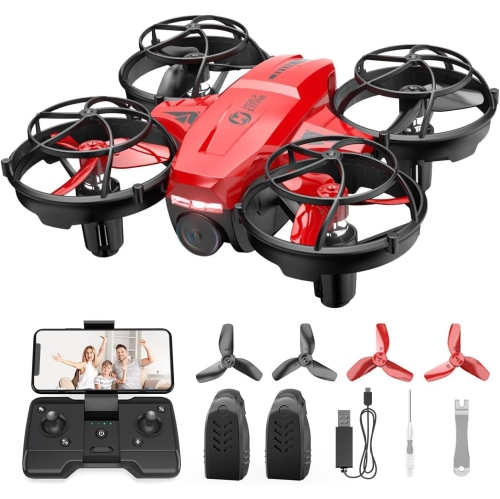

From first indoor flights to creative camera shots
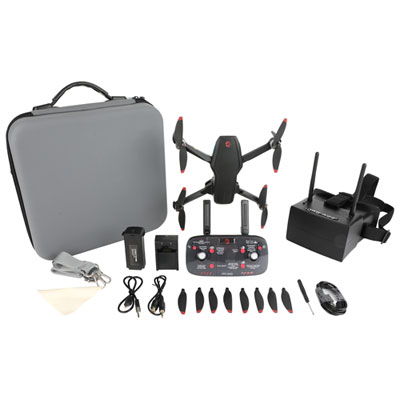
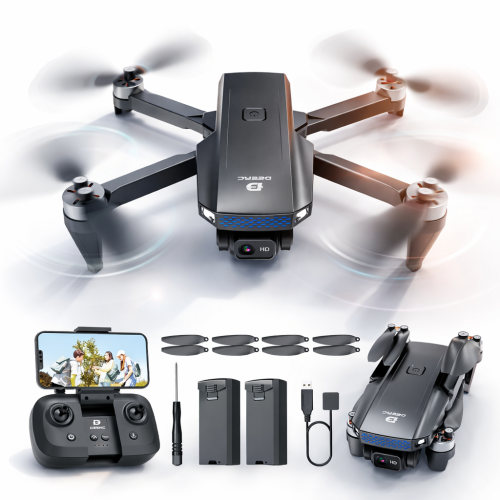
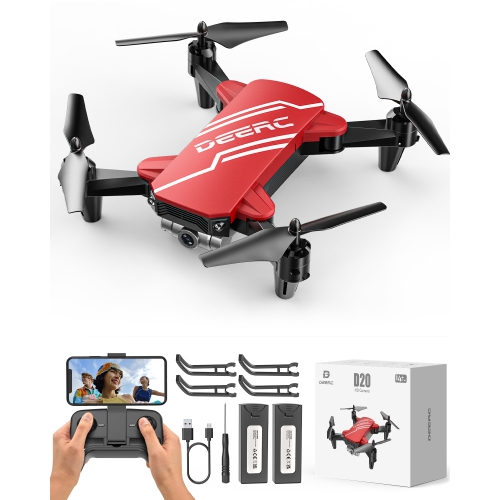
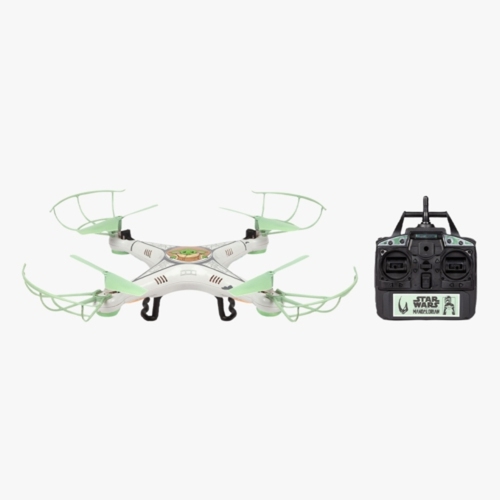
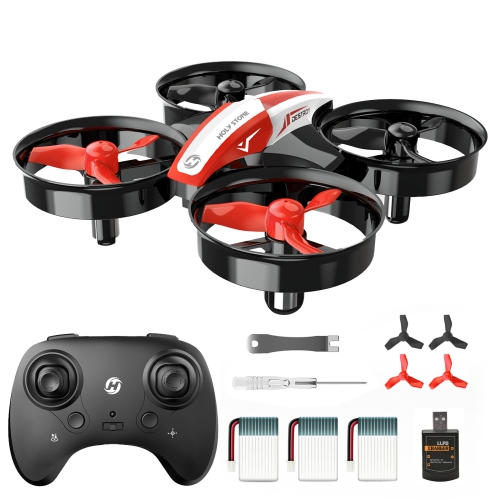
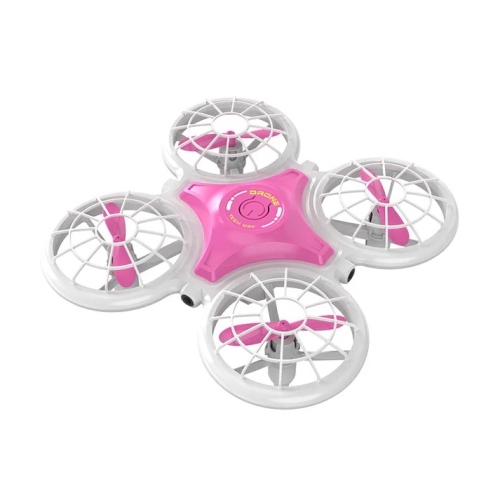
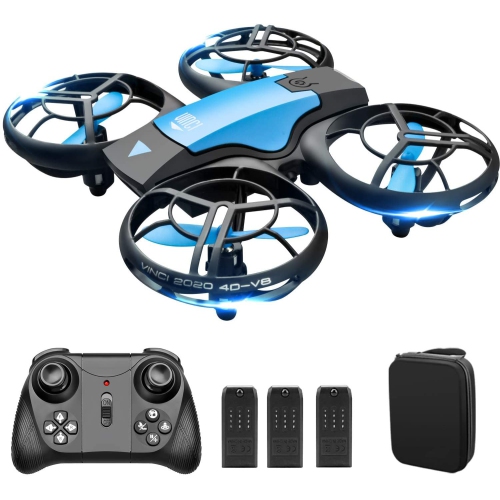
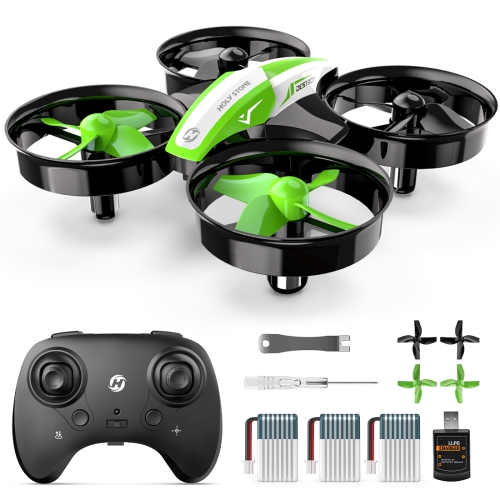
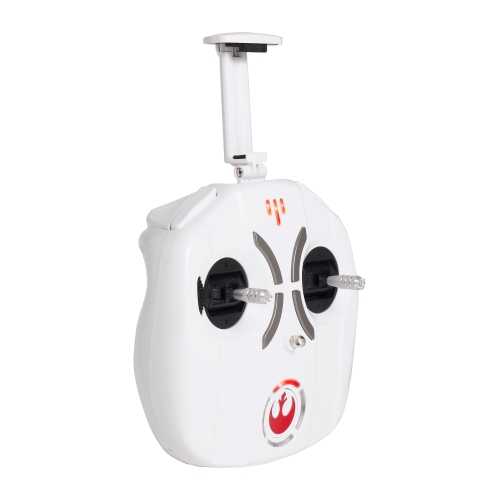
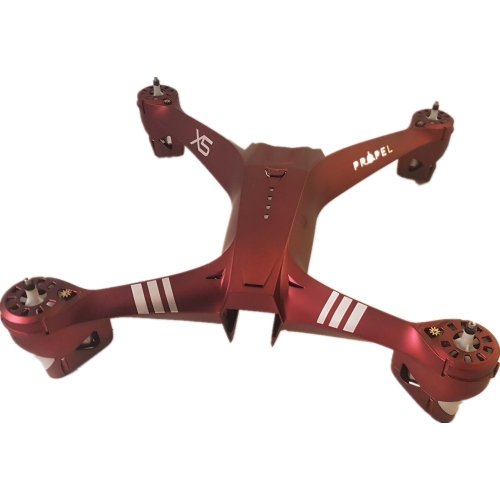
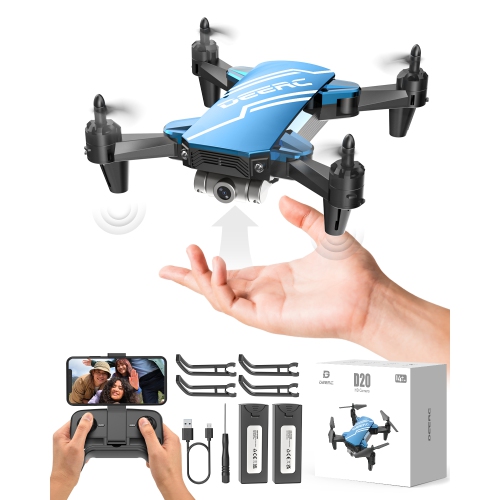
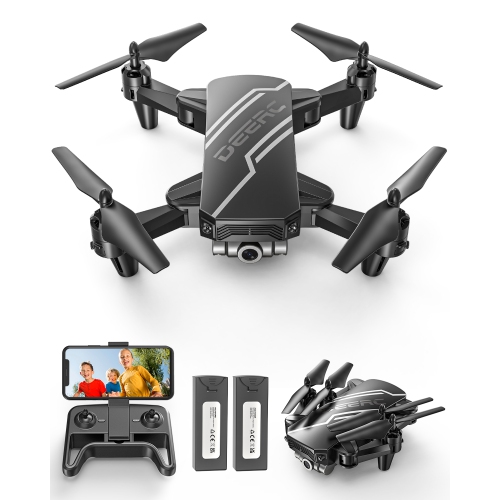
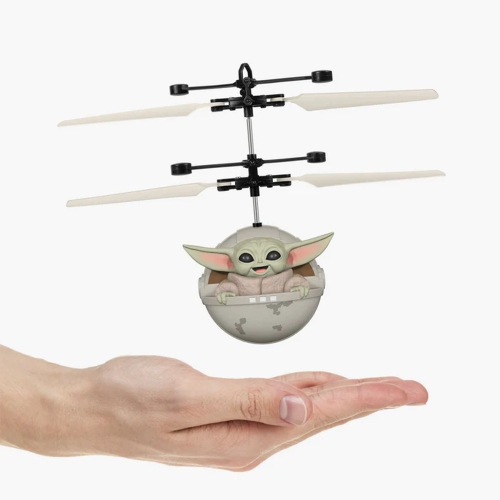
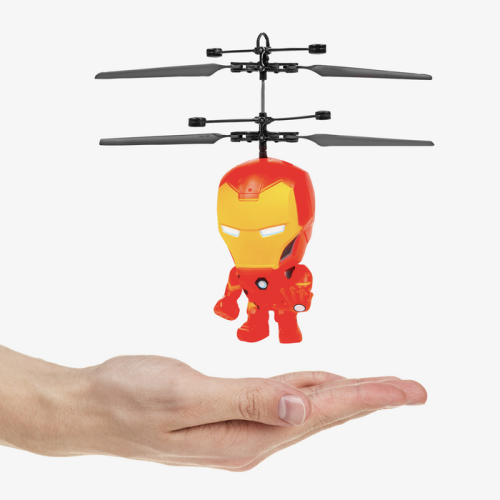
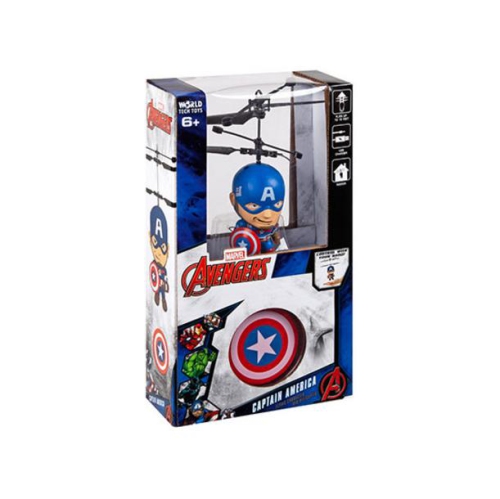
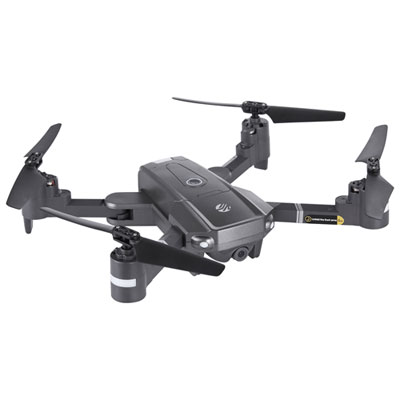
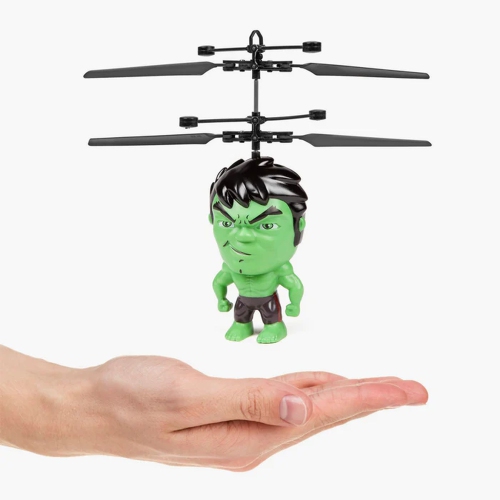
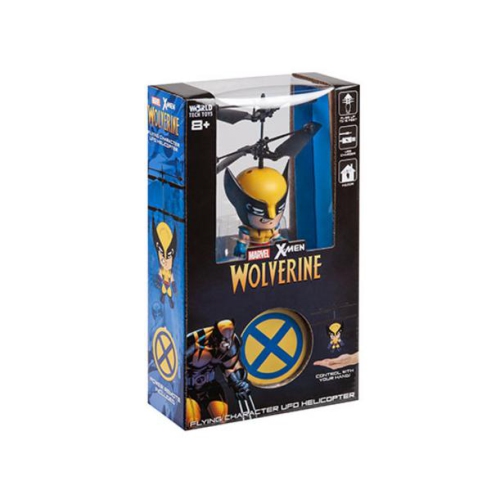
Drones for boys bring hands-on flying, imaginative play, and an introduction to aerial photography into a hobby that can grow with a child’s interests. A small indoor drone suits the excitement of lifting off, hovering above a clear floor, and making a controlled landing, while an outdoor camera drone can appeal to an older child or teen interested in landscapes, technology, or filmmaking. For beginners, useful features include protective propeller guards, altitude hold, adjustable speed settings, and straightforward takeoff and landing controls. Propeller guards help limit contact with spinning blades and soften minor bumps, although they do not make a drone safe to catch or touch in flight. Altitude hold helps maintain a steady height so a new pilot can concentrate on steering, but some movement and correction may still be necessary. A lower speed setting gives a child more time to respond when the aircraft drifts towards a chair or turns farther than expected. Headless mode, where included, can simplify directional control by using an established orientation rather than requiring the pilot to follow the aircraft’s nose through every turn; how it operates depends on the model. These features can make early flights less frustrating without replacing practice or adult supervision. The best fit depends on the manufacturer’s age rating, the child’s patience and coordination, and where the drone will be flown—not simply its appearance or the number of tricks it can perform. A controller should sit comfortably in smaller hands, with sticks and buttons that are easy to reach without changing grip. Clear markings also help distinguish routine controls from emergency stop functions. Gesture-controlled drones offer a different style of play, using sensors to respond to nearby movement, but their operating limits and clearance requirements still matter. For a first drone, predictable handling and clearly explained controls often contribute more to an enjoyable afternoon than a long list of advanced functions.
Indoor and outdoor drones serve different purposes, and their size, construction, and flying space should work together. A compact, lightweight flyer with enclosed propellers can be suitable for an uncluttered indoor space when its instructions permit indoor use. Even a tiny aircraft needs room away from faces, pets, ceiling fans, delicate objects, and stairways. A carpeted landing area may soften an occasional tumble, but long fibres can catch in moving parts, making a flat landing mat a useful alternative. Outdoors, a small toy drone can be pushed off course by a breeze that barely moves a jacket sleeve. Wind limits are therefore an important part of intended use, particularly for lightweight aircraft. More capable outdoor drones may include positioning assistance or return-to-home functions, but these depend on factors such as signal reception, setup, and battery charge; they are not substitutes for keeping the aircraft in sight. Materials and frame design also affect everyday durability. Lightweight plastic shells keep weight down, flexible guards can absorb minor contact, and replaceable propellers make it easier to address normal wear. No frame is crash-proof, and a hard landing can damage a blade or motor even when the outer shell looks intact. Between flights, care involves checking for cracks, loose parts, trapped hair, and grit around the motors, with the battery disconnected before handling the propellers. Batteries need the specified charger, adult oversight, and storage according to the manufacturer’s directions. Advertised flight time generally reflects particular test conditions, so wind, manoeuvres, temperature, and camera use can shorten an outing. Removable batteries may extend a session when compatible spares are used correctly, but charging and cooling pauses remain part of the routine. During the cooler months, cold can reduce battery performance, and damp grass or melting snow can damage aircraft that are not rated for moisture exposure. A dry storage case with separate spaces for the controller, batteries, and spare blades helps protect components between outings.
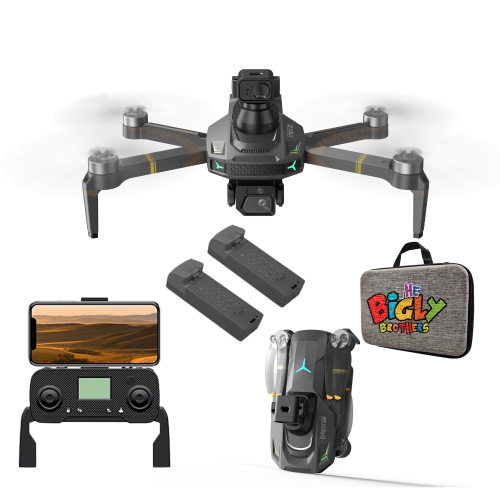
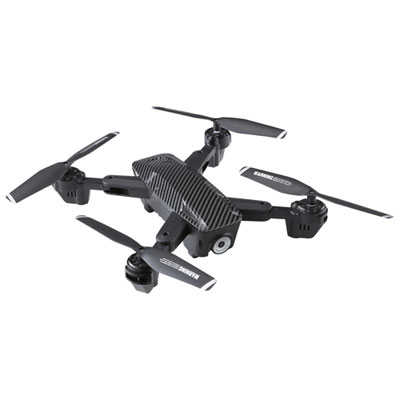
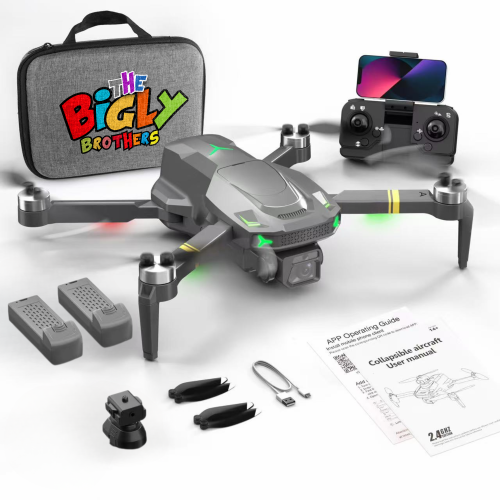
For older boys and teens, camera drones add another dimension: planning a shot, understanding perspective, and learning how smooth movements change the finished footage. A camera’s resolution is only one part of the picture. Stabilisation, vibration control, lighting, and the pilot’s handling all influence whether a sweeping view looks steady or shaky. A live view on a compatible phone can help with framing, while onboard storage, app requirements, and file-transfer options affect how easily footage moves from a flight to a creative project. Some camera drones need a phone mounted on the controller, so the combined size and weight should be manageable for the person using it. App compatibility and any account requirements are also worth considering when a drone is intended for a child who does not have a personal device. Features such as automated flight paths, obstacle sensing, or subject tracking vary widely and have limitations; a drone should never be assumed to detect every branch, wire, or moving object. Responsible outdoor flying includes respecting other people’s privacy, maintaining visual contact with the aircraft, and checking applicable Transport Canada requirements and local restrictions before takeoff. Rules can depend on the aircraft’s weight, the pilot’s age, the location, and the type of operation, and smaller drones are not exempt from the need to fly safely. As a gift, a drone is especially well suited to someone who enjoys building skills through repetition: holding a hover, tracing a wide square, then bringing the aircraft back to a designated landing spot. Shared flying time with a parent or another responsible adult can be as valuable as the aircraft itself, particularly during those first sessions. For households comparing presents for older recipients as well, Drone Gifts for Him offers a related gift theme. Whether the appeal is playful indoor manoeuvres or carefully framed outdoor footage, a well-matched drone balances the recipient’s experience, suitable flying space, practical care needs, and room to develop confidence at a comfortable pace.
Indoor and outdoor drones serve different purposes, and their size, construction, and flying space should work together. A compact, lightweight flyer with enclosed propellers can be suitable for an uncluttered indoor space when its instructions permit indoor use. Even a tiny aircraft needs room away from faces, pets, ceiling fans, delicate objects, and stairways. A carpeted landing area may soften an occasional tumble, but long fibres can catch in moving parts, making a flat landing mat a useful alternative. Outdoors, a small toy drone can be pushed off course by a breeze that barely moves a jacket sleeve. Wind limits are therefore an important part of intended use, particularly for lightweight aircraft. More capable outdoor drones may include positioning assistance or return-to-home functions, but these depend on factors such as signal reception, setup, and battery charge; they are not substitutes for keeping the aircraft in sight. Materials and frame design also affect everyday durability. Lightweight plastic shells keep weight down, flexible guards can absorb minor contact, and replaceable propellers make it easier to address normal wear. No frame is crash-proof, and a hard landing can damage a blade or motor even when the outer shell looks intact. Between flights, care involves checking for cracks, loose parts, trapped hair, and grit around the motors, with the battery disconnected before handling the propellers. Batteries need the specified charger, adult oversight, and storage according to the manufacturer’s directions. Advertised flight time generally reflects particular test conditions, so wind, manoeuvres, temperature, and camera use can shorten an outing. Removable batteries may extend a session when compatible spares are used correctly, but charging and cooling pauses remain part of the routine. During the cooler months, cold can reduce battery performance, and damp grass or melting snow can damage aircraft that are not rated for moisture exposure. A dry storage case with separate spaces for the controller, batteries, and spare blades helps protect components between outings.
For older boys and teens, camera drones add another dimension: planning a shot, understanding perspective, and learning how smooth movements change the finished footage. A camera’s resolution is only one part of the picture. Stabilisation, vibration control, lighting, and the pilot’s handling all influence whether a sweeping view looks steady or shaky. A live view on a compatible phone can help with framing, while onboard storage, app requirements, and file-transfer options affect how easily footage moves from a flight to a creative project. Some camera drones need a phone mounted on the controller, so the combined size and weight should be manageable for the person using it. App compatibility and any account requirements are also worth considering when a drone is intended for a child who does not have a personal device. Features such as automated flight paths, obstacle sensing, or subject tracking vary widely and have limitations; a drone should never be assumed to detect every branch, wire, or moving object. Responsible outdoor flying includes respecting other people’s privacy, maintaining visual contact with the aircraft, and checking applicable Transport Canada requirements and local restrictions before takeoff. Rules can depend on the aircraft’s weight, the pilot’s age, the location, and the type of operation, and smaller drones are not exempt from the need to fly safely. As a gift, a drone is especially well suited to someone who enjoys building skills through repetition: holding a hover, tracing a wide square, then bringing the aircraft back to a designated landing spot. Shared flying time with a parent or another responsible adult can be as valuable as the aircraft itself, particularly during those first sessions. For households comparing presents for older recipients as well, Drone Gifts for Him offers a related gift theme. Whether the appeal is playful indoor manoeuvres or carefully framed outdoor footage, a well-matched drone balances the recipient’s experience, suitable flying space, practical care needs, and room to develop confidence at a comfortable pace.
Top selling and popular products
-
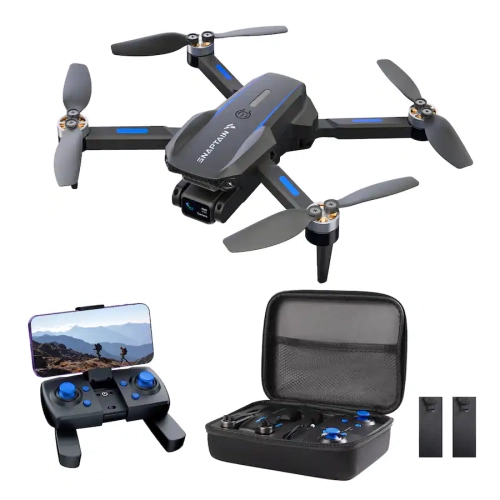 Your price for this item is $109.98
 -
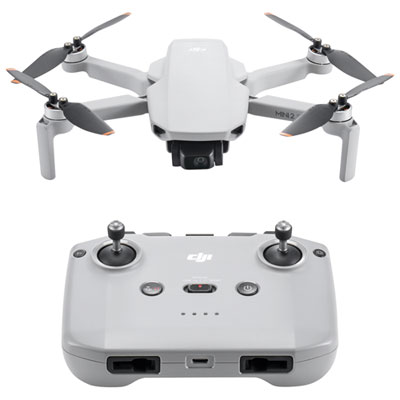 Your price for this item is $359.99
 -
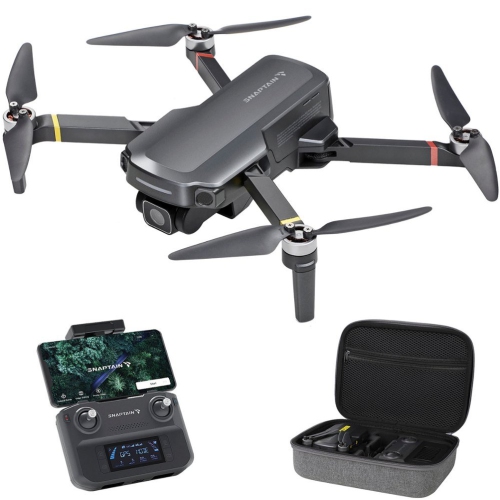 Your price for this item is $279.9
 -
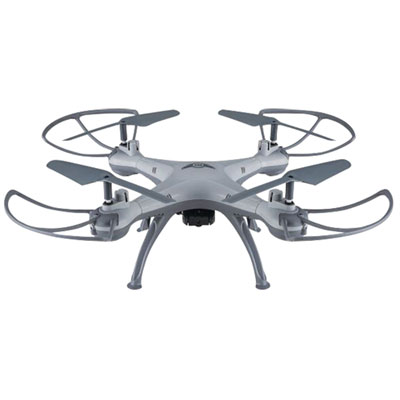 Your price for this item is $49.99
 -
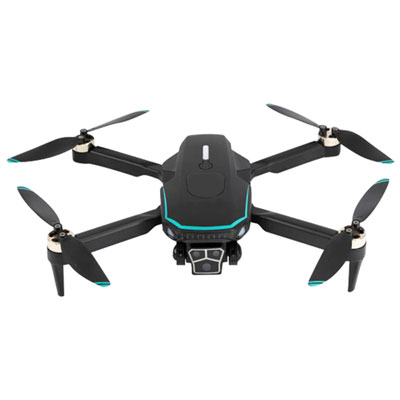 Your price for this item is $79.99
 -
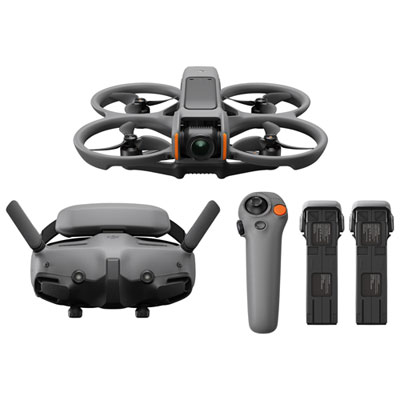 Your price for this item is $1279.99
 -
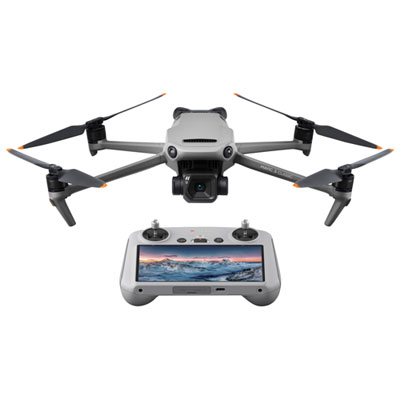 Your price for this item is $1759.99
 -
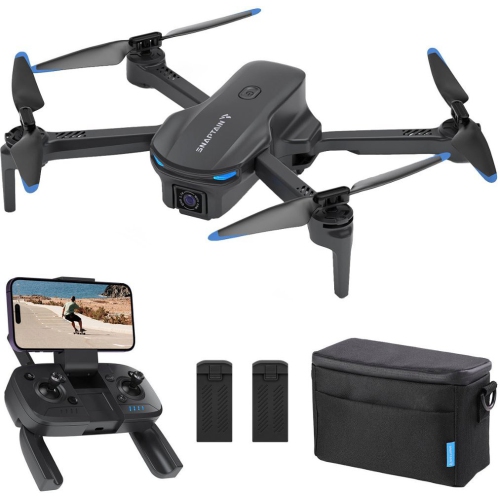 Your price for this item is $189.9
Discover more categories related to Drones for Boys
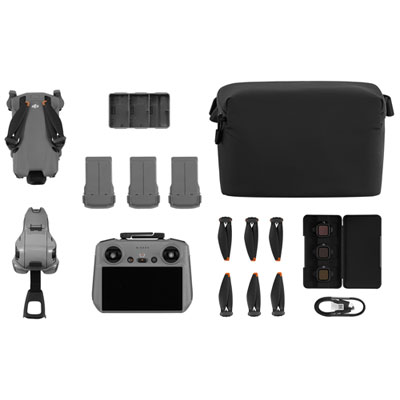
Top Collections:
Pokemon Centers, Kindle Devices, Best Budget Office Chairs, Apple iPhones 16, Best Laptops for Writers, iPhone 15 Apple, Canon G7X Cameras, Refurbished Apple Laptops, Alarm Clock, Motorola Razr Phones
Some products may be subject to Environmental Handling Fees
(EHF) depending on your province.
Learn more about EHFs.