Cameras Like Go Pro
If you're looking for a new camera to capture your adventures, look no further. These action cameras are designed to be rugged and durable, so they can withstand the elements and keep recording even if something goes wrong. They're also compact enough to fit in a backpack or purse, so you can always bring them with you on your next adventure.
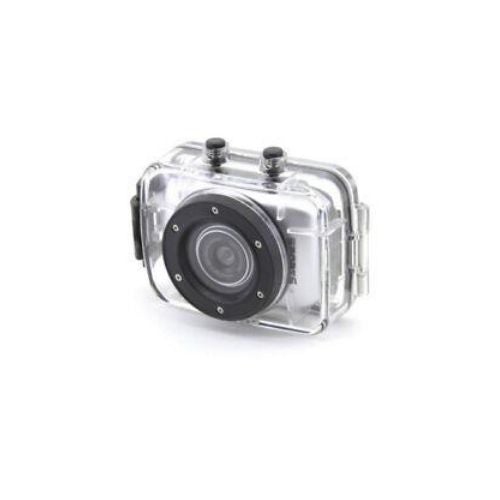
Why action camera performance goes beyond video resolution
Action cameras are compact, mountable cameras designed to capture video and photos while the person using them is moving. Their small bodies, wide-angle lenses, and hands-free mounting options make them well suited to cycling, paddling, skateboarding, travel, and everyday activities where holding a larger camera would be awkward. Shoppers exploring alternatives to GoPro Cameras will find that the most useful comparisons go beyond video resolution: image stabilization, lens coverage, audio, mounting compatibility, and ease of operation all shape the finished footage. A traditional action camera captures the view directly in front of its lens, making it a practical choice for a handlebar-mounted trail video or a chest-level view of a climbing route. A 360-degree action camera captures surrounding views through multiple lenses, allowing compatible software to turn that footage into a conventional video with framing chosen after filming. This can be helpful when the interesting moment happens beside the rider rather than straight ahead, although it adds editing time and requires extra care around exposed lenses. Some compact cameras have front-facing displays for checking composition while speaking to the lens, while others use tilting screens to make low-angle shots easier to frame. Touchscreens offer a familiar way to adjust settings, but physical buttons can be more practical when quick operation matters. Size and weight also affect how comfortably a camera sits on a strap or approved mount over a long session. For a traveller, a small camera can capture a walking tour without occupying much bag space; for a musician, it can provide a wide view of a rehearsal from a secure stand. These cameras also make thoughtful gifts for active family members, hobby filmmakers, and people who enjoy documenting a skill as it develops. The best match depends less on the most elaborate feature list than on how naturally the camera fits into the recipient’s activities and editing habits.
Video quality comes from a combination of resolution, frame rate, sensor performance, lens design, and processing. A 4K setting can preserve detail in scenery and give some flexibility for cropping, but a higher resolution does not automatically produce clearer footage in every situation. A larger sensor can help with image quality in dim interiors, while exposure control and processing influence how well a camera handles a bright doorway behind a person’s face. Higher frame rates can capture fast movement more smoothly and, when used with a suitable playback frame rate, create slow-motion clips of a skateboard trick or a dog clearing an agility jump. These settings can also require more light, consume storage faster, and shorten battery runtime. Electronic image stabilization reduces visible shake by adjusting the captured image, usually with some cropping; its effectiveness and available settings vary by camera and recording mode. Horizon levelling can help keep the scene steady when a mount tilts, though the supported correction range is worth checking. Field of view matters just as much. An especially wide view includes more of the surroundings and makes close-range action easier to capture, but it can stretch faces and straight lines near the edges. Where offered, a narrower or distortion-corrected view can look more natural for a conversation or a room tour. Sound deserves similar attention: built-in microphones are convenient, yet a camera mounted close to a rattling bracket may capture that vibration along with the action. Support for an external microphone can be useful for spoken commentary, provided the connection or adapter works with the camera and does not interfere with its housing. For anyone filming themselves, a clear front display and an obvious recording indicator can prevent missed takes. Companion apps may support live preview, wireless transfers, and quick edits over Wi-Fi or Bluetooth, depending on the model. App compatibility, phone storage, and the time needed to move large files are practical considerations for anyone hoping to share clips without a lengthy editing session.
Construction and accessories determine how confidently an action camera can be used away from a desk. Many designs combine rigid polymer bodies, glass lens covers, and seals around battery or connection doors, but resistance to impacts and water varies considerably. A rugged appearance is not a guarantee against damage, and a waterproof rating applies only under the manufacturer’s stated conditions. Some cameras can be submerged on their own within a specified depth and duration; others need a dedicated housing. That distinction matters for a swim session or a camera attached to a paddleboard, as does whether the required housing limits touchscreen access or affects sound. Mount fit should be equally specific. A secure attachment depends on compatible connectors, the shape of the mounting surface, and the intended activity, not simply whether the camera can be fastened in place. For cycling, helmet attachments should follow both helmet and mount manufacturers’ guidance and should never require altering protective equipment. A chest harness should sit firmly without restricting movement, while straps should remain clear of moving parts. Replaceable lens covers, where offered, can make routine wear easier to manage, and a protective case helps keep exposed glass from rubbing against keys or other gear in a bag. After use, cleaning should follow the manufacturer’s directions, particularly after contact with sand or salt water. Doors and seals need to be clean and fully dry before opening, and lenses are best handled with suitable cleaning materials rather than a shirt sleeve. Battery design also influences daily use: removable batteries allow a charged spare to be swapped in, whereas an integrated battery calls for a charging break or a supported power connection. Actual runtime changes with settings, screen use, wireless features, and recording duration. Memory cards should meet the camera’s stated capacity and speed requirements, especially for high-resolution or high-frame-rate footage. A card reader, organized file folders, and a separate backup location can make the moments captured on a ride or family outing much easier to keep, find, and enjoy.
Video quality comes from a combination of resolution, frame rate, sensor performance, lens design, and processing. A 4K setting can preserve detail in scenery and give some flexibility for cropping, but a higher resolution does not automatically produce clearer footage in every situation. A larger sensor can help with image quality in dim interiors, while exposure control and processing influence how well a camera handles a bright doorway behind a person’s face. Higher frame rates can capture fast movement more smoothly and, when used with a suitable playback frame rate, create slow-motion clips of a skateboard trick or a dog clearing an agility jump. These settings can also require more light, consume storage faster, and shorten battery runtime. Electronic image stabilization reduces visible shake by adjusting the captured image, usually with some cropping; its effectiveness and available settings vary by camera and recording mode. Horizon levelling can help keep the scene steady when a mount tilts, though the supported correction range is worth checking. Field of view matters just as much. An especially wide view includes more of the surroundings and makes close-range action easier to capture, but it can stretch faces and straight lines near the edges. Where offered, a narrower or distortion-corrected view can look more natural for a conversation or a room tour. Sound deserves similar attention: built-in microphones are convenient, yet a camera mounted close to a rattling bracket may capture that vibration along with the action. Support for an external microphone can be useful for spoken commentary, provided the connection or adapter works with the camera and does not interfere with its housing. For anyone filming themselves, a clear front display and an obvious recording indicator can prevent missed takes. Companion apps may support live preview, wireless transfers, and quick edits over Wi-Fi or Bluetooth, depending on the model. App compatibility, phone storage, and the time needed to move large files are practical considerations for anyone hoping to share clips without a lengthy editing session.
Construction and accessories determine how confidently an action camera can be used away from a desk. Many designs combine rigid polymer bodies, glass lens covers, and seals around battery or connection doors, but resistance to impacts and water varies considerably. A rugged appearance is not a guarantee against damage, and a waterproof rating applies only under the manufacturer’s stated conditions. Some cameras can be submerged on their own within a specified depth and duration; others need a dedicated housing. That distinction matters for a swim session or a camera attached to a paddleboard, as does whether the required housing limits touchscreen access or affects sound. Mount fit should be equally specific. A secure attachment depends on compatible connectors, the shape of the mounting surface, and the intended activity, not simply whether the camera can be fastened in place. For cycling, helmet attachments should follow both helmet and mount manufacturers’ guidance and should never require altering protective equipment. A chest harness should sit firmly without restricting movement, while straps should remain clear of moving parts. Replaceable lens covers, where offered, can make routine wear easier to manage, and a protective case helps keep exposed glass from rubbing against keys or other gear in a bag. After use, cleaning should follow the manufacturer’s directions, particularly after contact with sand or salt water. Doors and seals need to be clean and fully dry before opening, and lenses are best handled with suitable cleaning materials rather than a shirt sleeve. Battery design also influences daily use: removable batteries allow a charged spare to be swapped in, whereas an integrated battery calls for a charging break or a supported power connection. Actual runtime changes with settings, screen use, wireless features, and recording duration. Memory cards should meet the camera’s stated capacity and speed requirements, especially for high-resolution or high-frame-rate footage. A card reader, organized file folders, and a separate backup location can make the moments captured on a ride or family outing much easier to keep, find, and enjoy.
Top selling and popular products
-
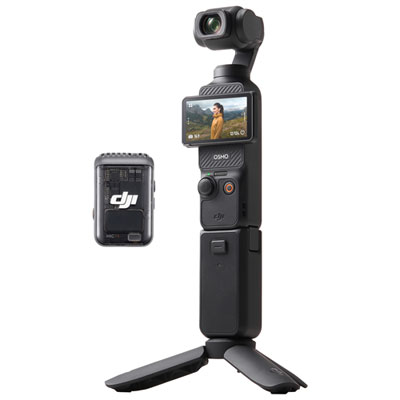 Your price for this item is $649.99
 -
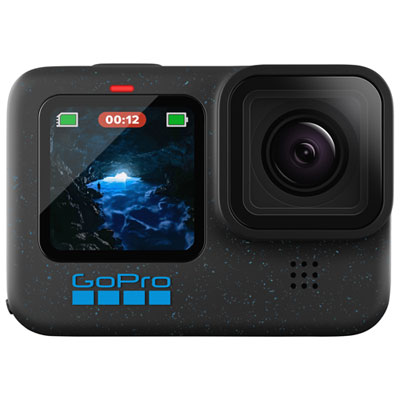 Your price for this item is $479.97
 -
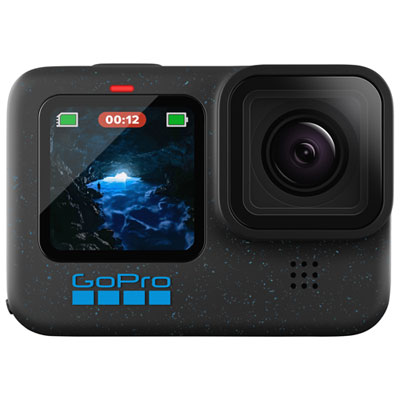 Your price for this item is $399.97
 -
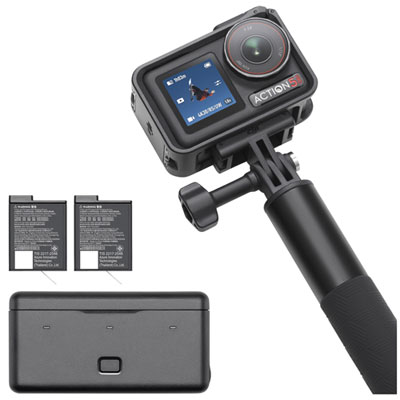 Your price for this item is $585.99
 -
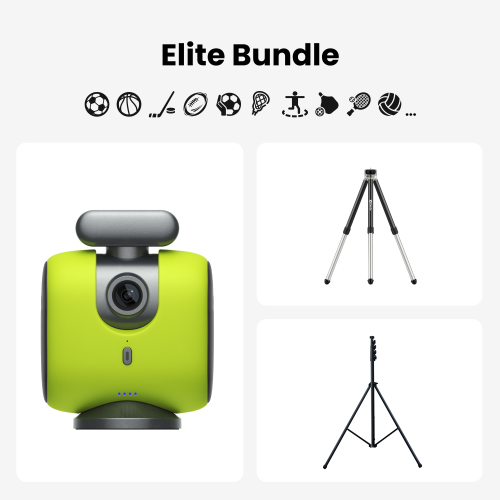 Your price for this item is $719.99
 -
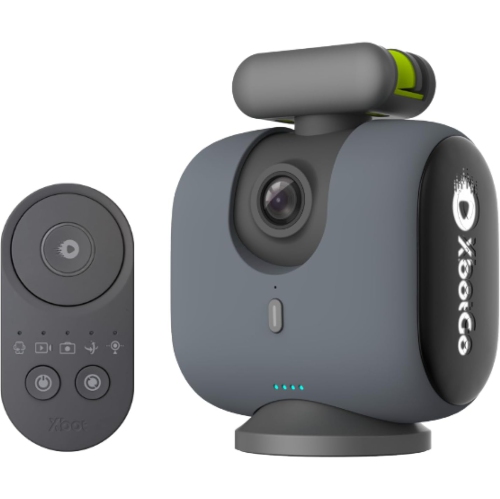 Your price for this item is $439.99
 -
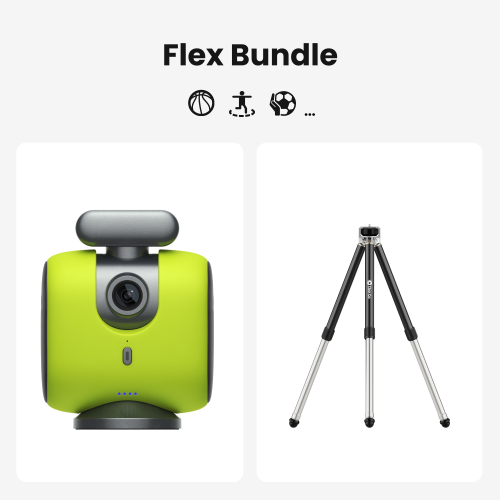 Your price for this item is $499.99
 -
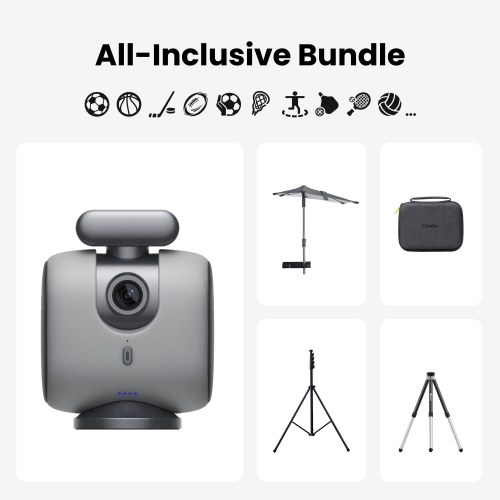 Your price for this item is $859.99
Discover more categories related to Cameras Like Go Pro
Top Collections:
Pokemon Centers, Kindle Devices, Best Budget Office Chairs, Apple iPhones 16, Best Laptops for Writers, iPhone 15 Apple, Canon G7X Cameras, Refurbished Apple Laptops, Alarm Clock, Motorola Razr Phones
Some products may be subject to Environmental Handling Fees
(EHF) depending on your province.
Learn more about EHFs.