Camping Hammocks
If you're going to be camping, you might as well do it in style. And if you're going to be doing it in style, you might as well have a little fun while you're at it. Camping hammocks are a great way to do both. They're comfortable, they're easy to use, and they'll make your camping trip more enjoyable. Plus, they're light enough to carry on your back if you need to hike to your campsite. So if you're looking for a new way to sleep in the great outdoors, check out these hammocks.
Sort
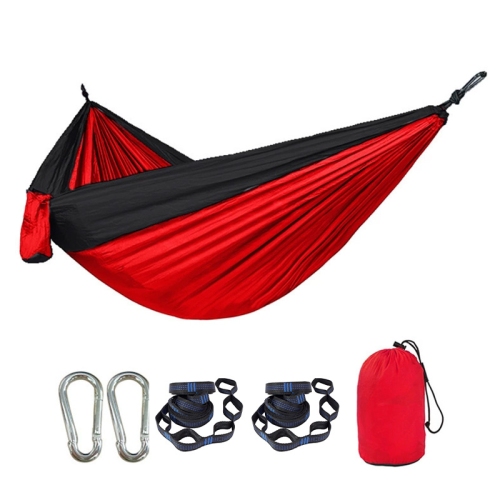
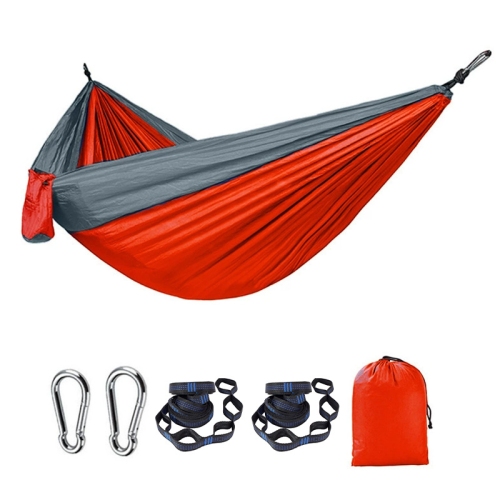

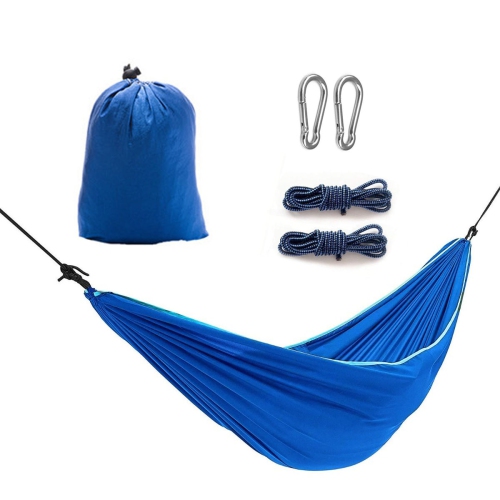
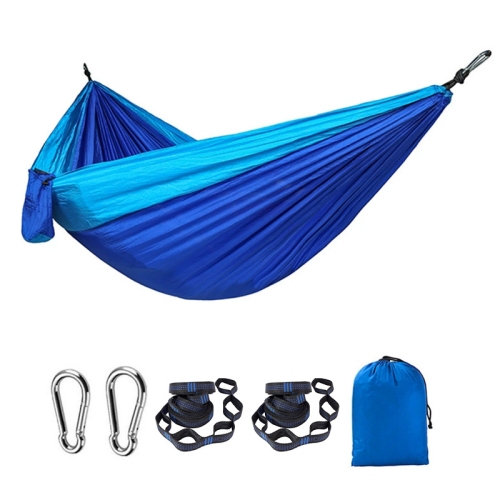

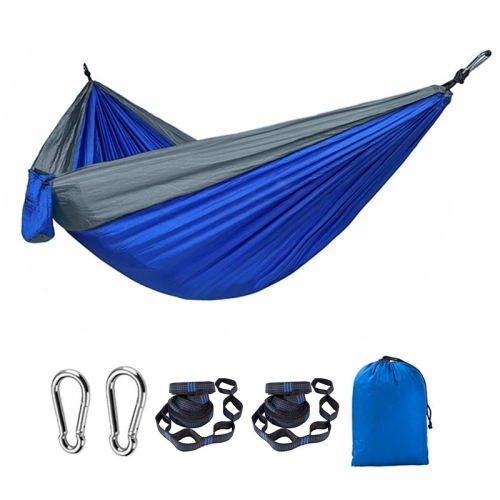
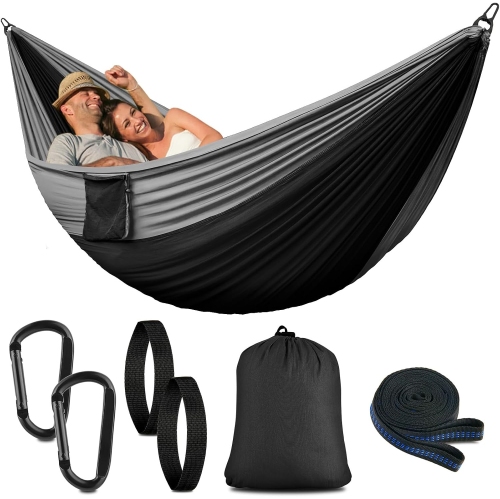
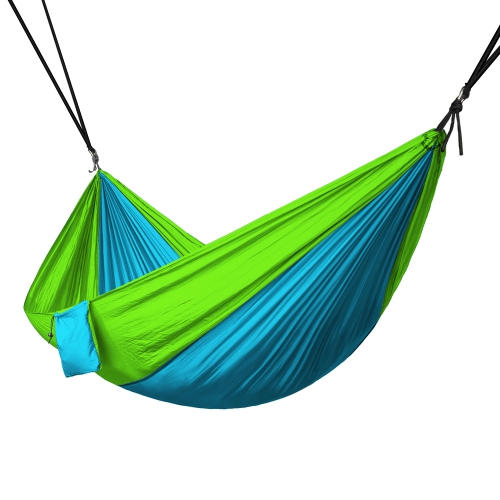
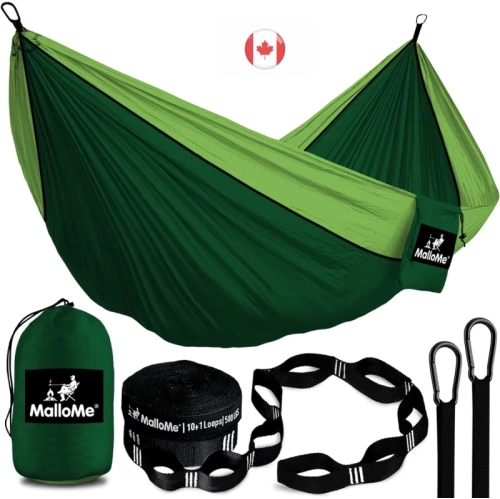
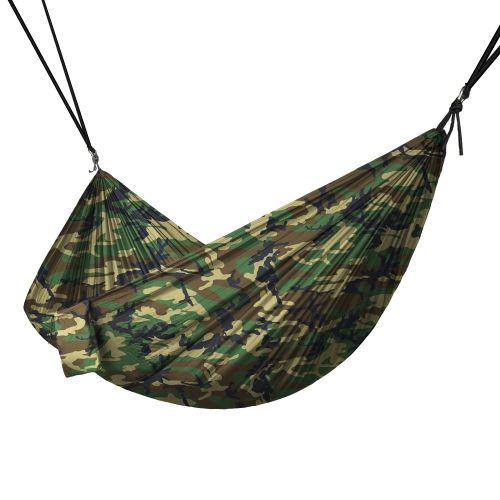
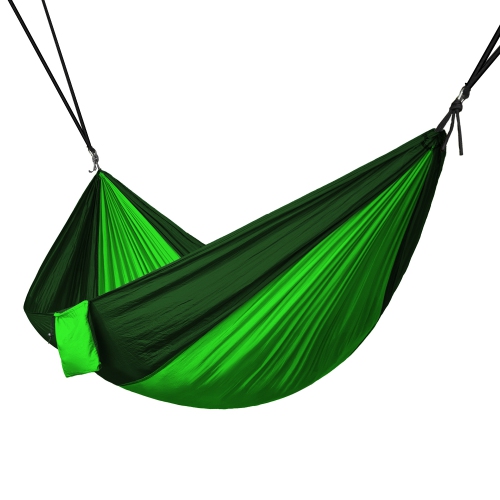
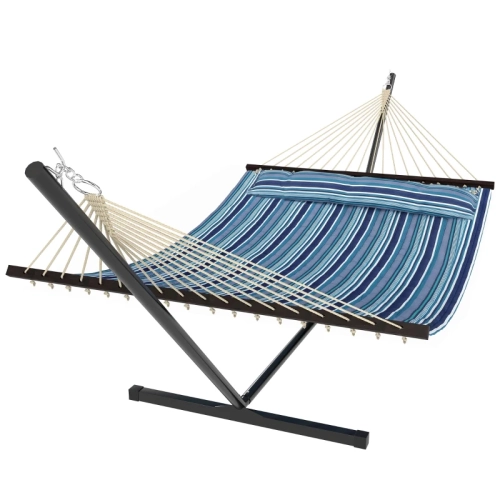
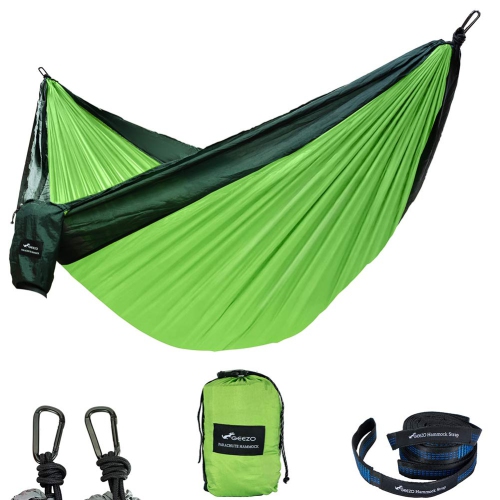
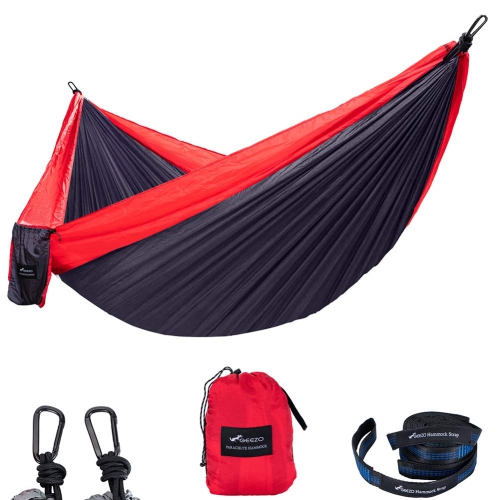
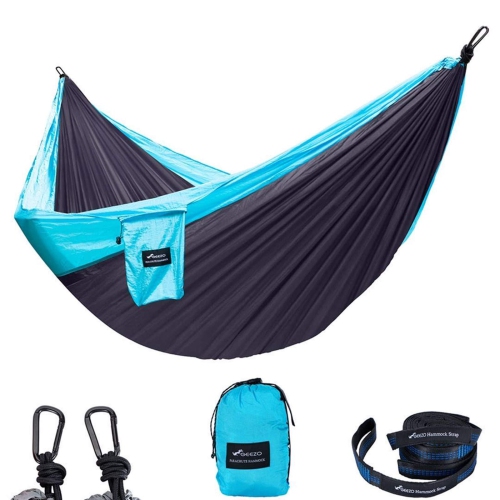
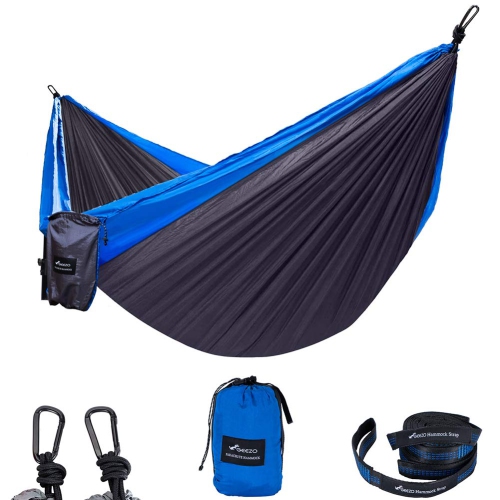
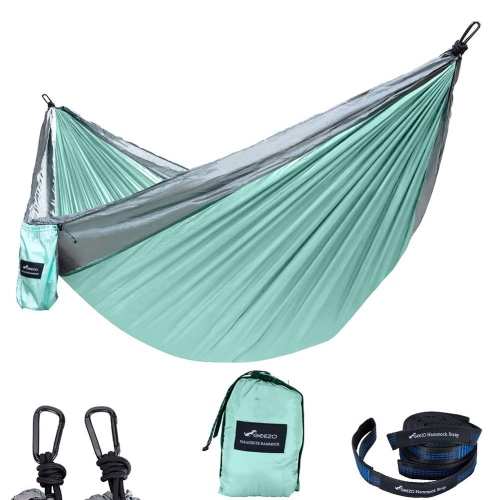
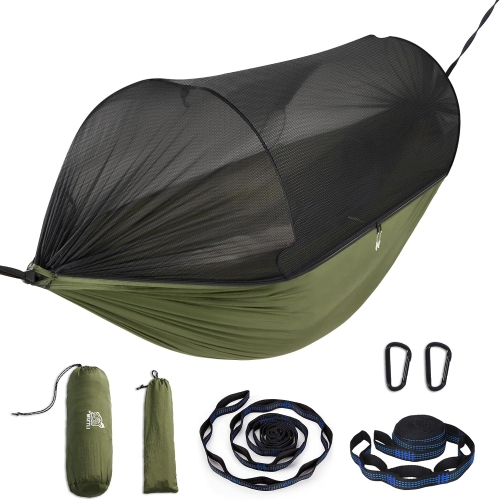
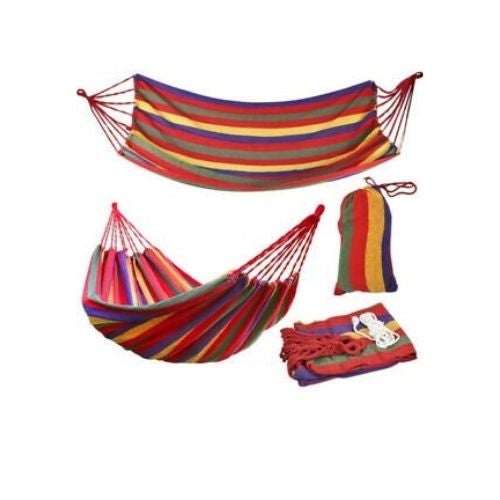
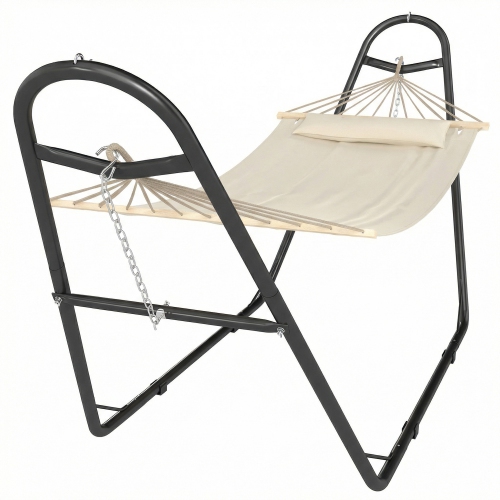
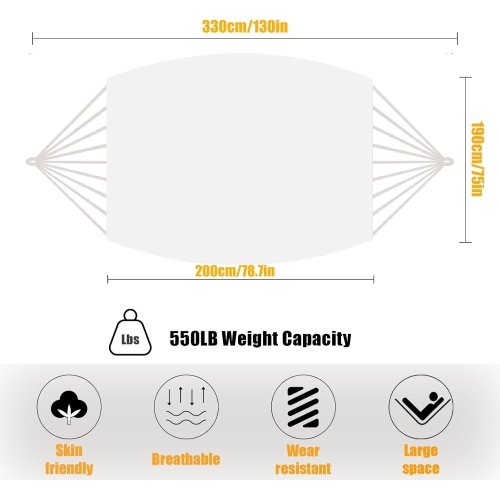
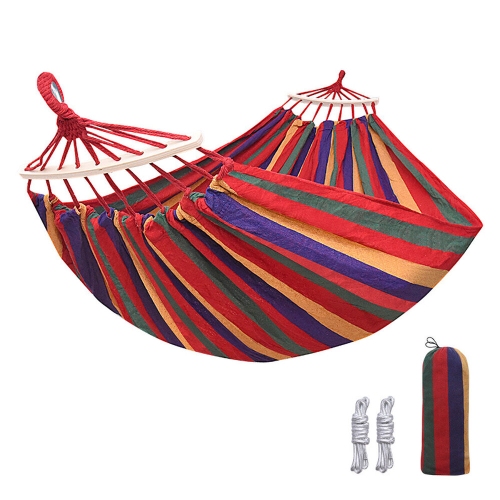
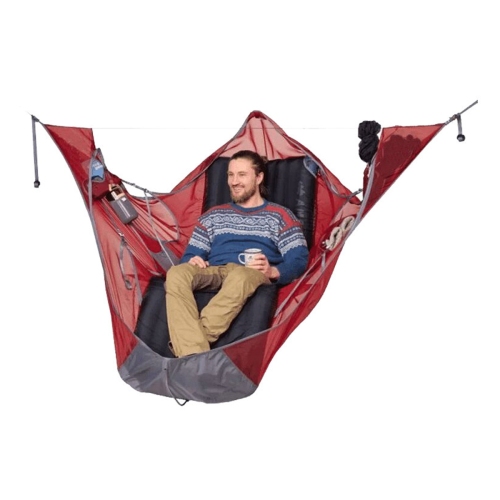
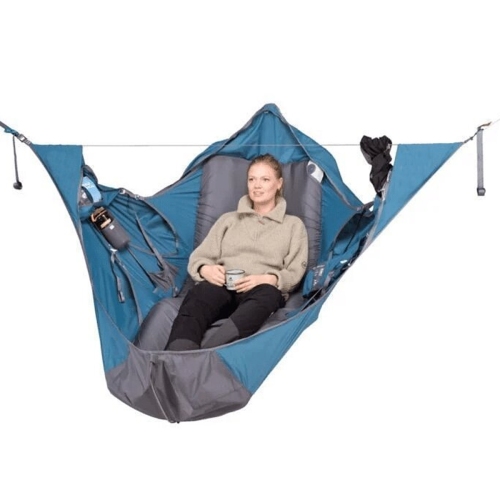
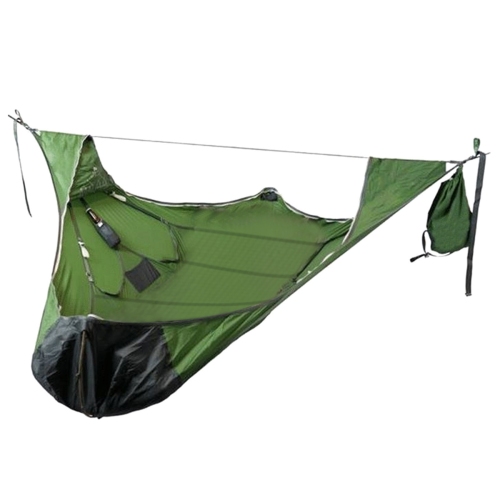
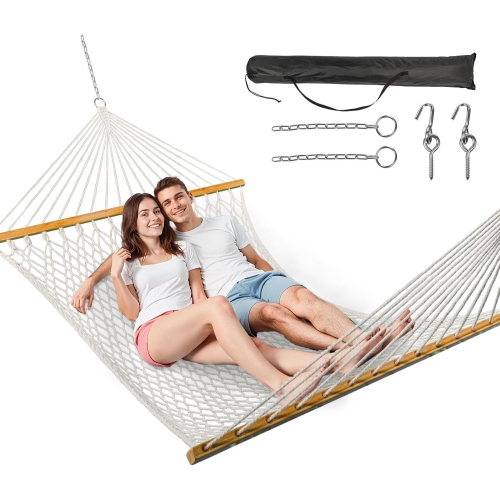
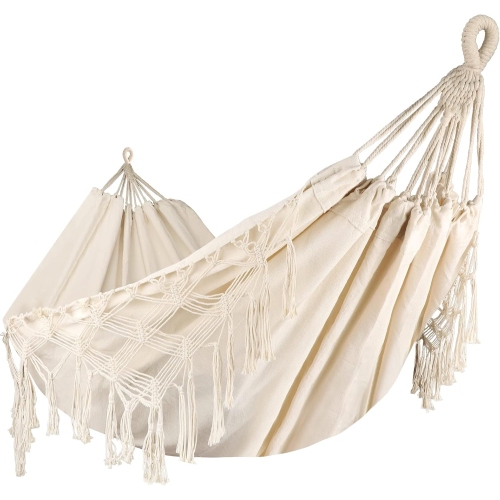
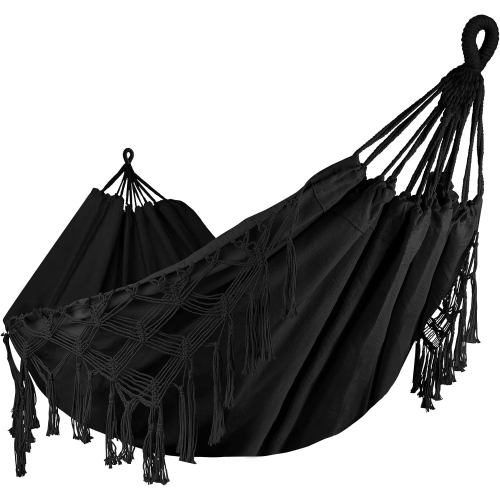
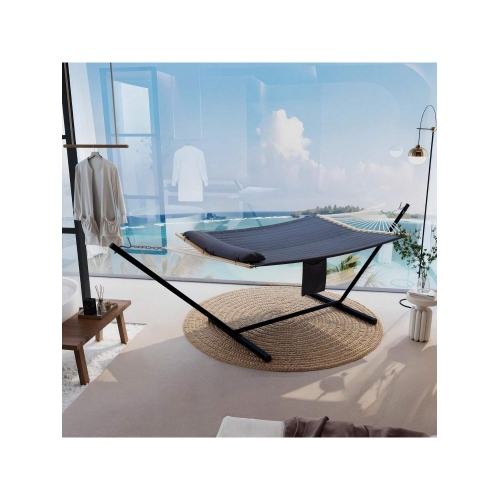
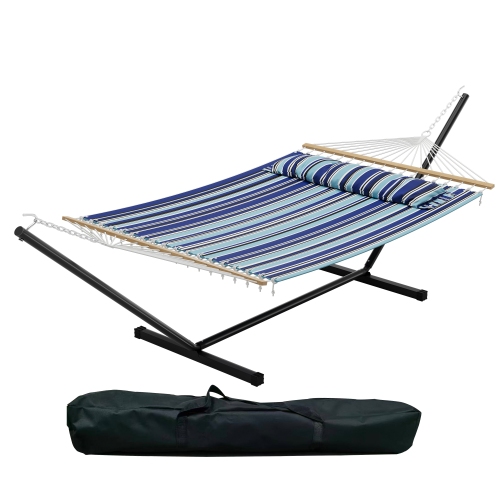
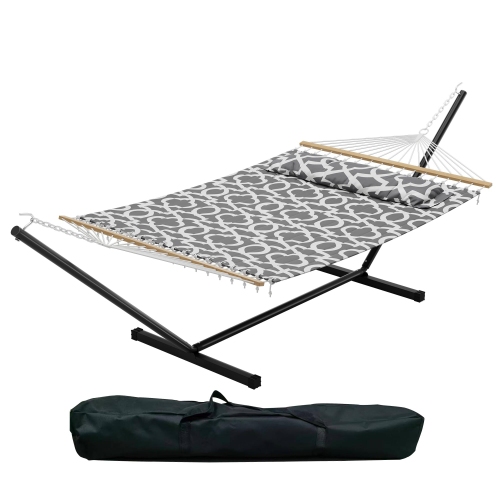
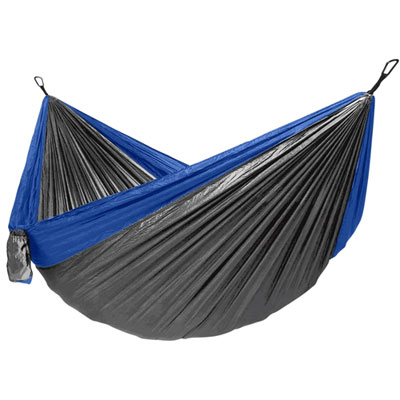
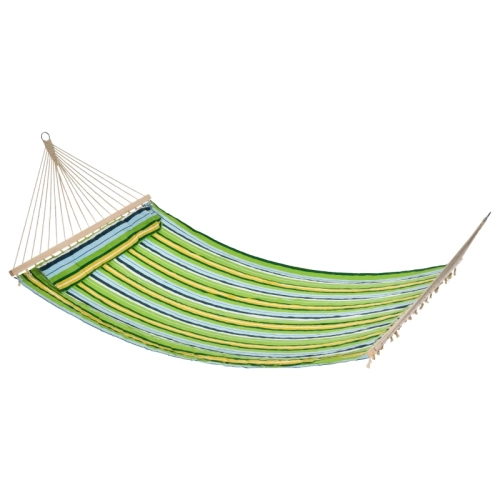

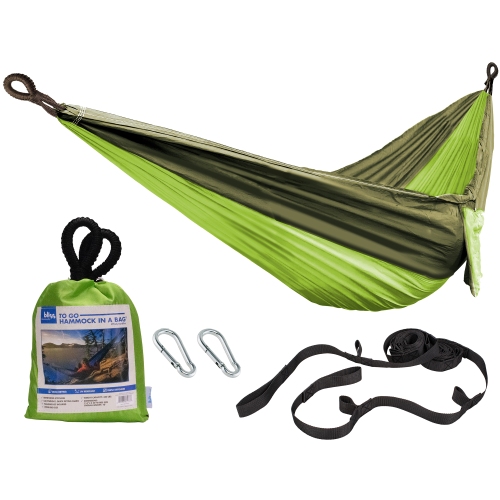
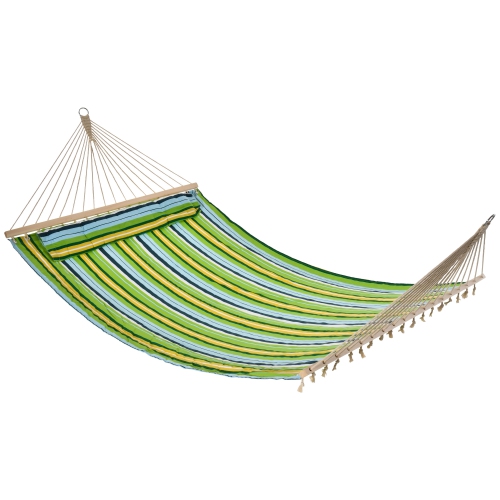
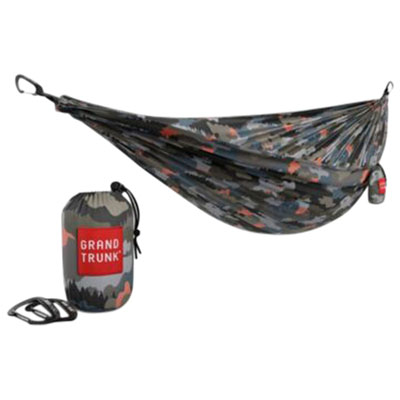
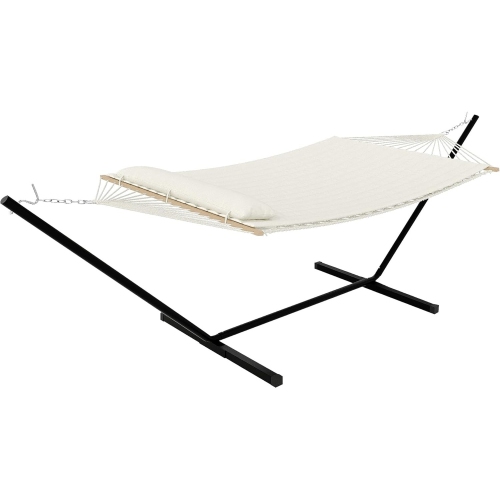
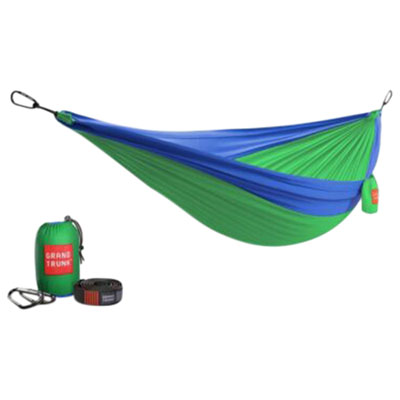
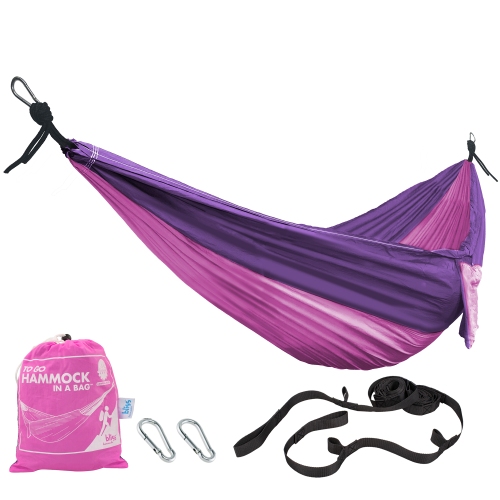
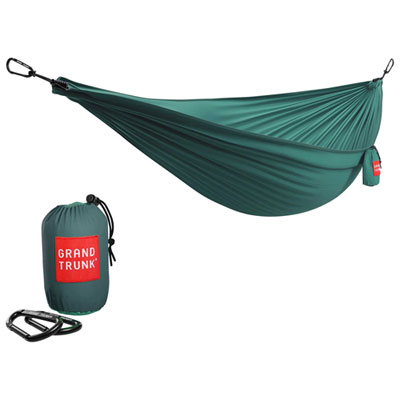
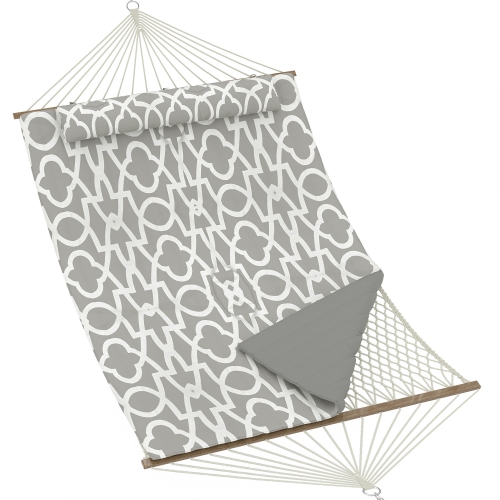
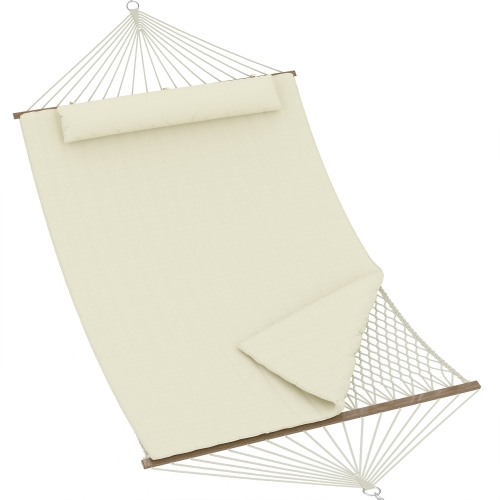
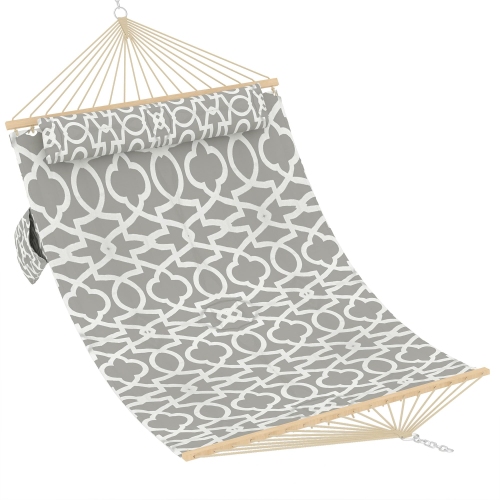
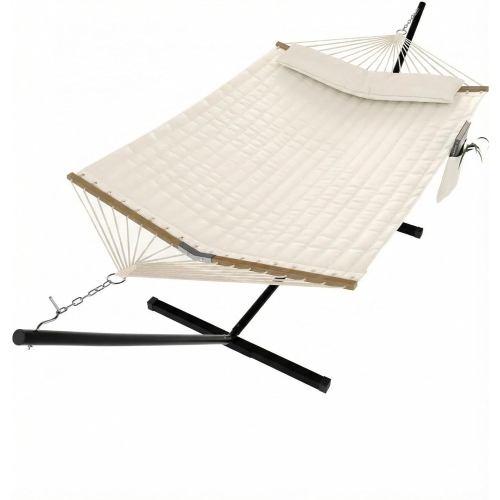
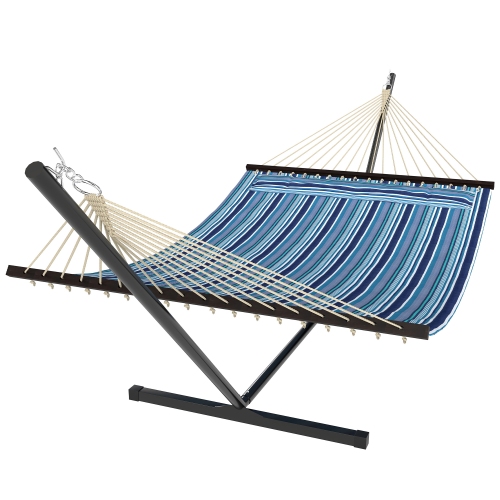
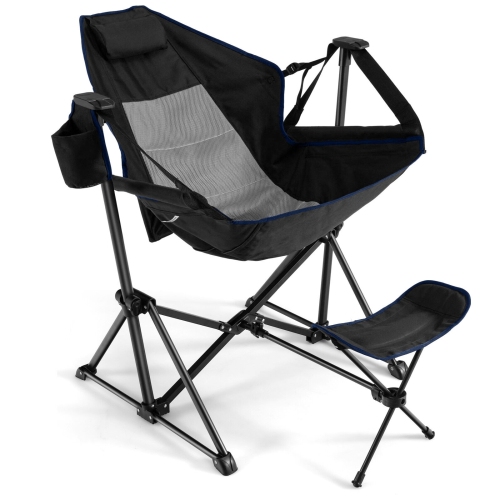
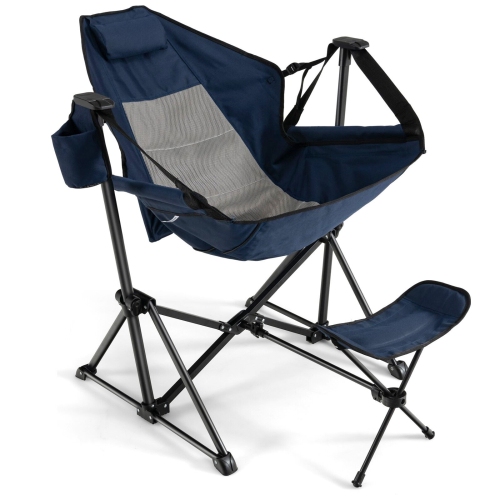

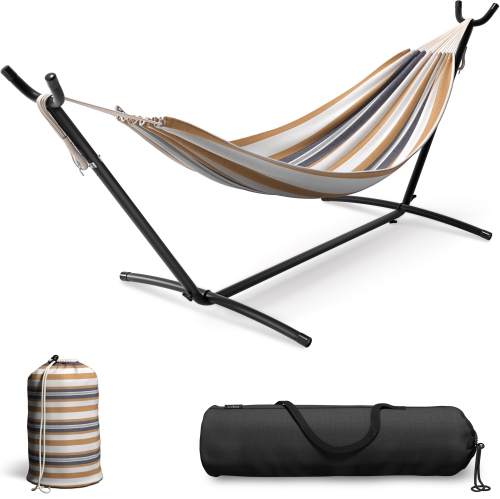
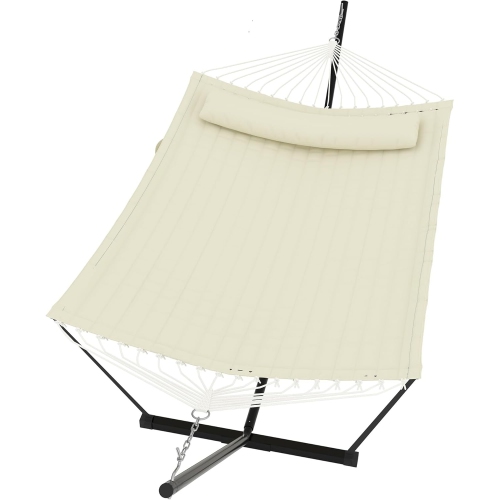
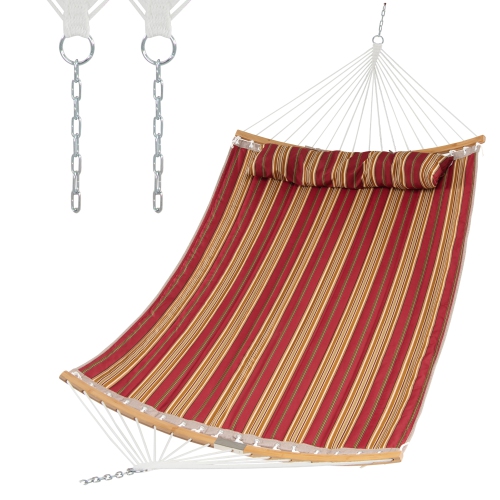
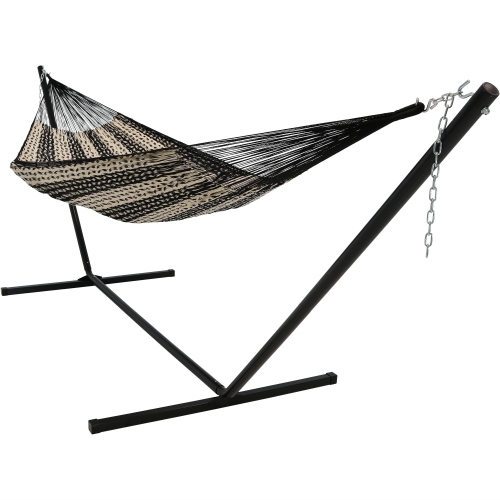

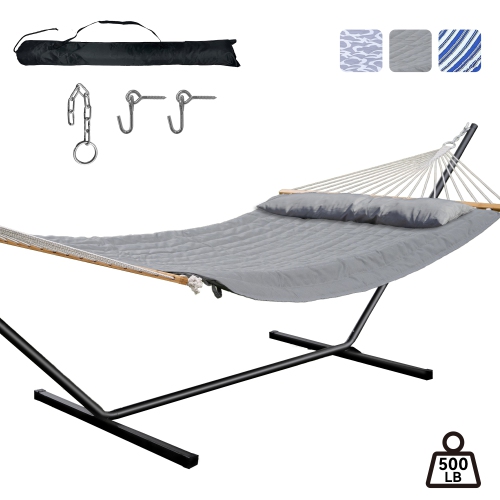

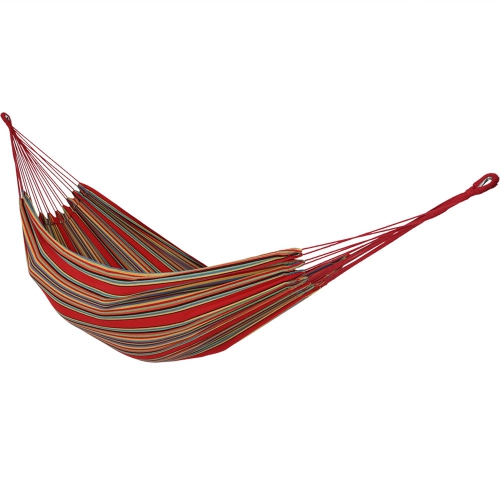
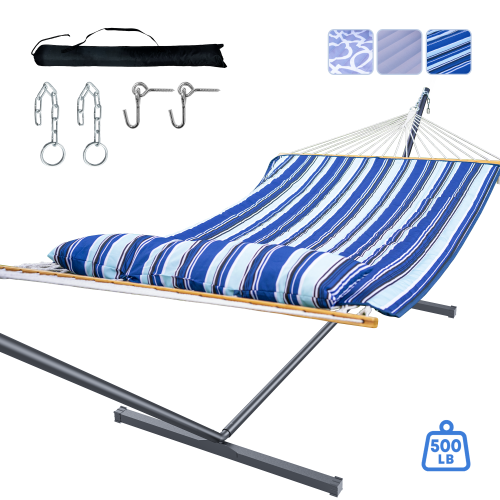
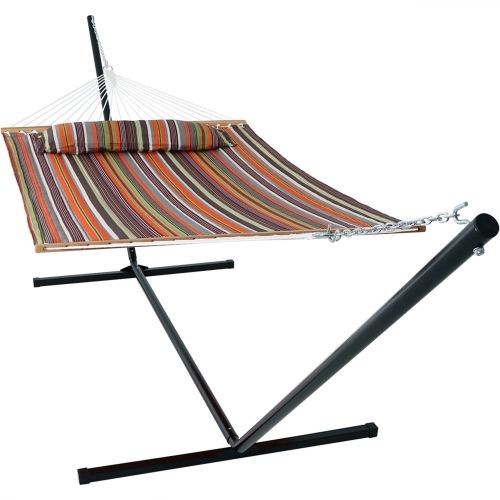
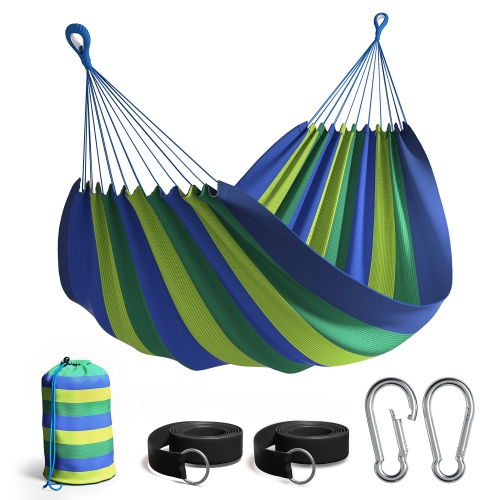

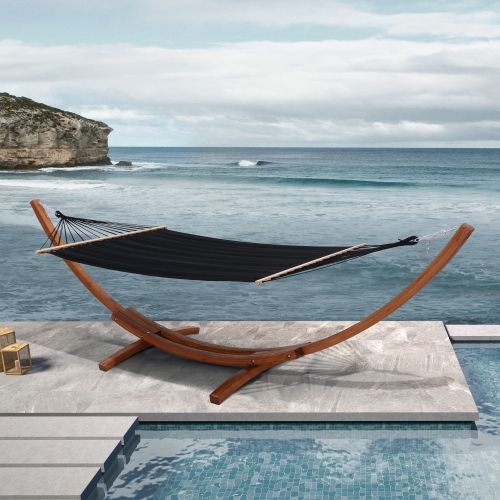

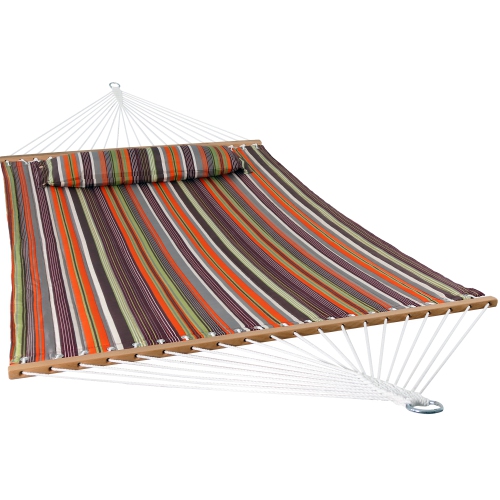
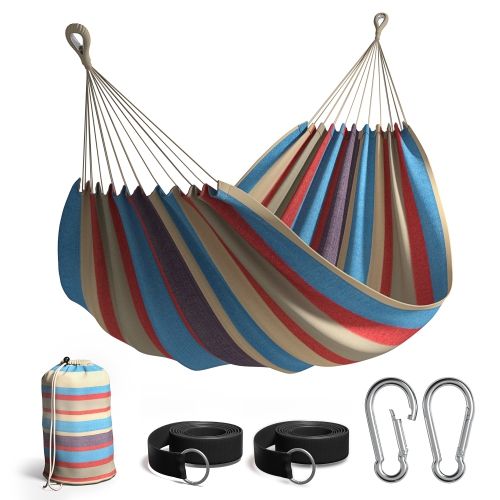
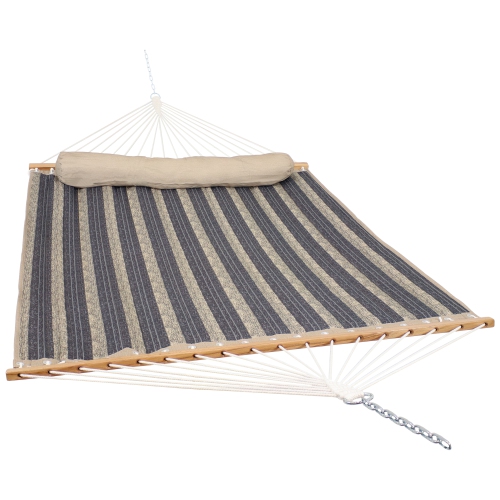
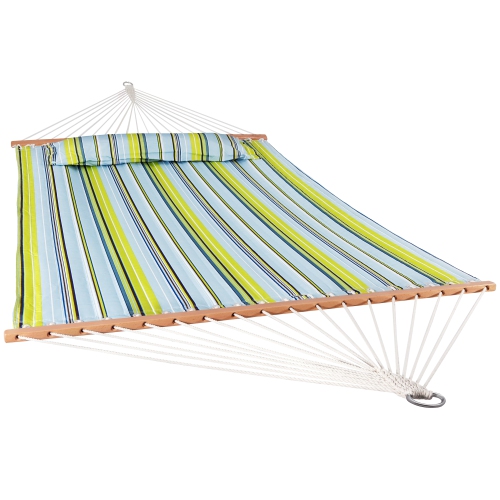
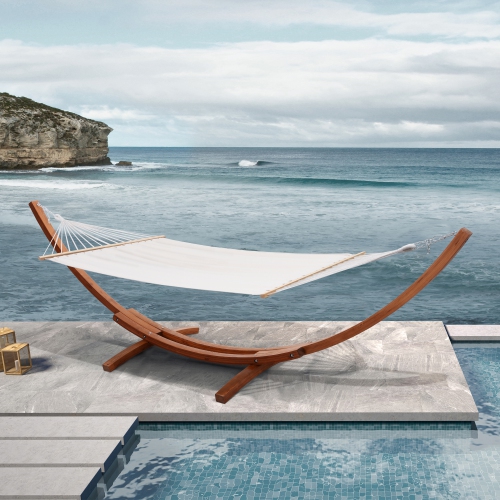
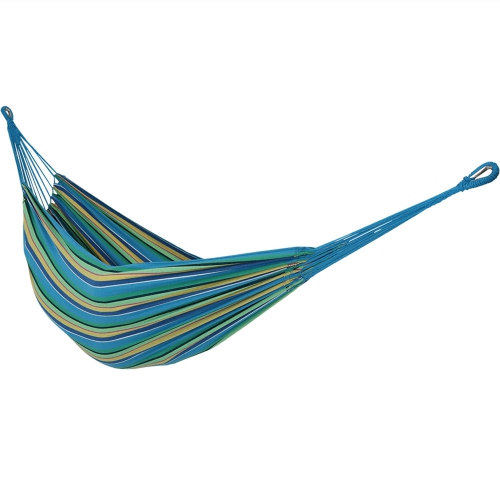
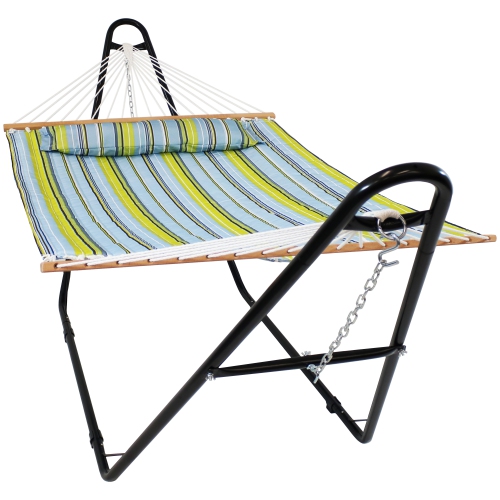
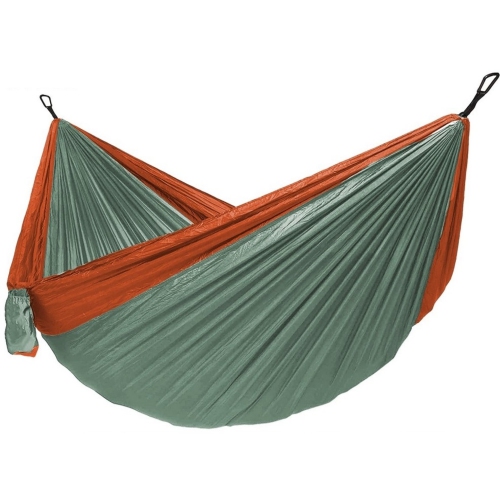
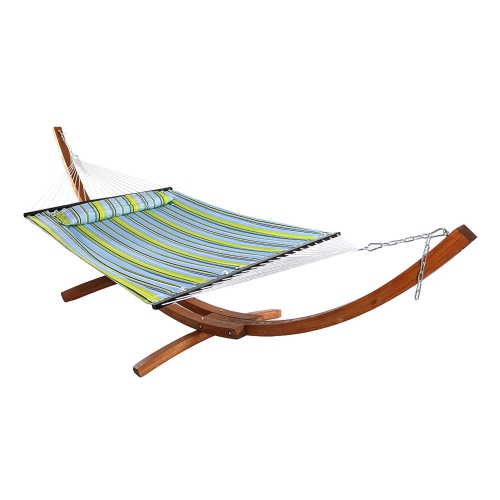
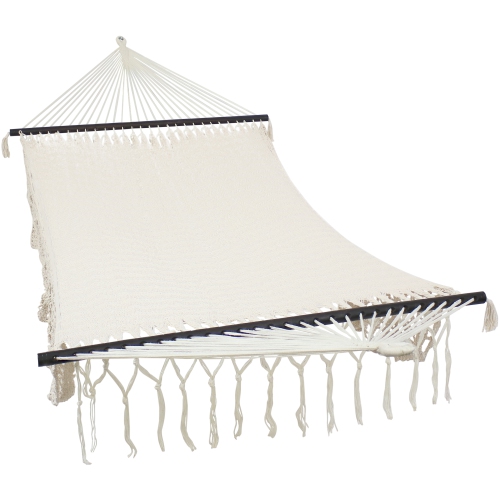
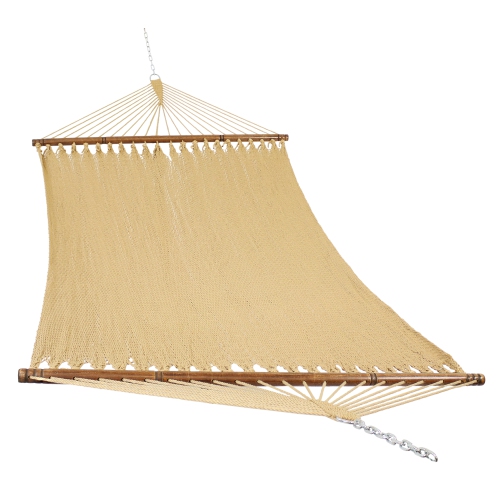
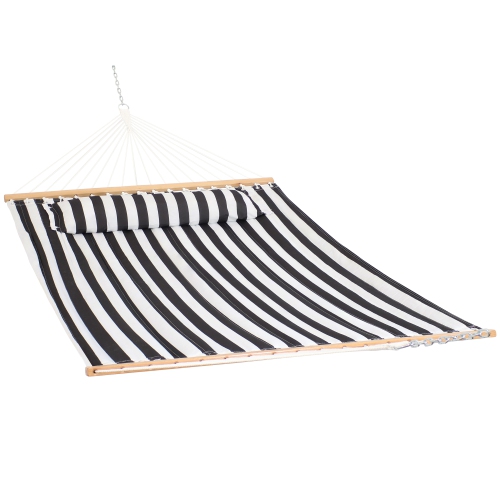

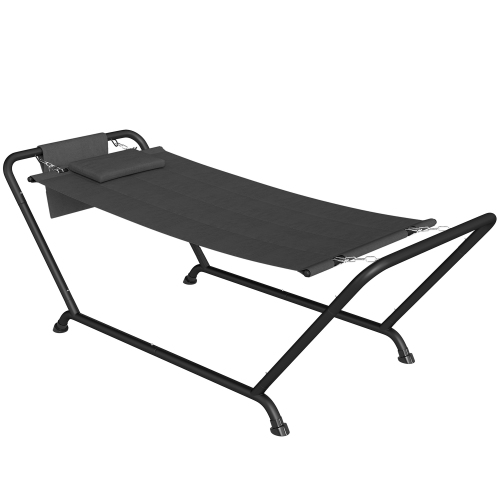
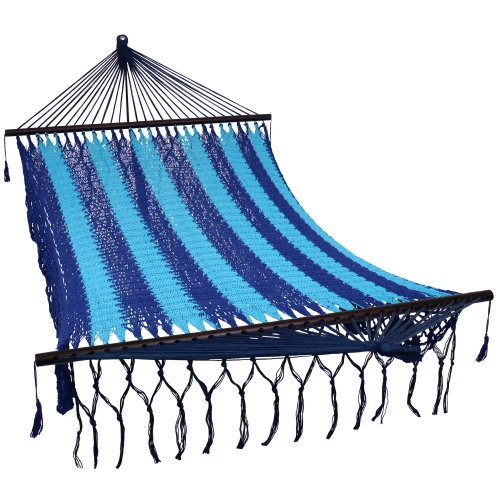
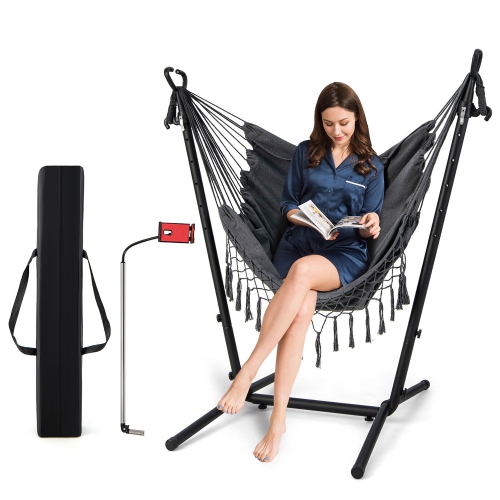
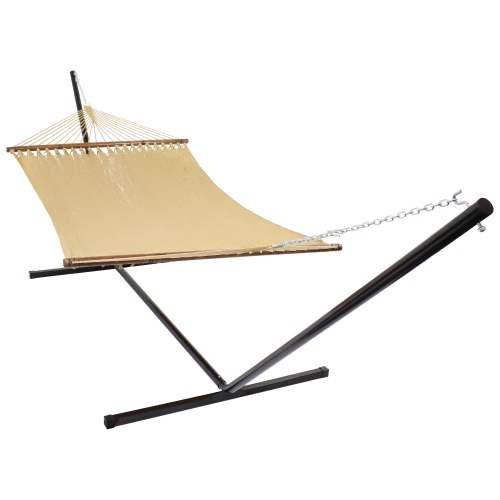
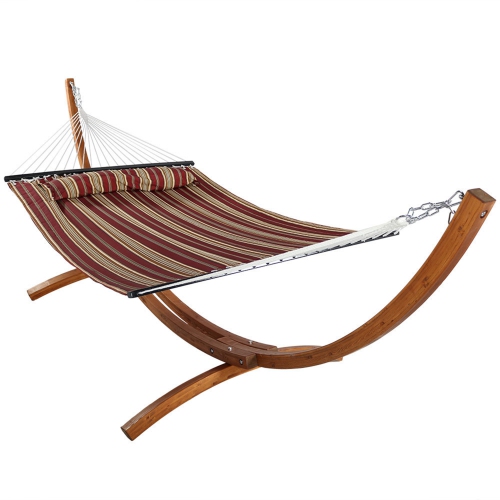
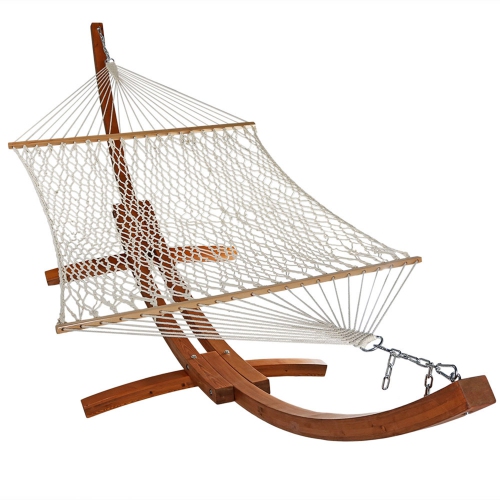
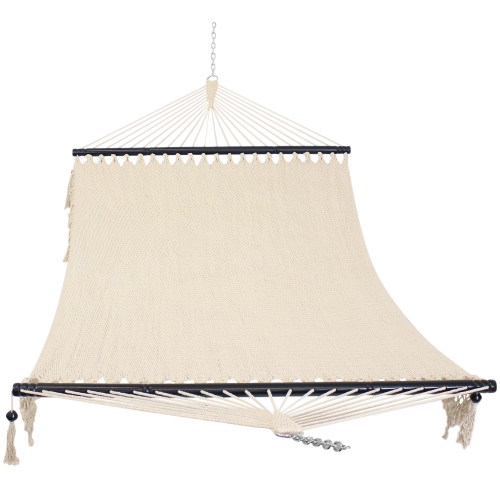
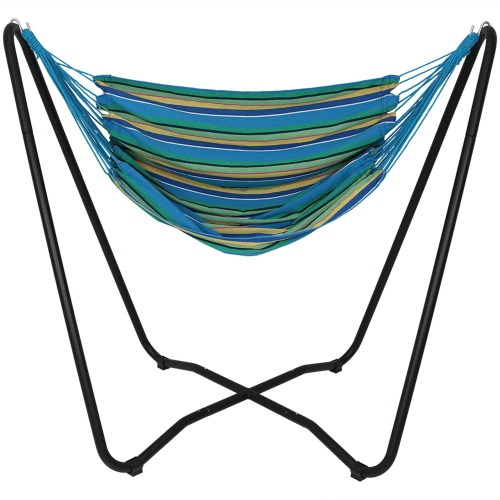
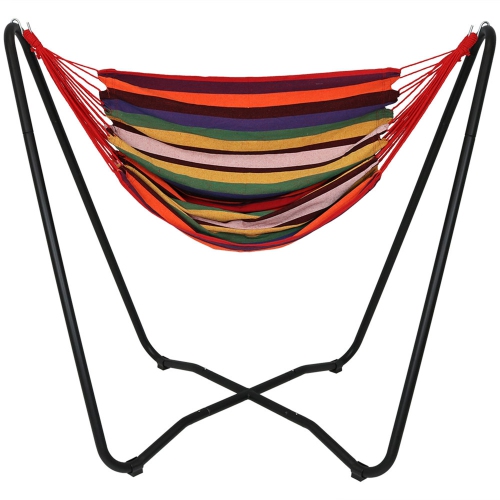
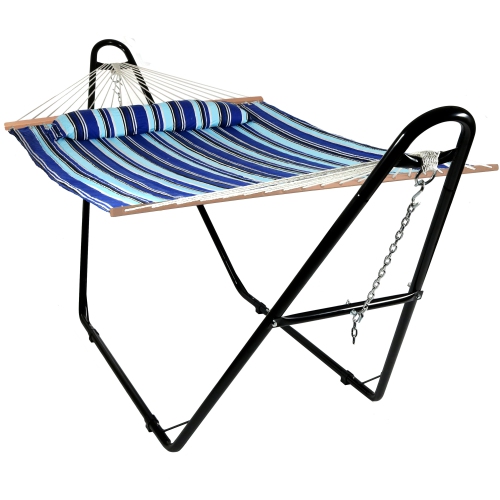
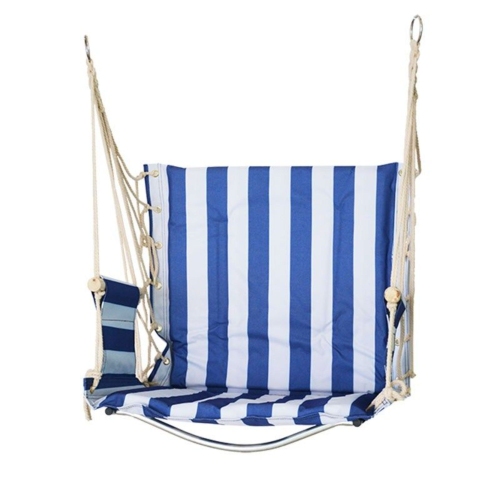
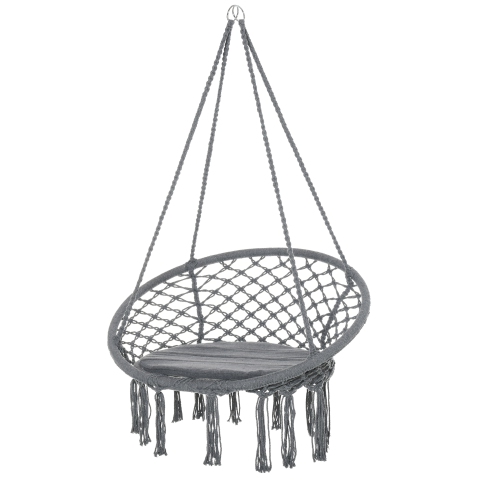
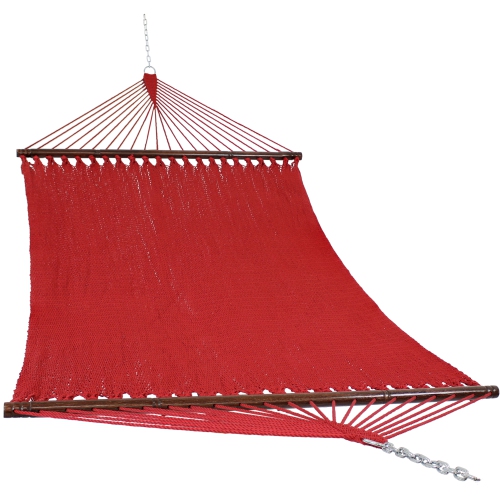
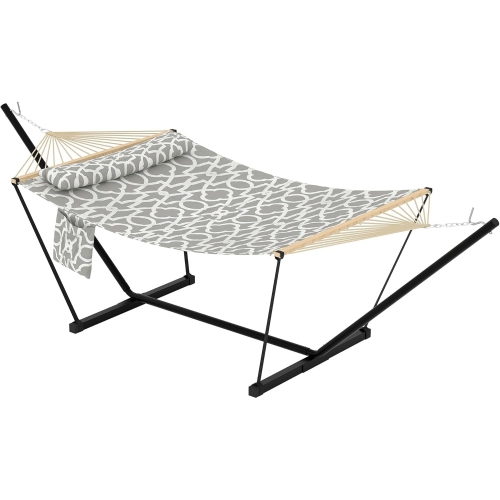
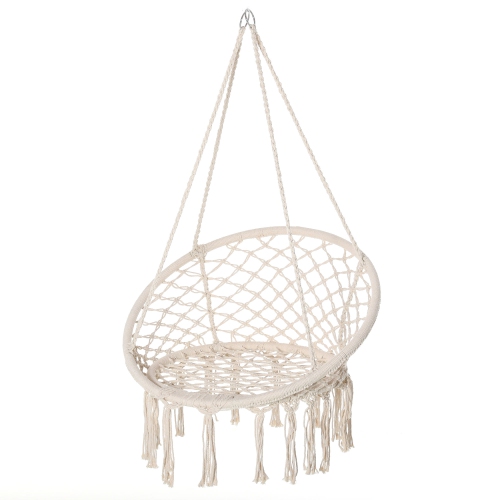
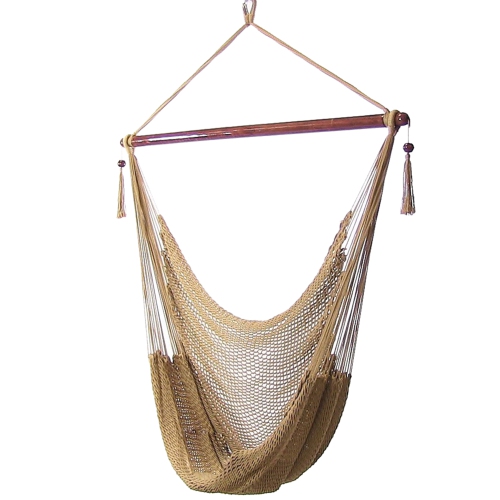
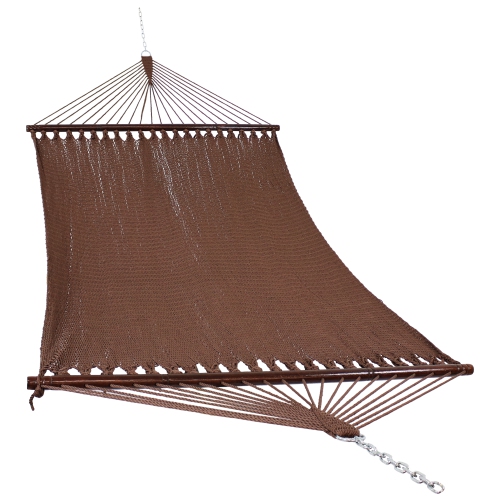
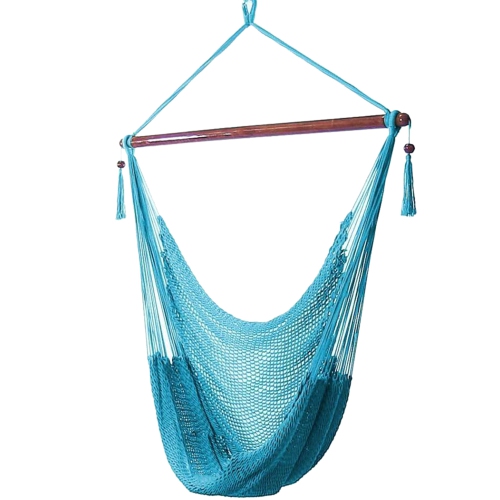
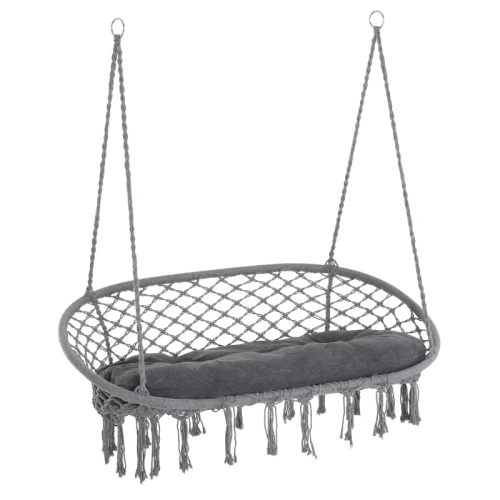
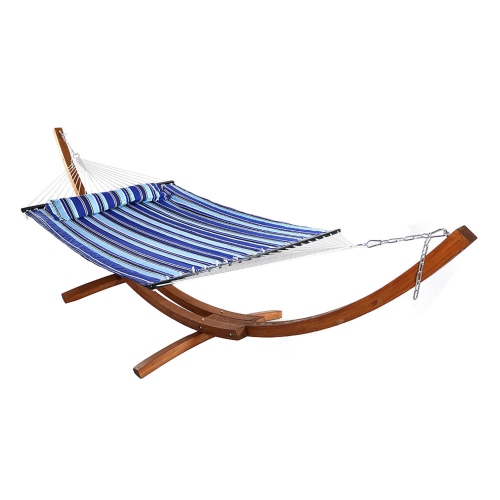
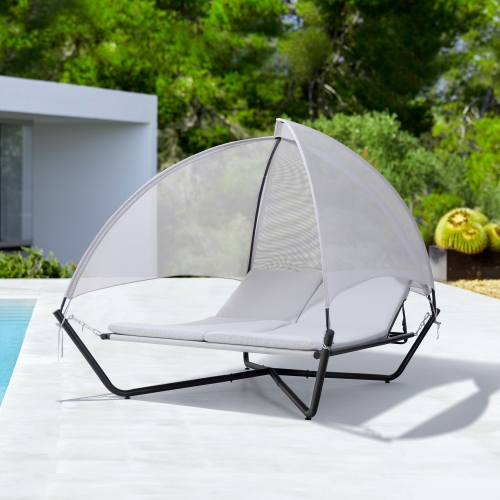
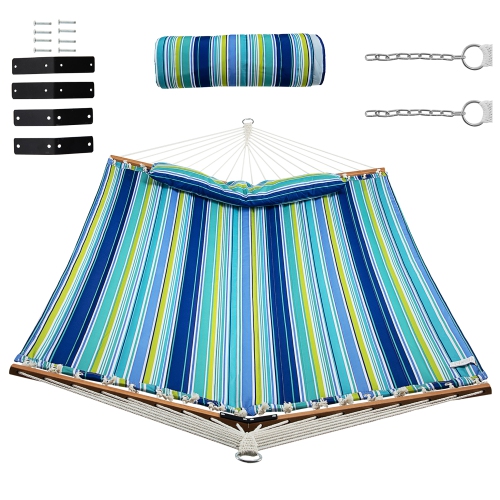
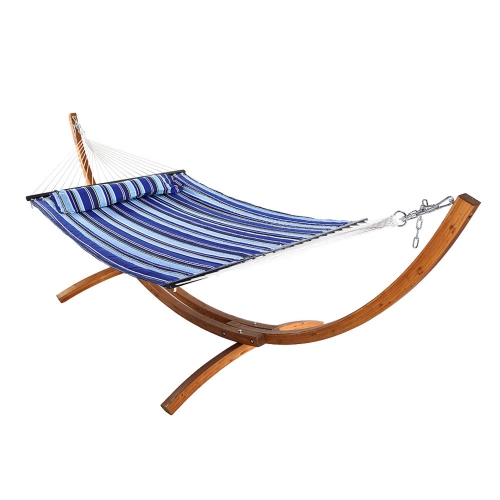
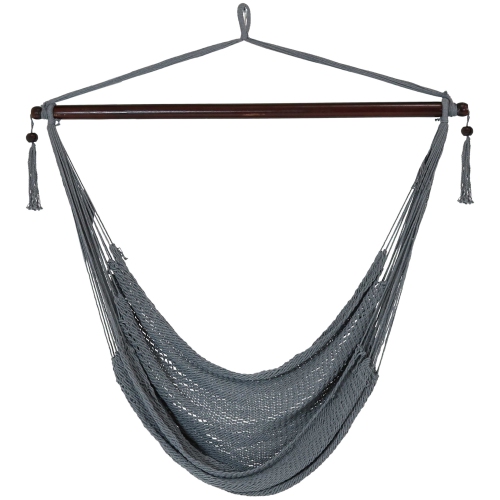
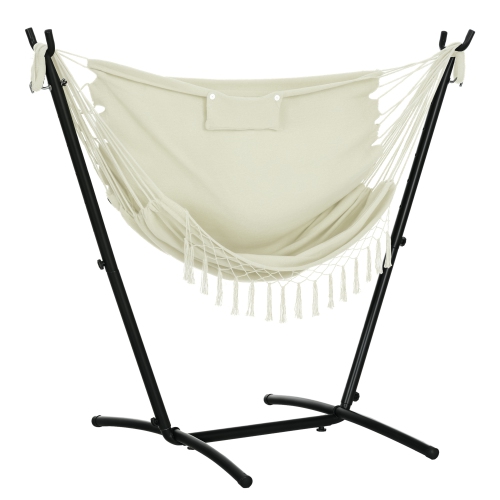
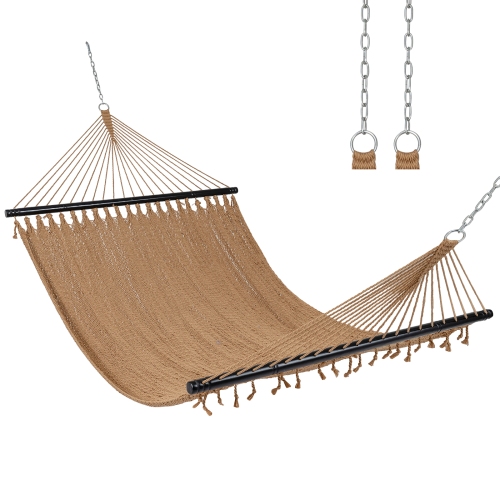
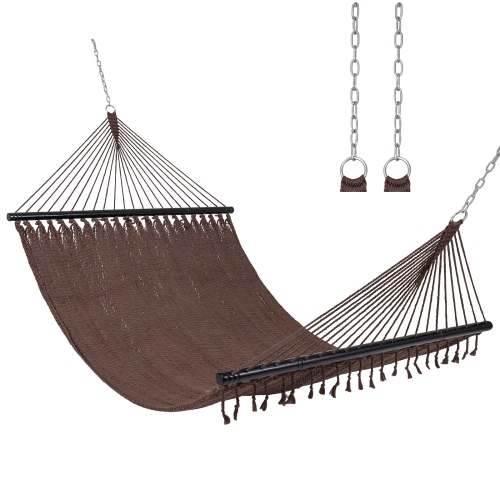
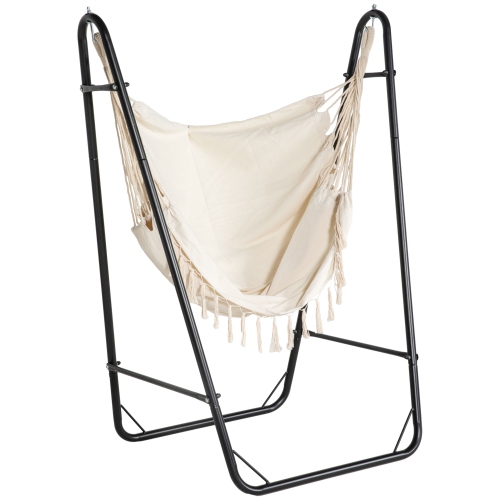
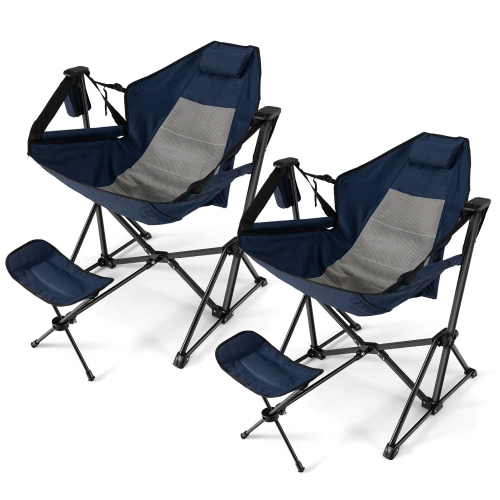
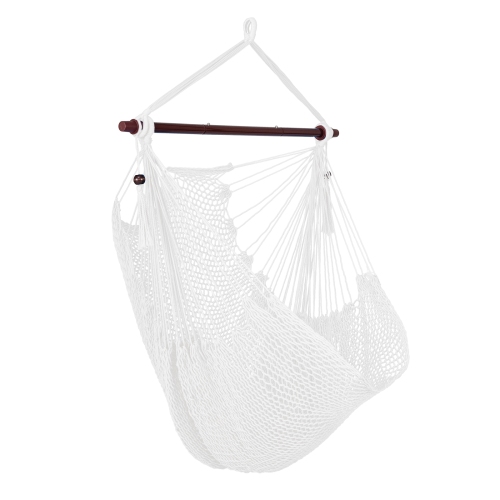
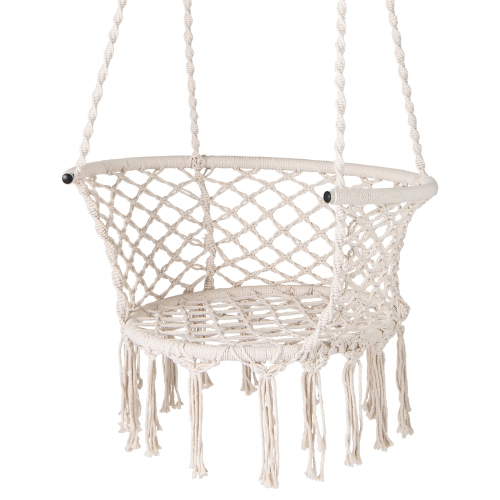
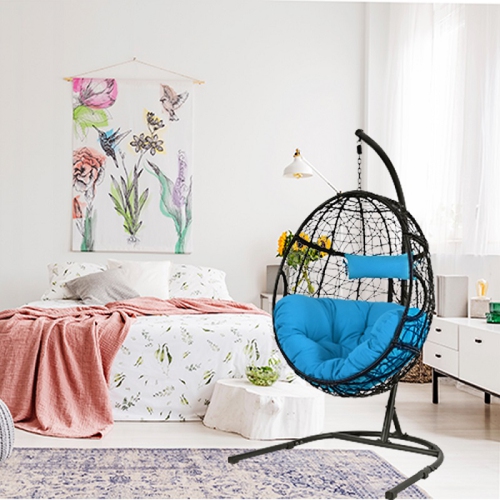
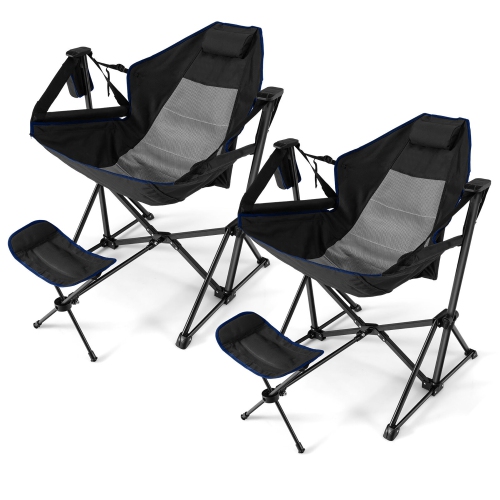
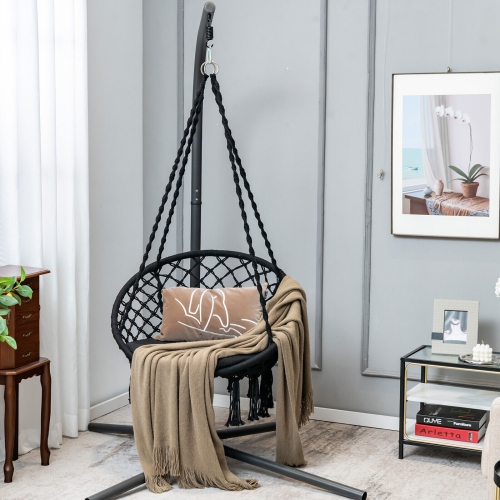
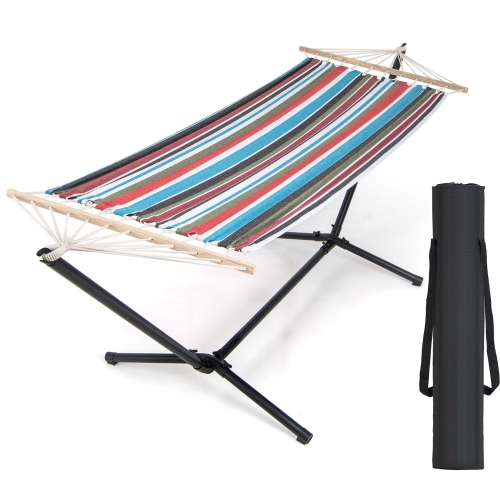
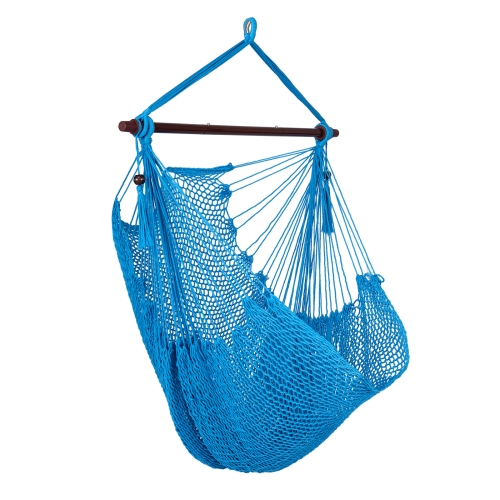
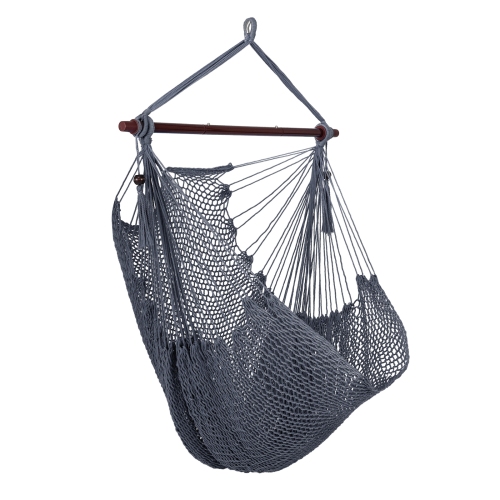
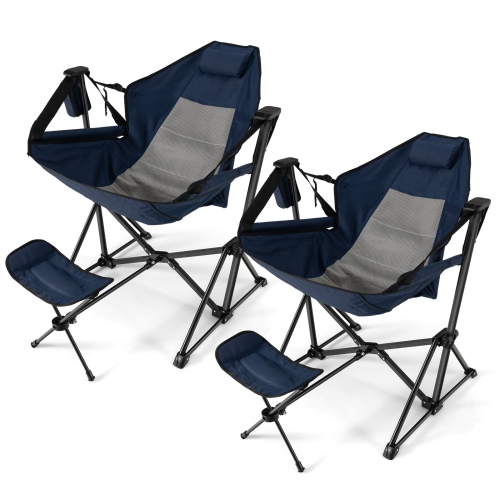
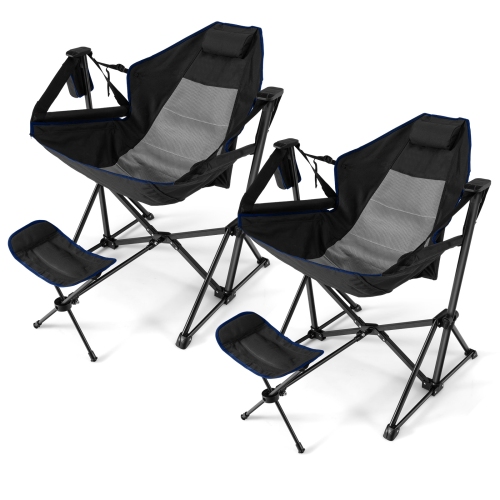

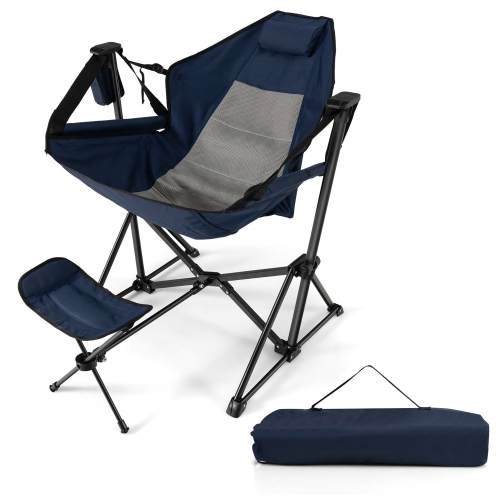
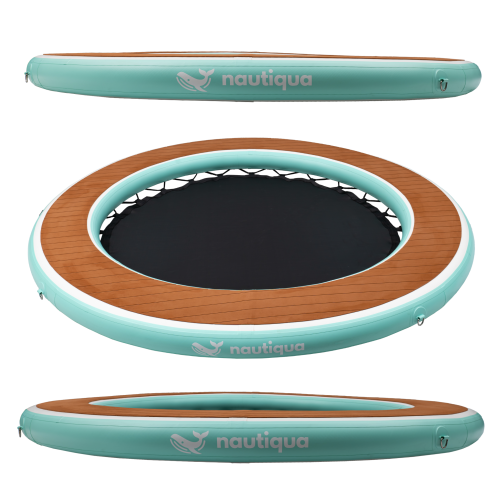
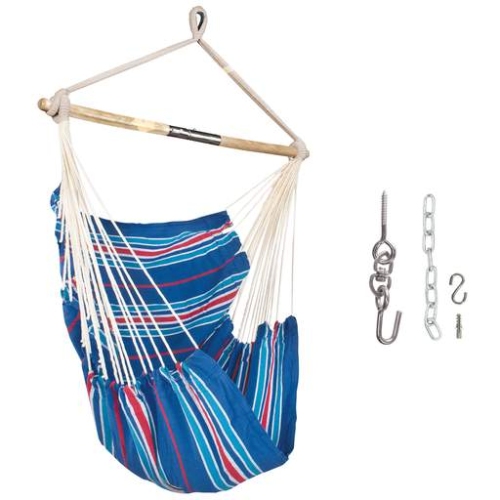
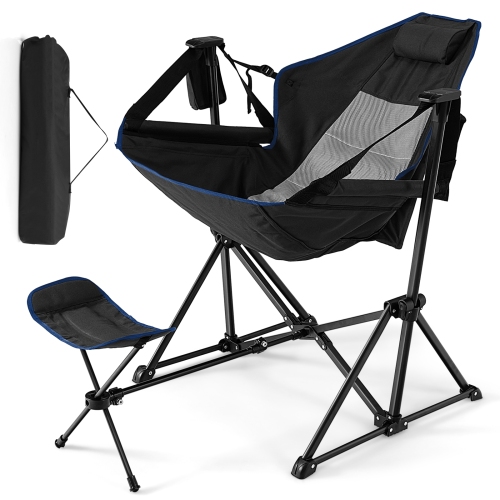
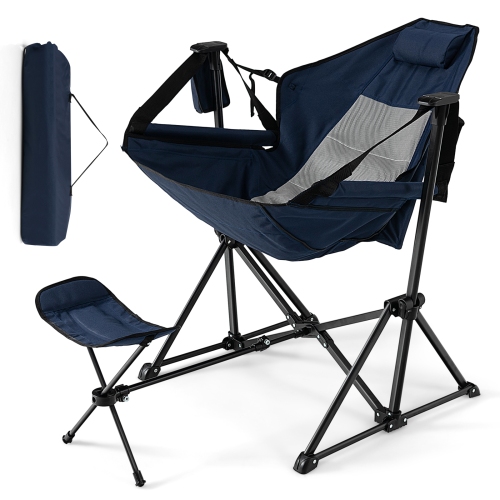
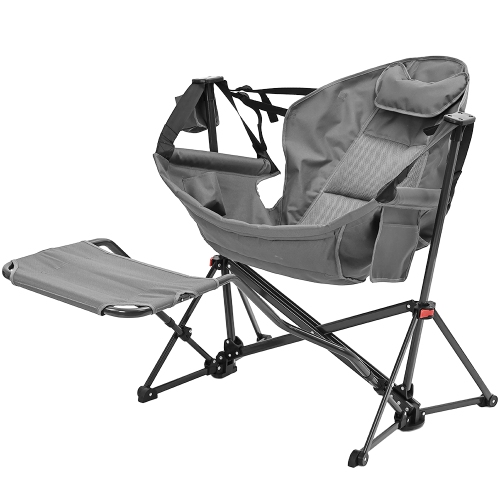
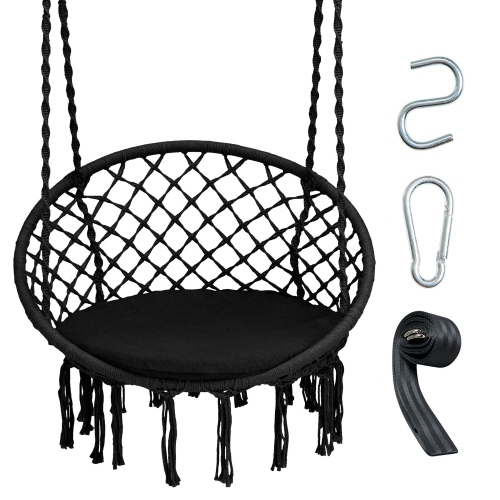


Comfortable elevated rest for overnight trips and day breaks
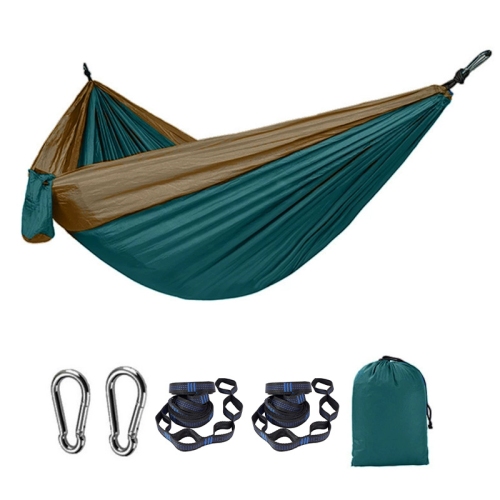
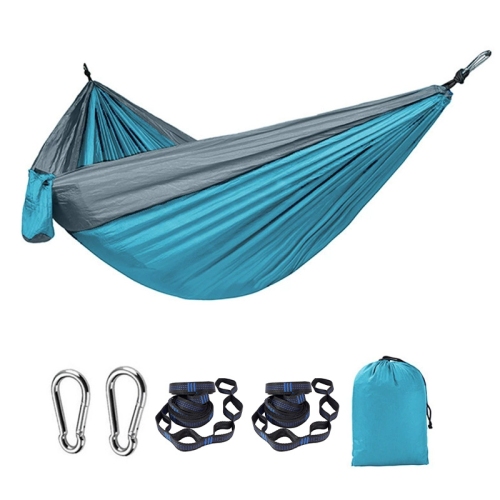
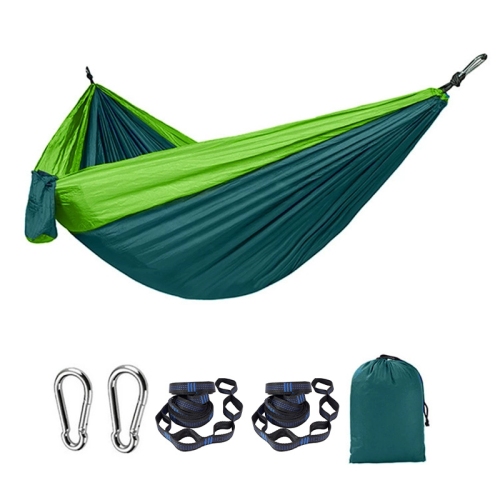
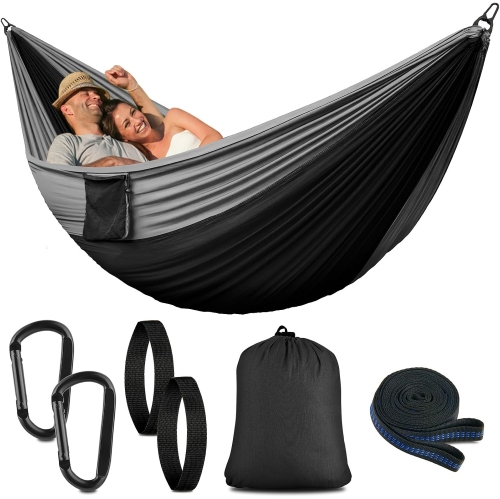
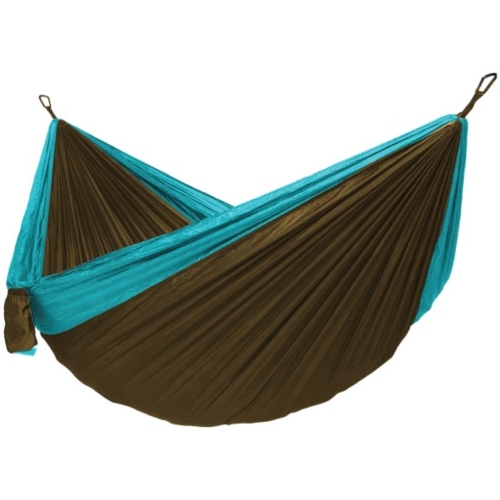
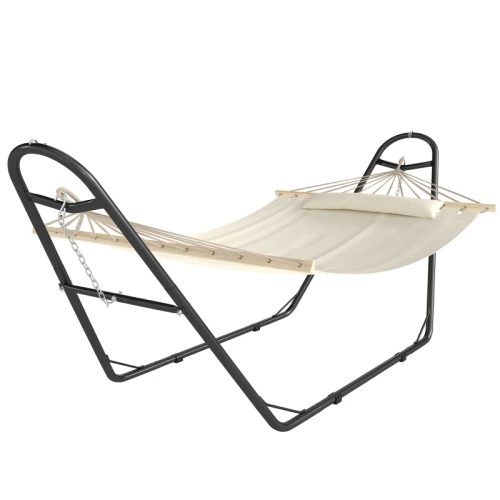
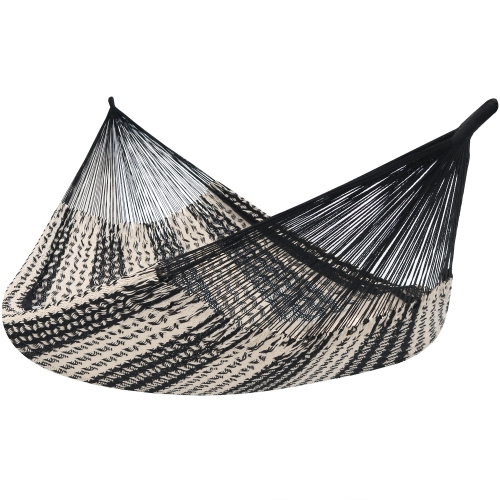
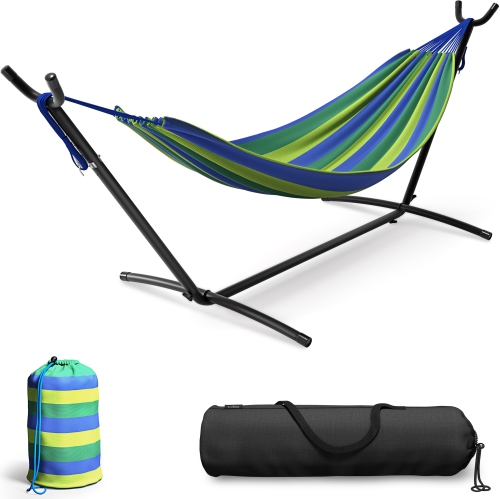
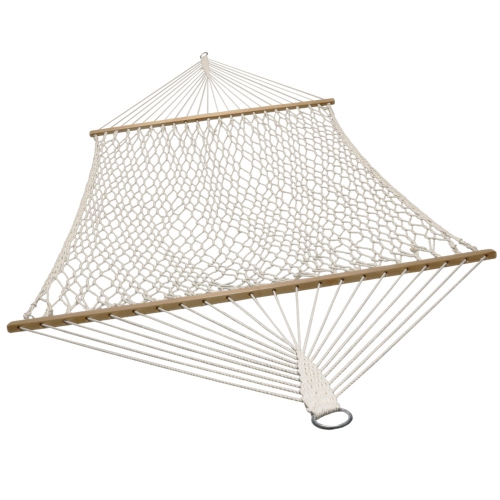
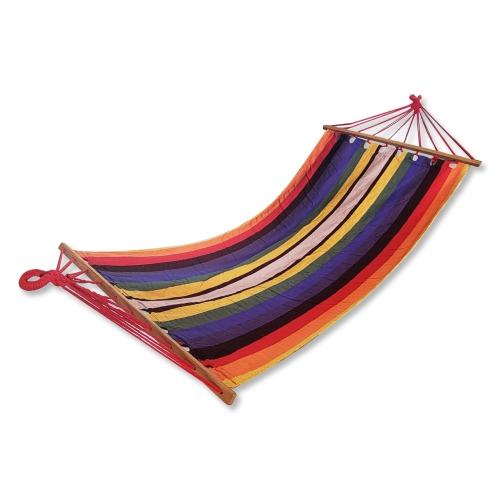
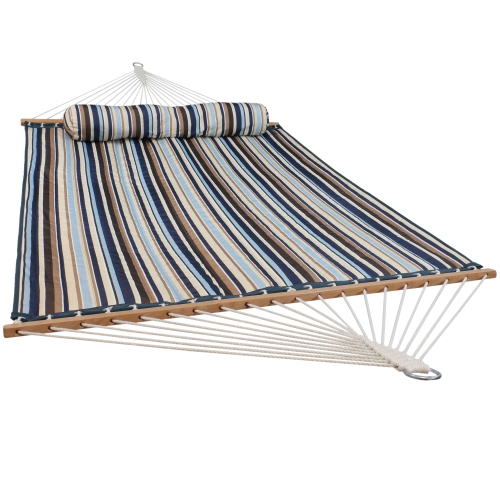
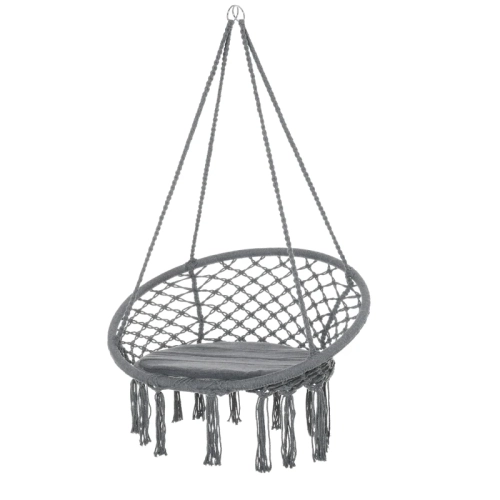
Camping hammocks offer a comfortable, elevated way to rest outdoors, whether you are setting up an overnight sleep system in the backcountry, taking a break at a campsite, or relaxing beneath the trees during a day trip. Unlike a traditional ground tent, a camping hammock suspends you above uneven, damp, or rocky terrain, which can make it easier to find a comfortable sleeping spot. Many models are made from lightweight, quick-drying fabric and pack down into a small carry pouch, making them practical for hiking, canoe trips, travel, festivals, and car camping. When choosing a camping hammock, start by considering how you plan to use it. A simple hammock with sturdy suspension straps may be well suited to lounging, reading, or taking an afternoon nap, while an overnight model should provide enough length and width for a flatter, more supportive sleeping position. Check the hammock’s weight capacity and consider the combined weight of the sleeper, sleeping bag, underquilt, and any other gear that may be suspended with it. A generous size can be helpful for taller campers or anyone who prefers more room to shift positions, while a compact design may be the better choice when every gram and centimetre of pack space matters. The suspension system is just as important as the hammock itself. Wide tree straps are easier to adjust and help distribute pressure across the tree, while compatible carabiners, buckles, or webbing systems can make setup and take-down more straightforward. Always choose suitable, healthy trees with enough distance between them, inspect the straps and attachment points before use, and follow the manufacturer’s directions for safe hanging. The hammock should sit low enough for a controlled entry and exit, but not so low that it rests on the ground when occupied. Avoid attaching a hammock to dead branches, narrow trunks, unstable structures, or anything not designed to support a person. For casual backyard or patio relaxation, a dedicated Deck Hammocks collection may be a more suitable place to browse, while camping hammocks are designed with portability, outdoor suspension, and packability in mind.
For overnight trips, additional shelter and comfort features can make a significant difference. A built-in bug net helps keep mosquitoes and other insects away during warmer conditions, particularly when sleeping near water or in wooded areas. Some designs include a gear shelf, interior storage pocket, or ridgeline where a headlamp, glasses, map, or phone can be kept within reach without taking up sleeping space. A rain fly or tarp creates an overhead barrier against drizzle, heavier rain, and falling leaves, and it can also provide shade when the sun is strong. Look for a tarp with coverage that extends beyond the hammock at both ends, and practise positioning it before a trip so you are comfortable adjusting the ridgeline and tie-outs. Wind can drive rain underneath an undersized shelter, so the shape and dimensions of the tarp should match the hammock and the conditions you expect to encounter. Insulation is another important consideration because the air moving beneath a suspended hammock can draw heat away from your body even when the surrounding temperature feels mild. A sleeping bag alone may compress underneath you and provide less warmth than expected; an underquilt, insulated pad, or hammock-compatible sleeping system can help create a warmer barrier below. During the cooler months, pair the hammock with suitable insulation, a weatherproof top cover, and a sleeping bag rated for the conditions rather than relying on the fabric alone. Camping hammocks can make thoughtful gifts for hikers, campers, cottage visitors, festival-goers, and anyone who enjoys a quiet place to unwind outdoors. They are also useful for experienced campers who want to refine a lightweight sleep system, as well as beginners looking for a comfortable alternative to sleeping directly on the ground. Before heading out, test the complete setup close to home, including the straps, bug net, tarp, insulation, and storage areas. A short practice session can reveal whether the hammock hangs at the right height, whether the sleeping position feels comfortable, and whether essential gear remains easy to reach. With the right combination of hammock, suspension, shelter, and insulation, campers can settle into a secure elevated bed for the night or create a peaceful resting place for an afternoon among the trees.
Top selling and popular products
-
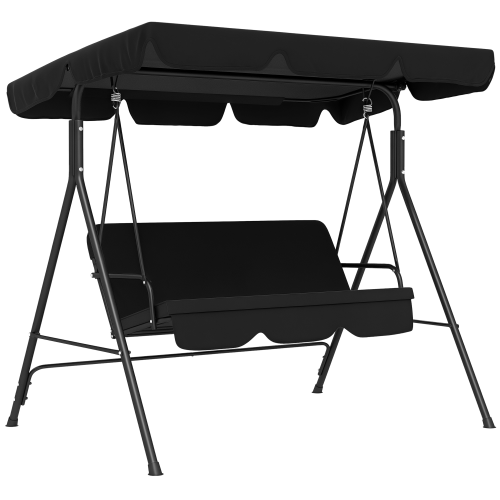 Your price for this item is $139
-
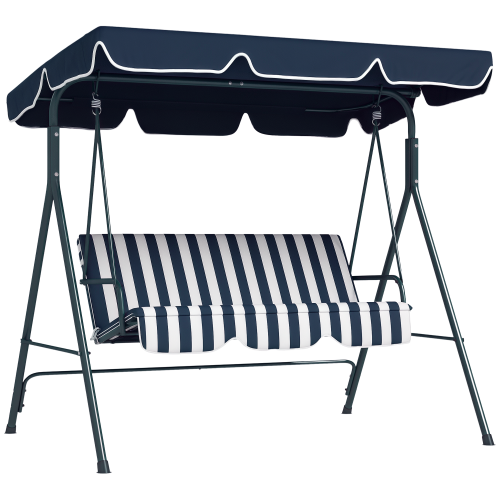 Your price for this item is $149.99
-
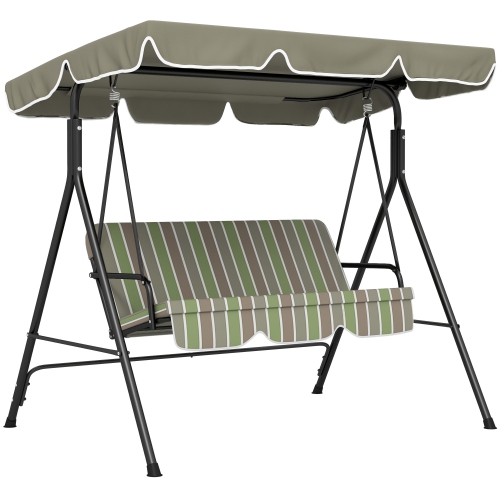 Your price for this item is $156.99
-
 Your price for this item is $182.55
-
 Your price for this item is $182.55
-
 Your price for this item is $182.55
-
 Your price for this item is $182.55
-
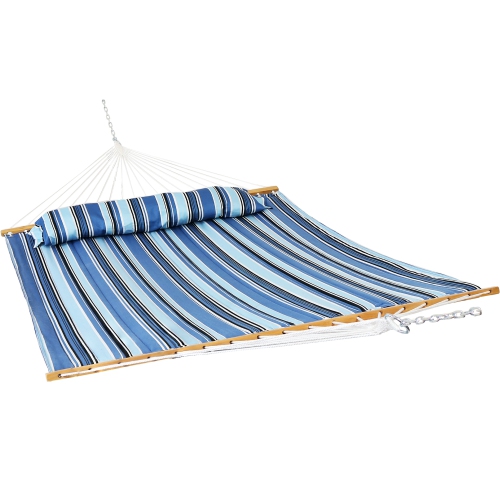 Your price for this item is $139.65
Discover more categories related to Camping Hammocks
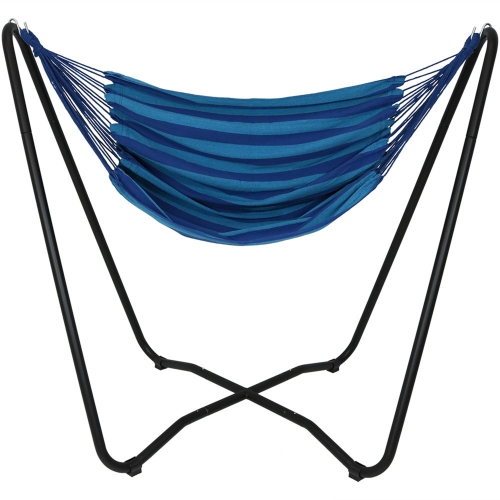
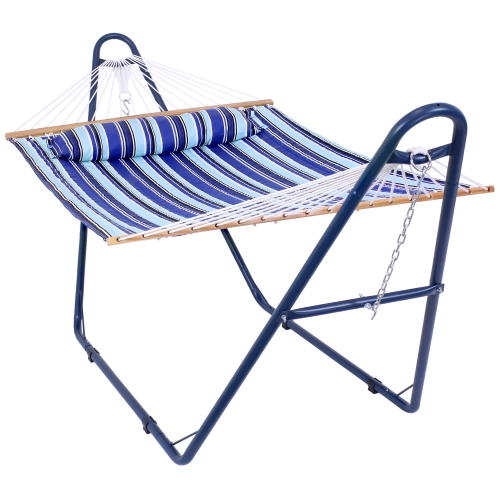
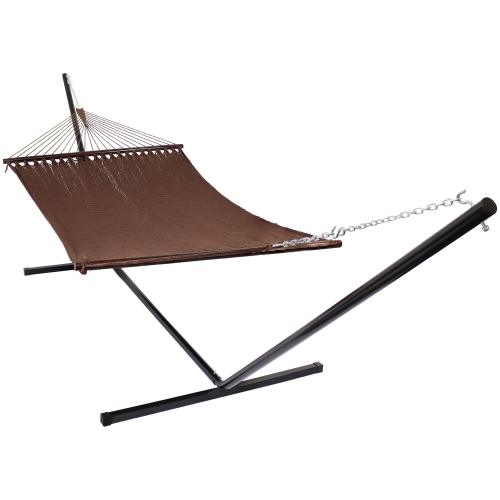
Top Collections:
Best Black Friday Deals This Year, Best Black Friday Deals On Electronics, Kindle Devices, Pokemon Centers, Best Black Friday Deals On Apple Products, Best Cameras for Sports Photography, Dyson Airwrap, Pokémon 30th Celebration Cards, Apple iPhone 17 Pro, Canon G7X Cameras
Some products may be subject to Environmental Handling Fees
(EHF) depending on your province.
Learn more about EHFs.