Canon DSLR Telephoto Lenses
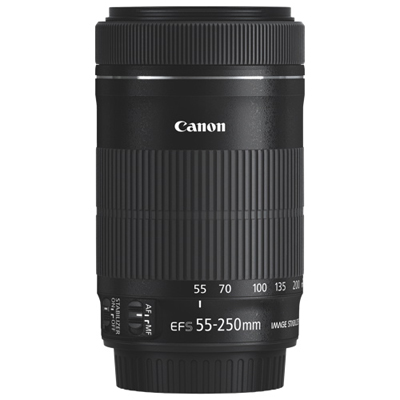
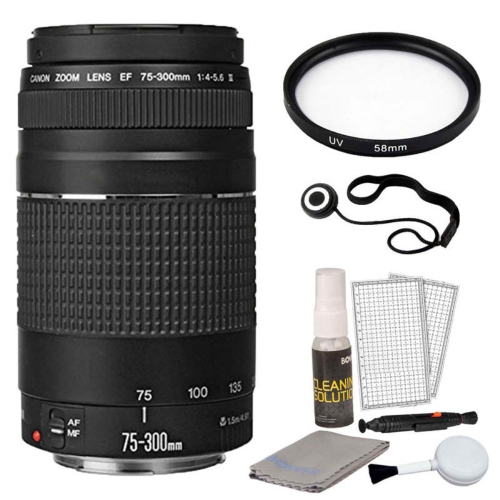
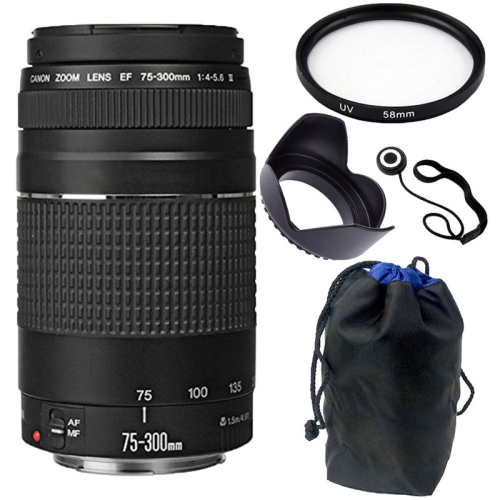
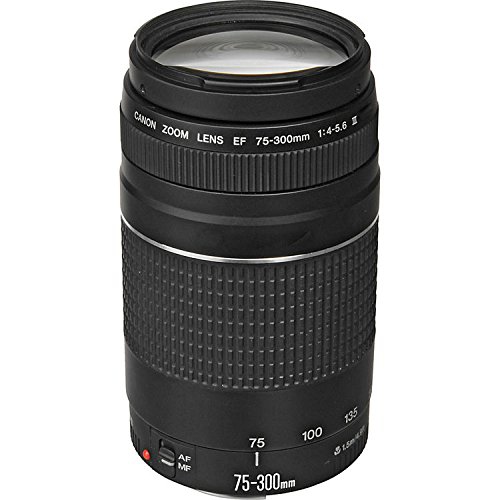
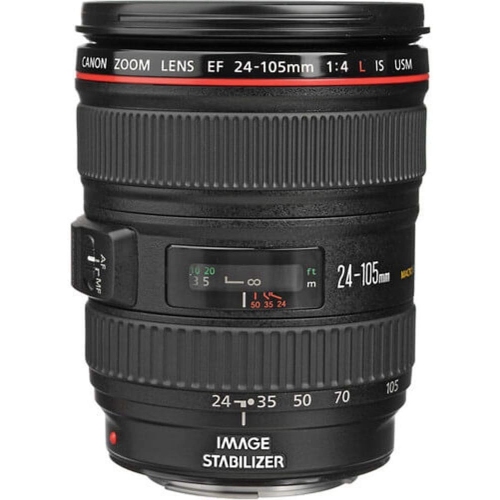
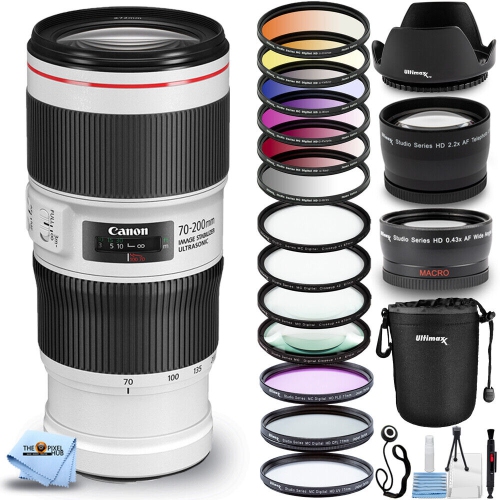
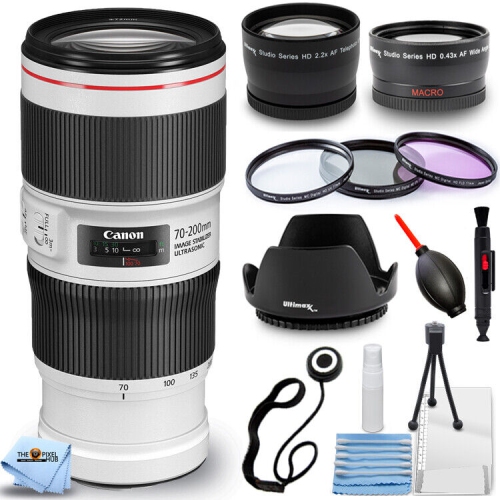
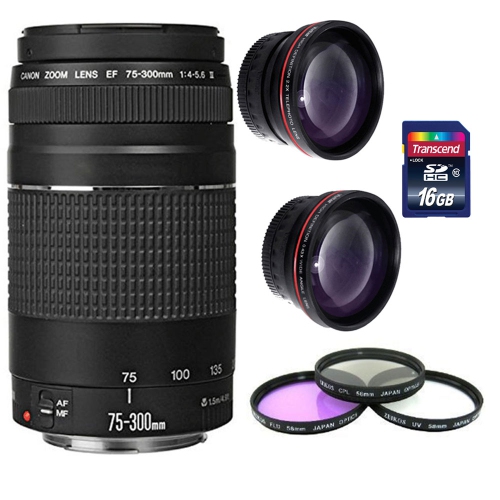
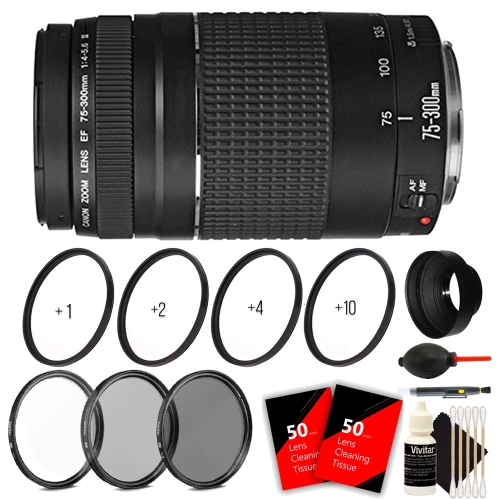
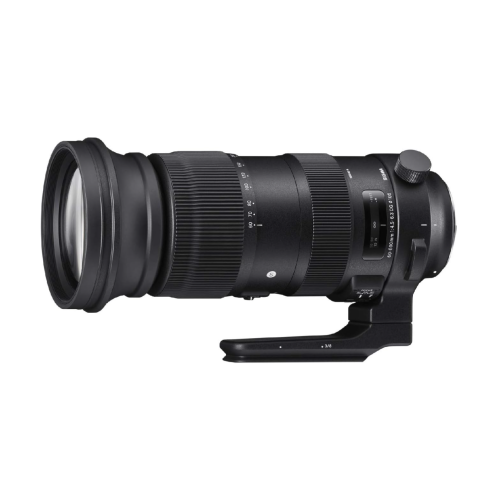
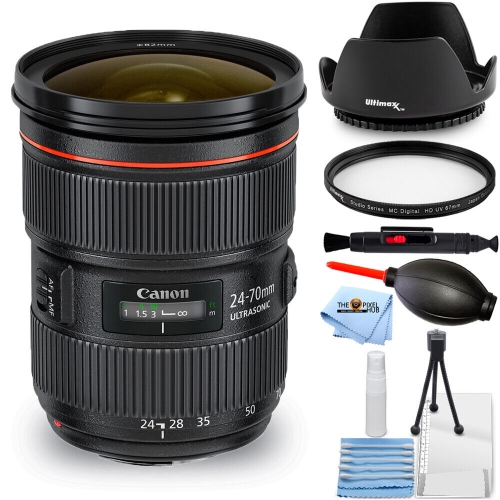
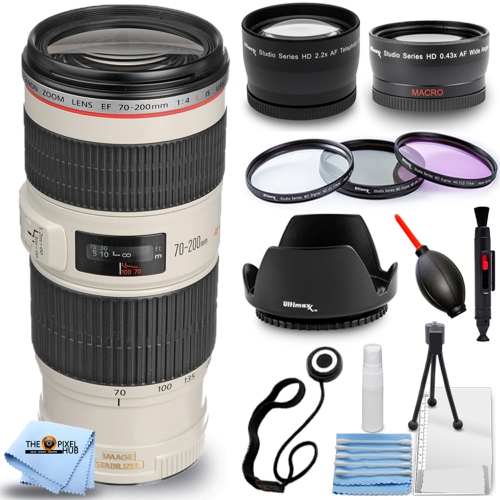
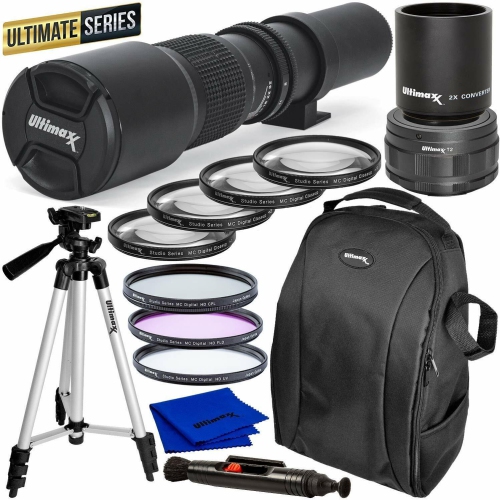
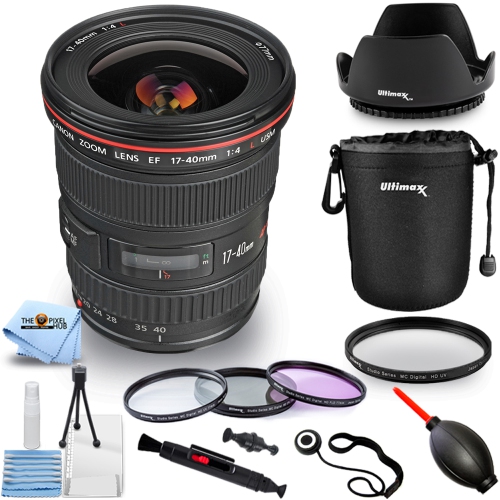
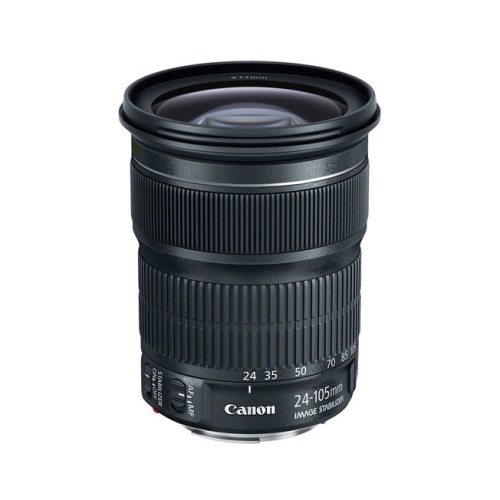
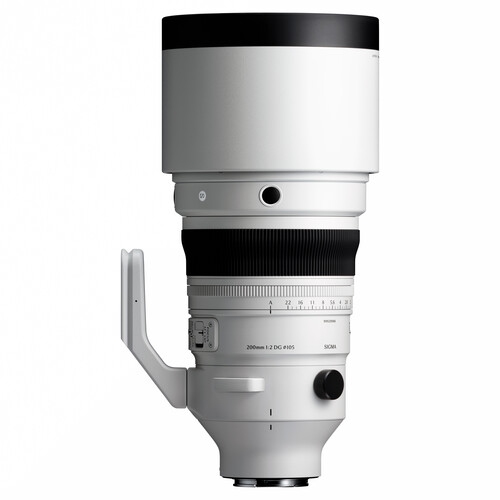
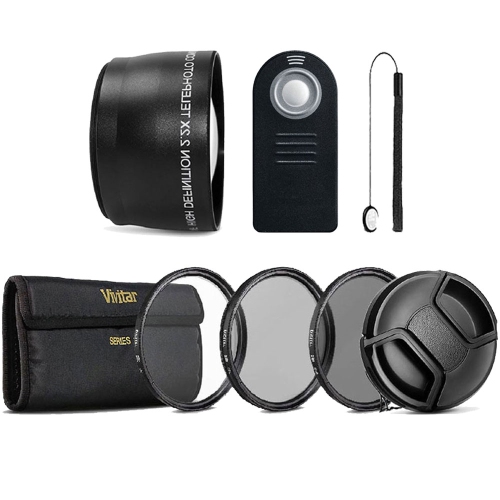
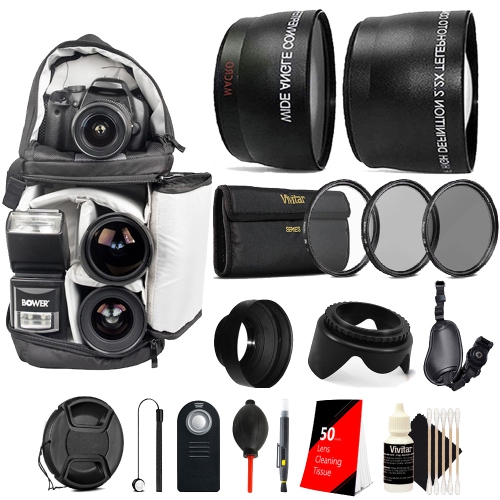
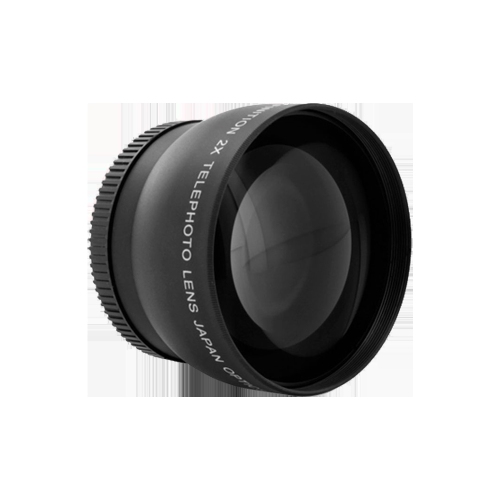
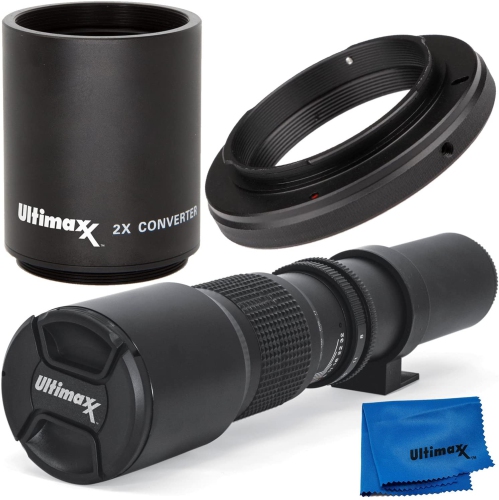
Shop Canon DSLR telephoto lenses to bring distant subjects closer, whether you’re photographing wildlife, sports, or far-off details. Compare focal length, maximum aperture, and compatibility with your Canon DSLR body to choose a lens that suits your shooting needs.

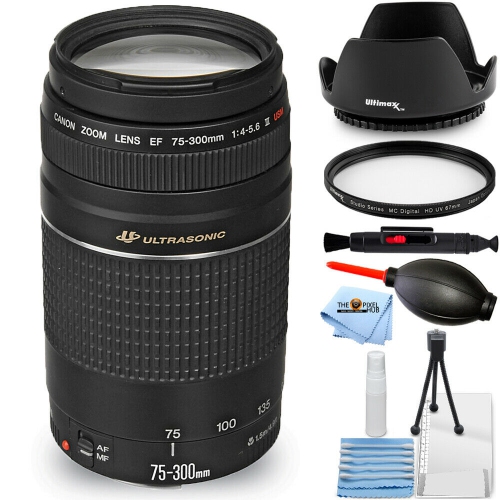
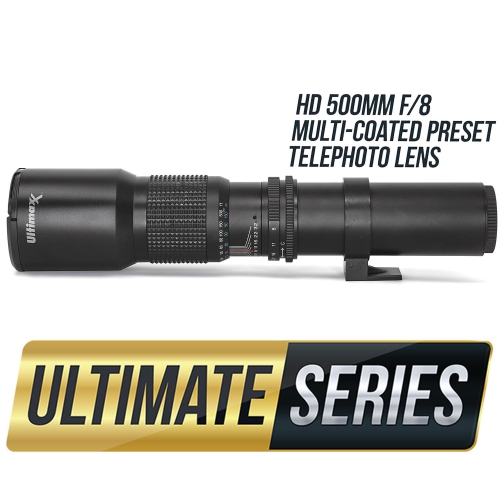

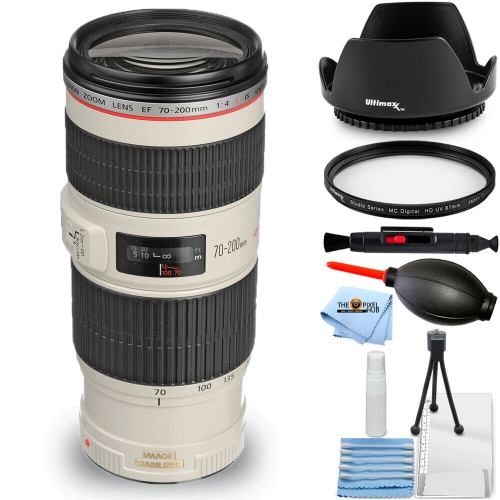
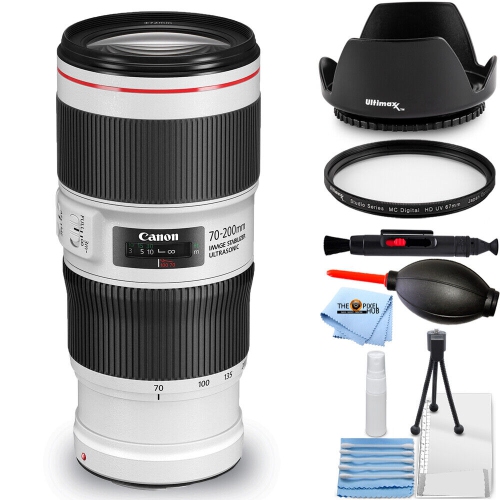


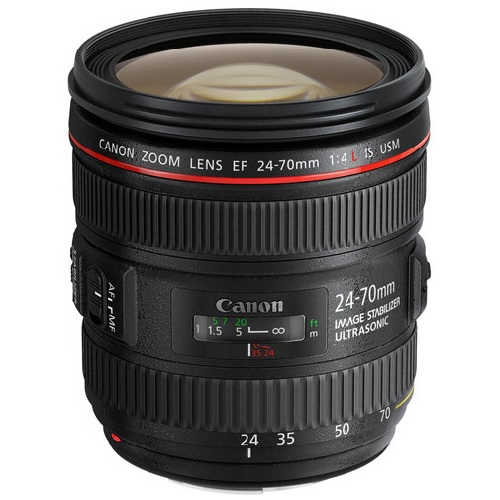
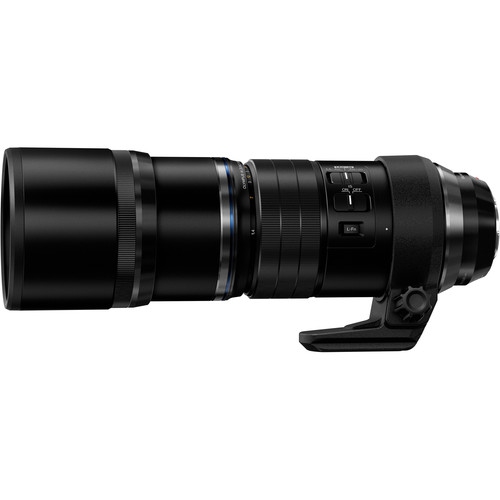
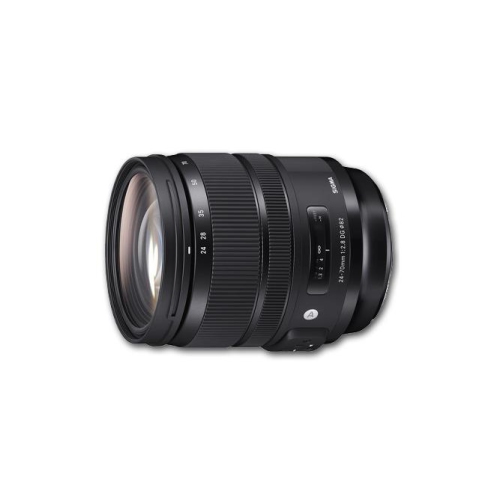
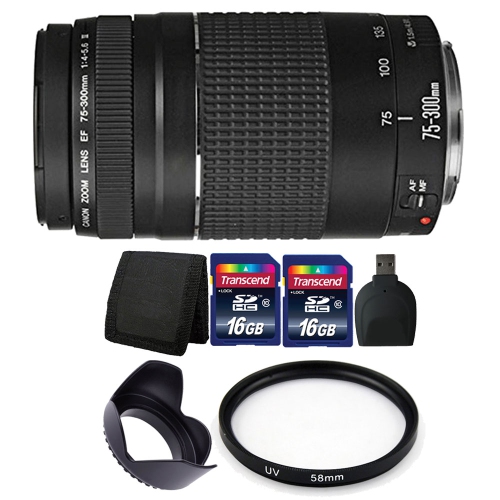





FAQ
Start by checking your camera’s lens mount. Canon EOS DSLRs use EF or EF-S mounts: EF lenses work with both full-frame and APS-C Canon EOS DSLRs, while EF-S lenses are designed for compatible APS-C models. Canon RF and EF-M lenses do not mount on Canon DSLRs. Confirm compatibility with your exact camera model before choosing a lens.
A telephoto prime lens has a fixed focal length, while a telephoto zoom lens lets you change focal length within its stated range. With a prime lens, you generally change your position to adjust framing. A zoom lens lets you adjust framing using the zoom control.
These abbreviations identify lens features. IS stands for Image Stabilization, USM stands for Ultrasonic Motor, and STM stands for Stepping Motor. USM and STM refer to autofocus motor technologies. The features included vary by lens, so check the lens specifications for details.
Some Canon DSLR telephoto lenses support teleconverters, which Canon also calls extenders. Compatibility depends on the exact lens, extender, and camera combination. An extender changes the effective focal length and maximum aperture, and it may affect which autofocus functions are available. Check the compatibility information for all three components.
Autofocus uses the camera and lens to adjust focus, while manual focus lets you set focus yourself using the lens’s focusing control. Many Canon DSLR telephoto lenses have an AF/MF switch for selecting between these modes. Some also allow manual focus adjustments while autofocus is selected, depending on the lens and camera settings.
Top selling and popular products
Discover more categories related to Canon DSLR Telephoto Lenses
Some products may be subject to Environmental Handling Fees (EHF) depending on your province. Learn more about EHFs.