Canon Compatible Telephoto Lenses
Capture stunning detail and bring your photography to new heights with our wide selection of telephoto lenses compatible with Canon cameras. Whether you're an amateur photographer looking to enhance your skills or a professional seeking the perfect lens for capturing distant subjects, we have the solution for you. Our range of telephoto lenses offers exceptional zoom capabilities, allowing you to get up close and personal with your subjects, capturing every intricate detail with precision and clarity. Explore our collection and unlock endless possibilities in your photography journey.
Sort
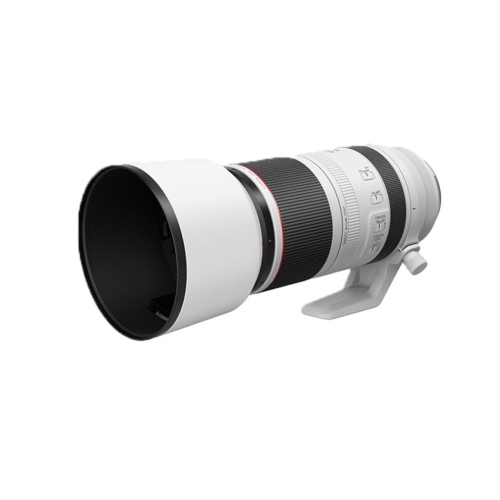
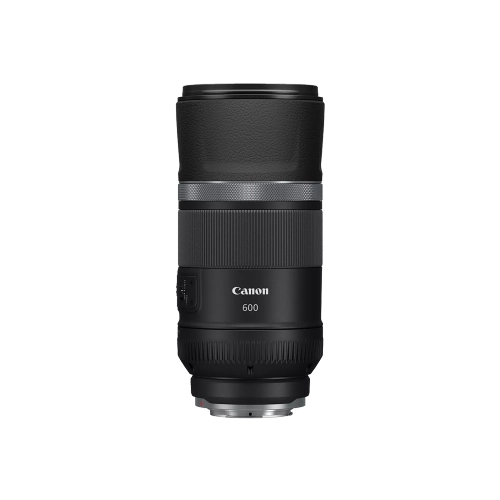
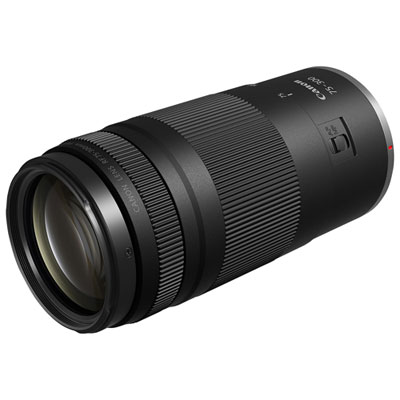
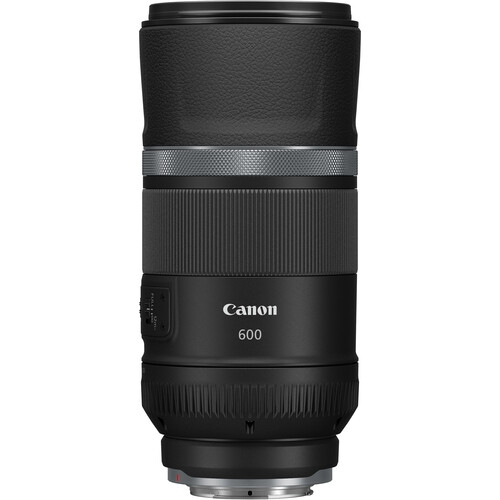
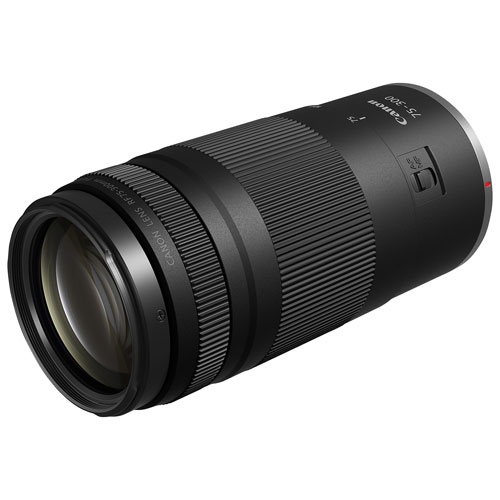
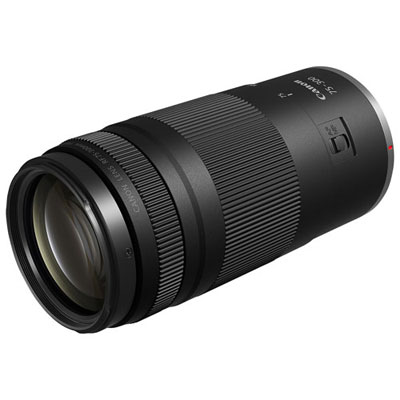
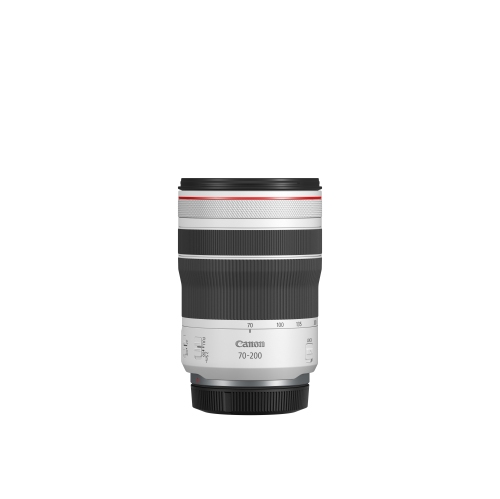
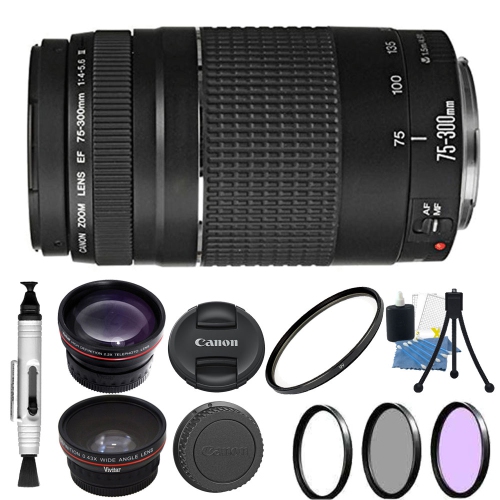
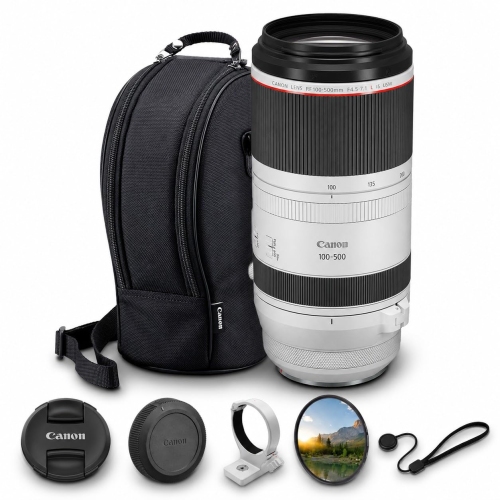
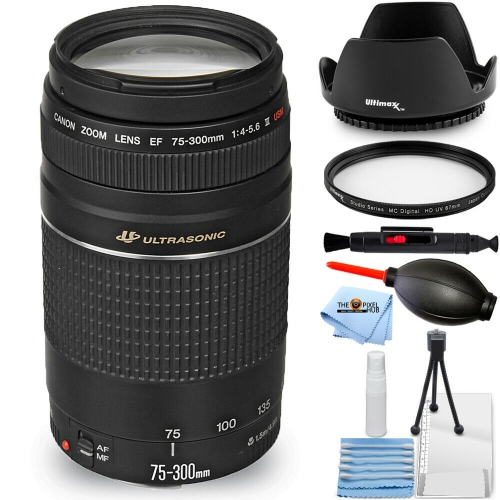
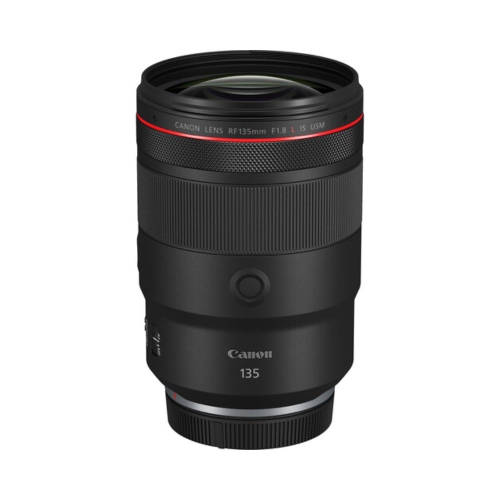
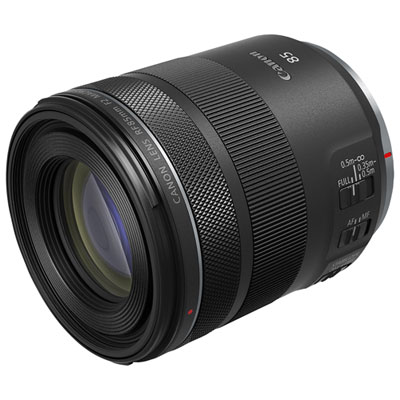
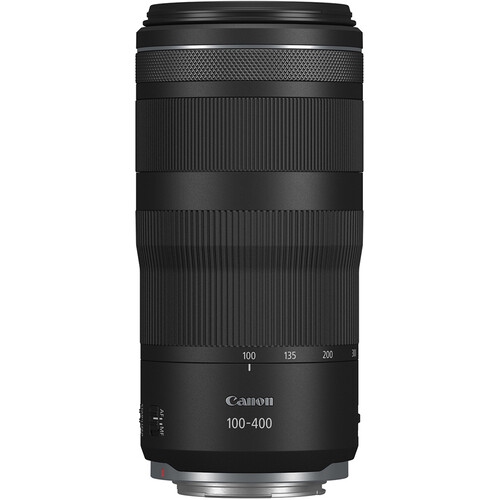
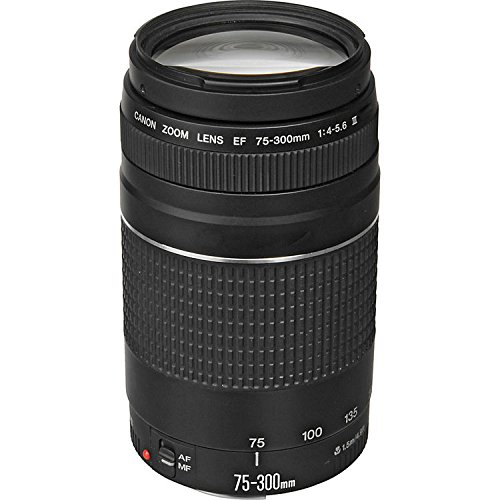
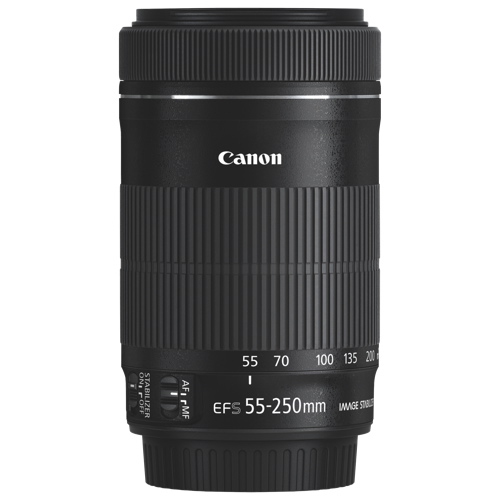
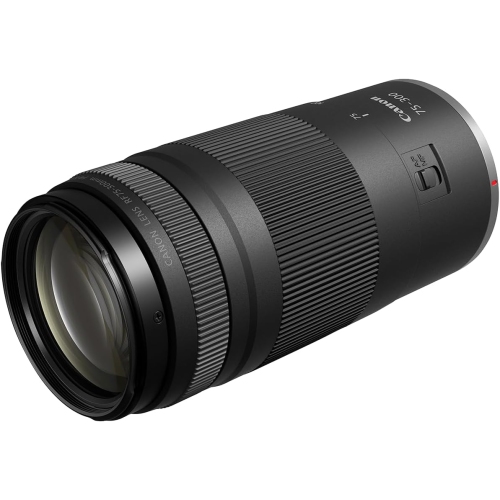
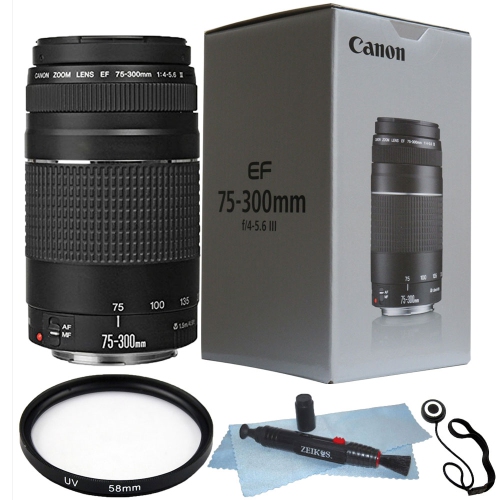
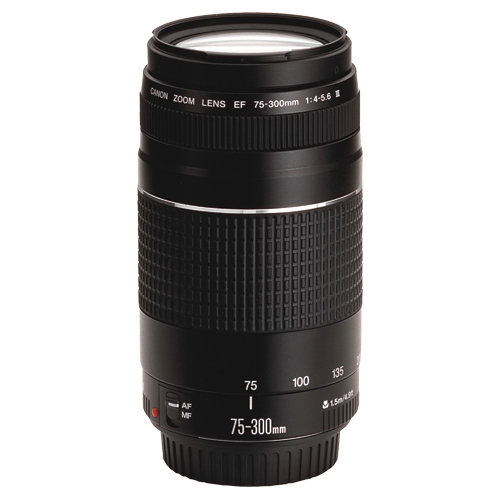
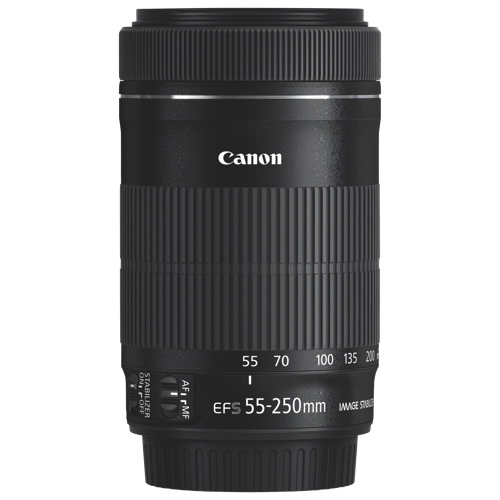
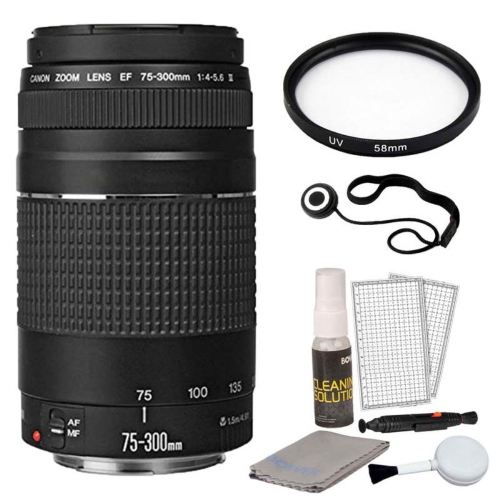
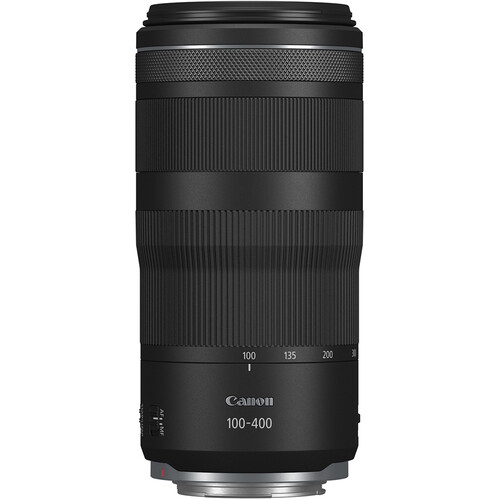
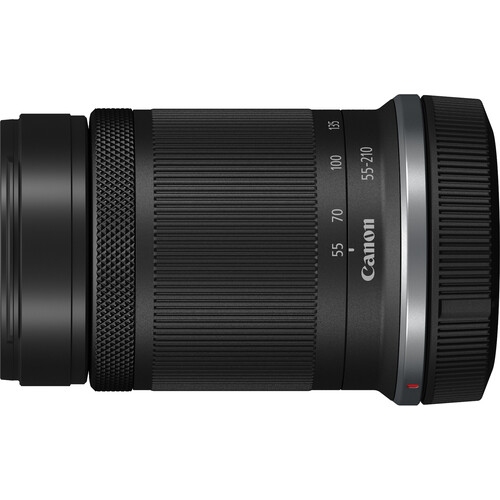
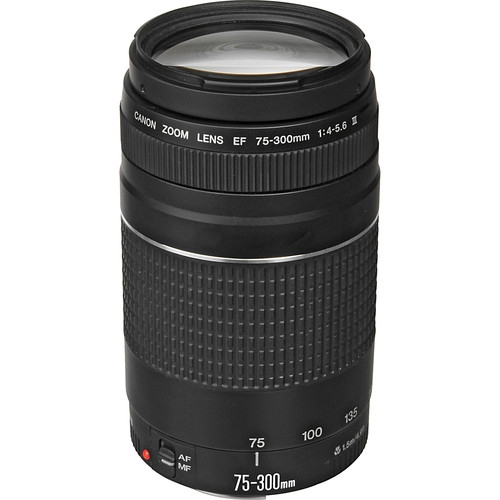
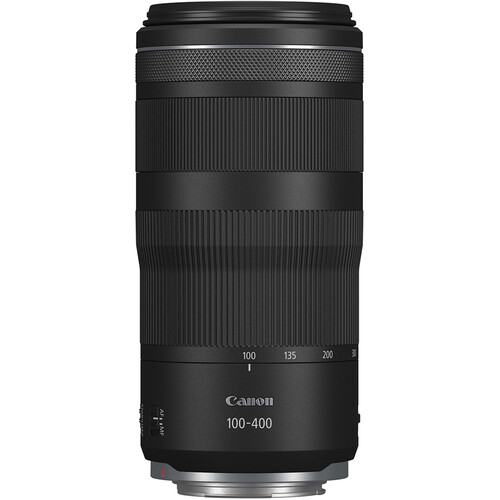
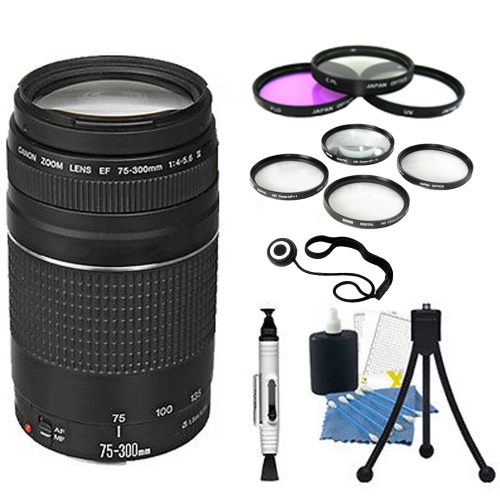
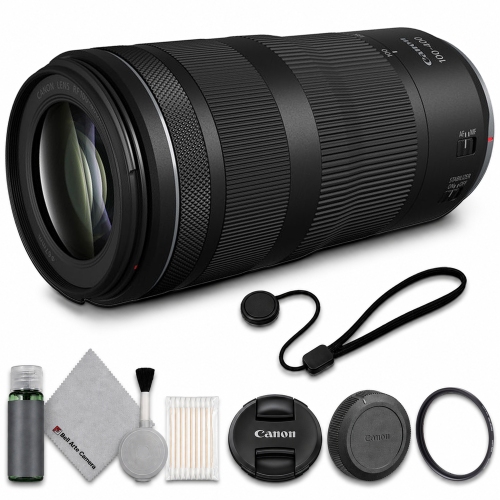
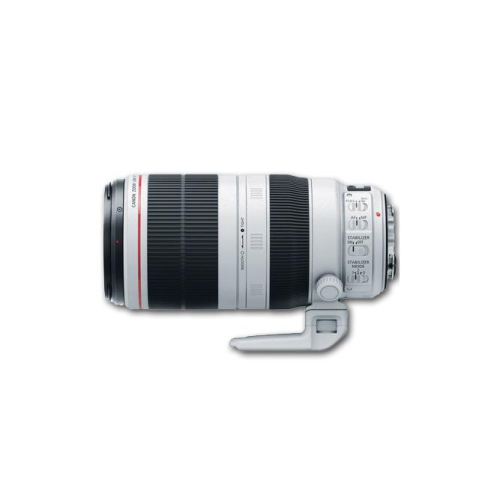
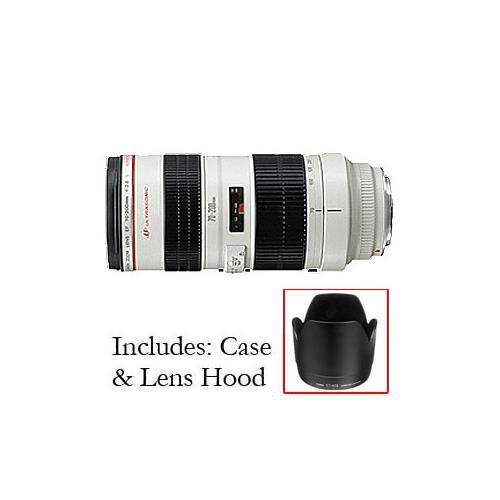
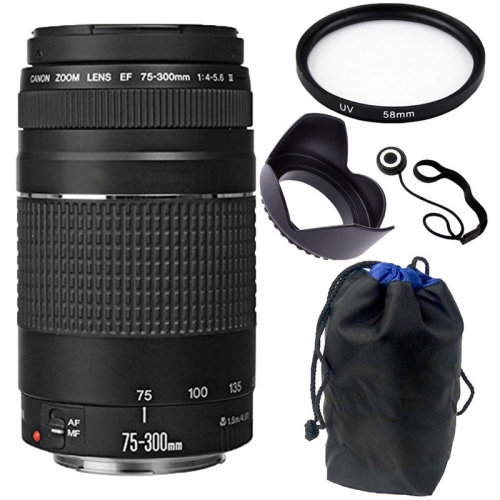
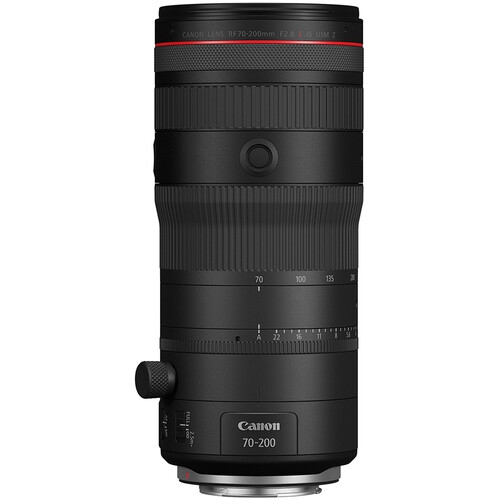
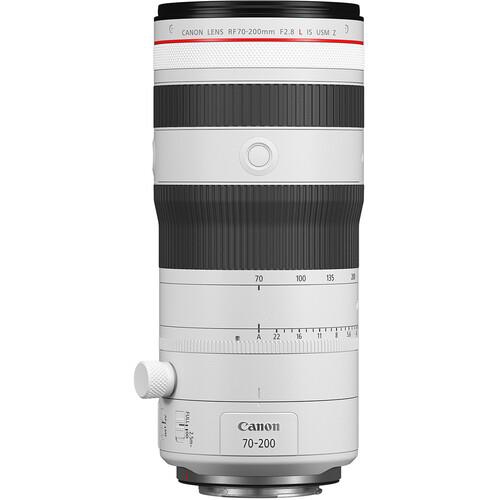
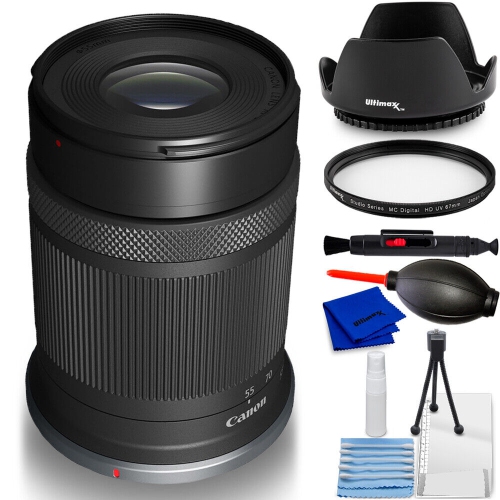
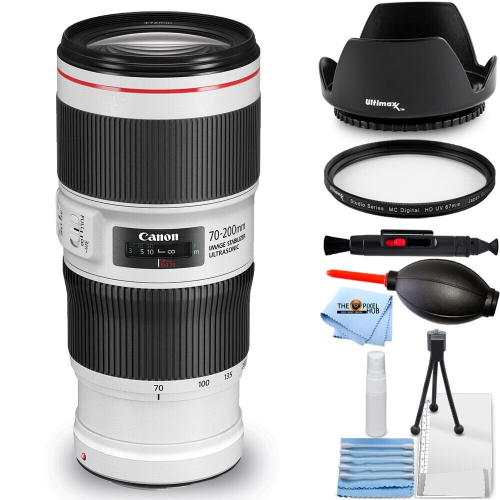
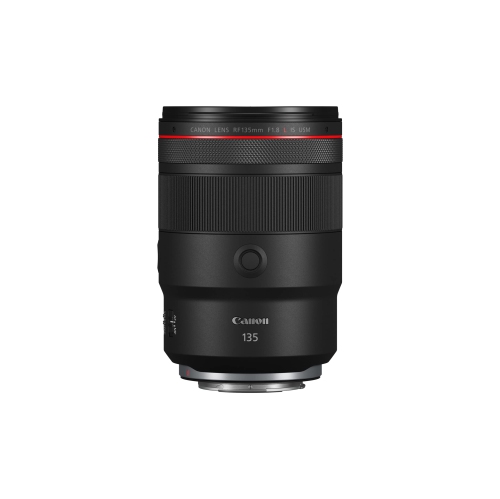
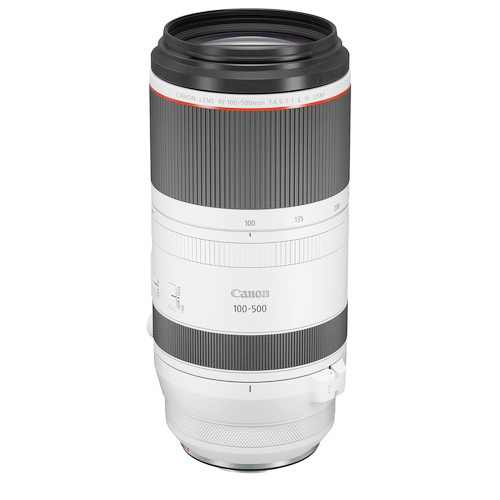
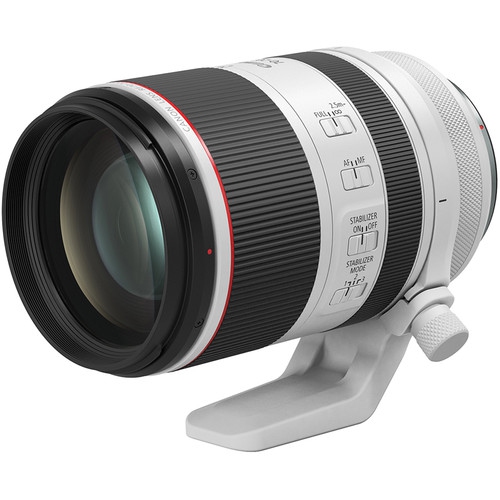
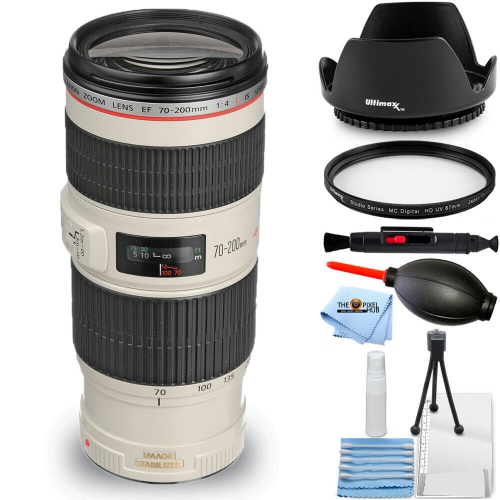
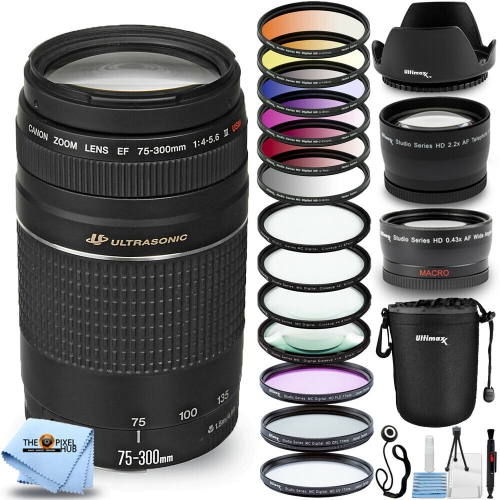
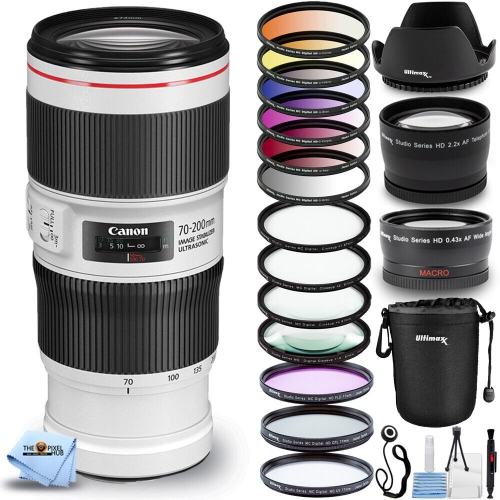
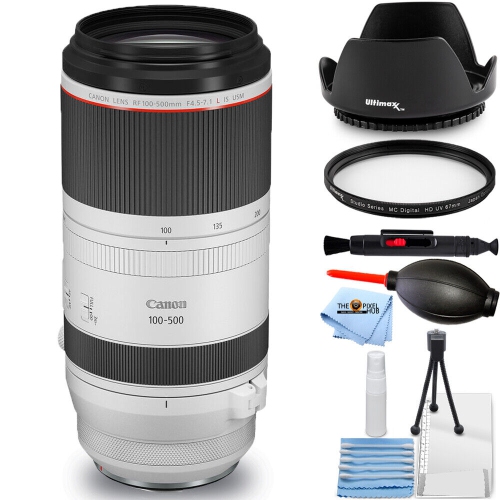
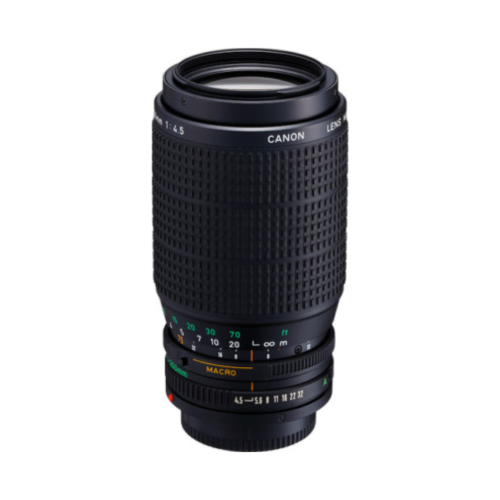
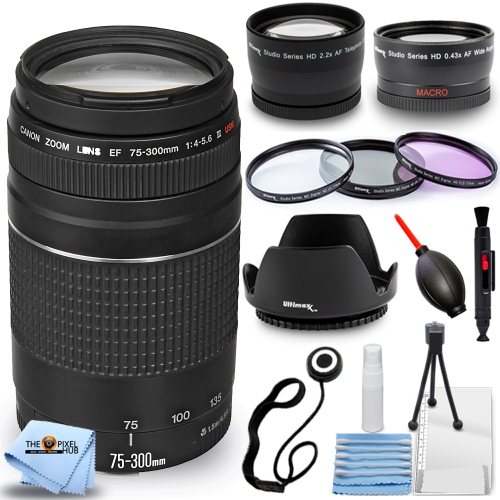
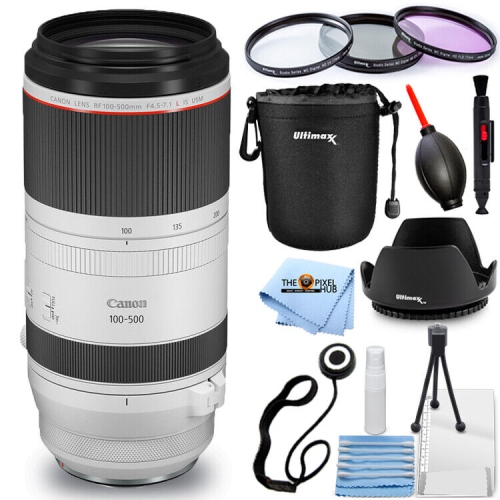
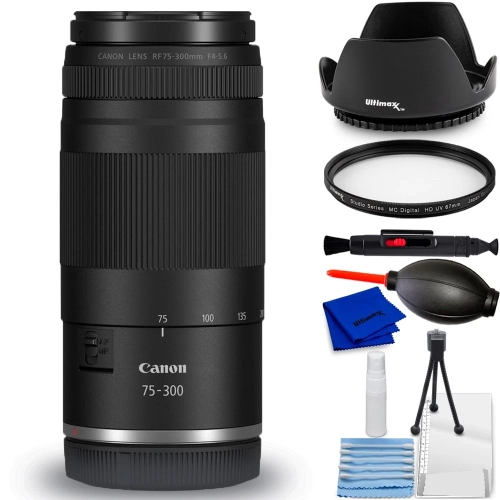
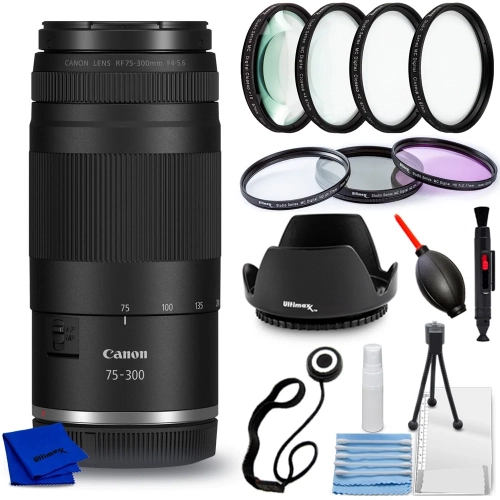
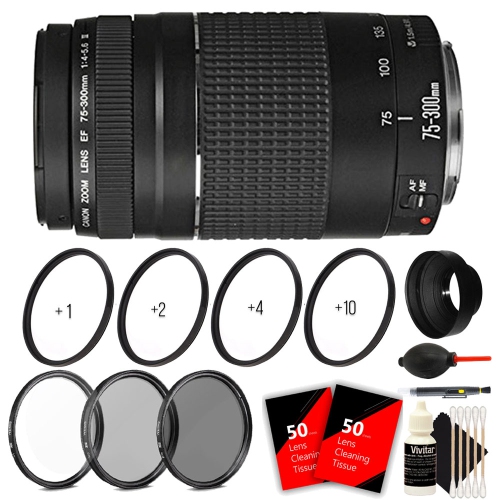
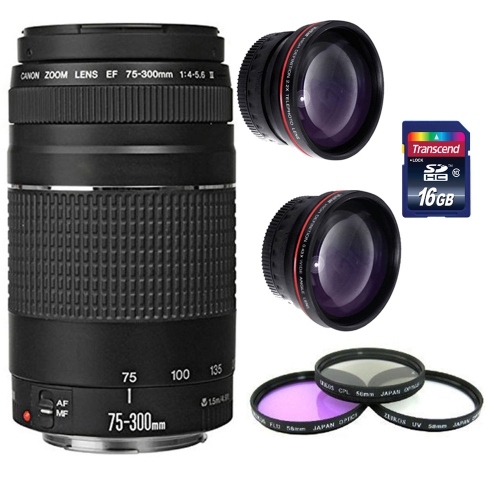
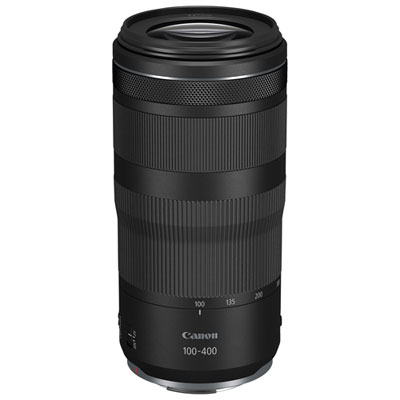
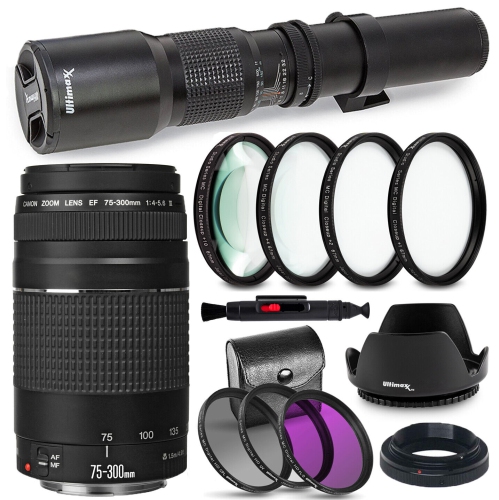
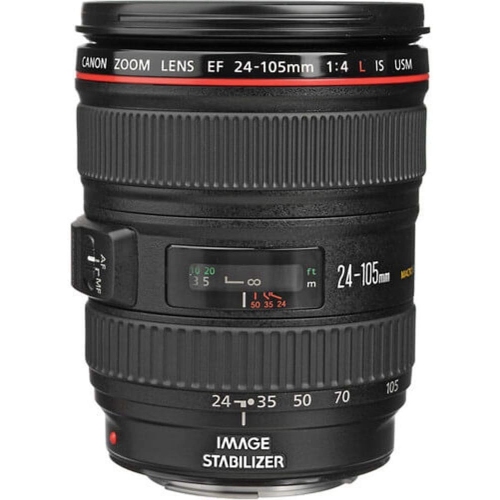
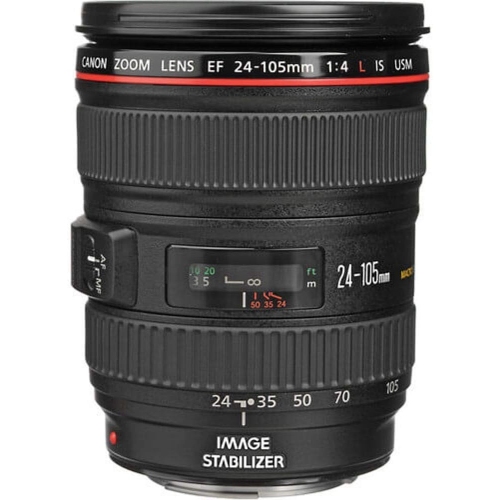
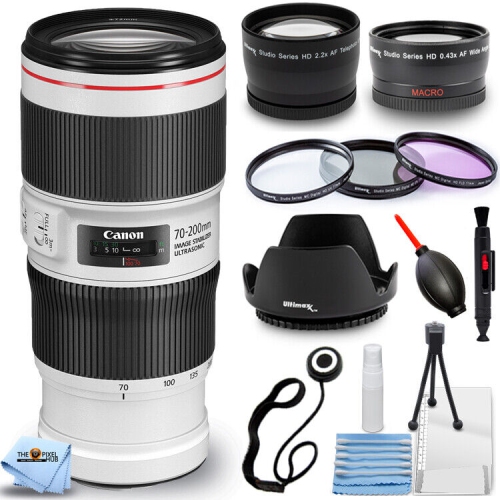
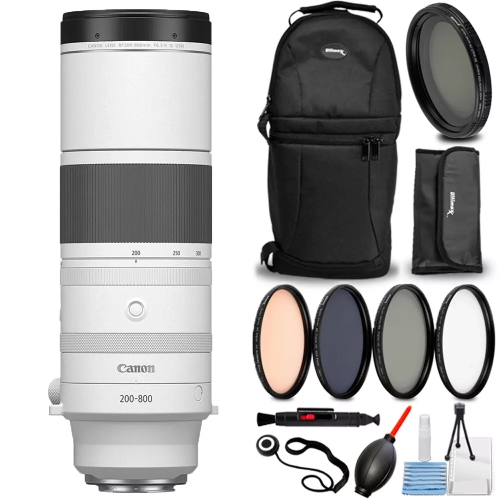
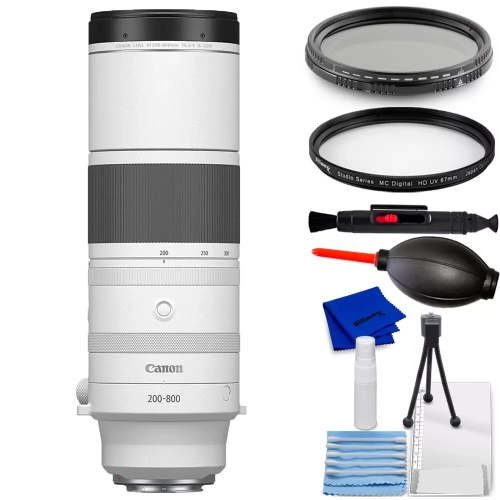
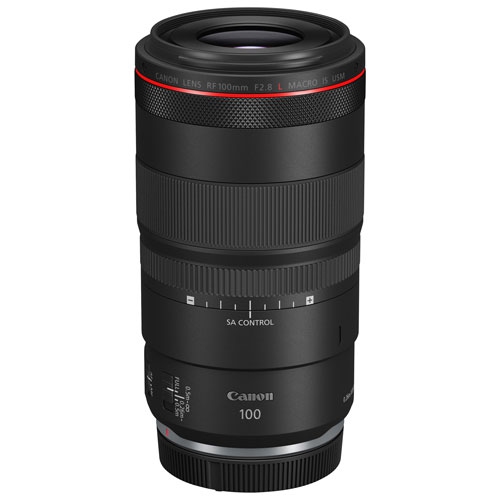

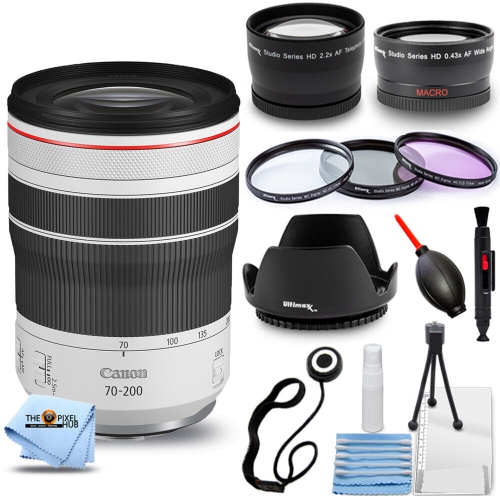
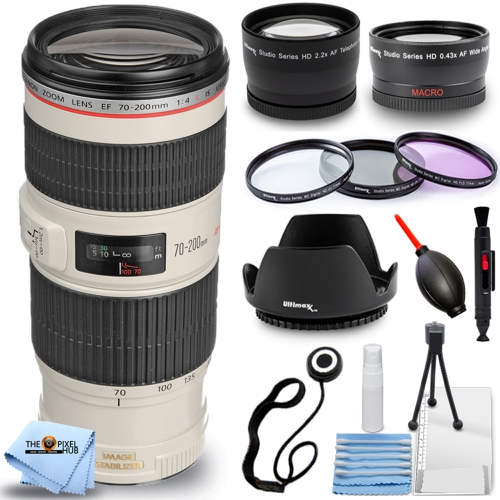
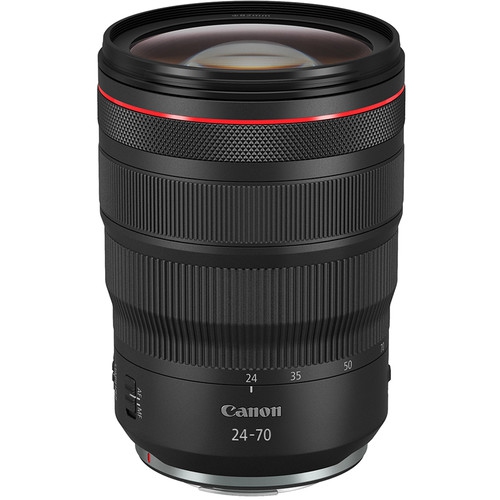
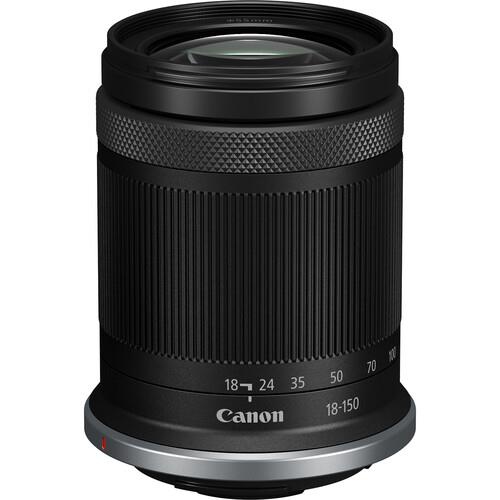
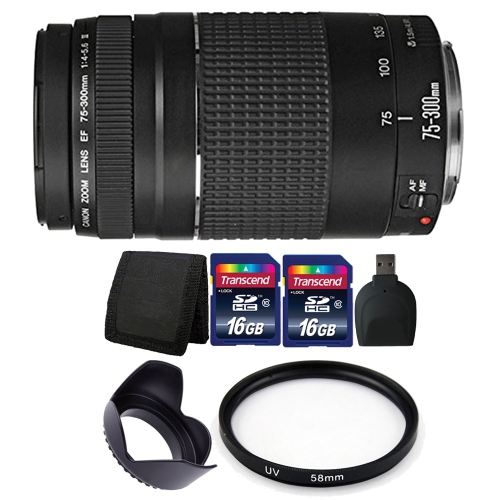
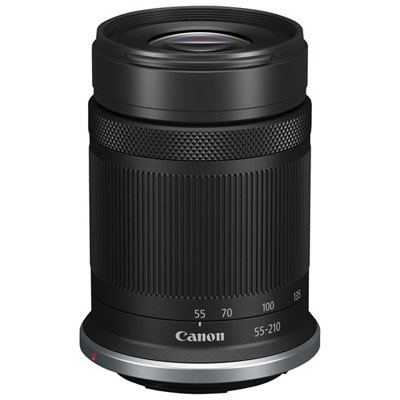
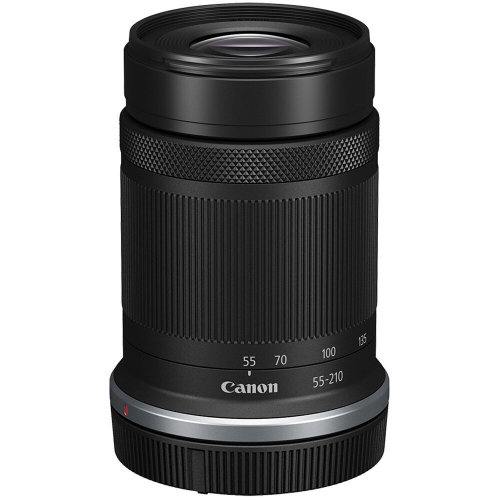
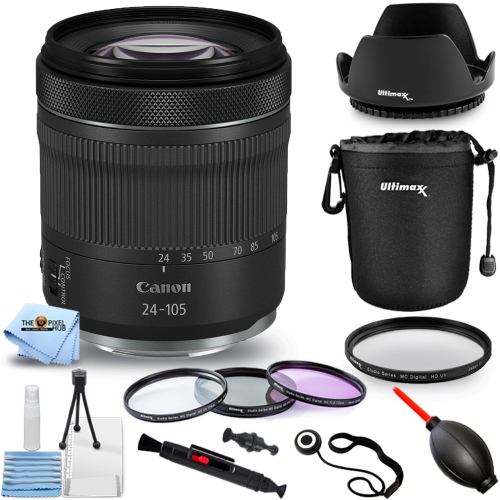
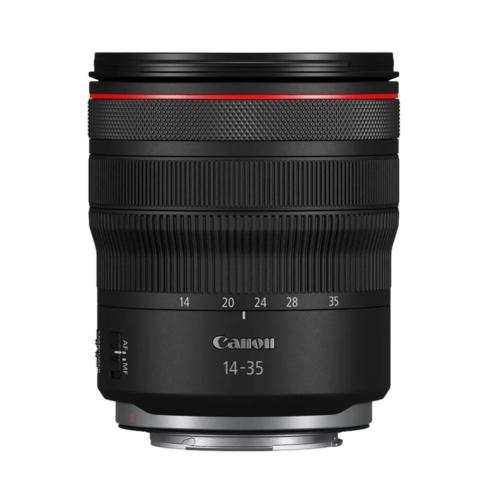
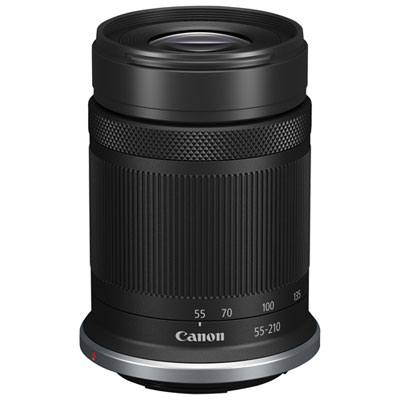
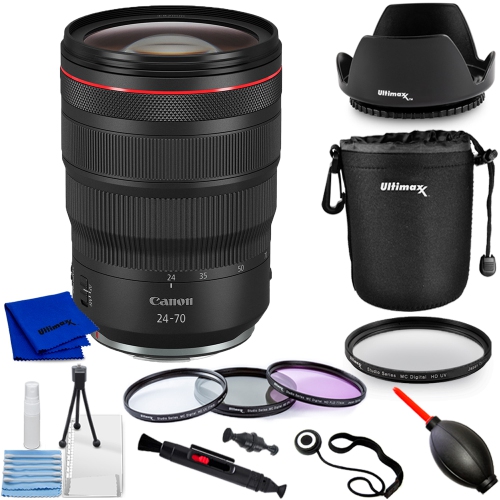
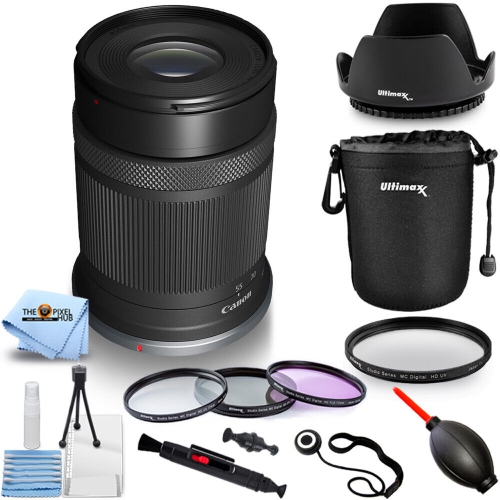
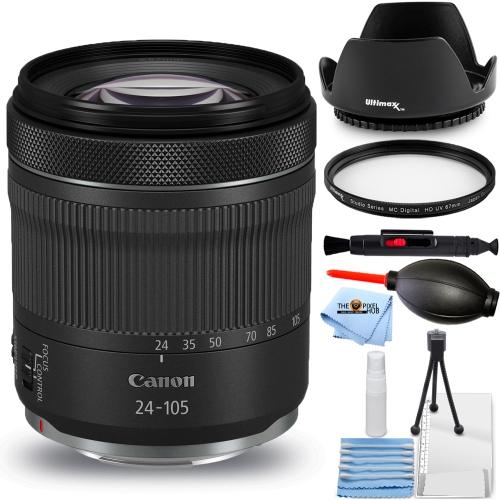
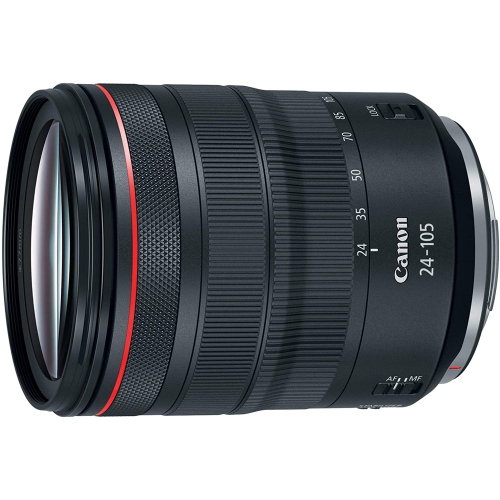
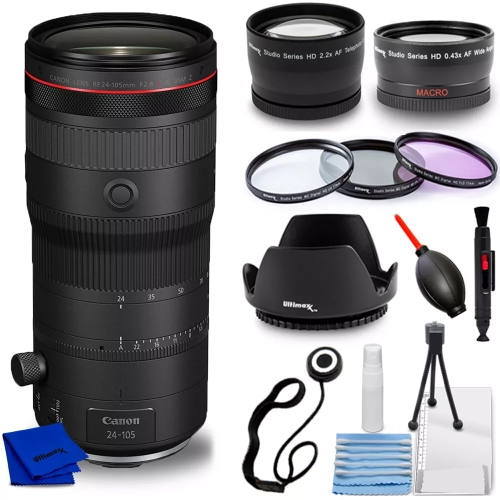
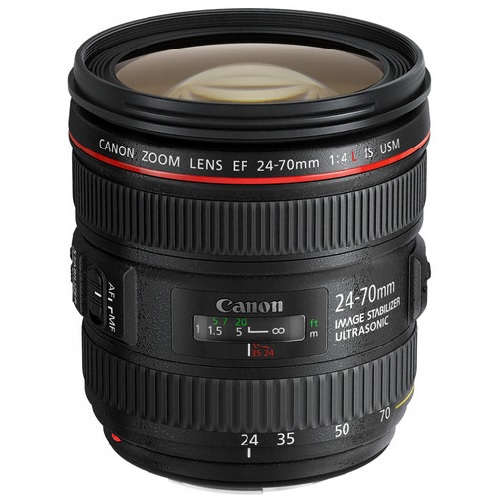
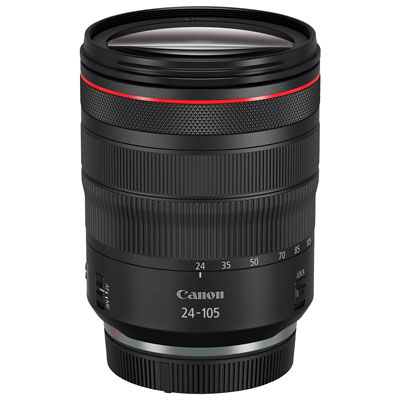
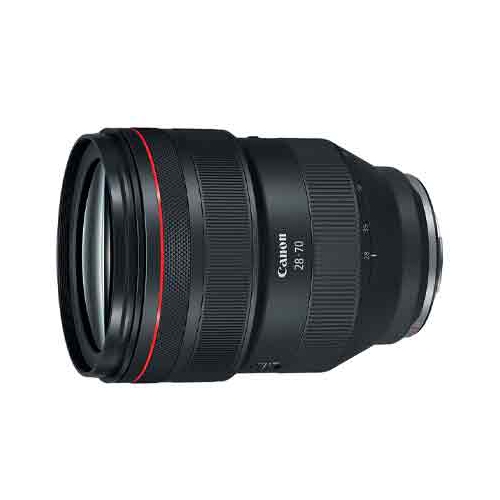
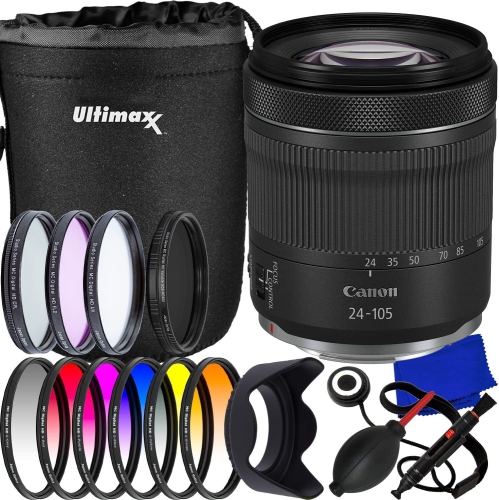
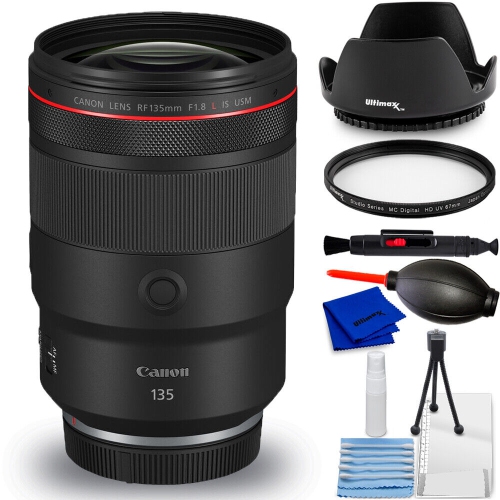
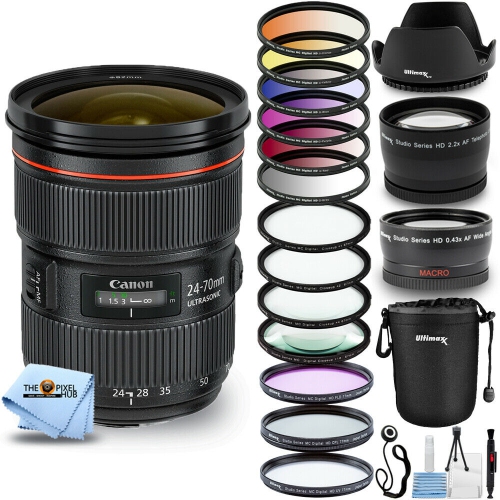
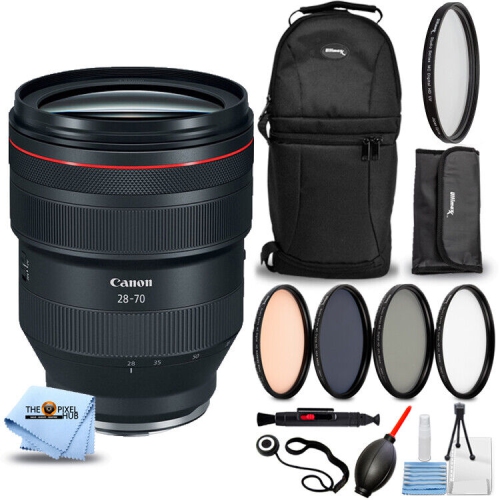
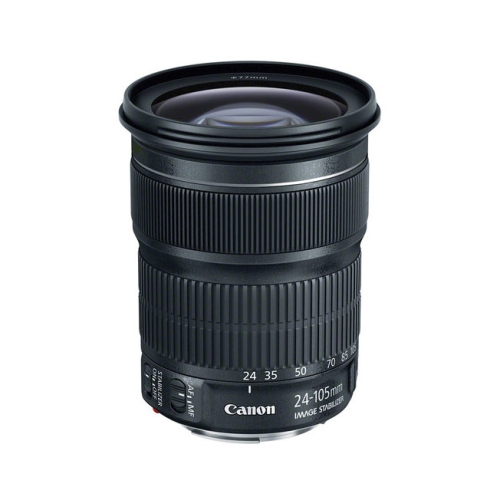
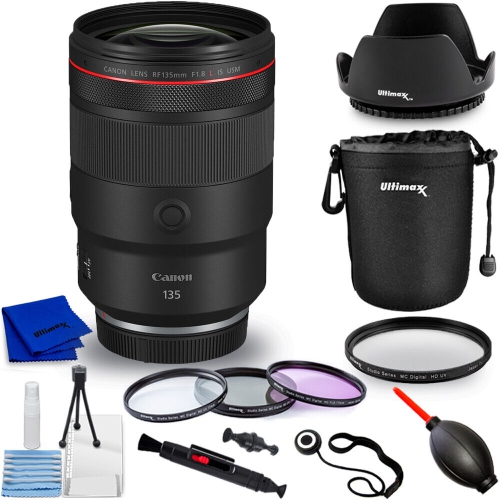
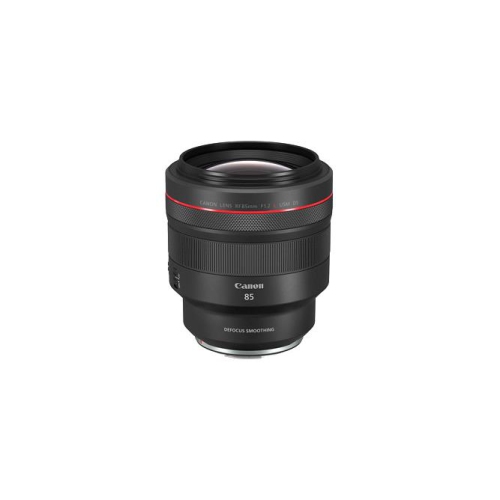
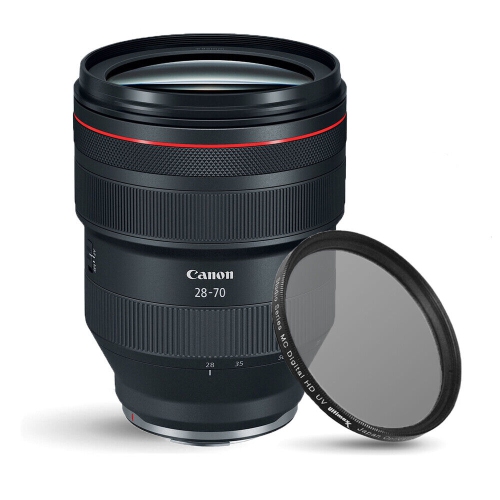
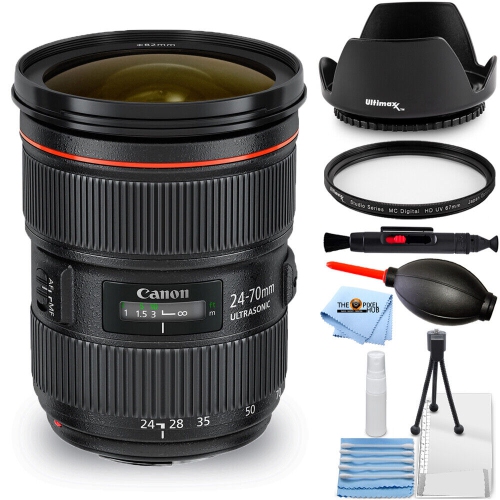
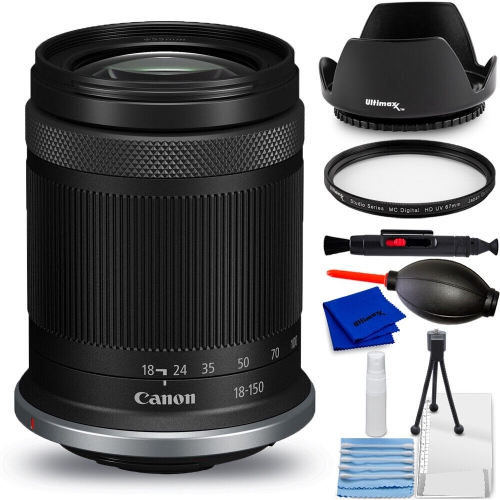
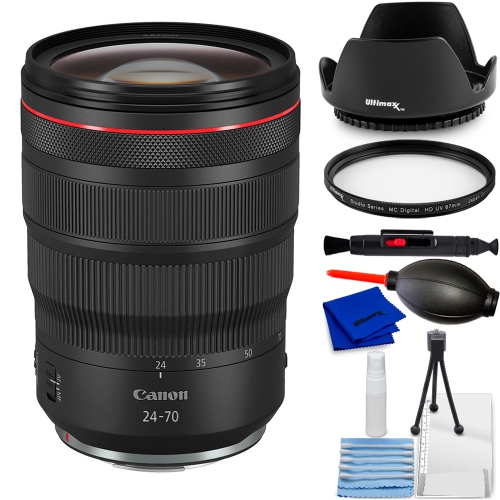
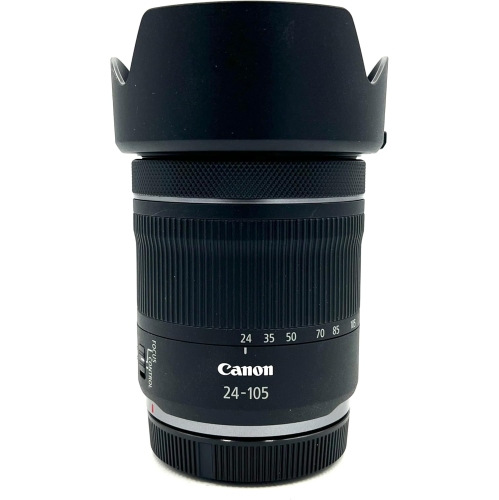
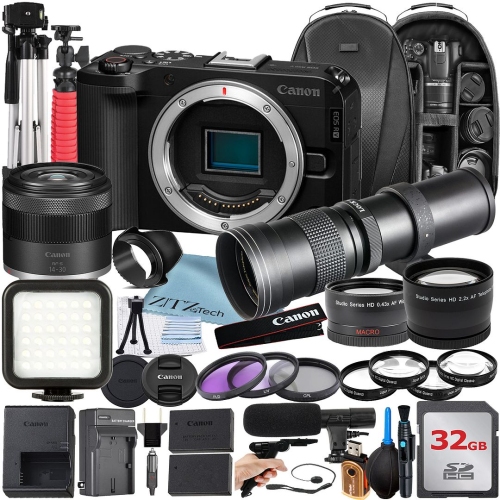
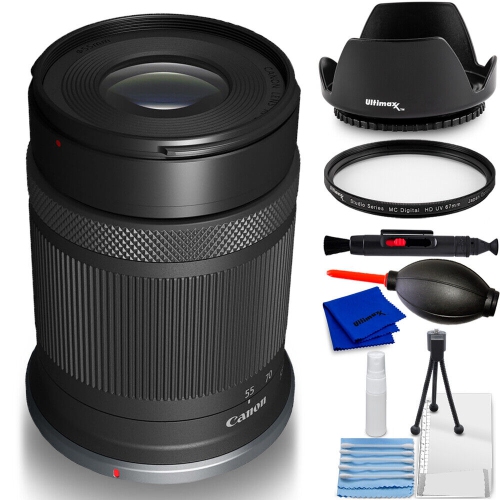
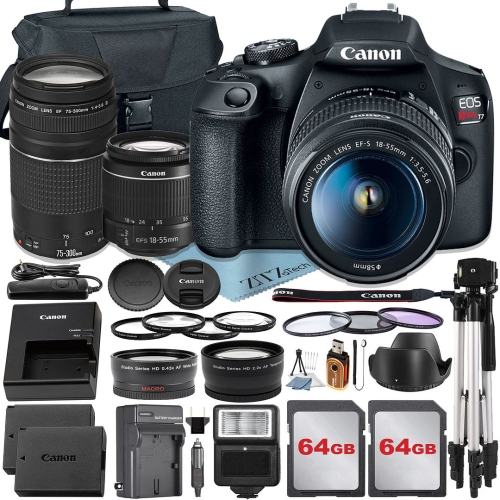
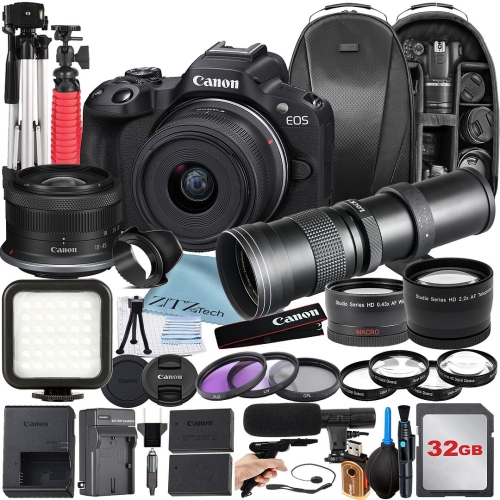
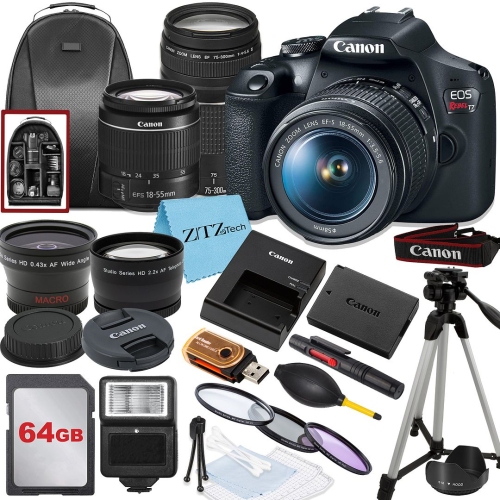
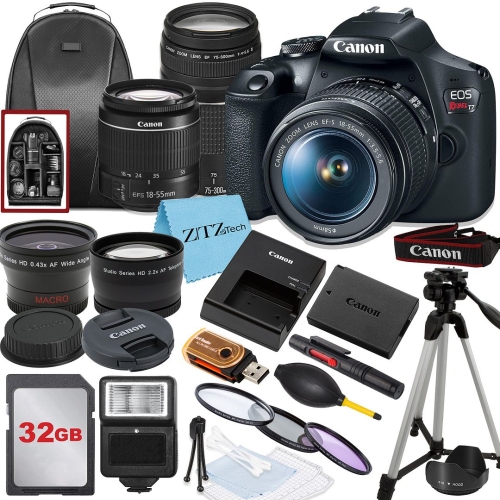
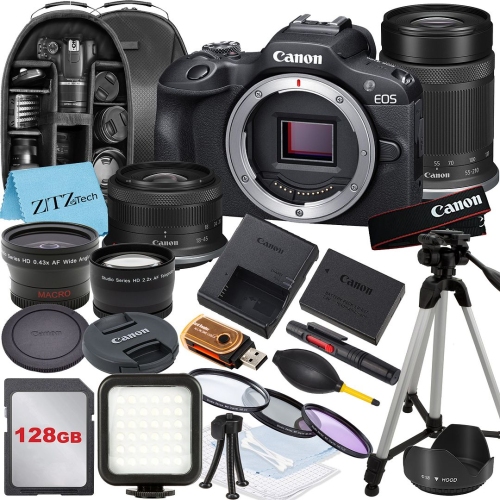
More reach for detailed images from a distance
Canon compatible telephoto lenses bring distant subjects closer, making them a practical choice for wildlife, sports, travel, portraits, live performances, and outdoor family photography. A telephoto lens has a longer focal length than a standard lens, giving you a narrower field of view and allowing you to fill more of the frame without standing close to the subject. That extra reach can transform an ordinary afternoon at a conservation area into a chance to capture a bird perched high in the branches, or turn a child’s soccer match into a collection of expressive, detailed images from the sidelines. Browse the selection of Canon Telephoto Lenses to find options designed for compatible camera systems, with choices that suit different shooting styles, experience levels, and budgets. Before choosing, check whether your camera is a mirrorless model or a DSLR, then confirm the lens mount. Mirrorless cameras commonly use an RF-style mount, while many DSLR cameras use an EF-style mount. A lens made for one mount may not attach directly to the other, although an appropriate manufacturer-approved adapter can provide compatibility in some combinations. Checking the camera manual and the lens specifications before purchasing helps ensure that autofocus, image stabilization, aperture control, and other electronic features work as expected.
Focal length is one of the most important considerations when comparing telephoto lenses. A moderate telephoto range can be useful for portraits, school events, travel details, and casual outdoor photography, while a longer zoom range is better suited to birds, field sports, aircraft, and subjects that are difficult or unsafe to approach. Zoom lenses offer flexibility when the distance to your subject changes; you can frame a single player, then widen the view to include the action around them without changing lenses. Prime telephoto lenses use one fixed focal length and can appeal to photographers who value a straightforward setup, strong optical performance, or a wider maximum aperture. A wider maximum aperture allows more light to reach the camera sensor, which can help in shaded woodland, indoor arenas, or during the softer light of early morning and late afternoon. It can also create a pleasingly blurred background that separates a portrait subject from busy surroundings. Keep in mind that longer lenses can be physically large and may require more care when composing a shot. Image stabilization can help reduce blur caused by hand movement, particularly when photographing stationary subjects in lower light, but it cannot freeze a fast-moving athlete or bird. For action, a camera’s shutter speed, autofocus performance, and continuous shooting settings remain important. A lens with quick, quiet autofocus is useful for unpredictable movement, while a sturdy tripod or monopod can make extended sessions more comfortable when using heavier telephoto equipment.
Weight, size, and handling matter just as much as reach. A compact telephoto zoom can be easier to carry on a hike, pack for a trip, or use handheld during a long day at an outdoor event. Larger professional-style lenses may offer greater brightness, advanced weather sealing, faster focusing, or exceptional sharpness, but their added weight can make a support accessory worthwhile. Consider how you normally photograph: someone travelling through parks and historic areas may prefer a lighter lens that can be ready at a moment’s notice, while a dedicated wildlife photographer may value maximum reach and the ability to work in changing light. Sports photographers often look for fast autofocus, reliable stabilization, and enough focal length to cover action from the stands or edge of a field. Portrait photographers may prefer a moderate telephoto perspective because it produces natural-looking facial proportions and gives them room to work without crowding the subject. These lenses can also make thoughtful gifts for photography students, new camera owners, parents who want better images of weekend activities, or experienced photographers expanding into birds and nature. A few practical details can improve the experience: check the filter diameter if you already own filters, consider whether the lens includes a tripod collar, and verify the minimum focusing distance for close-up details such as flowers, small objects, or textures. During warmer outdoor days and the cooler months that follow, allow a lens to acclimatize when moving between indoor and outdoor temperatures, keep caps attached when it is not in use, and carry a suitable camera bag for protection. Choosing the right mount, focal-length range, maximum aperture, stabilization features, autofocus performance, and overall handling will help ensure that a compatible telephoto lens feels like a natural extension of the camera rather than equipment that stays at home.
Focal length is one of the most important considerations when comparing telephoto lenses. A moderate telephoto range can be useful for portraits, school events, travel details, and casual outdoor photography, while a longer zoom range is better suited to birds, field sports, aircraft, and subjects that are difficult or unsafe to approach. Zoom lenses offer flexibility when the distance to your subject changes; you can frame a single player, then widen the view to include the action around them without changing lenses. Prime telephoto lenses use one fixed focal length and can appeal to photographers who value a straightforward setup, strong optical performance, or a wider maximum aperture. A wider maximum aperture allows more light to reach the camera sensor, which can help in shaded woodland, indoor arenas, or during the softer light of early morning and late afternoon. It can also create a pleasingly blurred background that separates a portrait subject from busy surroundings. Keep in mind that longer lenses can be physically large and may require more care when composing a shot. Image stabilization can help reduce blur caused by hand movement, particularly when photographing stationary subjects in lower light, but it cannot freeze a fast-moving athlete or bird. For action, a camera’s shutter speed, autofocus performance, and continuous shooting settings remain important. A lens with quick, quiet autofocus is useful for unpredictable movement, while a sturdy tripod or monopod can make extended sessions more comfortable when using heavier telephoto equipment.
Weight, size, and handling matter just as much as reach. A compact telephoto zoom can be easier to carry on a hike, pack for a trip, or use handheld during a long day at an outdoor event. Larger professional-style lenses may offer greater brightness, advanced weather sealing, faster focusing, or exceptional sharpness, but their added weight can make a support accessory worthwhile. Consider how you normally photograph: someone travelling through parks and historic areas may prefer a lighter lens that can be ready at a moment’s notice, while a dedicated wildlife photographer may value maximum reach and the ability to work in changing light. Sports photographers often look for fast autofocus, reliable stabilization, and enough focal length to cover action from the stands or edge of a field. Portrait photographers may prefer a moderate telephoto perspective because it produces natural-looking facial proportions and gives them room to work without crowding the subject. These lenses can also make thoughtful gifts for photography students, new camera owners, parents who want better images of weekend activities, or experienced photographers expanding into birds and nature. A few practical details can improve the experience: check the filter diameter if you already own filters, consider whether the lens includes a tripod collar, and verify the minimum focusing distance for close-up details such as flowers, small objects, or textures. During warmer outdoor days and the cooler months that follow, allow a lens to acclimatize when moving between indoor and outdoor temperatures, keep caps attached when it is not in use, and carry a suitable camera bag for protection. Choosing the right mount, focal-length range, maximum aperture, stabilization features, autofocus performance, and overall handling will help ensure that a compatible telephoto lens feels like a natural extension of the camera rather than equipment that stays at home.
Top selling and popular products
-
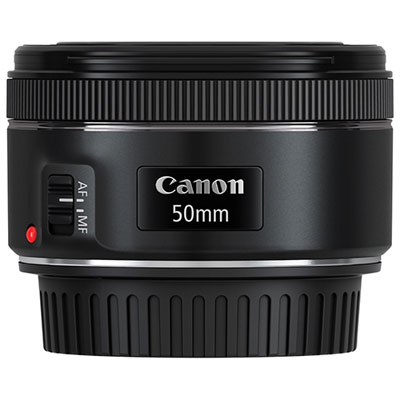 Your price for this item is $169.99
 -
 Your price for this item is $329.99
 -
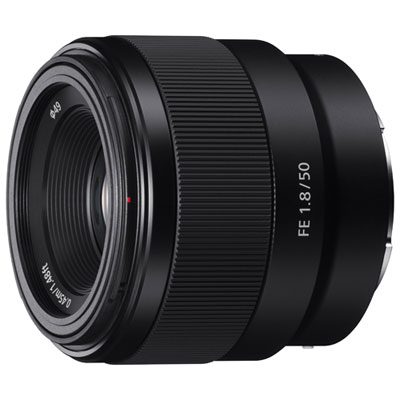 Your price for this item is $349.99
 -
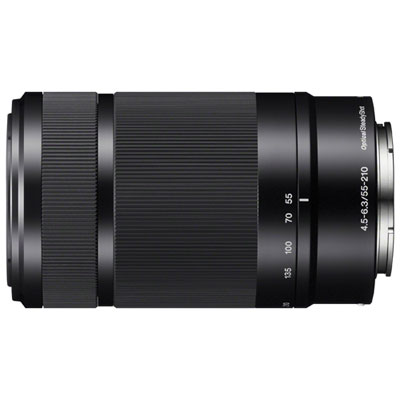 Your price for this item is $399.99
 -
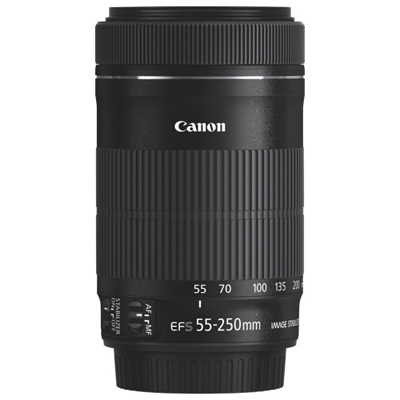 Your price for this item is $399.99
 -
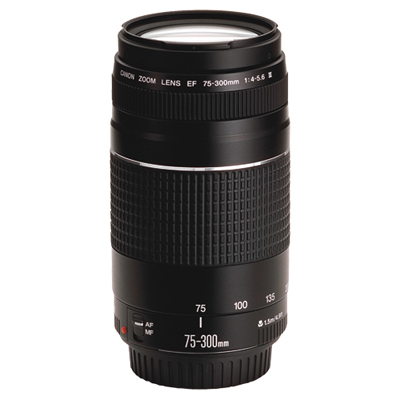 Your price for this item is $199.99
 -
 Your price for this item is $174.99
 -
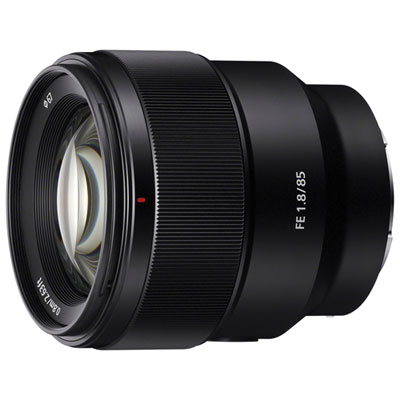 Your price for this item is $799.99
Discover more categories related to Canon Compatible Telephoto Lenses

Top Collections:
Pokemon Centers, Best Cameras for Sports Photography, Kindle Devices, Samsung Galaxy Phones, Canon G7X Cameras, Pokémon 30th Celebration Cards, Refurbished Apple Laptops, iPhone 15 Apple, Laptops for Students, Budget Smartphones
Some products may be subject to Environmental Handling Fees
(EHF) depending on your province.
Learn more about EHFs.