5 Channel Amplifiers
Looking to take your audio experience to the next level? Look no further than our collection of 5 channel amplifiers. Designed to enhance the power and clarity of your sound system, these amplifiers are perfect for creating a truly immersive audio environment. Whether you're a music lover, a movie buff, or a gaming enthusiast, our 5 channel amplifiers offer unparalleled performance and versatility. With multiple channels to accommodate your speakers and subwoofers, you can enjoy a rich and dynamic sound that brings your favorite content to life. Explore our selection today and discover the perfect amplifier for your audio setup.
Sort

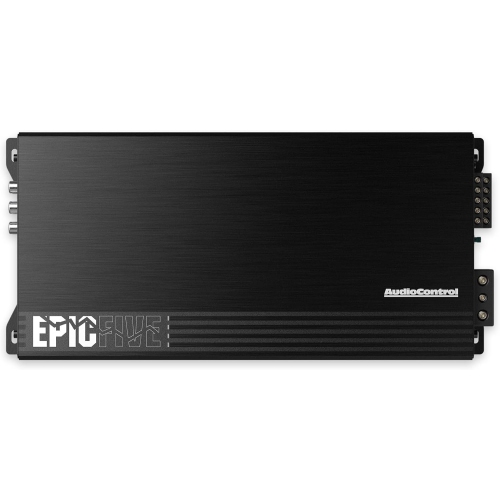

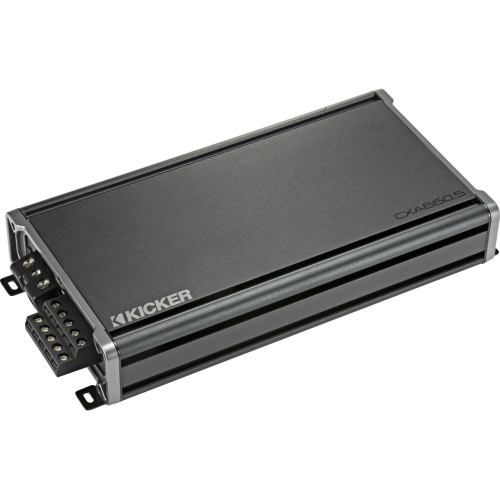

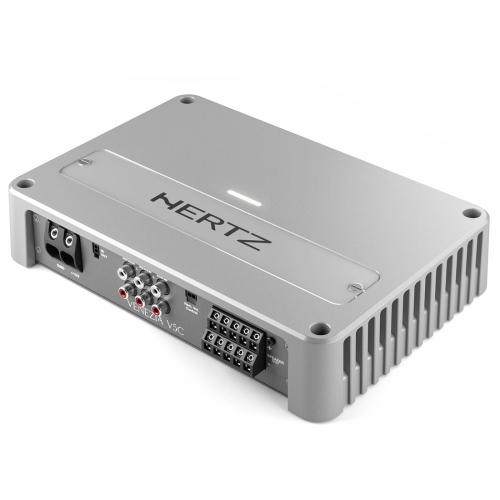
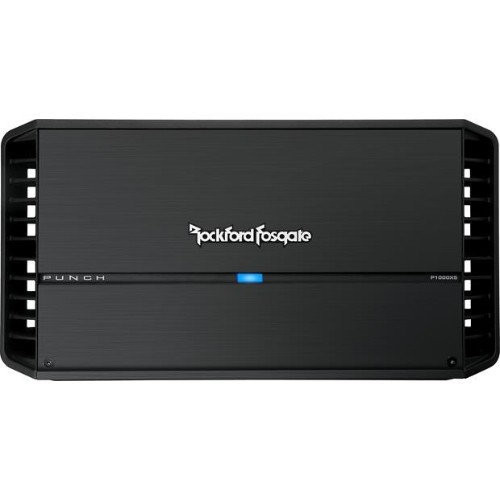
How one amplifier powers speakers and subwoofer together
5 channel amplifiers are a practical way to add controlled, full-range power to a vehicle’s entire sound system without filling the cabin or cargo area with several separate amplifier chassis. A typical 5 channel car amplifier includes four channels for the main speakers and a fifth, higher-powered channel for a subwoofer. The four full-range channels can power front and rear door speakers, coaxial speakers, or component speaker sets, while the dedicated subwoofer channel is designed to handle the deeper bass and heavier demands of a subwoofer. This arrangement creates a tidy, balanced setup for drivers who want clearer vocals, more detail in instruments, and stronger low-end impact from the same integrated system. Instead of asking a small factory radio to do all the work, an amplifier supplies additional power so speakers can play with greater authority and less strain. The result can be especially noticeable on long drives, where quiet passages, layered arrangements, and bass notes are easier to hear without turning the volume control all the way up. A 5 channel amplifier may suit a commuter refreshing an older vehicle’s audio system, a music enthusiast building a custom installation, or a family that wants enjoyable sound throughout the car. It can also be a thoughtful gift for someone who spends plenty of time on the road, provided the amplifier’s specifications match the vehicle’s speakers, subwoofer, stereo, and electrical system. Drivers comparing different amplifier layouts may also want to explore Best 2 Channel Amplifiers when a simpler setup for a pair of speakers or a dedicated subwoofer better matches their plans.
Power ratings are among the most important details to review before choosing a 5 channel amplifier. Look for RMS output rather than relying only on maximum or peak figures, since RMS indicates the power an amplifier is designed to deliver continuously under defined conditions. The four main channels should be reasonably matched to the RMS handling of the vehicle’s speakers, while the fifth channel should complement the subwoofer’s RMS rating and impedance. An amplifier that supplies too little power may encourage the system to be pushed hard, while one that greatly exceeds the speakers’ capabilities may require careful gain adjustment and responsible use. Matching the amplifier to the load is equally important: check whether the amplifier supports the speakers and subwoofer at their intended ohm ratings, and confirm how power changes at different impedance levels. It is also useful to review the frequency response, built-in crossover controls, bass boost options, and signal inputs. High-pass filters can help keep very low frequencies away from smaller door speakers, while a low-pass filter directs bass to the subwoofer for a smoother division of duties. Some installations use RCA preamp outputs from an aftermarket stereo, while others connect to speaker-level outputs from a factory head unit. If the vehicle retains its original stereo, confirm that the amplifier can accept the available signal and that any required integration equipment is compatible. A remote bass control may be convenient for adjusting low-frequency emphasis from the driver’s seat, although it should be used with care so the system remains balanced rather than overly boomy. For an accurate comparison, consider the complete system rather than one impressive number: speaker RMS ratings, subwoofer voice-coil configuration, impedance, available signal connections, fuse requirements, and the vehicle’s charging capacity all influence real-world performance.
Installation planning can make as much difference as the amplifier itself. A 5 channel design usually saves space and simplifies the layout by placing the four speaker channels and the subwoofer channel in one enclosure. This can be helpful in compact vehicles, hatchbacks, trucks, and cars where cargo room is already limited. Even with one amplifier, the installation still requires appropriate power and ground cables, signal wiring, speaker connections, fusing, and secure mounting. The amplifier should be installed in a dry, well-ventilated location with enough clearance around its heat-sink vents. Loose mounting, blocked airflow, undersized wiring, or an inadequate ground can lead to noise, overheating, protection mode, or inconsistent operation. Cable routing should keep power wiring separated from signal cables where practical, especially in vehicles prone to alternator noise. A qualified installer can also check polarity, set gains with the correct method, and confirm that the amplifier is not being asked to deliver more power than the speakers or electrical system can safely handle. Before installation, it is worth identifying whether the vehicle has a factory amplified system, active noise controls, unusual speaker wiring, or limited room near the battery and spare-tire well. Some vehicles may need line-output converters, wiring harnesses, mounting hardware, or additional integration components. Once installed correctly, a 5 channel amplifier can provide a clean, organised foundation for listening to playlists, podcasts, live recordings, film soundtracks, and radio during everything from daily errands to cooler-month road trips. Choose based on system compatibility, useful RMS power, connection options, physical dimensions, and installation requirements, and the amplifier can become the central component that brings the rest of the car audio system together.
Power ratings are among the most important details to review before choosing a 5 channel amplifier. Look for RMS output rather than relying only on maximum or peak figures, since RMS indicates the power an amplifier is designed to deliver continuously under defined conditions. The four main channels should be reasonably matched to the RMS handling of the vehicle’s speakers, while the fifth channel should complement the subwoofer’s RMS rating and impedance. An amplifier that supplies too little power may encourage the system to be pushed hard, while one that greatly exceeds the speakers’ capabilities may require careful gain adjustment and responsible use. Matching the amplifier to the load is equally important: check whether the amplifier supports the speakers and subwoofer at their intended ohm ratings, and confirm how power changes at different impedance levels. It is also useful to review the frequency response, built-in crossover controls, bass boost options, and signal inputs. High-pass filters can help keep very low frequencies away from smaller door speakers, while a low-pass filter directs bass to the subwoofer for a smoother division of duties. Some installations use RCA preamp outputs from an aftermarket stereo, while others connect to speaker-level outputs from a factory head unit. If the vehicle retains its original stereo, confirm that the amplifier can accept the available signal and that any required integration equipment is compatible. A remote bass control may be convenient for adjusting low-frequency emphasis from the driver’s seat, although it should be used with care so the system remains balanced rather than overly boomy. For an accurate comparison, consider the complete system rather than one impressive number: speaker RMS ratings, subwoofer voice-coil configuration, impedance, available signal connections, fuse requirements, and the vehicle’s charging capacity all influence real-world performance.
Installation planning can make as much difference as the amplifier itself. A 5 channel design usually saves space and simplifies the layout by placing the four speaker channels and the subwoofer channel in one enclosure. This can be helpful in compact vehicles, hatchbacks, trucks, and cars where cargo room is already limited. Even with one amplifier, the installation still requires appropriate power and ground cables, signal wiring, speaker connections, fusing, and secure mounting. The amplifier should be installed in a dry, well-ventilated location with enough clearance around its heat-sink vents. Loose mounting, blocked airflow, undersized wiring, or an inadequate ground can lead to noise, overheating, protection mode, or inconsistent operation. Cable routing should keep power wiring separated from signal cables where practical, especially in vehicles prone to alternator noise. A qualified installer can also check polarity, set gains with the correct method, and confirm that the amplifier is not being asked to deliver more power than the speakers or electrical system can safely handle. Before installation, it is worth identifying whether the vehicle has a factory amplified system, active noise controls, unusual speaker wiring, or limited room near the battery and spare-tire well. Some vehicles may need line-output converters, wiring harnesses, mounting hardware, or additional integration components. Once installed correctly, a 5 channel amplifier can provide a clean, organised foundation for listening to playlists, podcasts, live recordings, film soundtracks, and radio during everything from daily errands to cooler-month road trips. Choose based on system compatibility, useful RMS power, connection options, physical dimensions, and installation requirements, and the amplifier can become the central component that brings the rest of the car audio system together.
Top selling and popular products
-
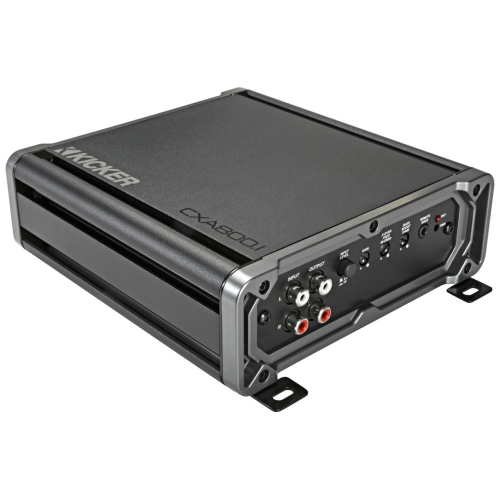 Your price for this item is $449.95
 -
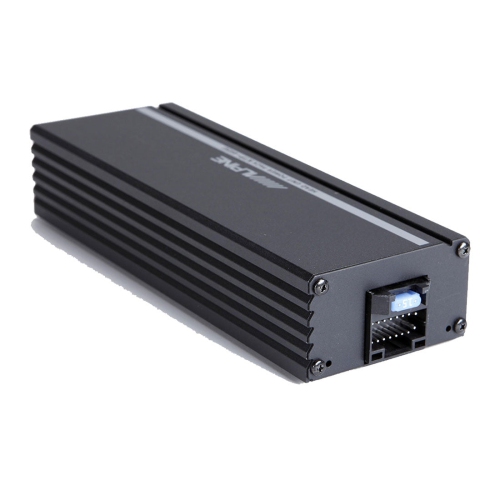 Your price for this item is $398
 -
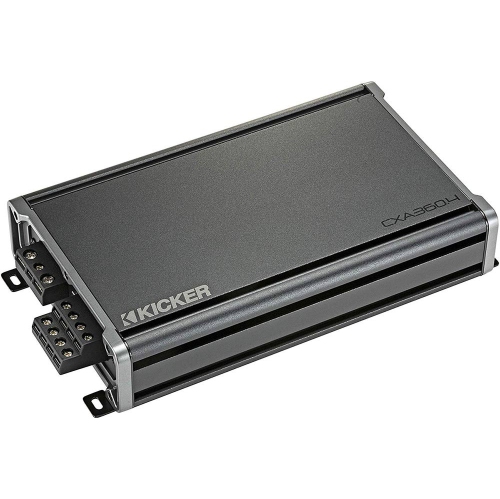 Your price for this item is $349.95
 -
 Your price for this item is $599.95
 -
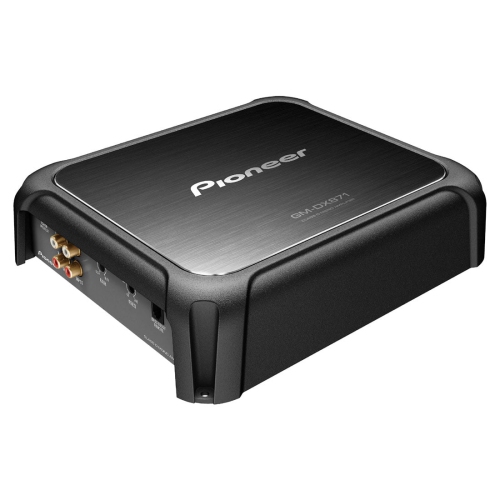 Your price for this item is $248.99
 -
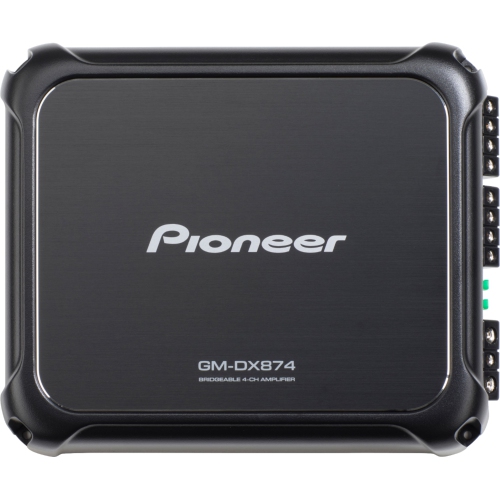 Your price for this item is $328.99
 -
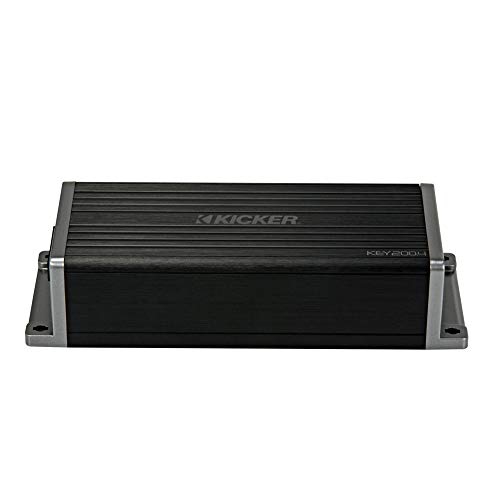 Your price for this item is $449.95
 -
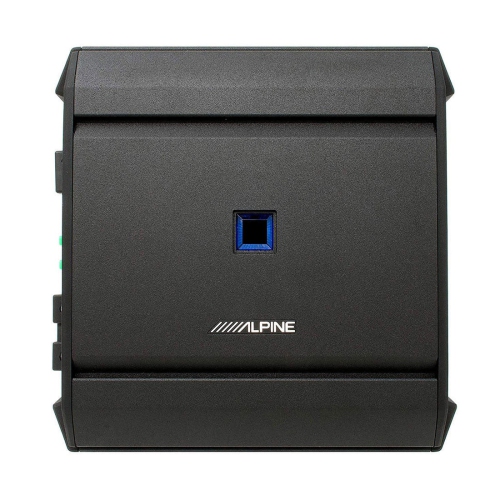 Your price for this item is $219.99
Discover more categories related to 5 Channel Amplifiers
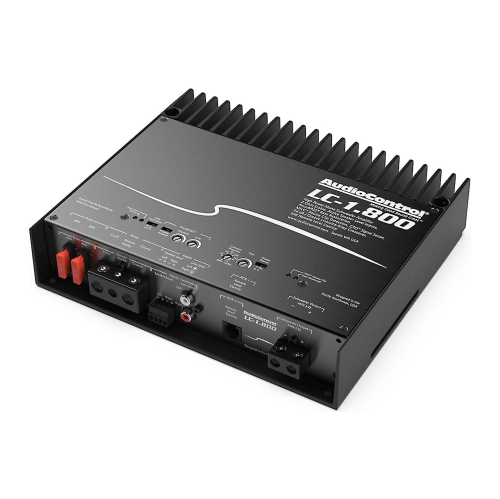
Top Collections:
Best Laptops for Video Editing, Pokemon Centers, Samsung Z Fold, Kindle Devices, Best Cell Phones Under $300, Best Laptop Computers for Students, iPhone 15 Apple, Best Cell Phones Under $500, Alarm Clock, Canon G7X Cameras
Some products may be subject to Environmental Handling Fees
(EHF) depending on your province.
Learn more about EHFs.