Affordable Radar Detectors
At Best Buy, we understand the importance of staying informed and protected while on the road. That's why we've curated a collection of affordable radar detectors that offer top-notch performance without compromising your budget. Whether you're a frequent traveler or simply want to enhance your driving experience, our selection has something for everyone. From advanced features to user-friendly designs, these radar detectors are designed to keep you safe and aware of potential speed traps and red light cameras. Don't let hefty price tags deter you from investing in your safety – browse our affordable radar detectors today and hit the road with confidence.
Sort

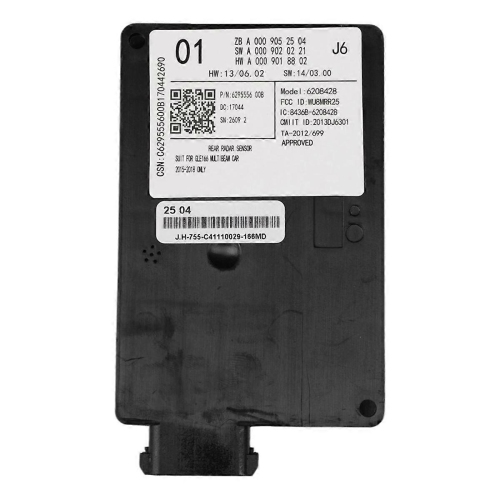
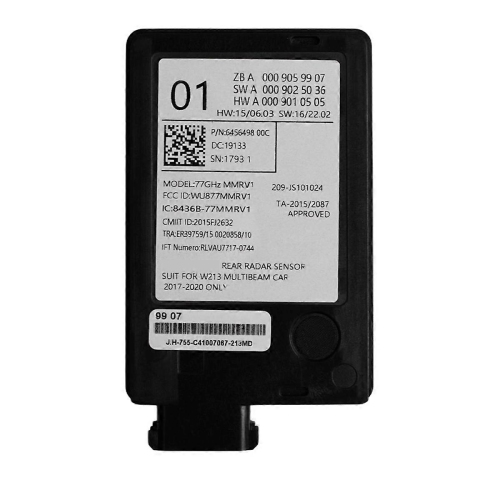
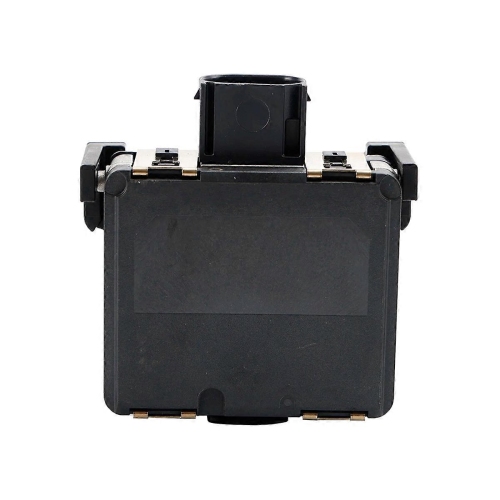


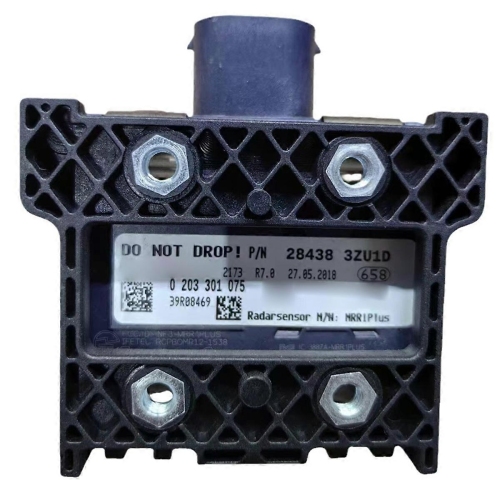
What radar detectors can and cannot tell you
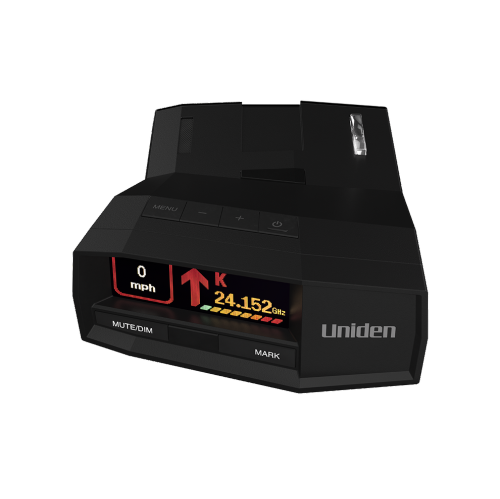
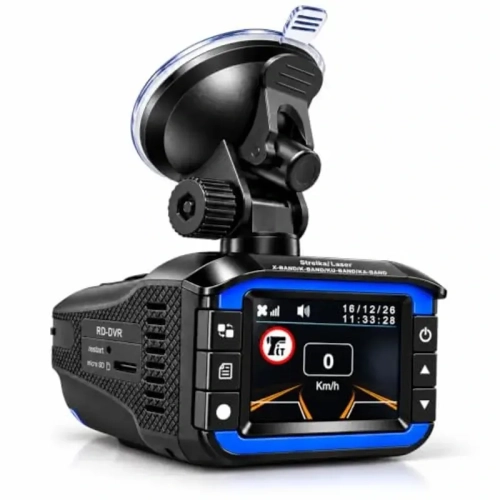
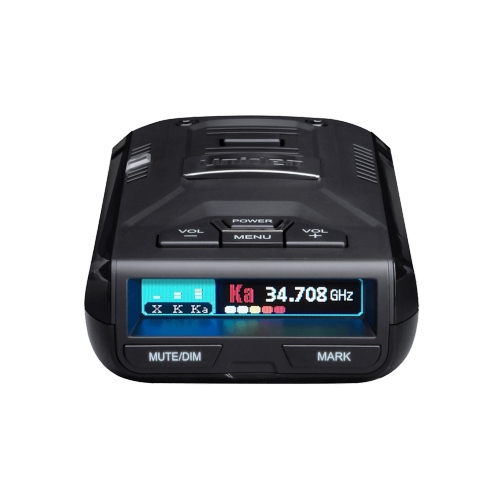
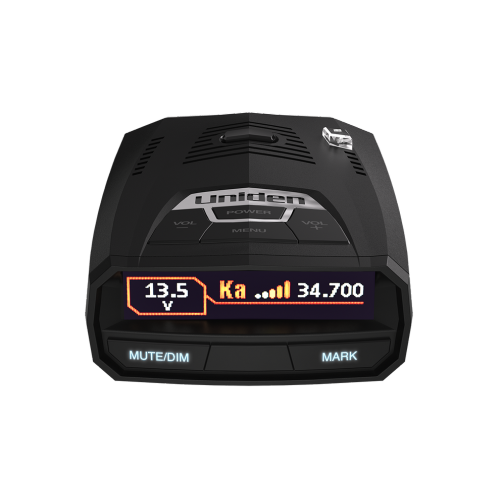
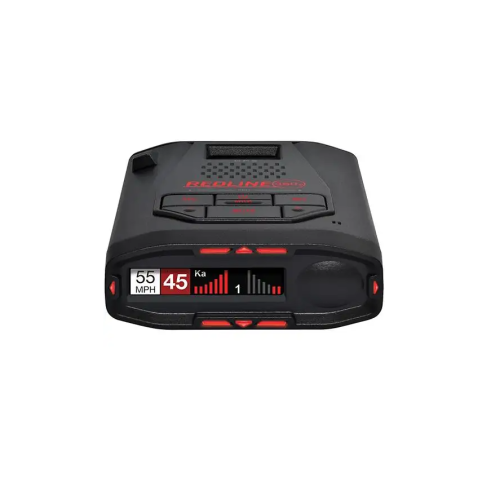
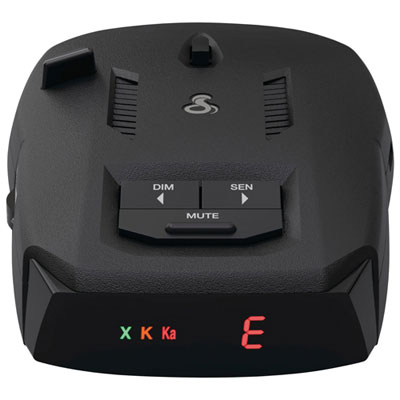
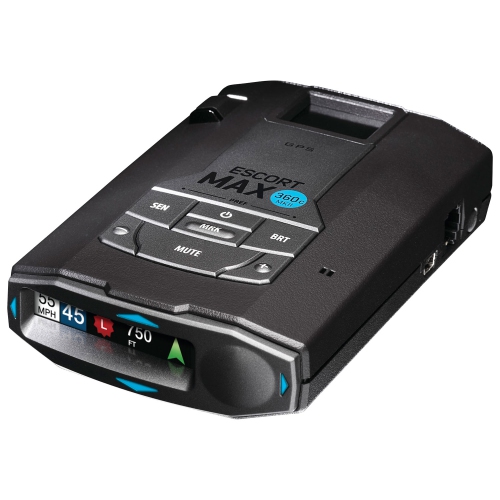
Radar detectors are compact in-vehicle receivers designed to alert drivers to certain radar signals, with some also providing alerts for laser signals. Their usefulness depends on the signals they support, how clearly they communicate an alert, and where they can legally be possessed and used. Canadian rules differ by province and territory, and some jurisdictions prohibit possession as well as use. The rules at home and along a travel route are therefore important, including restrictions that may apply when a device is switched off or packed away. Where permitted, a detector can provide additional information about detected signals, but it does not identify every type of traffic enforcement, guarantee advance warning, or replace attention to posted speed limits. Radar and laser detection also work differently. Radar signals can spread and reflect off surrounding objects, while a laser beam is much narrower and requires a compatible sensor to receive it. A laser alert may arrive only after a vehicle’s speed has already been measured. Detection distance is not a fixed circle around the vehicle: curves, hills, traffic, signal direction, and the position of the detector can all affect reception. This makes clear, understandable alerts more meaningful than broad expectations about range. Within the Radar And Laser Detectors category, the most relevant features are those that suit the vehicle, the driver’s preferences, and lawful intended use. A straightforward detector may appeal to someone who prefers a readable display and simple controls over a larger collection of connected functions. Drivers who regularly travel unfamiliar roads may also appreciate distinct alert tones and an interface that makes information easy to interpret without prolonged glances away from traffic. These devices remain accessories rather than safety systems, and responsible driving matters regardless of whether an alert sounds.
Fit inside the vehicle is about more than the size of the detector itself. The mounting bracket, power connector, cable route, and position of the controls all influence how neatly it sits in the cabin. A compact housing can leave more room around the windshield, but a small screen is less useful if its lettering is difficult to read from the normal driving position. Display contrast, adjustable brightness, and clearly separated indicators can make a difference when information needs to be understood at a glance. A secure mount helps keep the unit steady rather than allowing it to tilt or vibrate over uneven pavement. Suction-cup mounts need a clean, suitable surface, while adhesive mounting systems require attention to the surface requirements and installation instructions. Any installation should preserve the driver’s view and avoid airbags, vehicle sensors, and other safety equipment. Windshield construction can matter too, since some metallic coatings may interfere with reception; the vehicle manual and detector instructions can help clarify placement limitations. Power arrangements deserve the same attention. Many portable detectors use a vehicle accessory outlet, but supported voltage, connector type, cable length, and included power equipment vary. A plug that fits comfortably in one centre console may crowd another, particularly when a phone charger shares the space. Cables should stay clear of pedals, steering controls, and areas where a passenger could catch them while entering or leaving. For a hardwired installation, compatible equipment and qualified installation help avoid improvised connections. Housing and bracket construction also contribute to everyday durability. Lightweight moulded plastic is common, while mounting hardware may combine plastic, metal, and flexible components. Firm connectors, a stable bracket, and controls that operate cleanly are practical qualities for a device that may be attached and removed regularly. Removable setups can be convenient for drivers who change vehicles, provided the detector is permitted in every location where it is carried and used.
Day-to-day usability often becomes clearest in ordinary driving situations. Near a shopping plaza, automatic door systems can produce signals that resemble those a detector is designed to notice. Some vehicle driver-assistance systems can also contribute to unwanted alerts. Filtering features may help reduce these interruptions, although no setting can perfectly separate every relevant signal from every unrelated source. City and highway modes, where included, can adjust sensitivity or filtering behaviour, while more advanced settings may allow individual radar bands to be enabled or disabled. Those settings need to match the device instructions and intended use rather than being changed simply to silence an inconvenient alert. Some detectors use GPS-based functions to remember certain recurring signal locations or provide location-based notifications. These capabilities vary, and any database-dependent feature relies on its coverage and update requirements; a stored location is not the same as a newly detected radar signal. For many drivers, the more noticeable conveniences are an accessible mute button, adjustable alert volume, a dimming option, and tones that are distinct without being startling. Spoken alerts may help communicate information, but they should remain audible without masking important sounds inside or outside the vehicle. Settings are best adjusted while parked, with the device positioned before driving begins. Routine care is generally simple: a soft cloth keeps the housing and display clean, while the manufacturer’s instructions should govern cleaning products, sensor care, and storage. Pulling on the connector rather than the cable when disconnecting power helps avoid unnecessary strain. A protective case can keep a removable detector and its mounting pieces together between uses, and checking the bracket periodically can reveal looseness before it becomes distracting. For a gift recipient, legal suitability, vehicle compatibility, and comfort with the controls matter more than an extensive feature list. A well-matched detector is one whose supported functions are understood, whose installation stays unobtrusive, and whose alerts can be interpreted without taking attention away from the road.
Top selling and popular products
-
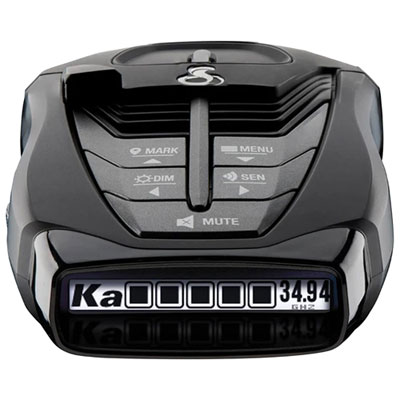 Your price for this item is $249.99
-
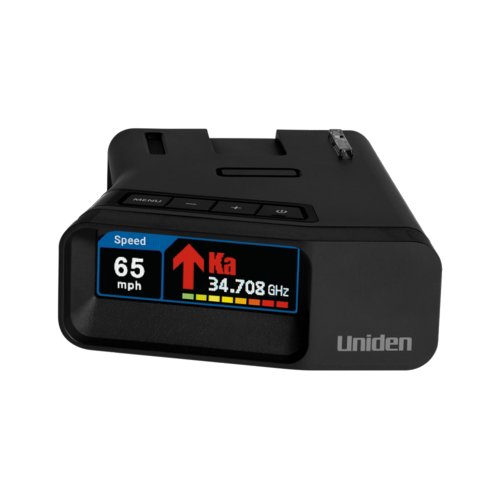 Your price for this item is $929.99
-
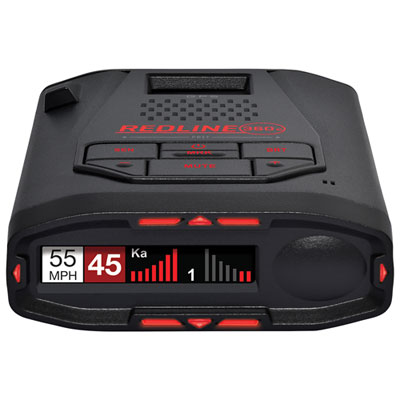 Your price for this item is $1299.99
-
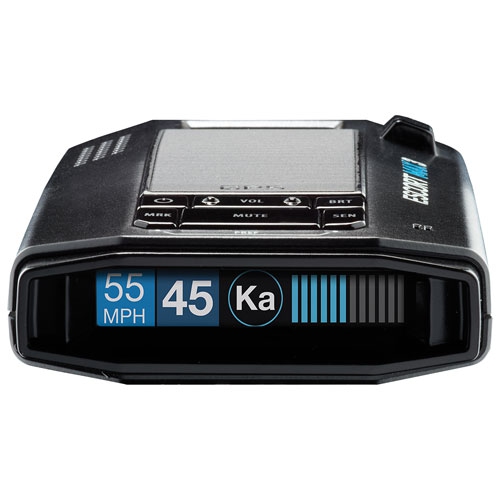 Your price for this item is $549.95
-
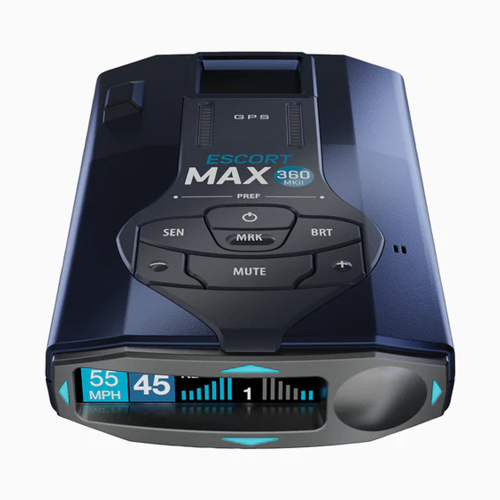 Your price for this item is $849.95
-
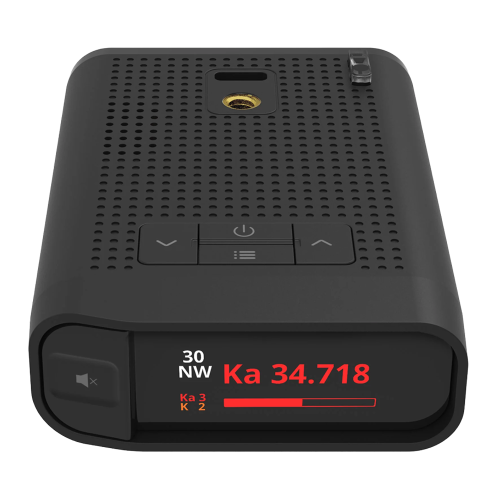 Your price for this item is $599.99
-
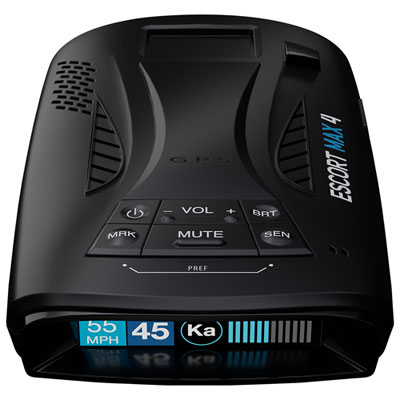 Your price for this item is $649.99
-
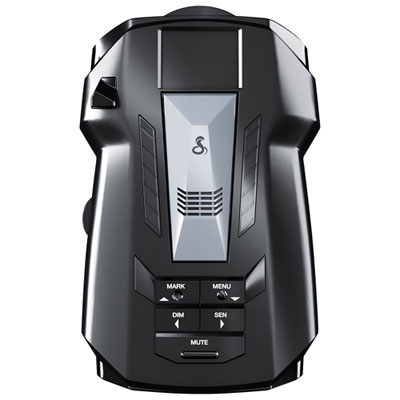 Your price for this item is $359.99
Discover more categories related to Affordable Radar Detectors
Top Collections:
Best Black Friday Deals This Year, Best Black Friday Deals On Electronics, Kindle Devices, Pokemon Centers, Best Black Friday Deals On Apple Products, Best Cameras for Sports Photography, Dyson Airwrap, Pokémon 30th Celebration Cards, Apple iPhone 17 Pro, Canon G7X Cameras
Some products may be subject to Environmental Handling Fees
(EHF) depending on your province.
Learn more about EHFs.