Top Rated Radar Detectors
Our collection of top-rated radar detectors provides you with advanced warning and protection against speed traps, red light cameras, and radar guns, these cutting-edge devices are a must-have for any driver. Whether you're a daily commuter or a road trip enthusiast, our selection of radar detectors offers the latest technology and features to help you maintain a safe and stress-free journey. Explore our range today and discover the perfect radar detector to suit your needs.
Sort
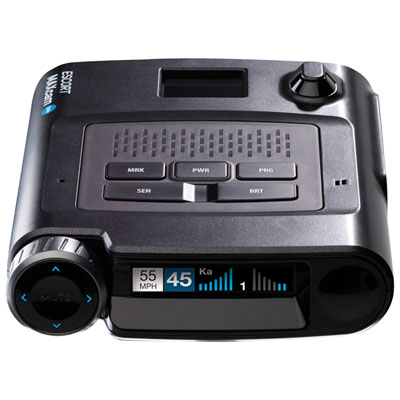
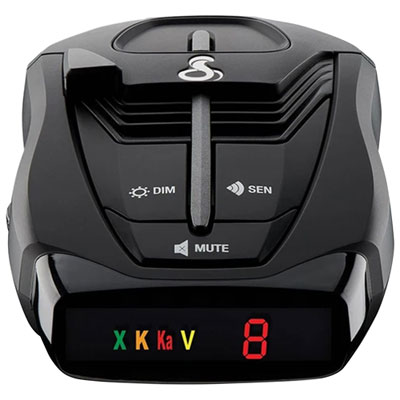
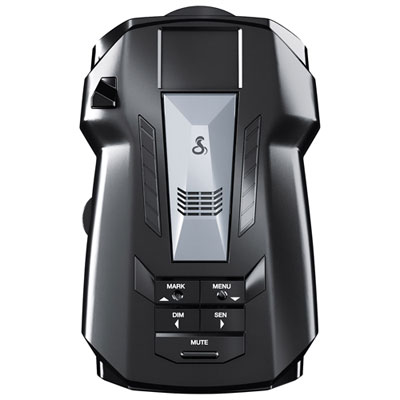
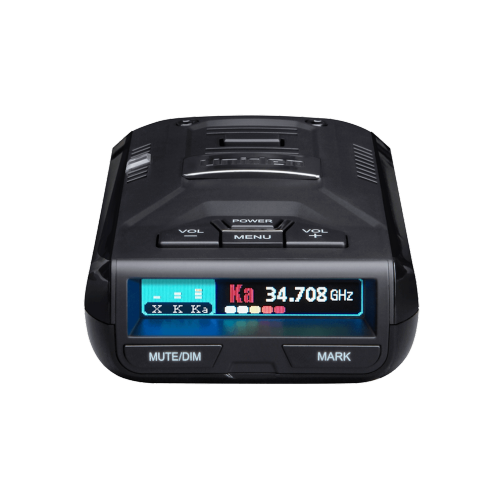

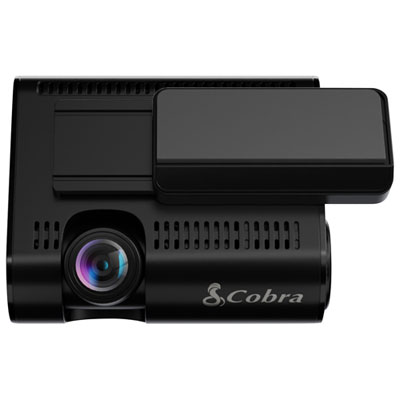
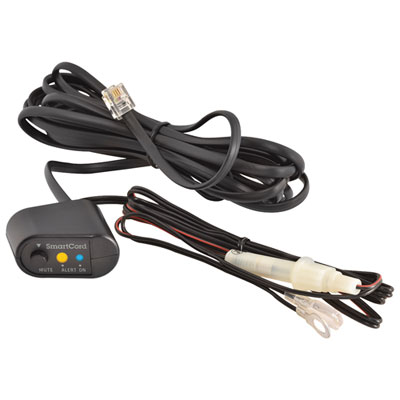
Understanding alerts, local laws, and responsible detector use
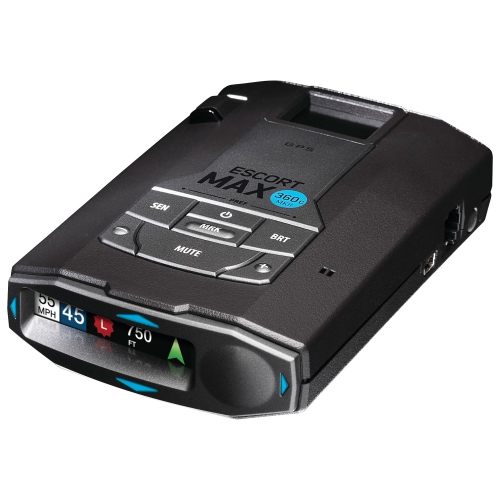
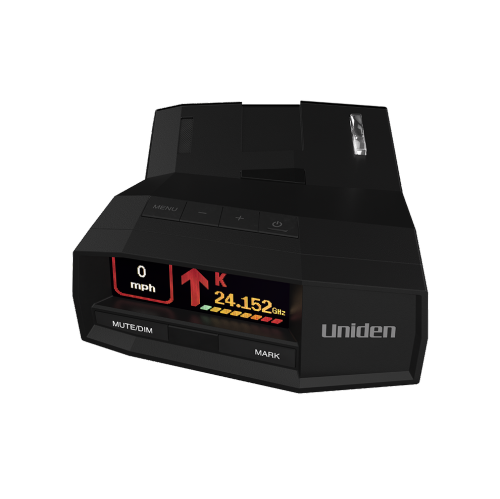
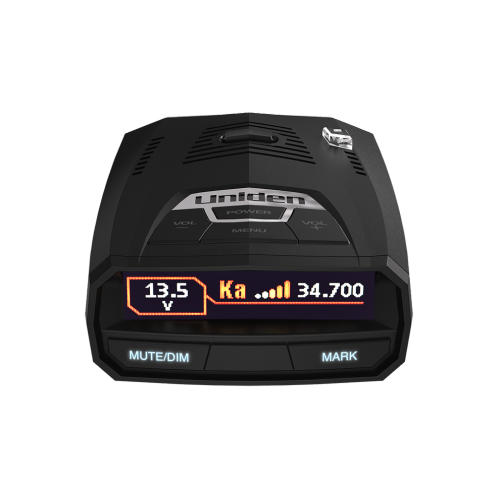
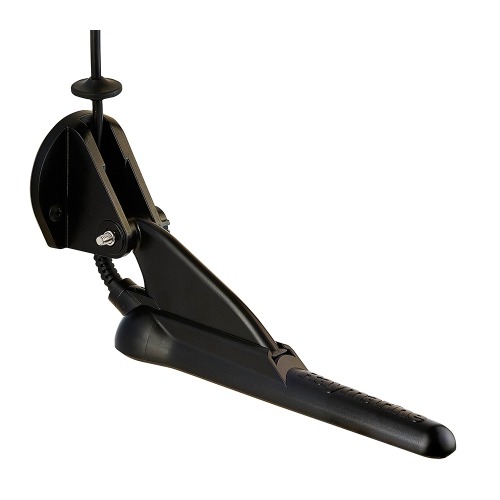
Top rated radar detectors can add useful awareness to everyday driving by identifying certain radar signals and alerting you to conditions ahead, but they should always be used as an aid to attentive, lawful driving rather than as a reason to exceed the speed limit. Drivers may consider these devices for long highway commutes, frequent road trips, rural routes with changing speed limits, or regular travel through unfamiliar areas. A detector can provide an audible or visual reminder to check the speedometer, especially when the road opens up after a slower town section or when a posted limit changes near a construction zone. It is important to understand that radar detectors do not detect every enforcement method, and they may not reliably identify laser-based systems, temporary roadside equipment, or situations where no signal is being transmitted. Laws also differ across Canada and between jurisdictions, including rules about possession, use, mounting, and vehicle equipment. Before installing one, review the regulations that apply wherever you drive and follow all posted signs and traffic laws. For more options across this category, browse Radar And Laser Detectors.
When comparing top rated radar detectors, start with the type of driving you do and the information you find helpful at a glance. Detection range matters most to drivers who spend long stretches on highways, where earlier alerts can provide more time to confirm the speed limit and adjust calmly if needed. Directional arrows can indicate whether a detected signal is in front of, beside, or behind the vehicle, while a simpler display may be easier to read without adding visual clutter. Some models use GPS to remember frequent false-alert locations, identify known speed-camera areas where permitted, and help reduce repeated notifications from automatic doors, traffic sensors, and other sources of interference. Advanced filtering can be especially useful in cities, where a drive past several shopping centres can otherwise produce a distracting series of alerts. Look for adjustable sensitivity modes, clear voice prompts, a bright but unobtrusive display, and controls that can be used without taking attention away from the road. Smartphone connectivity, Wi-Fi updates, Bluetooth support, and companion apps may provide access to updated databases or community-reported information, but they also add setup requirements and may depend on mobile coverage or an active phone connection. A quieter detector with well-tuned filtering may suit a commuter who spends most of the week in built-up areas, while a long-range model with detailed signal information may appeal to someone who regularly crosses provincial highways. Consider mounting options as well: a suction-cup windscreen mount is easy to reposition, a dash mount can offer a cleaner sightline, and a discreet power solution can help reduce loose cables around the centre console.
The best choice also depends on how much information you want to manage while driving. Entry-level models can be a practical starting point for occasional road users who prefer straightforward alerts and simple controls. Mid-range options often add stronger filtering, GPS features, more display choices, and improved range without requiring every advanced setting to be configured. Higher-end detectors may offer dual antennas, 360-degree awareness, directional information, faster signal processing, or expanded customisation for experienced users who enjoy fine-tuning alert bands and sensitivity. Reading the display in bright daylight, hearing alerts over road noise, and understanding what each alert means are just as important as headline range claims. Take time to learn the warning tones before a long trip, secure the device so it does not become a distraction, and position it where it does not obstruct the driver’s view. In cooler months, changing light, wet pavement, fog, glare, and earlier darkness can make careful driving even more important; no detector replaces extra following distance, appropriate speed, working lights, and attention to road conditions. These devices can also make thoughtful gifts for a new driver, a family member who travels for work, or a friend who enjoys planning scenic road trips, provided the recipient understands local regulations and responsible use. A useful gift may include a compatible power cable, a tidy mounting solution, or a protective case, but the most valuable feature remains confidence that comes from staying alert, respecting speed limits, and using technology as a supporting tool rather than a substitute for sound judgement.
When comparing top rated radar detectors, start with the type of driving you do and the information you find helpful at a glance. Detection range matters most to drivers who spend long stretches on highways, where earlier alerts can provide more time to confirm the speed limit and adjust calmly if needed. Directional arrows can indicate whether a detected signal is in front of, beside, or behind the vehicle, while a simpler display may be easier to read without adding visual clutter. Some models use GPS to remember frequent false-alert locations, identify known speed-camera areas where permitted, and help reduce repeated notifications from automatic doors, traffic sensors, and other sources of interference. Advanced filtering can be especially useful in cities, where a drive past several shopping centres can otherwise produce a distracting series of alerts. Look for adjustable sensitivity modes, clear voice prompts, a bright but unobtrusive display, and controls that can be used without taking attention away from the road. Smartphone connectivity, Wi-Fi updates, Bluetooth support, and companion apps may provide access to updated databases or community-reported information, but they also add setup requirements and may depend on mobile coverage or an active phone connection. A quieter detector with well-tuned filtering may suit a commuter who spends most of the week in built-up areas, while a long-range model with detailed signal information may appeal to someone who regularly crosses provincial highways. Consider mounting options as well: a suction-cup windscreen mount is easy to reposition, a dash mount can offer a cleaner sightline, and a discreet power solution can help reduce loose cables around the centre console.
The best choice also depends on how much information you want to manage while driving. Entry-level models can be a practical starting point for occasional road users who prefer straightforward alerts and simple controls. Mid-range options often add stronger filtering, GPS features, more display choices, and improved range without requiring every advanced setting to be configured. Higher-end detectors may offer dual antennas, 360-degree awareness, directional information, faster signal processing, or expanded customisation for experienced users who enjoy fine-tuning alert bands and sensitivity. Reading the display in bright daylight, hearing alerts over road noise, and understanding what each alert means are just as important as headline range claims. Take time to learn the warning tones before a long trip, secure the device so it does not become a distraction, and position it where it does not obstruct the driver’s view. In cooler months, changing light, wet pavement, fog, glare, and earlier darkness can make careful driving even more important; no detector replaces extra following distance, appropriate speed, working lights, and attention to road conditions. These devices can also make thoughtful gifts for a new driver, a family member who travels for work, or a friend who enjoys planning scenic road trips, provided the recipient understands local regulations and responsible use. A useful gift may include a compatible power cable, a tidy mounting solution, or a protective case, but the most valuable feature remains confidence that comes from staying alert, respecting speed limits, and using technology as a supporting tool rather than a substitute for sound judgement.
Top selling and popular products
-
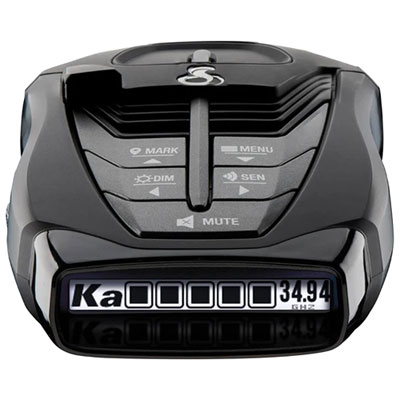 Your price for this item is $249.99
 -
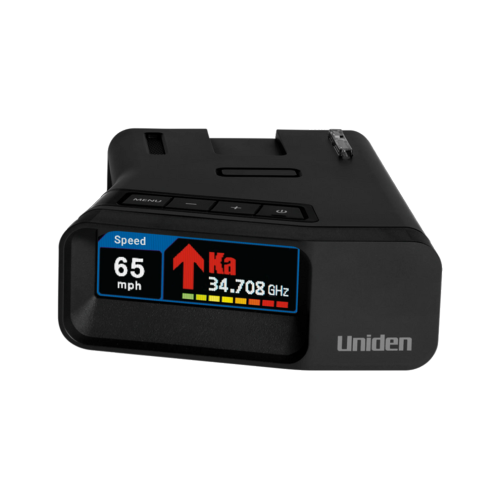 Your price for this item is $929.99
 -
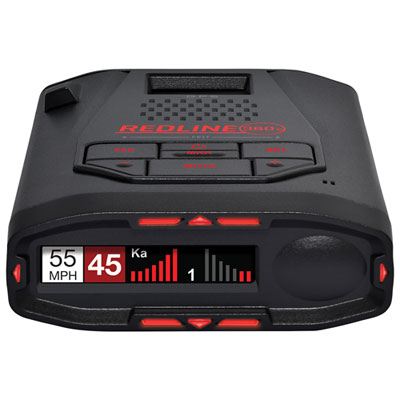 Your price for this item is $1199.99
 -
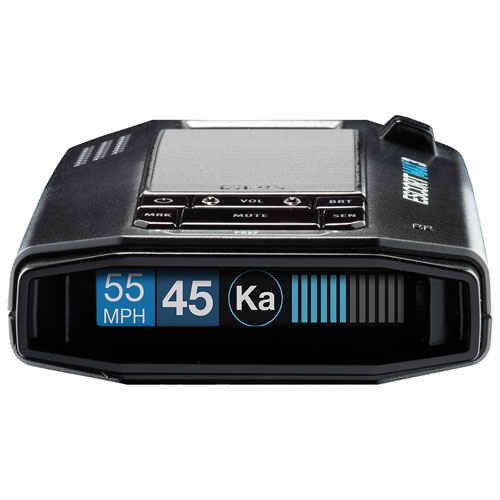 Your price for this item is $549.95
 -
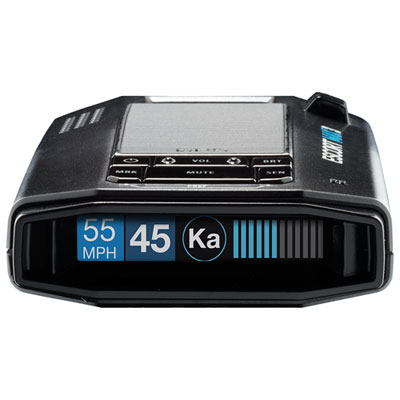 Your price for this item is $699.99
 -
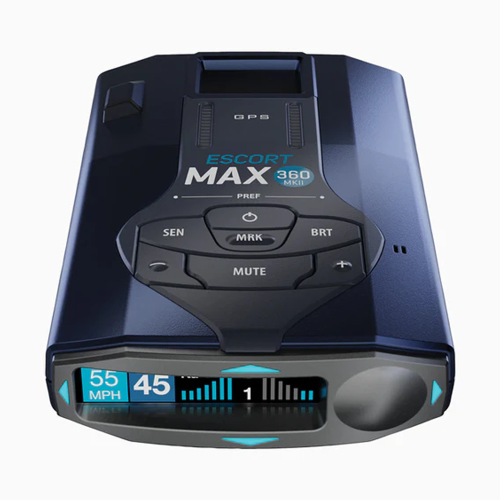 Your price for this item is $849.95
 -
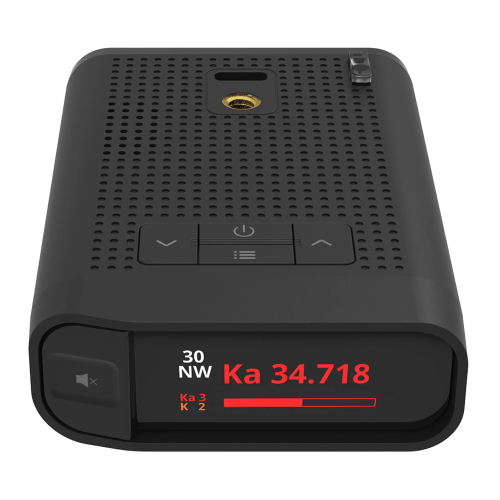 Your price for this item is $598.99
 -
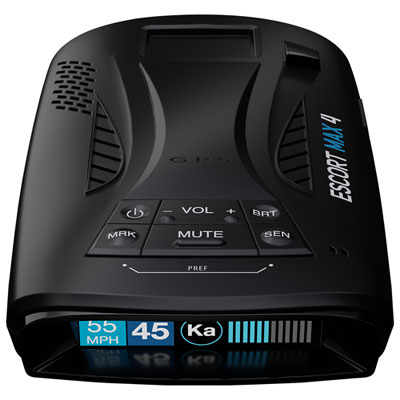 Your price for this item is $649.99
Discover more categories related to Top Rated Radar Detectors
Top Collections:
Pokemon Centers, Kindle Devices, Best Budget Office Chairs, Apple iPhones 16, Best Laptops for Writers, iPhone 15 Apple, Canon G7X Cameras, Refurbished Apple Laptops, Alarm Clock, Motorola Razr Phones
Some products may be subject to Environmental Handling Fees
(EHF) depending on your province.
Learn more about EHFs.