AM FM Antennas
Enhance your radio listening experience with our wide range of AM/FM antennas. Whether you're an avid music lover, a sports enthusiast, or simply enjoy staying up-to-date with the latest news, our collection of AM/FM antennas is designed to deliver clear and crisp reception for all your favorite stations. With various options available, you can easily find the perfect antenna to suit your needs and elevate your radio enjoyment to new heights.
Sort
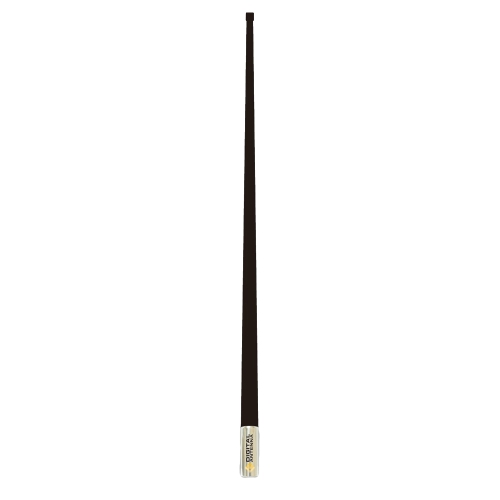
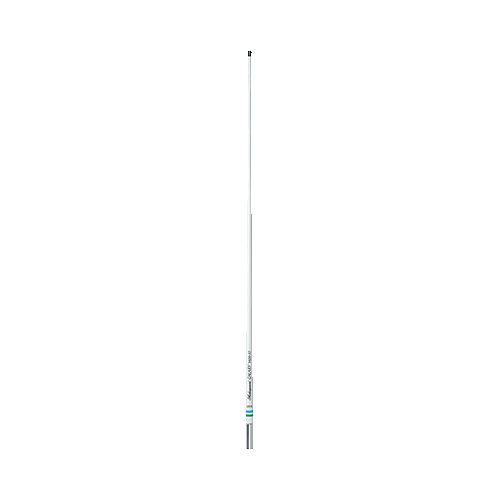
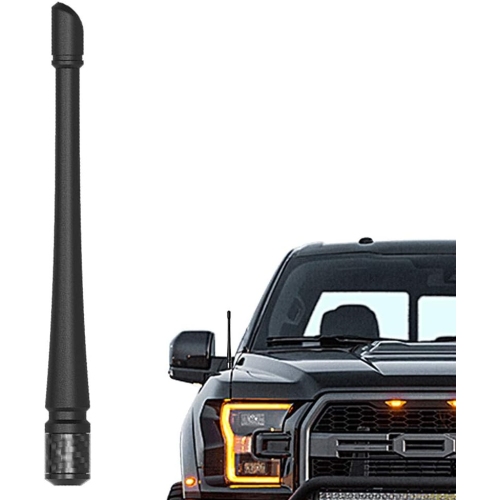
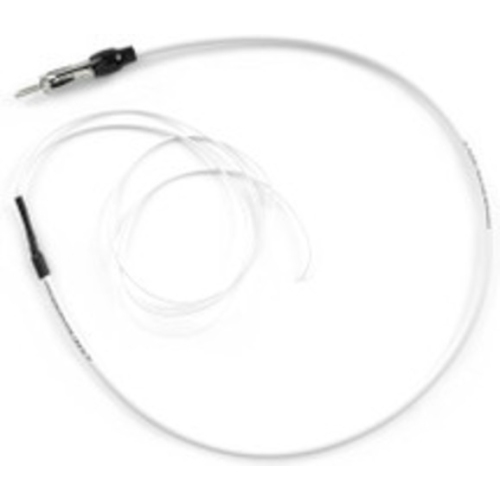
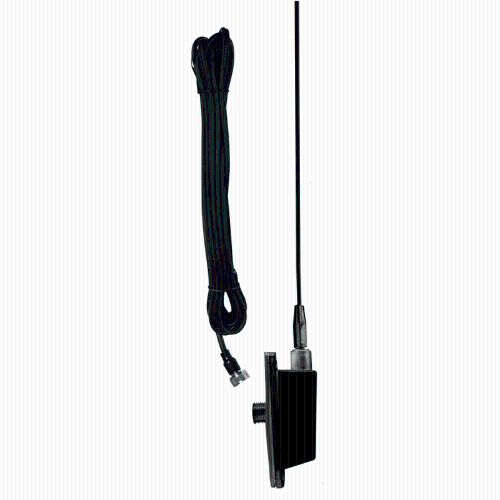
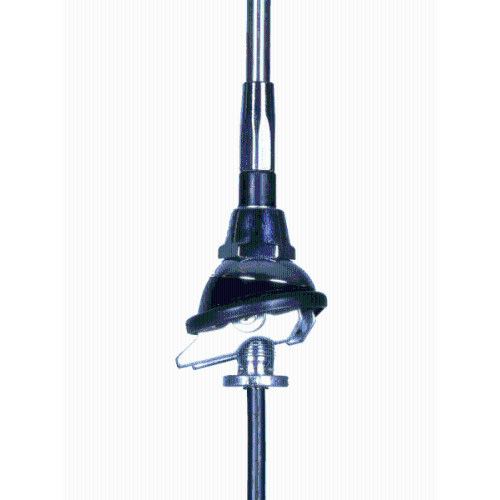
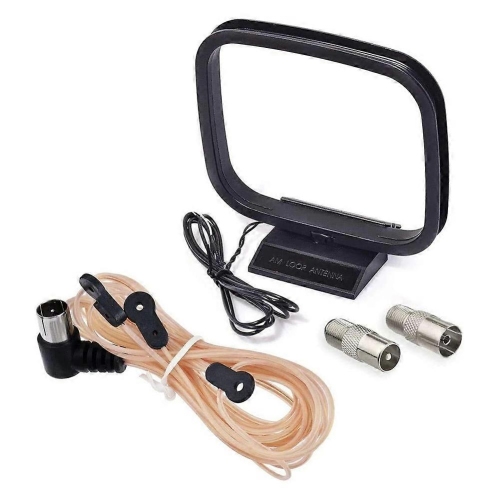
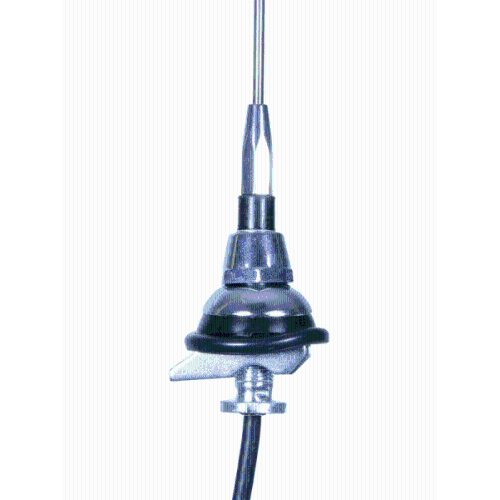
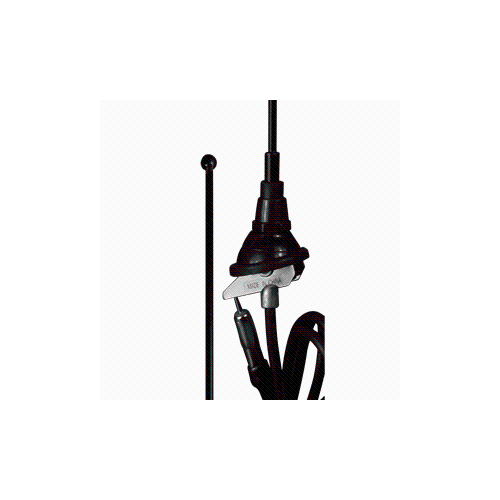
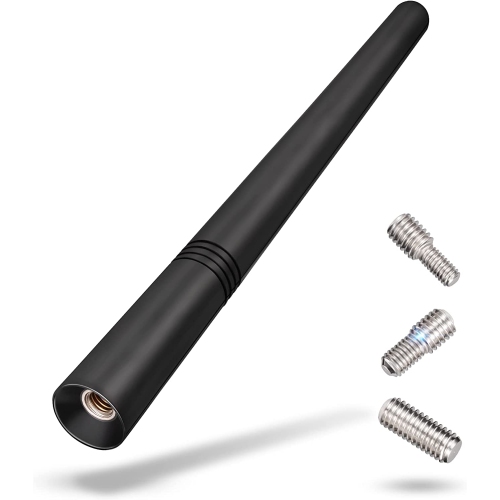
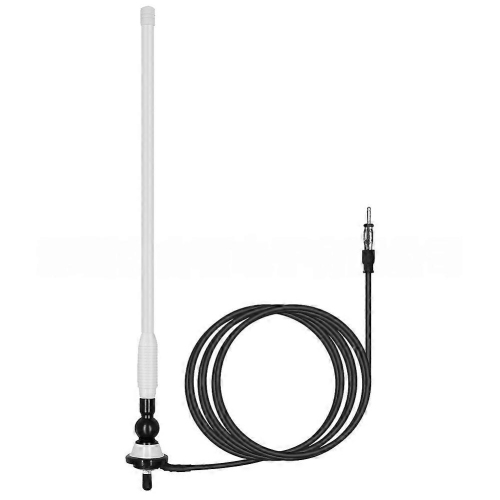
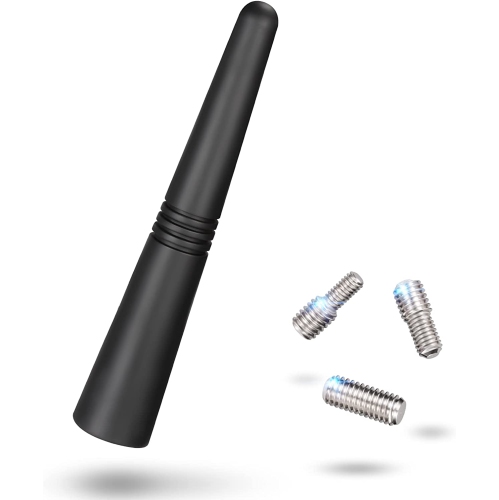
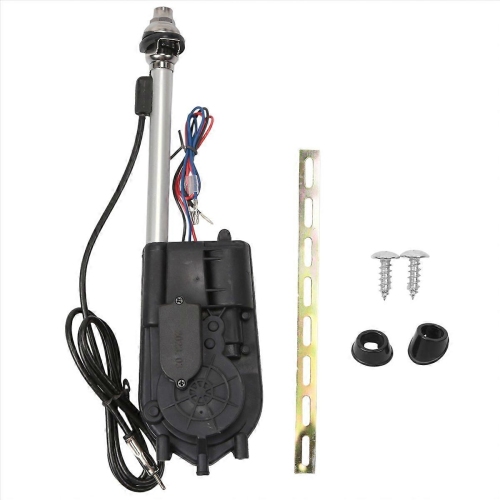
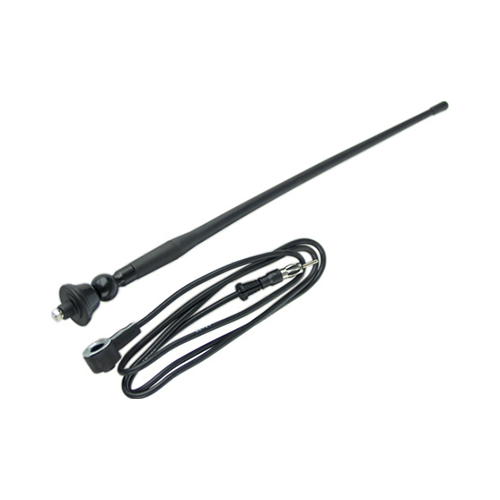
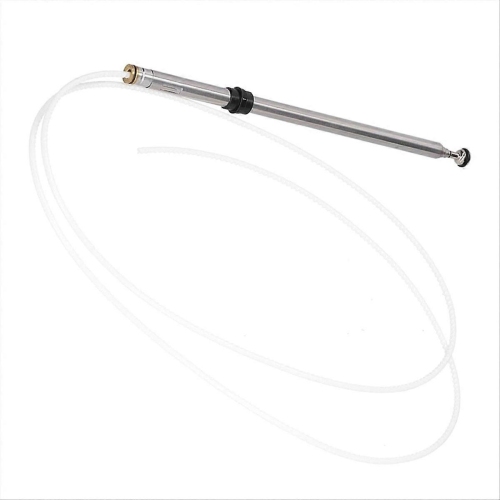
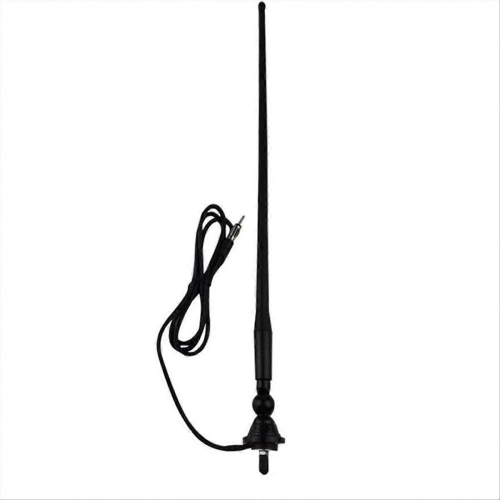
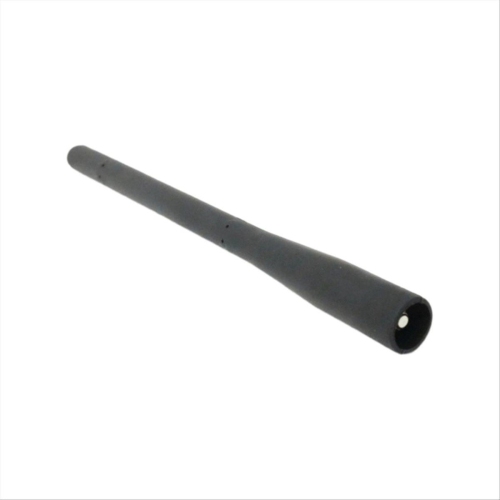
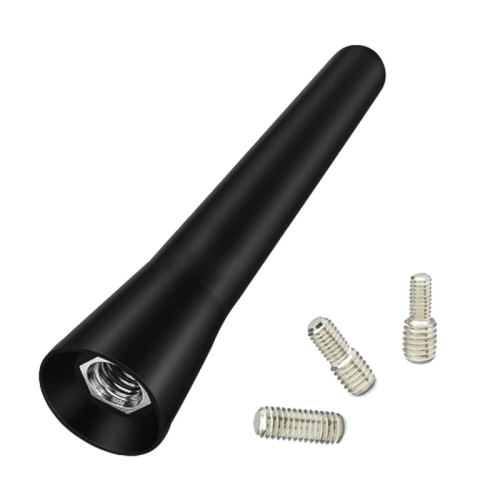
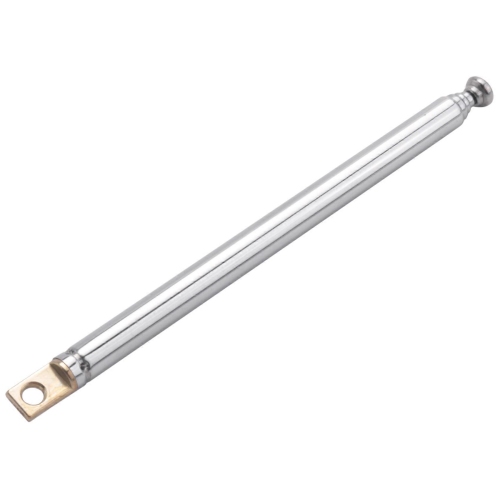
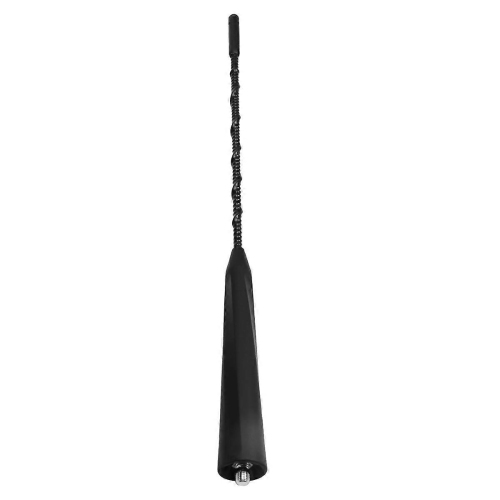
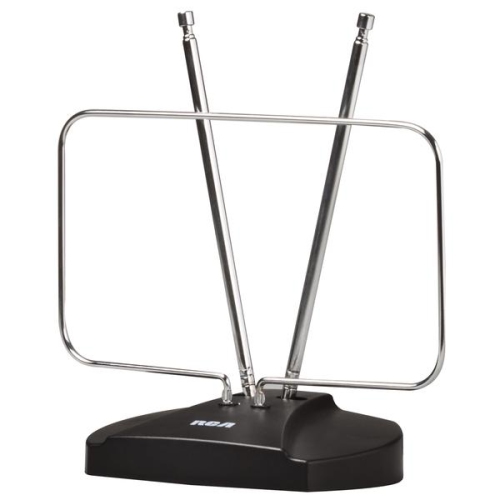
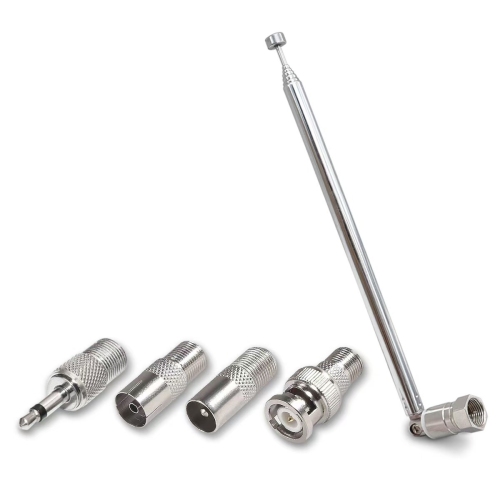
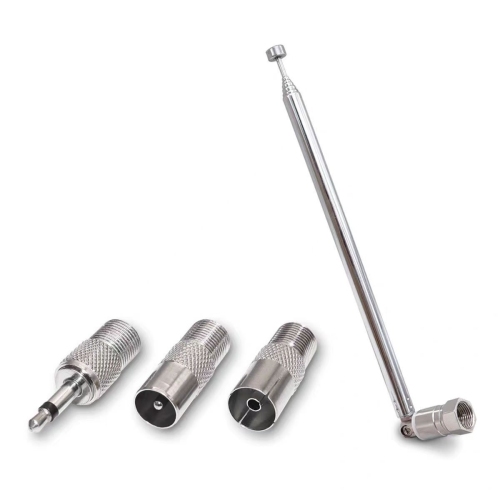
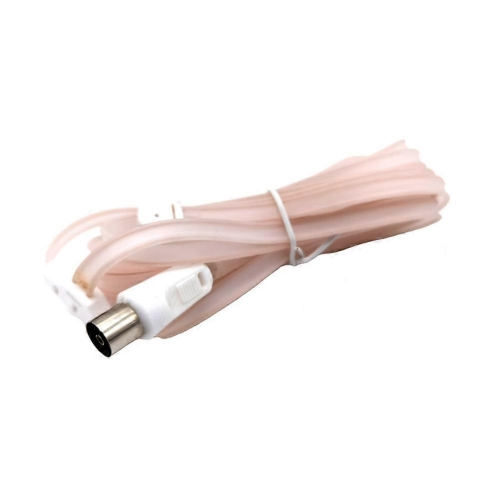
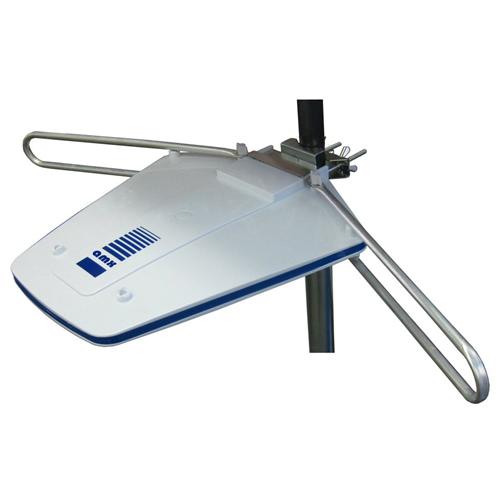
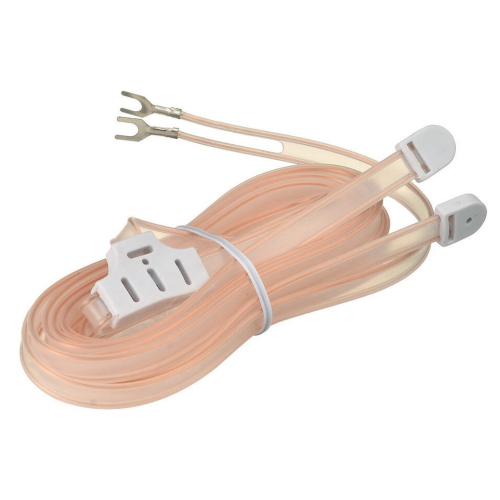
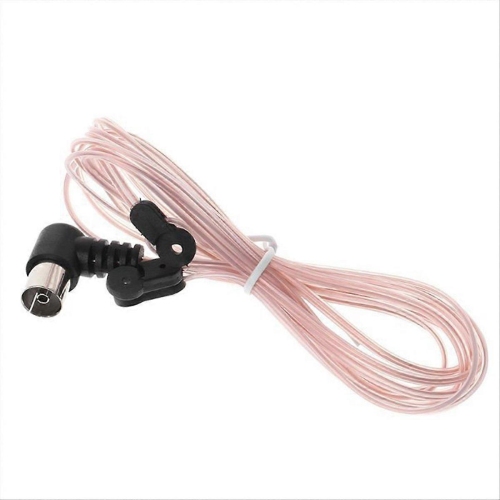
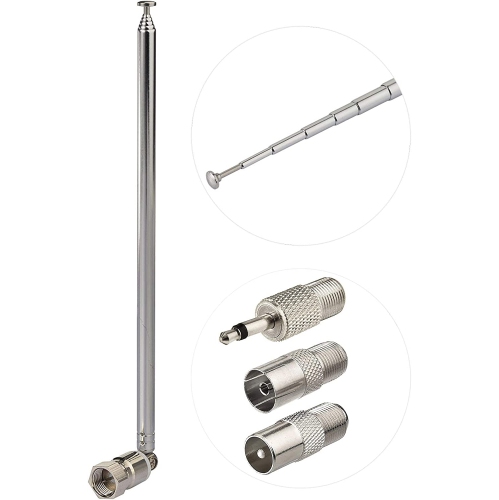
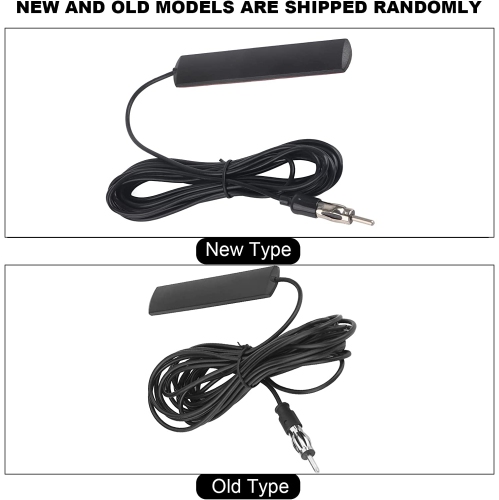
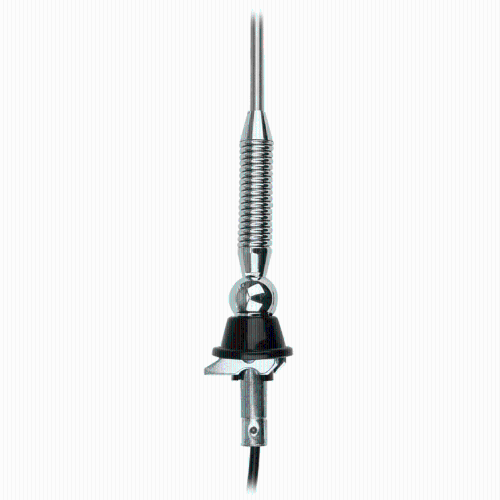
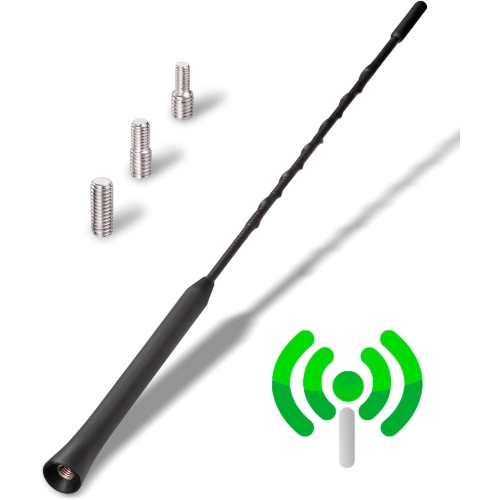
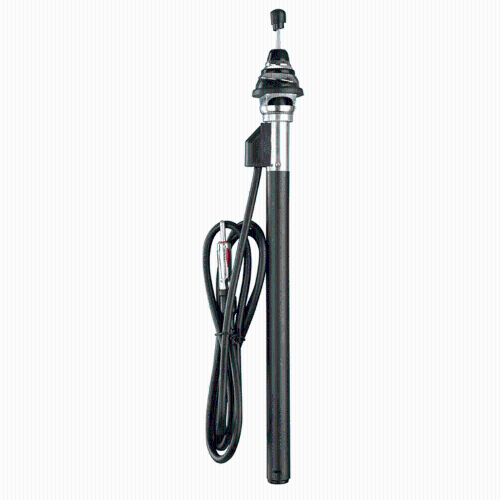
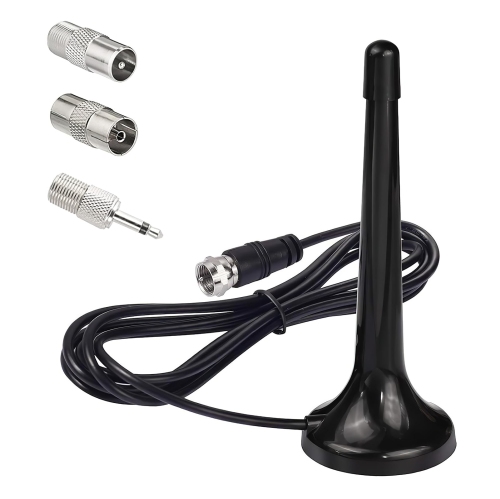
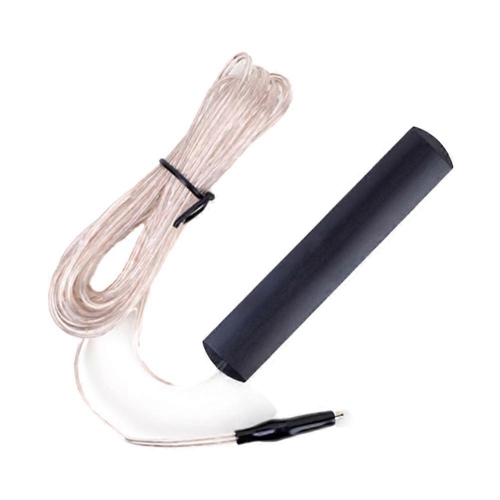
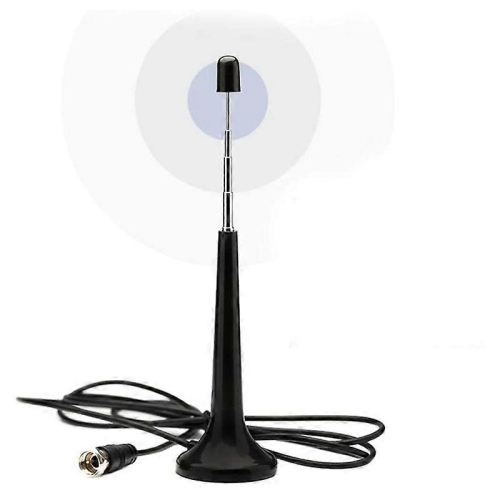
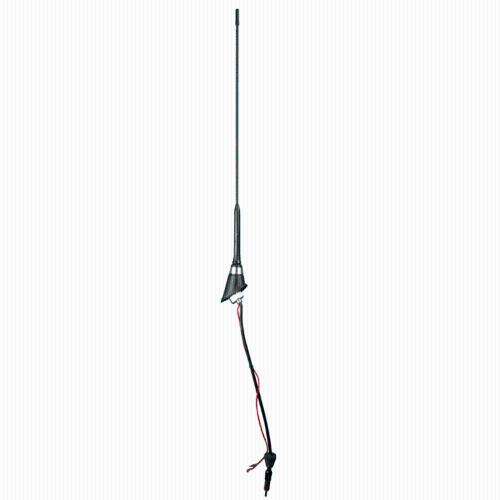

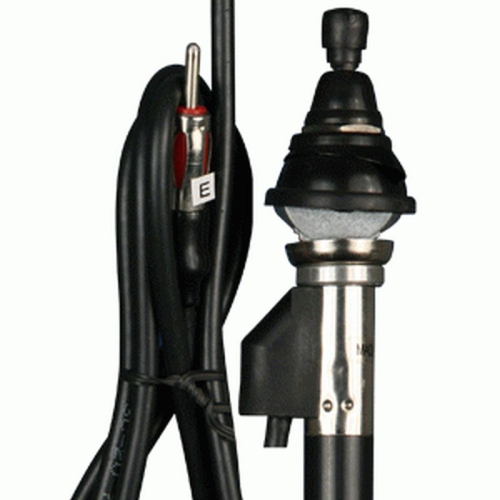
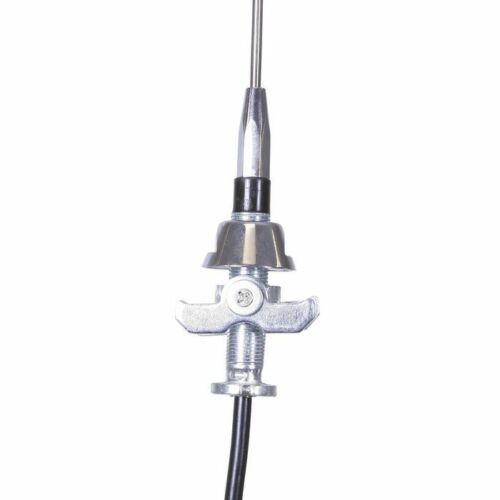
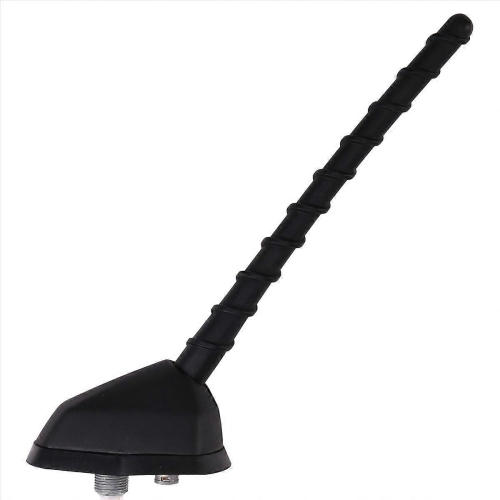
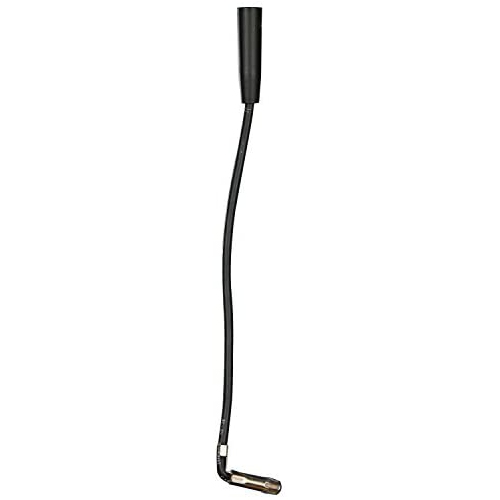
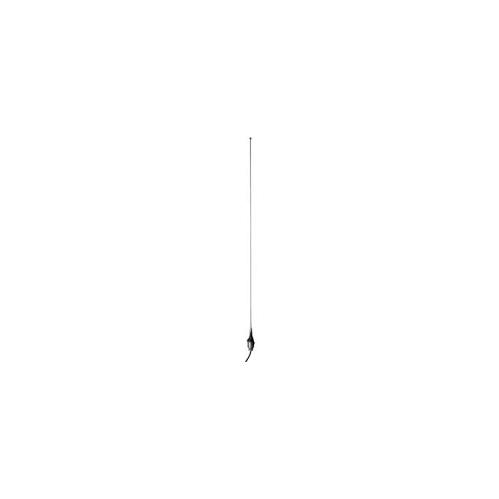
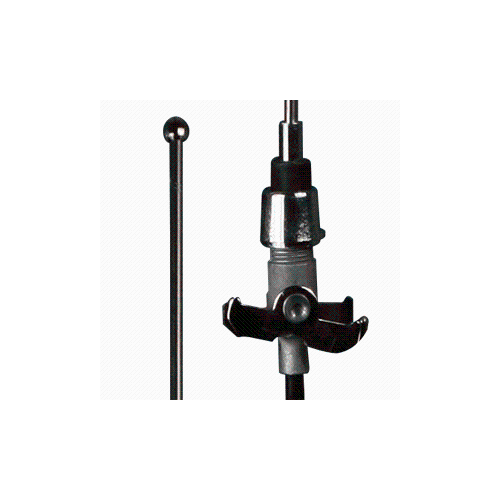
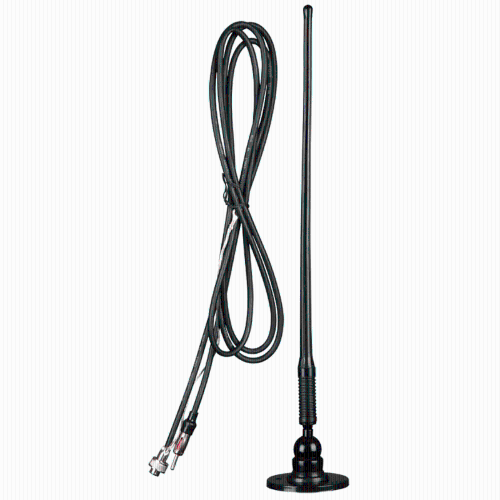
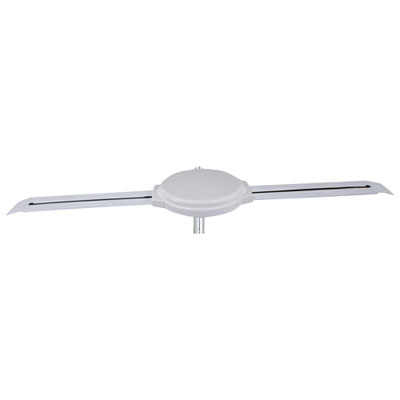
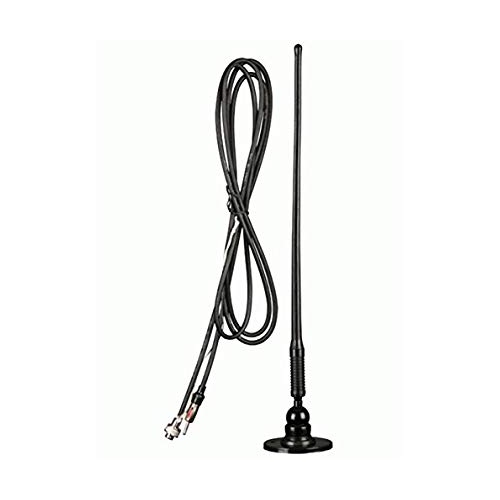
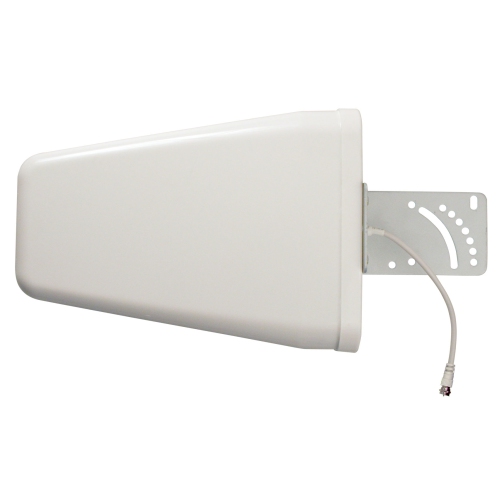
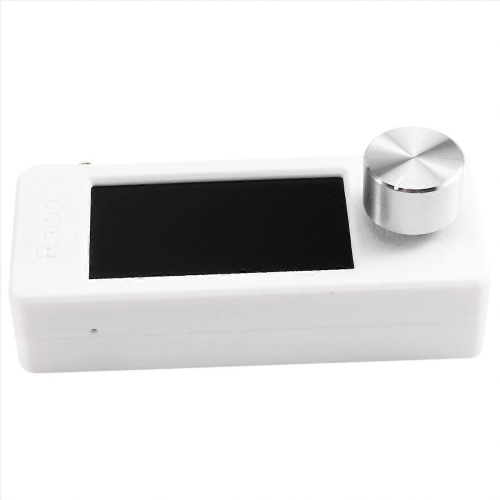
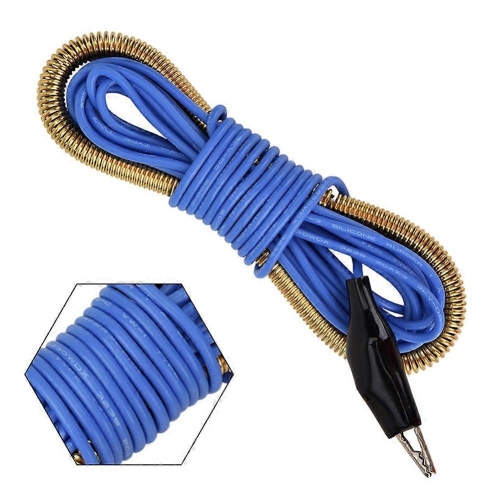
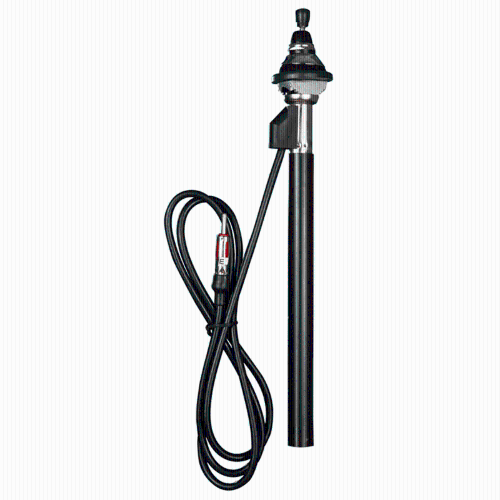
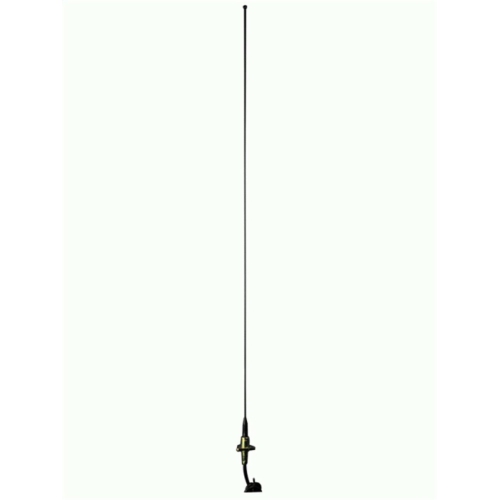
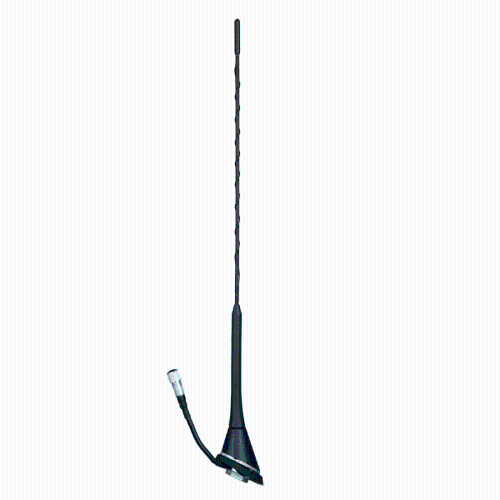
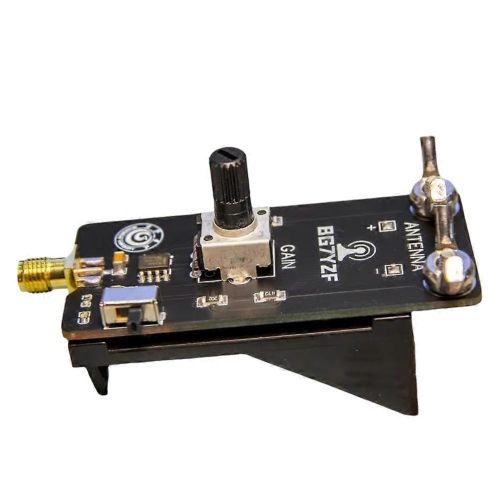
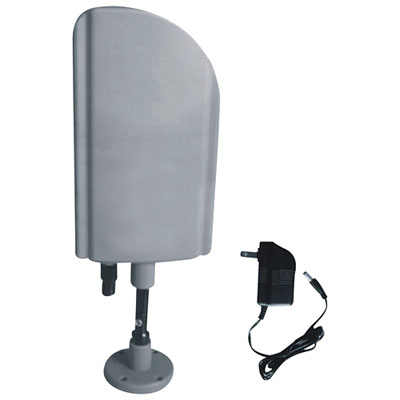
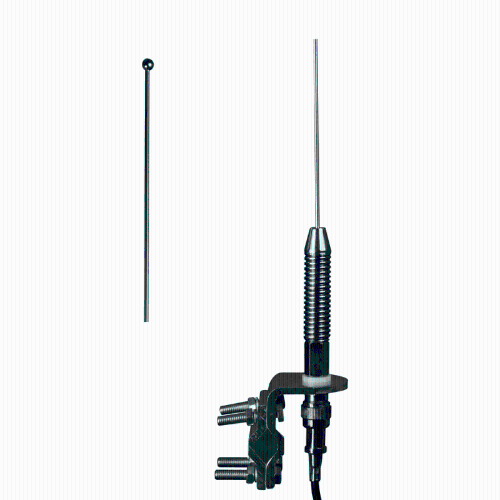
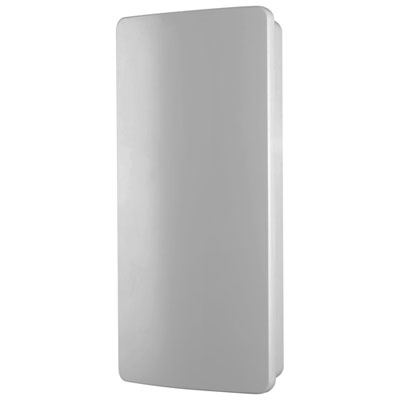
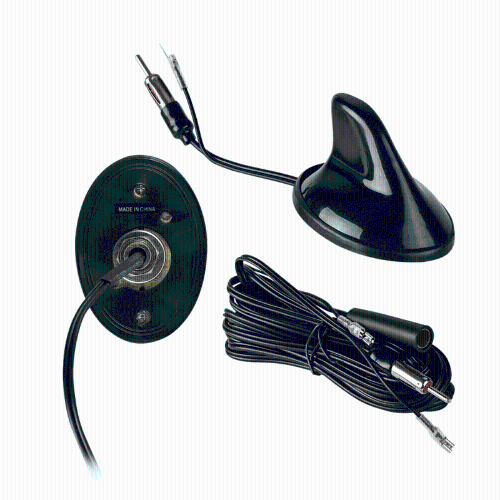
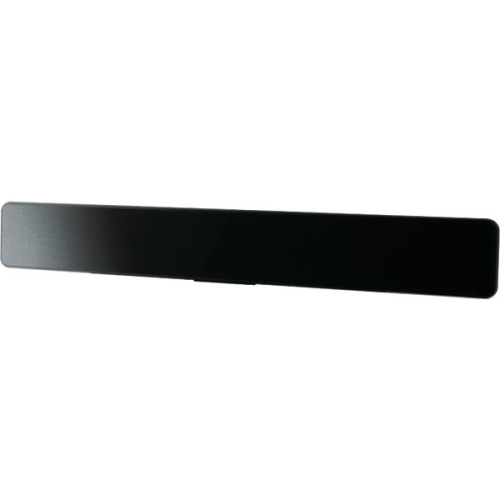

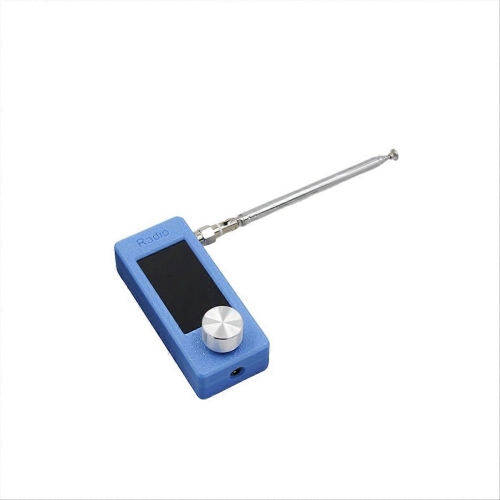
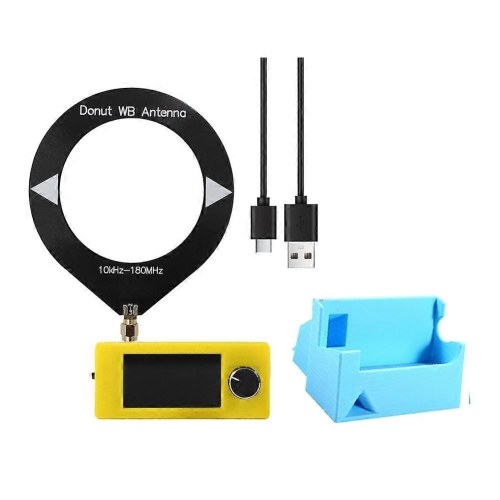
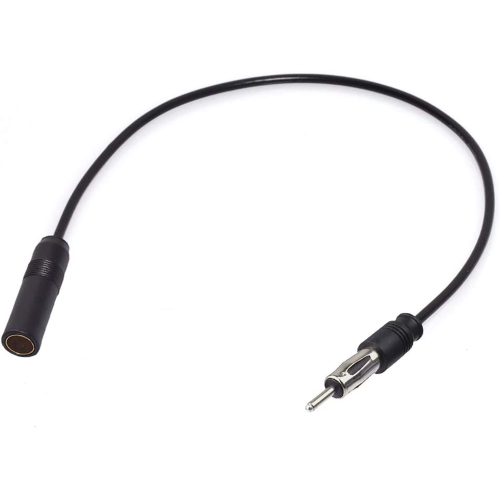
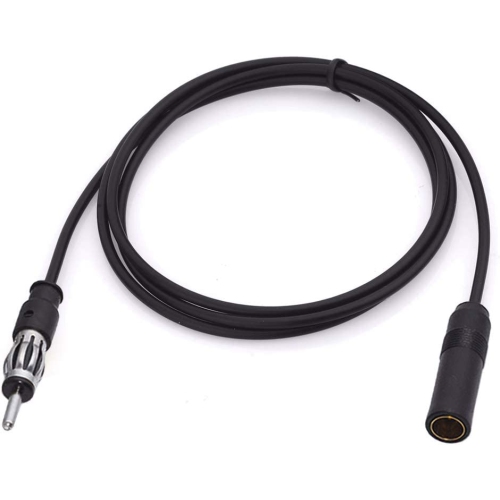
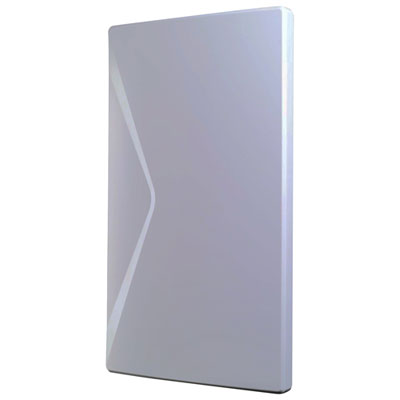
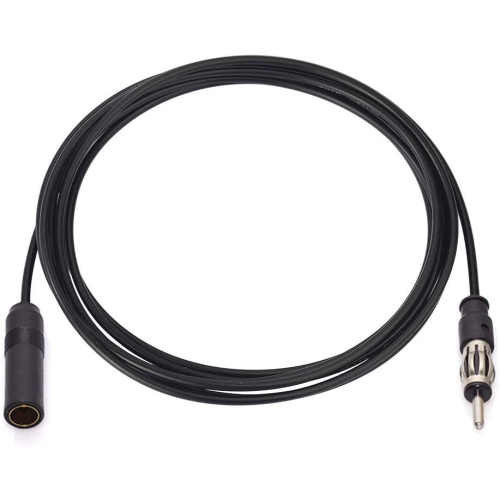
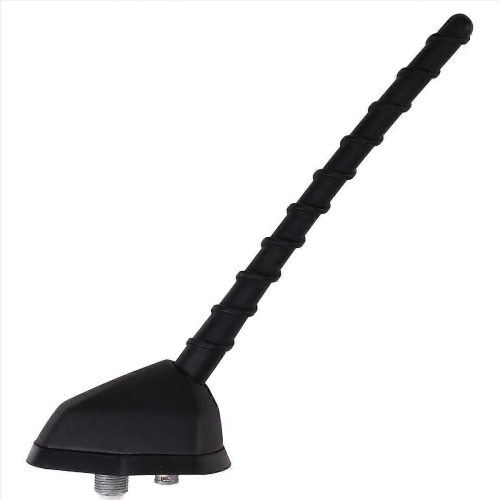
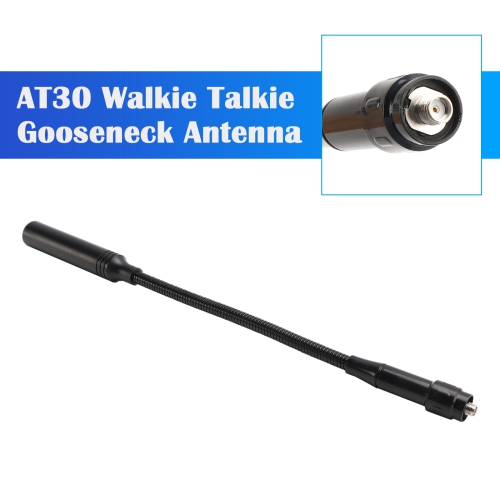
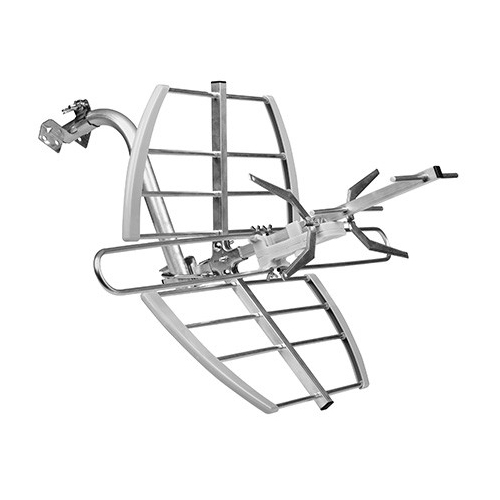
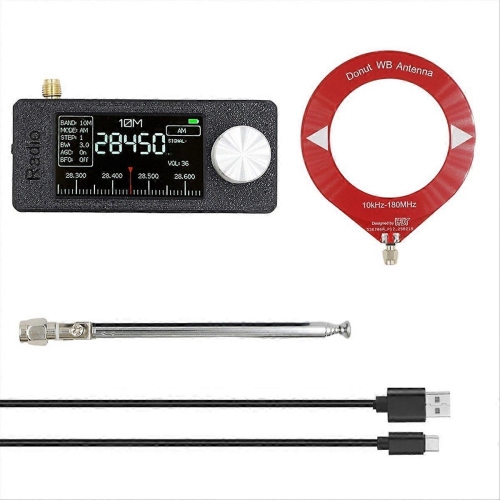
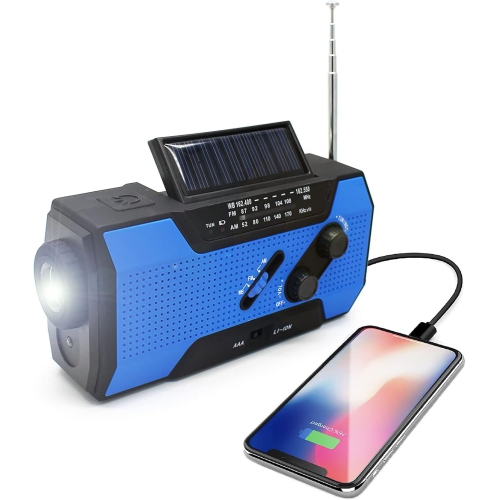
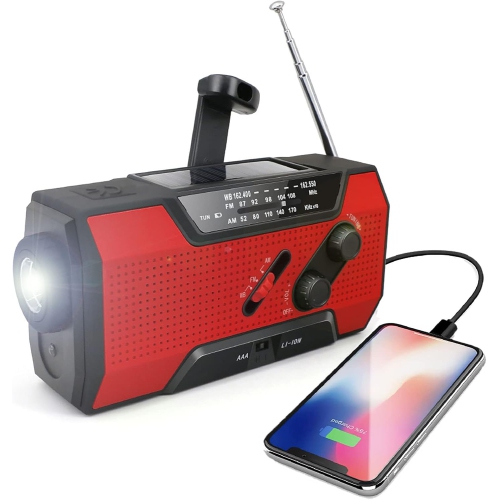
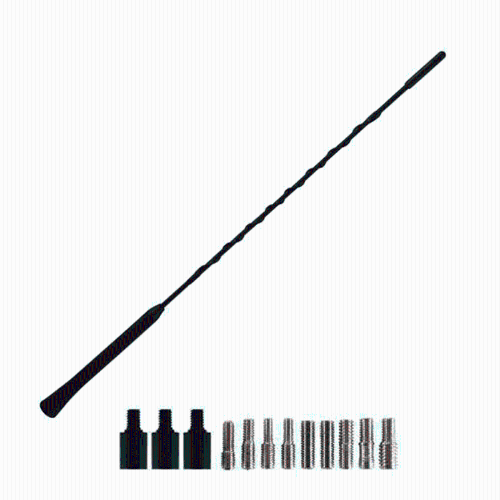
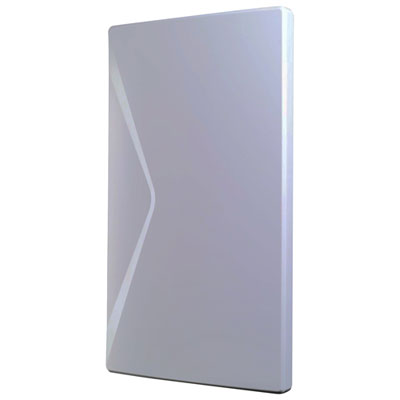
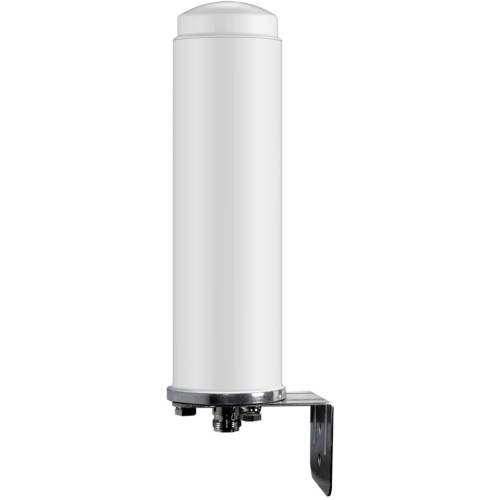
Antenna matching and placement shape clearer radio reception
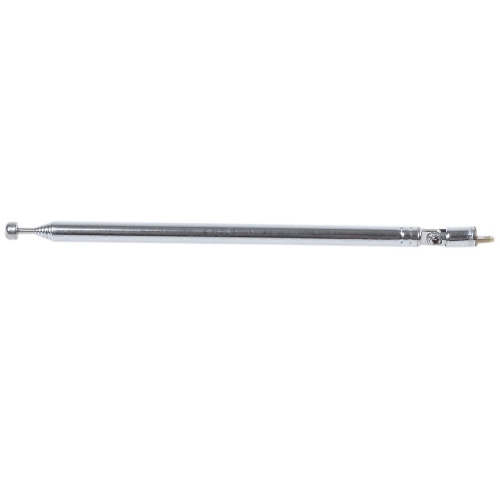
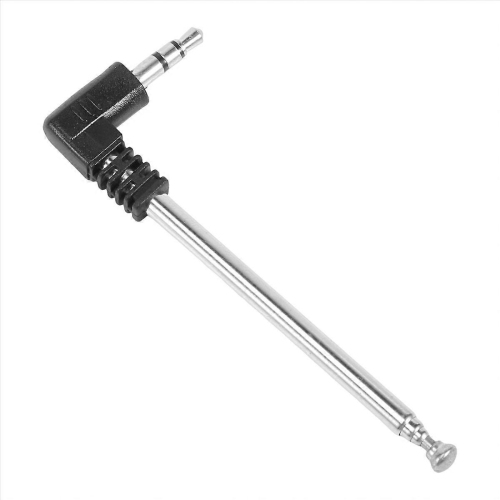
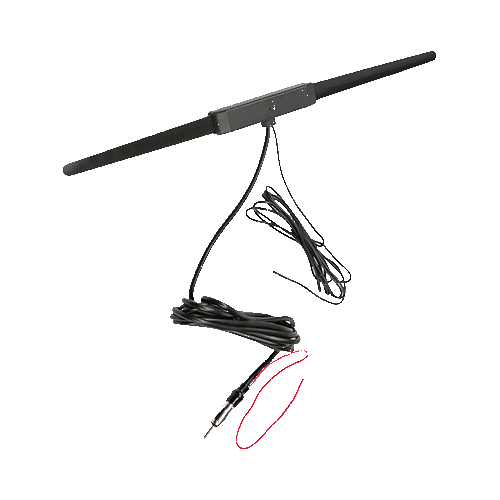
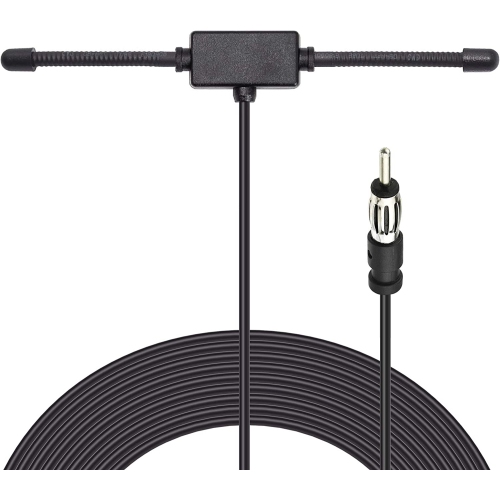
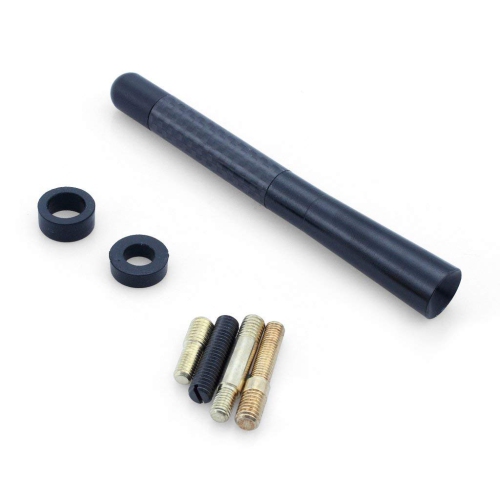
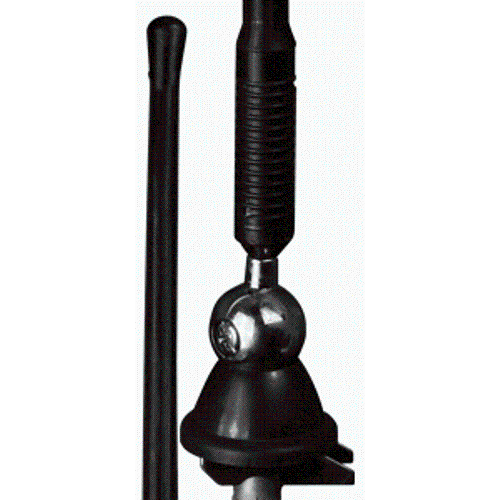
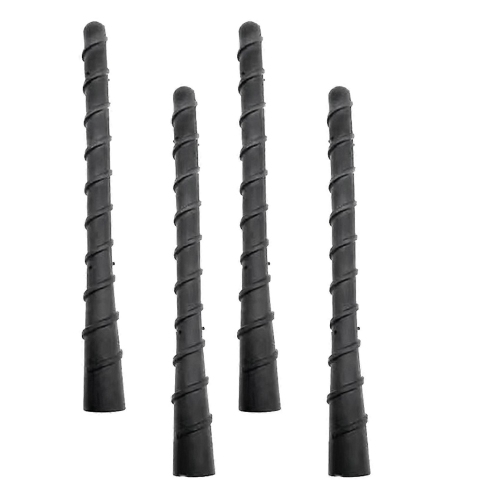
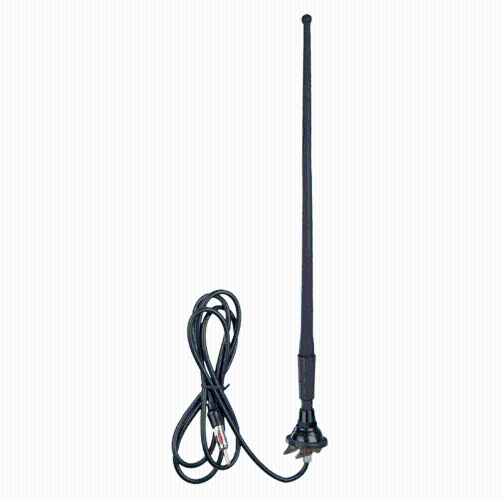
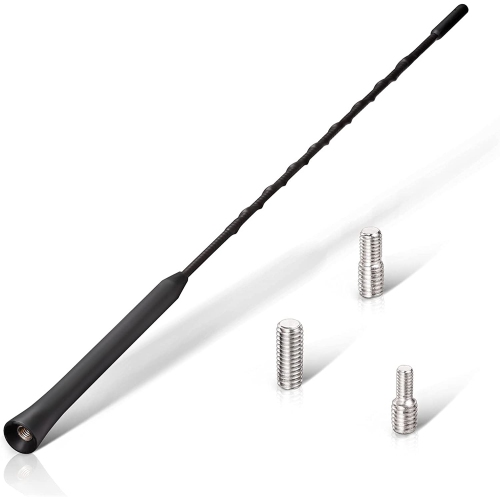
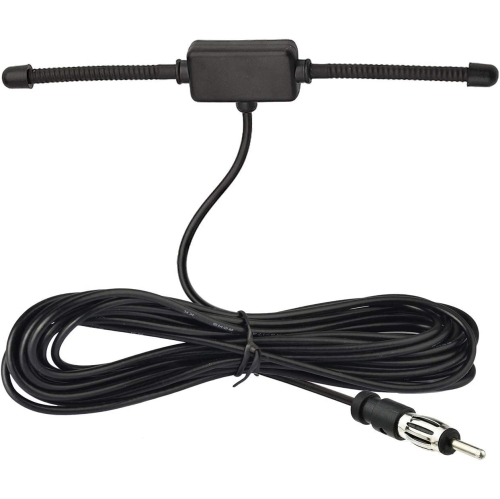
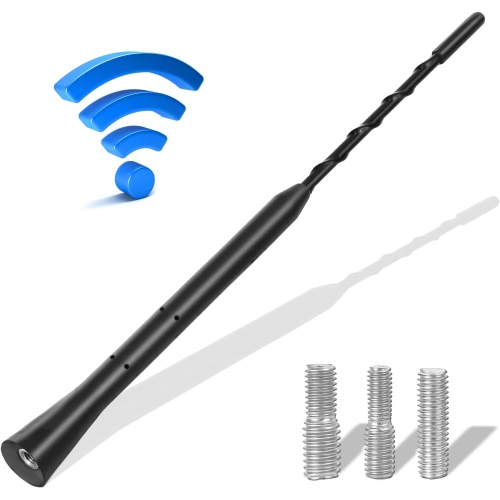
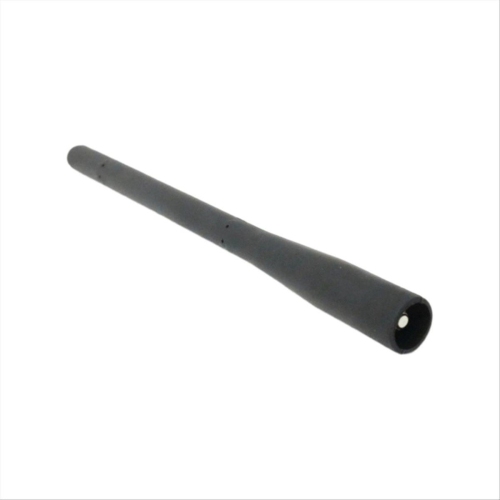
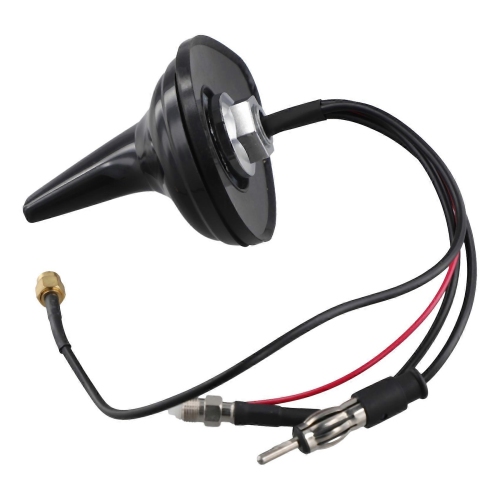
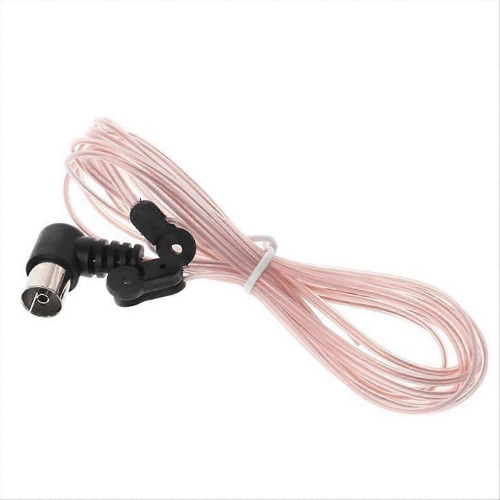
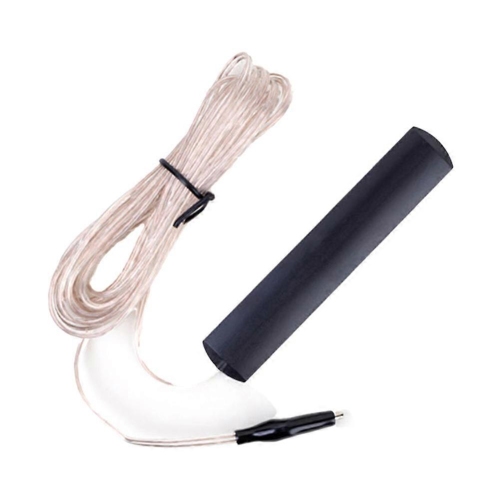
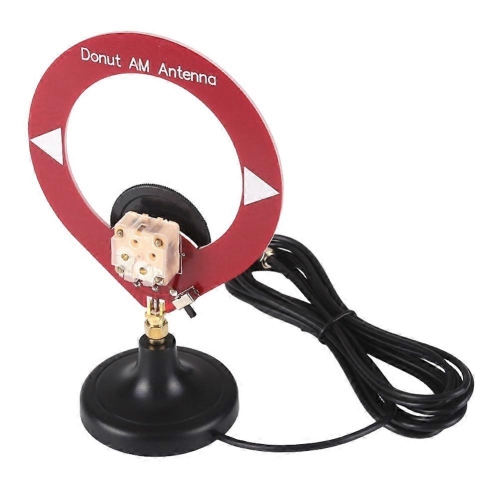
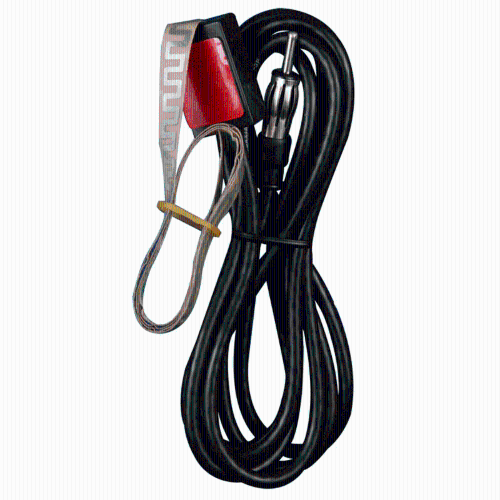
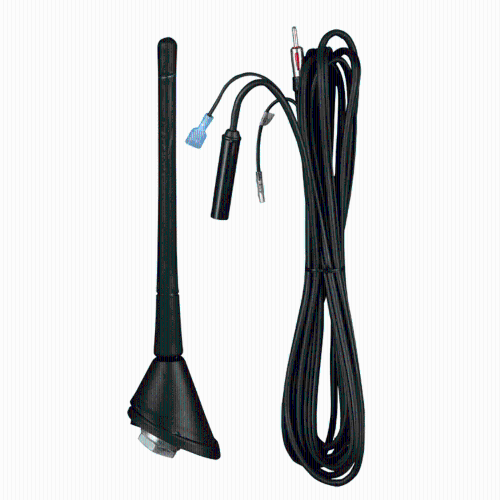
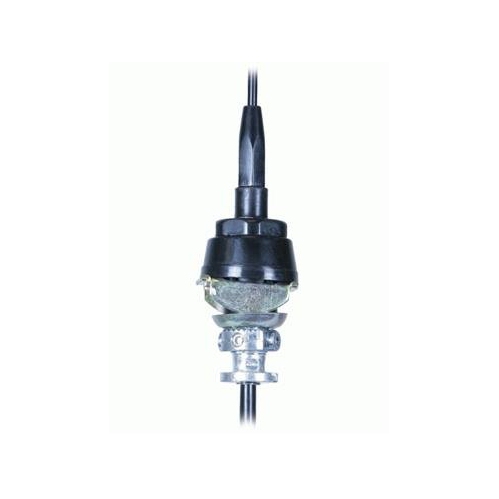
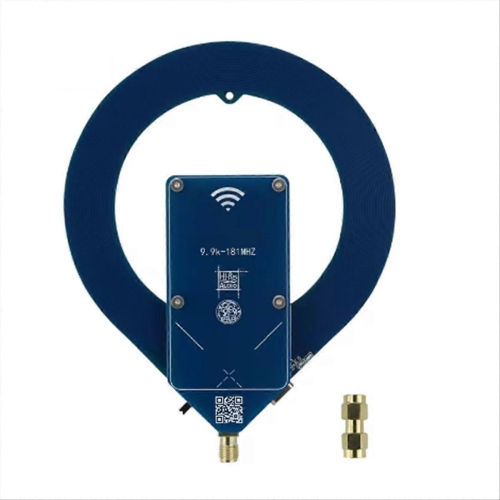
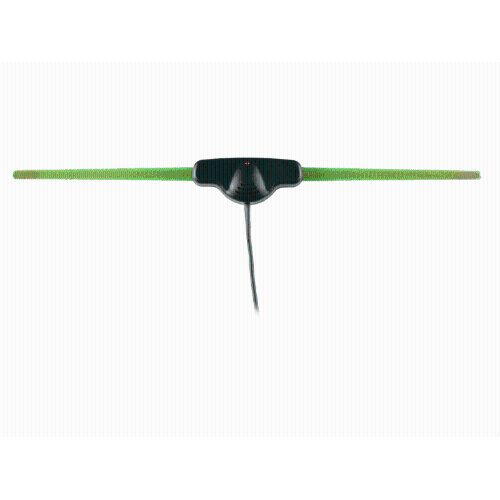
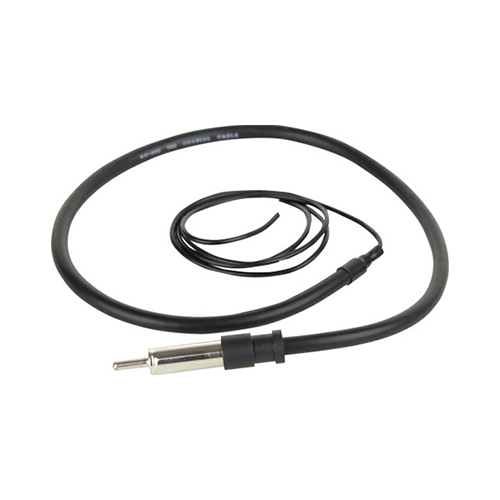
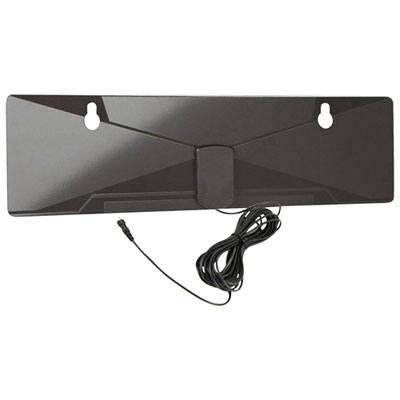
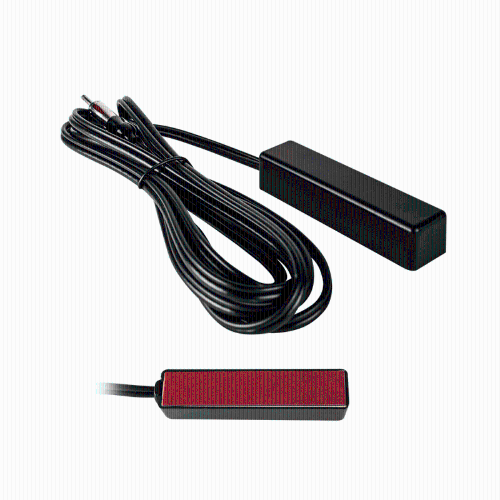
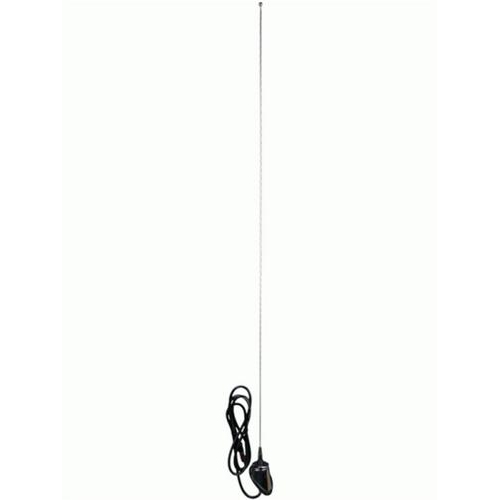
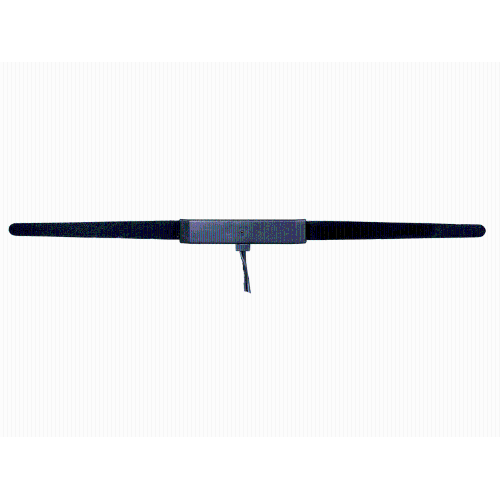
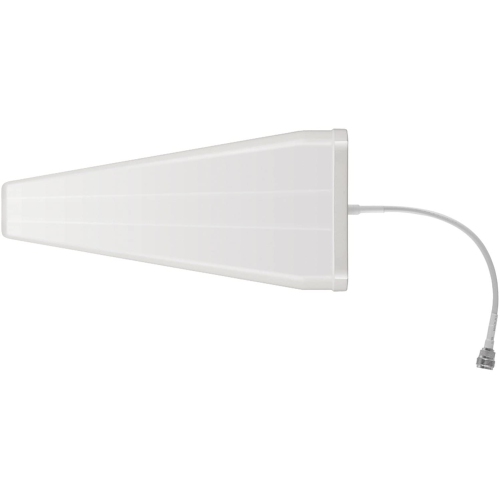
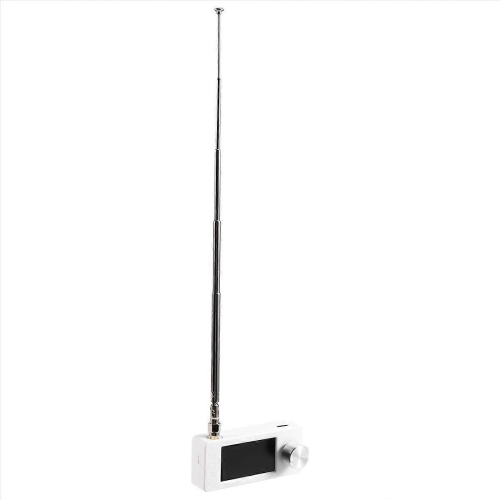
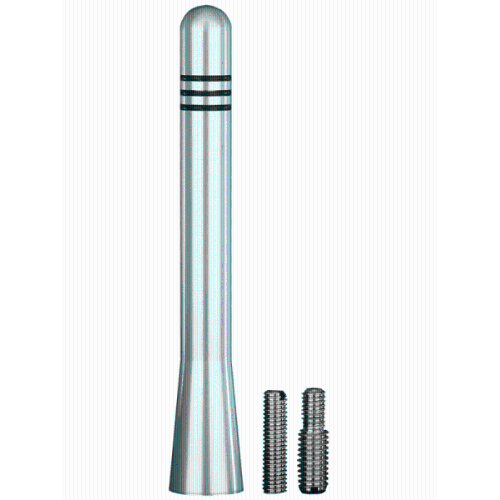
AM/FM antennas help a radio, stereo receiver, tabletop tuner, or other compatible audio system capture broadcast signals with greater consistency. Although many radios include a built-in antenna, an external antenna can be useful when stations sound weak, fade in and out, or become buried beneath hiss and static. AM and FM broadcasts use different frequency ranges, so the best antenna style depends on the band you listen to and the connection available on your equipment. AM antennas commonly use a compact plastic loop wrapped with fine wire and connected by two bare leads. The loop responds to the direction of the incoming signal, which means a small turn can sometimes make a noticeable difference in clarity. FM antennas are often made as a T-shaped wire dipole, a telescopic metal whip, or a larger outdoor assembly. A wire dipole is especially practical for indoor listening, while a whip may suit a tabletop or portable radio with a dedicated antenna terminal. Before choosing an antenna, check the back or side of the radio for its connection points, including push terminals, screw terminals, a 75-ohm coaxial connection, or a socket designed for a telescopic antenna. Matching the antenna to the receiver helps ensure a straightforward installation and avoids the frustration of discovering that the connector or wiring does not fit.
Placement has a major effect on reception, particularly with indoor antennas. An FM dipole generally performs best when stretched out rather than left bundled, with the two arms arranged in a straight line or a broad T shape. Mounting it higher on a wall, near a window, or along an open section of the room can help it pick up a cleaner signal. Since FM reception is affected by orientation, it can be worth trying the antenna vertically, horizontally, or at a diagonal while listening for the strongest result. AM loop antennas are also sensitive to direction; slowly rotating the loop may reduce interference and bring a distant station into focus. Keep antenna wires separated from large metal surfaces, televisions, computers, power adapters, and appliances that can introduce buzzing or static. AM and FM leads should not be crossed, twisted together, or treated as interchangeable, because each band uses its own connection points and signal characteristics. A little patience during positioning often makes a bigger difference than simply adding more wire. In a room where a radio sits beside a window, for example, moving an antenna just a short distance away from a power bar or speaker cable can turn a faint, crackling broadcast into comfortable background listening. Outdoor or attic-mounted antennas may be a better fit for rural homes, cabins, workshops, or locations surrounded by hills and buildings, where stations arrive from farther away or indoor reception remains inconsistent. Explore larger installations and related options in Outdoor Fm Antennas.
When shopping for an AM/FM antenna, consider the stations you want to receive, the distance to local transmitters, and where the radio will be used. A compact indoor antenna is convenient for a living room, bedroom, office, kitchen, garage, or hobby space, especially when the goal is to improve reception without a permanent installation. Renters and listeners who move equipment between rooms may appreciate lightweight designs that can be repositioned easily, while a dedicated radio enthusiast may prefer a more substantial antenna with a longer cable, a secure mounting method, or a design intended for attic or exterior installation. Signal conditions can change with building materials, nearby electrical equipment, terrain, and the height of the antenna, so there is no single style that performs identically in every home. An antenna can also be a thoughtful gift for someone who enjoys local news, weather updates, sports broadcasts, talk radio, music programming, or the familiar sound of a favourite station during the cooler months. It may suit a parent setting up a vintage-style stereo, a camper preparing a compact audio system, or a family member who wants dependable radio access in a workshop or cottage. For outdoor installations, look for weather-resistant construction, a suitable mounting location, an appropriate cable length, and compatibility with the receiver’s input. Follow the manufacturer’s installation instructions, keep antennas clear of overhead electrical lines, and use proper hardware for the wall, mast, or roof surface. With the right match and careful positioning, an AM/FM antenna can make everyday listening more stable, helping voices sound clearer, music feel less interrupted, and familiar broadcasts carry comfortably through the room.
Placement has a major effect on reception, particularly with indoor antennas. An FM dipole generally performs best when stretched out rather than left bundled, with the two arms arranged in a straight line or a broad T shape. Mounting it higher on a wall, near a window, or along an open section of the room can help it pick up a cleaner signal. Since FM reception is affected by orientation, it can be worth trying the antenna vertically, horizontally, or at a diagonal while listening for the strongest result. AM loop antennas are also sensitive to direction; slowly rotating the loop may reduce interference and bring a distant station into focus. Keep antenna wires separated from large metal surfaces, televisions, computers, power adapters, and appliances that can introduce buzzing or static. AM and FM leads should not be crossed, twisted together, or treated as interchangeable, because each band uses its own connection points and signal characteristics. A little patience during positioning often makes a bigger difference than simply adding more wire. In a room where a radio sits beside a window, for example, moving an antenna just a short distance away from a power bar or speaker cable can turn a faint, crackling broadcast into comfortable background listening. Outdoor or attic-mounted antennas may be a better fit for rural homes, cabins, workshops, or locations surrounded by hills and buildings, where stations arrive from farther away or indoor reception remains inconsistent. Explore larger installations and related options in Outdoor Fm Antennas.
When shopping for an AM/FM antenna, consider the stations you want to receive, the distance to local transmitters, and where the radio will be used. A compact indoor antenna is convenient for a living room, bedroom, office, kitchen, garage, or hobby space, especially when the goal is to improve reception without a permanent installation. Renters and listeners who move equipment between rooms may appreciate lightweight designs that can be repositioned easily, while a dedicated radio enthusiast may prefer a more substantial antenna with a longer cable, a secure mounting method, or a design intended for attic or exterior installation. Signal conditions can change with building materials, nearby electrical equipment, terrain, and the height of the antenna, so there is no single style that performs identically in every home. An antenna can also be a thoughtful gift for someone who enjoys local news, weather updates, sports broadcasts, talk radio, music programming, or the familiar sound of a favourite station during the cooler months. It may suit a parent setting up a vintage-style stereo, a camper preparing a compact audio system, or a family member who wants dependable radio access in a workshop or cottage. For outdoor installations, look for weather-resistant construction, a suitable mounting location, an appropriate cable length, and compatibility with the receiver’s input. Follow the manufacturer’s installation instructions, keep antennas clear of overhead electrical lines, and use proper hardware for the wall, mast, or roof surface. With the right match and careful positioning, an AM/FM antenna can make everyday listening more stable, helping voices sound clearer, music feel less interrupted, and familiar broadcasts carry comfortably through the room.
Top selling and popular products
-
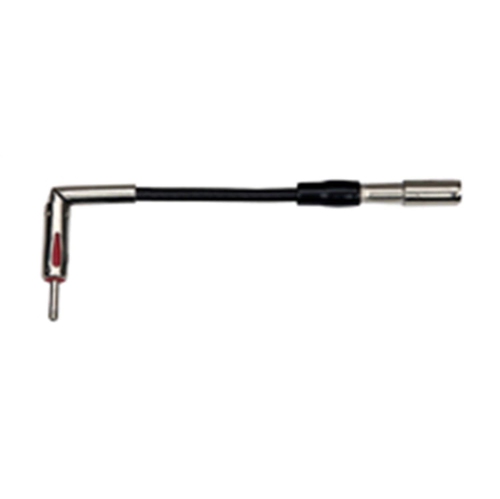 Your price for this item is $42.08
 -
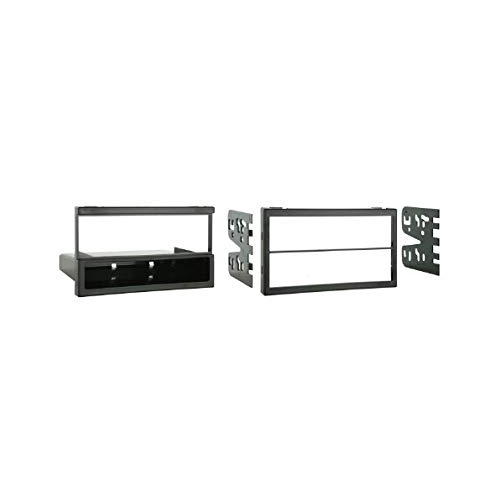 Your price for this item is $53.66
 -
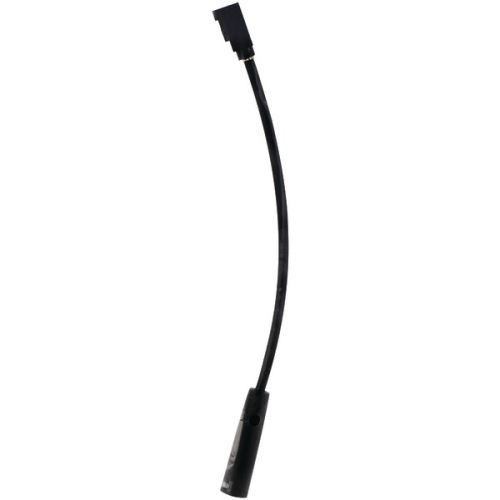 Your price for this item is $33.48
 -
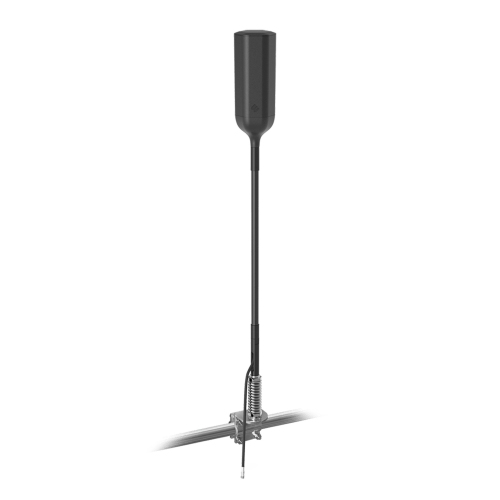 Your price for this item is $199.99
 -
 Your price for this item is $34.84
 -
 Your price for this item is $46.62
 -
 Your price for this item is $78.93
 -
 Your price for this item is $151.57
Discover more categories related to AM FM Antennas
Top Collections:
Pokemon Centers, Best Cameras for Sports Photography, Kindle Devices, Samsung Galaxy Phones, Canon G7X Cameras, Pokémon 30th Celebration Cards, Refurbished Apple Laptops, iPhone 15 Apple, Laptops for Students, Budget Smartphones
Some products may be subject to Environmental Handling Fees
(EHF) depending on your province.
Learn more about EHFs.