Indoor FM Antennas
Enhance your home entertainment experience with our selection of indoor FM antennas. Whether you're a music lover, a radio enthusiast, or simply looking to improve the reception on your favorite FM stations, we have the perfect solution for you. Our indoor FM antennas are designed to capture clear and crisp signals, ensuring that you never miss a beat. With easy installation and sleek designs, these antennas seamlessly blend into any room decor while delivering exceptional performance. Say goodbye to fuzzy reception and enjoy uninterrupted listening pleasure with our range of indoor FM antennas.
Sort

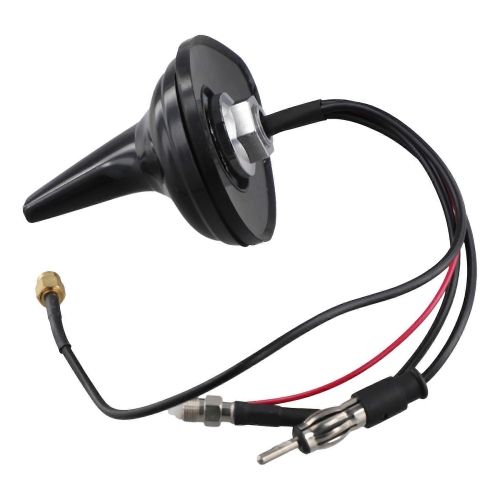
Better FM reception depends on more than antenna size
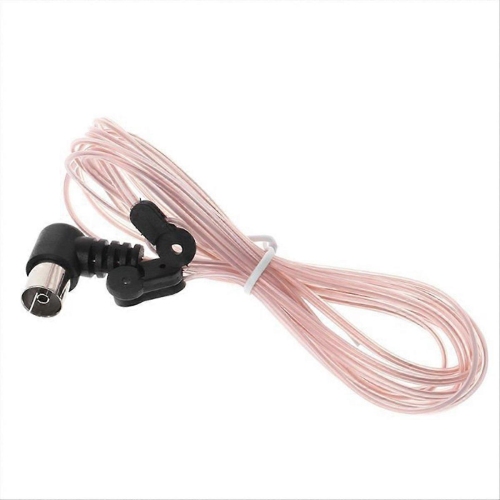
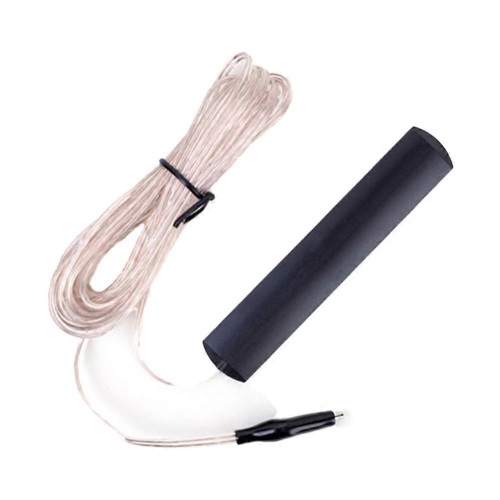
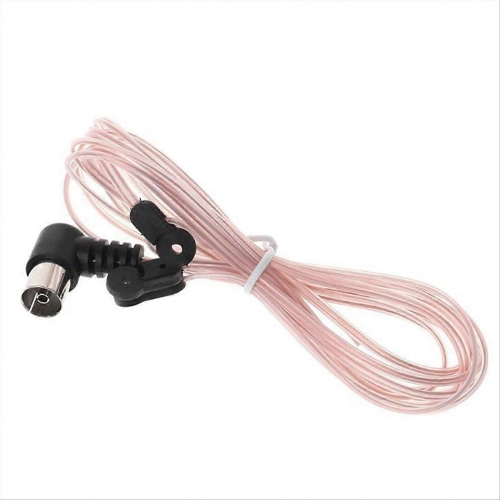
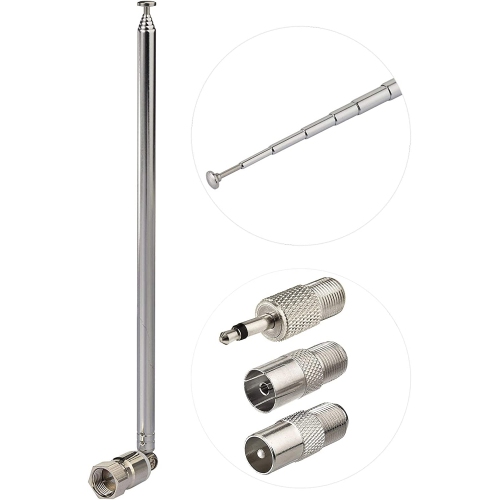
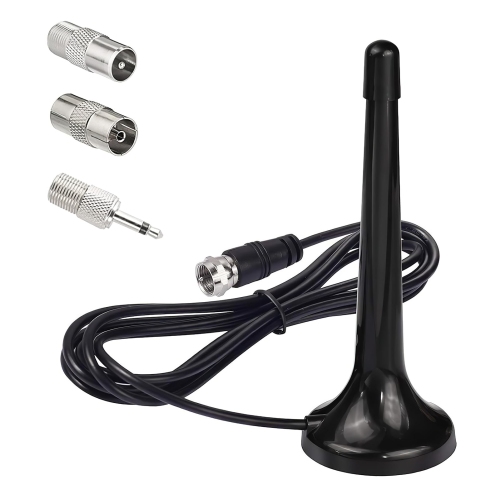
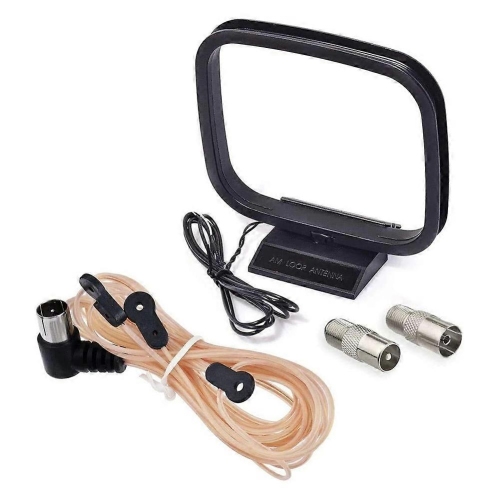
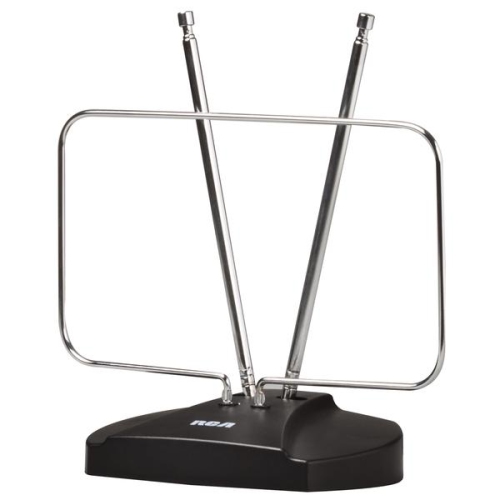
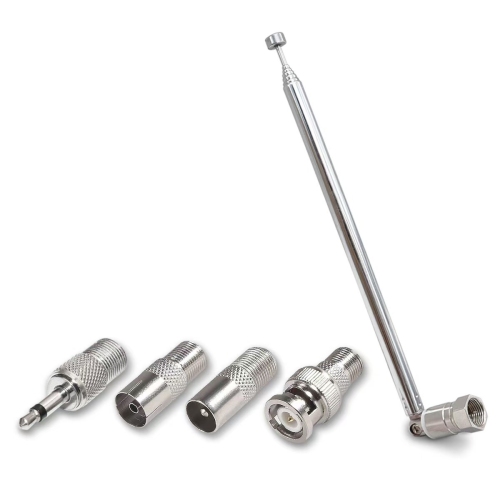
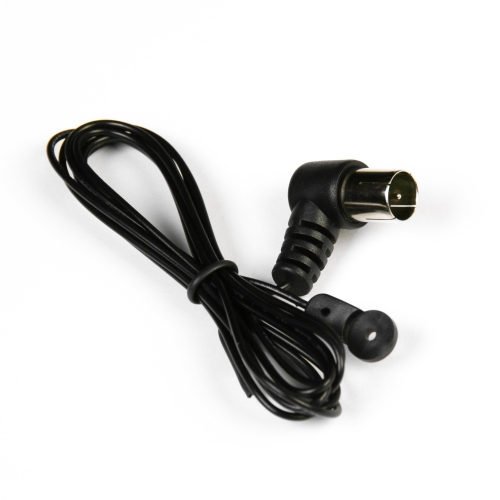
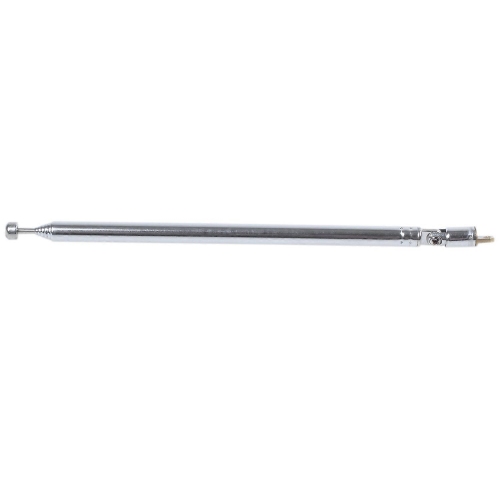
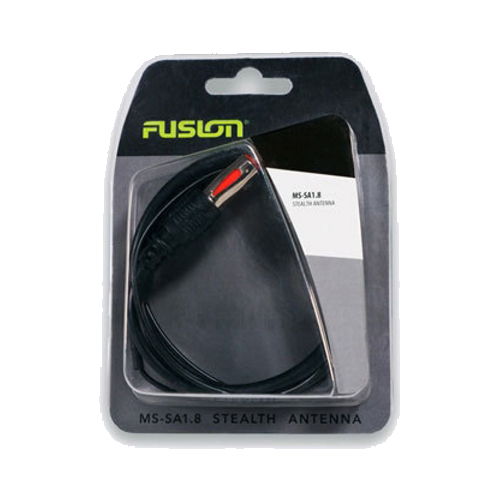
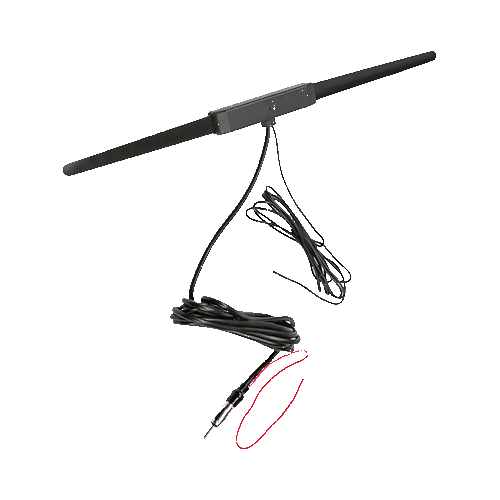
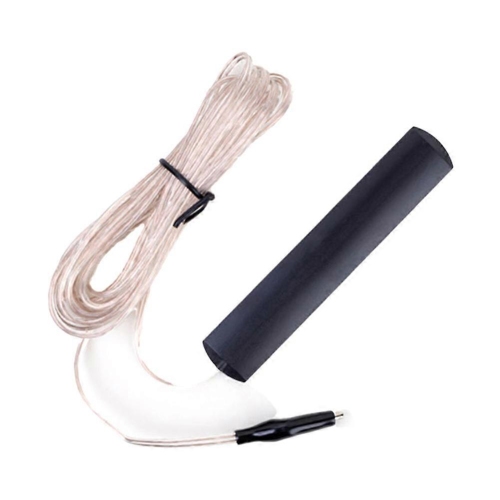
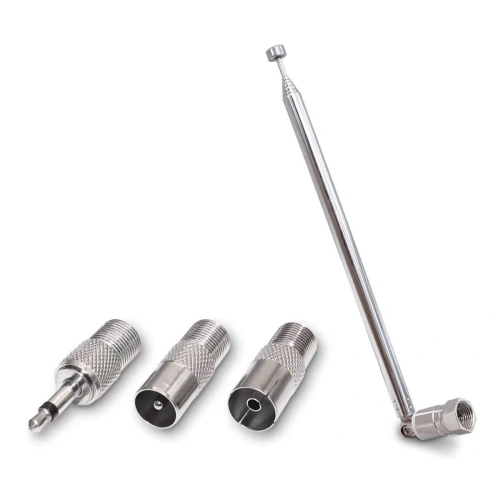
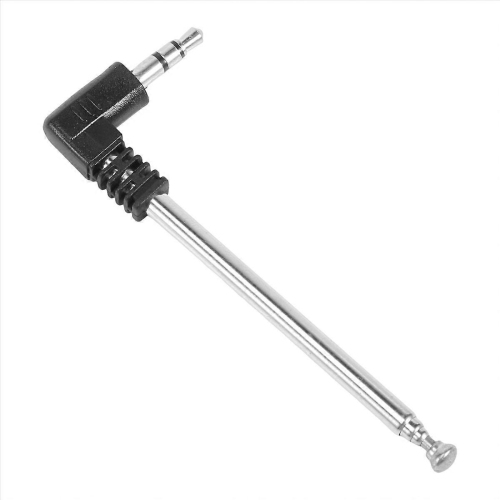
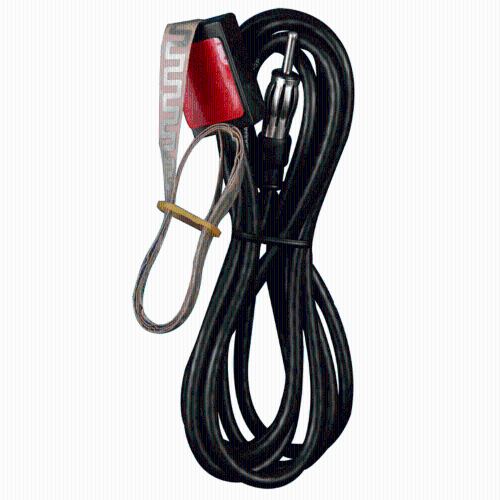
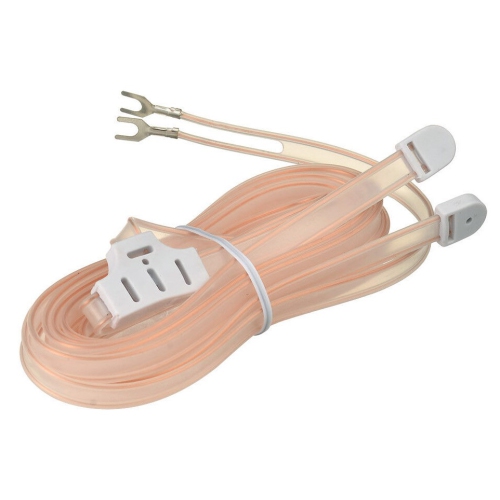
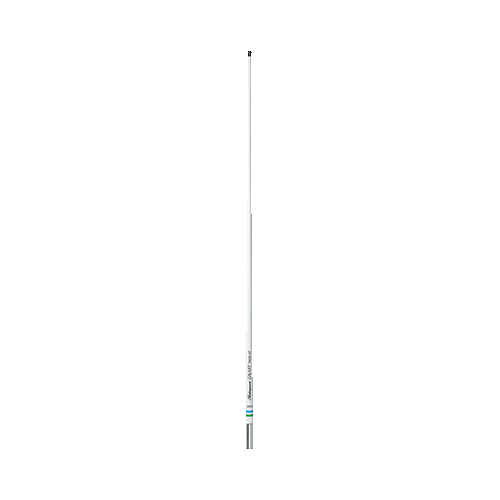
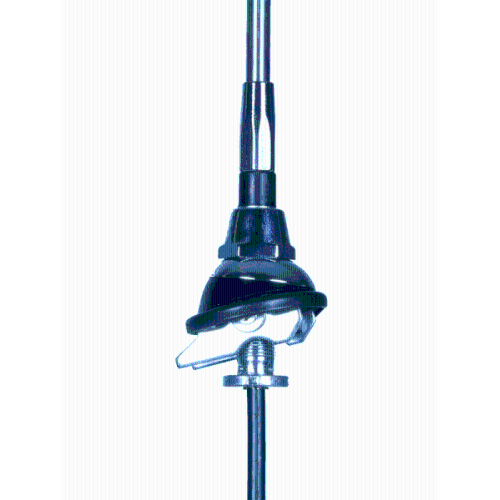
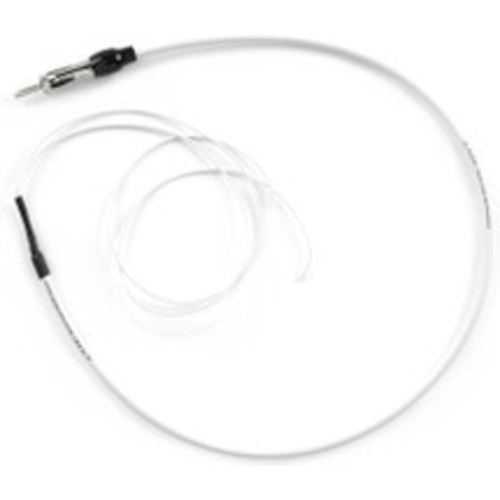
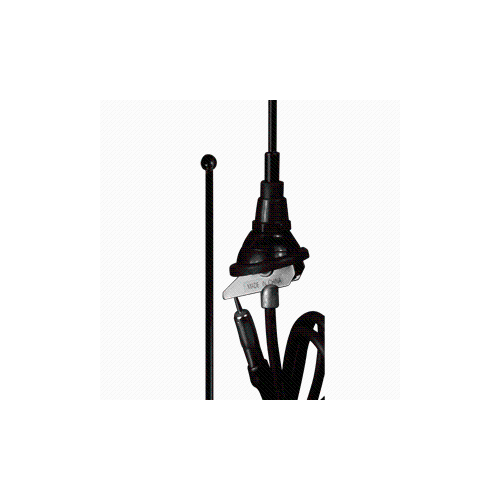
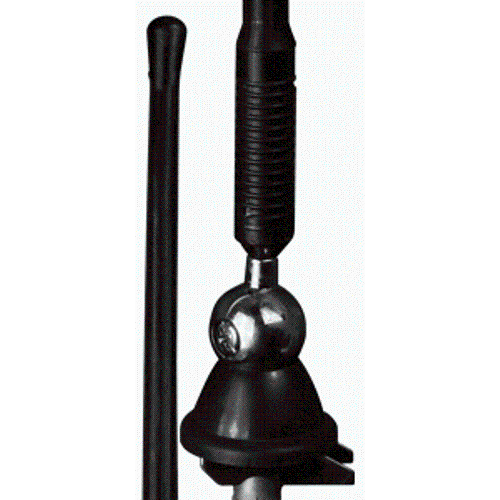
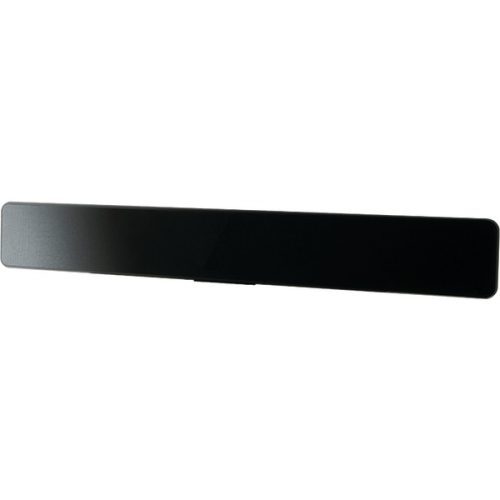
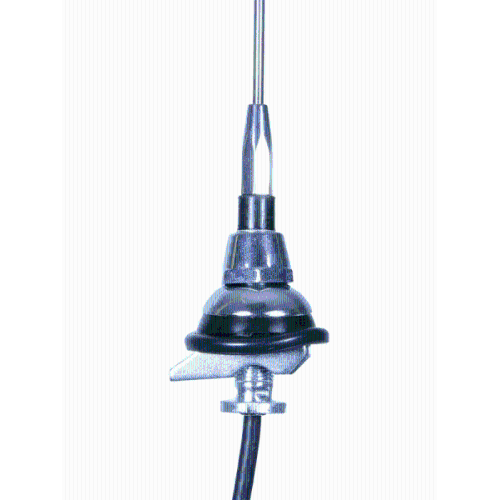
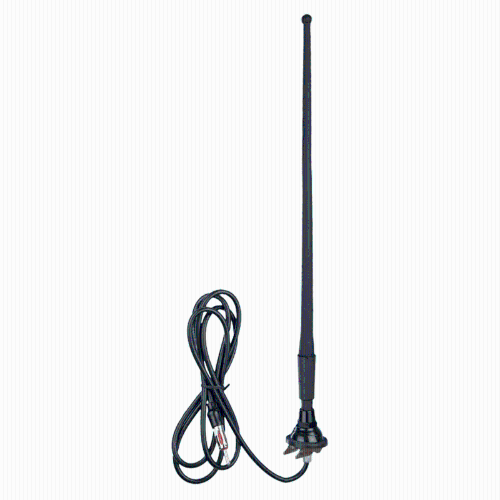
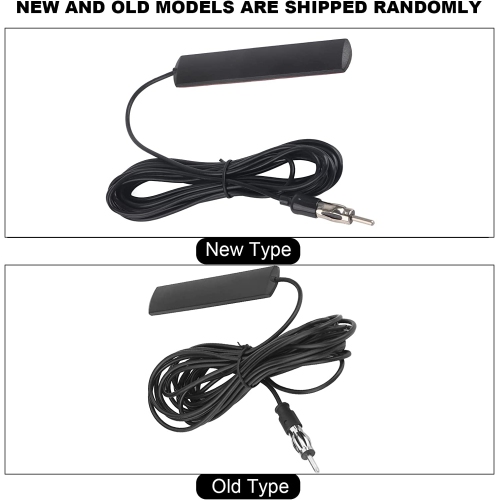
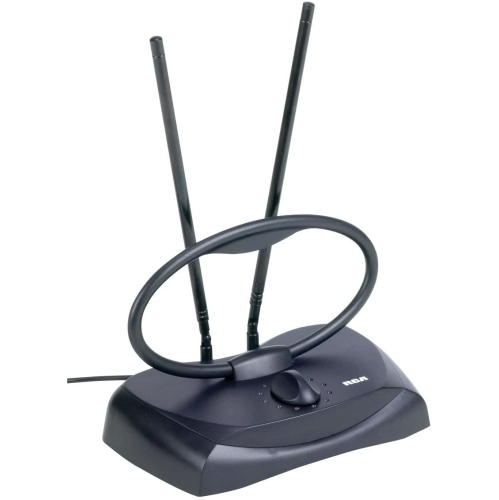
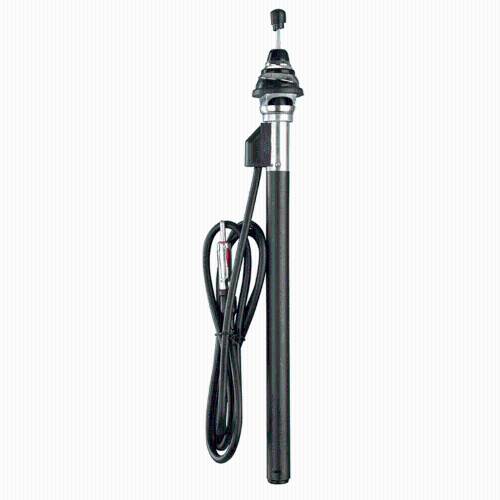
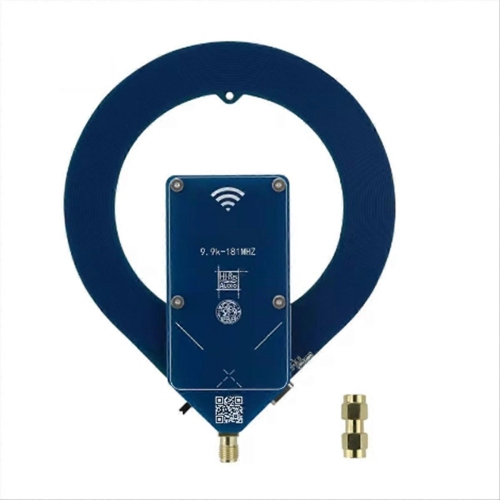
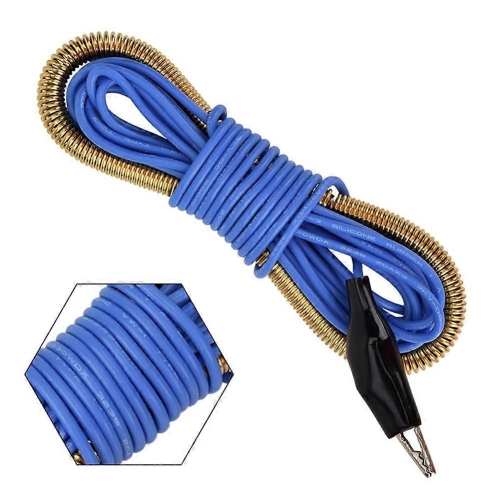
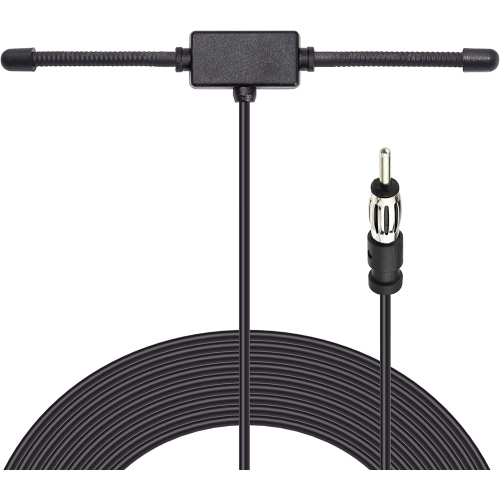
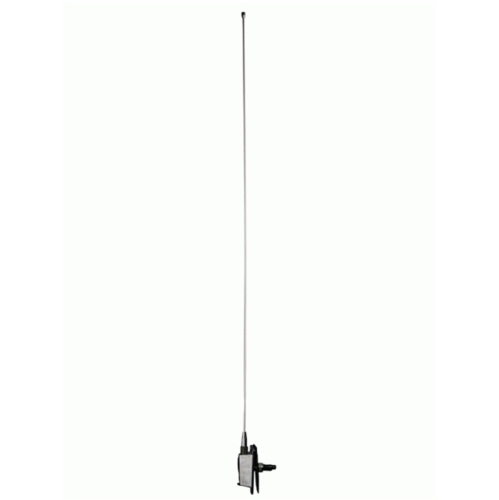
Indoor FM antennas connect compatible radios, stereo receivers, and tuners to over-the-air FM broadcasts, helping bring music, news, sports commentary, and local programming into everyday listening spaces. Their job is to capture radio signals for the tuner; they do not replace speakers or turn equipment without an FM tuner into a radio. In Canada, FM broadcasting generally uses frequencies from 88 to 108 MHz, so an antenna intended for that band is a practical match for a home FM setup. A suitable indoor antenna can make a noticeable difference when a receiver’s existing aerial is missing, damaged, or poorly positioned, although reception still depends on the station’s signal strength, distance, surrounding buildings, and the construction of the home. Common designs include flexible wire dipoles, adjustable telescopic rods, and compact tabletop antennas, with passive and amplified versions serving different needs. A wire dipole usually has a T-shaped layout: the centre lead connects to the receiver, while the two arms extend outward to capture the signal. Its light weight makes it easy to position discreetly along a shelf or wall, provided the arms have enough space to spread out rather than remain bundled behind the stereo. Telescopic antennas use extendable metal sections that allow changes in length and angle, making them useful where a rigid aerial fits more naturally beside a radio or audio cabinet. Tabletop designs offer a contained shape for a bookcase, desk, or side table, sometimes with an adjustable element or a weighted base. These formats suit different rooms and listening habits, from a kitchen radio carrying the morning news to a living-room receiver playing a favourite music station. For someone restoring a familiar stereo system or setting up a dedicated listening corner, an indoor FM antenna can be a thoughtful practical gift, especially when the receiver’s connection type and the available placement space are known. The best fit is not necessarily the largest design; it is one that works with the equipment and can sit where reception is clearest.
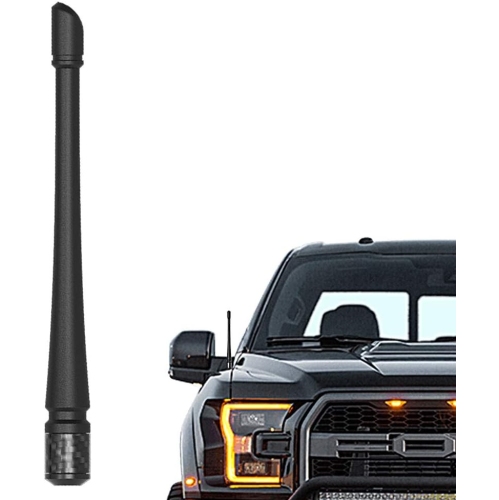
Connection compatibility matters as much as an antenna’s shape. Home receivers commonly use either a 75-ohm antenna input or a 300-ohm input, but the physical connector also needs to match. A 75-ohm connection may use a threaded F-type coaxial socket or another coaxial fitting, while a 300-ohm connection often uses two screw terminals for twin-lead wire. These connections are not interchangeable simply because both are labelled for FM. Where the antenna and receiver use different impedances, a suitable matching transformer may be needed; a connector adapter alone does not necessarily provide that matching. The equipment manual and the markings beside the antenna input help distinguish FM terminals from AM loop connections, speaker terminals, and other sockets on a crowded rear panel. Cable length also affects how comfortably an antenna fits into a room. A lead that reaches a useful position without pulling on the socket is preferable to one stretched tightly across the back of a cabinet. Unnecessary extensions and poorly fitted connections can introduce signal loss, so a tidy, secure connection has value beyond appearance. Passive antennas need no electrical power and can work well where local broadcasts arrive with adequate strength. Amplified indoor FM antennas add powered circuitry to increase the level of the received signal, but amplification cannot separate a wanted station from interference that has already been captured. In areas with very strong signals, too much gain can overload the antenna’s amplifier or the receiver and make reception worse rather than better. Adjustable gain, where included, offers flexibility, while powered designs also need an appropriate power source within reach. Listeners who want both broadcast bands can explore AM FM Antennas, keeping in mind that AM and FM reception may use separate elements and connections. An FM-only antenna should not be assumed to improve AM reception. Likewise, a design intended for a vehicle may depend on its mounting arrangement and is not automatically suitable for a home stereo.
Placement often has more influence on indoor FM reception than the visual size of the antenna suggests. A receiver tucked into a low cabinet between other electronics may have a convenient home, while its antenna works better higher on a shelf or nearer a window. Reinforced concrete, metal framing, and some coated window glass can weaken incoming signals, so a window position is worth trying rather than treating as a guaranteed solution. Signals reflected by nearby structures can also reach the antenna along different paths, causing distortion known as multipath interference. Moving an antenna a short distance or changing its orientation may improve one station even when the receiver’s signal indicator already appears strong. Different stations transmit from different locations, so the clearest position for a favourite music station may not be ideal for a news station elsewhere on the dial. Space to make small adjustments is therefore useful, particularly in apartments and rooms surrounded by larger buildings. Nearby televisions, computers, LED lighting, chargers, and power supplies can introduce electrical noise; separating the antenna and its cable from those devices can help reduce unwanted interference. For daily use, materials and construction deserve attention too. Flexible wire antennas typically rely on insulated conductors, while telescopic designs combine metal sections with a housing or base. Sound cable insulation, secure plugs, and firm rod joints help an antenna withstand occasional repositioning. A stable base is useful on a busy desk, and a magnetic base only holds as intended on a suitable metal surface. Thin wires are better supported with appropriate clips than crushed beneath furniture or pierced with staples. Gentle handling protects telescopic sections from bending, and leaving a little slack at the connector reduces strain when the receiver is moved. Care is straightforward: disconnect power from amplified designs before cleaning, dust housings with a soft, dry cloth, and keep moisture away from connections. With compatible fittings, sensible placement, and room for adjustment, an indoor FM antenna can support clear, convenient radio listening without taking over the space.
Top selling and popular products
-
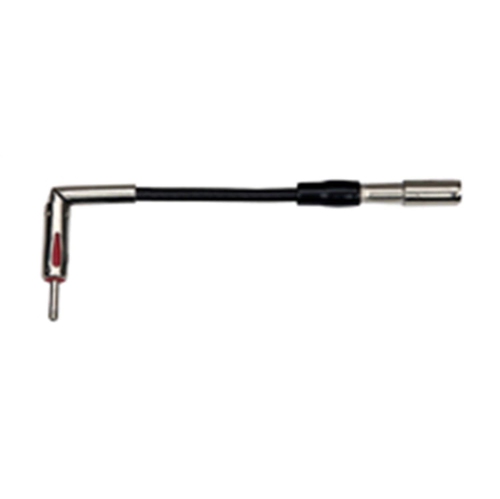 Your price for this item is $42.08
-
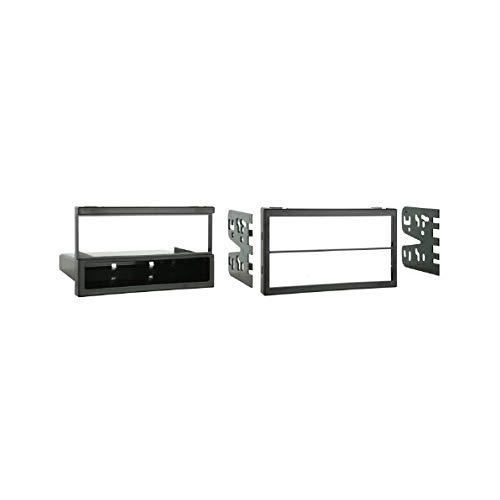 Your price for this item is $53.66
-
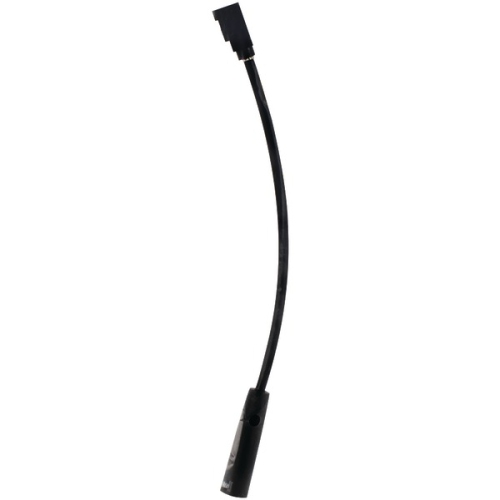 Your price for this item is $33.48
-
 Your price for this item is $199.99
-
 Your price for this item is $34.84
-
 Your price for this item is $46.62
-
 Your price for this item is $78.93
-
 Your price for this item is $151.57
Discover more categories related to Indoor FM Antennas
Top Collections:
Pokemon Centers, Best Cameras for Sports Photography, Kindle Devices, Samsung Galaxy Phones, Canon G7X Cameras, Pokémon 30th Celebration Cards, Refurbished Apple Laptops, iPhone 15 Apple, Laptops for Students, Budget Smartphones
Some products may be subject to Environmental Handling Fees
(EHF) depending on your province.
Learn more about EHFs.