Anti-Theft Alarms
Keep your belongings safe and secure with our wide selection of anti-theft alarms. Whether you're looking to protect your home, office, or even your car, these innovative devices offer an added layer of security and peace of mind. With features like motion detection, loud sirens, and smartphone integration, our range of anti-theft alarms is designed to deter potential thieves and keep your valuables protected. Browse through our collection and find the perfect alarm system to suit your needs.
Sort
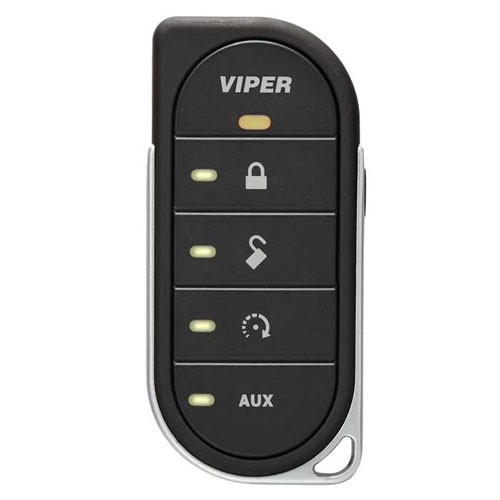
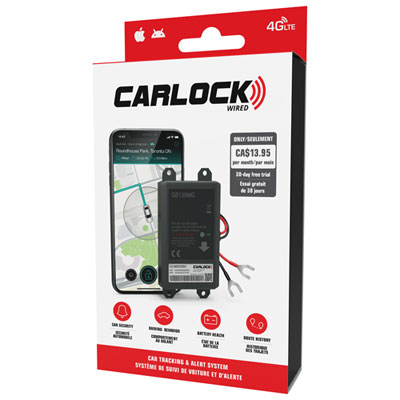
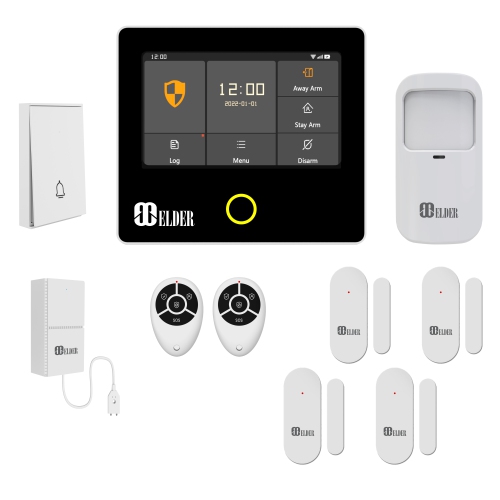
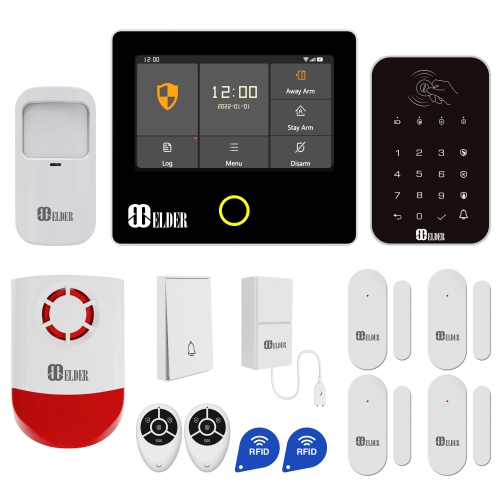
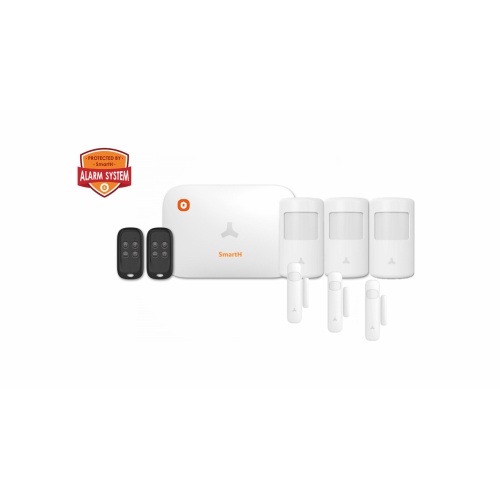
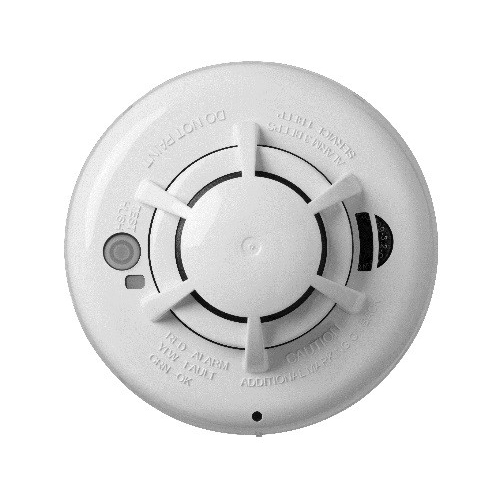
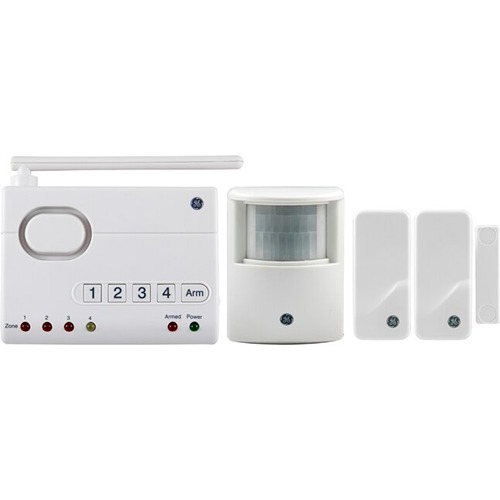
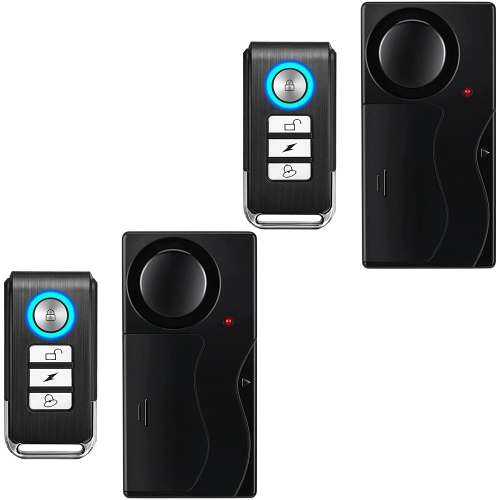
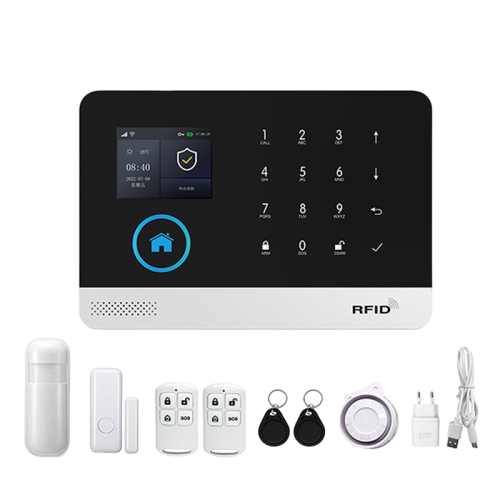
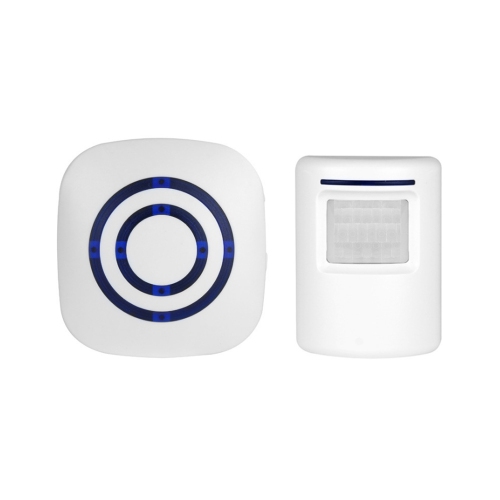
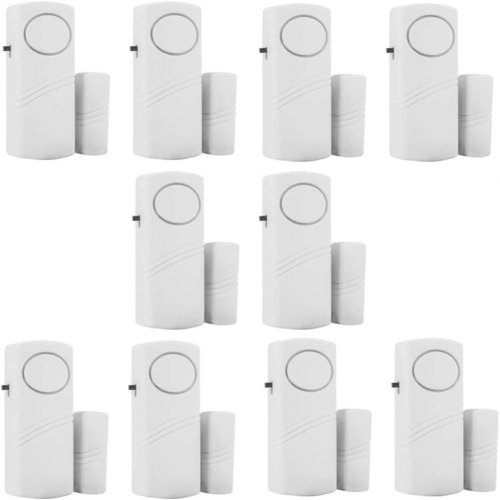
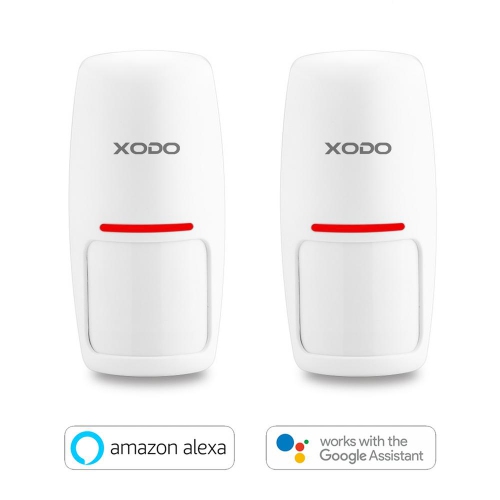
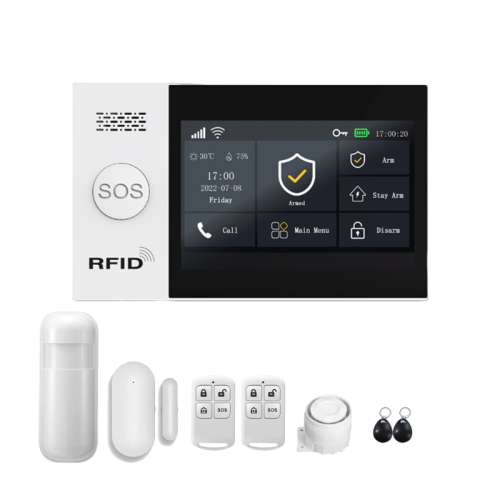
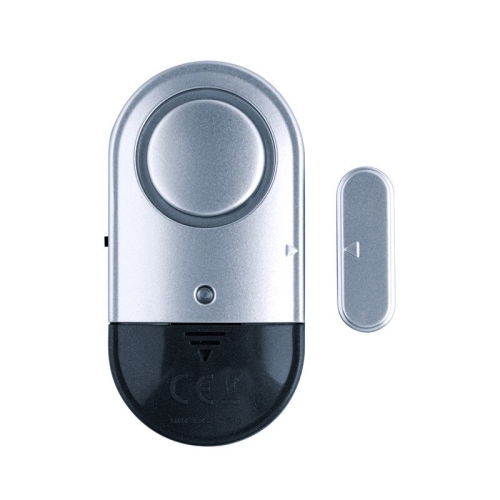
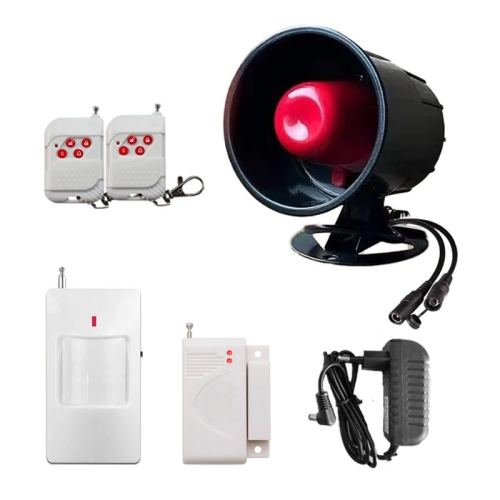
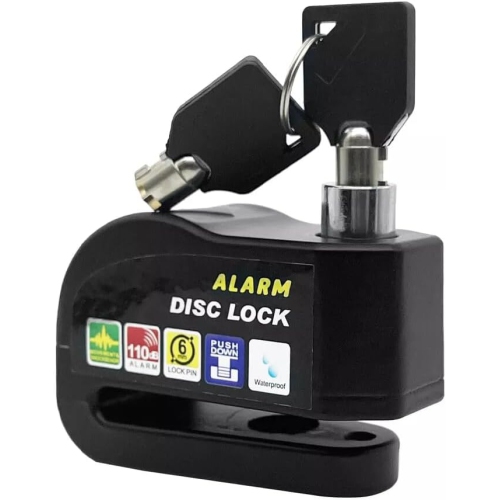
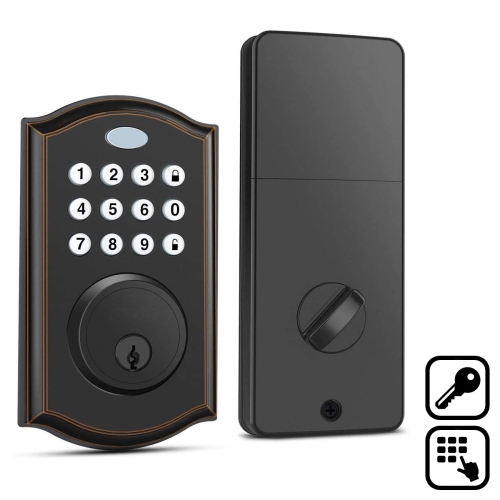
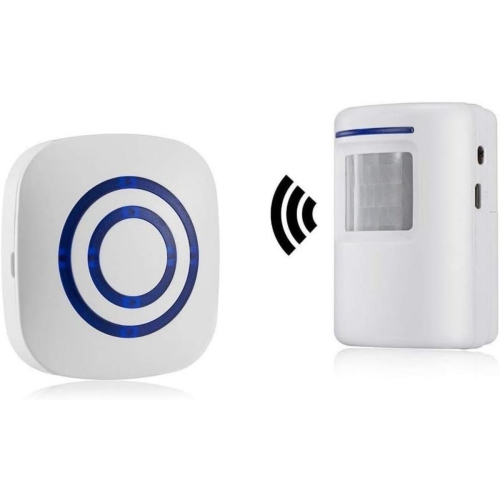
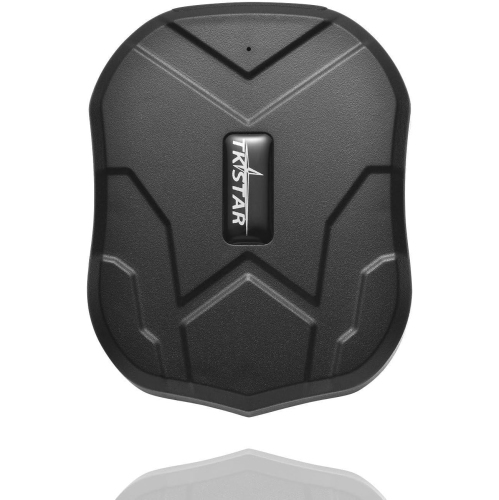
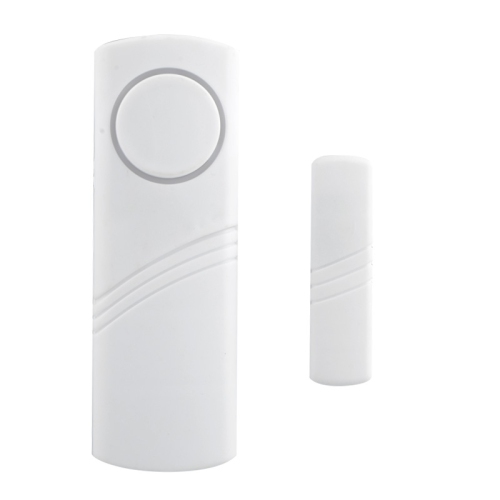
Alerts for unexpected movement, entry, tampering, or impact
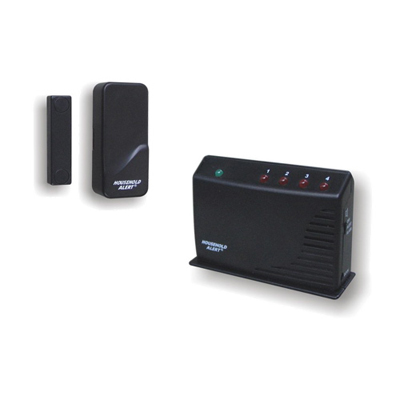
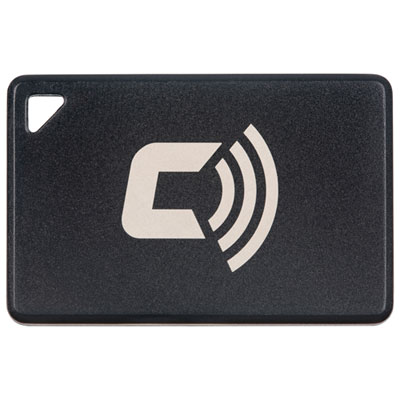
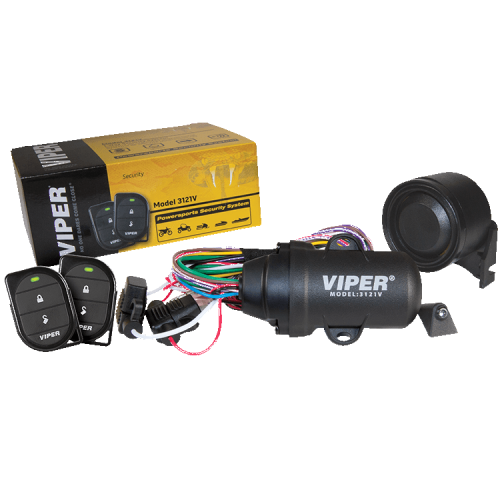
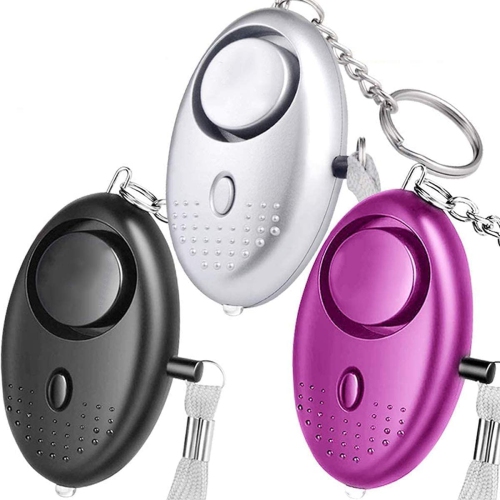
Anti-theft alarms are designed to make unauthorized access harder to overlook by detecting movement, impact, opening, tampering, or changes in position and responding with a loud siren, flashing light, or mobile notification. They can help protect vehicles, bicycles, scooters, luggage, doors, windows, lockers, and other personal belongings in everyday settings. Some alarms are compact enough to attach to a bag or portable item, while others are intended for fixed entry points or more involved vehicle installations. The right choice depends first on what you want to protect and where the alarm will be used. A door and window alarm may be useful in an apartment, house, dorm room, cottage, or home office, particularly when you want a straightforward alert when an entry point is opened. A motion-sensitive alarm can be better suited to bicycles, scooters, storage areas, gates, or equipment that may be moved without permission. For a vehicle, an alarm system may monitor door openings, impact, interior movement, or attempts to start the vehicle, with some setups adding remote controls or smartphone notifications. Explore Anti Theft Car Systems for options focused specifically on vehicle security.
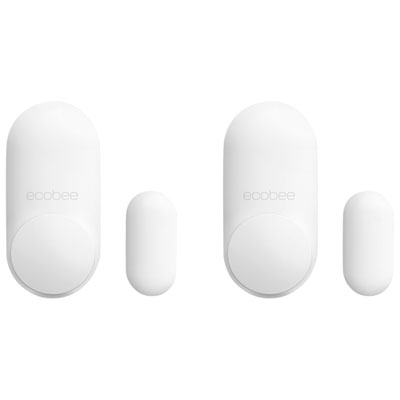
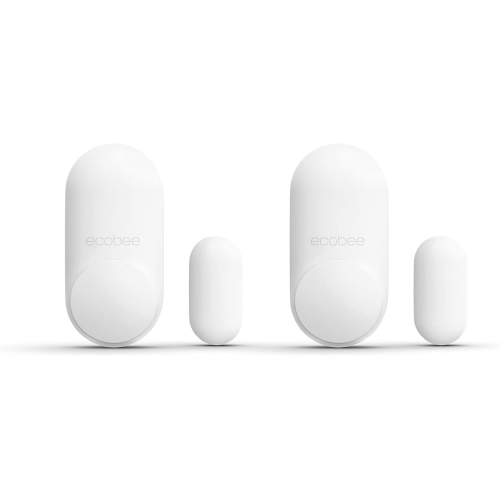
When comparing anti-theft alarms, consider the type of detection, the volume and character of the alert, the installation method, and how much ongoing attention the device requires. Magnetic contact alarms generally use two aligned pieces: one attaches to a door, window, drawer, or cabinet, and the other detects when the opening separates. These are often practical for renters or anyone who prefers a simple setup without wiring. Motion and vibration sensors can detect handling or attempted movement, making them useful for portable belongings and parked bikes, though sensitivity settings are important. An alarm that is too sensitive may sound when a delivery is placed nearby or when a pet brushes past, while one that is not sensitive enough may miss a genuine disturbance. Check whether sensitivity can be adjusted and whether the alarm offers a delay for entering a code or disarming it. Battery life is another important consideration, especially for alarms installed in seldom-used spaces such as a shed, trailer, locker, or seasonal property. Look for clear low-battery indicators and accessible battery compartments. Some connected models can send alerts to a phone over Wi-Fi or another wireless connection, which may be helpful when you are away from home, but they can depend on an internet connection, an account, or a compatible app. Local sirens continue to be useful because they can draw attention immediately, even when a phone is out of reach. Placement matters as well: a siren tucked behind thick furniture may be less effective than one positioned where its sound can travel, while an outdoor alarm should be selected for conditions it is designed to withstand.
Anti-theft alarms can suit a wide range of routines and may be especially useful for people who regularly leave valuable belongings in shared, public, or less visible spaces. A cyclist may use a compact motion alarm as an additional layer alongside a sturdy lock when leaving a bike outside a workplace, school, library, or shop. Someone who travels may attach an alarm to luggage or a backpack to make handling more noticeable in a busy station, hotel room, or shared accommodation. At home, an entry alarm can provide an audible reminder when a door, window, medicine cabinet, filing drawer, or storage cupboard is opened, while a remote alert can help a homeowner check on a property during the cooler months when a cottage, garage, or workshop may be visited less often. These devices can also make practical gifts for students moving into residence, commuters, frequent travellers, new homeowners, or family members who keep equipment in communal areas. Before purchasing, check the alarm’s dimensions, mounting surface requirements, operating range, weather rating, battery type, and compatibility with any existing security setup. It is also worth considering who will hear or receive the alert, how quickly the alarm can be silenced, and whether its controls are easy for everyone in the household to use. An anti-theft alarm is not a replacement for a quality lock, careful storage, or responsible security habits, but it can add a noticeable layer of awareness by turning unexpected movement or entry into an immediate signal. During the transition from warmer days to cooler months, alarms can be particularly useful for vehicles, outdoor equipment, entry doors, and storage spaces as routines change and belongings spend more time indoors, in garages, or in shared areas.
When comparing anti-theft alarms, consider the type of detection, the volume and character of the alert, the installation method, and how much ongoing attention the device requires. Magnetic contact alarms generally use two aligned pieces: one attaches to a door, window, drawer, or cabinet, and the other detects when the opening separates. These are often practical for renters or anyone who prefers a simple setup without wiring. Motion and vibration sensors can detect handling or attempted movement, making them useful for portable belongings and parked bikes, though sensitivity settings are important. An alarm that is too sensitive may sound when a delivery is placed nearby or when a pet brushes past, while one that is not sensitive enough may miss a genuine disturbance. Check whether sensitivity can be adjusted and whether the alarm offers a delay for entering a code or disarming it. Battery life is another important consideration, especially for alarms installed in seldom-used spaces such as a shed, trailer, locker, or seasonal property. Look for clear low-battery indicators and accessible battery compartments. Some connected models can send alerts to a phone over Wi-Fi or another wireless connection, which may be helpful when you are away from home, but they can depend on an internet connection, an account, or a compatible app. Local sirens continue to be useful because they can draw attention immediately, even when a phone is out of reach. Placement matters as well: a siren tucked behind thick furniture may be less effective than one positioned where its sound can travel, while an outdoor alarm should be selected for conditions it is designed to withstand.
Anti-theft alarms can suit a wide range of routines and may be especially useful for people who regularly leave valuable belongings in shared, public, or less visible spaces. A cyclist may use a compact motion alarm as an additional layer alongside a sturdy lock when leaving a bike outside a workplace, school, library, or shop. Someone who travels may attach an alarm to luggage or a backpack to make handling more noticeable in a busy station, hotel room, or shared accommodation. At home, an entry alarm can provide an audible reminder when a door, window, medicine cabinet, filing drawer, or storage cupboard is opened, while a remote alert can help a homeowner check on a property during the cooler months when a cottage, garage, or workshop may be visited less often. These devices can also make practical gifts for students moving into residence, commuters, frequent travellers, new homeowners, or family members who keep equipment in communal areas. Before purchasing, check the alarm’s dimensions, mounting surface requirements, operating range, weather rating, battery type, and compatibility with any existing security setup. It is also worth considering who will hear or receive the alert, how quickly the alarm can be silenced, and whether its controls are easy for everyone in the household to use. An anti-theft alarm is not a replacement for a quality lock, careful storage, or responsible security habits, but it can add a noticeable layer of awareness by turning unexpected movement or entry into an immediate signal. During the transition from warmer days to cooler months, alarms can be particularly useful for vehicles, outdoor equipment, entry doors, and storage spaces as routines change and belongings spend more time indoors, in garages, or in shared areas.
Top selling and popular products
-
 Your price for this item is $48.98
 -
 Your price for this item is $99.99
 -
 Your price for this item is $799.99
 -
 Your price for this item is $549.99
 -
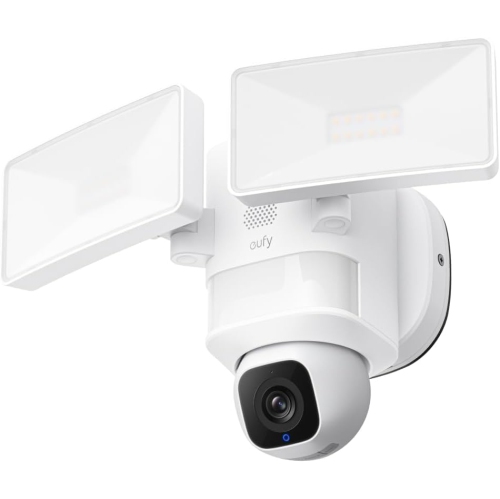 Your price for this item is $229.99
 -
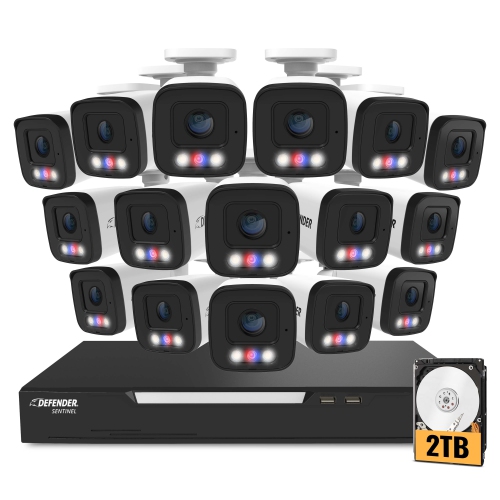 Your price for this item is $1579.99
 -
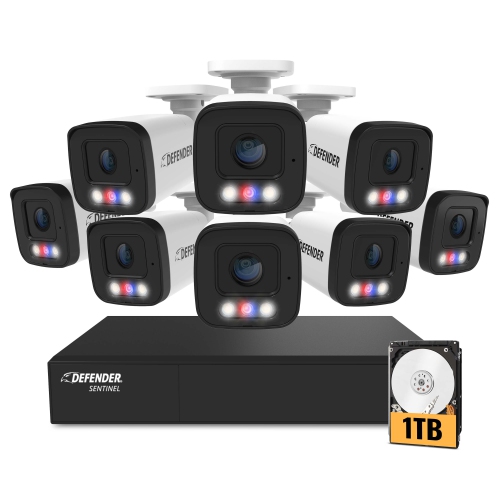 Your price for this item is $699.99
 -
 Your price for this item is $39.97
Discover more categories related to Anti-Theft Alarms
Top Collections:
Pokemon Centers, Best Cameras for Sports Photography, Kindle Devices, Samsung Galaxy Phones, Canon G7X Cameras, Pokémon 30th Celebration Cards, Refurbished Apple Laptops, iPhone 15 Apple, Laptops for Students, Budget Smartphones
Some products may be subject to Environmental Handling Fees
(EHF) depending on your province.
Learn more about EHFs.