Anti Theft Devices
Protect your valuable belongings with our selection of anti-theft devices. Whether you're traveling, commuting, or simply want to secure your possessions at home, these innovative gadgets offer peace of mind and enhanced security. From GPS trackers and fingerprint locks to smart safes and RFID-blocking wallets, our range of anti-theft devices is designed to keep your belongings safe from theft and unauthorized access. Explore our collection and find the perfect solution to safeguard your valuables today.
Sort




















































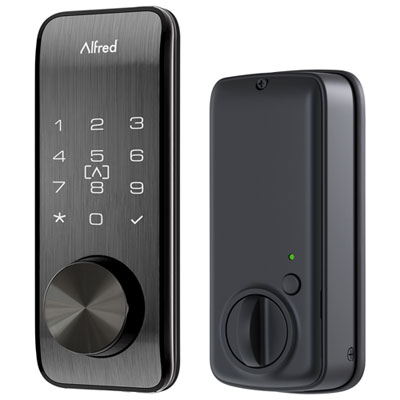
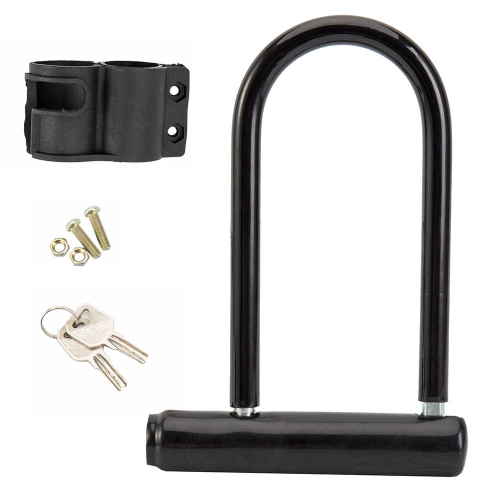


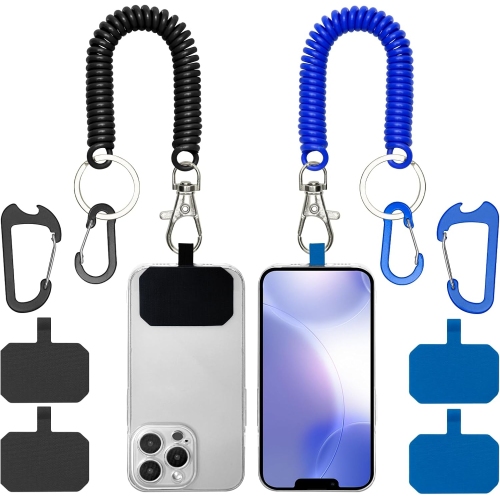
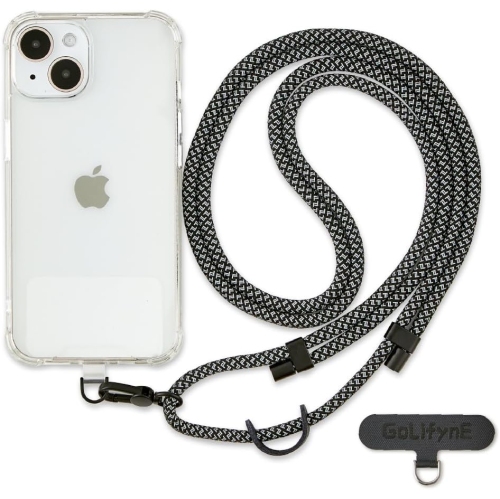
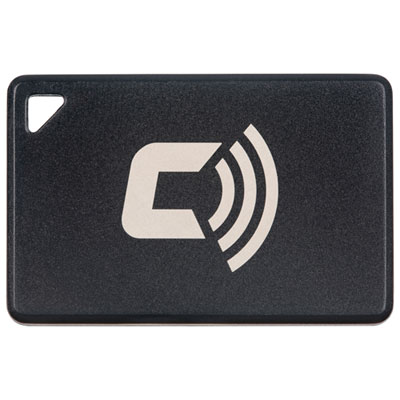

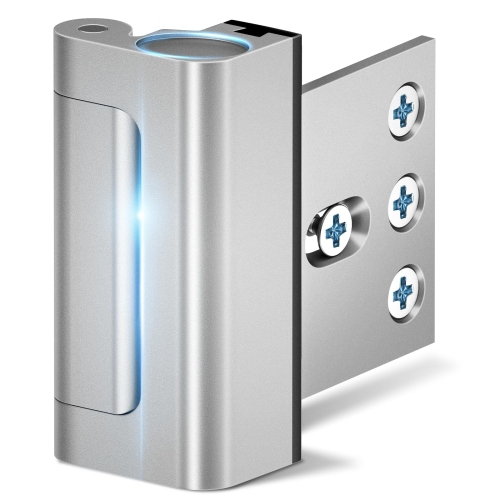
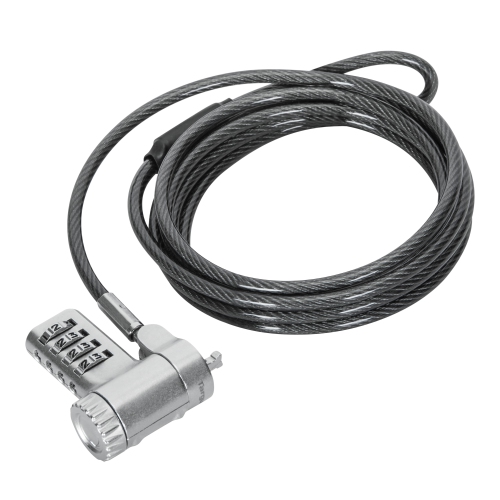
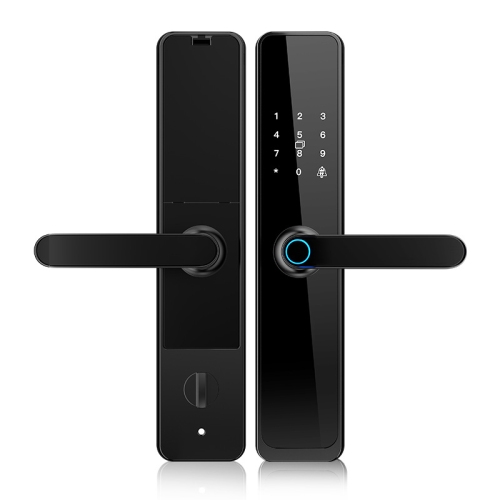










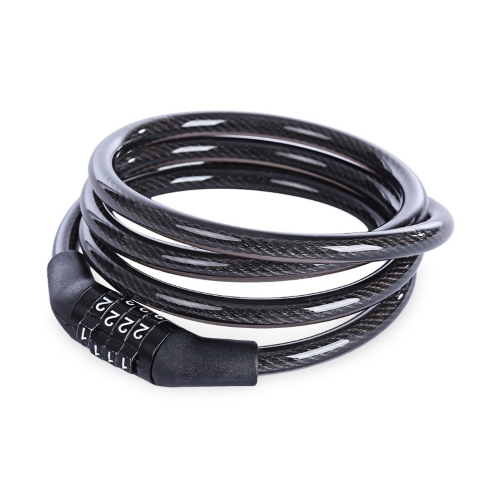


Layers of protection for parking, starting, and tracking vehicles
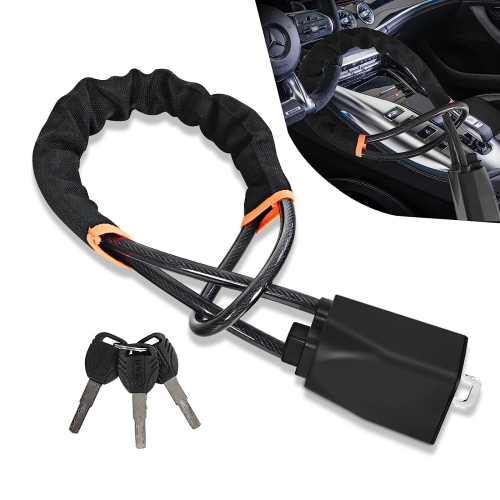
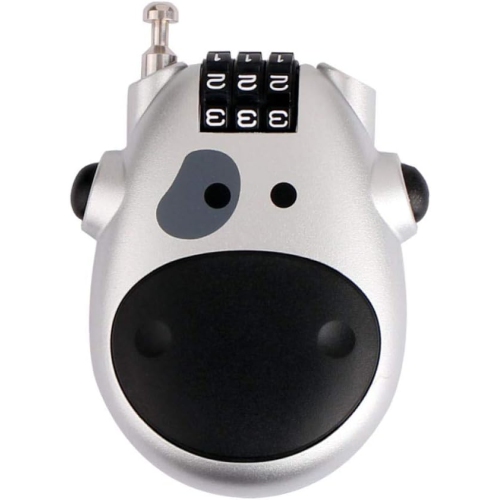
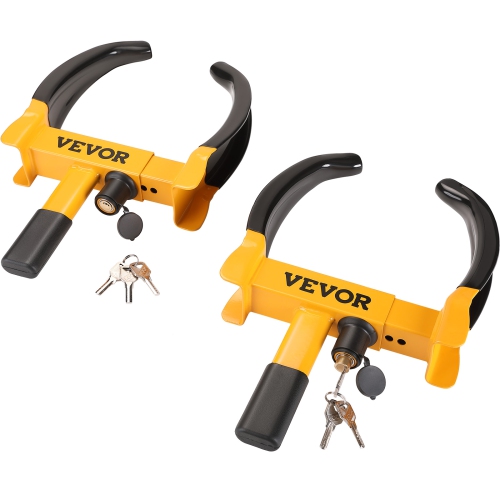
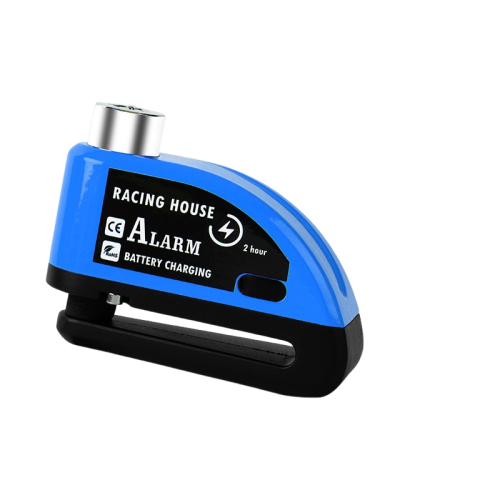
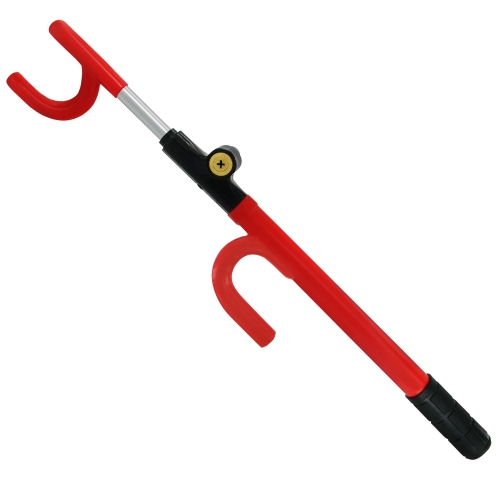
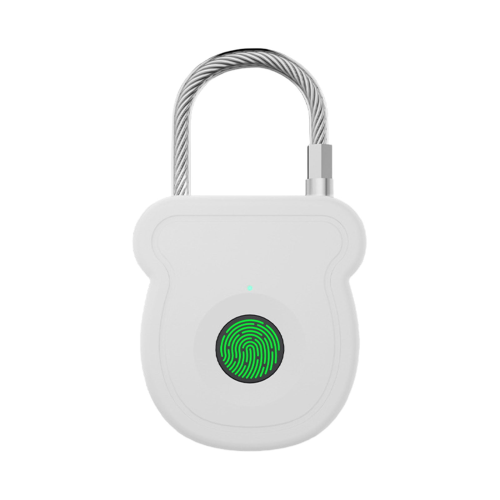
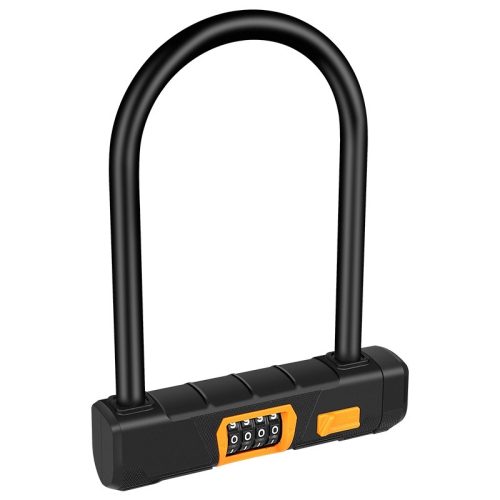
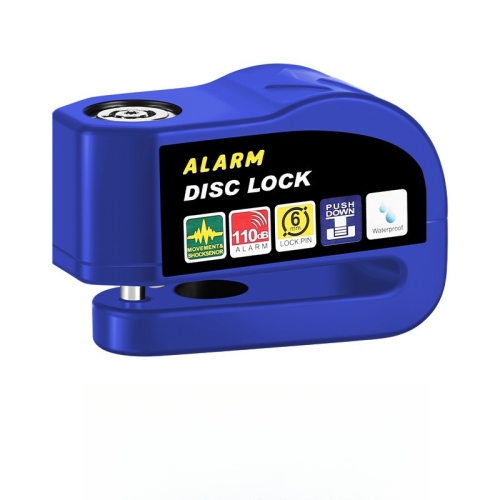
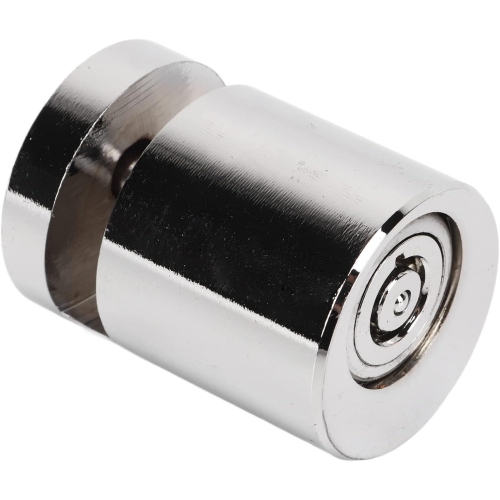
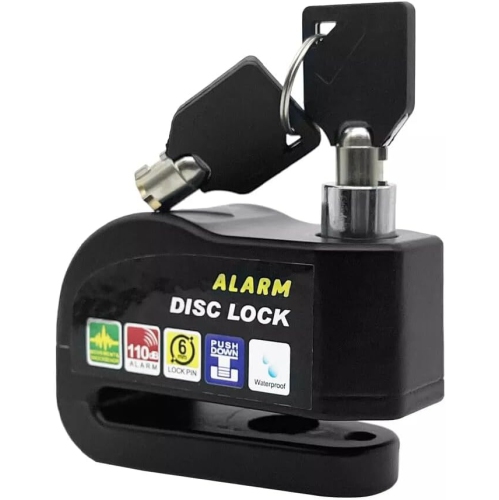
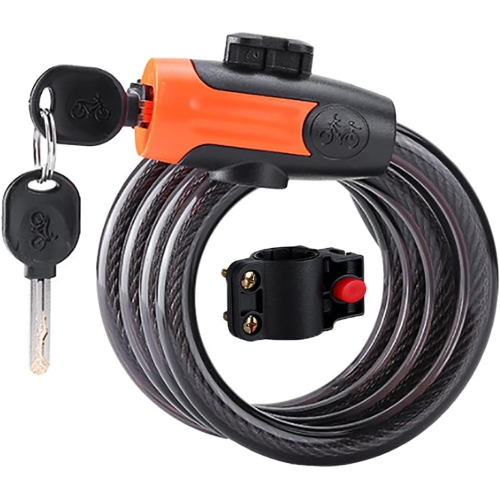
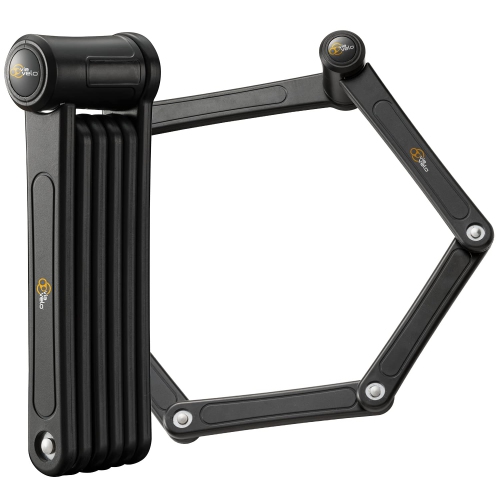
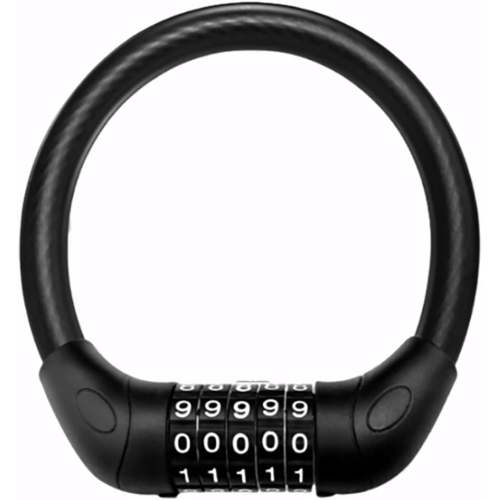
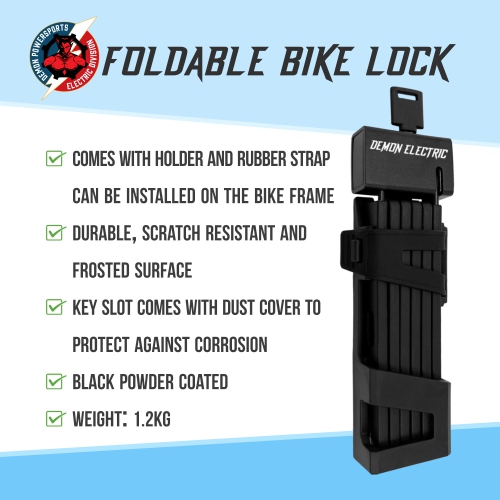
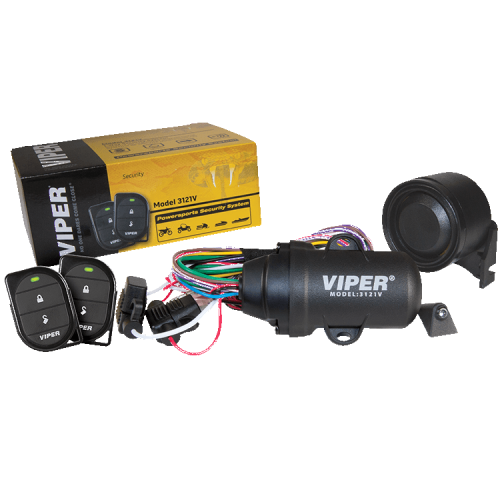
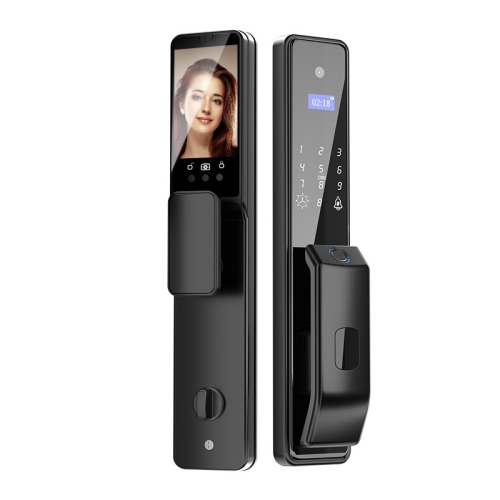
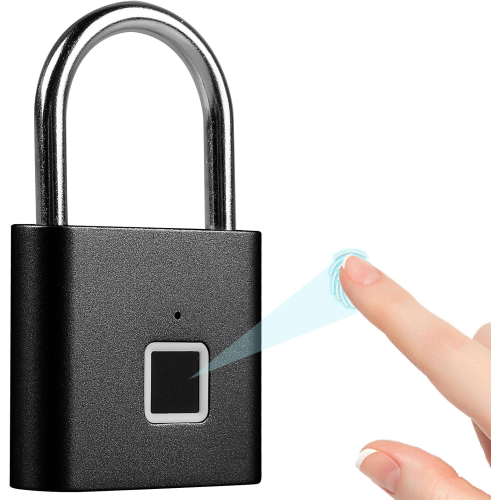
Anti-theft devices provide an added layer of security for vehicles, whether you park on a busy city street, in a shared apartment lot, on a driveway, or at a trailhead while travelling. The right device can make theft more difficult, discourage opportunistic attempts, or help locate a vehicle after it has been taken. Physical deterrents are often the most visible option. A steering wheel lock attaches across the wheel and prevents it from turning normally, while a wheel clamp secures a wheel to make moving the vehicle more difficult. Their bright, noticeable presence can send a clear message before a thief enters the vehicle, and they can be especially useful for older cars, vehicles without advanced factory security, seasonal vehicles, work trucks, and cars that are parked outdoors for long periods. When choosing a mechanical lock, consider how quickly it can be fitted, whether it adjusts to your steering wheel or wheel size, how easily it can be stored when not in use, and whether you will be comfortable using it every time you park. A device that sits within easy reach and has a straightforward locking mechanism is more likely to become part of your normal parking routine. Look for sturdy construction, a design that resists cutting or tampering, and keys or access methods that can be kept separate from the vehicle. For a broader selection of physical vehicle security options, explore Anti Theft Car Locks.
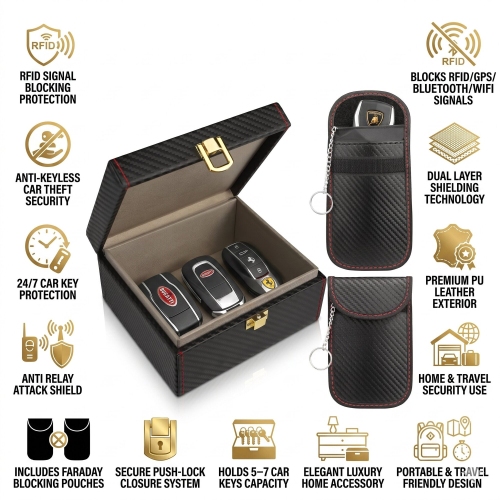
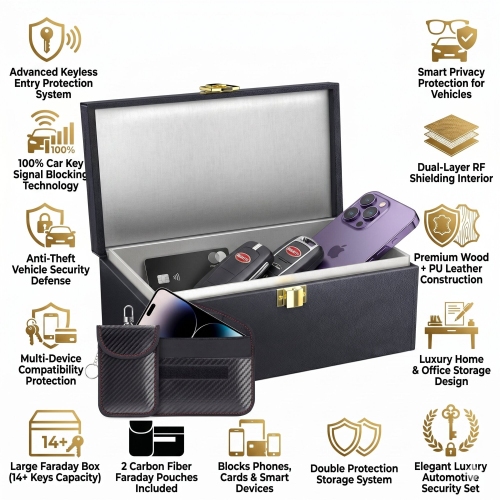
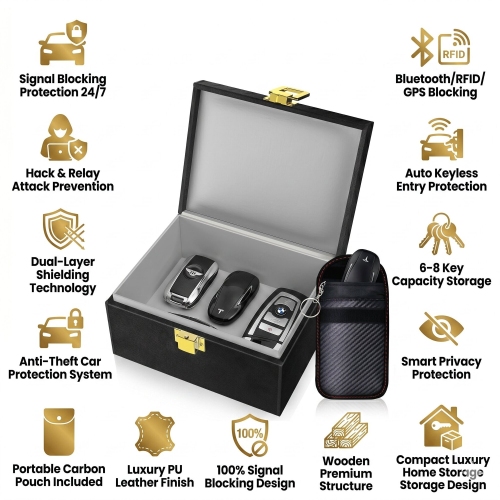
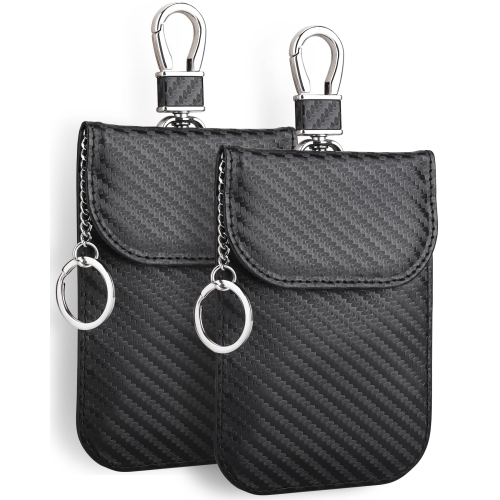
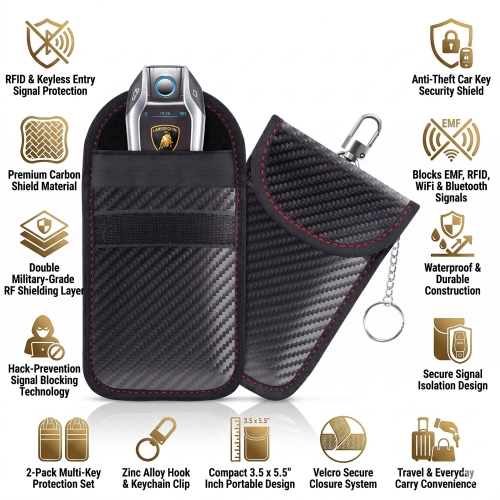
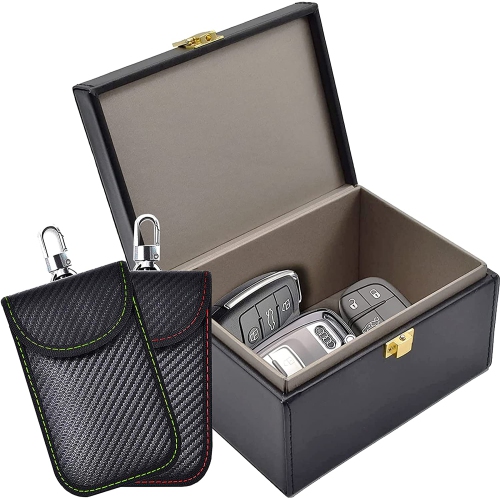
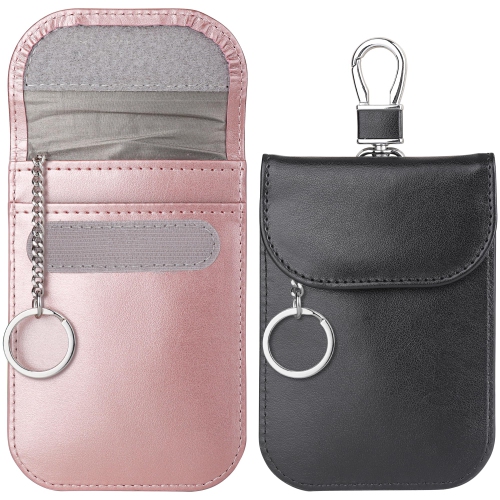
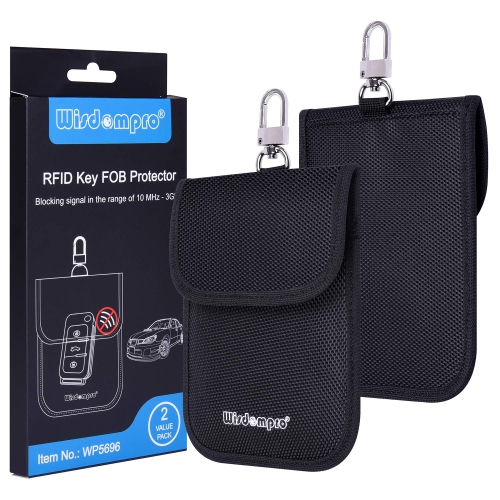
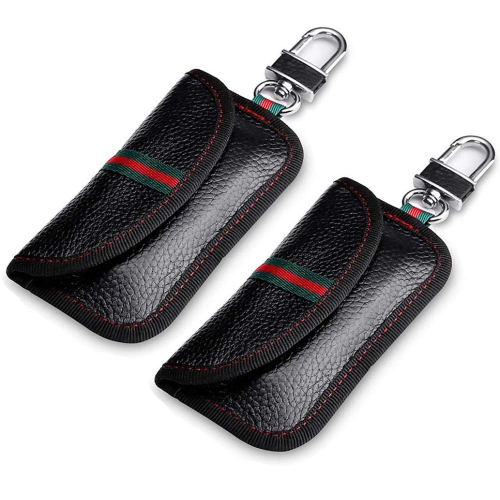
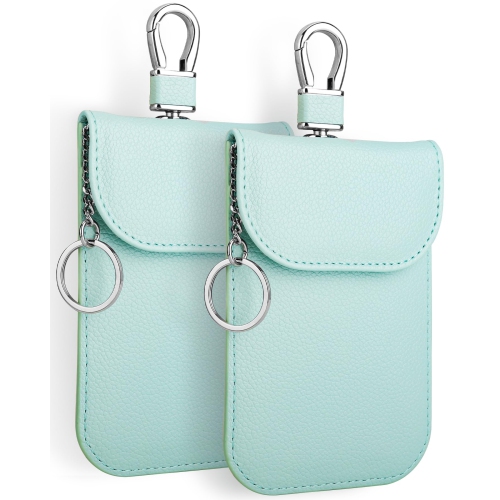
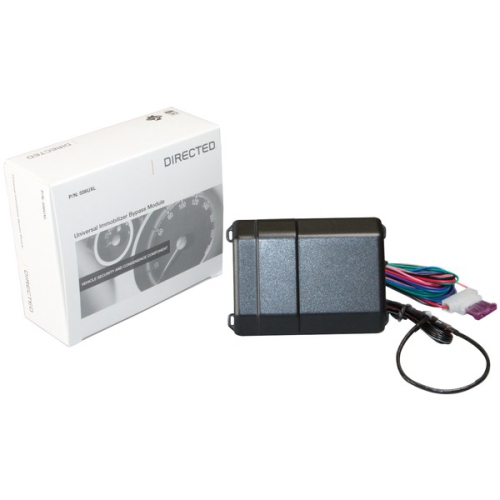
Electronic immobilizers offer a less visible approach by preventing the engine from starting unless an authorized action is completed. Depending on the system, that action may involve entering a personal code, using a separate device, or activating a concealed switch. These devices can be considered by drivers who prefer security that does not need to be removed and stored each time they leave the vehicle. Installation requirements vary, so check whether professional installation is recommended, whether the system is compatible with the vehicle’s make, model, year, and starting system, and whether it affects remote start or other factory features. It is also worth considering what happens if the access device is lost, the battery runs low, or another family member needs to use the car. A clear backup procedure can prevent a security feature from becoming an inconvenience. Keyless-entry vehicles may also benefit from a signal-blocking pouch or case, often called a Faraday pouch. It is designed to reduce the transmission of wireless signals from a key fob, helping limit relay attacks in which a thief attempts to extend the signal between a key kept inside the home and a vehicle parked outside. Use depends on the design, but the key fob generally needs to be fully enclosed whenever it is not in use; placing it beside the pouch or leaving part of it exposed may reduce its effectiveness. Keep spare key fobs and other wireless entry devices in mind as well, and follow the manufacturer’s instructions for testing the pouch. Signal-blocking accessories can be practical for households where keys are kept near an entrance, especially when the vehicle is parked close to the front door or garage.
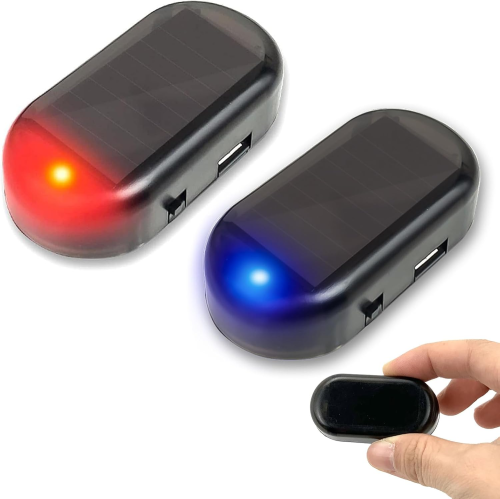
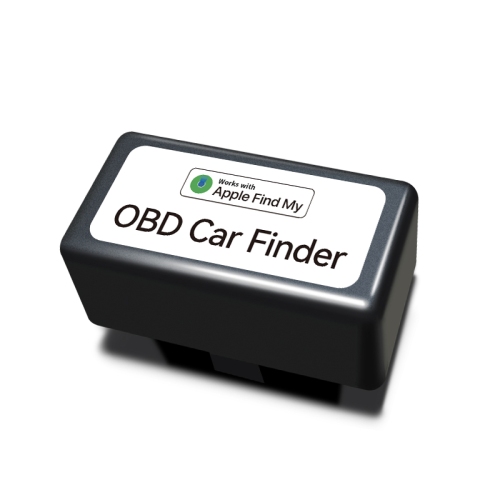
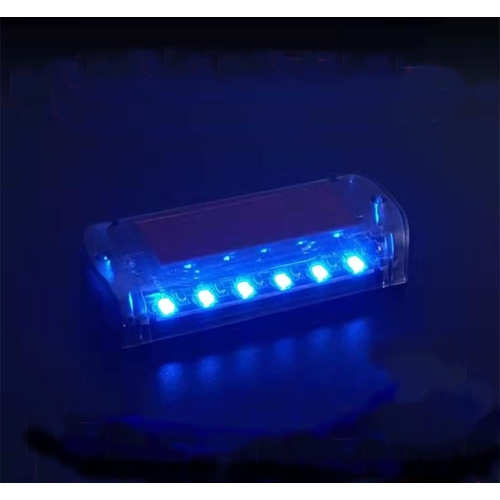
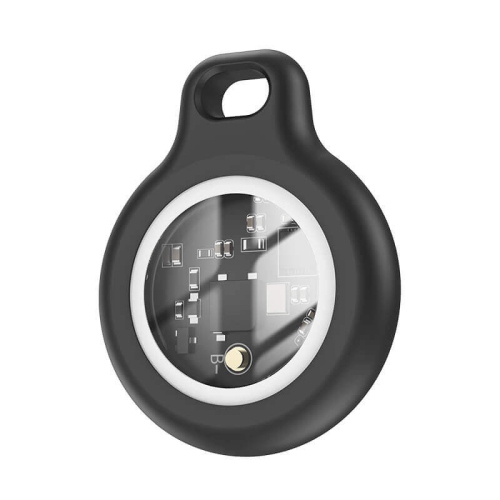
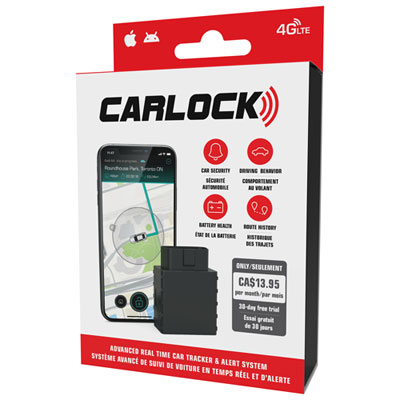
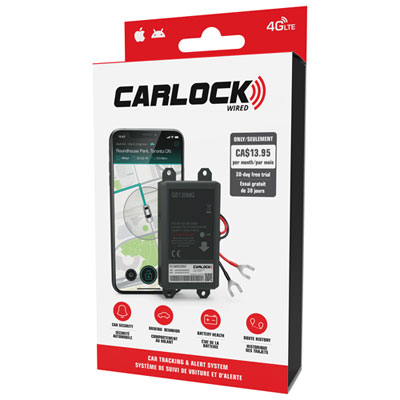
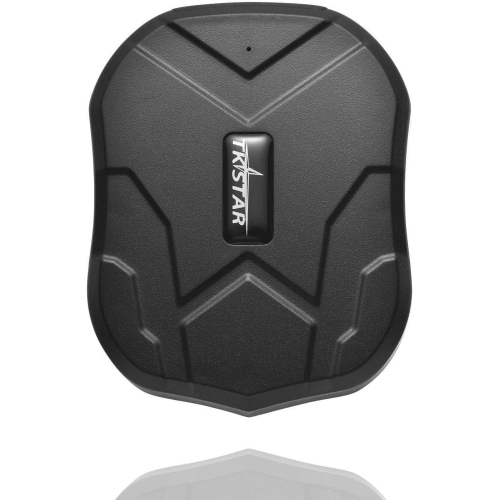
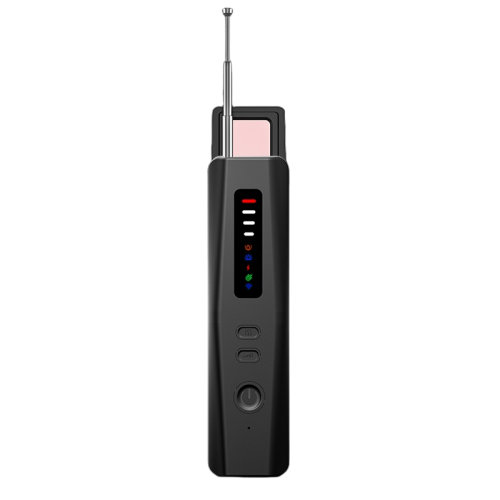
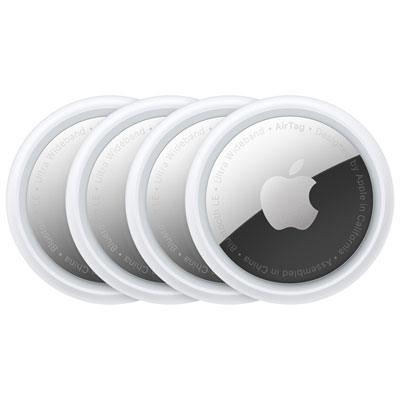
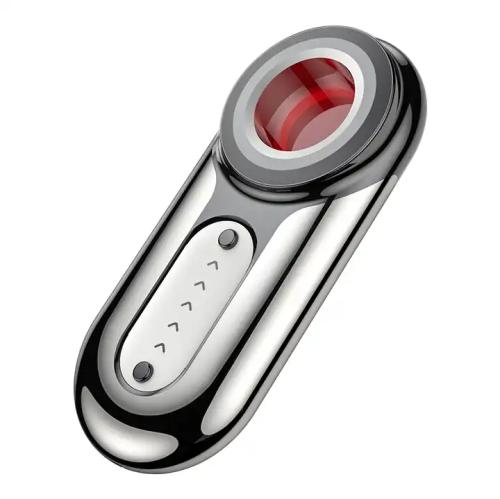
GPS trackers serve a different purpose from locks and immobilizers. They generally do not prevent a theft, but they may help identify a vehicle’s location after it has moved without permission. Features can include location viewing through a mobile app, movement alerts, geofencing, trip history, tamper notifications, and power management. Before choosing a tracker, review how it receives power, whether it requires a monthly service plan, how frequently it updates its location, and whether the device continues to operate when a vehicle is parked for an extended period. A discreet installation may be preferred for a personal vehicle, while a visible tracker or dashboard alert may be useful for a shared family car, recreational vehicle, trailer, or work fleet, depending on the intended use and local requirements. Anti-theft protection can also be a thoughtful gift for a new driver, a student taking a vehicle away from home, a family member moving to a city, or someone preparing for longer road trips during the cooler months. The most effective setup is often layered: a visible steering wheel lock or wheel clamp can discourage tampering, an immobilizer can add a hidden starting barrier, a signal-blocking pouch can protect keyless-entry vehicles from relay attempts, and a tracker can support recovery efforts if a vehicle is stolen. No device replaces sensible habits, so remove valuables from sight, close windows, lock doors, park in well-lit areas when possible, and report suspicious activity promptly. Check the vehicle manufacturer’s guidance and any applicable insurance requirements before installation, and keep purchase records, serial numbers, and emergency contact information somewhere accessible outside the vehicle.
Top selling and popular products
-
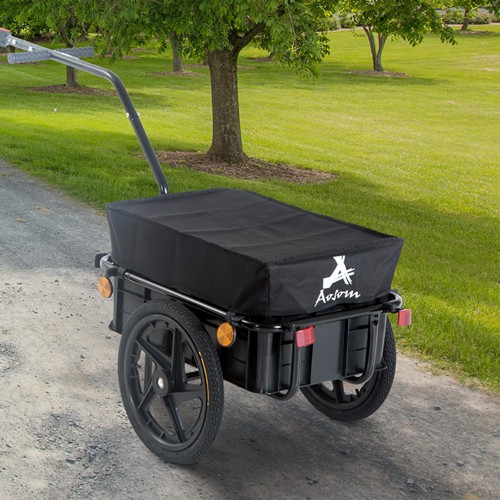 Your price for this item is $139.97
-
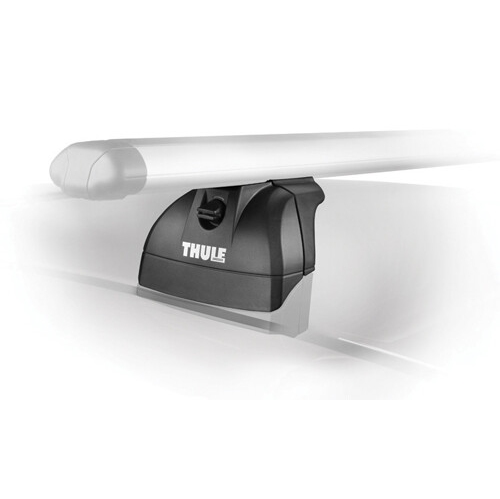 Your price for this item is $285
-
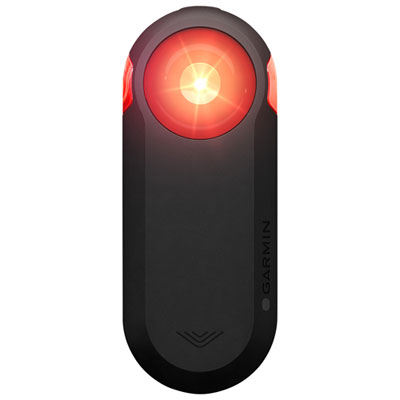 Your price for this item is $289.99
-
 Your price for this item is $499
-
 Your price for this item is $209.99
-
 Your price for this item is $199.99
-
 Your price for this item is $134.99
-
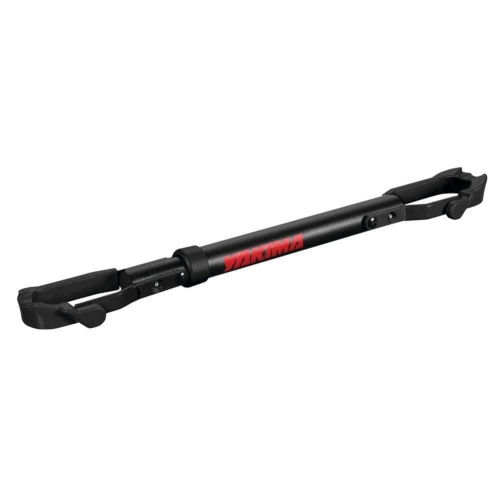 Your price for this item is $96.99
Discover more categories related to Anti Theft Devices
Top Collections:
Pokemon Centers, Best Cameras for Sports Photography, Kindle Devices, Samsung Galaxy Phones, Canon G7X Cameras, Pokémon 30th Celebration Cards, Refurbished Apple Laptops, iPhone 15 Apple, Laptops for Students, Budget Smartphones
Some products may be subject to Environmental Handling Fees
(EHF) depending on your province.
Learn more about EHFs.