Anti Theft Car Locks
Protect your vehicle with this selection of anti-theft car locks, designed to provide an extra layer of security and peace of mind. Whether you're looking for a steering wheel lock, gear shift lock, or pedal lock, we have a variety of options to help deter potential thieves and safeguard your car from unauthorized access. With easy installation and durable construction, these anti-theft car locks are an effective way to enhance the security of your vehicle while you're away.
Sort
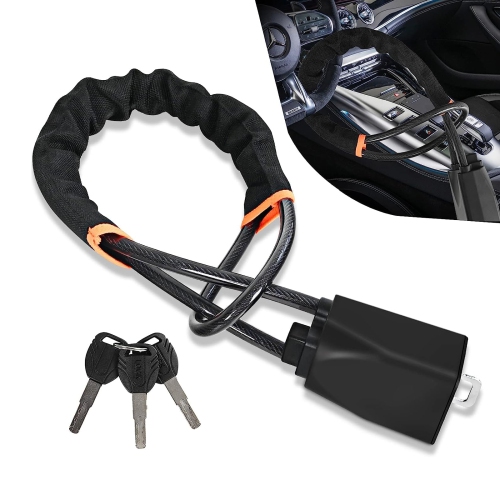


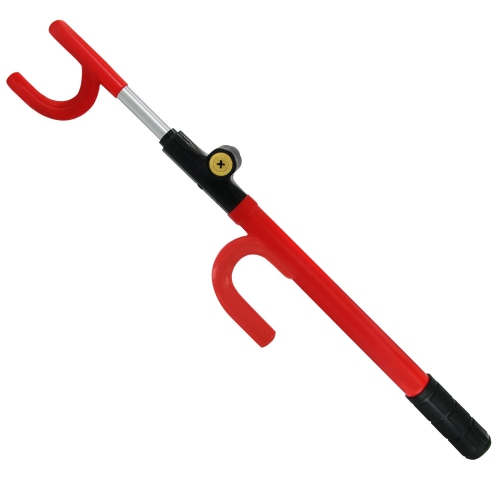
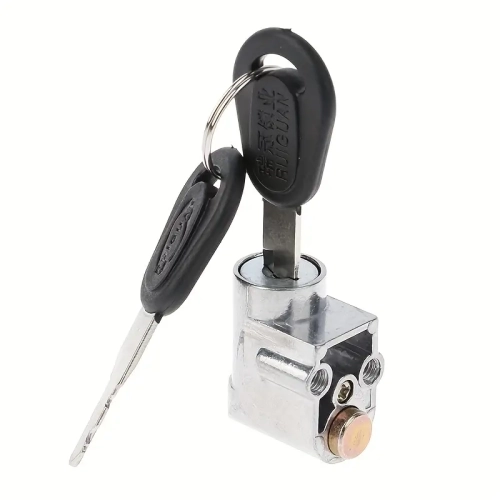
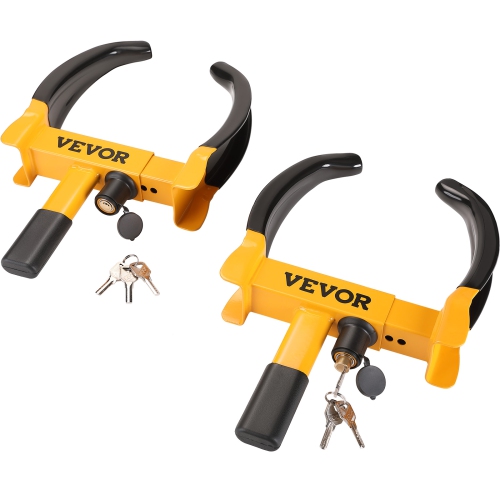
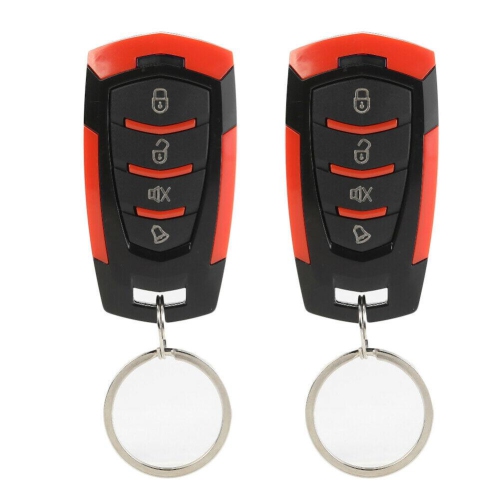
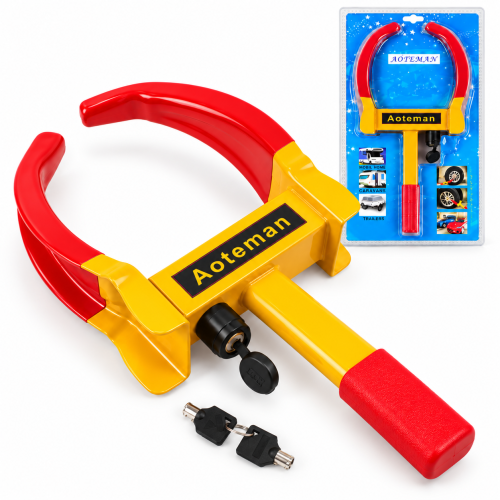
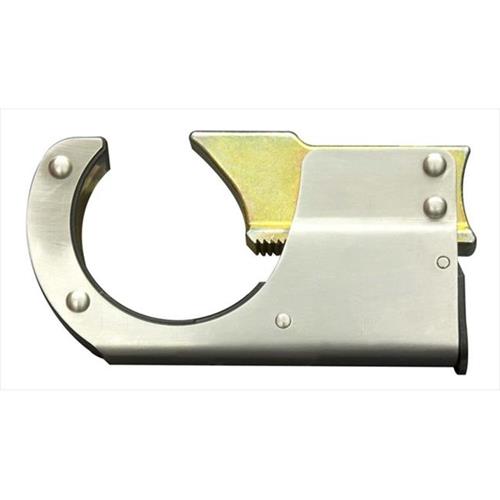
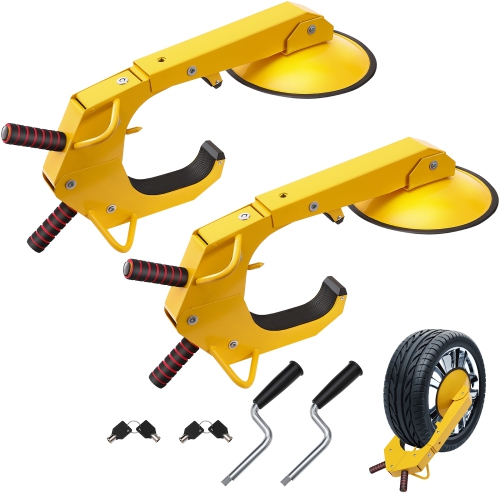
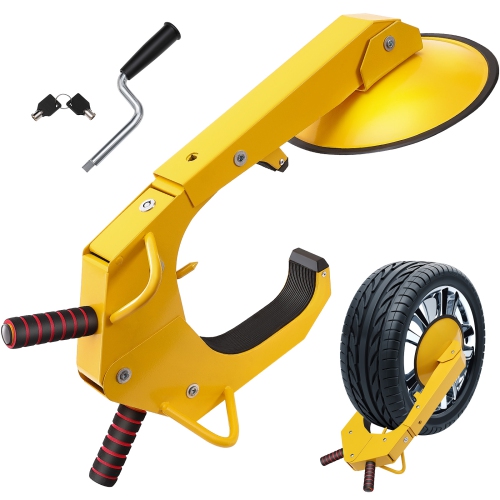
Visible barriers that add time and deter opportunistic vehicle theft
Anti-theft car locks are physical security devices designed to make a vehicle more difficult to move, steer, or operate without the owner’s permission. They are especially useful for drivers who park outdoors, leave a vehicle in a shared lot, use a driveway with limited lighting, or want an additional visible layer of protection in busy urban areas. Steering wheel locks are among the most familiar options. They attach across the steering wheel or connect the wheel to another fixed point, limiting its movement and making the vehicle harder to control even if someone gains access to the cabin. Some designs use a solid bar, while others incorporate a locking arm, adjustable length, or an integrated alarm. Steering-to-pedal locks take a different approach by connecting the steering wheel to the brake or clutch pedal, restricting the movement of both components. Tire locks and wheel clamps fit around a tyre and prevent the wheel from turning freely, making them well suited to parked vehicles, trailers, recreational vehicles, seasonal vehicles, and cars that may remain stationary for extended periods. A highly visible lock can also act as a practical warning: it tells an opportunistic thief that the vehicle will require more time, noise, effort, and attention to move. This matters because many theft attempts depend on speed and convenience rather than a lengthy confrontation with a physical barrier.
When choosing an anti-theft car lock, start with the vehicle and the way it is normally parked. Check the manufacturer’s fit information and measure the relevant area where necessary, since steering wheels, pedals, tyres, and wheel openings vary considerably between vehicles. A steering wheel lock should sit securely without interfering with the driver’s view, airbag area, dashboard controls, or safe entry and exit. A pedal lock needs to engage firmly without placing pressure on delicate controls or creating an obstruction when the vehicle is being driven. For a tire claw or wheel clamp, confirm the compatible tyre width and make sure there is enough clearance around the wheel, brake components, wheel cover, and suspension. Construction is another important consideration. Hardened metal components, protected locking mechanisms, corrosion-resistant finishes, and a sturdy hinge or joint can contribute to long-term reliability, particularly when a lock is used in a garage one day and exposed to rain, road salt, dust, or cooler weather the next. Look for a locking system that is easy to operate consistently. A device that takes several frustrating minutes to attach may be left behind on rushed mornings, while a straightforward design is more likely to become part of a regular parking routine. Keyed locks may appeal to drivers who prefer a familiar mechanical system, whereas combination or keyless designs can reduce the need to carry another key. Consider where spare keys or access codes will be stored, and choose a handle, grip, or body that is comfortable to use in colder conditions. Bright colours and reflective details are not merely decorative; they make the device easy to spot and reinforce its role as a visual deterrent.
Anti-theft car locks are most effective when used as one part of a broader vehicle security routine rather than as a guarantee against every form of theft. A determined criminal with specialised tools may eventually defeat a physical lock, and no mechanical device can replace sensible parking habits, the vehicle’s built-in immobilizer, or other electronic protections. Whenever possible, park in a well-lit area with regular foot or vehicle traffic, keep the doors locked, remove valuables from view, and avoid leaving keys or documents inside the cabin. Drivers with keyless entry may also consider protecting the key fob from unauthorised relay signals with an appropriate signal-blocking pouch, while a concealed GPS tracker can provide another way to assist with recovery if a vehicle is taken. These measures work together: an immobilizer can prevent the engine from starting, a tracker can help identify the vehicle’s location, and a physical lock can make the vehicle visibly more difficult to use or remove. The same combination can be helpful for households sharing one vehicle, students living away from home, commuters who rely on outdoor parking, and owners of classic cars or work vehicles that carry essential equipment. An anti-theft car lock can also be a thoughtful practical gift for a new driver, someone moving to a neighbourhood with street parking, or a family member preparing for longer periods of outdoor parking during the cooler months. Before driving, always remove the lock completely and store it where it cannot become a loose object in the cabin. For drivers comparing additional vehicle-security options, the broader selection of Anti Theft Car Systems can help round out a layered approach suited to the vehicle, parking environment, and daily routine.
When choosing an anti-theft car lock, start with the vehicle and the way it is normally parked. Check the manufacturer’s fit information and measure the relevant area where necessary, since steering wheels, pedals, tyres, and wheel openings vary considerably between vehicles. A steering wheel lock should sit securely without interfering with the driver’s view, airbag area, dashboard controls, or safe entry and exit. A pedal lock needs to engage firmly without placing pressure on delicate controls or creating an obstruction when the vehicle is being driven. For a tire claw or wheel clamp, confirm the compatible tyre width and make sure there is enough clearance around the wheel, brake components, wheel cover, and suspension. Construction is another important consideration. Hardened metal components, protected locking mechanisms, corrosion-resistant finishes, and a sturdy hinge or joint can contribute to long-term reliability, particularly when a lock is used in a garage one day and exposed to rain, road salt, dust, or cooler weather the next. Look for a locking system that is easy to operate consistently. A device that takes several frustrating minutes to attach may be left behind on rushed mornings, while a straightforward design is more likely to become part of a regular parking routine. Keyed locks may appeal to drivers who prefer a familiar mechanical system, whereas combination or keyless designs can reduce the need to carry another key. Consider where spare keys or access codes will be stored, and choose a handle, grip, or body that is comfortable to use in colder conditions. Bright colours and reflective details are not merely decorative; they make the device easy to spot and reinforce its role as a visual deterrent.
Anti-theft car locks are most effective when used as one part of a broader vehicle security routine rather than as a guarantee against every form of theft. A determined criminal with specialised tools may eventually defeat a physical lock, and no mechanical device can replace sensible parking habits, the vehicle’s built-in immobilizer, or other electronic protections. Whenever possible, park in a well-lit area with regular foot or vehicle traffic, keep the doors locked, remove valuables from view, and avoid leaving keys or documents inside the cabin. Drivers with keyless entry may also consider protecting the key fob from unauthorised relay signals with an appropriate signal-blocking pouch, while a concealed GPS tracker can provide another way to assist with recovery if a vehicle is taken. These measures work together: an immobilizer can prevent the engine from starting, a tracker can help identify the vehicle’s location, and a physical lock can make the vehicle visibly more difficult to use or remove. The same combination can be helpful for households sharing one vehicle, students living away from home, commuters who rely on outdoor parking, and owners of classic cars or work vehicles that carry essential equipment. An anti-theft car lock can also be a thoughtful practical gift for a new driver, someone moving to a neighbourhood with street parking, or a family member preparing for longer periods of outdoor parking during the cooler months. Before driving, always remove the lock completely and store it where it cannot become a loose object in the cabin. For drivers comparing additional vehicle-security options, the broader selection of Anti Theft Car Systems can help round out a layered approach suited to the vehicle, parking environment, and daily routine.
Top selling and popular products
-
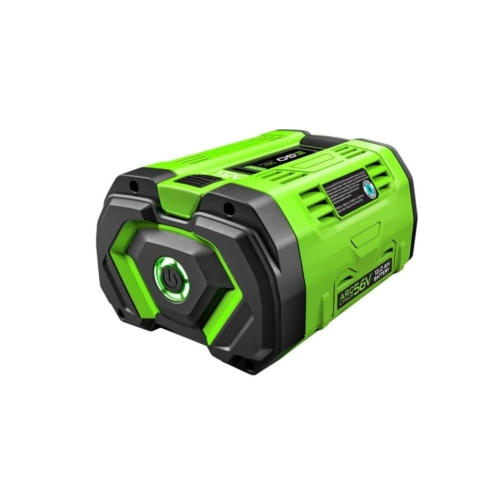 Your price for this item is $674.99
 -
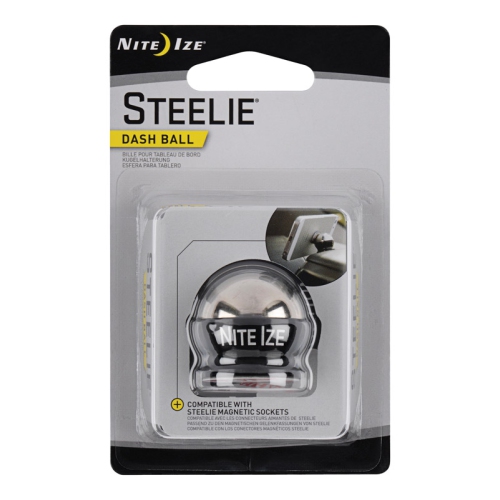 Your price for this item is $39.99
 -
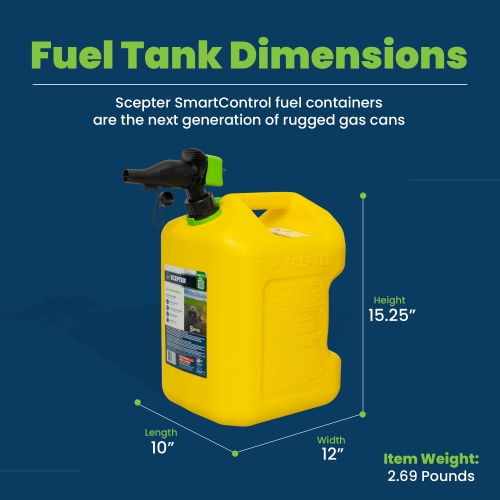 Your price for this item is $91.99
 -
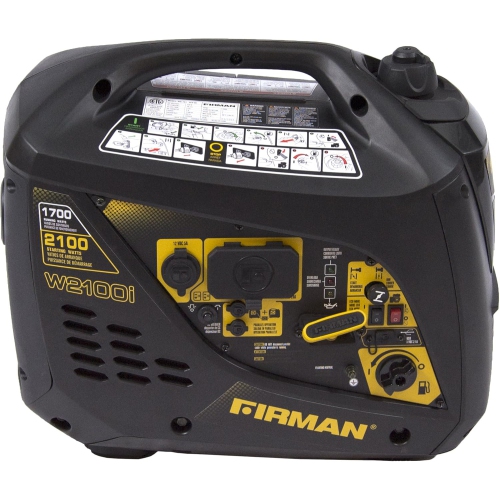 Your price for this item is $854.05
 -
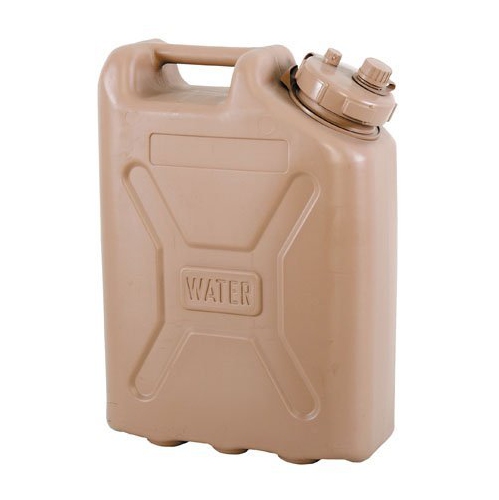 Your price for this item is $116.99
 -
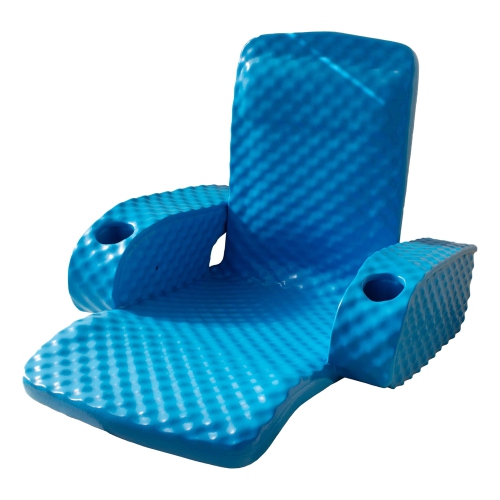 Your price for this item is $939.99
 -
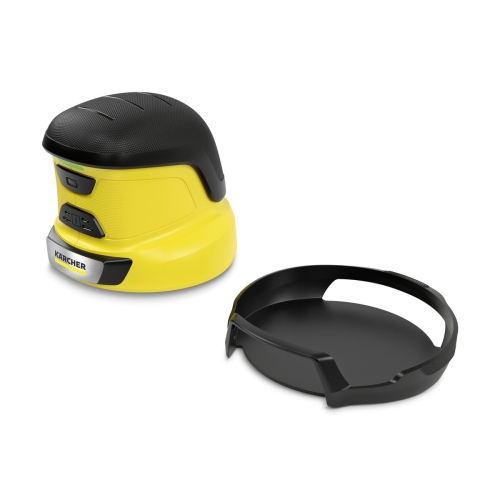 Your price for this item is $99.99
 -
 Your price for this item is $201.99
Discover more categories related to Anti Theft Car Locks
Top Collections:
Pokemon Centers, Best Cameras for Sports Photography, Kindle Devices, Samsung Galaxy Phones, Canon G7X Cameras, Pokémon 30th Celebration Cards, Refurbished Apple Laptops, iPhone 15 Apple, Laptops for Students, Budget Smartphones
Some products may be subject to Environmental Handling Fees
(EHF) depending on your province.
Learn more about EHFs.