Car Battery Boosters
When you find yourself stranded with a dead car battery, a reliable car battery booster can be a lifesaver. Whether you're a seasoned driver or new to the road, having a portable power pack on hand can provide peace of mind and get you back on the road quickly. These compact devices are designed to jump-start your vehicle without the need for another vehicle, making them an essential tool for any driver's emergency kit. Explore this selection of car battery boosters to find the perfect solution for keeping your journeys smooth and stress-free.
Sort
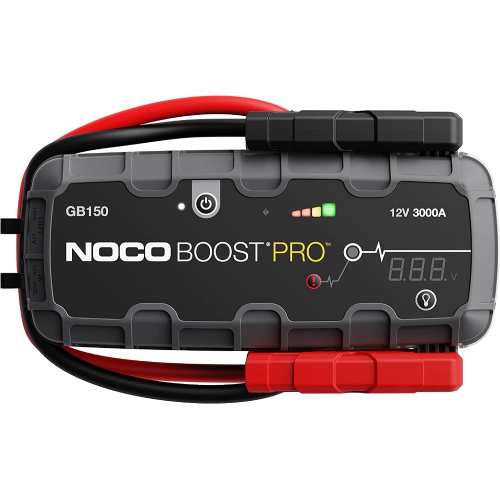
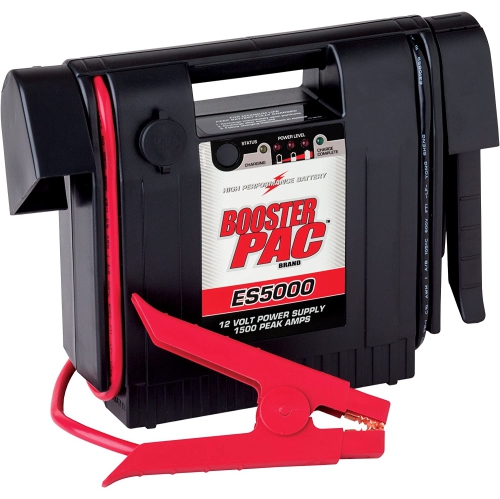
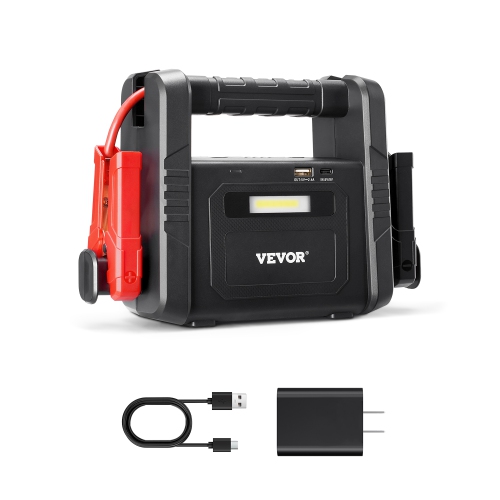
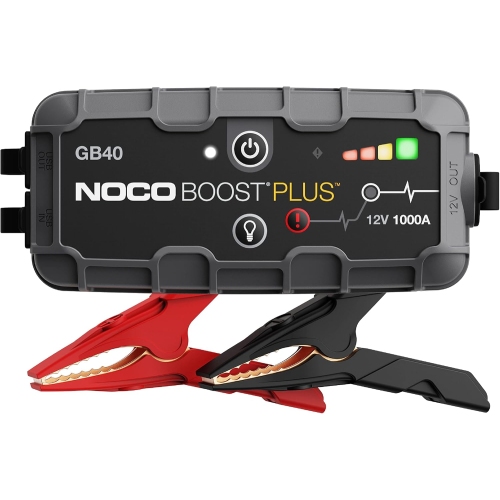
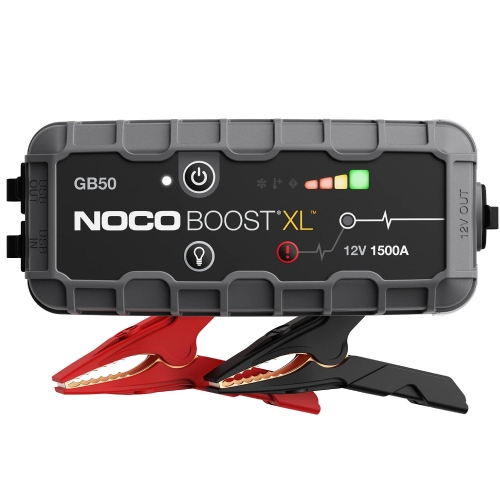


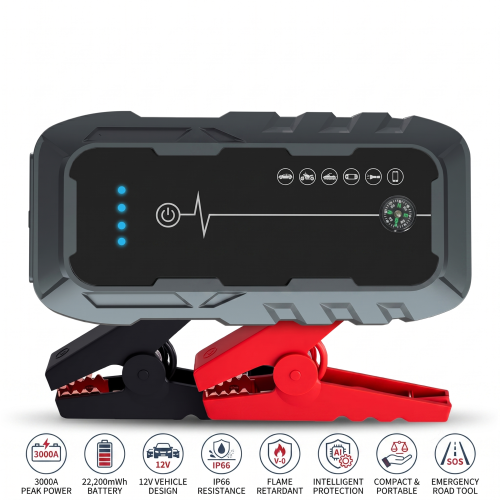
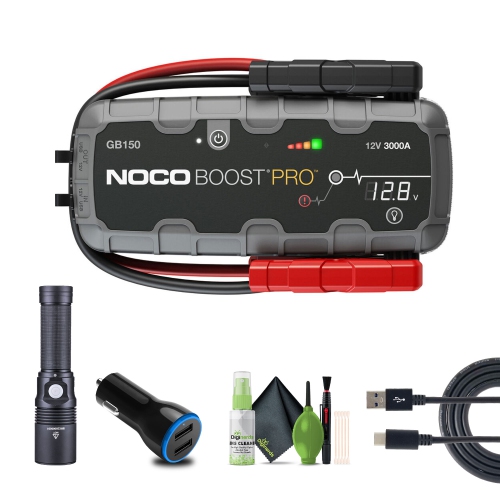

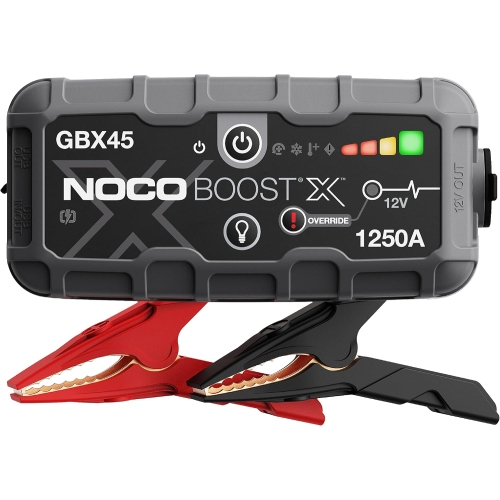

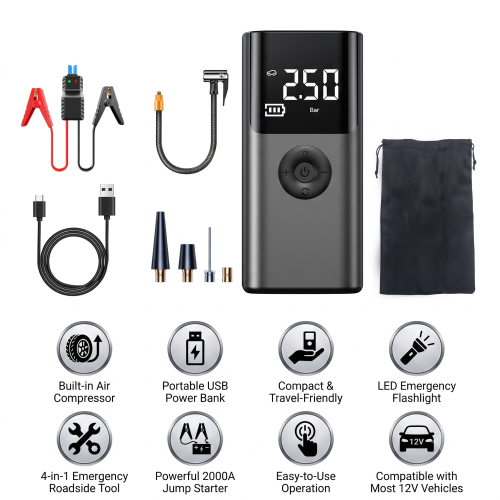


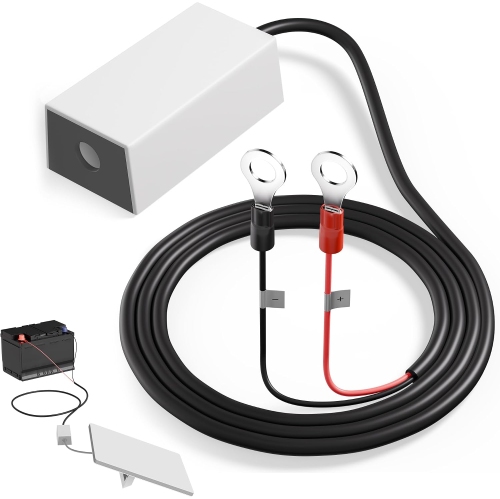
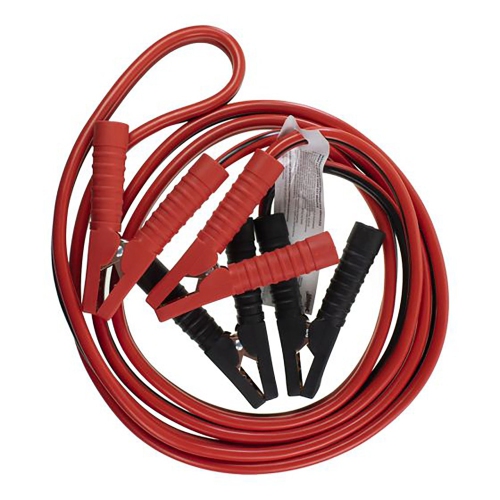


Portable power for dead batteries and roadside emergencies
Car battery boosters provide a practical way to start a vehicle when its battery is too weak to turn over the engine, without relying on another vehicle and a second set of jumper cables. Also called portable jump starters or battery booster packs, these compact devices store electrical energy internally and transfer it to a vehicle through heavy-duty clamps connected to the battery terminals. They can be especially useful during the cooler months, when low temperatures can reduce battery performance and make an already weak battery more likely to fail. A booster can be kept in a car, truck, SUV, camper, garage, or roadside emergency kit, giving drivers added confidence when commuting, travelling between communities, or leaving a vehicle parked for extended periods. When choosing among Battery Boosters, start by checking compatibility with the vehicle’s engine type and size. A compact booster may be well suited to many four-cylinder cars and smaller vehicles, while a higher-capacity model may be more appropriate for larger cars, light-duty trucks, SUVs, vans, or vehicles with diesel engines. Gas and diesel engines have different starting demands, so always compare the manufacturer’s stated limits for gas and diesel displacement rather than relying on peak amperage alone. Peak amps indicate the maximum burst of starting power, while the overall design, battery capacity, cable quality, charge level, and operating temperature also affect real-world performance. Models rated around 1,000 peak amps may suit many standard cars and light SUVs, while boosters offering 2,000 amps or more can provide additional starting power for larger engines and challenging cold-weather conditions. A booster should match the vehicle it is intended to support, with enough capacity to provide a dependable start without being unnecessarily bulky for everyday carrying.
Safety features are an important part of selecting and using a car battery booster. Reverse-polarity protection can help prevent damage if the positive and negative clamps are connected to the wrong terminals, while spark-proof technology can reduce the risk of sparks during connection. Look for clear indicators, audible alerts, insulated clamps, sturdy cables, and straightforward instructions that make it easier to identify the correct connection before attempting a start. Some boosters include a manual override or force-start function for batteries that are deeply discharged and too low for the unit to detect automatically. This feature can be valuable when a vehicle’s lights have been left on, when a car has been parked for a long period, or when a battery has deteriorated significantly, but it should only be used exactly as described in the instructions because standard safety detection may be bypassed. Before connecting a booster, turn off the vehicle and any accessories, inspect the battery and cables for visible damage, and confirm that the booster is intended for the vehicle’s voltage system. Connect the clamps in the order specified by the manufacturer, keep them clear of moving engine components, and disconnect them carefully after the engine starts. A booster is designed to assist with starting rather than repair a failing battery, so a vehicle that repeatedly needs a boost may require battery testing, charging, or professional service. It is also important to remember that most portable boosters are intended for conventional 12-volt vehicles; they are not a replacement for equipment designed for an electric vehicle’s high-voltage traction battery.
Many car battery boosters are useful beyond jump-starting. USB-A and USB-C ports can provide a convenient way to recharge a phone, tablet, flashlight, or other small device during a roadside delay, and some models include built-in lights for checking connections or improving visibility after dark. Additional features may include a digital battery display, an emergency flash pattern, a carrying case, or an air compressor for inflating a vehicle tire. These extras can make a booster more useful in a glove compartment, trunk, or travel bag, although they should not distract from the most important specifications: vehicle compatibility, starting capacity, cable quality, safety protection, and recharge time. Consider the physical size and weight as well. A compact unit is easy to store and carry between vehicles, while a larger pack may offer more power and a longer-lasting internal battery. Before placing one in storage, charge it fully and follow the recommended maintenance schedule, as portable boosters can slowly lose charge while sitting unused. Avoid leaving electronic equipment in extreme heat or freezing conditions for prolonged periods, and check the charge level before longer drives or seasonal travel. Car battery boosters also make thoughtful gifts for new drivers, commuters, students living away from home, outdoor enthusiasts, and anyone who regularly travels through rural areas or works unusual hours. They can be particularly reassuring for a household with multiple vehicles, where the same booster may be used for a family car, a work truck, or a recreational vehicle. With the right capacity and safety features, a portable booster is a straightforward addition to an emergency kit and a useful tool for handling an unexpected dead battery during changing weather and cooler driving conditions.
Top selling and popular products
-
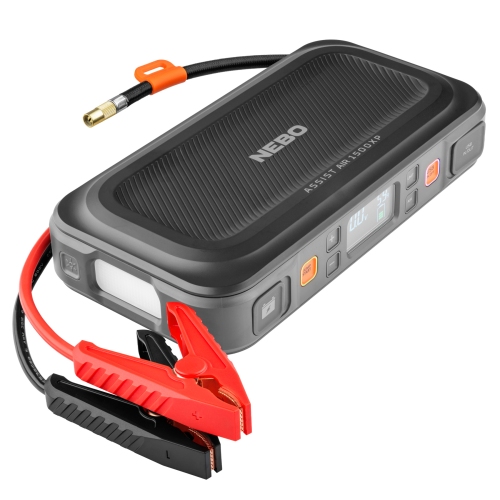 Your price for this item is $199.99
-
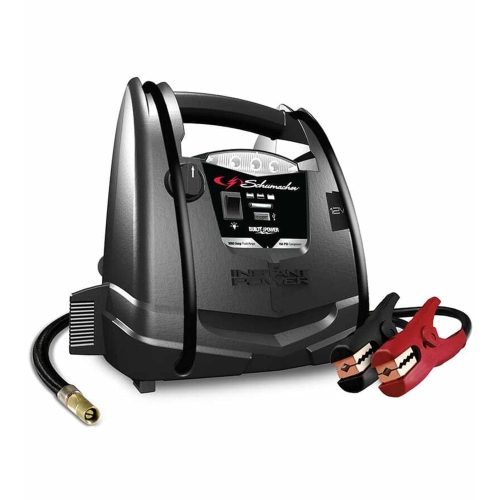 Your price for this item is $179.99
-
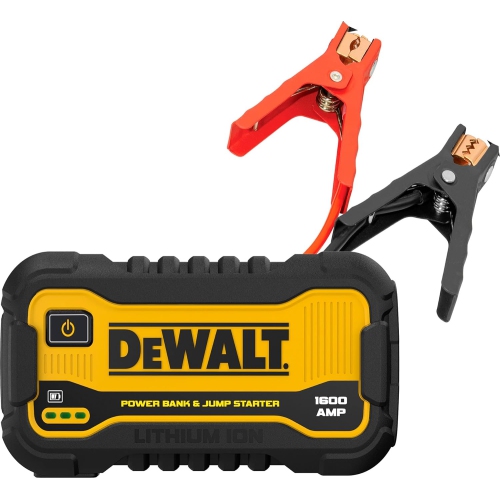 Your price for this item is $117.99
-
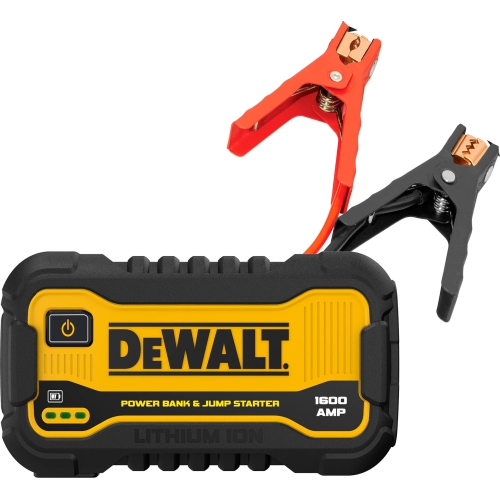 Your price for this item is $99.99
-
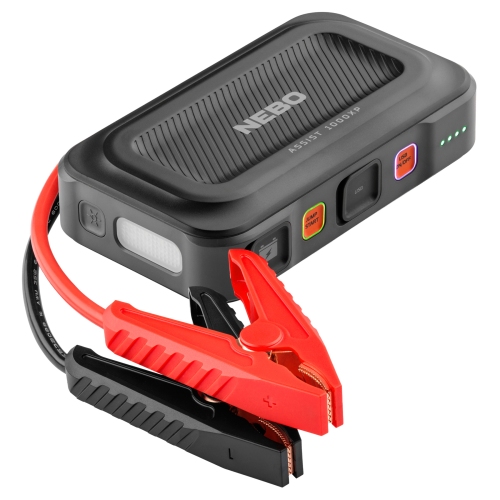 Your price for this item is $109.99
-
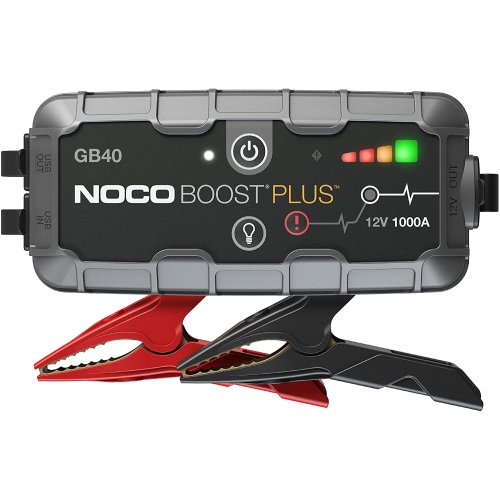 Your price for this item is $180.95
-
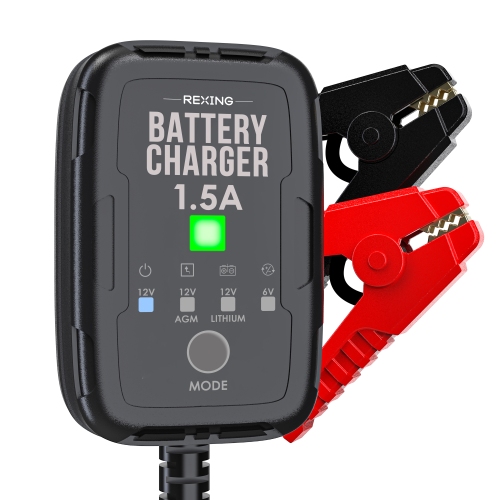 Your price for this item is $119.99
-
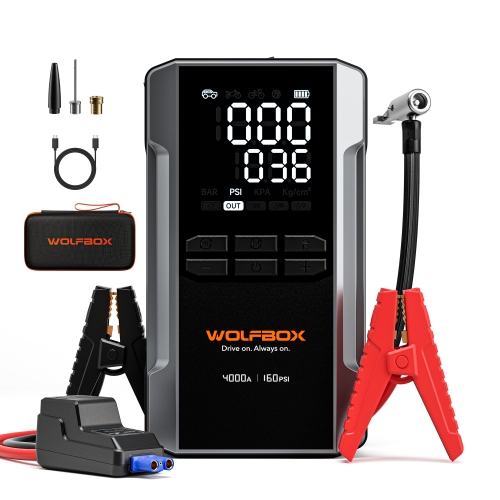 Your price for this item is $229.99
Discover more categories related to Car Battery Boosters
Top Collections:
Pokemon Centers, Kindle Devices, Best Budget Office Chairs, Canon G7X Cameras, Apple iPhones 16, Samsung Galaxy Phones, Refurbished Apple Laptops, Laptops for Students, iPhone 15 Apple, Budget Smartphones
Some products may be subject to Environmental Handling Fees
(EHF) depending on your province.
Learn more about EHFs.