Automotive Battery Chargers
Looking to keep your vehicle's battery charged and ready to go? Look no further than our selection of automotive battery chargers. Whether you're a car enthusiast, a frequent road tripper, or simply want to ensure that your vehicle is always powered up, these battery chargers are designed to deliver reliable performance and convenience. With various features and charging capacities available, you'll find the perfect charger to suit your needs. Say goodbye to the frustration of a dead battery and hello to hassle-free starts with our range of automotive battery chargers.
Sort
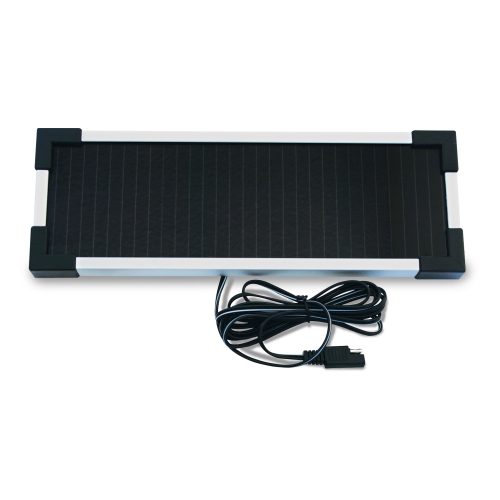

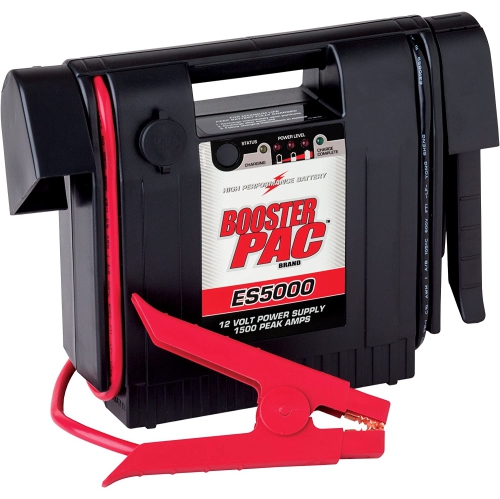
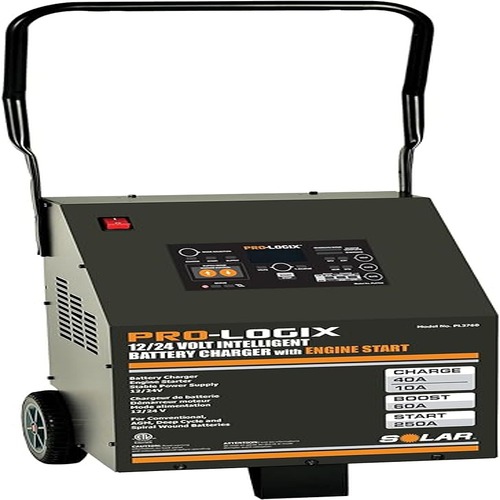
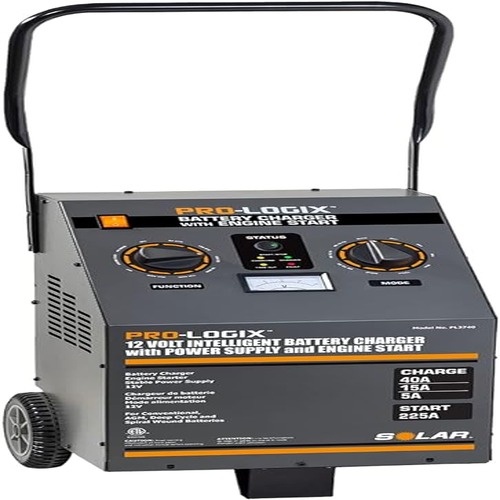
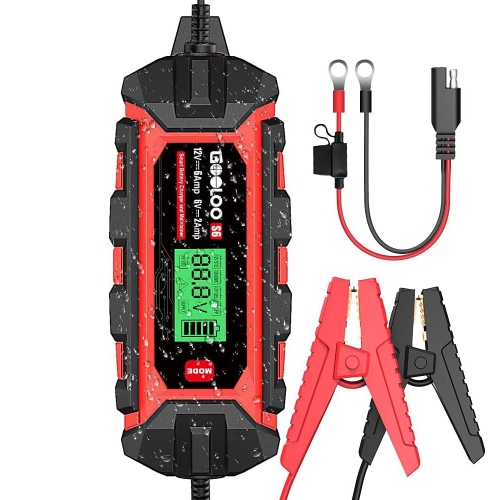
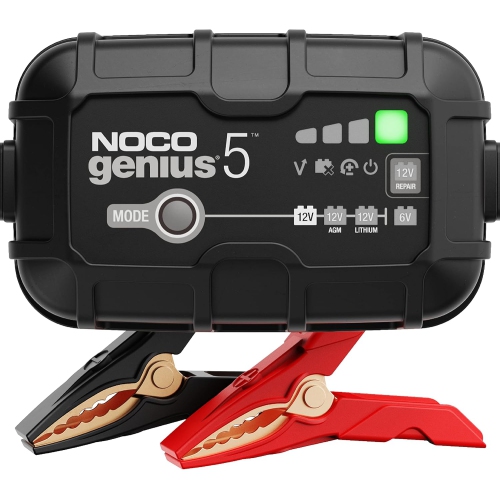
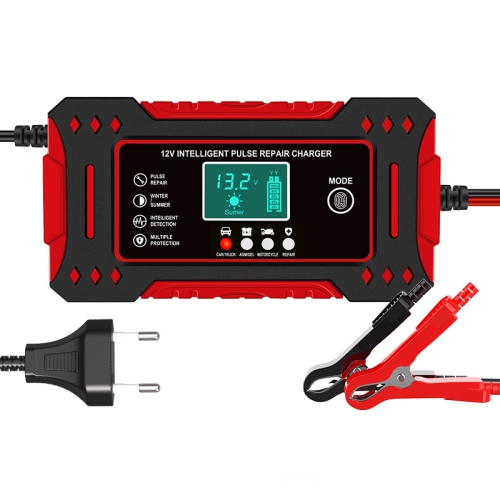
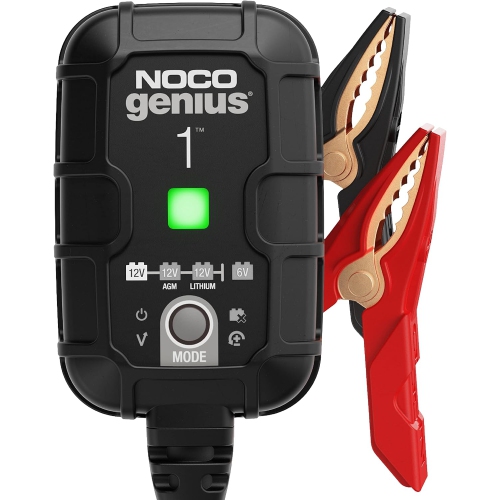
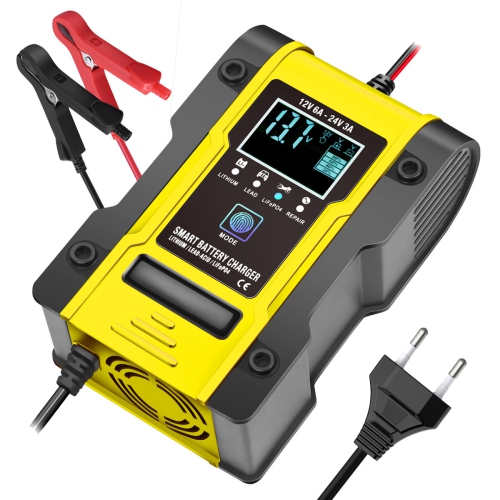
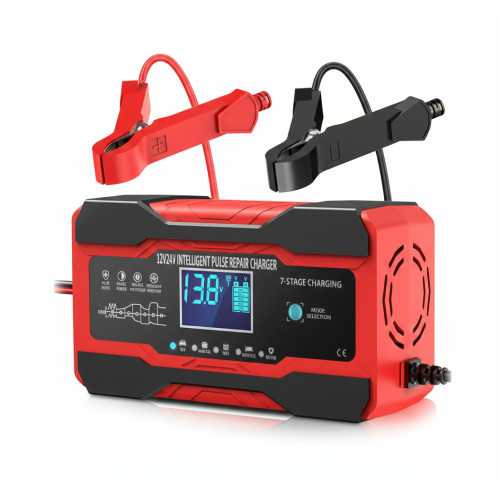
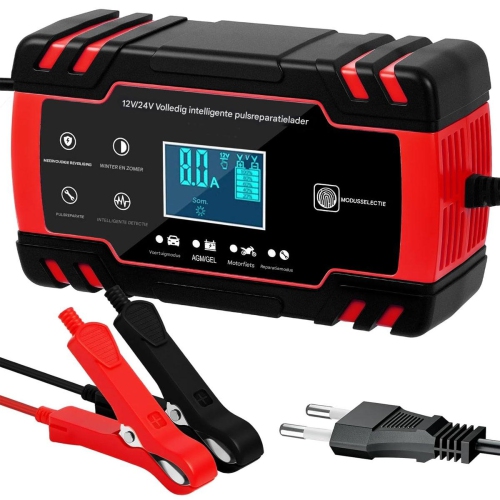
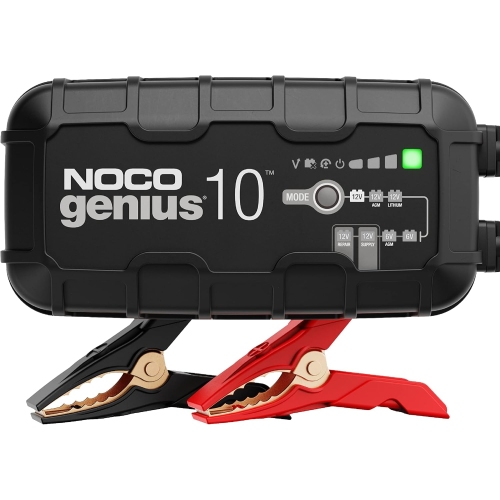
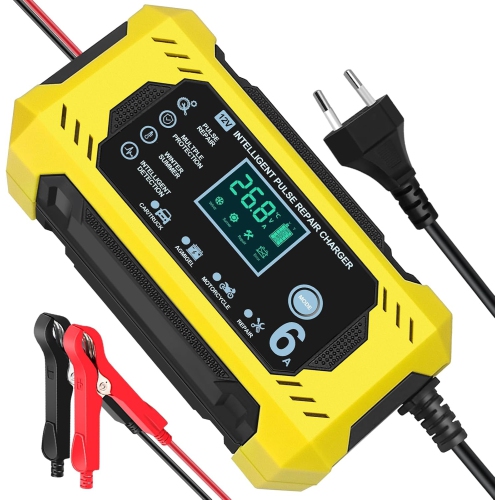
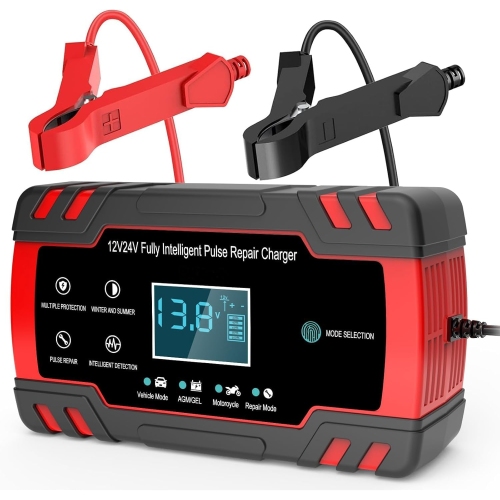
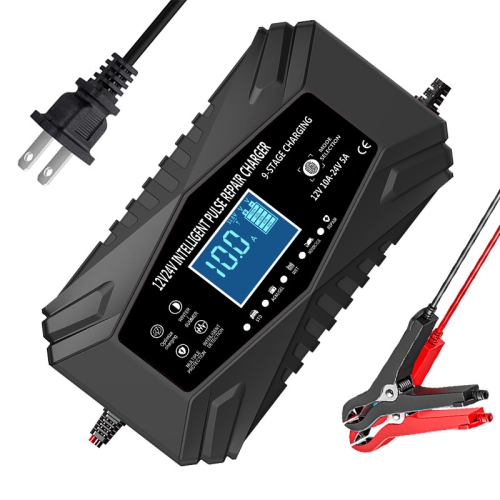
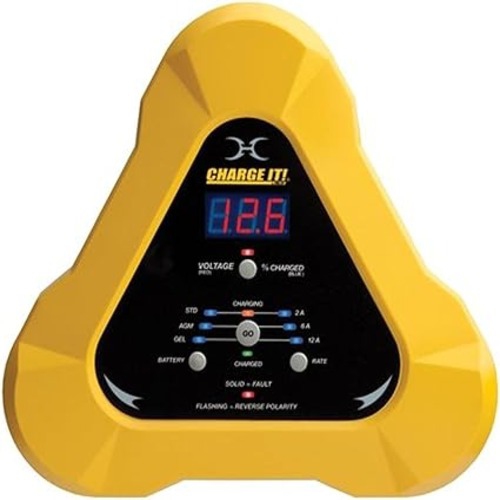
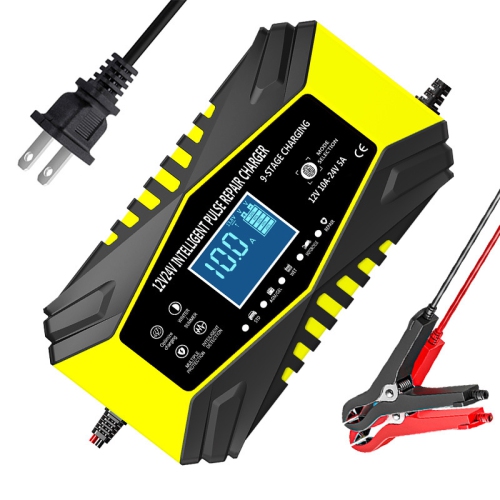
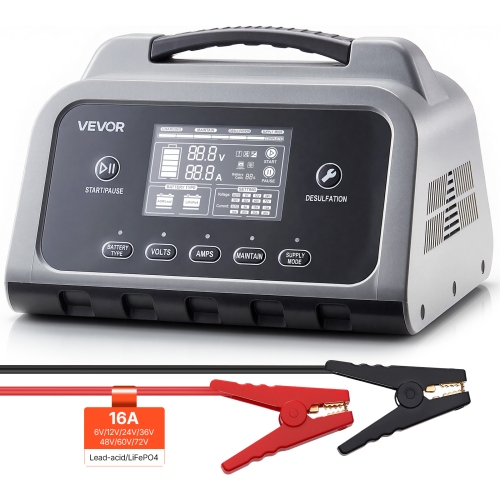
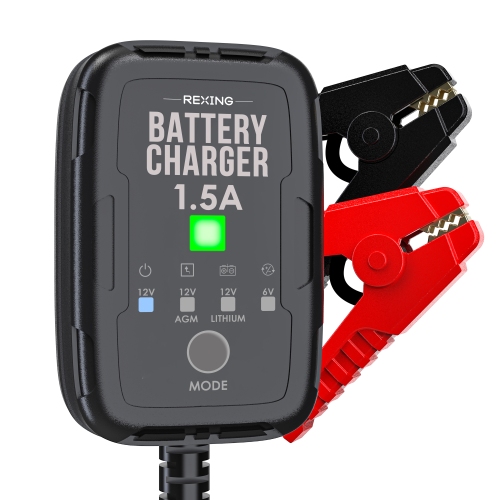
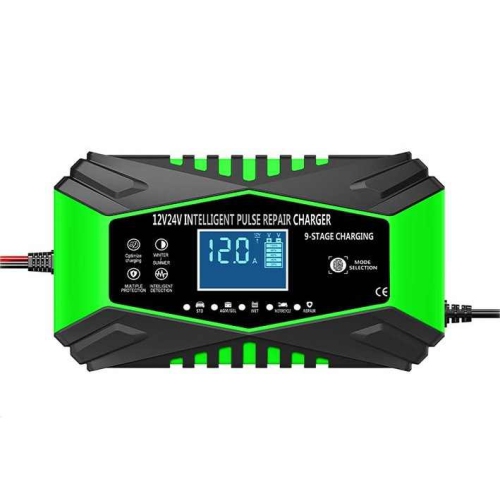
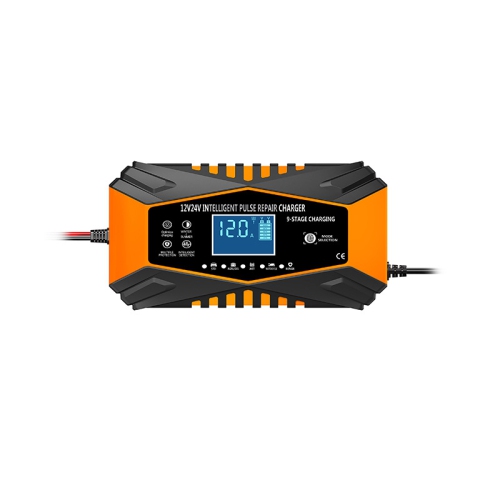
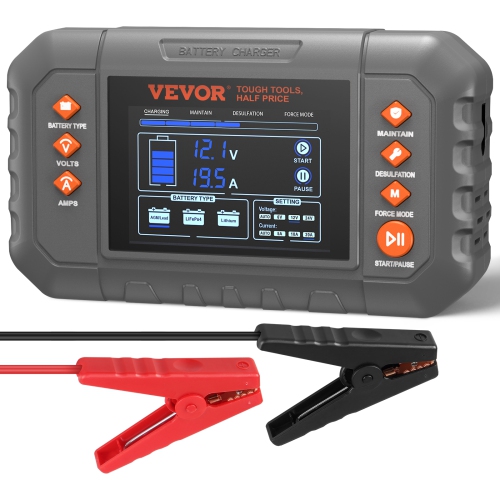
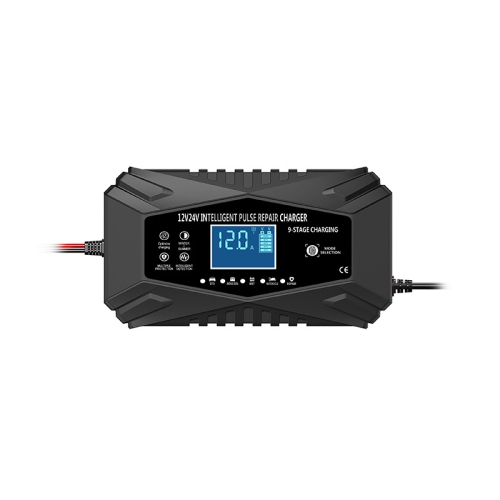
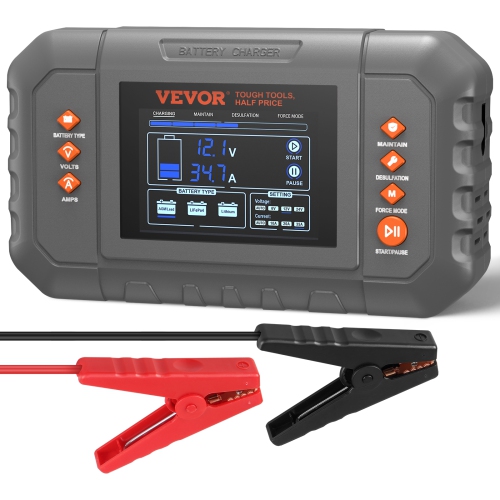
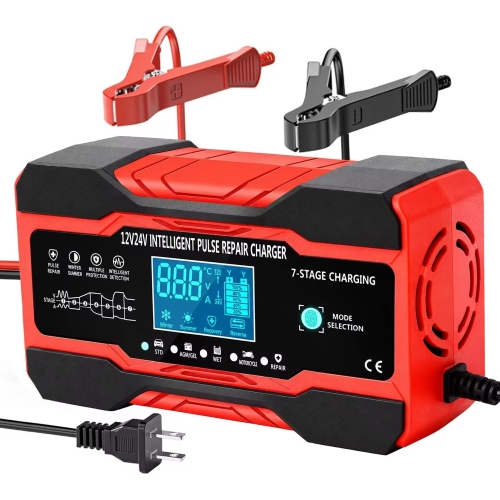
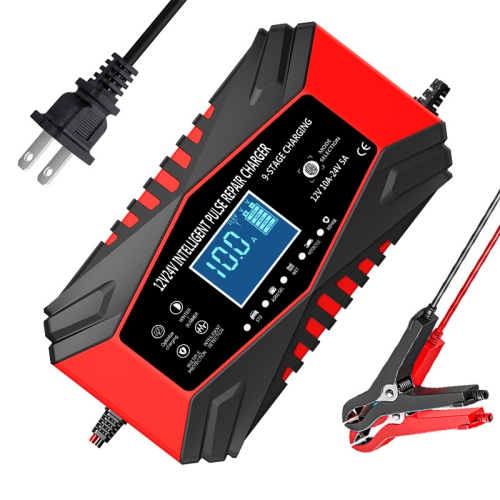
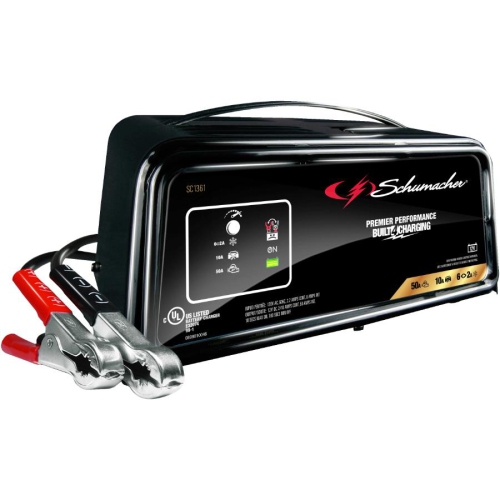
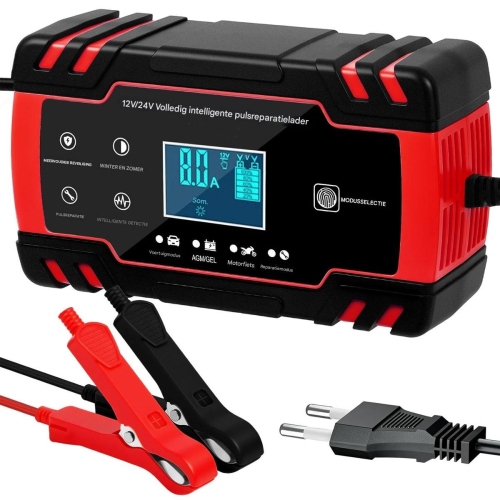
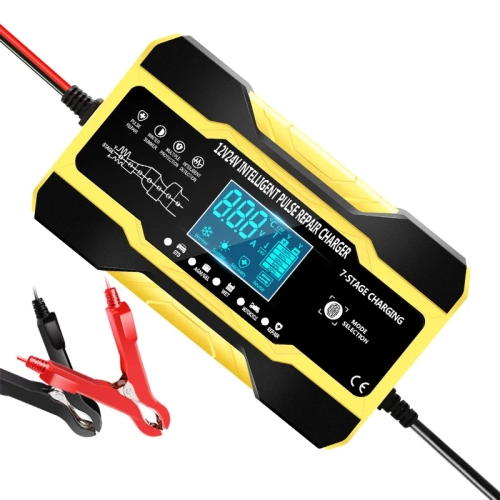

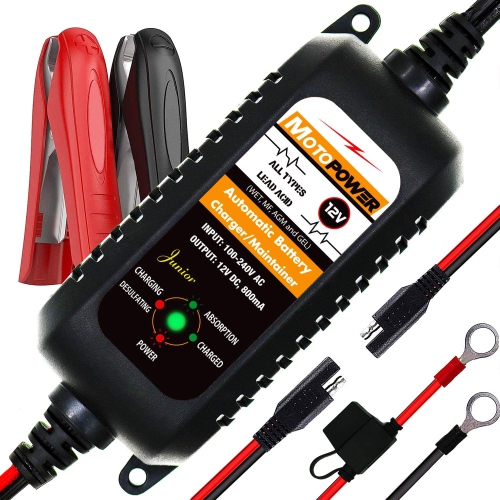
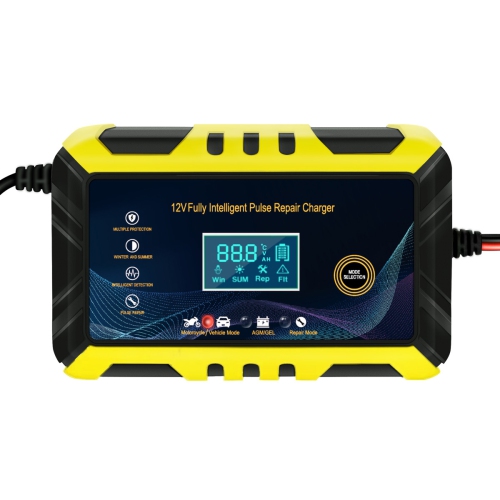
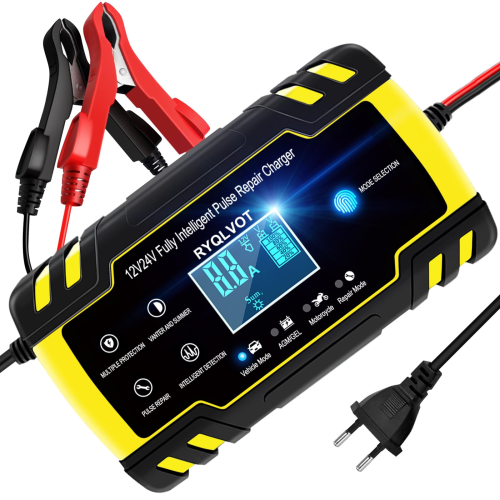
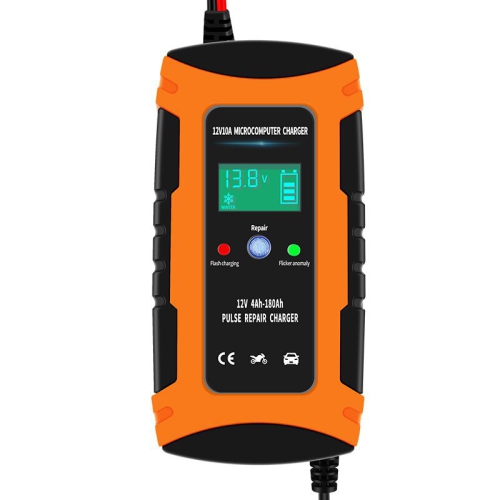
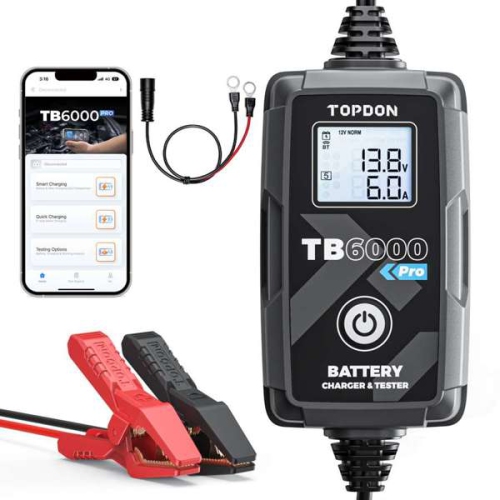
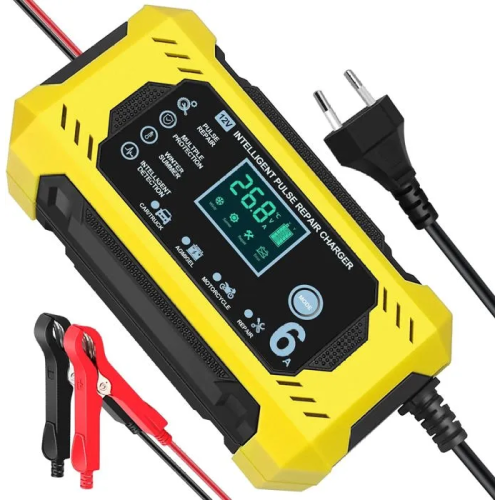
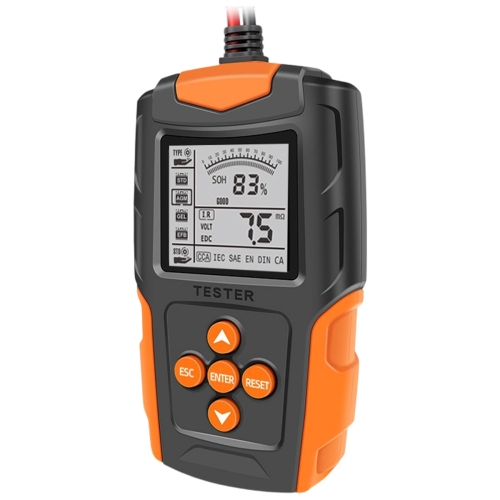
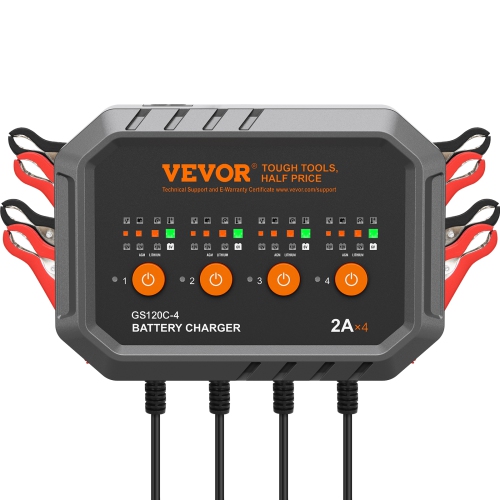


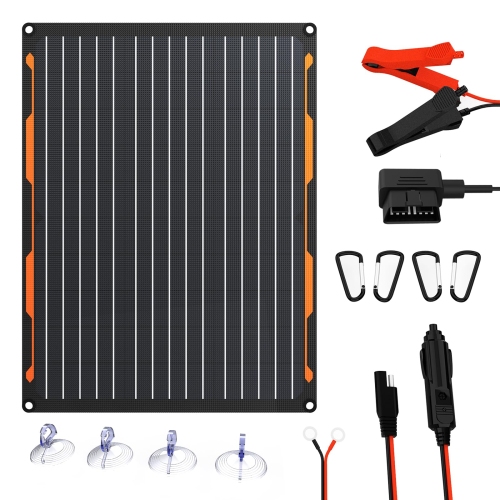


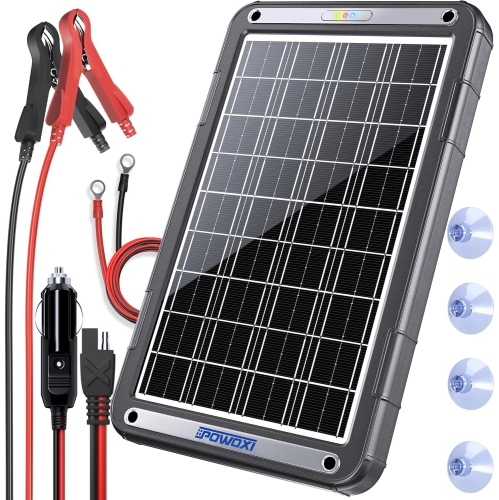
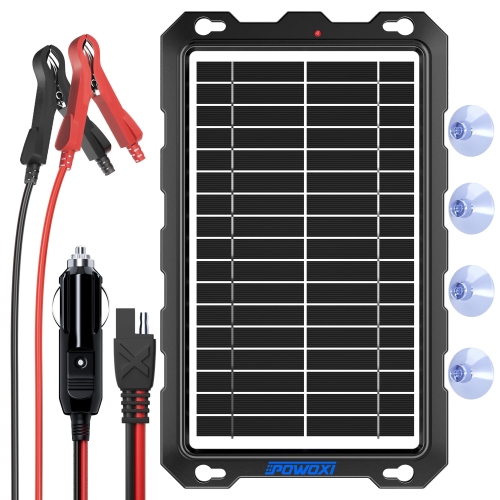




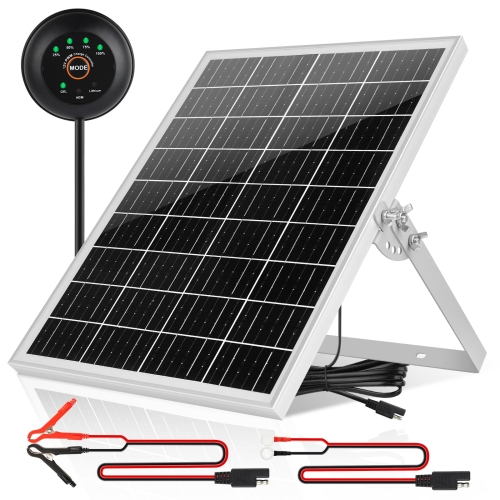
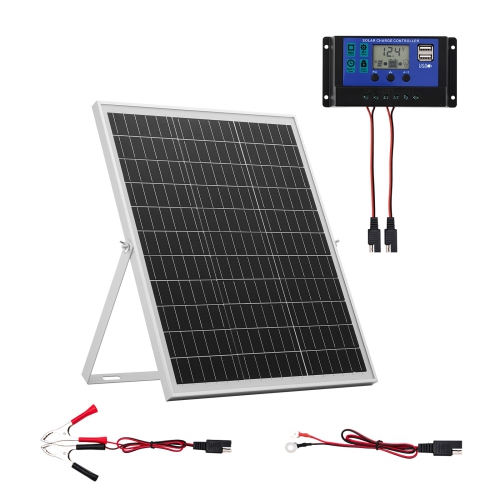
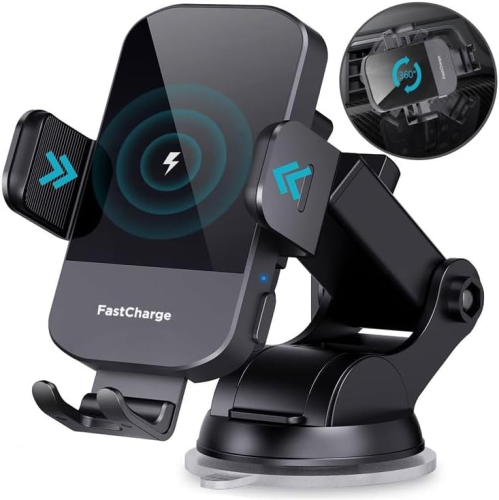

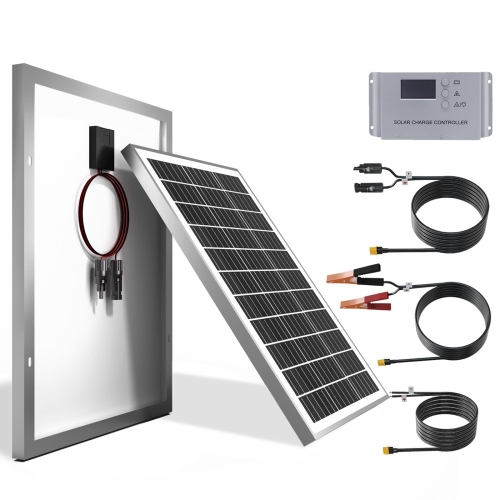

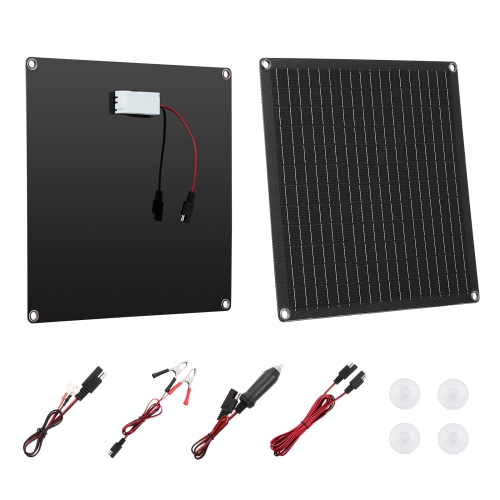


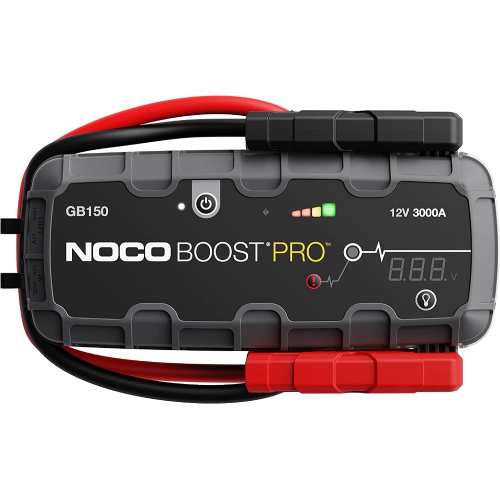
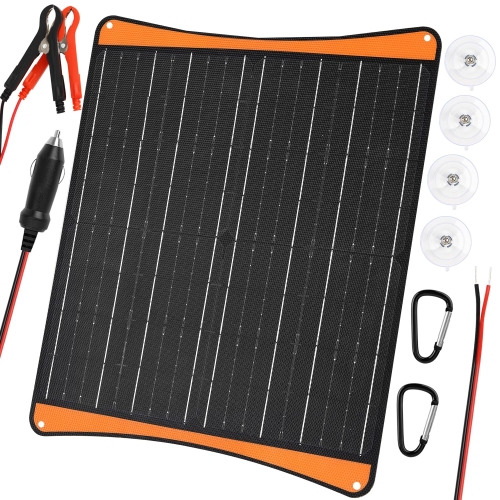






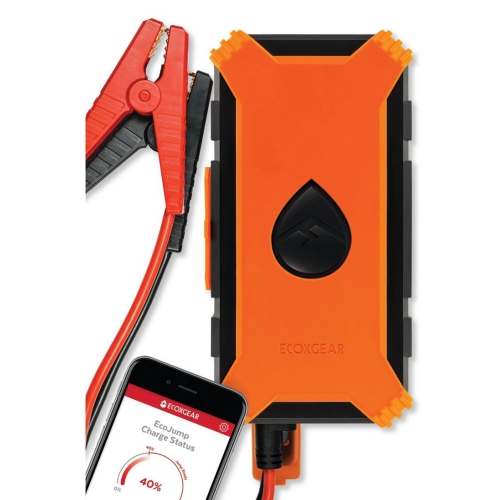
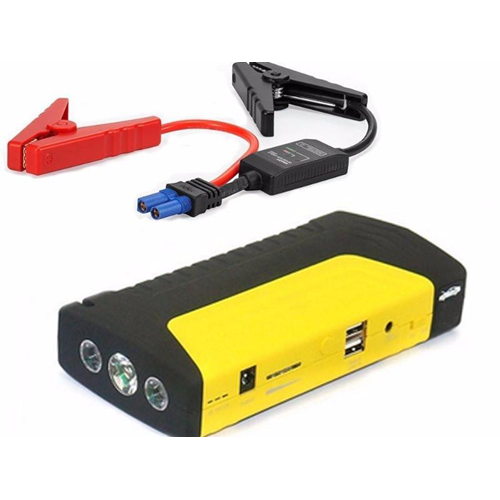
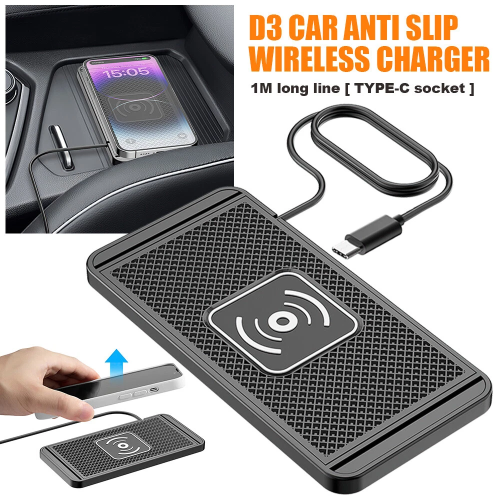
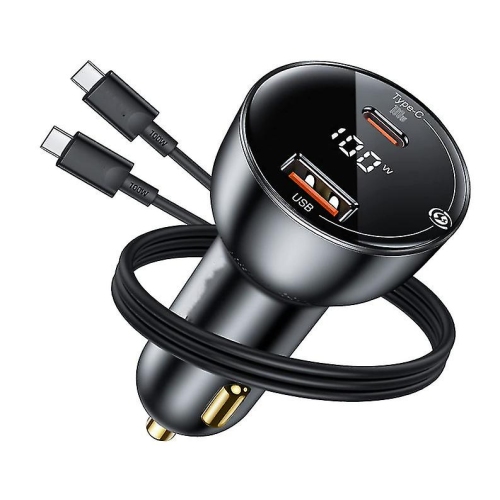
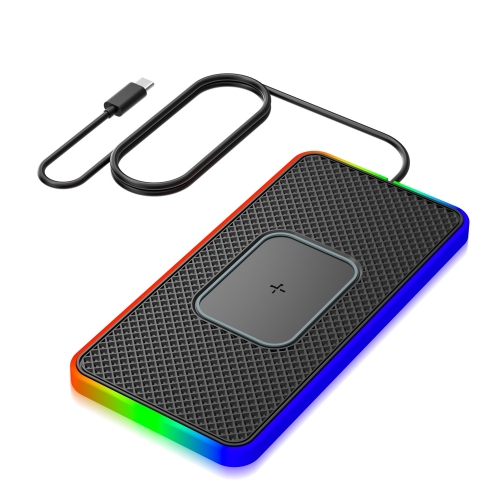
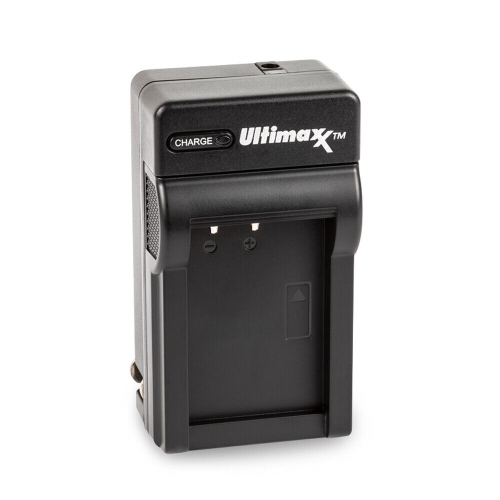

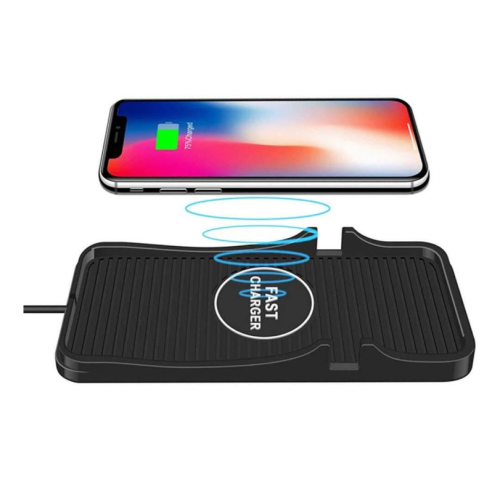

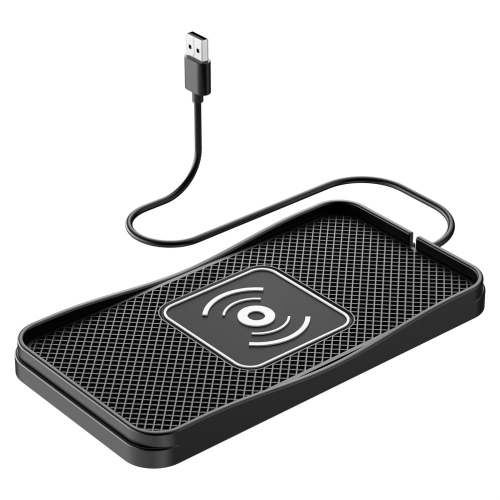


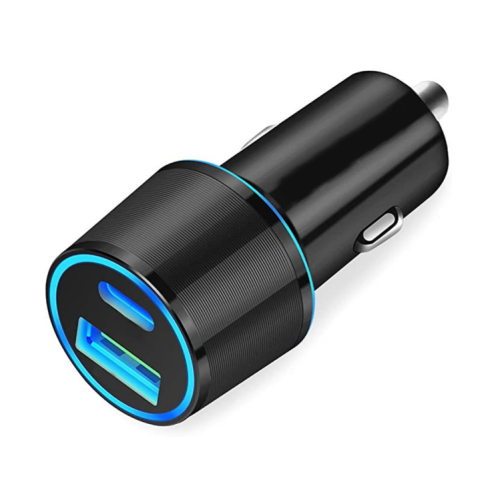
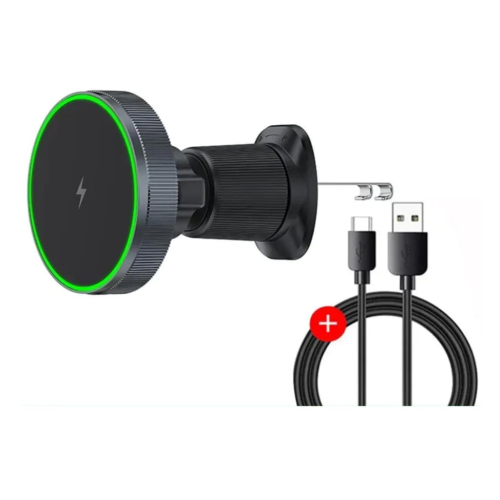
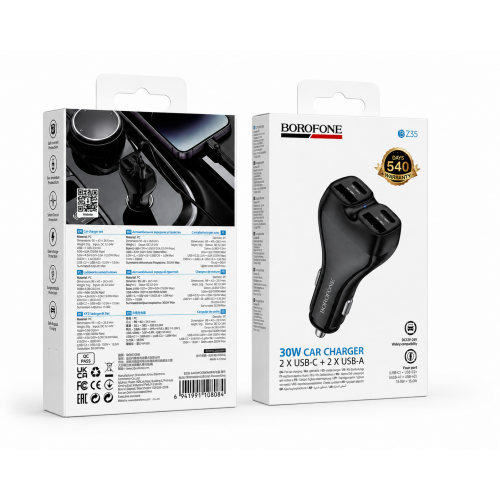
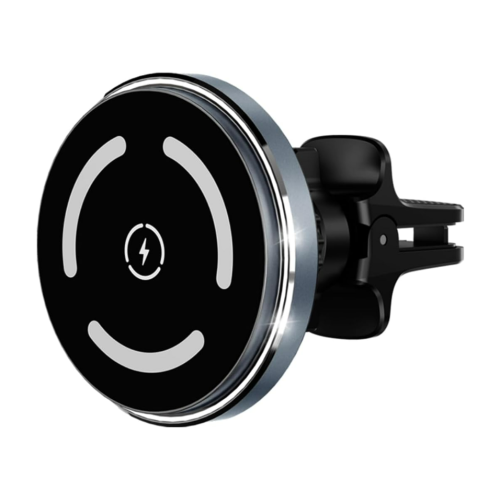
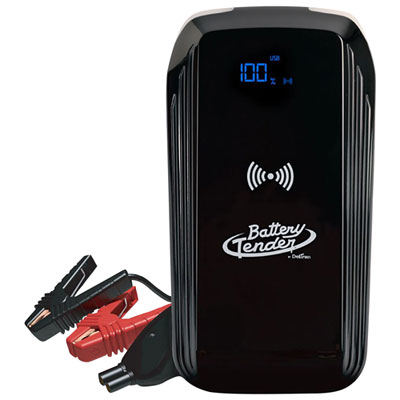

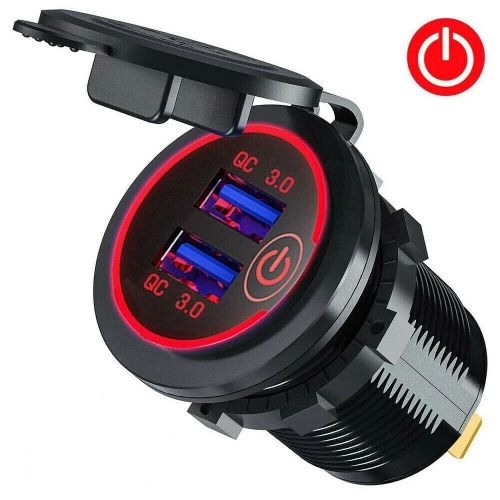

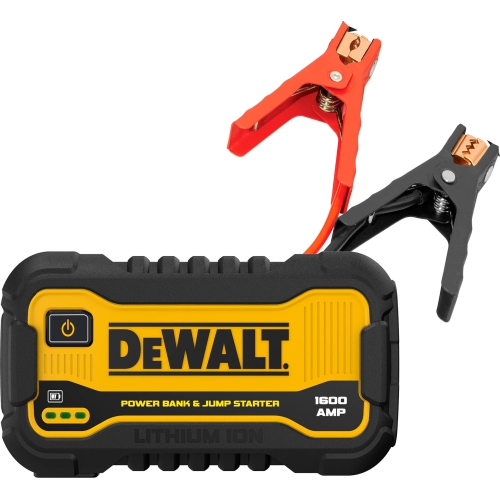

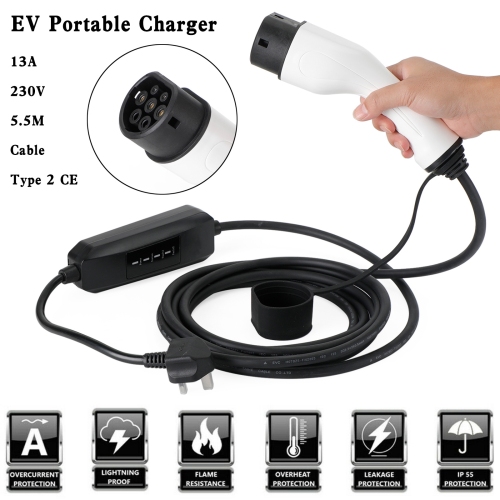
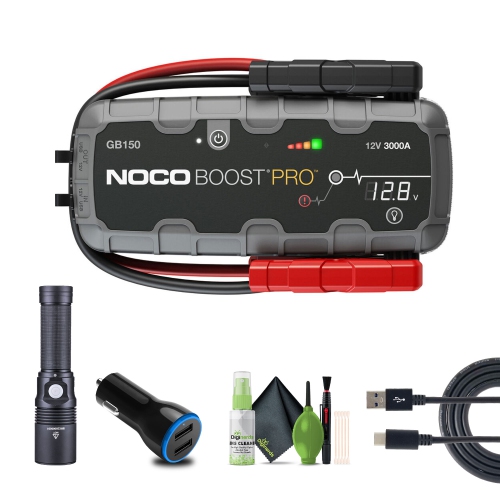

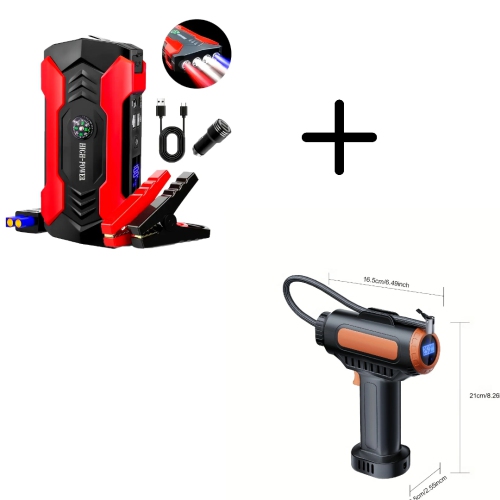

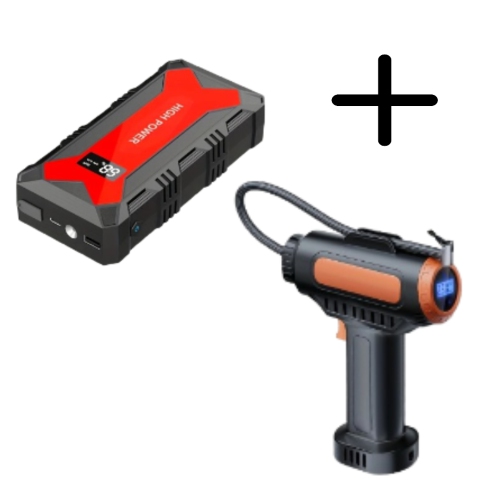




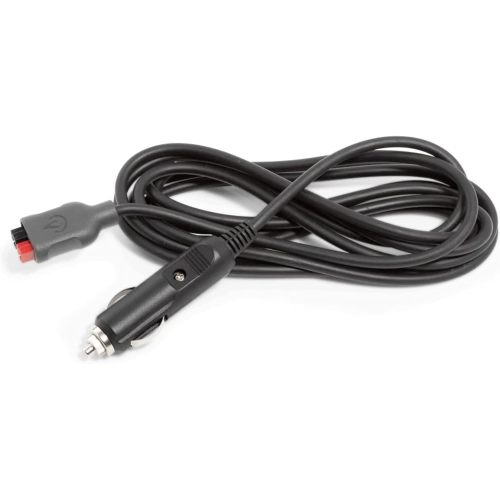

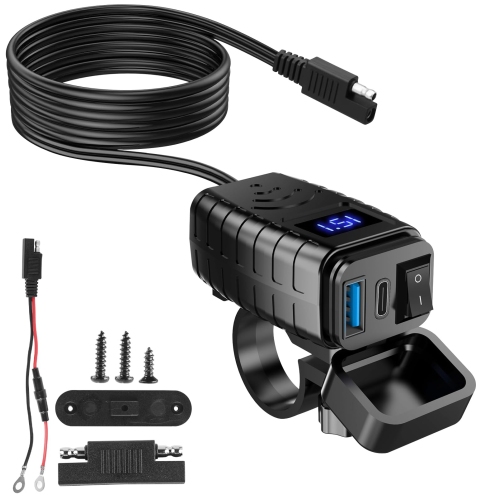
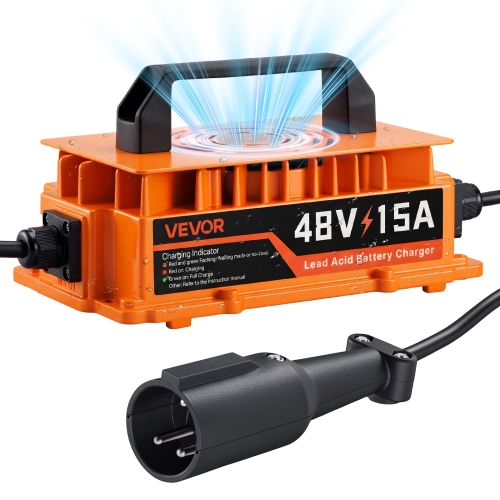


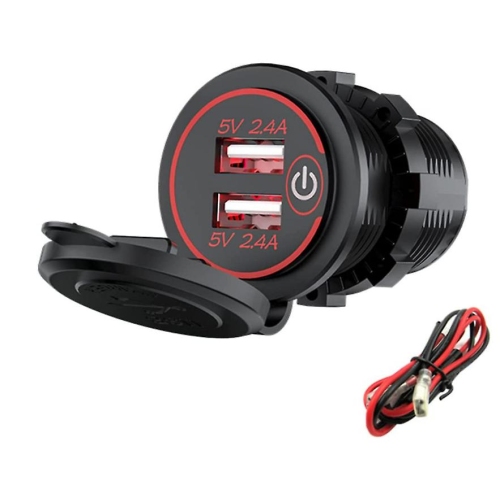
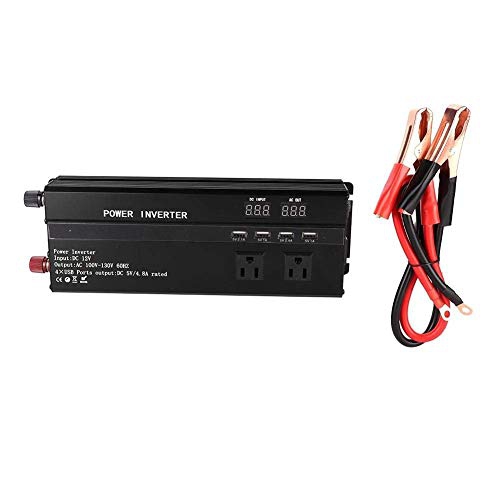

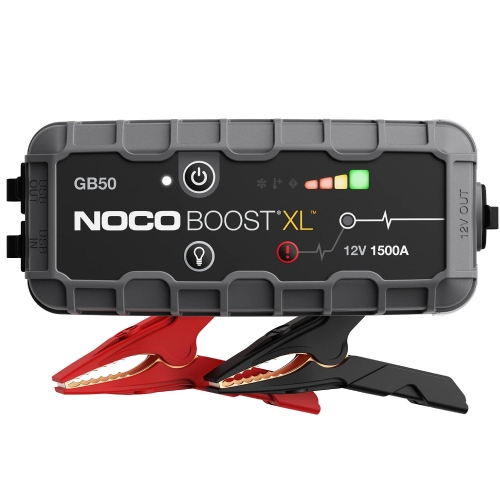
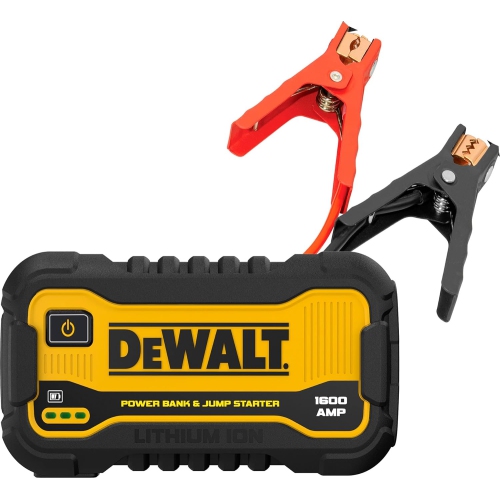
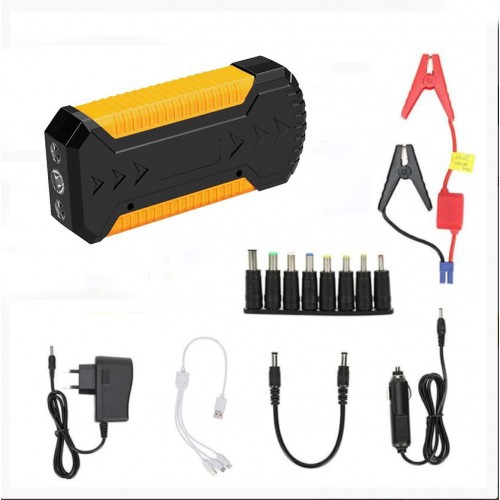

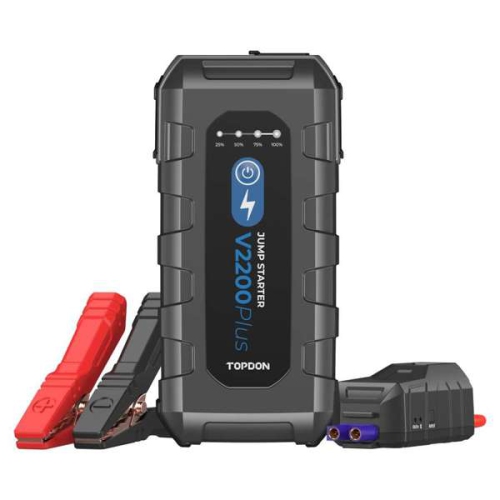


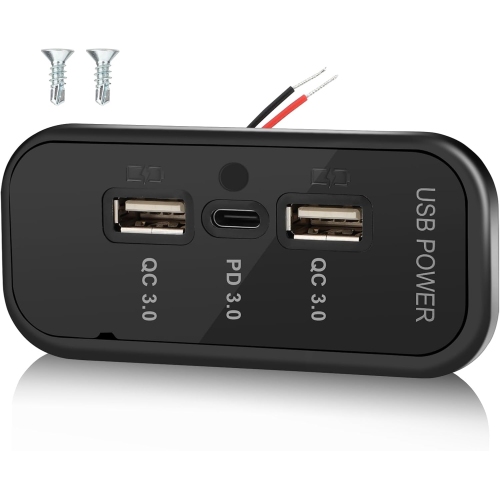
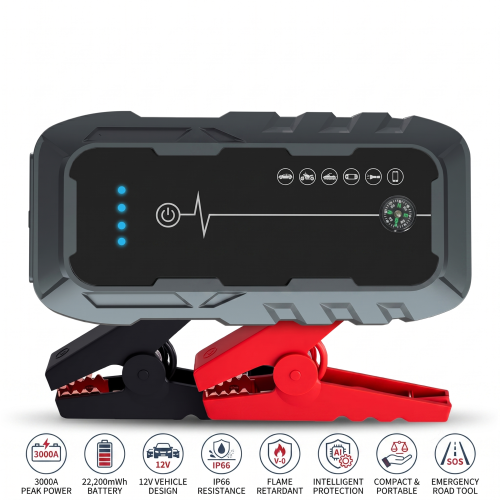



What to know before charging and maintaining vehicle batteries
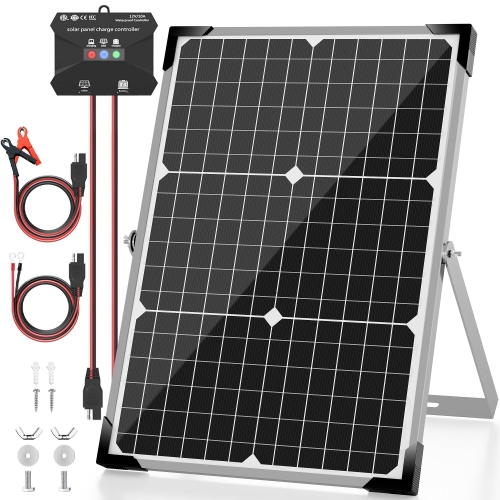
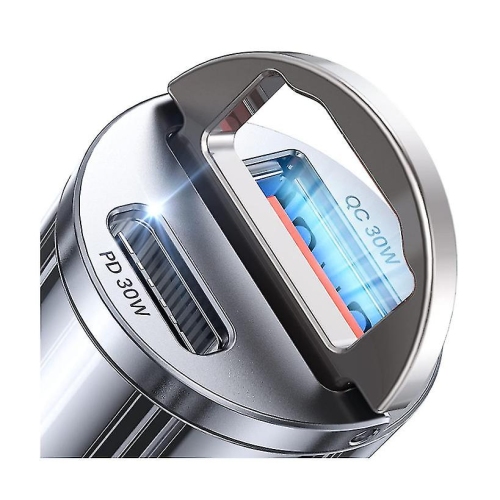
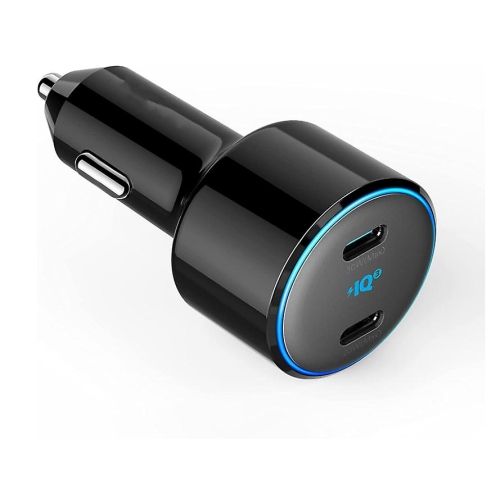
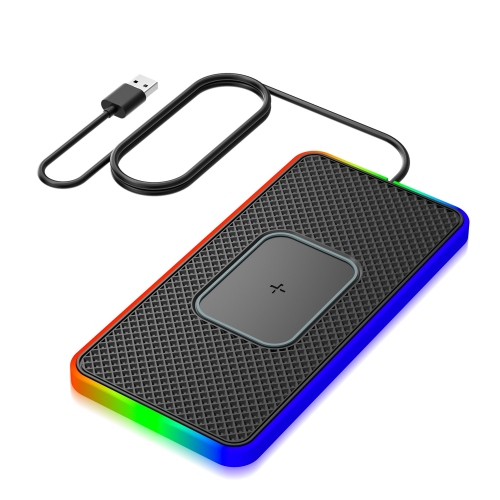
Automotive battery chargers are useful for restoring power to a vehicle battery and keeping it ready between drives. A drained battery can happen after interior lights are left on, a vehicle sits unused for an extended period, or repeated short trips do not allow the alternator enough time to replace the energy used during starting. During the cooler months, batteries often work harder to turn over an engine, making a dependable charger a practical addition to a garage, workshop, cottage, trailer, or roadside kit. These chargers can suit drivers of cars, trucks, SUVs, motorcycles, recreational vehicles, boats, lawn tractors, and other equipment that relies on a rechargeable battery. They can also be a thoughtful gift for a new driver, a family member who stores a classic vehicle, or anyone who spends weekends working on vehicles. Some people keep one beside the parking space for occasional top-ups, while others use a charger before putting a seasonal vehicle into storage and check it periodically until it is ready to return to the road. A charger is not the same as a set of booster cables or a jump starter: it replenishes a battery over time, while a jump-start device is intended to provide an immediate burst of power when a vehicle will not start. Choosing the right tool depends on whether the priority is gradual charging, long-term maintenance, or a combination of both.
Battery compatibility should be the first consideration when comparing automotive battery chargers. Check the battery label, vehicle manual, or manufacturer specifications to identify the voltage and chemistry before connecting a charger. Many automotive batteries are 12-volt models, while certain motorcycles, classic vehicles, and smaller equipment use 6-volt batteries. A charger that detects or supports both voltages can be convenient when one unit is used across several vehicles, but the setting should always match the battery. Standard flooded lead-acid, AGM, gel, and lithium iron phosphate batteries can have different charging requirements, so a charger designed for one type may not be suitable for another. Look for clear compatibility information rather than relying on appearance alone. Charging output is another important factor. Lower-amperage units are often well suited to maintaining a fully charged battery or slowly replenishing a smaller battery, while higher-amperage models can shorten charging time for larger automotive, truck, marine, or recreational vehicle batteries. Multi-stage charging is helpful for regular upkeep because the charger can begin with a stronger charge, reduce the output as the battery fills, and shift to a float or trickle mode when appropriate. This helps keep the battery ready without continuously delivering the same charging rate. Automatic shutoff, automatic voltage detection, and selectable charging modes can make operation simpler, particularly for occasional users who want straightforward controls.
Safety features are worth close attention, especially when a charger will be used in a home garage or shared workshop. Reverse-polarity protection can help prevent operation when the clamps are connected incorrectly, while spark-proof connections can add reassurance during setup. Overcharge, short-circuit, overheating, and overload protection are also useful safeguards. Follow the instructions for connecting and disconnecting the clamps, place the charger on a stable surface, and provide suitable ventilation when charging a conventional lead-acid battery. Inspect cables and clamps for damage before use, and keep connections clean so the charger can make consistent contact. A readable display or indicator lights can show charging progress, selected voltage, fault conditions, or maintenance status. Compact chargers are convenient for storage in a vehicle or tool cabinet, while heavier units with longer cables may be easier to use beside a truck or equipment in a driveway. Features such as repair or desulfation modes may help address certain battery conditions, but they cannot restore every battery; an old, swollen, cracked, leaking, or damaged battery should be assessed and replaced when necessary. If you need portable power for a phone or other small device during a roadside delay, explore Emergency Battery Chargers. For vehicle maintenance, select an automotive battery charger that matches the battery, fits the available charging space, and provides the level of control needed for everyday top-ups or longer-term storage. A little preparation before temperatures drop can make the next start more predictable, whether the vehicle is used for a daily commute, a weekend drive, or an occasional trip.
Top selling and popular products
-
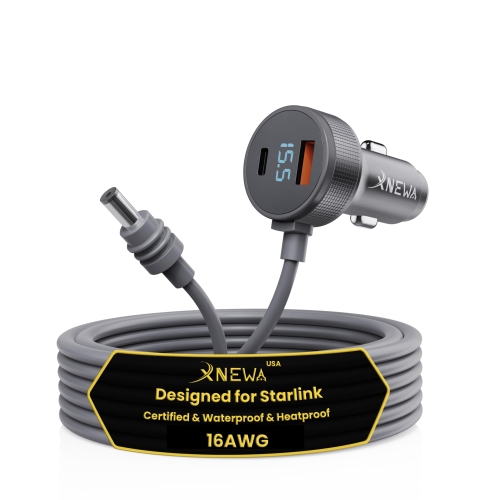 Your price for this item is $74.99
-
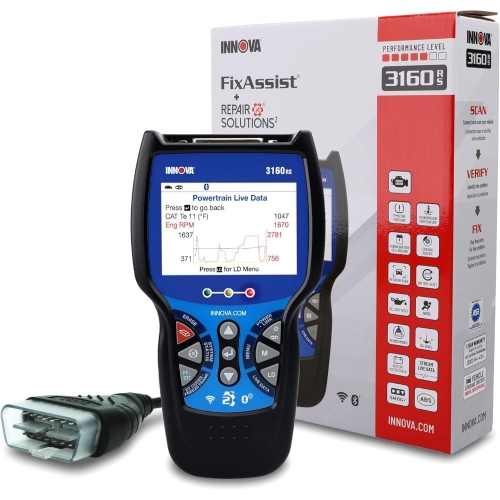 Your price for this item is $407.55
-
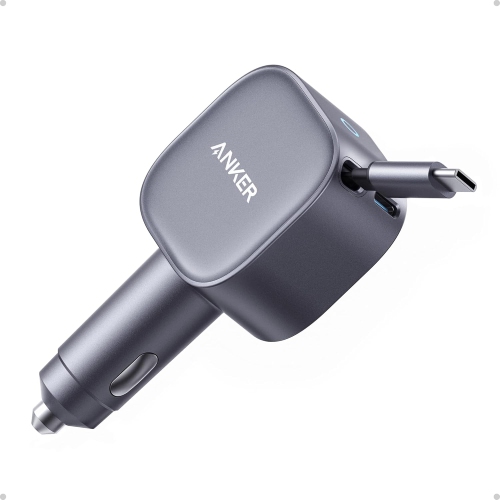 Your price for this item is $61
-
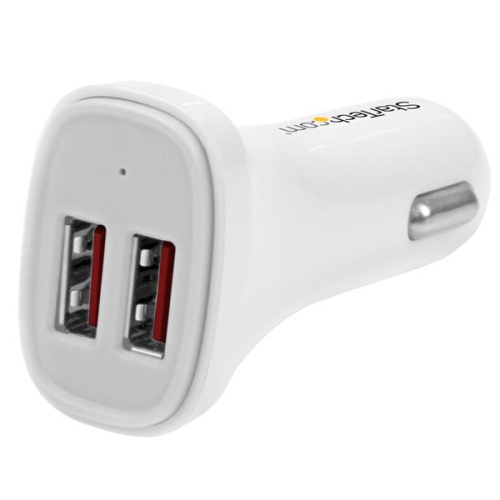 Your price for this item is $31.99
-
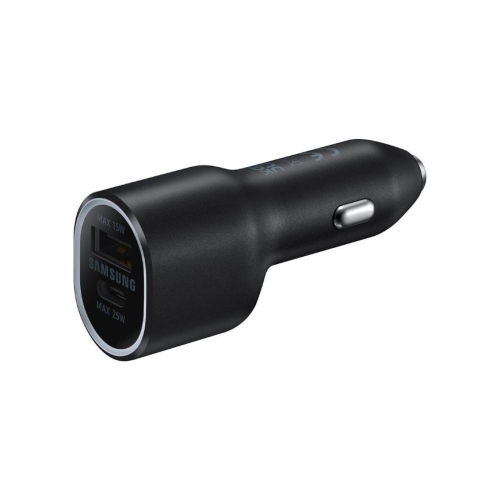 Your price for this item is $52.99
-
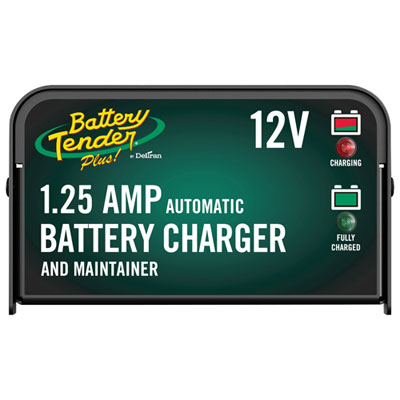 Your price for this item is $79.99
-
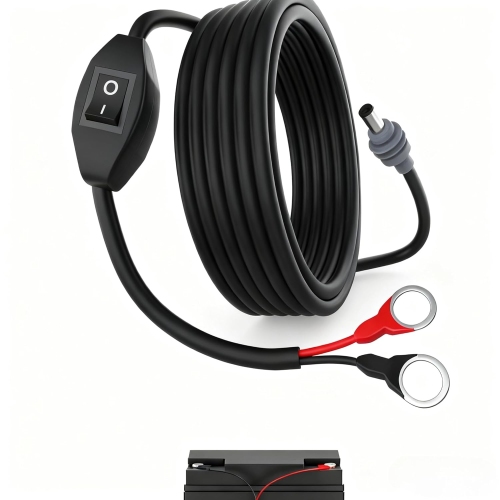 Your price for this item is $29.95
-
 Your price for this item is $146.56
Discover more categories related to Automotive Battery Chargers
Top Collections:
Pokemon Centers, Kindle Devices, Best Budget Office Chairs, Canon G7X Cameras, Apple iPhones 16, Samsung Galaxy Phones, Refurbished Apple Laptops, Laptops for Students, iPhone 15 Apple, Budget Smartphones
Some products may be subject to Environmental Handling Fees
(EHF) depending on your province.
Learn more about EHFs.