Automotive Battery Testers
Looking to ensure your vehicle's battery is in top condition? Our selection of automotive battery testers is here to help you easily and accurately assess the health of your car, truck, or motorcycle battery. With user-friendly designs and advanced technology, these testers allow you to quickly determine the voltage, cranking power, and overall performance of your battery. Whether you're a DIY enthusiast or a professional mechanic, having a reliable battery tester on hand can save you time and money by identifying potential issues before they become major problems. Browse our range of automotive battery testers to find the perfect solution for your needs.
Sort
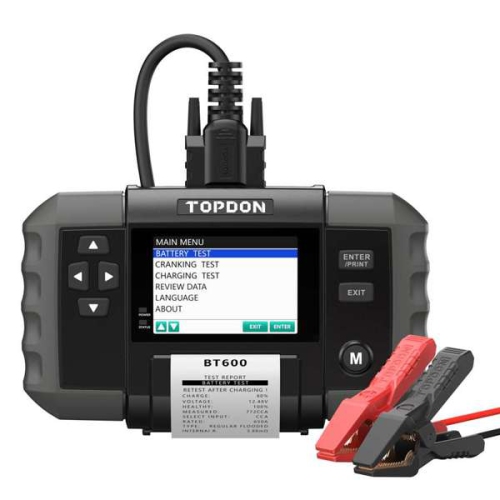
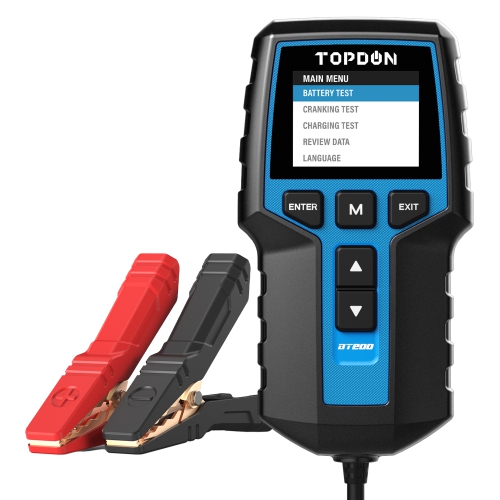
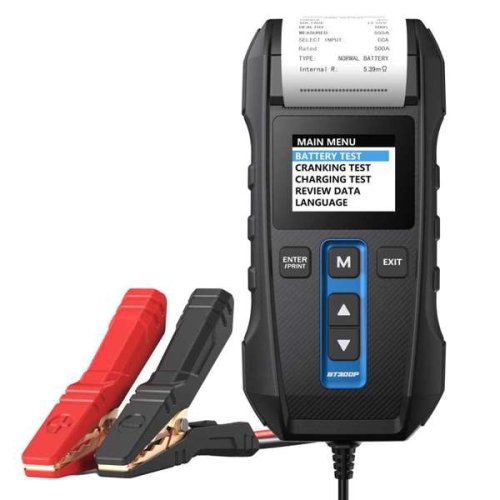
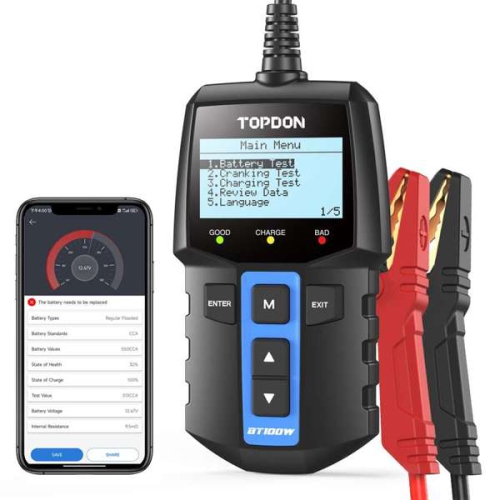
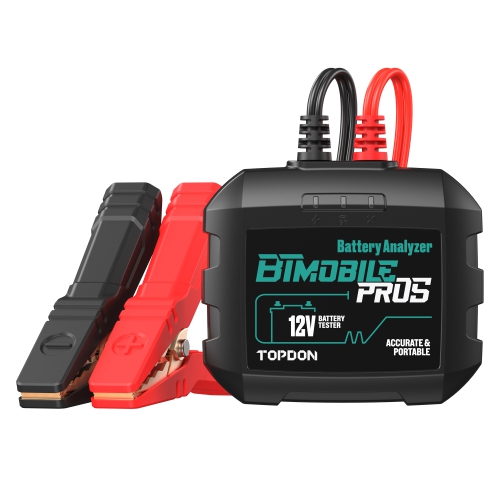
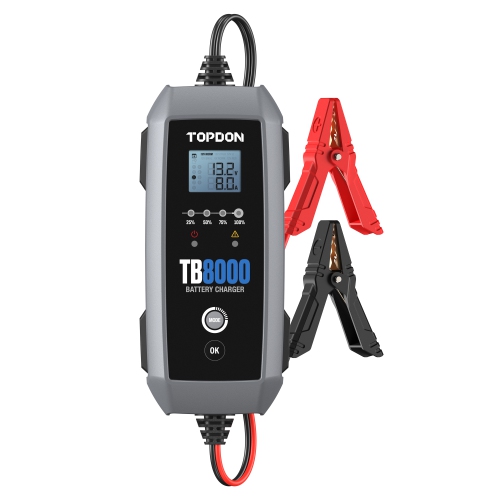
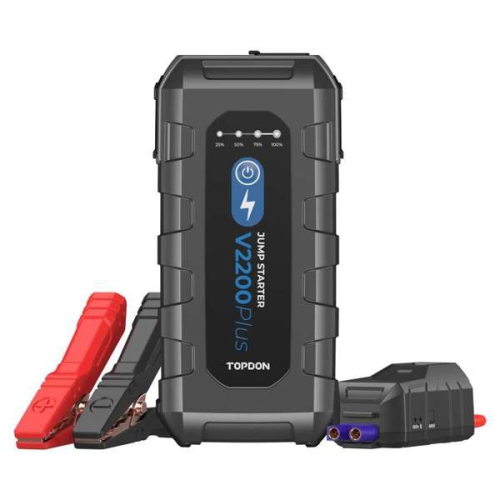

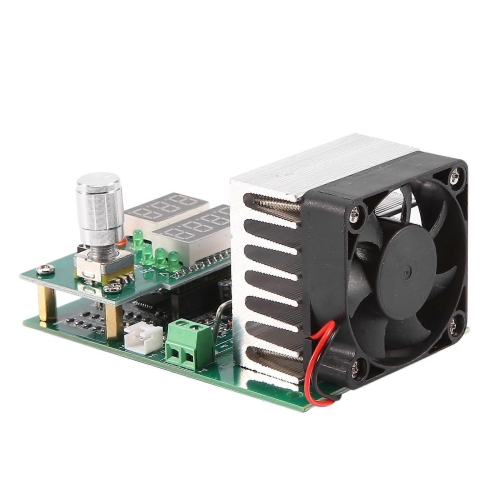
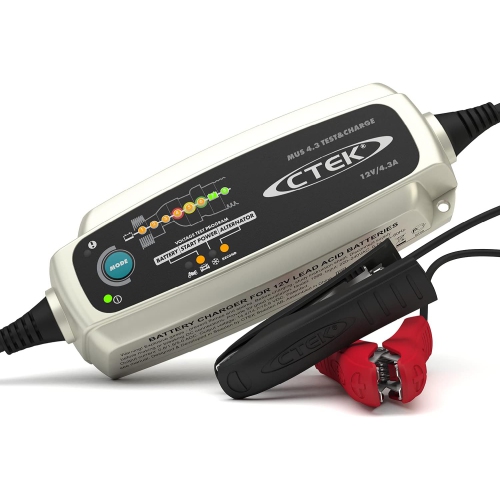
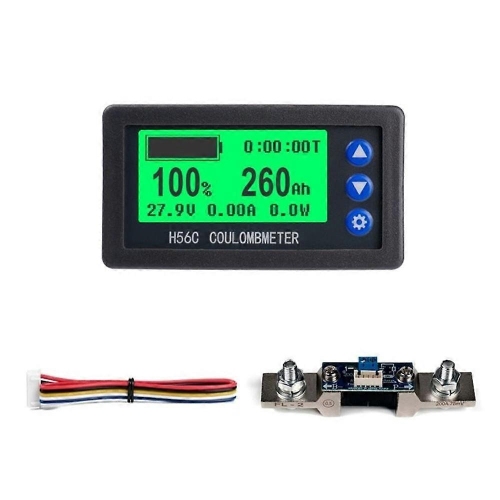
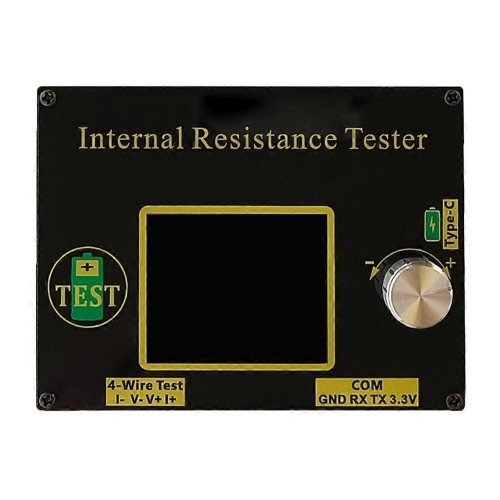
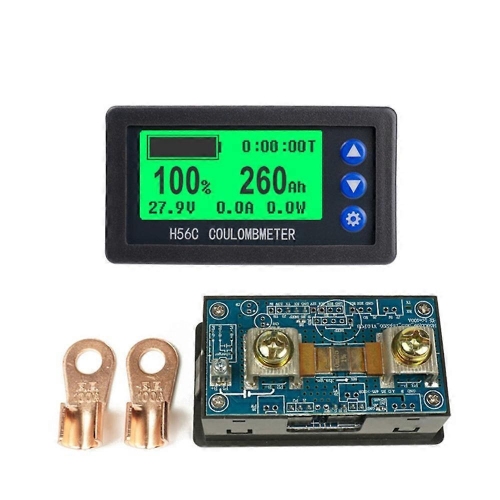
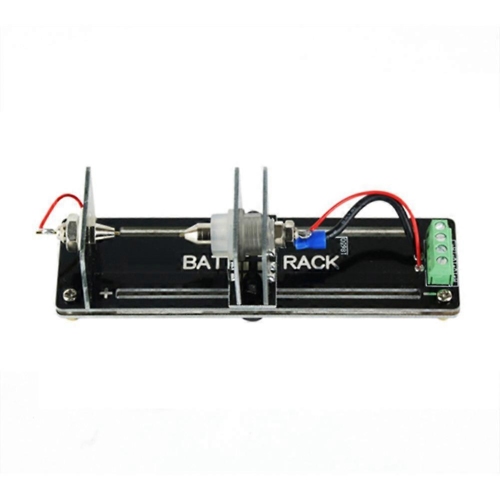
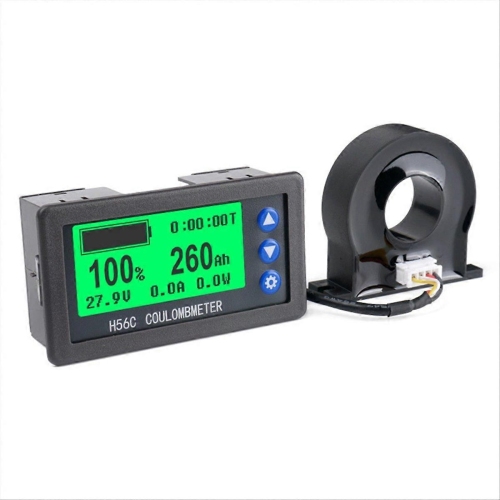
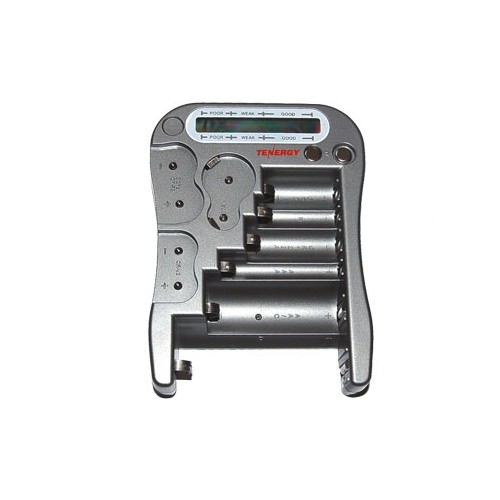
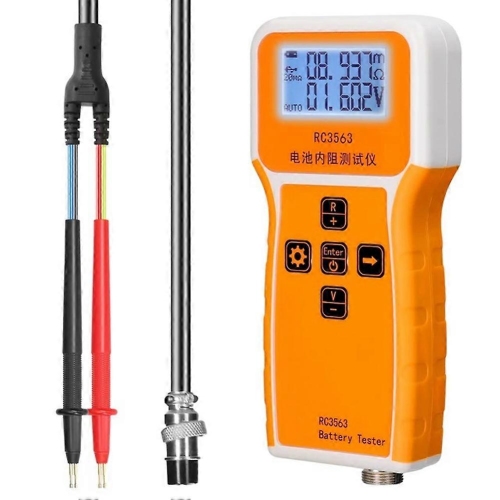
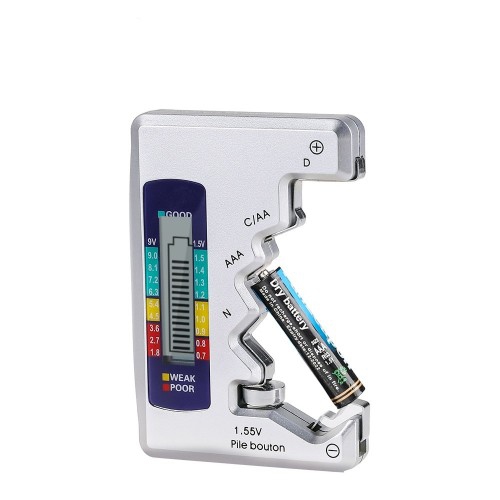
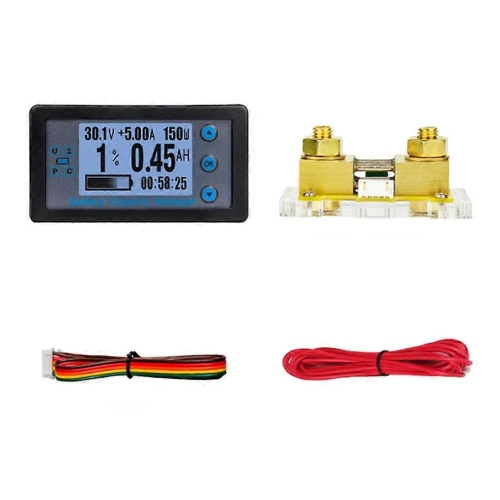
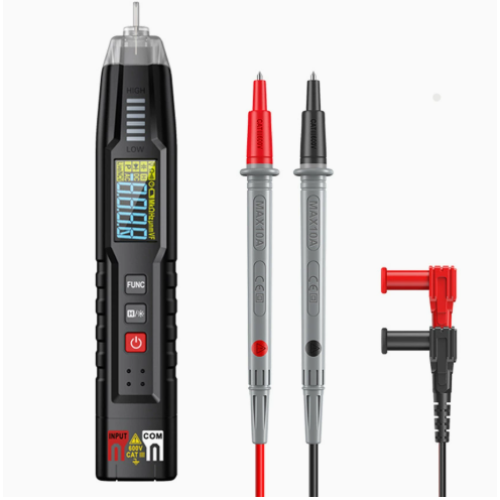
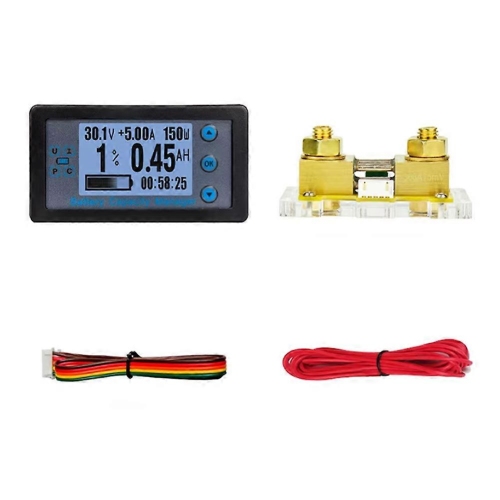
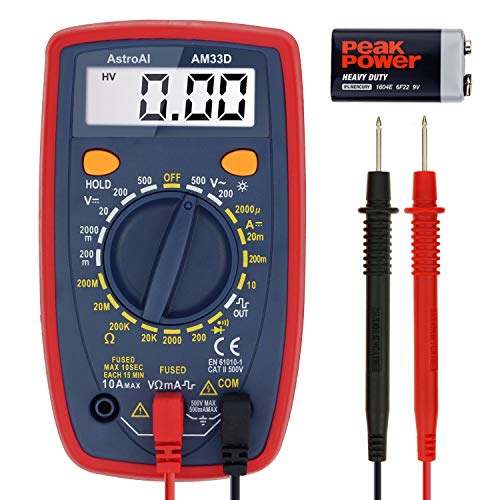
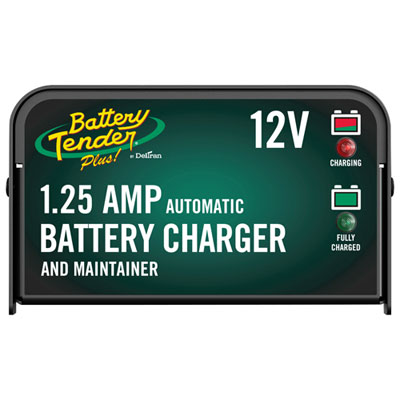
Understand battery health before starting problems become roadside trouble
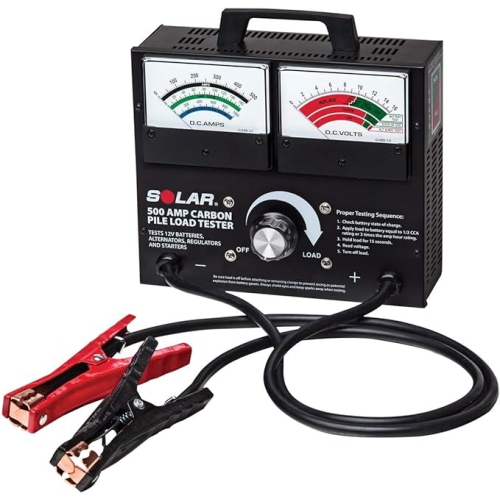
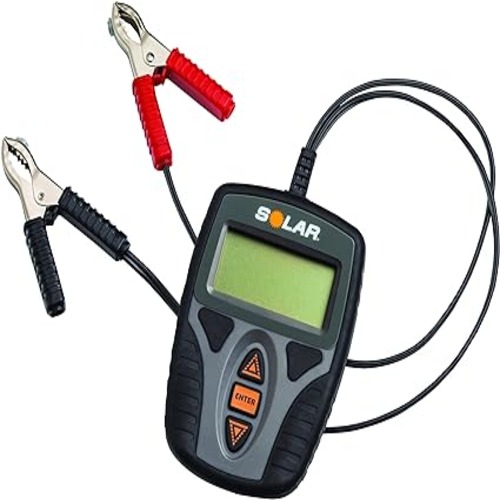
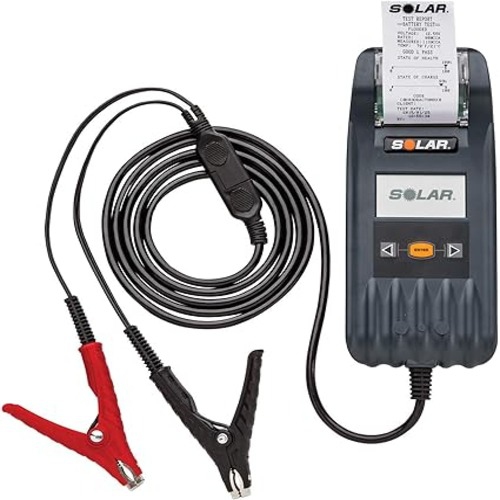
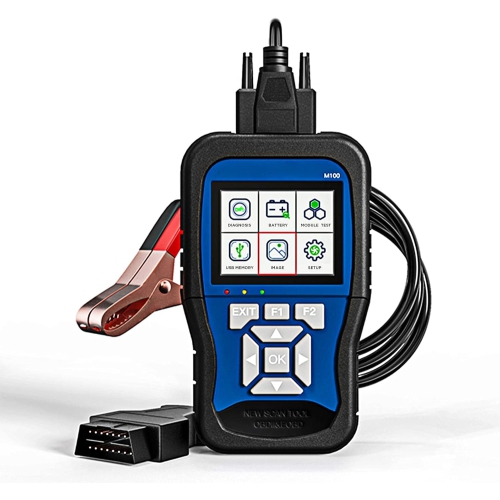
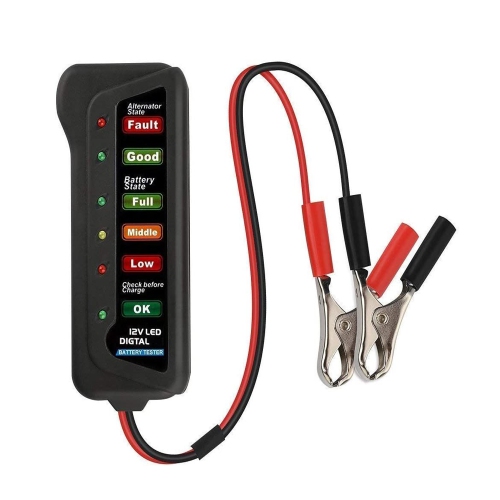
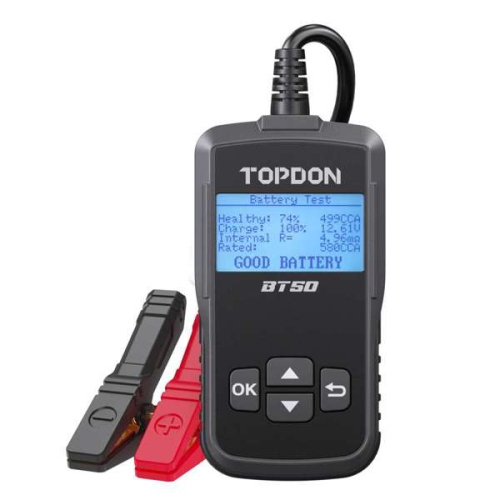
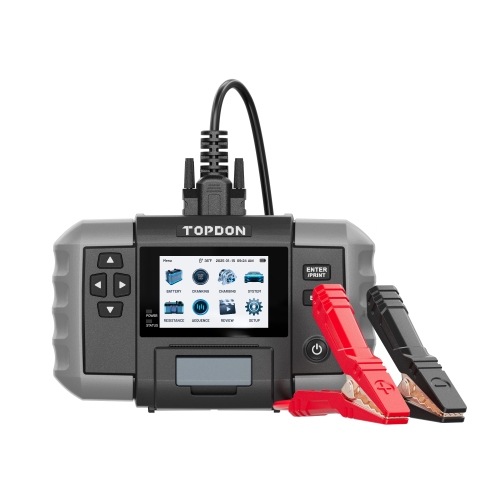
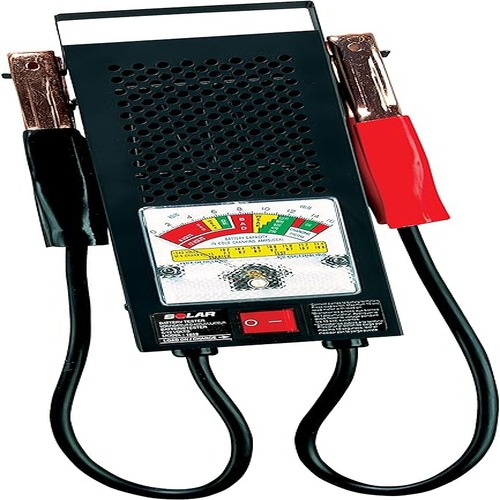
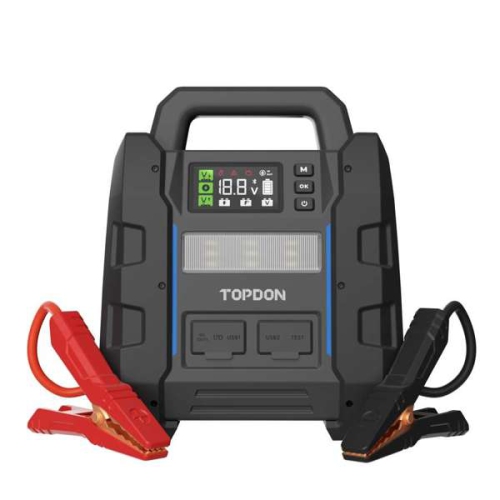
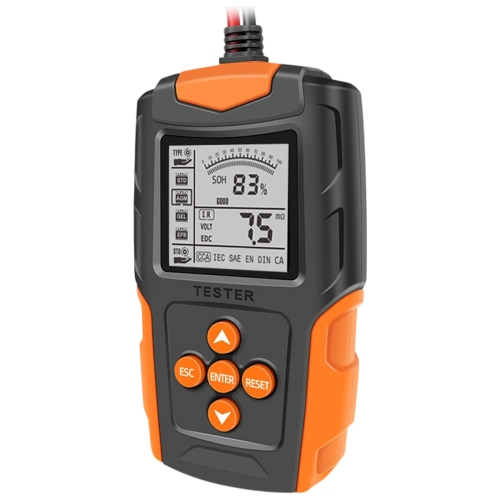
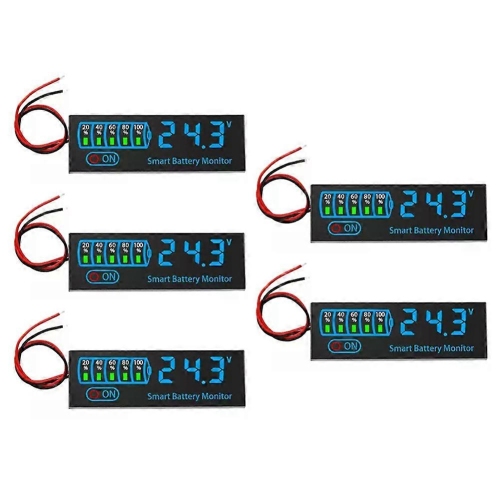
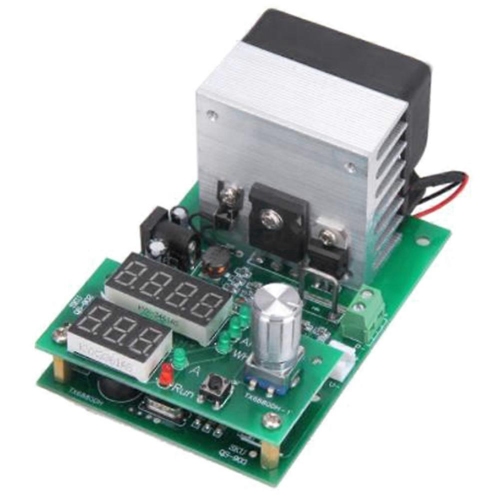
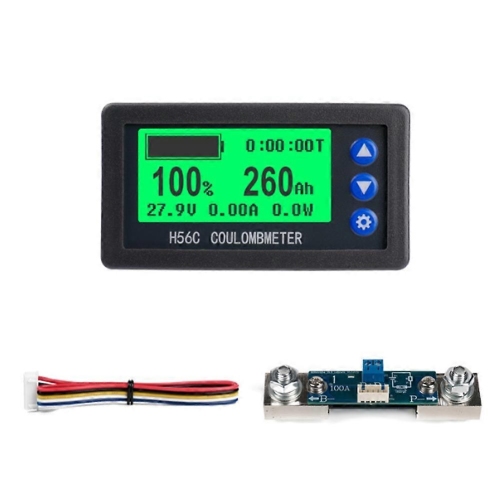
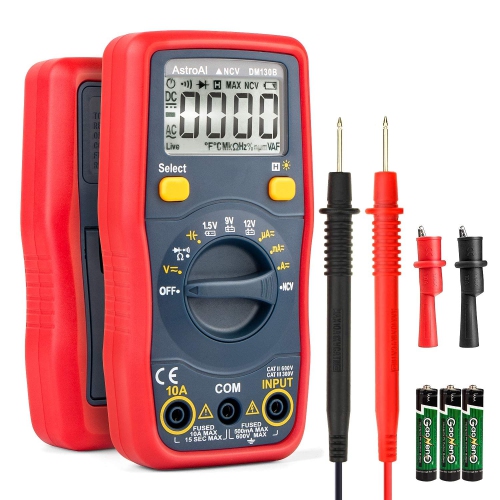
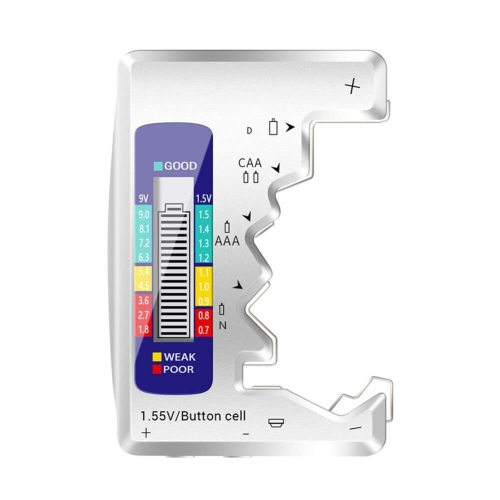
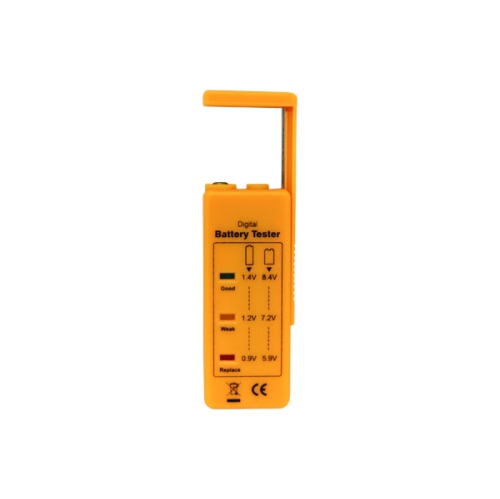
Automotive battery testers are practical tools for checking the condition of a vehicle’s battery before a slow start becomes a roadside problem. They can help reveal whether a battery is properly charged, losing capacity, or struggling to deliver the power needed to crank an engine. A basic tester may display voltage through an analogue gauge or digital readout, while more advanced models can assess internal resistance, estimated battery health, and cold cranking performance. Some testers are designed for quick checks at the battery terminals, and others use a temporary load to simulate the heavy demand placed on a battery during engine start-up. The right choice depends on the vehicles being maintained, the level of detail required, and how often testing will be performed. A car owner who wants reassurance before a long drive may appreciate a compact handheld tester, while a household with several vehicles, a collector with a seasonal car, or a home mechanic may prefer a model with broader testing functions. These tools can also be useful for motorcycles, recreational vehicles, lawn and garden equipment, and other machines that rely on compatible lead-acid battery systems. When choosing an automotive battery tester, look for clear instructions, easy-to-read results, sturdy test leads, and compatibility with the battery type in the vehicle. Common battery types include flooded lead-acid, AGM, and other sealed designs, and some digital testers require the user to select the correct type before testing. It is also helpful to check the tester’s supported voltage range and whether it can work with the battery’s listed cold cranking amp, or CCA, rating.
For the most useful results, test a battery when the vehicle has been switched off long enough for its surface charge to settle. A healthy, fully charged 12-volt battery commonly shows a resting voltage in the range of approximately 12.4 to 12.7 volts, although readings can vary with temperature, battery age, charge level, and the vehicle’s electrical system. A voltage reading alone does not tell the whole story: a battery may show an acceptable resting voltage and still lose too much power when the starter motor demands a high current. This is where load testing and electronic conductance testing can provide additional insight. A load tester briefly places a controlled demand on the battery and observes how well the voltage holds, while a conductance tester sends a low-level signal through the battery to estimate its internal condition without applying the same heavy drain. Digital units may report results such as good, recharge, weak, or replace, but these messages should be considered alongside the battery’s age, recent driving pattern, and the vehicle’s starting symptoms. For a basic connection, the red clamp is placed on the positive (+) terminal and the black clamp on the negative (-) terminal, with the vehicle turned off and the tester used according to its instructions. Clean, secure contact matters, since corrosion or loose terminals can produce misleading readings. Testing should take place in a well-ventilated area away from sparks and open flames, and users should wear appropriate eye protection and avoid touching both terminals or allowing the clamps to contact each other. Anyone who is uncomfortable working around a vehicle battery can have the check performed by a qualified automotive service professional. If a test indicates that the battery is simply low, a compatible charger may restore its charge; explore Automotive Battery Chargers for equipment suited to that next step.
An automotive battery tester can be especially valuable during the transition from warm weather into cooler months, when a battery that seemed fine after short summer drives may have difficulty providing enough starting power on a cold morning. Before a road trip, after a vehicle has sat unused, or when headlights seem dim and the starter sounds slower than usual, a quick test can help separate a weak battery from other possible issues such as a charging-system fault, a poor connection, or a parasitic electrical drain. Keeping test results over time can also make changes easier to spot, particularly for vehicles that are driven infrequently or stored for part of the year. These testers make thoughtful gifts for new drivers, hands-on homeowners, classic car enthusiasts, commuters, and anyone who prefers to handle straightforward vehicle checks at home. They are compact enough to keep with roadside equipment and useful enough to become part of a regular maintenance routine. When comparing options, consider whether a simple voltage check is sufficient or whether the tester should measure CCA, conductance, internal resistance, or starting performance. A backlit display can be useful in a dim garage, long leads can make terminal access easier, and an automatic shut-off can help preserve the tester’s batteries. Some models are intended for occasional personal checks, while others are better suited to frequent use and may include additional information about battery health. No tester can predict every electrical fault, but it can provide timely information before a vehicle is needed for work, school, errands, or travel. Used carefully and matched to the vehicle’s battery specifications, an automotive battery tester can bring clarity to uncertain starting symptoms and help drivers make more informed decisions about charging, servicing, or replacing a battery.
For the most useful results, test a battery when the vehicle has been switched off long enough for its surface charge to settle. A healthy, fully charged 12-volt battery commonly shows a resting voltage in the range of approximately 12.4 to 12.7 volts, although readings can vary with temperature, battery age, charge level, and the vehicle’s electrical system. A voltage reading alone does not tell the whole story: a battery may show an acceptable resting voltage and still lose too much power when the starter motor demands a high current. This is where load testing and electronic conductance testing can provide additional insight. A load tester briefly places a controlled demand on the battery and observes how well the voltage holds, while a conductance tester sends a low-level signal through the battery to estimate its internal condition without applying the same heavy drain. Digital units may report results such as good, recharge, weak, or replace, but these messages should be considered alongside the battery’s age, recent driving pattern, and the vehicle’s starting symptoms. For a basic connection, the red clamp is placed on the positive (+) terminal and the black clamp on the negative (-) terminal, with the vehicle turned off and the tester used according to its instructions. Clean, secure contact matters, since corrosion or loose terminals can produce misleading readings. Testing should take place in a well-ventilated area away from sparks and open flames, and users should wear appropriate eye protection and avoid touching both terminals or allowing the clamps to contact each other. Anyone who is uncomfortable working around a vehicle battery can have the check performed by a qualified automotive service professional. If a test indicates that the battery is simply low, a compatible charger may restore its charge; explore Automotive Battery Chargers for equipment suited to that next step.
An automotive battery tester can be especially valuable during the transition from warm weather into cooler months, when a battery that seemed fine after short summer drives may have difficulty providing enough starting power on a cold morning. Before a road trip, after a vehicle has sat unused, or when headlights seem dim and the starter sounds slower than usual, a quick test can help separate a weak battery from other possible issues such as a charging-system fault, a poor connection, or a parasitic electrical drain. Keeping test results over time can also make changes easier to spot, particularly for vehicles that are driven infrequently or stored for part of the year. These testers make thoughtful gifts for new drivers, hands-on homeowners, classic car enthusiasts, commuters, and anyone who prefers to handle straightforward vehicle checks at home. They are compact enough to keep with roadside equipment and useful enough to become part of a regular maintenance routine. When comparing options, consider whether a simple voltage check is sufficient or whether the tester should measure CCA, conductance, internal resistance, or starting performance. A backlit display can be useful in a dim garage, long leads can make terminal access easier, and an automatic shut-off can help preserve the tester’s batteries. Some models are intended for occasional personal checks, while others are better suited to frequent use and may include additional information about battery health. No tester can predict every electrical fault, but it can provide timely information before a vehicle is needed for work, school, errands, or travel. Used carefully and matched to the vehicle’s battery specifications, an automotive battery tester can bring clarity to uncertain starting symptoms and help drivers make more informed decisions about charging, servicing, or replacing a battery.
Top selling and popular products
-
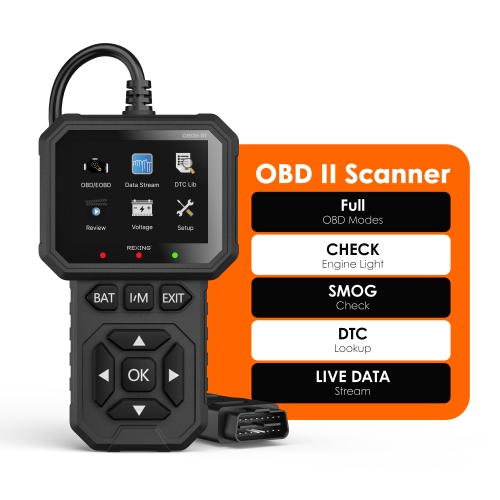 Your price for this item is $119.99
 -
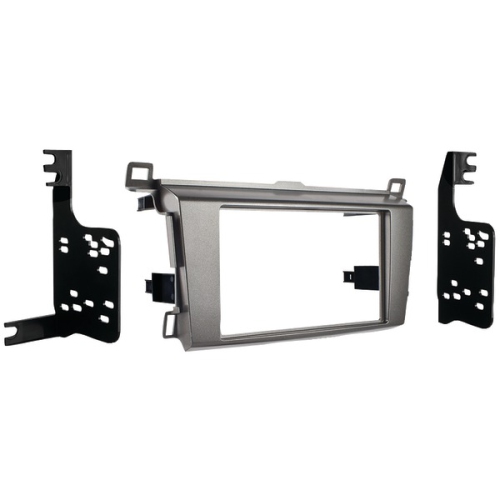 Your price for this item is $78.93
 -
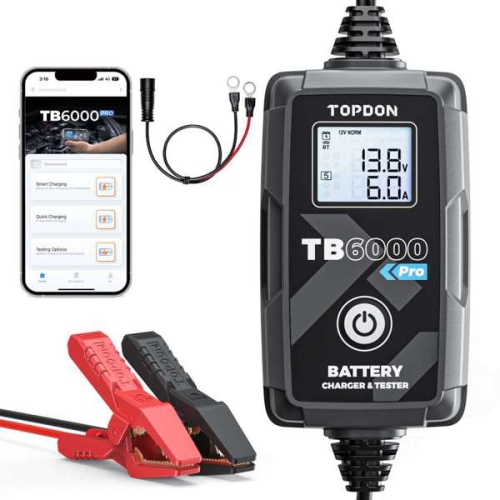 Your price for this item is $144.95
 -
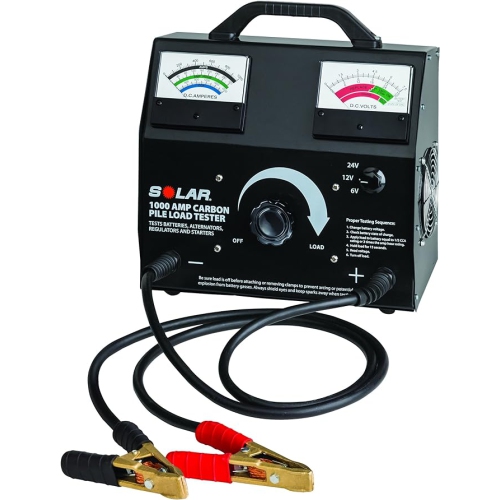 Your price for this item is $413.95
 -
 Your price for this item is $259.95
 -
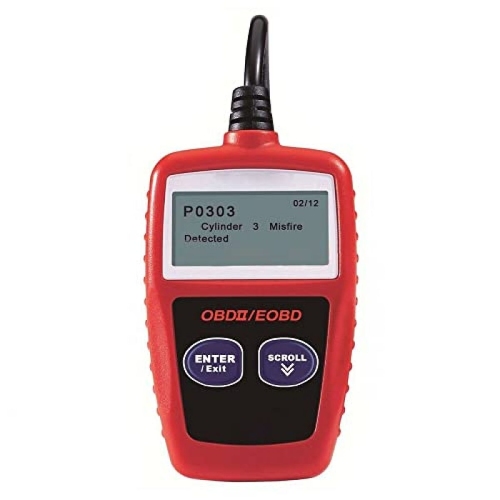 Your price for this item is $26.38
 -
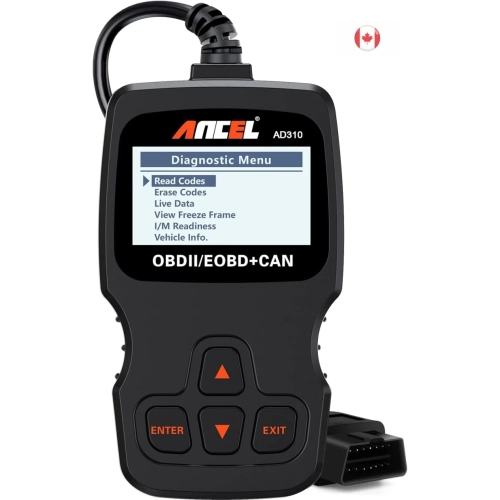 Your price for this item is $59.99
 -
 Your price for this item is $52.99
Discover more categories related to Automotive Battery Testers
Top Collections:
Pokemon Centers, Kindle Devices, Best Budget Office Chairs, Canon G7X Cameras, Apple iPhones 16, Samsung Galaxy Phones, Refurbished Apple Laptops, Laptops for Students, iPhone 15 Apple, Budget Smartphones
Some products may be subject to Environmental Handling Fees
(EHF) depending on your province.
Learn more about EHFs.