OBD II Code Readers
Our OBD II code readers are designed to connect to your vehicle's onboard computer system, providing you with real-time diagnostic information and allowing you to identify any potential problems quickly and accurately. Whether you're a professional mechanic or a DIY enthusiast, our range of OBD II code readers offers a variety of features and functionalities to suit your needs. From basic code reading capabilities to advanced scanning and data logging, these tools are essential for anyone looking to stay on top of their vehicle's health.
Sort
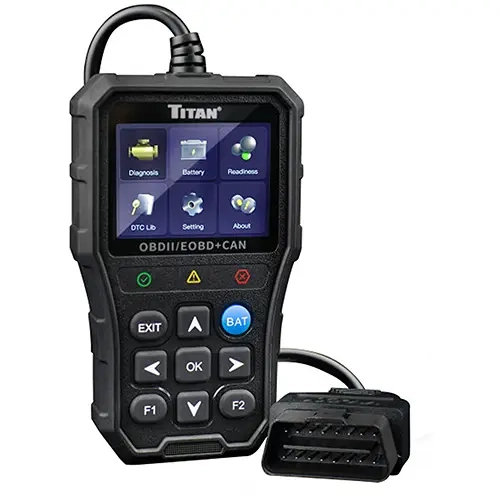
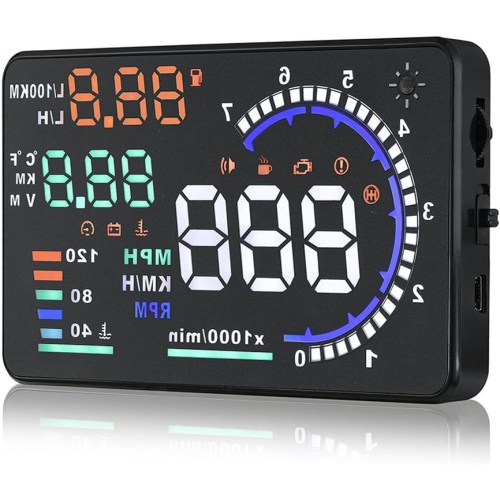
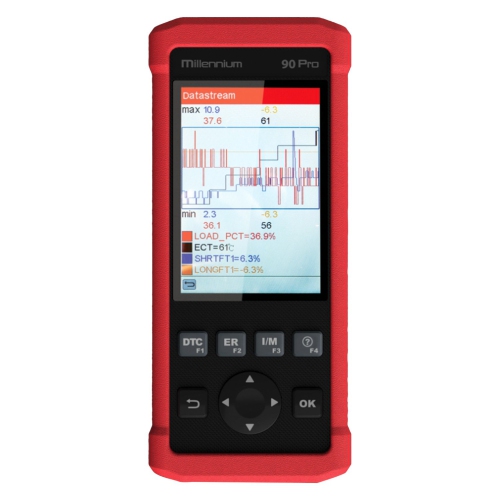
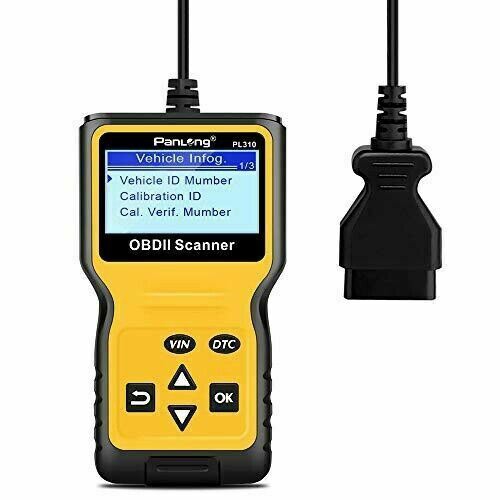
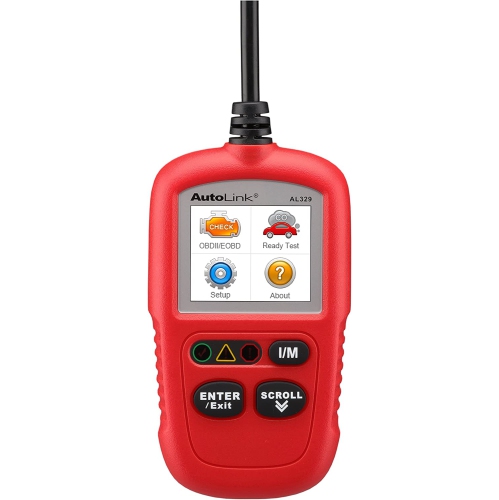



What diagnostic codes can reveal before booking service
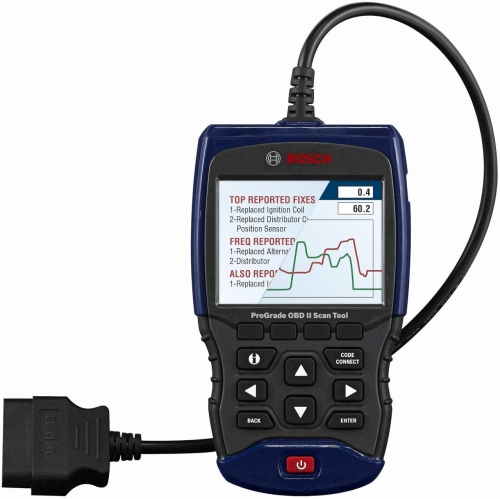
OBD II code readers are compact diagnostic tools designed to communicate with a vehicle’s onboard computer. In most compatible cars and light trucks, the OBD-II port is a 16-pin connector located beneath the driver’s side dashboard, often close to the steering column. After the reader is connected, turning the ignition to the “on” position without starting the engine typically provides power and allows the tool to scan for stored diagnostic trouble codes. These codes can help explain why the Check Engine light has appeared, whether it is related to an emissions system, an engine sensor, or another monitored powertrain function. A code reader may display the code itself, a short description, or both, giving drivers a useful starting point before they book service or inspect the vehicle. It is important to remember that a code identifies a detected fault or system condition rather than guaranteeing the exact failed part. For example, a sensor-related code may result from a wiring issue, a vacuum leak, a loose connection, or a problem elsewhere in the same system. A code reader is therefore best used as an information tool that supports sensible troubleshooting, not as a replacement for qualified mechanical diagnosis. Basic models are often suited to reading generic engine and emissions codes, while more advanced automotive diagnostic scanners may offer enhanced vehicle coverage, live sensor data, freeze-frame information, graphing, code definitions, and additional system checks. Browse [Automotive Diagnostic Scanners] for options that may provide broader diagnostic functionality.
When choosing an OBD II code reader, start with the vehicle’s make, model, year, and the type of information you want to access. Compatibility can vary, particularly when a reader is expected to communicate with systems beyond the standard engine and emissions controls. A straightforward unit with a built-in screen can be convenient for occasional checks in the driveway, at a campsite, or in a parking area, since it does not depend on a phone, wireless connection, or a separate app. A Bluetooth or Wi-Fi-enabled reader can be a good fit for drivers who prefer viewing information on a mobile device, saving scan results, or monitoring selected data while working through a problem. Consider the display size, button layout, cable length, menu language, code-definition support, update process, and whether the reader retains vehicle information between uses. Live data can show readings from systems such as engine temperature, oxygen sensors, airflow, and vehicle speed, helping a knowledgeable user observe how readings change while the vehicle is running. Freeze-frame data can capture conditions recorded when a fault was detected, such as engine speed, temperature, or load. These features are especially useful when a warning light appears intermittently and disappears before the vehicle reaches a repair shop. Some readers can clear stored codes after a repair, but clearing a code does not fix the underlying fault and may remove valuable information for a technician. It can also reset emissions readiness monitors, which may affect the timing of a vehicle inspection. Before clearing anything, record the displayed codes and note when the warning appeared, how the vehicle was behaving, and whether the light was steady or flashing. A flashing Check Engine light may indicate a more serious condition; in that situation, reducing driving and seeking professional advice is wiser than repeatedly erasing the warning.
These tools can be useful for a wide range of drivers, from someone maintaining an older commuter vehicle to a hands-on owner who enjoys understanding what happens beneath the bonnet. They can help narrow down whether a warning deserves immediate attention, provide context when discussing repairs, and make routine vehicle ownership feel less mysterious. A parent may keep one in the glove compartment for a newly licensed driver, while a frequent road-tripper may appreciate having a compact reader available before setting out during the cooler months. They can also make practical gifts for automotive enthusiasts, do-it-yourself mechanics, students learning vehicle systems, and anyone preparing to purchase a used car. During a private vehicle inspection, a reader may reveal stored or pending codes, but it should be used alongside a visual inspection, service history, road test, and professional assessment. Sellers or buyers should also be aware that recently cleared codes can leave readiness monitors incomplete, so a clean display alone is not proof that a vehicle has no issues. For everyday use, keep the reader’s instructions nearby, switch the ignition off before disconnecting it unless the manual says otherwise, and avoid placing cables where they could interfere with the pedals. Store scan results with the date, mileage, and symptoms for a clearer record over time. Whether the goal is to understand a new dashboard warning, check a repair after service, or learn more about a vehicle’s operating data, the right OBD II code reader can provide clear, accessible information and help drivers approach automotive maintenance with greater confidence.
When choosing an OBD II code reader, start with the vehicle’s make, model, year, and the type of information you want to access. Compatibility can vary, particularly when a reader is expected to communicate with systems beyond the standard engine and emissions controls. A straightforward unit with a built-in screen can be convenient for occasional checks in the driveway, at a campsite, or in a parking area, since it does not depend on a phone, wireless connection, or a separate app. A Bluetooth or Wi-Fi-enabled reader can be a good fit for drivers who prefer viewing information on a mobile device, saving scan results, or monitoring selected data while working through a problem. Consider the display size, button layout, cable length, menu language, code-definition support, update process, and whether the reader retains vehicle information between uses. Live data can show readings from systems such as engine temperature, oxygen sensors, airflow, and vehicle speed, helping a knowledgeable user observe how readings change while the vehicle is running. Freeze-frame data can capture conditions recorded when a fault was detected, such as engine speed, temperature, or load. These features are especially useful when a warning light appears intermittently and disappears before the vehicle reaches a repair shop. Some readers can clear stored codes after a repair, but clearing a code does not fix the underlying fault and may remove valuable information for a technician. It can also reset emissions readiness monitors, which may affect the timing of a vehicle inspection. Before clearing anything, record the displayed codes and note when the warning appeared, how the vehicle was behaving, and whether the light was steady or flashing. A flashing Check Engine light may indicate a more serious condition; in that situation, reducing driving and seeking professional advice is wiser than repeatedly erasing the warning.
These tools can be useful for a wide range of drivers, from someone maintaining an older commuter vehicle to a hands-on owner who enjoys understanding what happens beneath the bonnet. They can help narrow down whether a warning deserves immediate attention, provide context when discussing repairs, and make routine vehicle ownership feel less mysterious. A parent may keep one in the glove compartment for a newly licensed driver, while a frequent road-tripper may appreciate having a compact reader available before setting out during the cooler months. They can also make practical gifts for automotive enthusiasts, do-it-yourself mechanics, students learning vehicle systems, and anyone preparing to purchase a used car. During a private vehicle inspection, a reader may reveal stored or pending codes, but it should be used alongside a visual inspection, service history, road test, and professional assessment. Sellers or buyers should also be aware that recently cleared codes can leave readiness monitors incomplete, so a clean display alone is not proof that a vehicle has no issues. For everyday use, keep the reader’s instructions nearby, switch the ignition off before disconnecting it unless the manual says otherwise, and avoid placing cables where they could interfere with the pedals. Store scan results with the date, mileage, and symptoms for a clearer record over time. Whether the goal is to understand a new dashboard warning, check a repair after service, or learn more about a vehicle’s operating data, the right OBD II code reader can provide clear, accessible information and help drivers approach automotive maintenance with greater confidence.
Top selling and popular products
-
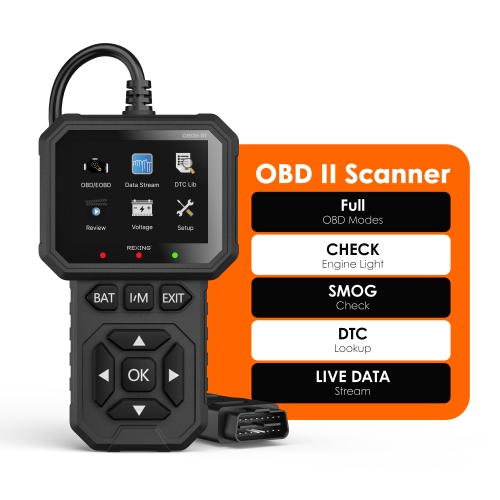 Your price for this item is $59.99
 -
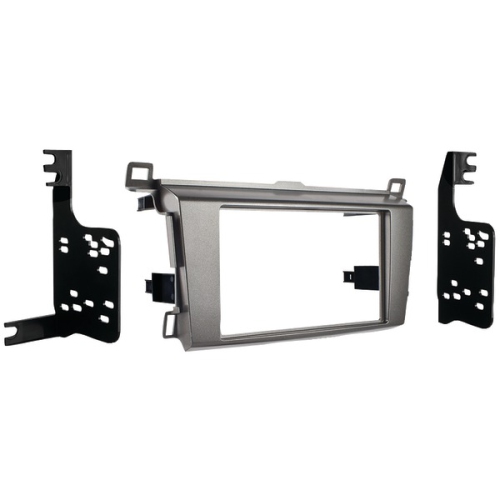 Your price for this item is $78.93
 -
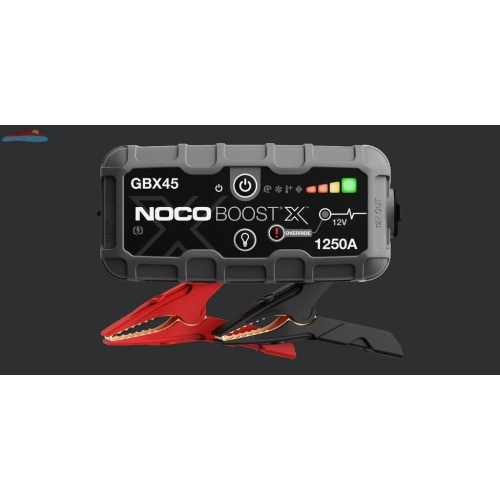 Your price for this item is $185.95
 -
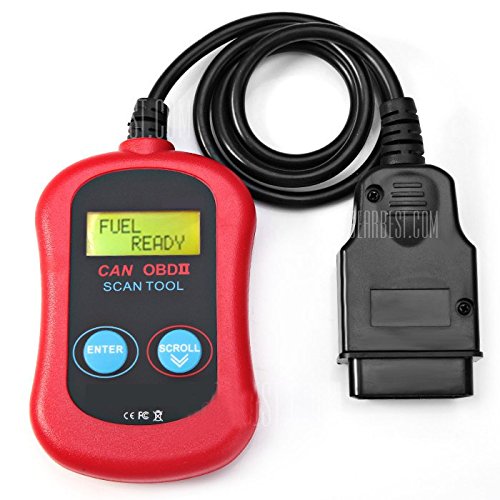 Your price for this item is $16.99
 -
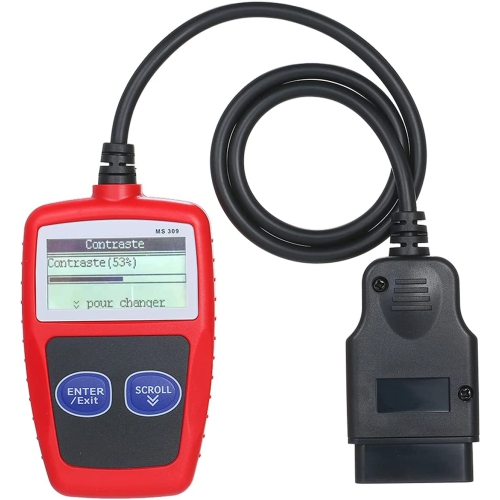 Your price for this item is $14.99
 -
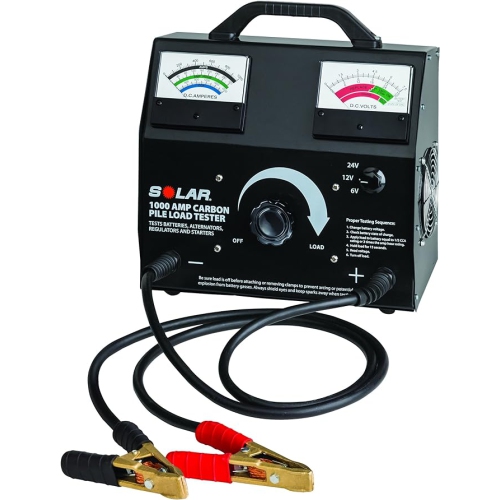 Your price for this item is $413.95
 -
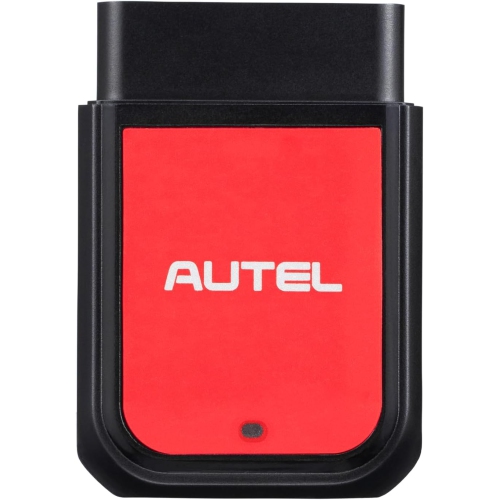 Your price for this item is $52.99
 -
 Your price for this item is $269.99
Discover more categories related to OBD II Code Readers
Top Collections:
Pokemon Centers, Kindle Devices, Best Cell Phones Under $500, Alarm Clock, Canon G7X Cameras, iPhone 15 Apple, Laptops for Students, Budget Smartphones, iPhone 14 256GB, Best Camera Tripods Under $100
Some products may be subject to Environmental Handling Fees
(EHF) depending on your province.
Learn more about EHFs.