Backup Cameras for Campers
Enhance your camping experience with our selection of backup cameras for campers. Ensure safety and convenience while navigating through campsites or reversing into tight spots with ease. Our range of backup cameras offers high-quality video resolution, wide viewing angles, and easy installation to provide you with peace of mind on your outdoor adventures. Upgrade your camper today with a reliable backup camera system that will make maneuvering a breeze.
Sort
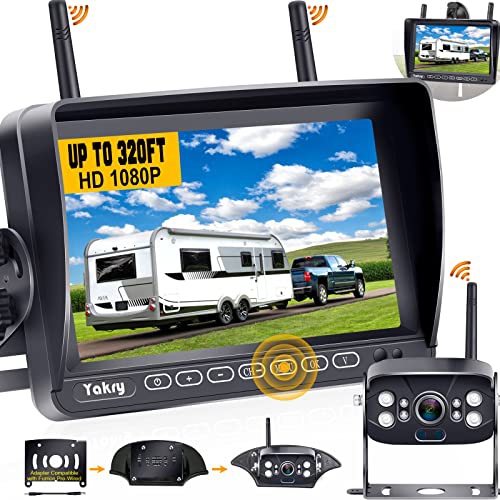
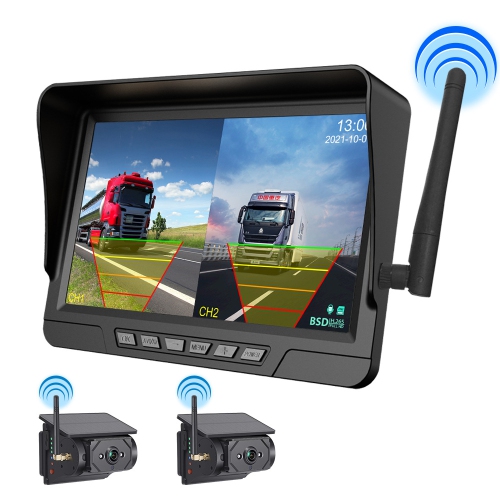
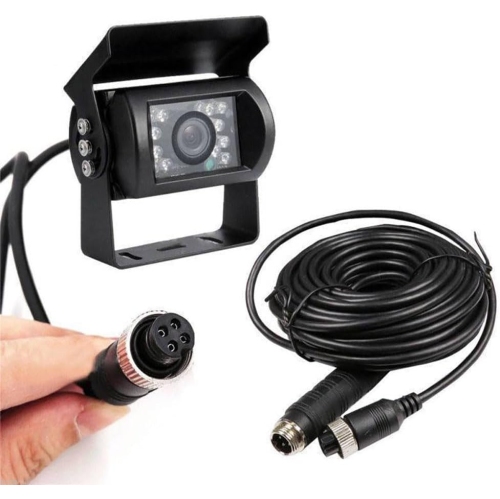
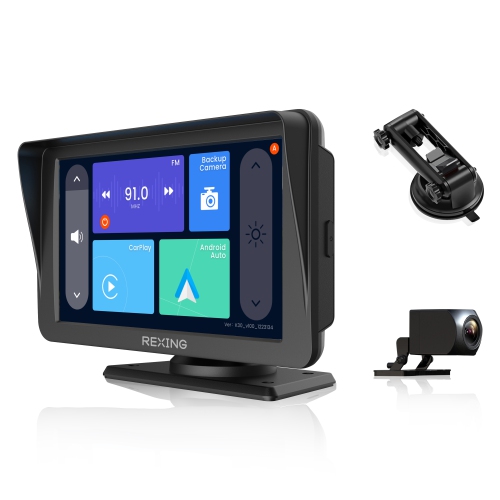
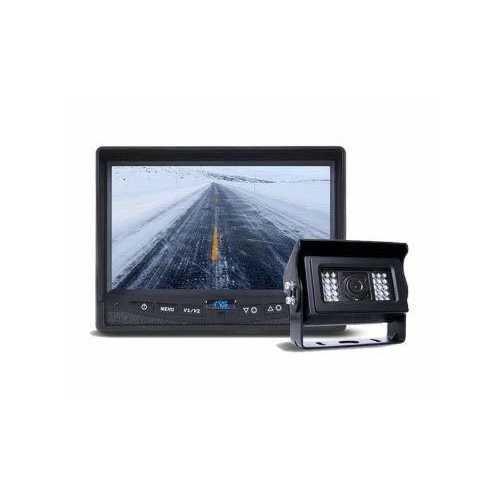
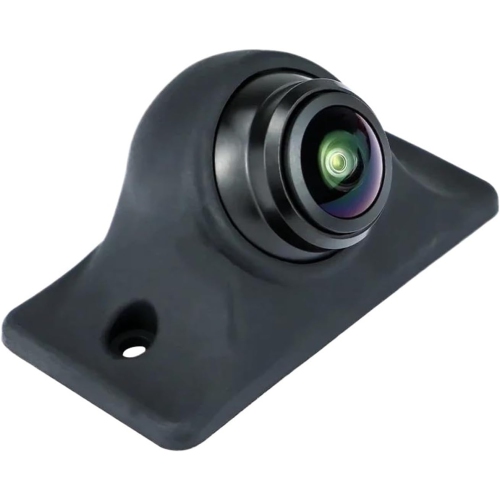
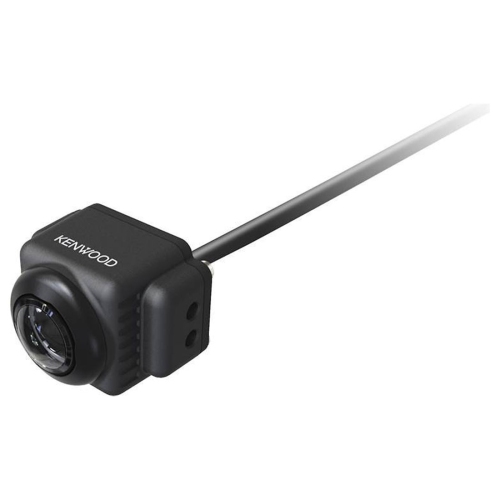
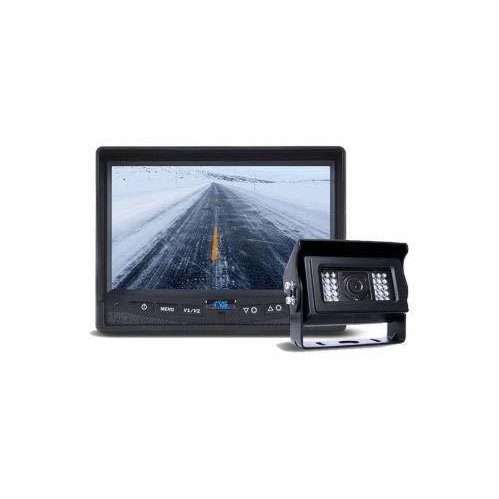
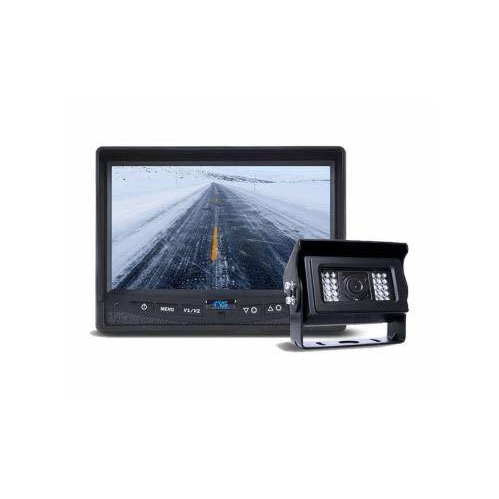

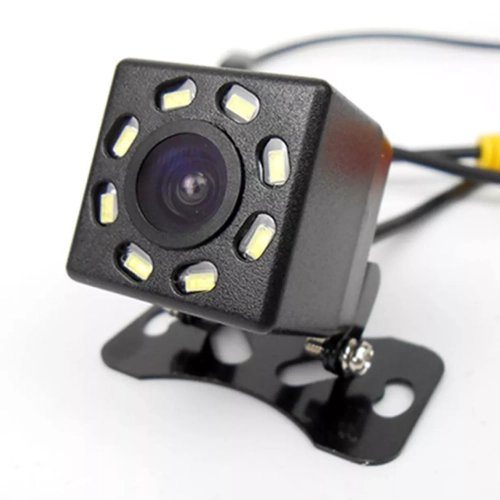
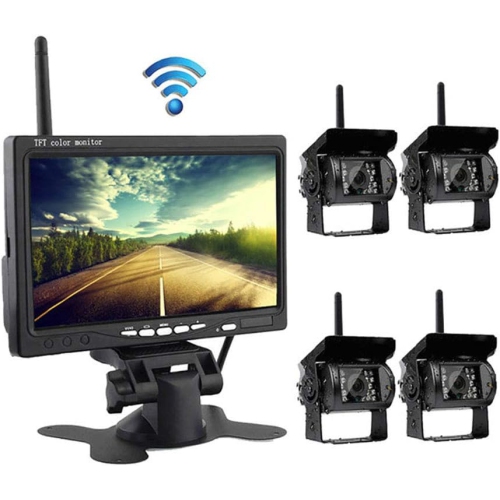
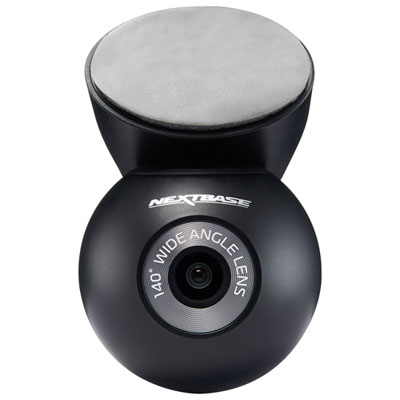
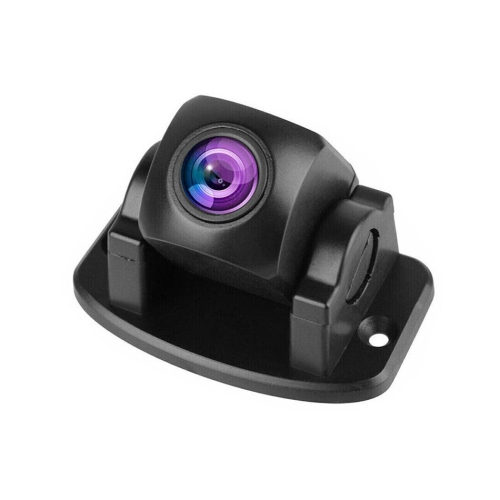
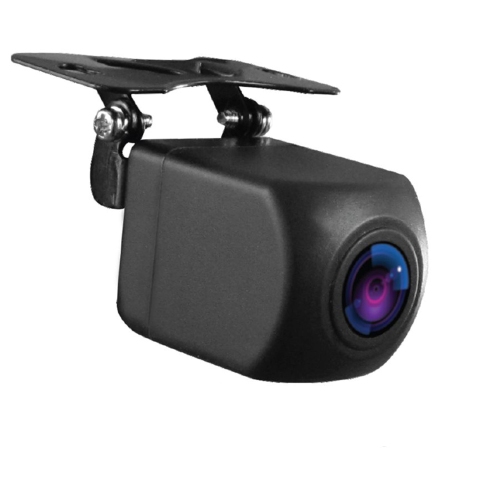
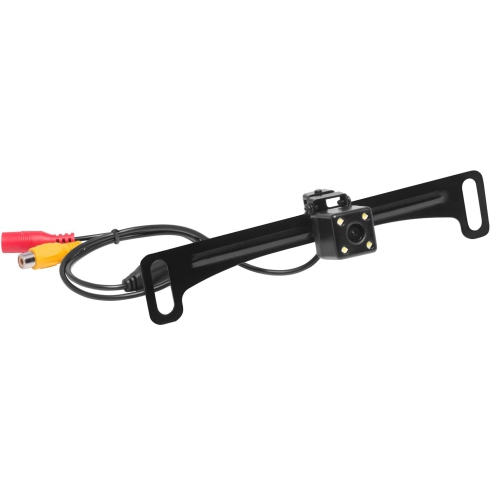
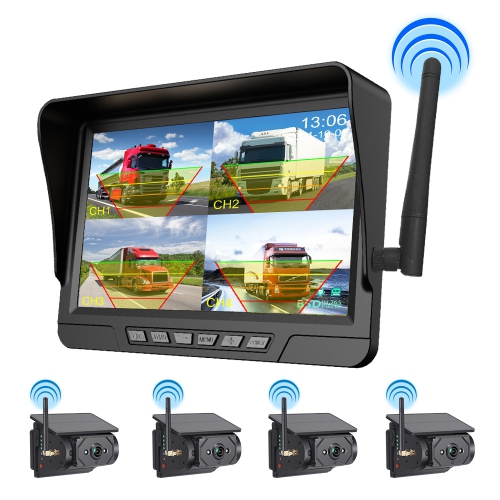
Clearer views make towing and campsite manoeuvres more manageable
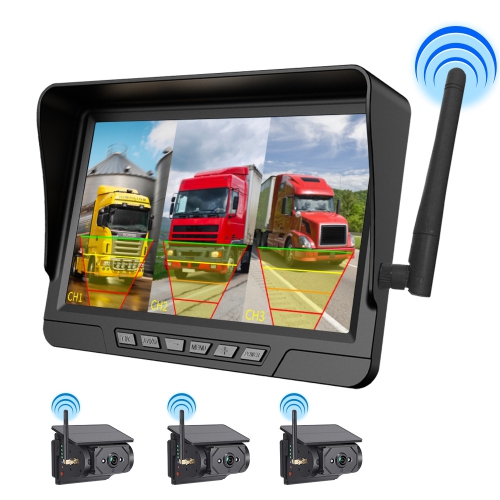
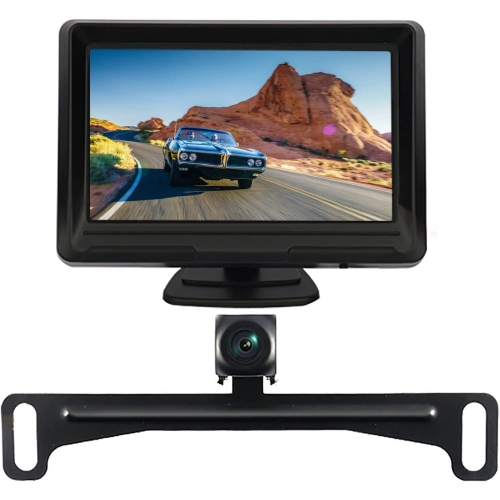
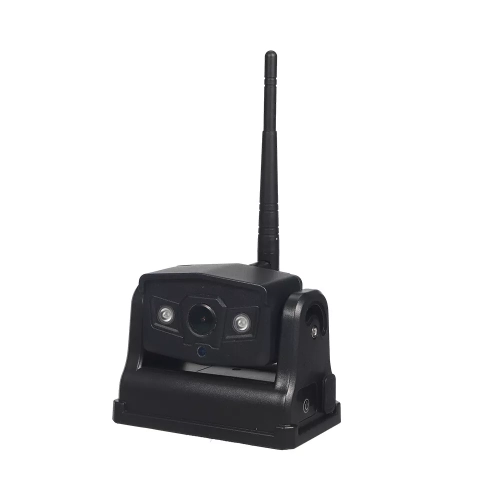
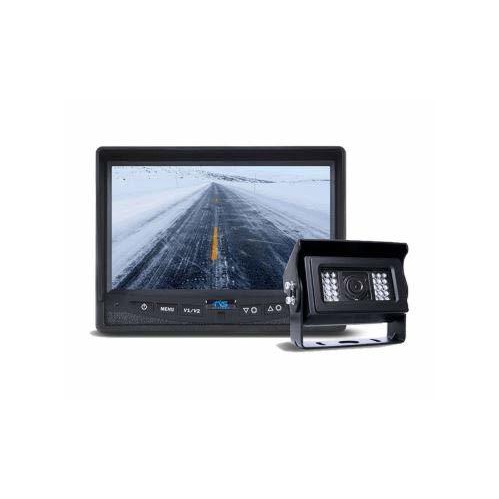
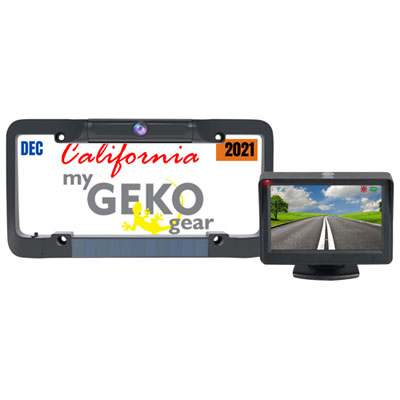
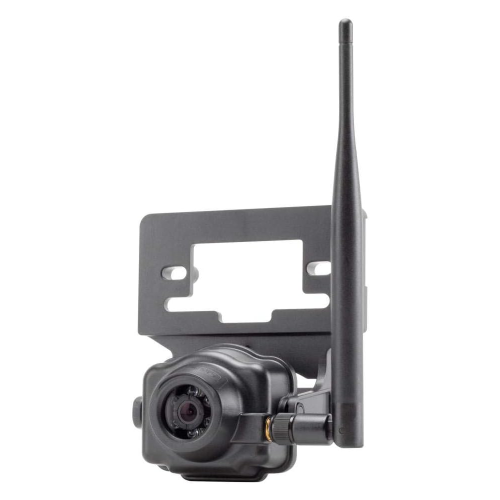
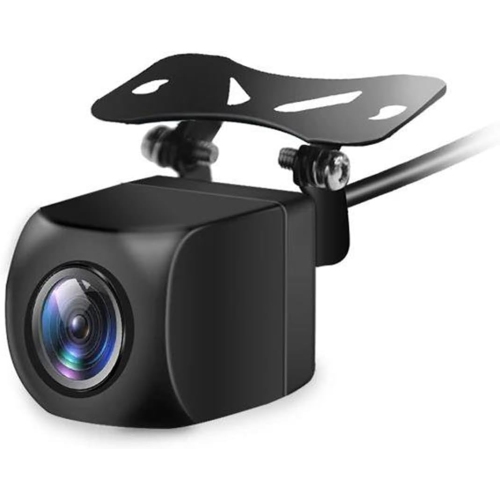
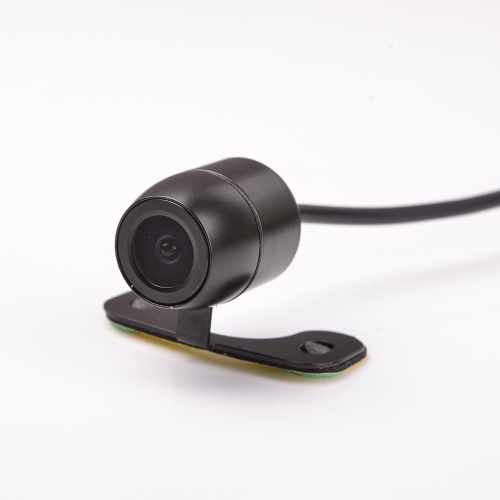
Backup cameras for campers can make towing, reversing, and settling into a campsite feel much more manageable. A camper often extends well beyond the rear window, creating a large blind area that is difficult to judge from the driver’s seat alone. A rear camera gives you a clearer view of the hitch area, nearby vehicles, picnic tables, trees, posts, and other obstacles while you manoeuvre. It can also serve as a rear-observation camera while driving, helping you keep an eye on traffic behind a trailer without relying solely on side mirrors. This added visibility is especially helpful on busy highways, at fuel stations, and on narrow roads where a quick glance at a screen can provide useful information about the space behind your rig. Drivers who are new to towing may appreciate the extra confidence, while experienced campers can benefit from a more convenient view when positioning a trailer at a site. These systems can also make a thoughtful gift for someone preparing for road trips, upgrading a recreational vehicle, or spending more time at campgrounds during the warmer and cooler travel seasons. When choosing a camera, start by considering the length and layout of the camper, the distance between the rear camera and the display, and whether the vehicle is already equipped with a compatible screen or pre-wired mounting point. A short trailer may work well with a basic setup, while a longer fifth wheel or travel trailer can require stronger wireless range, a more powerful transmitter, or a wired connection for dependable performance. Shoppers looking for a simpler installation may want to compare Wireless Backup Cameras for Trailers, particularly when running a video cable through the full length of a camper would be inconvenient. Wireless systems generally avoid extensive interior disassembly and can be a practical choice for do-it-yourself installation, but range and signal reliability should remain key considerations. Walls, metal framing, other electronics, and the overall length of the trailer can affect the picture, so checking the stated transmission distance and installation requirements is important.
Wired backup cameras are often selected when a stable, low-latency video feed is the priority. They may take more time to install because the cable has to be routed safely from the rear of the camper to the cab or dashboard, and some installations are best handled by a qualified technician. The reward is a consistent connection that is less likely to be affected by interference, which can be useful for larger campers or frequent long-distance towing. Wireless models can offer a quicker setup, especially when the tow vehicle and camper are regularly changed, while solar-powered options may suit campers where drilling or connecting to the trailer’s electrical system is not desirable. These cameras typically use a rechargeable battery and a solar panel, so placement matters: the panel needs a reasonably open view of the sky, and the camera should remain accessible for inspection and charging when the camper is stored. Pre-wired campers can provide another convenient route. Some trailers include a factory-installed mount and wiring near the rear wall, allowing a compatible camera to connect with fewer installation steps. Confirming the type of pre-wiring, connector, mounting pattern, and display compatibility before purchasing can prevent delays at the campsite. A camera’s image quality also depends on more than its advertised resolution. Look for a wide viewing angle that shows the area directly behind the camper without excessive distortion, infrared or low-light visibility for dusk and nighttime manoeuvres, and a display that remains easy to read in bright daylight. Split-screen viewing can be useful with multi-camera arrangements that cover the rear and sides, particularly when changing lanes or monitoring blind spots on a wide trailer. A larger screen may be easier to interpret at a glance, while a compact display can leave more room on a crowded dashboard. Features such as adjustable guidelines, image flipping, audio, recording, and automatic activation in reverse may also be helpful, depending on how the system will be used.
Campers are exposed to road spray, dust, mud, temperature changes, and heavy rain, so weather resistance should be treated as an essential specification rather than an optional extra. Look for a durable camera housing and a clearly stated water-resistance rating; an IP rating such as IP69K indicates a high level of protection against water and dust, though the mounting surface, cable connections, and installation quality still matter. The lens should be positioned where it can be cleaned easily, since road grime or salt residue can quickly soften the image during a long drive. Before heading out, check that the camera is firmly mounted, the wiring is secured away from sharp edges and moving parts, and the display remains powered when the tow vehicle and camper are connected. Test the view in daylight and low light, then practise reversing in an open area to learn how the guidelines correspond to the actual trailer path. A camera can show what is behind the camper, but it does not replace properly adjusted side mirrors, careful speed control, or a spotter when visibility is limited. This is particularly important on uneven campsites, where a shallow ditch, low branch, fire ring, or child moving through the area may sit outside the camera’s field of view. During the cooler months, inspect the lens and connections more frequently, as condensation, frost, road salt, and dirty spray can affect visibility. For campers stored between trips, remove or protect components according to the manufacturer’s instructions and confirm that rechargeable batteries are maintained as recommended. With the right combination of connection type, viewing range, night visibility, weather protection, and installation compatibility, a backup camera can make everyday towing feel calmer—from lining up the hitch at home to easing into a quiet campsite with a clear view of the space behind you.
Wired backup cameras are often selected when a stable, low-latency video feed is the priority. They may take more time to install because the cable has to be routed safely from the rear of the camper to the cab or dashboard, and some installations are best handled by a qualified technician. The reward is a consistent connection that is less likely to be affected by interference, which can be useful for larger campers or frequent long-distance towing. Wireless models can offer a quicker setup, especially when the tow vehicle and camper are regularly changed, while solar-powered options may suit campers where drilling or connecting to the trailer’s electrical system is not desirable. These cameras typically use a rechargeable battery and a solar panel, so placement matters: the panel needs a reasonably open view of the sky, and the camera should remain accessible for inspection and charging when the camper is stored. Pre-wired campers can provide another convenient route. Some trailers include a factory-installed mount and wiring near the rear wall, allowing a compatible camera to connect with fewer installation steps. Confirming the type of pre-wiring, connector, mounting pattern, and display compatibility before purchasing can prevent delays at the campsite. A camera’s image quality also depends on more than its advertised resolution. Look for a wide viewing angle that shows the area directly behind the camper without excessive distortion, infrared or low-light visibility for dusk and nighttime manoeuvres, and a display that remains easy to read in bright daylight. Split-screen viewing can be useful with multi-camera arrangements that cover the rear and sides, particularly when changing lanes or monitoring blind spots on a wide trailer. A larger screen may be easier to interpret at a glance, while a compact display can leave more room on a crowded dashboard. Features such as adjustable guidelines, image flipping, audio, recording, and automatic activation in reverse may also be helpful, depending on how the system will be used.
Campers are exposed to road spray, dust, mud, temperature changes, and heavy rain, so weather resistance should be treated as an essential specification rather than an optional extra. Look for a durable camera housing and a clearly stated water-resistance rating; an IP rating such as IP69K indicates a high level of protection against water and dust, though the mounting surface, cable connections, and installation quality still matter. The lens should be positioned where it can be cleaned easily, since road grime or salt residue can quickly soften the image during a long drive. Before heading out, check that the camera is firmly mounted, the wiring is secured away from sharp edges and moving parts, and the display remains powered when the tow vehicle and camper are connected. Test the view in daylight and low light, then practise reversing in an open area to learn how the guidelines correspond to the actual trailer path. A camera can show what is behind the camper, but it does not replace properly adjusted side mirrors, careful speed control, or a spotter when visibility is limited. This is particularly important on uneven campsites, where a shallow ditch, low branch, fire ring, or child moving through the area may sit outside the camera’s field of view. During the cooler months, inspect the lens and connections more frequently, as condensation, frost, road salt, and dirty spray can affect visibility. For campers stored between trips, remove or protect components according to the manufacturer’s instructions and confirm that rechargeable batteries are maintained as recommended. With the right combination of connection type, viewing range, night visibility, weather protection, and installation compatibility, a backup camera can make everyday towing feel calmer—from lining up the hitch at home to easing into a quiet campsite with a clear view of the space behind you.
Top selling and popular products
-
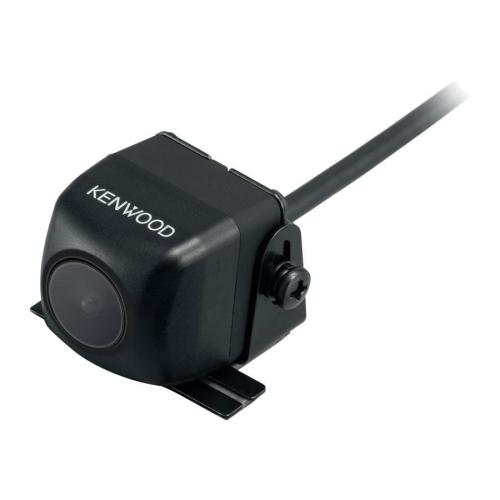 Your price for this item is $199.97
 -
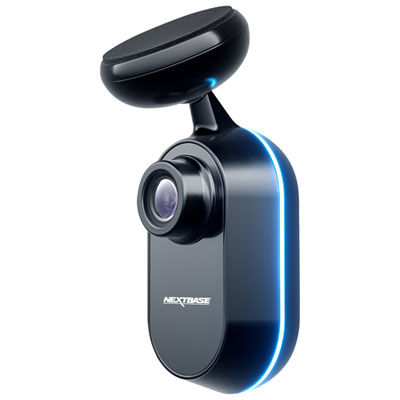 Your price for this item is $249.99
 -
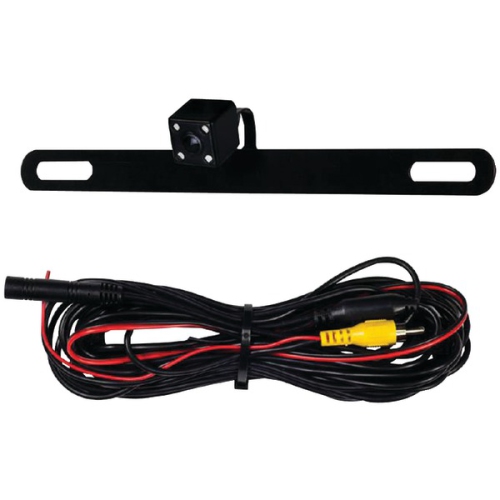 Your price for this item is $118.29
 -
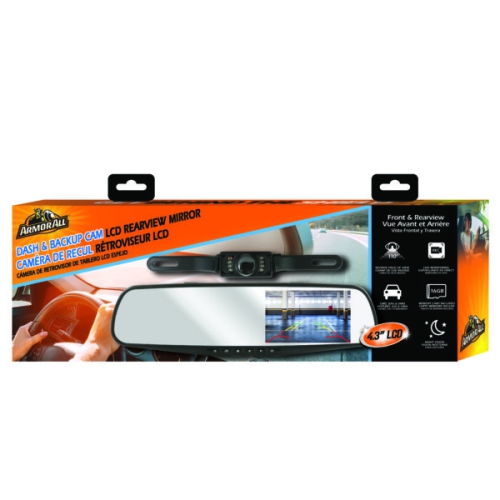 Your price for this item is $70.88
 -
 Your price for this item is $119.89
 -
 Your price for this item is $413.16
 -
 Your price for this item is $3000
 -
 Your price for this item is $298
Discover more categories related to Backup Cameras for Campers

Top Collections:
Pokemon Centers, Kindle Devices, Best Budget Office Chairs, Apple iPhones 16, Best Laptops for Writers, iPhone 15 Apple, Canon G7X Cameras, Refurbished Apple Laptops, Alarm Clock, Motorola Razr Phones
Some products may be subject to Environmental Handling Fees
(EHF) depending on your province.
Learn more about EHFs.