Car Radio Antenna Replacements
Explore our selection of car radio antenna replacements designed to enhance signal strength and clarity while you're on the road. Whether you're dealing with a damaged antenna or simply looking for an upgrade, finding the right replacement can make a significant difference in your listening experience. Upgrade your car's audio system with ease by choosing from our range of high-quality car radio antenna replacements that are compatible with various vehicle makes and models.
Sort












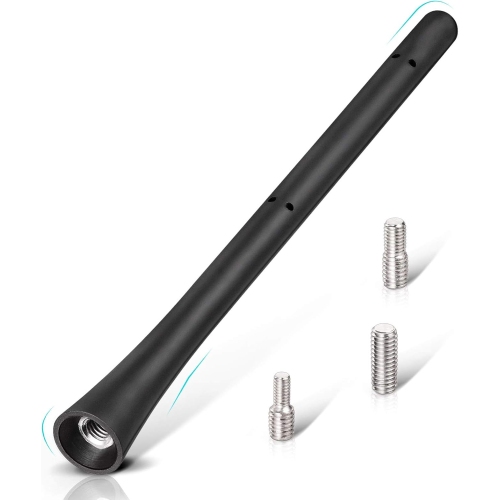

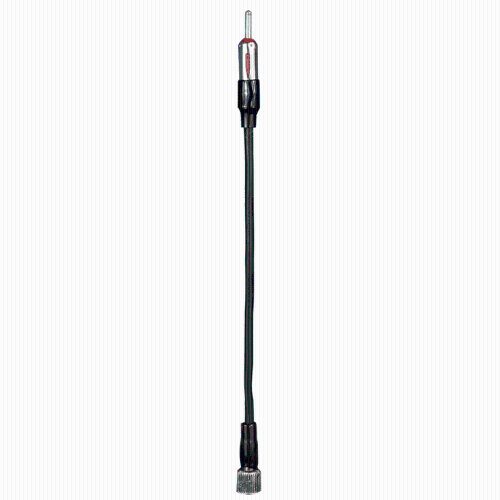
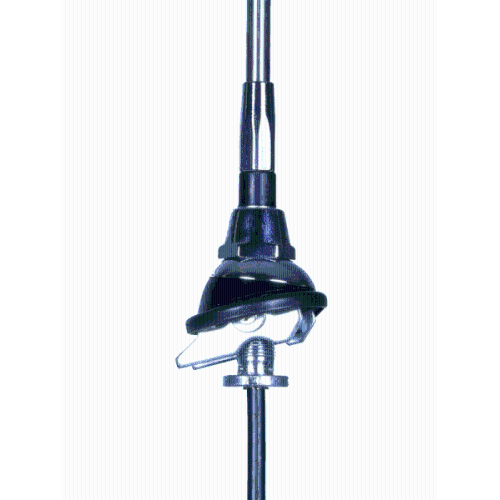

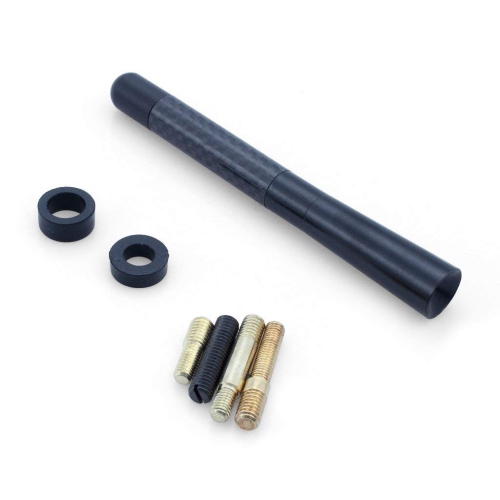





































Why antenna fit matters as much as reception
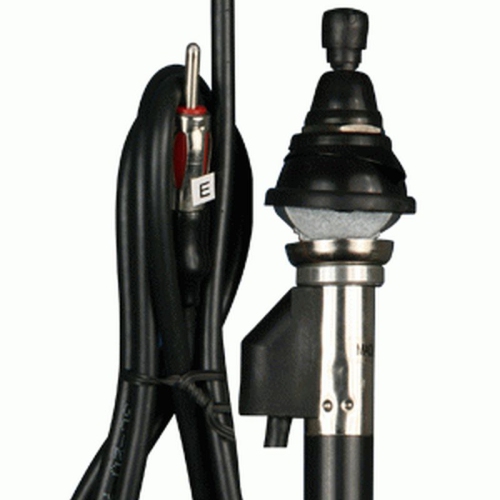
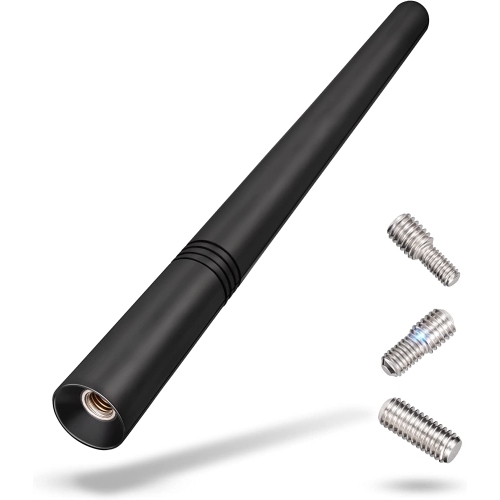
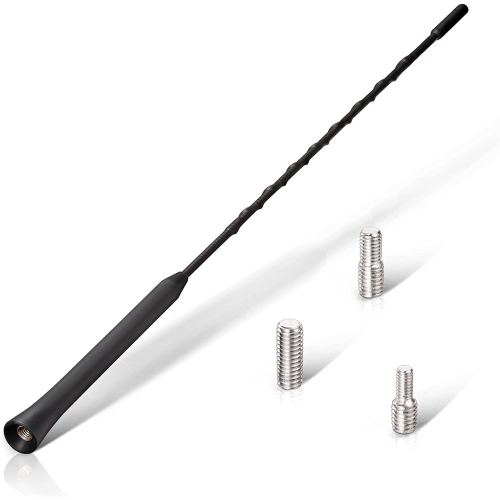
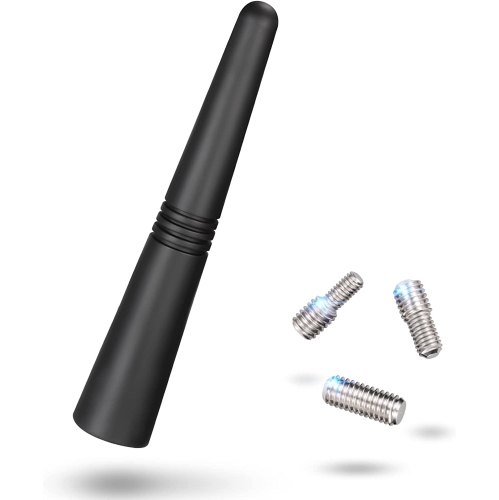
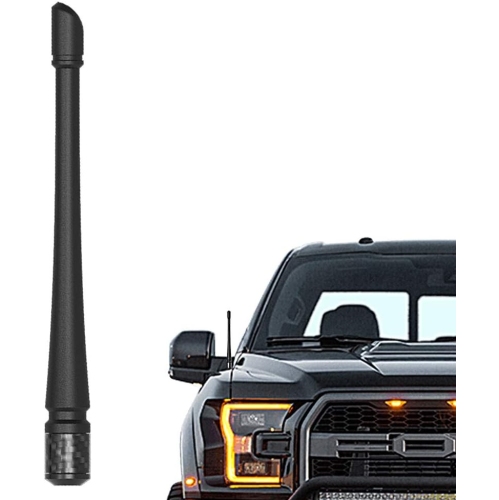
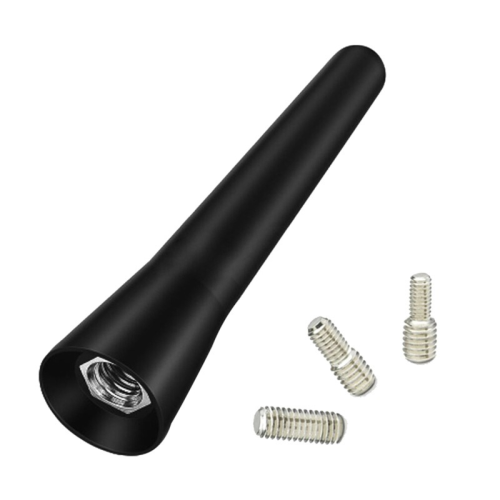
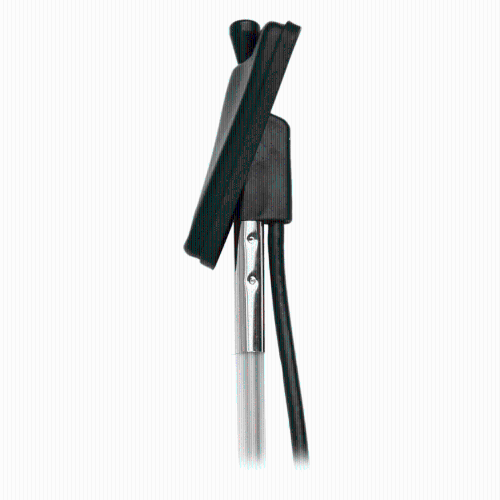
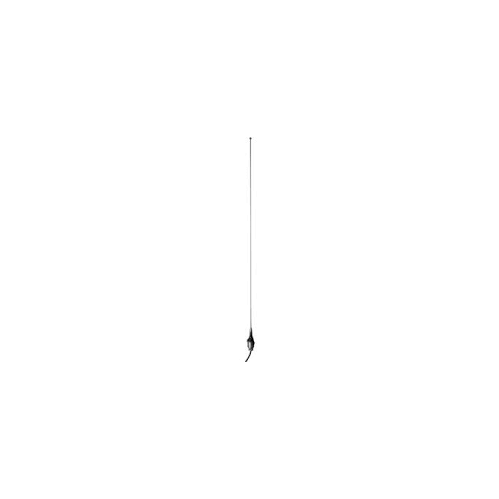
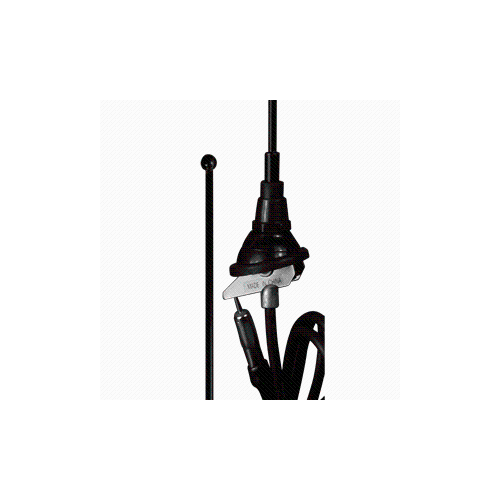
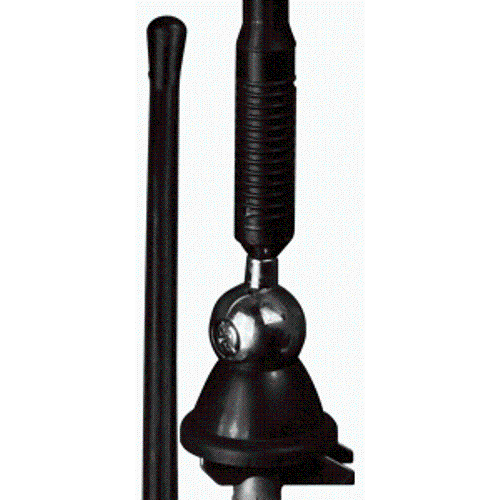
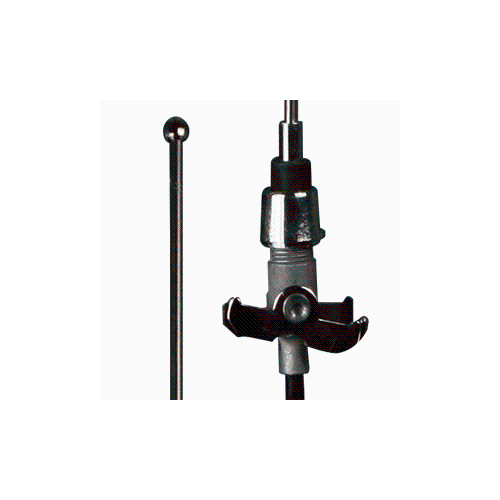
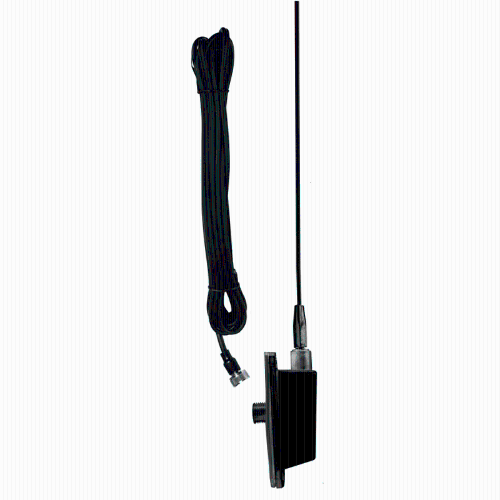
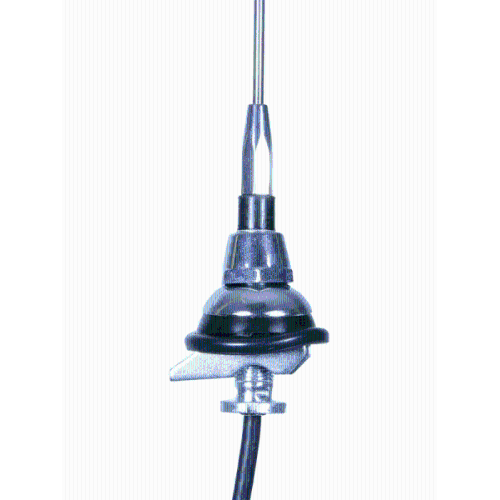
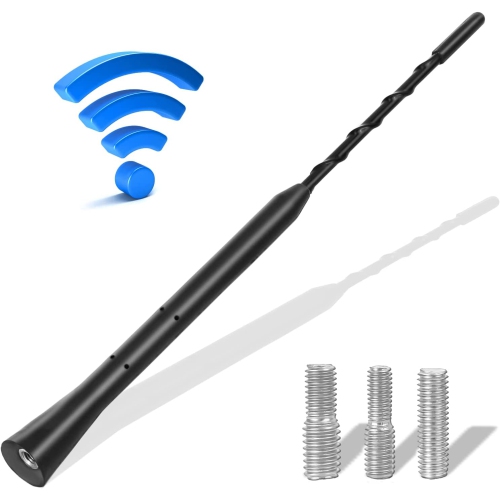
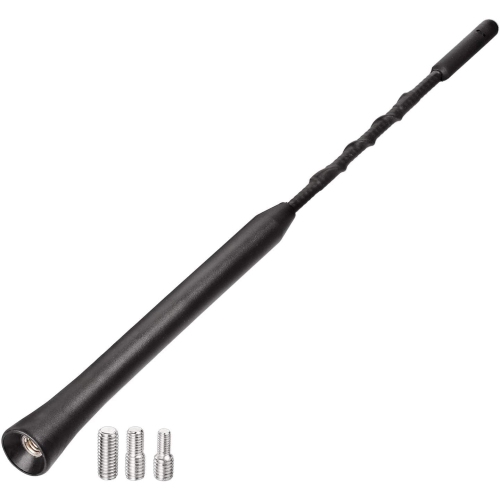
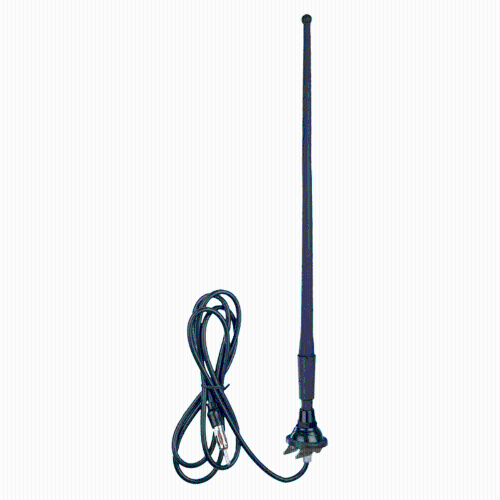
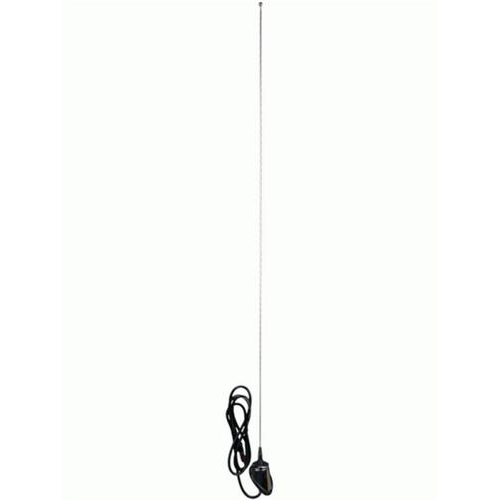
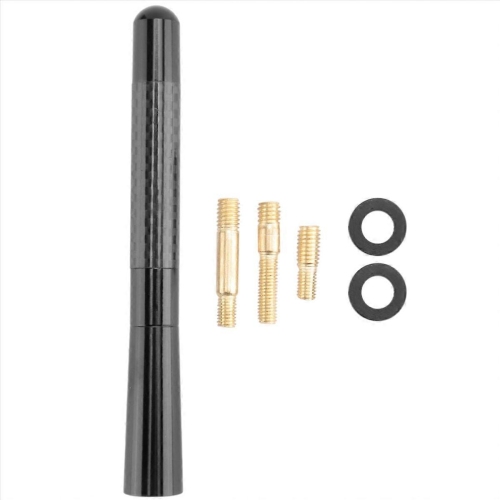
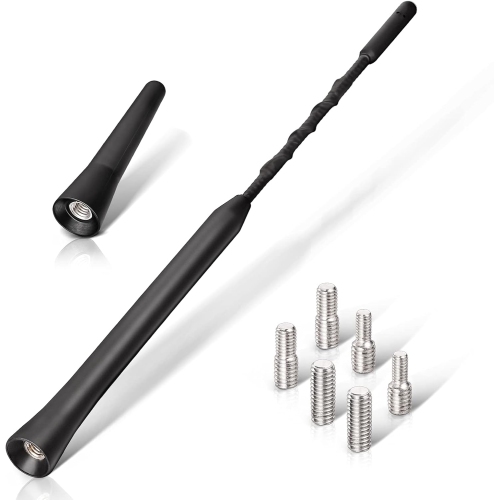
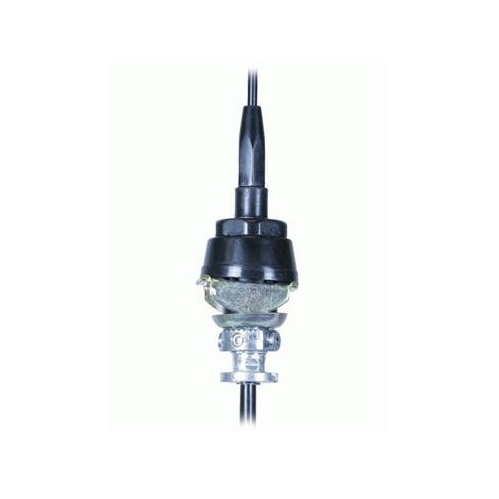
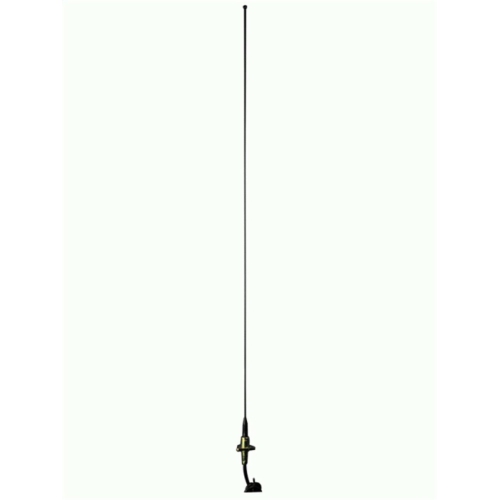
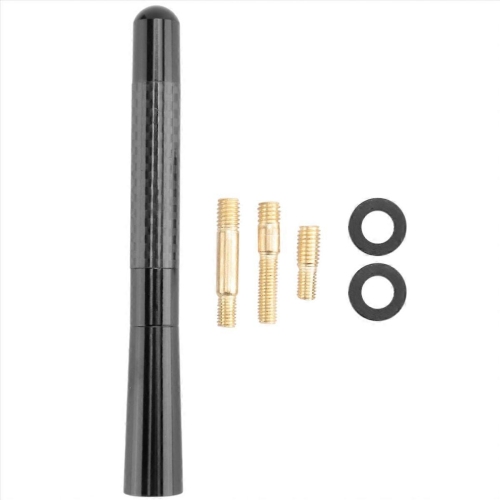
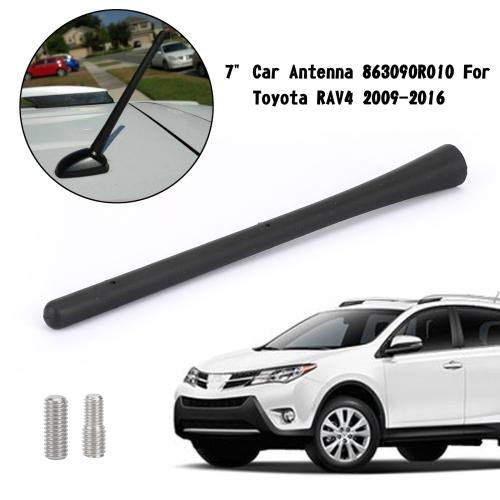
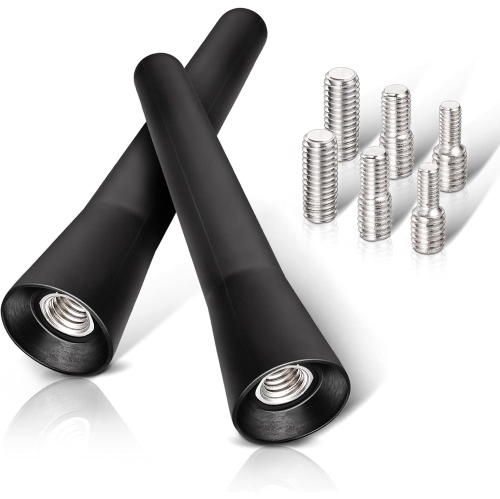
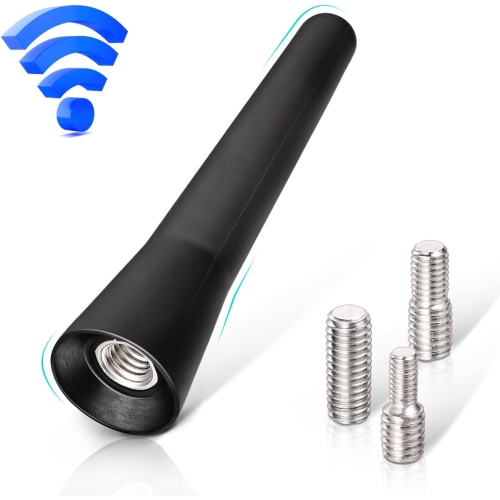
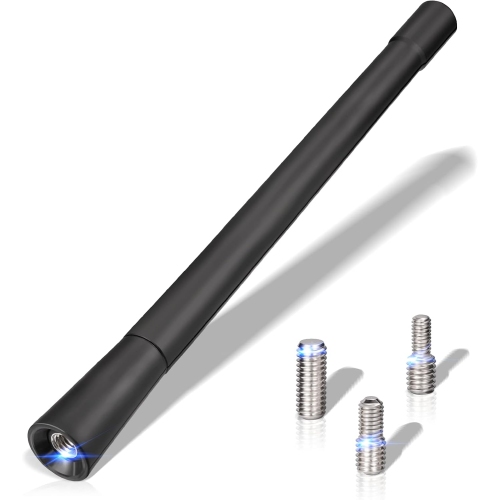
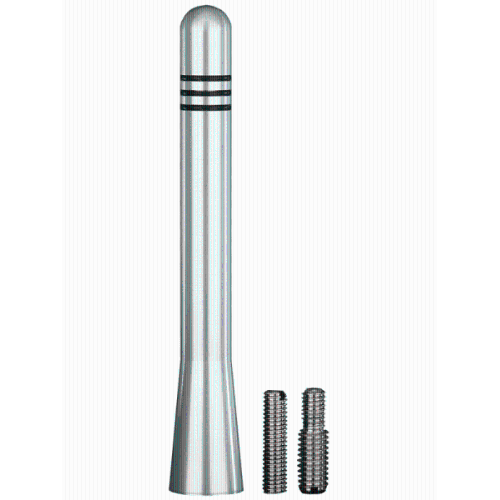
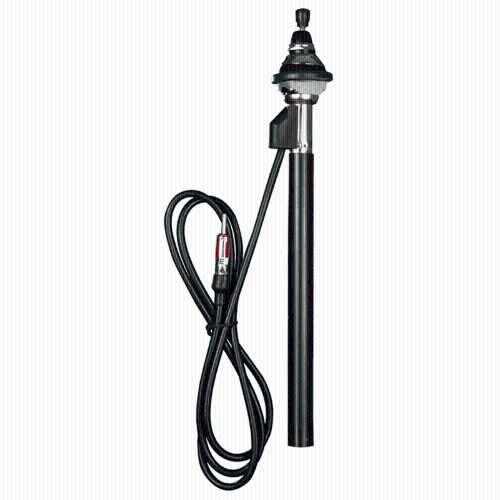
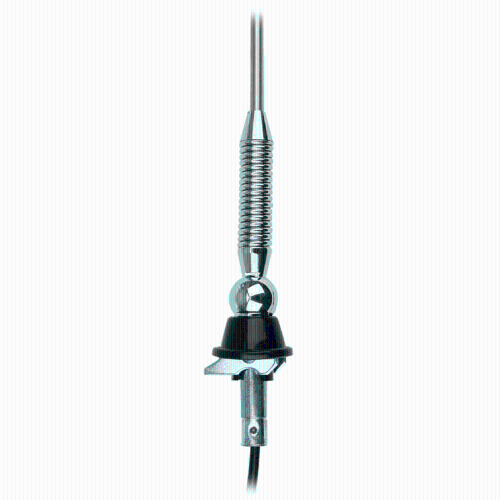
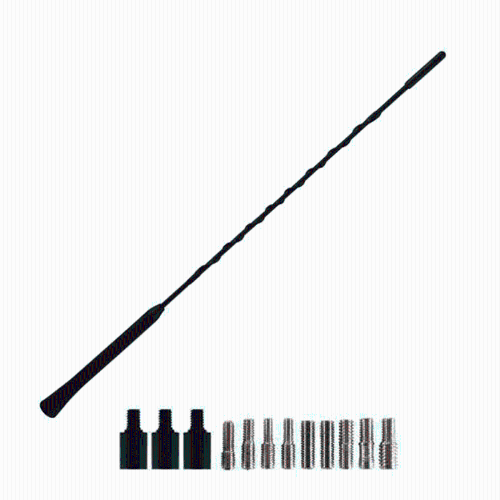
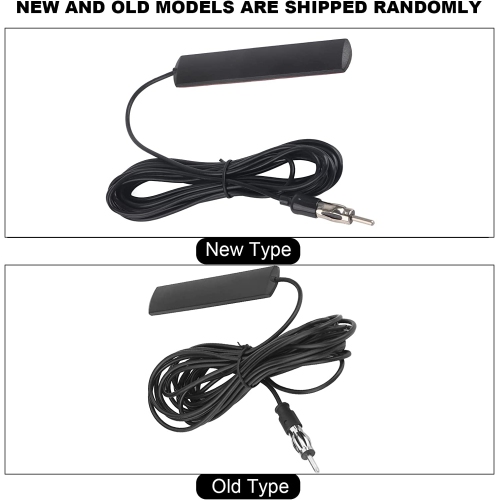
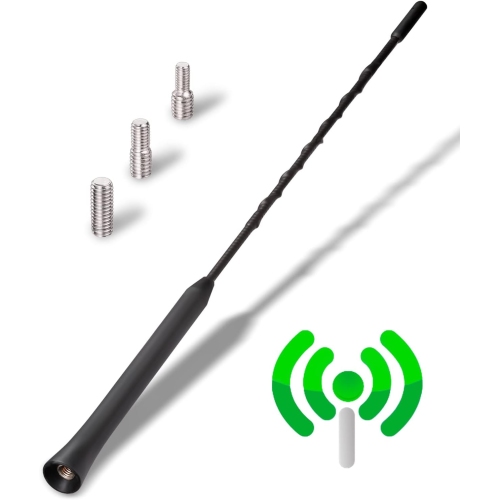
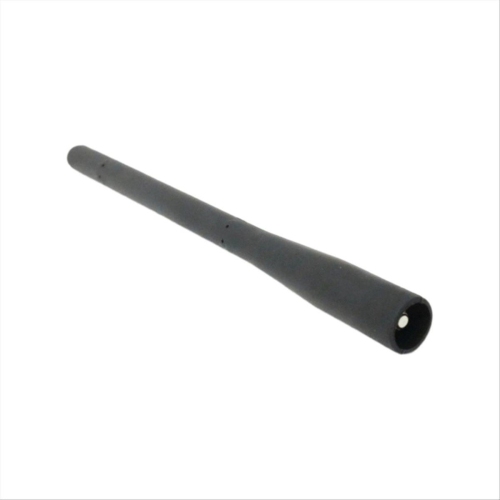
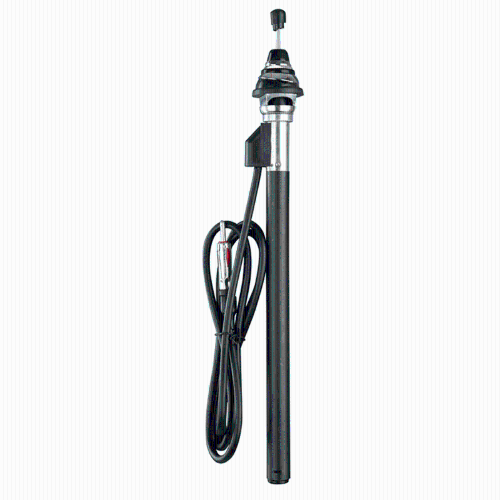
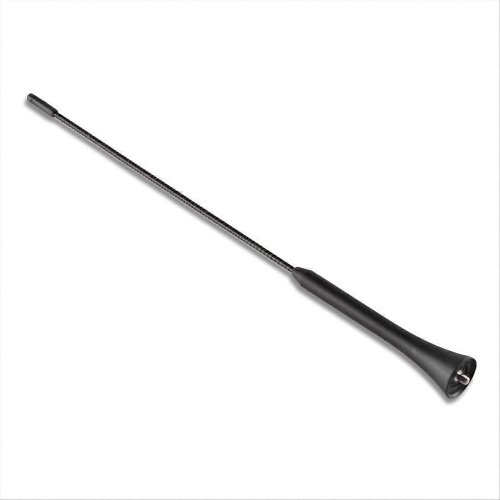
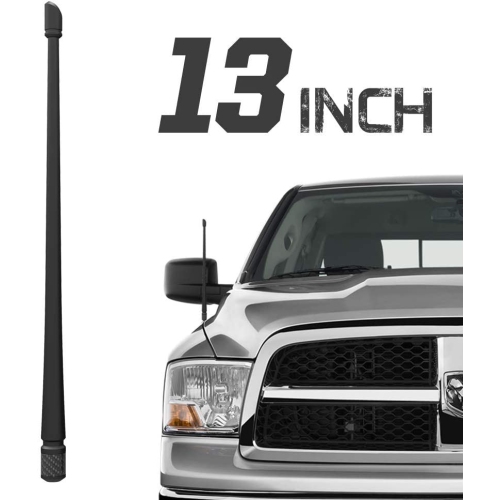
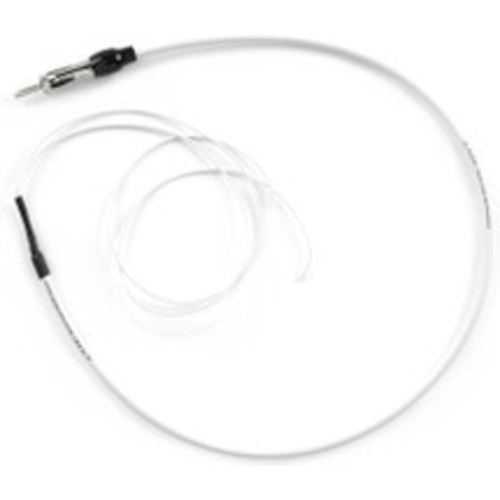
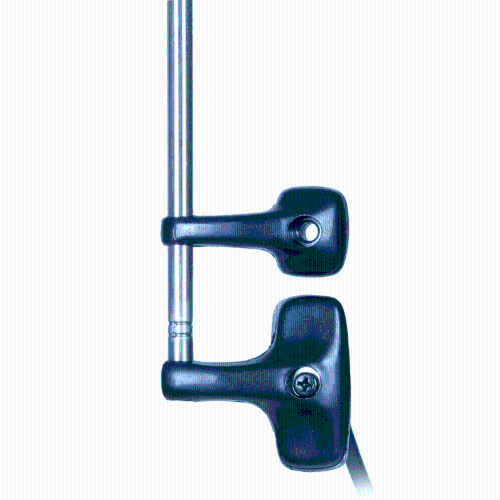
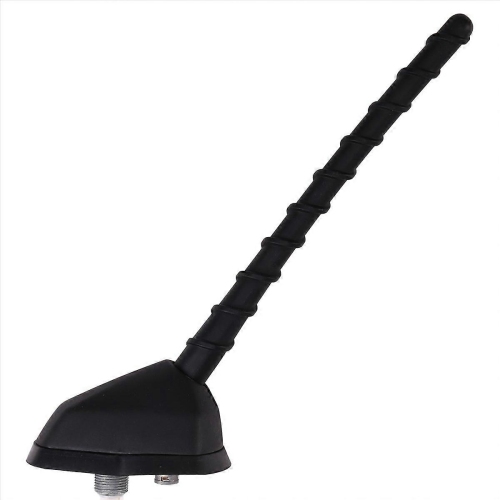
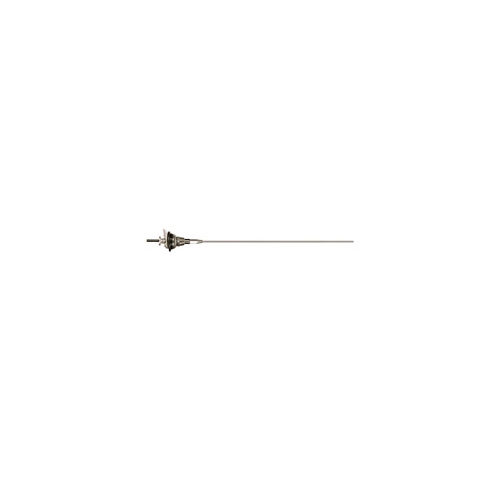
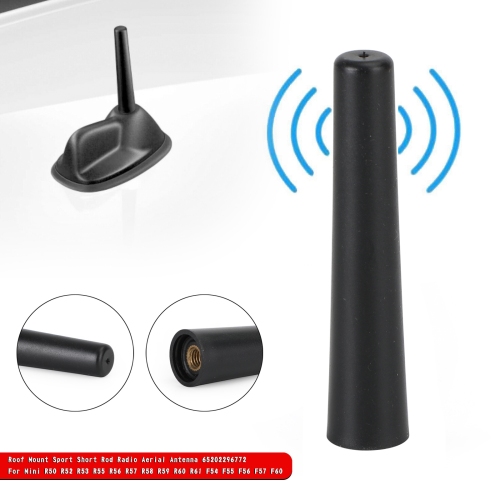
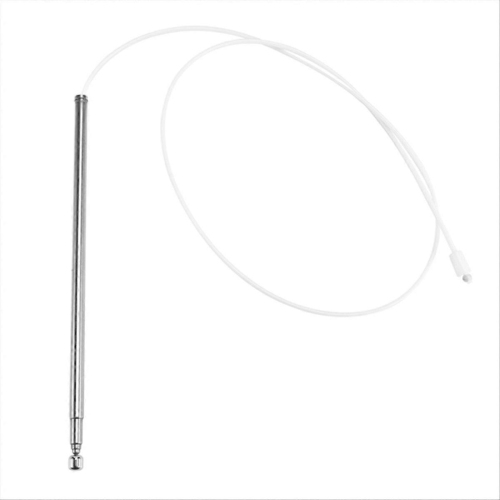
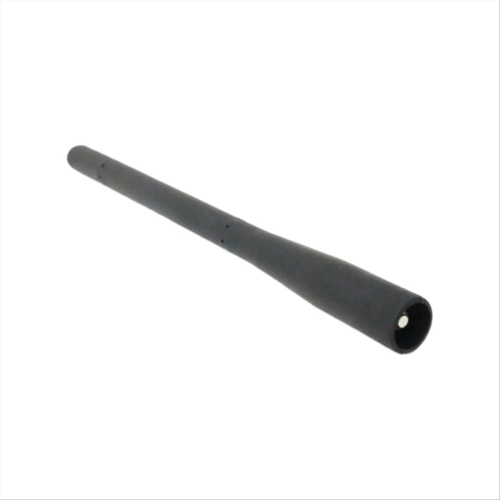
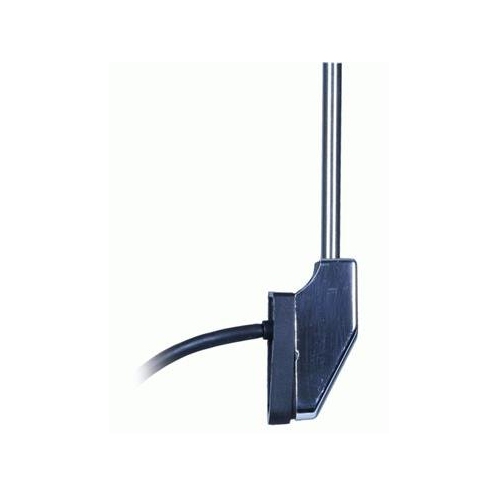
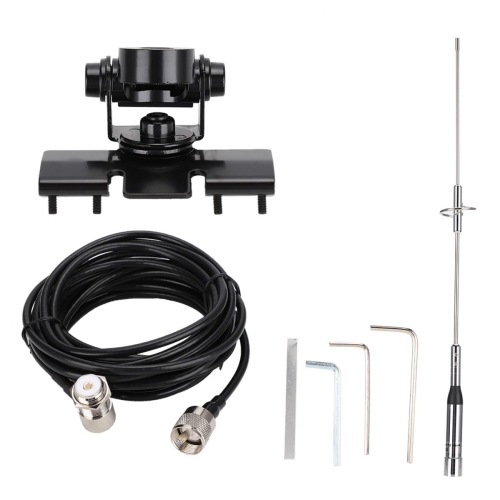
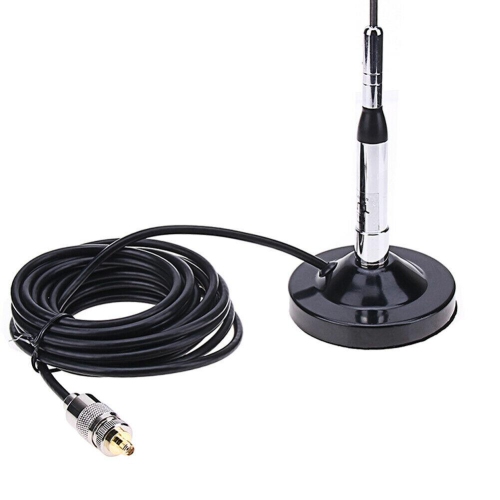
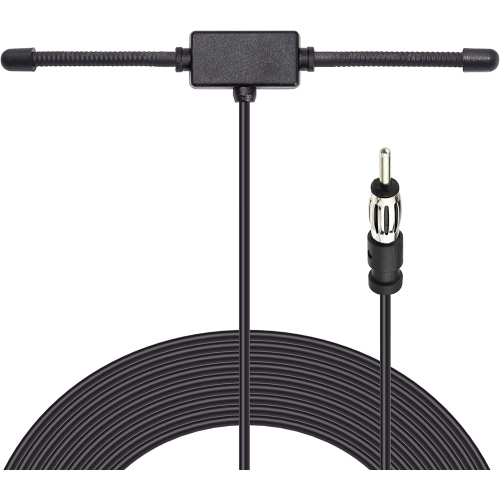
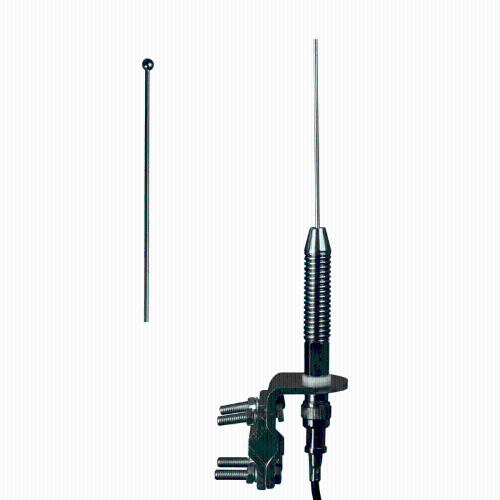
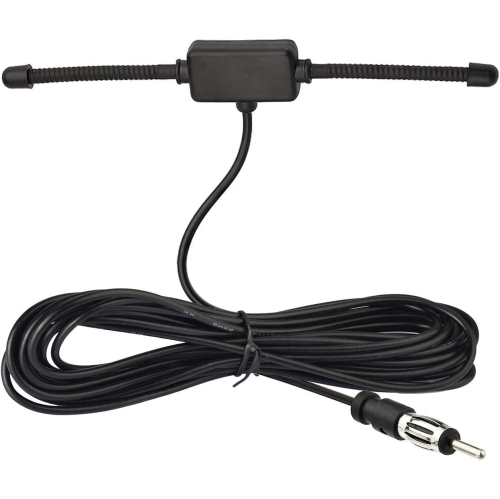
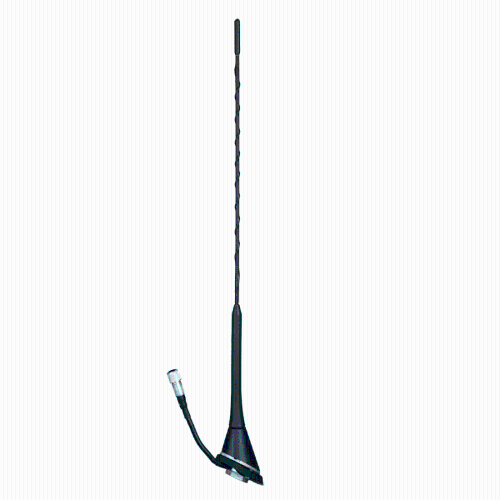
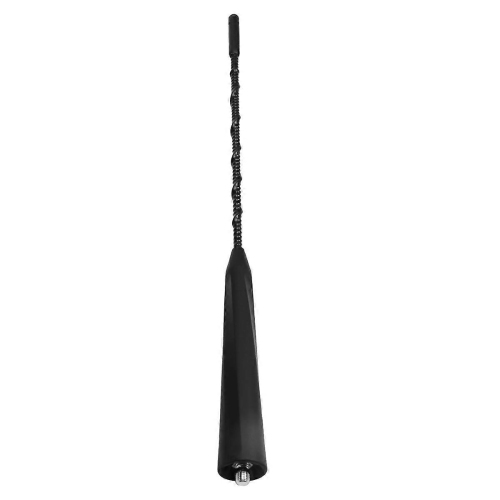
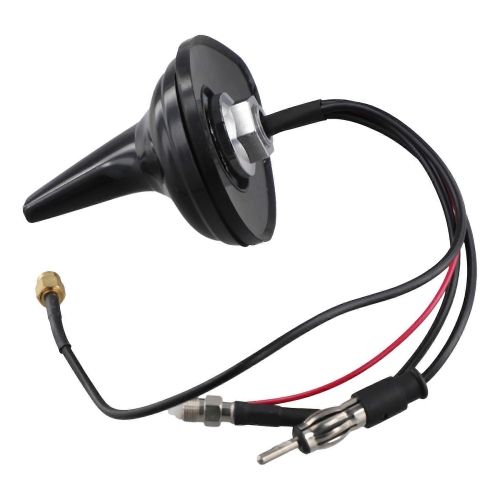
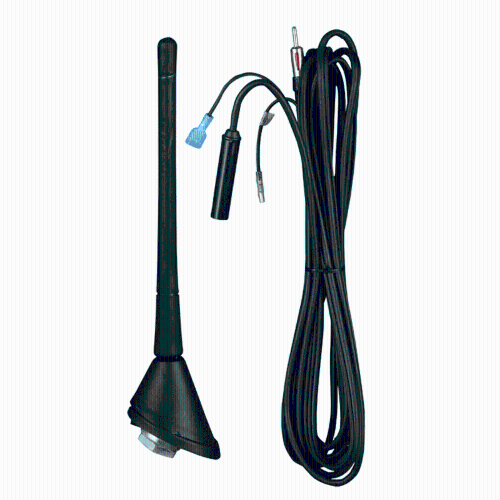
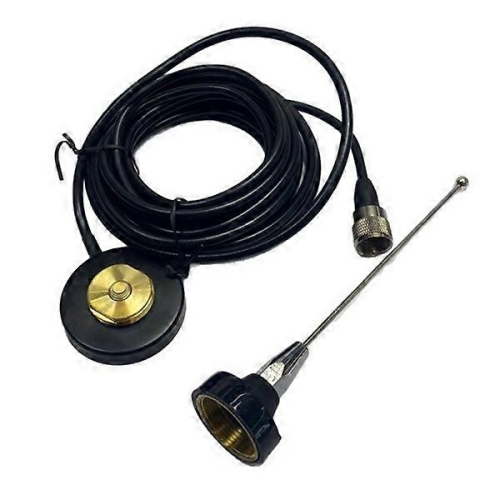
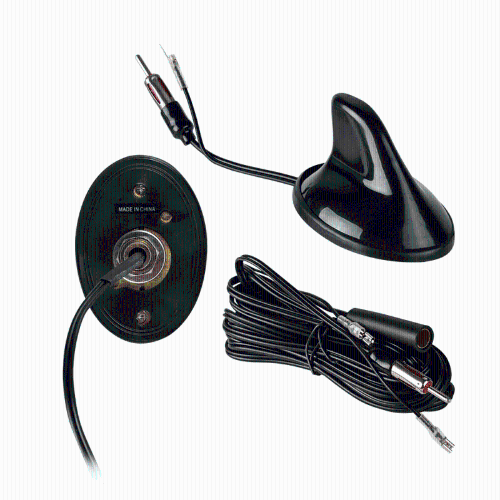
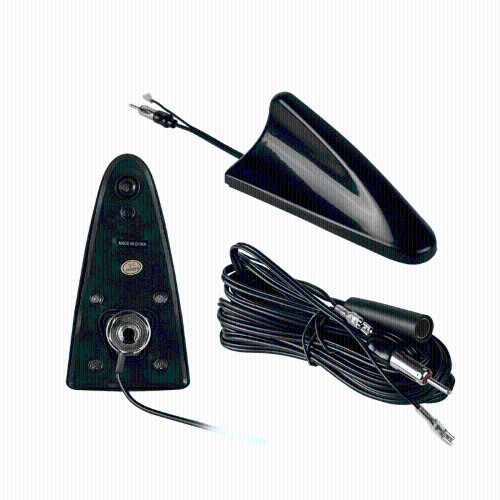
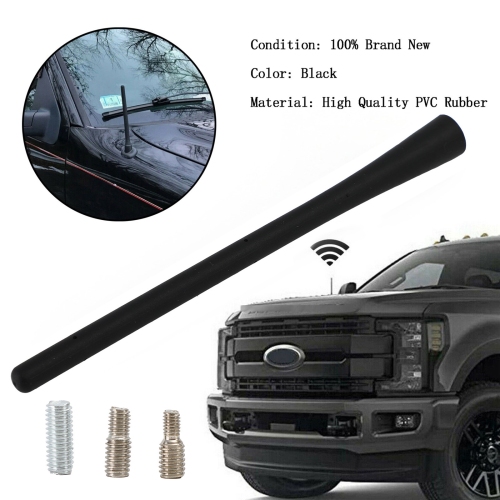
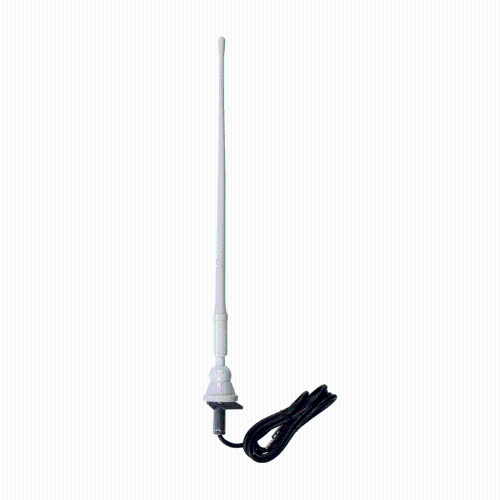
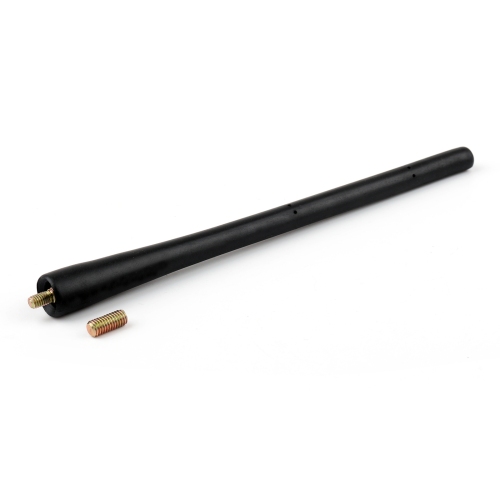
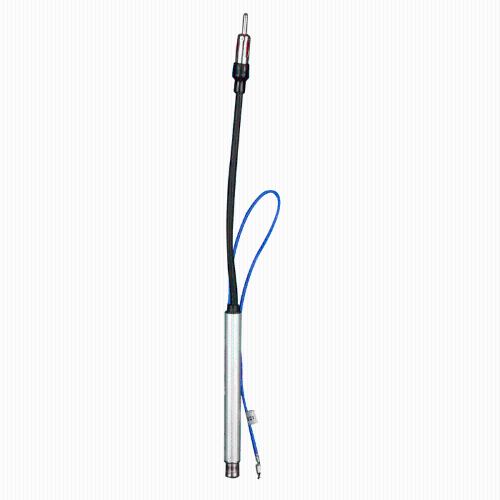
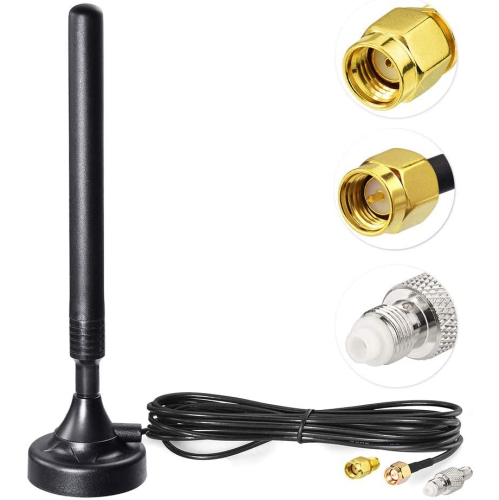
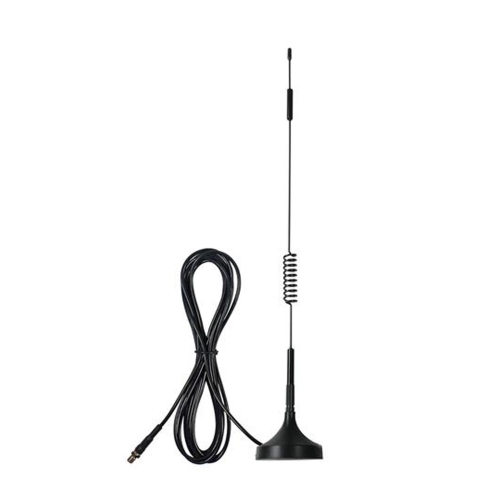
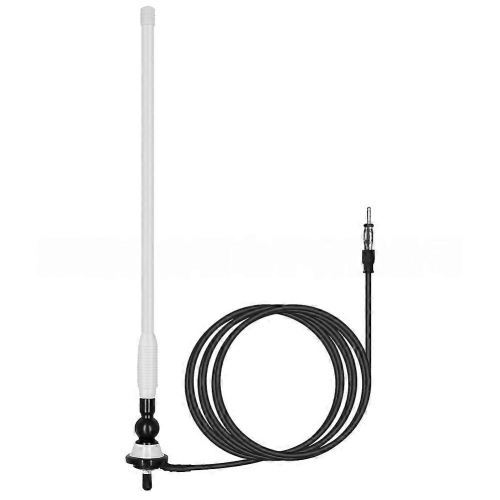
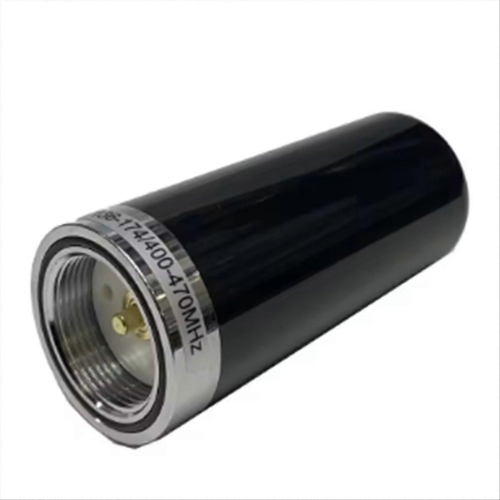
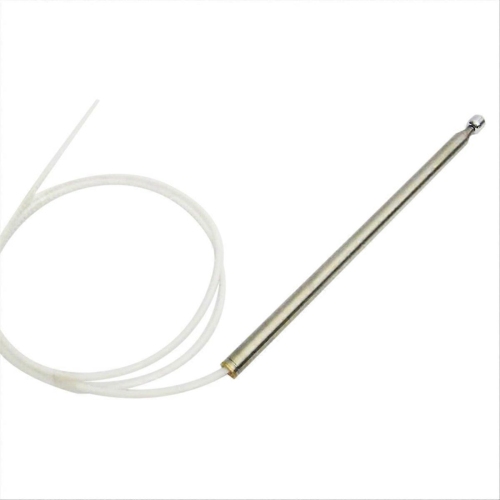
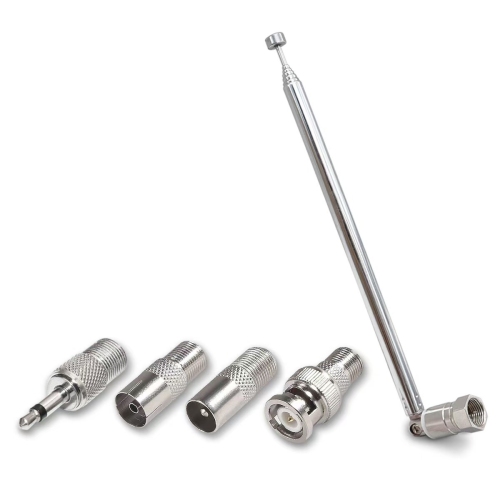
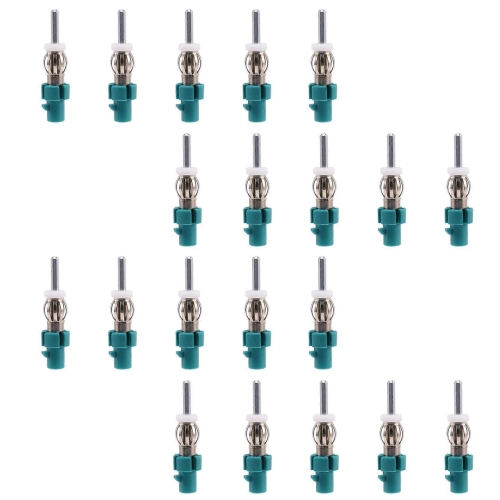
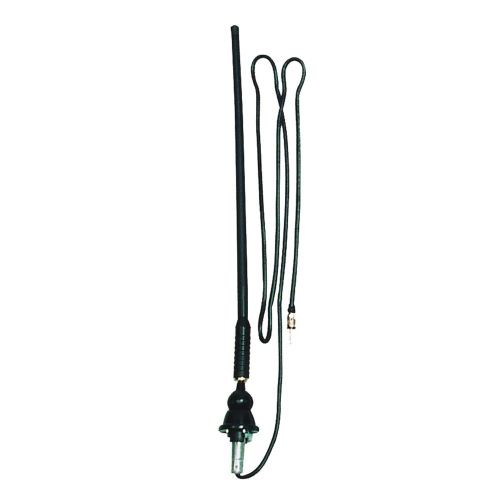
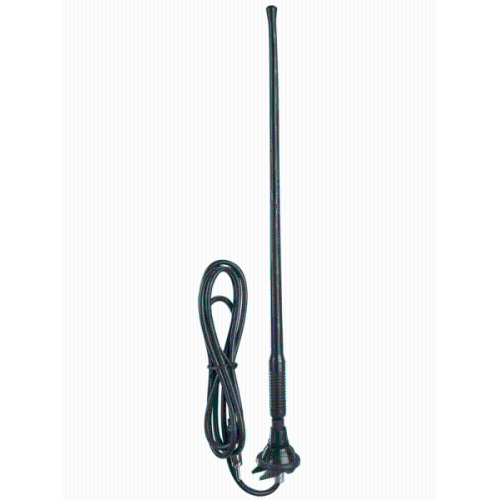
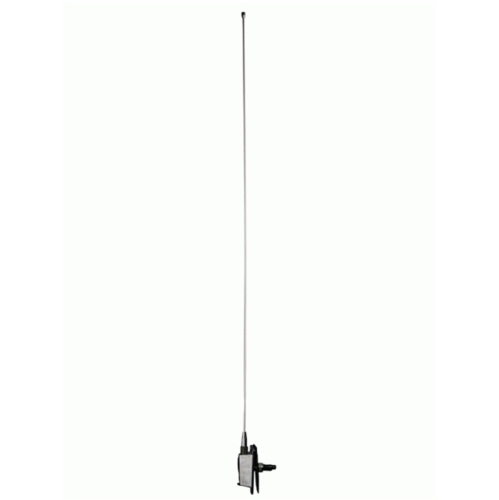
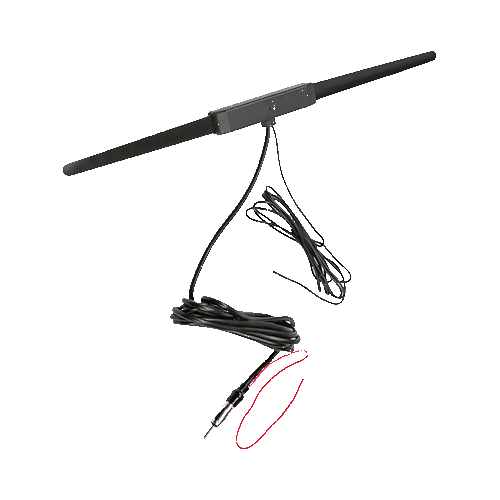
Car radio antenna replacements restore the connection between a vehicle’s radio and the AM or FM signals it receives. They include screw-on replacement masts, fixed roof or fender antennas, retractable power antenna components, complete antenna assemblies, and interior glass-mount designs. The right type depends on what the vehicle already uses and which part needs replacing: a broken mast does not necessarily call for a new base, while a damaged mounting point or faulty cable may require more than a new rod. Vehicle year, make, model, and sometimes trim level help establish compatibility, along with the antenna’s location and connection type. For threaded masts, both thread diameter and thread pitch matter; a replacement that looks similar may not seat properly on the original base. Universal designs can offer flexibility, but that description does not mean every mast fits every vehicle. Materials also affect how an antenna handles everyday use. Stainless steel provides strength in slender masts, aluminium offers a lightweight construction, and rubber or plastic coverings can protect internal components while giving the antenna a finished appearance. Flexible designs may tolerate occasional contact better than rigid rods, although repeated bending can still damage the mast or its connection. Longer whip antennas and compact replacement masts also serve different priorities. A short mast can create a tidier profile and provide more clearance beneath a low garage entrance, but shortening an antenna can affect reception, particularly where signals are weaker. Length alone does not determine performance, since the antenna’s internal design and the vehicle’s receiving system also play a role. For someone who listens to local stations throughout a daily commute, retaining dependable reception may matter more than changing the vehicle’s appearance. A driver who spends more time using other audio sources may place greater emphasis on a discreet profile, while still wanting reliable access to radio broadcasts when needed.
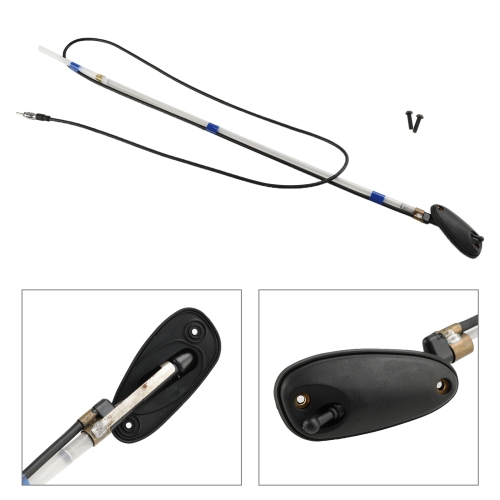
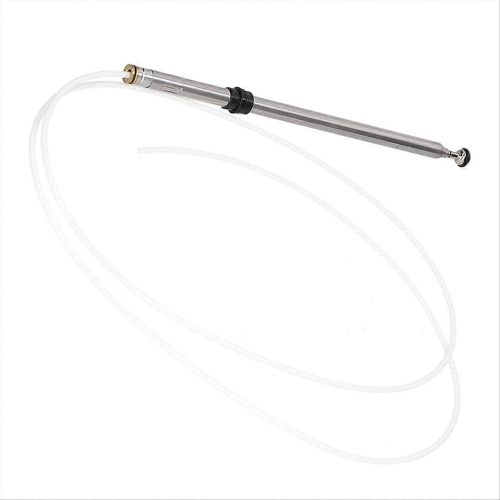
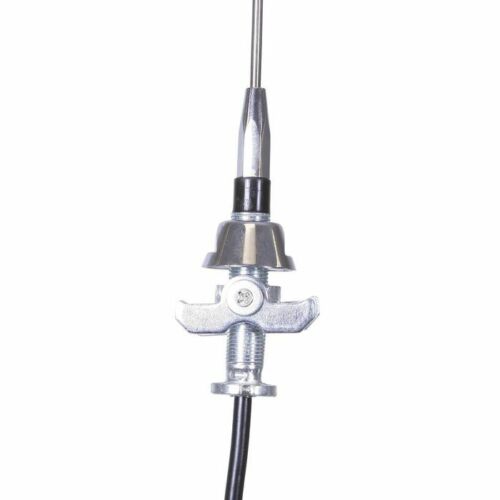
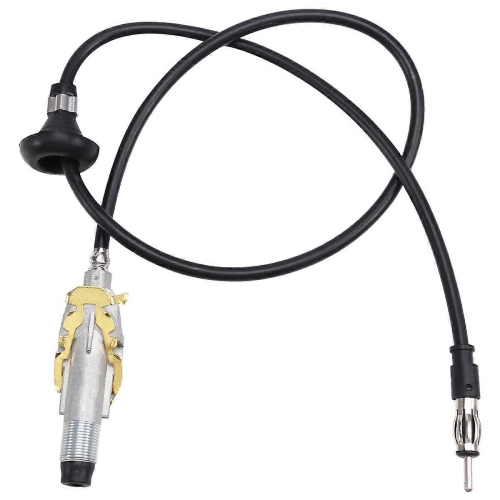
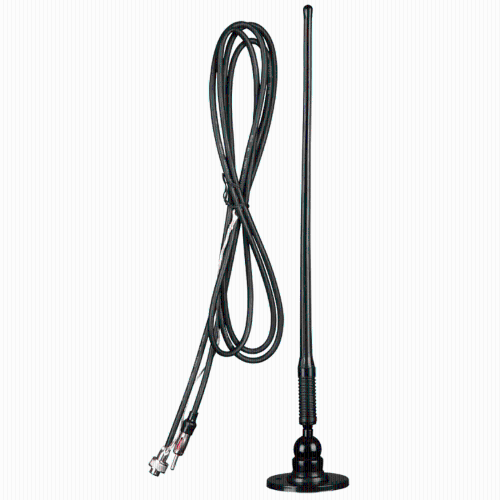
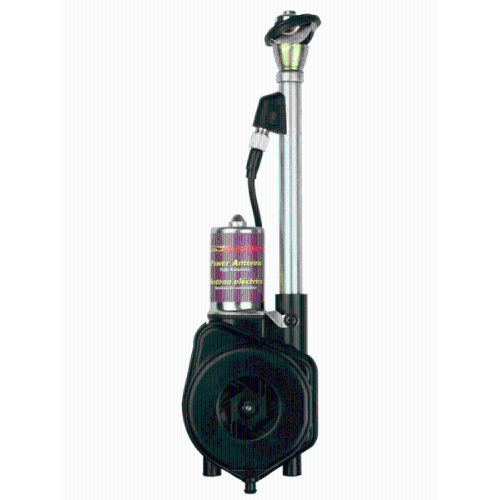
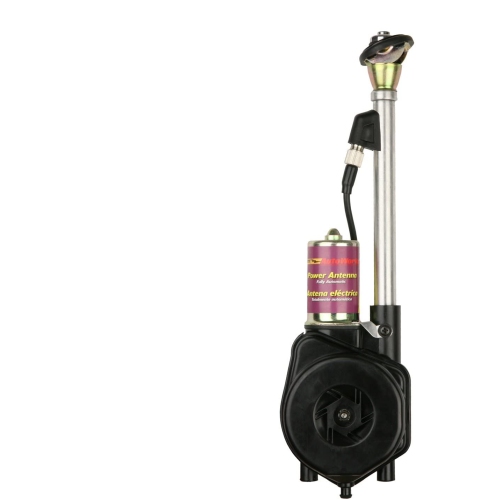
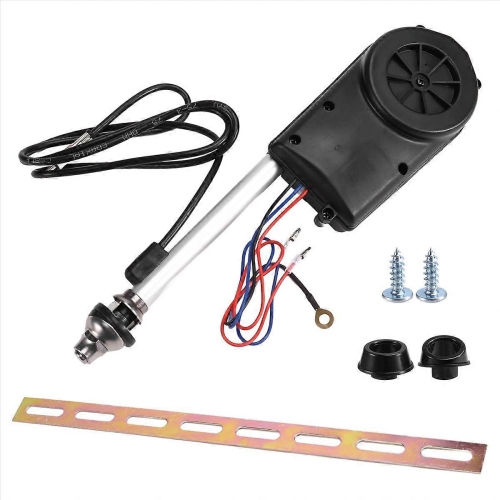
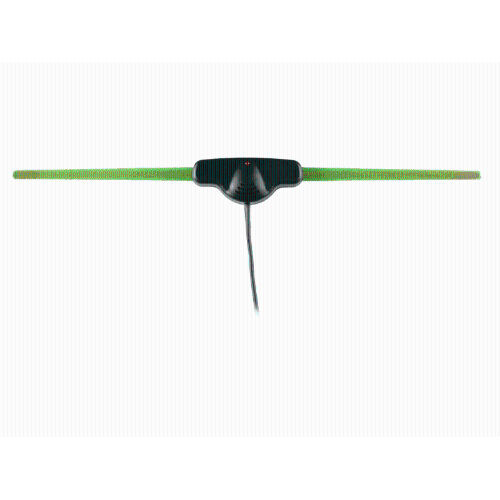
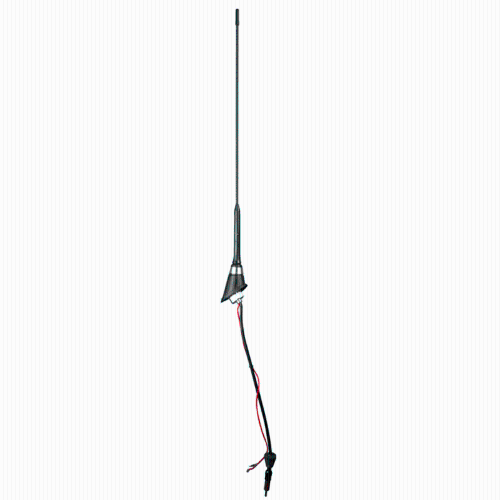
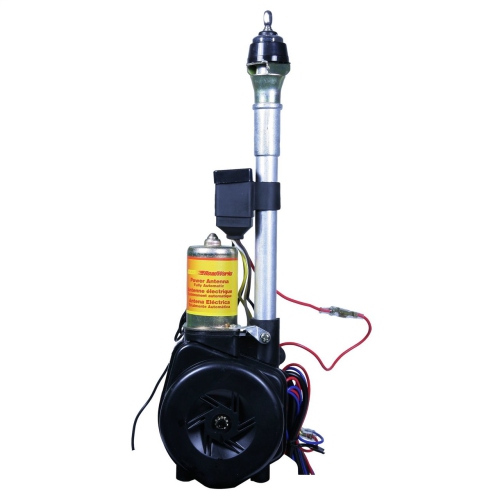
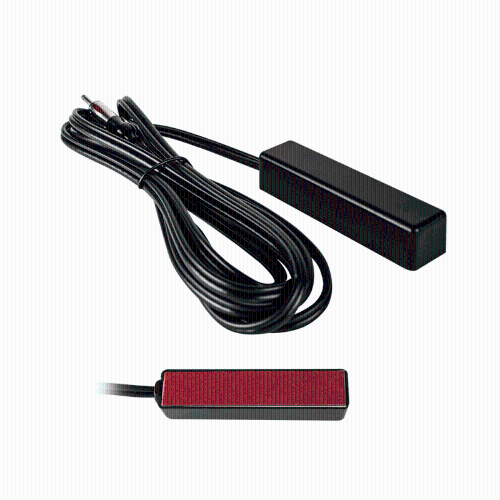
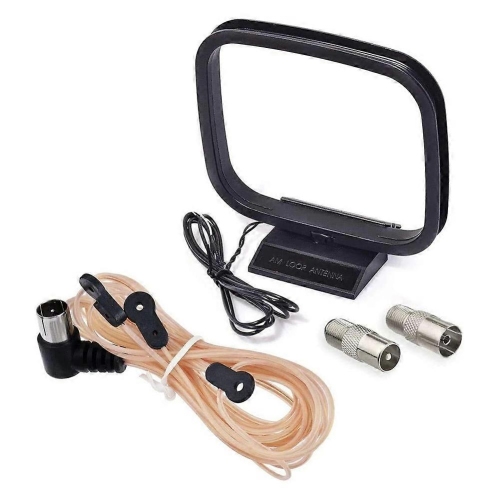
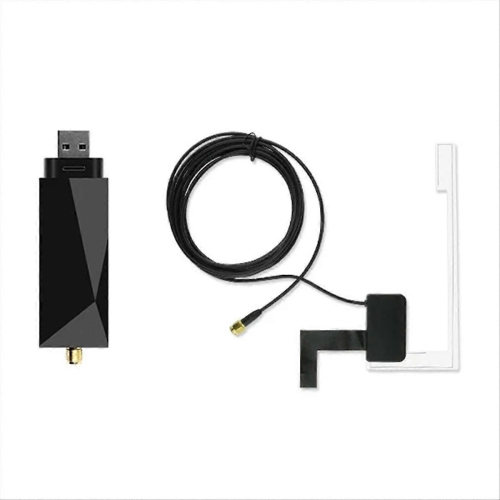
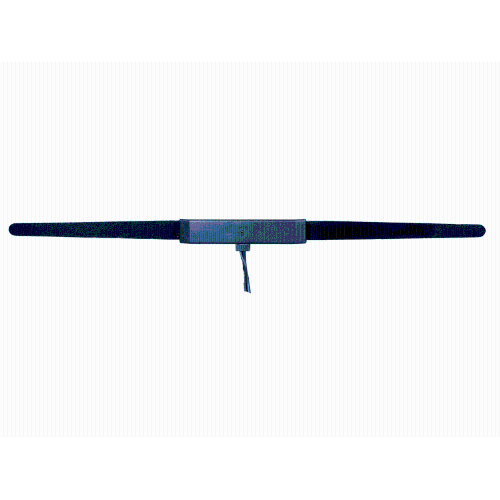
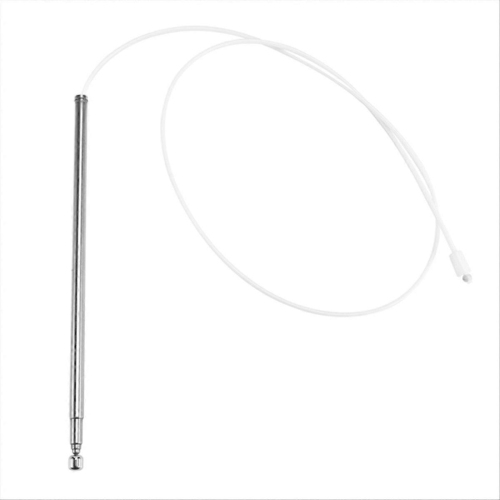
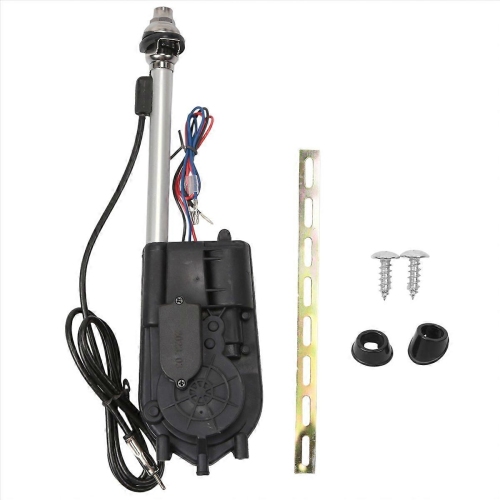
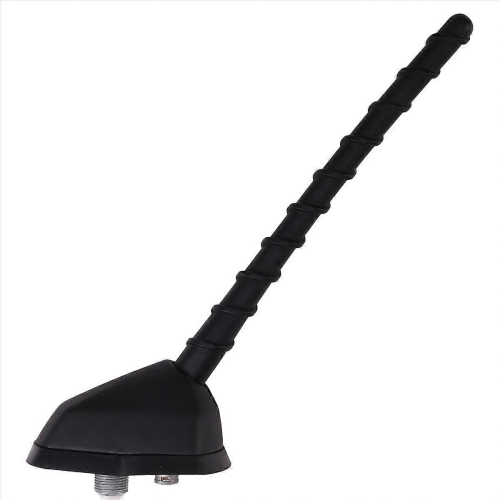
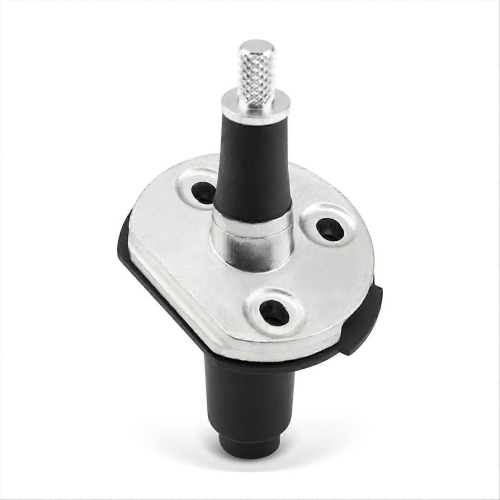
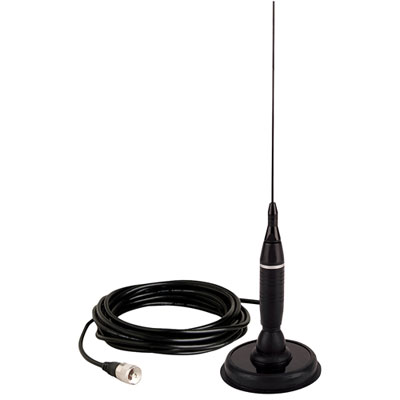
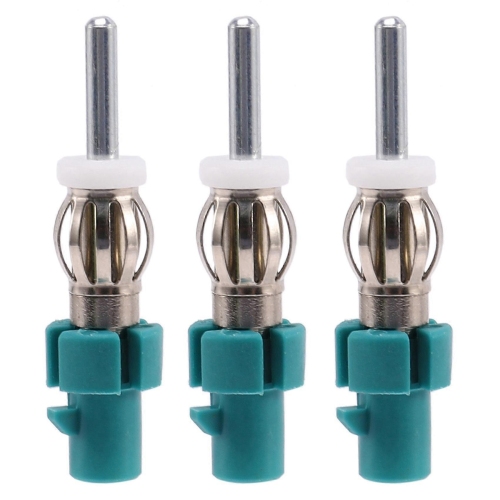
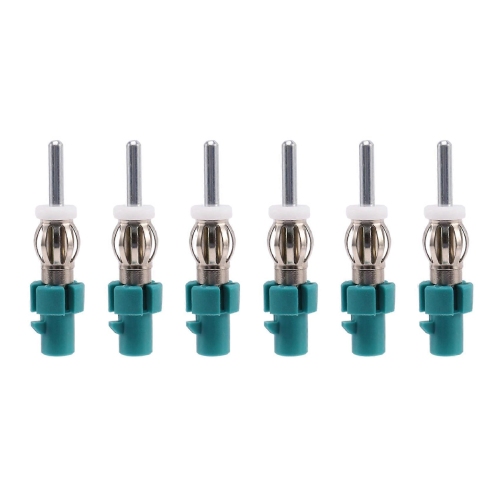
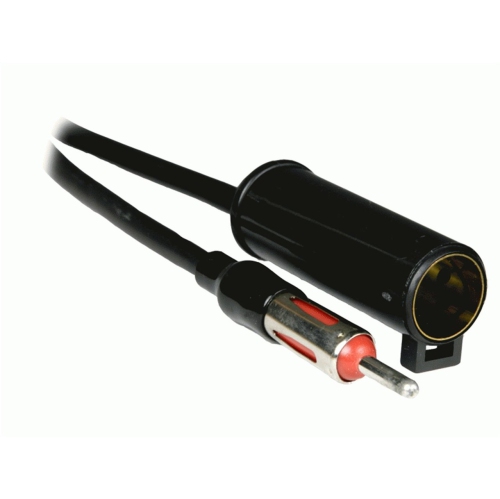
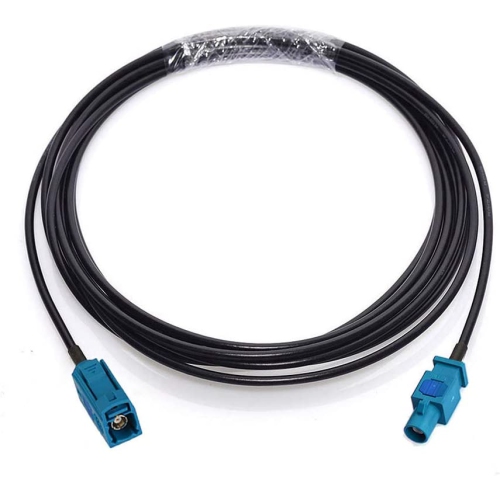
A replacement antenna works as part of a larger system that includes the mounting base, signal cable, connectors, and radio itself. That makes the condition of the surrounding components important, especially on an older vehicle or one with a visibly damaged antenna mount. A mast-only replacement generally retains the existing base and cable, whereas a complete assembly may include a new mount, sealing components, and wiring connections. The assembly’s shape and mounting arrangement need to suit the vehicle’s body panel, with a secure fit that does not leave gaps around the attachment point. Fender-mounted antennas can have different mounting angles and access requirements from roof-mounted designs, and cable length matters when the route to the dashboard is longer than expected. Retractable power antennas add another layer of compatibility because the mast works with a motor and drive mechanism. A bent telescoping section, damaged drive cable, and failed motor are different faults, so a replacement mast is not a remedy for every power antenna problem. Interior glass-mount antennas offer another approach, placing the receiving element inside the vehicle rather than on an exterior panel. Their suitability depends on the antenna design, the radio connection, and the available mounting surface; glass treatments and metallic window films can affect performance. Amplified antennas may also need a power supply, and compatibility with the vehicle’s original antenna amplifier deserves attention. A roof housing can contain more than an AM/FM antenna, so a visually similar replacement may not support every original function. Satellite radio, navigation, and other vehicle systems can have separate requirements that an ordinary radio mast does not address. For drivers replacing a radio at the same time, assessing both the antenna and stereo connections helps avoid a mismatch. Work involving headliners, interior trim, body panels, or concealed wiring can be better suited to an automotive installer, particularly when the cable route passes near vehicle safety equipment.
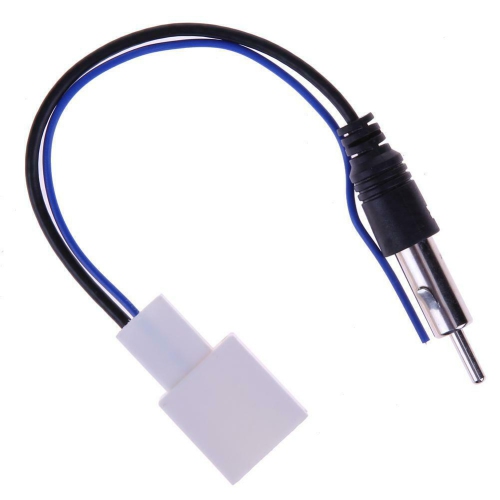
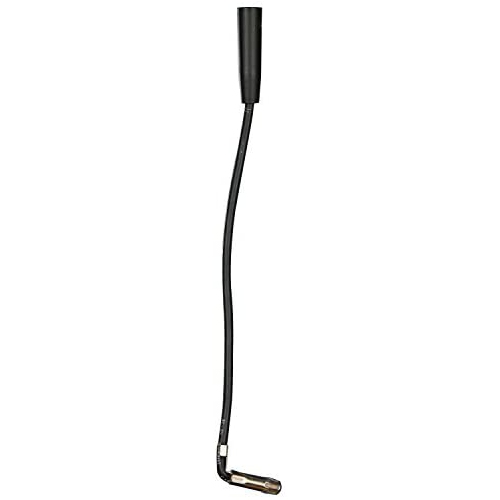
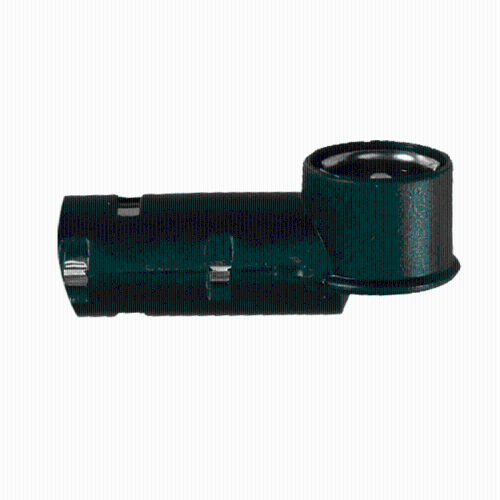
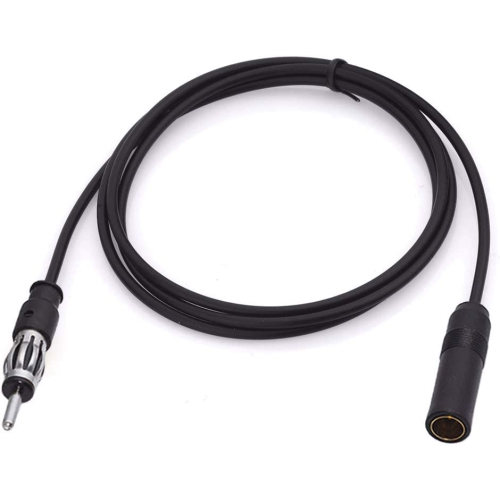
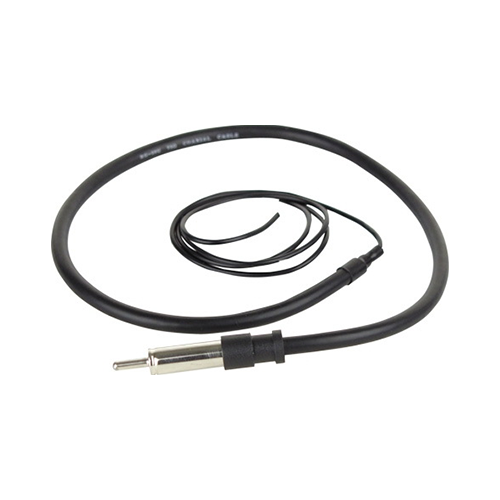
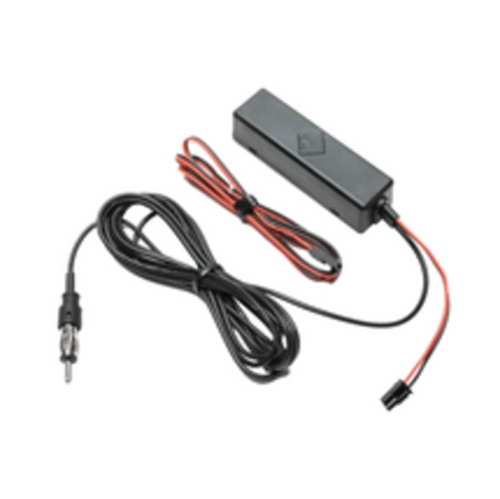
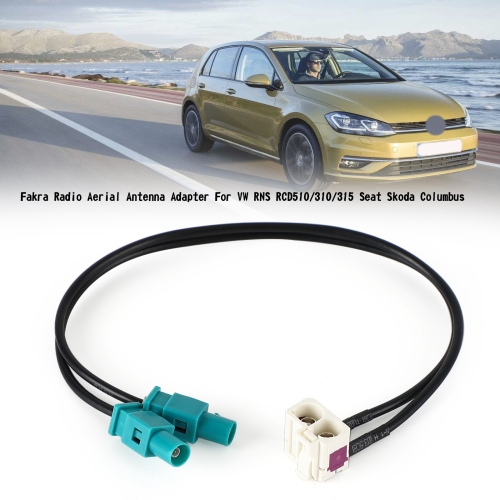
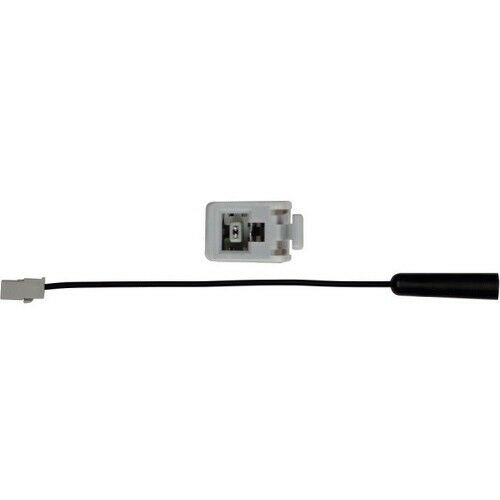
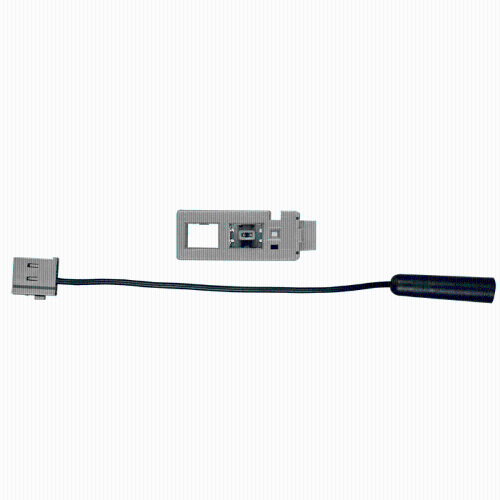
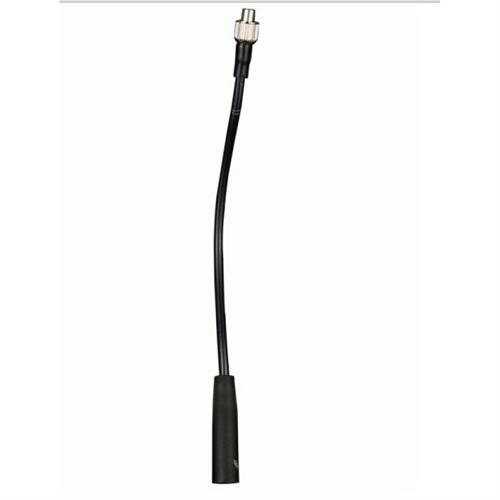
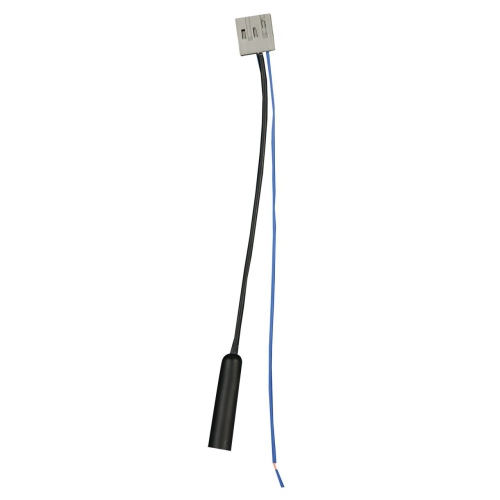
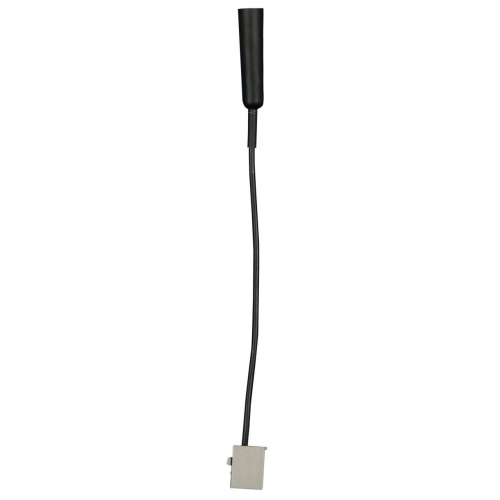
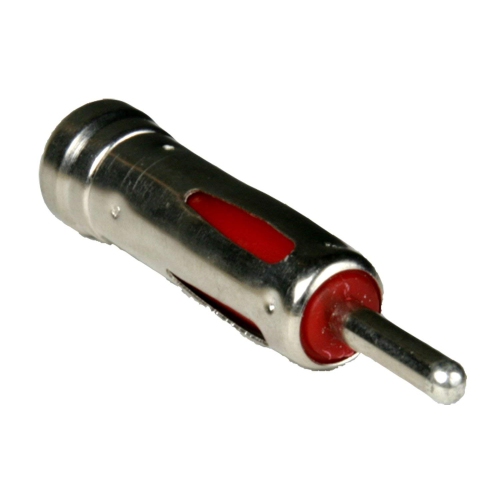
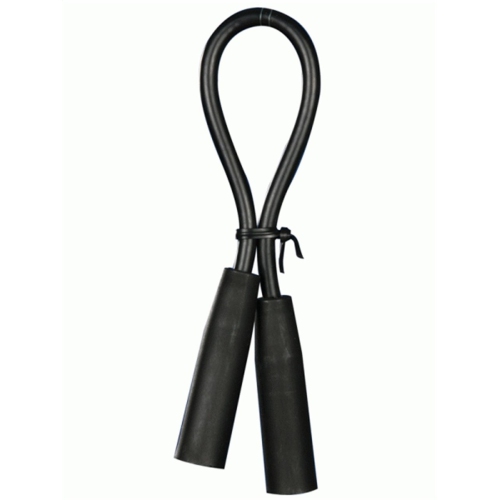
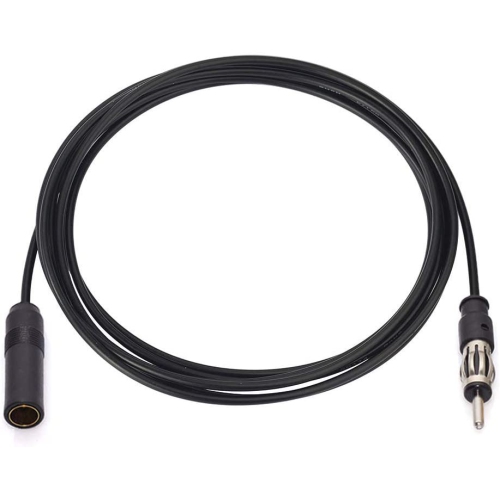
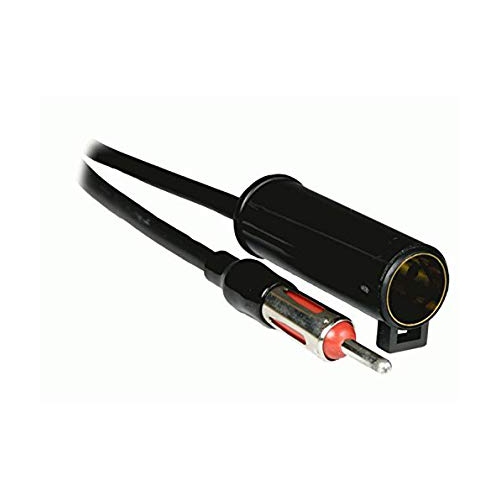
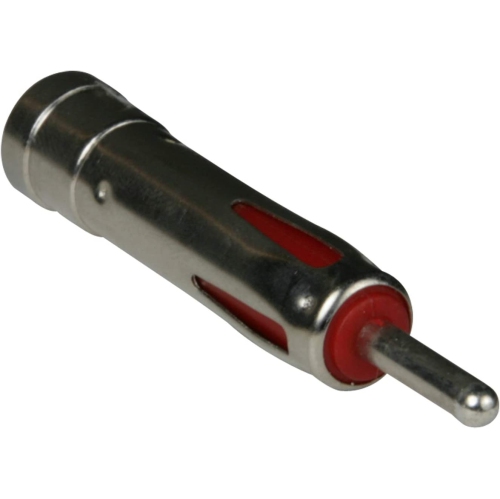
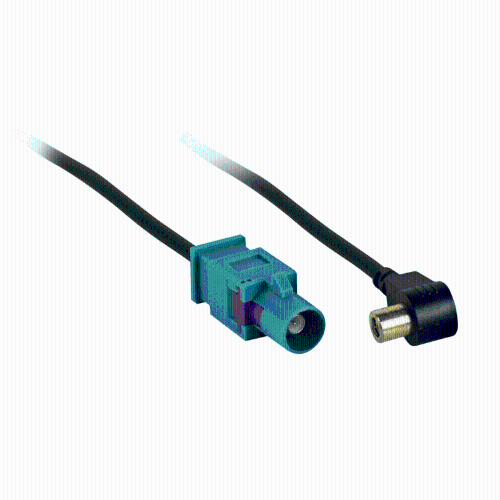
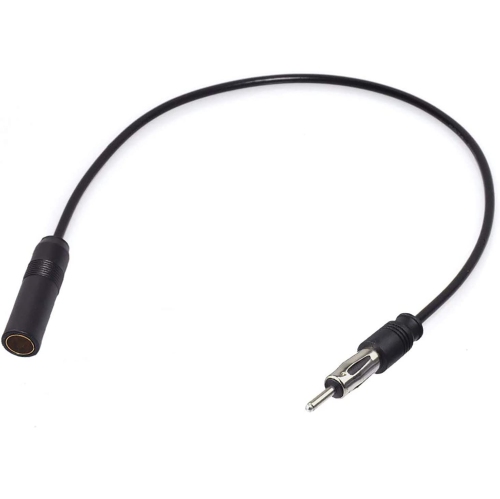
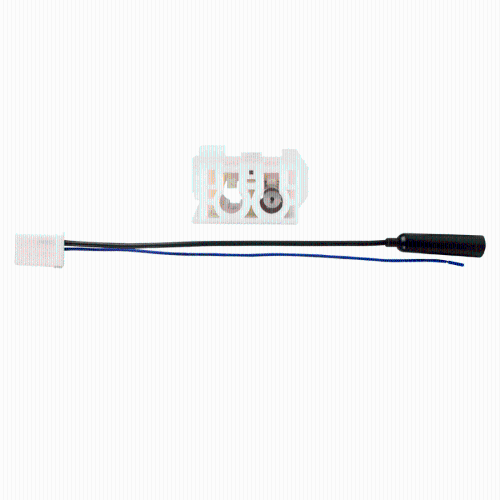
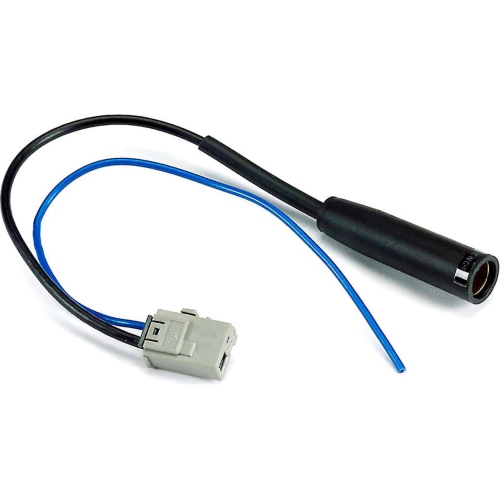
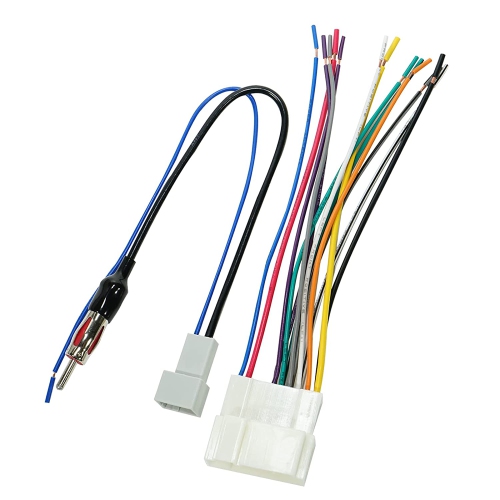
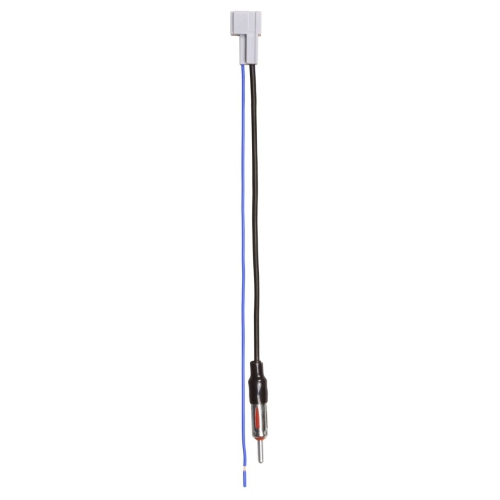
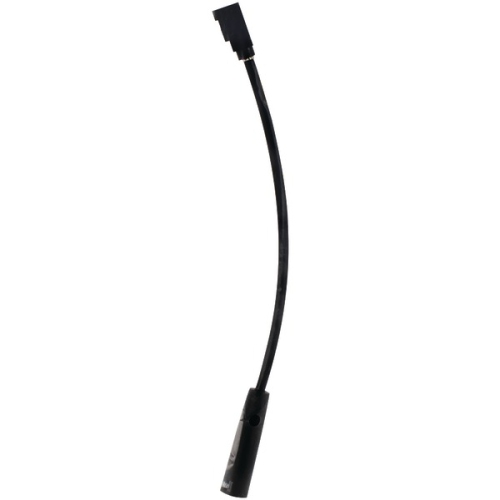
Everyday use often reveals what matters most in a replacement. A commuter may notice that a familiar station becomes noisy beneath an overpass, while someone taking longer drives may lose reception after leaving a strong broadcast area. Those experiences do not automatically indicate a defective antenna: terrain, buildings, station coverage, electrical interference, and the radio’s own condition can all affect the sound. A replacement is most useful when it addresses a worn, missing, loose, or incompatible component rather than promising to eliminate every interruption. Connections between the antenna cable and the stereo are another consideration; Auto Radio Antenna Adapters connect compatible factory antenna plugs to replacement radio inputs, with some designs also supporting the power connection needed by an amplified antenna system. An adapter serves a different purpose from a replacement mast and does not, by itself, increase signal strength. Once fitted, an antenna benefits from simple care that protects both its finish and its mounting point. Gentle cleaning removes residue without putting unnecessary pressure on the mast, and avoiding abrasive cleaners helps preserve coated or rubberized surfaces. A removable mast may need attention before an automatic car wash, depending on the vehicle and antenna manufacturer’s directions. Repeatedly pulling on a mast, using it as a handhold, or forcing a threaded fitting can damage the base even when the visible rod remains intact. For compact garages, roof-mounted accessories, or regular use of a vehicle cover, overall height and clearance are practical details worth considering alongside reception. A replacement antenna can also be a useful gift for someone maintaining an older car or refreshing a daily driver, provided the vehicle details and antenna type are known beforehand. The strongest choice is one that suits the original mounting arrangement, connects correctly to the radio system, and balances appearance with listening needs. Whether the aim is to replace a snapped rod or renew an ageing assembly, a well-matched antenna supports a familiar part of the driving experience: clear access to favourite stations, local news, and traffic reports.
Top selling and popular products
-
 Your price for this item is $42.08
-
 Your price for this item is $53.66
-
 Your price for this item is $33.48
-
 Your price for this item is $199.99
-
 Your price for this item is $34.84
-
 Your price for this item is $46.62
-
 Your price for this item is $78.93
-
 Your price for this item is $151.57
Discover more categories related to Car Radio Antenna Replacements
Top Collections:
Pokemon Centers, Best Cameras for Sports Photography, Kindle Devices, Samsung Galaxy Phones, Canon G7X Cameras, Pokémon 30th Celebration Cards, Refurbished Apple Laptops, iPhone 15 Apple, Laptops for Students, Budget Smartphones
Some products may be subject to Environmental Handling Fees
(EHF) depending on your province.
Learn more about EHFs.