Car Safety Kits
Ensure you're prepared for unexpected roadside emergencies with our selection of car safety kits. From essential tools like jumper cables and tire repair kits to emergency supplies such as first aid kits and reflective warning triangles, these kits are designed to provide peace of mind while on the road. Whether you're a daily commuter or planning a long road trip, having a well-equipped car safety kit can make all the difference in handling unforeseen situations efficiently. Browse through our range of car safety kits to find the one that best suits your needs and stay safe wherever your travels take you.
Sort




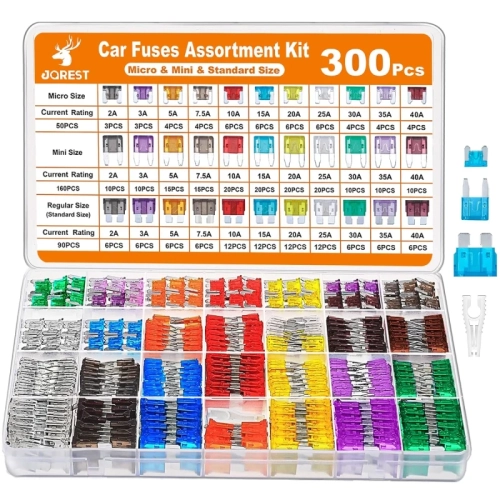

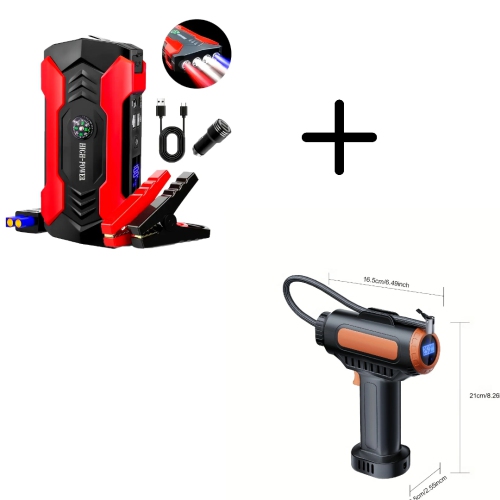
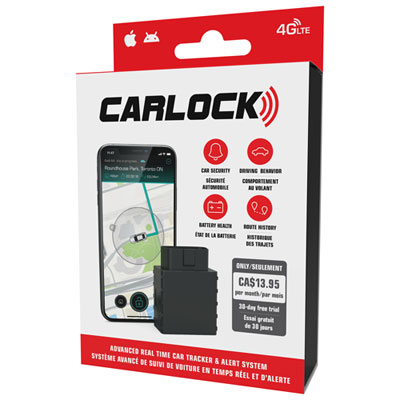
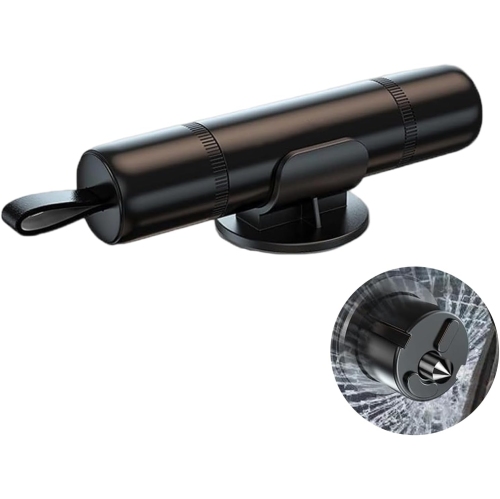




Why kit contents matter more than piece count
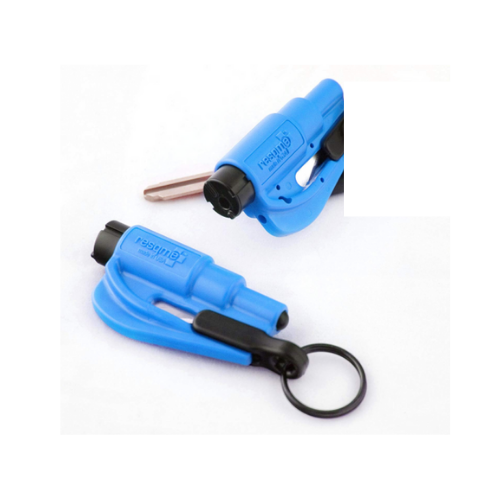
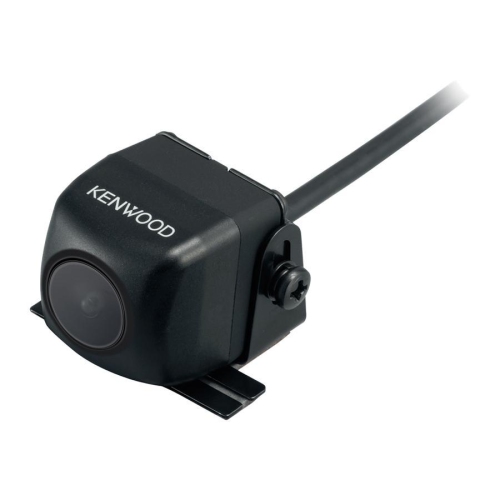
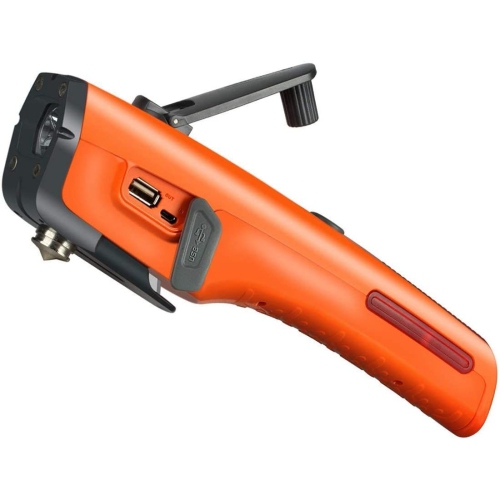
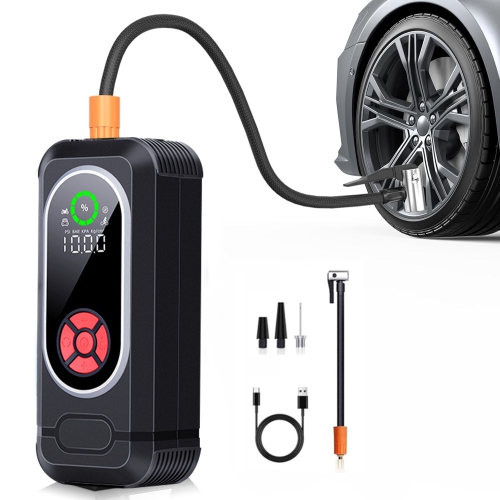
Car safety kits bring together supplies for common vehicle emergencies, helping drivers stay visible, manage minor issues, and remain better prepared while waiting for assistance. Their purpose extends beyond roadside repairs: a useful kit can support basic first aid, provide light when visibility is limited, and keep essential equipment organized in one accessible place. The contents vary, so the value of a kit depends more on what it includes and how those supplies suit the driver than on the total piece count. A large count may include many individual dressings or small accessories, while a smaller collection may focus on a few substantial tools. Typical categories include visibility and signalling equipment, basic vehicle-support tools, first-aid supplies, and personal comfort essentials. These serve different needs, whether a driver discovers a drained battery in a parking garage, notices a tyre-pressure warning before leaving home, or needs to wait for roadside assistance on a rural route. Daily commuters may favour a compact case that fits neatly beside their regular cargo, while families and frequent road travellers may need more room for passenger supplies. Drivers who regularly travel beyond populated areas may also want a broader selection of essentials, with the understanding that no kit replaces a charged phone, a travel plan, or professional help. Car safety kits and Roadside Emergency Kits often overlap, with roadside-focused options placing particular emphasis on visibility and vehicle-related problems. Neither label guarantees a standard set of contents, making the contents list an important part of comparing options. The best fit is a kit that addresses realistic situations for the vehicle and its passengers without filling limited storage space with unfamiliar equipment. Keeping essential supplies together can also make them easier to locate when someone other than the usual driver needs access, such as a family member borrowing the car or a passenger helping retrieve a first-aid pouch.
Construction and storage design make a meaningful difference to how well a car safety kit holds up in everyday use. A carrying case may spend much of its time alongside groceries, luggage, sports equipment, or work bags, so sturdy seams, dependable closures, and abrasion-resistant fabric are useful details. Soft-sided cases can fit into narrow cargo spaces, while structured cases help maintain a consistent shape and may offer more protection against bumps. Water-resistant material can help protect contents from incidental spills, but it should not be treated as waterproof unless the manufacturer explicitly describes it that way. Handles should feel secure when the case is fully packed, and zippers should open without catching on loose fabric or tightly compressed supplies. Inside, separate compartments, labelled pouches, and retaining straps help prevent smaller components from becoming buried beneath larger ones. A clear layout is particularly useful when supplies are needed in a dim parking area or when a passenger is searching for something quickly. Fit involves more than checking whether the bag will squeeze into the boot: the kit should remain accessible with everyday cargo loaded and should be secured so it cannot slide around or become a loose object during a sudden stop. It should not obstruct controls, interfere with seat adjustment, or occupy an airbag deployment area. Vehicle compatibility matters just as much as the case dimensions. Electrical accessories need to match the vehicle’s requirements, and battery-support equipment must be suitable for its battery system and used according to both the equipment instructions and the owner’s manual. Hybrid and electric vehicles can have specific procedures and connection points, so a general-purpose kit should never be assumed suitable for every task. Cable length, connector design, tool grip, and readable markings are practical details worth comparing where relevant. Comfortable handles and straightforward instructions may be more useful to an occasional driver than extra functions that require experience to use safely.
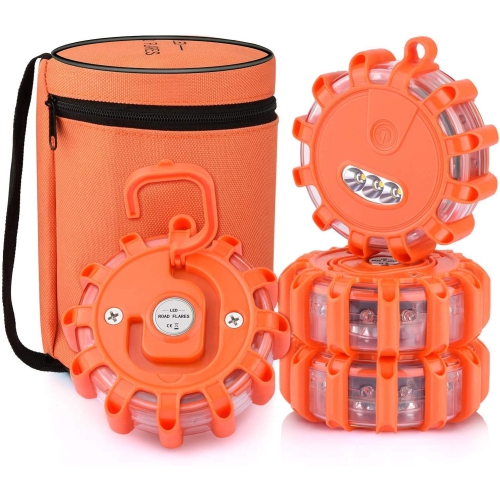
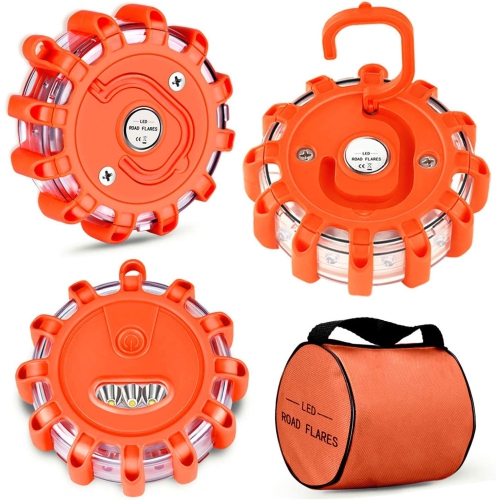
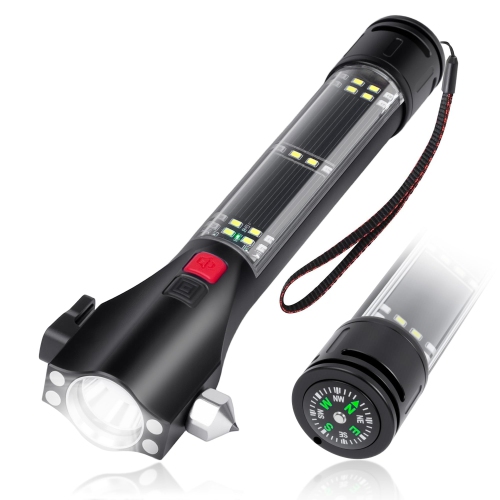
The intended use of each component helps distinguish a practical car emergency kit from a collection that simply looks comprehensive. Visibility equipment is intended to help others notice a stopped vehicle or its occupants, but using it should never require someone to step into moving traffic or remain beside an unsafe stopping place. Portable lighting can help with reading instructions, locating belongings, or checking a vehicle while safely parked; hands-free designs leave both hands available for a task. Basic first-aid supplies are suited to minor injuries and initial care within the user’s abilities, not as a substitute for medical attention. Vehicle-support tools also have limits: addressing a simple issue in a safe parking space is different from attempting a repair on a narrow road shoulder. A kit does not make an unsafe location suitable for maintenance, and serious faults call for qualified assistance. Keeping the collection ready for use is usually straightforward but benefits from regular attention. After anything is used, missing or damaged contents should be replaced, and first-aid packaging should remain sealed until needed. Expiry dates, battery condition, charging requirements, and manufacturer storage instructions deserve a periodic check rather than being left until an emergency occurs. Fabric cases can be cleaned according to their care labels, and damp components should be dried as directed before being packed away. Personal supplies, including drinking water and packaged food where carried, need their own rotation and storage checks. A familiar storage spot and a quick review of the contents can help every regular driver understand what the kit can and cannot do. These considerations also make car safety kits thoughtful, practical gifts for new drivers, students taking a vehicle away from home, and people who spend substantial time travelling between job sites. For a gift recipient, manageable size, clear organization, and suitability for their vehicle matter more than an impressive piece count. A well-chosen kit becomes part of the vehicle’s everyday essentials: unobtrusive when it is not needed, easy to find when plans are interrupted, and equipped for the situations its owner is most likely to encounter.
Top selling and popular products
-
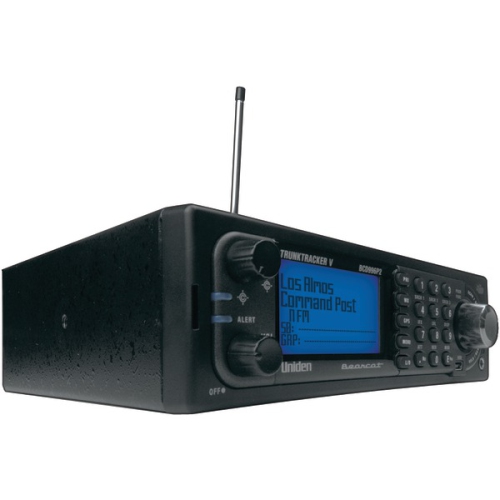 Your price for this item is $669.99
-
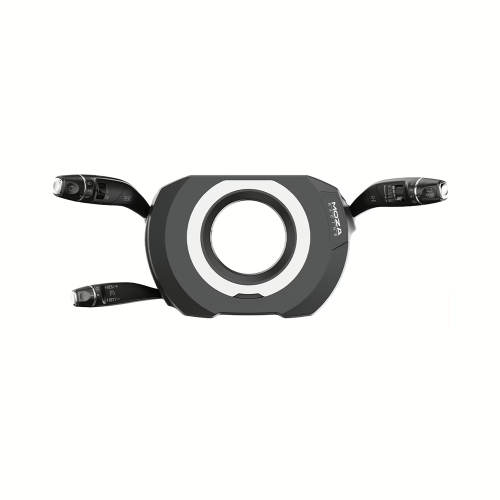 Your price for this item is $278.7
-
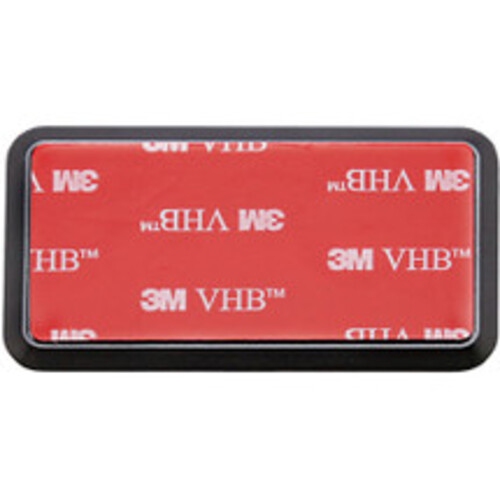 Your price for this item is $14.99
-
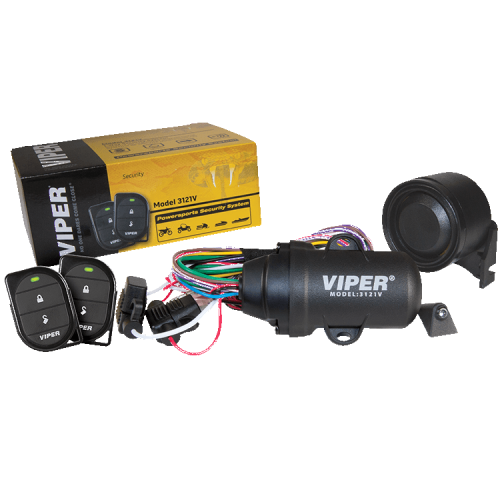 Your price for this item is $199.98
-
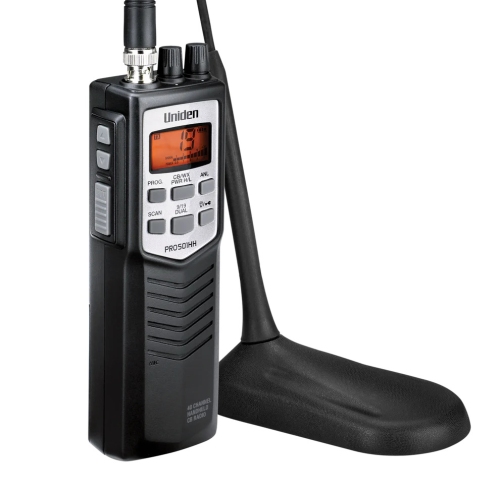 Your price for this item is $189.99
-
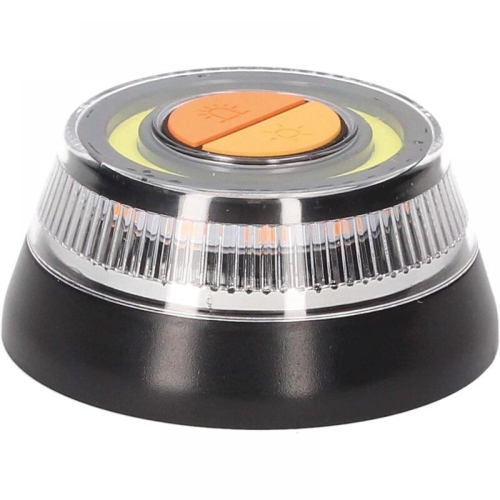 Your price for this item is $32.11
-
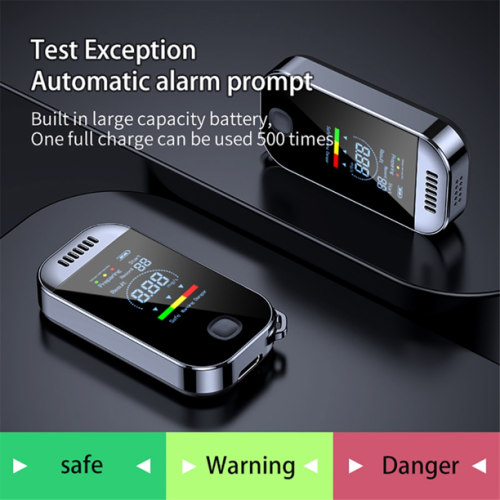 Your price for this item is $38.95
-
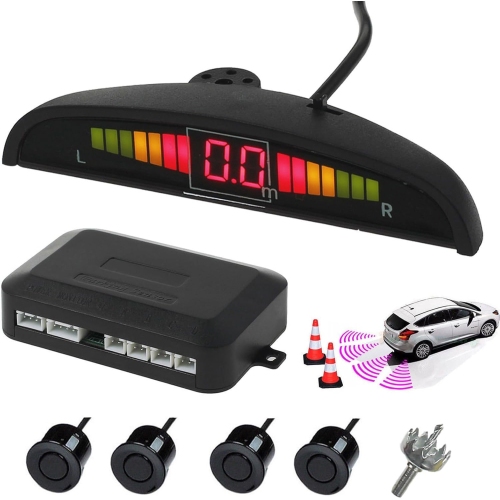 Your price for this item is $27.99
Discover more categories related to Car Safety Kits

Top Collections:
Pokemon Centers, Best Cameras for Sports Photography, Kindle Devices, Samsung Galaxy Phones, Canon G7X Cameras, Pokémon 30th Celebration Cards, Refurbished Apple Laptops, iPhone 15 Apple, Laptops for Students, Budget Smartphones
Some products may be subject to Environmental Handling Fees
(EHF) depending on your province.
Learn more about EHFs.