Emergency Car Care Kits
Emergency Car Care Kits are essential for staying prepared on the road, offering peace of mind during unexpected situations. Whether you’re facing a flat tire, a drained battery, or other roadside challenges, these kits provide convenient solutions for a variety of scenarios. With compact packaging and a range of useful tools, Emergency Car Care Kits make it easy to keep important supplies within reach in your vehicle. Explore options designed to help you handle emergencies efficiently and get back on your way with confidence.
Sort
![BILLYBUY [High-Power Portable Car Jump Starter] 6000Mah Rechargeable Emergency Battery Booster | 12V/24V Vehicle Starter, USB Charging, Upgraded](https://multimedia.bbycastatic.ca/multimedia/products/500x500/195/19579/19579711.webp)
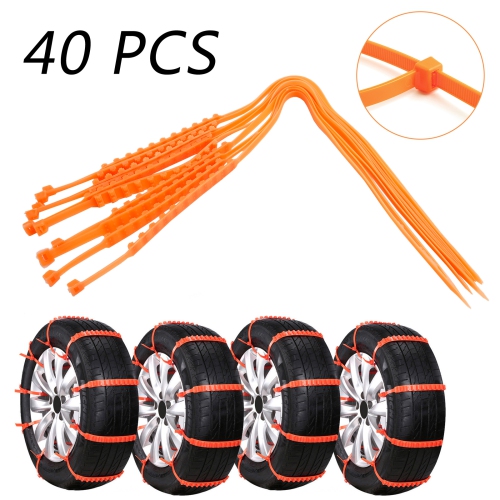
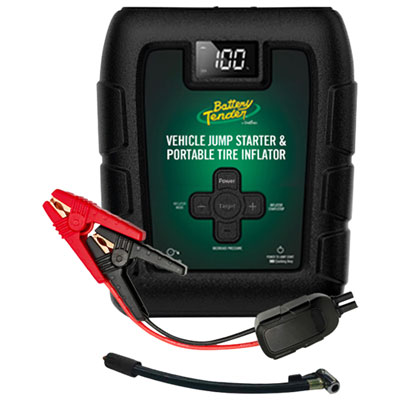

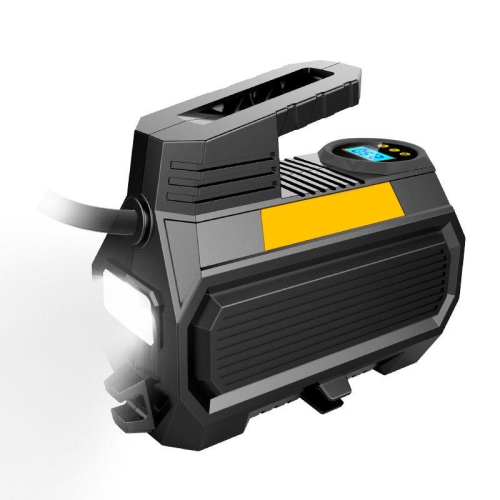
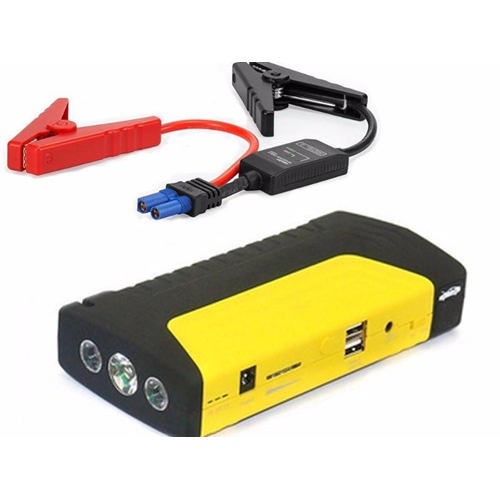
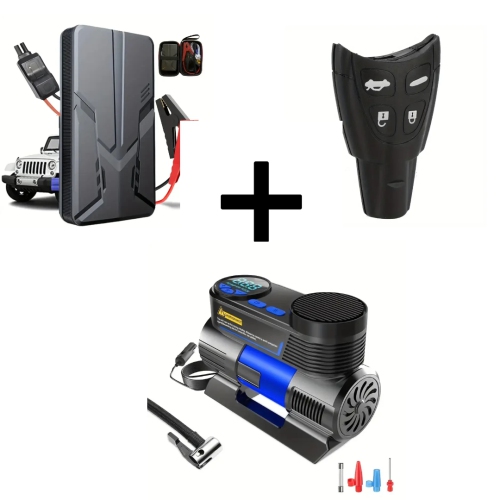
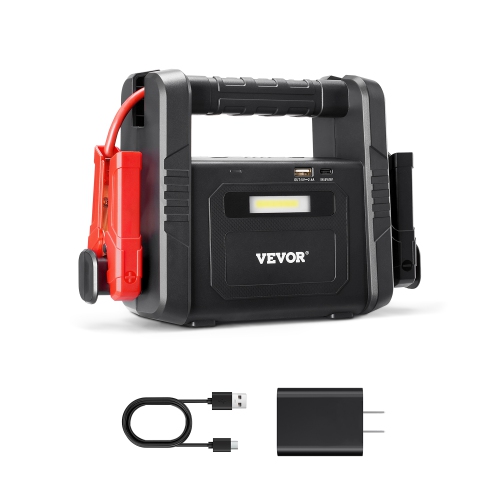
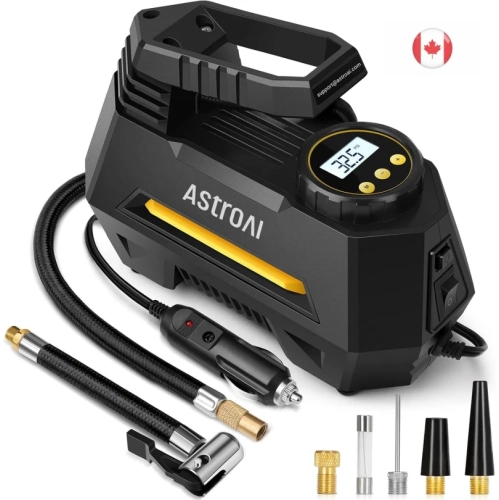
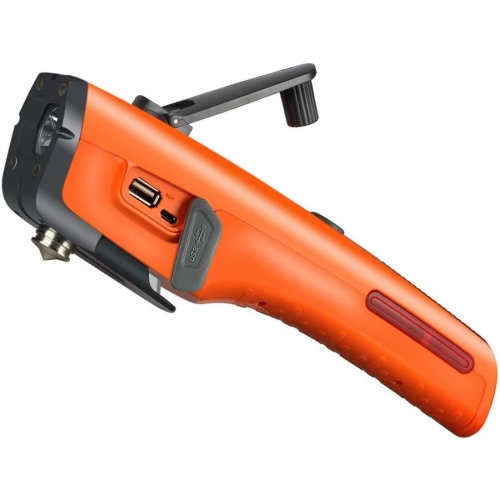
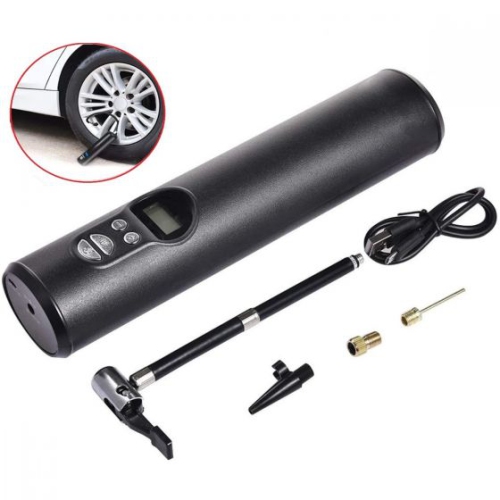
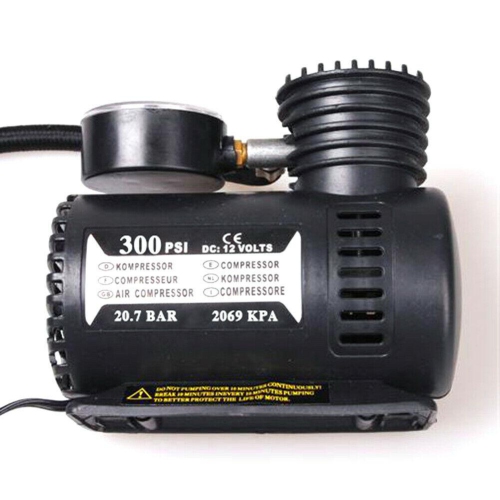
Roadside essentials for breakdowns, bad weather, and unexpected delays
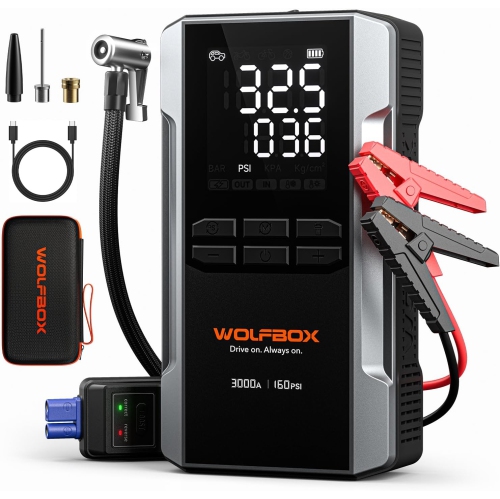
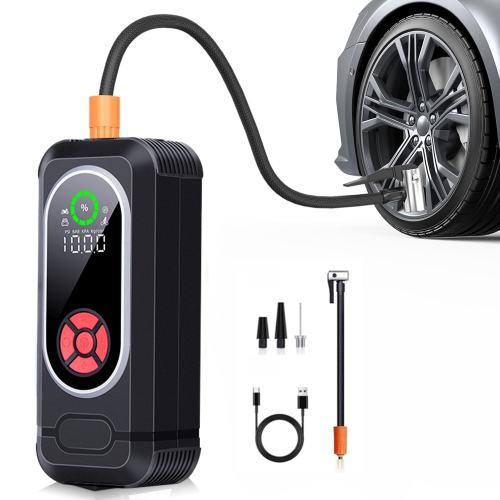
Whether you’re heading out on a weekend road trip, commuting to work, or simply running errands around town, having an emergency car care kit in your vehicle is one of the smartest ways to prepare for the unexpected. These kits are thoughtfully assembled to help drivers handle a range of roadside situations, from minor inconveniences like a flat tire or a dead battery to more urgent needs such as unexpected breakdowns or inclement weather. As the weather warms and travel plans pick up, the open road calls to many Canadians, making it especially important to ensure your vehicle is equipped with the right tools and supplies. A well-stocked automotive emergency roadside kit typically includes essentials such as jumper cables, reflective warning triangles, flashlights, first aid supplies, gloves, and basic hand tools. Some kits go further, offering air compressors, tow straps, or even compact shovels for those venturing into more remote or rugged areas. The peace of mind that comes from knowing you have the right gear on hand can make all the difference, whether you’re navigating city streets or winding country highways.
Emergency car care kits are a practical investment for drivers of all experience levels. New drivers, in particular, benefit from having a kit in their vehicle, as it helps build confidence and ensures they’re prepared for common roadside challenges. Parents often choose to equip their teens’ cars with a comprehensive kit before they take the wheel on their own, and it’s a thoughtful gift for graduates, new car owners, or anyone embarking on a long-distance move. These kits are also a considerate gesture for friends or family members who travel frequently for work or who enjoy outdoor adventures, camping, or cottage getaways. During the cooler months, when the risk of icy roads and unpredictable weather increases, having an automotive emergency roadside kit becomes even more critical. Items like thermal blankets, hand warmers, and ice scrapers can be invaluable if you find yourself delayed or stranded in lower temperatures. Even in the warmer seasons, sudden storms or mechanical issues can occur, and having access to basic emergency supplies can help you stay safe and comfortable until help arrives.
Choosing the right emergency car care kit involves considering your typical driving conditions, the climate in your region, and the number of passengers you usually have in your vehicle. Compact kits are ideal for city dwellers or those with limited trunk space, while more comprehensive options may be better suited for families or drivers who spend time on less-travelled roads. It’s a good idea to periodically check and refresh your kit, replacing expired items and customizing it to fit your needs—such as adding extra water, non-perishable snacks, or personal medications. For a deeper look at what makes a kit truly essential, visit our Emergency Car Kit Essentials page, where you’ll find helpful information on choosing and maintaining the right supplies for your vehicle. Equipping your car with an emergency kit isn’t just about being prepared for the unexpected—it’s about making every journey safer and more enjoyable, knowing you’re ready for whatever the road brings.
Emergency car care kits are a practical investment for drivers of all experience levels. New drivers, in particular, benefit from having a kit in their vehicle, as it helps build confidence and ensures they’re prepared for common roadside challenges. Parents often choose to equip their teens’ cars with a comprehensive kit before they take the wheel on their own, and it’s a thoughtful gift for graduates, new car owners, or anyone embarking on a long-distance move. These kits are also a considerate gesture for friends or family members who travel frequently for work or who enjoy outdoor adventures, camping, or cottage getaways. During the cooler months, when the risk of icy roads and unpredictable weather increases, having an automotive emergency roadside kit becomes even more critical. Items like thermal blankets, hand warmers, and ice scrapers can be invaluable if you find yourself delayed or stranded in lower temperatures. Even in the warmer seasons, sudden storms or mechanical issues can occur, and having access to basic emergency supplies can help you stay safe and comfortable until help arrives.
Choosing the right emergency car care kit involves considering your typical driving conditions, the climate in your region, and the number of passengers you usually have in your vehicle. Compact kits are ideal for city dwellers or those with limited trunk space, while more comprehensive options may be better suited for families or drivers who spend time on less-travelled roads. It’s a good idea to periodically check and refresh your kit, replacing expired items and customizing it to fit your needs—such as adding extra water, non-perishable snacks, or personal medications. For a deeper look at what makes a kit truly essential, visit our Emergency Car Kit Essentials page, where you’ll find helpful information on choosing and maintaining the right supplies for your vehicle. Equipping your car with an emergency kit isn’t just about being prepared for the unexpected—it’s about making every journey safer and more enjoyable, knowing you’re ready for whatever the road brings.
Top selling and popular products
-
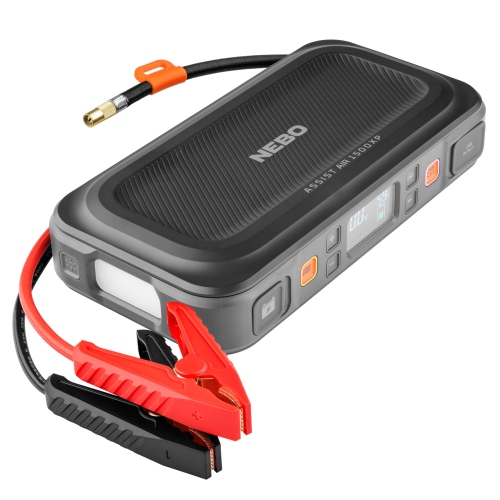 Your price for this item is $199.99
 -
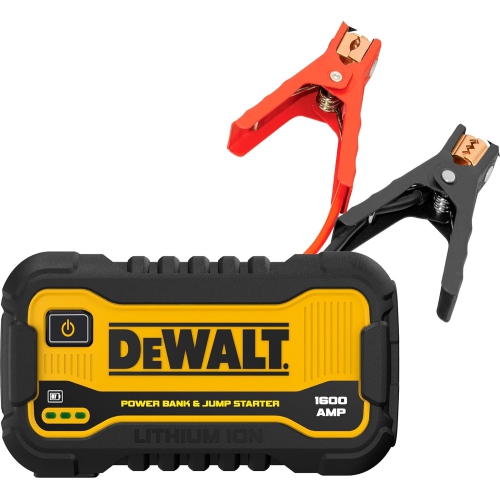 Your price for this item is $114.99
 -
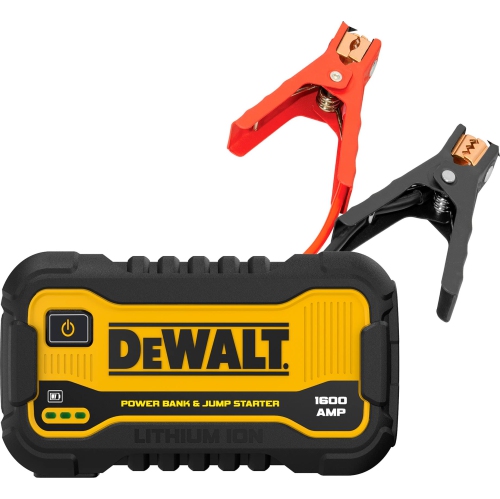 Your price for this item is $129.99
 -
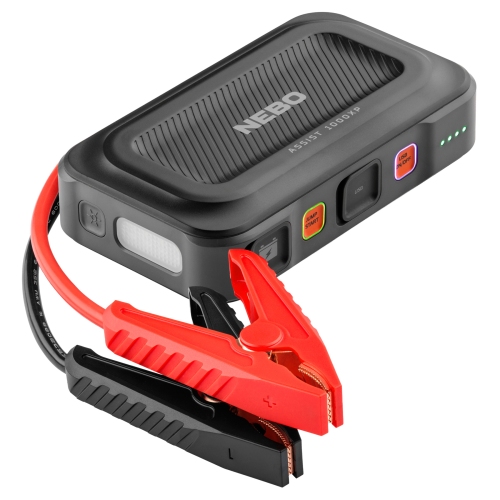 Your price for this item is $109.99
 -
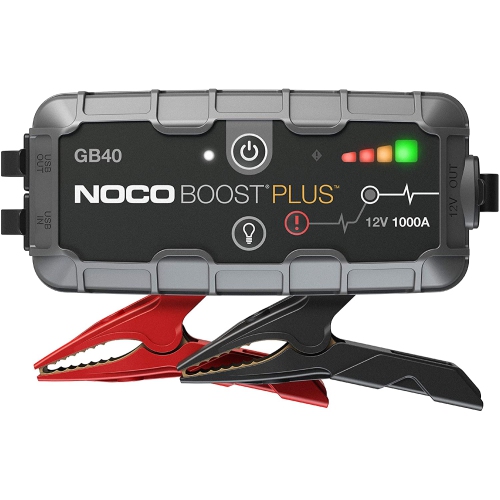 Your price for this item is $180.95
 -
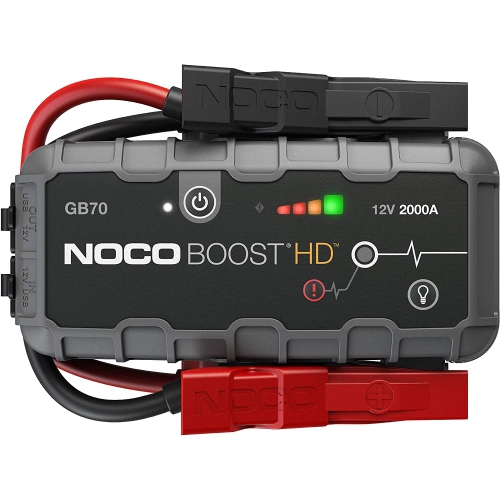 Your price for this item is $319.95
 -
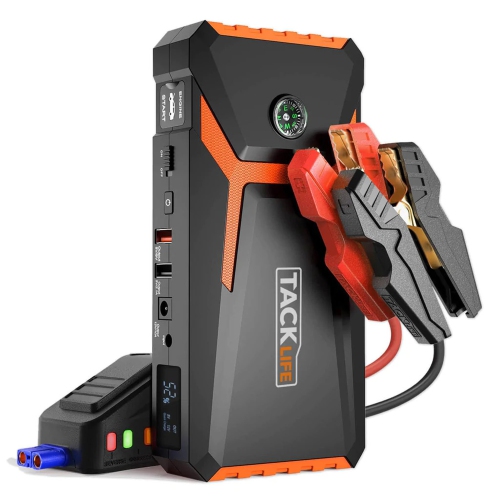 Your price for this item is $54
 -
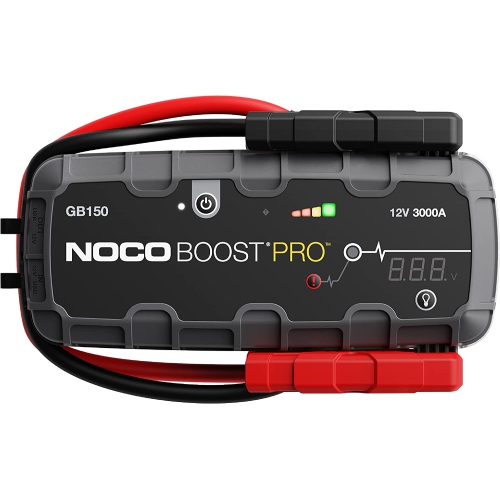 Your price for this item is $449.95
Discover more categories related to Emergency Car Care Kits

Top Collections:
Pokemon Centers, Kindle Devices, Best Budget Office Chairs, Apple iPhones 16, Best Laptops for Writers, iPhone 15 Apple, Canon G7X Cameras, Refurbished Apple Laptops, Alarm Clock, Motorola Razr Phones
Some products may be subject to Environmental Handling Fees
(EHF) depending on your province.
Learn more about EHFs.