Car Tool Kits
Rev up your road readiness with a comprehensive car tool kit that ensures you're prepared for any automotive challenge. Whether you're a seasoned mechanic or just want peace of mind during your travels, having the right tools at your fingertips is essential for tackling unexpected breakdowns or routine maintenance. From tire changes to minor repairs, these kits are designed to help you handle a variety of situations with ease and efficiency. Explore our selection of versatile car tool kits that combine practicality with reliability, making every journey smoother and safer.
Sort



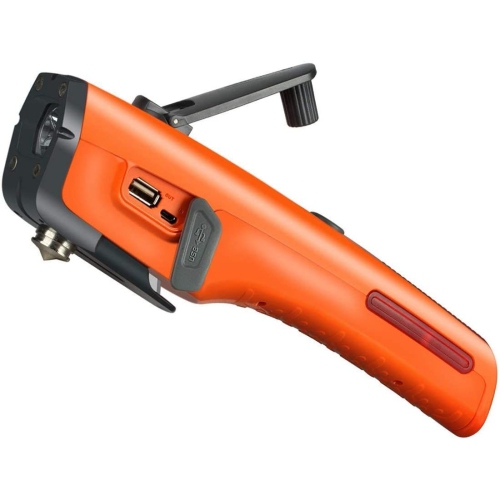

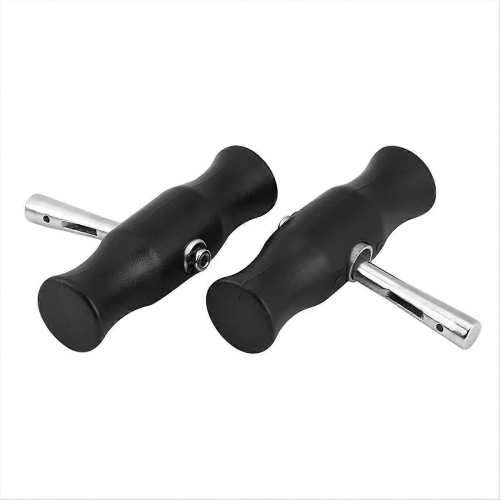
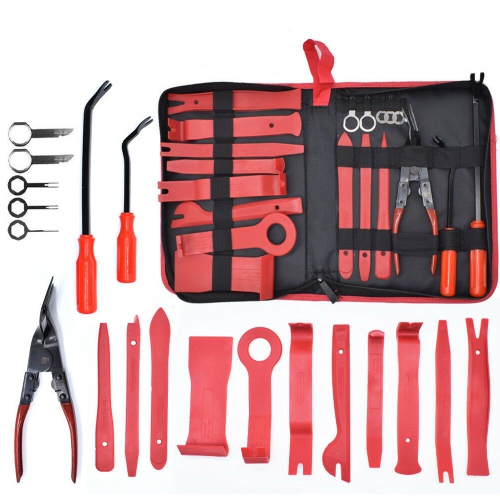
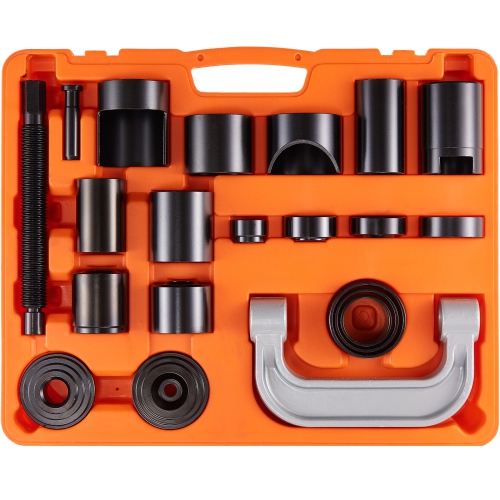
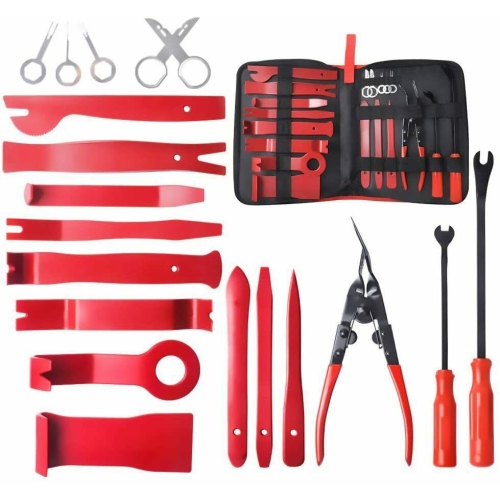

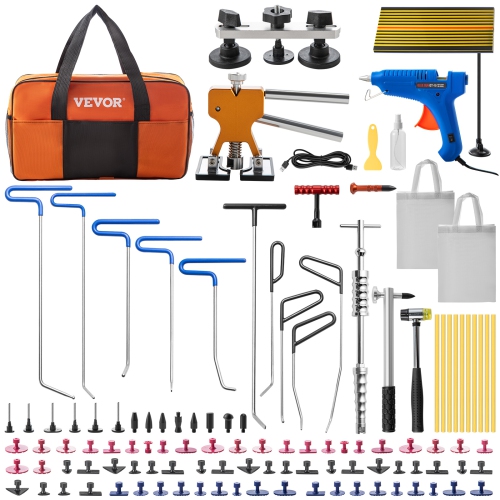
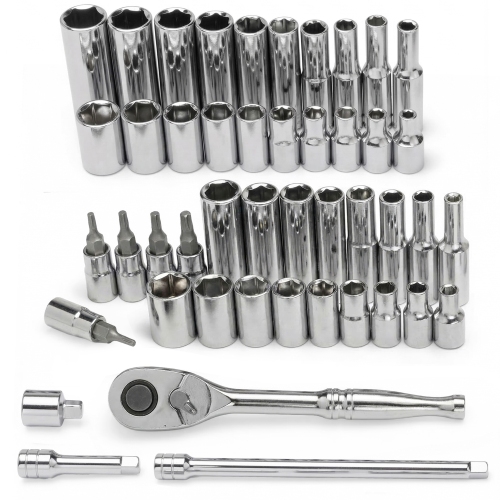
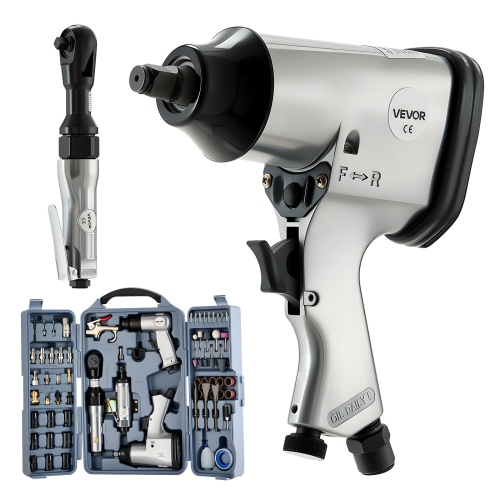


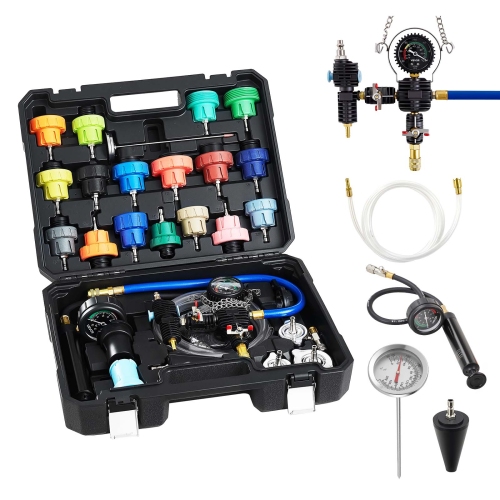

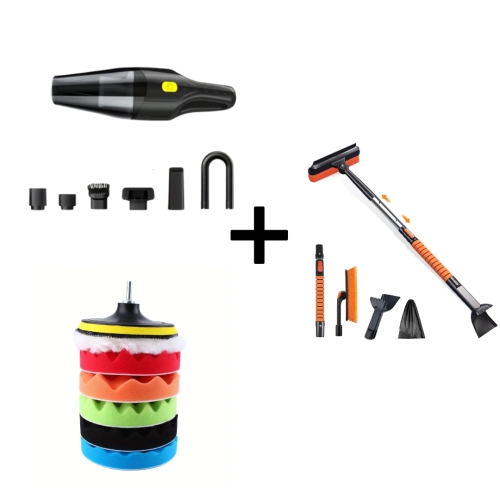

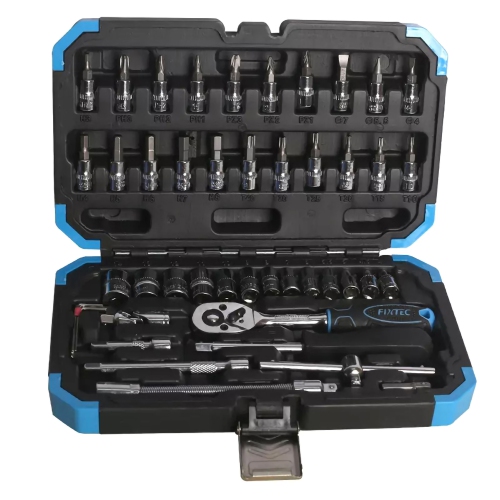

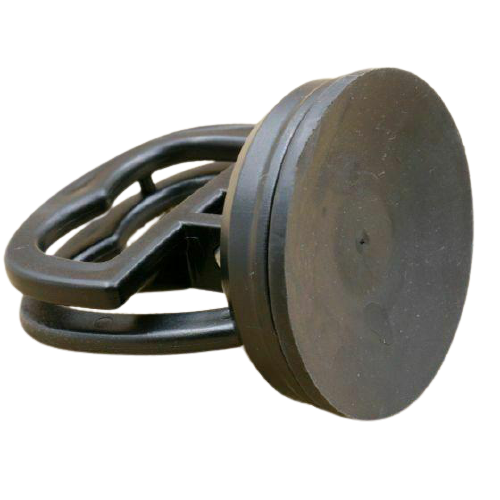


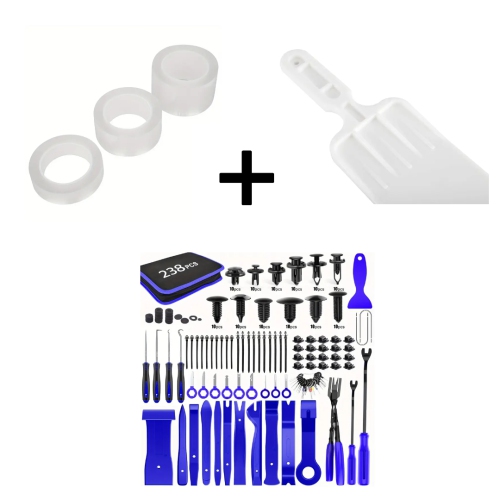
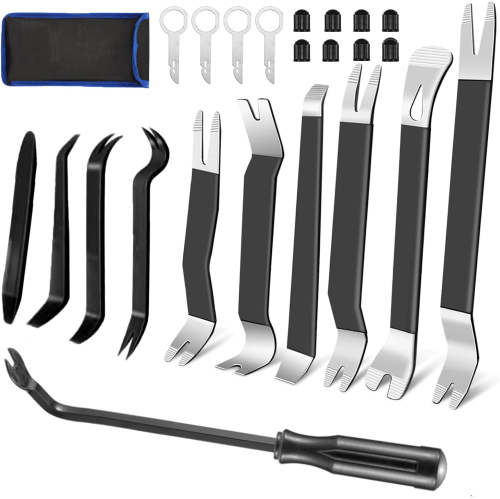
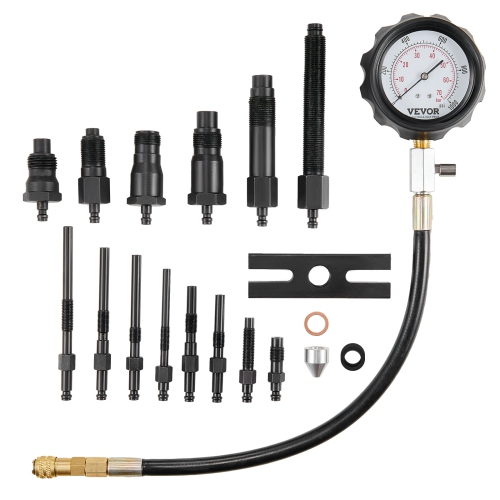

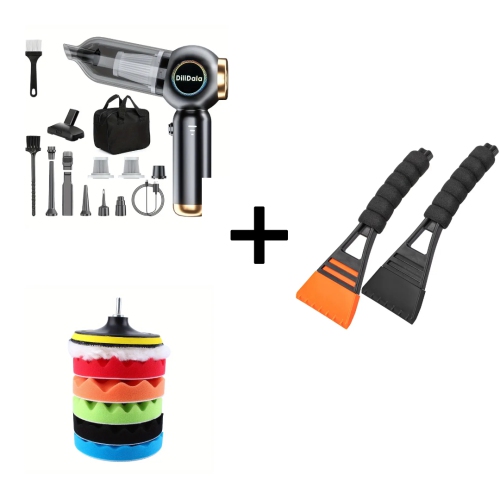
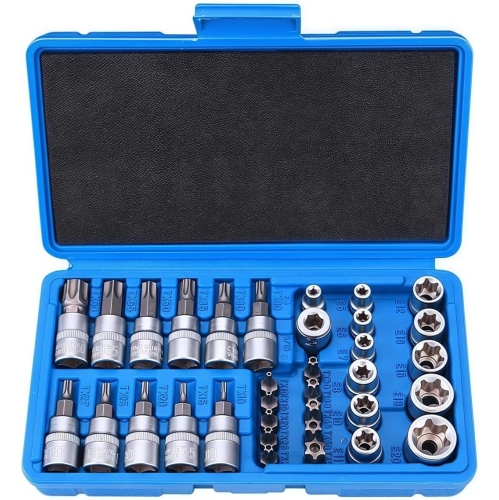
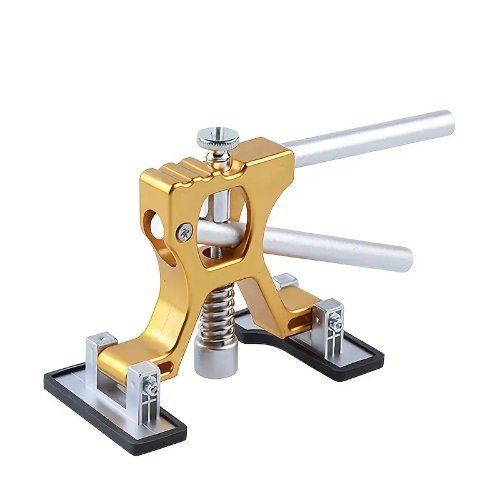


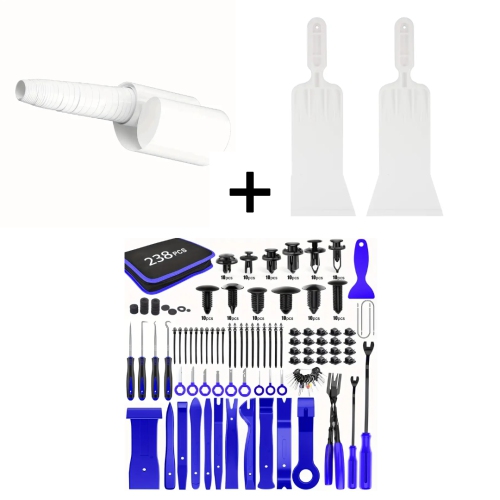
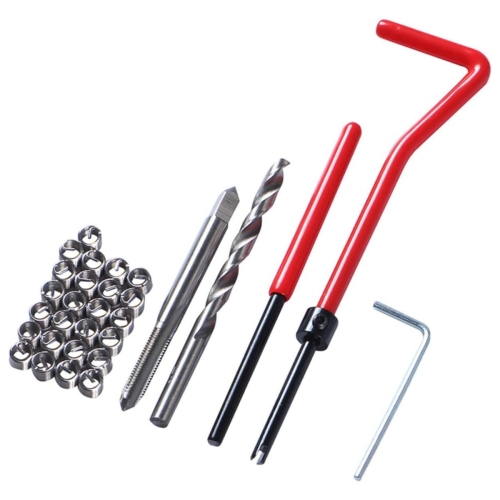
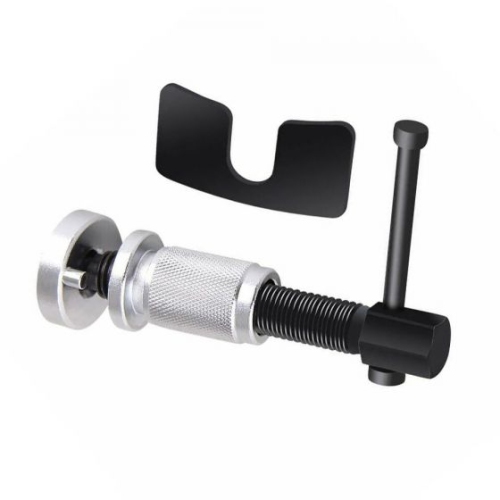
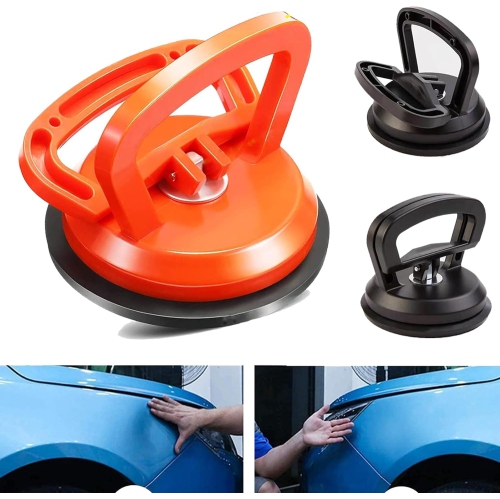

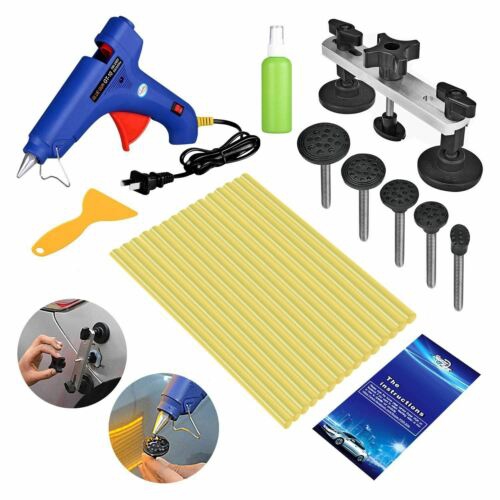

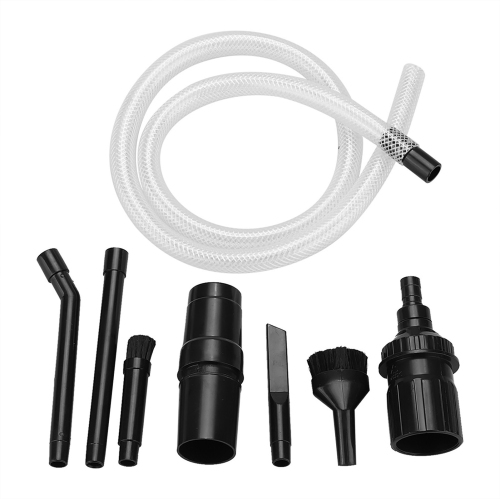


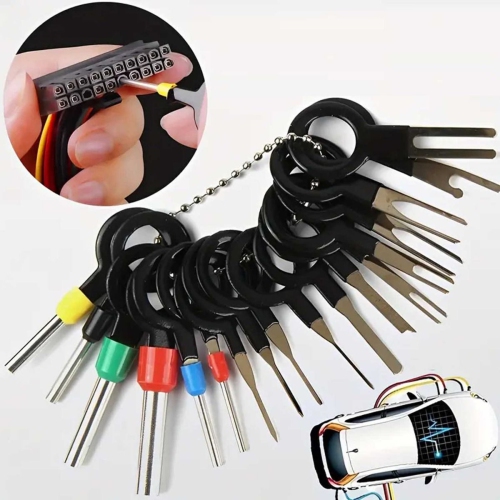
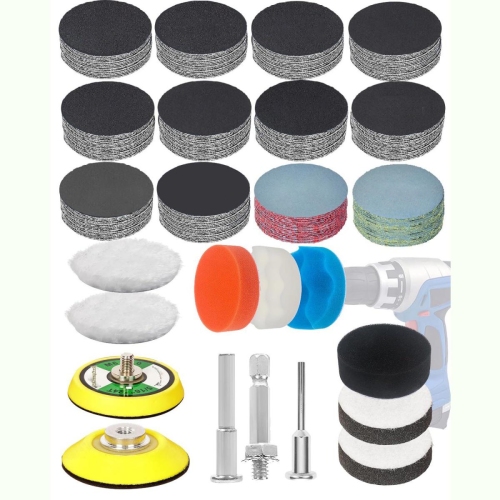

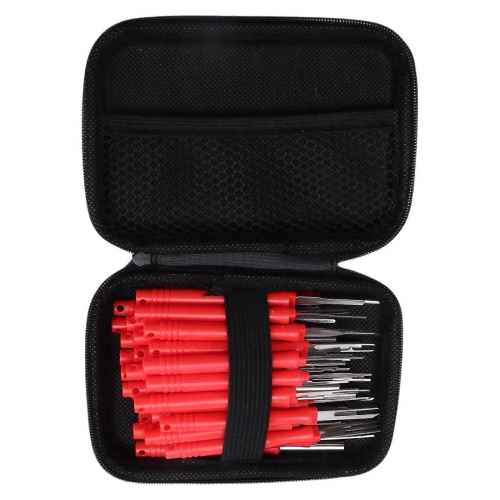
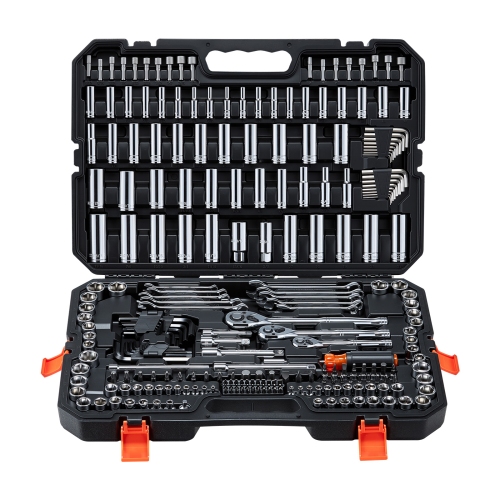
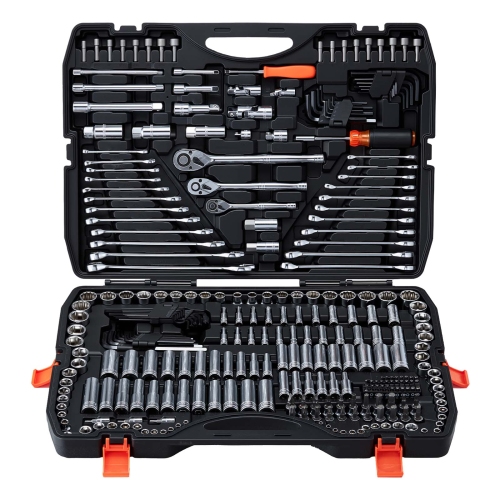

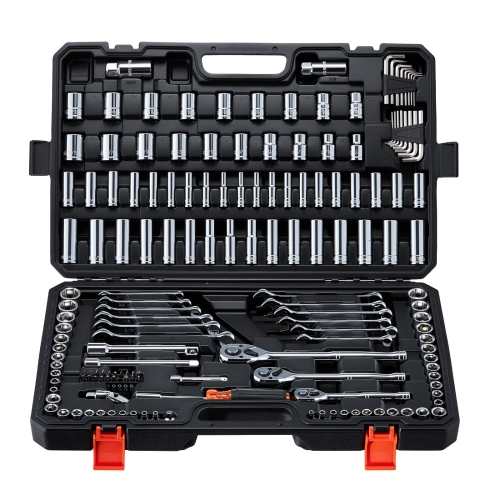

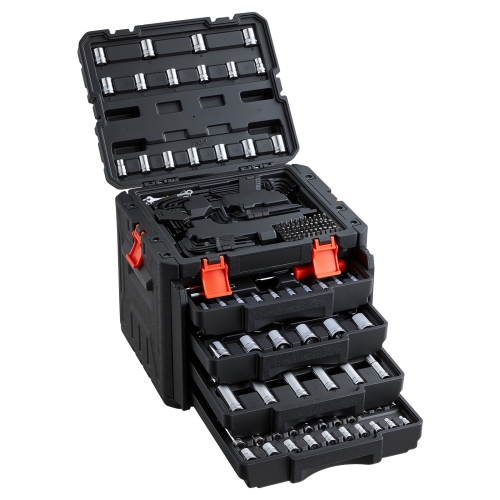


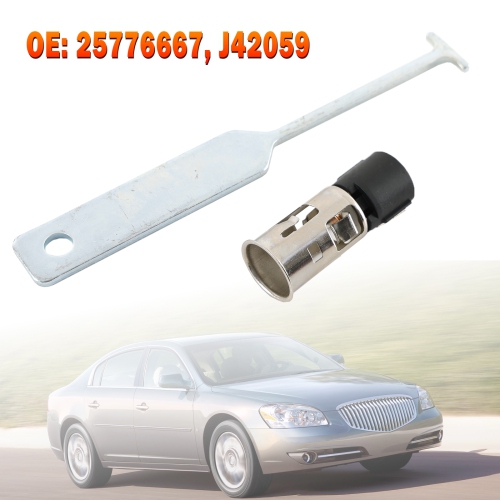
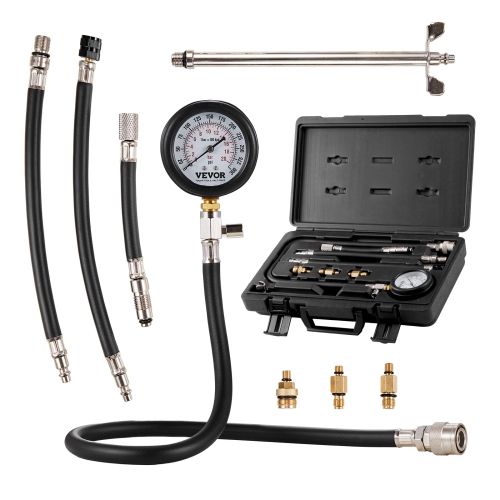
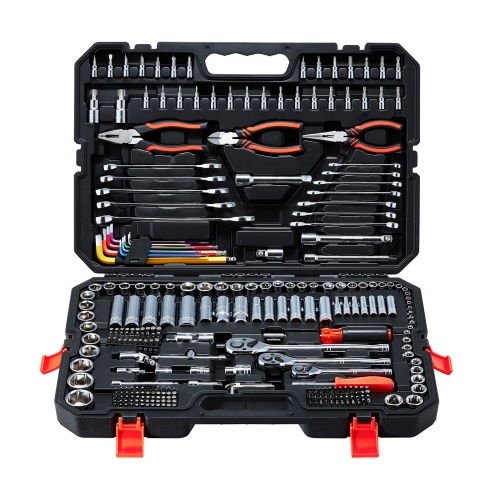

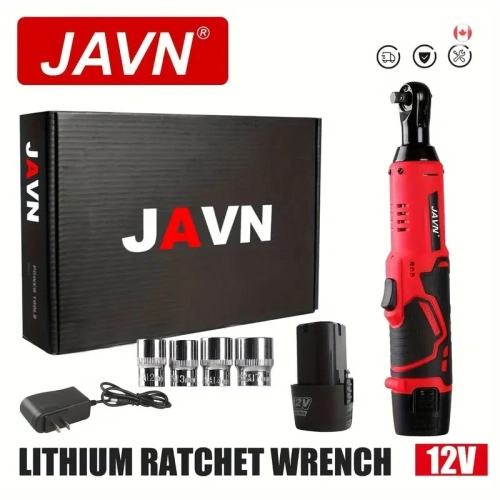
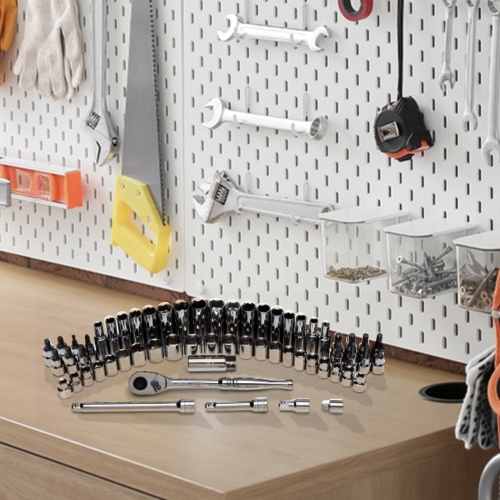


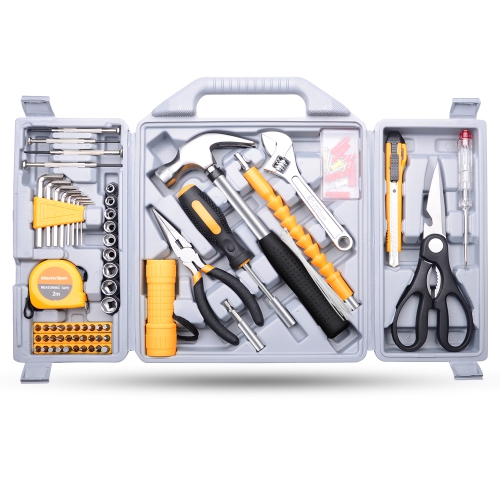
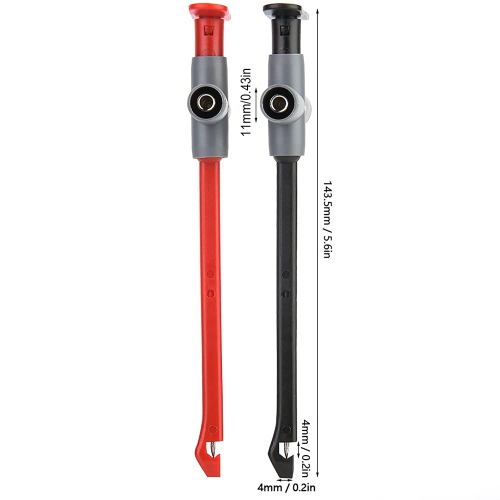
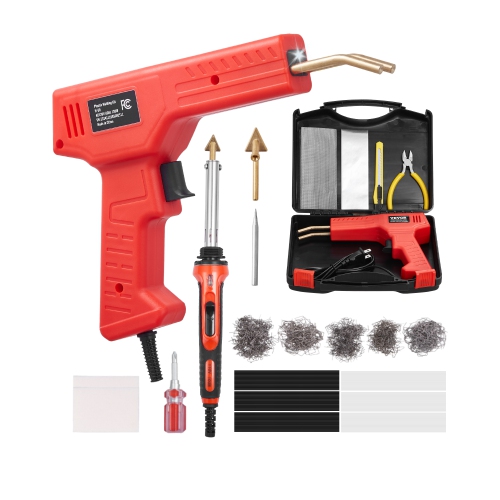
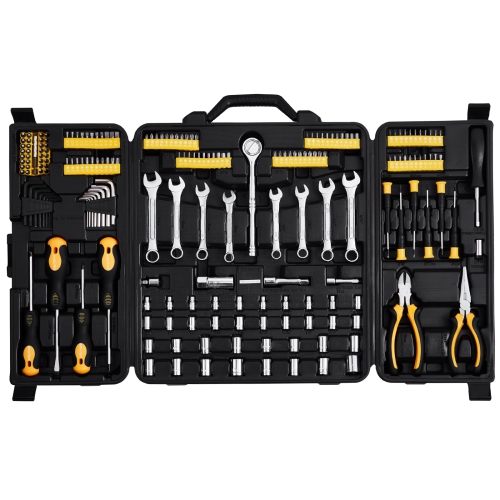
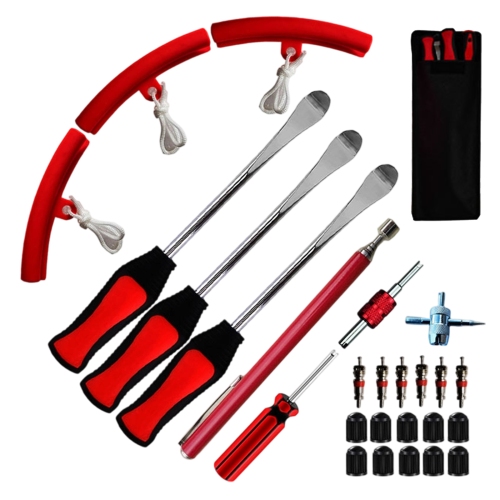


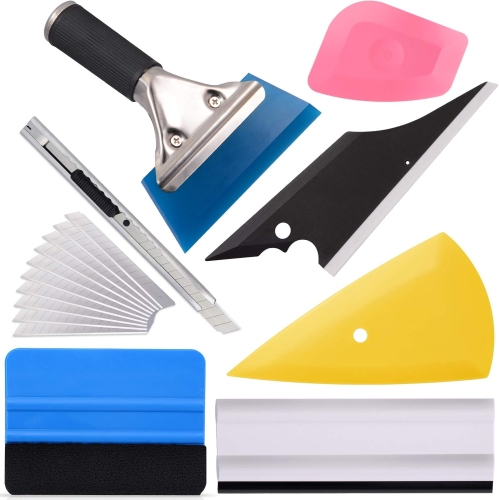
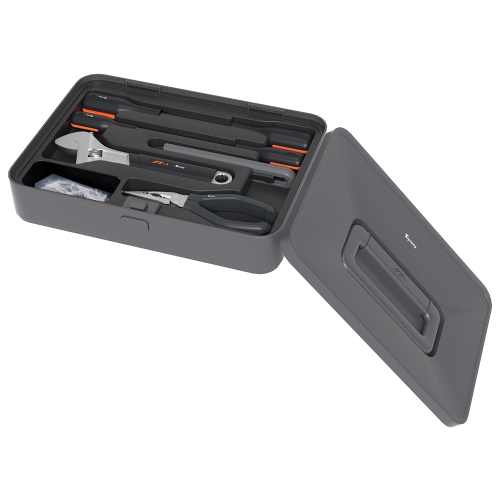
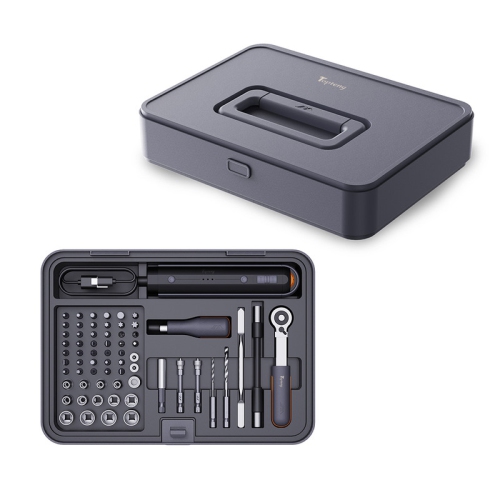
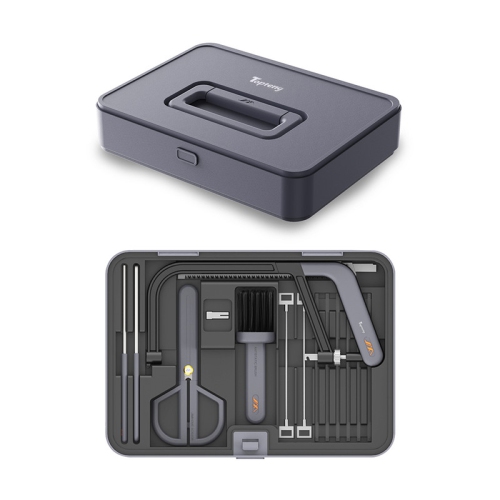
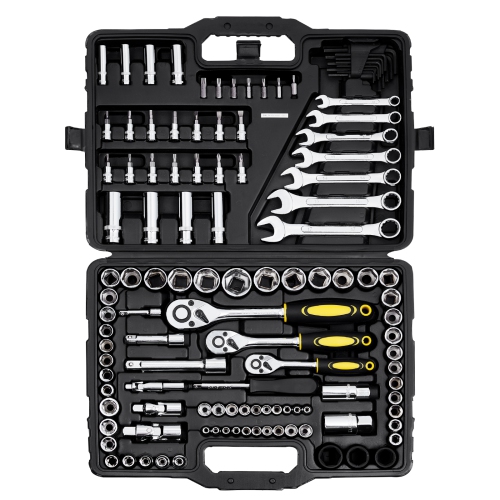

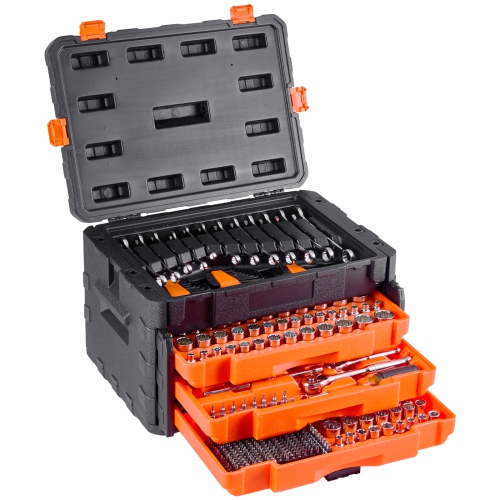

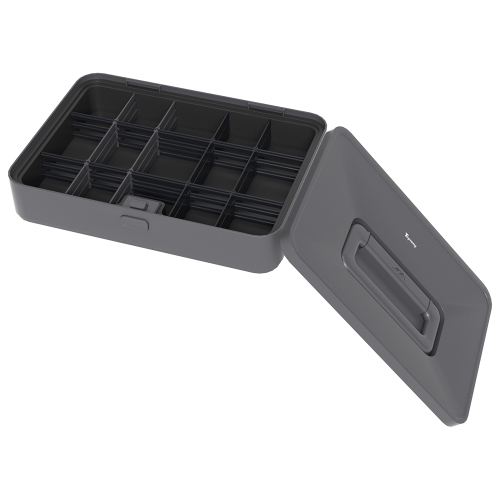
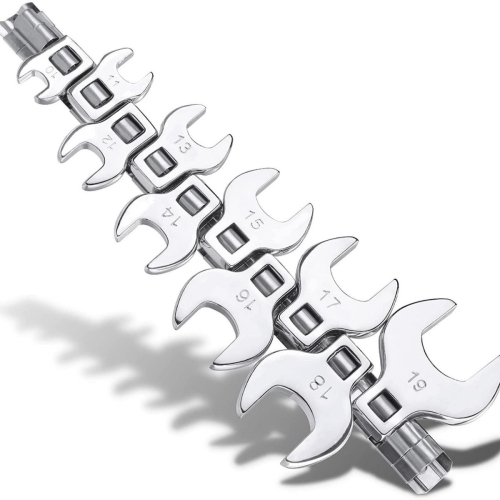
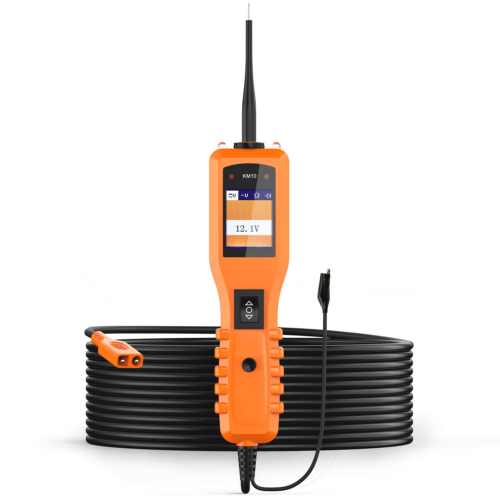
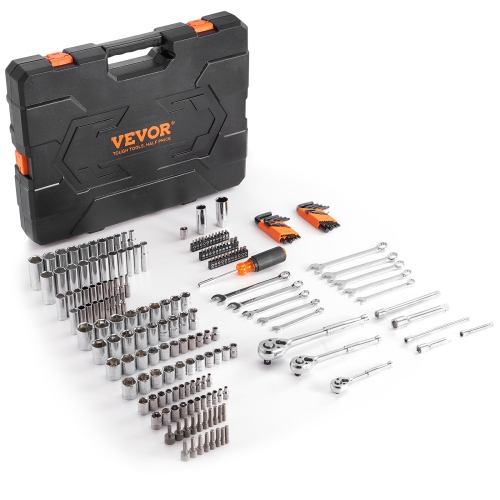
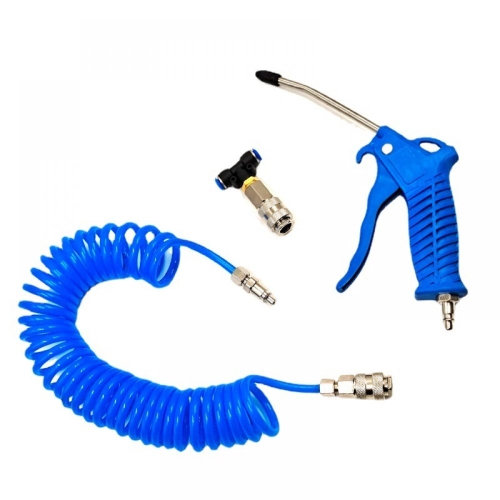


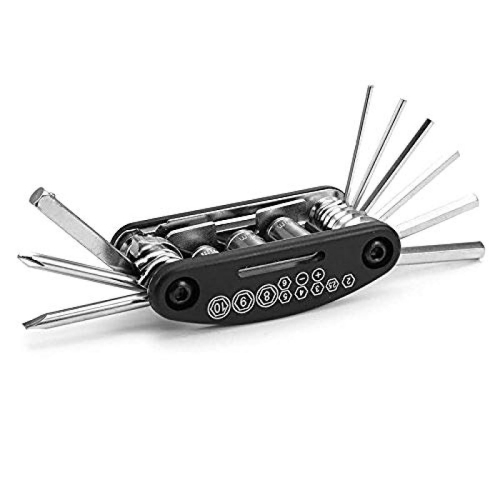
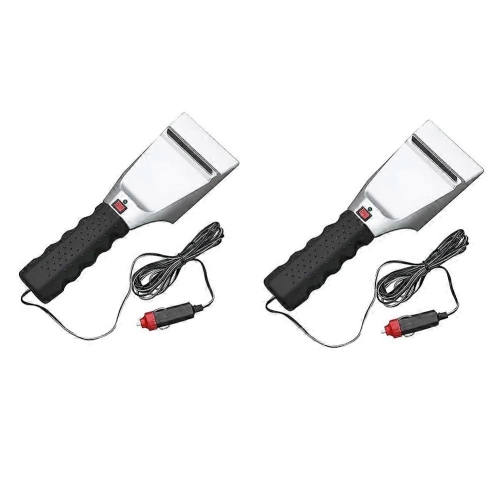
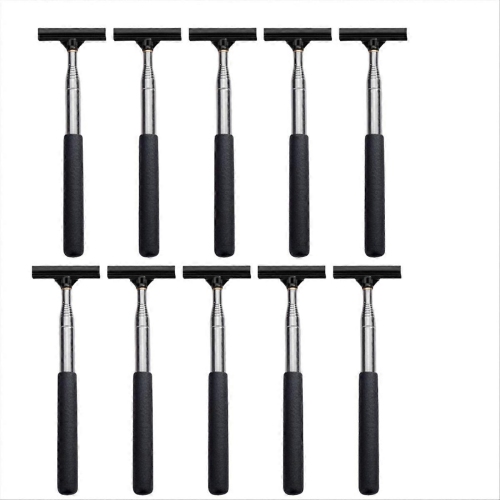
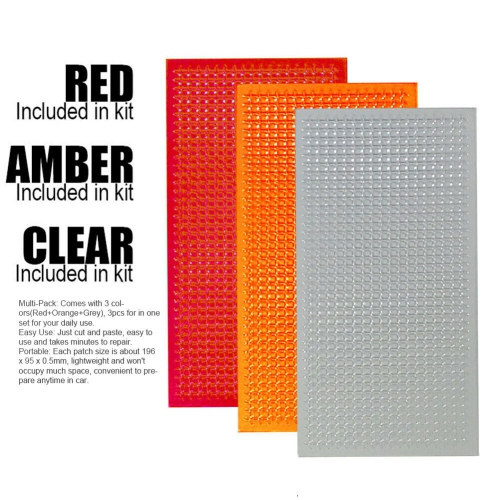




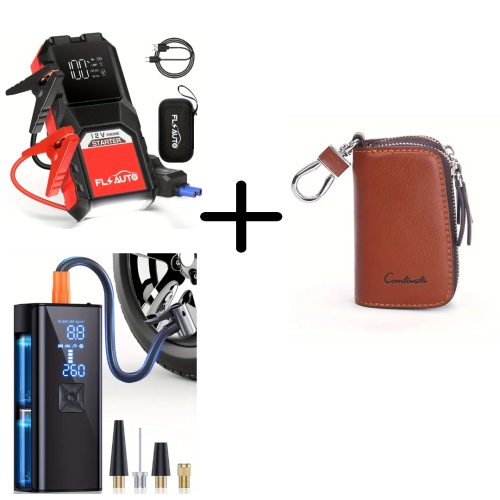


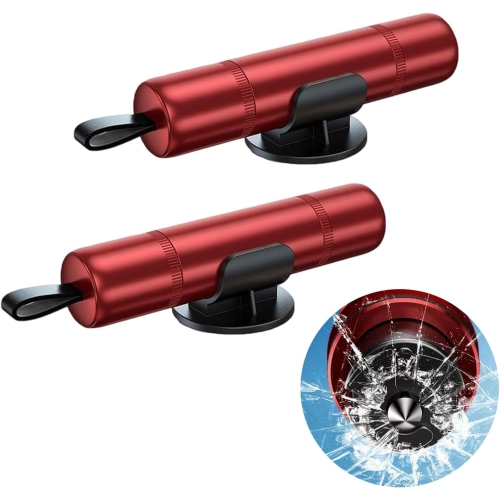


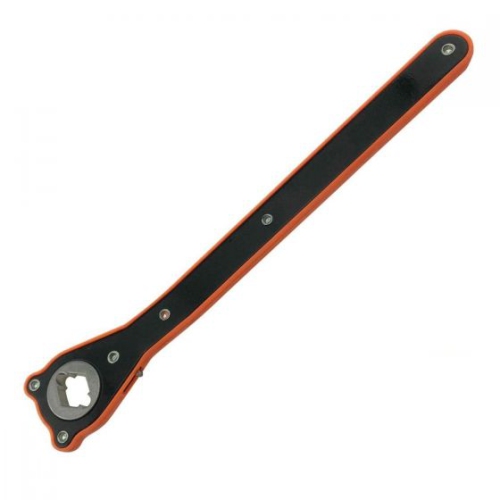
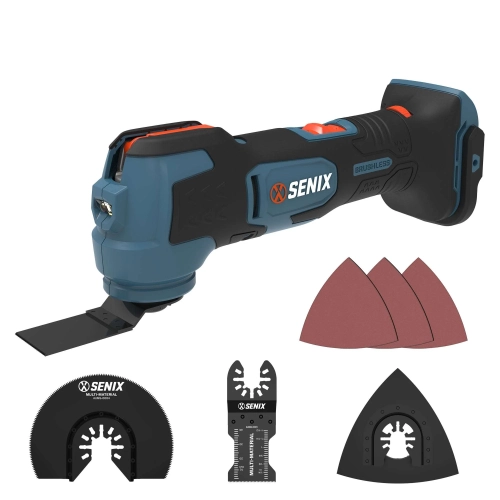
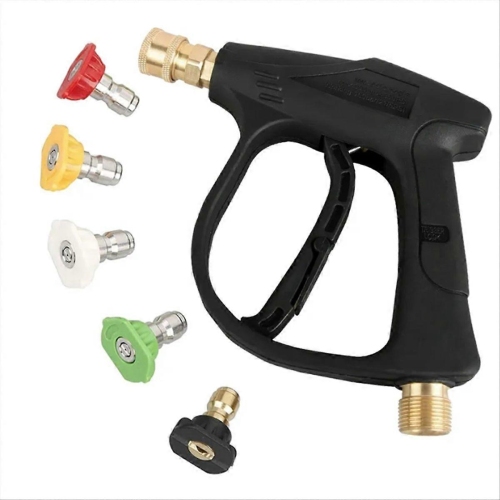
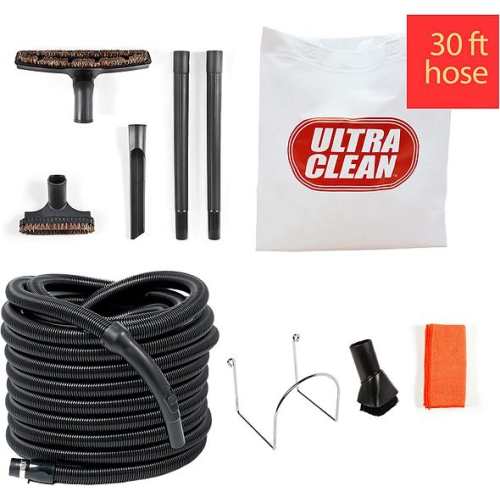
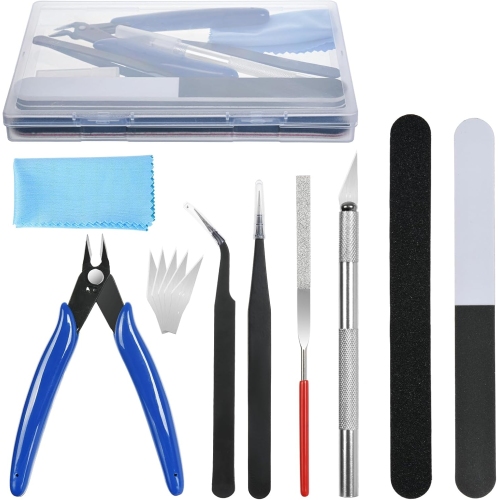
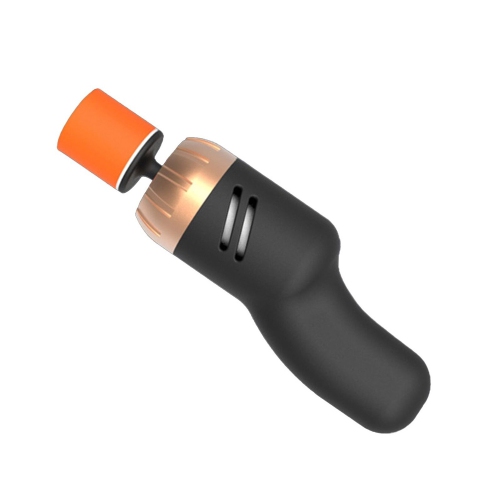
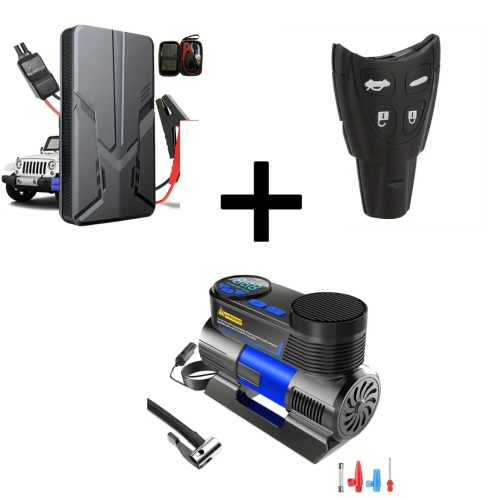
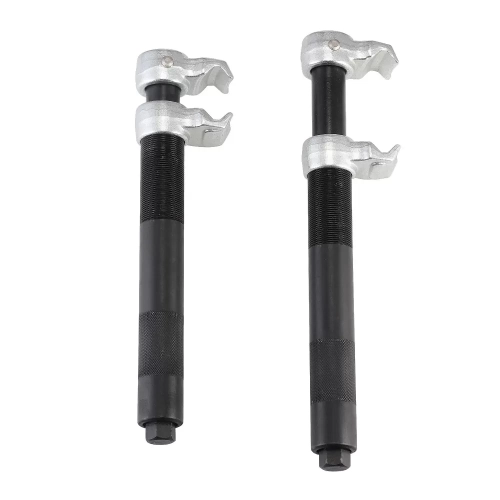


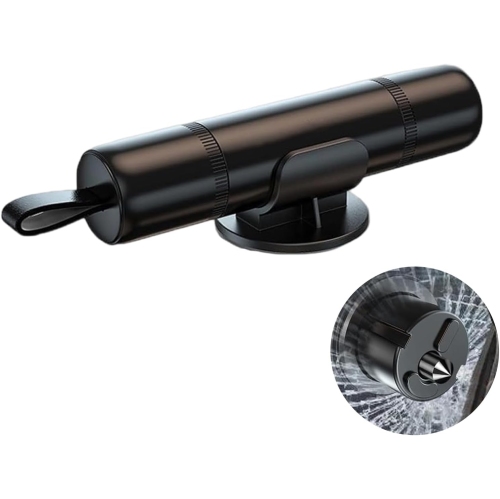
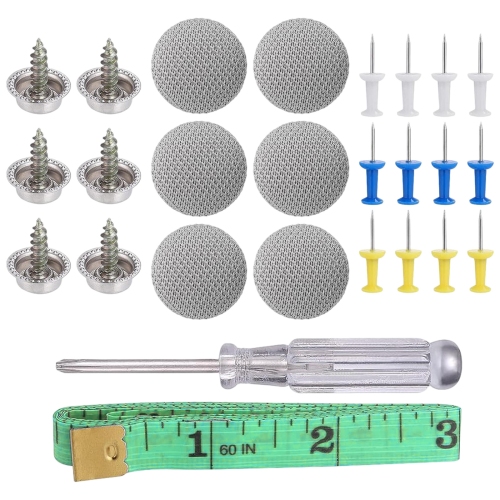






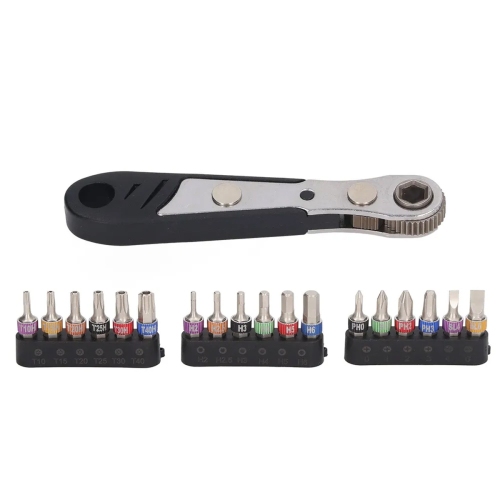
Why tool fit matters more than piece count
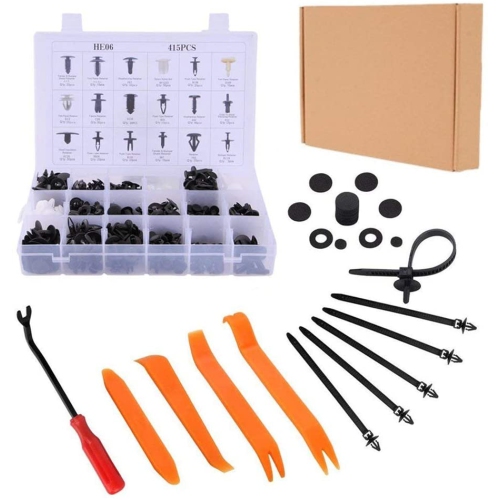
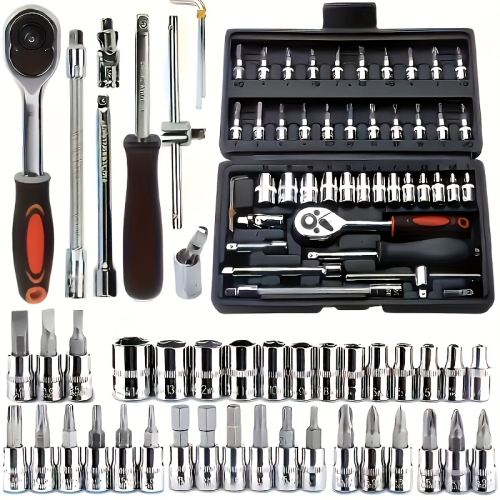
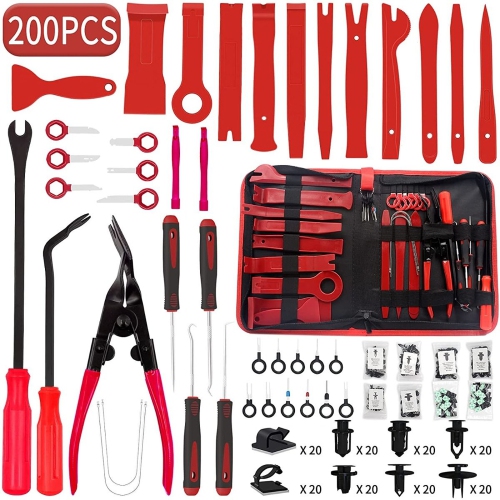
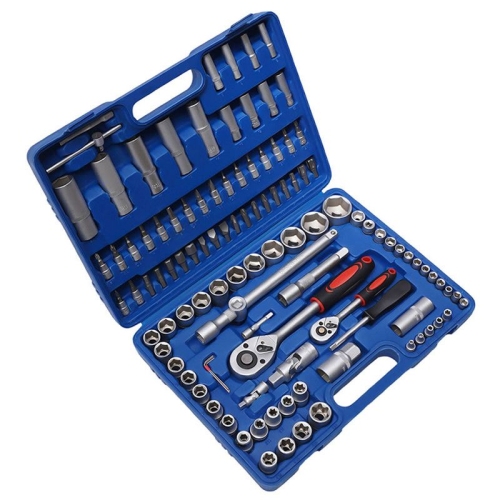
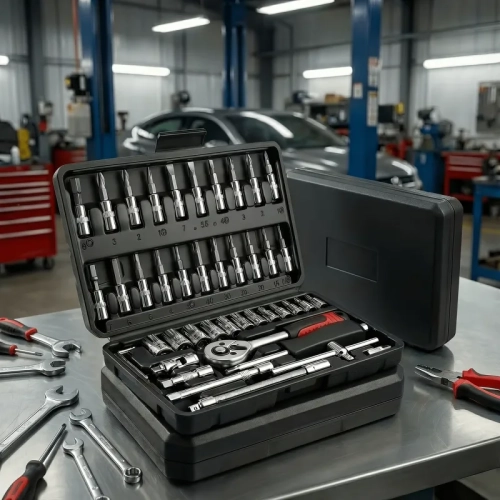
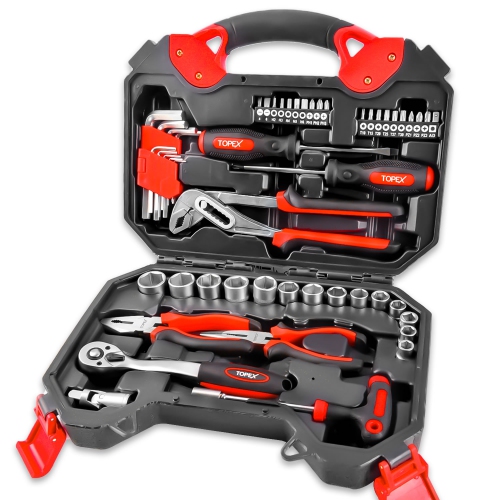
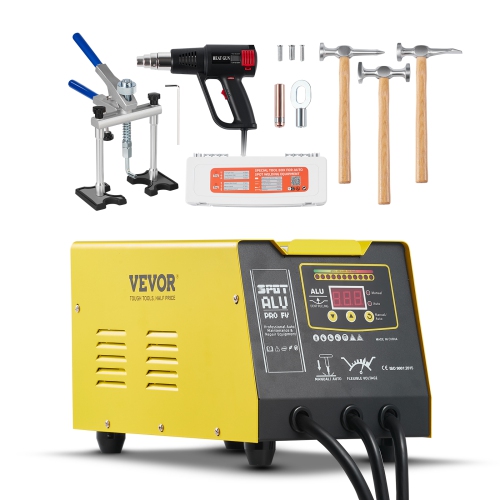
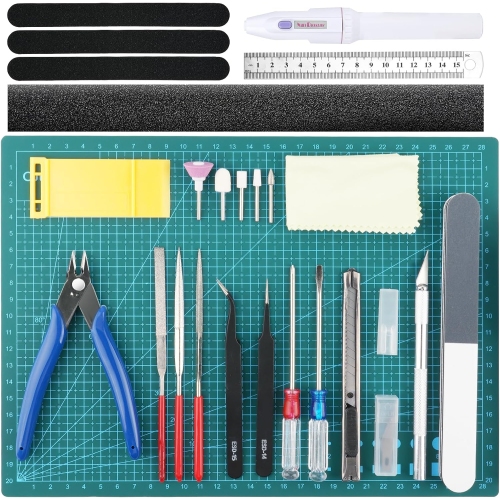
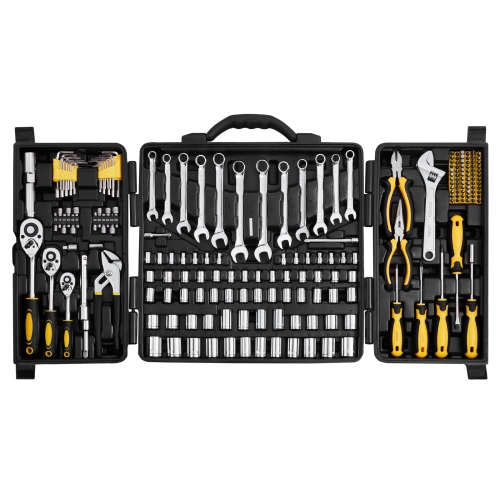
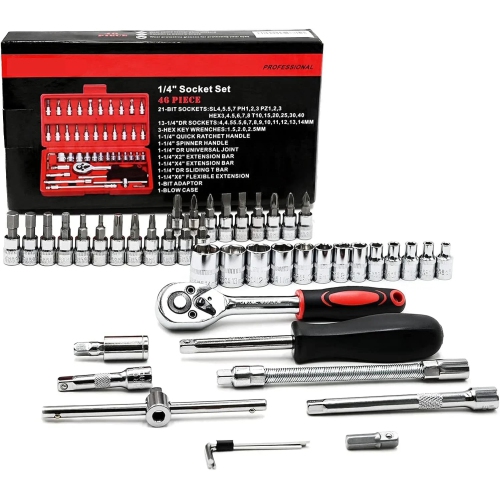
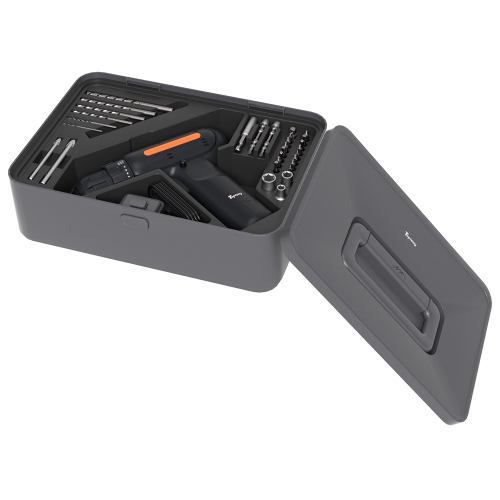
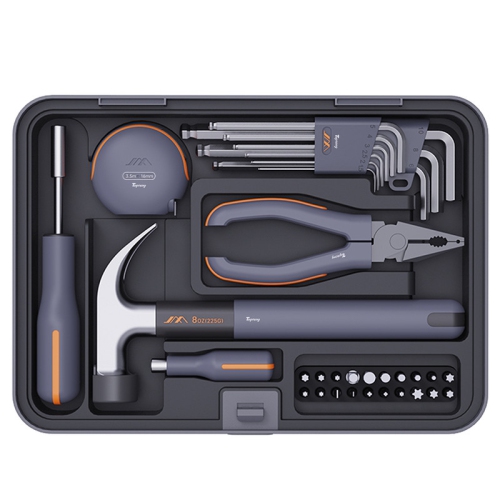
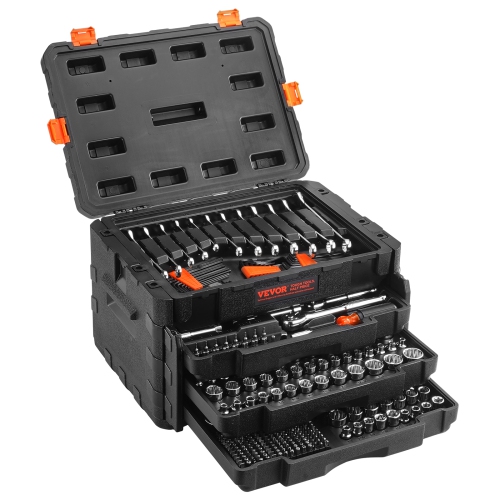
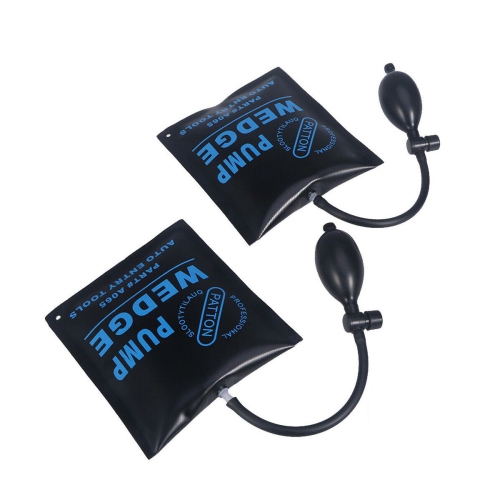
Car tool kits bring together the hand tools and supporting equipment used for basic vehicle upkeep, small adjustments, and unexpected stops. The most useful kit depends on whether it will stay in the boot for occasional use or spend most of its time beside a vehicle in a garage. A compact mechanics set typically centres on sockets, ratchets, combination wrenches, screwdriver bits, and pliers, while a roadside kit may focus on visibility, lighting, tire pressure checks, and battery assistance. These functions complement each other, but they are not interchangeable: a socket set cannot inflate a tire, and an emergency supply bag may have few tools for working with fasteners. For everyday drivers, a manageable case with clearly marked compartments can be more practical than a large assortment that is awkward to carry or difficult to search. For someone who enjoys hands-on maintenance, broader socket coverage, useful extensions, and comfortable handles may matter more than compact dimensions. Picture tightening an accessible loose bracket in the driveway or reaching a recessed fastener beneath a plastic cover; the right size and shape of tool make a greater difference than the total number of pieces. Piece counts can include individual bits, small accessories, and duplicate sizes, so the contents deserve a closer look than the number on the case. A balanced assortment should reflect the vehicle, the tasks its owner is comfortable performing, and the space available for storage. Vehicle instructions remain important, particularly where access points, tightening specifications, or electrical precautions are involved. Car tool kits also make practical gifts for new drivers, automotive students, and hobby mechanics when matched to their experience rather than chosen simply for size. A beginner may appreciate an organized general-purpose set, while an experienced user may benefit from tools that fill gaps in an existing collection. Neither needs a case packed with unfamiliar accessories that have no clear use on their vehicle.
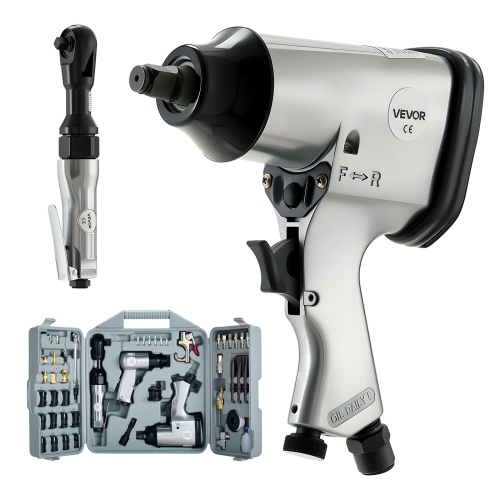
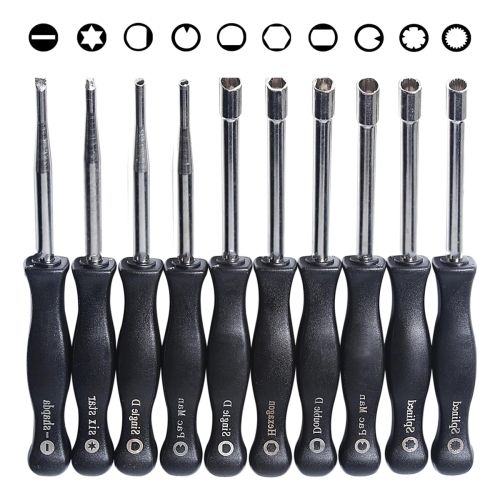
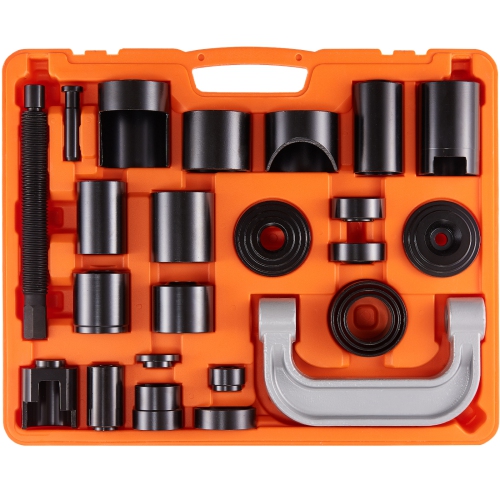
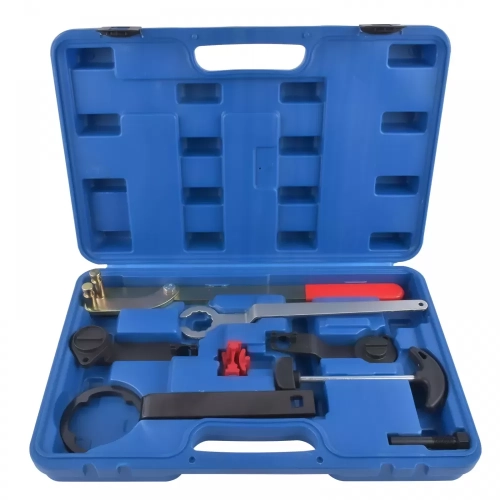
Fit and construction help distinguish a useful automotive tool kit from one that merely looks comprehensive. Many vehicles use metric fasteners, while some older vehicles and certain components may require SAE sizes; tools should match the actual fastener rather than a near equivalent that can slip and damage its edges. Socket drive size is a separate measurement from the size of the nut or bolt. A 1/4-inch drive can suit smaller fasteners and confined spaces, while a 3/8-inch drive is a common choice for general mechanical work. Larger drive tools may be appropriate for heavier tasks, but greater leverage is not a substitute for the correct tightening specification. Shallow sockets fit into limited spaces, deep sockets can reach nuts on longer studs, and extensions help position a ratchet beyond surrounding components. Six-point sockets grip the flats of matching hexagonal fasteners and can be useful where a secure fit matters. A ratchet with a small swing arc can turn a fastener where nearby parts restrict handle movement, although head size and overall access still affect usability. Chrome vanadium steel is common in hand sockets and wrenches, and protective finishes can help resist corrosion when tools are kept clean and dry. Tools used with an impact wrench must be specifically rated for impact use; a dark finish alone does not establish that rating. Comfortable, oil-resistant grips, readable size markings, and securely retained bits are details that become noticeable during repeated use. Needle-nose pliers can reach into narrow openings, while other plier styles serve different gripping tasks, but none should replace a correctly fitting wrench on a nut or bolt. Where precise tightening matters, a suitable torque wrench may be needed separately, since a standard ratchet does not measure torque. For tasks beyond the scope of a general kit, car repair tools can complement the core assortment with equipment suited to particular maintenance needs. Vehicle-specific requirements are especially important for wheel work, electrical systems, and components with restricted access.
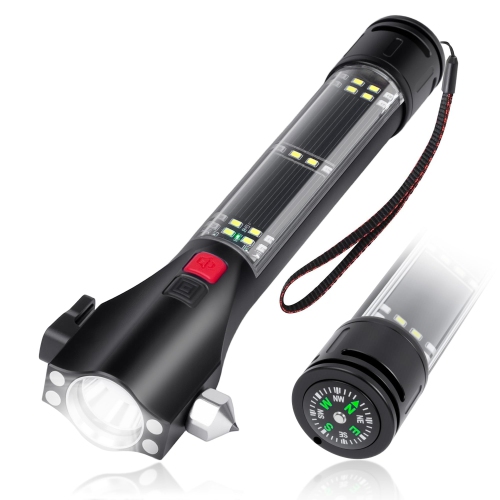
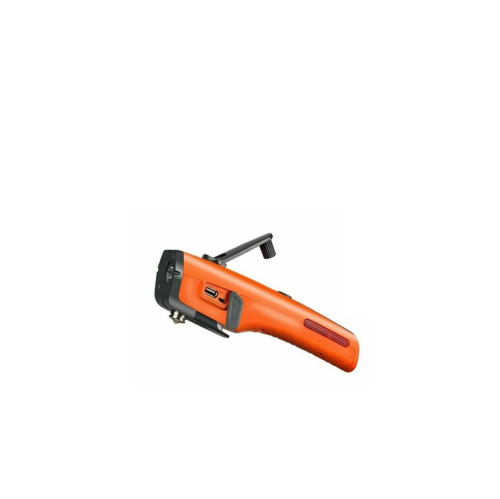
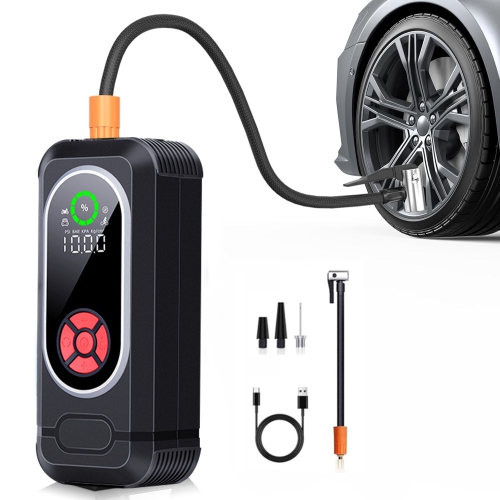
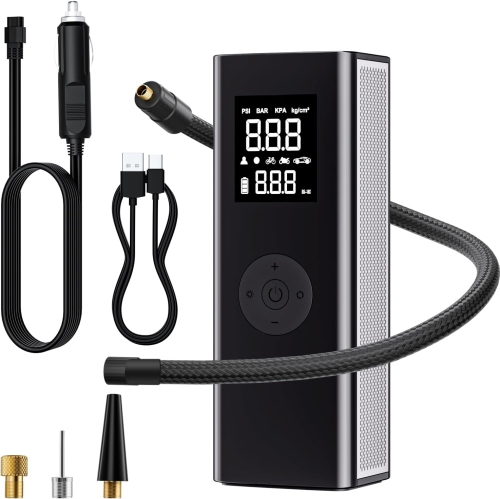
Storage, care, and sensible limits determine how well a car tool kit serves its owner over time. A moulded case with individual tool positions makes a missing socket easy to spot before the lid closes, while a soft-sided bag may fit more readily into a smaller cargo area. Strong latches, secure hinges, and a comfortable carry handle matter when a loaded kit moves between a shelf, a driveway, and a vehicle. Inside the vehicle, the case should be restrained so it cannot slide around or become a hazard during sudden braking. Tools benefit from being wiped clean after use and allowed to dry before storage; dirt in a ratchet mechanism, residue on a grip, or corrosion inside a socket can affect performance. Follow the manufacturer's care instructions, and replace tools with cracked handles, distorted jaws, or other damage rather than continuing to rely on them. If roadside readiness is part of the intended use, lighting and warning equipment deserve attention alongside hand tools. A hands-free work light can illuminate a small area without occupying one hand, while a tire pressure gauge and a compatible portable inflator support pressure checks and inflation within the equipment's limits. Tire pressures should follow the vehicle placard or owner's manual, not the maximum pressure marked on the tire sidewall. An inflator does not make a damaged tire safe to drive on. Battery boosters and jumper cables also require careful matching to the vehicle and adherence to its starting procedure; cable gauge alone does not establish suitability. Battery-powered accessories need periodic charge checks so they are ready when needed. During a breakdown, personal safety takes priority over using the kit, particularly near moving traffic or where there is no safe place to work. A jack alone must never support a vehicle while someone works underneath it, and high-voltage vehicle systems require qualified service. With these boundaries in mind, a thoughtfully chosen car tool kit offers an orderly, accessible foundation for the small jobs its owner can safely handle.
Top selling and popular products
-
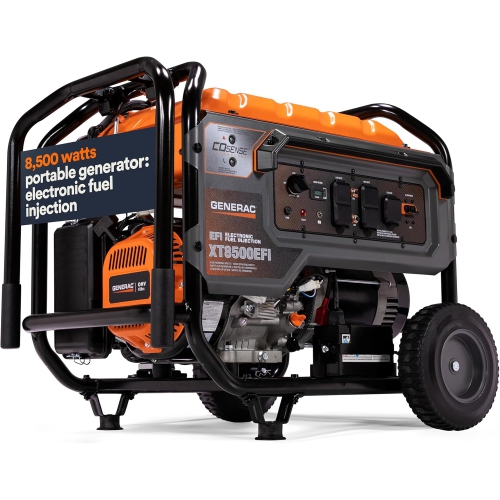 Your price for this item is $3000
-
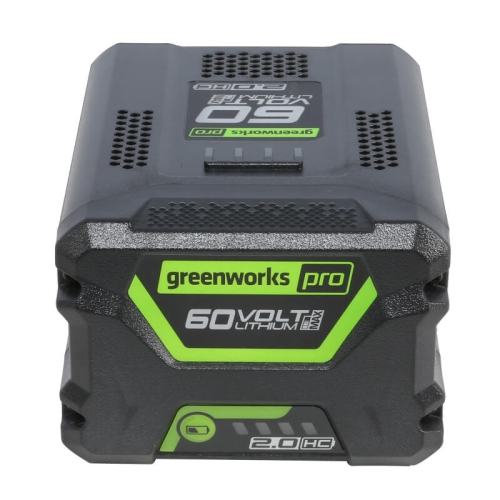 Your price for this item is $159.99
-
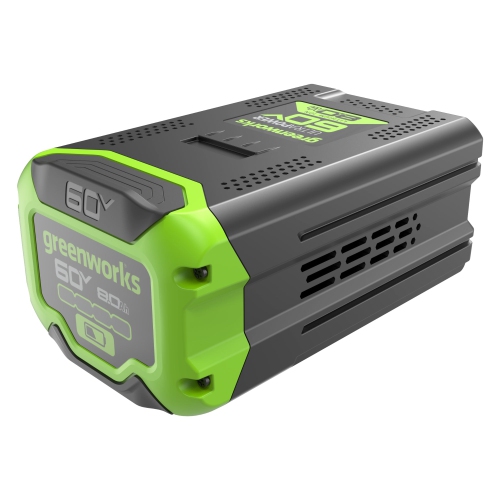 Your price for this item is $329.99
-
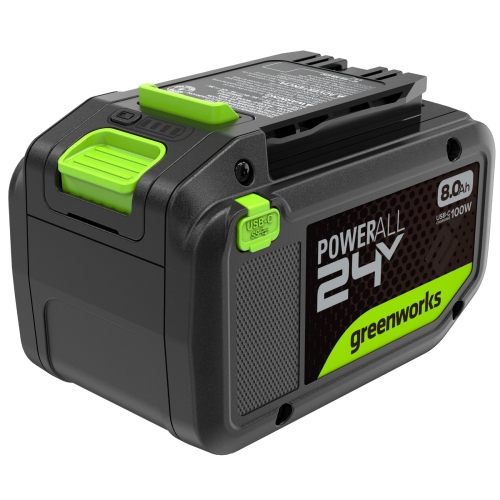 Your price for this item is $149.99
-
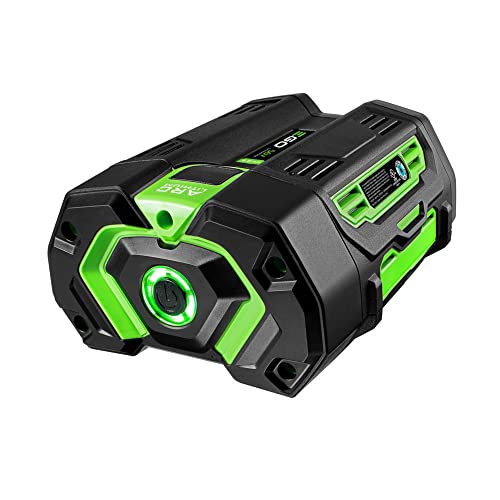 Your price for this item is $264
-
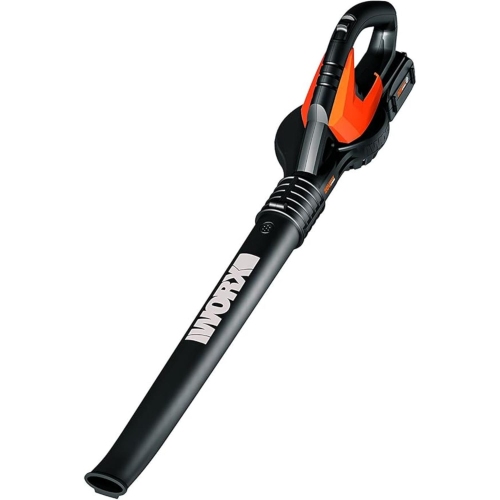 Your price for this item is $217.55
-
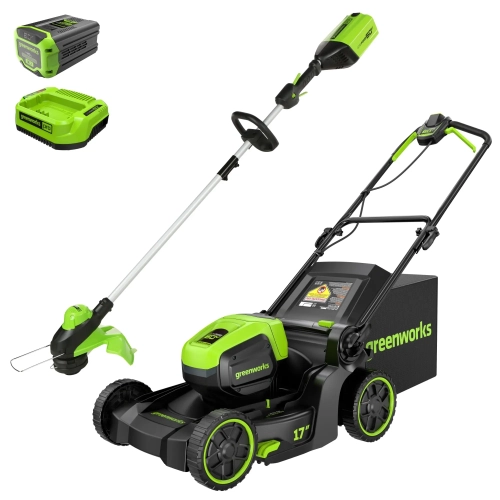 Your price for this item is $779.99
-
 Your price for this item is $659.99
Discover more categories related to Car Tool Kits
Top Collections:
Pokemon Centers, Kindle Devices, Best Budget Office Chairs, Canon G7X Cameras, Apple iPhones 16, Samsung Galaxy Phones, Refurbished Apple Laptops, Laptops for Students, iPhone 15 Apple, Budget Smartphones
Some products may be subject to Environmental Handling Fees
(EHF) depending on your province.
Learn more about EHFs.