Diagnostic Tools
Explore the world of diagnostic tools, where precision meets innovation to empower your automotive and technical endeavors. Whether you're a professional mechanic or a DIY enthusiast, the right diagnostic tools can transform how you identify and solve issues, ensuring your projects run smoothly. With a variety of options available, you can easily find the perfect tool to suit your needs, from basic code readers to advanced diagnostic systems. Elevate your troubleshooting capabilities and streamline your workflow with tools designed to deliver accuracy and efficiency, all while keeping up with the latest technological advancements. Dive into our selection and discover how these essential tools can enhance your repair and maintenance tasks.































































From check-engine lights to clearer repair decisions
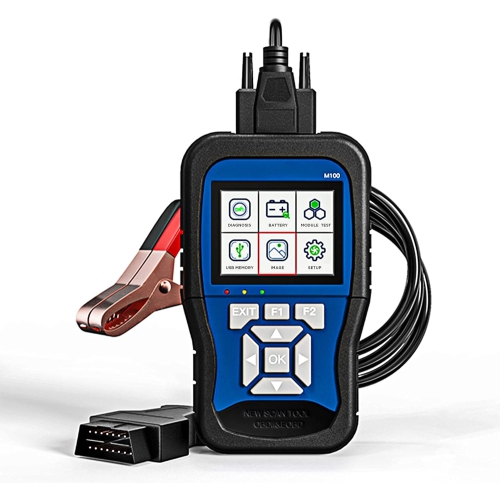
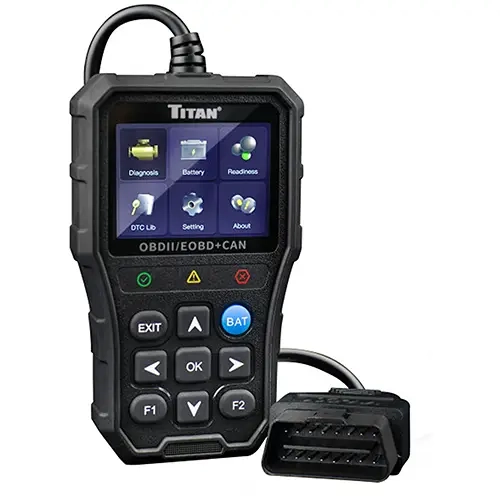
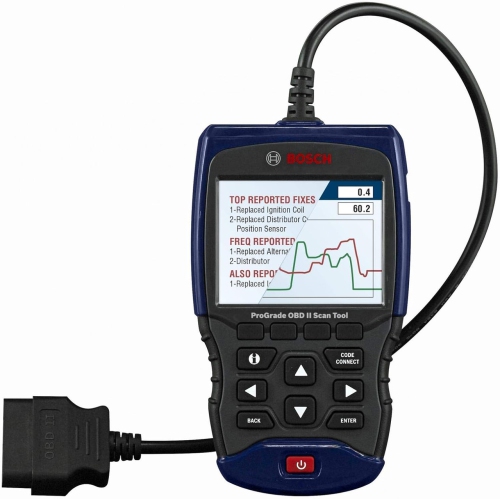
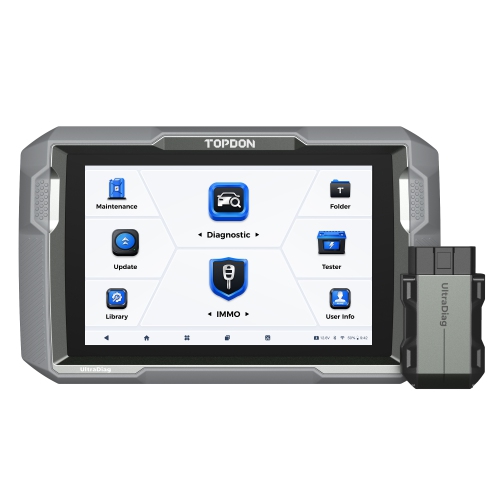
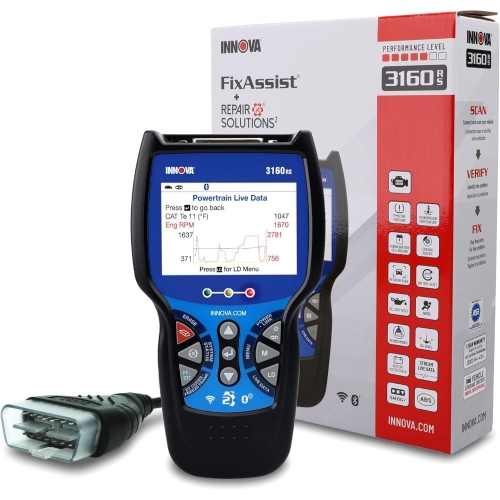
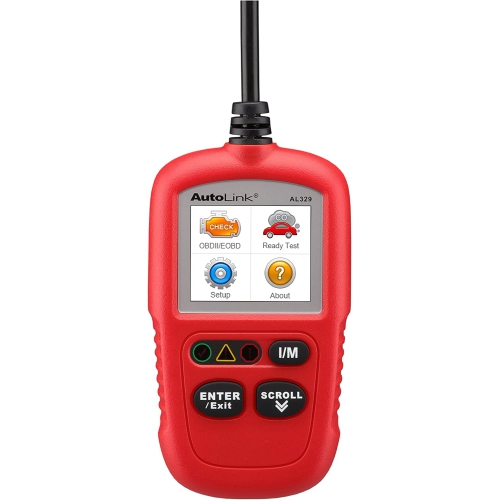
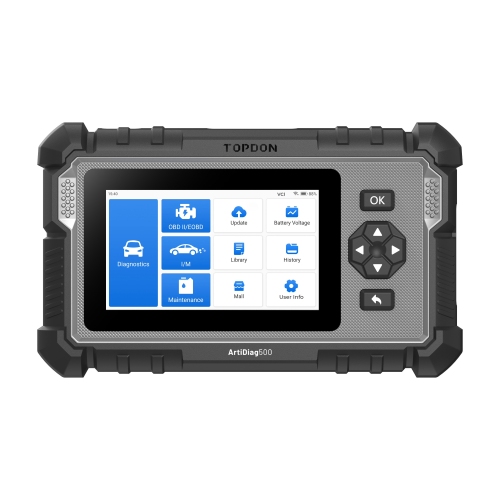
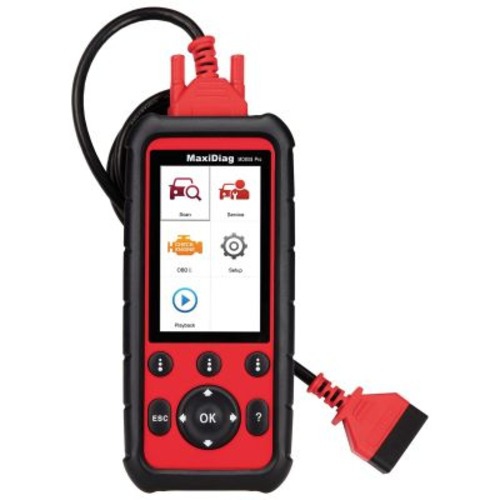
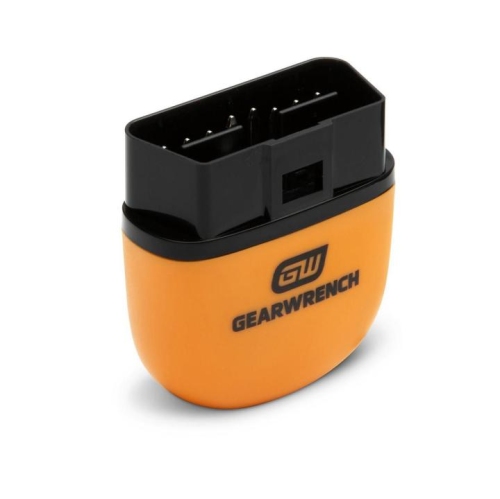
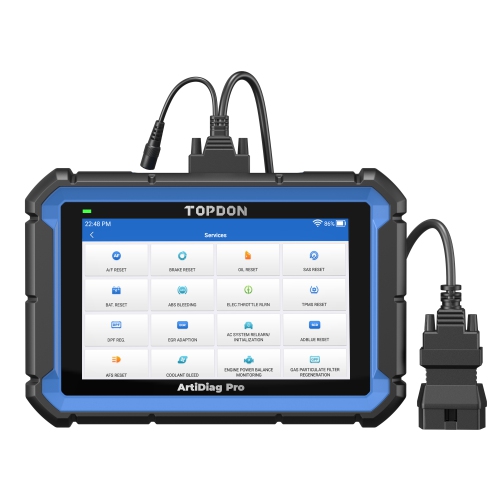
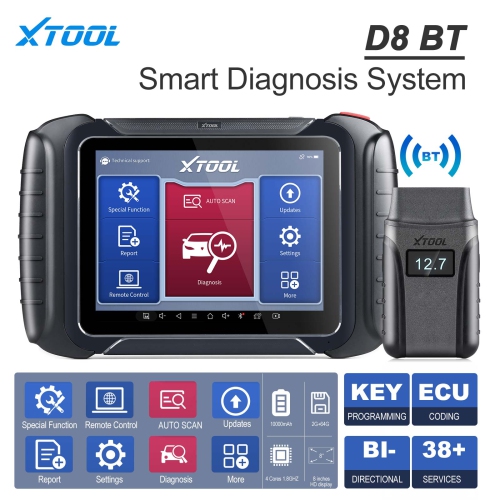
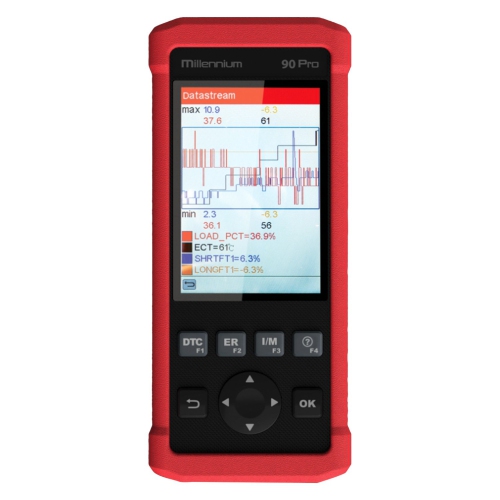
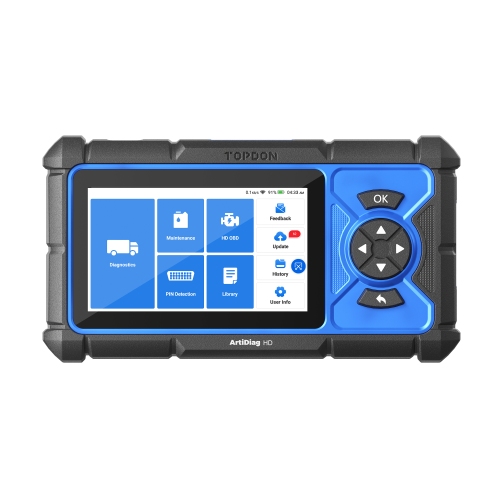
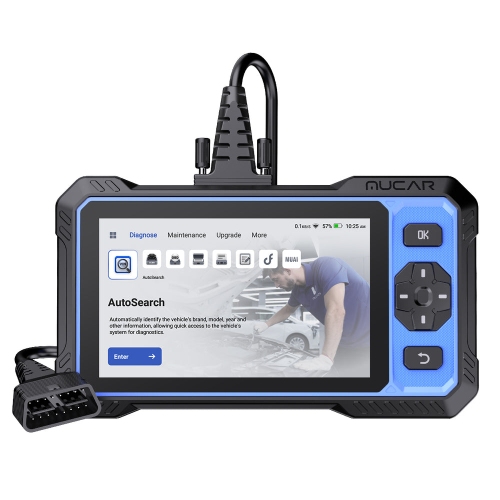
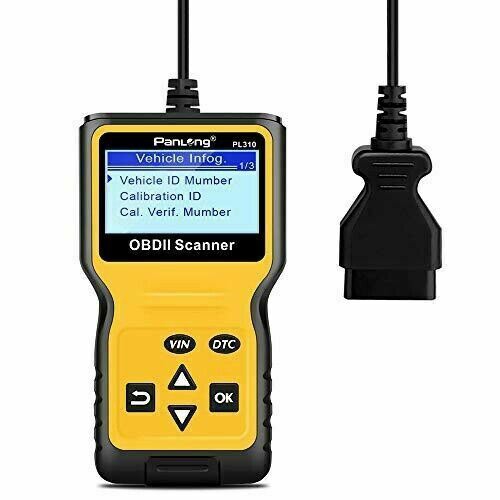
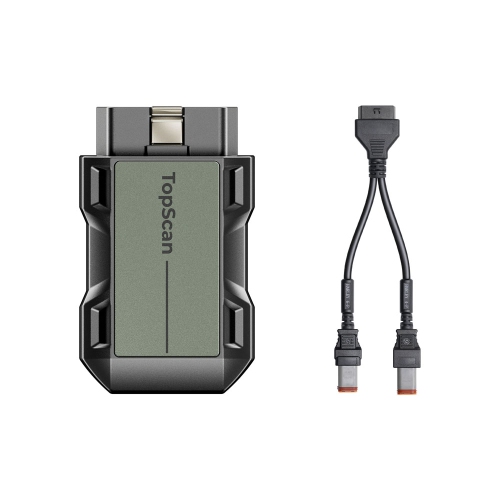
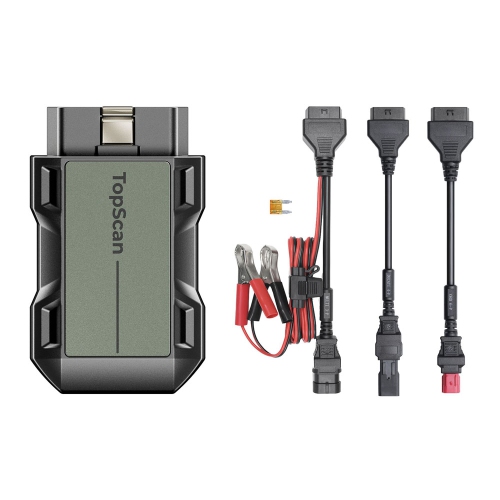
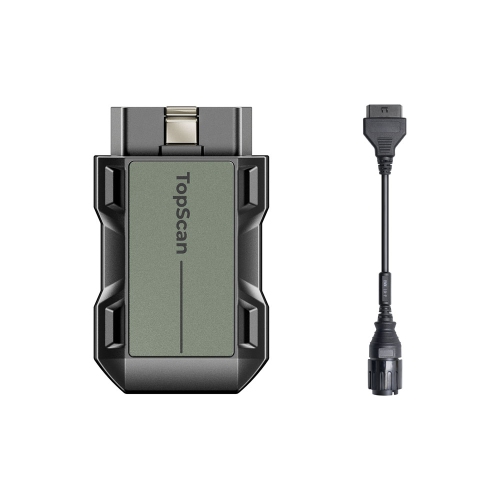
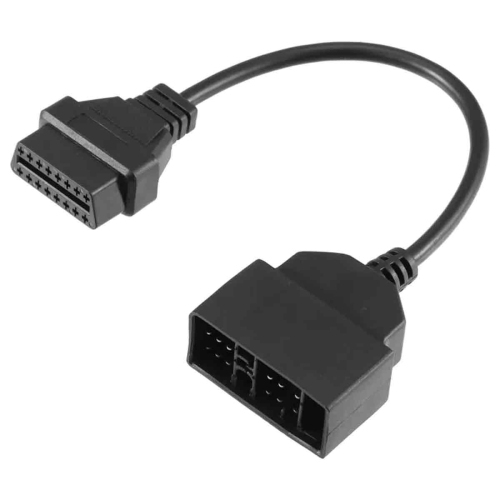
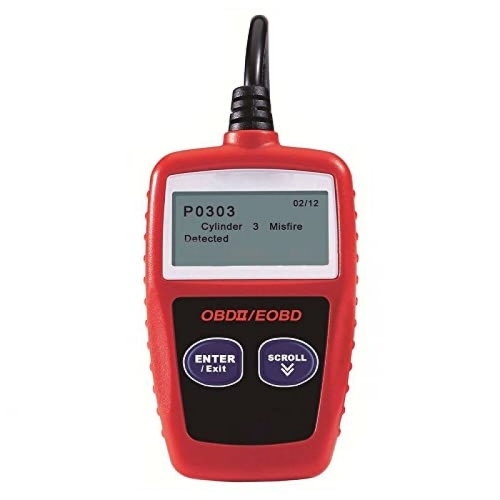
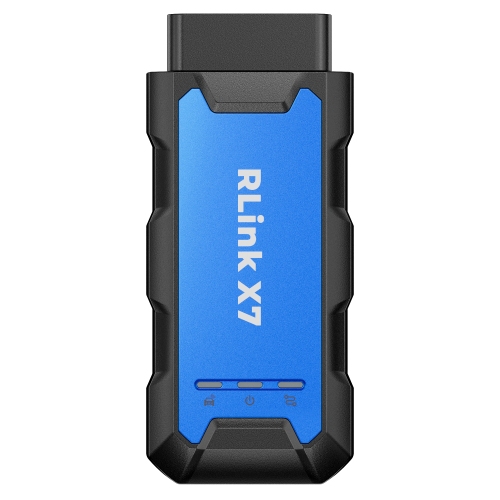
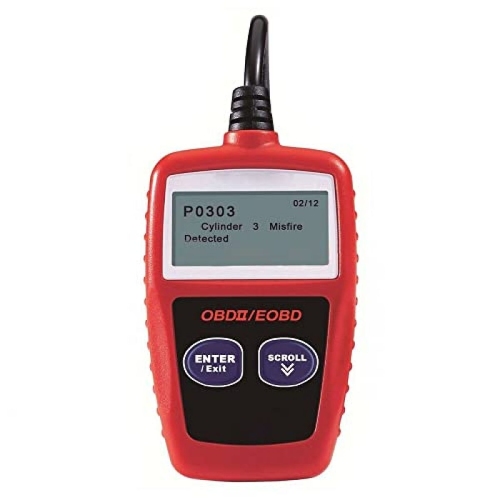
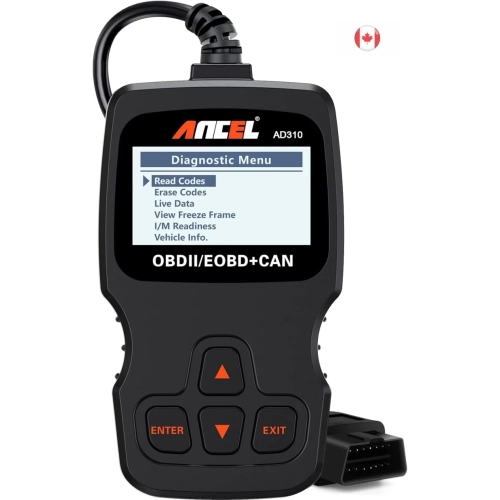
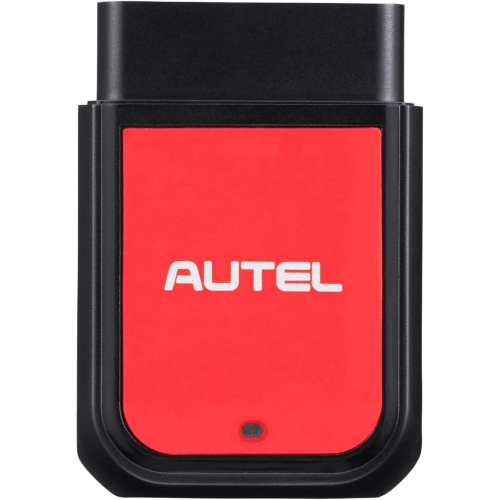
Compatibility is the foundation of a useful diagnostic setup. A familiar connector does not guarantee access to every system, and coverage can vary by vehicle make, model, year, engine, and market. Many North American-market passenger vehicles from the 1996 model year onward use OBD2, but older vehicles, heavy-duty trucks, motorcycles, and some other applications may require different connections or dedicated equipment. Generic OBD2 support primarily concerns standardized emissions-related engine information; manufacturer-specific codes and functions usually require explicitly supported coverage. A household maintaining two different vehicles may therefore need a different capability range than someone checking a single daily driver. Connection style also affects everyday use. A handheld scanner with its own display keeps readings and controls together, while a wireless adapter generally relies on a compatible phone or tablet and an app. App requirements, supported operating systems, account requirements, and software update terms all matter, particularly when a device will be used for several years. Wireless hardware may use Bluetooth or Wi-Fi, with compatibility depending on both the adapter and the mobile device. Screen readability, button size, menu layout, and cable reach become noticeable when working near a footwell or moving between the driver’s seat and engine bay. A clear graph can make a fluctuating sensor signal easier to follow than a rapidly changing row of numbers, while saved reports can help document findings for a repair appointment. Practical functions also deserve a close look: an oil service reset is not the same as an electronic parking brake service mode, battery registration, or steering angle calibration. Each requires suitable vehicle and tool support. Clearing fault codes is likewise different from completing a repair, and it can erase useful diagnostic information or reset readiness monitors. Capturing codes and relevant data before clearing anything preserves context. Warning lights involving braking, steering, airbags, or severe engine running problems call for appropriate professional assessment rather than reassurance from a cleared display.
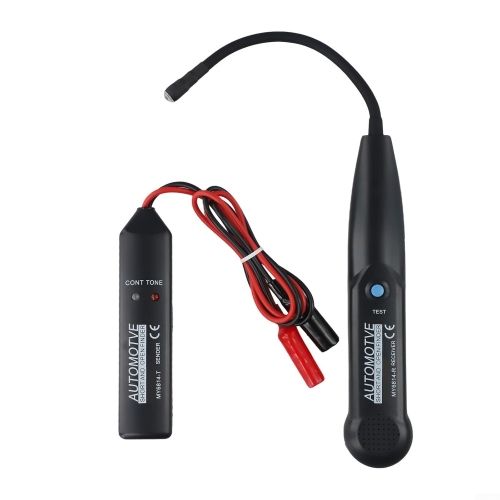
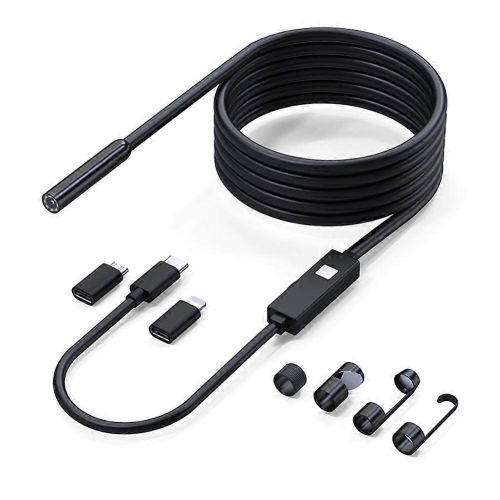
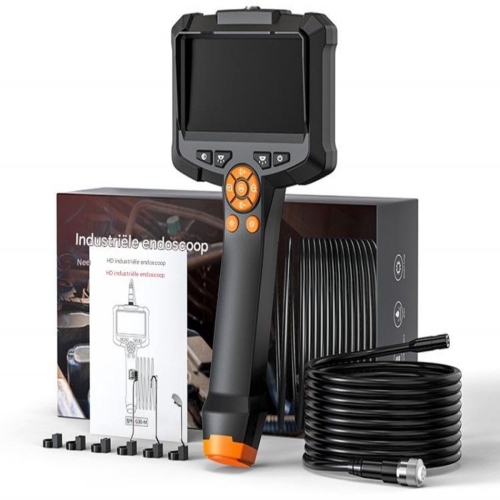
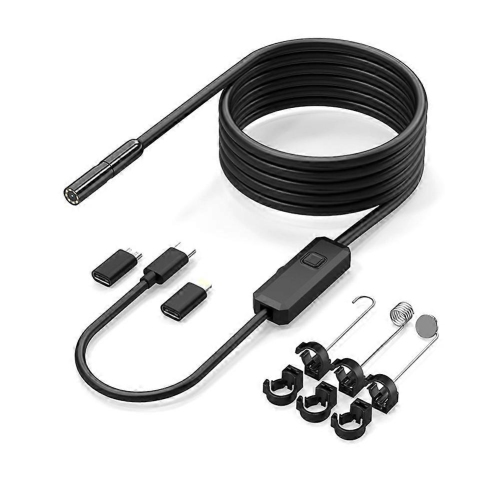
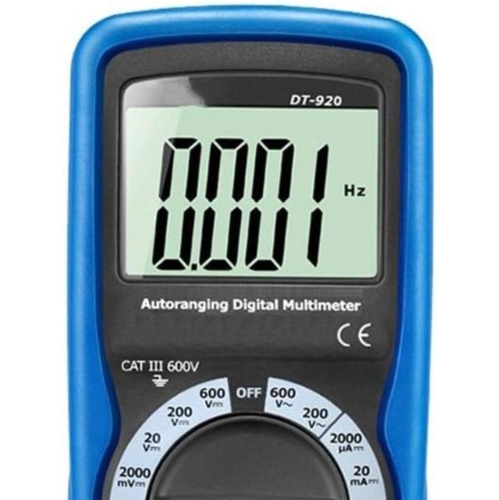
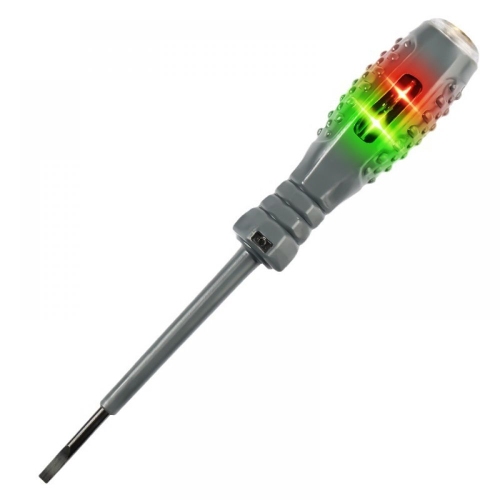
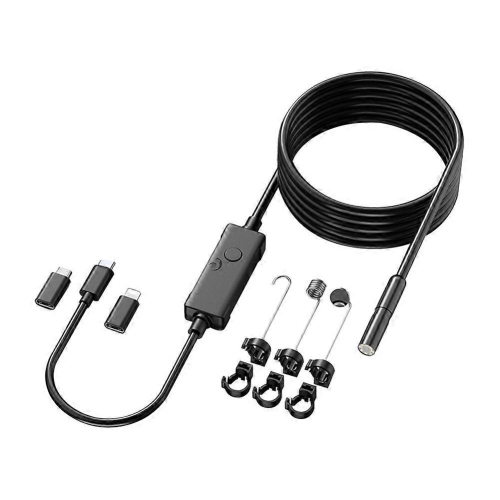
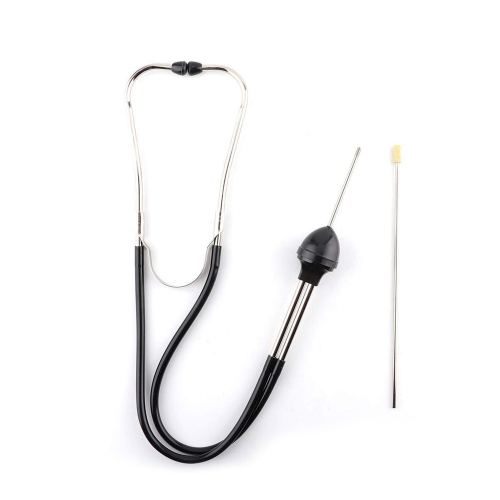
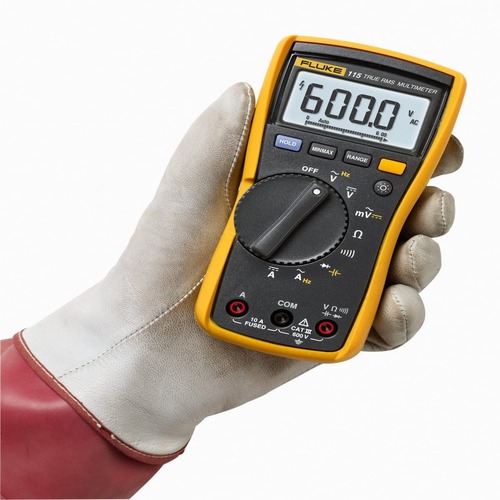
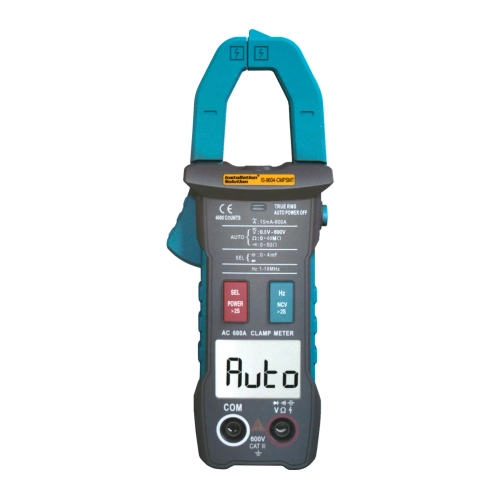
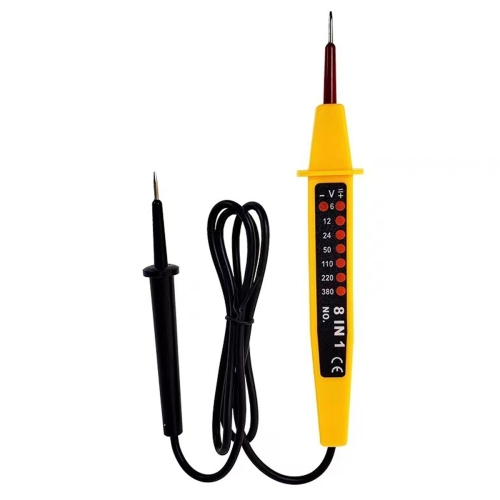
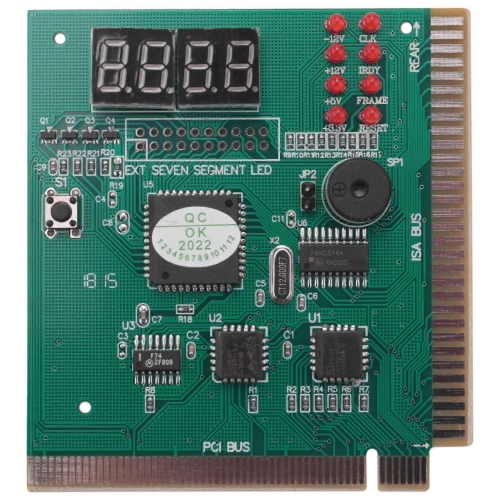
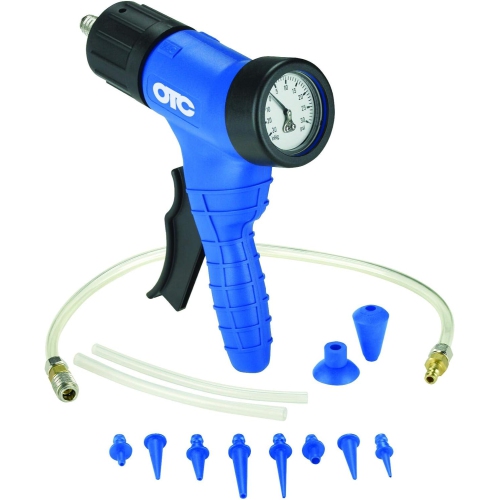
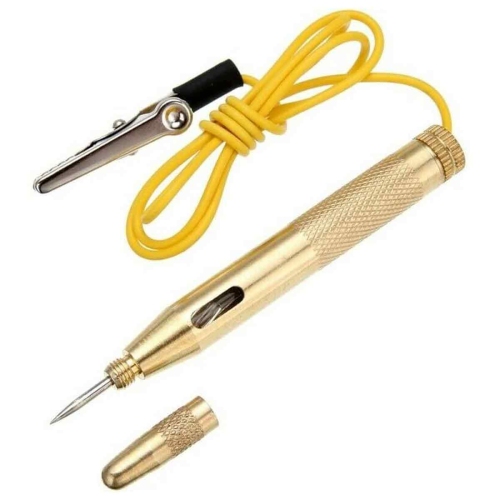
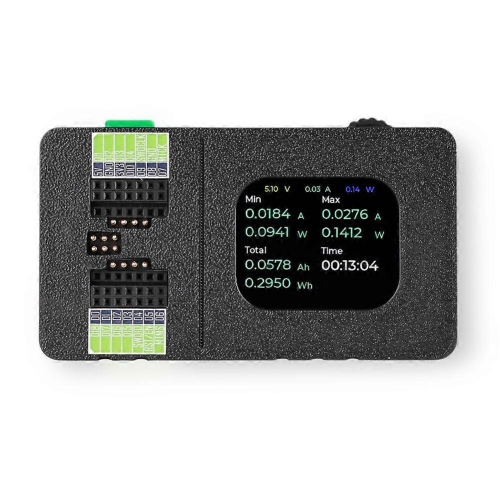
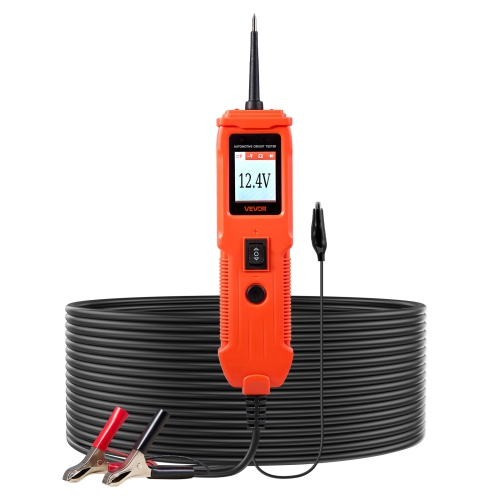
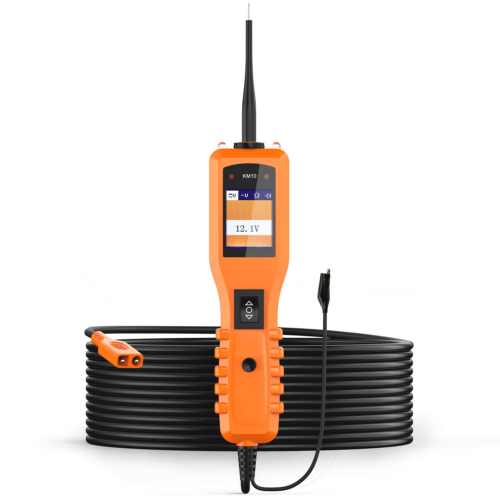
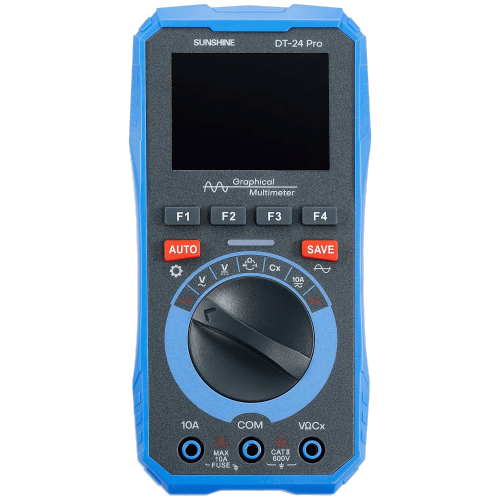
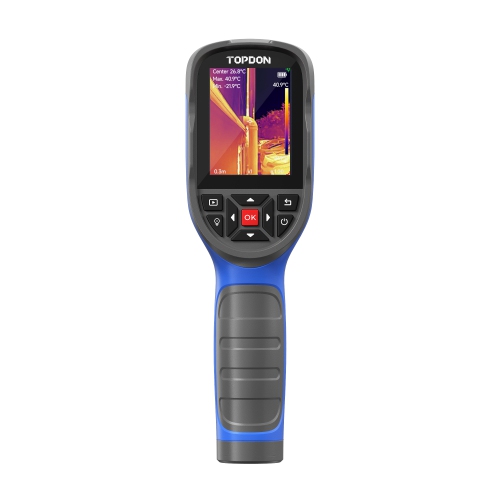
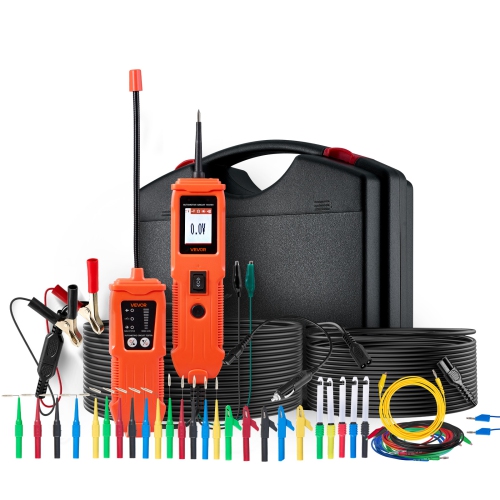
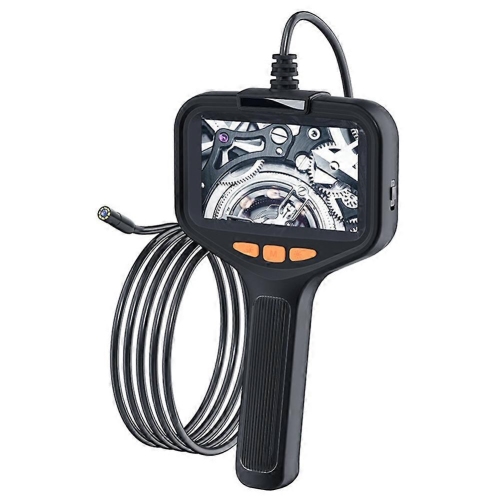
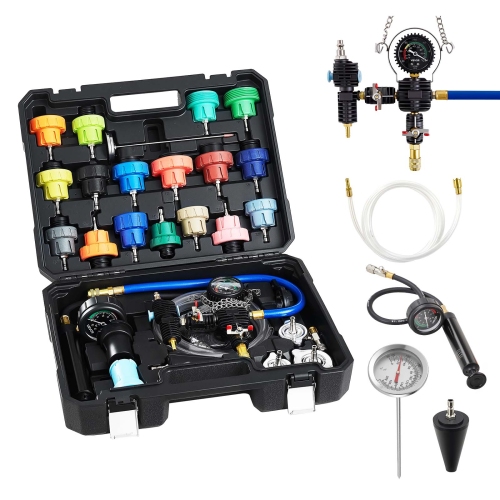
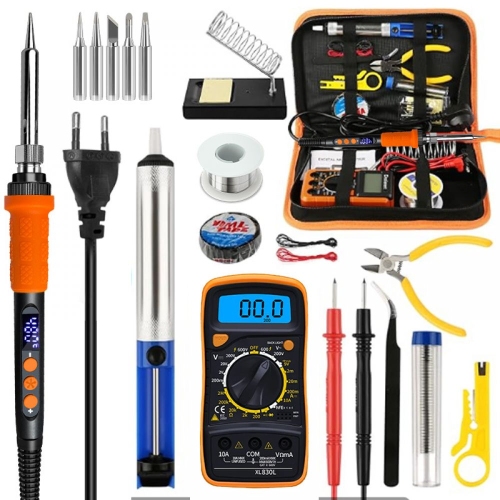
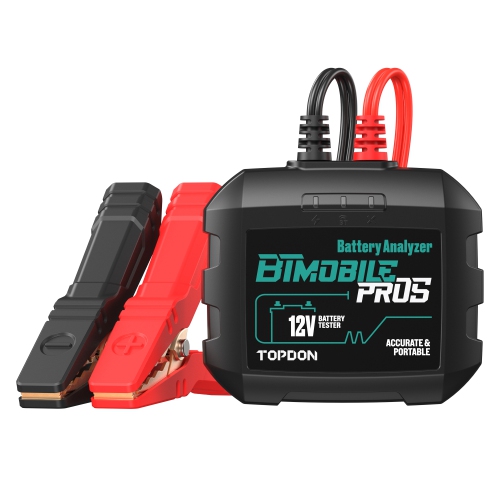
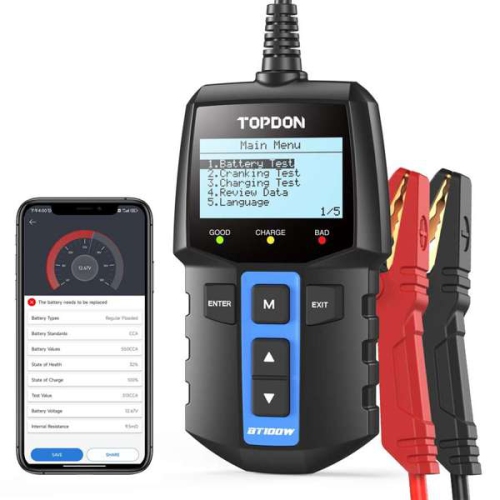
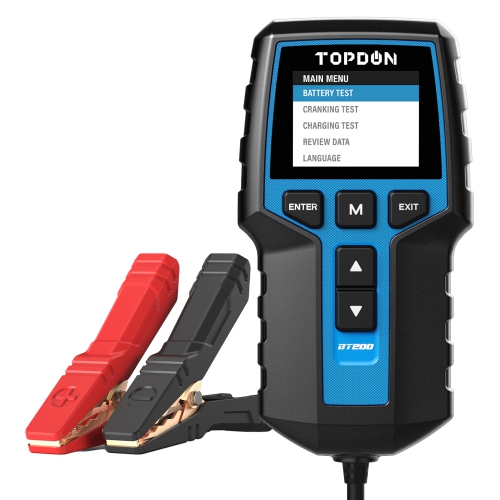
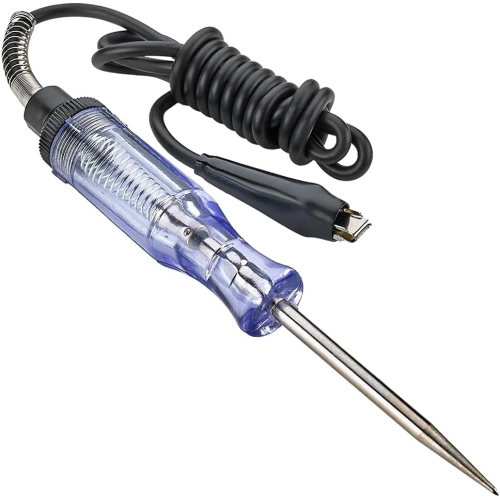
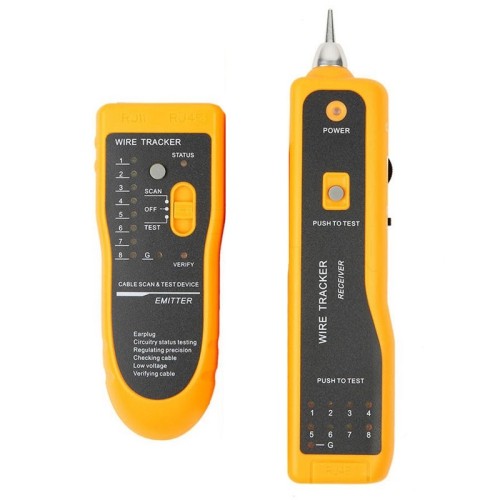
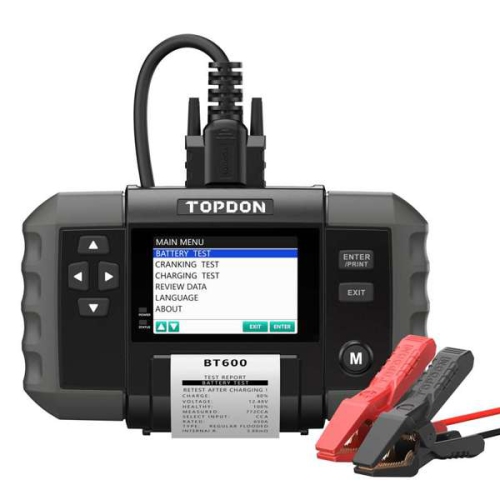
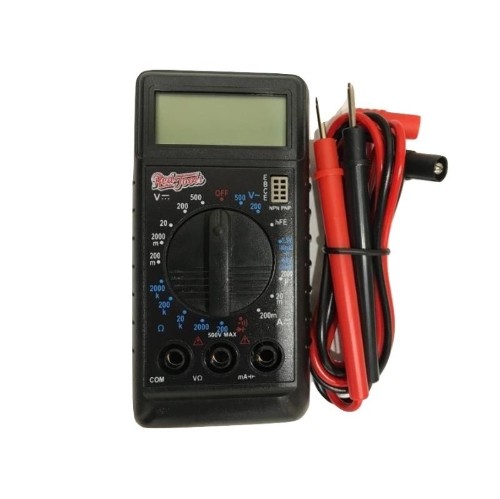
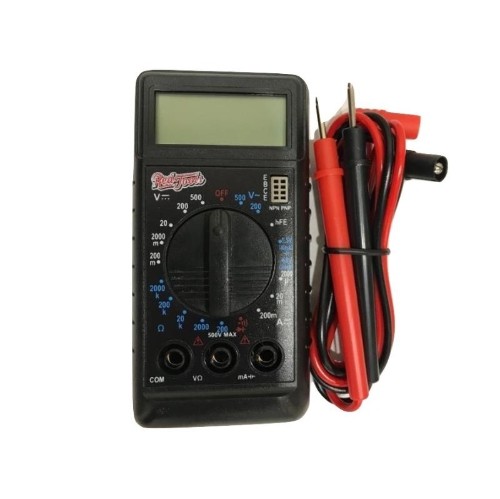
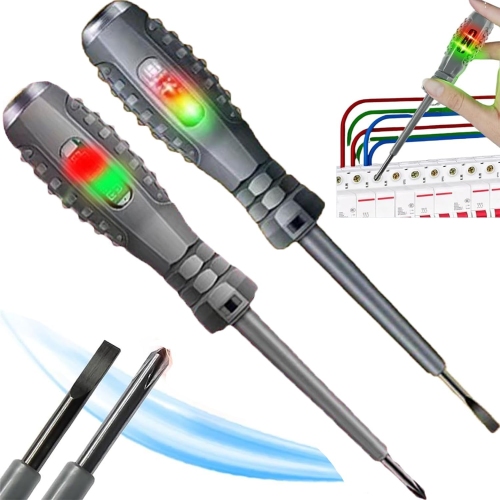
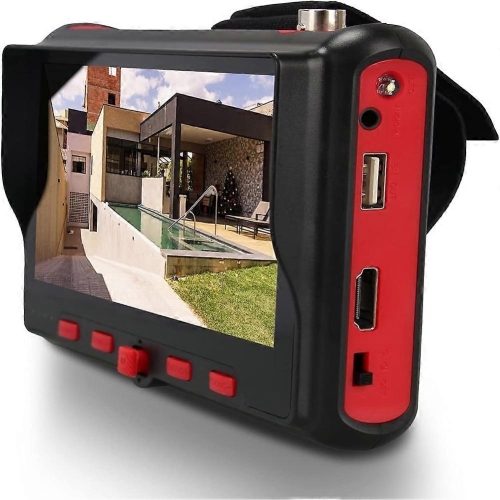
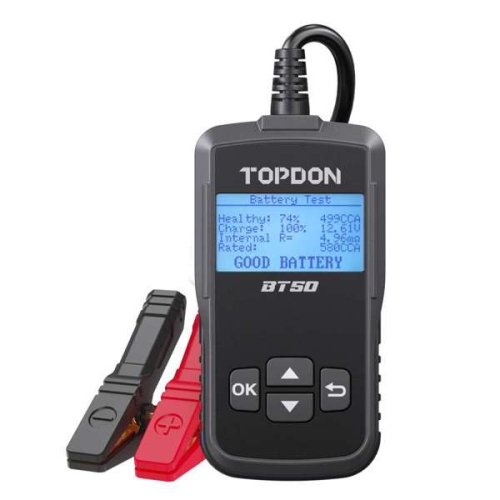
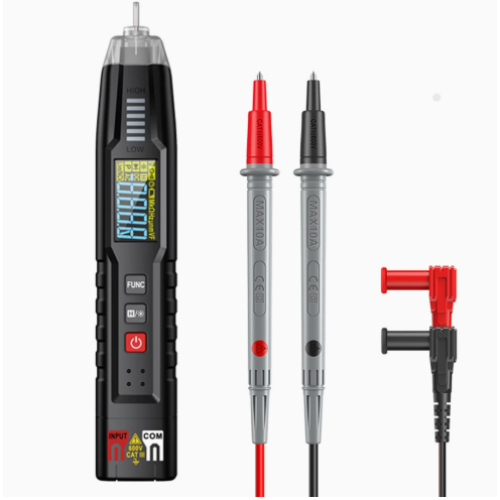
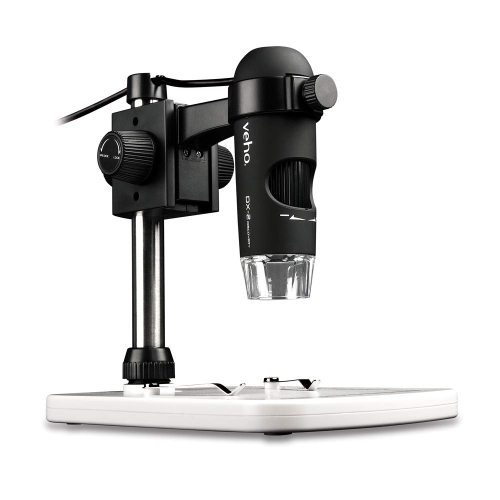
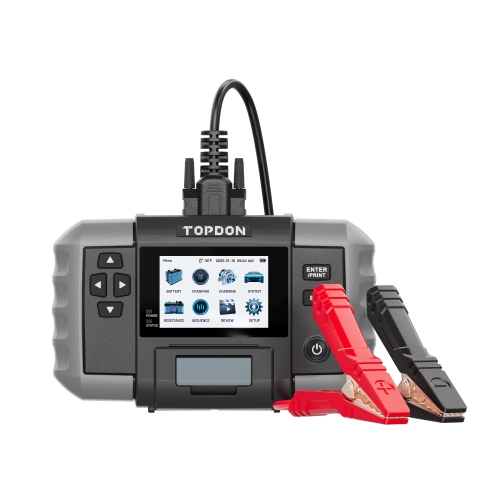
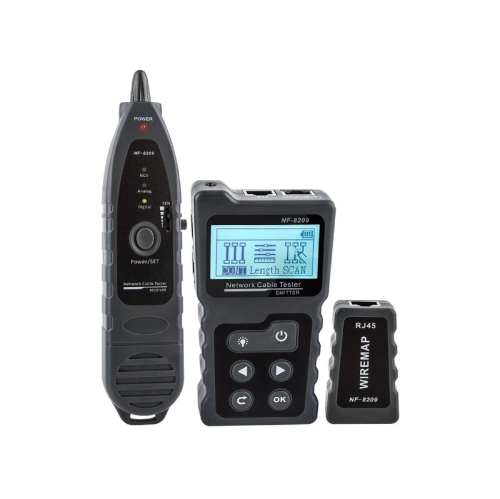
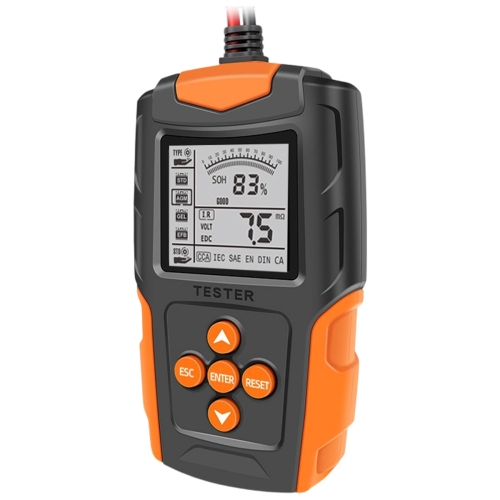
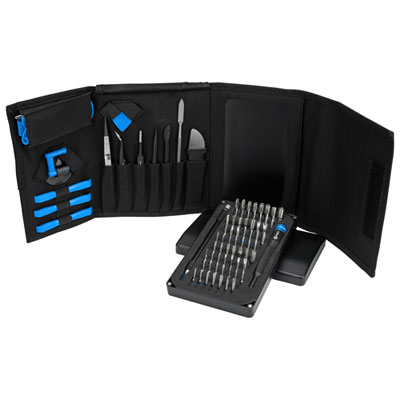
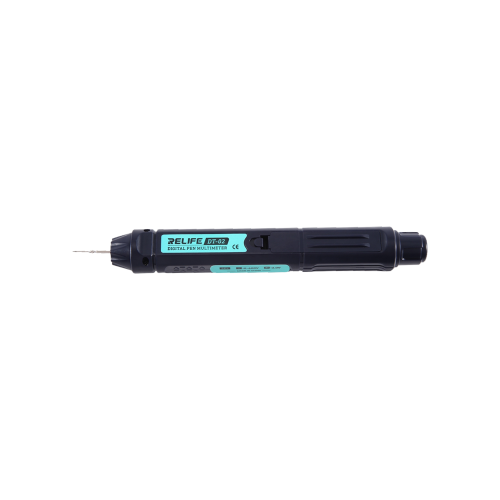
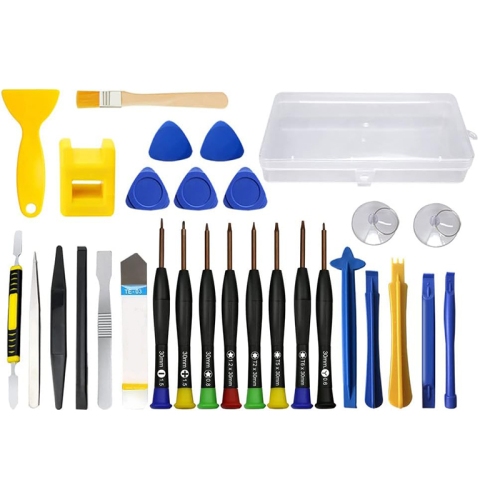
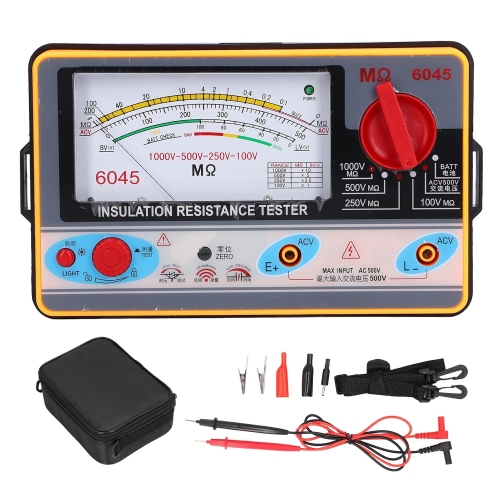
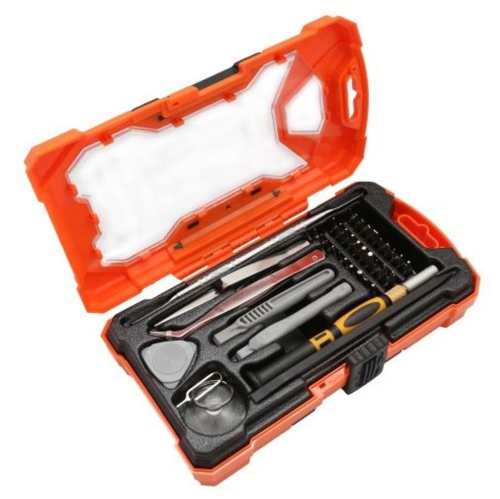
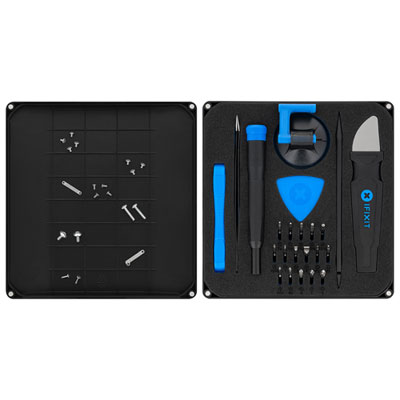
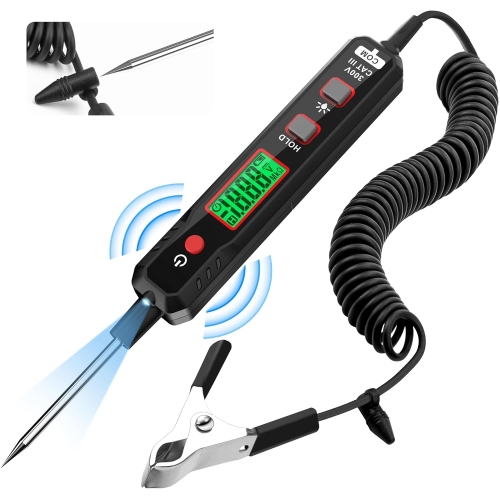
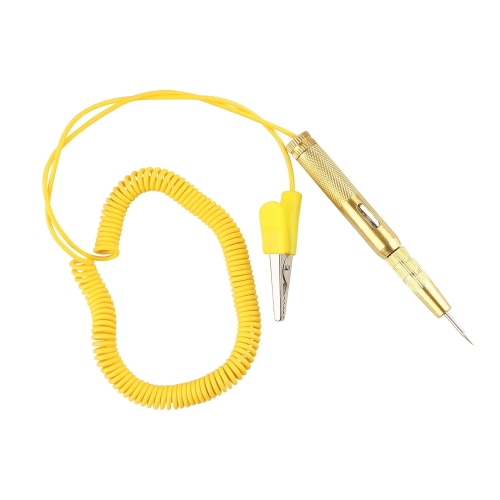
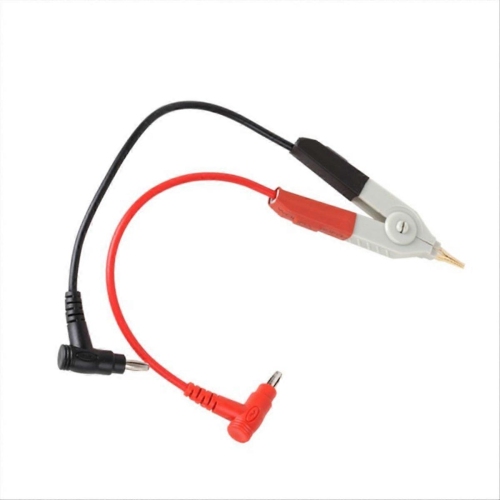
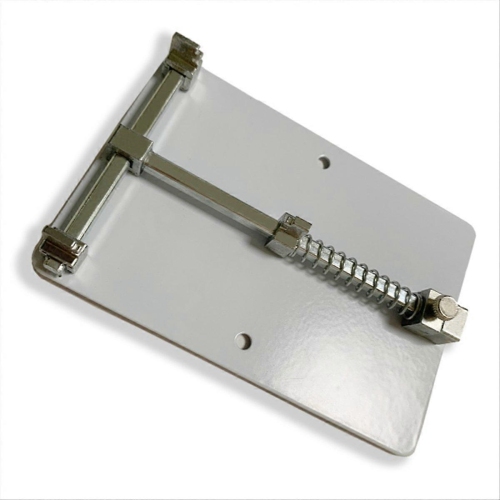
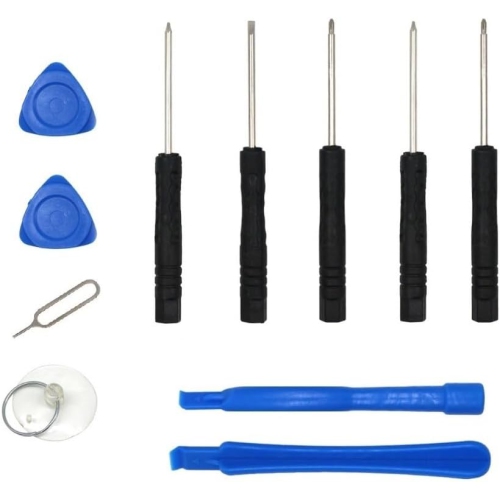
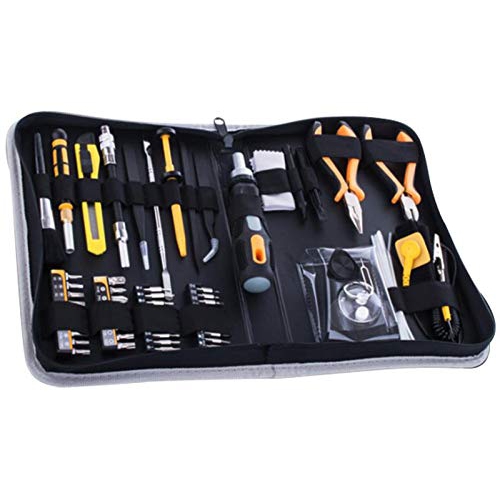
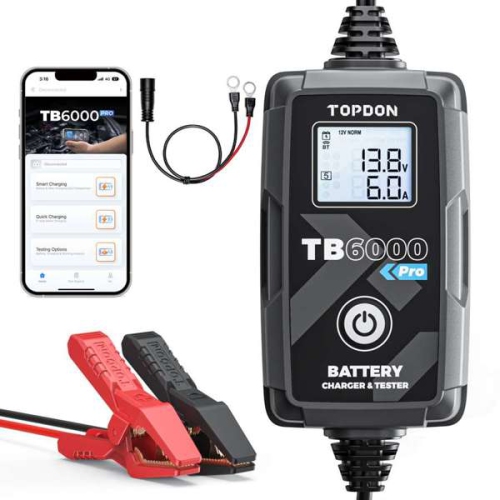
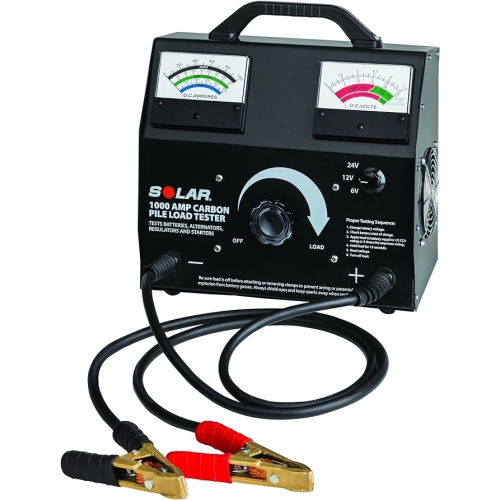
Specialized diagnostic equipment complements scan data by checking what is happening at the circuit or component itself. A digital multimeter can measure electrical values such as voltage and resistance when used with the correct settings and procedures, while suitable battery testing equipment helps assess battery condition within its stated test capabilities. Inspection cameras can provide a view behind obstructions, and thermal imaging can reveal surface heat patterns that warrant further investigation without identifying the cause on its own. These tools are useful when a scanner points toward a circuit but cannot establish whether the trouble lies in a connection, wiring, or the component it serves. Materials and construction influence how well equipment handles repeated workshop use. Impact-resistant housings, protective rubber surrounds, strain relief where cables enter connectors, and securely fitting plugs can help reduce wear from routine handling. A protective case keeps leads from tangling and shields screens and connector pins during storage. Any claimed resistance to dust, moisture, or workshop chemicals should be checked against the stated rating rather than inferred from a rugged appearance. Care generally involves following the manufacturer’s cleaning directions, inspecting leads for damaged insulation, keeping connectors free of debris, and storing equipment away from spills. Leads should be routed clear of moving parts, and running-engine tests require adequate ventilation and the precautions specified for the vehicle. Hybrid and electric vehicle high-voltage systems require dedicated training and suitably rated equipment; an ordinary diagnostic reader does not make those systems safe to service. For a workspace that also handles phone or tablet repairs, Screen Tools relate to separate display-repair tasks rather than automotive fault diagnosis. As a gift for a car enthusiast, diagnostic equipment is most useful when matched to a known vehicle and the recipient’s experience, rather than chosen for the longest feature list. Whether used for routine troubleshooting, documenting a recurring warning light, or supporting professional repairs, dependable diagnostic tools provide their greatest value through compatible coverage, understandable results, and careful interpretation.
Top selling and popular products
-
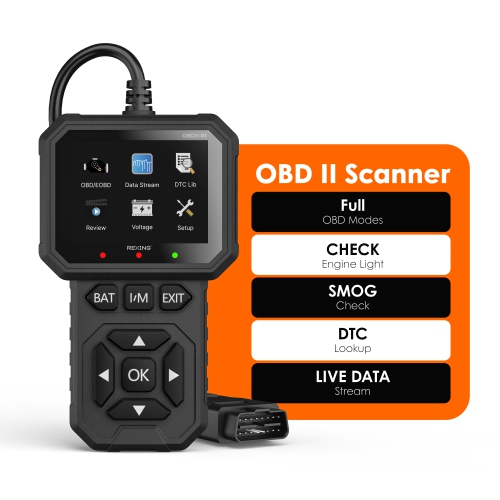 Your price for this item is $119.99
-
 Your price for this item is $78.93
-
 Your price for this item is $144.95
-
 Your price for this item is $413.95
-
 Your price for this item is $259.95
-
 Your price for this item is $26.38
-
 Your price for this item is $59.99
-
 Your price for this item is $52.99