Engine Code Readers
Looking to diagnose and troubleshoot issues with your vehicle? Engine code readers are essential tools that provide valuable insights into the health of your car's engine. With their ability to read and interpret diagnostic trouble codes (DTCs), these devices help you identify the root cause of any engine-related problems. Whether you're a DIY enthusiast or a professional mechanic, having an engine code reader in your toolbox is a smart investment. At Best Buy Canada, we offer a wide selection of engine code readers designed to meet your specific needs. From basic code readers to advanced models with additional features, our collection has something for everyone. Explore our range of engine code readers and take control of your car's performance today.















The diagnostic clues behind your check engine light
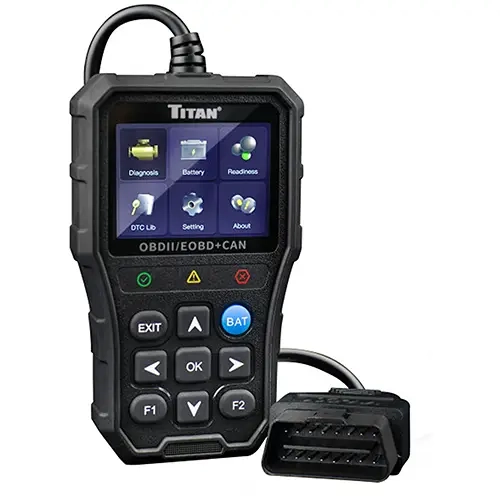
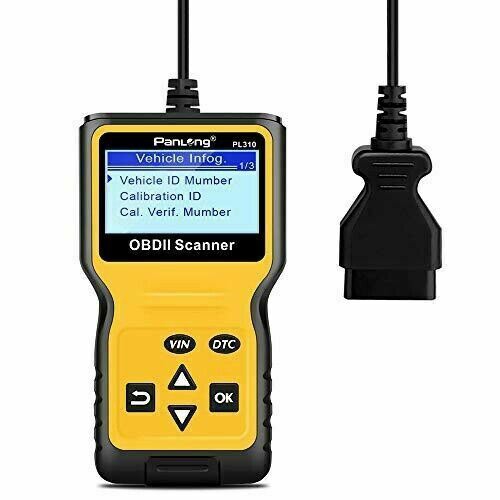
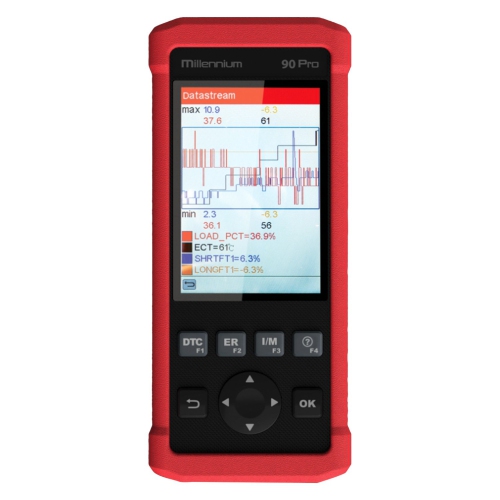
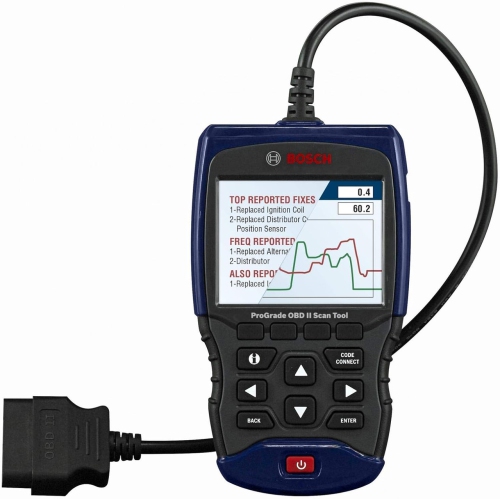
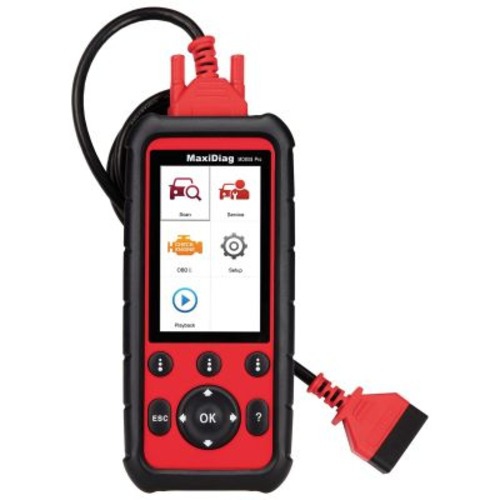
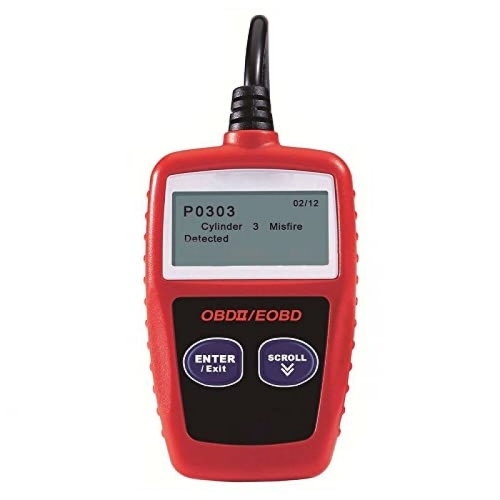
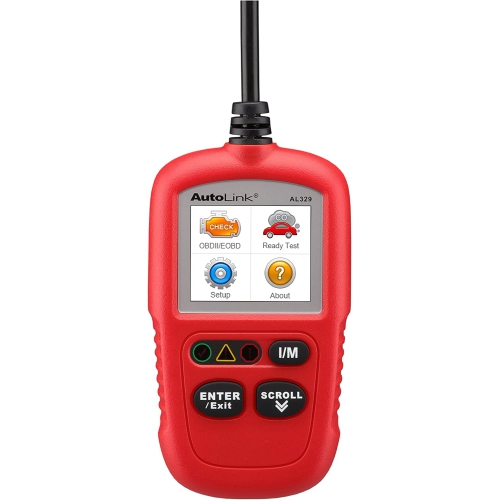
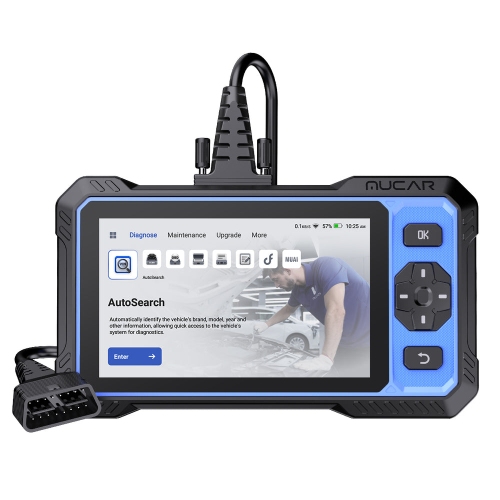
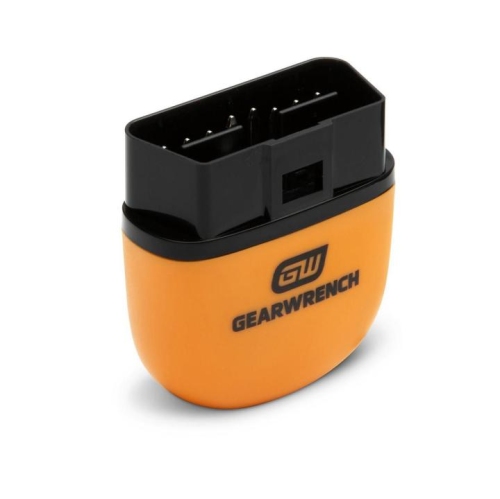
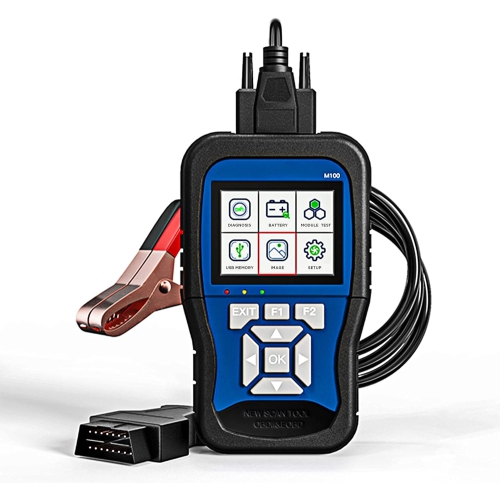
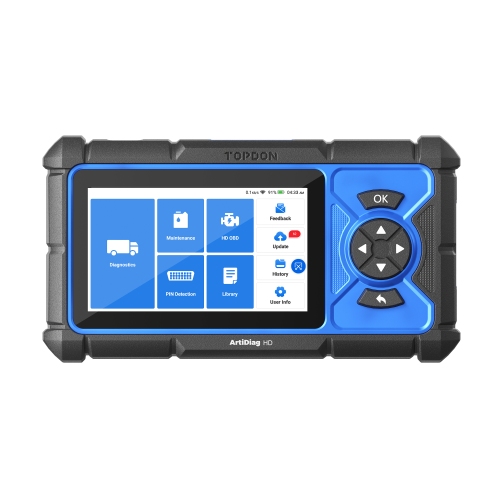
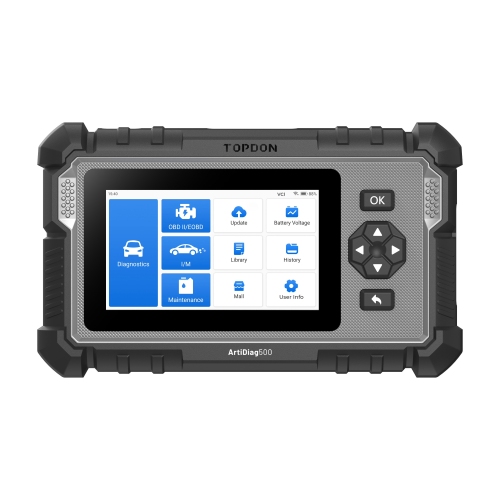
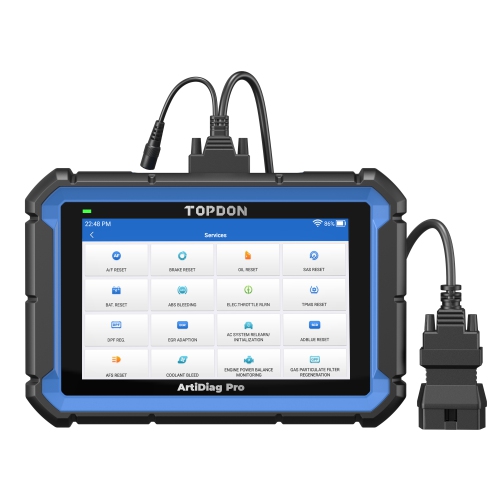
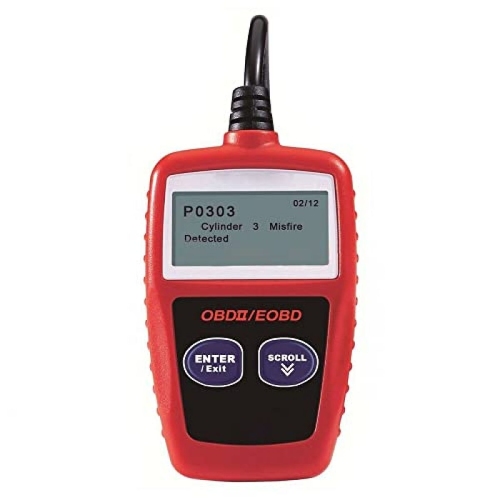
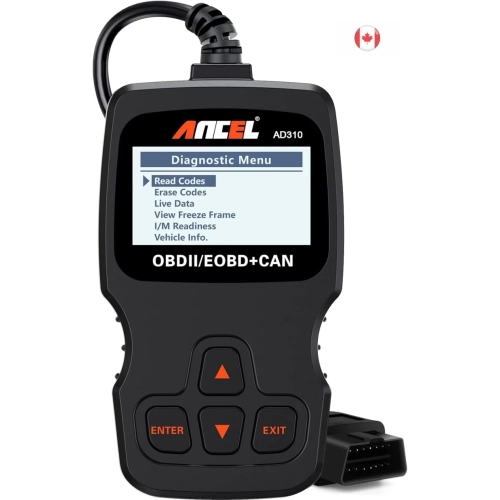
The most useful engine code reader is one that matches both the vehicle and the level of detail its user needs. A straightforward handheld reader suits drivers who want clear code retrieval without relying on a separate device. Features such as labelled buttons, readable text, a backlit display, and plain-language descriptions can make a difference when the diagnostic socket is tucked into a dark footwell. A longer cable may allow the display to rest comfortably in the user’s hand rather than remain close to the dashboard, while a compact connector can be easier to position around surrounding trim. Wireless readers offer a different approach, using a compatible app to present diagnostic information on a phone or tablet. Their suitability depends on the mobile operating system, connection method, app requirements, and support for the vehicle, rather than simply whether the adapter fits the port. Live data is another distinction worth understanding. Supported readings may include engine speed, coolant temperature, fuel trim, and sensor values, with graphs making changes easier to see than a column of numbers. These readings need context and should be reviewed while the vehicle is safely parked, not while the driver is operating it. Some tools also display readiness monitor status, which indicates whether certain onboard self-checks have completed; it is not a general certificate of mechanical health. Drivers seeking access to braking, airbag, transmission, or other electronic systems may need broader coverage than a basic engine reader provides. The range of Automotive Diagnostic Scanners can include tools with these wider capabilities, but access varies by tool and vehicle. Manufacturer-specific code support also deserves attention, since reading generic powertrain codes does not guarantee equally detailed information for every system. Clear compatibility information is more valuable than a long feature list that does not apply to the vehicle being checked. For households with more than one vehicle, confirmed coverage across each vehicle helps make the tool useful beyond a single repair.
Construction, handling, and storage are practical considerations for a diagnostic tool that may spend time in a glove compartment, garage drawer, or tool bag. A sturdy plastic housing, a comfortable grip, and protected buttons can make a handheld reader easier to handle, particularly when working in the confined space around the pedals. Cable flexibility and strain relief at the connector are important because repeated bending and pulling can wear the connection over time. The plug should fit securely without needing force, and the cable should remain clear of pedals and moving parts. A protective case helps keep the screen, connector pins, and cable from being damaged by loose tools. Readers are electronic devices rather than general workshop equipment: liquids, oily residue, and abrasive cleaners can damage them, so care should follow the manufacturer’s directions. Some readers draw power from the vehicle’s diagnostic port, while others have separate power arrangements; understanding this helps avoid confusion when a display does not turn on. Documentation, accessible support, and a clear update process can also contribute to long-term usefulness, although software updates do not automatically add coverage for every newer vehicle. Saved codes, screenshots, or exported reports are valuable for keeping a record of recurring issues and sharing the details with a repair shop. Clearing a code may turn off the check engine light temporarily, but it does not repair the underlying fault. It can also remove useful diagnostic information and reset readiness monitors, while permanent codes generally remain until the vehicle confirms through its own checks that the fault has been resolved. These distinctions make record keeping an important part of ownership. An engine code reader can be a thoughtful gift for a hands-on vehicle owner, an automotive student, or someone who enjoys understanding how their car works, provided its compatibility and capabilities suit their needs. Whether used to investigate an unexpected warning or to document a concern before a service appointment, its value lies in making vehicle information clearer, more accessible, and easier to act on responsibly.
Top selling and popular products
-
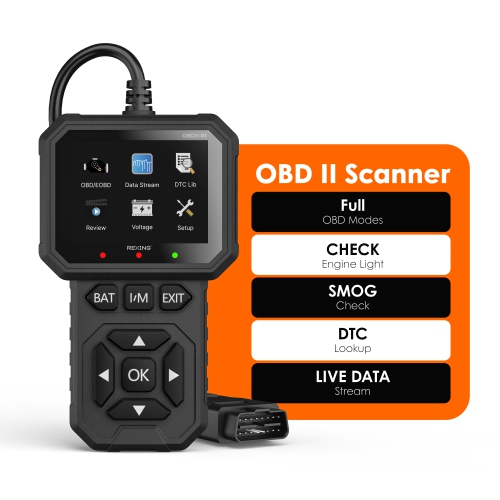 Your price for this item is $119.99
-
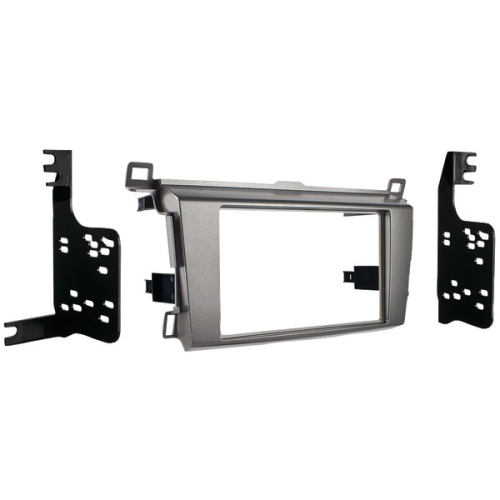 Your price for this item is $78.93
-
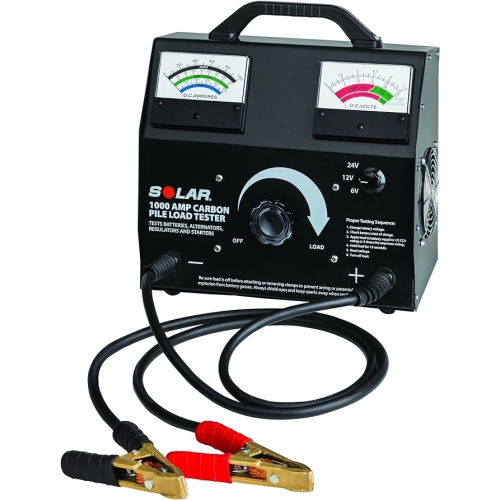 Your price for this item is $413.95
-
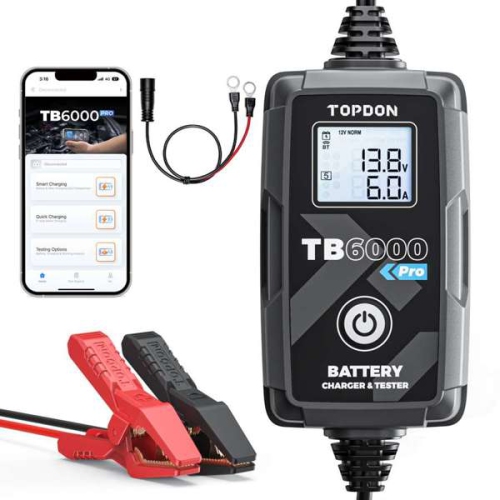 Your price for this item is $144.95
-
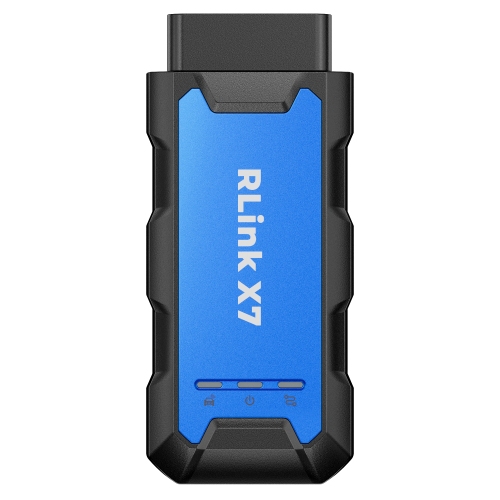 Your price for this item is $259.95
-
 Your price for this item is $26.38
-
 Your price for this item is $59.99
-
 Your price for this item is $52.99