GPS Rangefinders
If you're looking to enhance your golf game and take your shots to the next level, look no further than these GPS rangefinders. These handy devices are designed to provide accurate distance measurements, helping you choose the perfect club for every shot. Whether you're a seasoned pro or just starting out, this range of GPS rangefinders will help you improve your accuracy and make more confident swings on the course. With state-of-the-art technology and user-friendly interfaces, these devices are a must-have for almost any golfer looking to elevate their game.
Sort
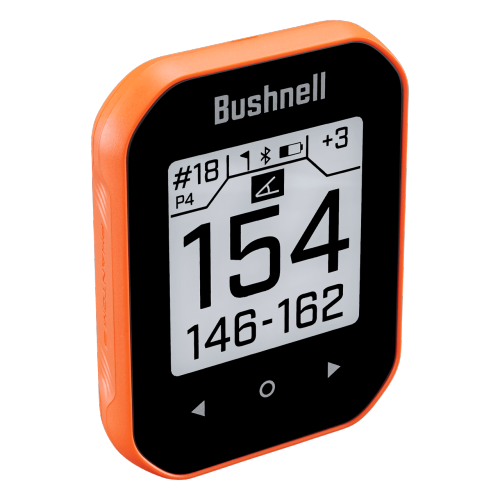
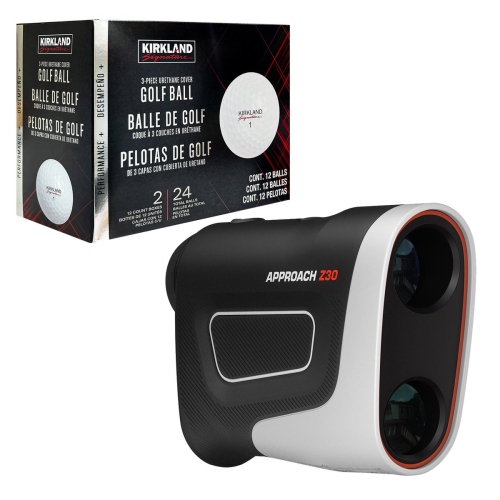
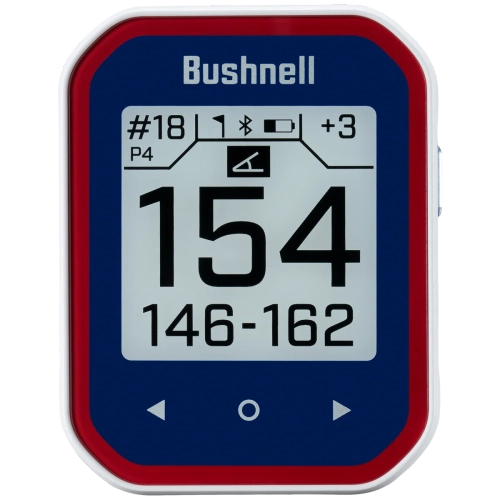
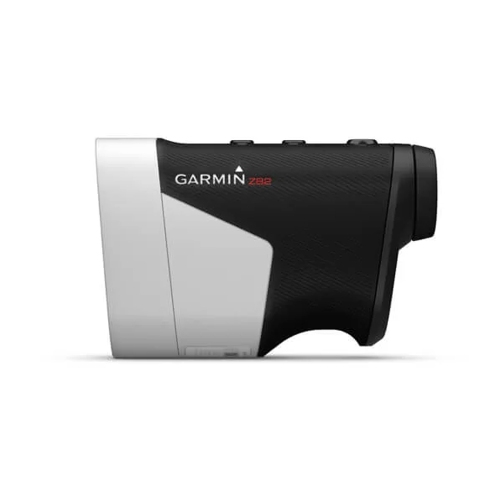
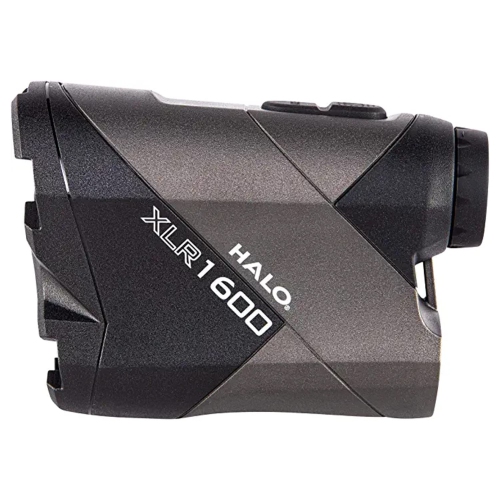
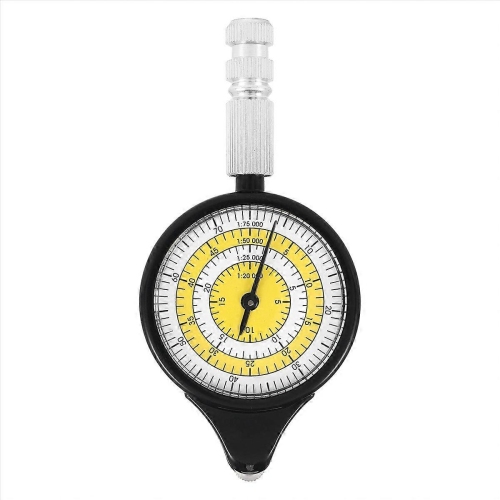
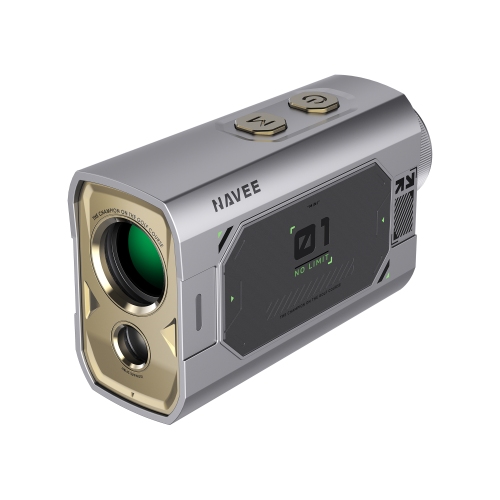
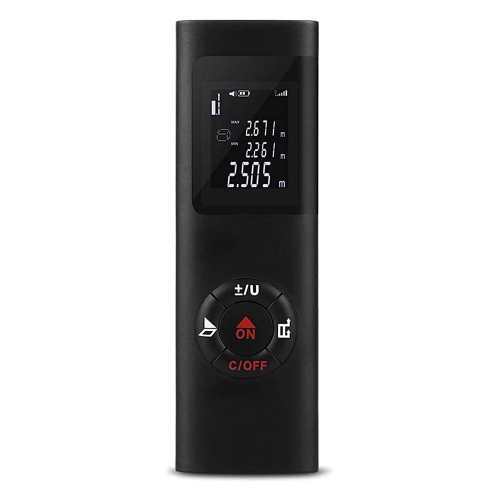
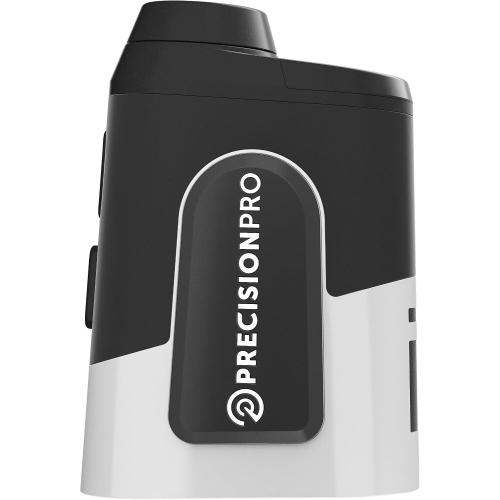
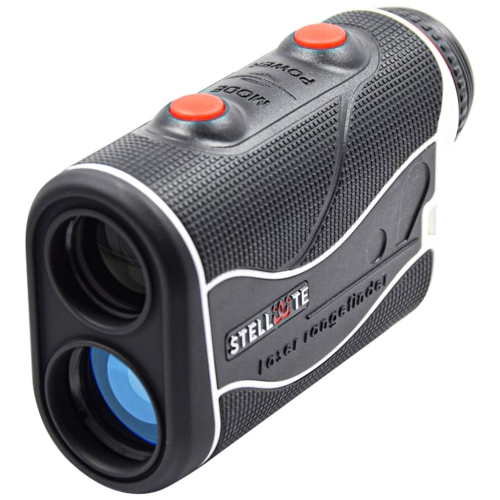
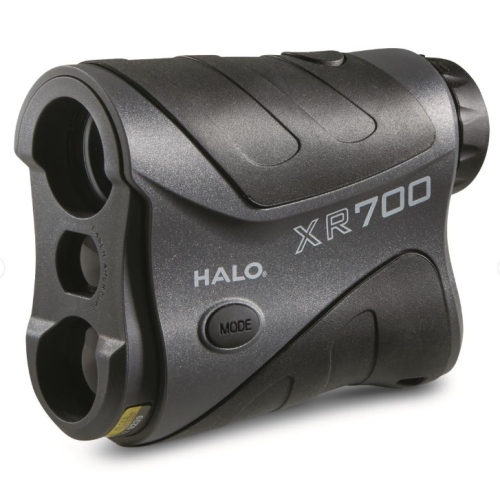
Clearer yardage insights for smarter decisions on every hole
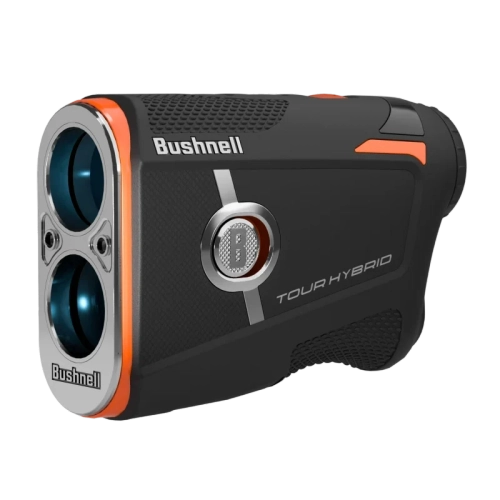
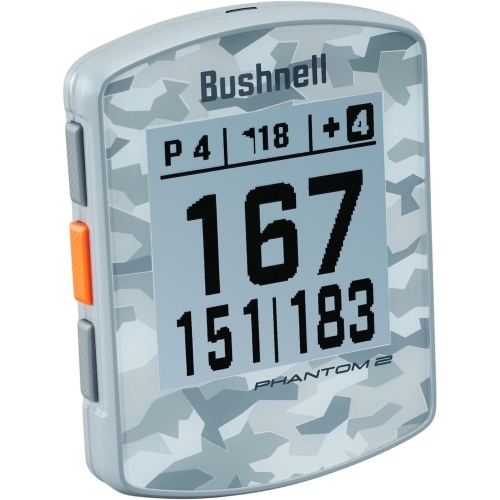
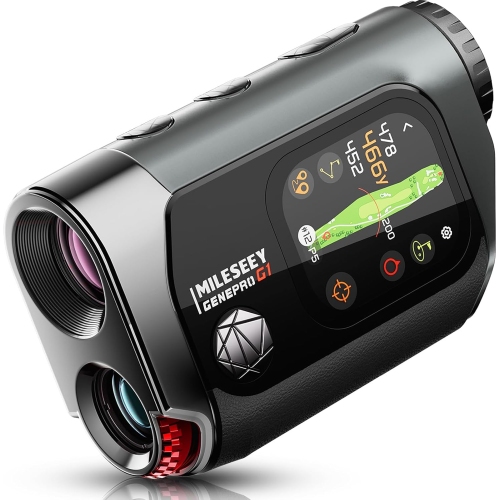
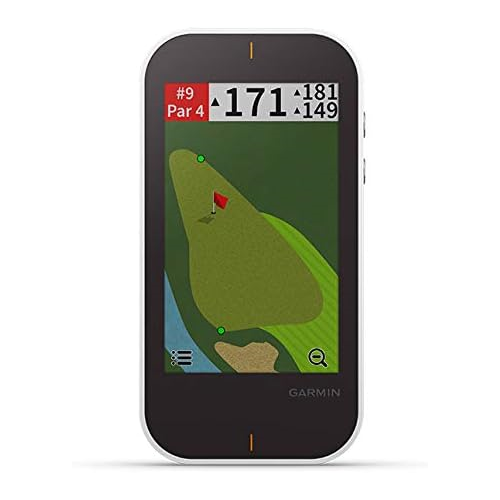
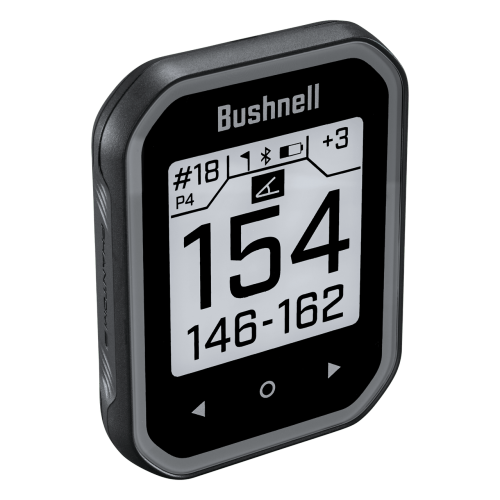
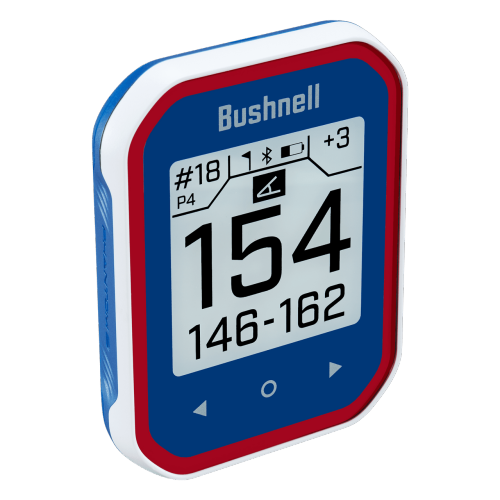
GPS rangefinders are designed to make distance information easier to access during a round of golf, helping players plan each shot with greater confidence. Rather than relying only on course markers or estimating yardage from memory, a GPS rangefinder uses satellite positioning to display distances to important points on the hole. Depending on the design, that may include the front, middle, and back of the green, as well as bunkers, water hazards, layup areas, doglegs, and other mapped features. This information can be especially helpful on unfamiliar courses, where a blind approach or a sharply bending fairway makes it difficult to judge what lies ahead. Many golfers appreciate having a clear number available before choosing a club, particularly when the difference between a safe layup and an aggressive shot comes down to a few yards. Handheld GPS units are compact and often have large, easy-to-read screens that show hole layouts and key distances at a glance. Some can clip to a golf bag, belt, or cart, making them convenient to reach without adding much weight or bulk. GPS golf watches offer another practical format, displaying yardages on the wrist so players can check information while standing over their ball or walking between shots. Many models are designed to recognize hole changes automatically, reducing the need to stop and select the next hole manually. A laser-GPS hybrid rangefinder combines mapped course information with laser measurement, allowing golfers to see the broader layout while also aiming at a specific flag or target. When comparing options, consider whether you prefer a simple numerical display, a graphic hole map, a wearable design, or a combination of technologies. Browsing Golf Gps Devices can also help you compare the different formats available for tracking distances on the course.
The best GPS rangefinder for one golfer may not be the best fit for another, so it is worth thinking about playing habits before choosing a device. A recreational golfer who plays familiar local courses may value straightforward front, middle, and back yardages, a bright display, and controls that are quick to understand. Someone who travels for golf may prefer a model with a broad selection of preloaded courses, international coverage, and storage that supports frequent play in different locations. Battery life is another important consideration. A round can last several hours, and players may want enough power for multiple rounds or a full weekend away without needing to recharge between outings. Check how the device charges, how long a typical battery lasts in GPS mode, and whether the screen remains readable in bright sunlight. For a golf watch, comfort matters just as much as distance accuracy; a lightweight case, an adjustable strap, and a display that can be read with a quick glance are useful features when walking 18 holes. Handheld models should be simple to hold and operate, with buttons or touch controls that remain manageable when the user is wearing a glove or dealing with damp conditions. Weather resistance can be valuable during unpredictable rounds, while a durable design helps the rangefinder stand up to being placed in a golf bag, cart compartment, or travel case. Map detail is also worth examining. Some units provide basic green distances, while others show the shape of the hole and the location of hazards, helping golfers make a more informed choice when the flag is hidden from view. If using a laser-enabled model, look for a clear viewfinder, steady handling, and features that make it easier to identify the pin among trees, slopes, or background objects. A rangefinder should support a comfortable pace of play rather than interrupt it, so an uncluttered interface and fast readings can be just as useful as an extensive list of advanced functions.
GPS rangefinders can suit a wide range of golfers, from beginners learning how club selection relates to distance to experienced players refining course management. New golfers often benefit from seeing how far they are from the green and how much distance remains after a tee shot, since those measurements provide a practical way to understand the course beyond the scorecard. More seasoned players may use hazard distances and layup numbers to choose safer targets, manage difficult holes, and avoid turning one ambitious shot into several recovery shots. A device can also be useful for golfers who have difficulty reading distant markers or judging depth and perspective, offering consistent reference points throughout the round. For walkers, a GPS watch can keep information close at hand while leaving both hands available for a club, umbrella, or water bottle. For riders, a handheld unit may be easy to view from a cart and share with playing partners when planning the next shot. These devices can make thoughtful gifts for a golfer who is joining a league, preparing for a golf trip, replacing an older distance tool, or simply becoming more interested in the strategy behind each hole. They are also practical for families and groups who play together, since the same course information can support players with different experience levels without requiring everyone to carry a printed course guide. As the weather warms, a GPS rangefinder can help golfers settle into longer rounds and explore new courses; during the cooler months, it remains useful for indoor planning, travel preparation, or the final playable rounds of the season. Choose a model that balances accuracy, readability, battery life, course coverage, and ease of use so the technology feels like a natural part of the game. With the right format, a GPS rangefinder can turn a quick glance at the display into a clearer plan for the shot ahead.
The best GPS rangefinder for one golfer may not be the best fit for another, so it is worth thinking about playing habits before choosing a device. A recreational golfer who plays familiar local courses may value straightforward front, middle, and back yardages, a bright display, and controls that are quick to understand. Someone who travels for golf may prefer a model with a broad selection of preloaded courses, international coverage, and storage that supports frequent play in different locations. Battery life is another important consideration. A round can last several hours, and players may want enough power for multiple rounds or a full weekend away without needing to recharge between outings. Check how the device charges, how long a typical battery lasts in GPS mode, and whether the screen remains readable in bright sunlight. For a golf watch, comfort matters just as much as distance accuracy; a lightweight case, an adjustable strap, and a display that can be read with a quick glance are useful features when walking 18 holes. Handheld models should be simple to hold and operate, with buttons or touch controls that remain manageable when the user is wearing a glove or dealing with damp conditions. Weather resistance can be valuable during unpredictable rounds, while a durable design helps the rangefinder stand up to being placed in a golf bag, cart compartment, or travel case. Map detail is also worth examining. Some units provide basic green distances, while others show the shape of the hole and the location of hazards, helping golfers make a more informed choice when the flag is hidden from view. If using a laser-enabled model, look for a clear viewfinder, steady handling, and features that make it easier to identify the pin among trees, slopes, or background objects. A rangefinder should support a comfortable pace of play rather than interrupt it, so an uncluttered interface and fast readings can be just as useful as an extensive list of advanced functions.
GPS rangefinders can suit a wide range of golfers, from beginners learning how club selection relates to distance to experienced players refining course management. New golfers often benefit from seeing how far they are from the green and how much distance remains after a tee shot, since those measurements provide a practical way to understand the course beyond the scorecard. More seasoned players may use hazard distances and layup numbers to choose safer targets, manage difficult holes, and avoid turning one ambitious shot into several recovery shots. A device can also be useful for golfers who have difficulty reading distant markers or judging depth and perspective, offering consistent reference points throughout the round. For walkers, a GPS watch can keep information close at hand while leaving both hands available for a club, umbrella, or water bottle. For riders, a handheld unit may be easy to view from a cart and share with playing partners when planning the next shot. These devices can make thoughtful gifts for a golfer who is joining a league, preparing for a golf trip, replacing an older distance tool, or simply becoming more interested in the strategy behind each hole. They are also practical for families and groups who play together, since the same course information can support players with different experience levels without requiring everyone to carry a printed course guide. As the weather warms, a GPS rangefinder can help golfers settle into longer rounds and explore new courses; during the cooler months, it remains useful for indoor planning, travel preparation, or the final playable rounds of the season. Choose a model that balances accuracy, readability, battery life, course coverage, and ease of use so the technology feels like a natural part of the game. With the right format, a GPS rangefinder can turn a quick glance at the display into a clearer plan for the shot ahead.
Top selling and popular products
-
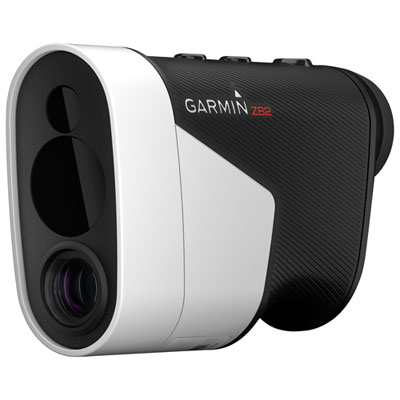 Your price for this item is $869.99
 -
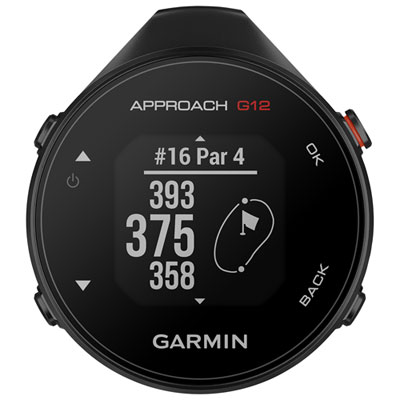 Your price for this item is $178.98
 -
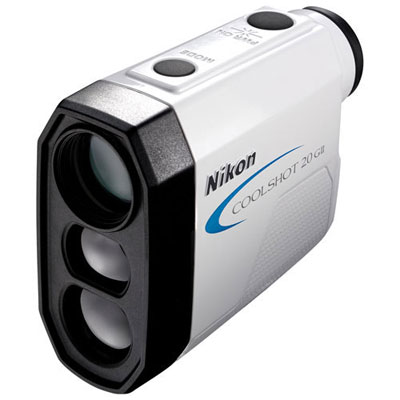 Your price for this item is $319.99
 -
 Your price for this item is $429
 -
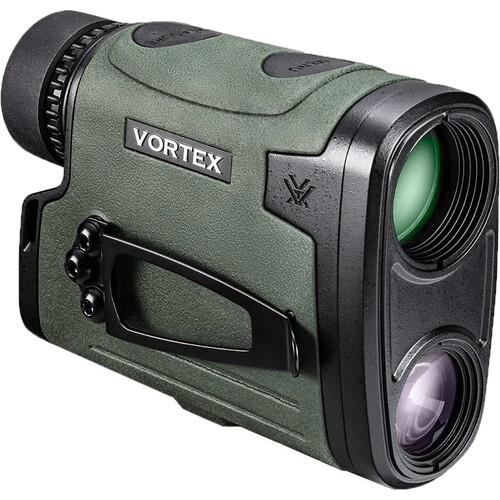 Your price for this item is $599
 -
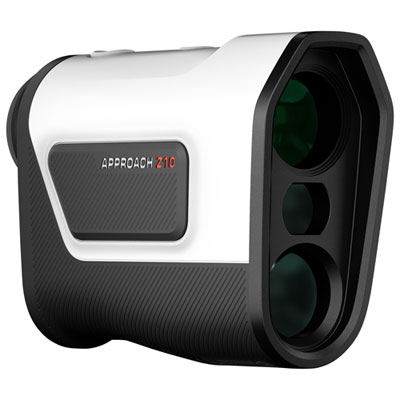 Your price for this item is $419.99
 -
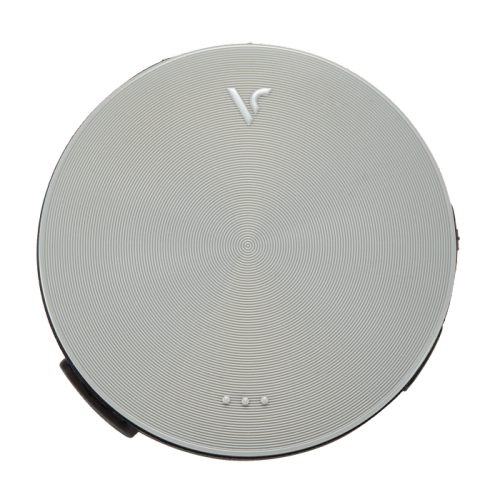 Your price for this item is $189.99
 -
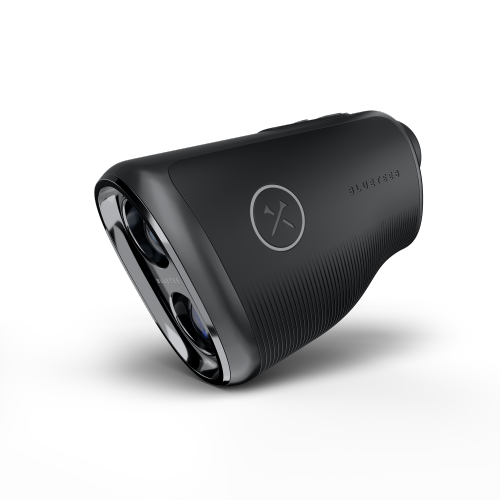 Your price for this item is $439.99
Discover more categories related to GPS Rangefinders
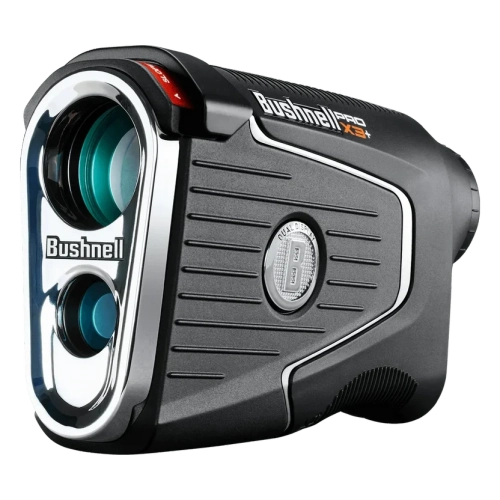
Top Collections:
Pokemon Centers, Best Cameras for Sports Photography, Kindle Devices, Samsung Galaxy Phones, Canon G7X Cameras, Pokémon 30th Celebration Cards, Refurbished Apple Laptops, iPhone 15 Apple, Laptops for Students, Budget Smartphones
Some products may be subject to Environmental Handling Fees
(EHF) depending on your province.
Learn more about EHFs.