Laser Rangefinders
Looking to enhance your precision and accuracy in measuring distances? Look no further than our collection of laser rangefinders. These innovative devices utilize advanced laser technology to provide accurate measurements with ease. Whether you're a golfer looking to improve your game, a hunter seeking reliable distance readings, or an outdoor enthusiast in need of precise measurements for various activities, our range of laser rangefinders has got you covered. With their compact and portable designs, these devices are perfect for on-the-go use.
Sort






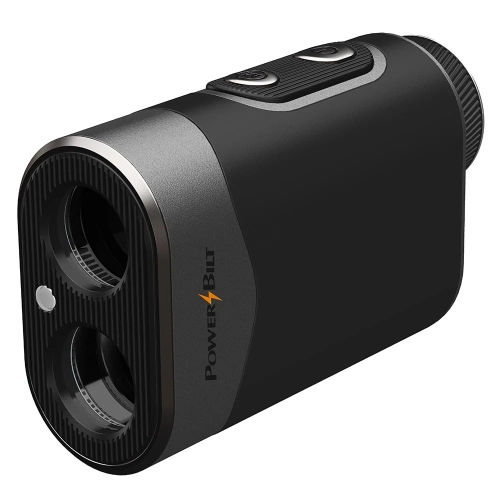


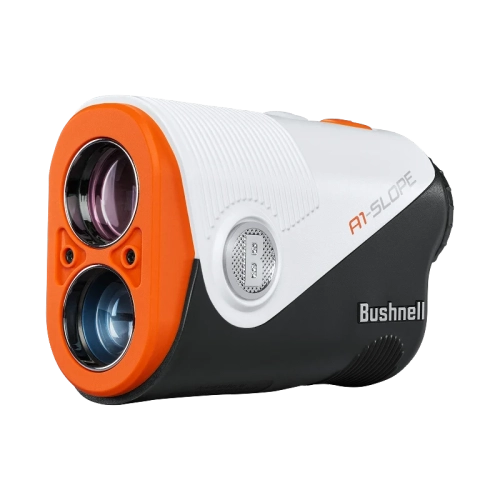
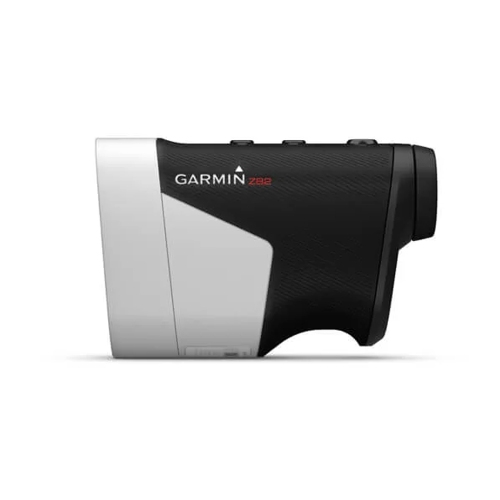

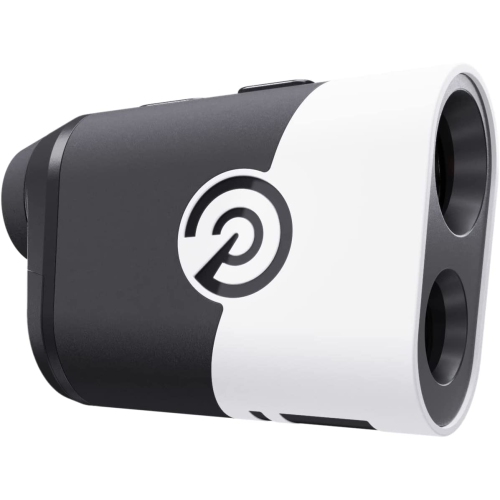





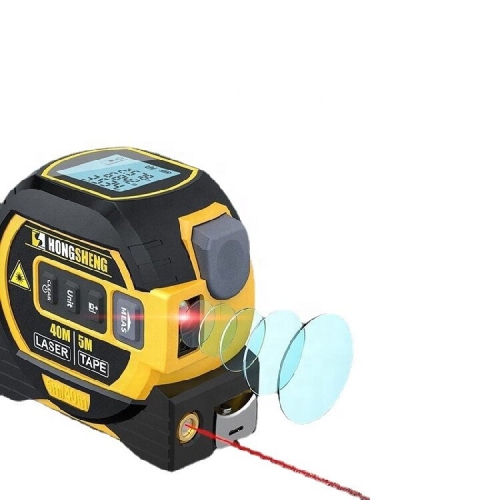

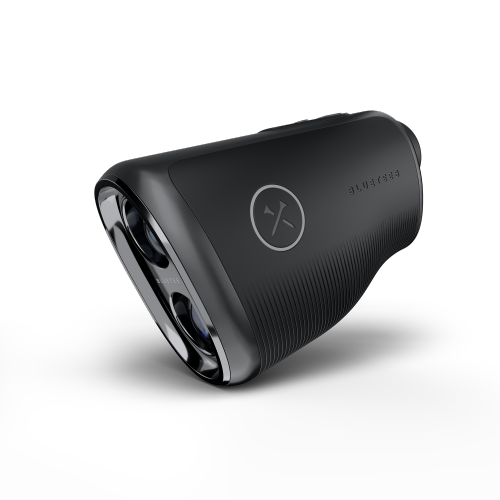
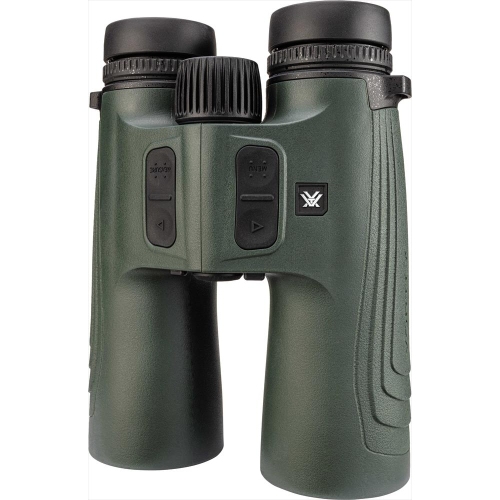
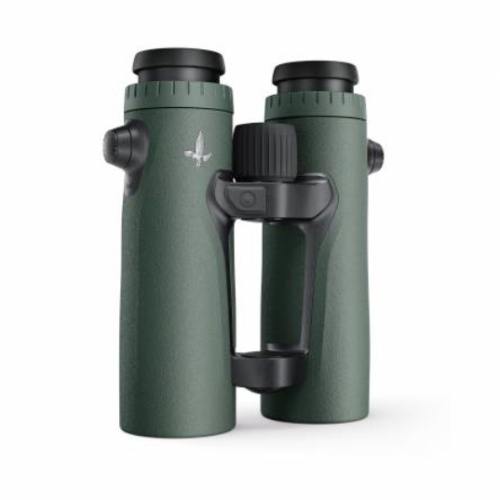



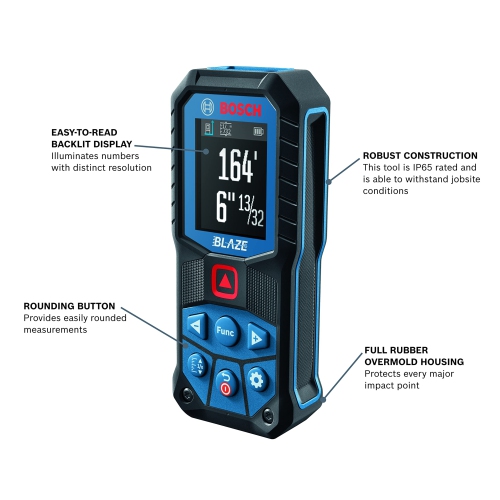
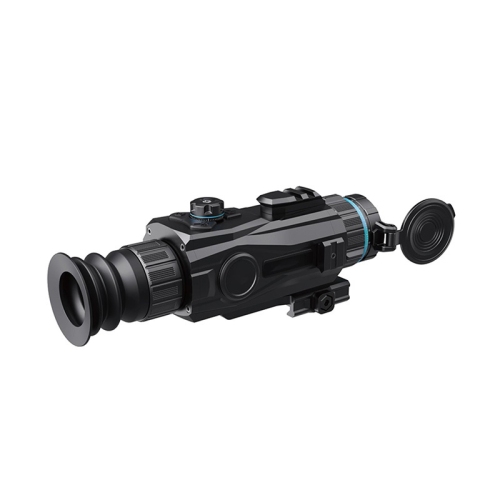
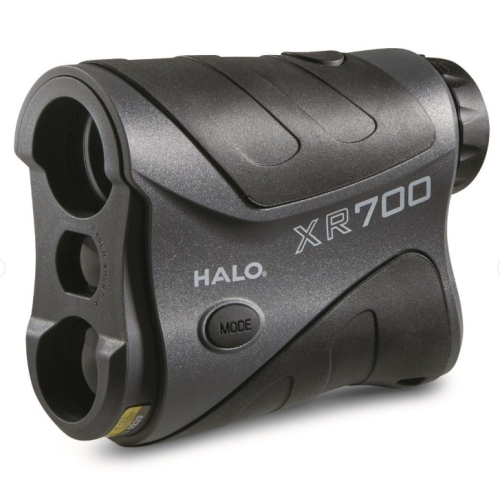
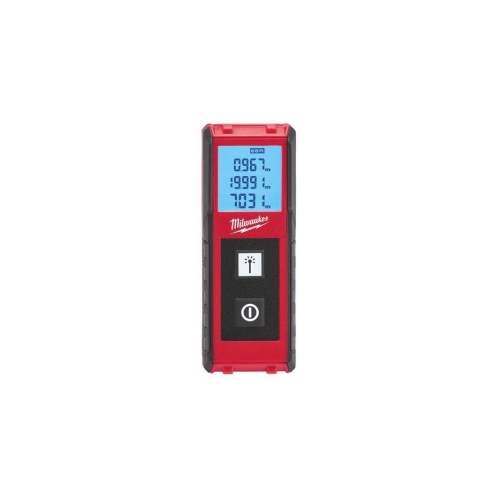
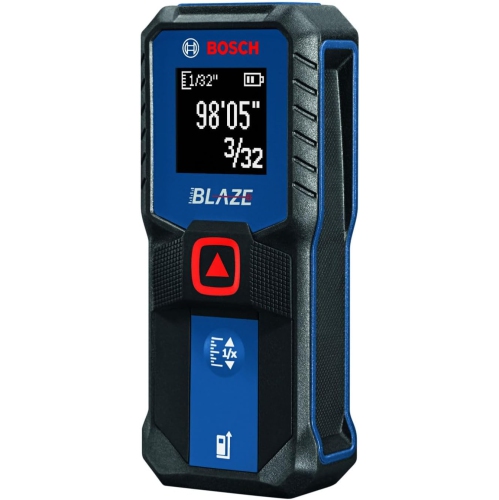
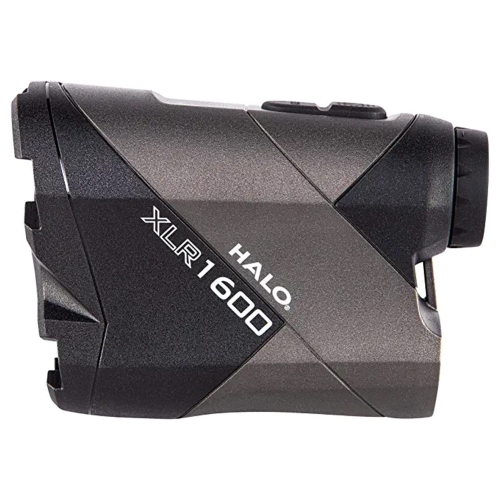


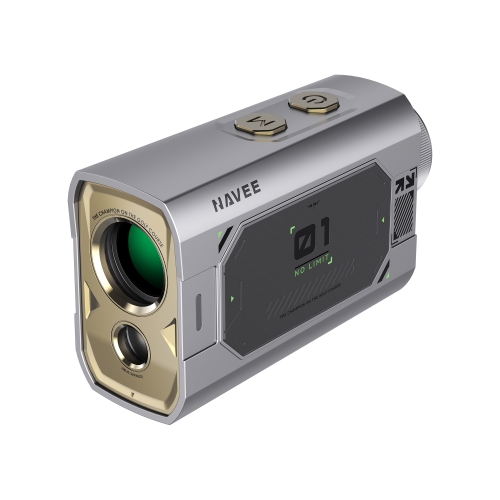
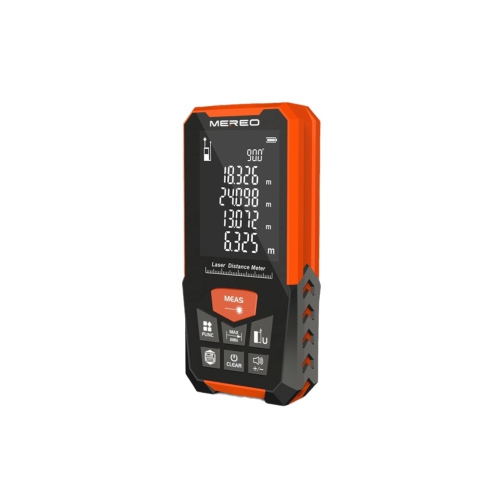

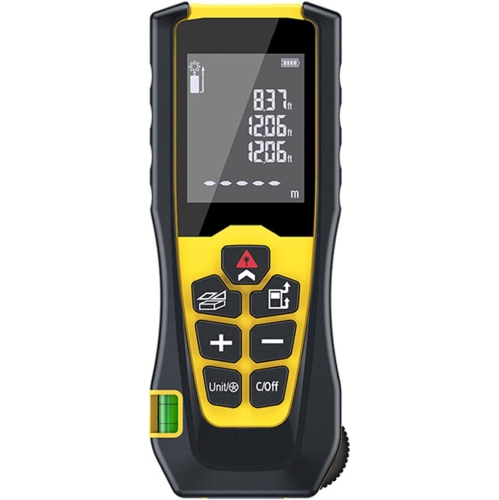
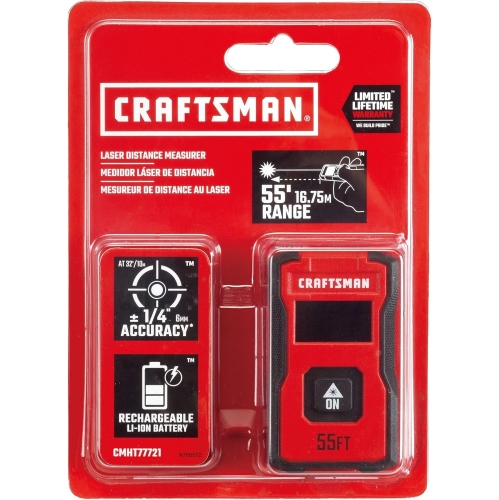
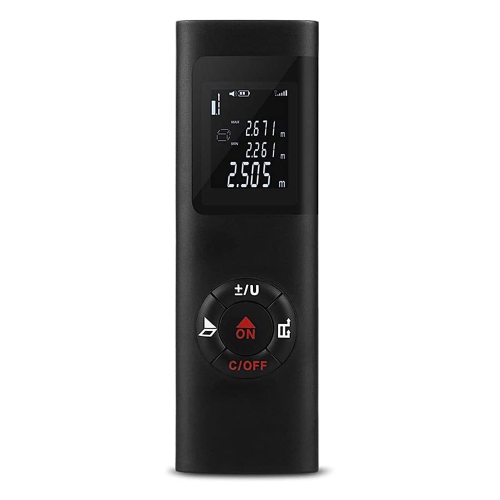
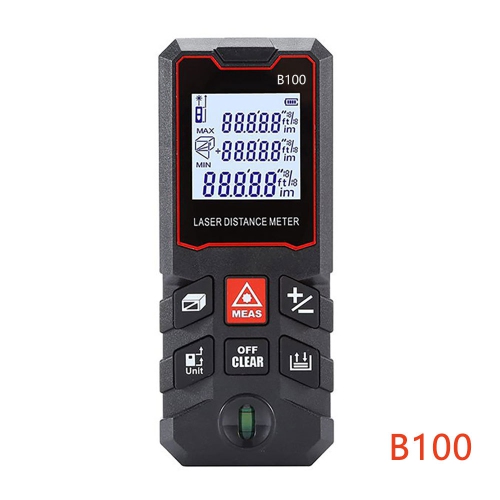



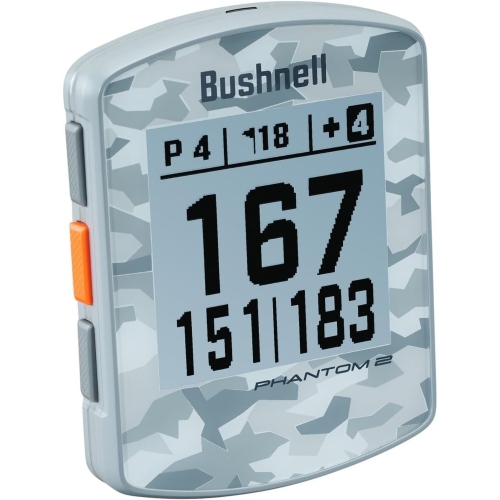
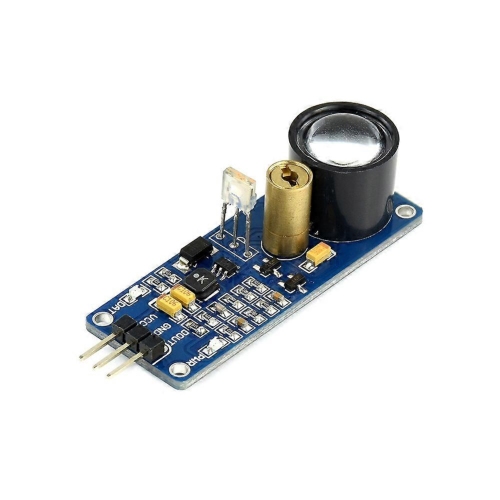
How a pulse of light becomes a distance reading
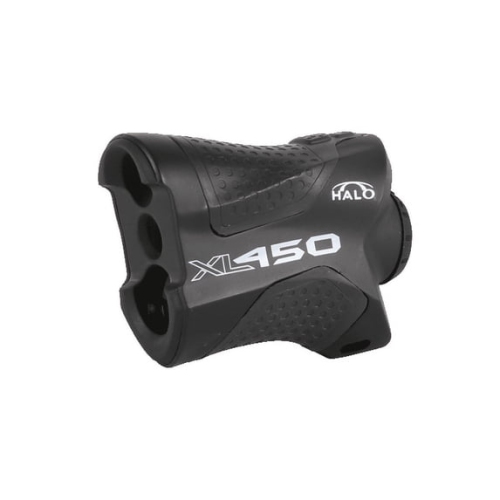
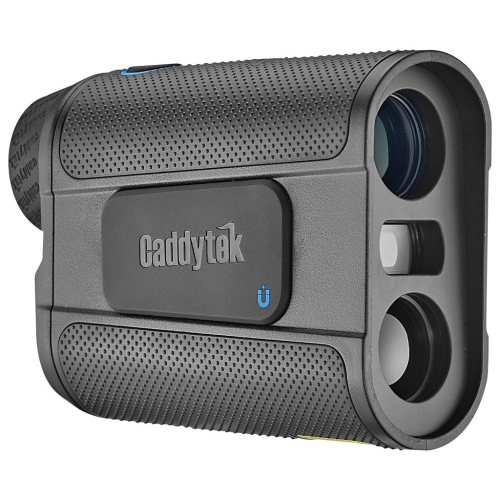
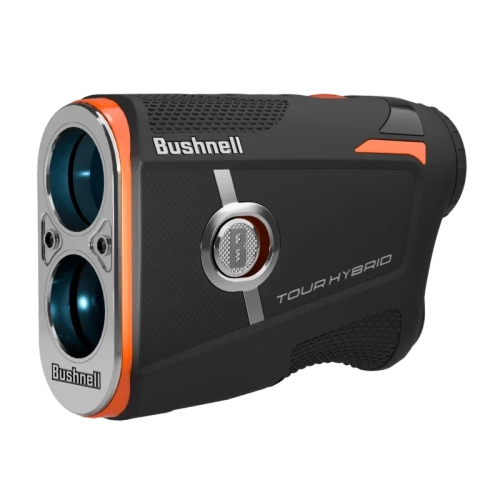
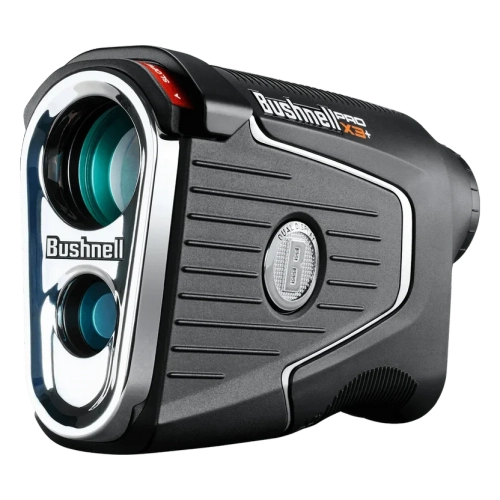
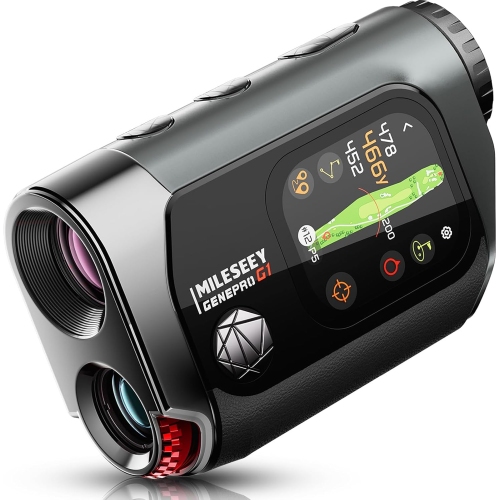
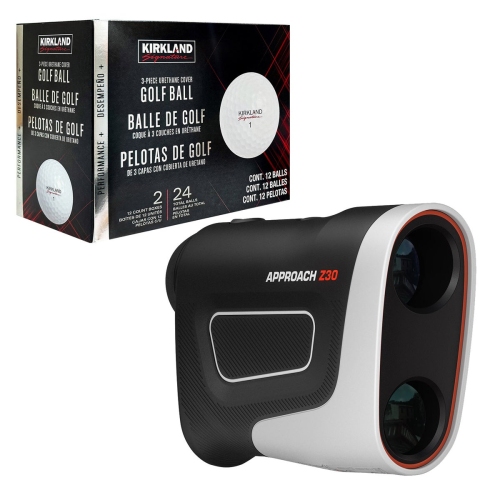
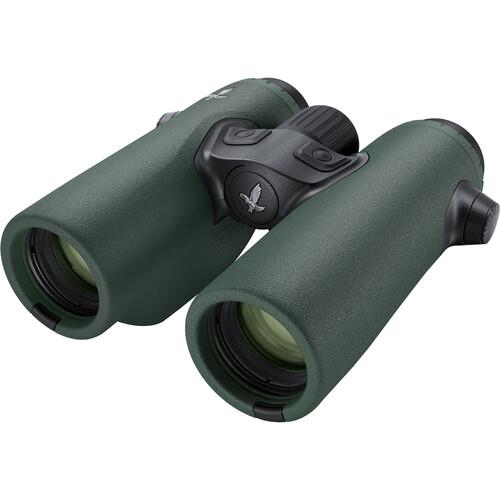
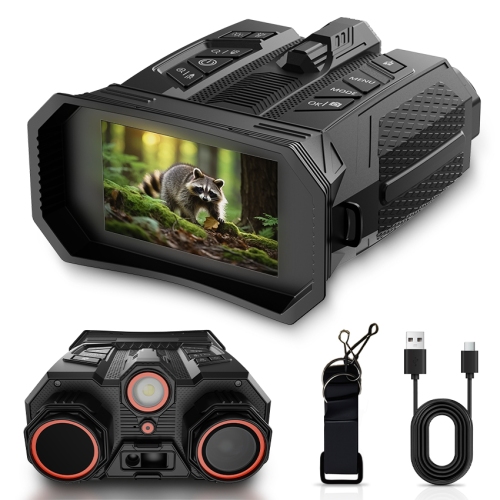
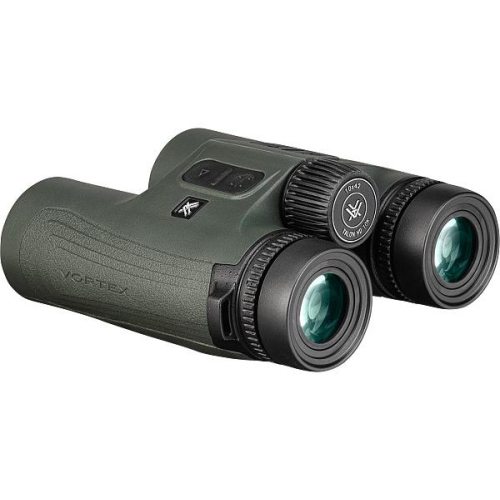
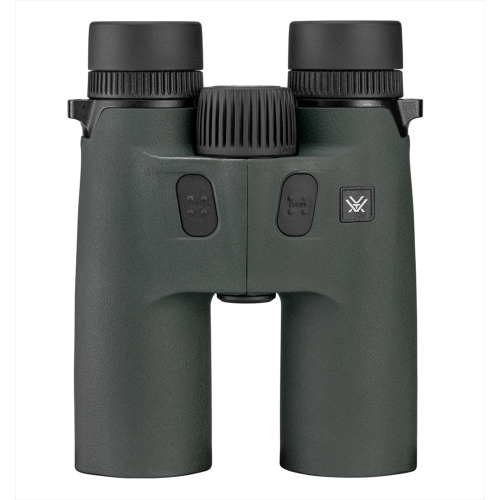
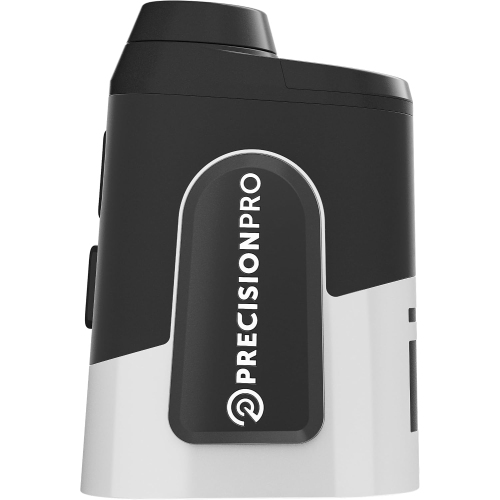
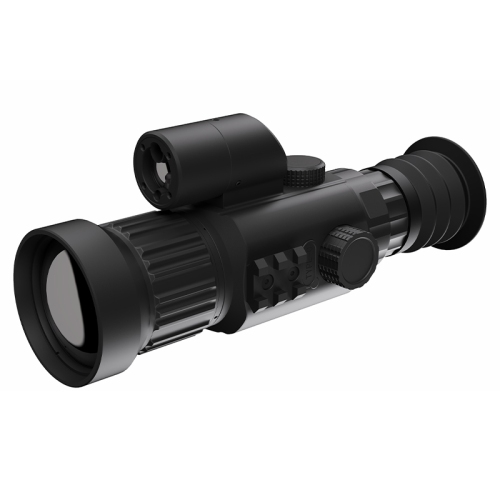
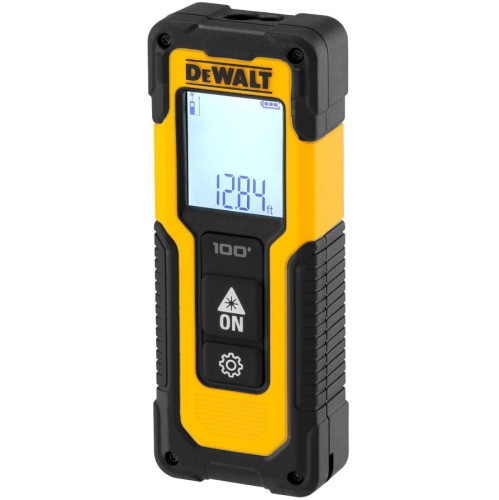
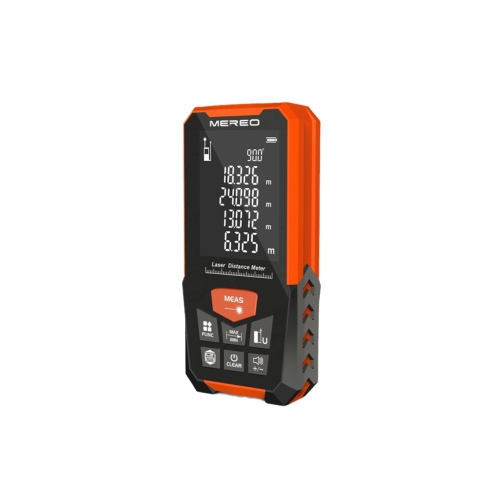
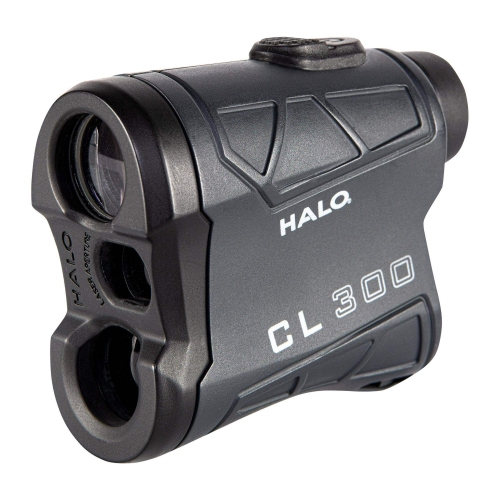
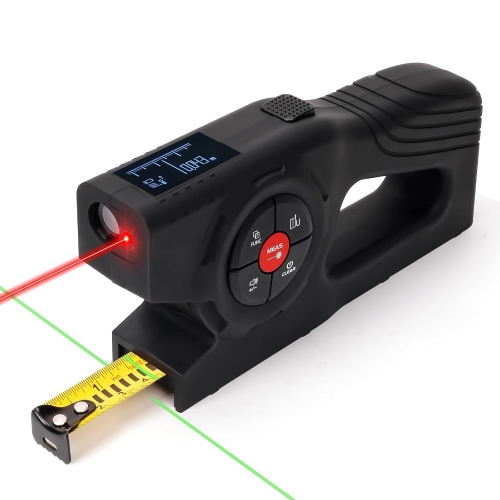
A laser rangefinder measures the distance to a target by sending out a focused pulse of light and timing how long its reflection takes to return. Using the known speed of light, the device converts that round-trip travel time into a distance reading. Most handheld models combine this measuring system with a magnified view, an aiming reticle, and a display visible through the eyepiece. This makes it possible to look towards a flagstick, tree, or other distinct object and check its distance without physically measuring the ground between the two points. Laser rangefinders are used for golf, hunting, forestry, and certain construction or property-measuring tasks, although the features suited to each activity differ. Measurement range, accuracy, and display resolution are separate specifications: a device that displays small increments does not necessarily measure to that same degree of accuracy. Likewise, the maximum stated range typically reflects particular test conditions rather than identical performance on every surface. A broad, reflective target is generally easier to measure than a narrow object with a weak return signal. Target size, surface reflectivity, viewing angle, and the steadiness of the device can all influence results. A clear line of sight matters because a laser rangefinder measures the surface that returns its signal; it cannot measure through a wall or another solid obstruction. Magnification helps bring distant details into view, while optical clarity and a well-defined reticle make the intended target easier to distinguish. Higher magnification can also make hand movement more noticeable, so a comfortable balance between reach and a stable view is useful. Scan mode, where included, updates readings as the device moves across different targets. Selectable metres and yards support different activities and personal preferences, while an easy-to-read display helps keep the measurement distinct from the scene behind it. For repeated use, a responsive measurement button and straightforward controls can matter as much as a long list of functions.
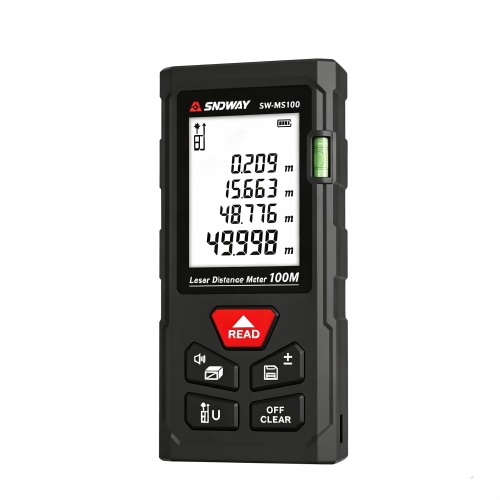
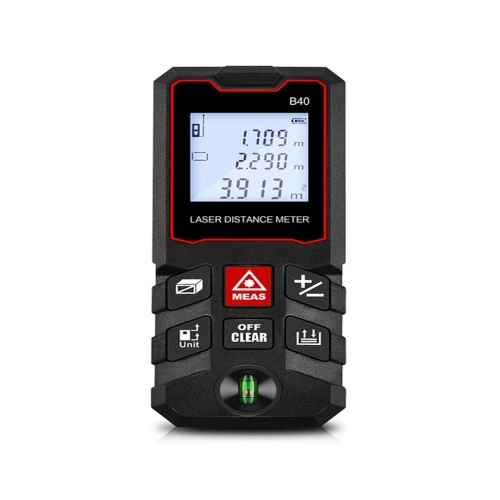
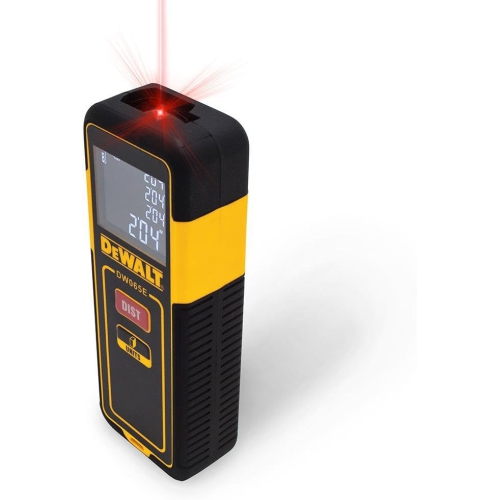
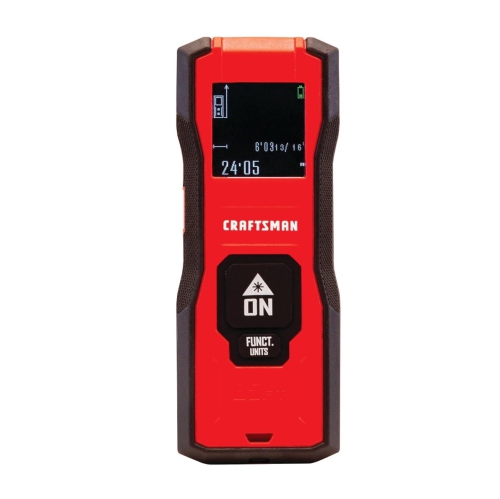
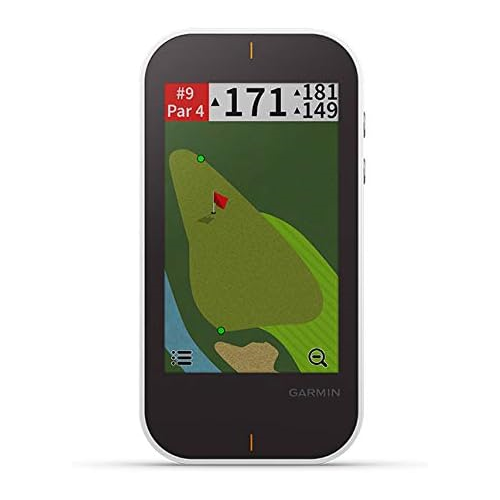
On a golf course, laser rangefinders provide point-to-point measurements to visible features such as a flagstick, bunker edge, or tree beside the fairway. Unlike a fixed course marker, the reading relates to the golfer’s actual position and the particular object being targeted. Flag-lock or target-confirmation functions can help distinguish a slender flagstick from objects behind it, and some models use a brief vibration to acknowledge a reading. These features support target selection, but the displayed distance still needs to correspond to the intended object. Slope functions add another layer of information by using an incline measurement to estimate an adjusted distance for an uphill or downhill shot. That adjusted figure is different from the direct distance measured by the laser. Competition use depends on the applicable rules, and slope or other assistance functions may need to be disabled even when basic distance measurement is permitted. For hunting and wildlife observation, useful characteristics can include a clear view of a distant subject, simple controls that can be operated without looking away, and target-priority settings suited to the scene. Where supported, these settings help favour nearer or farther returns when multiple objects fall within the measuring area; they do not allow the beam to pass through solid obstacles. Forestry models may combine distance measurement with an inclinometer and calculation modes for estimating tree height. Construction and property work call for a distinction between handheld optical rangefinders and laser distance meters designed for measurements between building surfaces. Area, volume, indirect measurement, and data-transfer functions depend on the device and should not be assumed from the term “laser rangefinder” alone. The same distinction applies to positioning technology: laser measurement uses a visible target, while GPS Rangefinders use satellite positioning and, in golf applications, course data to provide location-based distances. Neither approach replaces the other in every situation. Someone who wants the distance to a specific visible object has different needs from someone who wants mapped distances to several parts of a hole without aiming at each one.
The physical design of a laser rangefinder affects how naturally it fits into regular use. A compact body slips more easily into a golf bag pocket or carrying pouch, while a slightly larger housing may provide a steadier grip. Moulded polymer housings are common, and some designs use metal components for added rigidity. Rubberized contact areas can improve handling and help protect against minor knocks, although impact resistance varies by model. Weight, button placement, and the shape of the grip become particularly noticeable when taking several measurements in succession. Eyeglass wearers may appreciate suitable eye relief and an adjustable eyecup, while a dioptre adjustment can help bring the display into focus. These features serve different purposes and are worth distinguishing from the main optical magnification. Protective cases, wrist straps, and secure clips help keep the device accessible and reduce the chance of an accidental drop. Any magnetic attachment needs to hold securely and follow the manufacturer’s precautions around sensitive equipment or medical devices. Sealed construction and stated water-resistance ratings offer more useful durability information than appearance alone; a rubberized exterior does not automatically mean a rangefinder is waterproof. Care is generally straightforward: loose grit should be removed before wiping lenses, optical surfaces need an appropriate lens cloth, and the device should be stored clean and dry in its case. Charging requirements also vary, with some models using rechargeable batteries and others taking replaceable cells. Battery type, charging connection, automatic shut-off, and an accessible battery indicator can all affect convenience during longer outings. Laser safety remains important even with compact consumer devices: follow the stated laser classification and operating instructions, and never direct the beam towards anyone’s eyes. As a gift, a rangefinder is most useful when its purpose matches the recipient’s interests. A golfer, a forestry professional, and someone measuring building interiors may all value distance information, but they need different optics, controls, and measurement functions to make that information practical.
Top selling and popular products
-
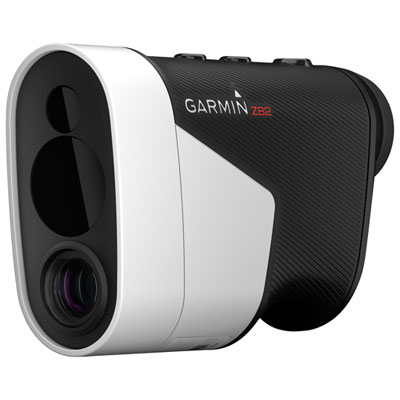 Your price for this item is $869.99
-
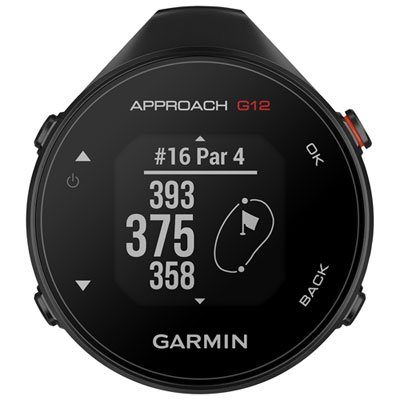 Your price for this item is $178.98
-
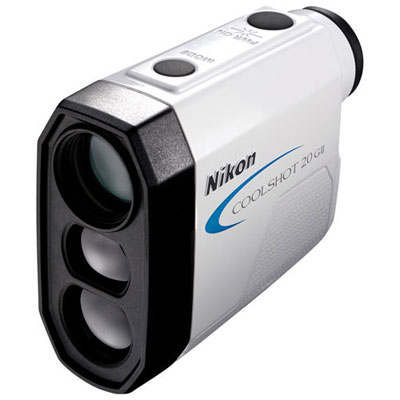 Your price for this item is $319.99
-
 Your price for this item is $429
-
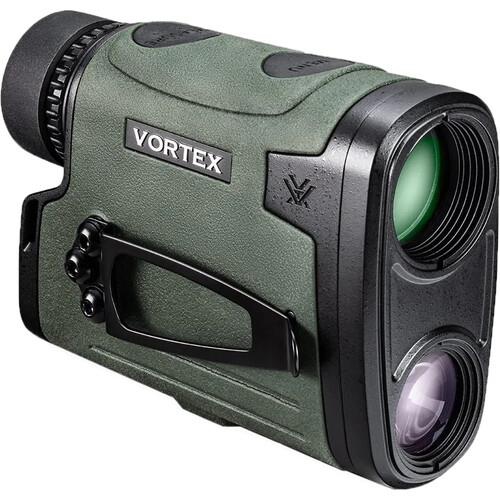 Your price for this item is $599
-
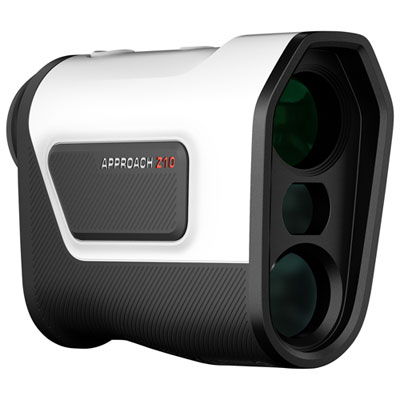 Your price for this item is $419.99
-
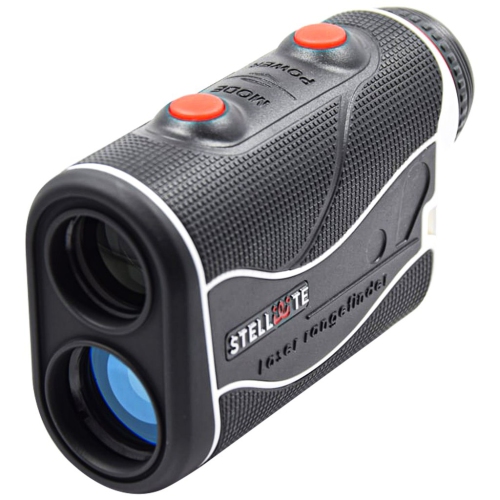 Your price for this item is $129.99
-
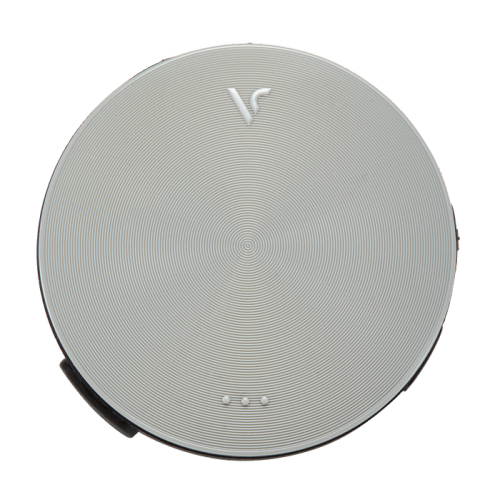 Your price for this item is $189.99
Discover more categories related to Laser Rangefinders
Top Collections:
Pokemon Centers, Best Cameras for Sports Photography, Kindle Devices, Samsung Galaxy Phones, Canon G7X Cameras, Pokémon 30th Celebration Cards, Refurbished Apple Laptops, iPhone 15 Apple, Laptops for Students, Budget Smartphones
Some products may be subject to Environmental Handling Fees
(EHF) depending on your province.
Learn more about EHFs.