Long Range Radars
Looking to enhance your driving experience with advanced detection technology? Look no further than our collection of long-range radars. Designed to provide you with reliable and accurate alerts, these cutting-edge devices are perfect for drivers who value safety and peace of mind on the road. Whether you're a seasoned traveler or a daily commuter, our range of long-range radars offers exceptional performance, helping you stay aware of potential hazards and ensuring a smoother journey ahead. Discover the power of long-range radars and take control of your driving experience today.
Sort


What affects practical radar range and detection performance
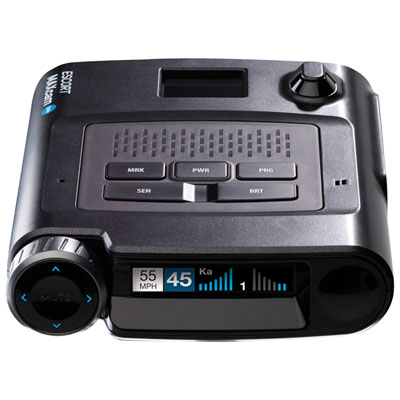
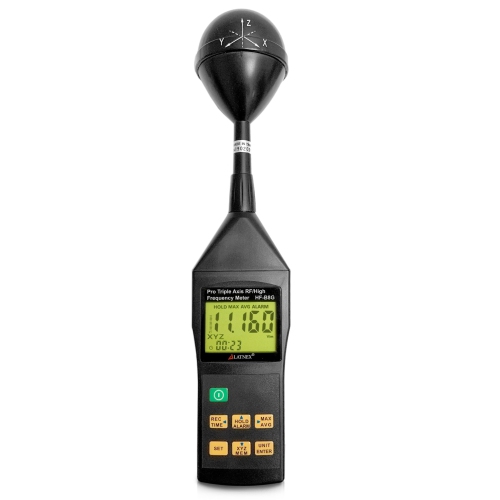
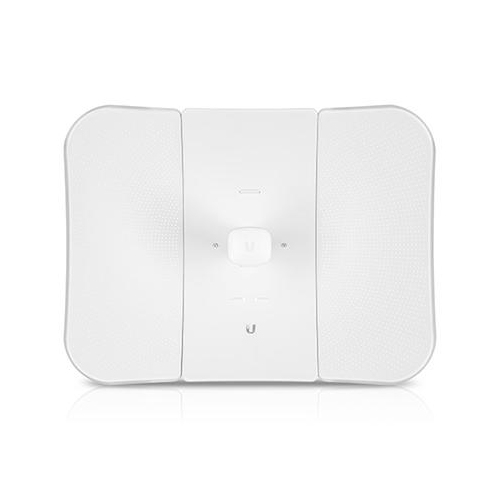
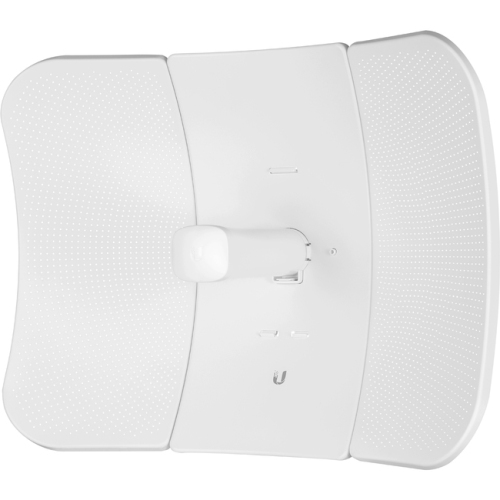
Long-range radars are detection systems designed to identify movement, objects, or changes in an area from a greater distance than standard short-range sensors. Depending on the type of device, they may use radio waves to detect distance, direction, speed, and motion, even in conditions where a camera or infrared sensor has limited visibility. On a product-listing page, the term “long range radar” can refer to several different categories, so it is important to compare each item’s intended use before making a purchase. Consumer and commercial radar products may support vehicle awareness, property monitoring, traffic observation, industrial automation, equipment tracking, or advanced security installations. They are not the same as large military early-warning systems, which use extensive antenna arrays, high-power transmitters, sophisticated digital signal processing, and dedicated infrastructure to monitor aircraft, ships, missiles, or other targets across very large areas. A ground-based radar is generally limited by line of sight: the Earth’s curvature and terrain can prevent a low-flying or ground-level object from being detected beyond the horizon, even when the radar itself has considerable range. Some strategic systems address this limitation with over-the-horizon techniques, using high-frequency radio waves that interact with the ionosphere and return far beyond the usual horizon. Airborne early-warning systems raise the antenna above the ground to extend the radar horizon, while space-based systems can provide a much broader view. These examples help explain why quoted range figures should be treated as specifications for a particular operating environment, not as a universal promise of detection at every distance. Weather, terrain, buildings, trees, road traffic, electrical interference, object size, surface material, antenna placement, mounting height, and software settings can all affect practical performance.
When comparing long-range radars, begin with the detection range and the type of target the system is designed to recognise. A sensor intended to notice a person or vehicle at a distance may use different hardware and settings from one built for industrial equipment, road monitoring, or automated control. Look for clear information about the minimum and maximum detection distance, field of view, horizontal and vertical coverage, refresh rate, target speed range, and whether the device can track more than one object at a time. Resolution is also important: a radar may detect that something is present without being able to distinguish two nearby objects or provide precise positioning. Some systems are better at measuring distance and speed, while others are designed to classify movement patterns and reduce false alerts. Signal processing features can help separate relevant targets from clutter such as swaying branches, precipitation, roadside activity, or stationary structures. Installation requirements deserve equal attention. Check whether the unit is intended for indoor or outdoor use, whether it needs a clear path to the monitored area, and whether it can be mounted on a wall, pole, vehicle, ceiling, or other approved surface. Review its power requirements, operating temperature, weather protection, cable length, connection method, and compatibility with the controller, recorder, display, or automation platform you plan to use. Some products operate as stand-alone sensors, while others need a compatible hub or professional installation. A device with excellent range can still be a poor fit if its mounting position is blocked, its field of view is too narrow, or its software does not provide the alerts and data you need. For connected installations, confirm how the radar communicates with the rest of the system and review permissions, notification settings, and data handling before installation. If you are comparing radar-based security equipment with conventional motion detection, explore related options such as Long Range Motion Sensors to understand how different detection technologies may suit your space.
Long-range radar products can be useful for property owners, facility managers, fleet operators, installers, researchers, and technology enthusiasts who need earlier awareness of movement over an open area. A rural property may benefit from detecting a vehicle approaching along a long driveway, while a large commercial site may use radar to monitor access lanes, loading areas, gates, or equipment zones. In transportation settings, radar can measure the position and speed of moving objects and may continue working when lighting is poor, which makes it useful during the darker hours of the cooler months as well as during bright summer conditions. In industrial or agricultural environments, a radar sensor may help monitor moving machinery, manage access, or support automated operations without relying solely on visible light. For vehicle-related applications, the correct system depends on whether you need awareness, measurement, alerting, or integration with another safety feature; always verify local laws and installation requirements before using equipment on public roads. These products are usually chosen for a specific project rather than purchased as casual gifts, although a capable technology enthusiast, maker, security professional, or hobbyist may appreciate one when they already have a clear installation plan. The most thoughtful purchase is one that matches the recipient’s space, power access, technical experience, and intended range instead of simply selecting the longest advertised distance. Before ordering, consider the size and layout of the area, the height and angle of the proposed mounting point, nearby sources of interference, and the level of accuracy required. Read the complete specifications for detection zones, target tracking, environmental ratings, software support, and included accessories. If the radar will be part of a security or automation system, confirm compatibility before buying and plan a practical test after installation. Position it so the monitored area is covered without creating unnecessary alerts from public walkways, neighbouring properties, trees, or routine activity. With the right application and careful placement, a long-range radar can provide dependable awareness across a broad area while giving you useful information about where movement occurs, how quickly it is travelling, and when attention may be needed.
When comparing long-range radars, begin with the detection range and the type of target the system is designed to recognise. A sensor intended to notice a person or vehicle at a distance may use different hardware and settings from one built for industrial equipment, road monitoring, or automated control. Look for clear information about the minimum and maximum detection distance, field of view, horizontal and vertical coverage, refresh rate, target speed range, and whether the device can track more than one object at a time. Resolution is also important: a radar may detect that something is present without being able to distinguish two nearby objects or provide precise positioning. Some systems are better at measuring distance and speed, while others are designed to classify movement patterns and reduce false alerts. Signal processing features can help separate relevant targets from clutter such as swaying branches, precipitation, roadside activity, or stationary structures. Installation requirements deserve equal attention. Check whether the unit is intended for indoor or outdoor use, whether it needs a clear path to the monitored area, and whether it can be mounted on a wall, pole, vehicle, ceiling, or other approved surface. Review its power requirements, operating temperature, weather protection, cable length, connection method, and compatibility with the controller, recorder, display, or automation platform you plan to use. Some products operate as stand-alone sensors, while others need a compatible hub or professional installation. A device with excellent range can still be a poor fit if its mounting position is blocked, its field of view is too narrow, or its software does not provide the alerts and data you need. For connected installations, confirm how the radar communicates with the rest of the system and review permissions, notification settings, and data handling before installation. If you are comparing radar-based security equipment with conventional motion detection, explore related options such as Long Range Motion Sensors to understand how different detection technologies may suit your space.
Long-range radar products can be useful for property owners, facility managers, fleet operators, installers, researchers, and technology enthusiasts who need earlier awareness of movement over an open area. A rural property may benefit from detecting a vehicle approaching along a long driveway, while a large commercial site may use radar to monitor access lanes, loading areas, gates, or equipment zones. In transportation settings, radar can measure the position and speed of moving objects and may continue working when lighting is poor, which makes it useful during the darker hours of the cooler months as well as during bright summer conditions. In industrial or agricultural environments, a radar sensor may help monitor moving machinery, manage access, or support automated operations without relying solely on visible light. For vehicle-related applications, the correct system depends on whether you need awareness, measurement, alerting, or integration with another safety feature; always verify local laws and installation requirements before using equipment on public roads. These products are usually chosen for a specific project rather than purchased as casual gifts, although a capable technology enthusiast, maker, security professional, or hobbyist may appreciate one when they already have a clear installation plan. The most thoughtful purchase is one that matches the recipient’s space, power access, technical experience, and intended range instead of simply selecting the longest advertised distance. Before ordering, consider the size and layout of the area, the height and angle of the proposed mounting point, nearby sources of interference, and the level of accuracy required. Read the complete specifications for detection zones, target tracking, environmental ratings, software support, and included accessories. If the radar will be part of a security or automation system, confirm compatibility before buying and plan a practical test after installation. Position it so the monitored area is covered without creating unnecessary alerts from public walkways, neighbouring properties, trees, or routine activity. With the right application and careful placement, a long-range radar can provide dependable awareness across a broad area while giving you useful information about where movement occurs, how quickly it is travelling, and when attention may be needed.
Top selling and popular products
-
 Your price for this item is $249.99
 -
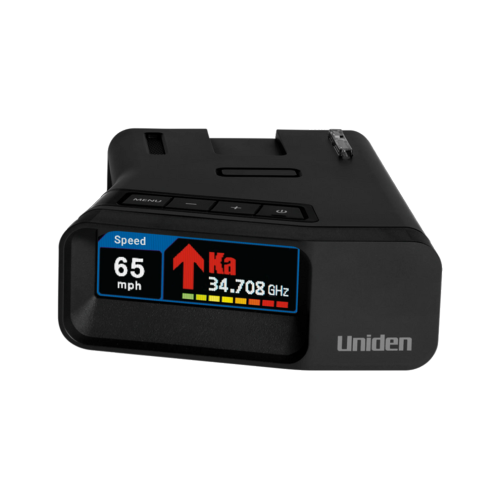 Your price for this item is $929.99
 -
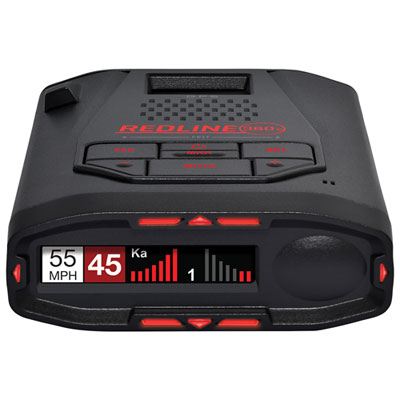 Your price for this item is $1199.99
 -
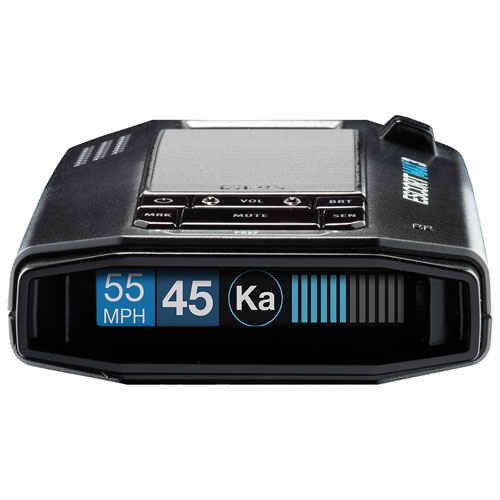 Your price for this item is $549.95
 -
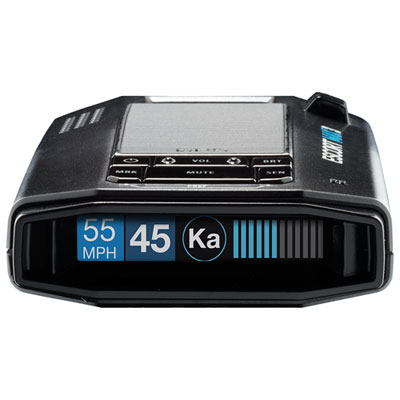 Your price for this item is $699.99
 -
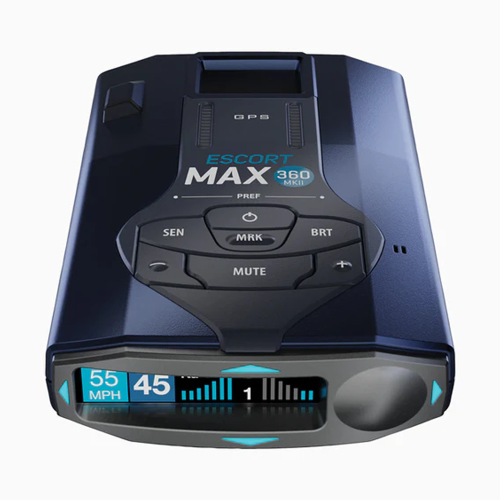 Your price for this item is $849.95
 -
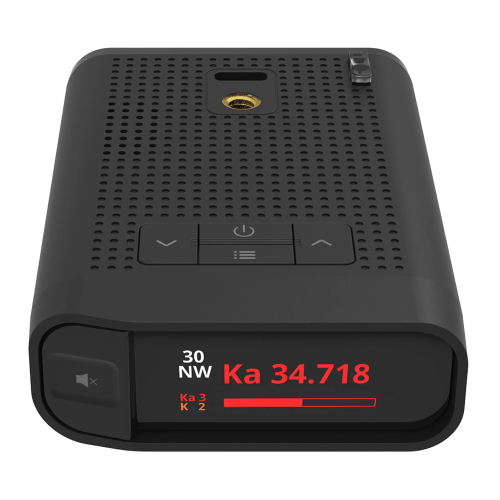 Your price for this item is $598.99
 -
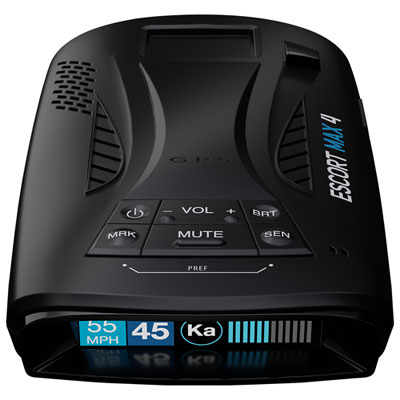 Your price for this item is $649.99
Discover more categories related to Long Range Radars
Top Collections:
Pokemon Centers, Kindle Devices, Best Budget Office Chairs, Apple iPhones 16, Canon G7X Cameras, iPhone 15 Apple, Alarm Clock, Refurbished Apple Laptops, Flip Phones, Best Laptops for Writers
Some products may be subject to Environmental Handling Fees
(EHF) depending on your province.
Learn more about EHFs.