Long Range Motion Sensors
Upgrade your home security with long range motion sensors. These innovative devices are designed to detect movement from a distance, providing you with an extra layer of protection. Whether you want to monitor your property, keep an eye on your driveway, or enhance the safety of your backyard, long range motion sensors are the perfect solution. With their advanced technology and reliable performance, these sensors ensure that you're always aware of any activity around your home. Explore our wide selection and find the perfect long range motion sensor to suit your needs.
Sort
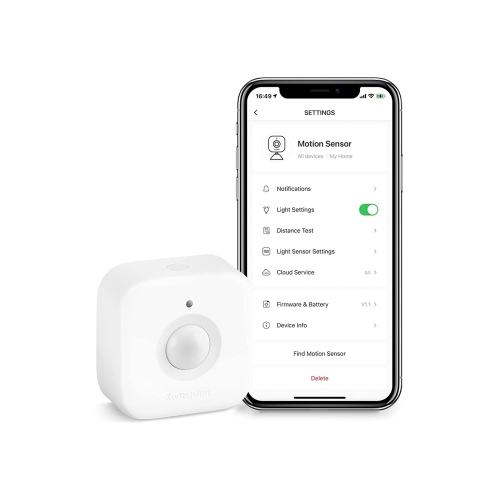
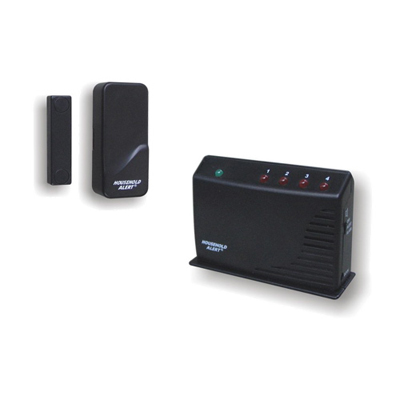
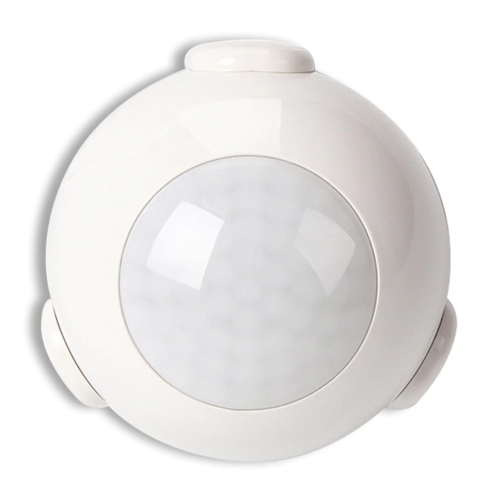
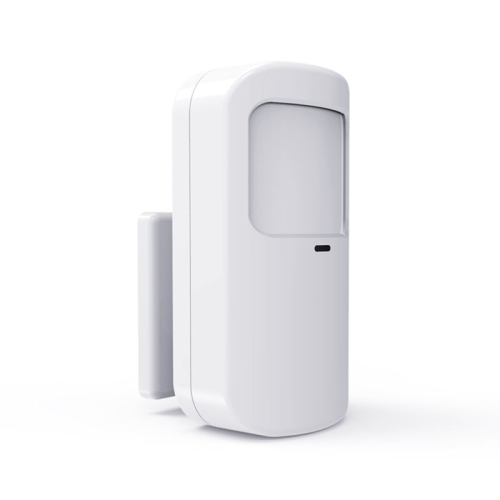
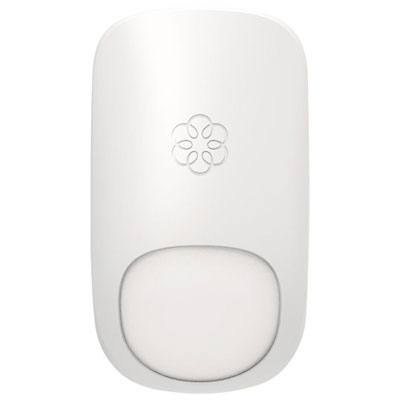
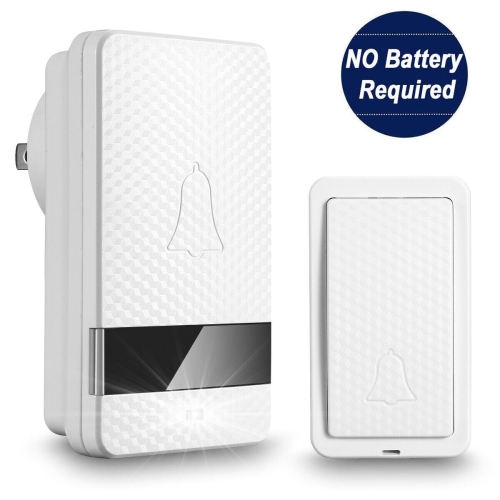
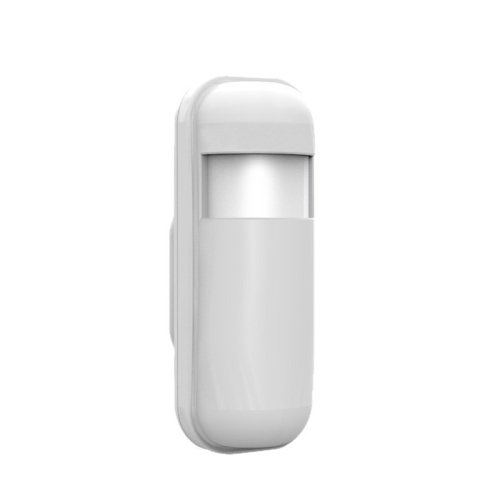
What affects reliable detection beyond stated range
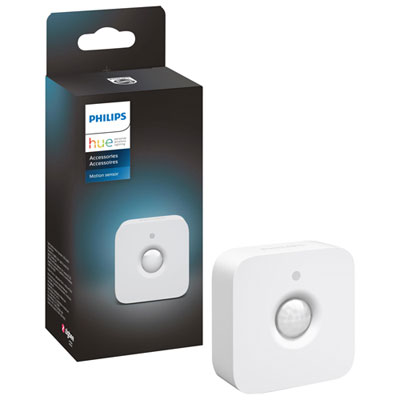
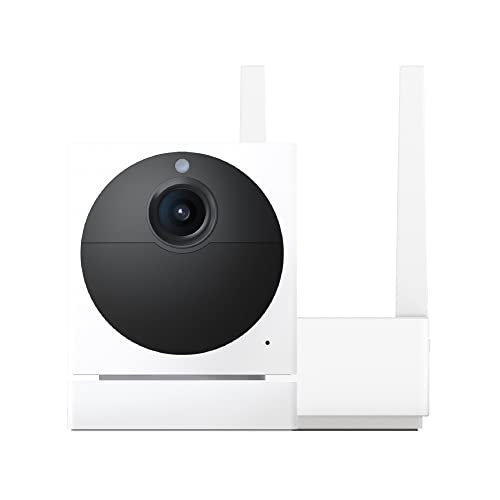
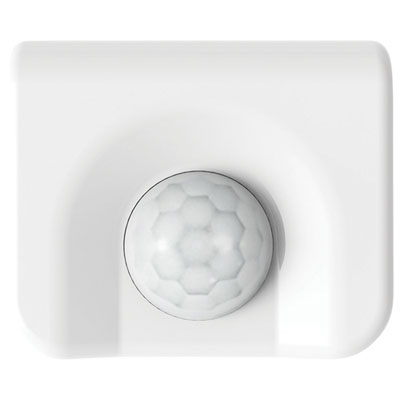
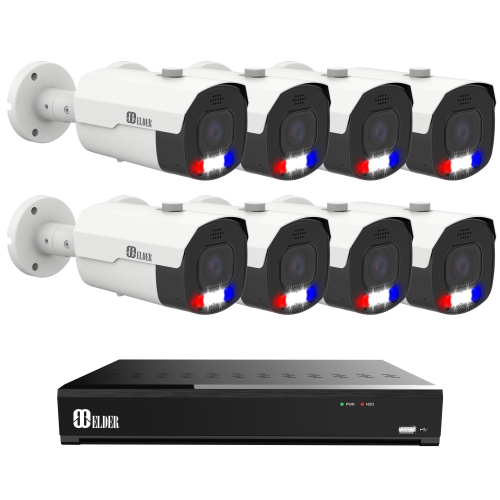
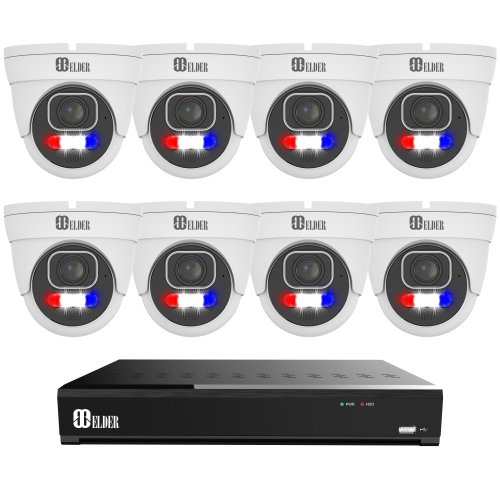
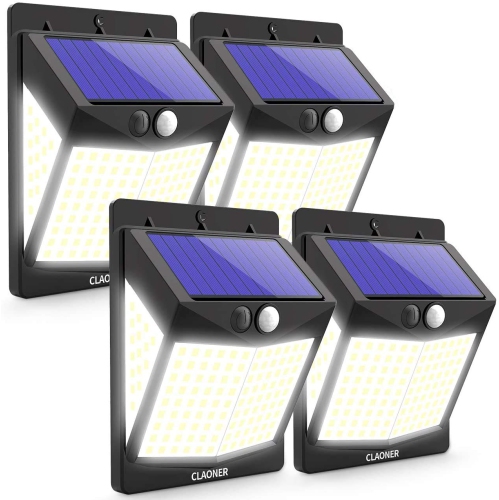
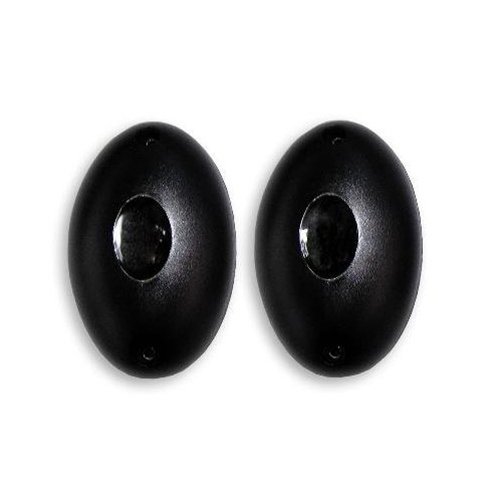
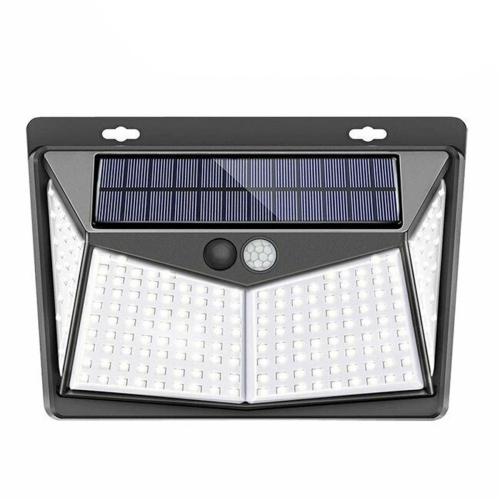
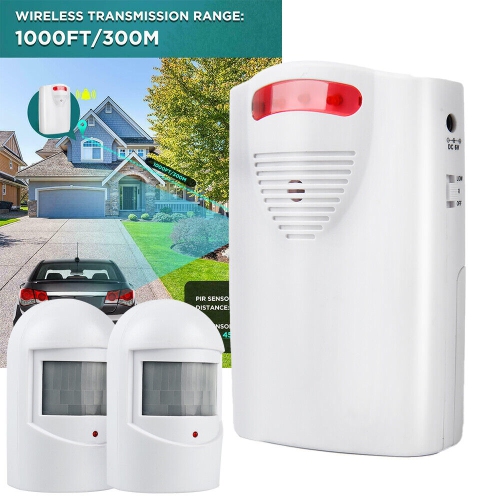
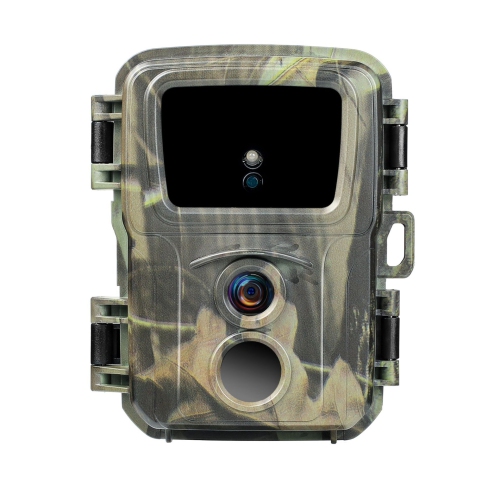
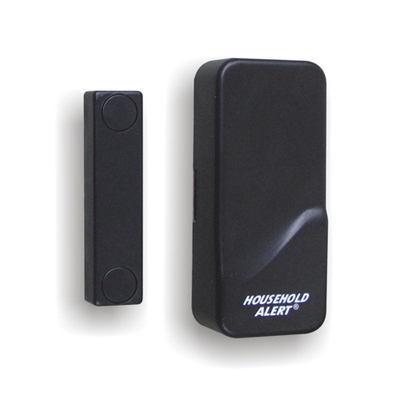
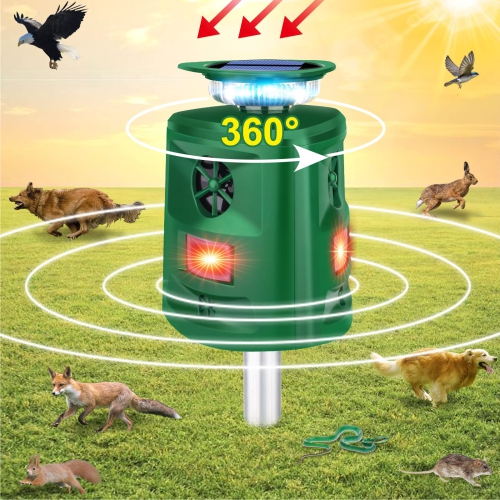
Long Range Motion Sensors are designed to notice movement across broader areas than compact indoor sensors, making them useful for driveways, walkways, yards, detached garages, workshops, entrances, hallways, and large rooms. Detection distance varies by design, with some models covering about 26 feet and others reaching up to 80 feet in suitable conditions. A sensor’s stated range is only one part of the decision: the detection pattern, mounting height, angle, sensitivity settings, and direction of movement all affect how reliably it responds. A unit facing across a driveway may detect a person or vehicle more effectively than one aimed directly at the approach, while a sensor mounted too high can allow activity to pass beneath its field of view. Outdoor models are often chosen for perimeter alerts, where an early notification can provide extra time to check a door, turn on lighting, or review a connected camera. Indoor users may place them at the top or bottom of a staircase, near a side entrance, or in a long basement passage where a shorter-range sensor would leave gaps. During the cooler months, motion detection can be especially helpful around entrances and outbuildings, when less daylight and closed windows make it harder to notice activity from inside. For smaller spaces, compare coverage carefully with Small Motion Sensors to help avoid choosing a unit with more range than the room requires. When comparing long-range options, look for clear information about the detection distance, sensing angle, mounting method, and intended placement. Passive infrared, commonly called PIR, is widely used because it detects changes in heat patterns caused by people, animals, or vehicles moving through its coverage area. This means a sensor may perform differently in direct sunlight, near heating vents, beside reflective surfaces, or where moving branches and other objects cross its path. Adjustable sensitivity can help reduce false alerts, but positioning remains just as important as the setting. A model with a wide detection arc can suit an open yard, while a narrower field may be preferable beside a gate or along a side passage where you want to monitor one approach without covering the street.
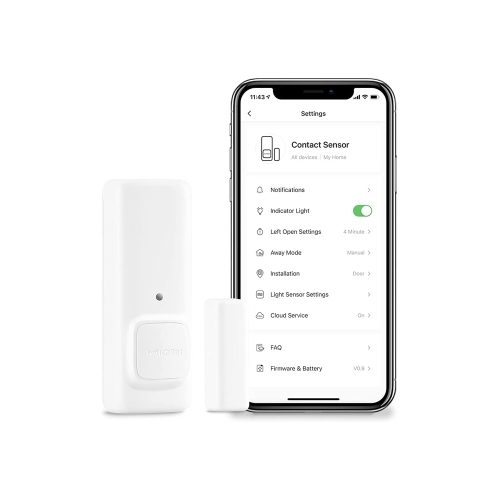
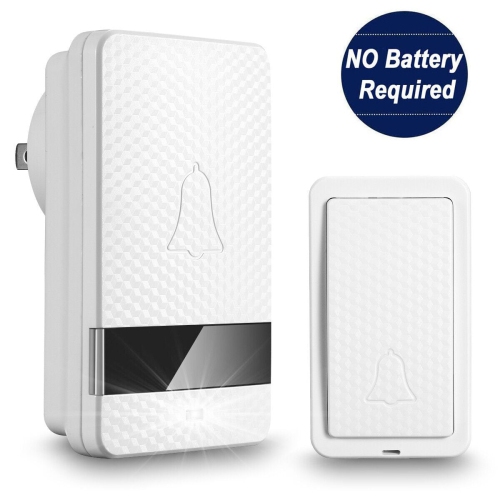
Connection range is another key consideration, particularly when a sensor will be installed outside or in a detached structure. Wireless transmission distances can span hundreds of feet in open conditions, and some dedicated systems advertise ranges around 395 feet, but walls, brick, concrete, metal siding, appliances, and changes in elevation can shorten that distance considerably. A sensor that works well in a showroom or open yard may need a different position at home, especially when the signal must pass through several exterior walls. Check whether the device requires a compatible hub, receiver, alarm panel, or smart home platform, and confirm that the desired connection standard is supported before purchasing. Some people prefer a standalone alarm with a loud local alert, while others want notifications on a phone, automation with lights, or integration with a wider home security setup. A long-range unit with a dedicated receiver can be a practical choice for a driveway or back lane, whereas a connected sensor may be better for someone who wants activity logs and remote notifications. Battery life, replaceable battery access, low-battery warnings, and the availability of a wired power option are also worth reviewing. For outdoor use, check the weather-resistance rating and make sure the housing is suitable for the location, including exposure to rain, snow, wind, dust, and changing temperatures. A protected mounting position beneath an overhang can help, but the sensor should still have a clear view of the area it is meant to cover. These products can be useful for homeowners, renters with permission to install smart devices, caregivers checking a hallway or entrance, and people who want added awareness around a workshop or detached garage. They can also make thoughtful gifts for someone moving into a new home, improving a cottage, or building a connected home system, provided the recipient’s hub and preferred wireless standard are known. Before installation, walk through the property at different times of day and identify the paths you actually want to monitor. Keep the sensor away from sources of heat and aim it across likely movement routes rather than toward them. Test the alert from several distances, adjust the angle in small steps, and confirm that the signal reaches the receiver with doors and walls closed. This simple setup process helps turn a long-range motion sensor from a promising specification into dependable coverage suited to the space.
Connection range is another key consideration, particularly when a sensor will be installed outside or in a detached structure. Wireless transmission distances can span hundreds of feet in open conditions, and some dedicated systems advertise ranges around 395 feet, but walls, brick, concrete, metal siding, appliances, and changes in elevation can shorten that distance considerably. A sensor that works well in a showroom or open yard may need a different position at home, especially when the signal must pass through several exterior walls. Check whether the device requires a compatible hub, receiver, alarm panel, or smart home platform, and confirm that the desired connection standard is supported before purchasing. Some people prefer a standalone alarm with a loud local alert, while others want notifications on a phone, automation with lights, or integration with a wider home security setup. A long-range unit with a dedicated receiver can be a practical choice for a driveway or back lane, whereas a connected sensor may be better for someone who wants activity logs and remote notifications. Battery life, replaceable battery access, low-battery warnings, and the availability of a wired power option are also worth reviewing. For outdoor use, check the weather-resistance rating and make sure the housing is suitable for the location, including exposure to rain, snow, wind, dust, and changing temperatures. A protected mounting position beneath an overhang can help, but the sensor should still have a clear view of the area it is meant to cover. These products can be useful for homeowners, renters with permission to install smart devices, caregivers checking a hallway or entrance, and people who want added awareness around a workshop or detached garage. They can also make thoughtful gifts for someone moving into a new home, improving a cottage, or building a connected home system, provided the recipient’s hub and preferred wireless standard are known. Before installation, walk through the property at different times of day and identify the paths you actually want to monitor. Keep the sensor away from sources of heat and aim it across likely movement routes rather than toward them. Test the alert from several distances, adjust the angle in small steps, and confirm that the signal reaches the receiver with doors and walls closed. This simple setup process helps turn a long-range motion sensor from a promising specification into dependable coverage suited to the space.
Top selling and popular products
-
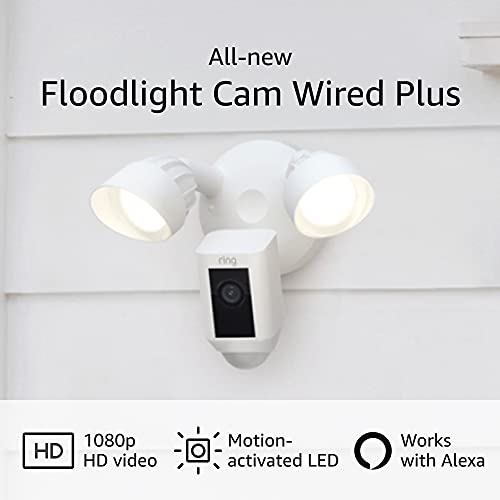 Your price for this item is $349.99
 -
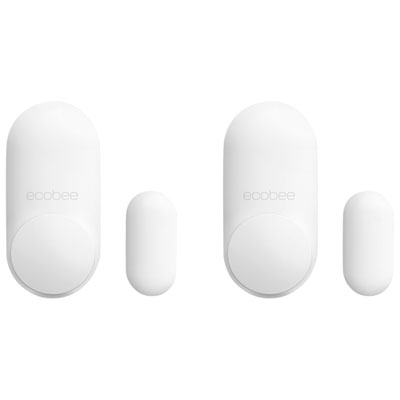 Your price for this item is $59.99
 -
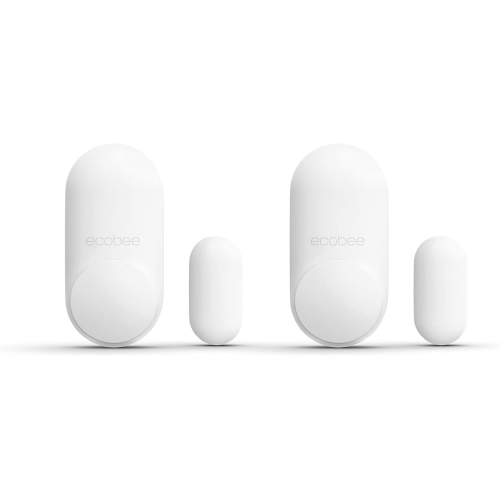 Your price for this item is $99.99
 -
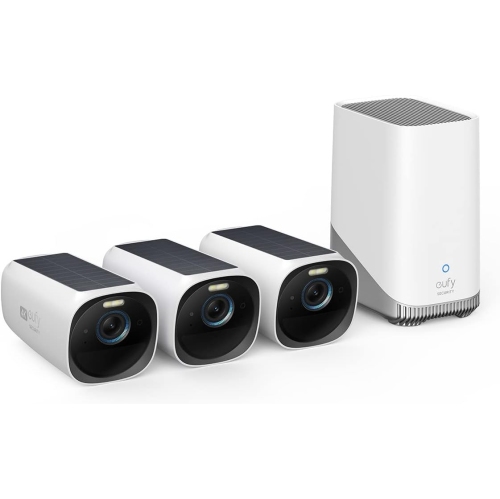 Your price for this item is $799.99
 -
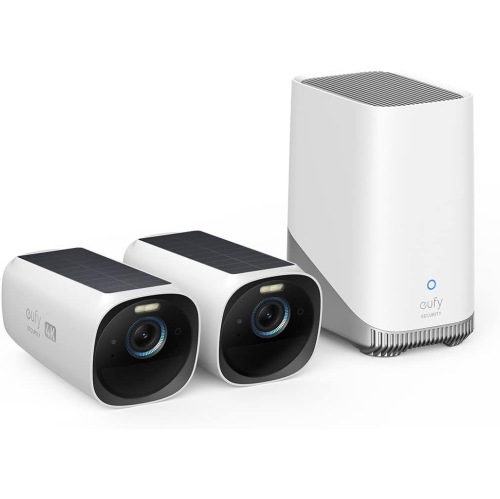 Your price for this item is $549.99
 -
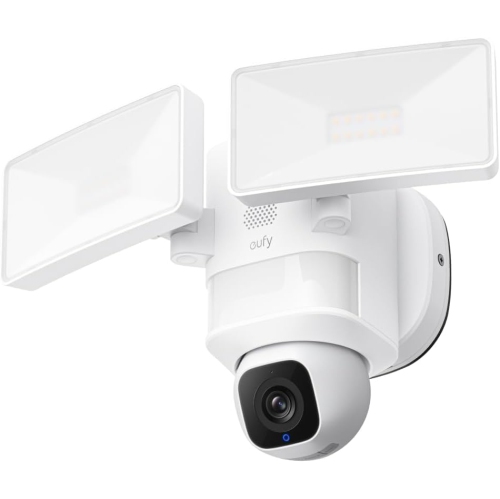 Your price for this item is $229.99
 -
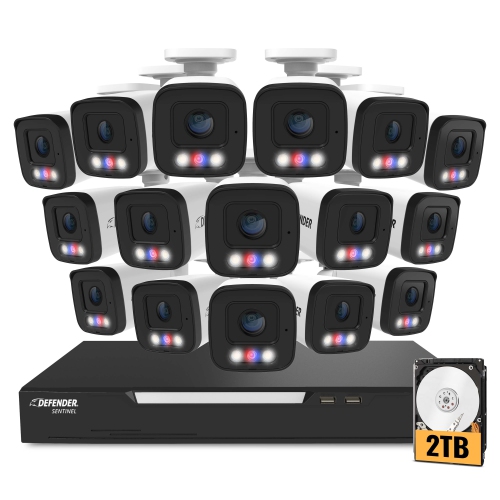 Your price for this item is $1859.99
 -
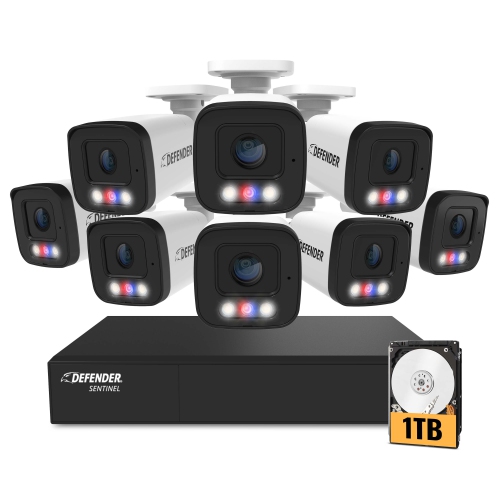 Your price for this item is $899.99
Discover more categories related to Long Range Motion Sensors
Top Collections:
Pokemon Centers, Kindle Devices, Best Budget Office Chairs, Apple iPhones 16, Canon G7X Cameras, iPhone 15 Apple, Alarm Clock, Refurbished Apple Laptops, Flip Phones, Best Laptops for Writers
Some products may be subject to Environmental Handling Fees
(EHF) depending on your province.
Learn more about EHFs.