Long Range Antennas
If you're looking to boost your TV signal and get crystal-clear reception, look no further than these long-range antennas. Whether you're tired of dealing with fuzzy channels or simply want to enhance your viewing experience, these antennas are designed to provide you with the best possible signal strength and range. With a variety of options available, you can find the perfect long-range antenna to suit your needs and enjoy uninterrupted entertainment in the comfort of your own home.
Sort
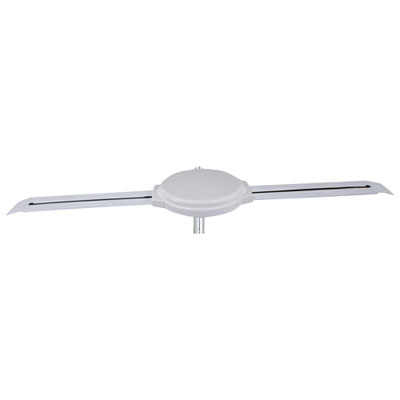
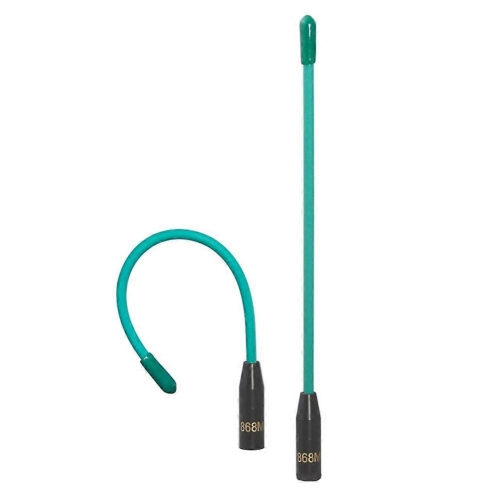
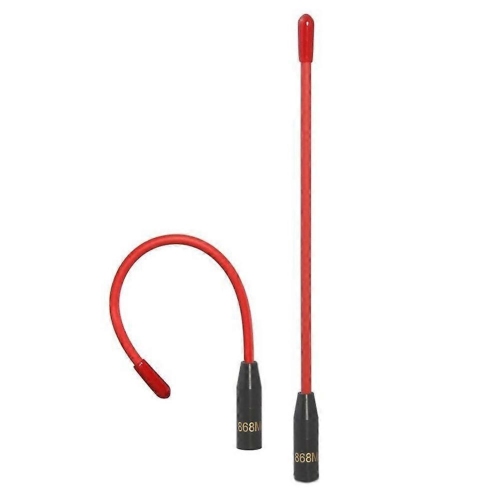
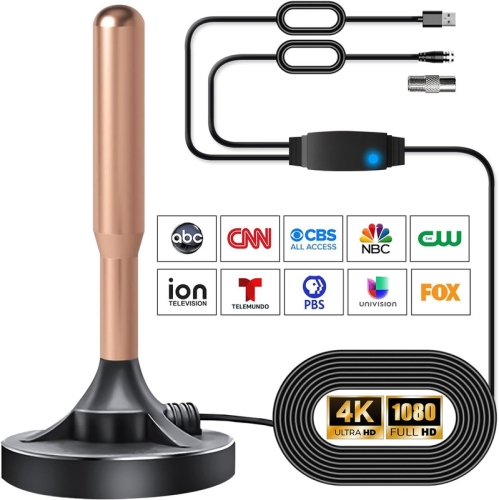
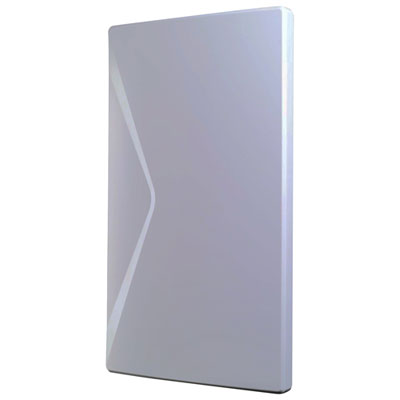
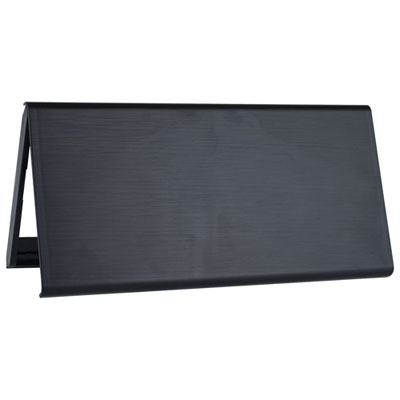
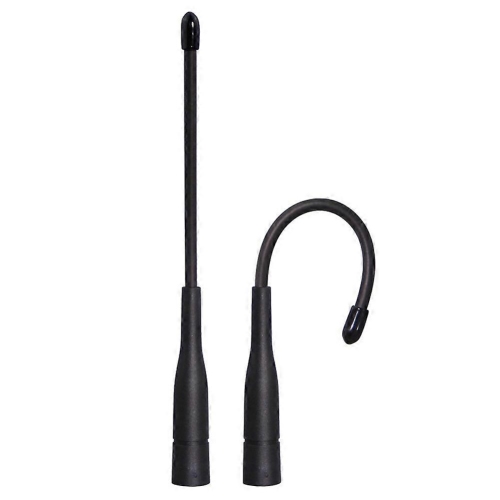
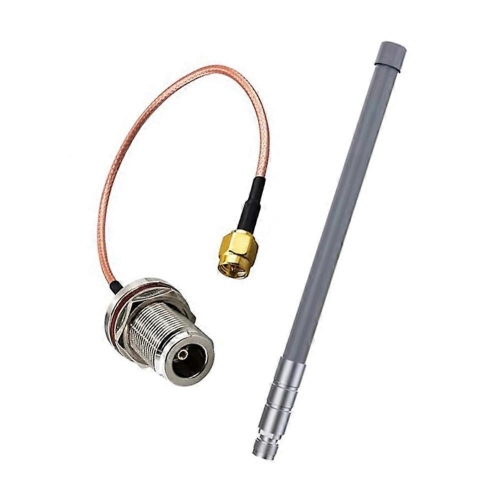

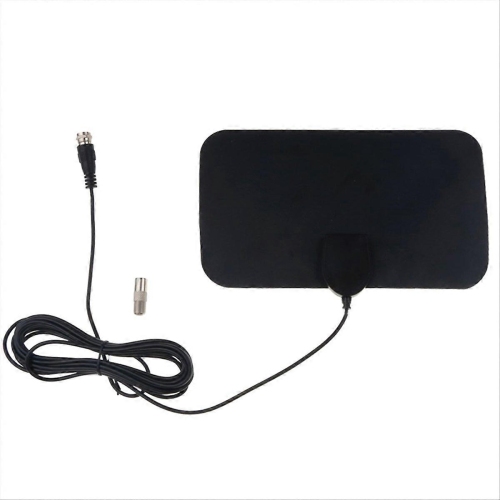
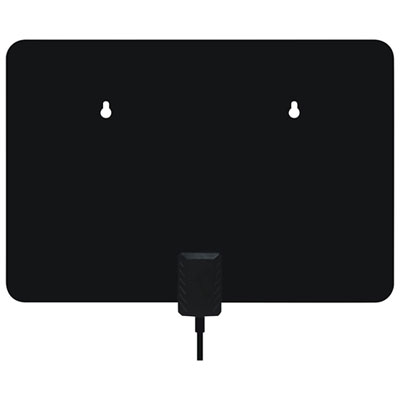
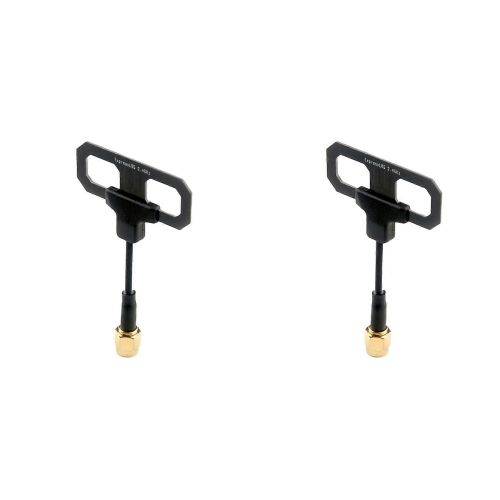
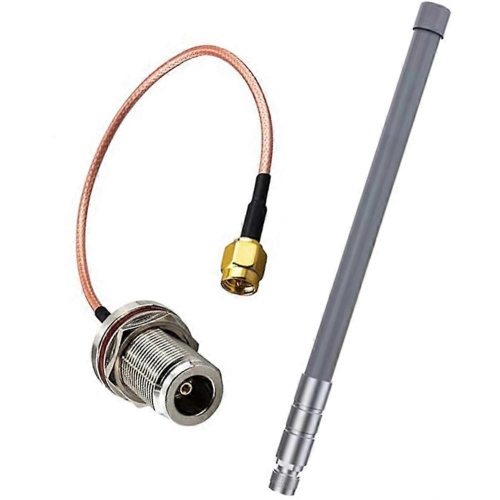

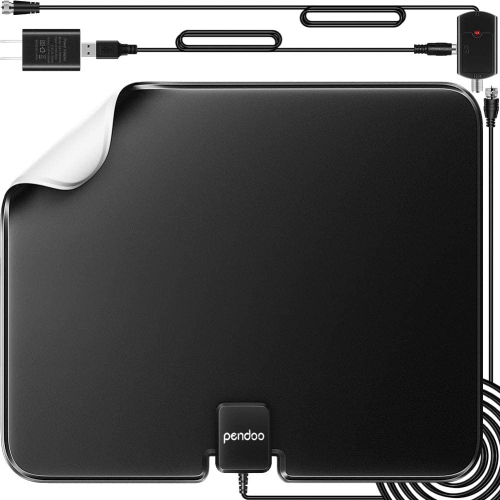
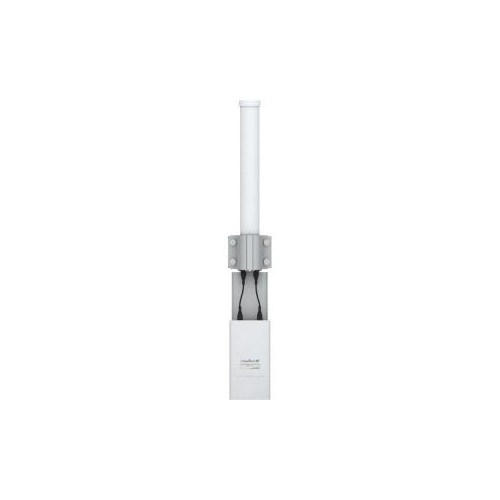
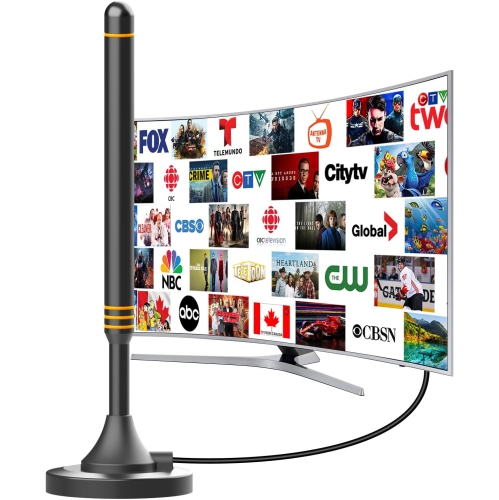
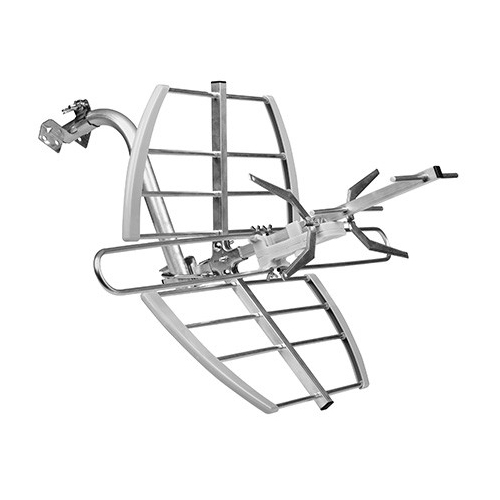
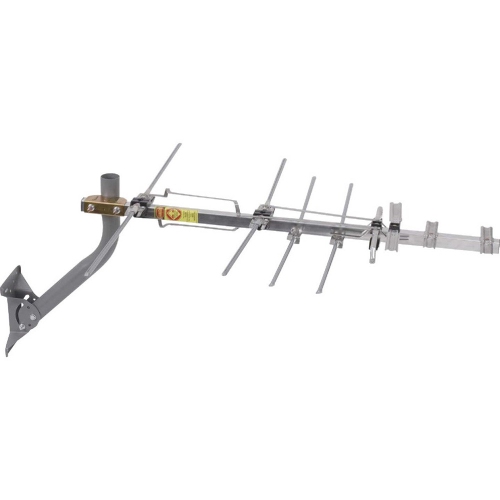
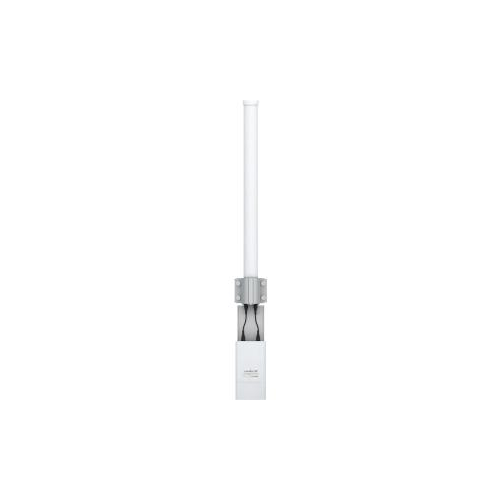
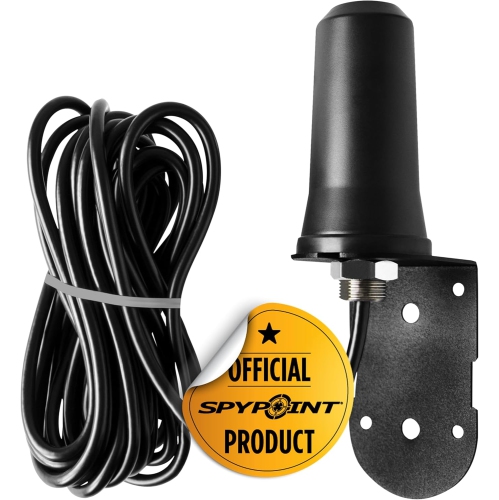
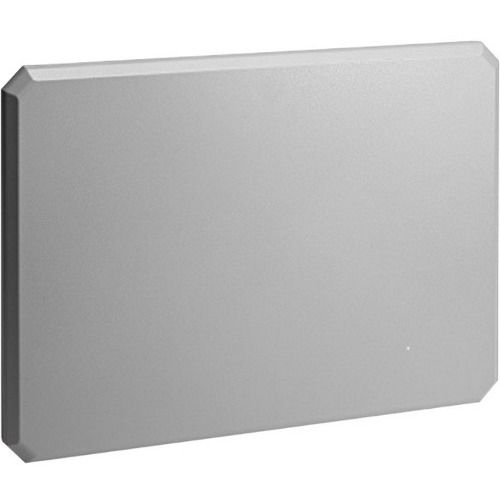
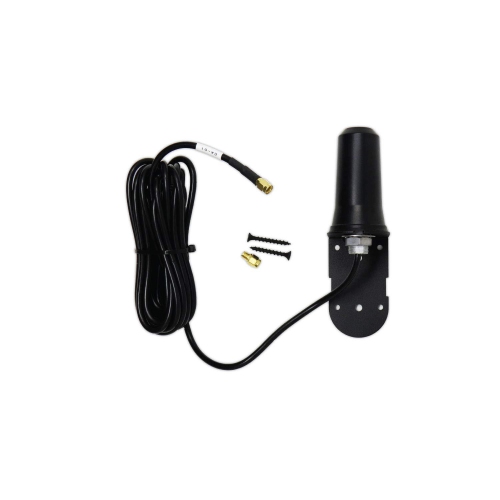
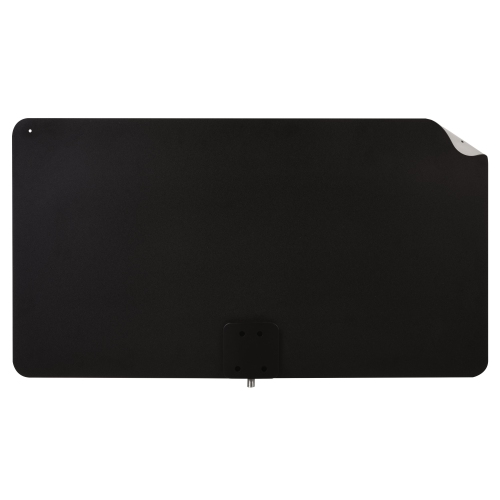
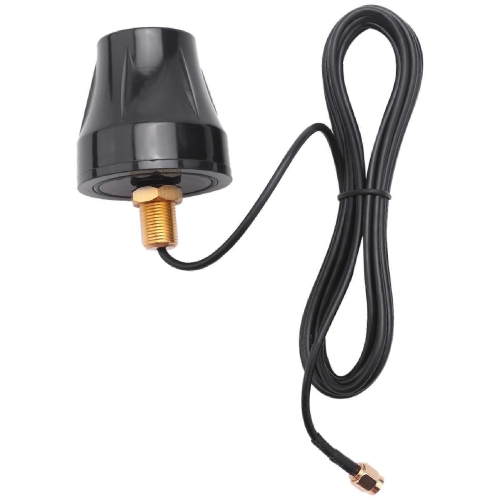
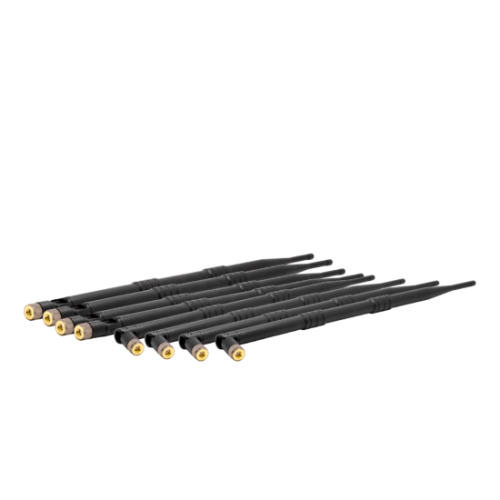
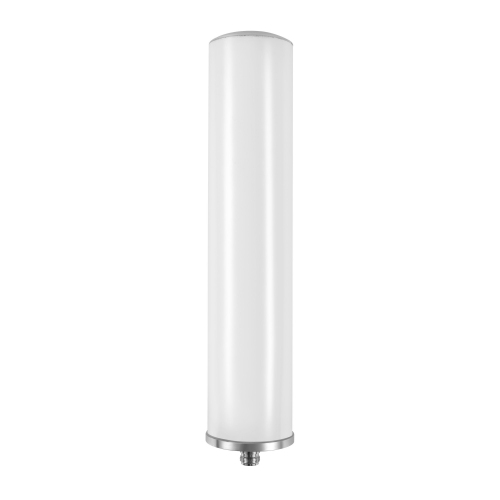
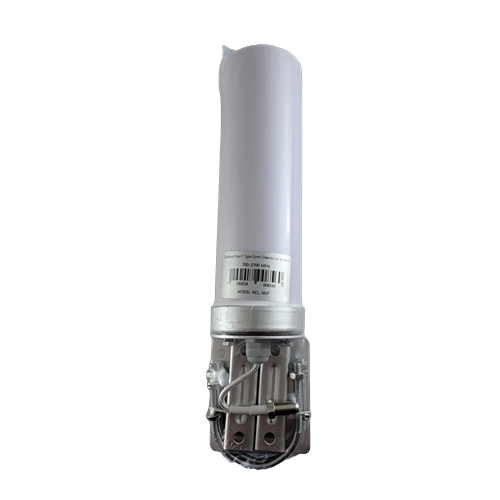
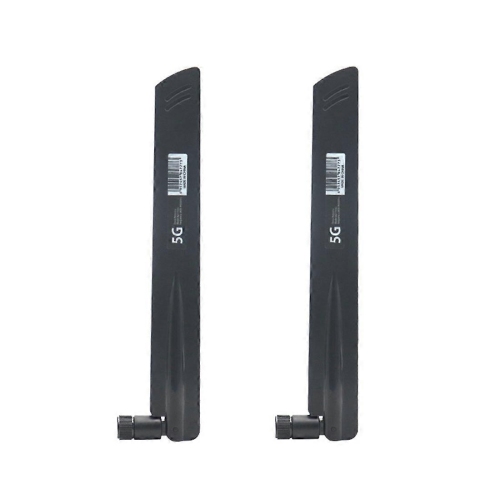
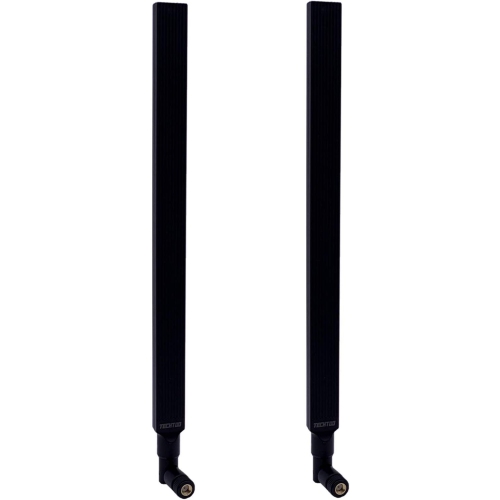
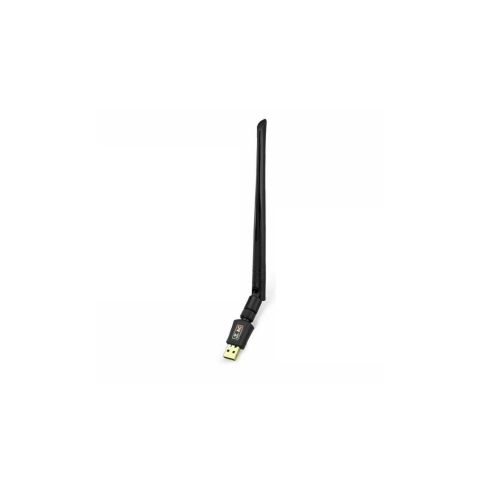
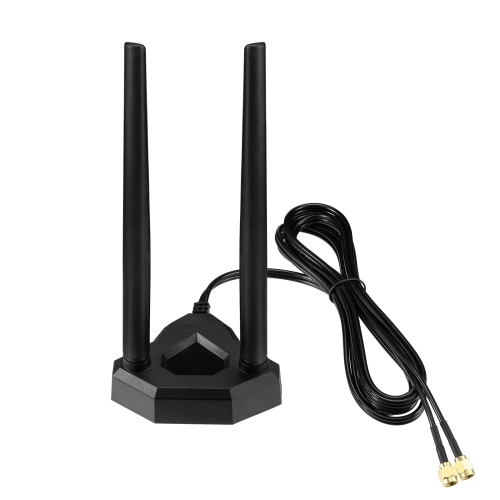
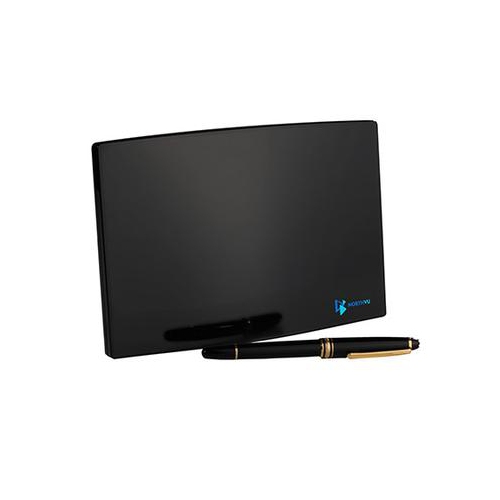
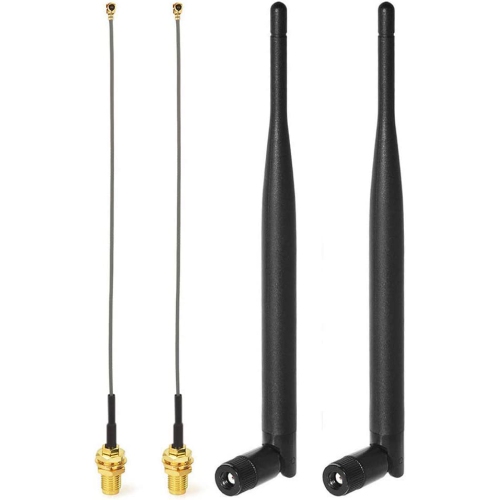
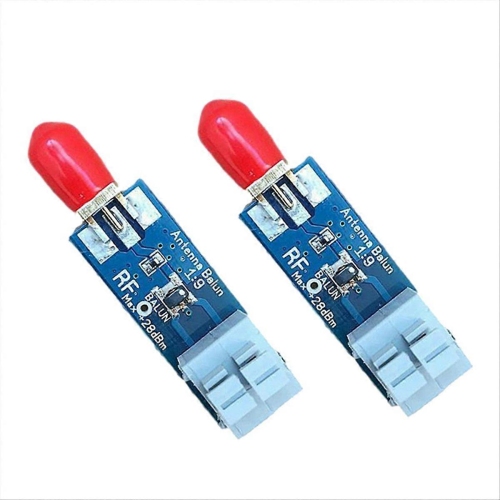
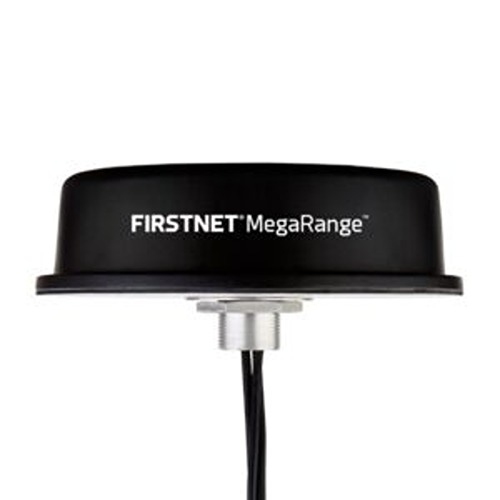
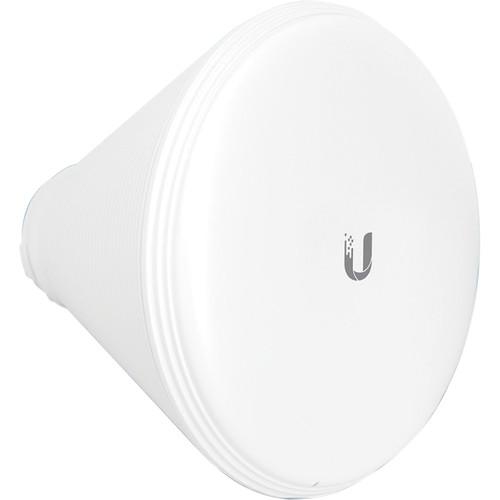
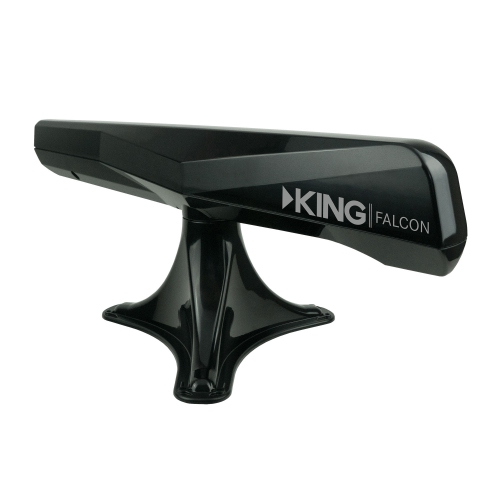
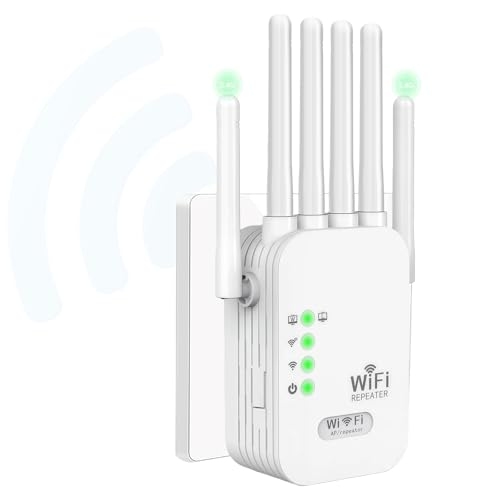
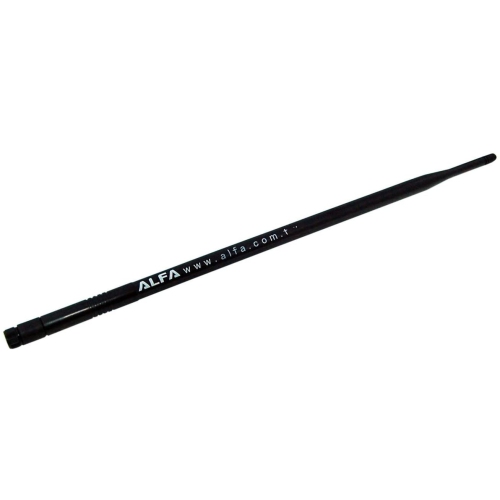
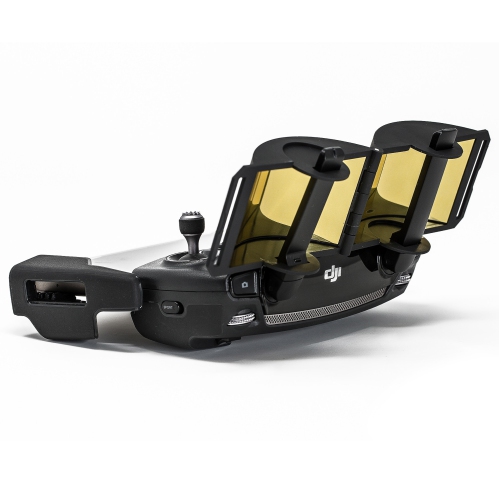
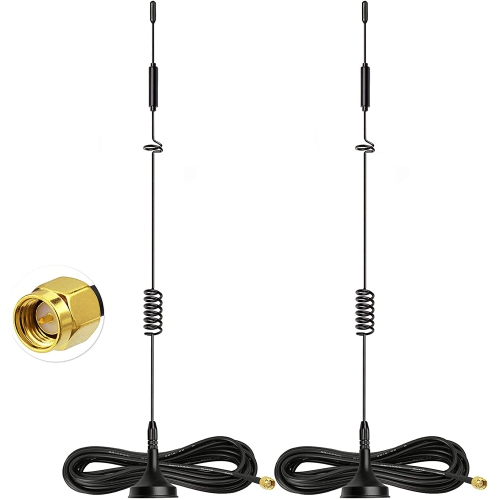
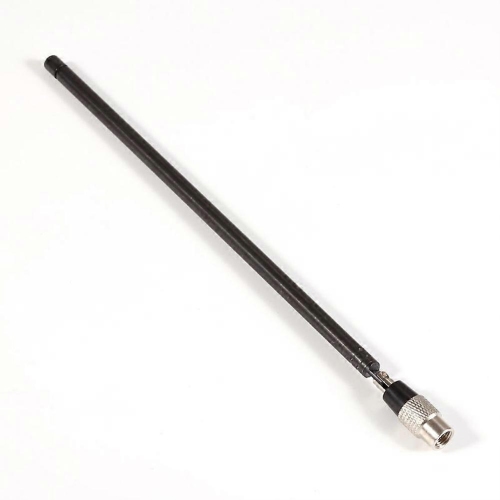


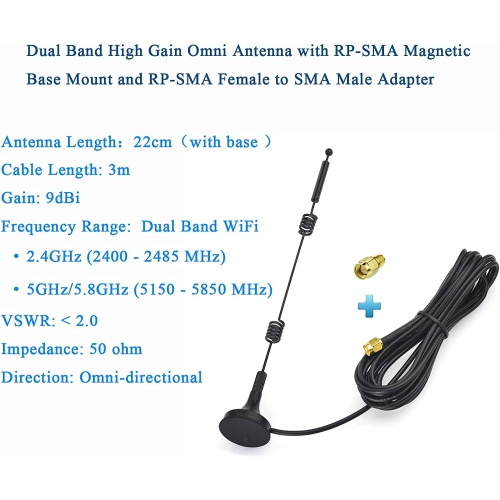
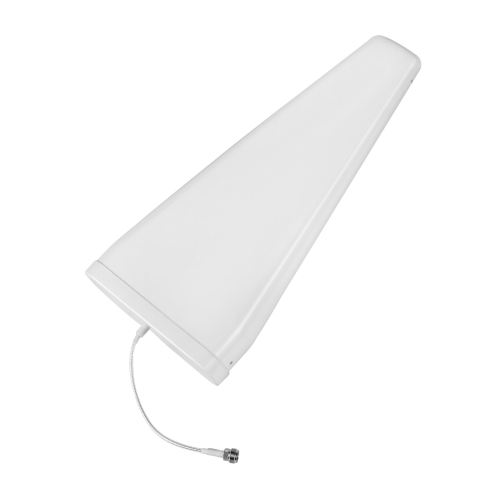
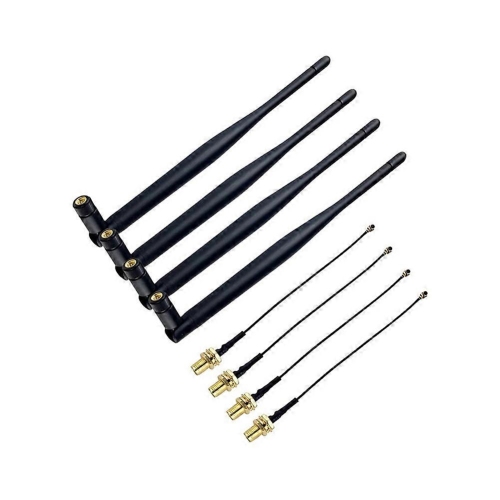
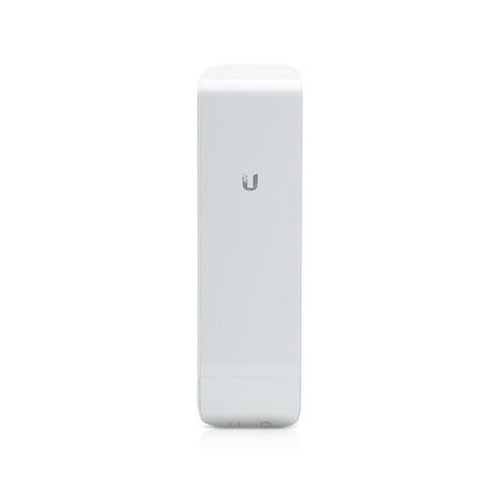
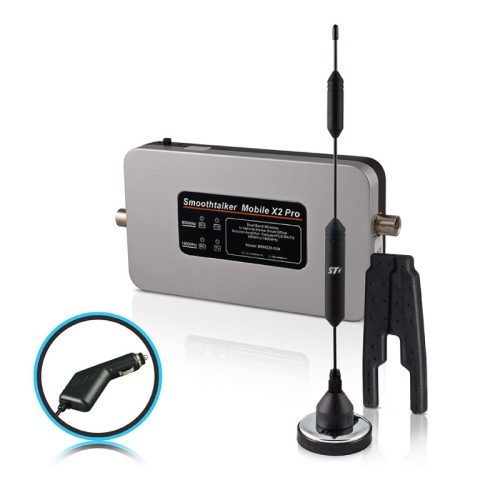
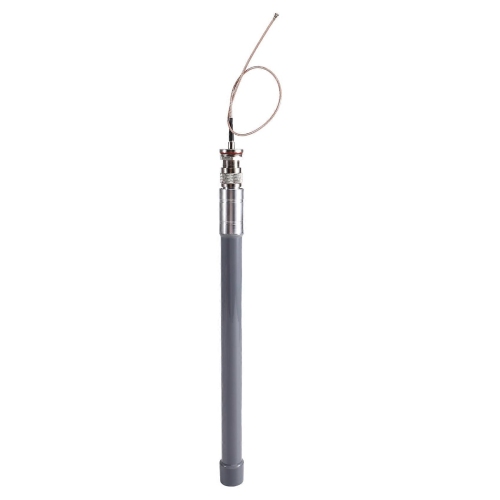
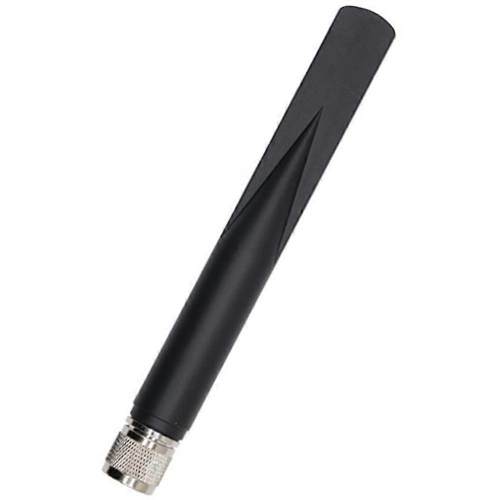
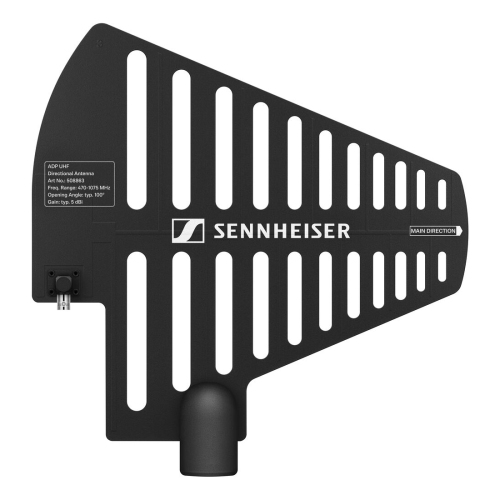
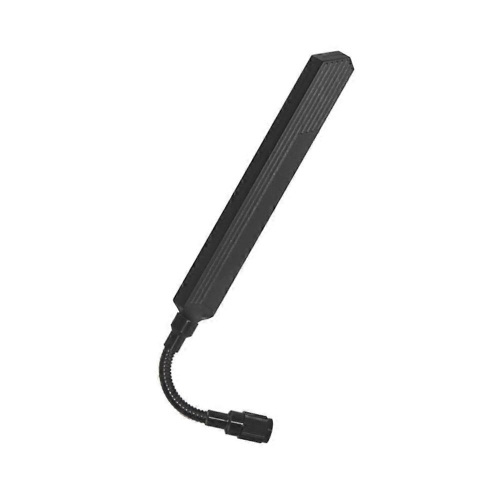
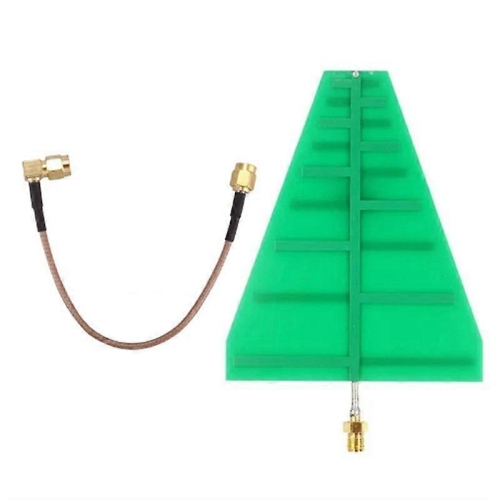
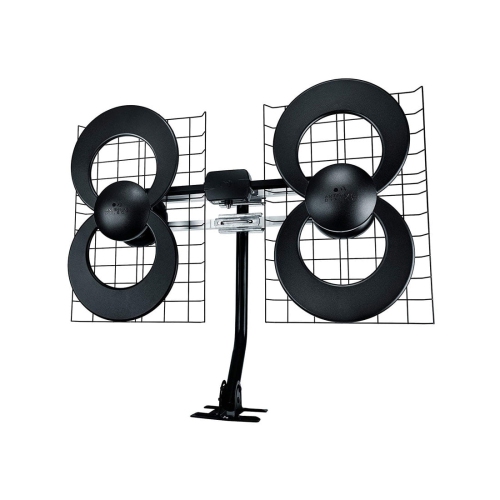
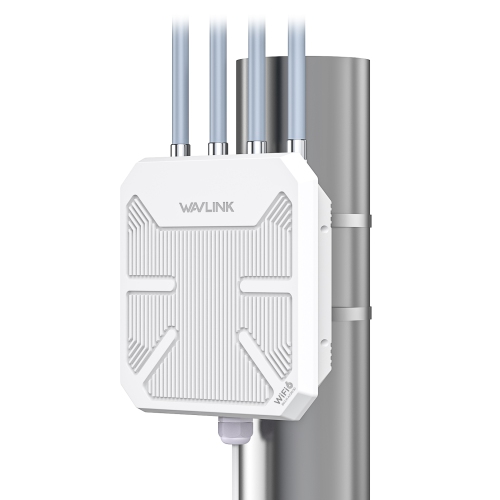
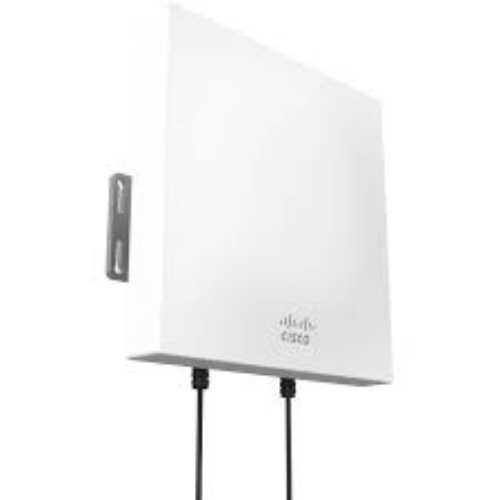
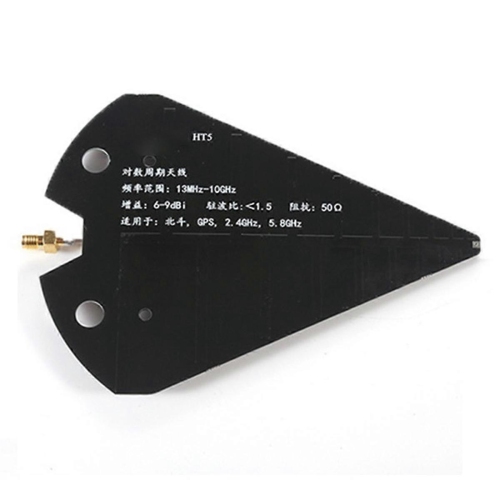
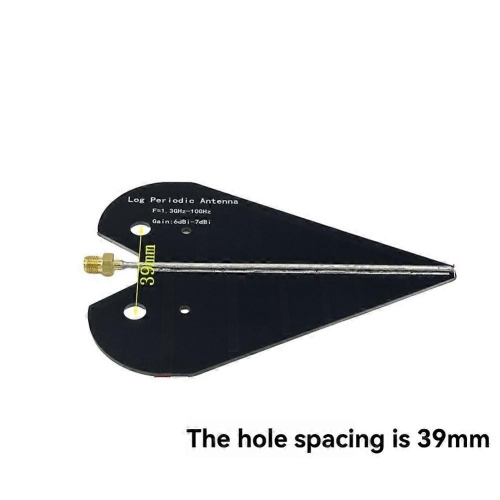
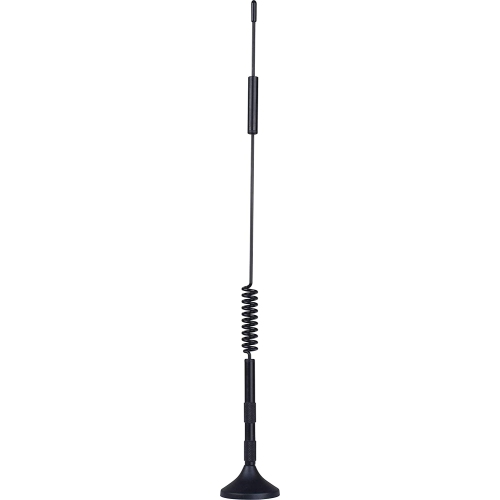
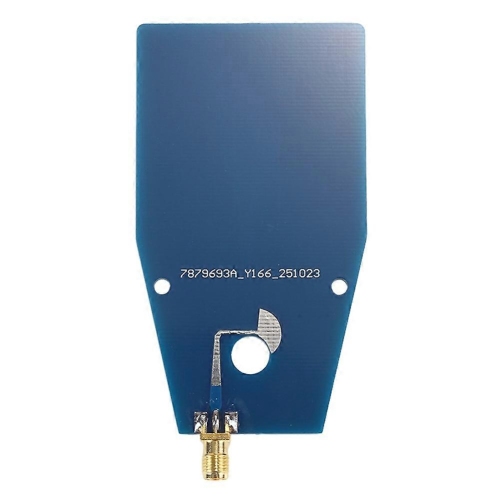
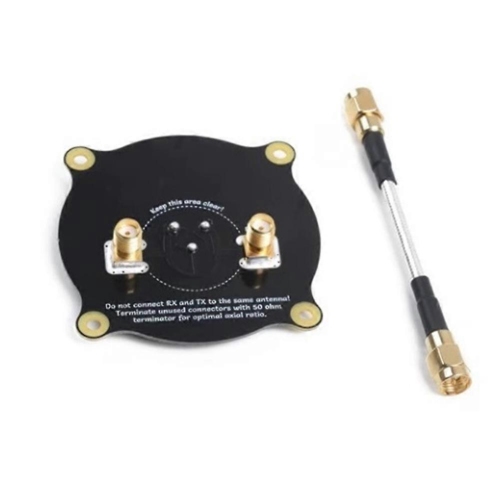
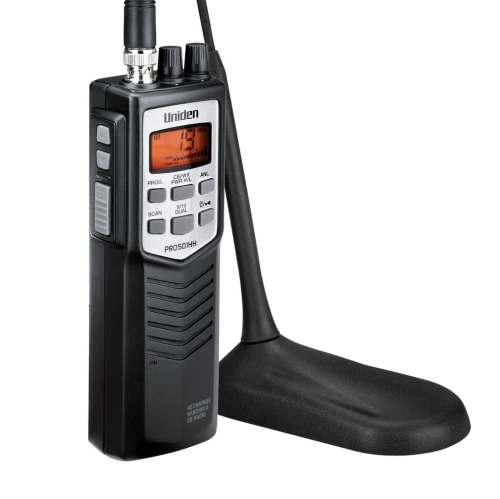
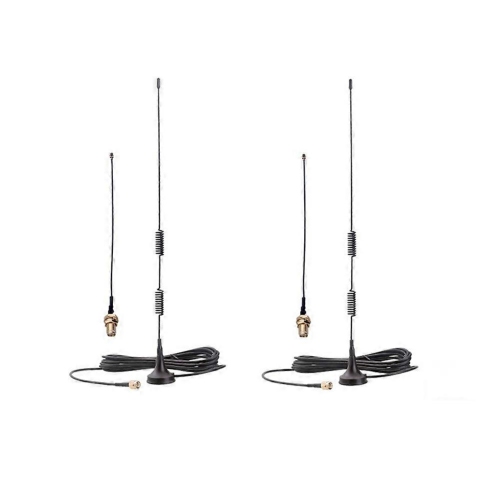
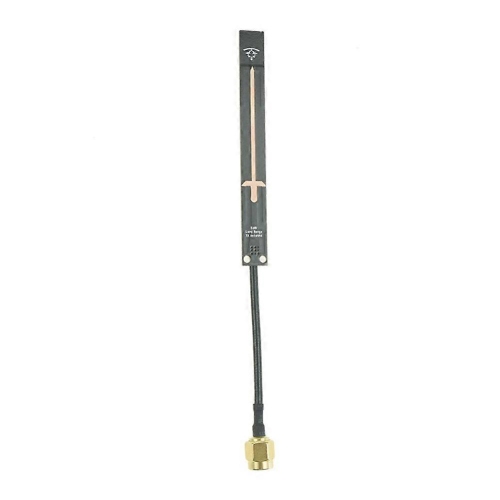
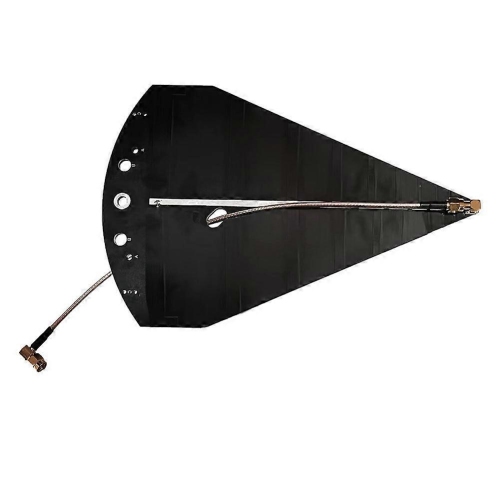
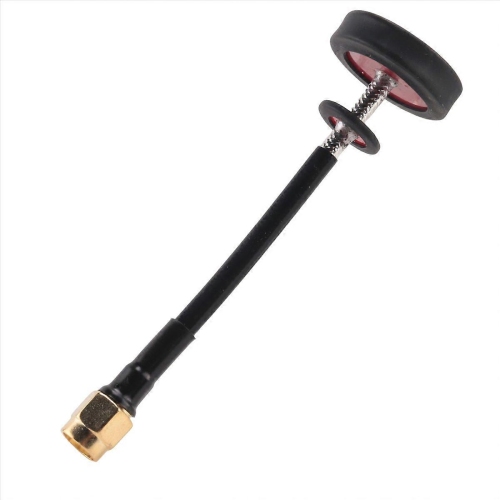
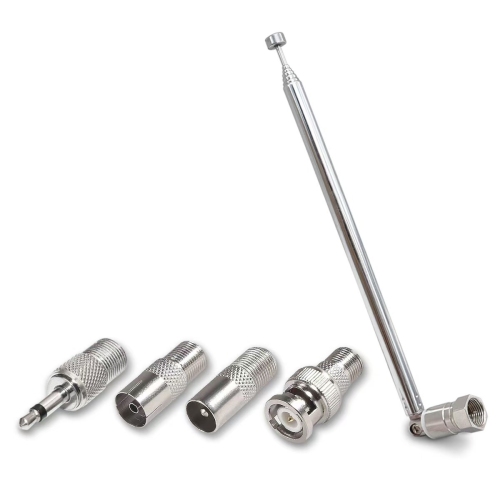
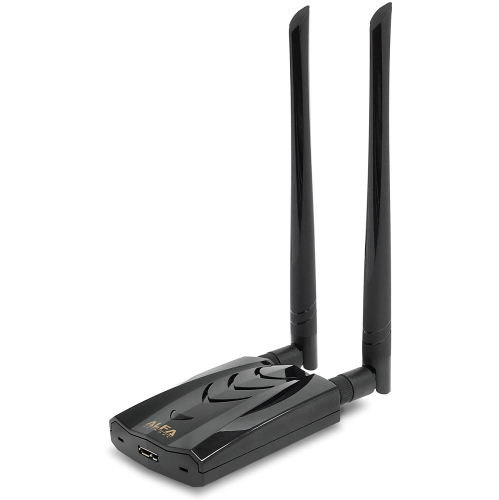
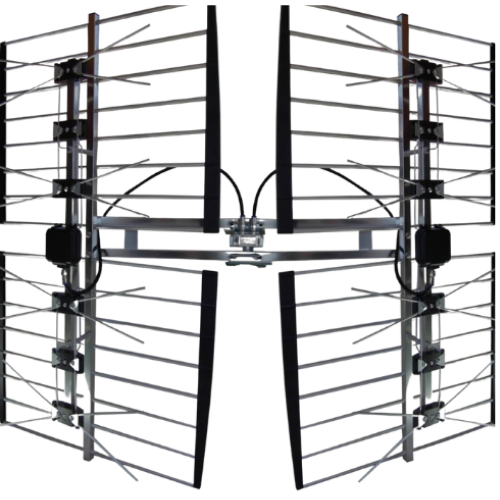
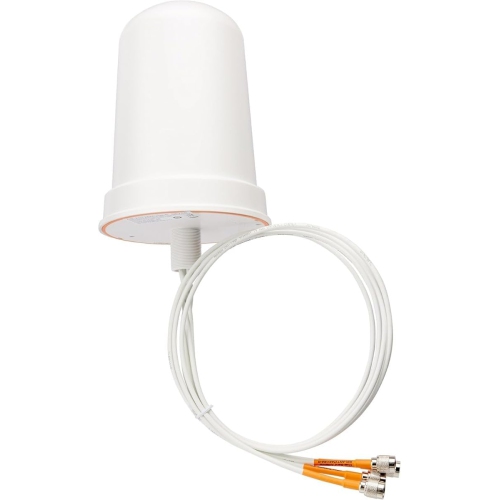
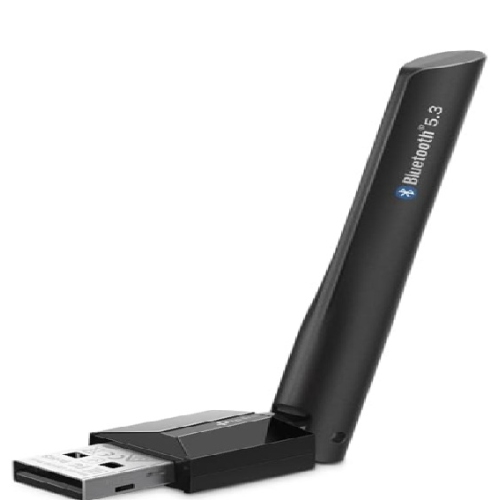
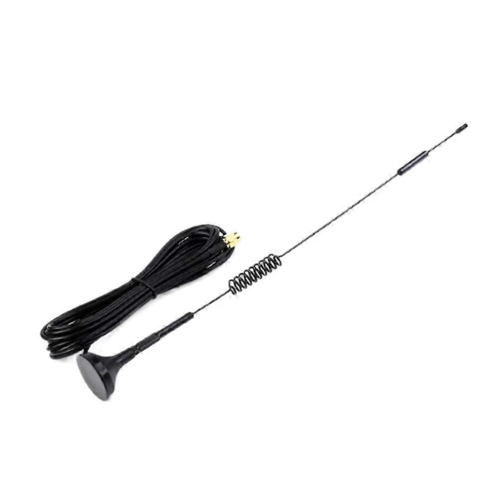
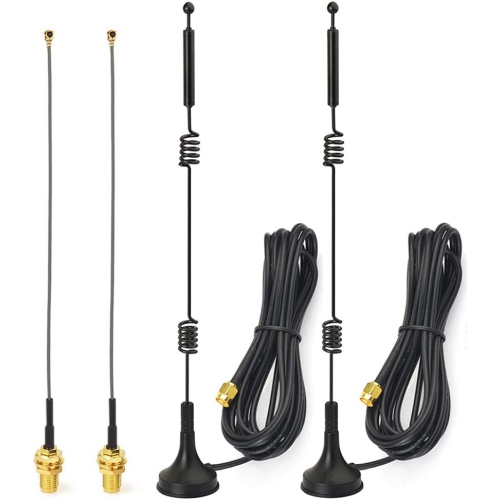
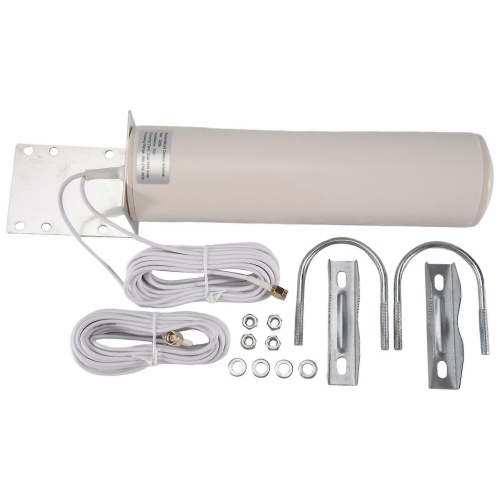
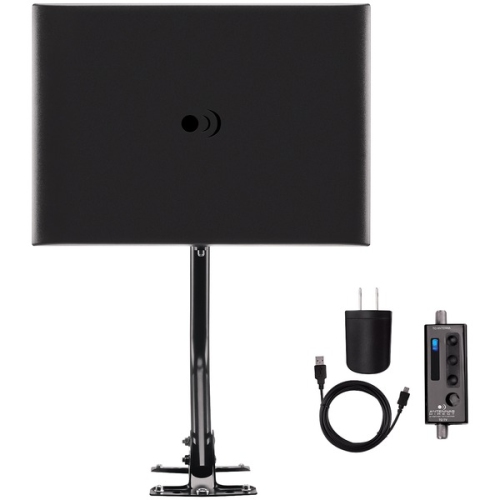
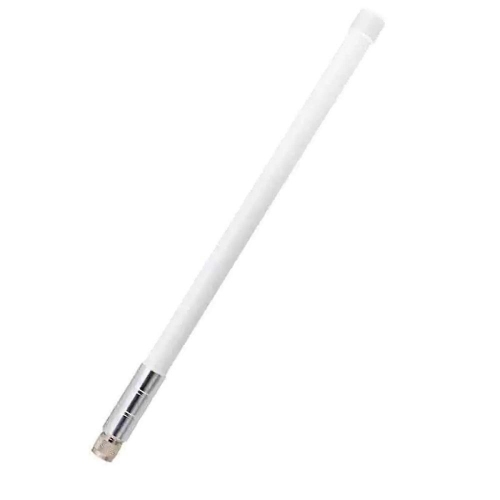
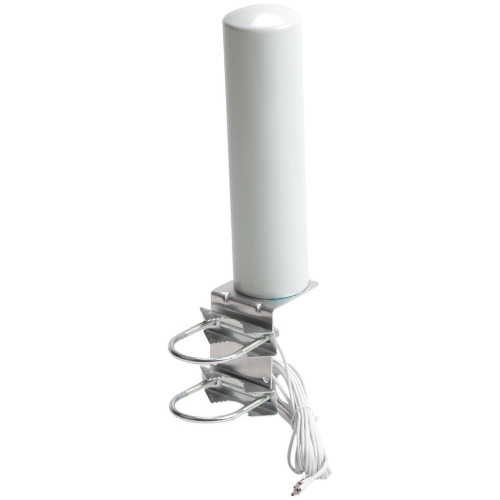
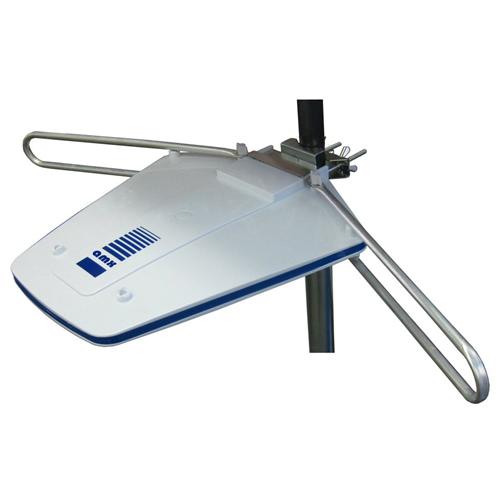
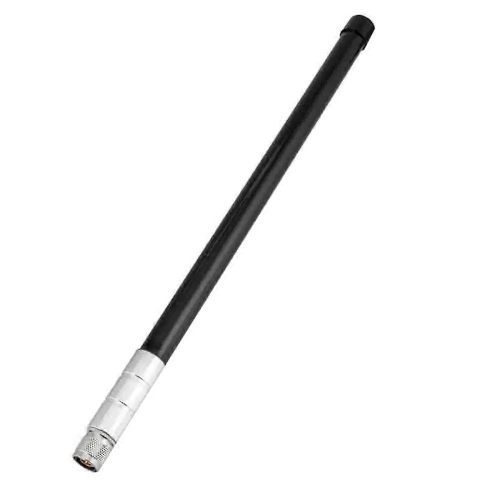
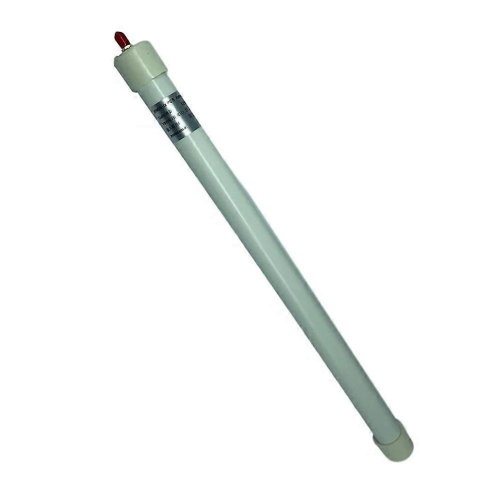
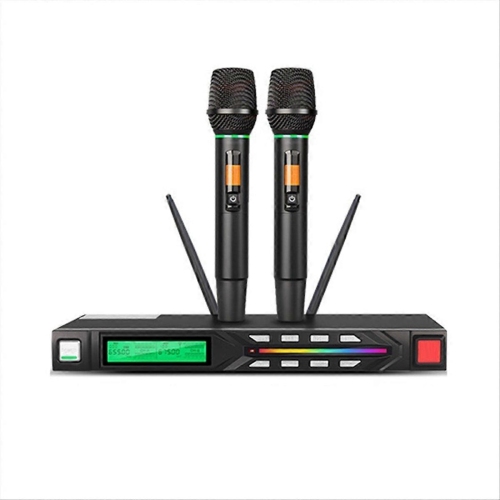
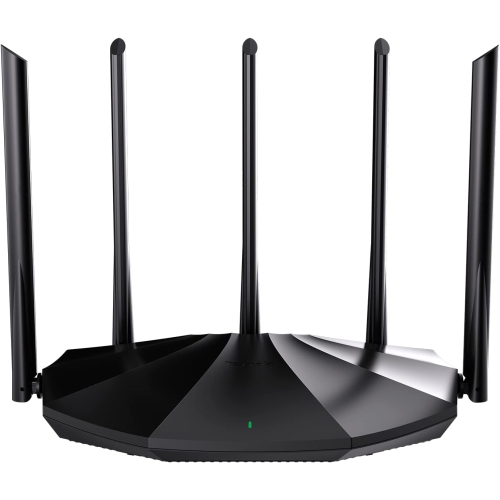
What affects real-world antenna range and reception
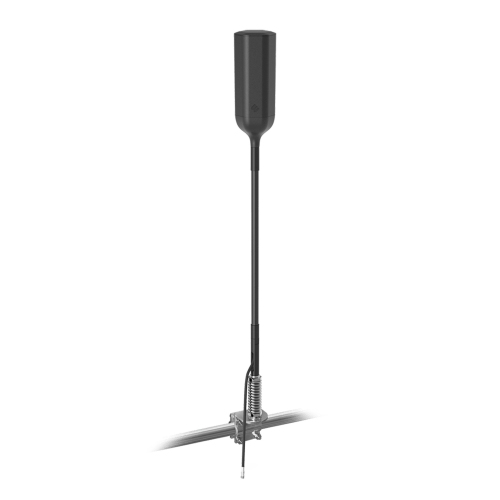
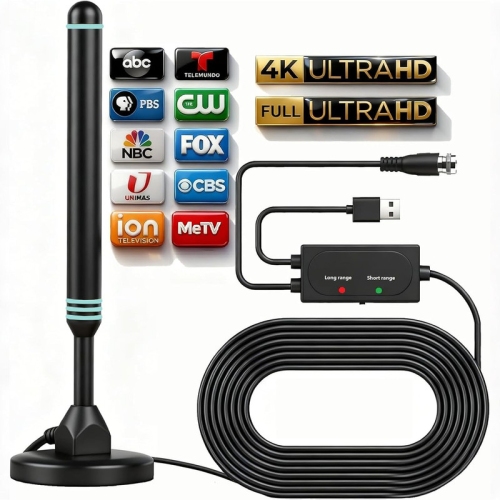
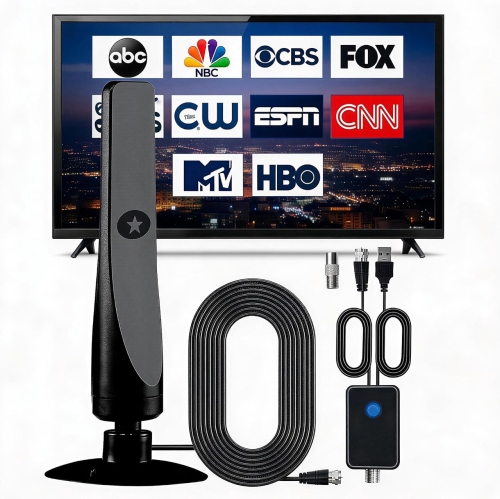
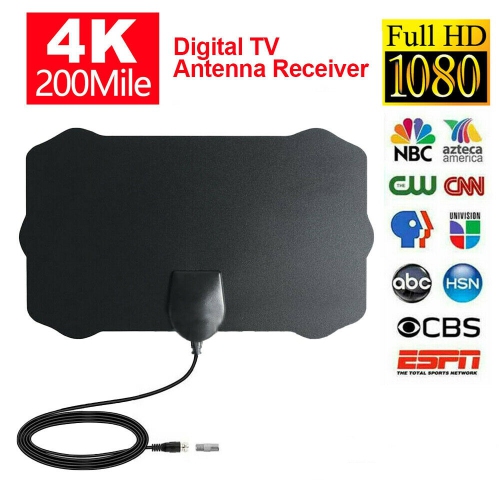
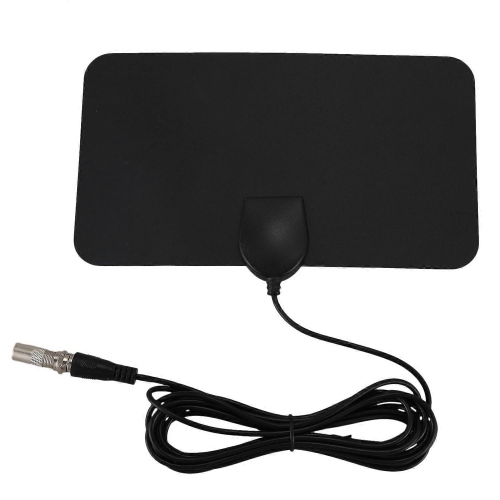
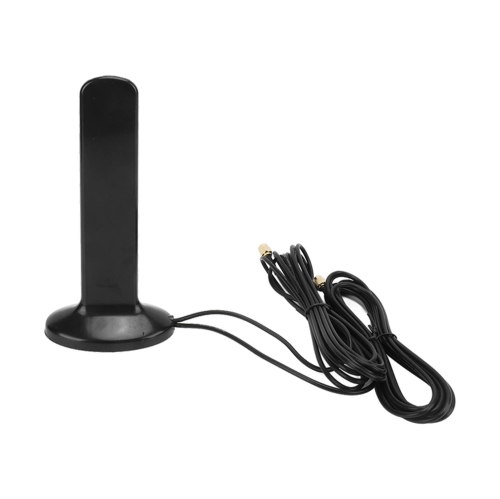
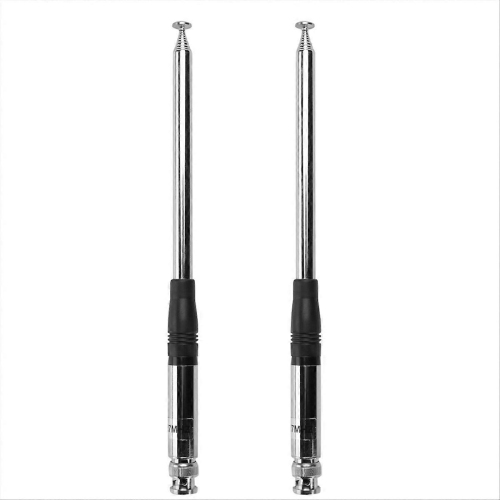
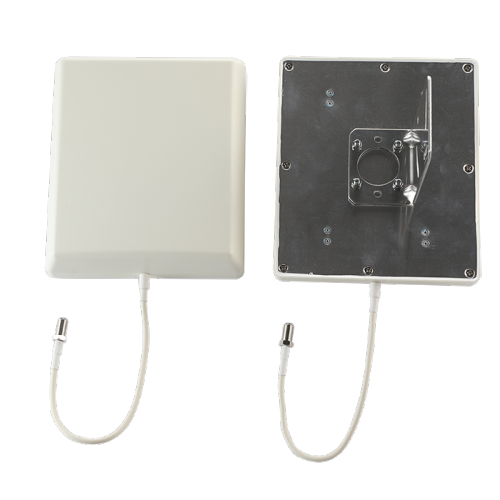
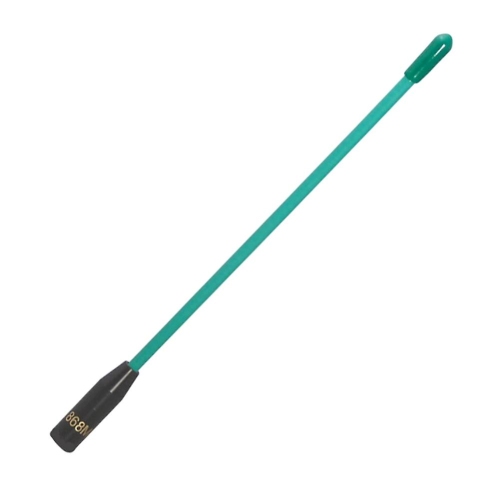
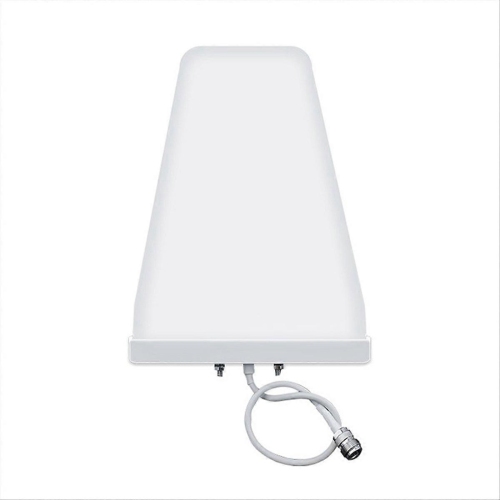
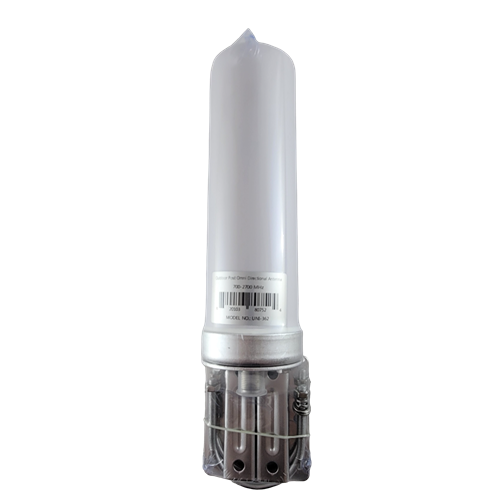
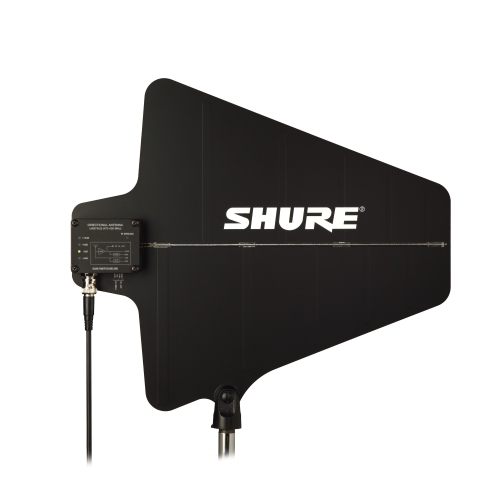
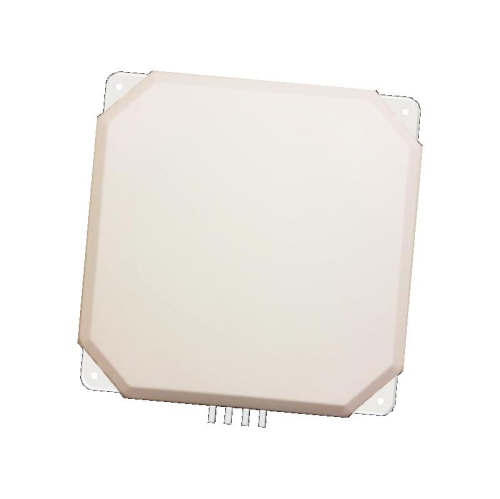
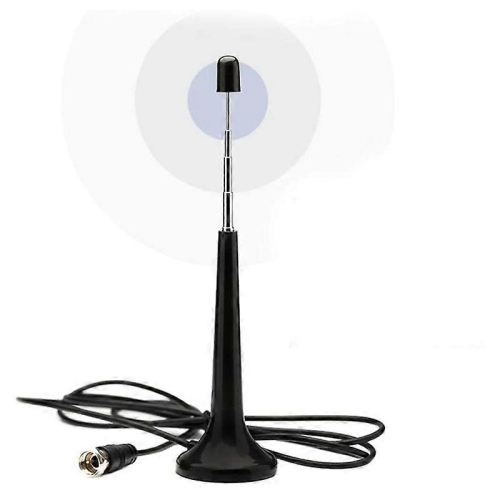
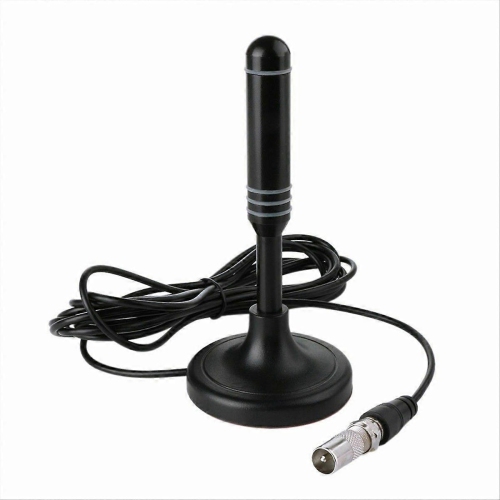
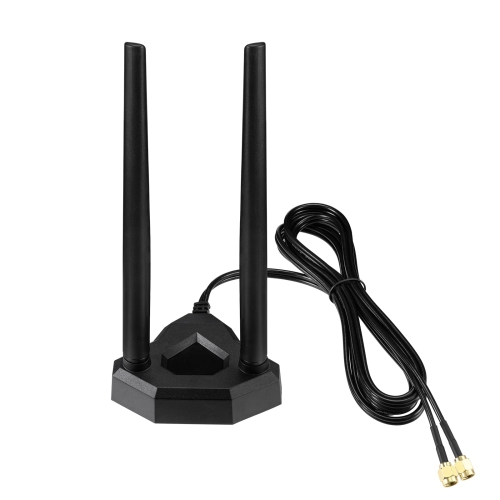
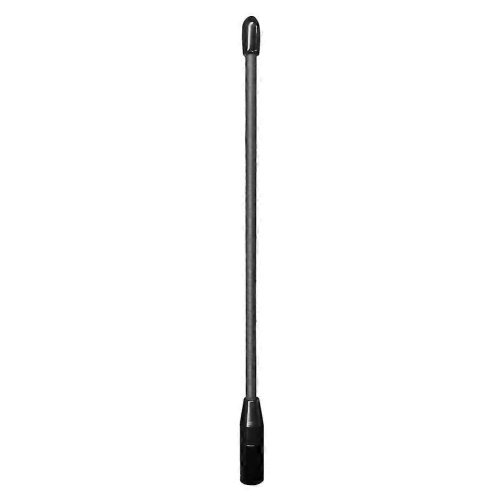
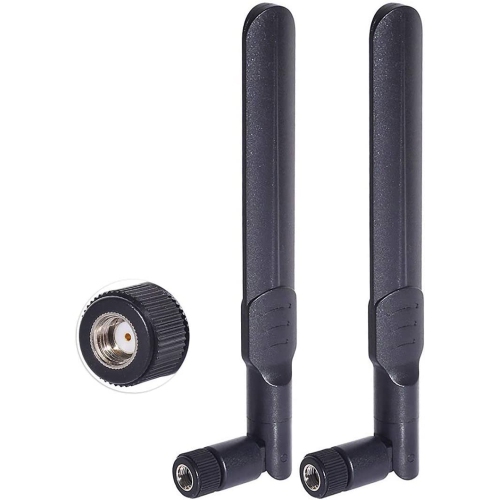
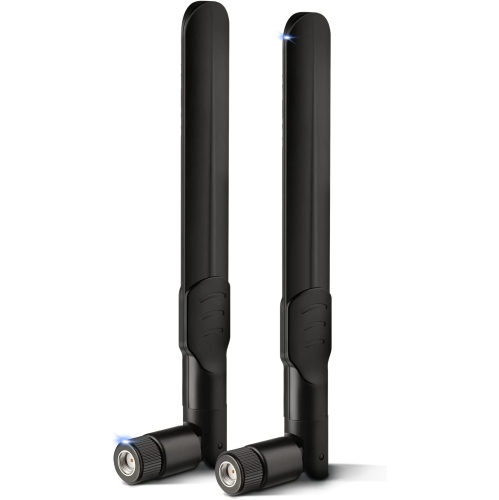
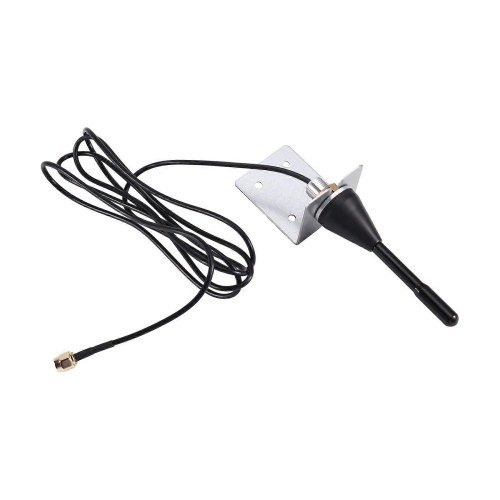
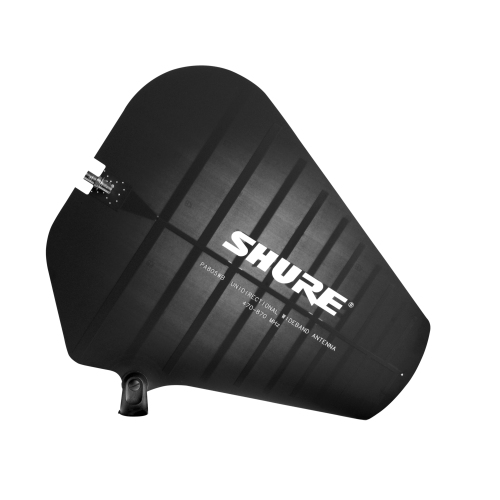
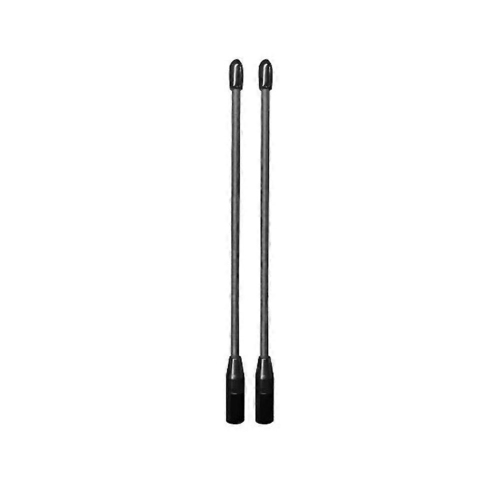
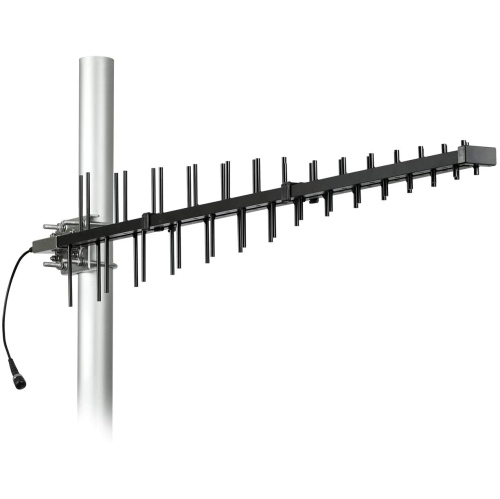
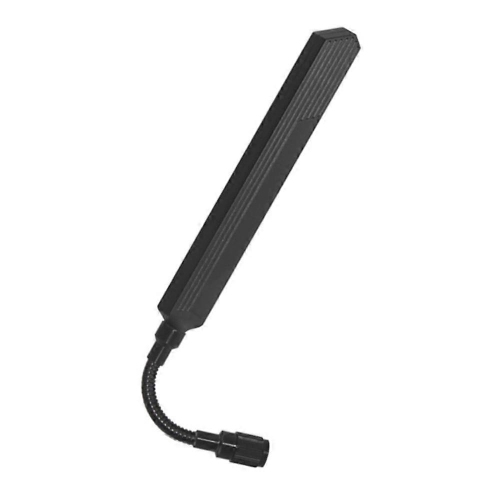
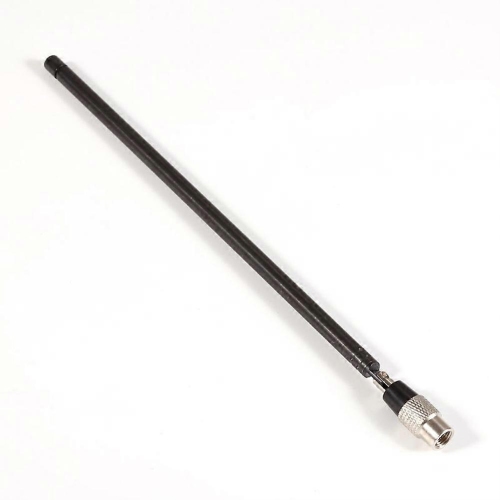
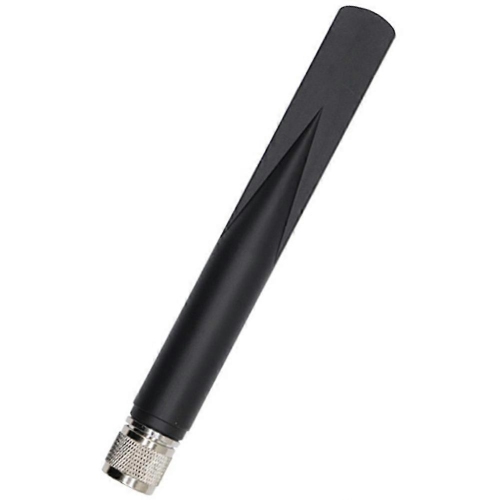
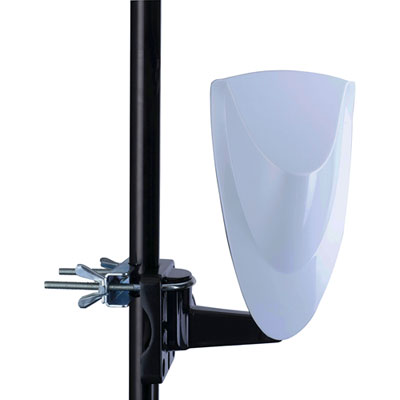
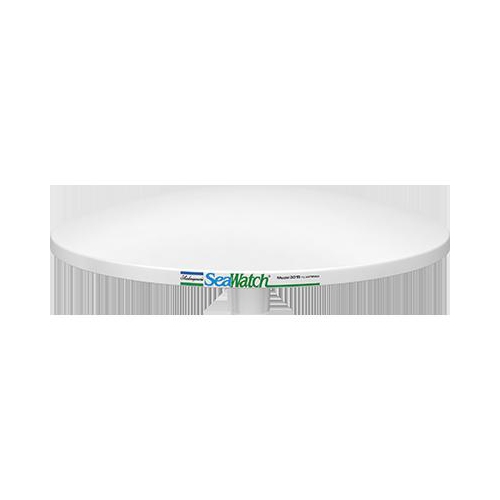
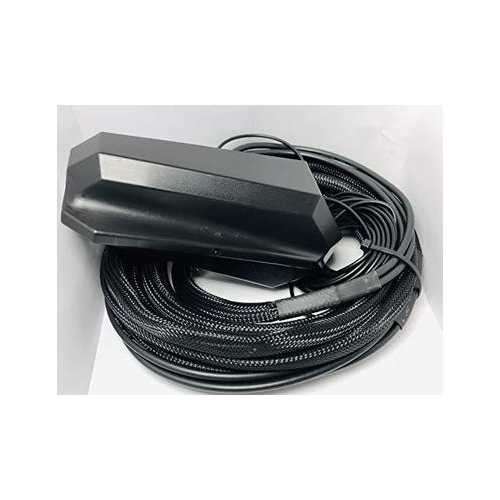
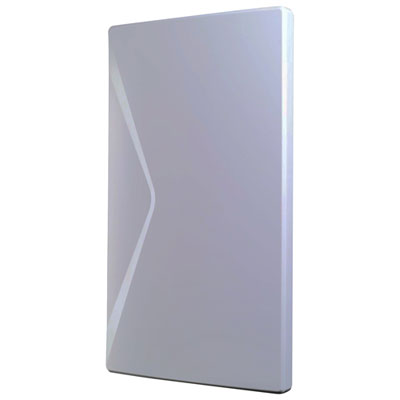
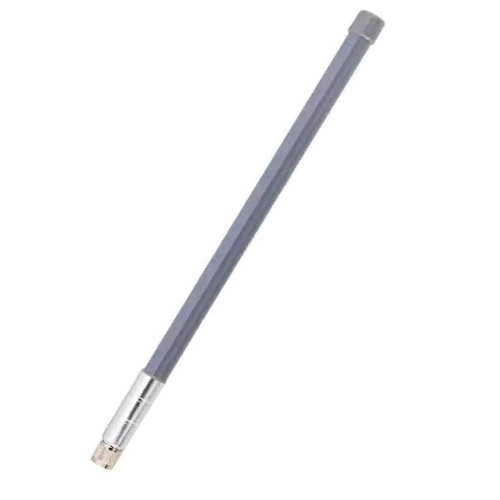
Long-range antennas are designed to help receive signals from distant broadcast towers, cellular sites, or other transmission points when nearby coverage is limited. They are often considered for rural homes, cottages, workshops, cabins, farms, and properties located beyond the strongest service area of a city. Depending on the type, an antenna may support over-the-air television, radio, cellular signal boosting, or specialized communications equipment. The phrase “long range” refers to the antenna’s ability to collect and focus a weaker signal, not to a guaranteed distance in every location. For terrestrial television reception, the practical limit is shaped by the curvature of the Earth, terrain, trees, buildings, and the height of the transmitting and receiving antennas. In favourable conditions, a high-mounted antenna may receive broadcasts from towers many kilometres away, while a property behind a ridge or dense stand of trees may experience a much shorter usable range. Claims of several hundred or even 1,000 miles for ordinary terrestrial reception should be treated cautiously, since no antenna can overcome the horizon or create a signal that is not present. Local geography matters just as much as the advertised gain, frequency range, or distance rating, making long-range antennas especially useful for people who want to improve reception in places where an indoor antenna struggles.
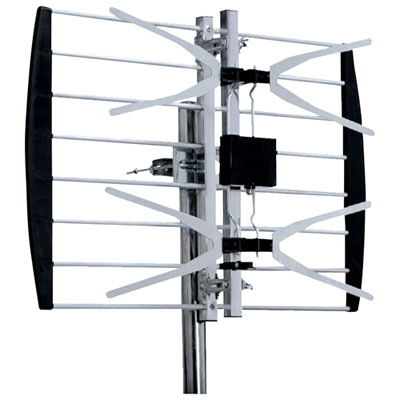
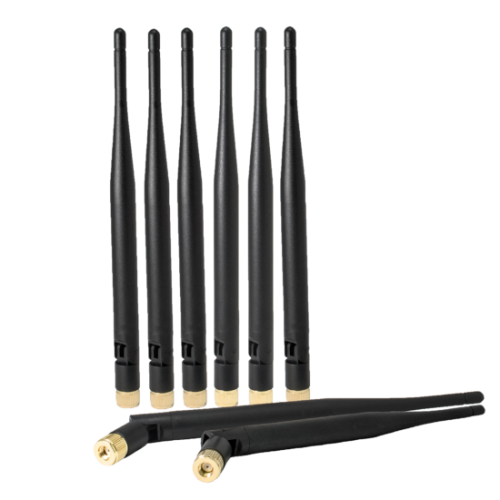
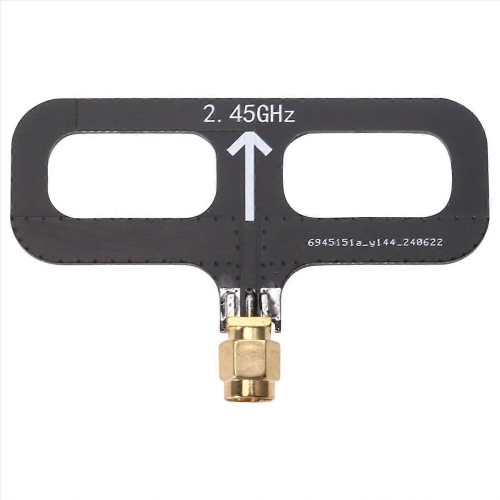
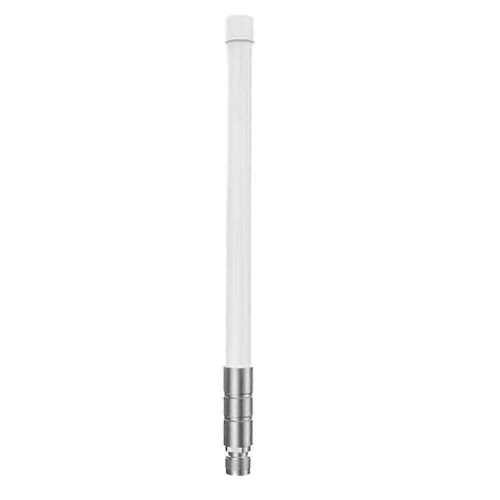
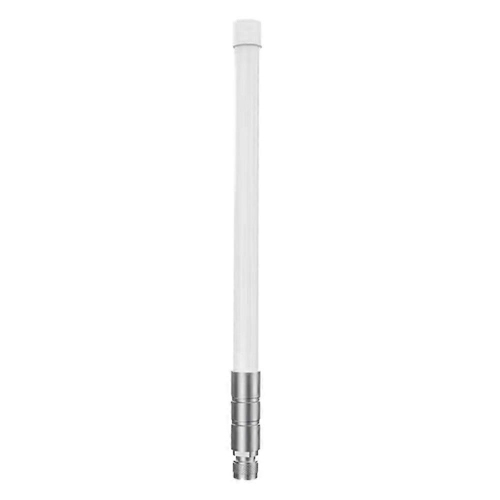
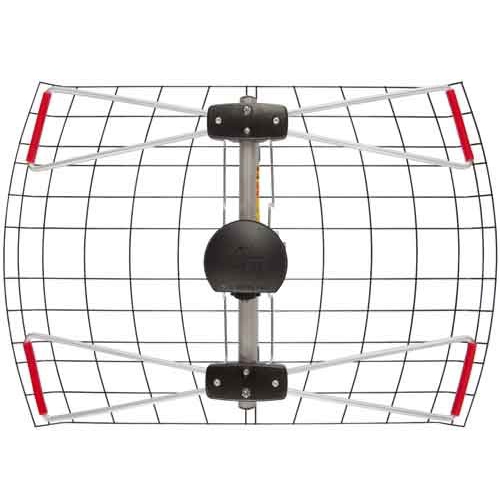
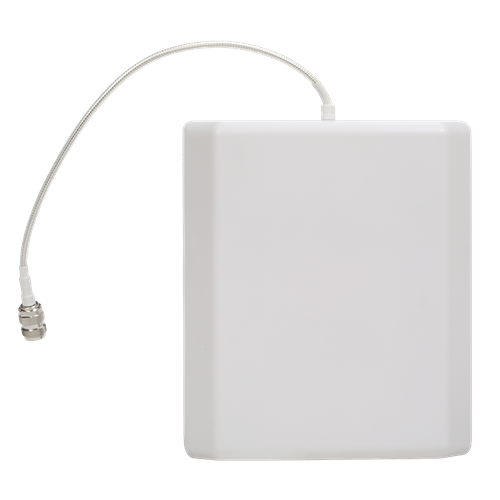
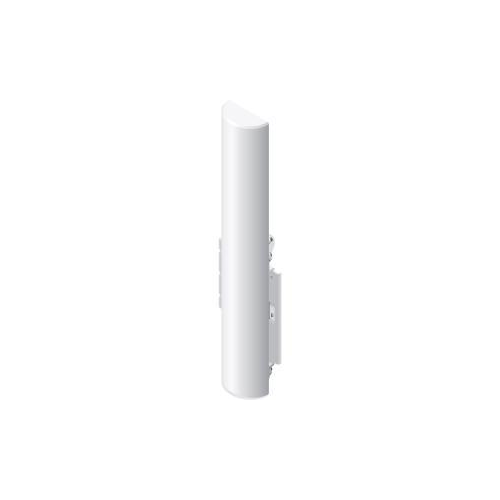
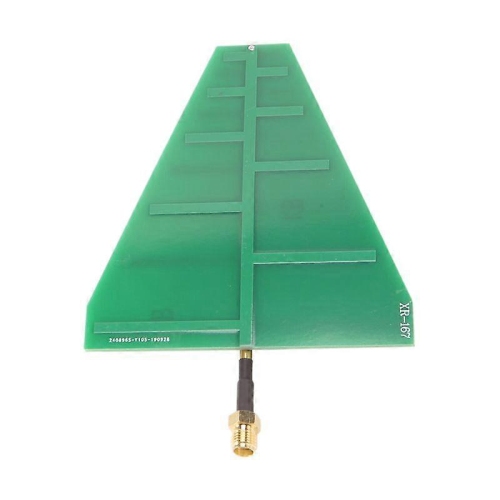
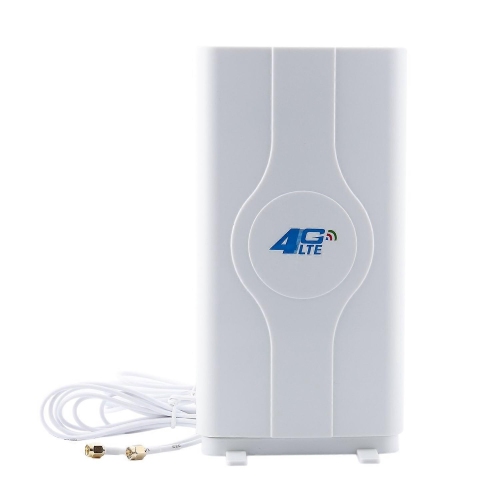
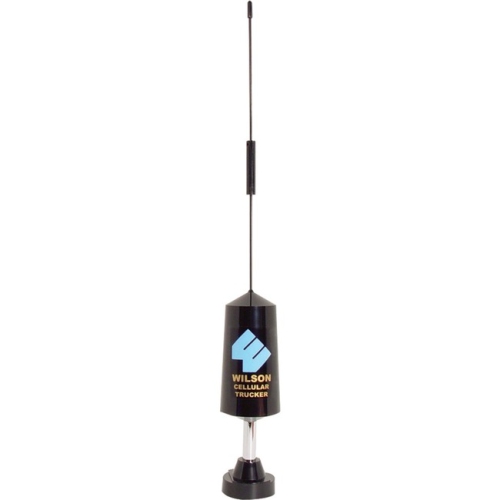
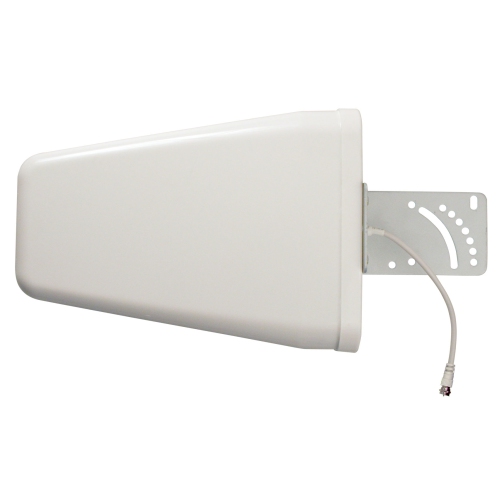
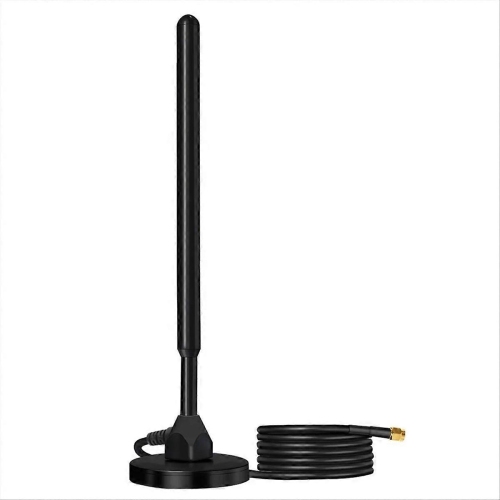
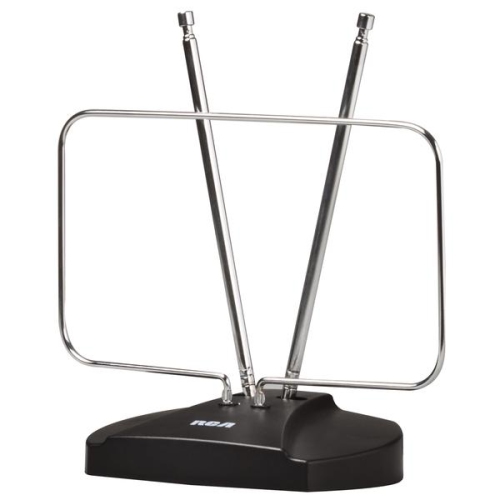
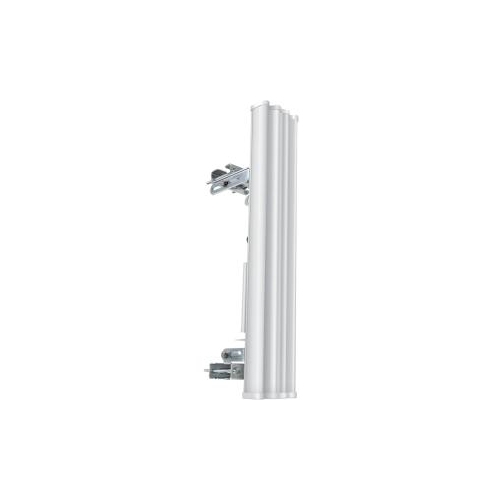
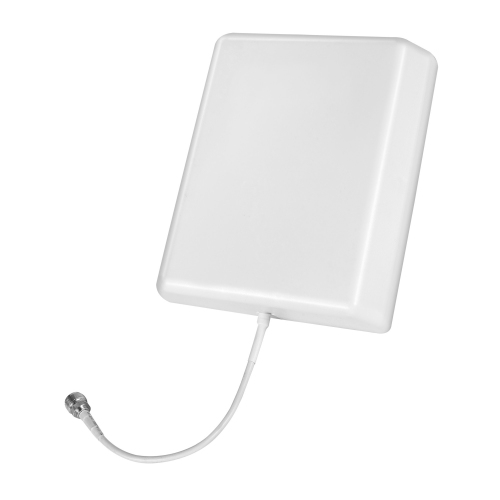
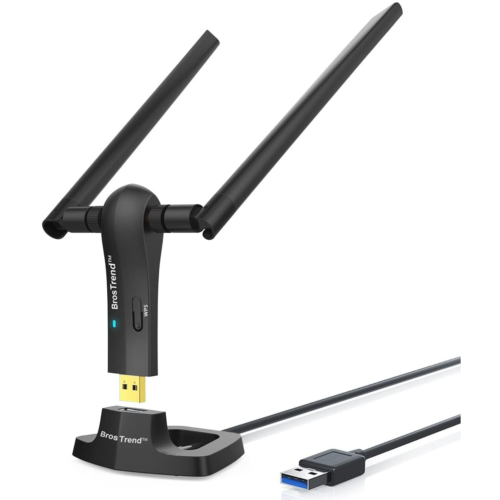
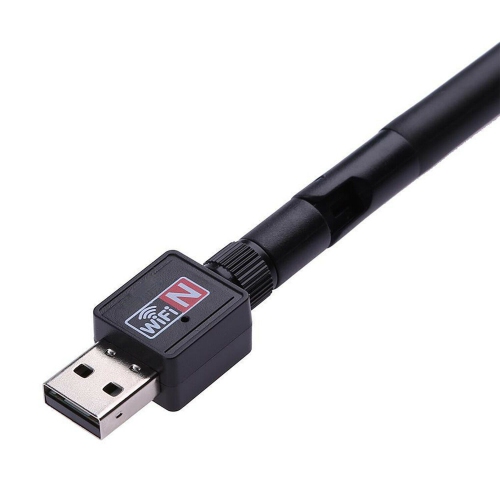
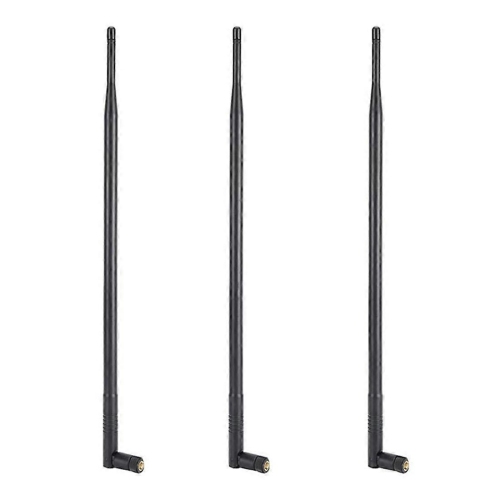
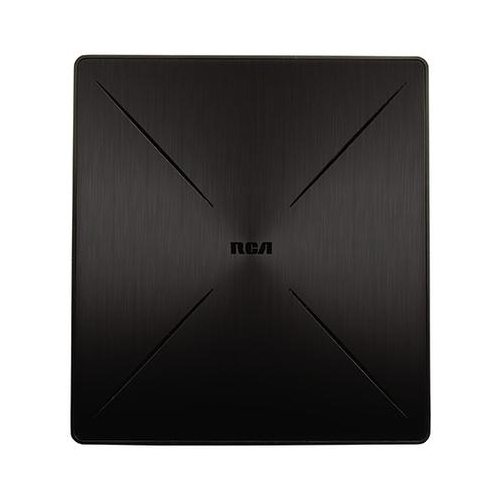
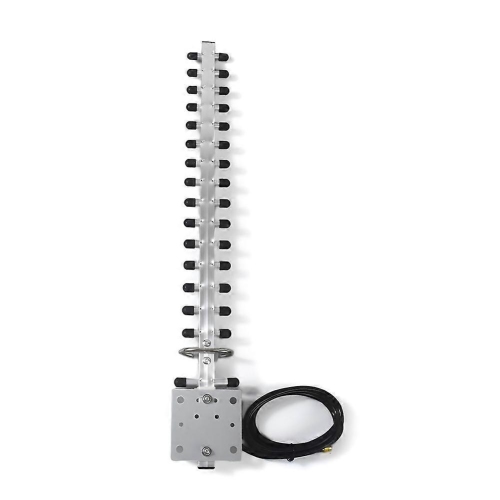
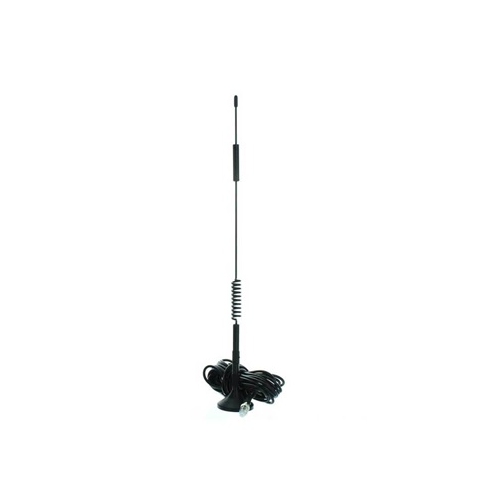
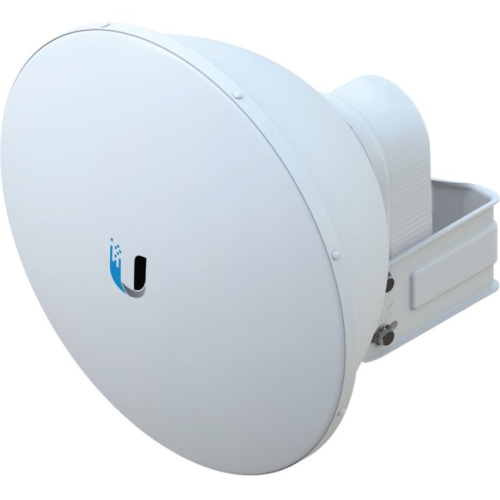
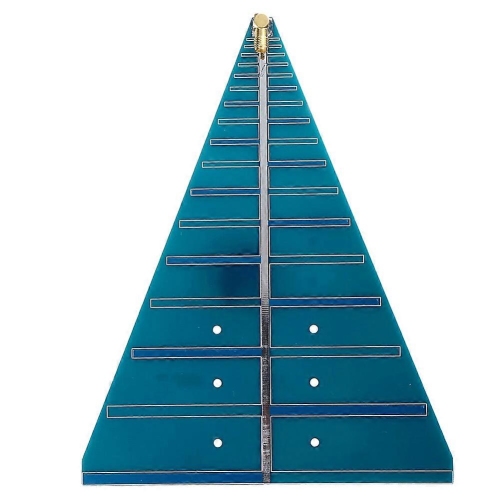
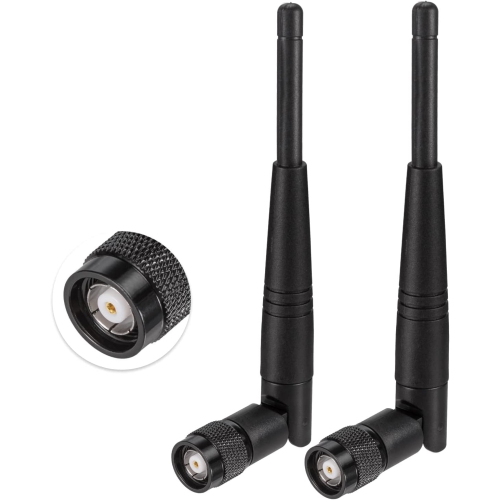
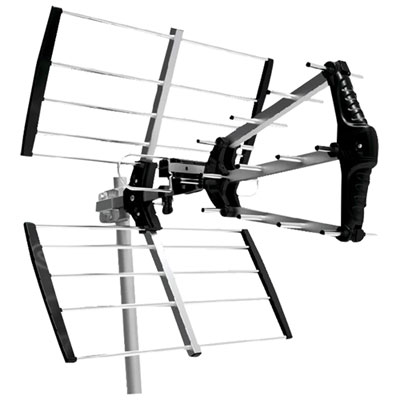
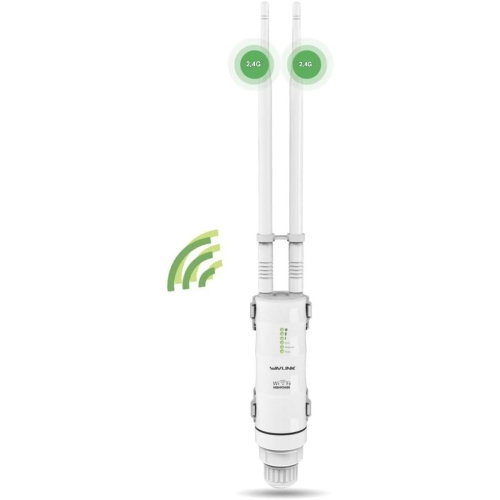
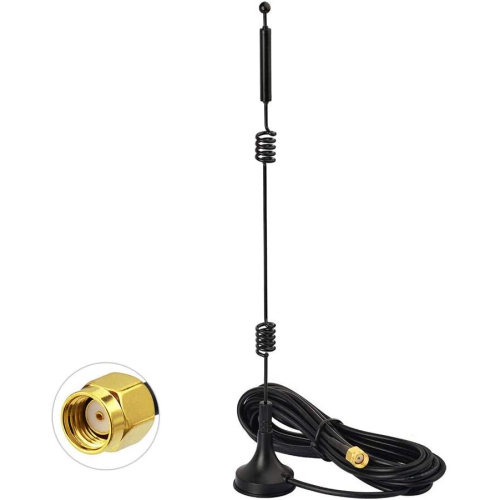
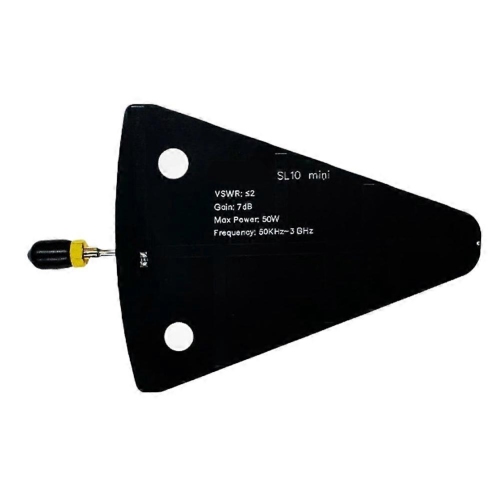
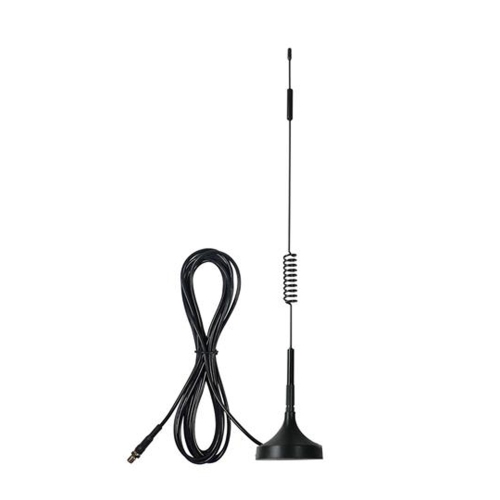
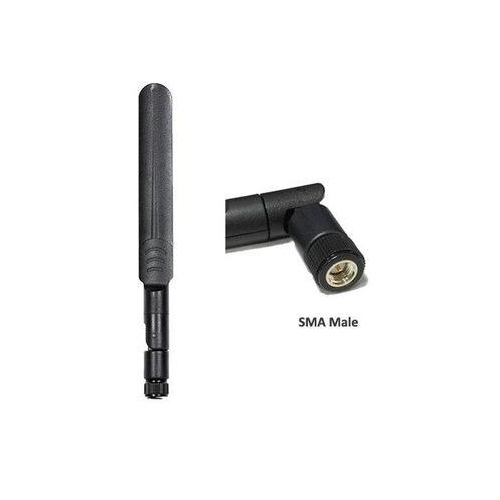
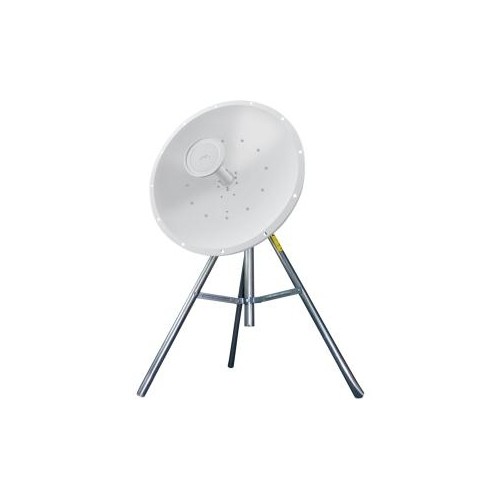
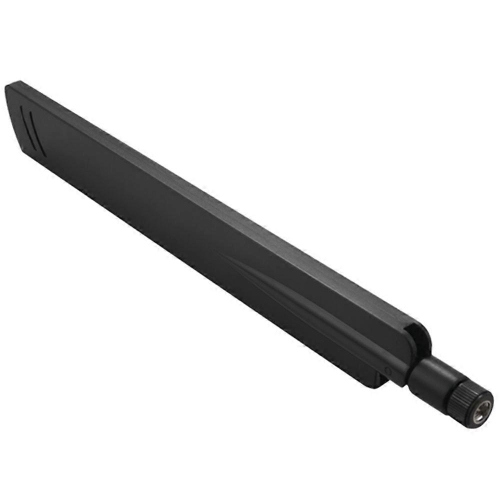
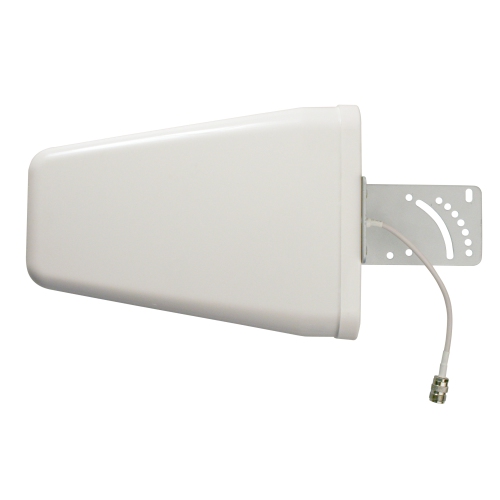
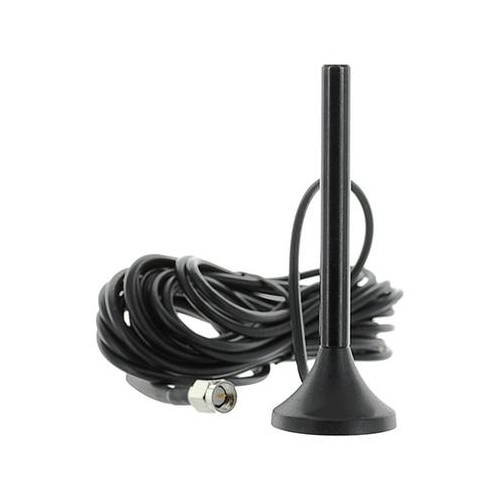
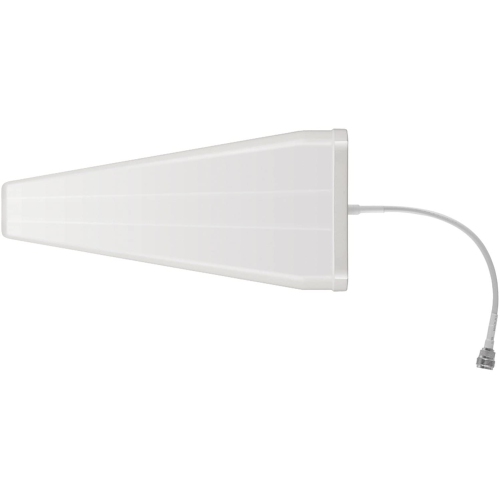
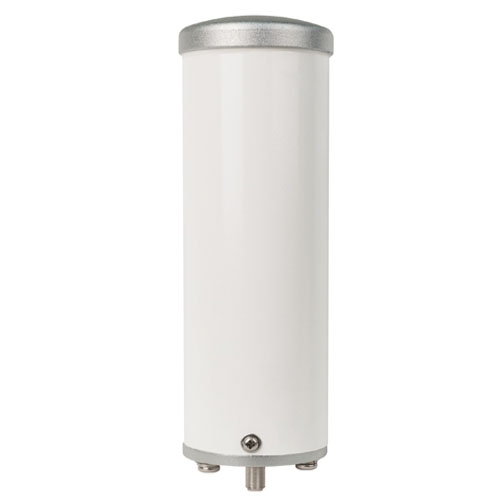
A key choice is whether a directional or omnidirectional design best suits the location. Directional antennas, including multi-element and log-periodic styles, focus reception toward a particular direction and are commonly used when the broadcast or cellular tower is known. This focused design can improve performance with weak signals, but the antenna may need to be physically aimed and adjusted for the best result. An omnidirectional antenna receives signals from several directions and can be more convenient when towers are spread around the property, although it may provide less focused gain in a specific direction. Long-range television antennas typically cover VHF and UHF frequencies, so checking the local broadcast map and the frequencies used by nearby stations can help confirm compatibility. Cellular antennas use different frequency bands and are generally connected to a compatible signal booster, modem, or router rather than directly to a television. A high-gain antenna can collect a faint outdoor cellular signal and deliver it through low-loss coaxial cable to the connected equipment, but it cannot manufacture service where there is no usable signal outside. Shoppers comparing High Gain Antennas may also want to consider connector type, supported frequency bands, cable length, impedance, weather protection, and whether the antenna is intended for indoor, attic, roof, mast, or vehicle installation. These details affect compatibility and real-world performance more than a range number viewed on its own.
Installation is often the difference between an antenna that performs reliably and one that produces intermittent reception. Higher placement usually provides a clearer line of sight, so a roof, mast, balcony, or upper attic position may work better than a low indoor location surrounded by walls, insulation, appliances, or furniture. Outdoor installations should use a secure mounting point and appropriate grounding, while attic installations should allow enough space for the antenna and keep it clear of metal roofing, ductwork, and other obstructions. Coaxial cable should be kept as short as practical, since signal loss increases over longer runs, particularly with weaker signals and higher frequencies. An amplifier may help compensate for cable loss or distribute one signal to several rooms, but it cannot correct poor antenna alignment, blocked line of sight, severe interference, or a missing broadcast. Some setups may also require a preamplifier near the antenna, while others can become overloaded if amplification is added unnecessarily. During the cooler months, a dependable antenna can be useful for receiving local news, weather updates, and emergency information without relying solely on an internet connection, while a cottage owner or family member settling into a rural property may appreciate one as a practical housewarming gift. Whether the goal is clearer television reception, more dependable cellular data at a remote workspace, or improved connectivity at a seasonal retreat, the most suitable long-range antenna will match the signal type, tower direction, mounting location, cable path, and equipment already in use.
A key choice is whether a directional or omnidirectional design best suits the location. Directional antennas, including multi-element and log-periodic styles, focus reception toward a particular direction and are commonly used when the broadcast or cellular tower is known. This focused design can improve performance with weak signals, but the antenna may need to be physically aimed and adjusted for the best result. An omnidirectional antenna receives signals from several directions and can be more convenient when towers are spread around the property, although it may provide less focused gain in a specific direction. Long-range television antennas typically cover VHF and UHF frequencies, so checking the local broadcast map and the frequencies used by nearby stations can help confirm compatibility. Cellular antennas use different frequency bands and are generally connected to a compatible signal booster, modem, or router rather than directly to a television. A high-gain antenna can collect a faint outdoor cellular signal and deliver it through low-loss coaxial cable to the connected equipment, but it cannot manufacture service where there is no usable signal outside. Shoppers comparing High Gain Antennas may also want to consider connector type, supported frequency bands, cable length, impedance, weather protection, and whether the antenna is intended for indoor, attic, roof, mast, or vehicle installation. These details affect compatibility and real-world performance more than a range number viewed on its own.
Installation is often the difference between an antenna that performs reliably and one that produces intermittent reception. Higher placement usually provides a clearer line of sight, so a roof, mast, balcony, or upper attic position may work better than a low indoor location surrounded by walls, insulation, appliances, or furniture. Outdoor installations should use a secure mounting point and appropriate grounding, while attic installations should allow enough space for the antenna and keep it clear of metal roofing, ductwork, and other obstructions. Coaxial cable should be kept as short as practical, since signal loss increases over longer runs, particularly with weaker signals and higher frequencies. An amplifier may help compensate for cable loss or distribute one signal to several rooms, but it cannot correct poor antenna alignment, blocked line of sight, severe interference, or a missing broadcast. Some setups may also require a preamplifier near the antenna, while others can become overloaded if amplification is added unnecessarily. During the cooler months, a dependable antenna can be useful for receiving local news, weather updates, and emergency information without relying solely on an internet connection, while a cottage owner or family member settling into a rural property may appreciate one as a practical housewarming gift. Whether the goal is clearer television reception, more dependable cellular data at a remote workspace, or improved connectivity at a seasonal retreat, the most suitable long-range antenna will match the signal type, tower direction, mounting location, cable path, and equipment already in use.
Top selling and popular products
-
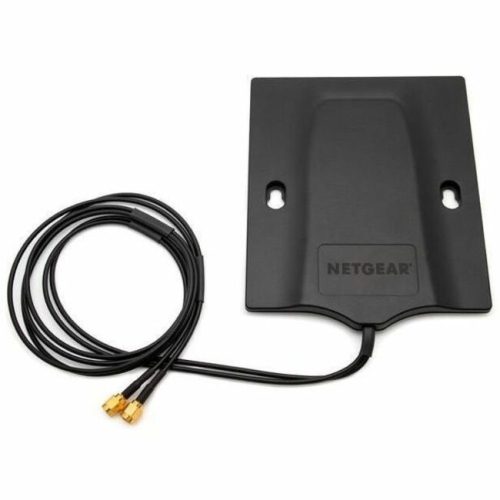 Your price for this item is $105.2
 -
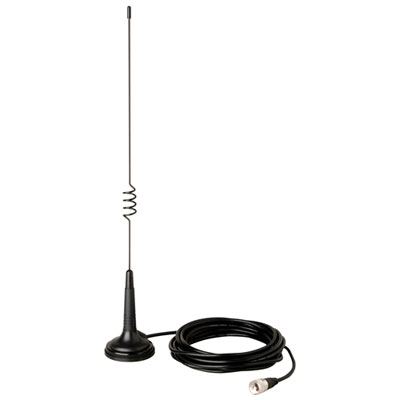 Your price for this item is $59.99
 -
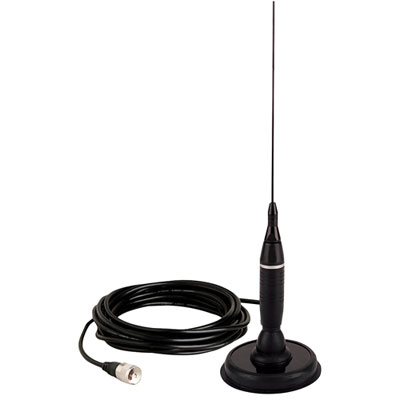 Your price for this item is $69.99
 -
 Your price for this item is $129.99
 -
 Your price for this item is $39.99
 -
 Your price for this item is $144.99
 -
 Your price for this item is $139.99
 -
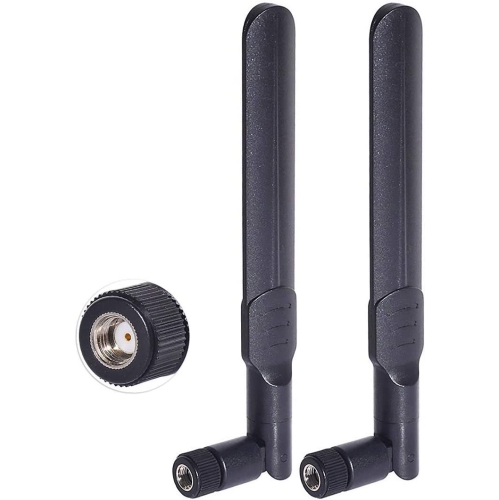 Your price for this item is $14.49
Discover more categories related to Long Range Antennas
Top Collections:
Pokemon Centers, Best Cameras for Sports Photography, Kindle Devices, Samsung Galaxy Phones, Canon G7X Cameras, Pokémon 30th Celebration Cards, Refurbished Apple Laptops, iPhone 15 Apple, Laptops for Students, Budget Smartphones
Some products may be subject to Environmental Handling Fees
(EHF) depending on your province.
Learn more about EHFs.