Mirror Dash cam
Mirror dash cams are a special type of dash cam that attaches to your rear-view mirror, providing a unique perspective of the road behind you. These are often used to record drives for insurance purposes, but they can also be used to capture interesting footage of the road ahead of you. Here are some great options available.
Sort
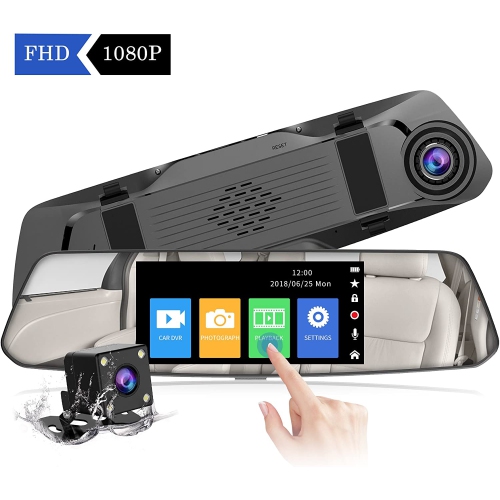
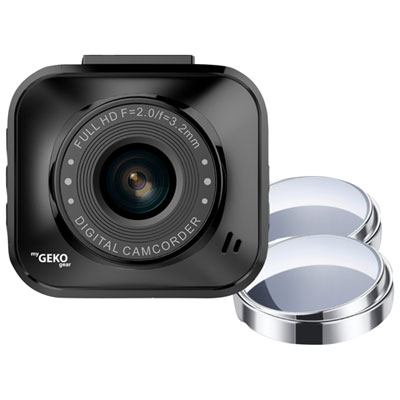
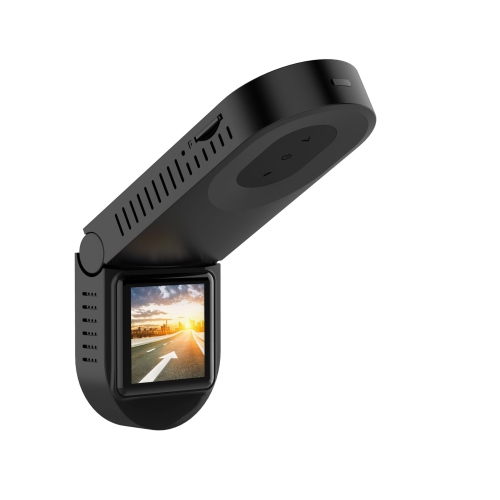
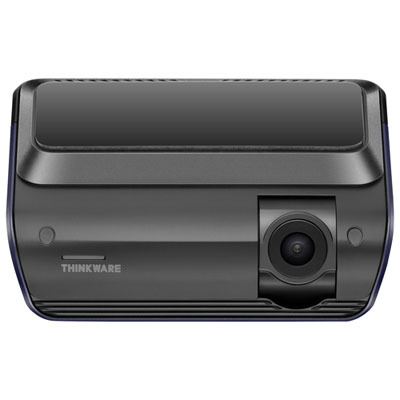
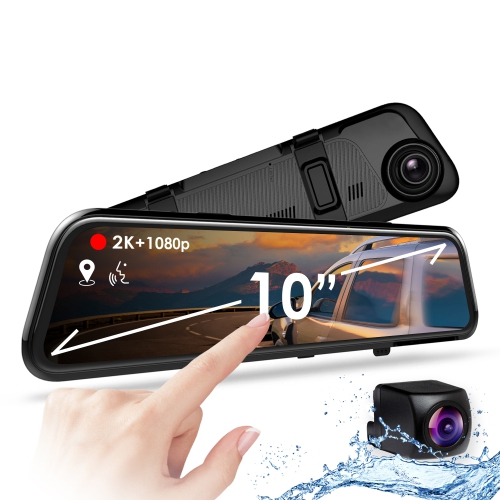
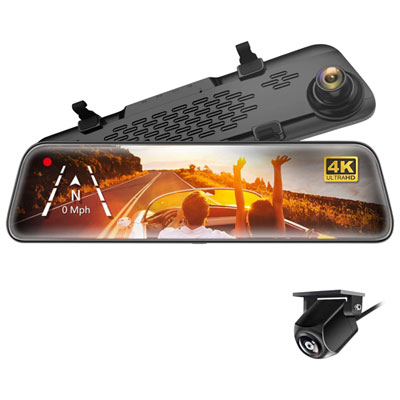
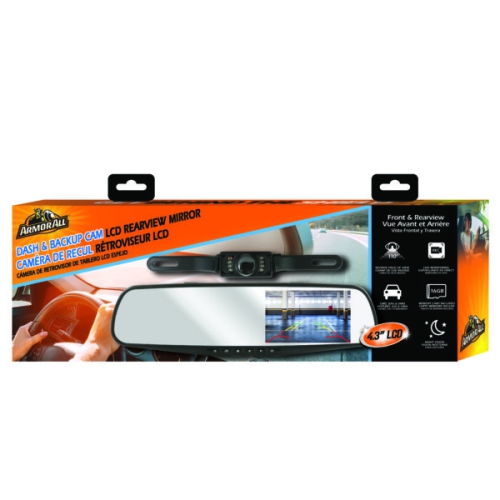
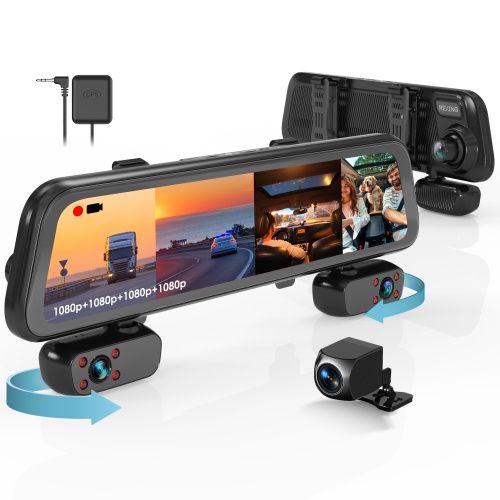
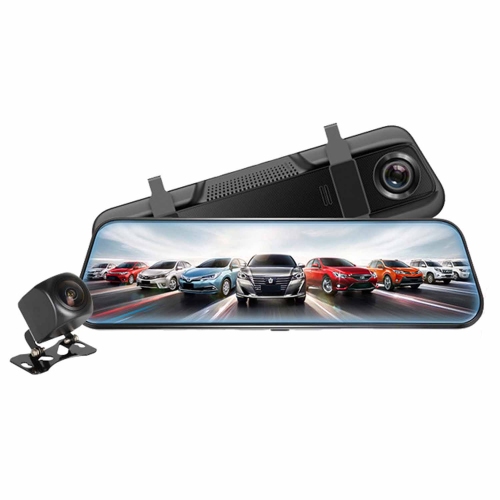
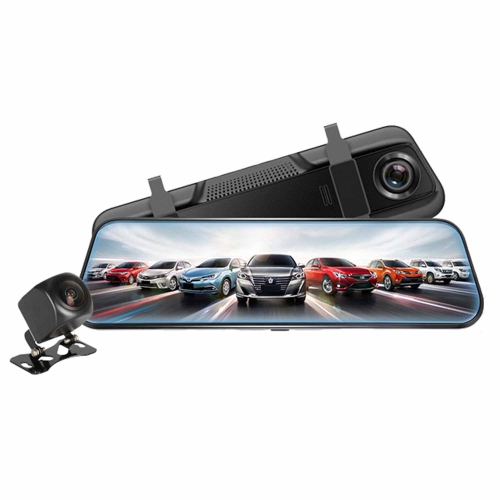
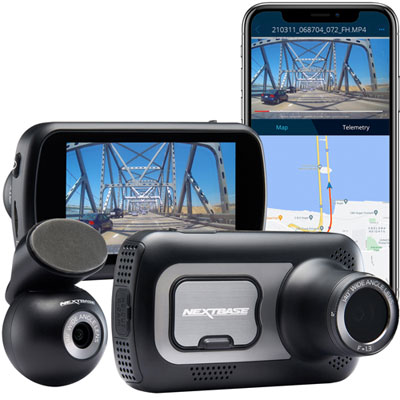
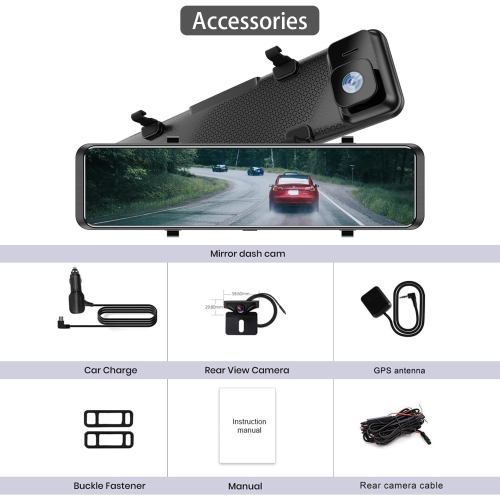
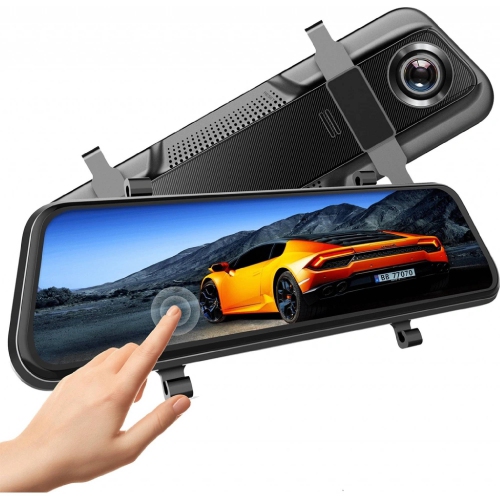
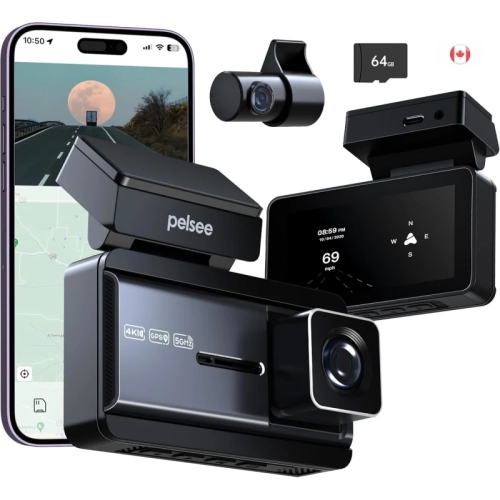
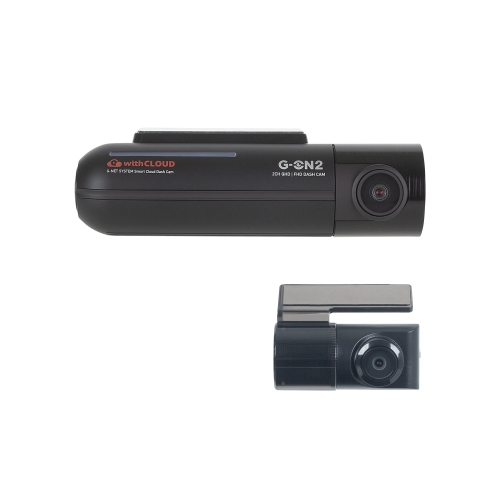
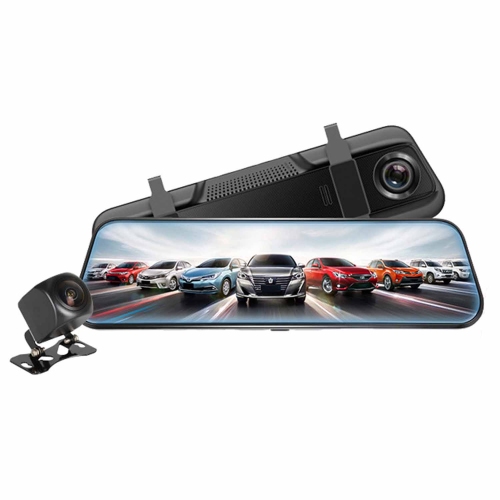
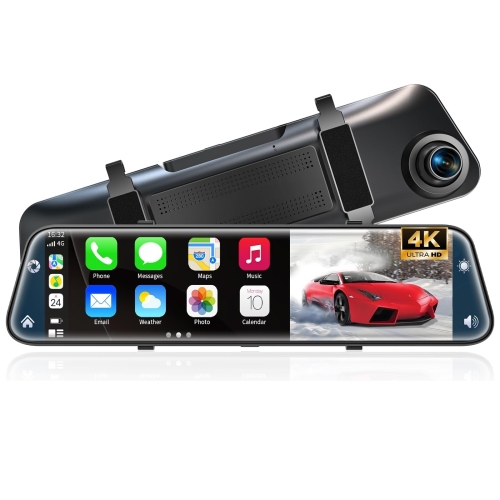
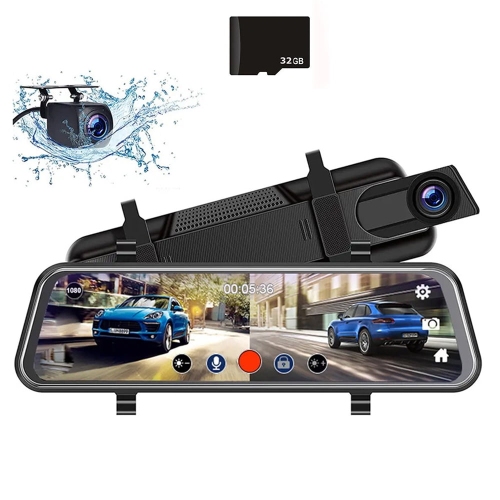
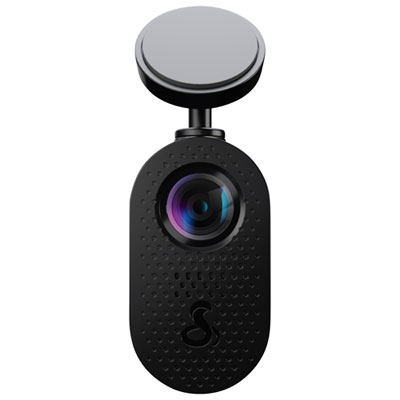
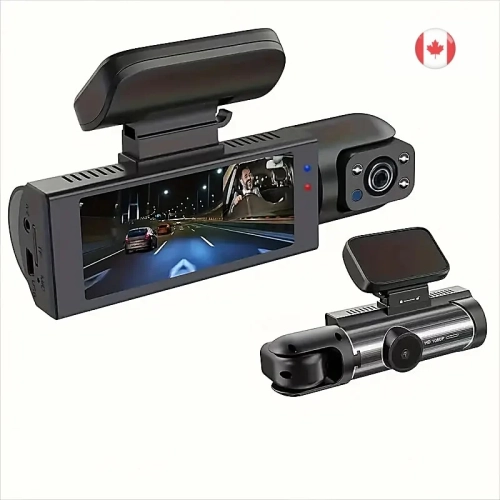
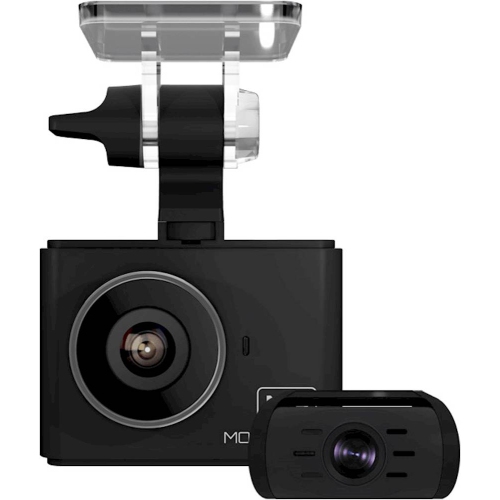
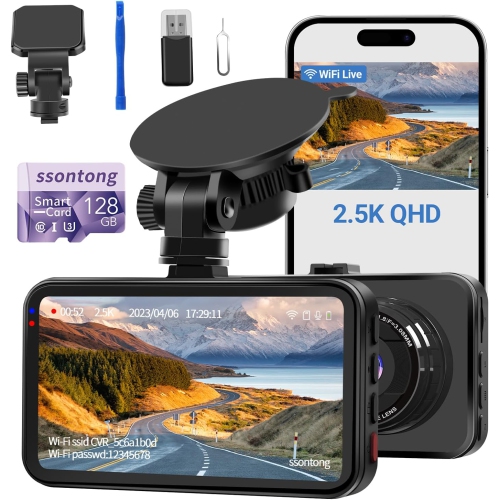
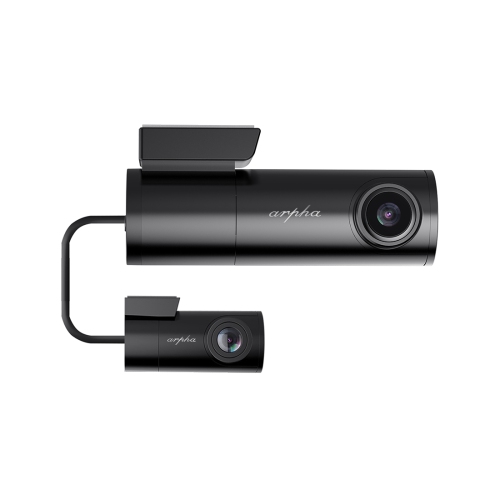
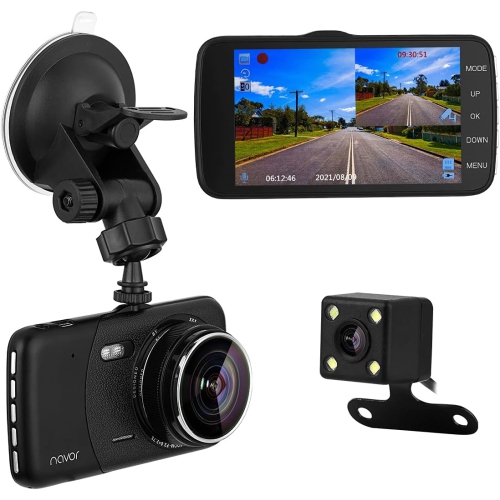
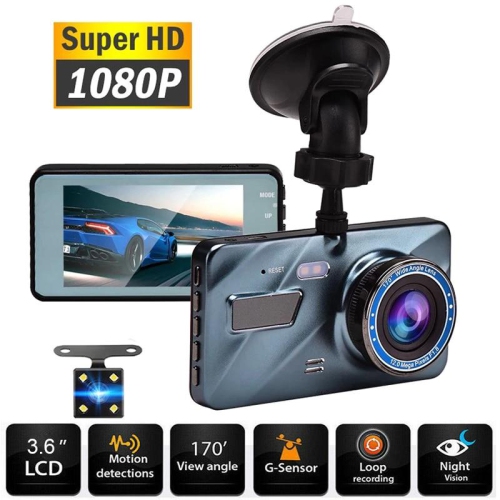
Road recording with a screen where your mirror sits
A mirror dash cam combines a rearview-mirror-style display with a camera that records the road ahead; models with a separate rear camera can also capture what happens behind your vehicle. Depending on the design, it straps over your existing rearview mirror or replaces it using a compatible mounting system. This puts the screen in a familiar location rather than adding another display elsewhere on the windshield. Many mirror dash cams have touchscreens measuring approximately 10 to 12 inches, although dimensions, controls, and reflective functionality vary. Some let you switch between a conventional mirror view and a live camera feed, while others rely more heavily on the digital display. That distinction matters when choosing a setup that feels comfortable during everyday driving. A rear camera feed can be particularly useful in a vehicle where headrests, passengers, or luggage limit the view through the back window, provided the camera itself has an unobstructed view. Picture a family vehicle packed for a weekend away: bags may fill much of the space behind the last row, but a properly positioned rear camera can still show the road behind. The display does not replace shoulder checks, side mirrors, or attentive driving, and its perspective may take some getting used to. For commuters, frequent road-trippers, and drivers who spend long hours travelling between appointments, the appeal is a combination of useful visibility and a video record of their journeys. Front and rear footage can provide context after a collision or another road incident, though it cannot guarantee that every detail will be visible or resolve every dispute. Shoppers comparing mirror-mounted systems with other two-camera layouts can also browse Dual Camera Dash Cams to consider different display and mounting arrangements. Within the mirror category, the best fit depends on your vehicle, the visibility you need, and how much installation work you are comfortable arranging.
Image quality deserves attention beyond the largest resolution number on the box. Mirror dash cams may offer front recording in 1080p, 2.5K, or 4K, with rear-camera resolution varying by system. Check the specifications for both cameras and confirm which resolutions are available when they record together. Higher resolution can help preserve fine detail, but readable licence plates also depend on distance, vehicle speed, lighting, lens quality, and video compression. Even a high-resolution camera may struggle with a moving plate on a dark road or in the glare of headlights. During the cooler months, when an afternoon errand can end after sunset, low-light performance becomes especially relevant. Features such as HDR can help balance bright and dark areas, while sensor performance and camera placement influence how much useful detail appears in the footage. A wide-angle lens captures more of the adjacent lanes, but an extremely wide view can make distant objects appear smaller and distort the edges. Screen quality matters separately from recording quality: adjustable brightness, clear viewing angles, and responsive controls can make the display easier to live with in changing light. A larger screen is not automatically a better choice if it crowds your sun visors or extends awkwardly beyond the original mirror. Useful extras may include GPS logging for location and speed information, voice control for supported functions, and Wi-Fi for transferring clips to a compatible phone. Check whether GPS requires an additional accessory and whether the companion app supports your device. Driver assistance alerts are available on some systems, but their capabilities vary and they should not be treated as substitutes for built-in vehicle safety systems. For everyday ownership, simple access to saved footage can be more valuable than a long feature list. Being able to find and export the relevant clip without a complicated process is worth considering before you choose.
Installation, storage, and power requirements often determine how well a mirror dash cam suits your routine. A strap-on design may offer a relatively straightforward fit, but it should sit securely without obstructing existing mirror controls, sensors, or your forward view. Replacement designs require closer attention to mounting compatibility and may affect factory mirror functions. Rear-camera installation adds another layer: cable length needs to suit the vehicle, routing must avoid airbags and moving parts, and an exterior camera must be rated for exposure to water and the temperatures it will encounter. Hatchbacks, pickup trucks, and longer vehicles can each present different cable-routing challenges. Professional installation can be worthwhile when wiring needs to pass through trim panels or connect to the vehicle’s electrical system. Some rear cameras support a reversing display with adjustable guidelines, usually requiring a connection to the reverse-light circuit; confirm what is included rather than assuming every rear recording camera provides this function. For video storage, look for loop recording, supported memory-card capacities, and compatibility with high-endurance cards designed for repeated writing. Loop recording replaces older, unprotected footage when storage fills, while a G-sensor may lock a clip after detecting an impact. Important files should still be copied promptly, since storage is finite and locking behaviour varies. Parking mode also needs careful checking. Impact-triggered, motion-triggered, and time-lapse recording work differently, and recording while the vehicle is off typically requires a compatible hardwire kit or dedicated battery solution. Low-voltage protection can help reduce the risk of draining the vehicle battery, but power settings and battery condition still matter. Keep lenses clean, especially when road spray or salt collects around an exterior rear camera, and periodically check that both channels are saving footage correctly. A mirror dash cam can make a thoughtful gift for someone who enjoys road trips or wants a clearer record of daily driving, provided you confirm vehicle compatibility and installation needs first. Local rules on screen placement, display use, and audio recording also deserve attention. A well-matched system should fit neatly, preserve essential visibility, and make routine recording feel like a natural part of getting on the road.
Image quality deserves attention beyond the largest resolution number on the box. Mirror dash cams may offer front recording in 1080p, 2.5K, or 4K, with rear-camera resolution varying by system. Check the specifications for both cameras and confirm which resolutions are available when they record together. Higher resolution can help preserve fine detail, but readable licence plates also depend on distance, vehicle speed, lighting, lens quality, and video compression. Even a high-resolution camera may struggle with a moving plate on a dark road or in the glare of headlights. During the cooler months, when an afternoon errand can end after sunset, low-light performance becomes especially relevant. Features such as HDR can help balance bright and dark areas, while sensor performance and camera placement influence how much useful detail appears in the footage. A wide-angle lens captures more of the adjacent lanes, but an extremely wide view can make distant objects appear smaller and distort the edges. Screen quality matters separately from recording quality: adjustable brightness, clear viewing angles, and responsive controls can make the display easier to live with in changing light. A larger screen is not automatically a better choice if it crowds your sun visors or extends awkwardly beyond the original mirror. Useful extras may include GPS logging for location and speed information, voice control for supported functions, and Wi-Fi for transferring clips to a compatible phone. Check whether GPS requires an additional accessory and whether the companion app supports your device. Driver assistance alerts are available on some systems, but their capabilities vary and they should not be treated as substitutes for built-in vehicle safety systems. For everyday ownership, simple access to saved footage can be more valuable than a long feature list. Being able to find and export the relevant clip without a complicated process is worth considering before you choose.
Installation, storage, and power requirements often determine how well a mirror dash cam suits your routine. A strap-on design may offer a relatively straightforward fit, but it should sit securely without obstructing existing mirror controls, sensors, or your forward view. Replacement designs require closer attention to mounting compatibility and may affect factory mirror functions. Rear-camera installation adds another layer: cable length needs to suit the vehicle, routing must avoid airbags and moving parts, and an exterior camera must be rated for exposure to water and the temperatures it will encounter. Hatchbacks, pickup trucks, and longer vehicles can each present different cable-routing challenges. Professional installation can be worthwhile when wiring needs to pass through trim panels or connect to the vehicle’s electrical system. Some rear cameras support a reversing display with adjustable guidelines, usually requiring a connection to the reverse-light circuit; confirm what is included rather than assuming every rear recording camera provides this function. For video storage, look for loop recording, supported memory-card capacities, and compatibility with high-endurance cards designed for repeated writing. Loop recording replaces older, unprotected footage when storage fills, while a G-sensor may lock a clip after detecting an impact. Important files should still be copied promptly, since storage is finite and locking behaviour varies. Parking mode also needs careful checking. Impact-triggered, motion-triggered, and time-lapse recording work differently, and recording while the vehicle is off typically requires a compatible hardwire kit or dedicated battery solution. Low-voltage protection can help reduce the risk of draining the vehicle battery, but power settings and battery condition still matter. Keep lenses clean, especially when road spray or salt collects around an exterior rear camera, and periodically check that both channels are saving footage correctly. A mirror dash cam can make a thoughtful gift for someone who enjoys road trips or wants a clearer record of daily driving, provided you confirm vehicle compatibility and installation needs first. Local rules on screen placement, display use, and audio recording also deserve attention. A well-matched system should fit neatly, preserve essential visibility, and make routine recording feel like a natural part of getting on the road.
Top selling and popular products
-
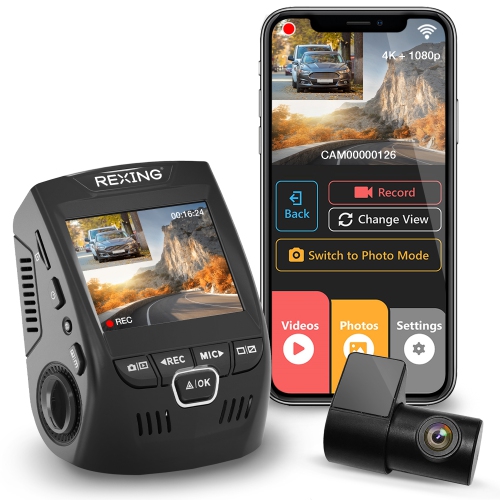 Your price for this item is $159.99
 -
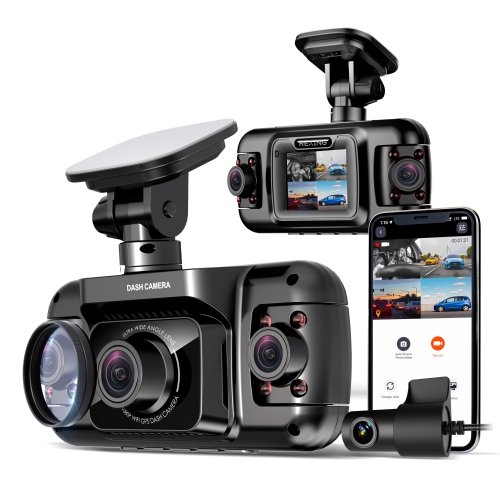 Your price for this item is $327.99
 -
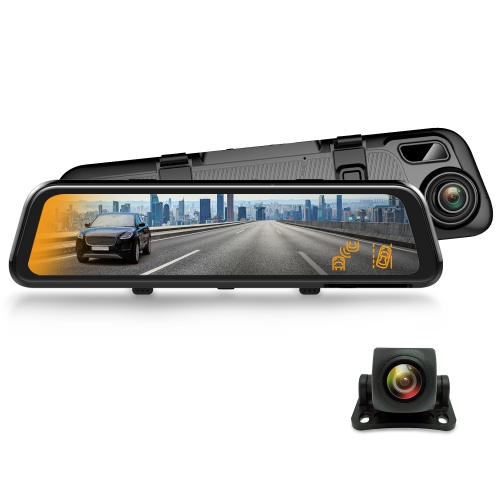 Your price for this item is $129.99
 -
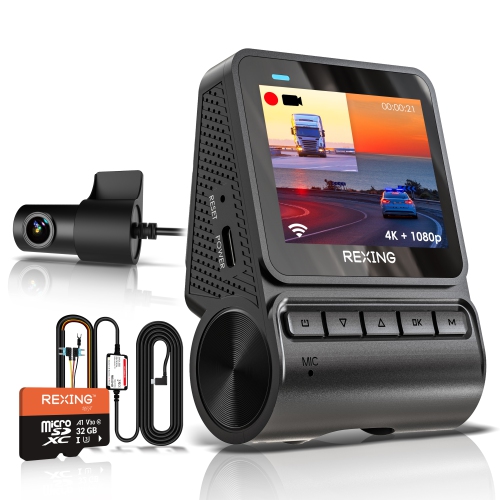 Your price for this item is $229.99
 -
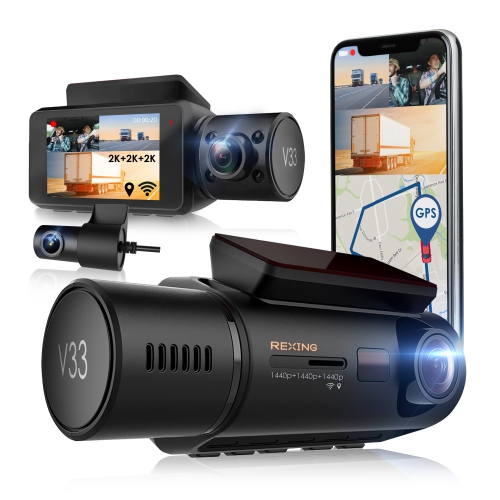 Your price for this item is $327.99
 -
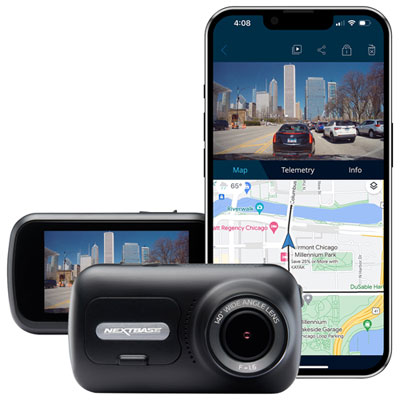 Your price for this item is $199.99
 -
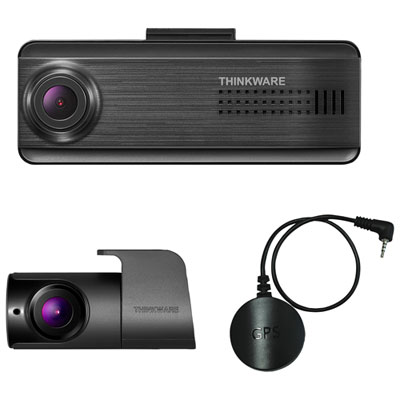 Your price for this item is $179.99
 -
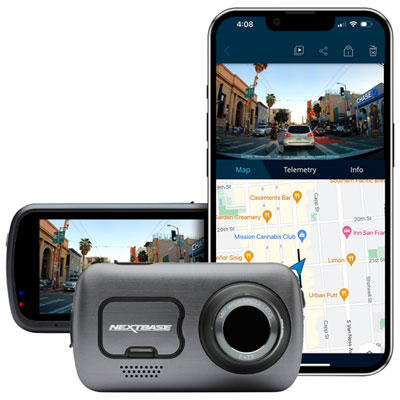 Your price for this item is $349.99
Discover more categories related to Mirror Dash cam

Top Collections:
Pokemon Centers, Kindle Devices, Best Budget Office Chairs, Apple iPhones 16, Best Laptops for Writers, iPhone 15 Apple, Canon G7X Cameras, Refurbished Apple Laptops, Alarm Clock, Motorola Razr Phones
Some products may be subject to Environmental Handling Fees
(EHF) depending on your province.
Learn more about EHFs.