Motorcycle Audio Systems
Upgrade your motorcycle riding experience with high-quality audio systems designed specifically for bikers. Whether you're cruising down the open road or tackling challenging terrains, our selection of motorcycle audio systems will take your rides to the next level. Immerse yourself in your favorite tunes, podcasts, or audiobooks while enjoying crystal-clear sound and powerful bass. With a range of options to suit every budget and preference, finding the perfect audio system for your motorcycle has never been easier. So gear up, hit the road, and let the music accompany you on your next adventure.
Sort






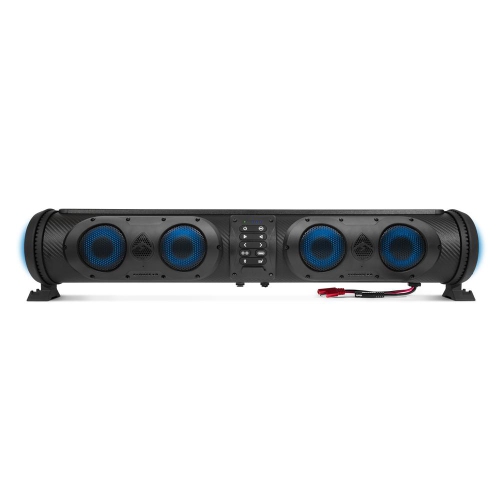


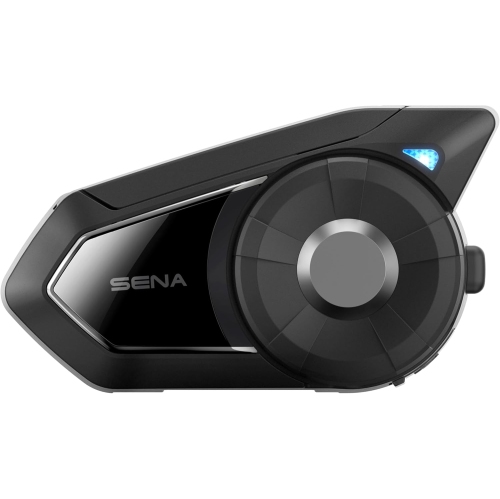

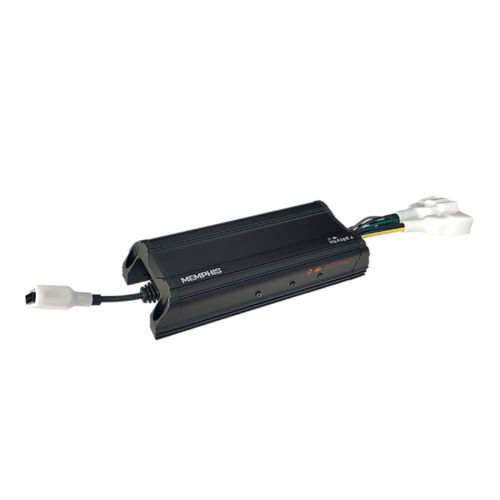

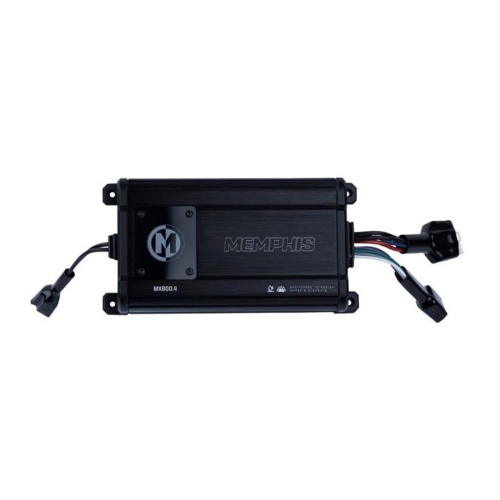

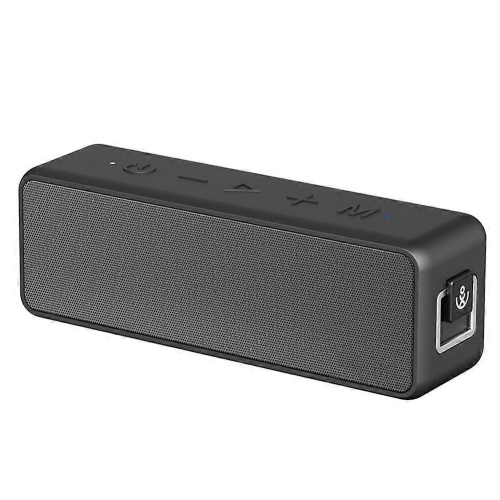
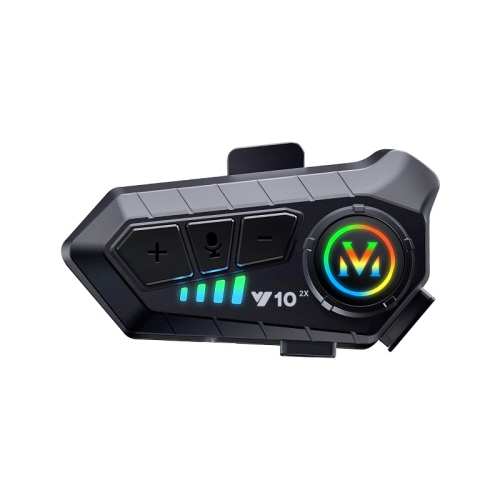


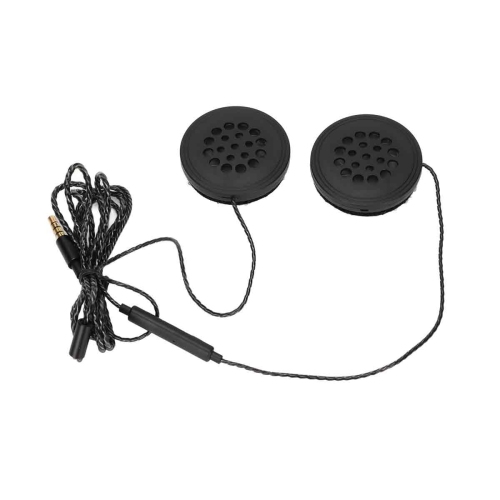


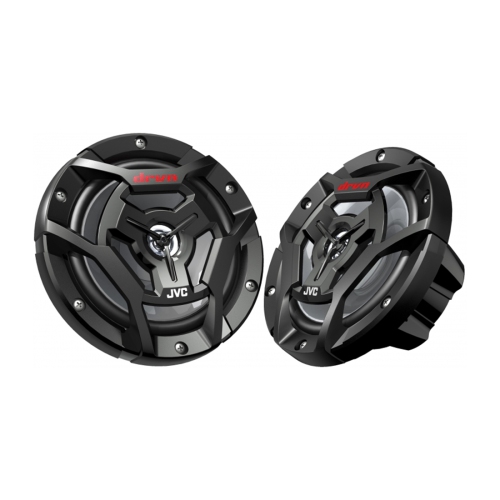
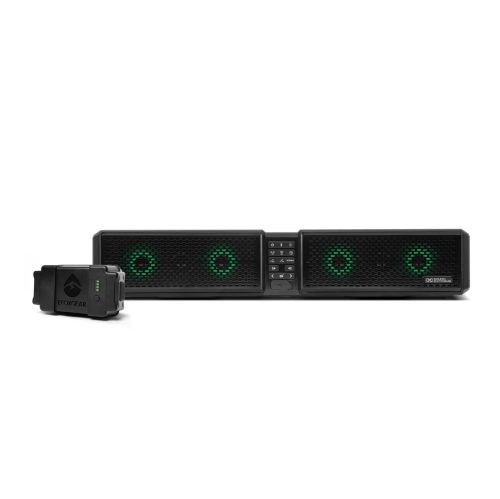
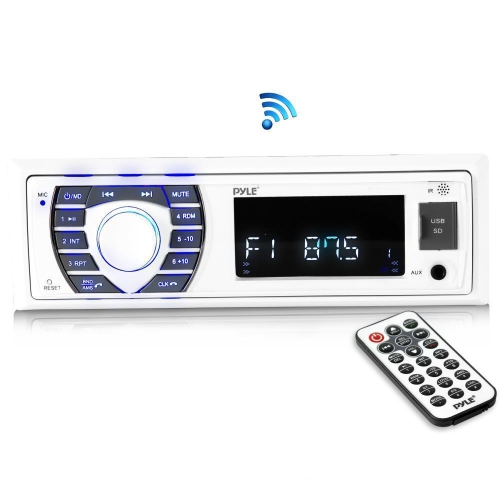
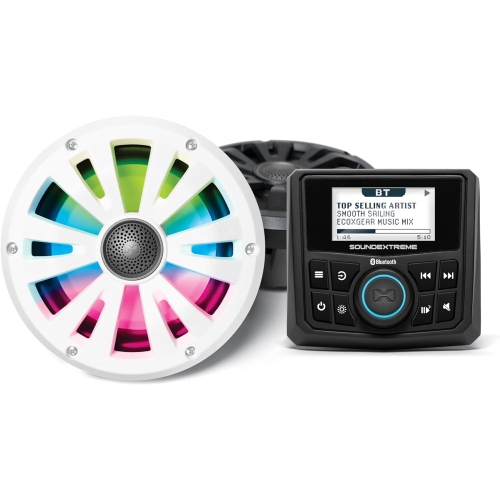

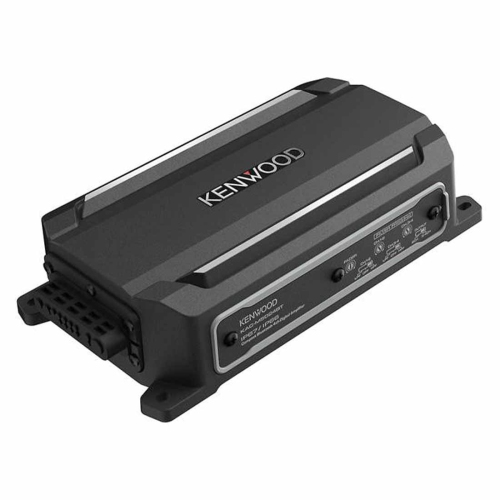










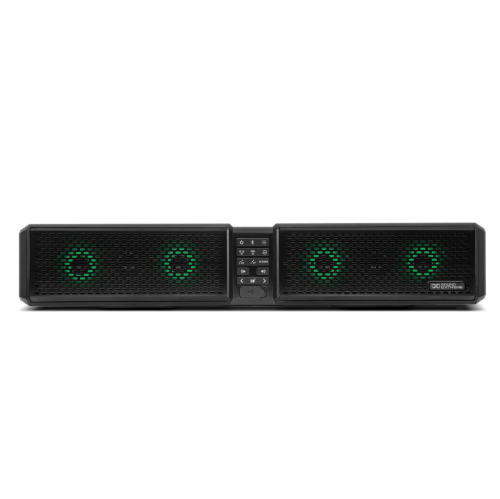


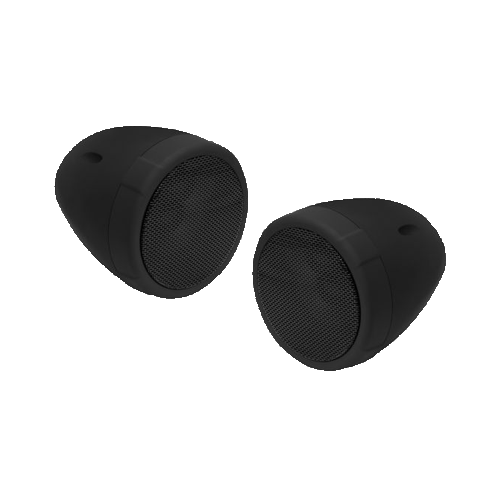


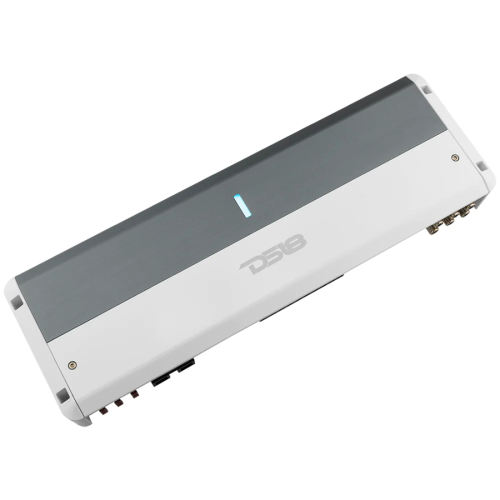
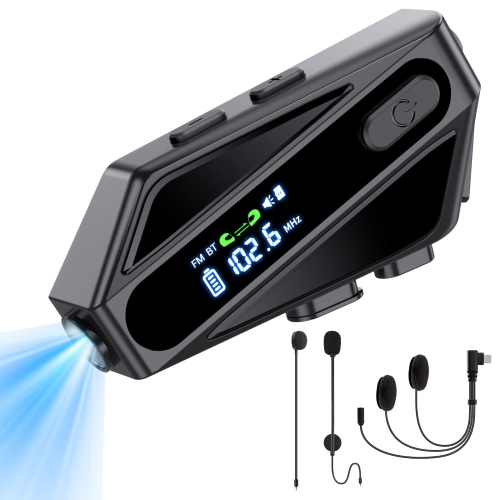





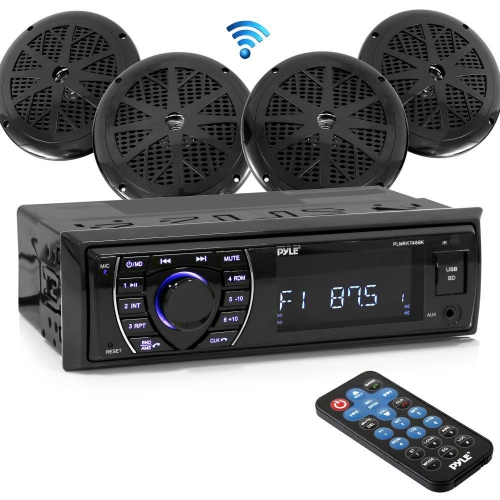

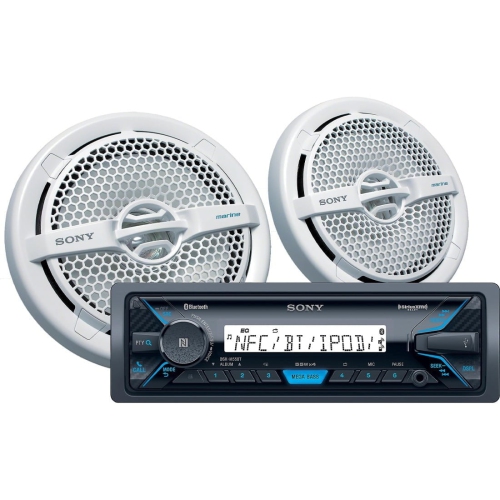
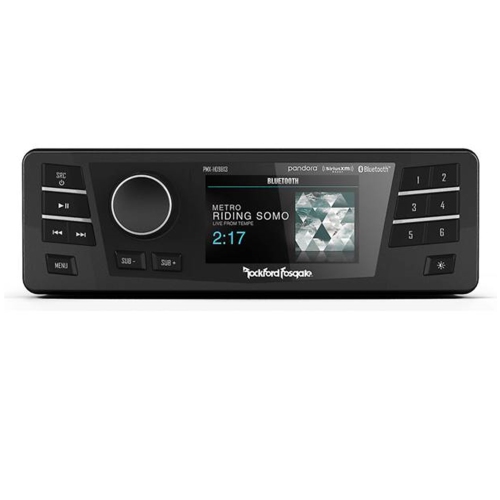
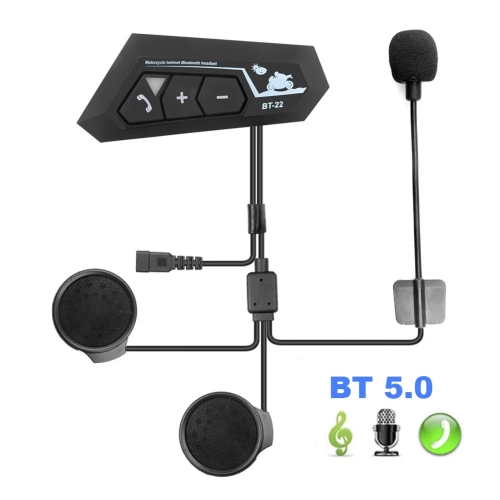







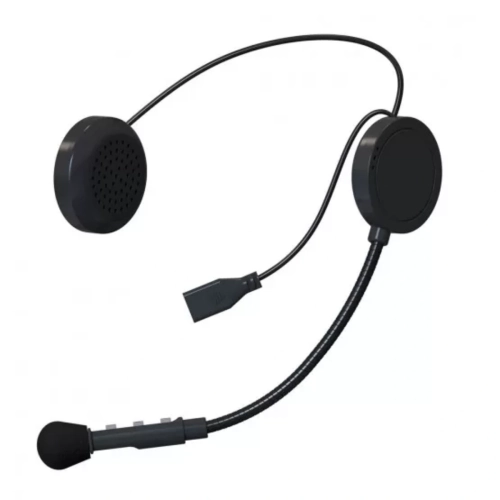


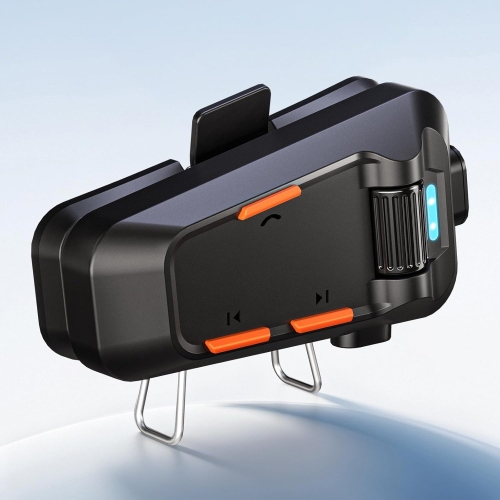
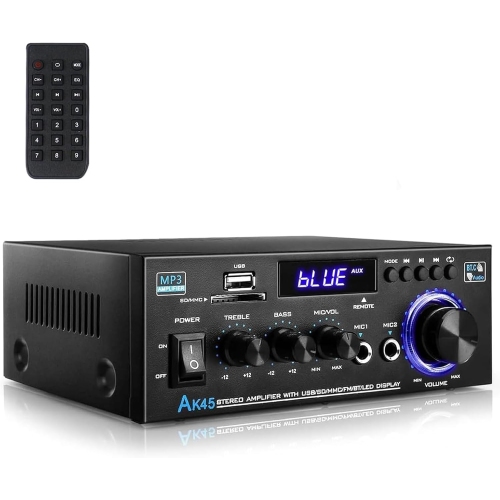
Clear sound on a motorcycle takes more than watts
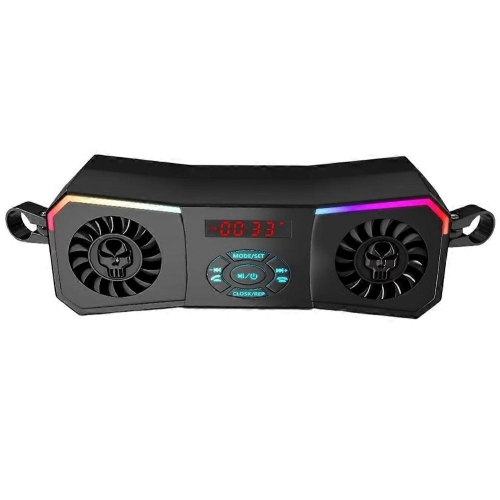
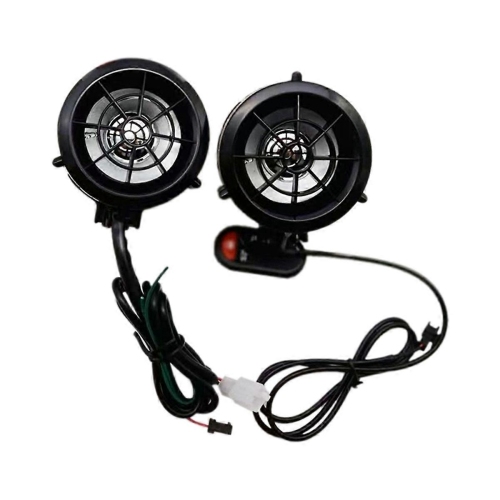
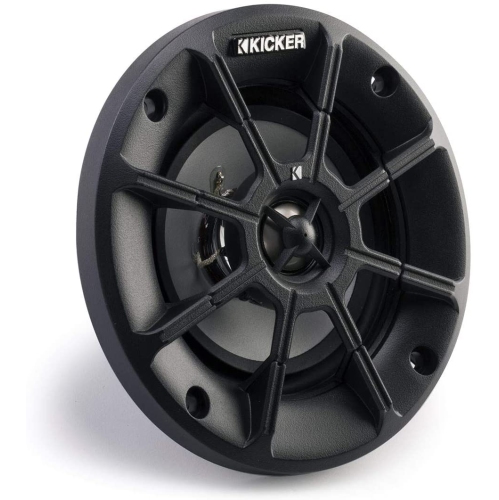
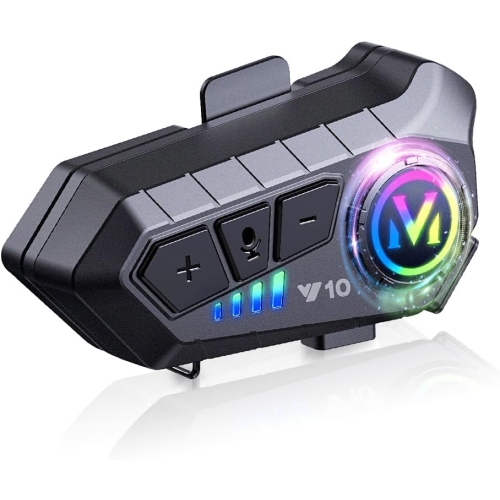
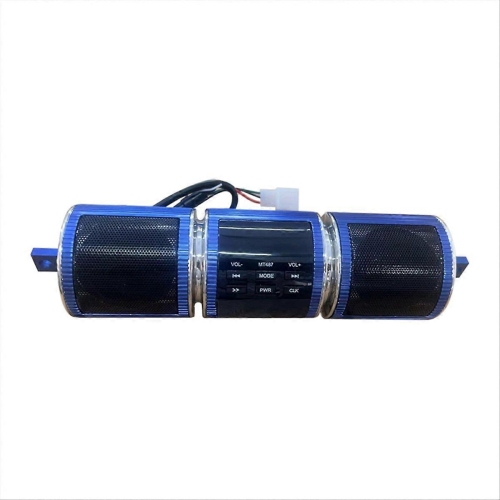
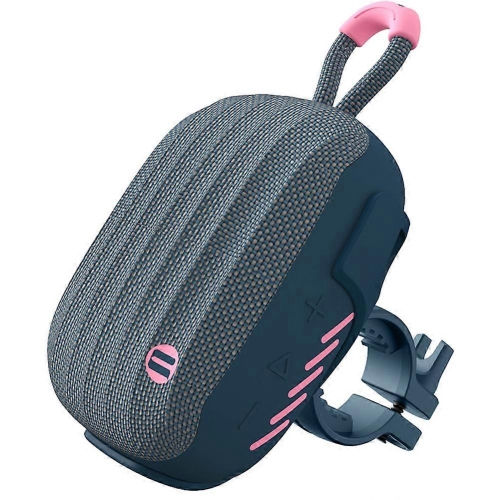
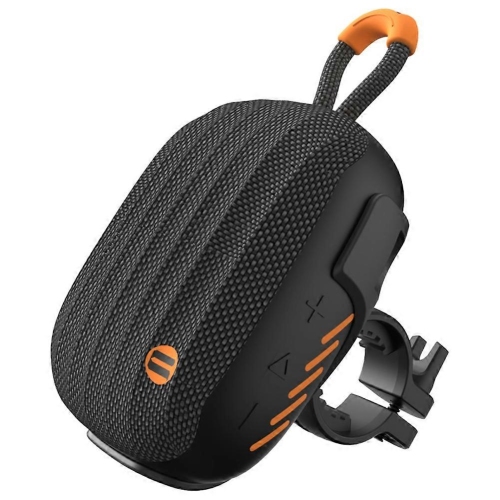
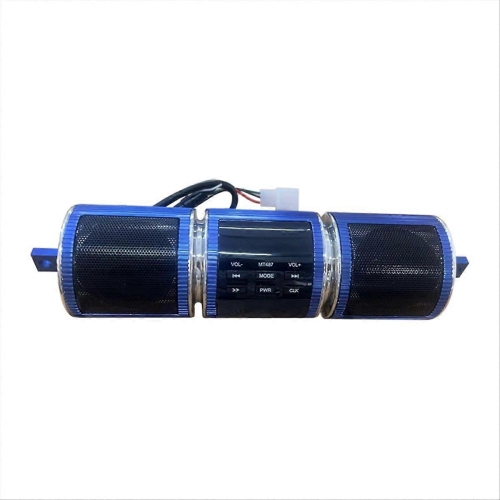
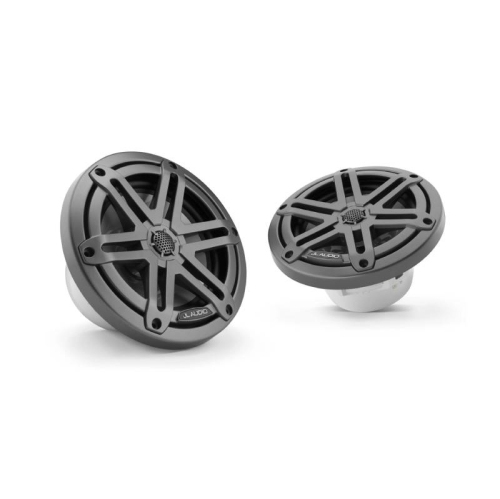
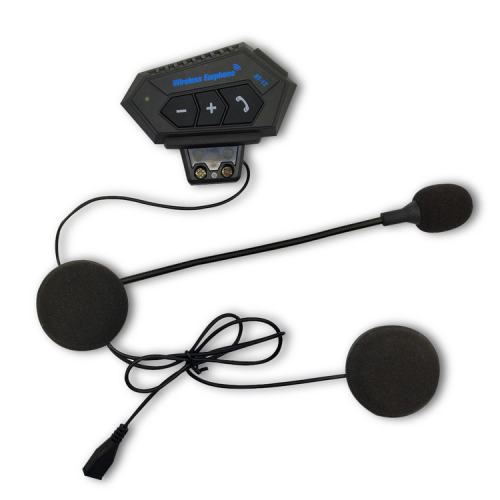
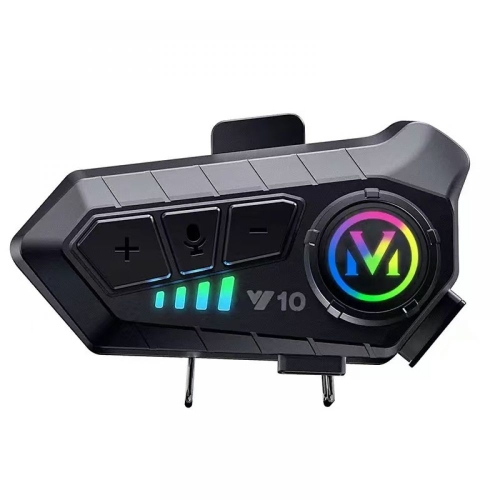
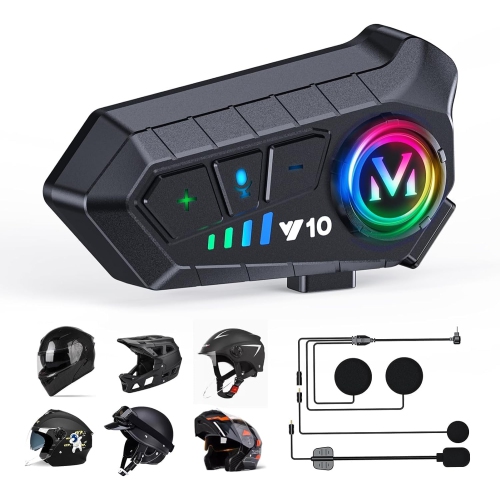
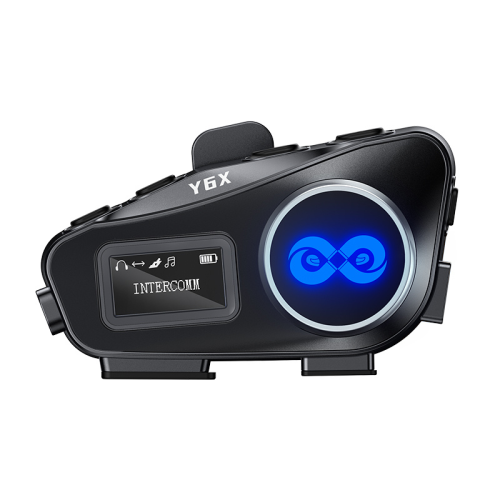
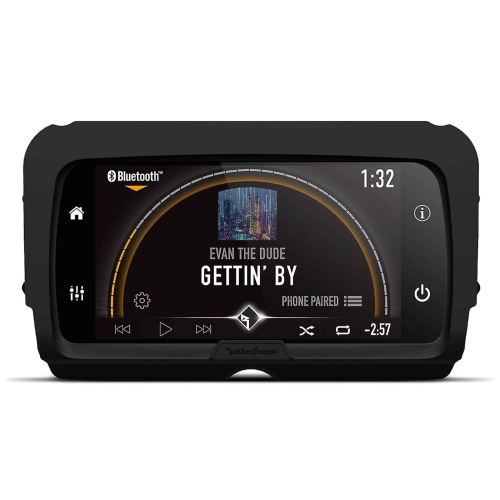
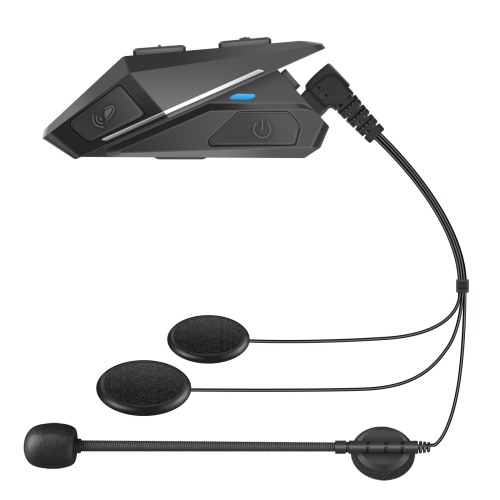
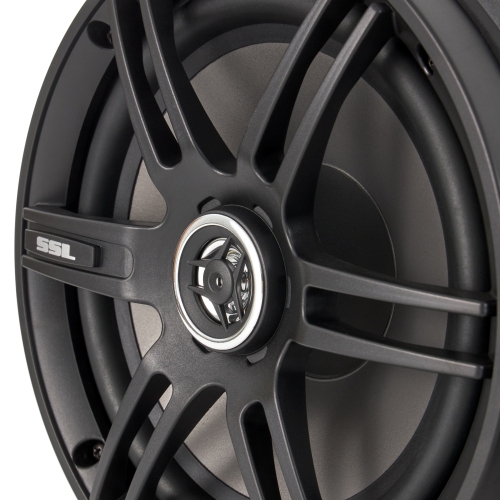
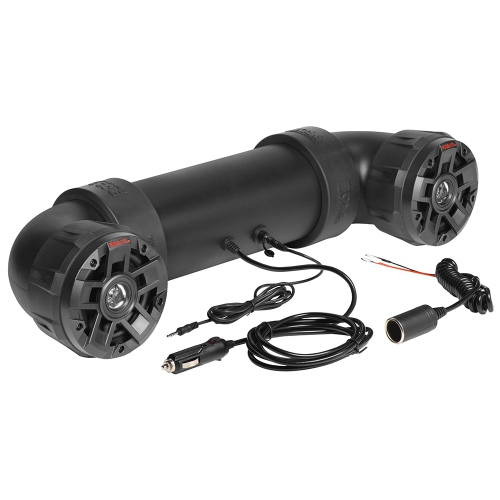
Motorcycle audio systems bring music, spoken directions, and other audio to a ride through components designed for the demands of a motorcycle. A typical speaker-based setup combines a source unit or receiver, speakers, mounting hardware, and wiring, with a separate amplifier where additional power is needed. Unlike an enclosed vehicle cabin, a motorcycle offers little protection from wind, road noise, or changing weather, so sound quality depends on more than speaker size or a high wattage rating. Clear midrange helps vocals remain distinct, while controlled treble keeps instruments and speech from becoming harsh. Bass can add fullness, but deep low-frequency output is harder to achieve in open air, particularly from compact speakers without a suitable enclosure. Motorcycle-specific speakers generally account for vibration, moisture, sunlight, and limited mounting space, although the protection provided varies by component. Water-resistant cones, corrosion-resistant hardware, sealed connections, and sturdy grilles are useful features for equipment exposed to the elements. A weather-resistant rating does not automatically mean a component can withstand immersion or a direct spray from a pressure washer; the stated rating and installation requirements matter. Intended use also shapes the system: a touring motorcycle with a large fairing may accommodate an integrated receiver and several speakers, while a smaller cruiser may suit a compact handlebar-mounted arrangement. Riders who mostly make short trips may value straightforward controls and wireless phone connectivity, whereas those spending longer days on the road may appreciate factory-control integration and a balanced front-and-rear speaker layout. In either case, clear sound at a moderate listening level is more useful than volume alone. Wind and engine noise can mask music as speed increases, but turning the system up is not a substitute for remaining aware of traffic, warning signals, and the condition of the road. A well-matched system supports the ride without demanding constant attention from the person at the handlebars.
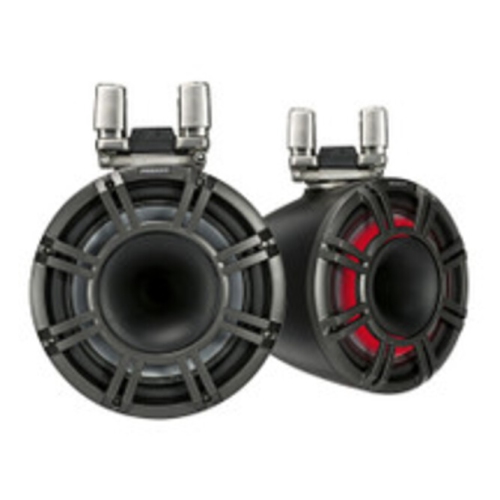
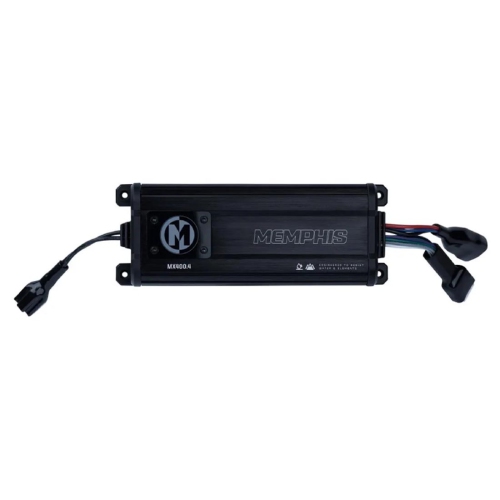
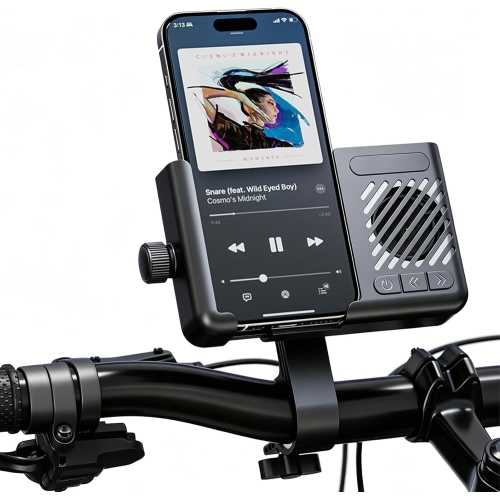
Fit is central to motorcycle audio because the space behind a grille or inside a fairing can be much tighter than it appears. Compatibility depends on the motorcycle’s year, make, model, trim, and existing audio equipment, as well as speaker diameter, mounting depth, bolt pattern, and connector type. Two speakers with the same nominal diameter can require different clearance, and an amplifier small enough to fit beneath a seat still needs an appropriate mounting location and the ventilation specified by its manufacturer. Handlebar-mounted speakers introduce their own considerations, including bar diameter, clamp design, cable routing, and clearance when the steering moves fully in either direction. Wiring and brackets must not interfere with brake lines, throttle operation, instruments, or other controls. Fairing speakers can place sound closer to the rider, while rear or saddlebag-mounted speakers may broaden coverage for a passenger; neither arrangement guarantees better sound without suitable positioning and tuning. Saddlebag installations can also reduce usable luggage space and may require modifications that affect weather sealing. Speaker construction matters here, too: moisture-resistant cone materials, durable surrounds, and rigid baskets help components cope with repeated movement and outdoor exposure, but the complete assembly determines durability. Amplifier matching involves the speakers’ impedance, their continuous power-handling specification, and the amplifier’s continuous output at that impedance. Peak wattage alone is not a reliable basis for comparing systems. Speaker sensitivity also affects output, so a higher power figure does not necessarily translate into clearer sound. Multi-channel amplifiers can support separate front and rear speaker pairs, while more elaborate layouts may include a dedicated low-frequency channel and an enclosure suited to the available space. The motorcycle’s charging capacity and existing electrical accessories are part of that fit assessment, especially when heated clothing, auxiliary lighting, or other equipment already draws power. Correct wire gauge, a properly located fuse, secure grounding, and protected cable runs are essential installation details. For systems involving factory electronics, bodywork changes, or unfamiliar electrical connections, professional installation can help address compatibility and preserve access for routine servicing.
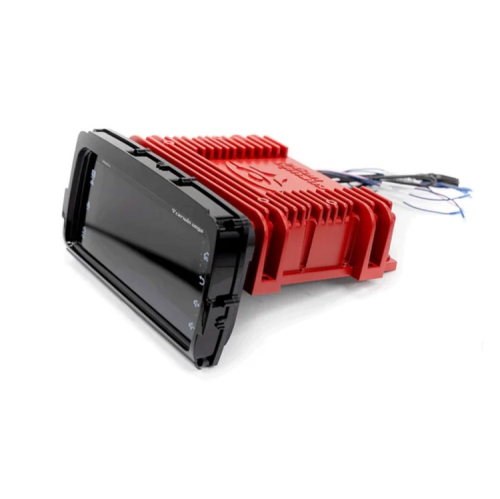
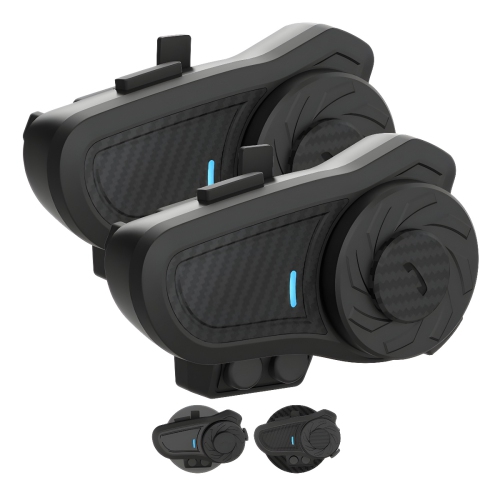
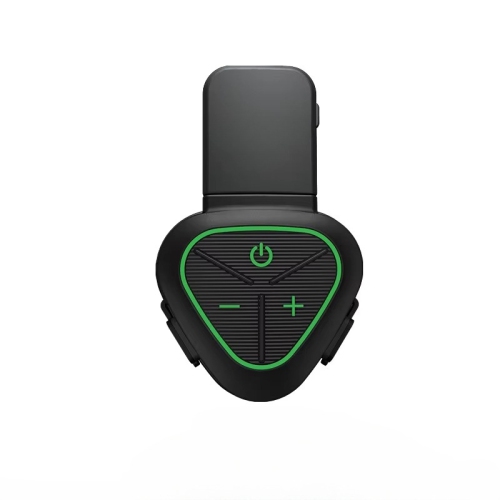
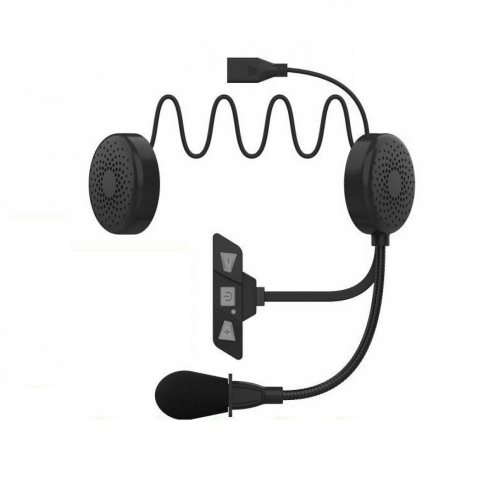
Everyday usability often comes down to the controls and connections a rider touches most. A motorcycle audio receiver may offer Bluetooth streaming, wired audio inputs, radio reception, or a connection to a compatible phone, but those capabilities differ across systems. Phone connectivity alone does not guarantee access to every navigation feature, app, or handlebar control. Factory-control retention may require a compatible interface, and a replacement receiver must work with any retained speakers and amplifiers. Readable displays, buttons that are manageable with riding gloves, and a simple volume control can make a practical difference at a stop. Playlists and routes are best set before departure, with adjustments made only when it is safe and lawful to do so. For a passenger on a touring motorcycle, rear speaker placement and separate level adjustment, where supported, may make shared listening more comfortable without overwhelming the rider. For someone who prefers music during breaks rather than while moving, straightforward playback controls and sensible battery management may matter more than a large multi-speaker layout. Extended listening with the engine off can drain the starting battery, so operating limits deserve attention. Care is similarly practical: gentle cleaning with a soft cloth, drying exposed surfaces after wet rides, and checking mounts and connectors for loosening or corrosion help keep the installation in good condition. Harsh solvents, abrasive brushes, and concentrated water jets can damage finishes, speaker materials, or seals. During cooler months and longer periods of storage, component care should follow the equipment manufacturer’s guidance alongside the motorcycle’s own battery and storage requirements. A cover can offer protection only when used appropriately, without trapping moisture around the equipment. Riders adding visible audio accessories may also consider Motorcycle Security Systems as a separate part of planning for parking and storage. As a gift for a regular rider or touring enthusiast, motorcycle audio equipment is most useful when the recipient’s exact bike configuration and listening preferences are known. Thoughtful matching leaves room for luggage, maintenance, and comfortable controls while providing sound suited to the way the motorcycle is actually used.
Top selling and popular products
-
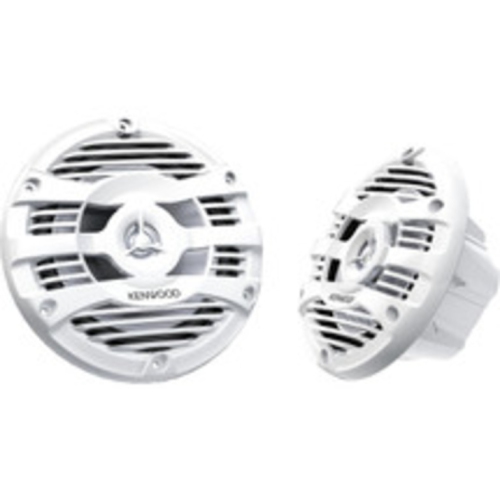 Your price for this item is $148
-
 Your price for this item is $88
-
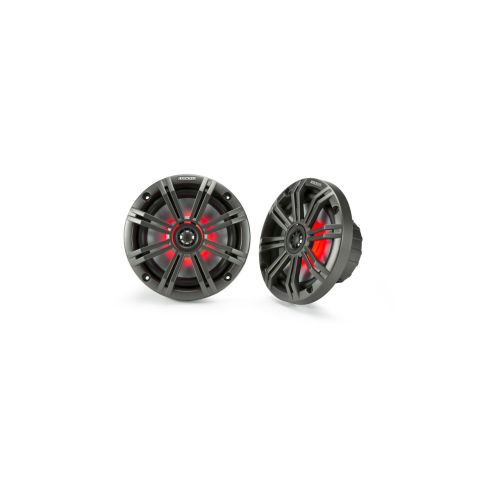 Your price for this item is $299.95
-
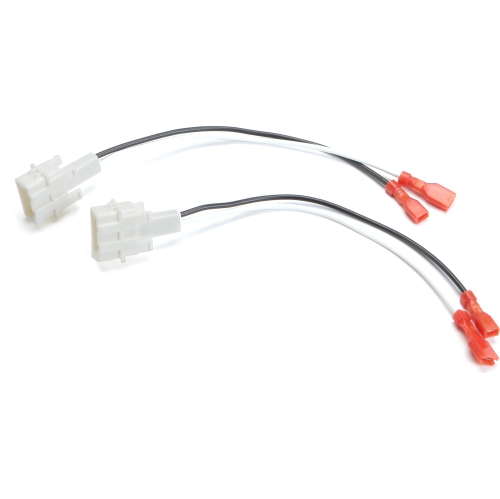 Your price for this item is $34.72
-
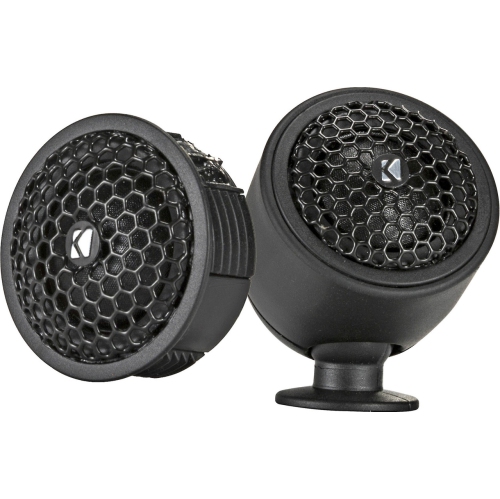 Your price for this item is $169.95
-
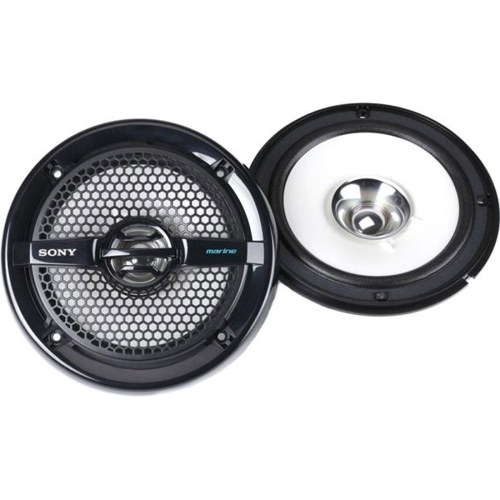 Your price for this item is $88
-
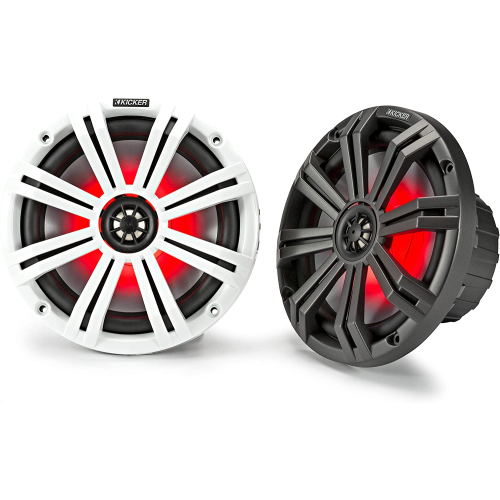 Your price for this item is $399.95
-
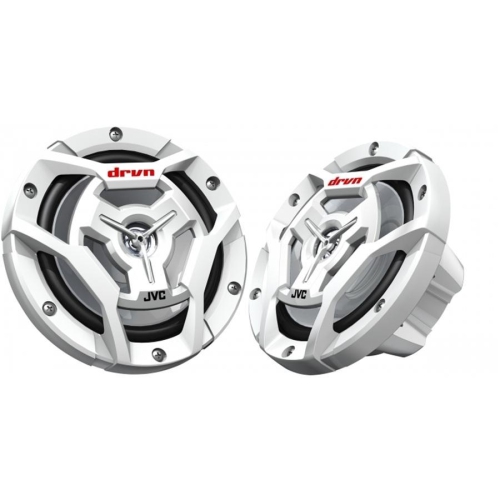 Your price for this item is $118
Discover more categories related to Motorcycle Audio Systems


Top Collections:
Pokemon Centers, Best Cameras for Sports Photography, Kindle Devices, Samsung Galaxy Phones, Canon G7X Cameras, Pokémon 30th Celebration Cards, Refurbished Apple Laptops, iPhone 15 Apple, Laptops for Students, Budget Smartphones
Some products may be subject to Environmental Handling Fees
(EHF) depending on your province.
Learn more about EHFs.