PL259 Connectors
Our selection of PL259 connectors is sure to meet your needs. These versatile connectors are a staple in the electronics industry, known for their reliable performance and easy installation. Whether you're a seasoned professional or a DIY enthusiast, these PL259 connectors are essential for ensuring seamless connections in your electronic setups. Browse through our range of options to find the perfect fit for your projects.
Sort
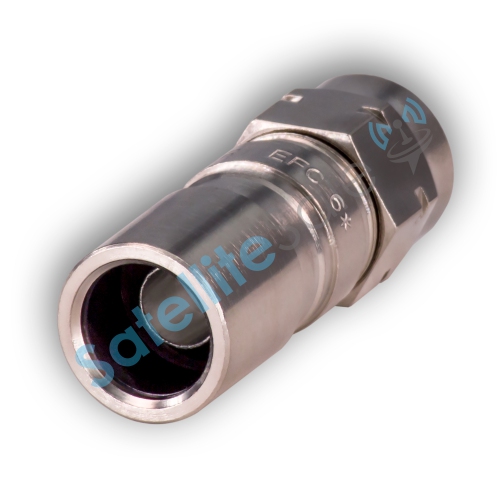
Why cable fit matters for dependable radio connections
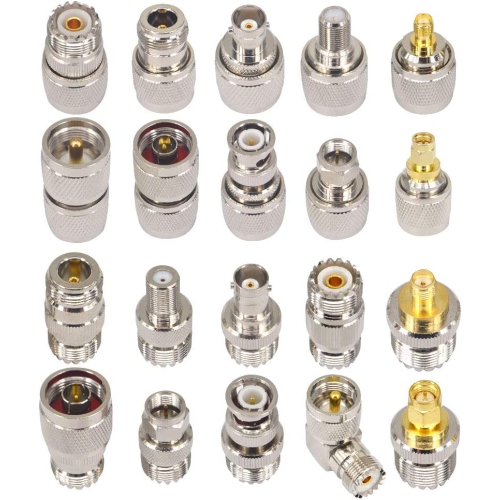
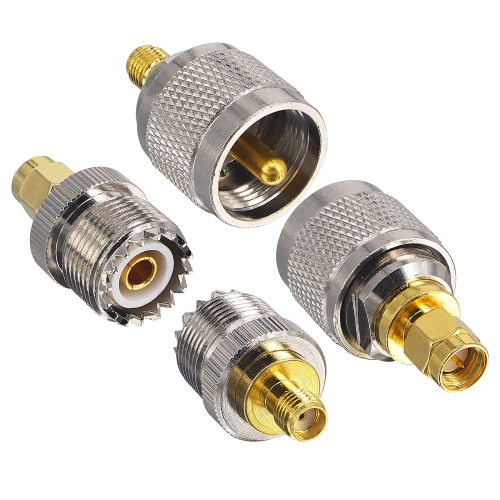
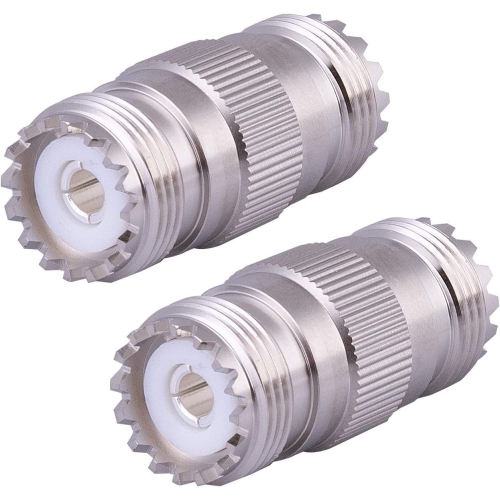
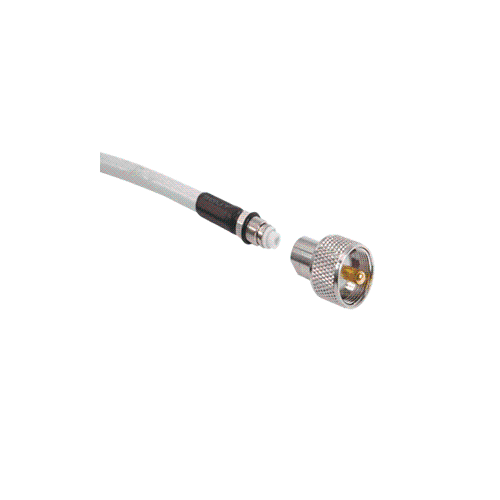
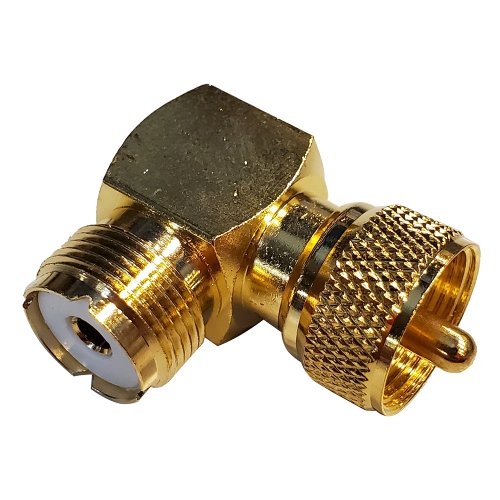
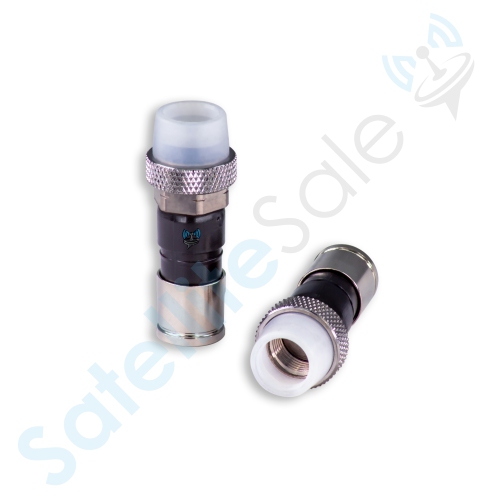
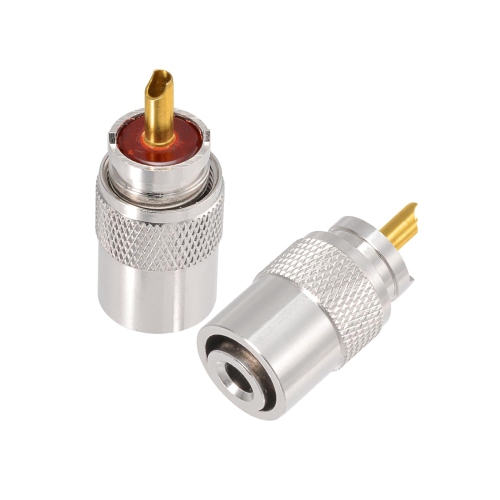
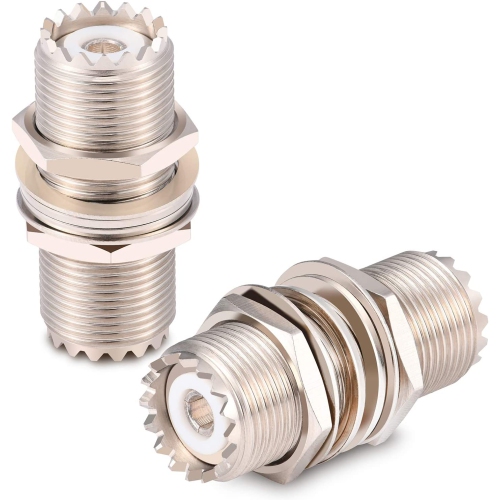
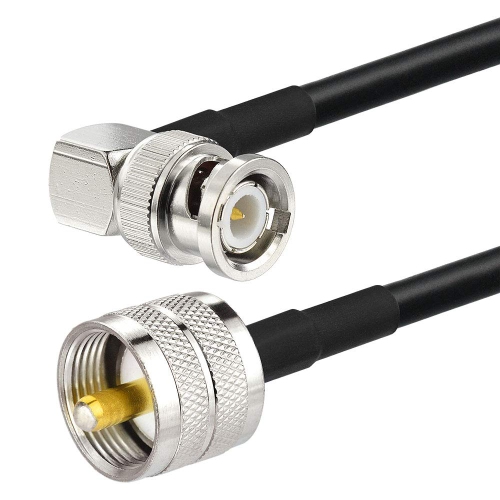
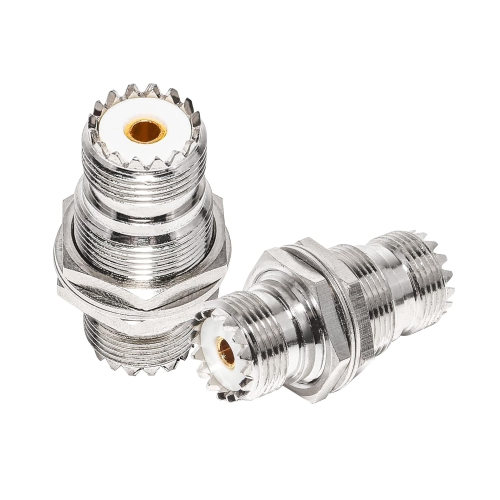
PL-259 connectors are male radio-frequency (RF) coaxial plugs used to connect antenna cables to compatible radios, antenna mounts, meters, and other communications equipment. Often written as PL259 connectors, these threaded plugs mate with SO-239 female sockets, forming a familiar connection in amateur radio and citizens band (CB) radio setups. They also appear on some marine radio equipment, where compatibility with the radio and protection from moisture both matter. The design combines a central signal pin, an insulating insert, a metal body that connects to the cable shield, and a rotating threaded coupling shell. That shell screws onto the mating socket to hold the connection in place, rather than relying on a push-fit attachment. Although PL-259 plugs belong to the connector family commonly called “UHF connectors,” that historical name does not mean they are the best choice for every modern ultra-high-frequency application. They are widely used at high frequencies (HF), including the amateur HF bands and the CB band, and can serve in some very-high-frequency (VHF) installations. Performance at higher frequencies depends on the connector’s construction, the quality of the termination, and the requirements of the full cable assembly. Because this design does not maintain a uniform characteristic impedance through the connection, electrical discontinuities become more important as frequency increases. For a desktop transceiver connected to an outdoor antenna, or a vehicle-mounted CB radio with an accessible antenna lead, the appeal is a substantial, familiar interface that can be disconnected when equipment needs to move or undergo maintenance. These connectors suit radio hobbyists, mobile communications users, and people maintaining compatible antenna systems. Their usefulness comes from matching an established socket and cable arrangement, not from being a universal plug for every radio. A connector that looks similar in size may still have a different mating interface, so the equipment’s connector specification is more useful than appearance alone.
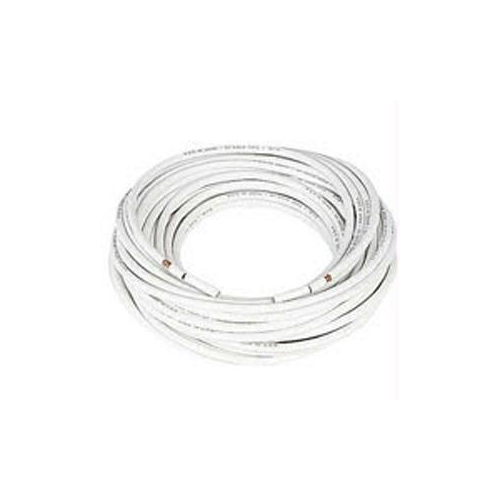
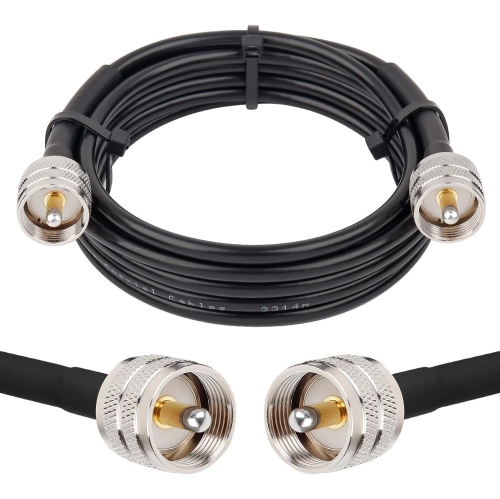
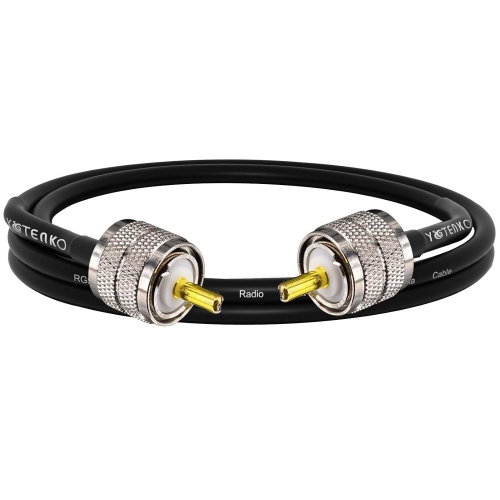
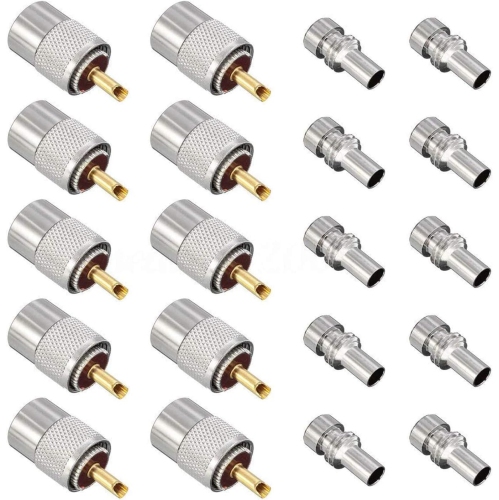
Cable fit is one of the main differences between PL-259 connector styles. Coaxial cable has several layers: a centre conductor, dielectric insulation, a conductive shield, and an outer jacket. A suitable connector must accommodate those layers while making dependable electrical contact with the centre conductor and shield. Larger cable types such as RG-8 may fit an appropriately sized connector body directly, while smaller cables such as RG-58 or RG-8X often require a matched reducer or a connector designed specifically for their dimensions. Those cable designations are useful starting points, but jacket diameter, centre-conductor size, and shield construction still need to agree with the connector’s specifications. A reducer is not simply a way to fill an empty space; the correct fit helps support the cable and position its shield properly within the termination. Solder-on and crimp-on designs address the same basic task with different assembly methods. Solder-style plugs require suitable heat control and a sound solder joint without damage to the surrounding insulation. Crimp-style versions require the correct ferrule and crimp die for the stated cable size. Some designs use a soldered centre pin with a crimped outer ferrule, so a broad label does not always describe every part of the attachment. For someone maintaining several antenna leads at a workbench, a consistent termination style can make cable preparation and inspection more straightforward. Materials also influence handling and service life. Bodies are commonly made from plated metal, often brass, with nickel, silver, or other finishes used on different surfaces. The plating can affect corrosion resistance and solderability, while the insulating insert separates the centre contact from the surrounding body. Some connectors use PTFE insulation, valued for its heat resistance during assembly and its electrical properties. Material names alone, however, do not establish overall quality. Clean threads, secure contact parts, appropriate dimensions, and clear cable compatibility all contribute to a connector that fits properly and remains dependable through repeated use.
Durability depends as much on the completed installation as on the plug itself. A threaded coupling helps retain the connection, but it does not make an ordinary PL-259 connector waterproof. On an outdoor antenna feed, a boat, or a vehicle exposed to rain and road spray, the connection needs weather protection suited to the application. Moisture entering the plug or travelling into the cable braid can cause corrosion and impair performance, sometimes long before damage becomes obvious from the outside. Proper strain relief is equally important: the cable should not hang with its full weight pulling on the plug, and a sharp bend immediately behind the connector can stress both the jacket and the internal termination. Behind a radio mounted beneath a dashboard, clearance for the connector body and the cable’s bend radius can matter just as much as the socket type. At a home radio desk, leaving enough space behind the equipment makes it easier to reach the coupling shell without twisting the entire cable. Care generally centres on keeping mating surfaces clean and dry, inspecting for damaged threads or loose parts, and following the equipment maker’s tightening guidance rather than applying excessive force. With transmitting equipment switched off, periodic checks can help reveal a loosening connection or a cable that has begun to pull away from its termination. Electrical checks of a completed assembly can confirm continuity and detect an unintended short between the centre conductor and shield; antenna-system measurements provide further information about performance under actual operating conditions. Adapters can bridge different connector interfaces, but each added junction introduces another contact point and can add bulk or mechanical stress. Equipment using a smaller threaded antenna interface may instead call for SMA Male Connectors, which are not directly interchangeable with PL-259 plugs. For a hobbyist assembling a portable station or refreshing an older antenna lead, the most useful connector is the one that matches the cable, mates correctly with the equipment, and suits the conditions in which it will be used. That combination supports a tidy, serviceable connection whether the radio sits on a sheltered workbench or travels in a vehicle through the cooler months.
Cable fit is one of the main differences between PL-259 connector styles. Coaxial cable has several layers: a centre conductor, dielectric insulation, a conductive shield, and an outer jacket. A suitable connector must accommodate those layers while making dependable electrical contact with the centre conductor and shield. Larger cable types such as RG-8 may fit an appropriately sized connector body directly, while smaller cables such as RG-58 or RG-8X often require a matched reducer or a connector designed specifically for their dimensions. Those cable designations are useful starting points, but jacket diameter, centre-conductor size, and shield construction still need to agree with the connector’s specifications. A reducer is not simply a way to fill an empty space; the correct fit helps support the cable and position its shield properly within the termination. Solder-on and crimp-on designs address the same basic task with different assembly methods. Solder-style plugs require suitable heat control and a sound solder joint without damage to the surrounding insulation. Crimp-style versions require the correct ferrule and crimp die for the stated cable size. Some designs use a soldered centre pin with a crimped outer ferrule, so a broad label does not always describe every part of the attachment. For someone maintaining several antenna leads at a workbench, a consistent termination style can make cable preparation and inspection more straightforward. Materials also influence handling and service life. Bodies are commonly made from plated metal, often brass, with nickel, silver, or other finishes used on different surfaces. The plating can affect corrosion resistance and solderability, while the insulating insert separates the centre contact from the surrounding body. Some connectors use PTFE insulation, valued for its heat resistance during assembly and its electrical properties. Material names alone, however, do not establish overall quality. Clean threads, secure contact parts, appropriate dimensions, and clear cable compatibility all contribute to a connector that fits properly and remains dependable through repeated use.
Durability depends as much on the completed installation as on the plug itself. A threaded coupling helps retain the connection, but it does not make an ordinary PL-259 connector waterproof. On an outdoor antenna feed, a boat, or a vehicle exposed to rain and road spray, the connection needs weather protection suited to the application. Moisture entering the plug or travelling into the cable braid can cause corrosion and impair performance, sometimes long before damage becomes obvious from the outside. Proper strain relief is equally important: the cable should not hang with its full weight pulling on the plug, and a sharp bend immediately behind the connector can stress both the jacket and the internal termination. Behind a radio mounted beneath a dashboard, clearance for the connector body and the cable’s bend radius can matter just as much as the socket type. At a home radio desk, leaving enough space behind the equipment makes it easier to reach the coupling shell without twisting the entire cable. Care generally centres on keeping mating surfaces clean and dry, inspecting for damaged threads or loose parts, and following the equipment maker’s tightening guidance rather than applying excessive force. With transmitting equipment switched off, periodic checks can help reveal a loosening connection or a cable that has begun to pull away from its termination. Electrical checks of a completed assembly can confirm continuity and detect an unintended short between the centre conductor and shield; antenna-system measurements provide further information about performance under actual operating conditions. Adapters can bridge different connector interfaces, but each added junction introduces another contact point and can add bulk or mechanical stress. Equipment using a smaller threaded antenna interface may instead call for SMA Male Connectors, which are not directly interchangeable with PL-259 plugs. For a hobbyist assembling a portable station or refreshing an older antenna lead, the most useful connector is the one that matches the cable, mates correctly with the equipment, and suits the conditions in which it will be used. That combination supports a tidy, serviceable connection whether the radio sits on a sheltered workbench or travels in a vehicle through the cooler months.
Top selling and popular products
-
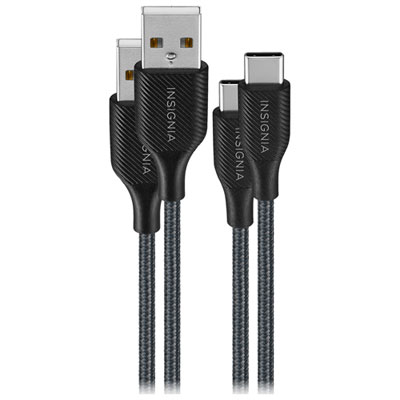 Your price for this item is $19.99
 -
 Your price for this item is $52.75
 -
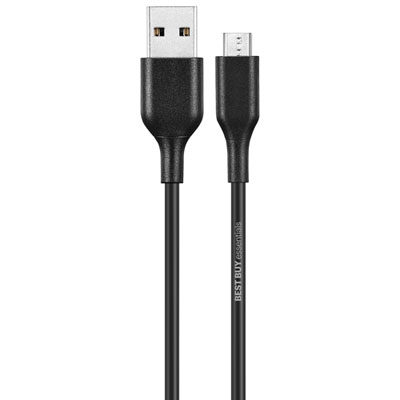 Your price for this item is $7.99
 -
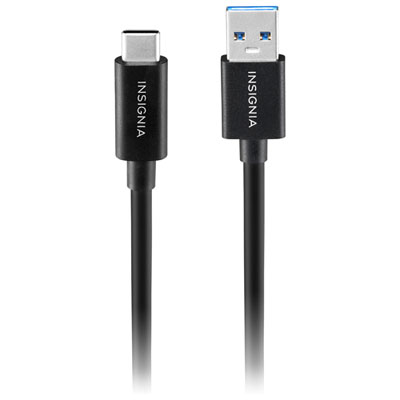 Your price for this item is $19.99
 -
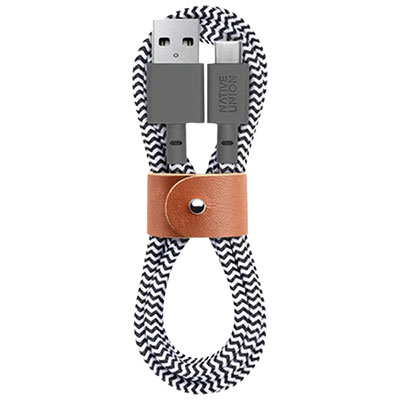 Your price for this item is $29.99
 -
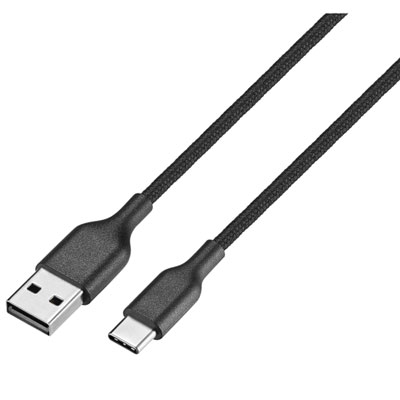 Your price for this item is $9.99
 -
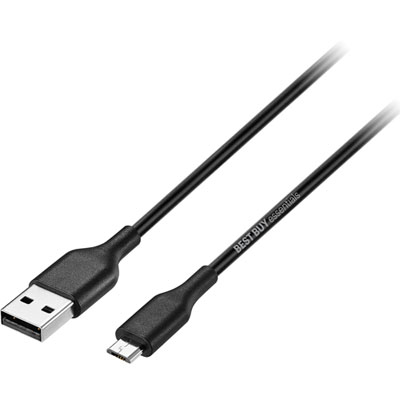 Your price for this item is $9.99
 -
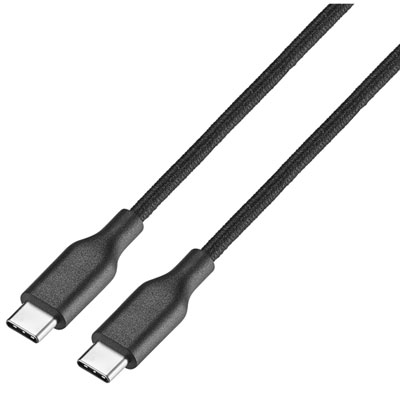 Your price for this item is $14.99
Discover more categories related to PL259 Connectors
Top Collections:
Pokemon Centers, Kindle Devices, Best Budget Office Chairs, Apple iPhones 16, Canon G7X Cameras, iPhone 15 Apple, Alarm Clock, Refurbished Apple Laptops, Flip Phones, Best Laptops for Writers
Some products may be subject to Environmental Handling Fees
(EHF) depending on your province.
Learn more about EHFs.