Coaxial Cable Connectors
Looking to enhance your home theater setup or improve your cable modem? Look no further than our wide selection of coaxial cable connectors. These essential components are designed to ensure a seamless and reliable connection between your coaxial cables and devices. Whether you're connecting your TV, modem, or satellite receiver, our range of coaxial cable connectors offers the perfect solution for your needs. With their durable construction and easy installation, you can trust that these connectors will provide optimal performance and help you enjoy a crystal-clear signal every time. Explore our collection today and take your audiovisual experience to the next level.
Sort

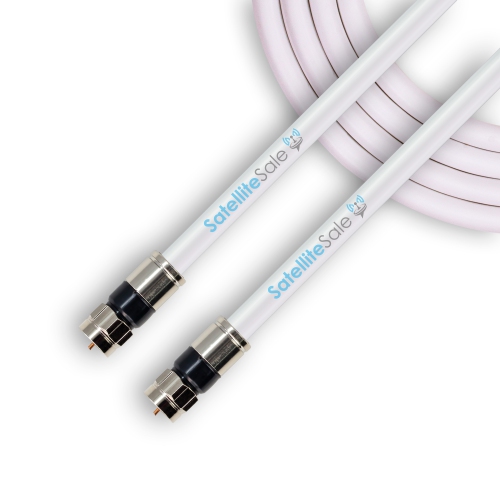
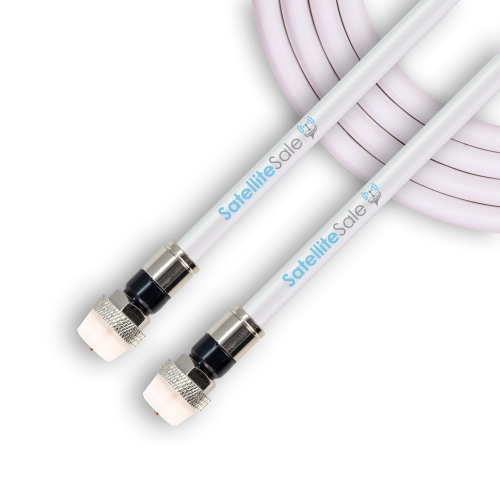
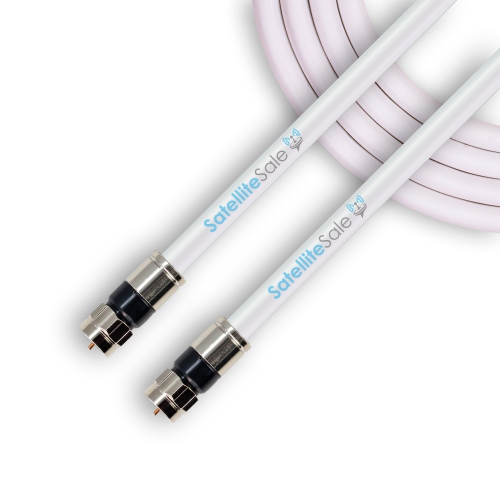
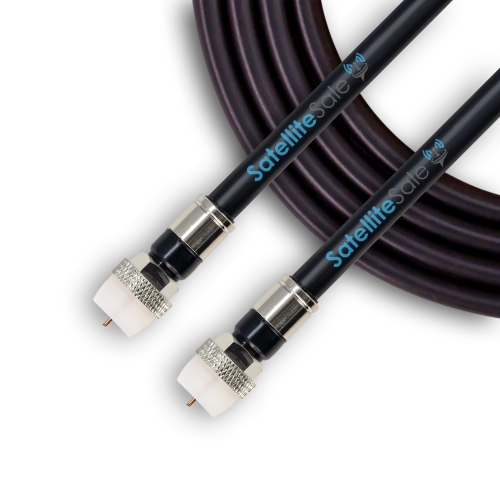



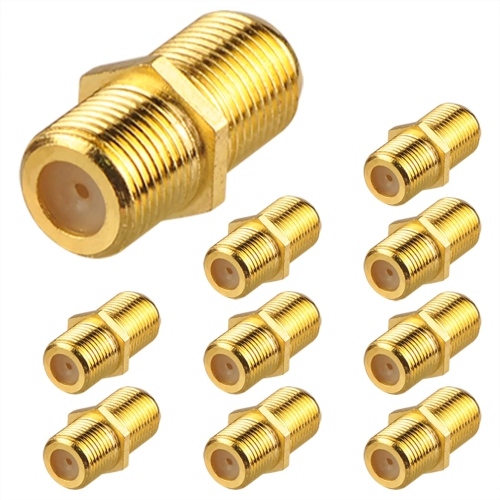
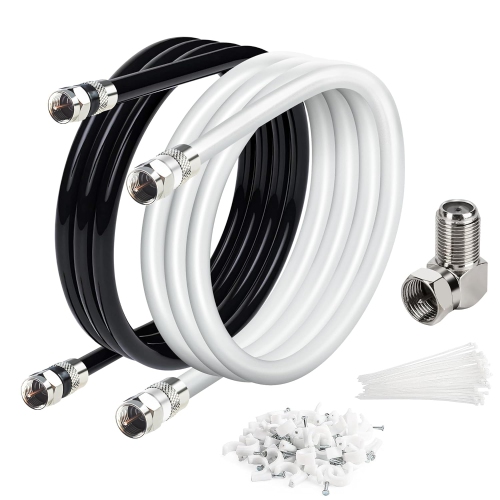
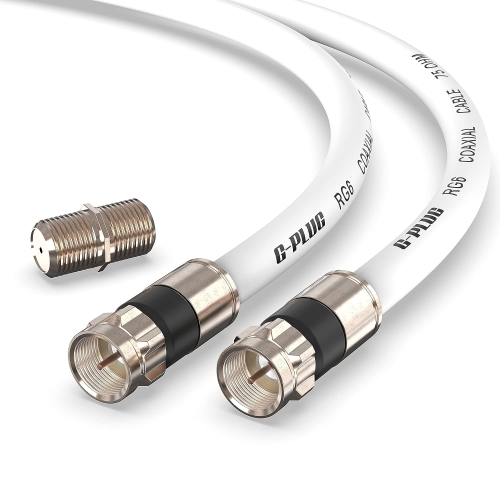
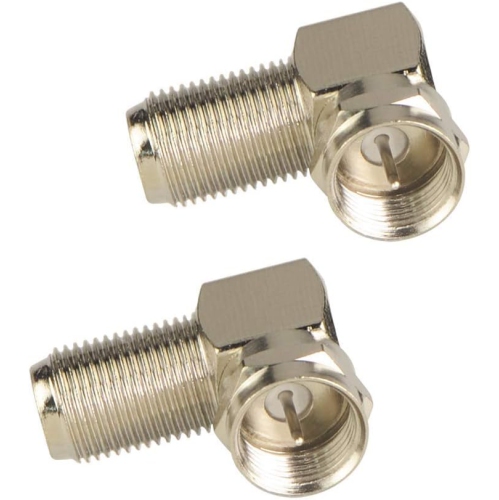

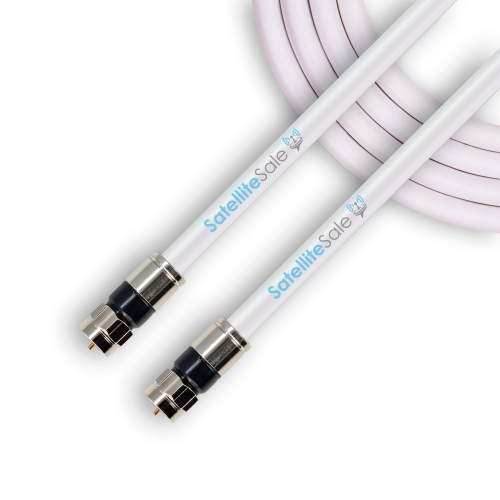
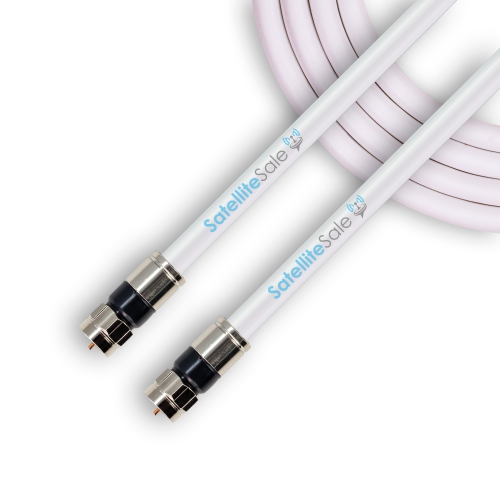
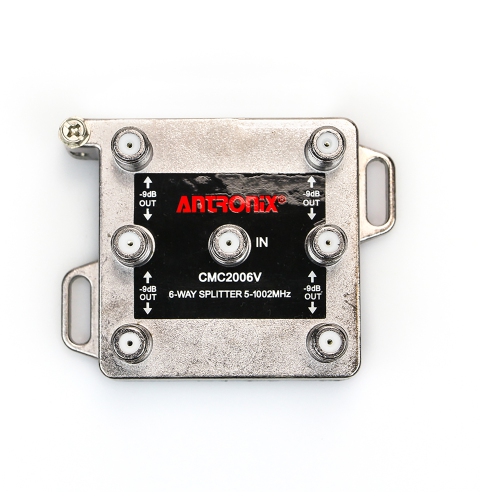
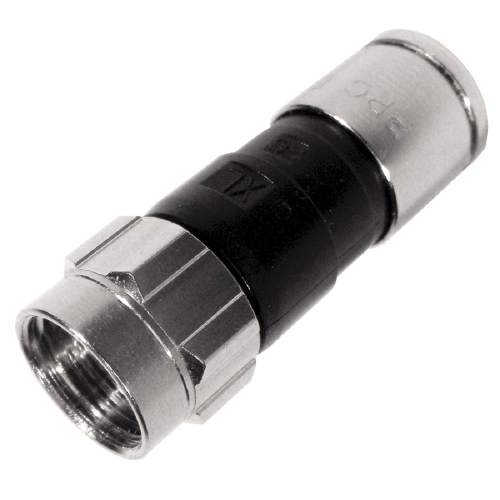
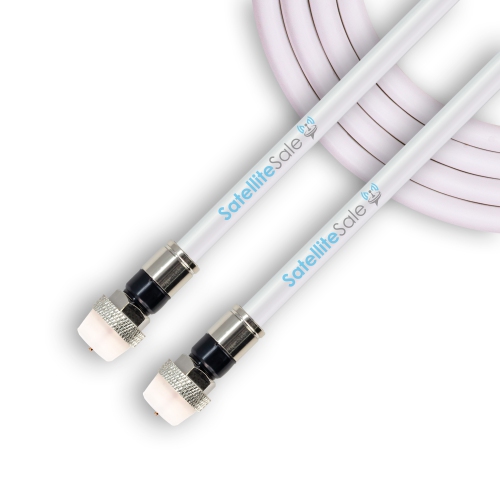
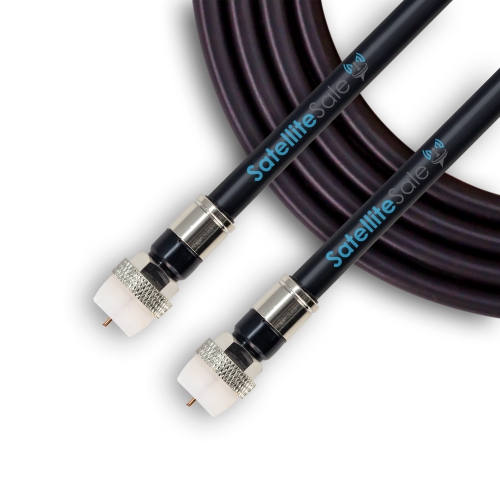
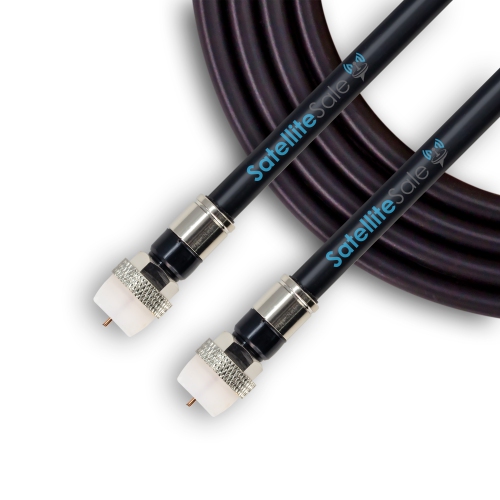
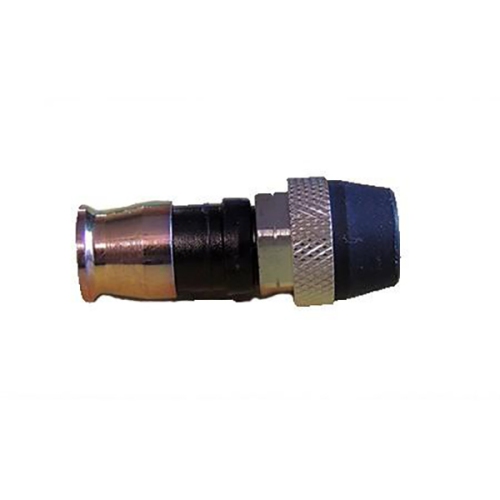
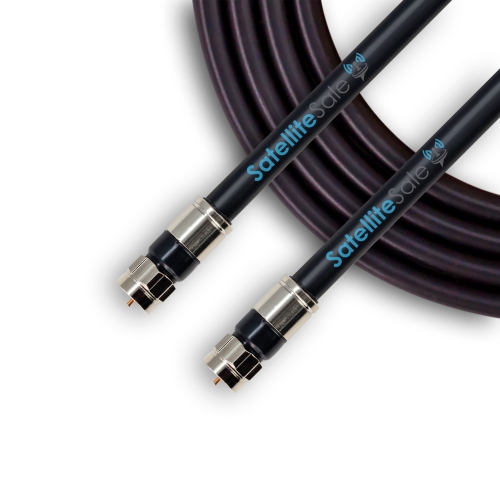
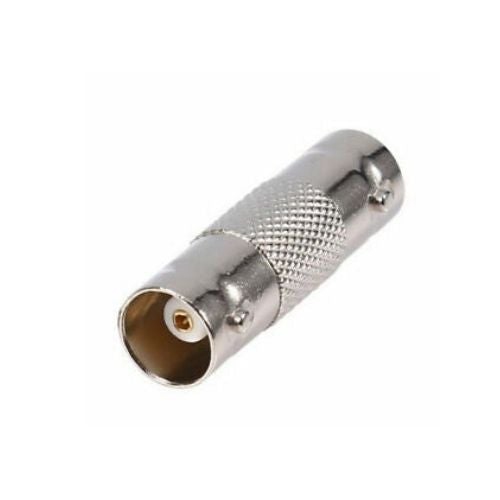
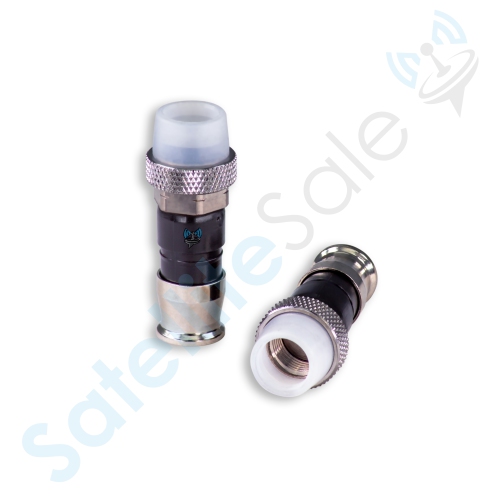
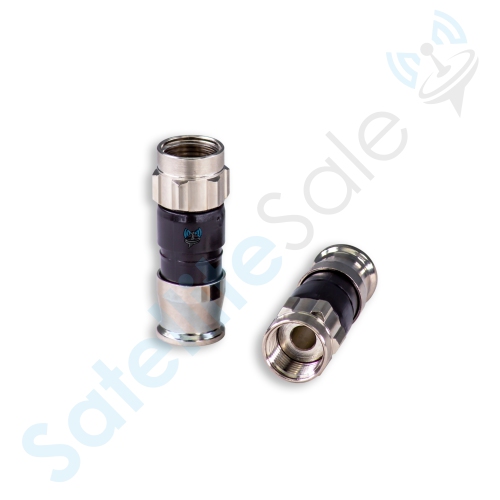
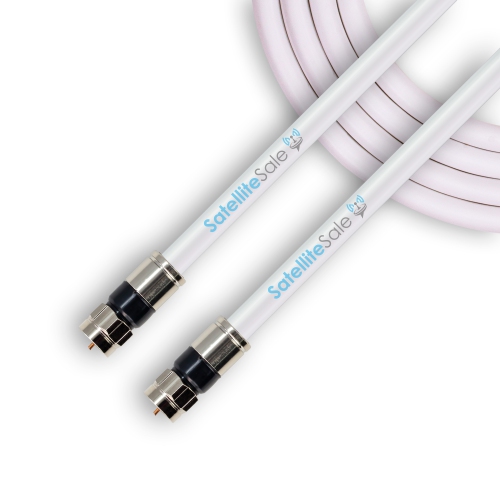
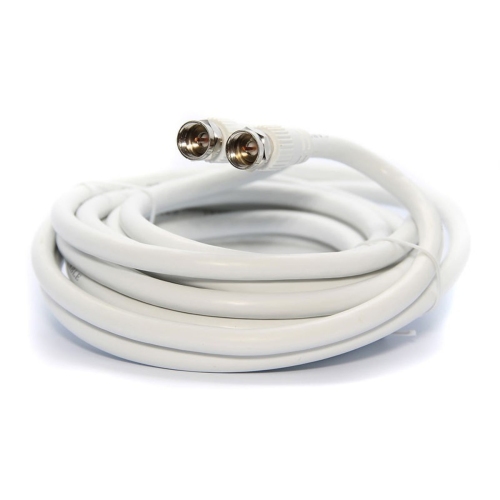
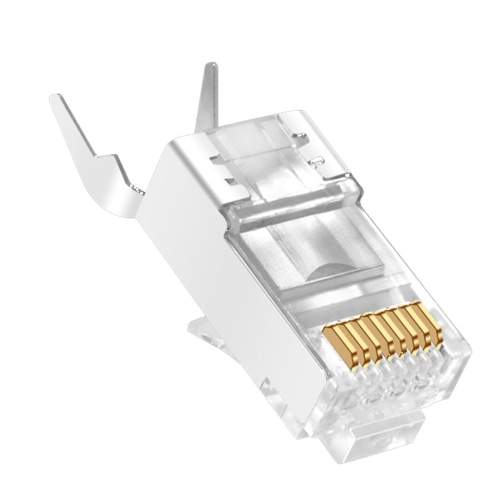
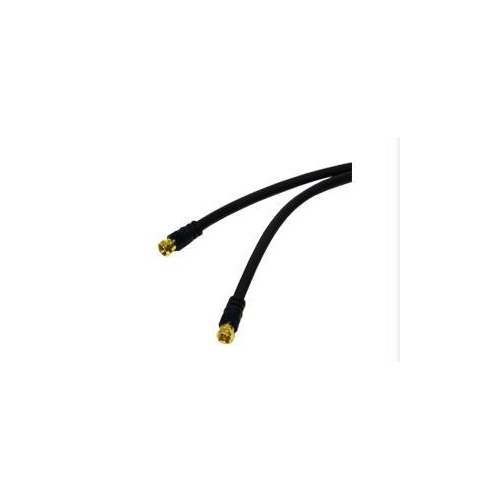
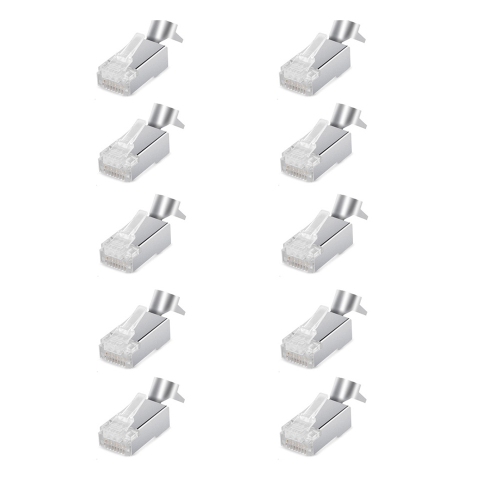
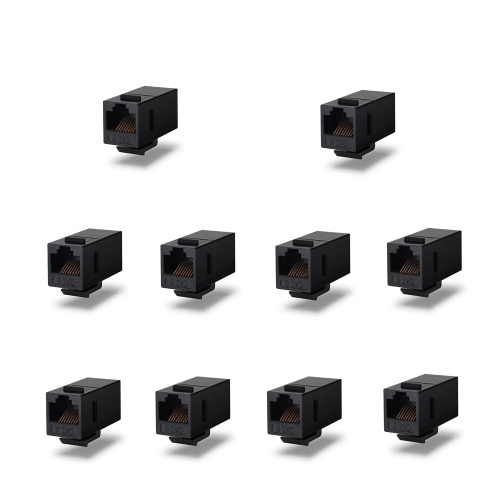
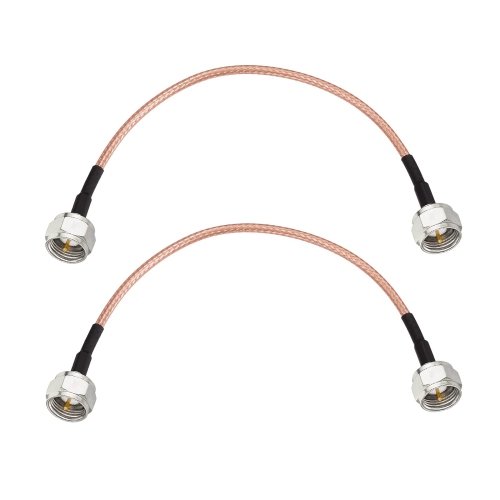
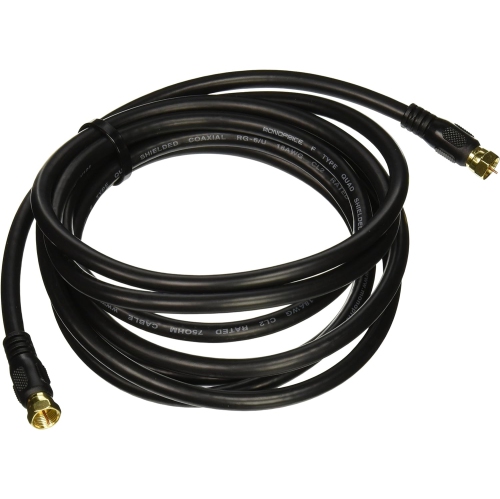
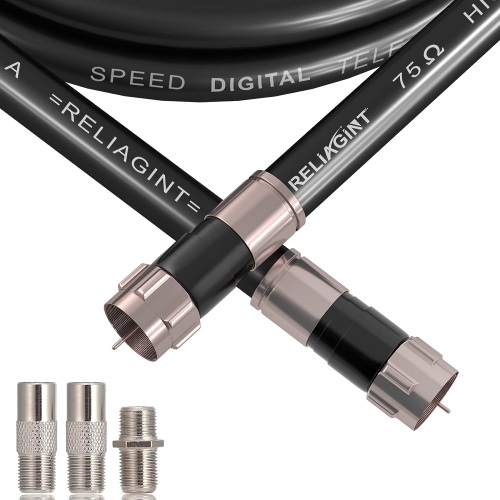
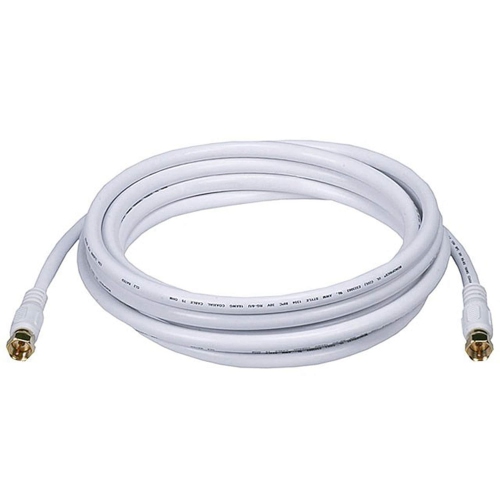
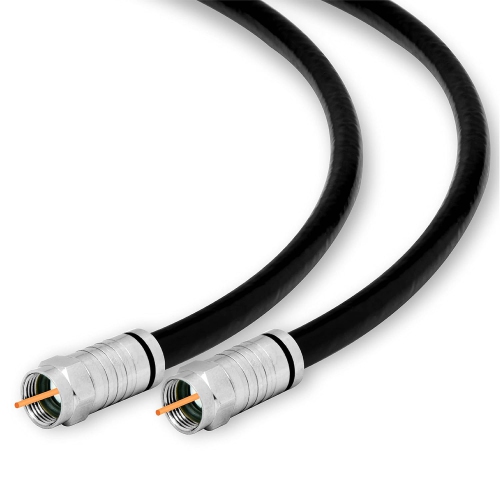
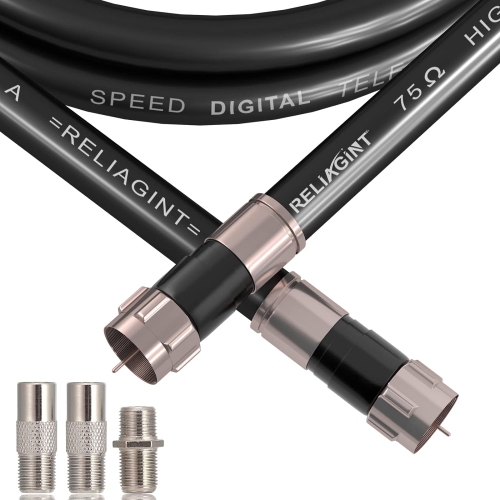
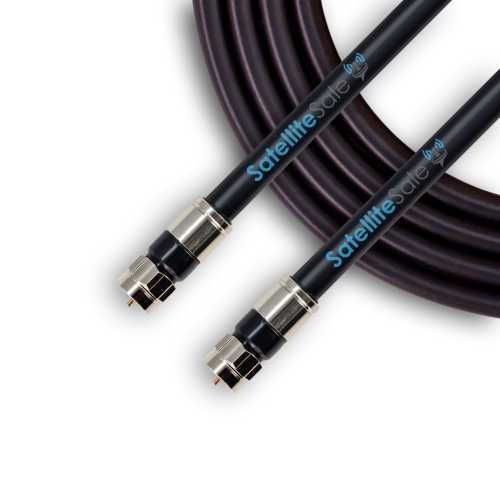
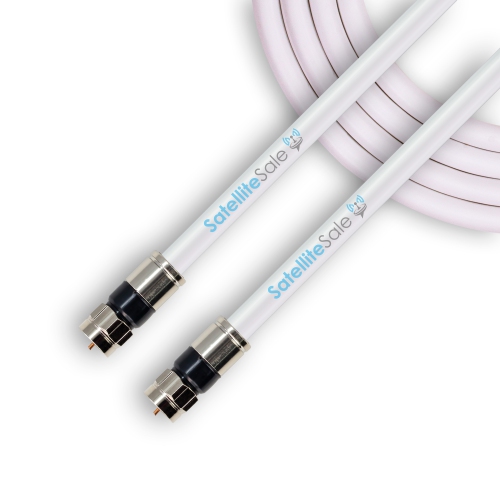
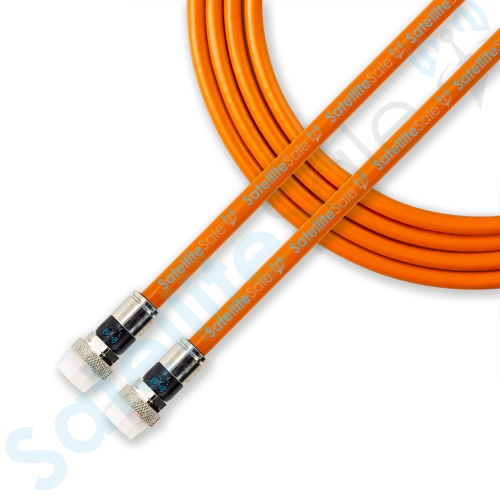
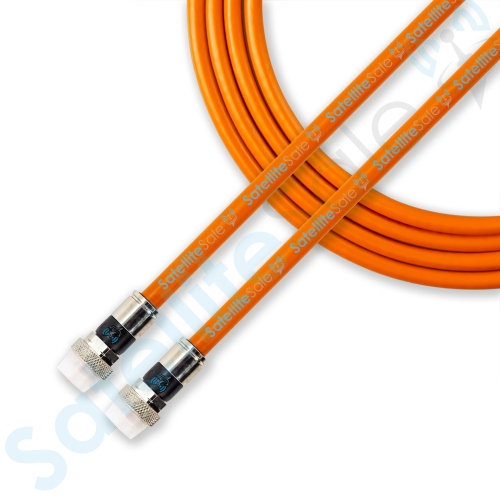
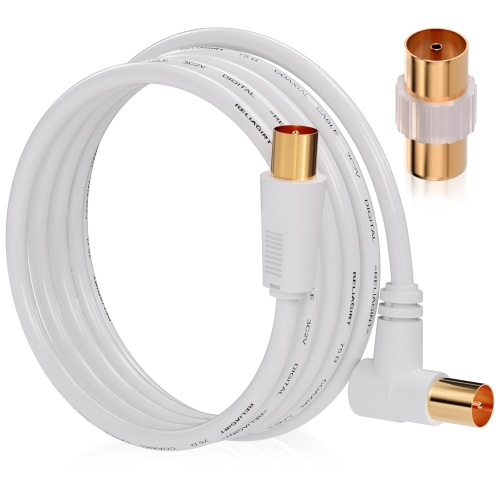
The right fit supports cleaner, more stable connections
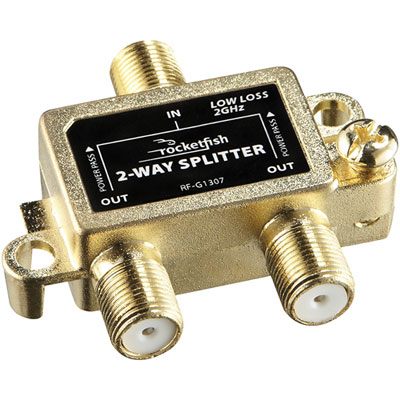
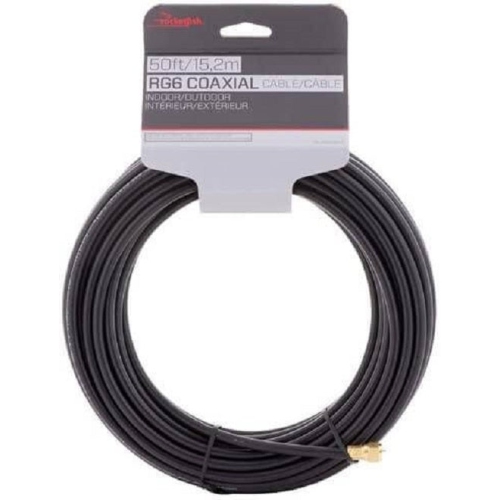
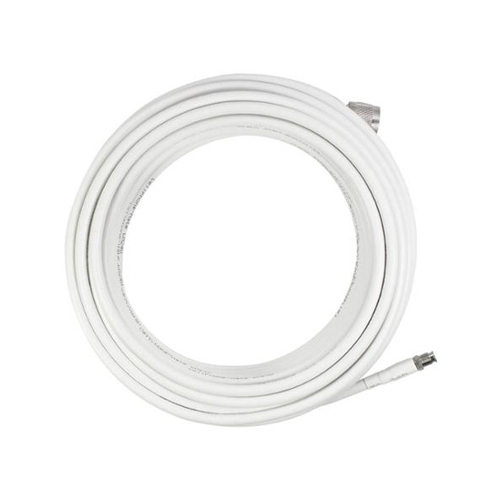
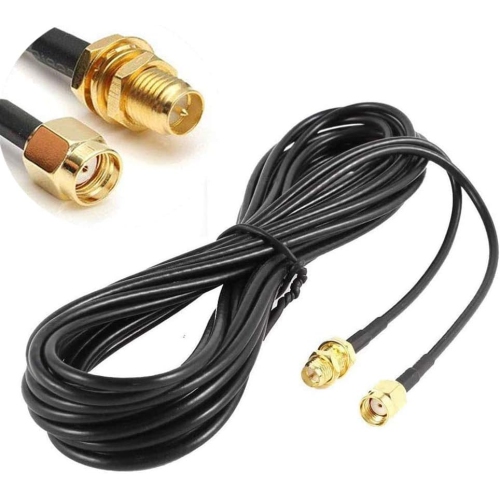
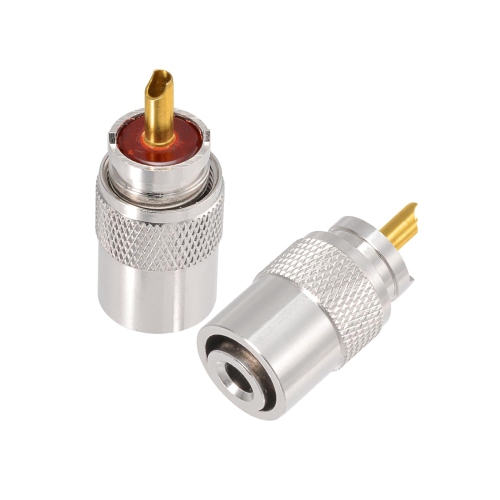
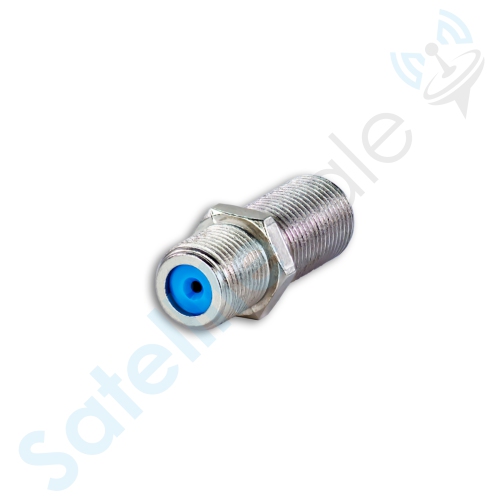
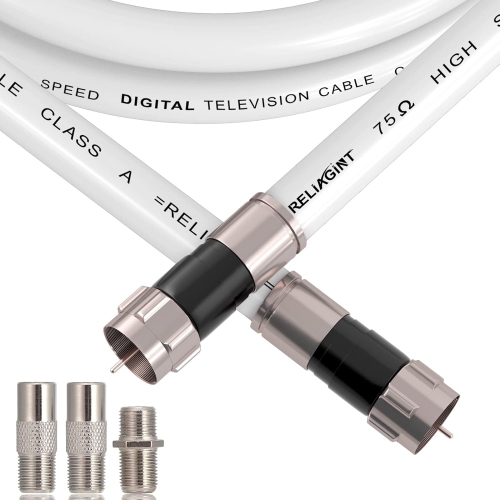
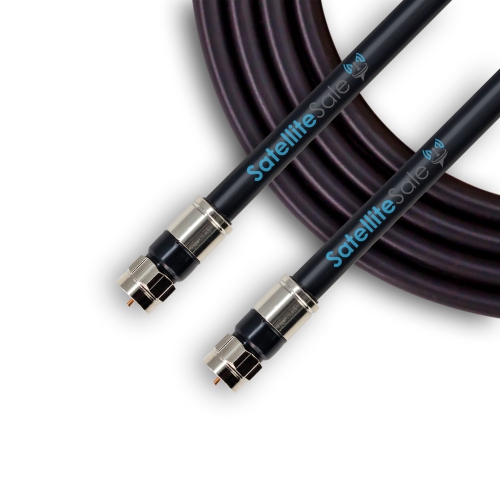
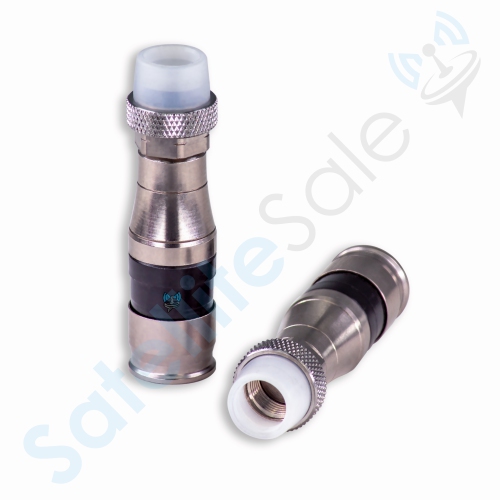
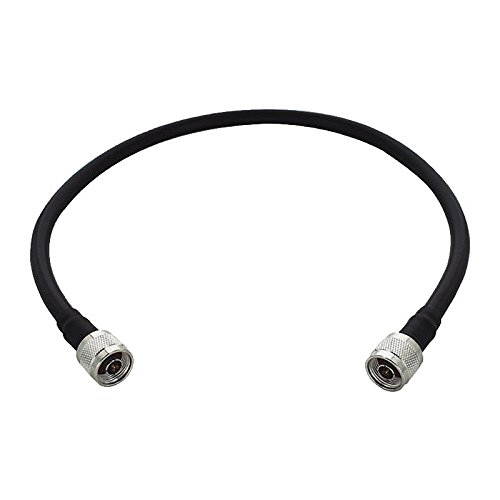
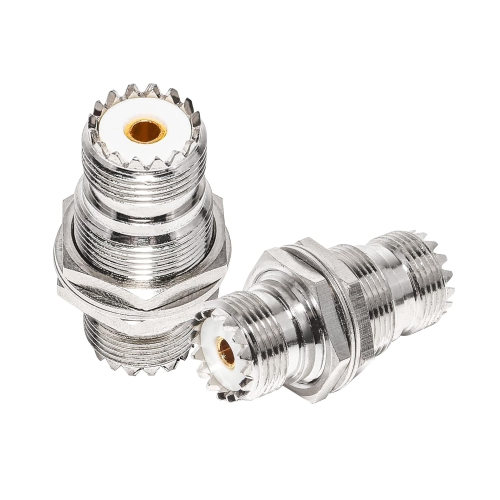
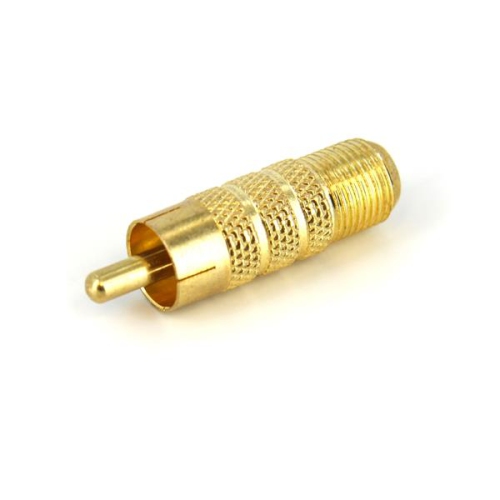
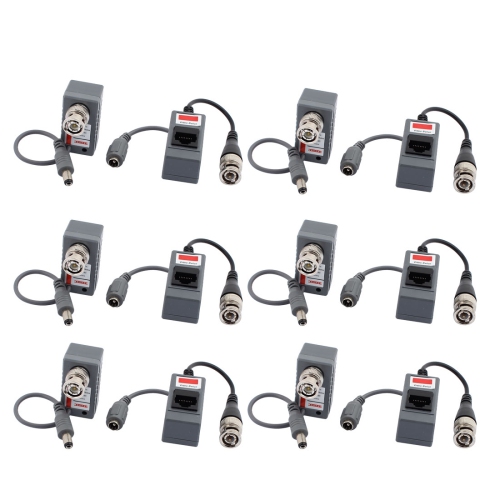
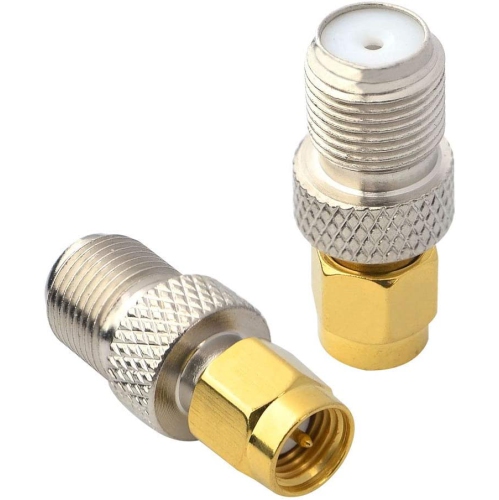
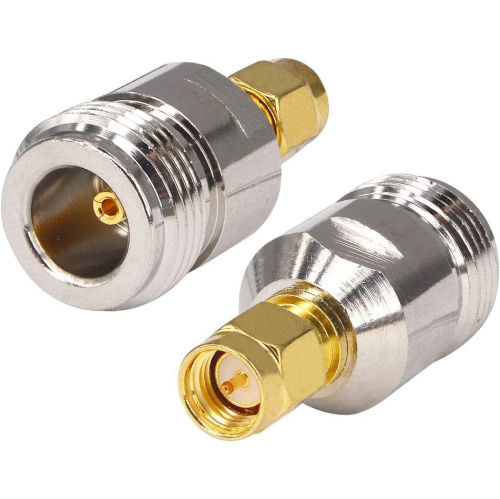
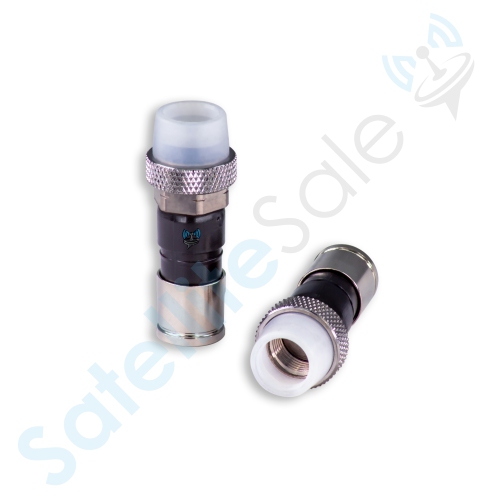
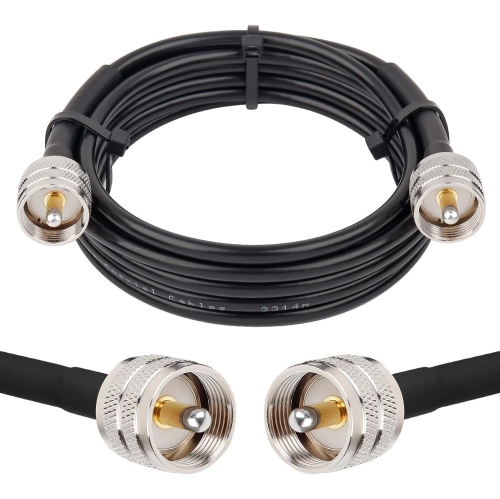
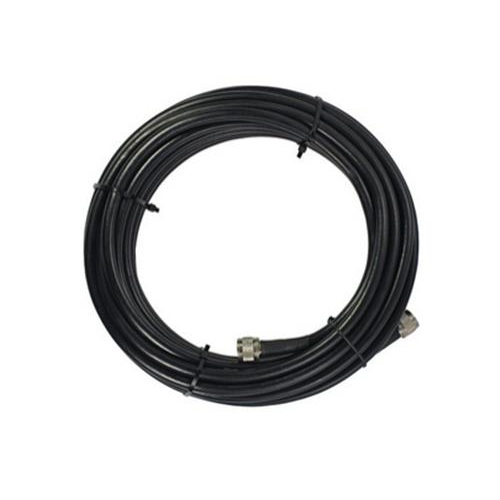
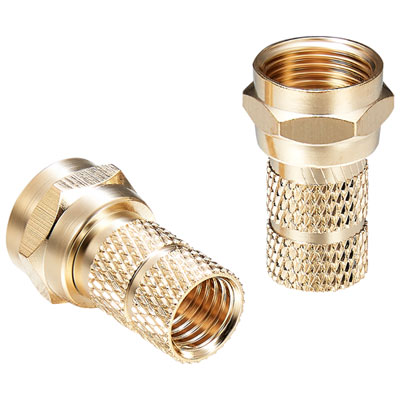
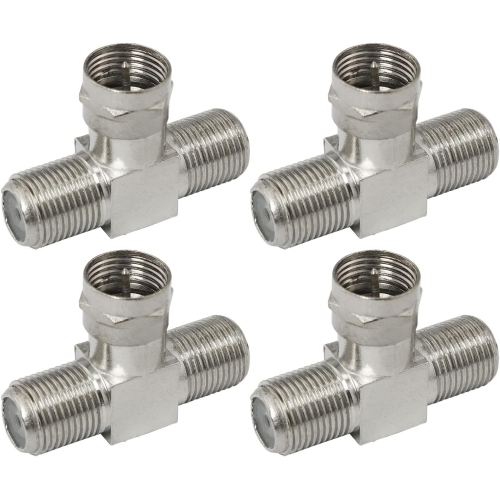
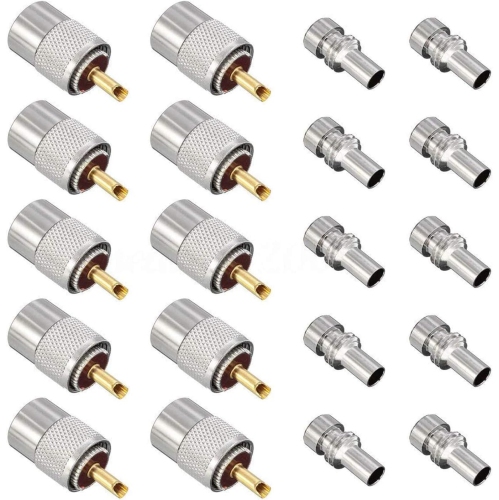
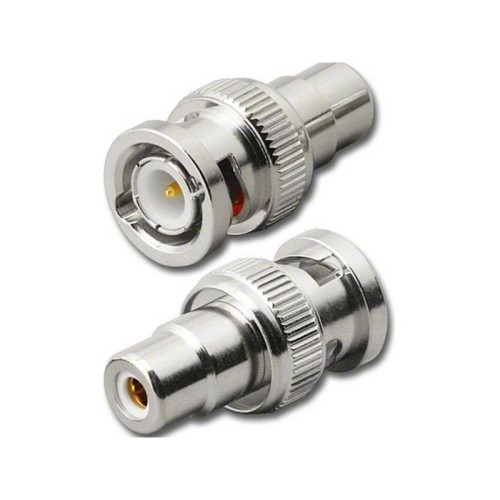
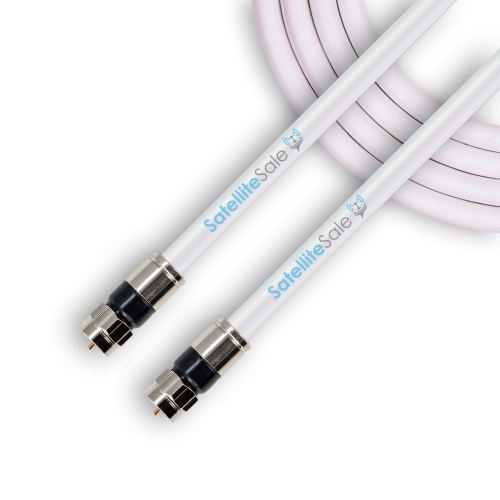
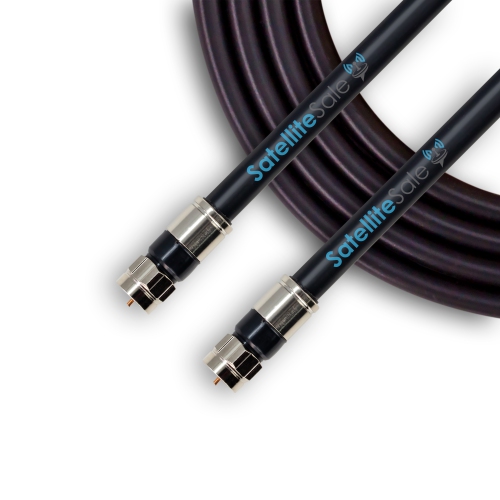
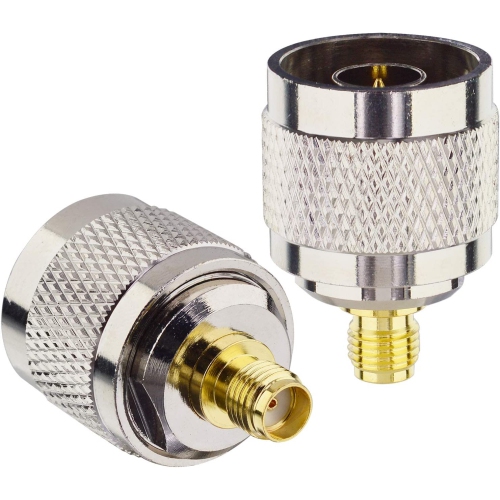
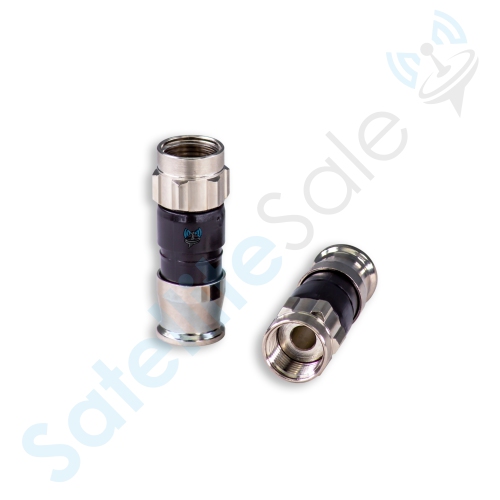
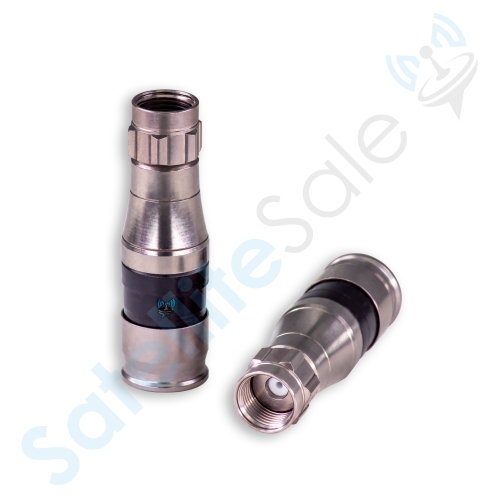
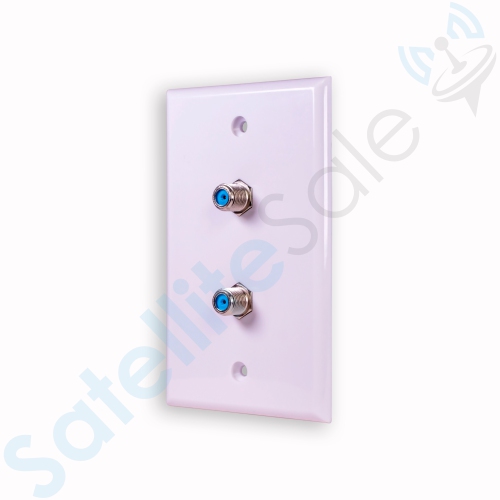
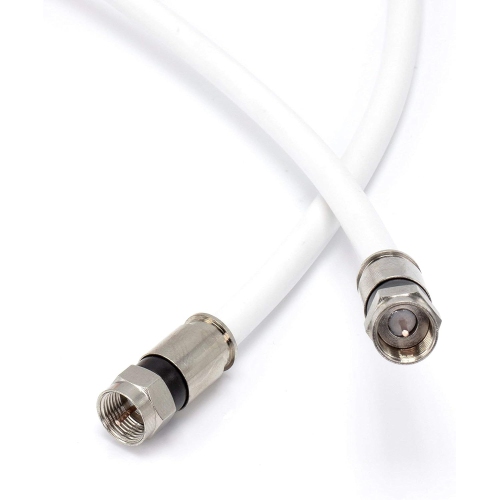
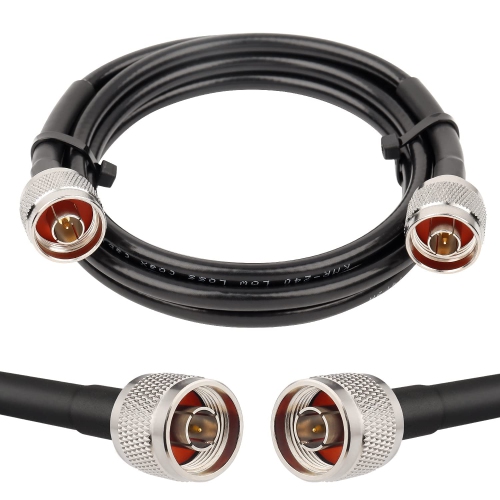
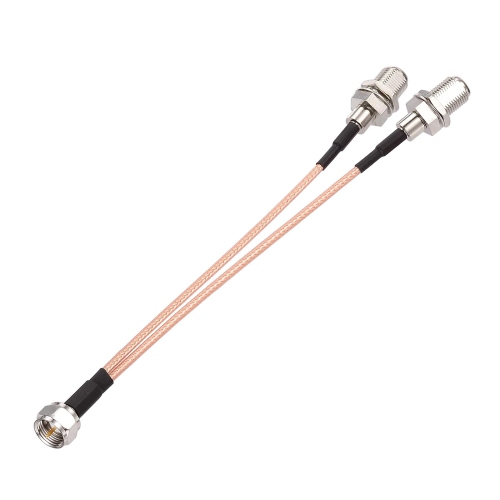
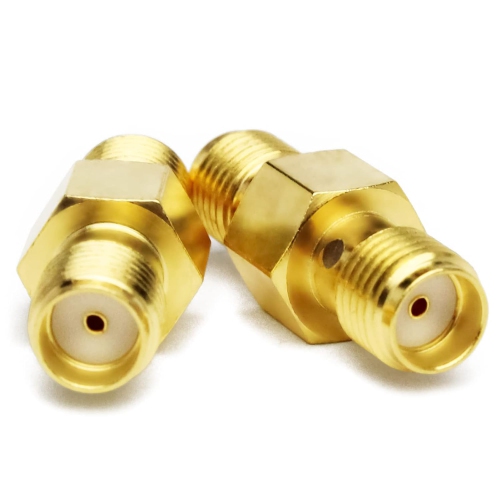
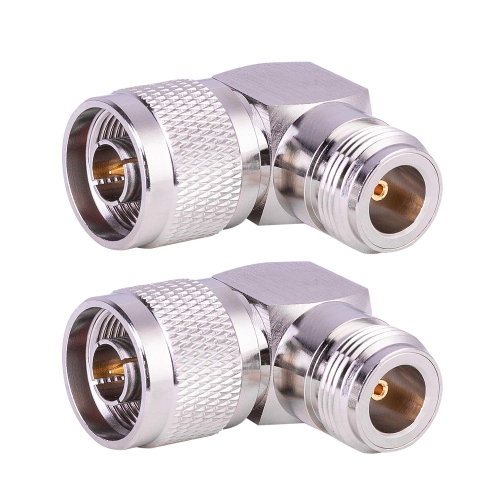
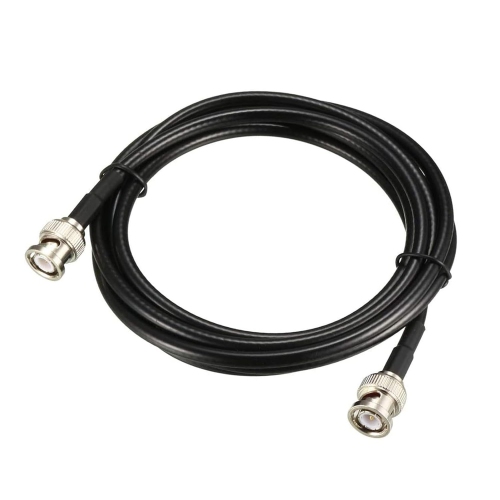
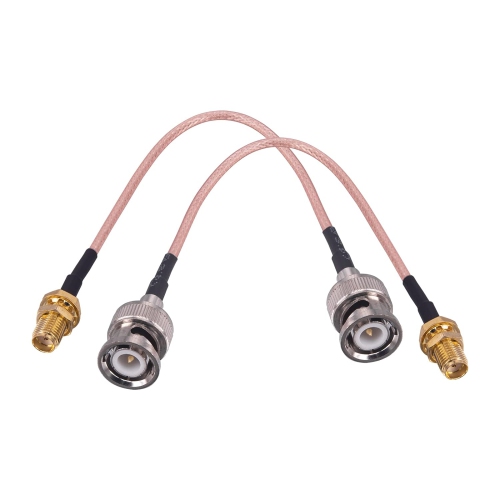
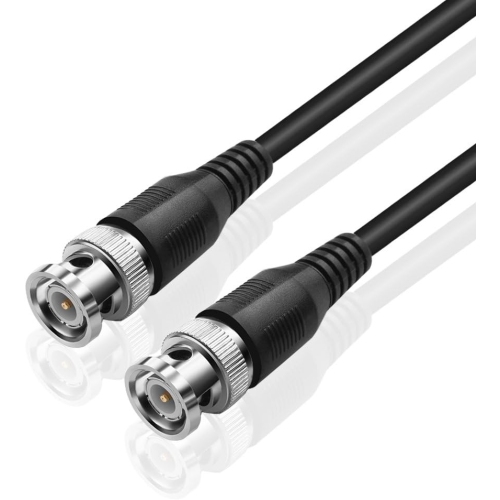
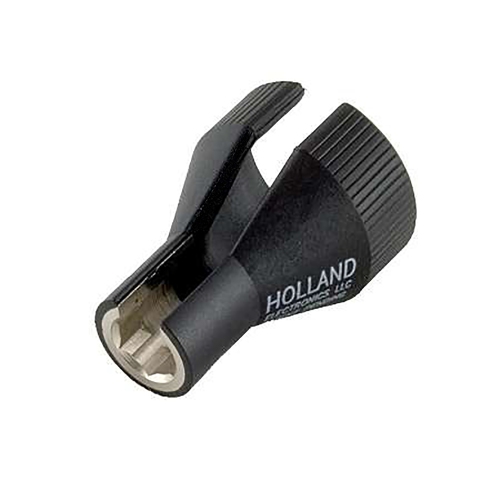
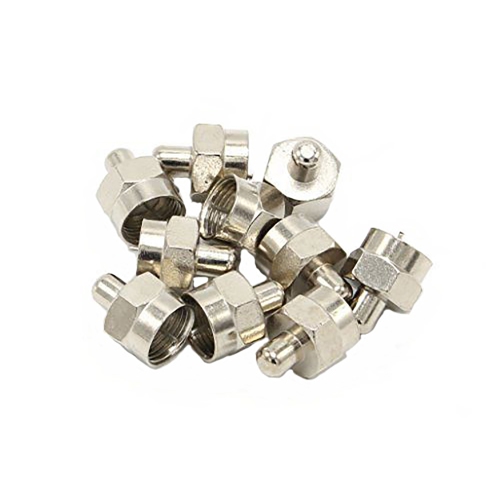
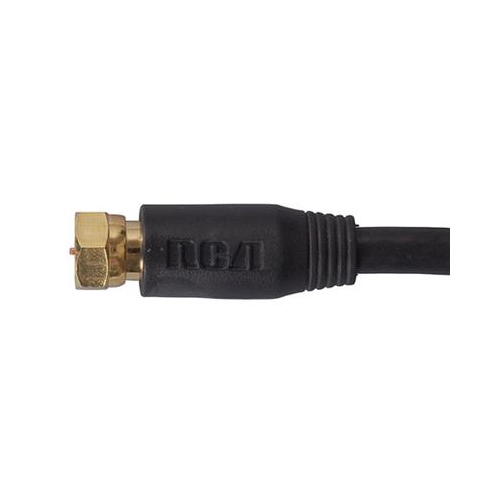
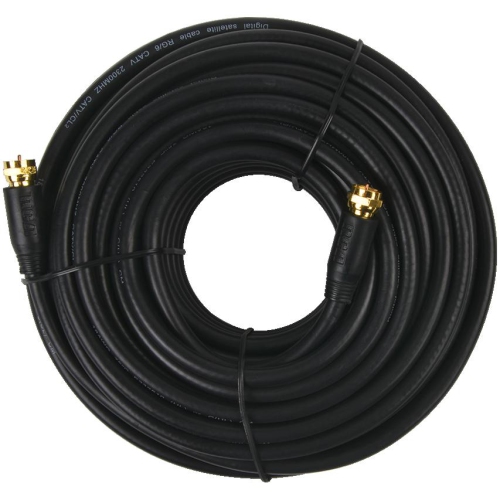
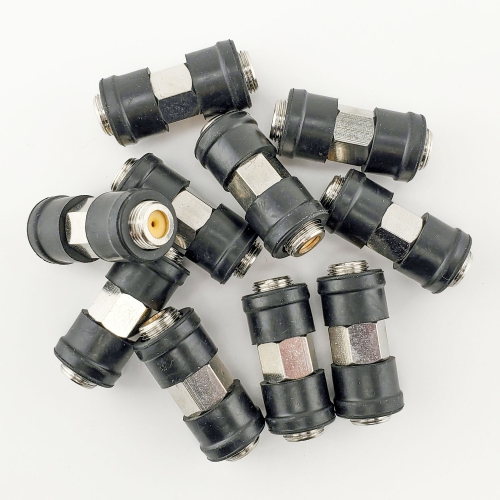
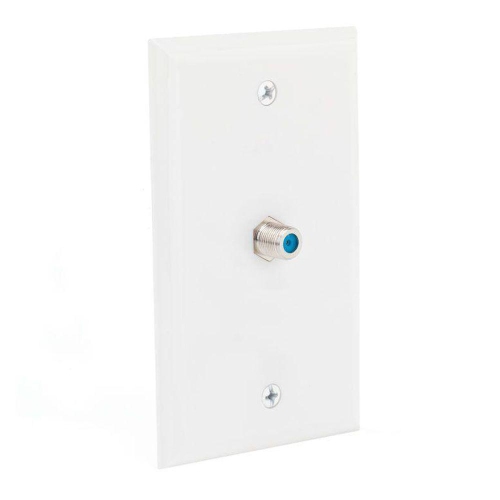
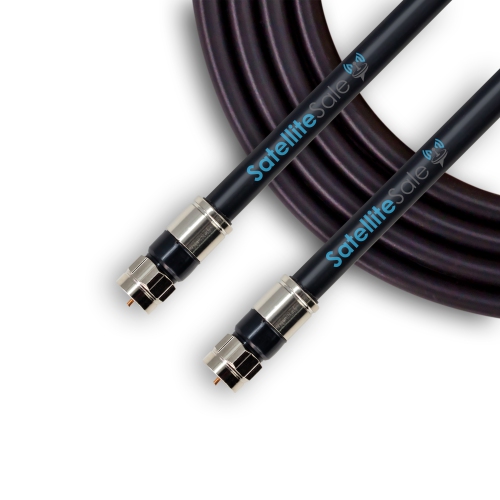
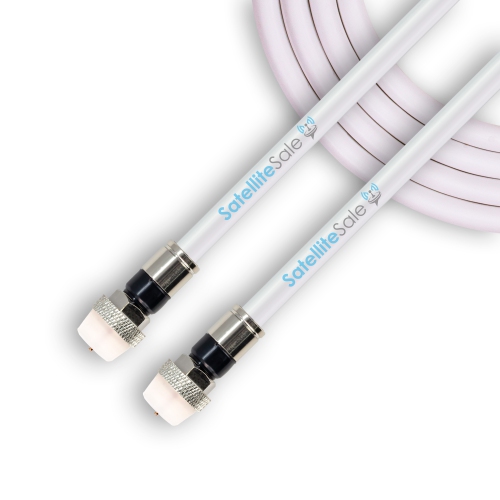
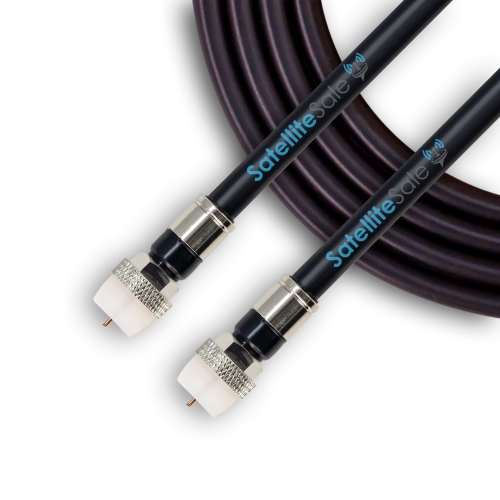
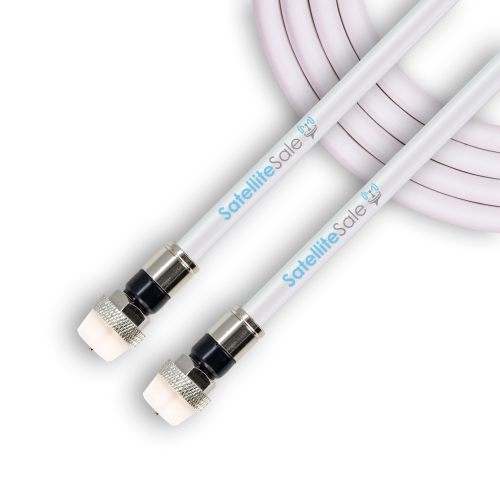
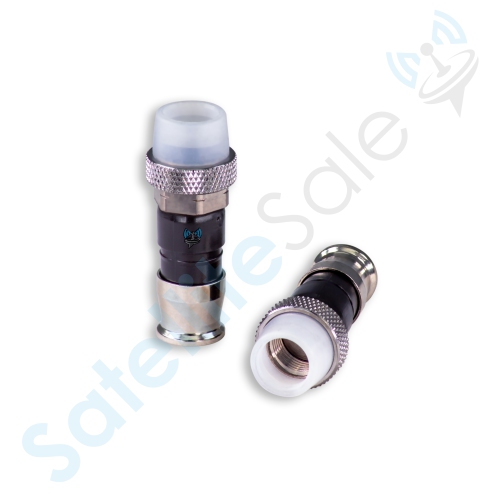
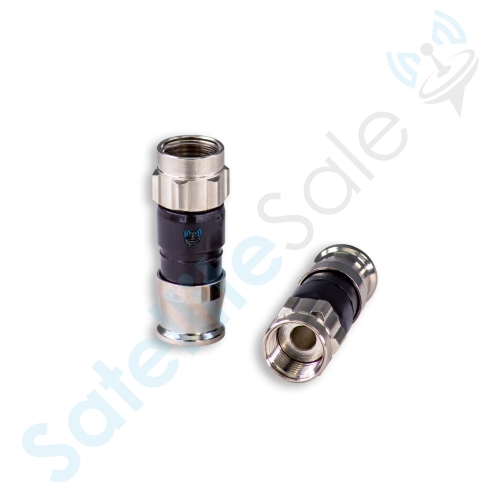
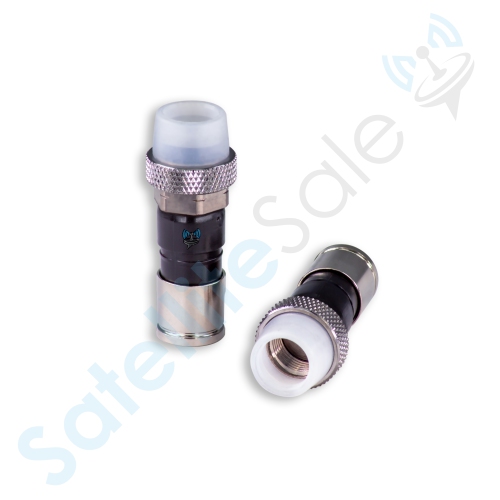
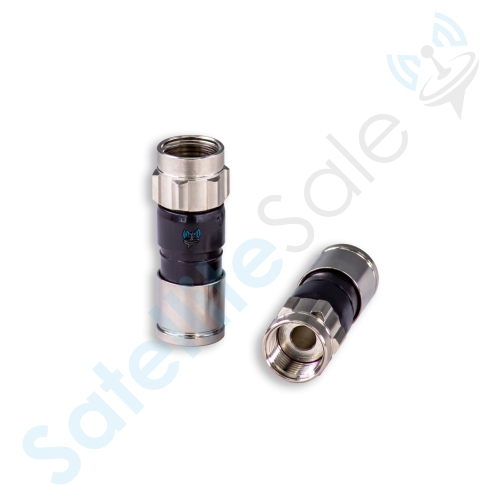
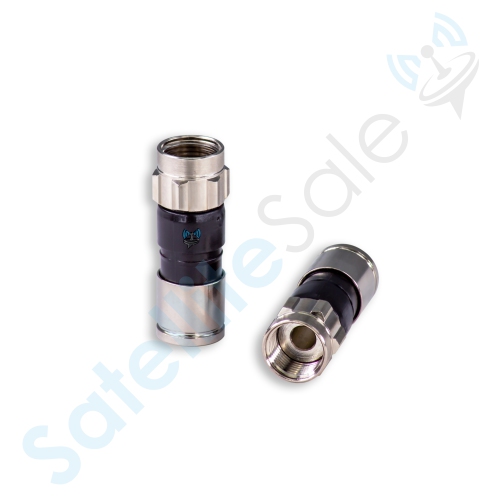
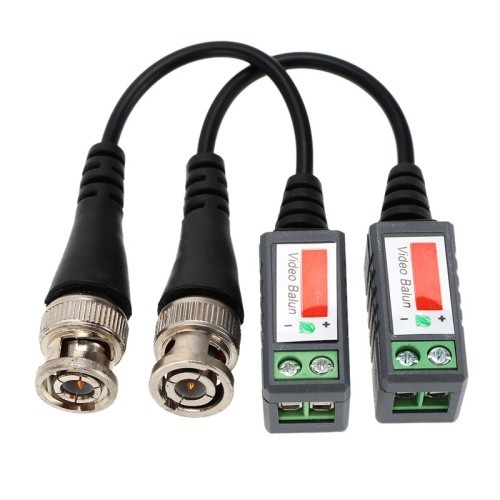
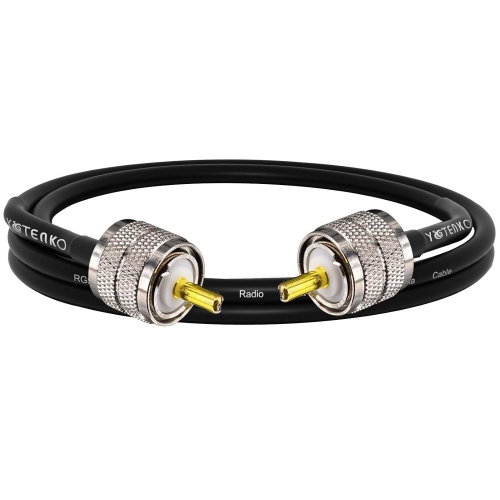
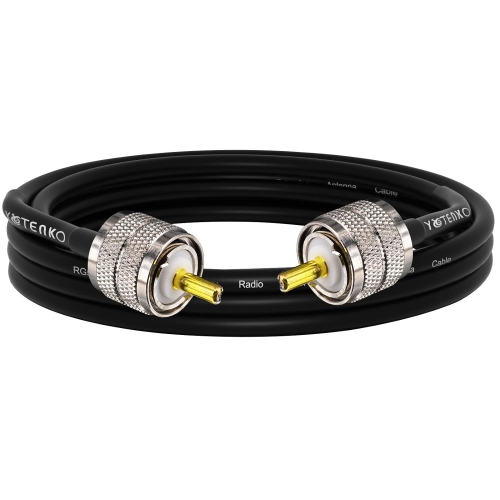
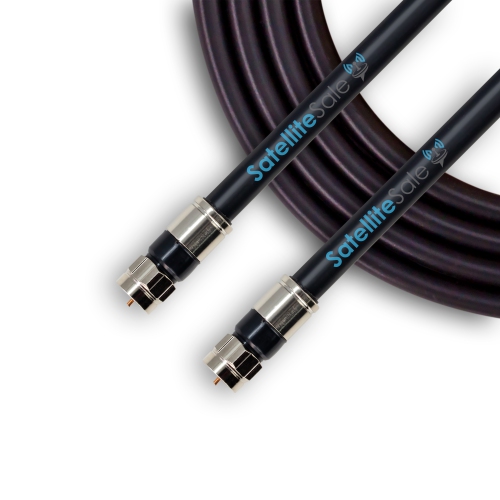
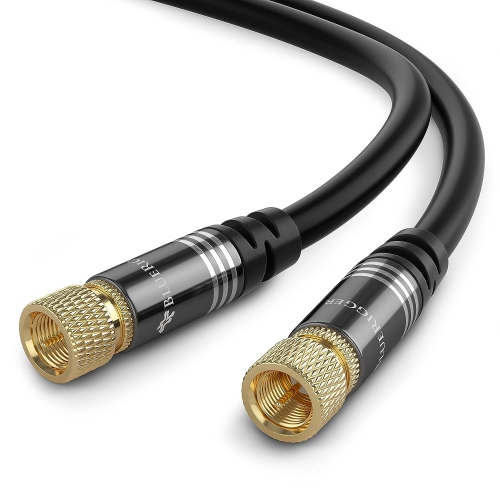
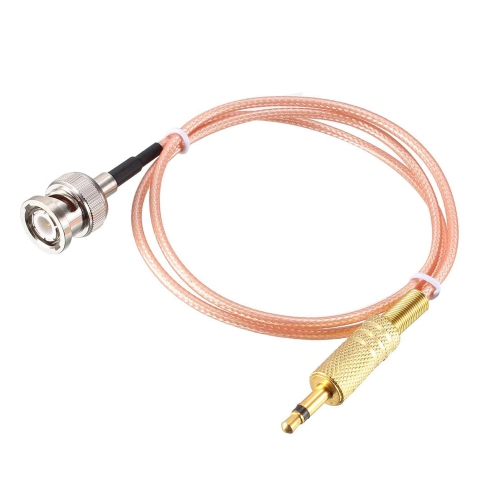
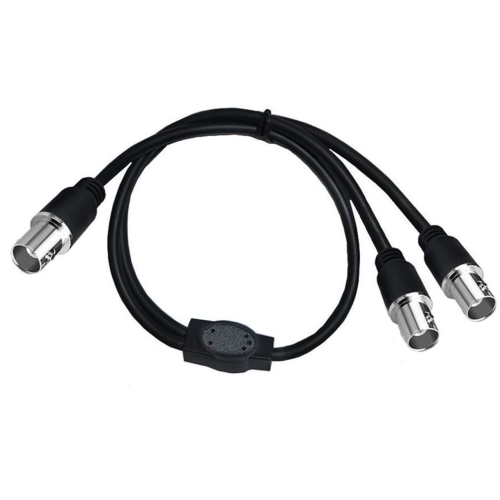
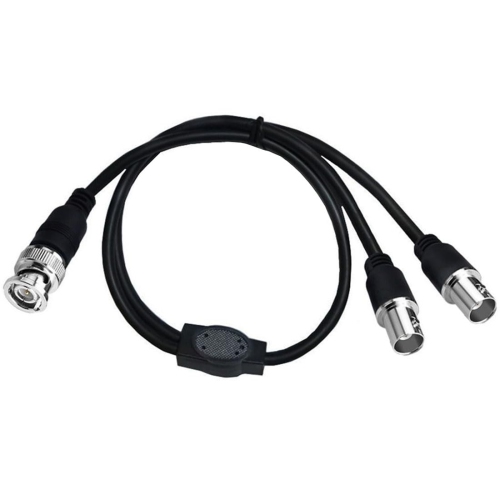
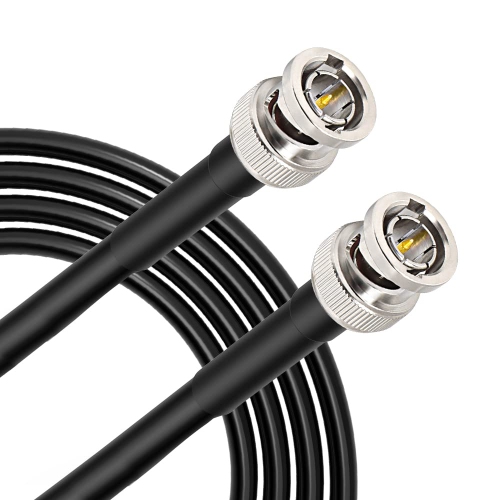
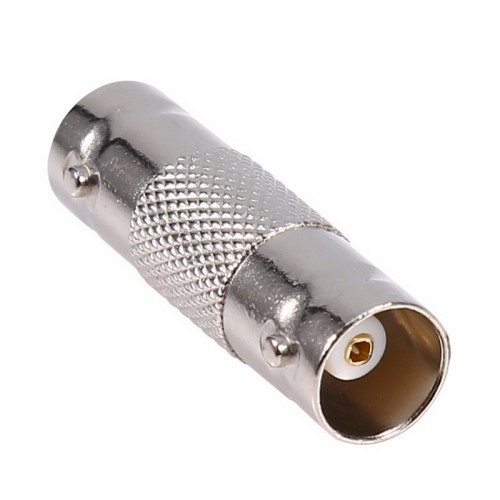
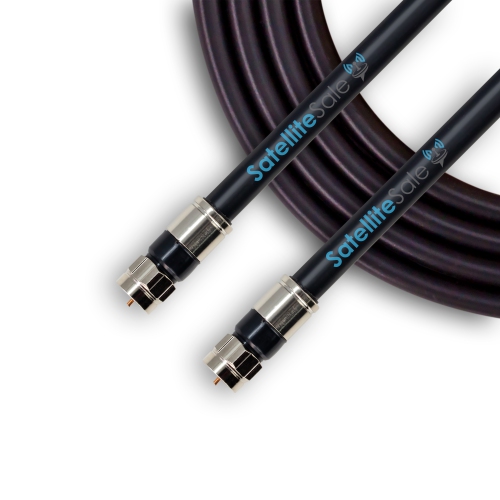
Coaxial cable connectors provide the secure link between a coaxial cable and the equipment that sends or receives a radio frequency signal. They are commonly used with televisions, cable and satellite equipment, modems, antennas, security cameras, test equipment, and various wireless systems. Although a connector may look like a small metal fitting, its design affects how easily it installs, how firmly it stays attached, and how well it helps preserve signal quality. Choosing the right coaxial cable connector starts with identifying the cable and device connection. RG6 and RG59 are common cable types for home television and video installations, while other coaxial cables may use different sizes, shielding, or impedance ratings. A connector designed for one cable diameter may not grip another cable properly, leaving the connection loose or allowing moisture and outside interference to reach the signal path. It is also important to match the connector style to the port on the equipment. F-type connectors have threaded ends and are widely used for cable television, satellite connections, home internet modems, and many antennas. BNC connectors use a bayonet-style fitting that locks with a short twist, making them practical for equipment that may need to be connected and disconnected regularly, including some video and radio systems. SMA and RP-SMA connectors are smaller threaded options often found on wireless networking equipment, antennas, and radio frequency hardware. Before choosing an item from this selection, compare the connector shape, cable compatibility, impedance, and installation method with the equipment already in use. For related cable options, browse Coax Cables to help ensure the cable and connector are suited to the same setup.
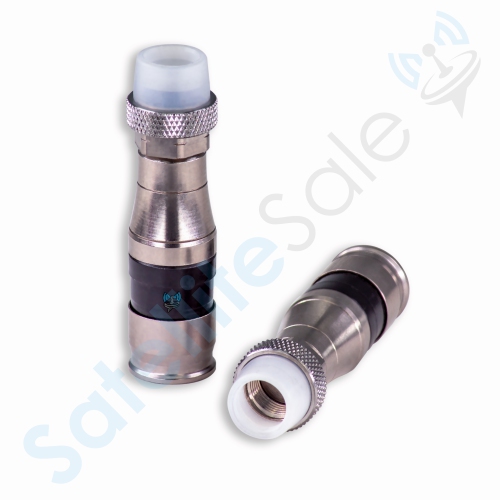
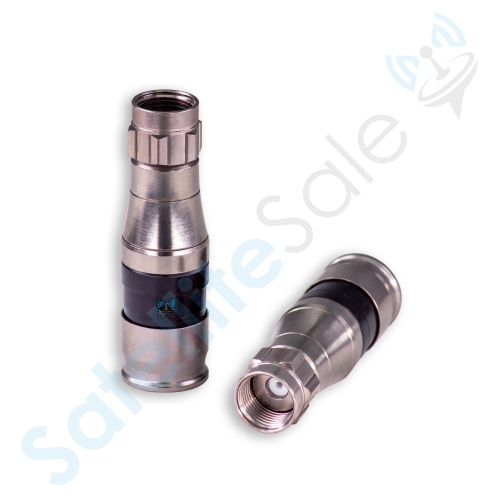
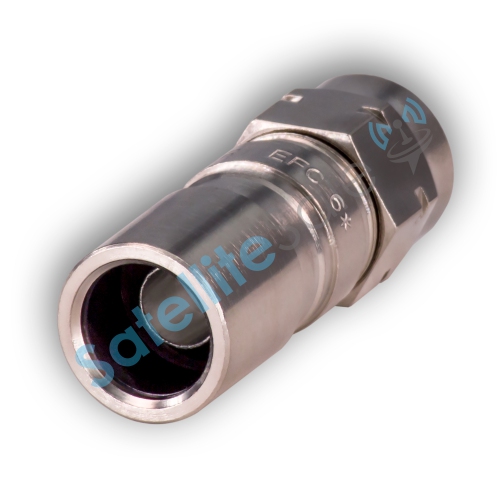
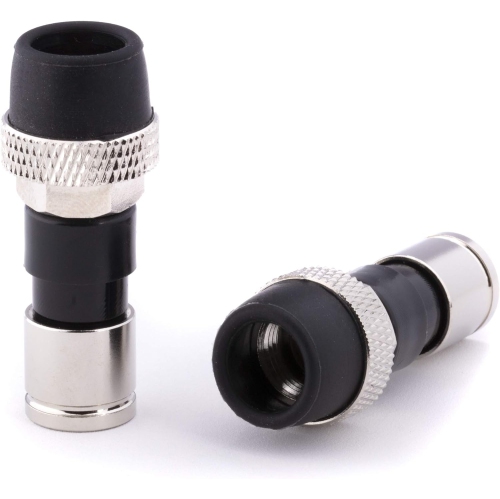
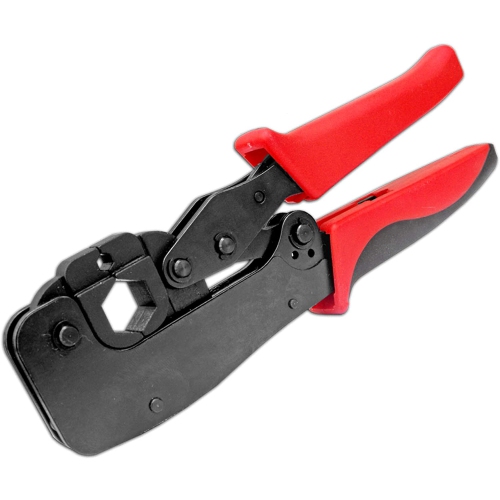
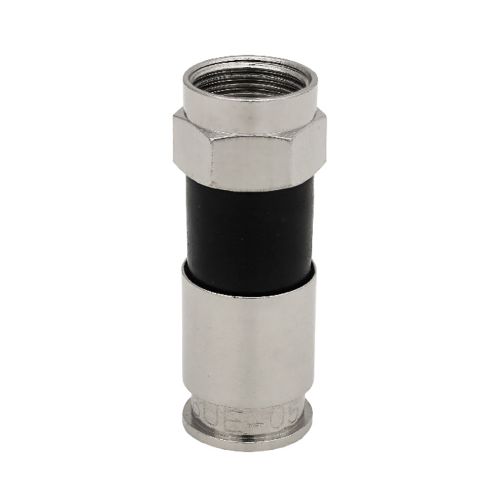
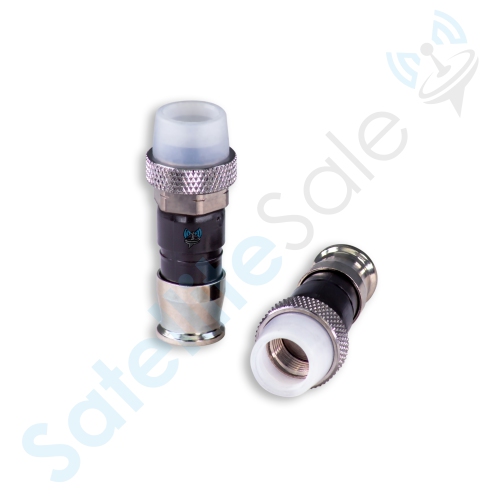
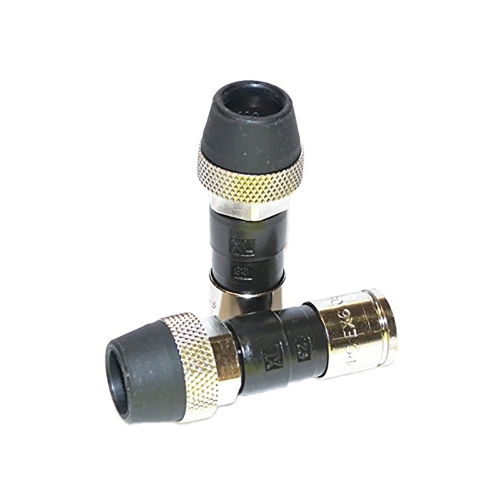
Installation style is another important consideration. Compression connectors are designed to slide over a prepared cable and then be tightened with a compatible compression tool. When installed correctly, they create a strong mechanical connection and a dependable seal around the cable, which can be especially useful for outdoor antenna runs, cable lines entering a building, or connections exposed to changing temperatures and humidity. Crimp connectors also require the cable to be stripped and prepared, but a crimping tool presses a metal sleeve into a shaped profile around the cable. They can provide a firm connection when the connector, cable, and tool are properly matched. Twist-on connectors are installed by hand and can be convenient for simple indoor arrangements, temporary setups, or small repairs where speed and minimal equipment matter. Their ease of installation can be appealing for renters, students, and anyone organizing a television or modem connection without a full tool kit, although a tool-installed connector may be preferable for demanding or permanent applications. Cable preparation is central to every method. The outer jacket should be cut cleanly without damaging the braided shield, the dielectric insulation should remain intact where required, and the centre conductor should be straight and free from bends or nicks. The shielding braid and foil must be positioned according to the connector design; stray strands touching the centre conductor can create a short, while insufficient shield contact can leave the connection vulnerable to interference. A connector should sit squarely on the cable, with no visible gap between the fitting and the jacket. After installation, gently check that it does not pull away or rotate independently of the cable. Avoid forcing threaded connections, overtightening them with pliers, or sharply bending the cable directly behind the connector, as these habits can damage both the fitting and the equipment port.
Coaxial cable connectors can be useful for a wide range of home projects and practical repairs. Someone replacing an older television cable may need a fresh connector after trimming away a worn or bent end. A homeowner setting up an antenna in an attic or on an exterior wall may choose fittings that provide a more secure seal for the cable route, while a person arranging a home office may use the appropriate threaded connector to connect a modem without leaving the cable loose behind a desk. They can also help tidy a media cabinet, improve the reliability of a security camera connection, or make it easier to reconfigure radio and antenna equipment. For a family member or friend who enjoys hands-on repairs, a selection of compatible connectors can be a thoughtful addition to a basic electronics or networking tool kit, particularly when paired with the correct stripping, crimping, or compression tool. During the cooler months, indoor cable projects are often a convenient way to organize entertainment and internet equipment before spending more time at home, while outdoor antenna work is best planned around dry, manageable conditions and completed with attention to weatherproofing. Keep unused connectors protected from dust and moisture, and store them with their installation tools so the correct parts are easy to find when a connection needs attention. The right coaxial cable connector should match the cable type, equipment port, signal application, and installation method; taking a few moments to verify those details can make the finished connection cleaner, more stable, and easier to maintain.
Installation style is another important consideration. Compression connectors are designed to slide over a prepared cable and then be tightened with a compatible compression tool. When installed correctly, they create a strong mechanical connection and a dependable seal around the cable, which can be especially useful for outdoor antenna runs, cable lines entering a building, or connections exposed to changing temperatures and humidity. Crimp connectors also require the cable to be stripped and prepared, but a crimping tool presses a metal sleeve into a shaped profile around the cable. They can provide a firm connection when the connector, cable, and tool are properly matched. Twist-on connectors are installed by hand and can be convenient for simple indoor arrangements, temporary setups, or small repairs where speed and minimal equipment matter. Their ease of installation can be appealing for renters, students, and anyone organizing a television or modem connection without a full tool kit, although a tool-installed connector may be preferable for demanding or permanent applications. Cable preparation is central to every method. The outer jacket should be cut cleanly without damaging the braided shield, the dielectric insulation should remain intact where required, and the centre conductor should be straight and free from bends or nicks. The shielding braid and foil must be positioned according to the connector design; stray strands touching the centre conductor can create a short, while insufficient shield contact can leave the connection vulnerable to interference. A connector should sit squarely on the cable, with no visible gap between the fitting and the jacket. After installation, gently check that it does not pull away or rotate independently of the cable. Avoid forcing threaded connections, overtightening them with pliers, or sharply bending the cable directly behind the connector, as these habits can damage both the fitting and the equipment port.
Coaxial cable connectors can be useful for a wide range of home projects and practical repairs. Someone replacing an older television cable may need a fresh connector after trimming away a worn or bent end. A homeowner setting up an antenna in an attic or on an exterior wall may choose fittings that provide a more secure seal for the cable route, while a person arranging a home office may use the appropriate threaded connector to connect a modem without leaving the cable loose behind a desk. They can also help tidy a media cabinet, improve the reliability of a security camera connection, or make it easier to reconfigure radio and antenna equipment. For a family member or friend who enjoys hands-on repairs, a selection of compatible connectors can be a thoughtful addition to a basic electronics or networking tool kit, particularly when paired with the correct stripping, crimping, or compression tool. During the cooler months, indoor cable projects are often a convenient way to organize entertainment and internet equipment before spending more time at home, while outdoor antenna work is best planned around dry, manageable conditions and completed with attention to weatherproofing. Keep unused connectors protected from dust and moisture, and store them with their installation tools so the correct parts are easy to find when a connection needs attention. The right coaxial cable connector should match the cable type, equipment port, signal application, and installation method; taking a few moments to verify those details can make the finished connection cleaner, more stable, and easier to maintain.
Top selling and popular products
-
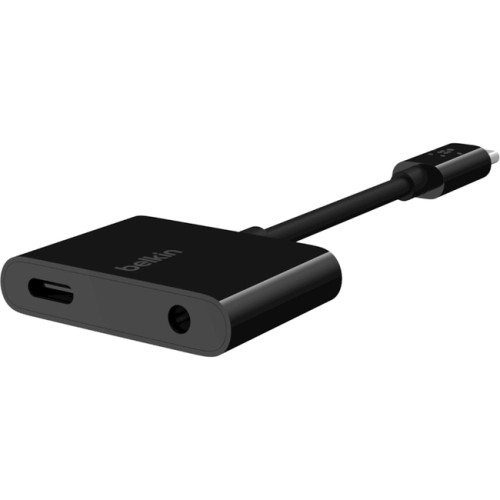 Your price for this item is $95.68
 -
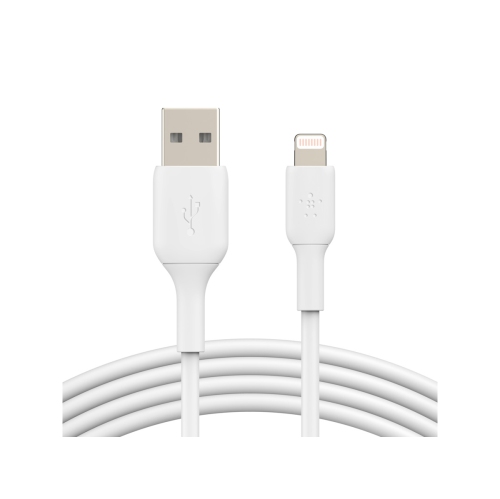 Your price for this item is $33.99
 -
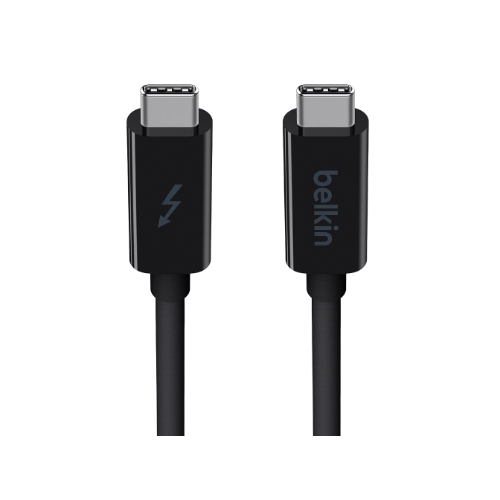 Your price for this item is $48.99
 -
 Your price for this item is $30.99
 -
 Your price for this item is $61.68
 -
 Your price for this item is $78.99
 -
 Your price for this item is $42.68
 -
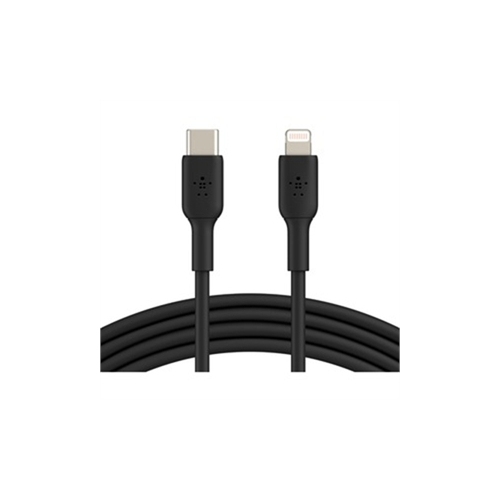 Your price for this item is $65.86
Discover more categories related to Coaxial Cable Connectors
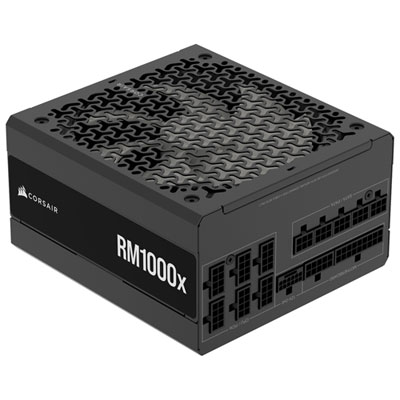
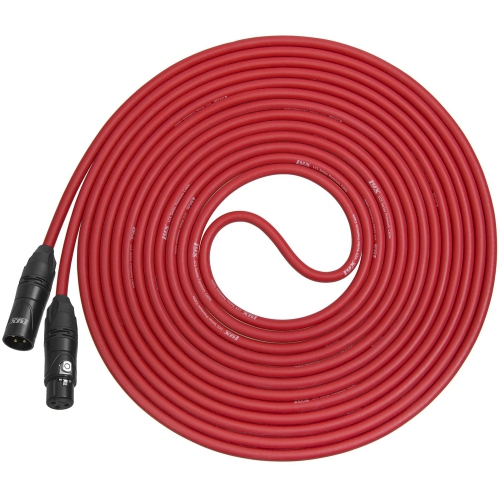
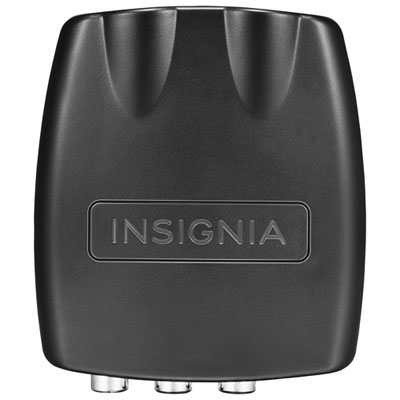
Top Collections:
Pokemon Centers, Kindle Devices, Best Budget Office Chairs, Apple iPhones 16, Best Laptops for Writers, iPhone 15 Apple, Canon G7X Cameras, Refurbished Apple Laptops, Alarm Clock, Motorola Razr Phones
Some products may be subject to Environmental Handling Fees
(EHF) depending on your province.
Learn more about EHFs.