Portable Car Battery Chargers
Whether you're planning a road trip, experiencing a dead battery, or simply want to be prepared for any unexpected situations, these compact and powerful chargers are designed to provide a quick and efficient boost to your vehicle's battery. With a range of features and capabilities, finding the best portable car battery charger for your needs has never been easier. Explore our selection today and ensure you're always ready to hit the road with confidence.
Sort
































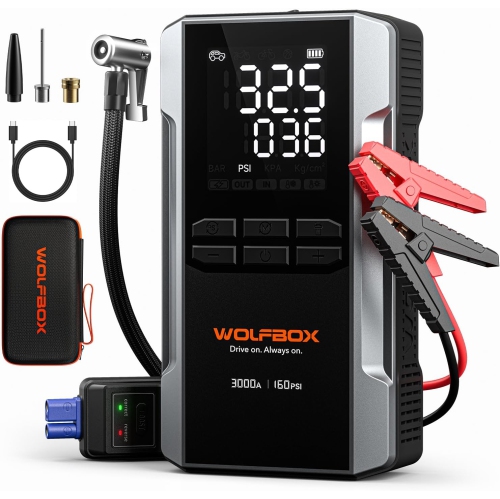

Why charging a battery differs from jump-starting an engine
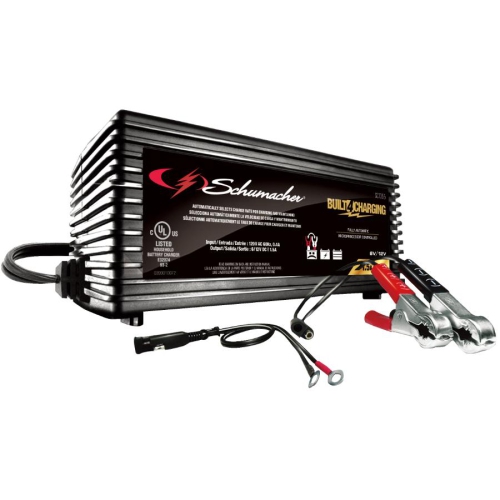
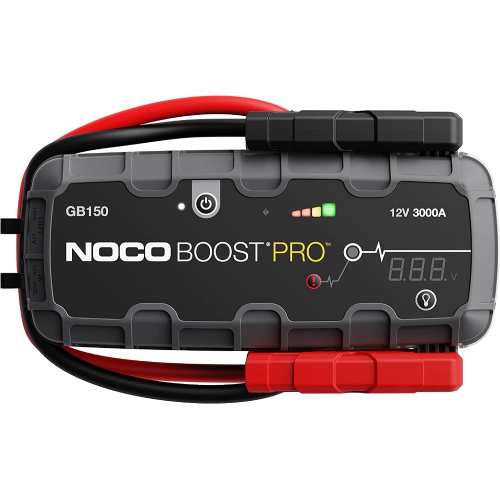
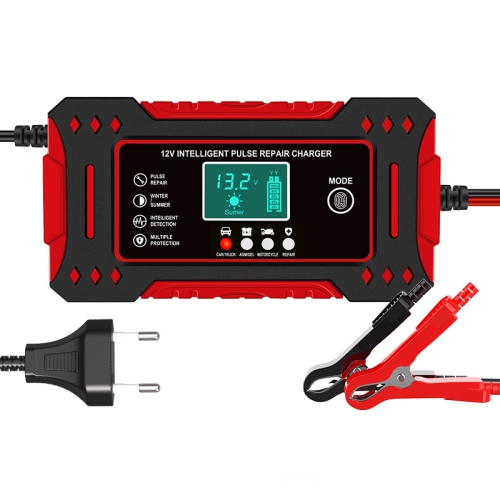
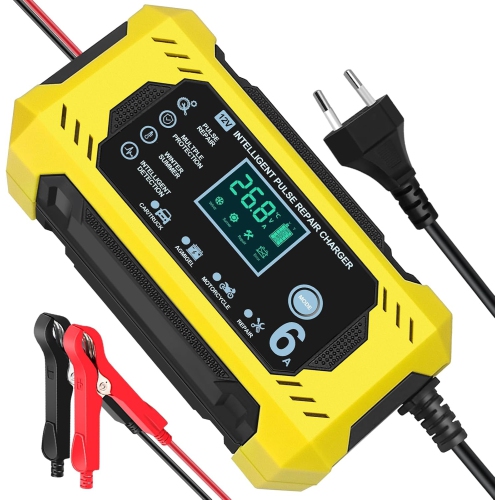
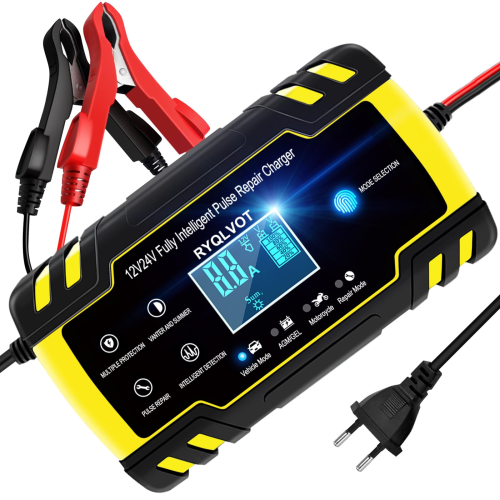
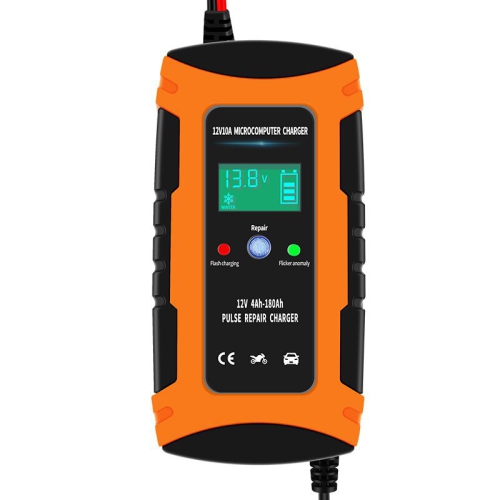
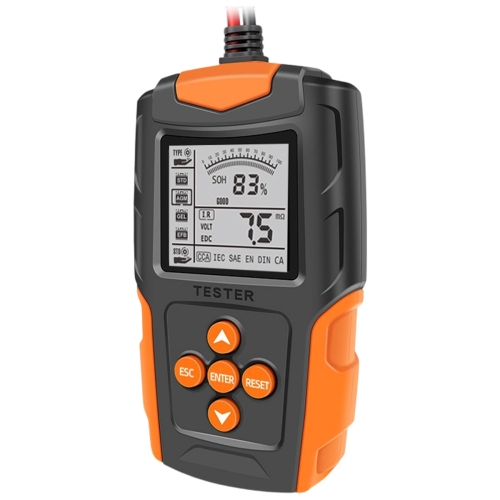
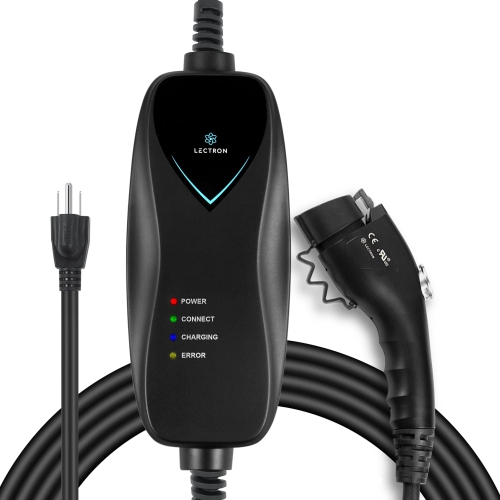
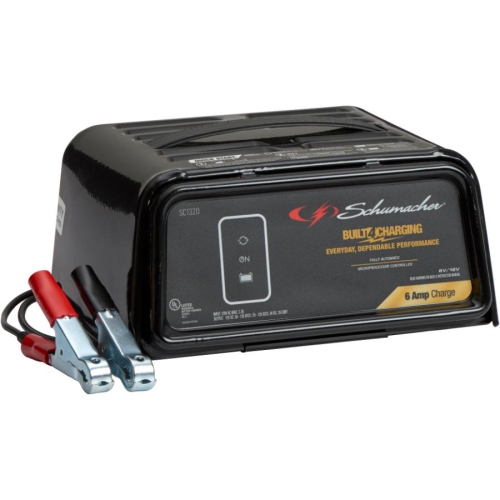
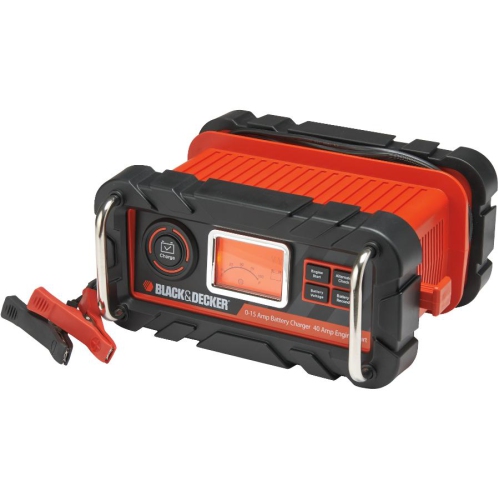
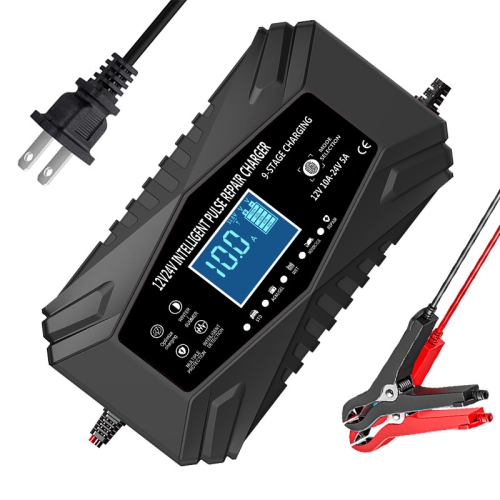
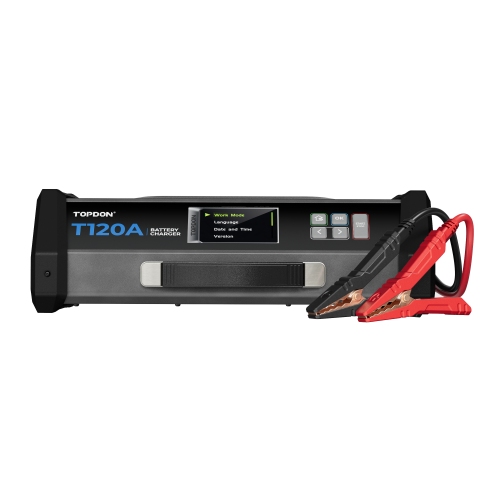
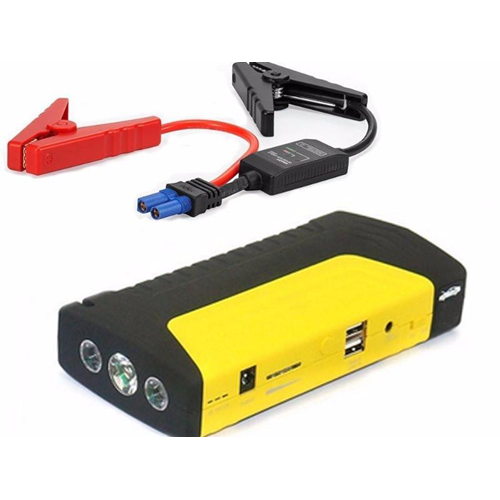
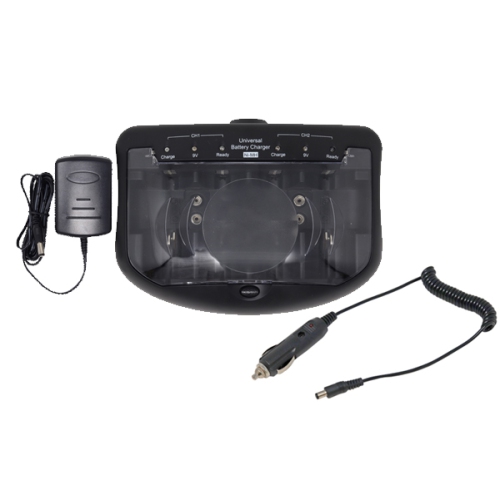
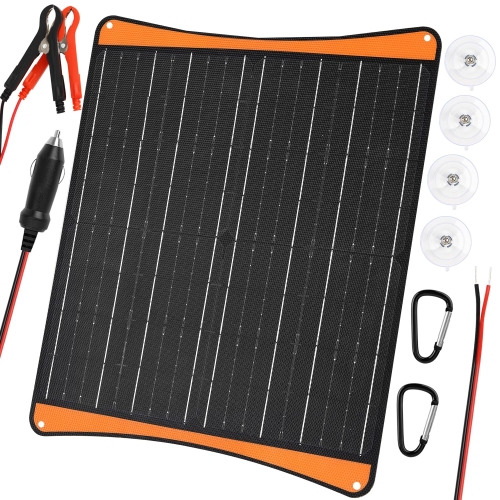
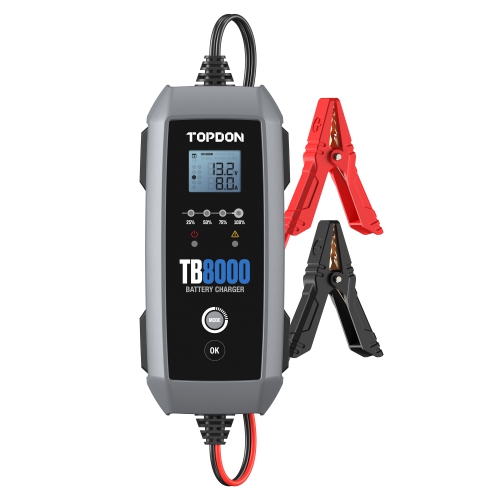
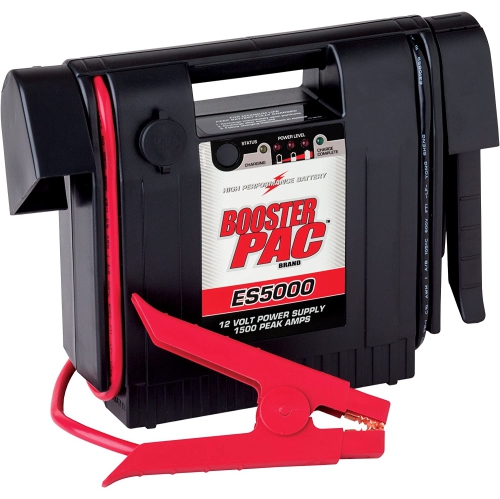
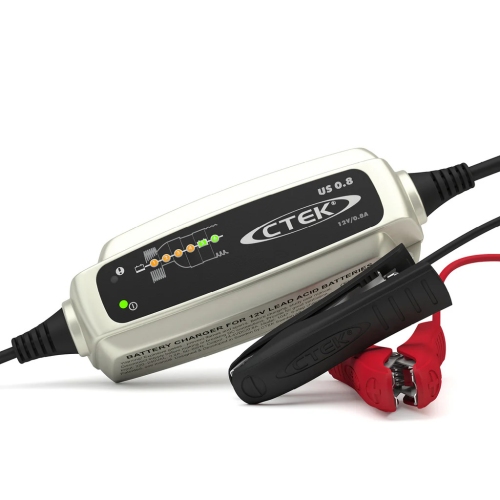
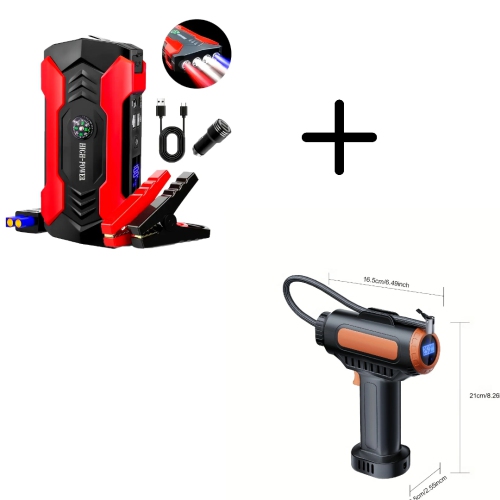
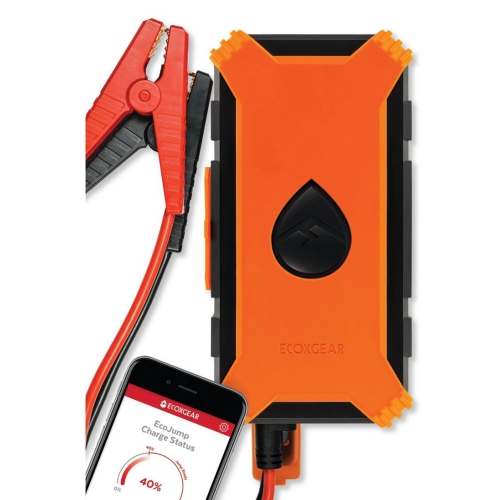
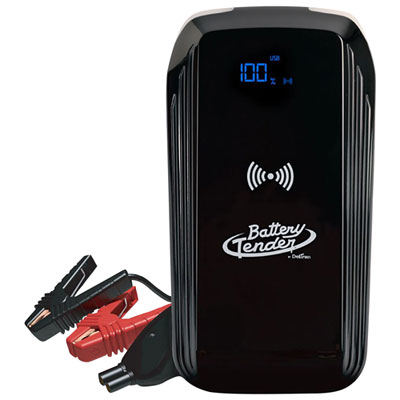
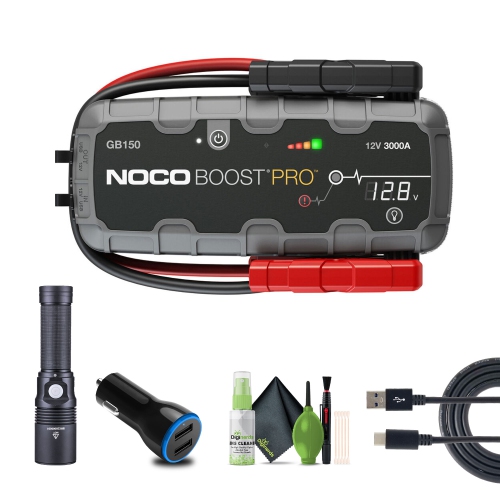
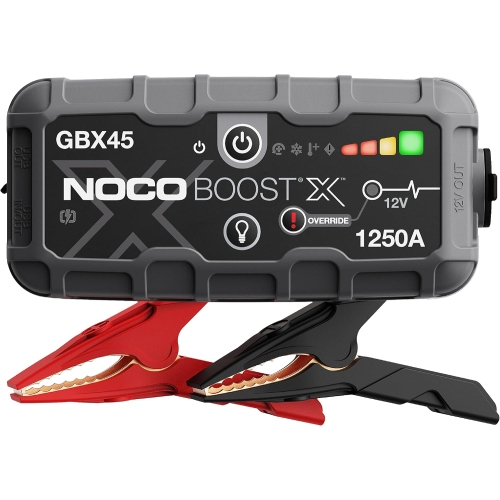
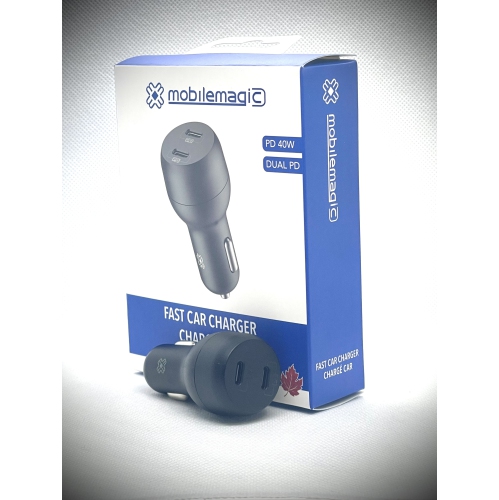
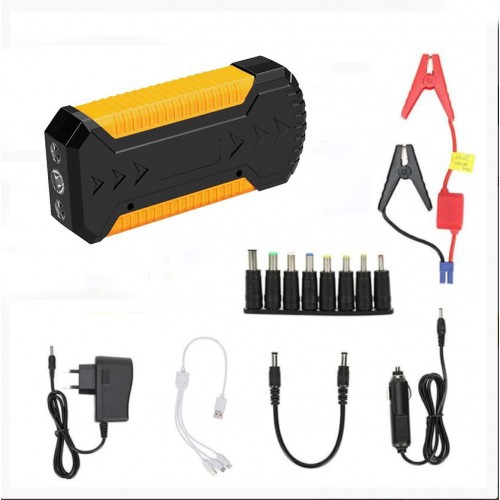
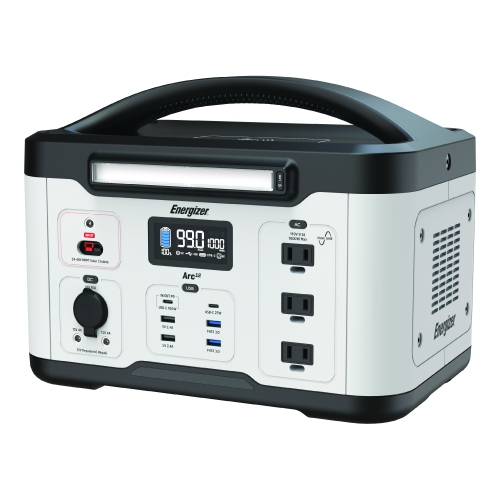
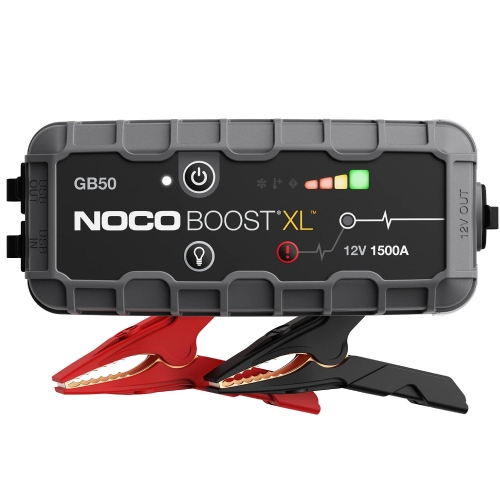
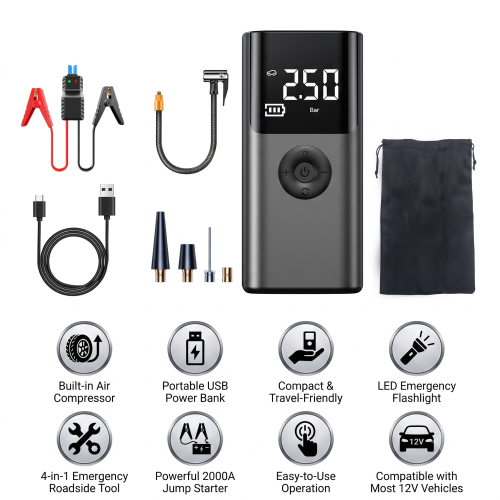
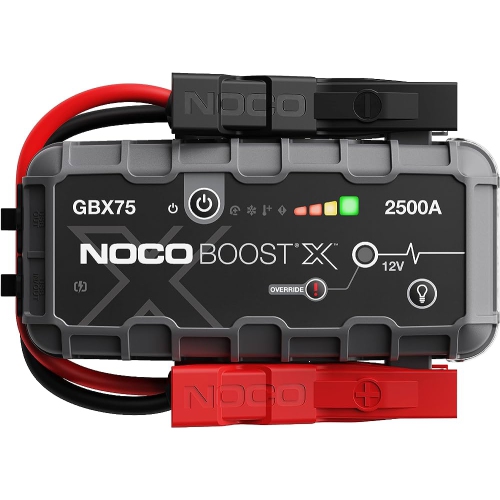
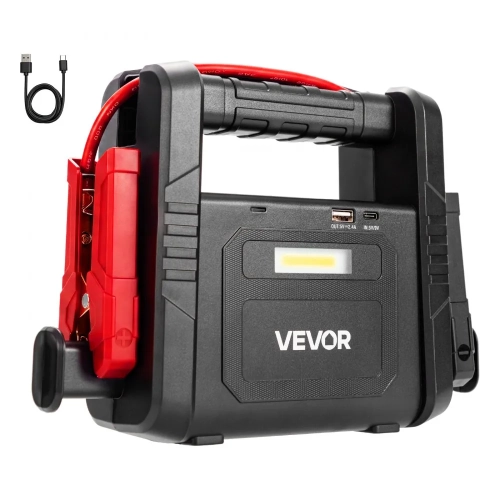
Portable car battery chargers help restore or maintain a vehicle’s battery charge, while portable jump starters provide a brief burst of power to help start an engine when the battery cannot do so on its own. These products serve different purposes, even though they are often grouped together. A compact plug-in charger typically draws power from a household electrical outlet and replenishes a compatible battery over time. A rechargeable jump starter stores power internally, making it useful beside a parked vehicle without access to an outlet. Jump-starting does not fully recharge a depleted battery, and a conventional battery charger is not necessarily capable of providing the immediate current needed to start an engine. Some equipment combines functions, but each capability should be stated in its specifications. For a driver returning to a car after accidentally leaving an interior light on, a charged jump starter can offer a practical way to get moving without a second vehicle. For a car that sits unused between trips, a charger with a suitable maintenance mode may be the more useful choice. Compatibility matters more than the size of the carrying case: the unit must match the vehicle’s battery voltage, and a jump starter must also be rated for the engine’s size and type. Most passenger vehicles use a 12-volt starting battery, but other vehicles and equipment can have different requirements. Gasoline and diesel engine ratings should be checked separately rather than treated as interchangeable. Peak amperage describes a starting-power specification, while a capacity figure such as milliamp-hours describes stored charge; neither number alone establishes suitability for a particular vehicle. Manufacturer-stated engine compatibility and operating instructions provide a more meaningful basis for comparison. For hybrid and electric vehicles, any use with the auxiliary battery must follow the vehicle manufacturer’s procedures; these devices are not chargers for the high-voltage propulsion battery. Clear compatibility information makes it easier to choose equipment for a daily commuter, a family vehicle, or a larger vehicle without relying on broad claims about power.
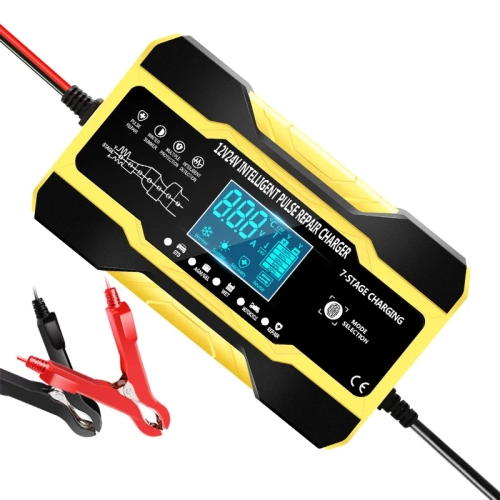
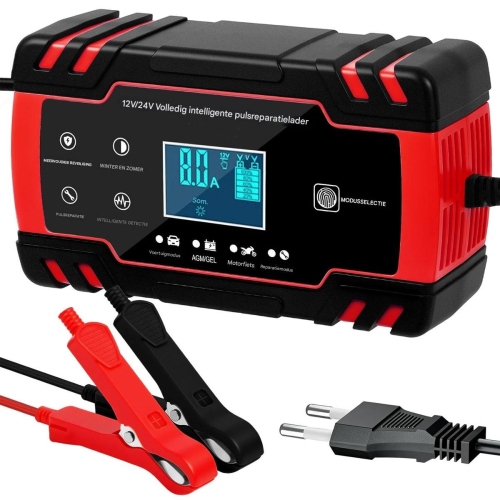
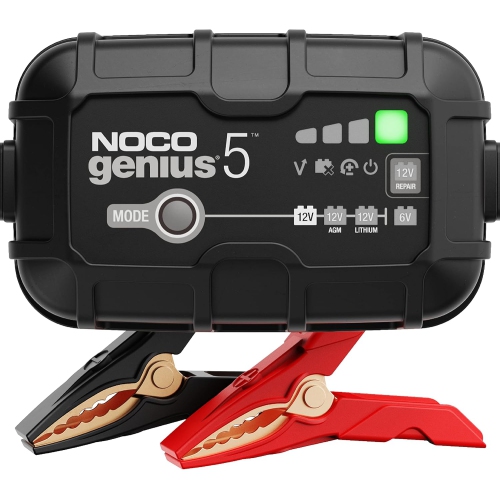
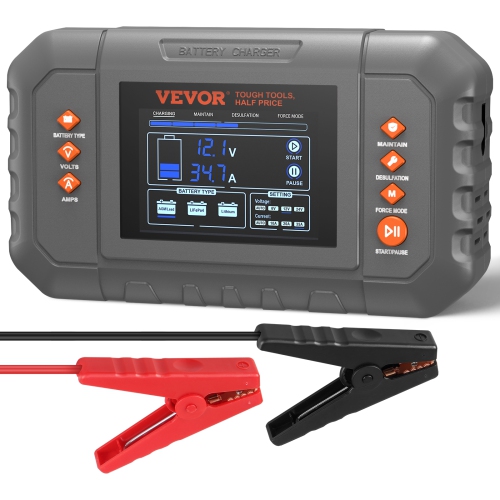
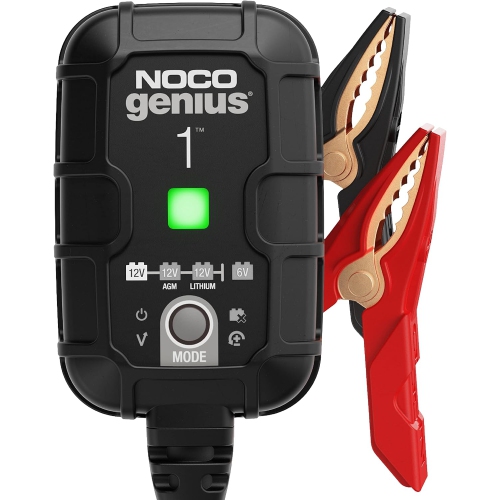
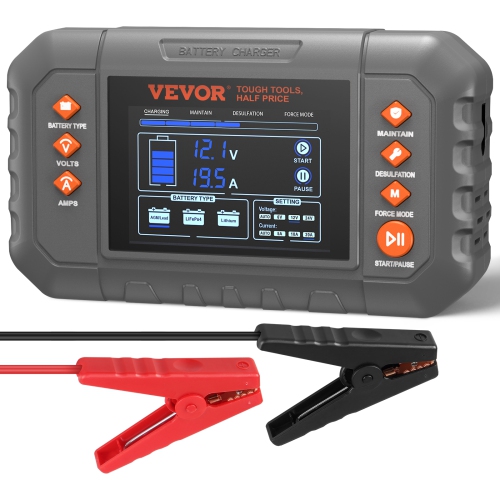
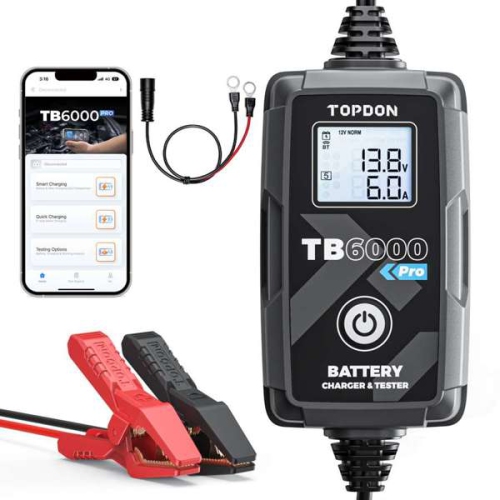
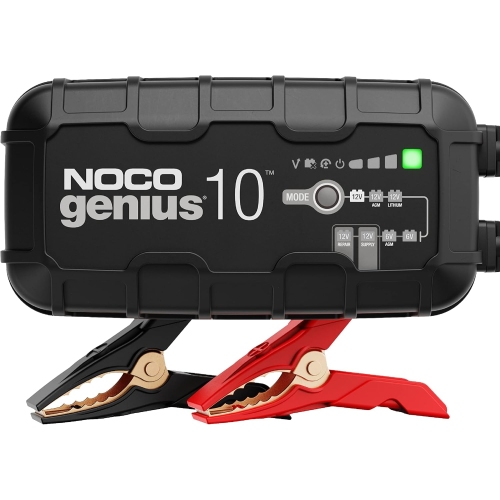
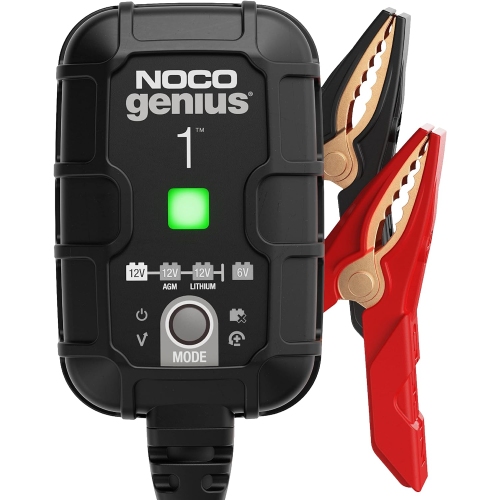
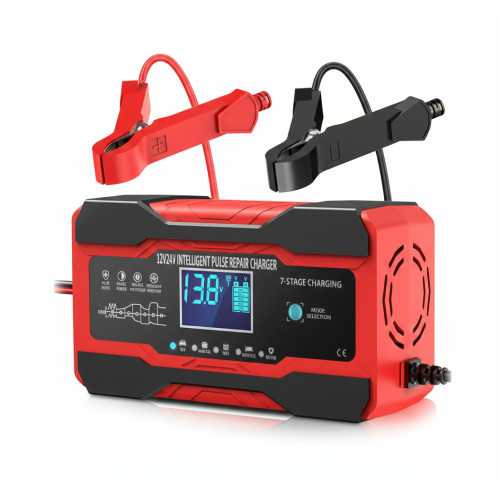
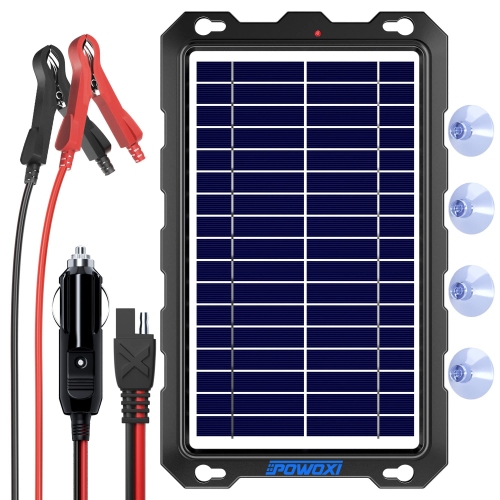
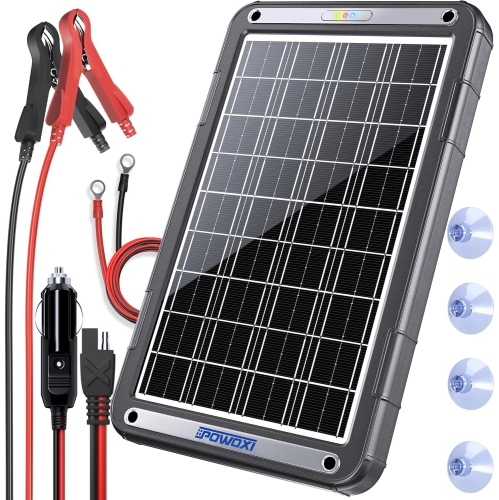
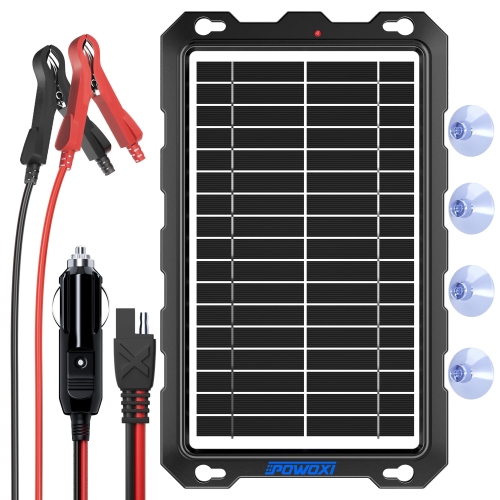
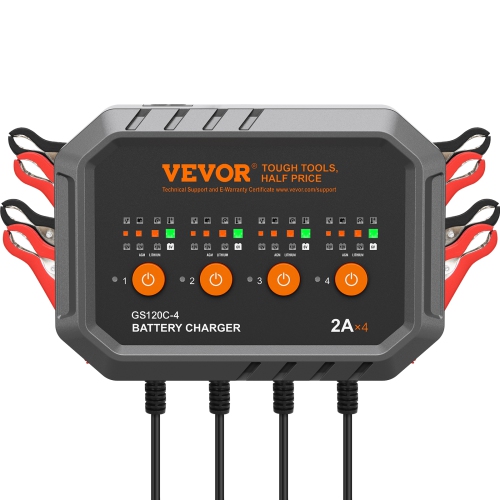
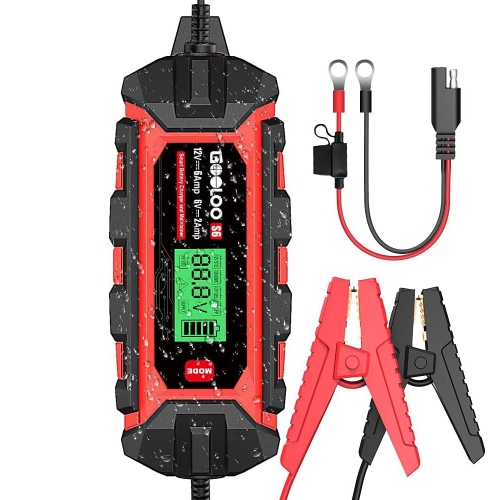
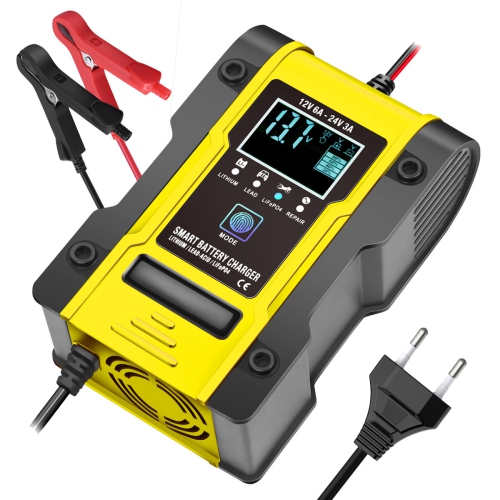
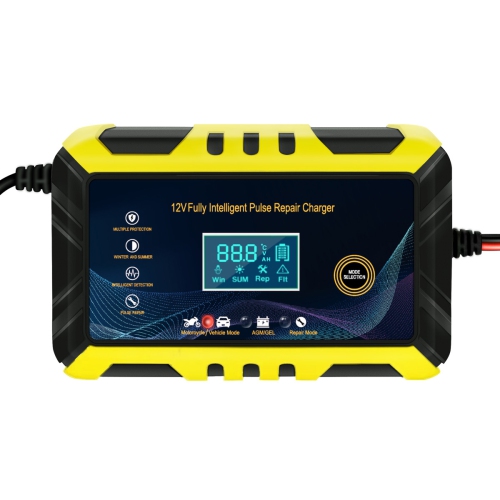
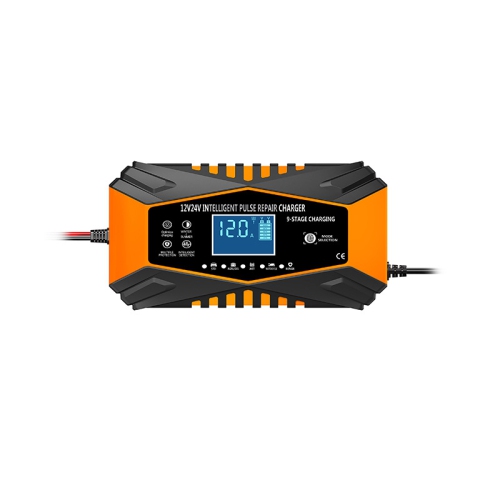
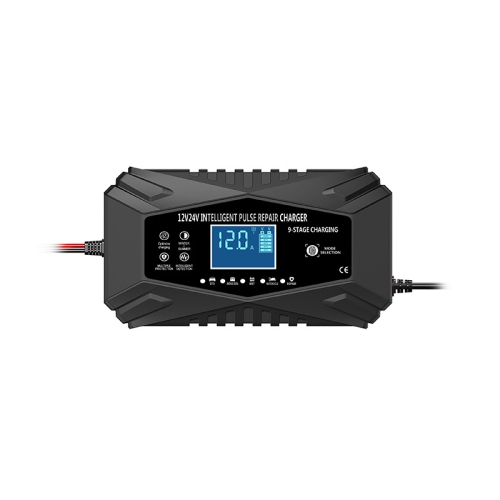
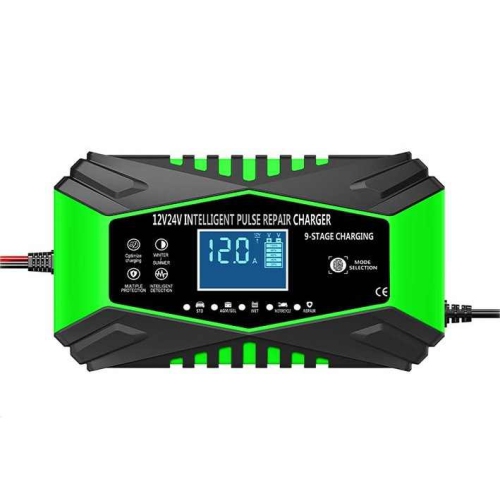
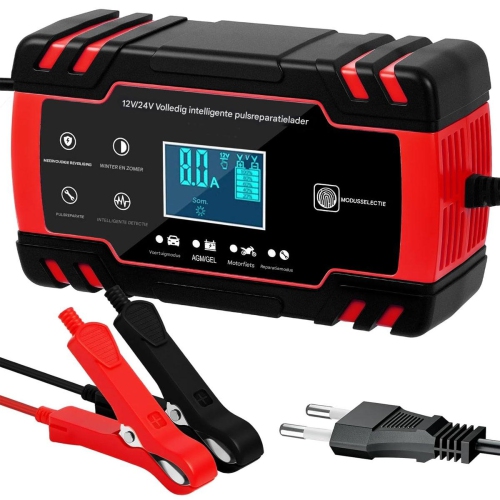
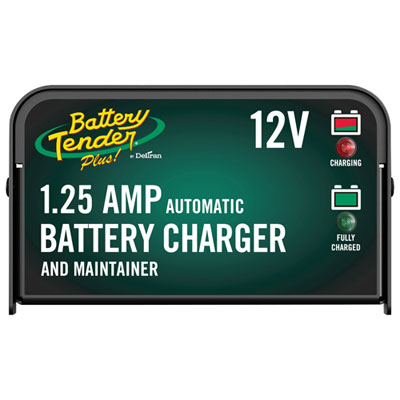
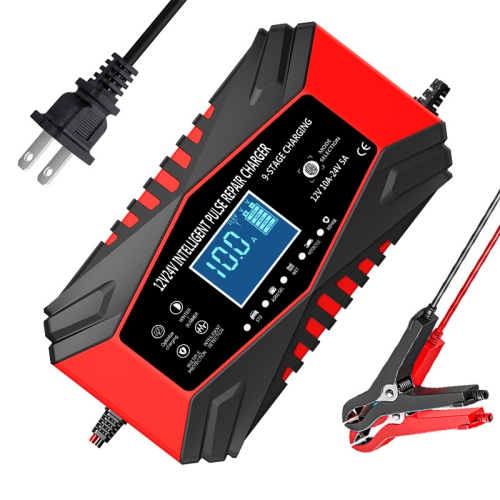
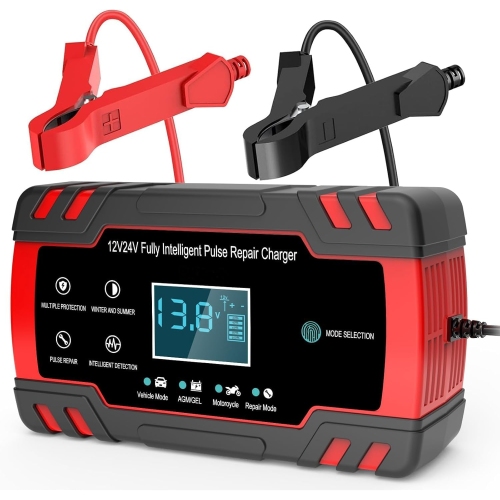
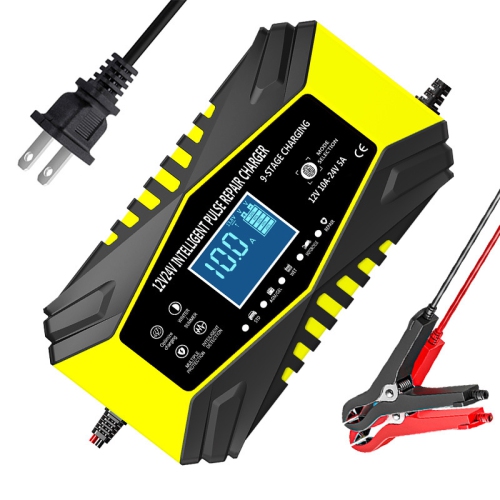
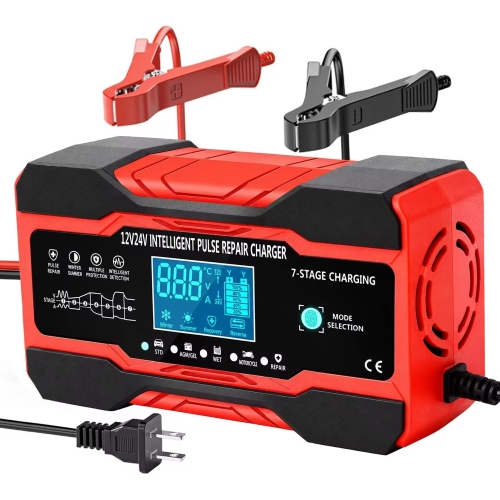
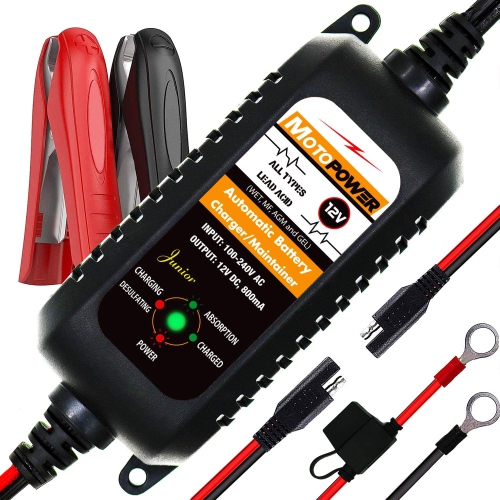
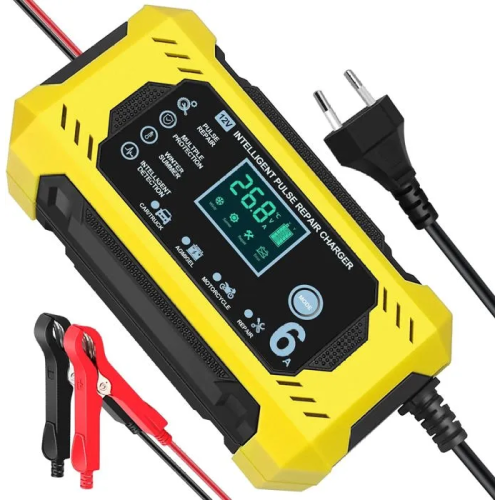
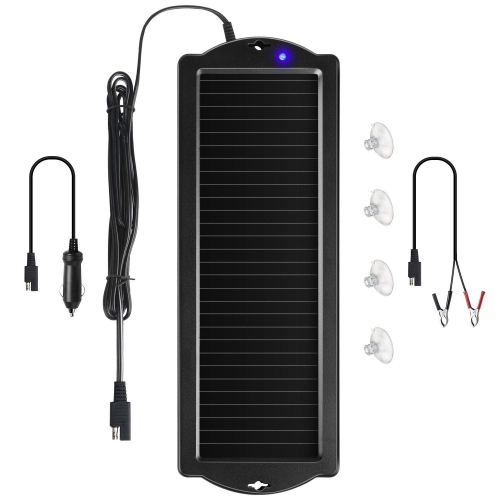
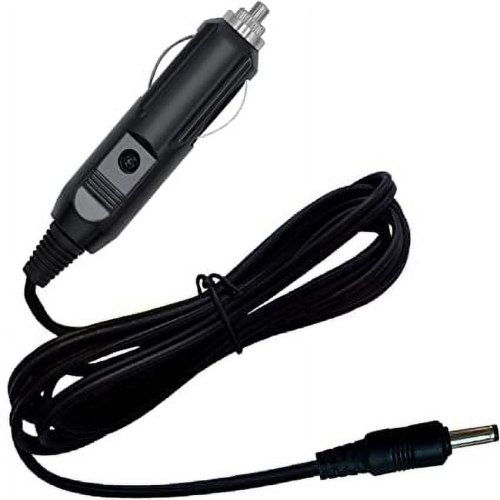
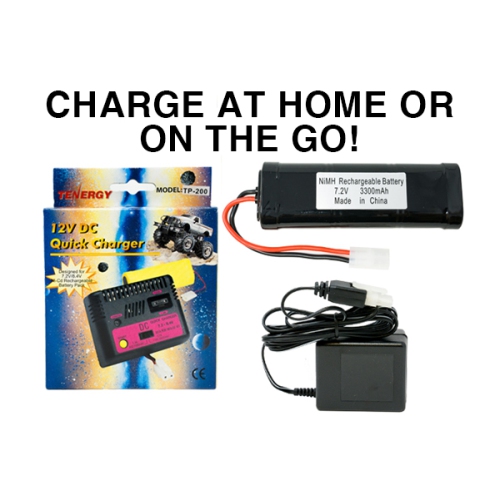
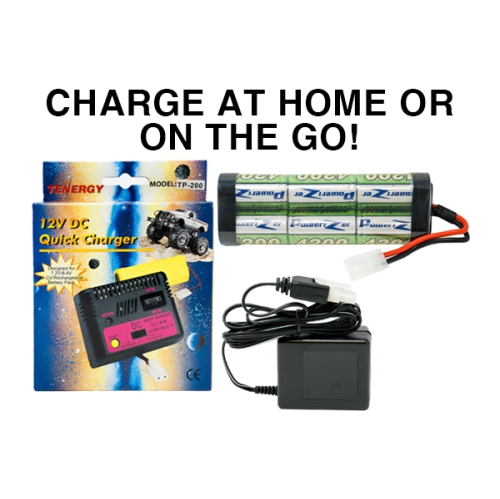
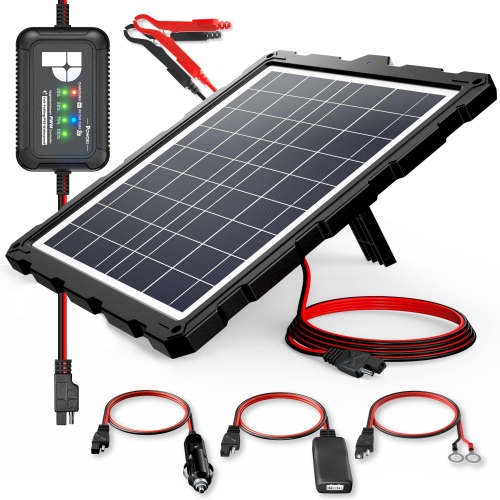
Battery chemistry is another important distinction when comparing portable car battery chargers. Flooded lead-acid, absorbed glass mat, and enhanced flooded batteries can require different charging settings, and lithium batteries need a charger explicitly designed for their particular chemistry. A general lithium charging label should not be assumed to cover every lithium battery type. Selectable modes are useful only when the chosen mode matches the battery manufacturer’s requirements. Automatic smart chargers can adjust their output through charging stages and, where supported, switch to a maintenance function once the battery is charged. That can suit an infrequently driven vehicle or a compatible battery kept ready for occasional use. Charging current, usually expressed in amps, affects how quickly a charger can replenish a battery, but a higher output is not automatically better for every battery. Battery capacity, its state of charge, the charger’s output, and the charging profile all influence the time required. A small maintainer is intended primarily to help preserve charge, rather than quickly replenish a substantially discharged automotive battery. Charger modes described as repair or desulfation also have limits: they cannot guarantee that an aged or damaged battery will return to dependable service. Repeated starting trouble may point to a worn battery, a charging-system fault, a poor connection, or an electrical drain that needs diagnosis. A charger is helpful equipment, not a substitute for finding that underlying problem. Practical details matter during use as well. A readable display or clearly labelled indicators can make it easier to distinguish charging, completion, and fault states without interpreting an ambiguous light. Leads need enough reach for the intended placement without pulling on the clamps, and the power connection needs to suit the location. Charging should take place with the ventilation and clearance specified by the manufacturer, away from flames and sparks. A cracked, leaking, or swollen battery requires professional attention rather than an attempt to charge it. The vehicle and charger instructions also determine whether charging can take place with the battery installed and which connection points are appropriate.
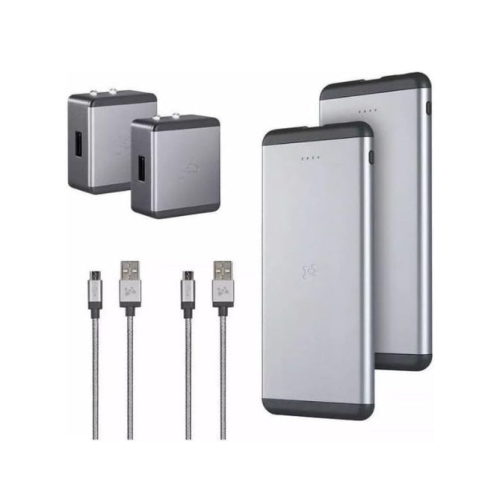
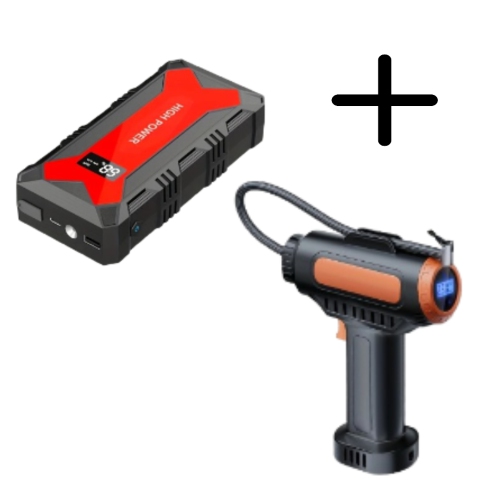
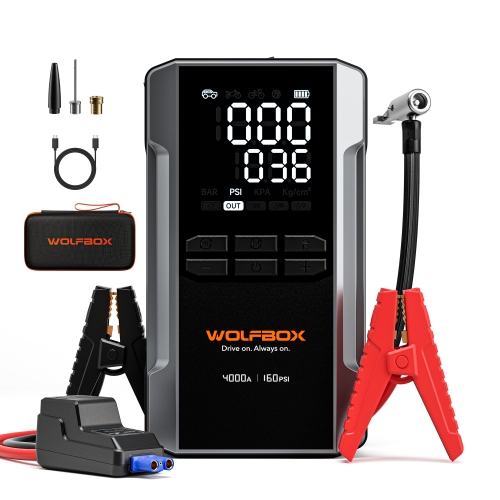
The physical design of a portable charger or jump starter affects how comfortably it fits into everyday vehicle ownership. A moulded housing, protected connectors, insulated clamp handles, and a fitted carrying case can help keep the equipment organised and reduce wear during handling. Durability claims should be supported by the product’s stated construction and ratings; a rugged-looking shell does not by itself establish resistance to water, dust, or impact. Compact dimensions are convenient for a vehicle storage compartment, but clamps, cables, and charging accessories also need room. A case that keeps metal clamps separated from other contents can prevent loose tools and accessories from becoming tangled together. Cable flexibility, clamp opening width, and access to the vehicle’s designated connection points are worth considering, particularly where the battery is tucked beneath a cover or positioned in a confined space. For jump starters, reverse-polarity protection and spark-resistant connection features can provide useful safeguards, although correct connections and the manufacturer’s sequence remain essential. Built-in lights may help illuminate labels and terminals, while USB outputs can add convenience for charging compatible phones. Neither feature replaces the unit’s primary vehicle compatibility requirements. Some multifunction models also include an air compressor, whose pressure range, duty cycle, and hose connections need to match the intended tyre use. Keeping a phone powered is a separate need from starting a vehicle; Emergency Battery Chargers offer another way to support compatible mobile devices, but an ordinary phone power bank cannot replace an automotive jump starter. Care includes checking cables and clamps for damage, keeping connections clean, and following the specified storage and recharging schedule. A jump starter left unchecked for long periods may not retain enough charge when needed, and accessory use draws from the same stored power. These products can make thoughtful, practical gifts for new drivers, frequent travellers, or someone who maintains a vehicle at home, provided the equipment matches the recipient’s vehicle and intended use. A well-matched unit, stored securely with its instructions and required cables, is easier to keep ready for a battery-related interruption or routine maintenance.
Top selling and popular products
-
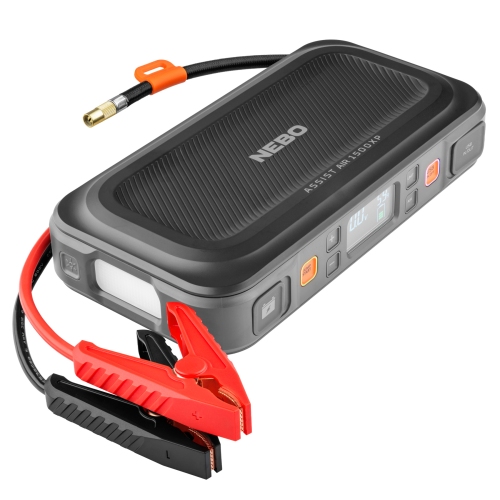 Your price for this item is $199.99
-
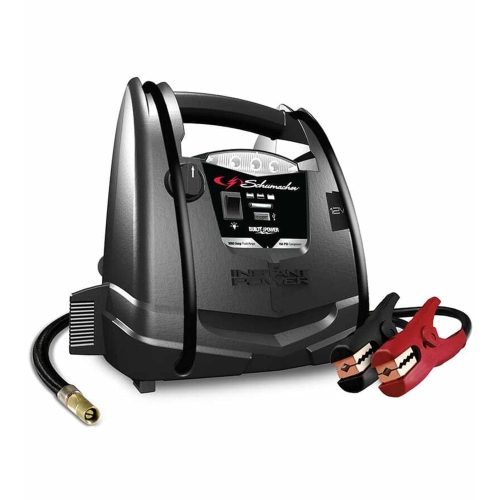 Your price for this item is $179.99
-
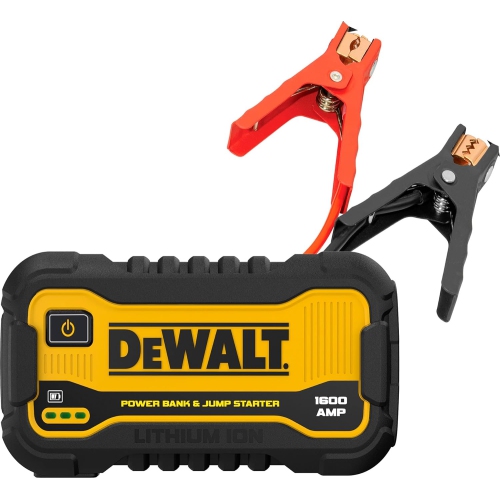 Your price for this item is $117.99
-
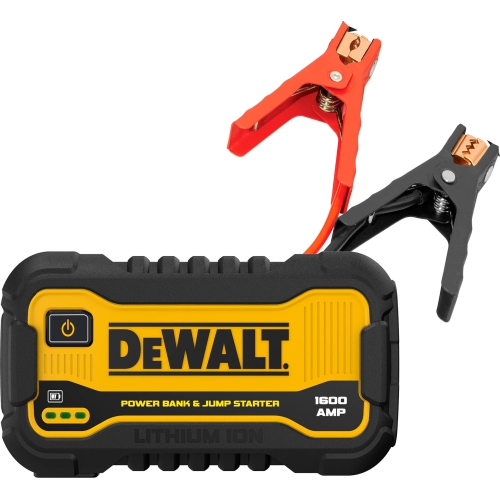 Your price for this item is $99.99
-
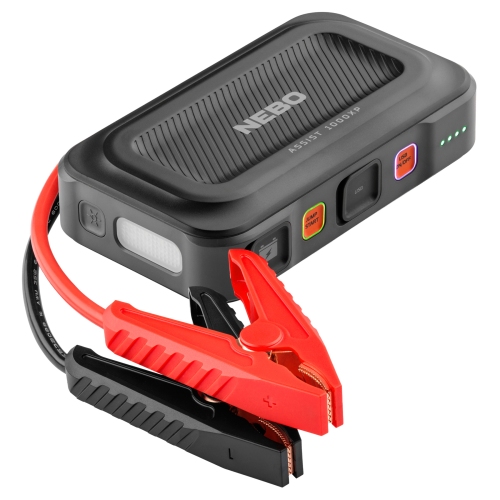 Your price for this item is $109.99
-
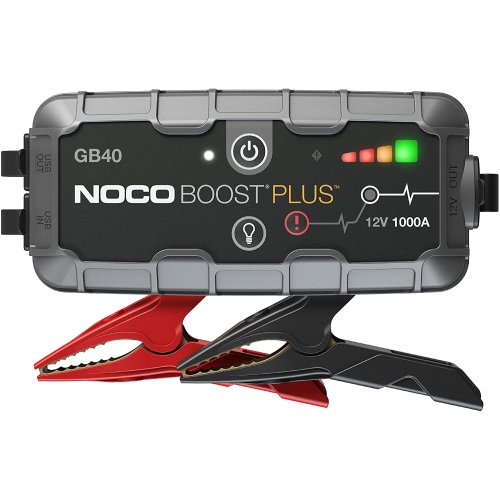 Your price for this item is $180.95
-
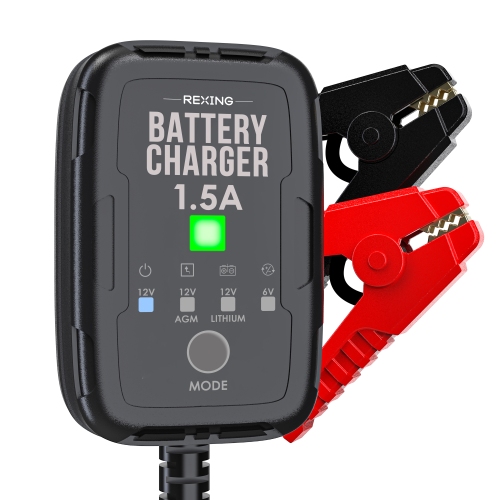 Your price for this item is $119.99
-
 Your price for this item is $229.99
Discover more categories related to Portable Car Battery Chargers


Top Collections:
Pokemon Centers, Kindle Devices, Best Budget Office Chairs, Canon G7X Cameras, Apple iPhones 16, Samsung Galaxy Phones, Refurbished Apple Laptops, Laptops for Students, iPhone 15 Apple, Budget Smartphones
Some products may be subject to Environmental Handling Fees
(EHF) depending on your province.
Learn more about EHFs.