Replacement Fog Lights
Upgrade your vehicle's visibility in low-visibility conditions with our selection of replacement fog lights. Designed to enhance safety and style, these fog lights are perfect for drivers looking to navigate through fog, rain, or snow with ease. Whether you're in need of a direct replacement or seeking to customize your ride, our range of fog lights offers high-quality options to suit various makes and models. Illuminate the road ahead and drive confidently no matter the weather with our reliable replacement fog lights.
Sort
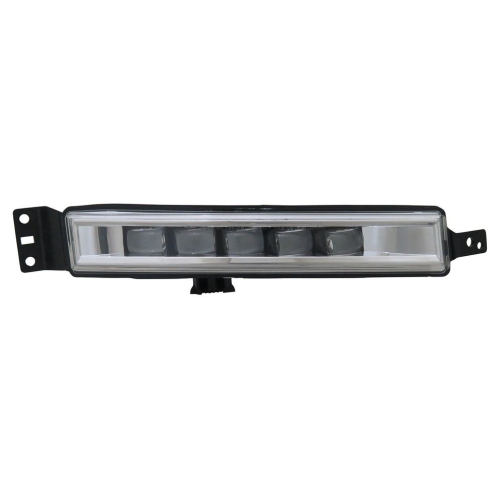

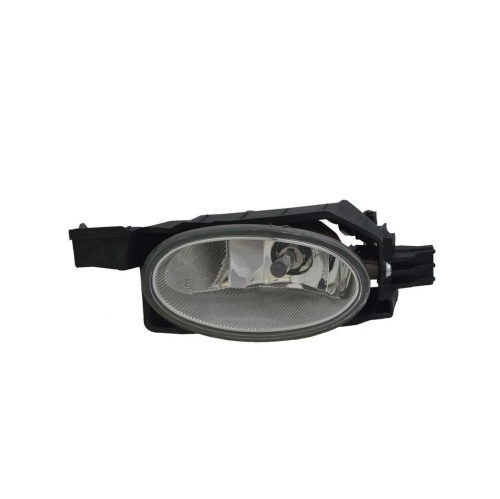
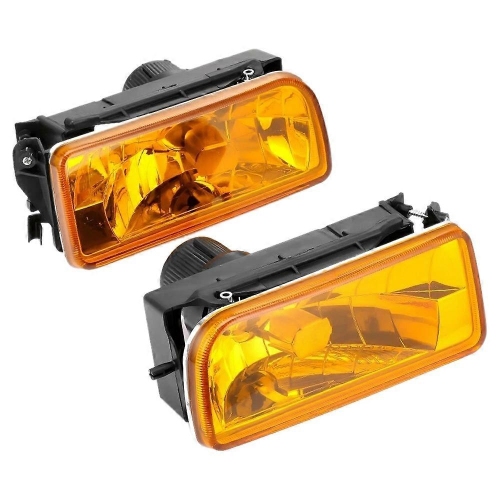
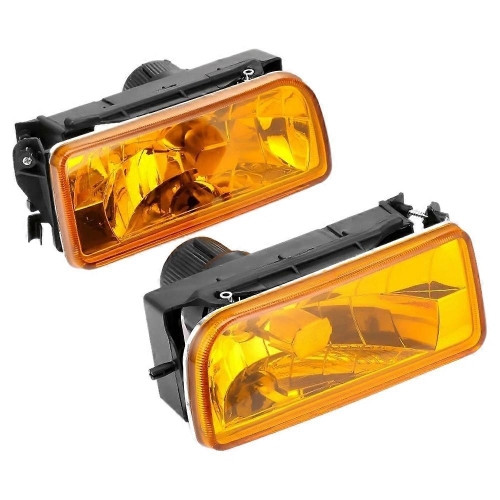
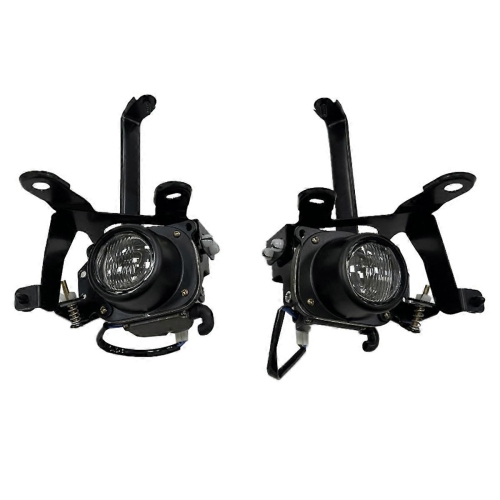
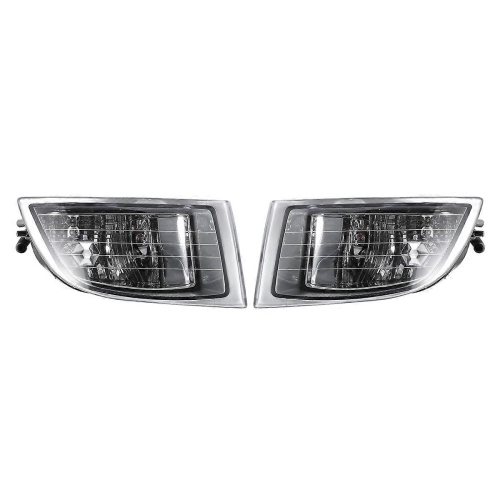
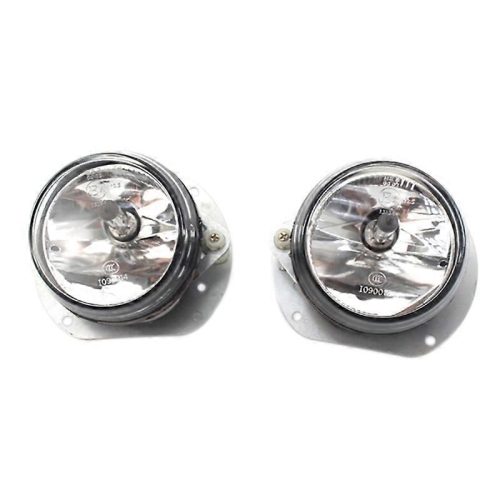
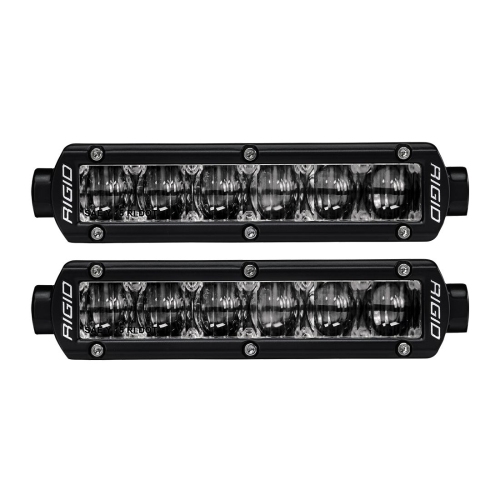
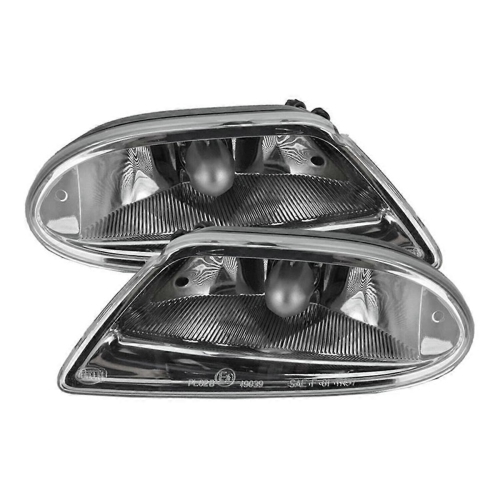

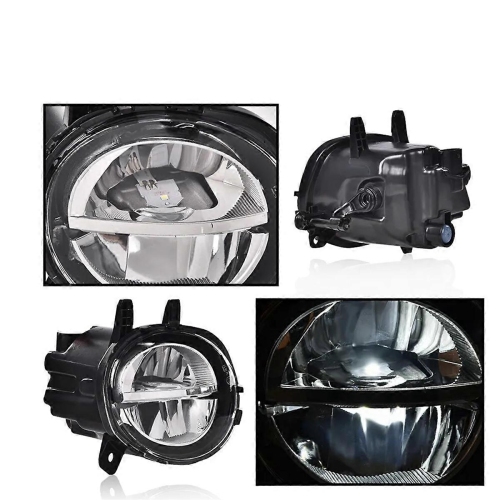
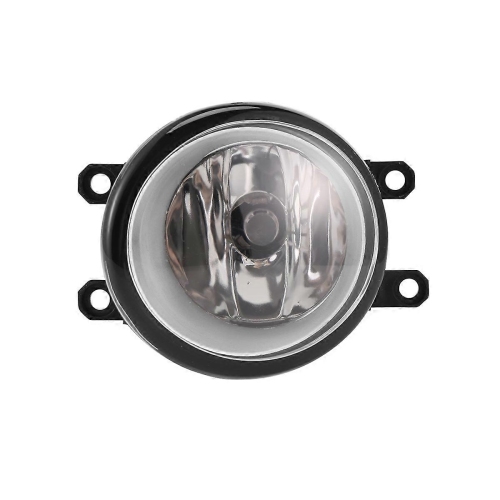
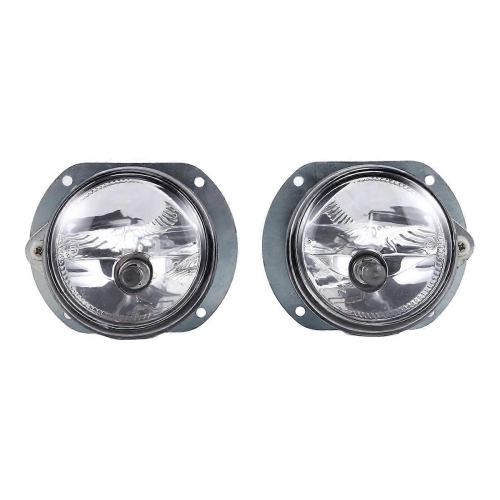
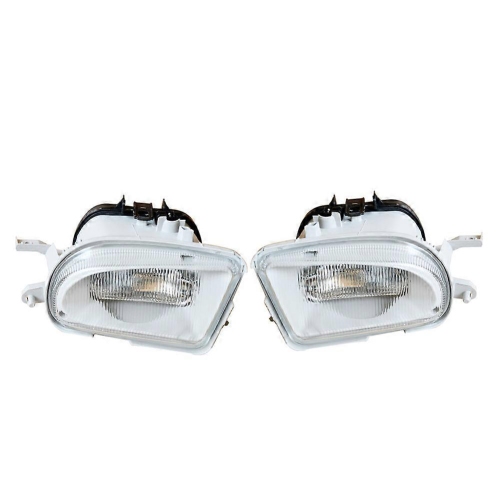
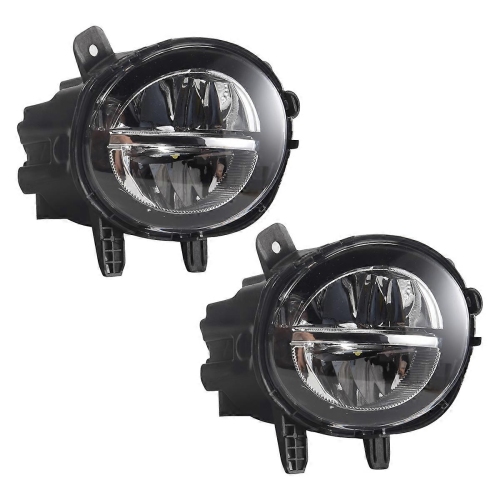
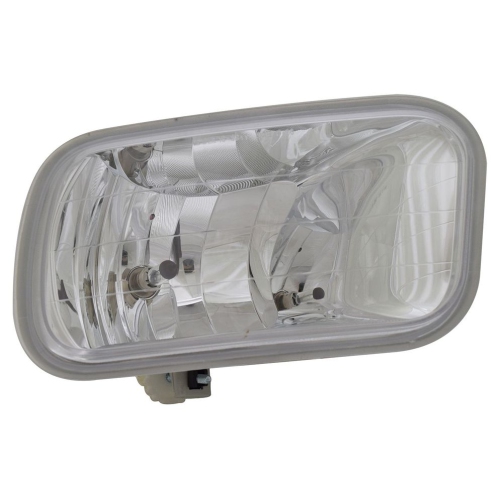
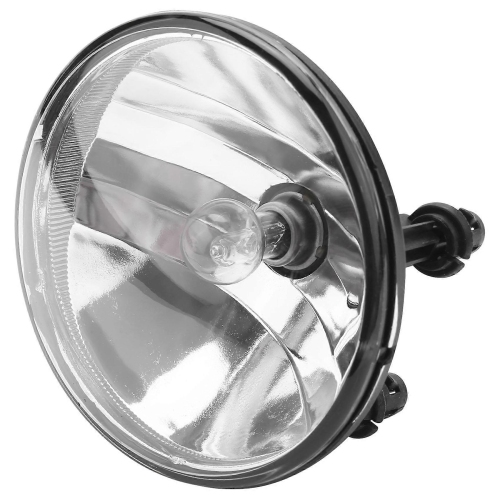
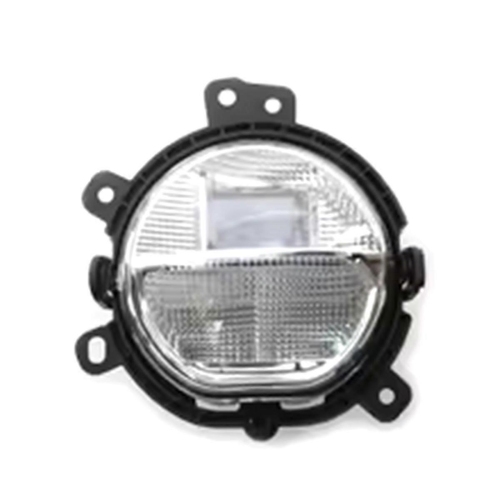
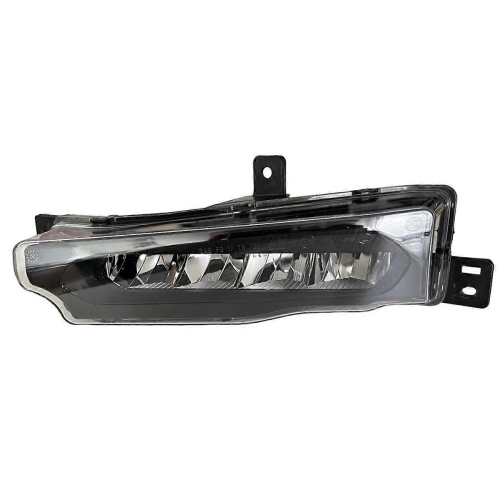
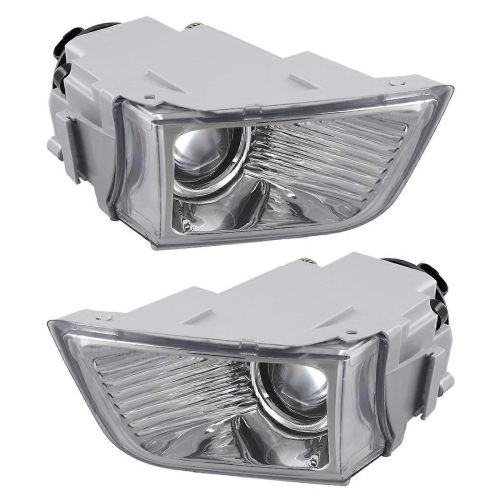
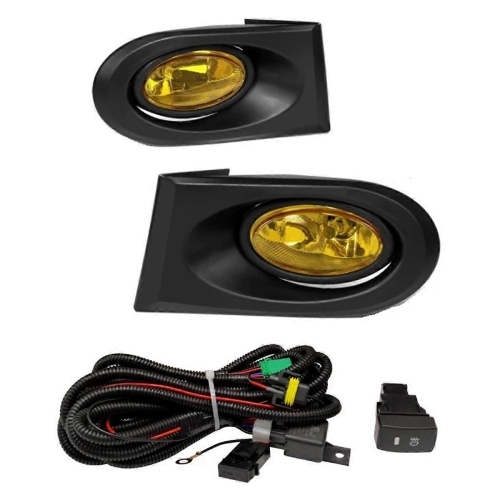
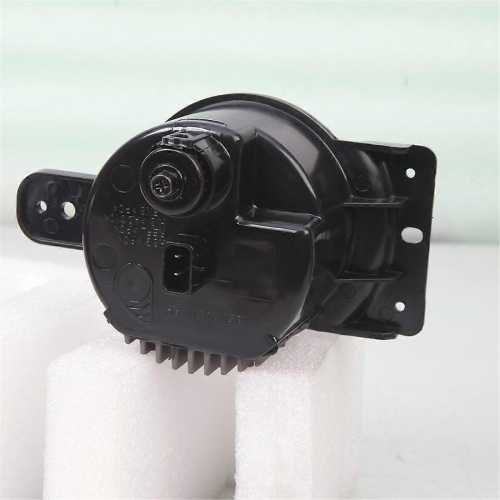
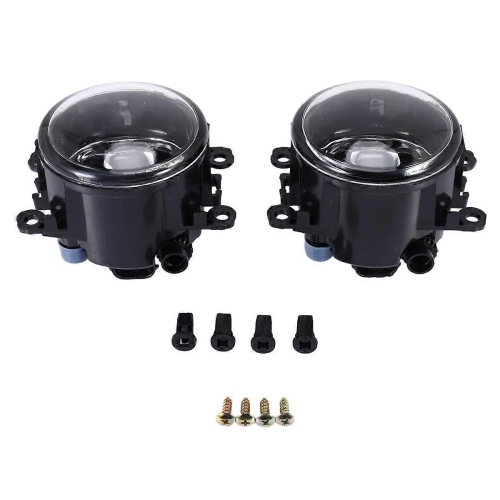
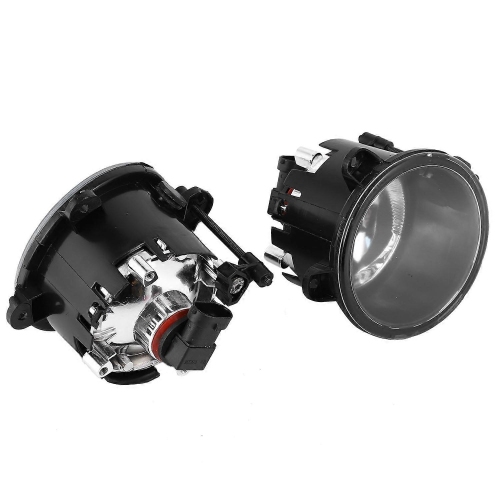

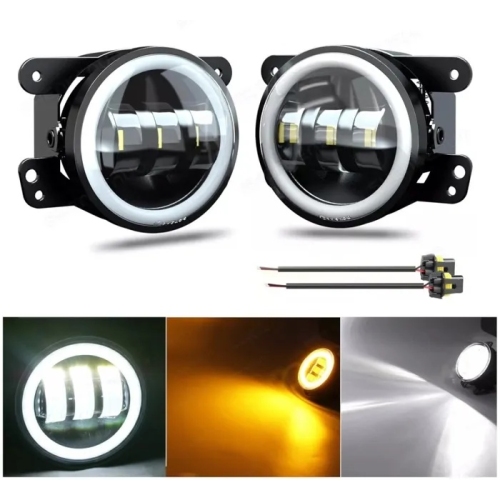
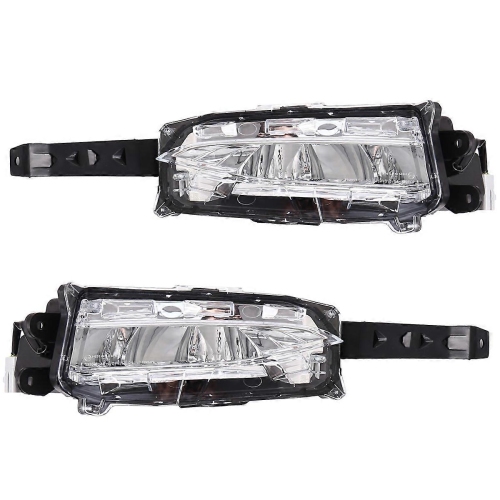
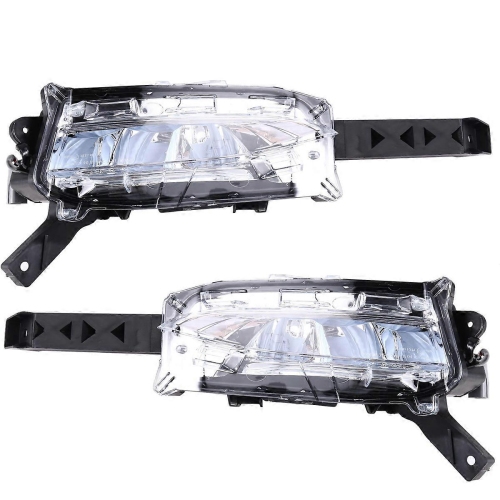
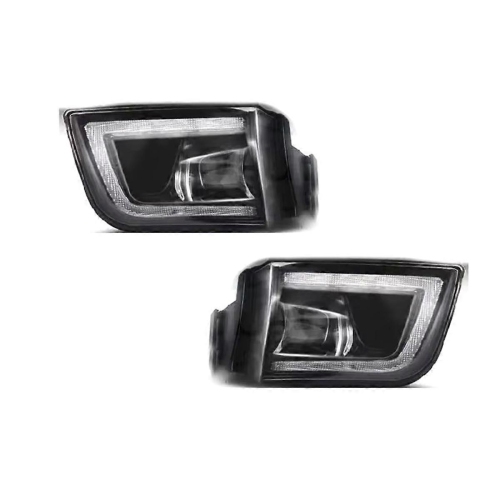
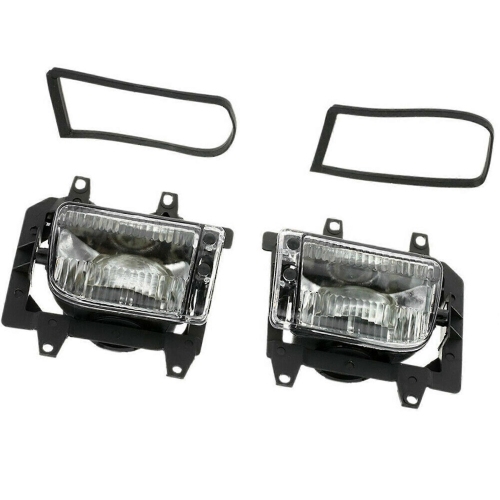
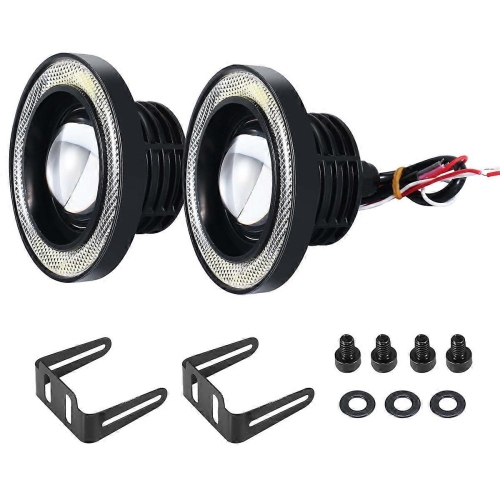
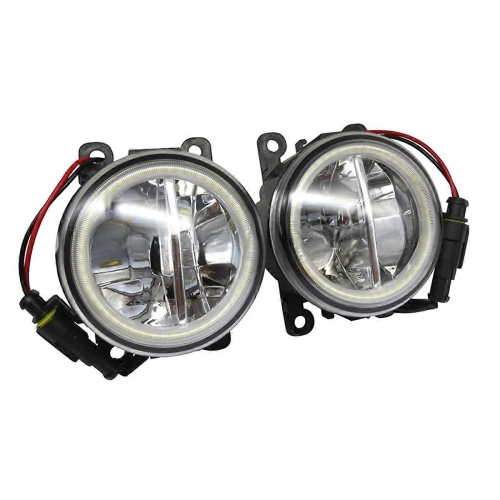
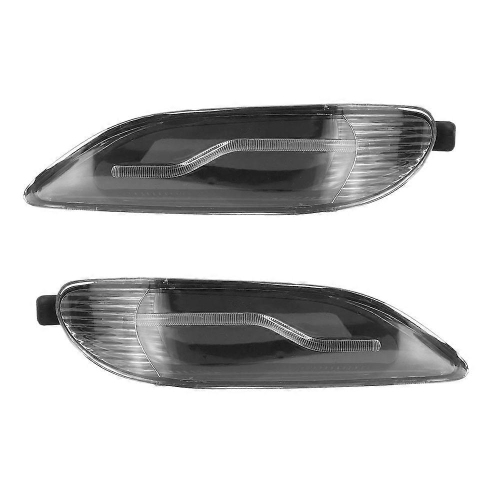
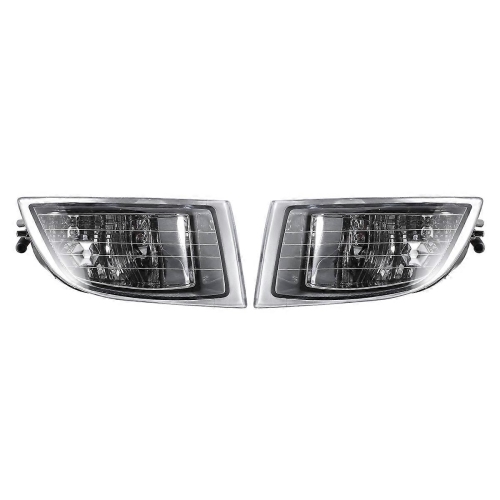
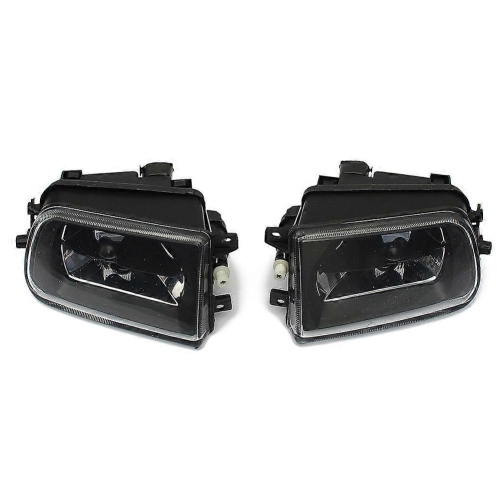
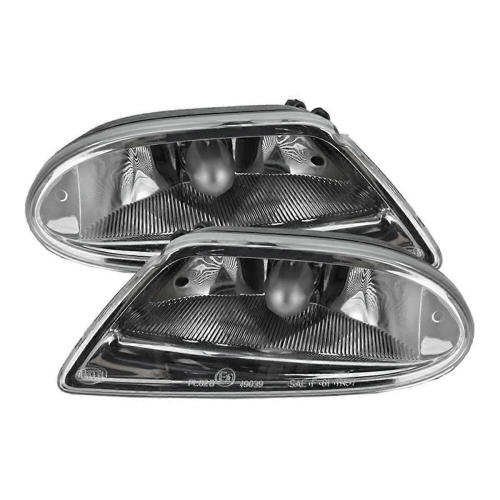
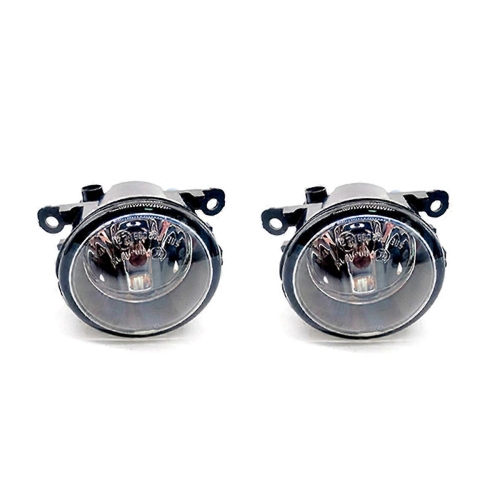
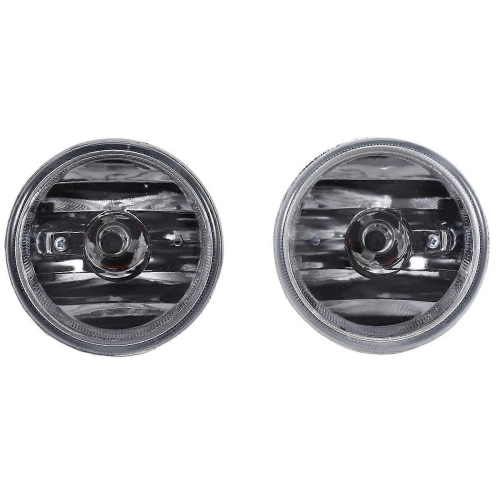
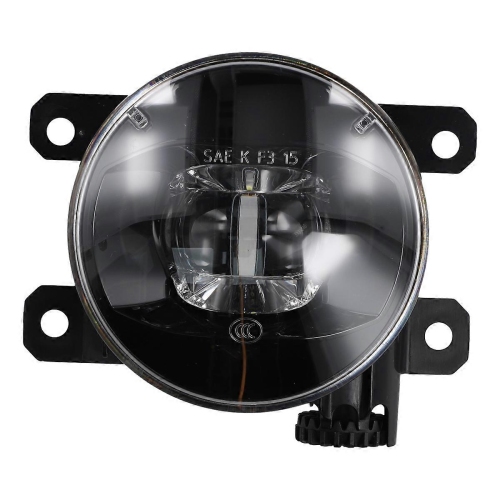
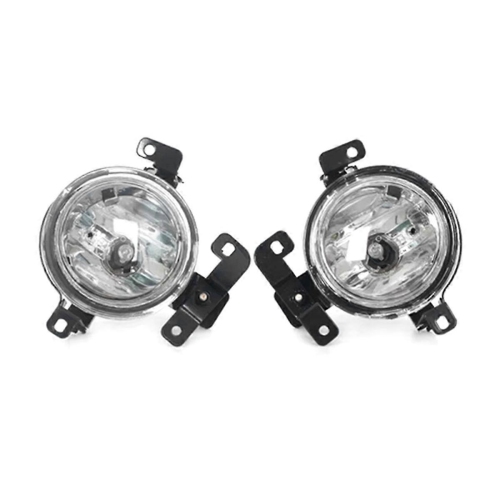
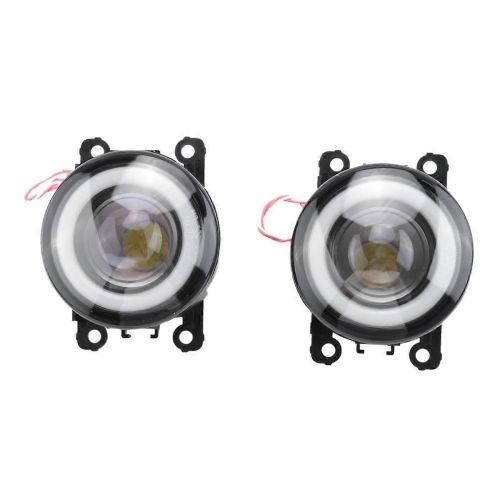
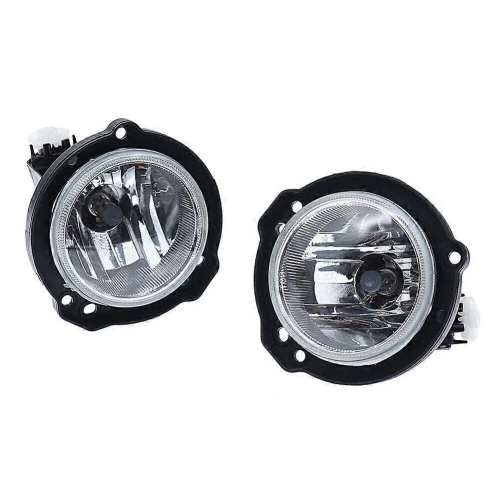
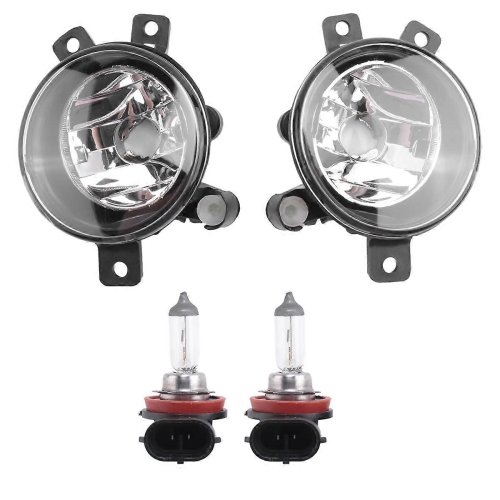
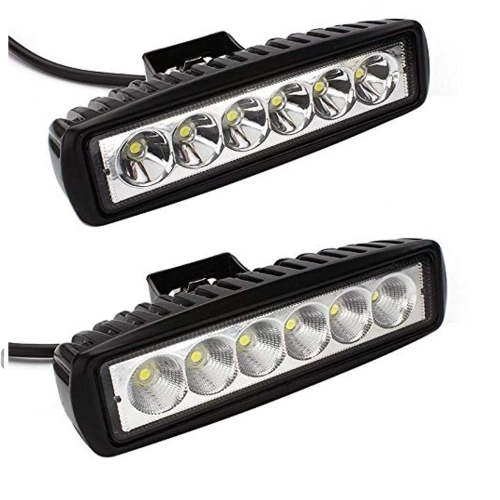
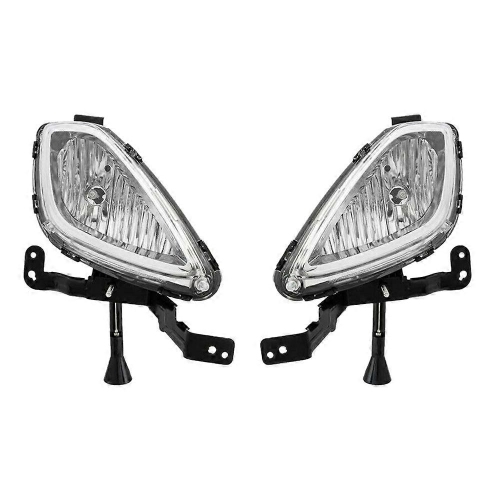
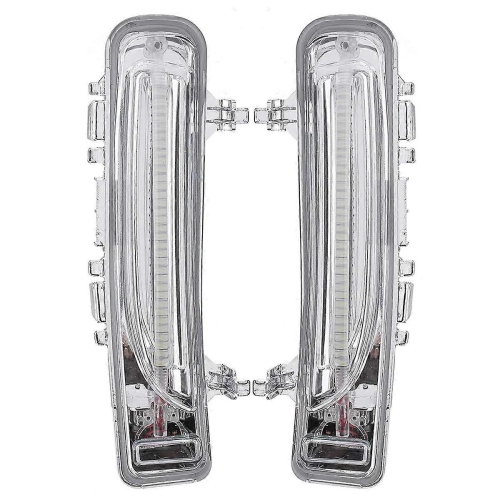
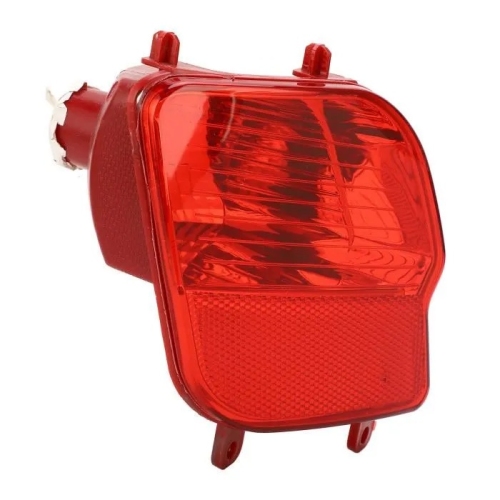
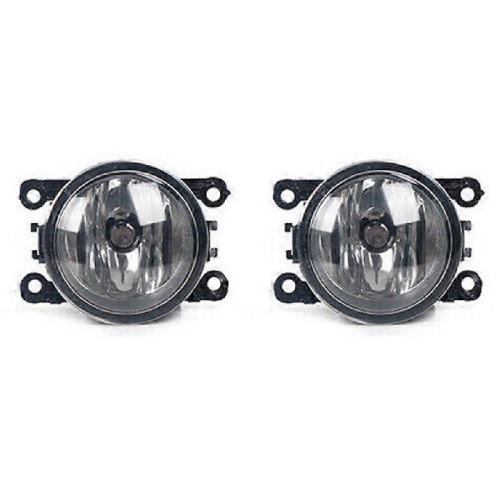
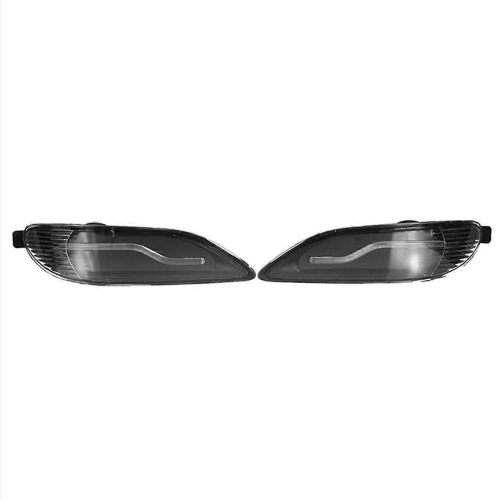
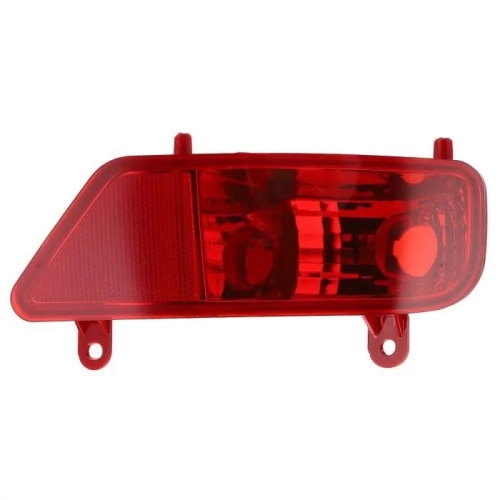

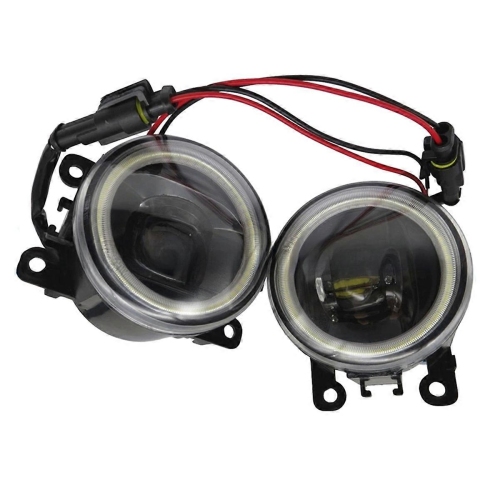
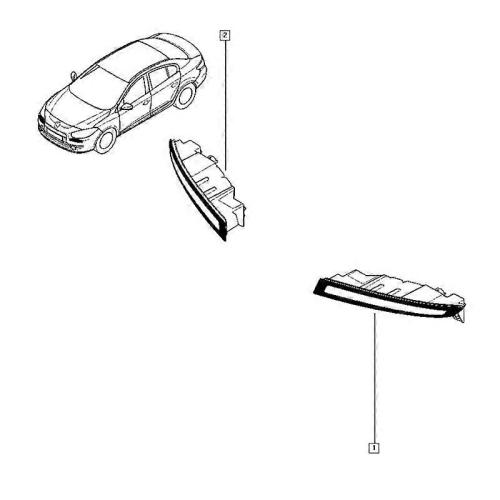
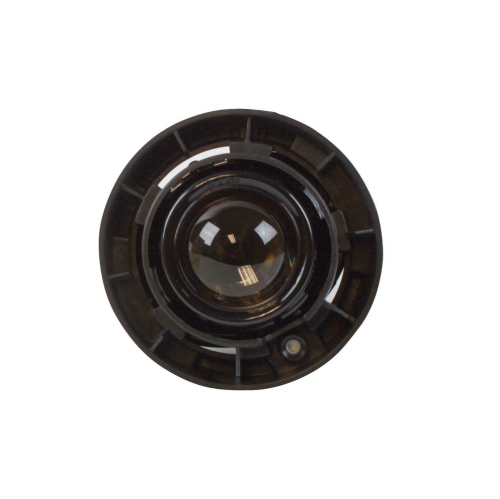
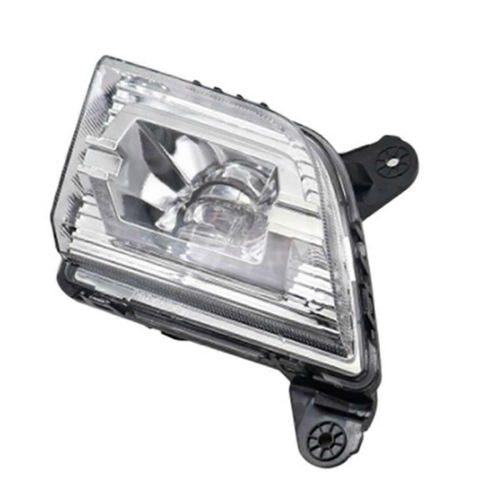
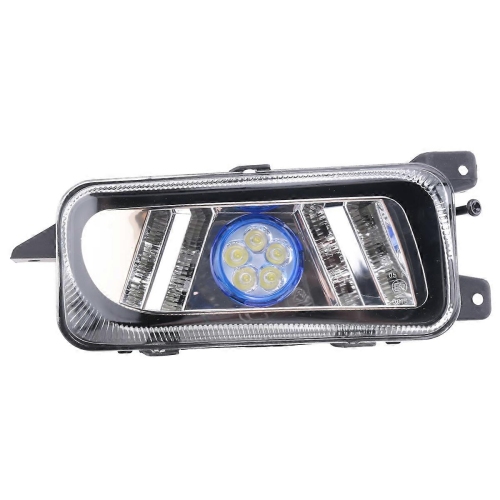
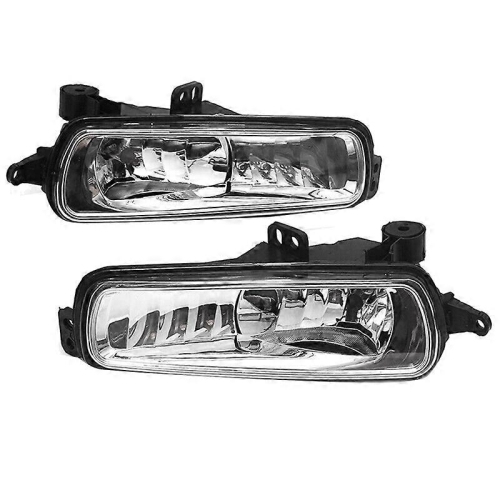
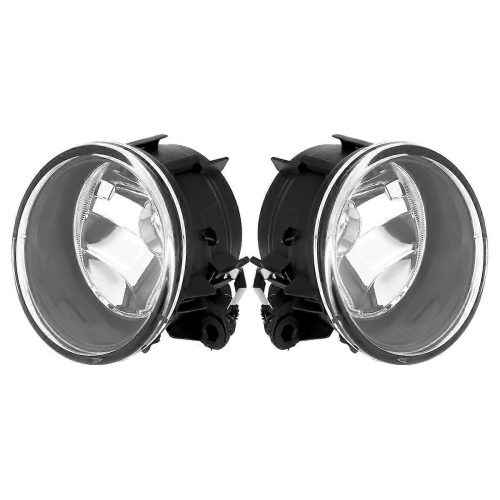
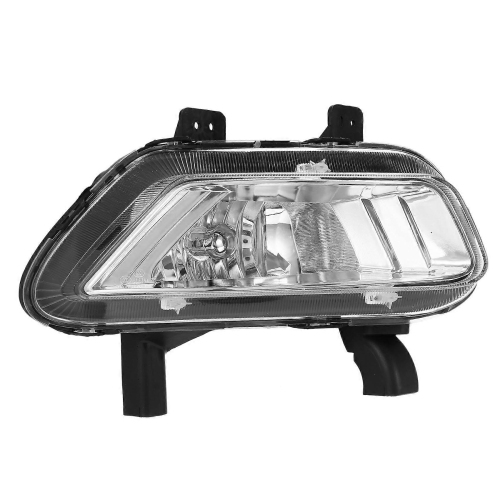
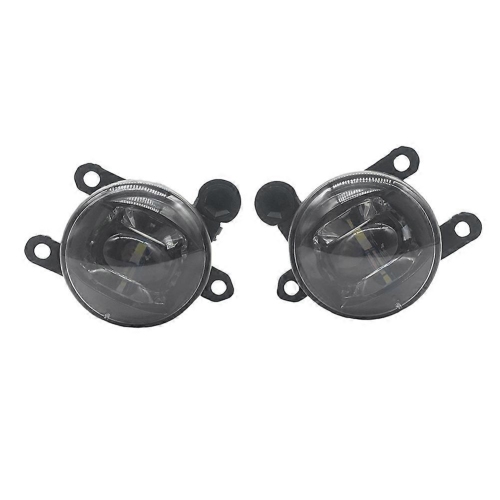
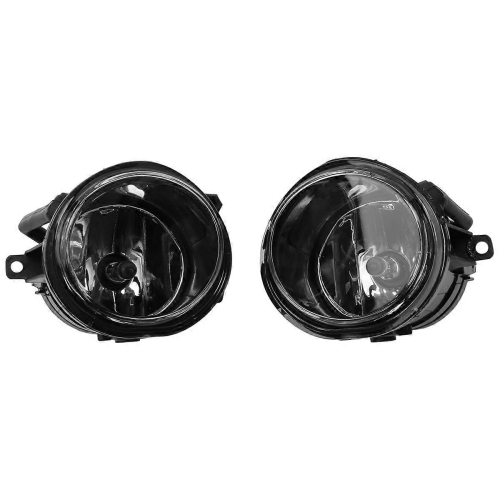

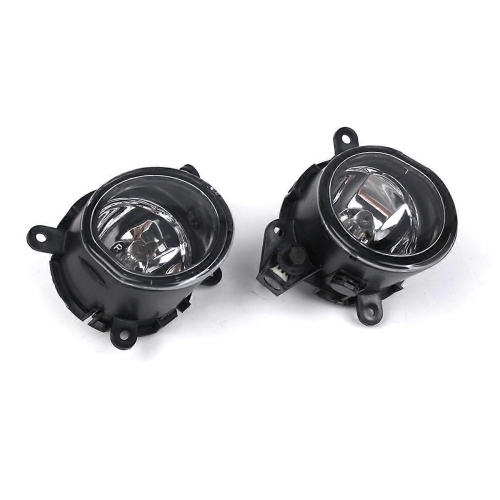
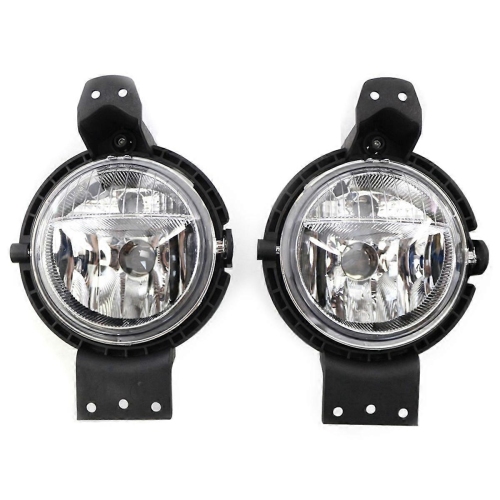
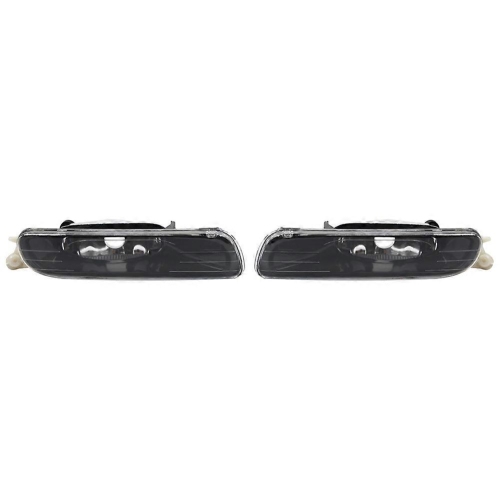
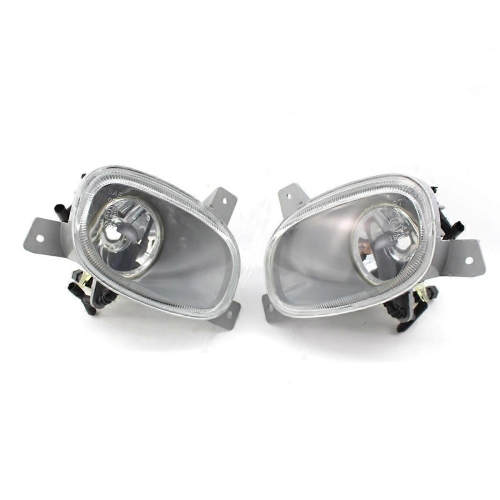
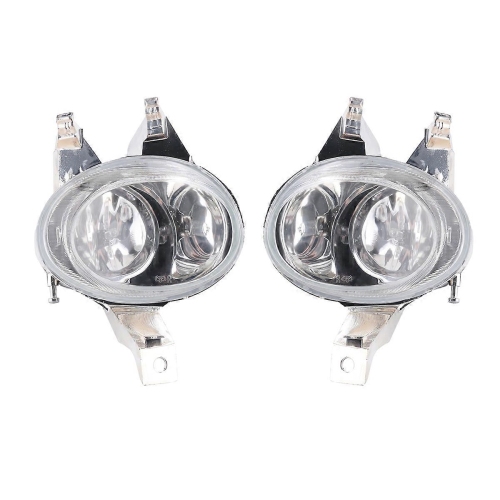
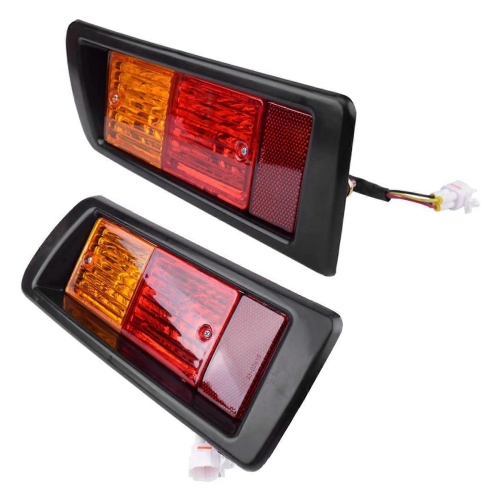
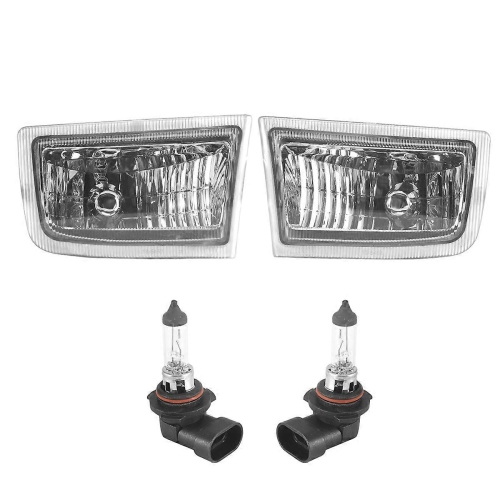
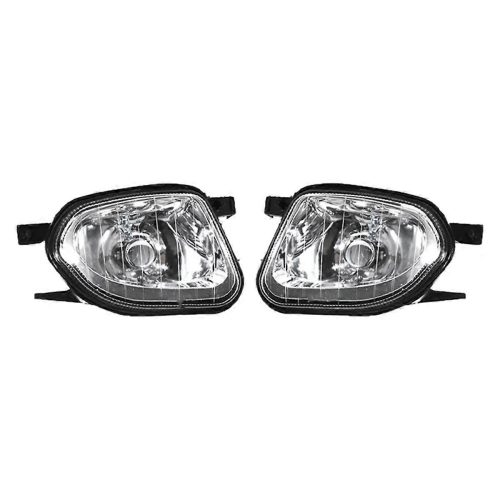
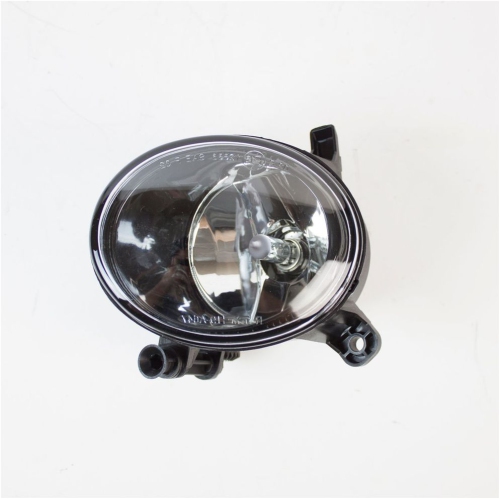
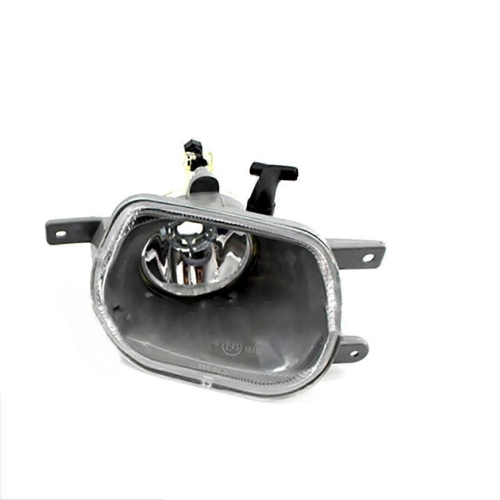
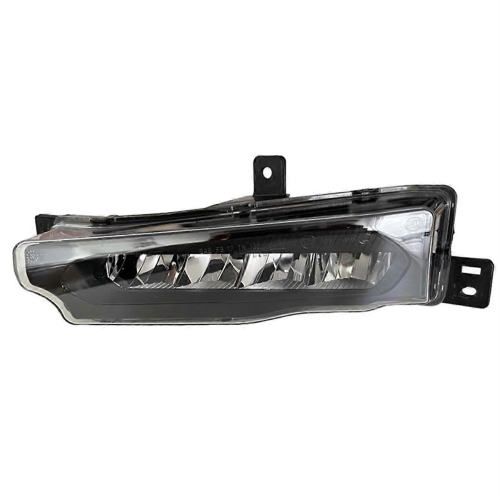
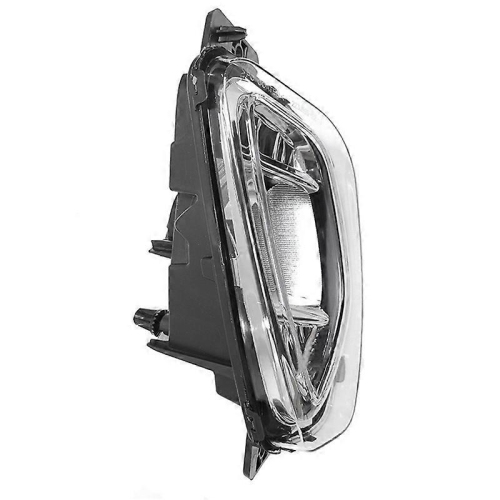
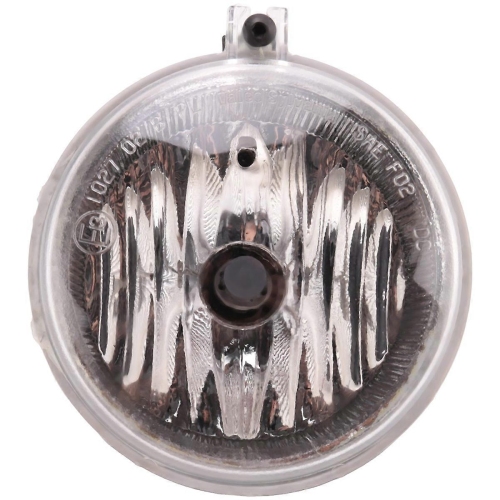
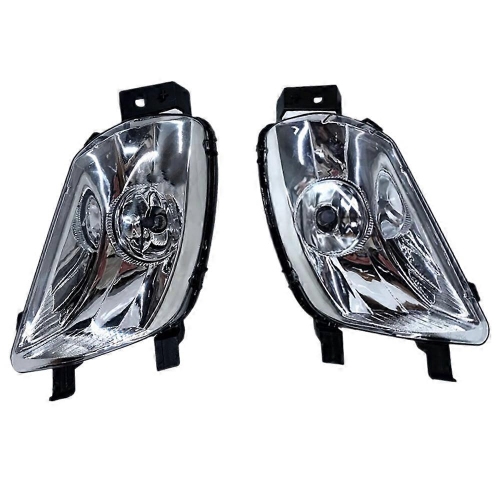
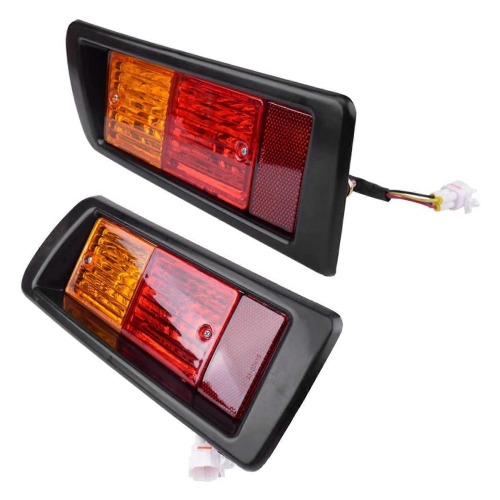
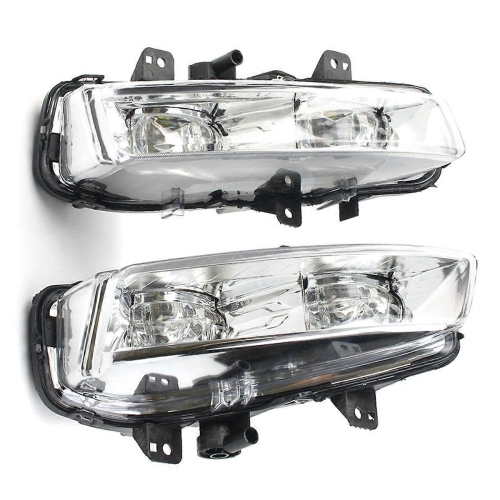
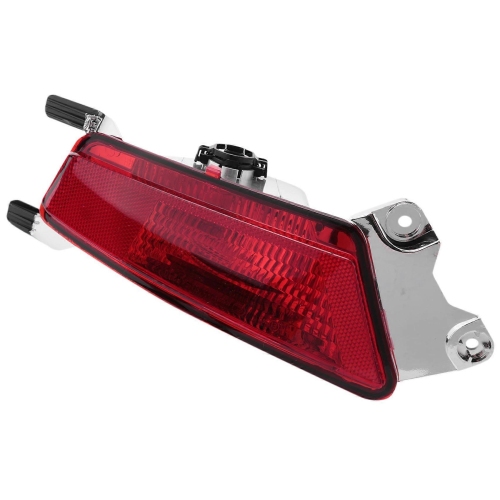
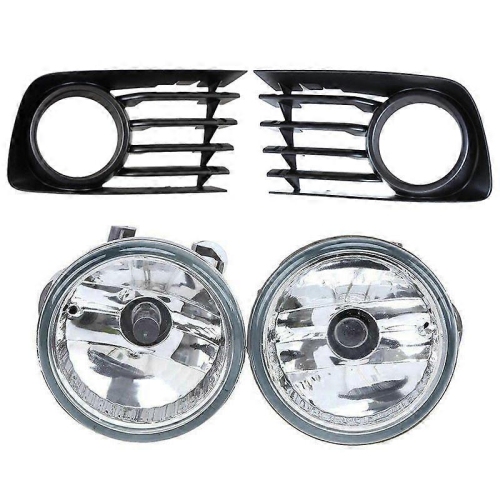
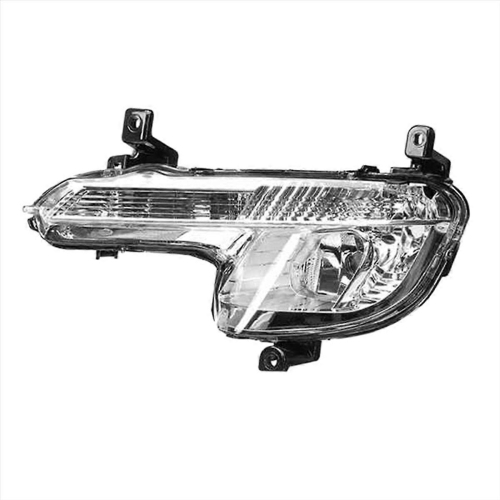
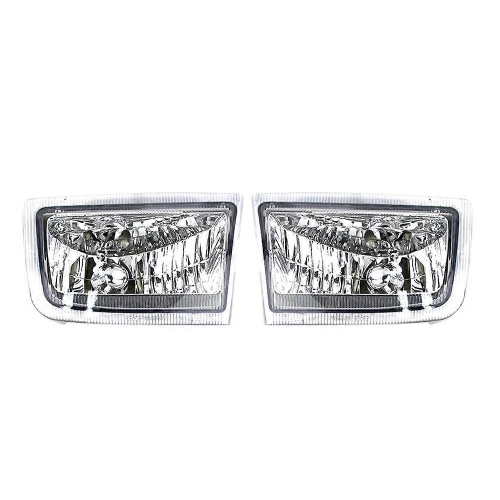
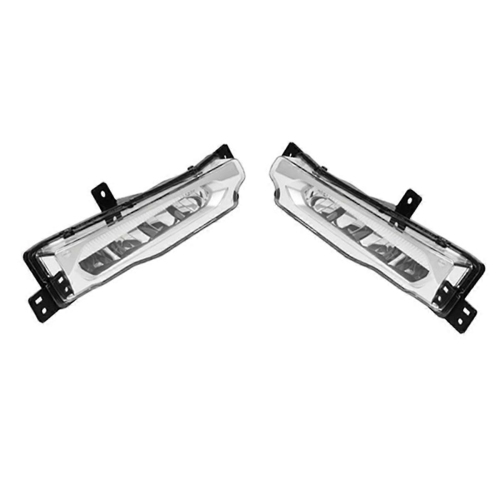
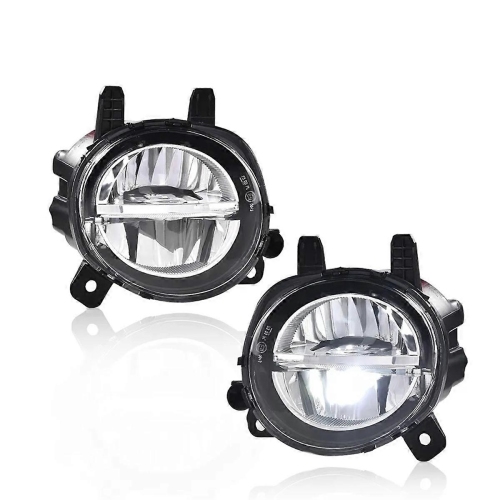
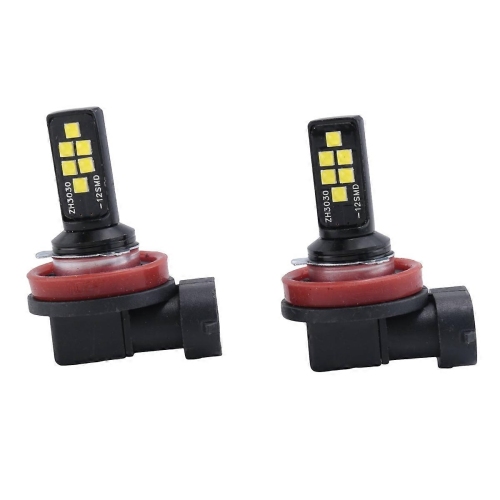
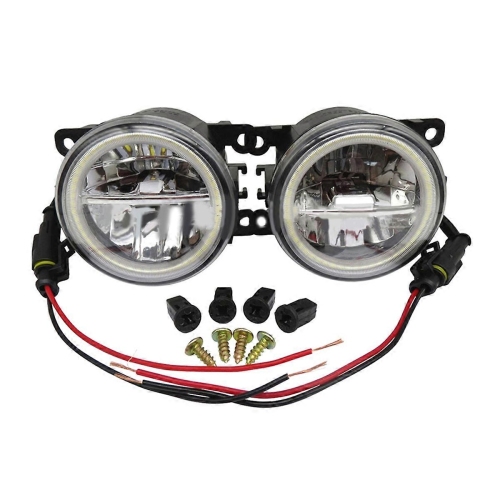
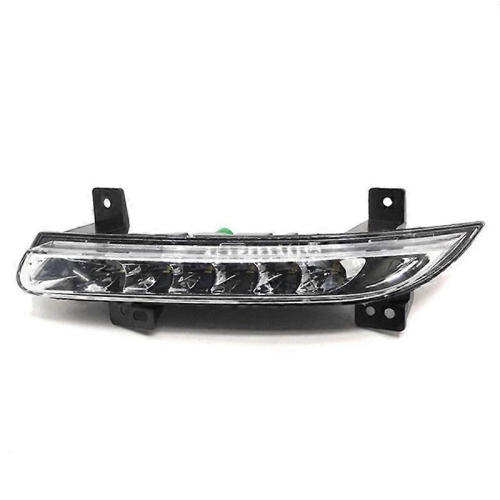
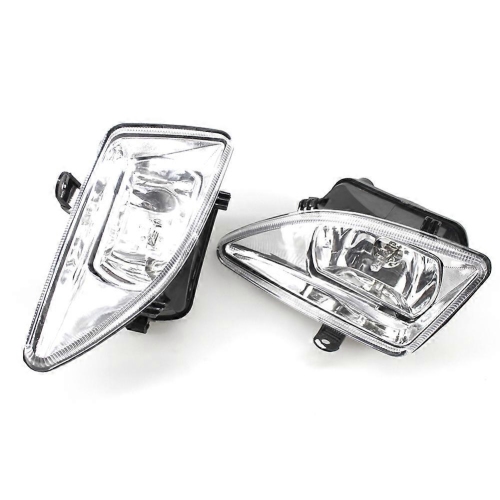
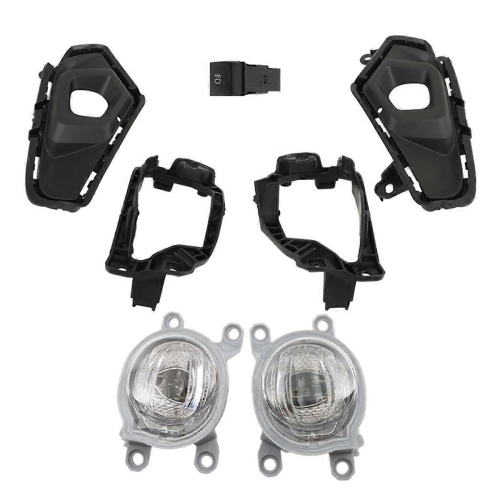
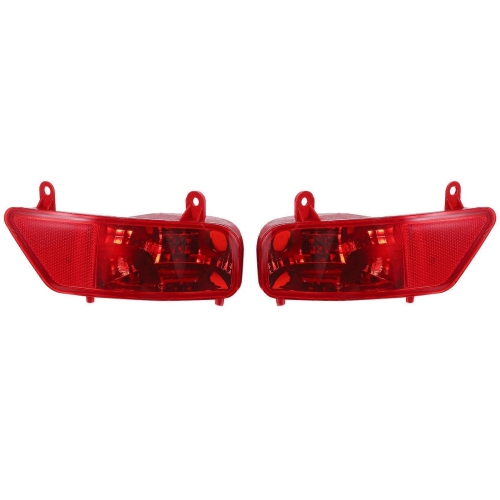
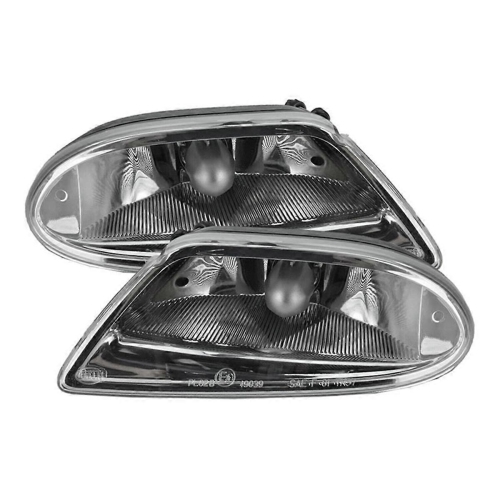
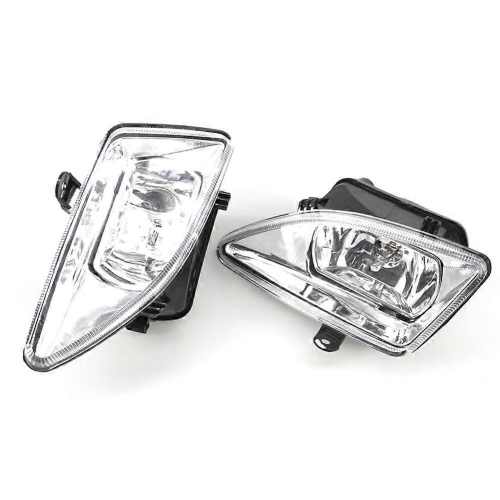
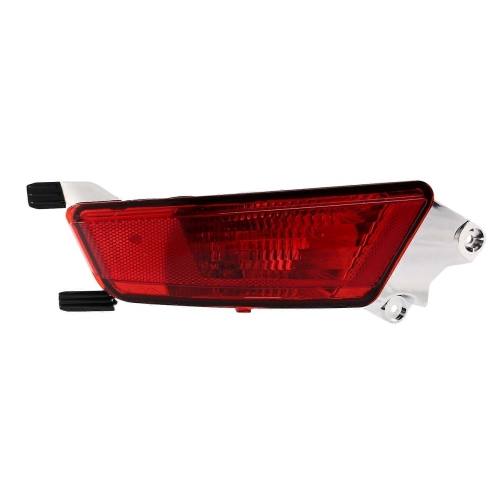
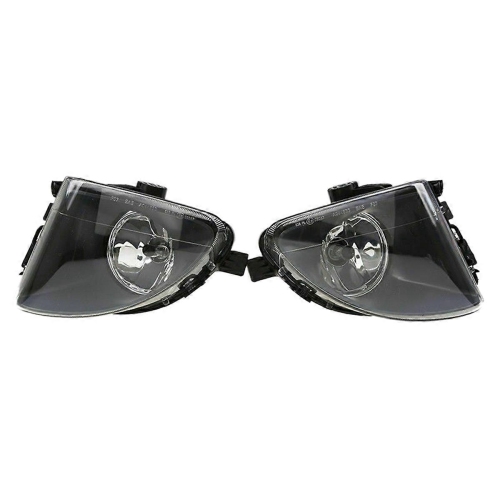
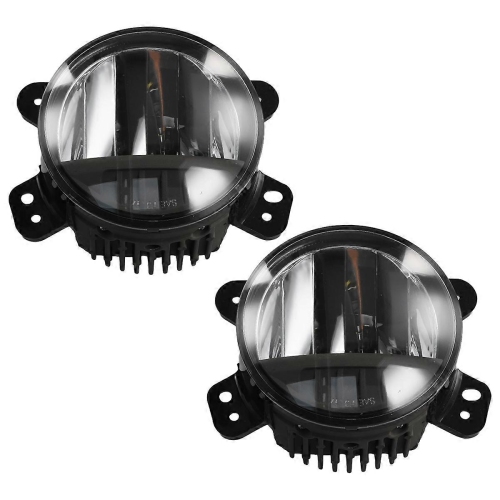
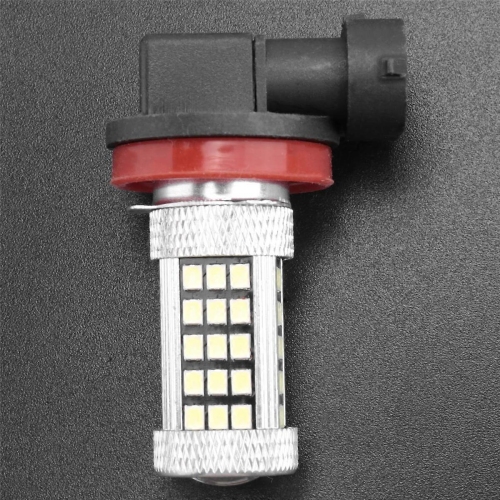
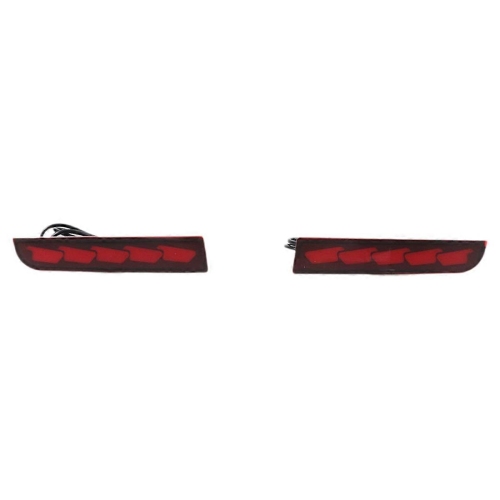
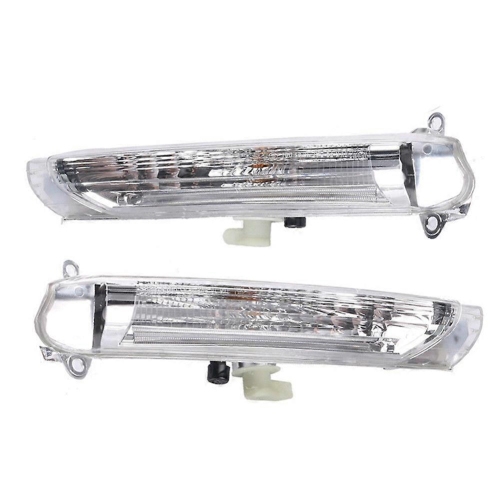
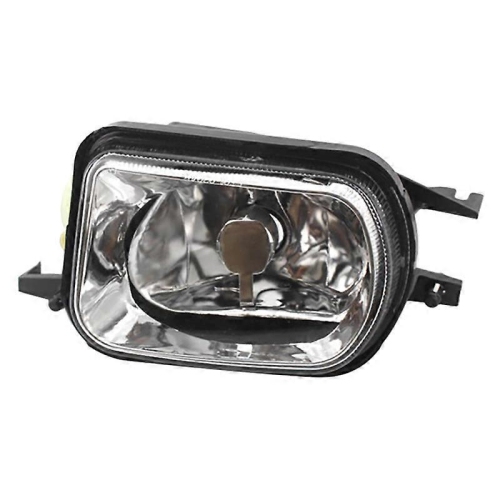
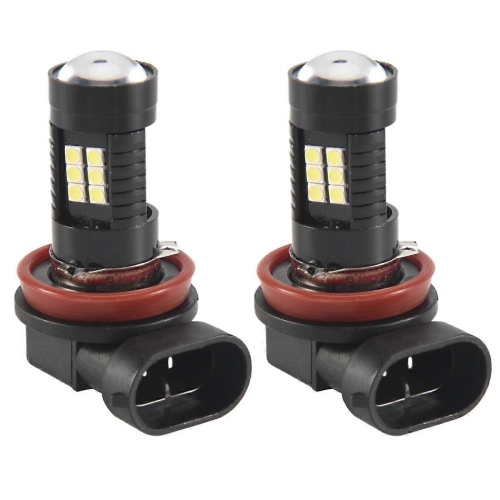
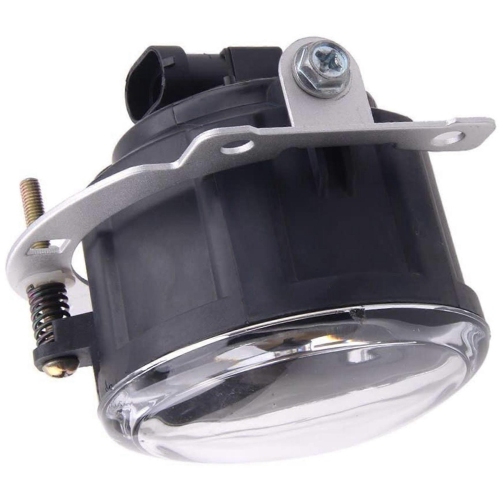
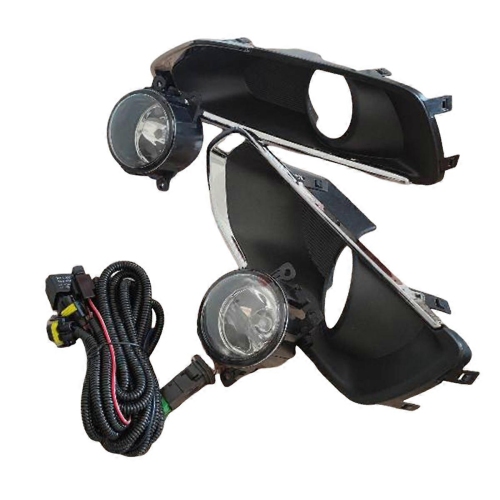
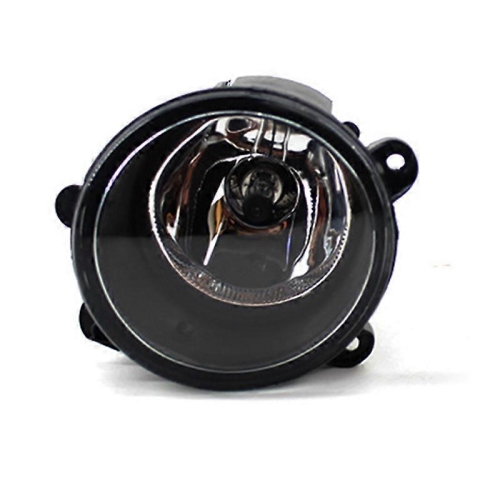
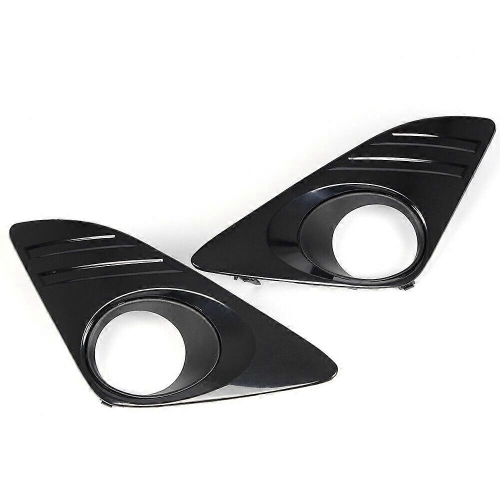
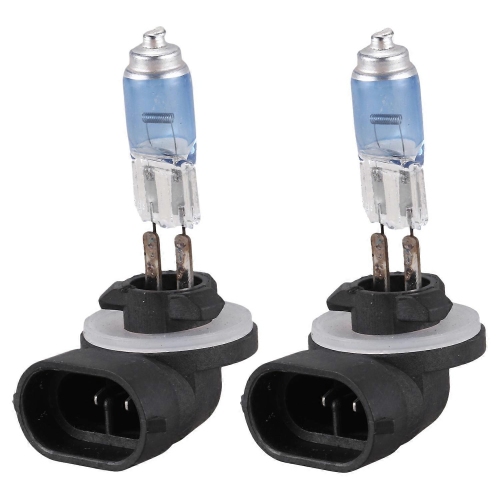
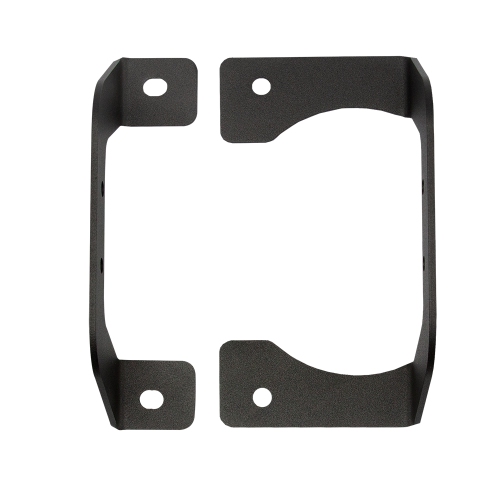
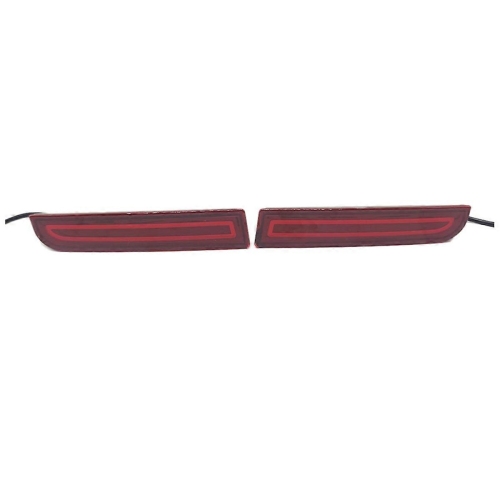
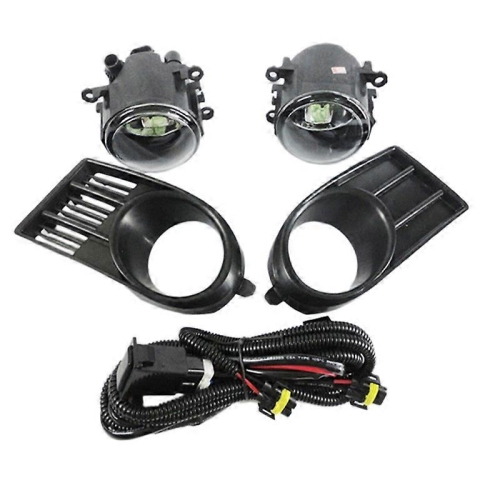
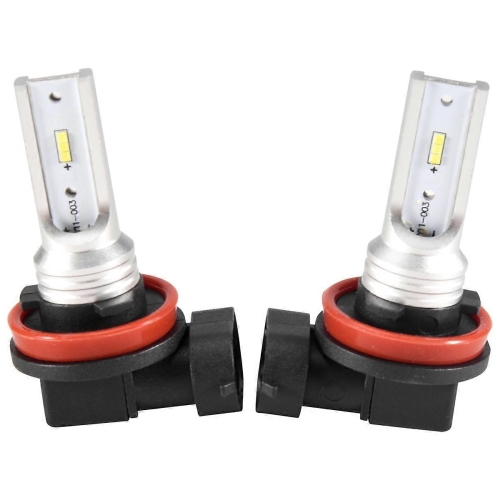
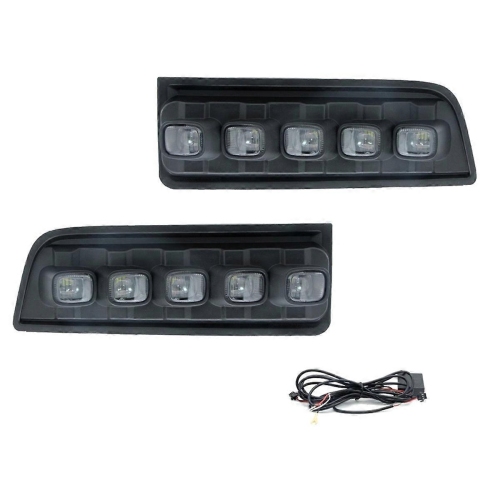
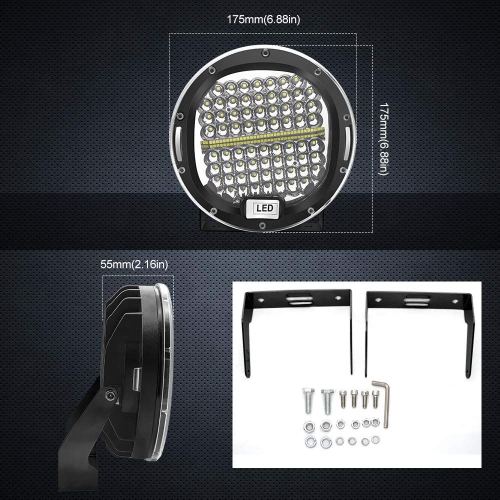
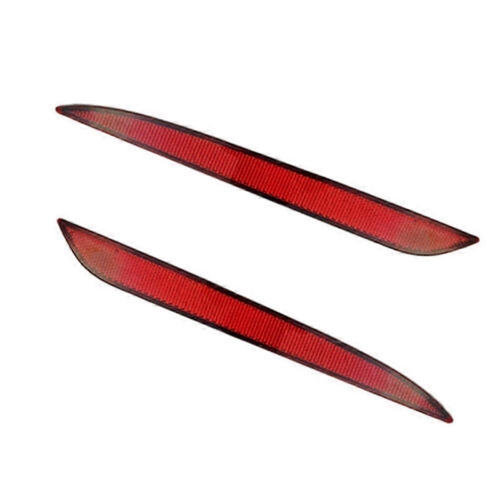
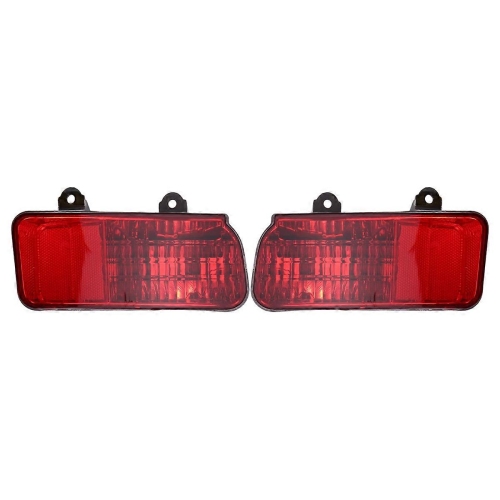
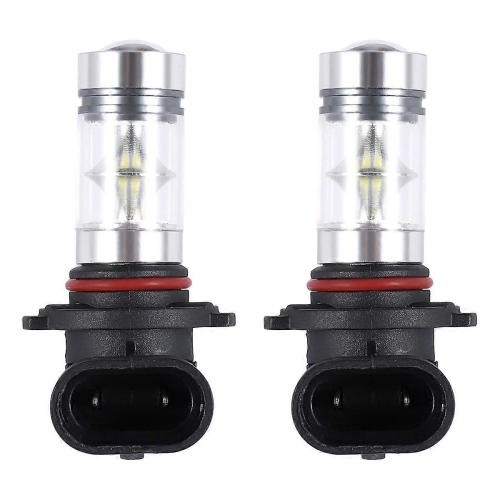
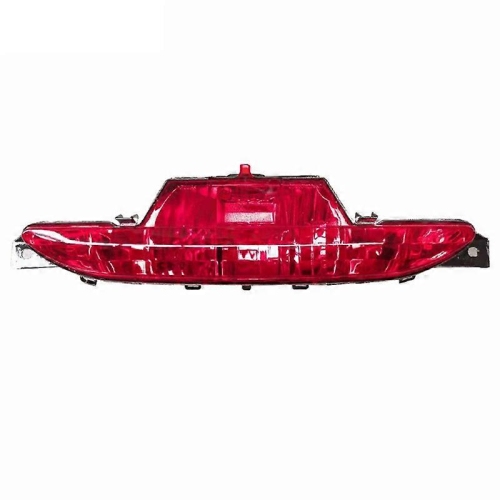
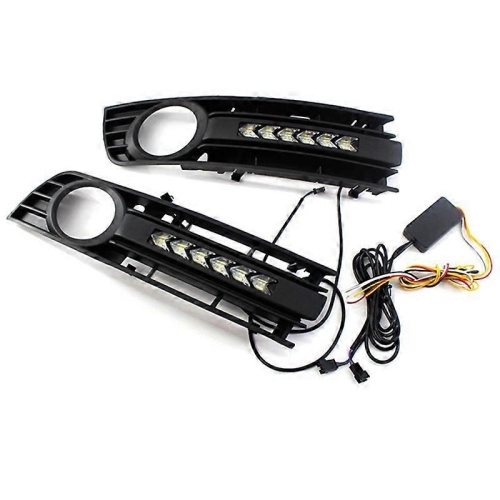
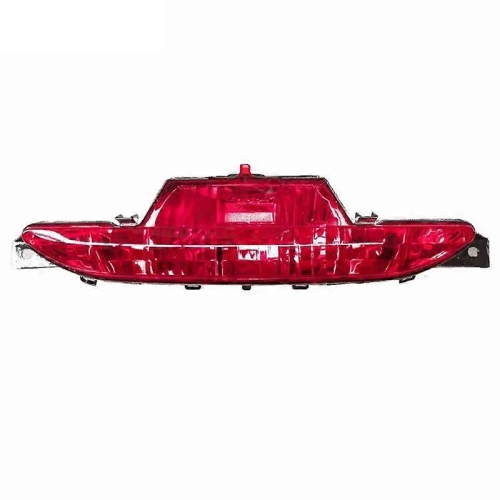
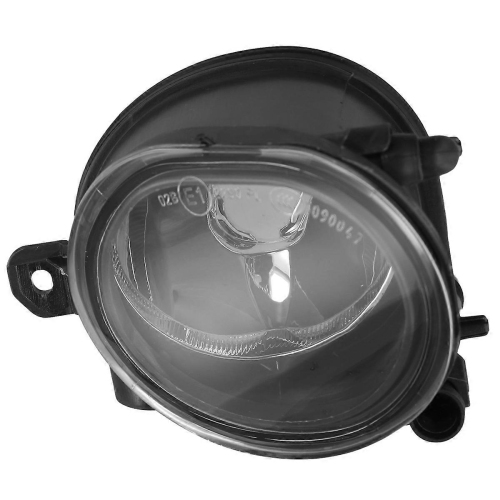
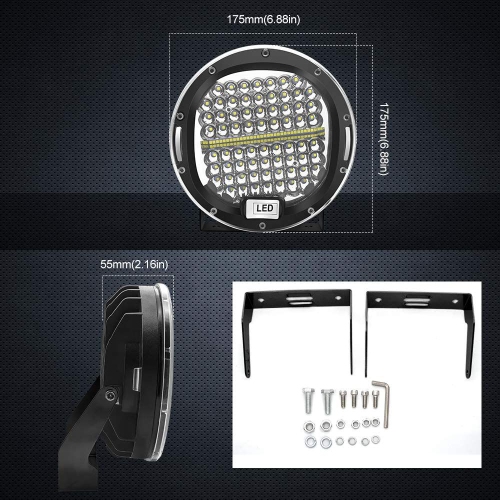
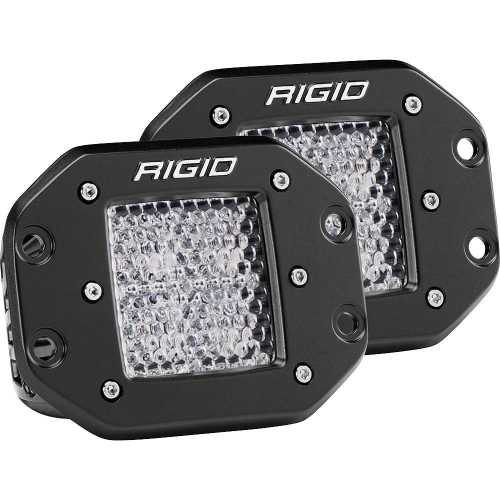
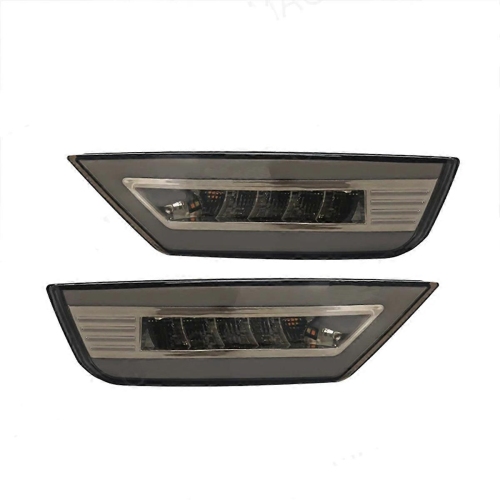
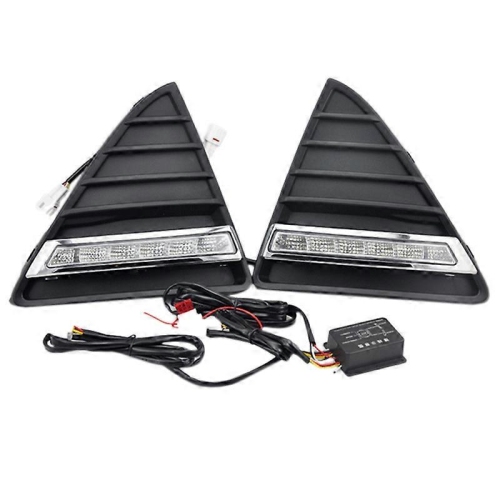
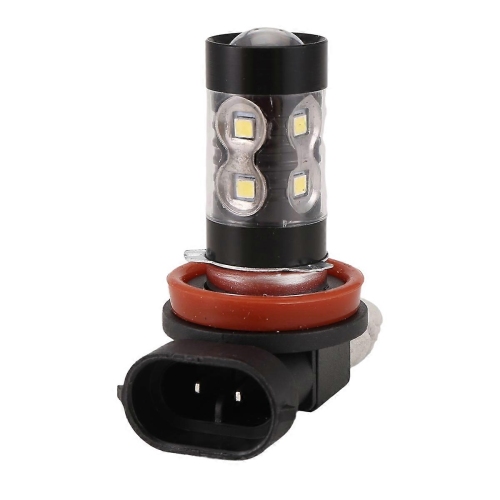
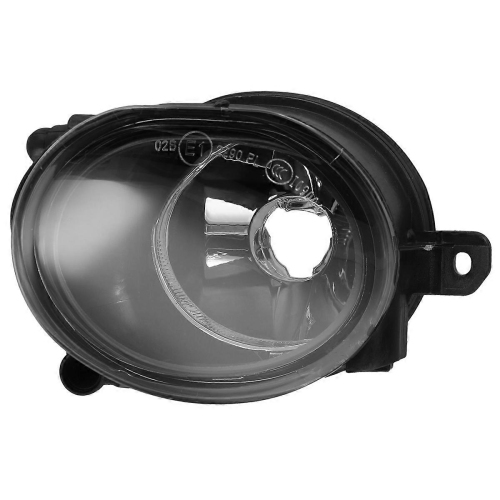
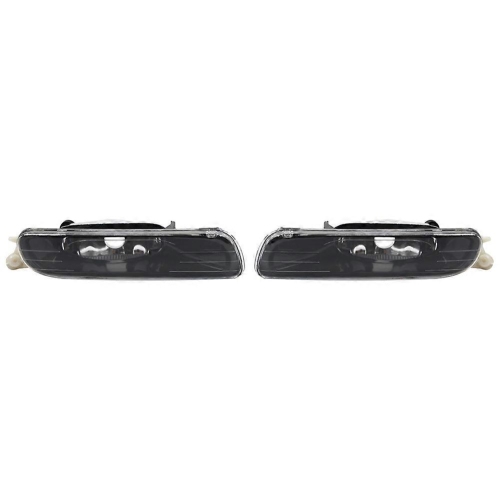
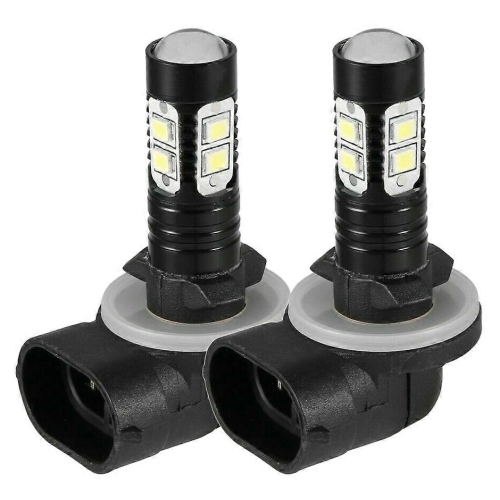
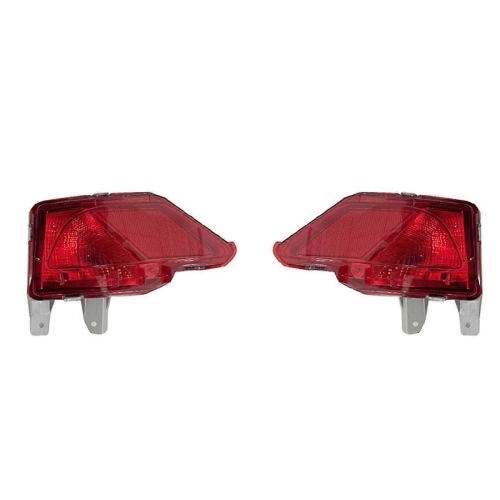
A matching shape doesn’t guarantee the right fit
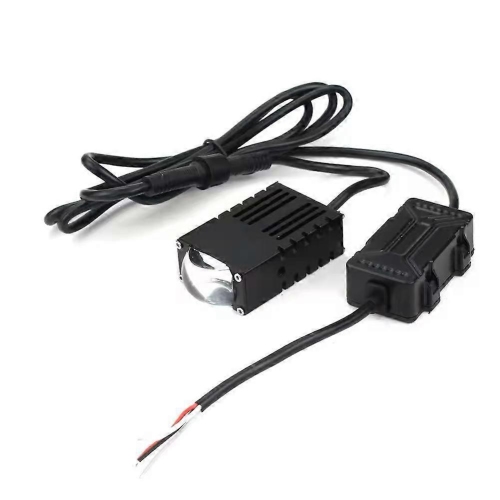
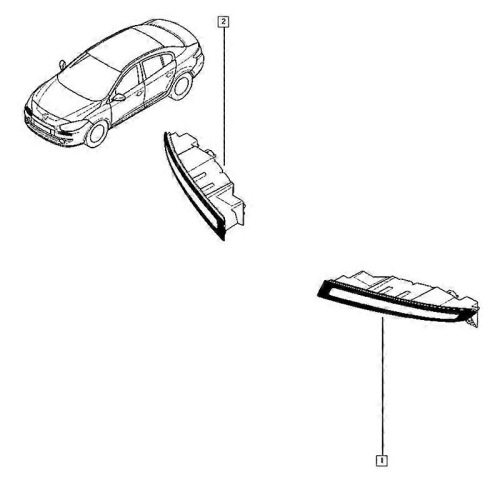
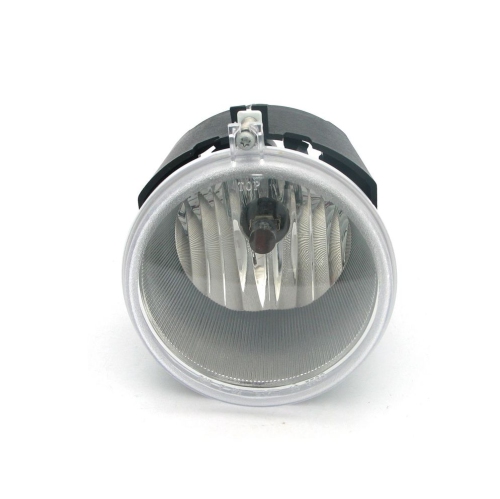
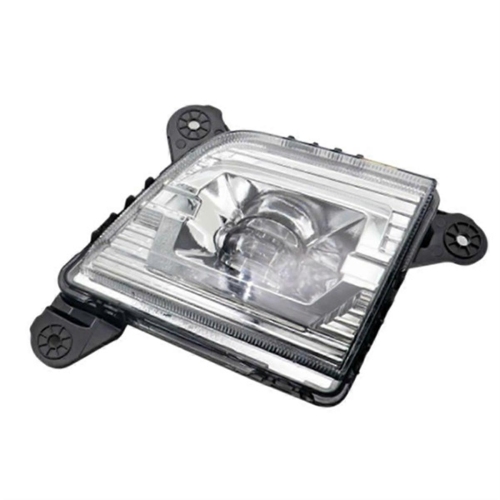
Replacement fog lights are bulbs or complete lamp assemblies designed to replace worn, damaged, or non-functioning fog lights on a vehicle. Typically mounted low in the front bumper, front fog lights produce a broad beam directed towards the road immediately ahead and along its edges. Their purpose differs from that of high beams, which can reflect off suspended moisture and make visibility more difficult in fog. Properly fitted and aimed fog lights can supplement the appropriate headlights in reduced visibility, but they do not replace headlights or remove the need to slow down and leave extra following distance. The right replacement depends on what has failed. A burned-out bulb may only require a matching replacement bulb, while a cracked lens, broken mounting tab, damaged reflector, or leaking housing may call for an assembly. Some LED fog lights have an integrated light source rather than a separately replaceable bulb, making the assembly design especially important. Replacing a fog light generally involves accessing the rear of the lamp, disconnecting its electrical connector, replacing the bulb or assembly, and checking operation and aim. Depending on the vehicle, access may be through the wheel well, beneath the bumper, or behind a removable trim panel. That difference can turn an otherwise straightforward replacement into a job involving splash shields, clips, or restricted working space. The vehicle’s service information determines the correct procedure, and professional installation may be worthwhile when bumper removal or electrical diagnosis is involved. A lamp that flickers or stays dark does not always need replacing: a loose connector, damaged wiring, or a circuit fault can produce similar symptoms. Identifying the cause helps avoid replacing an otherwise serviceable light. For daily commuters, drivers travelling rural roads, and owners maintaining an older vehicle, replacement fog lights are primarily about restoring the intended lighting function and preserving a secure, properly sealed fit.
Vehicle compatibility matters more than a similar shape or an appealing lens design. Replacement fog lights need to match the vehicle’s year, make, model, and, where applicable, trim level or bumper configuration. Two vehicles from the same model range can use different lamps if one has a different front fascia or optional lighting package. Driver-side and passenger-side assemblies may also have distinct mounting points, so the correct side is as important as the overall dimensions. Useful fit details include the bulb designation, connector shape, mounting tabs, adjustment mechanism, and whether the assembly includes a bulb, gasket, wiring lead, or surrounding bezel. A lamp intended to replace an existing fog light is different from a kit meant to add fog lights to a vehicle that never had them; adding a system may require suitable brackets, wiring, switching, and circuit protection. Electrical compatibility deserves equal attention. The light source, wattage, and connector must suit the vehicle’s system, and a bulb that physically fits is not necessarily appropriate for the housing’s optical design. Substituting an LED bulb into a housing designed for halogen can change the beam pattern and create glare, even when the result appears brighter. Materials influence how an assembly holds up to road use. Depending on the design, lenses may be glass or impact-resistant plastic, while the housing supports the reflector, light source, and mounting hardware. Lens clarity, sound seals, and sturdy attachment points help the lamp maintain its intended performance despite vibration, road grit, and water exposure. A small chip near a lens edge or a distorted mounting tab can matter as much as obvious damage across the front. Where stated, protective coatings and water-resistance specifications can provide useful context, but they do not make a lamp immune to stone strikes, corrosion, or pressure-washing damage. Compatibility information and installation details are more useful than appearance alone when choosing a replacement.
Beam colour is another consideration, although colour by itself does not establish how well a fog light will perform. White light and selective-yellow light can have different visual characteristics, and drivers interested in a yellow beam can compare Yellow Fog Lights while checking the same fit, electrical, and road-use requirements. A yellow-looking lens does not always tell the whole story about the emitted light, just as a stated colour temperature does not describe beam width or glare control. The reflector, lens optics, mounting position, and adjustment all contribute to where the light lands. Higher light output is not automatically more useful if too much of it reaches other drivers’ eyes or concentrates in a bright patch immediately in front of the bumper. Road-use requirements and permitted lighting colours can vary by province or territory, so suitability for public roads should be confirmed rather than assumed from a bulb type or marketing description. Once installed, fog lights benefit from the same routine attention as other exterior lamps. Road film, slush, and salt residue can reduce useful light, while loose mounting hardware may allow the beam to shake over uneven pavement. Gentle cleaning with a soft cloth and a suitable cleaner helps protect the lens; scraping with hard tools or using abrasive compounds can damage its surface or coating. Persistent internal droplets or pooled water deserve attention, although brief condensation can occur in some vented lamp designs. Checking seals and connectors during replacement can help identify an unresolved source of moisture. Where separate halogen bulbs are used, avoiding fingerprints on the glass helps protect the bulb from uneven heating. Comparing both fog lights after replacement also makes uneven output, colour differences, or misalignment easier to spot. For a vehicle used on misty roads, in falling snow, or through stretches of patchy fog, a sound housing and controlled beam matter more than decorative brightness. The most useful replacement restores the fit and lighting performance the vehicle was designed to provide.
Top selling and popular products
-
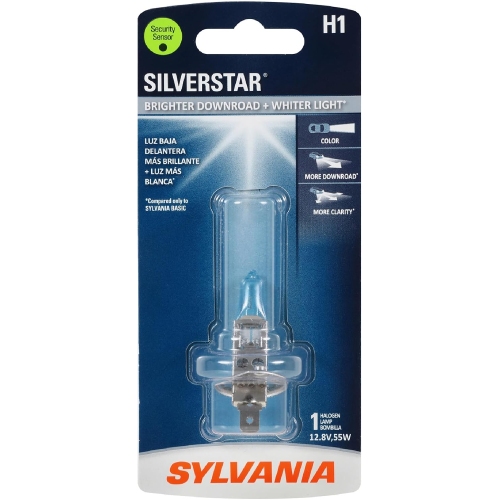 Your price for this item is $45.81
-
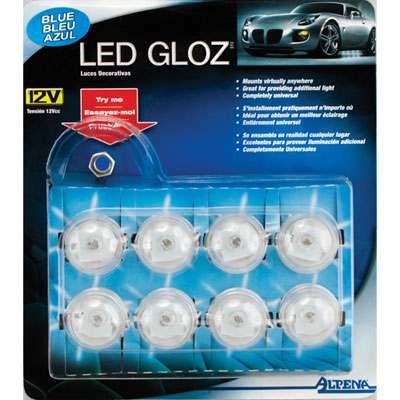 Your price for this item is $16.99
-
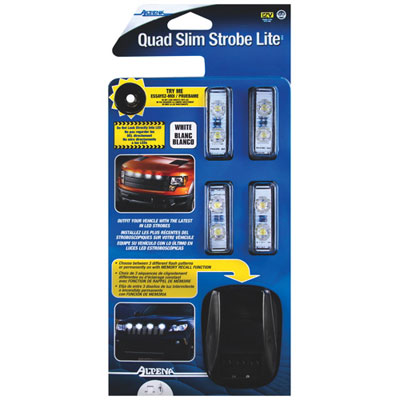 Your price for this item is $48.99
-
 Your price for this item is $36.99
-
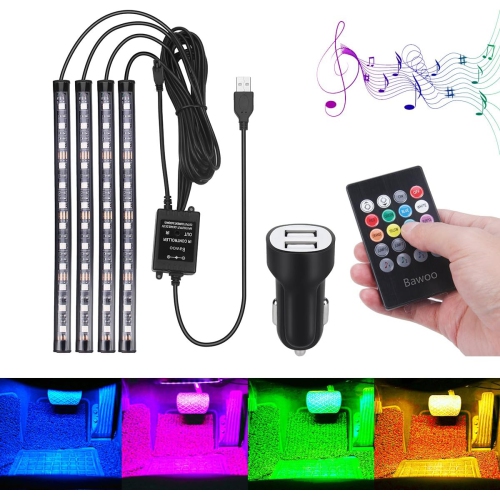 Your price for this item is $36.49
-
 Your price for this item is $30.99
-
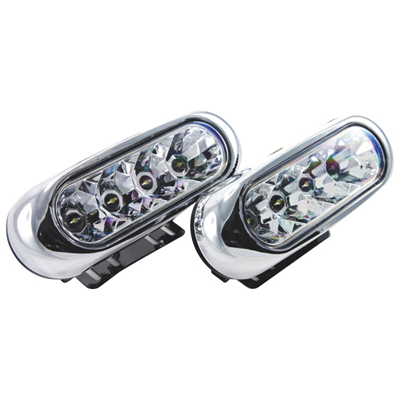 Your price for this item is $43.99
-
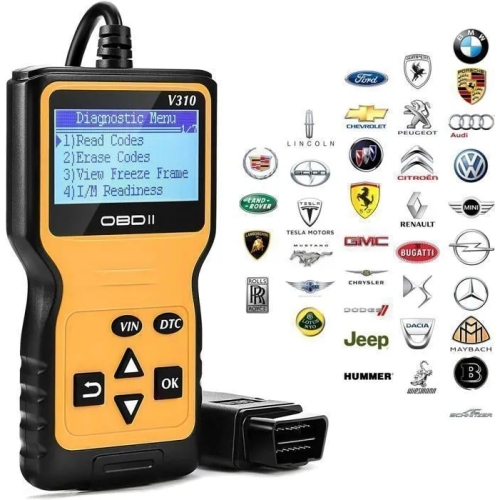 Your price for this item is $59.9
Discover more categories related to Replacement Fog Lights
Top Collections:
Best Black Friday Deals This Year, Best Black Friday Deals On Electronics, Kindle Devices, Best Black Friday Deals On Apple Products, Best Budget Office Chairs, Best Cameras for Sports Photography, Dyson Airwrap, Canon G7X Cameras, Best Laptops for Writers, Samsung Galaxy Phones
Some products may be subject to Environmental Handling Fees
(EHF) depending on your province.
Learn more about EHFs.