Vehicle Fog Lights
Enhance your driving visibility in challenging weather conditions with our selection of vehicle fog lights. Designed to cut through fog, rain, and snow, these powerful lights provide added safety and peace of mind on the road. Whether you're upgrading your current fog lights or looking to install them for the first time, we offer a range of options to suit different vehicle makes and models. Say goodbye to reduced visibility during inclement weather and hello to a clearer, safer drive with our high-quality fog lights.
Sort

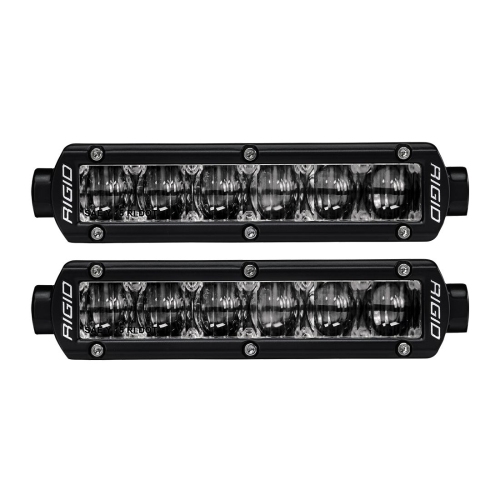
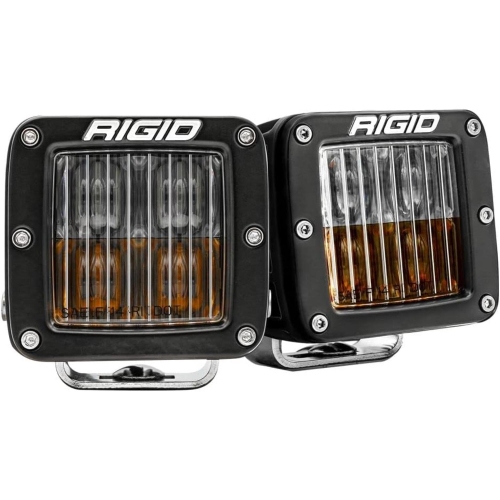
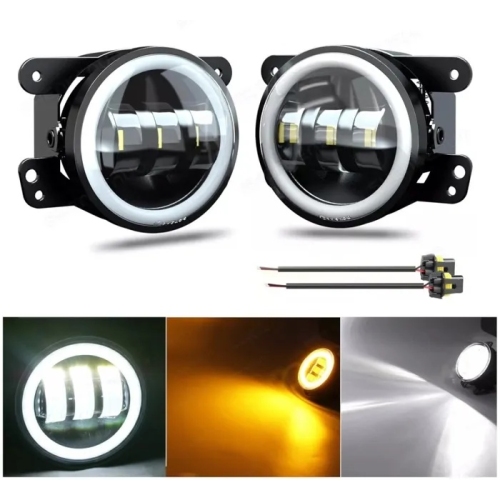
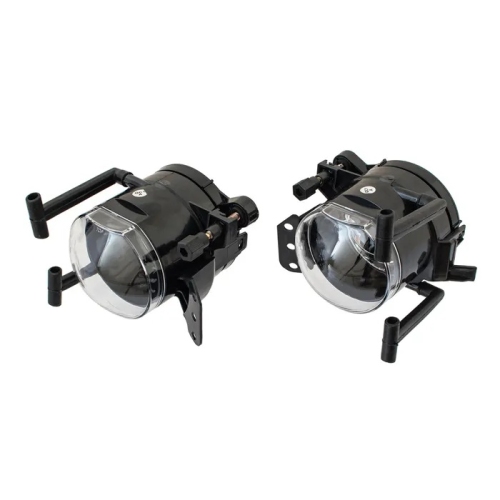
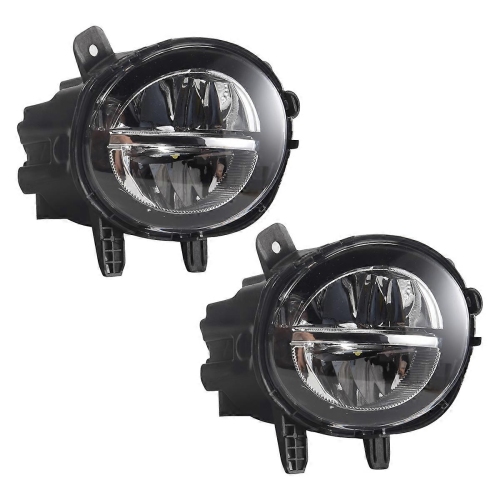
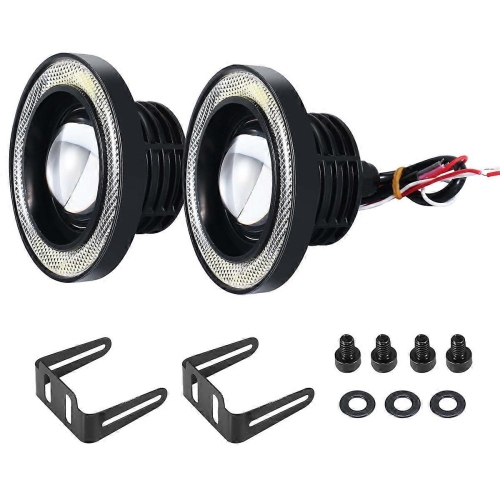
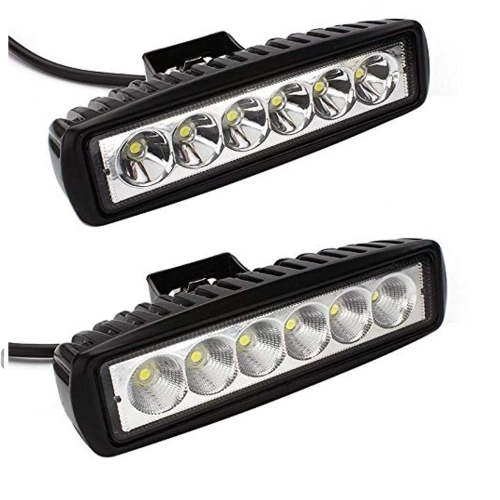
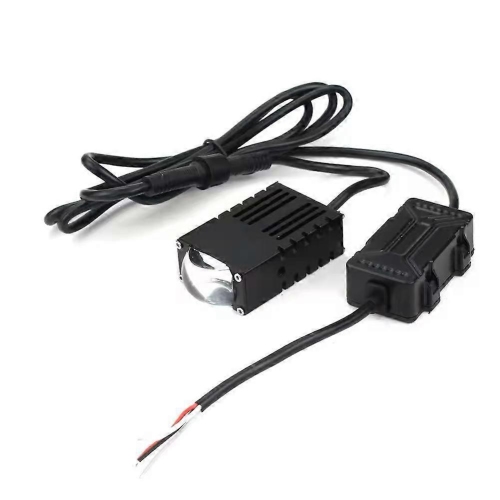
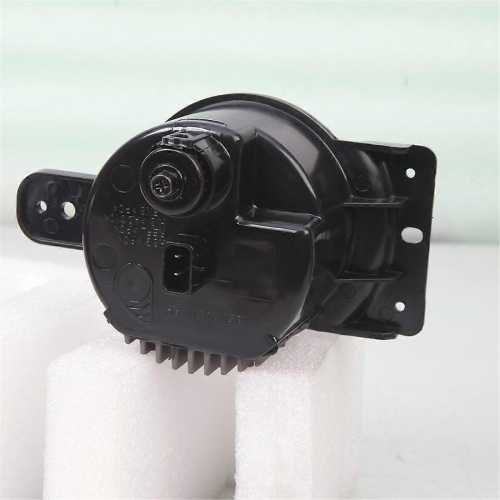
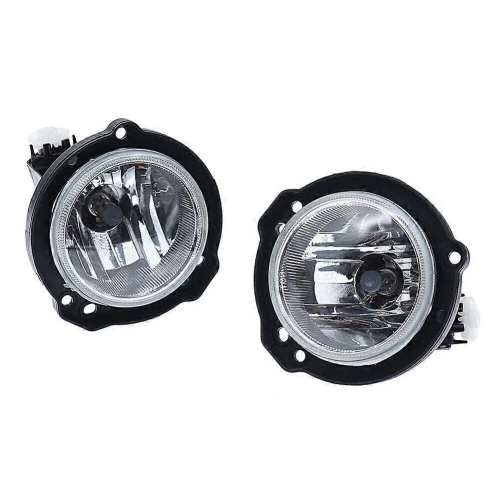
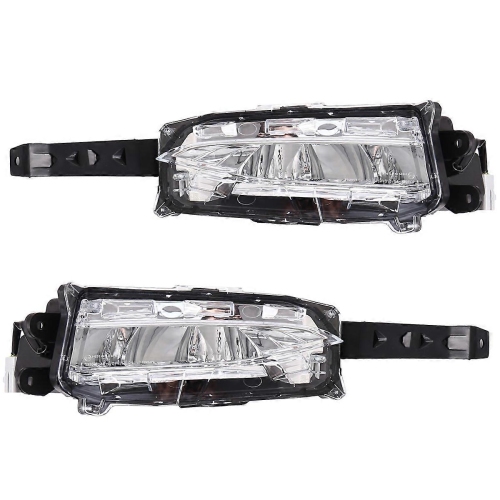
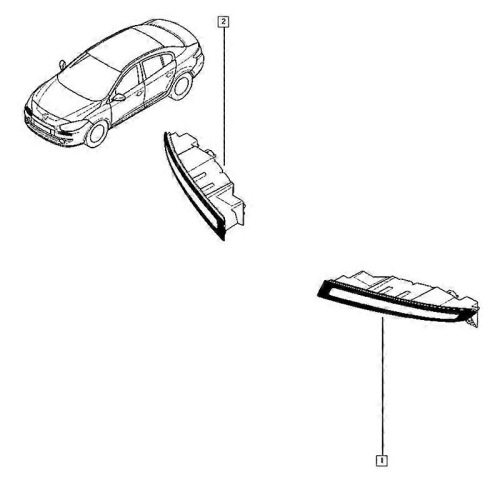
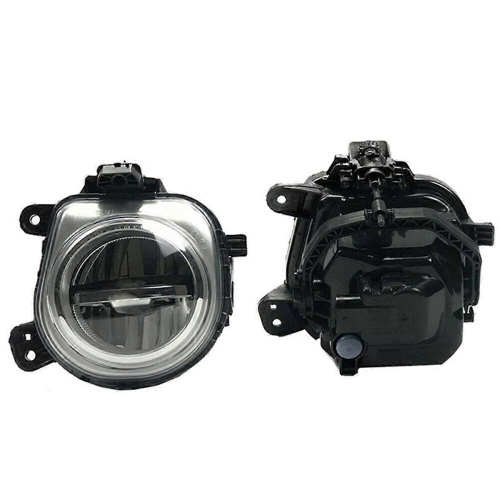
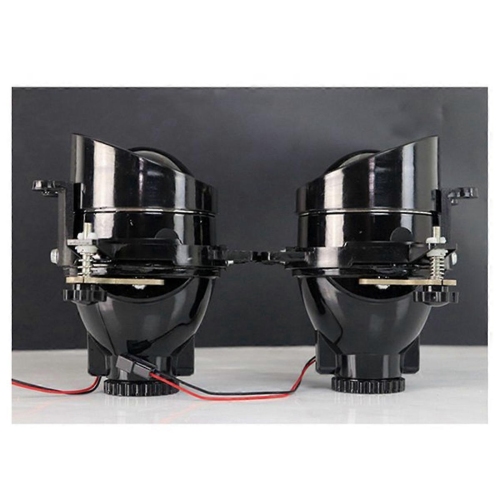
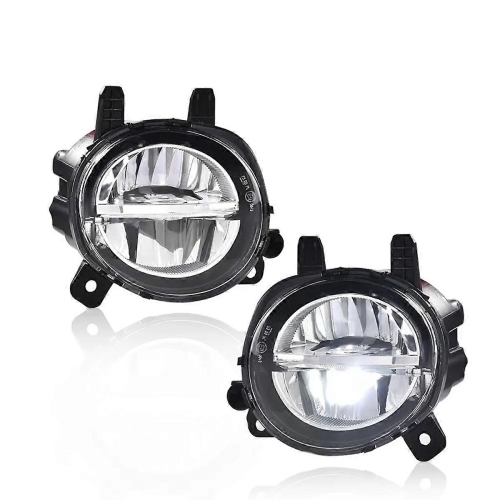
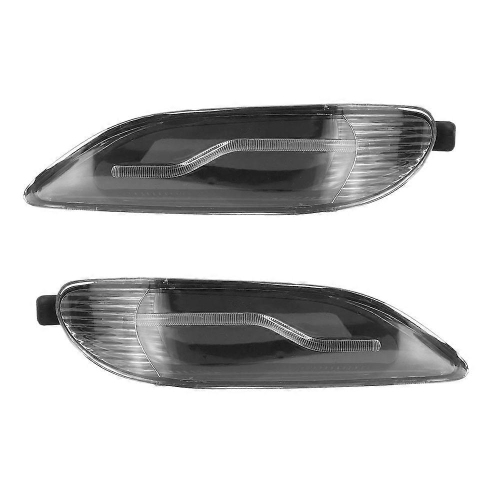
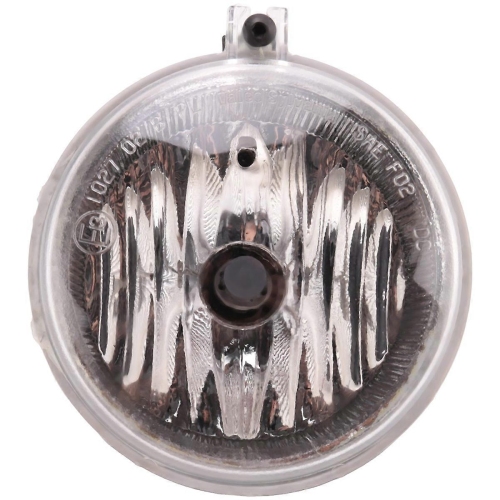

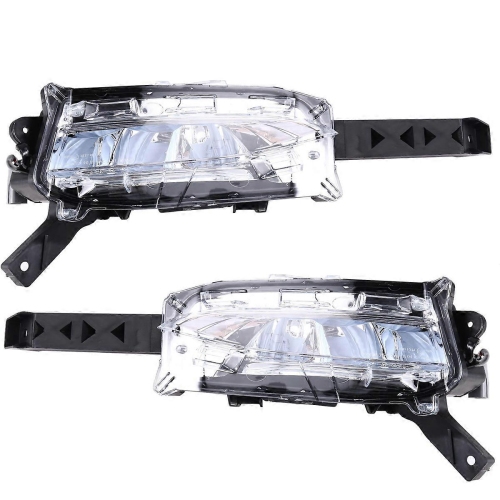
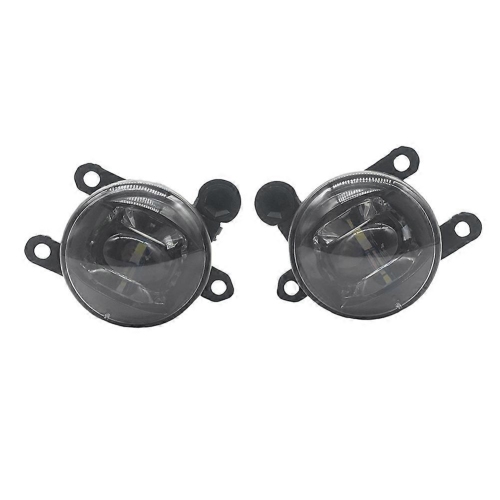
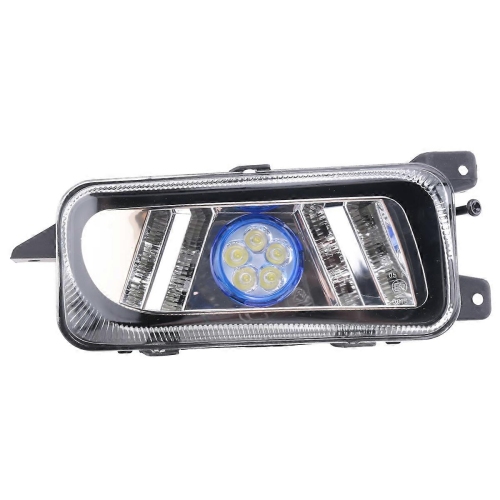
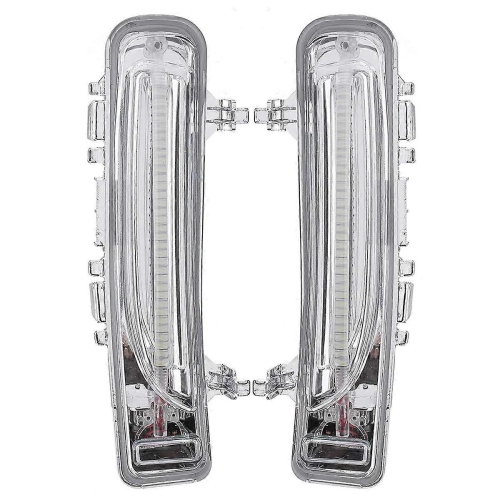
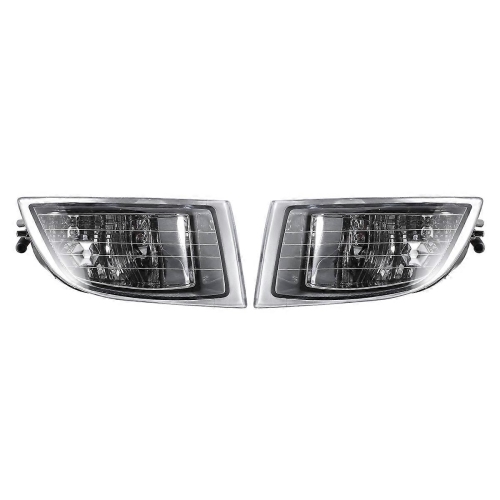
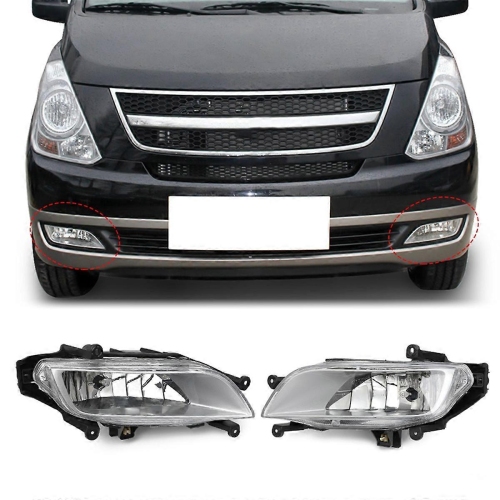
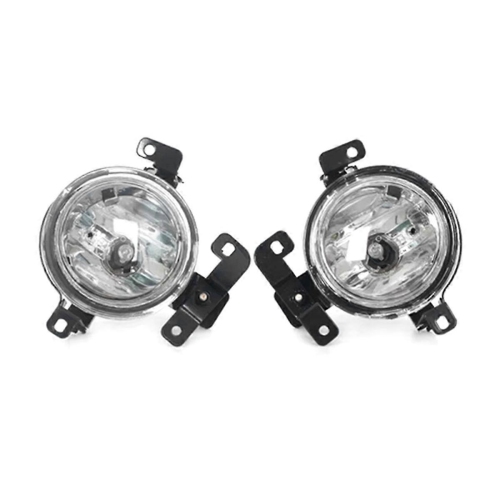
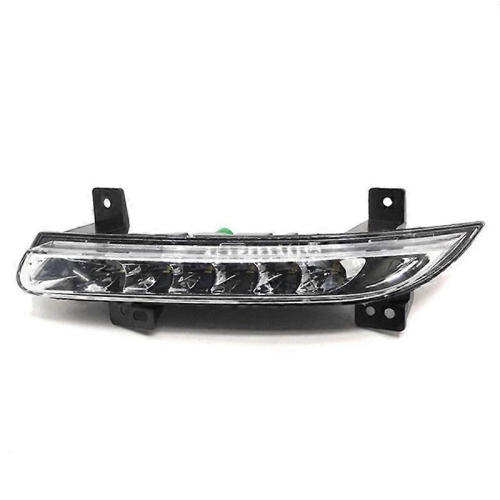
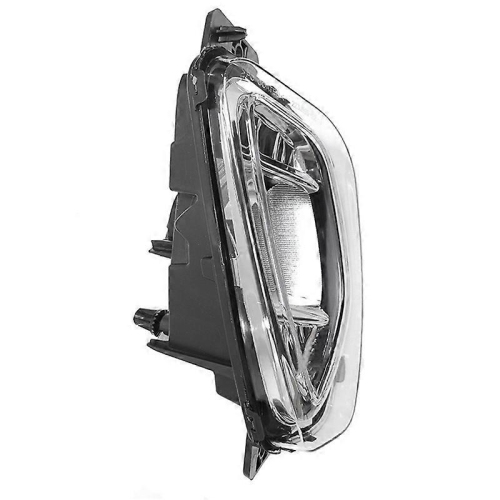
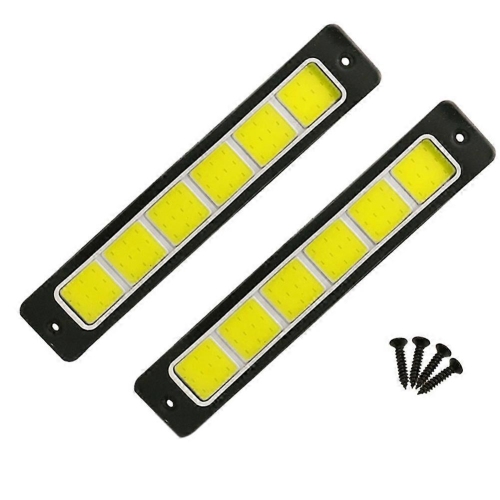
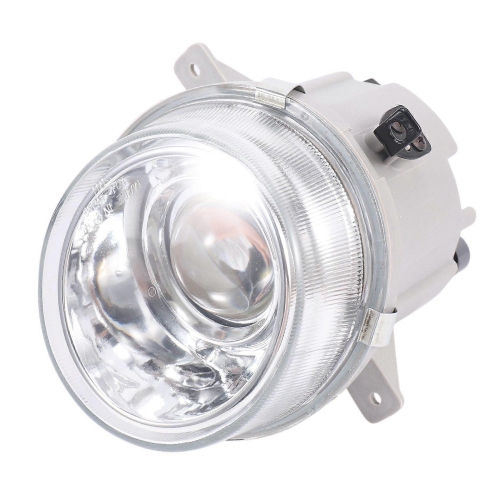
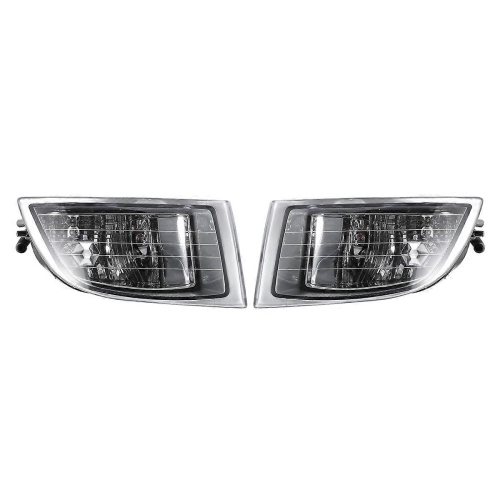
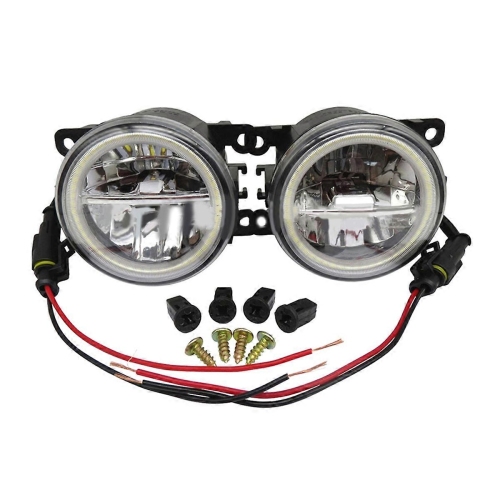
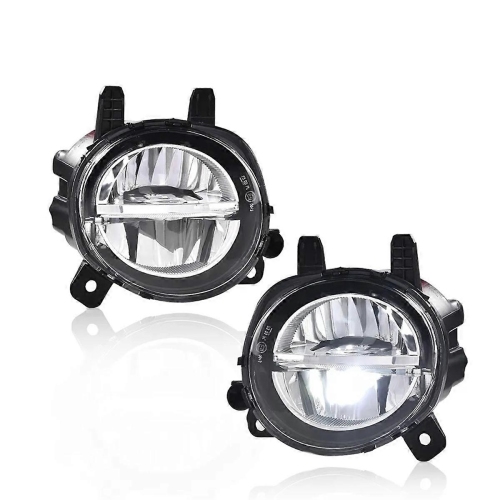
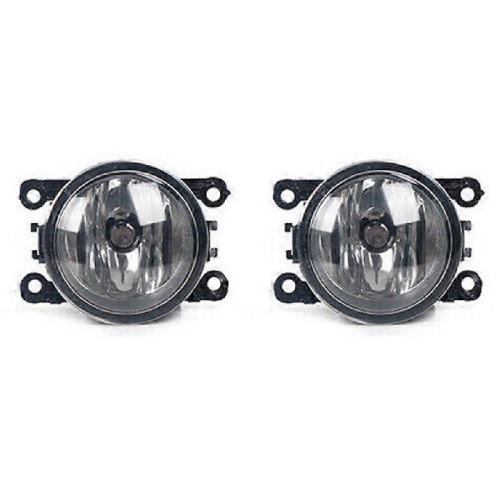
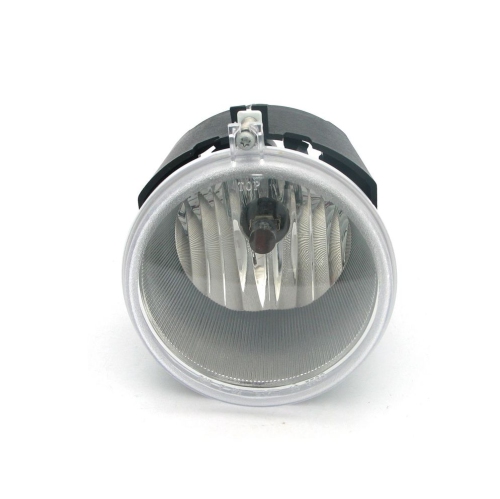
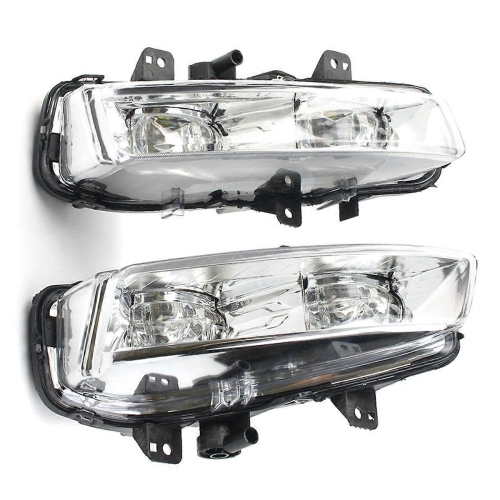
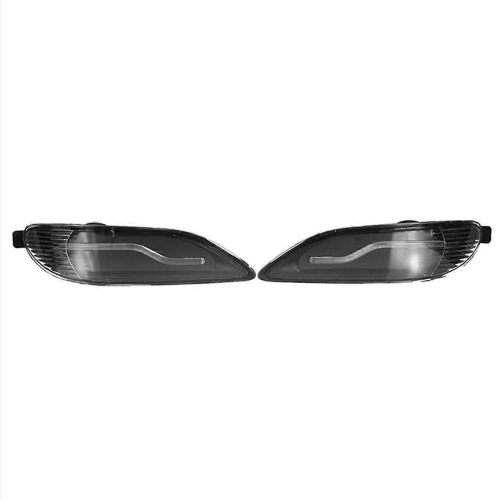
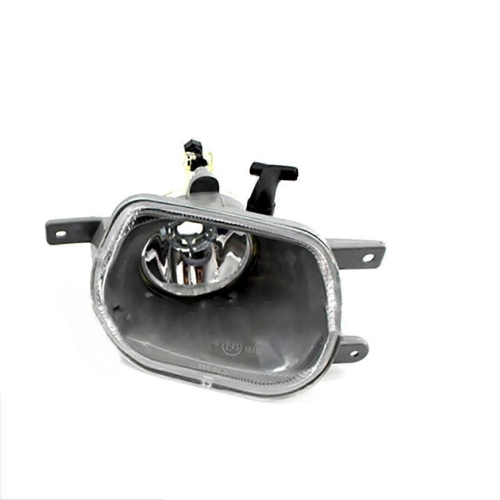
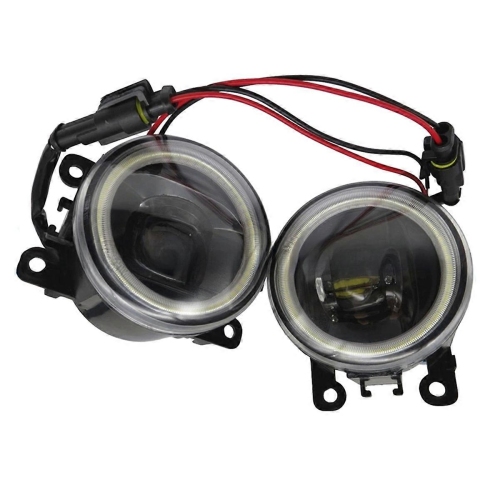
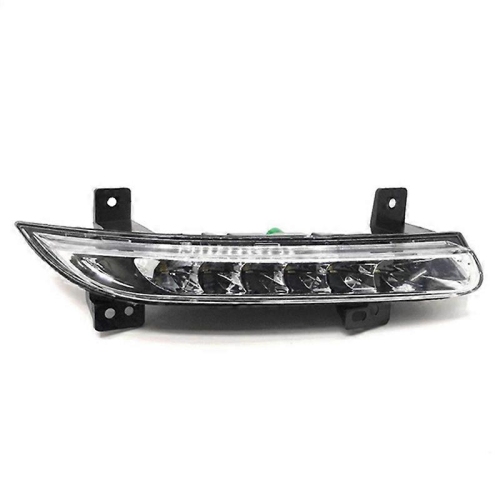
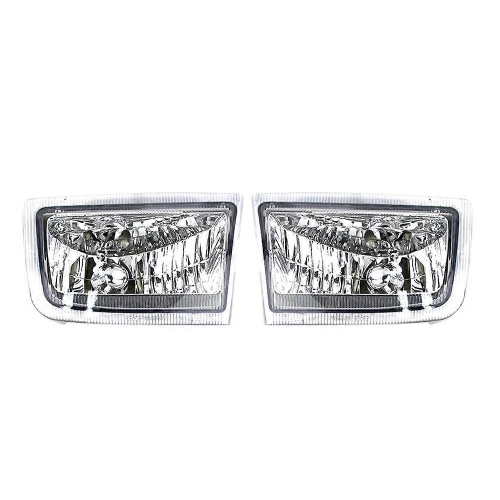
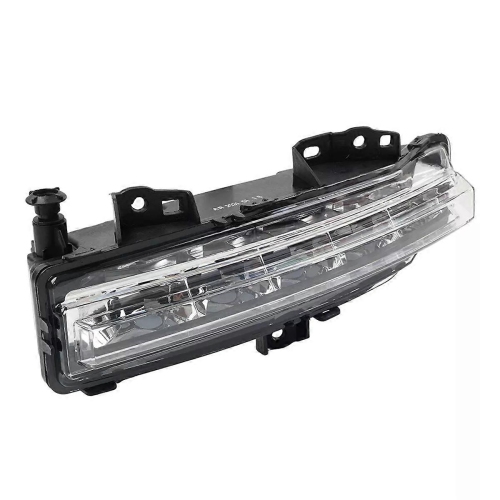
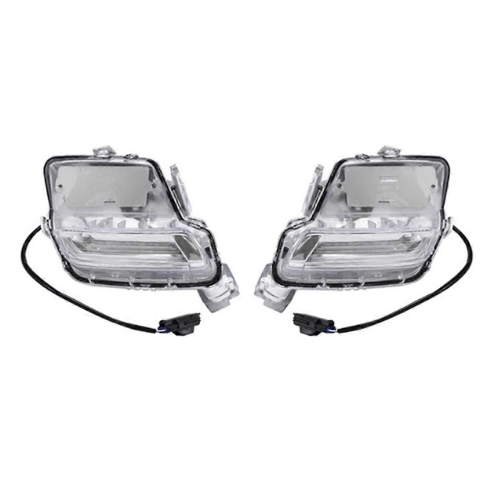
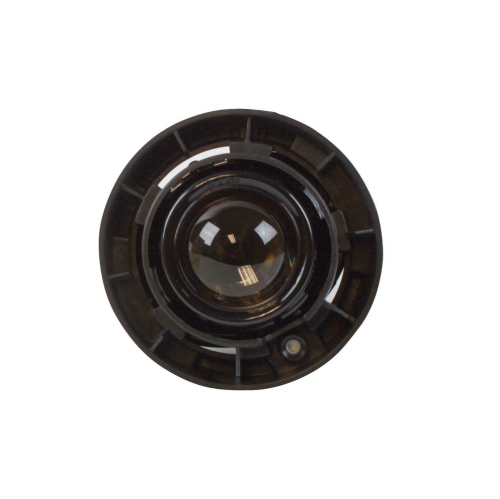
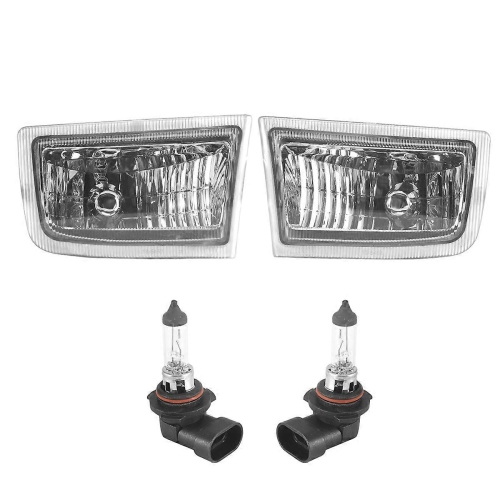
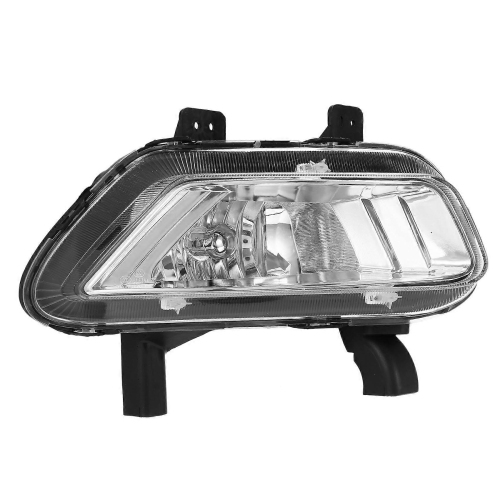
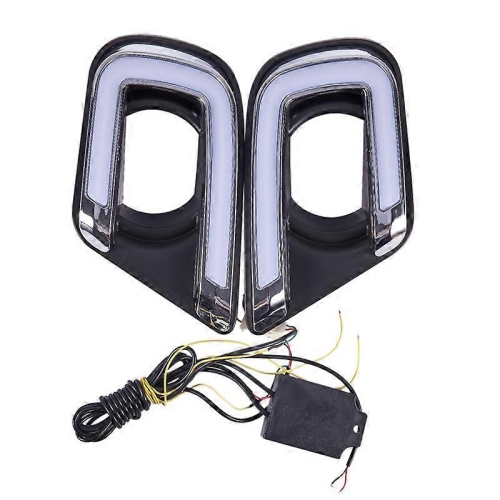
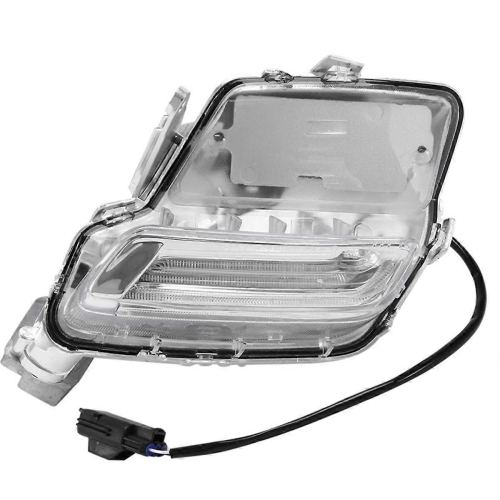
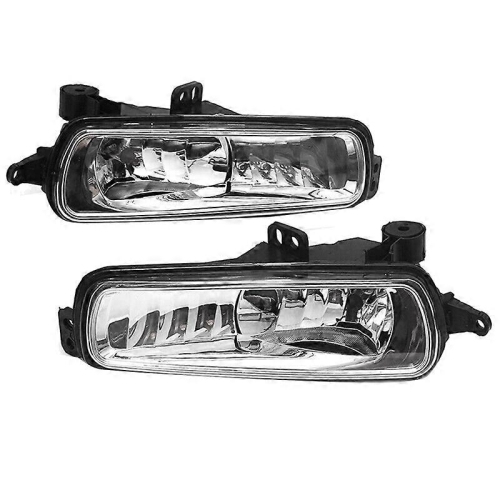
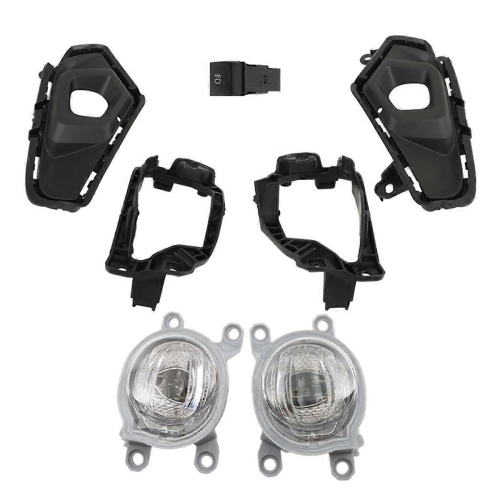
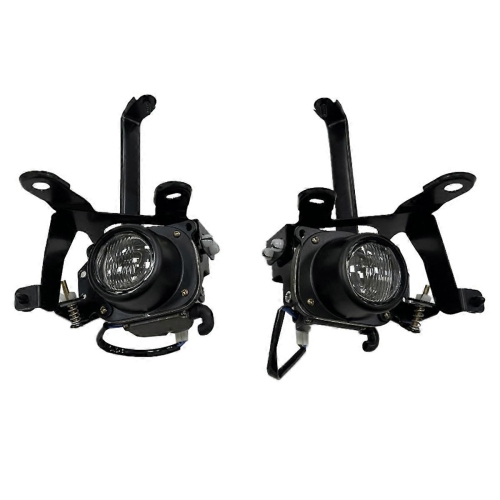
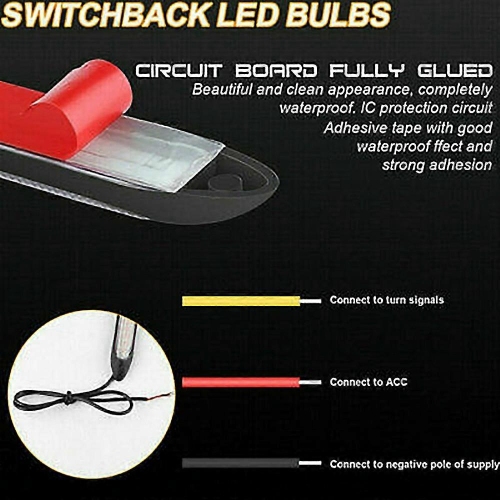
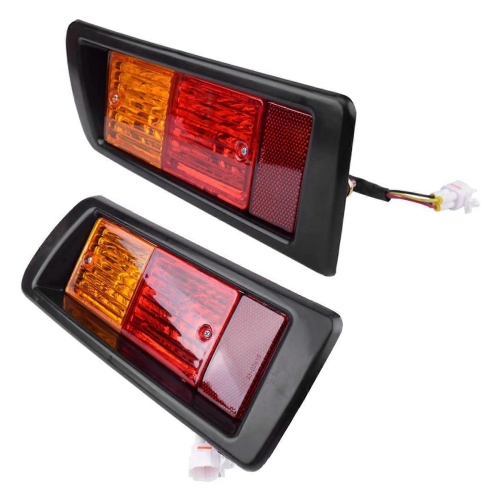
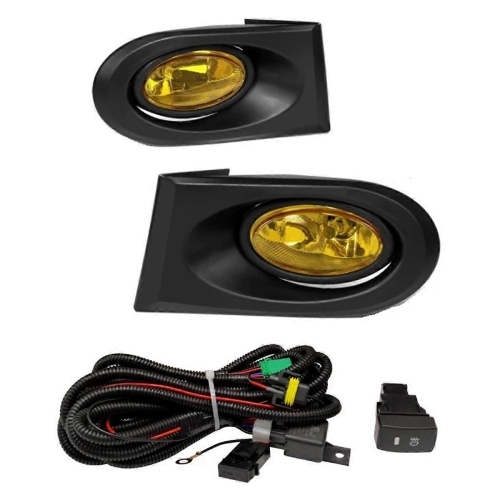
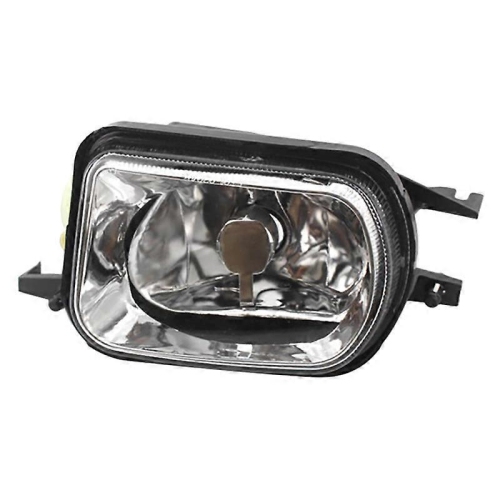
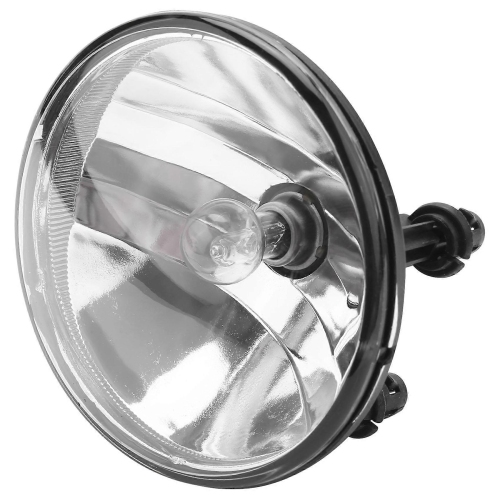
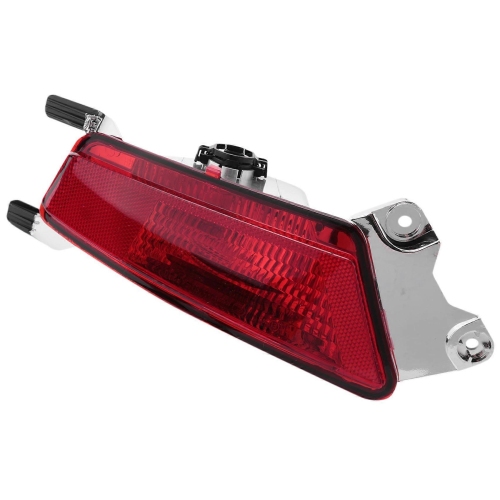
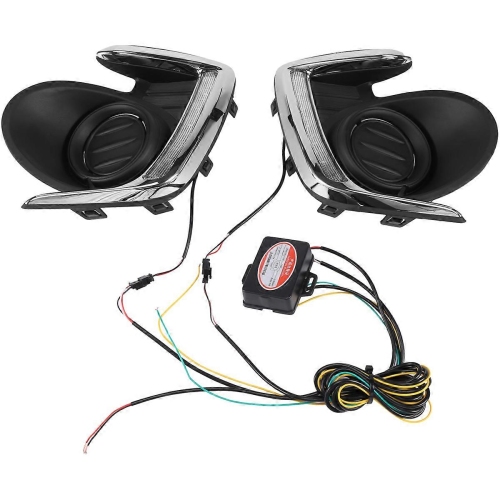
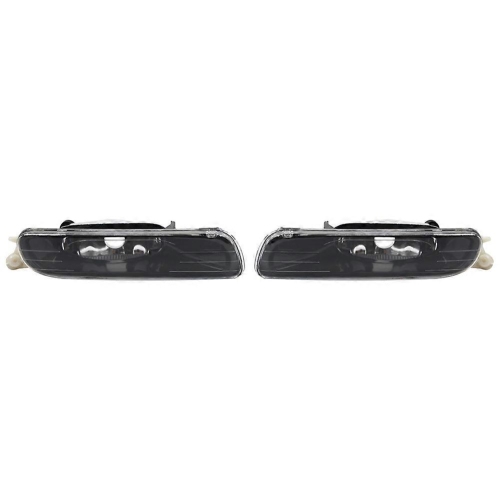
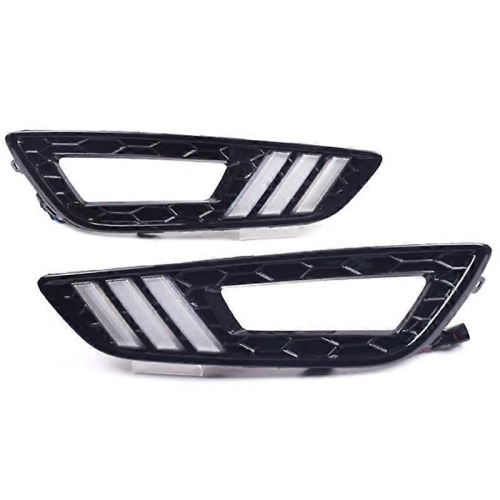

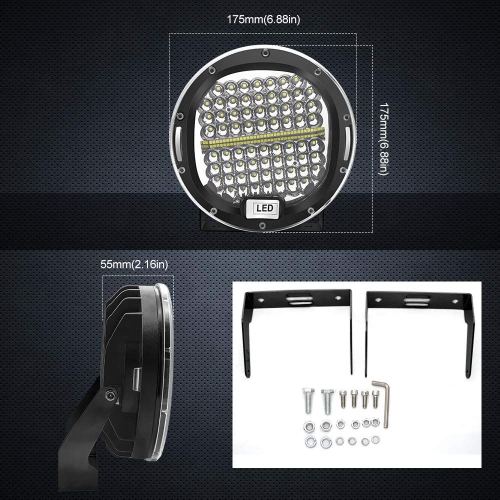
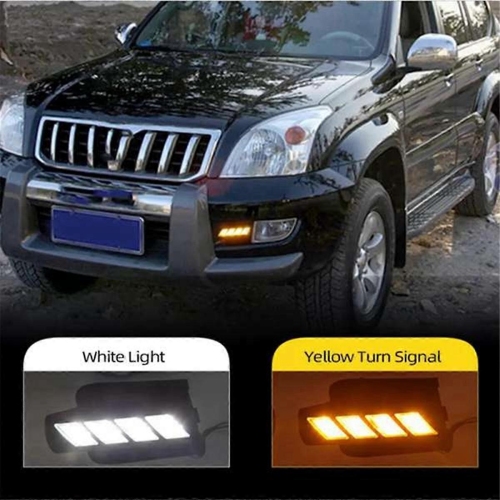
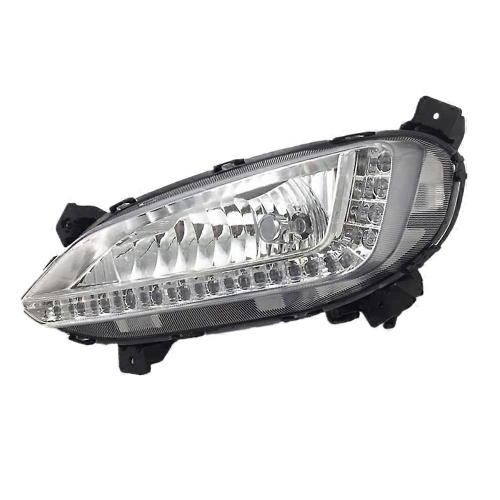
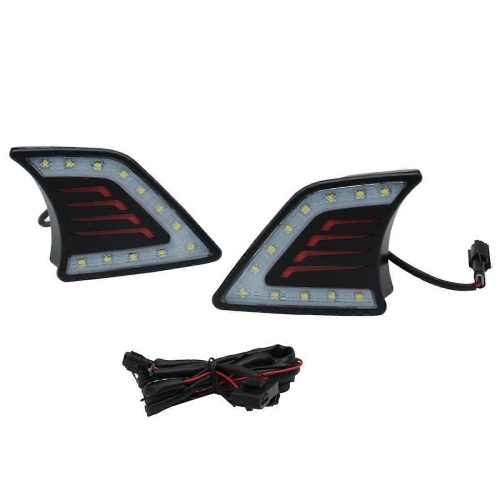
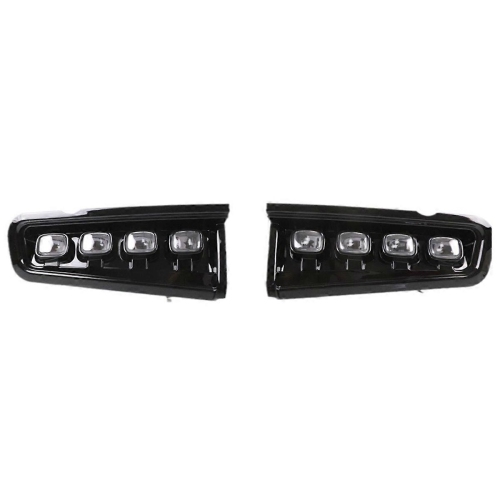
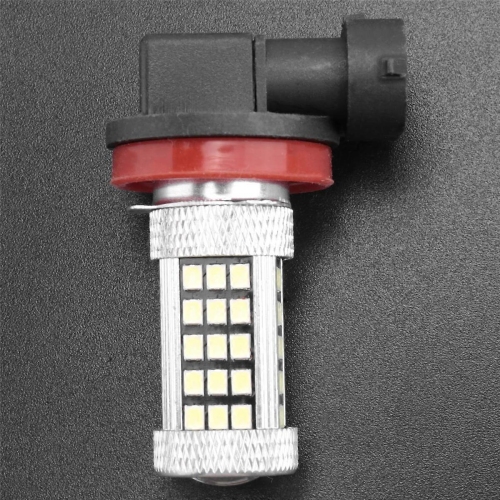
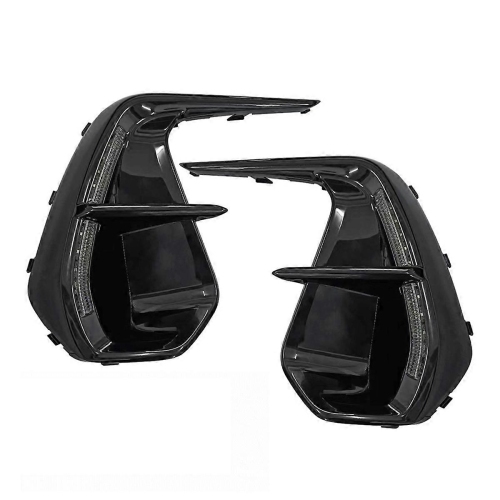
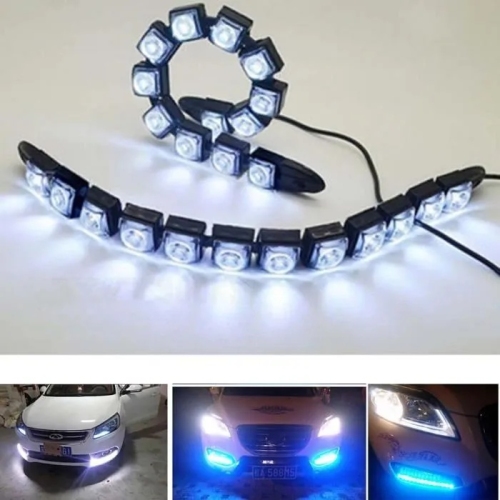
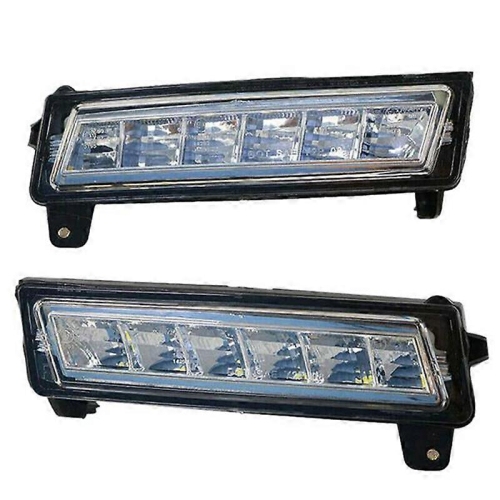
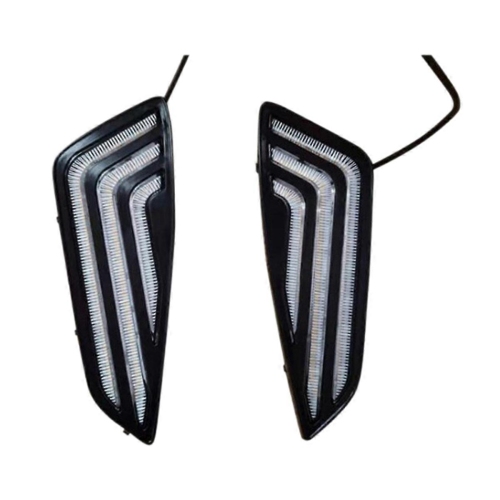
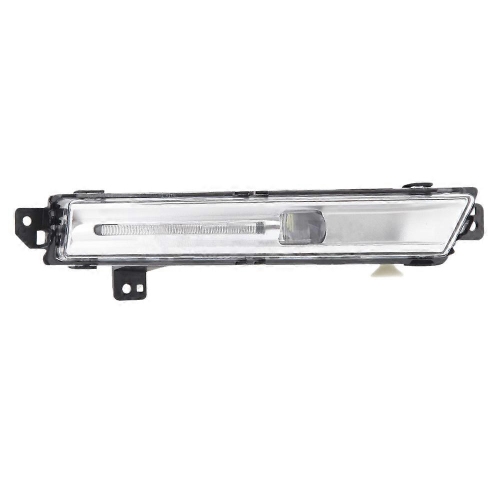
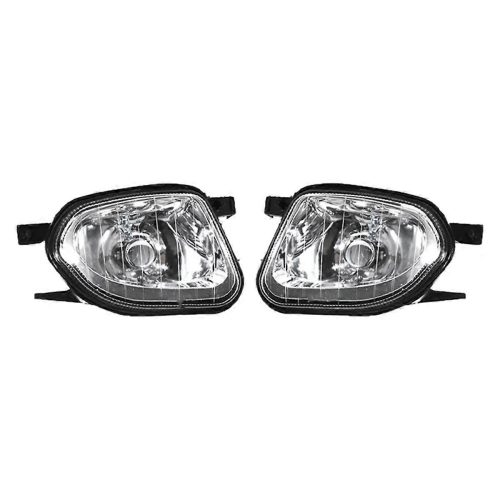
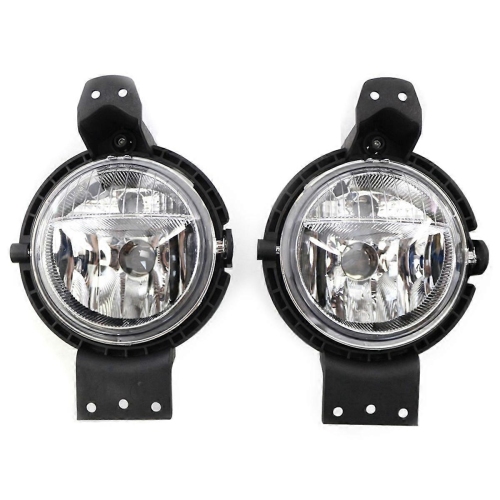
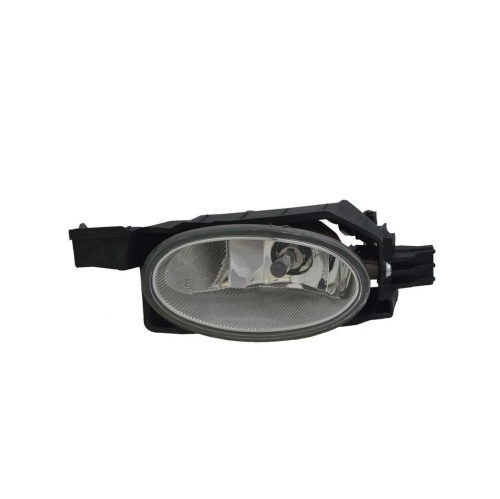
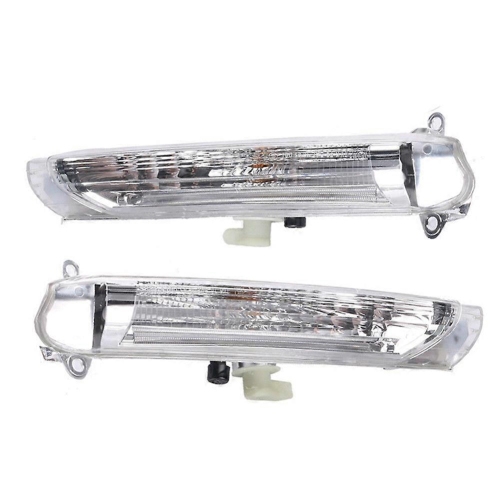
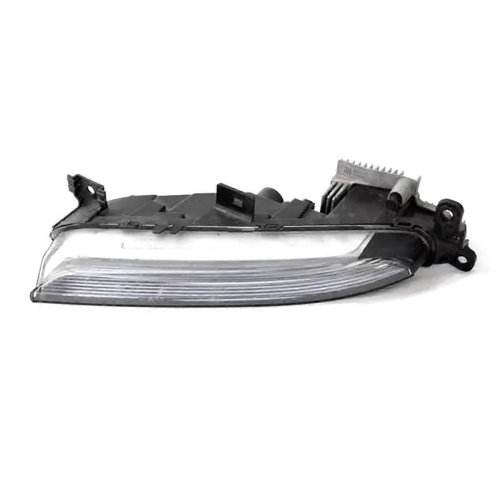
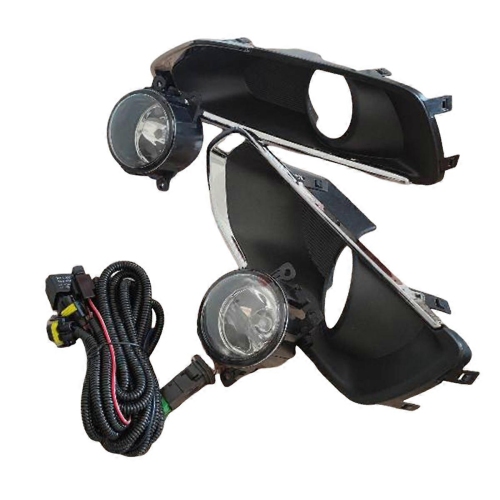
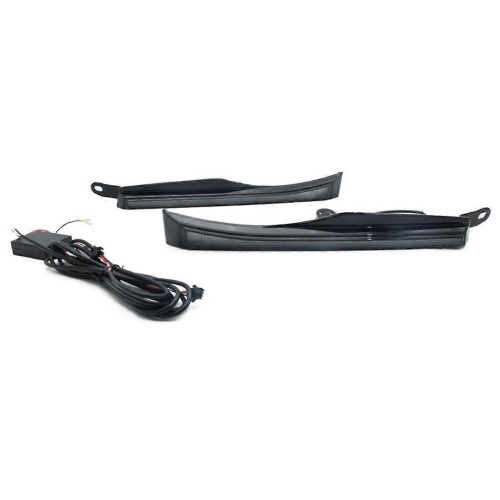


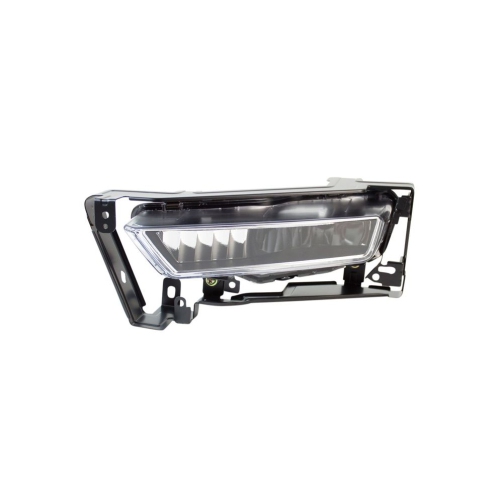
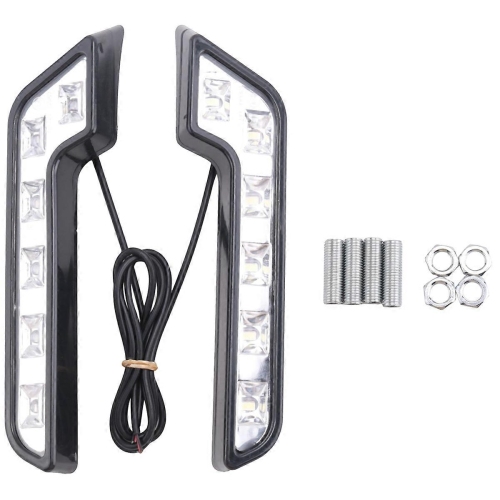
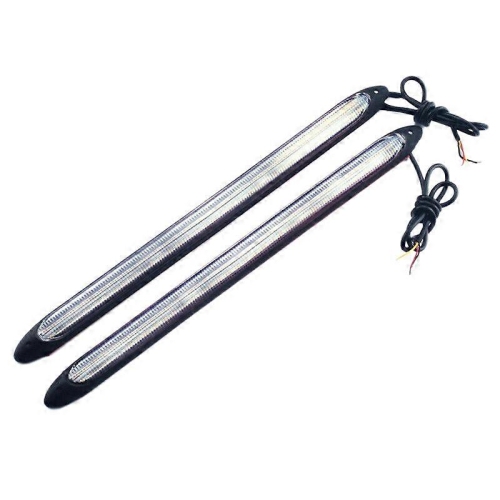
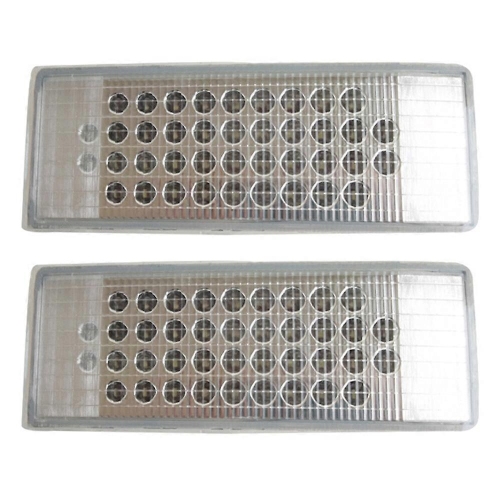
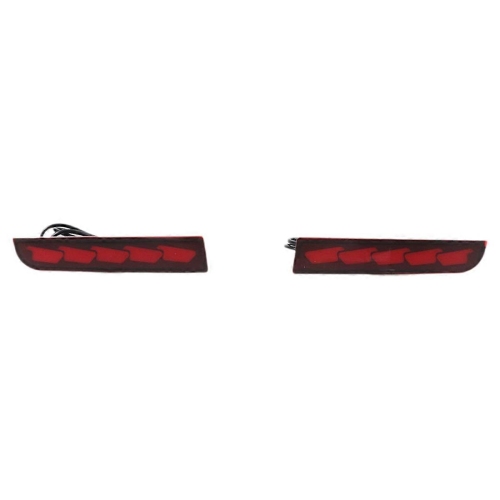
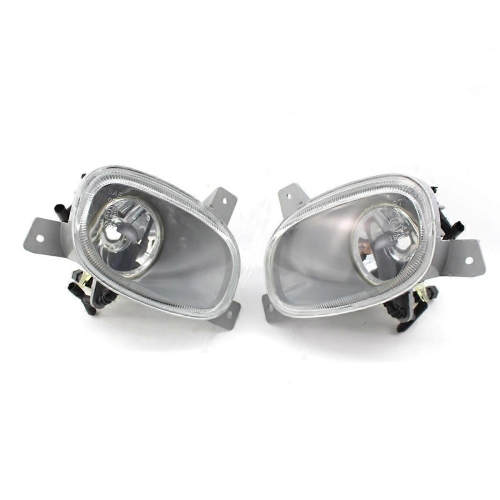
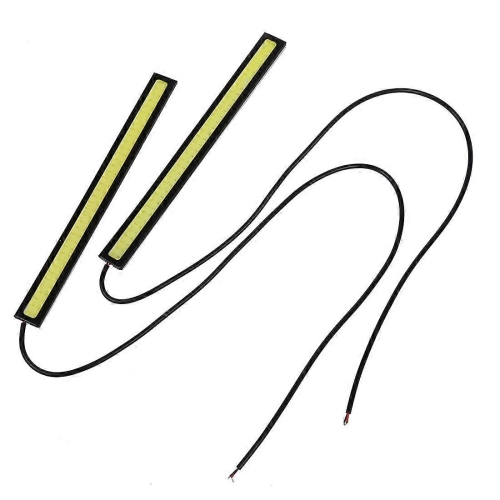
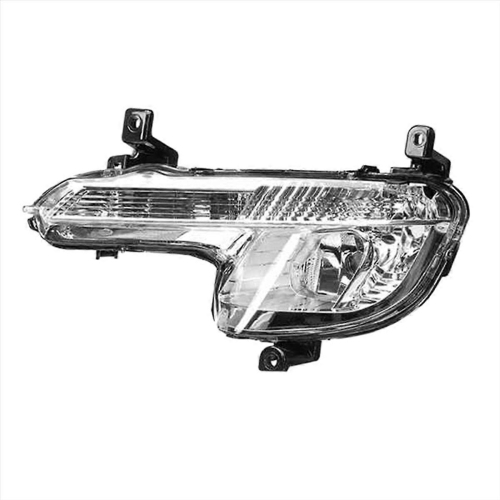
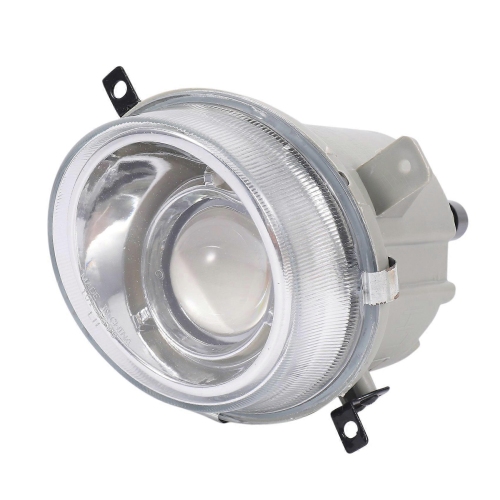
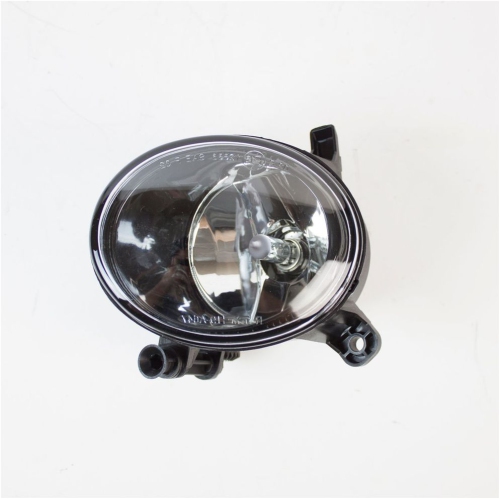
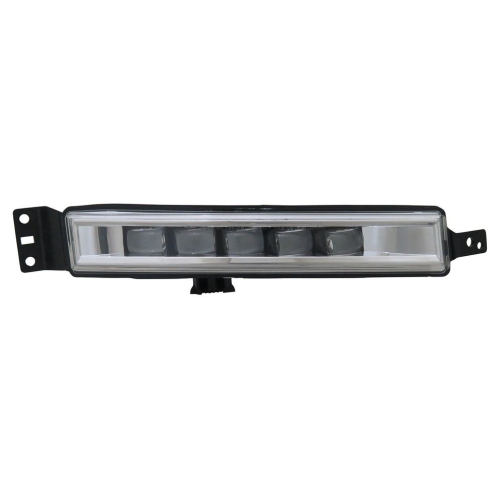
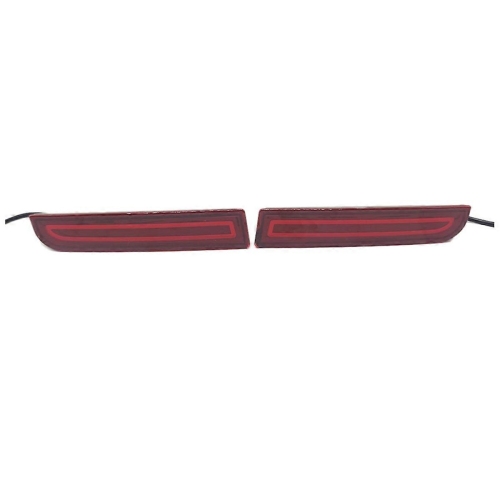
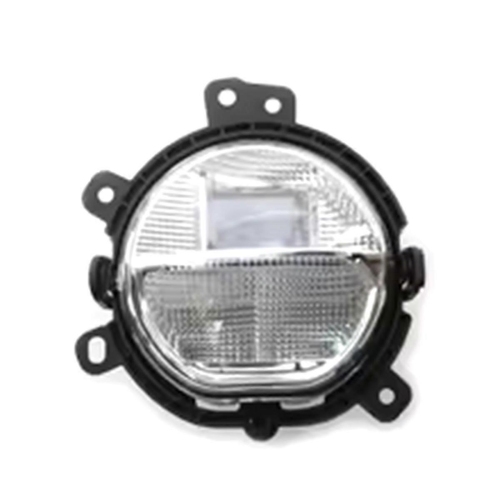
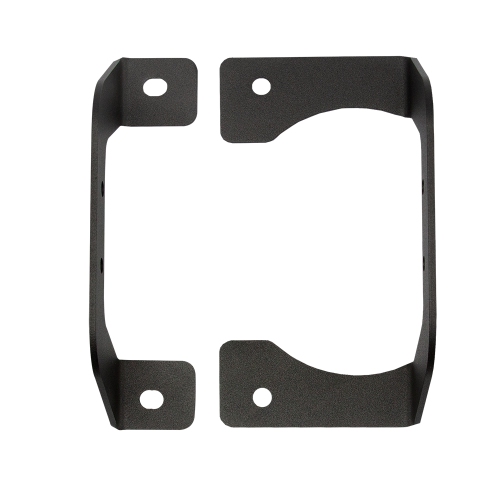
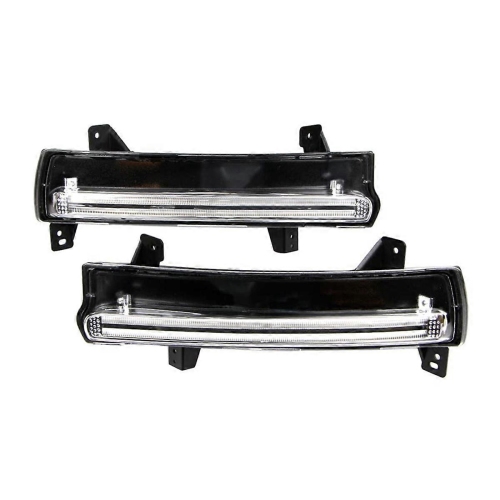
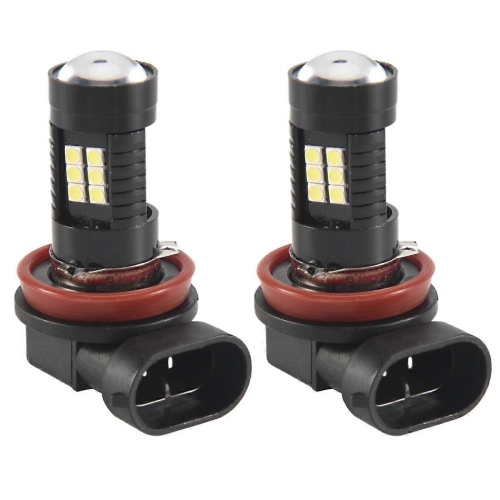
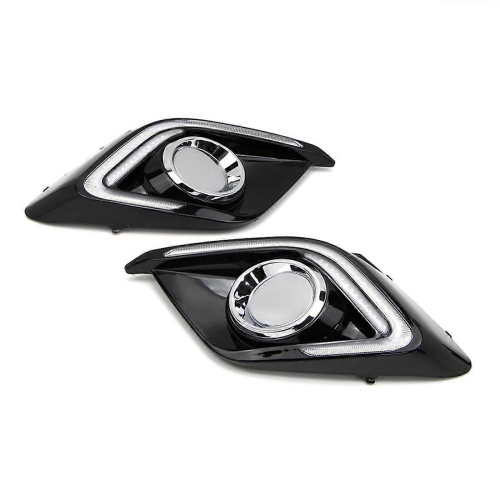
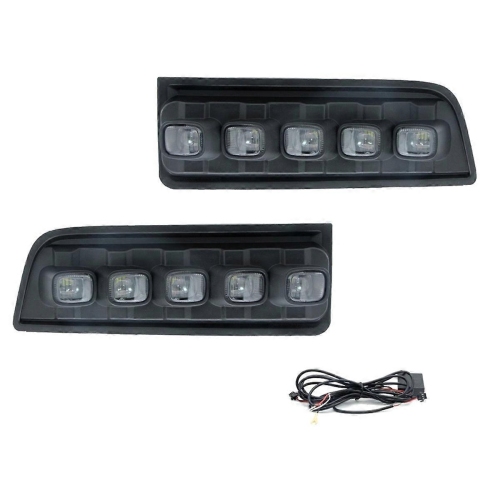
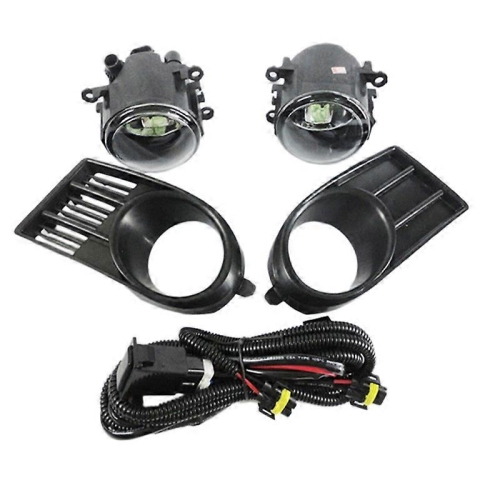
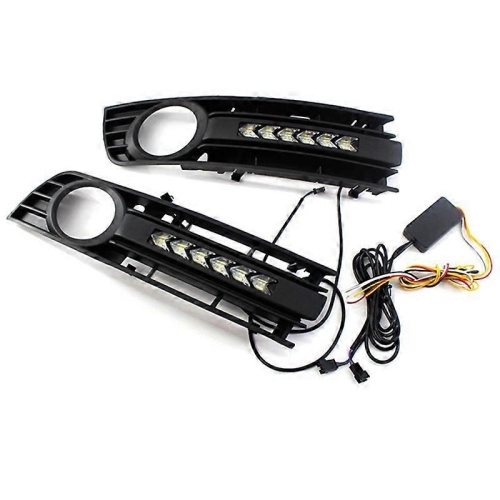
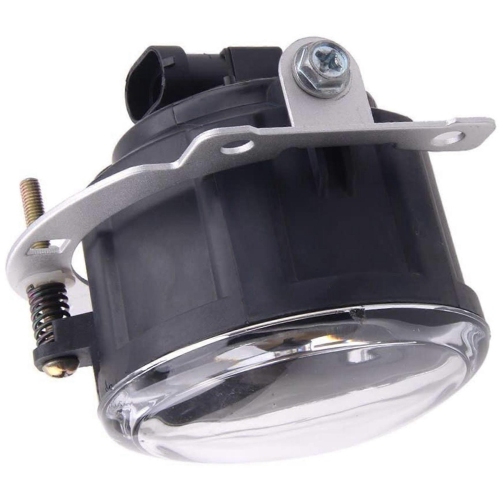
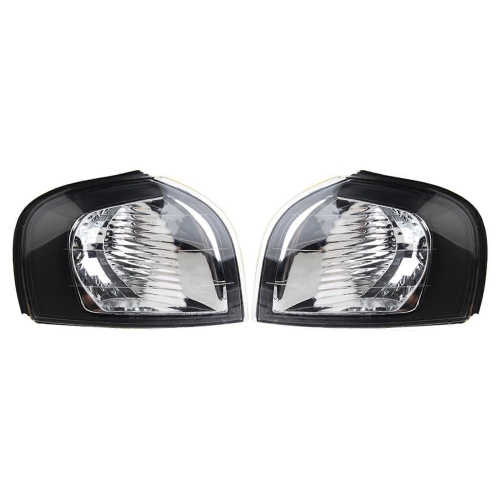
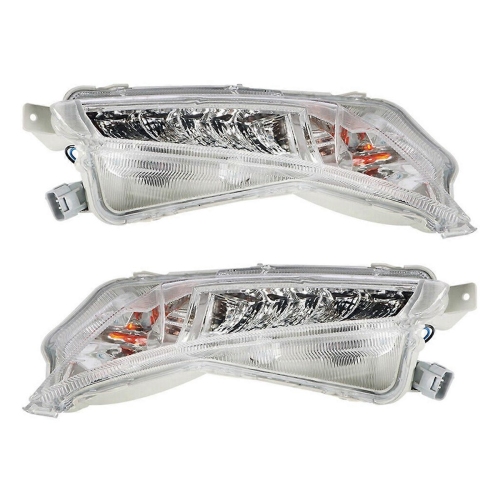
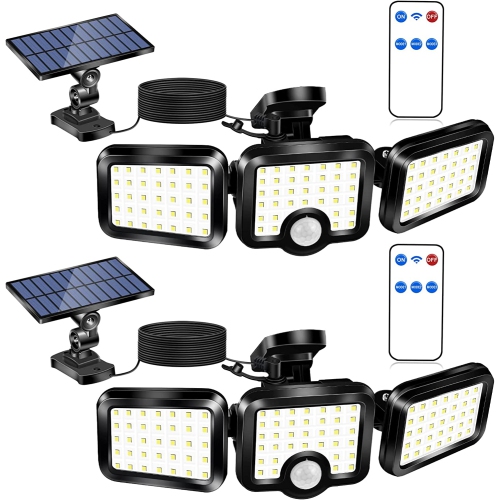
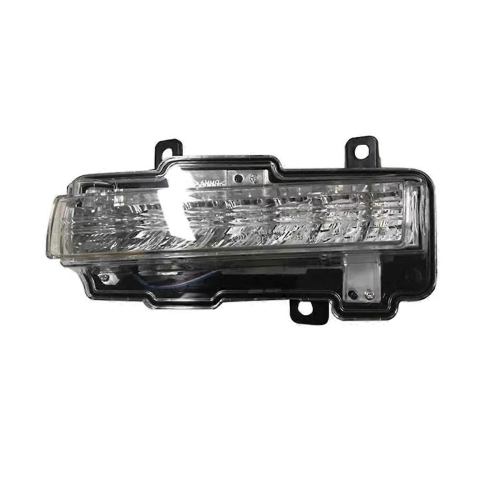
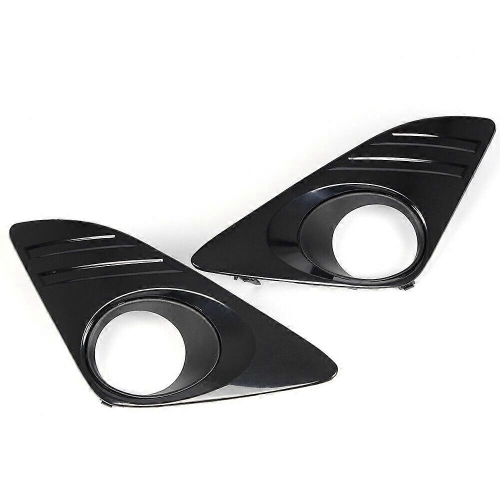
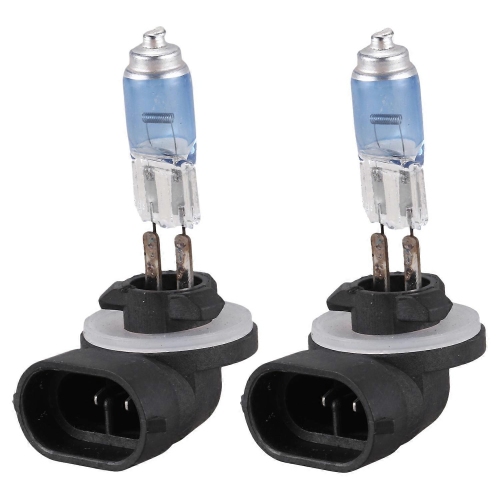
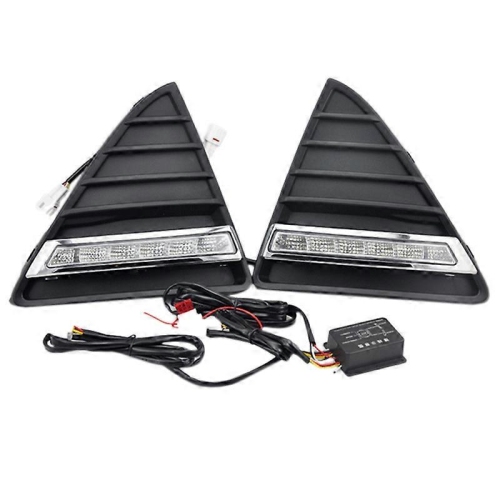
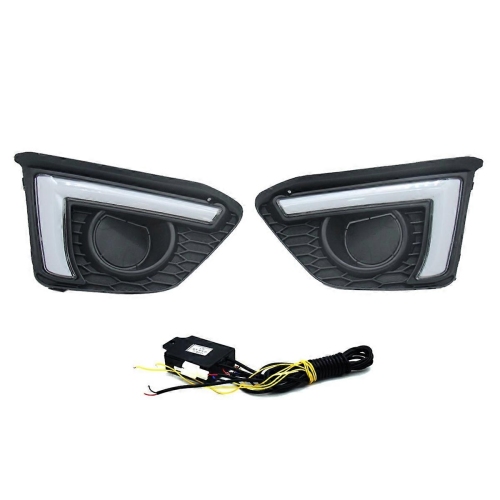
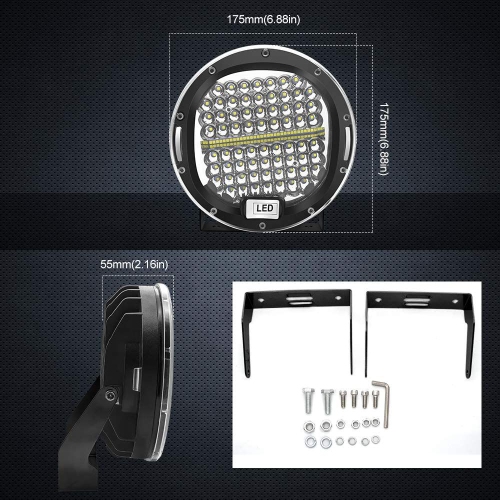
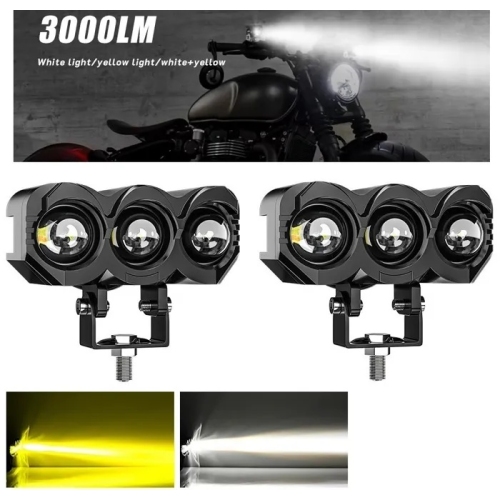
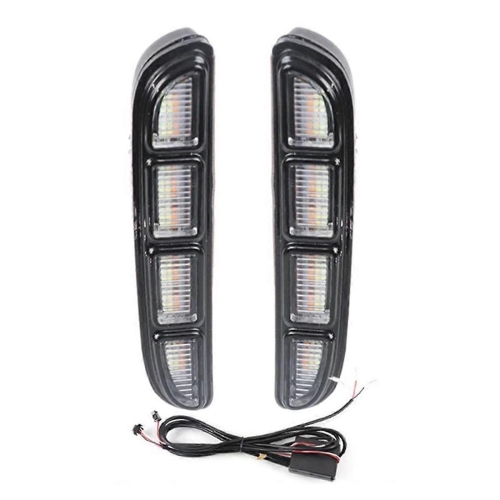
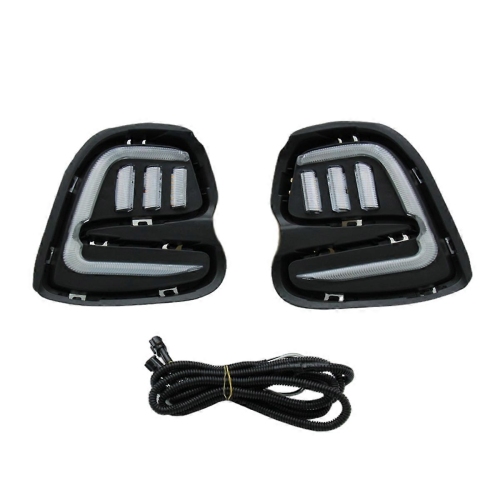
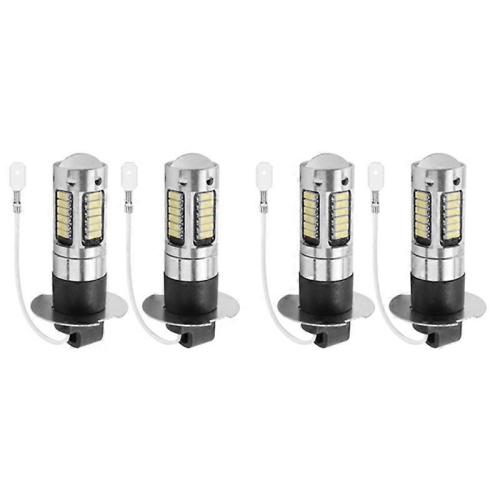
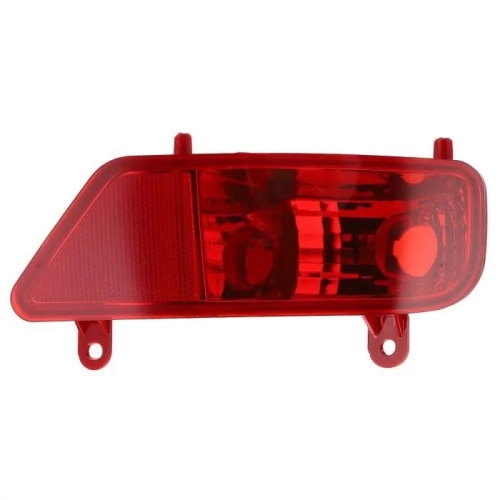
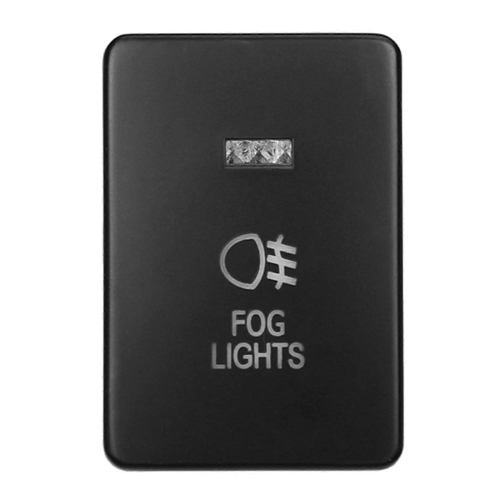
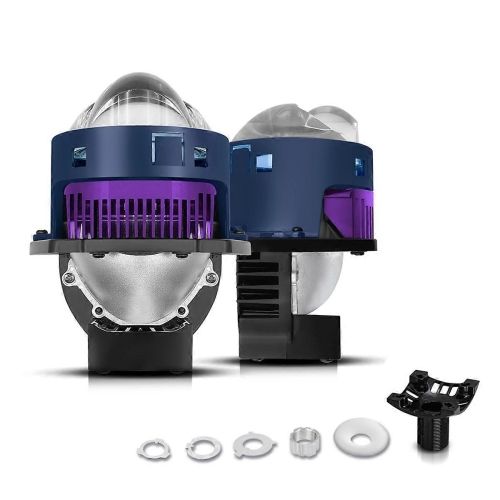
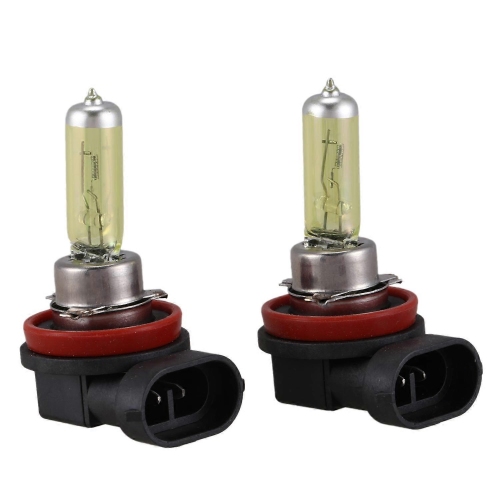
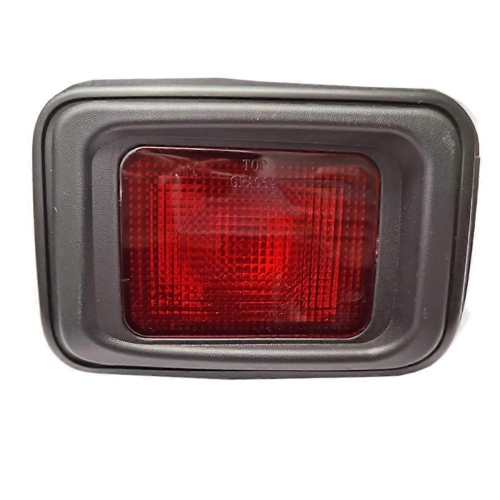
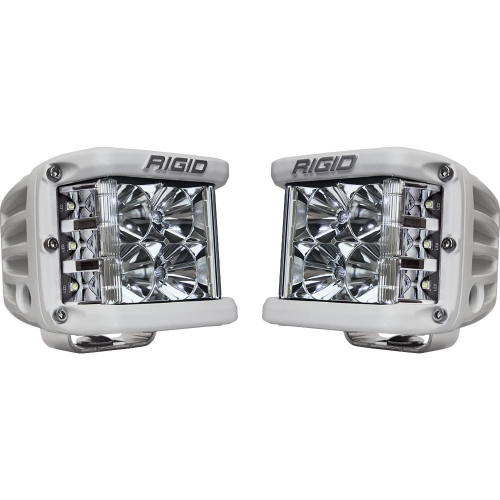
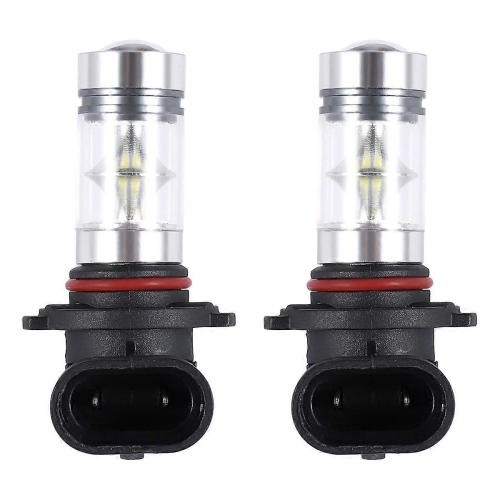
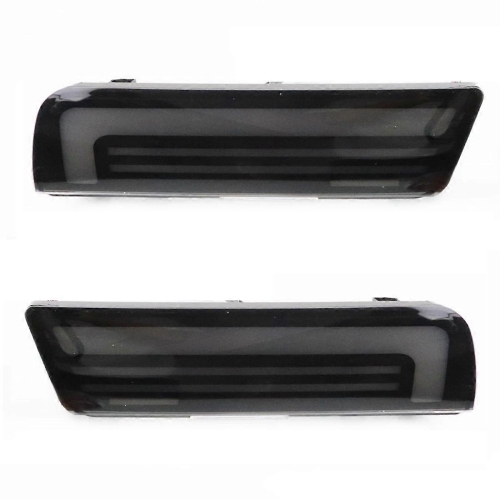
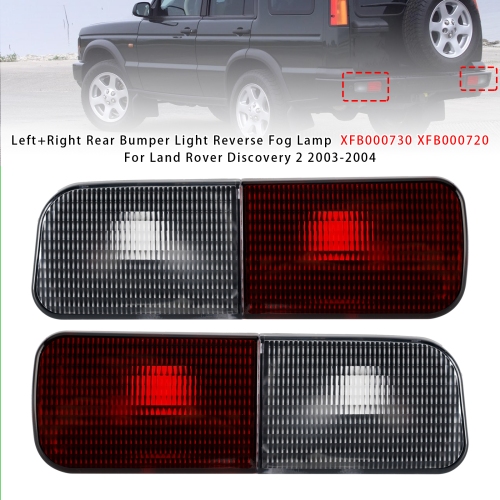
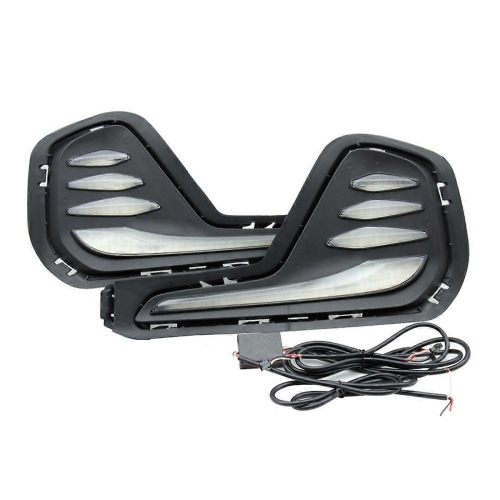
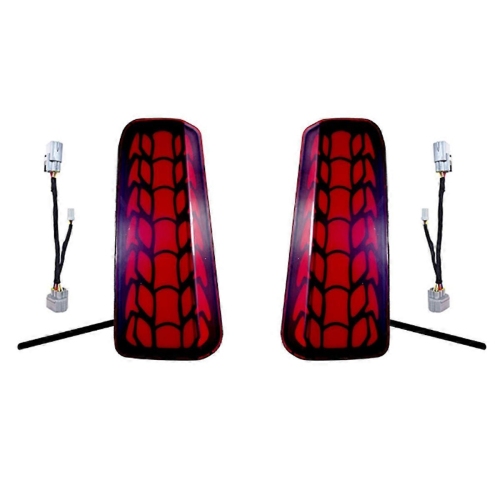
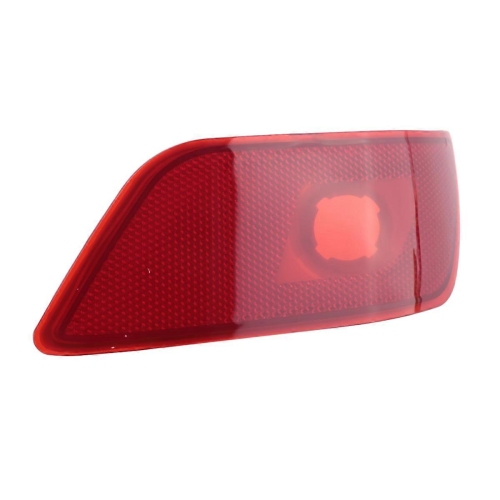
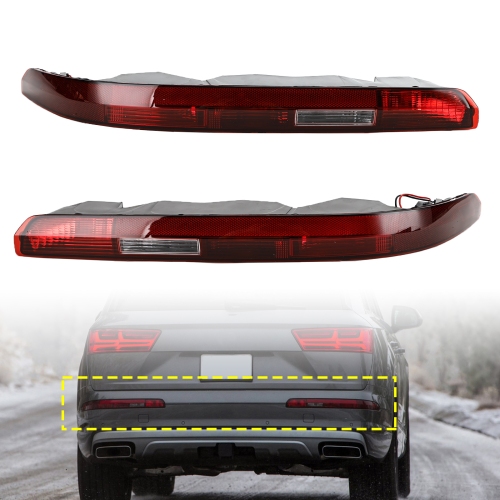
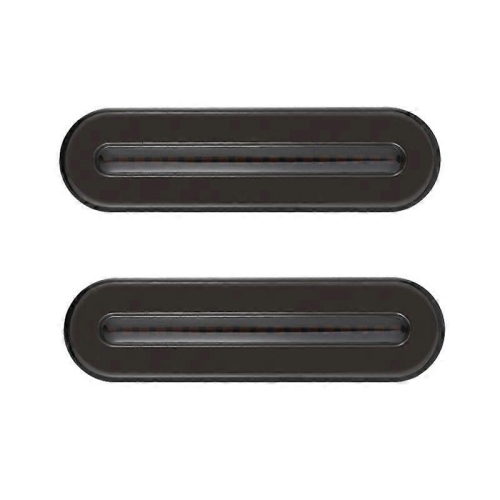
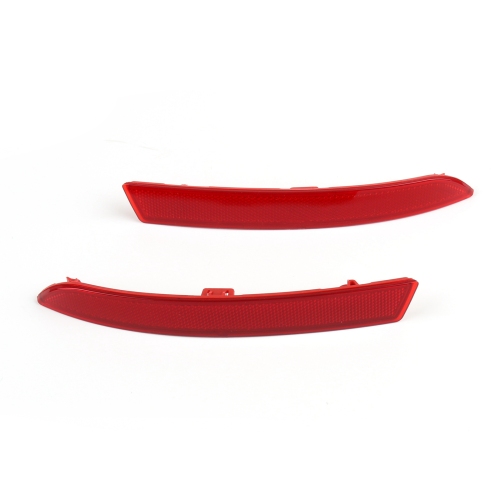
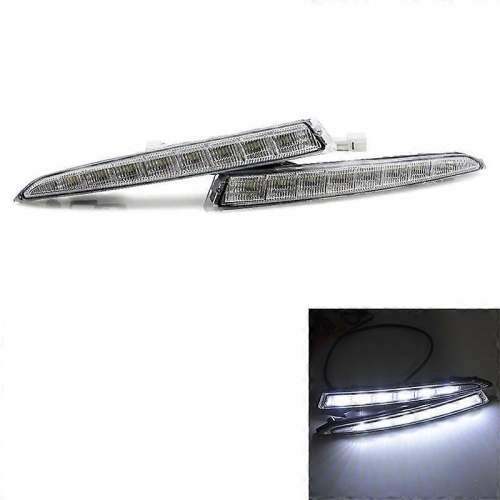
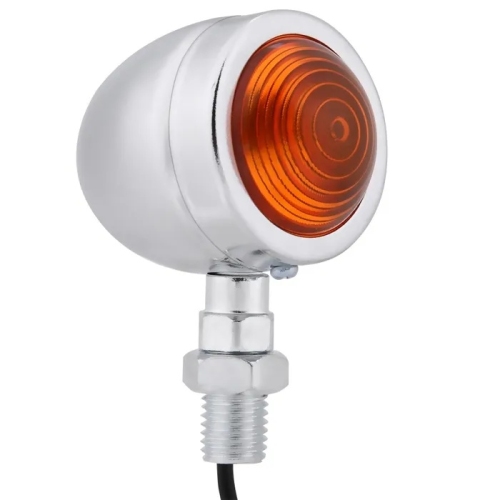
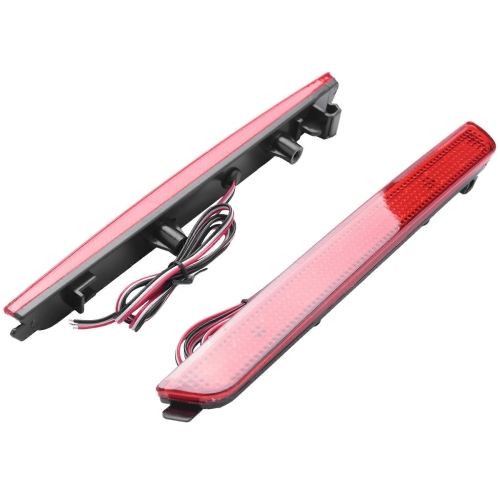
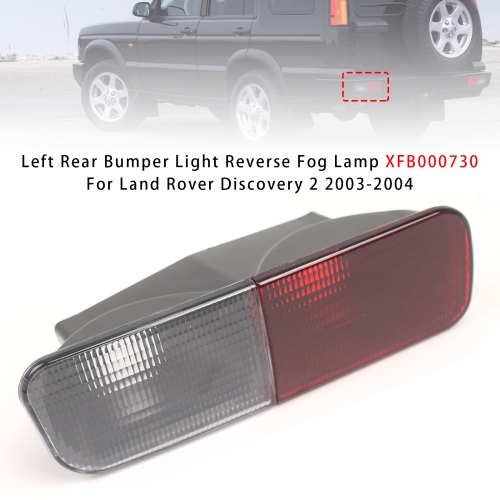
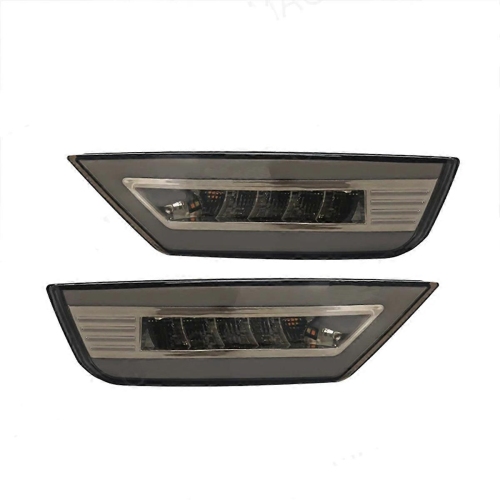
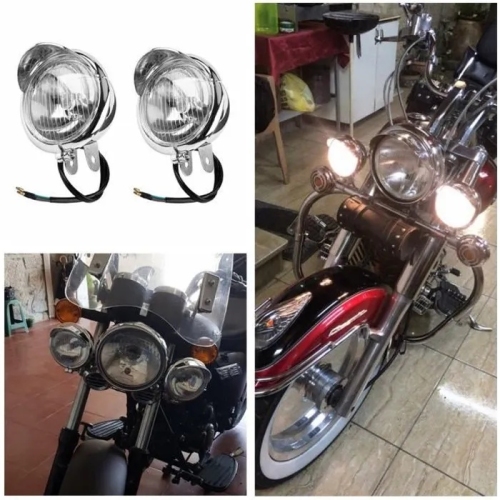
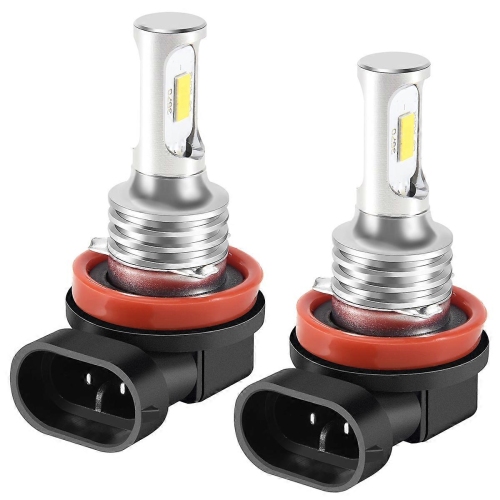
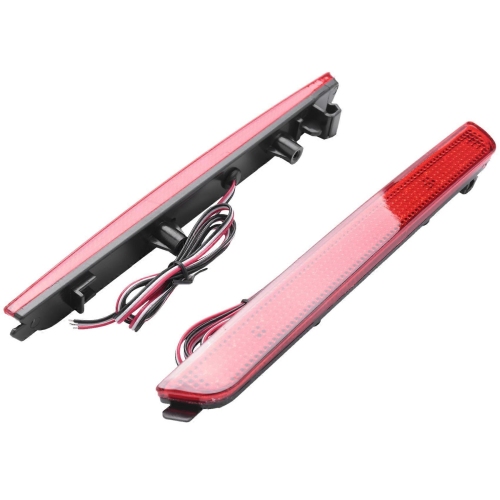
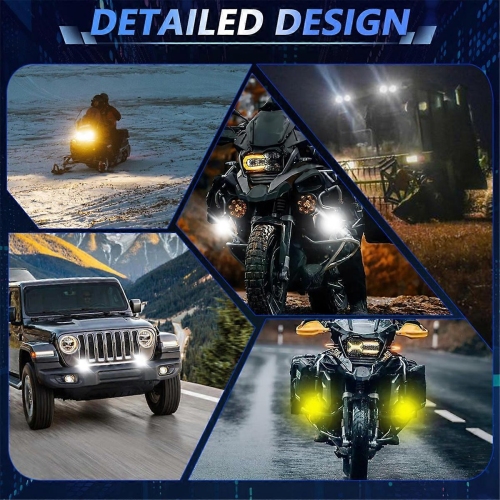
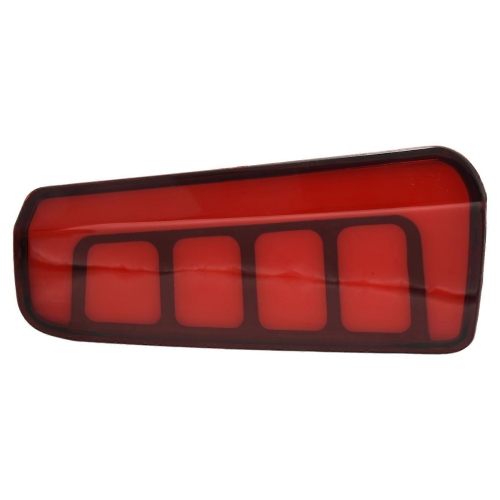
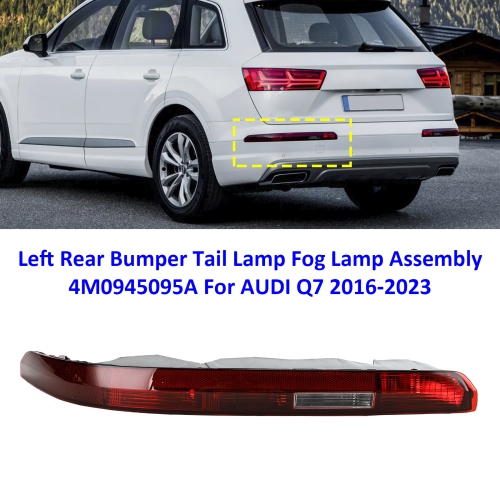

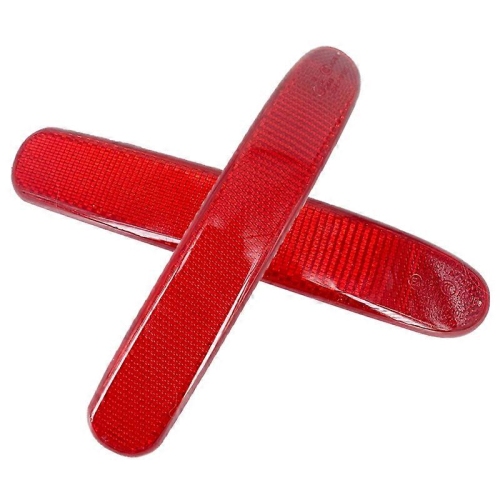
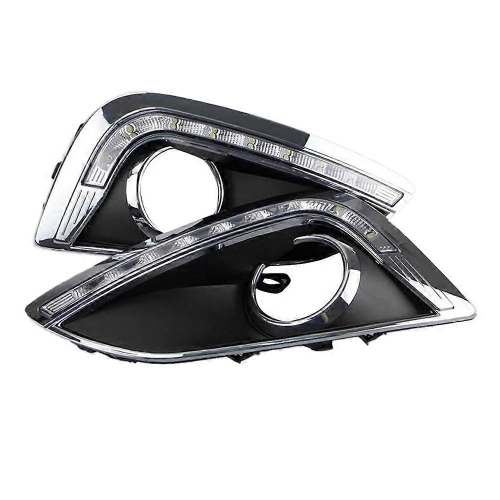
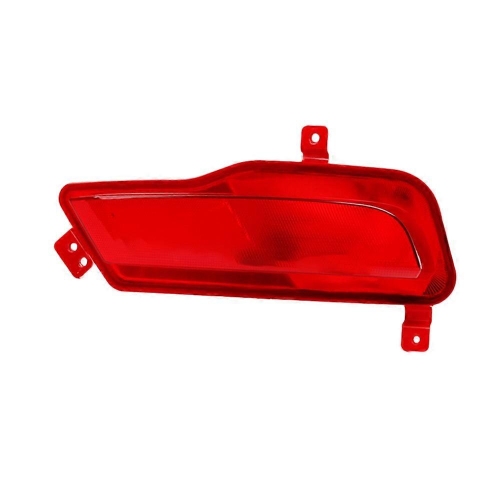
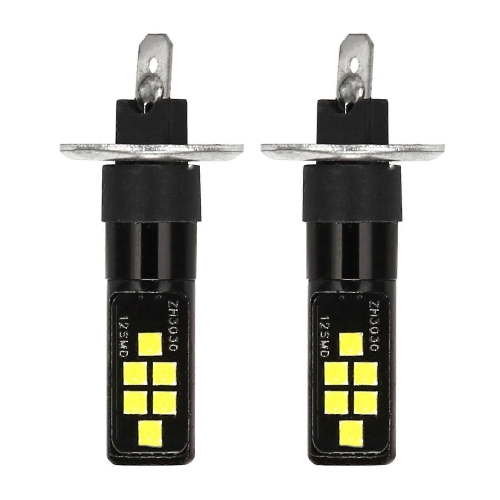
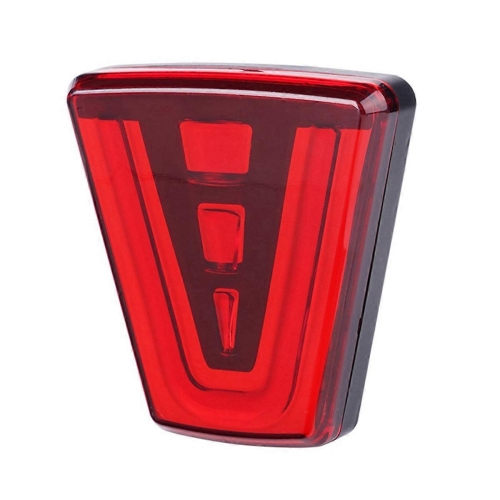
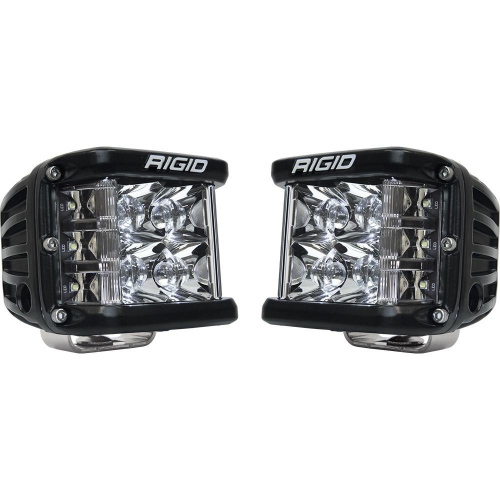
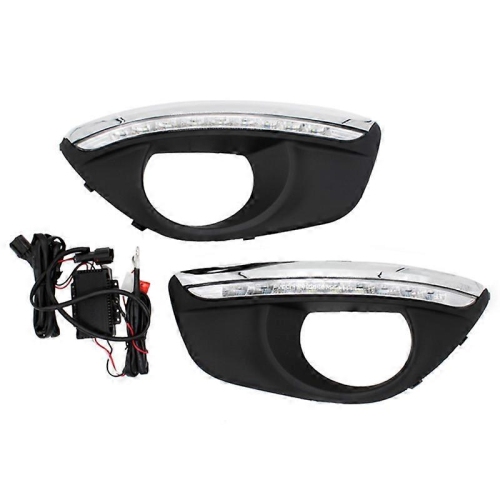
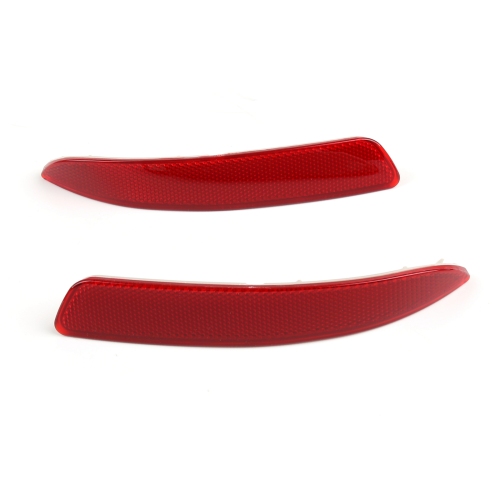
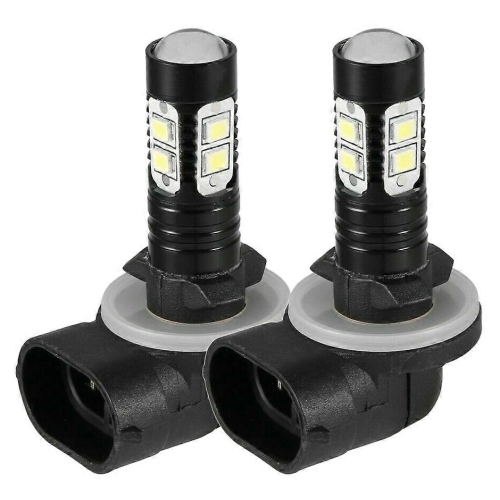
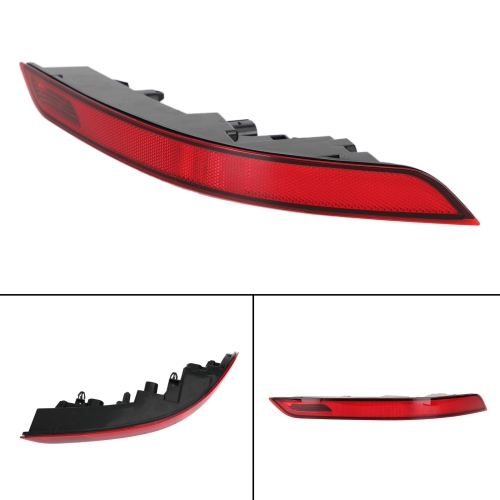
Why fit and beam aim matter more than brightness
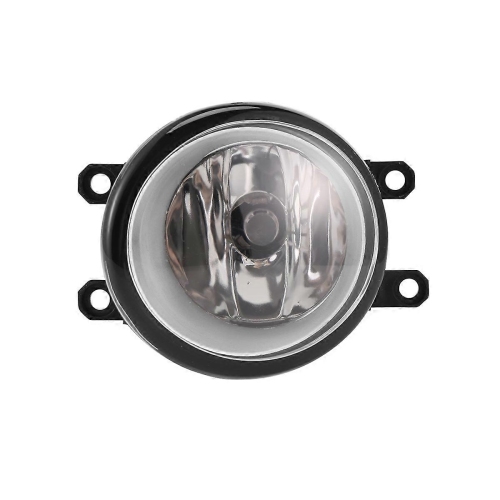
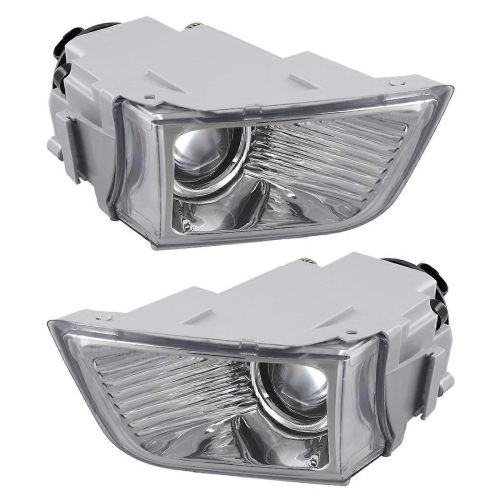
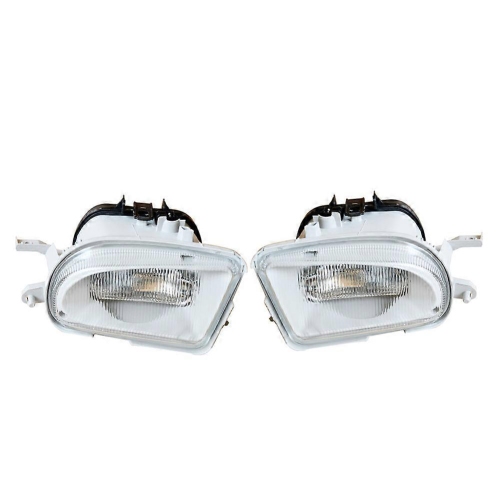
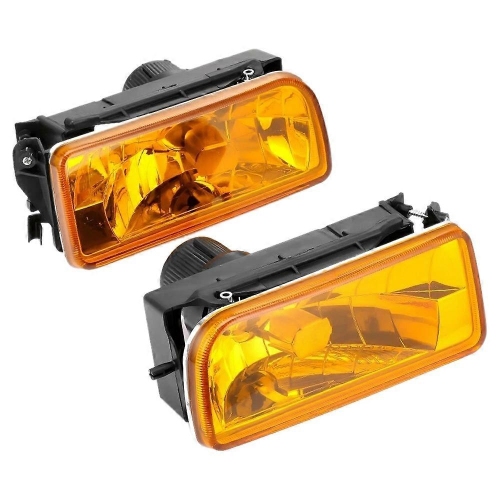
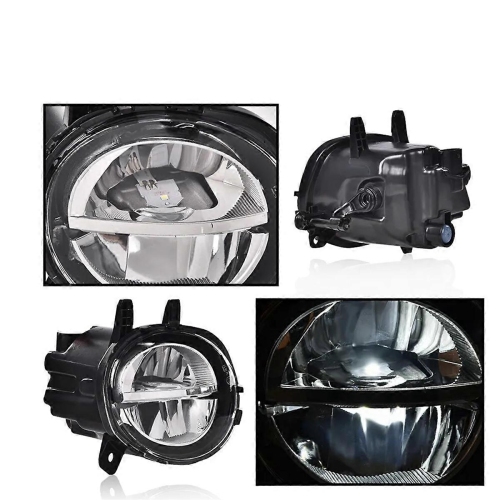
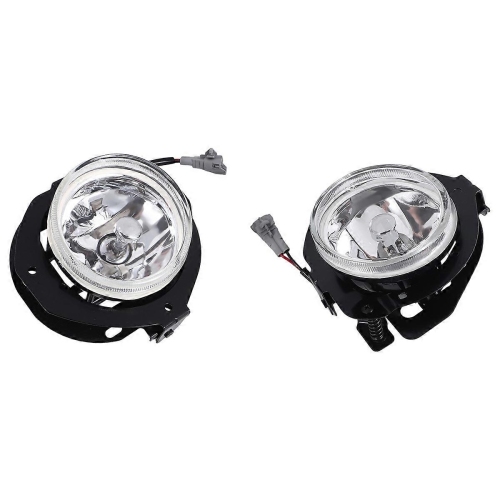
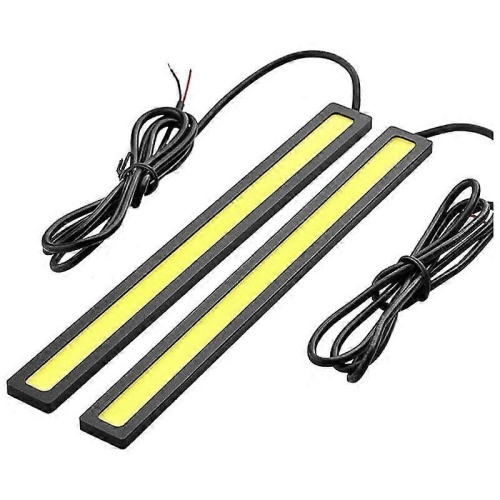
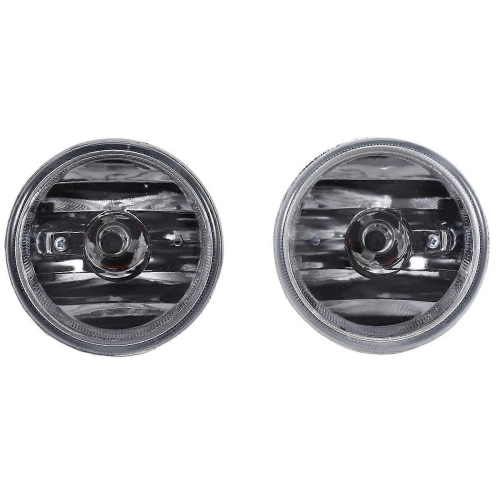
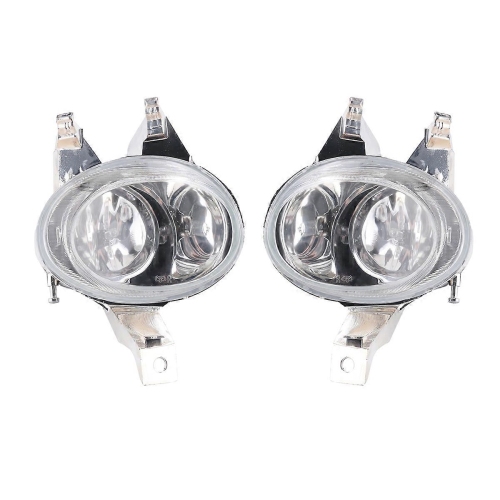
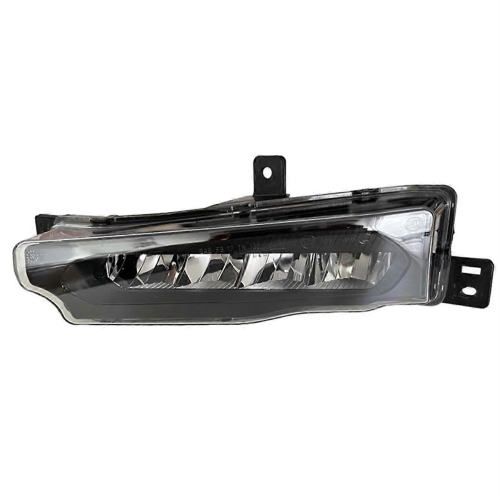
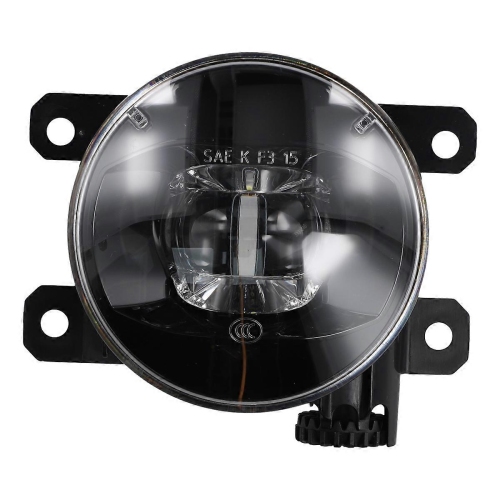
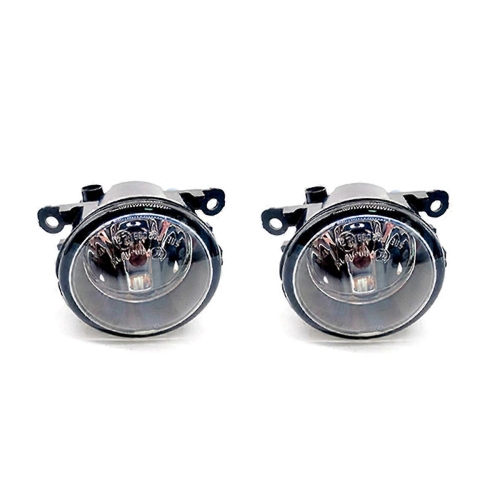
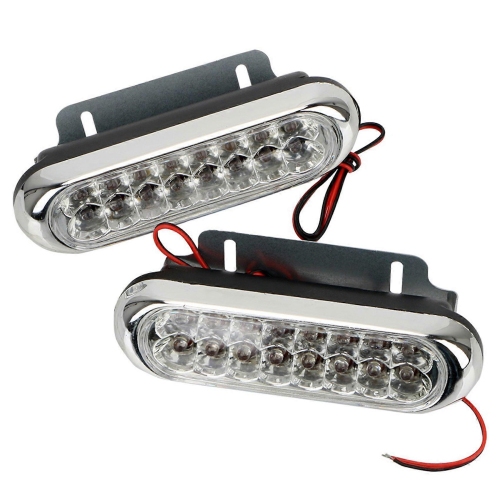
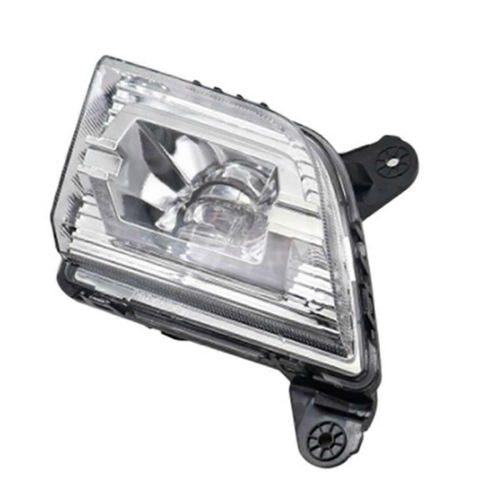
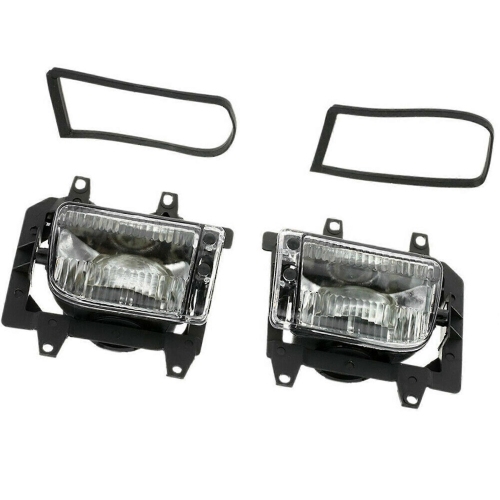
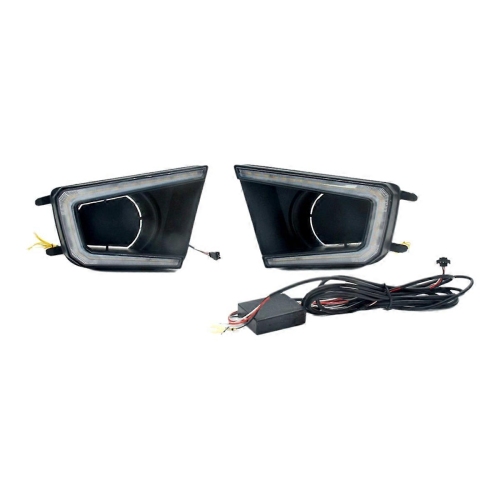
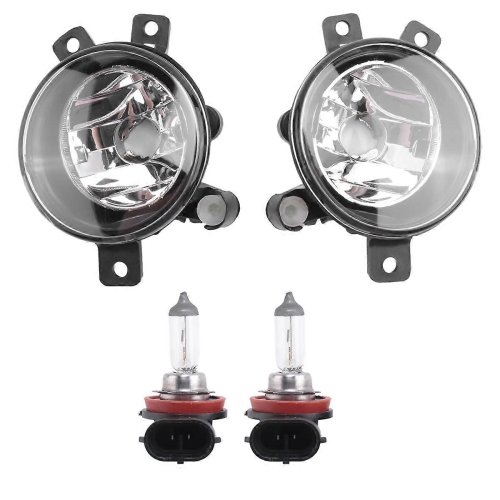
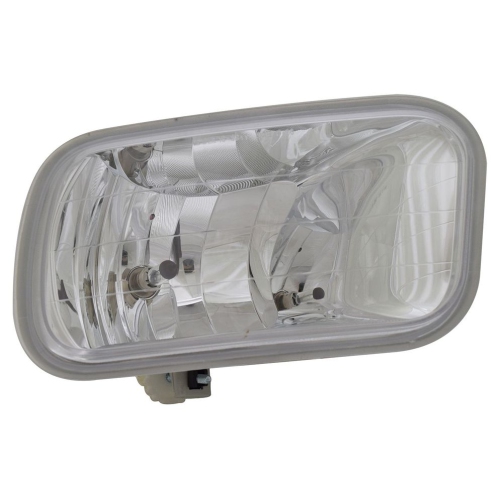
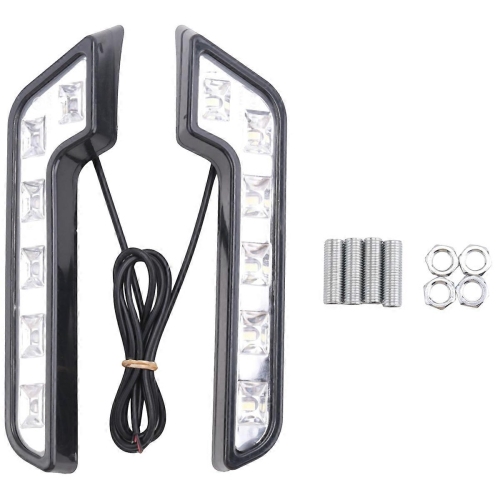
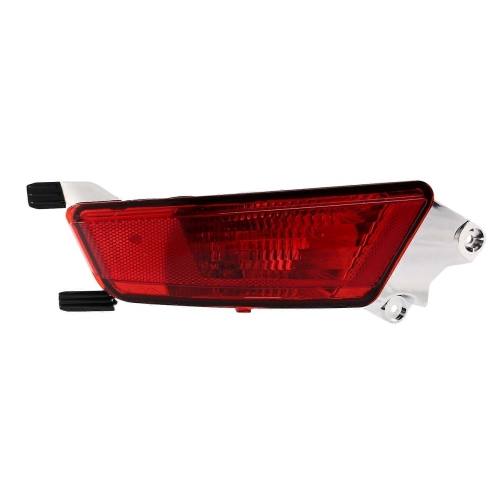
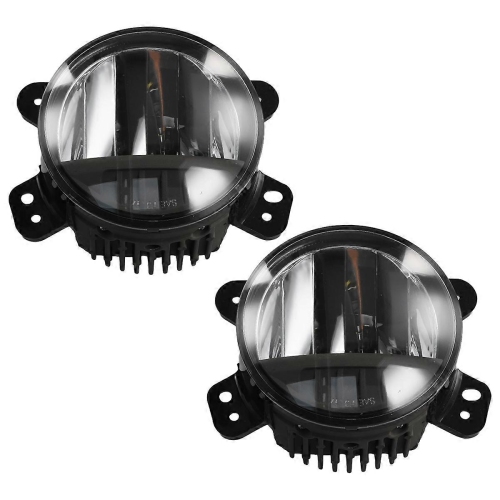
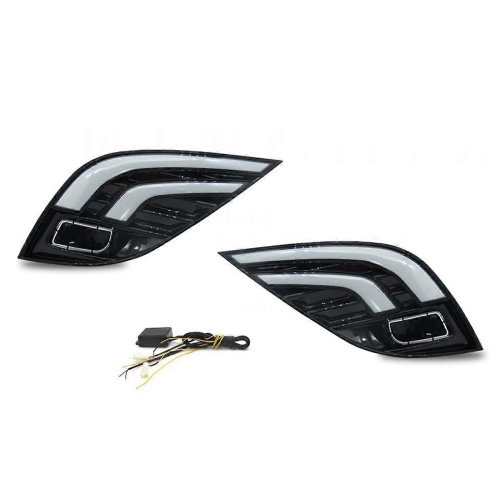
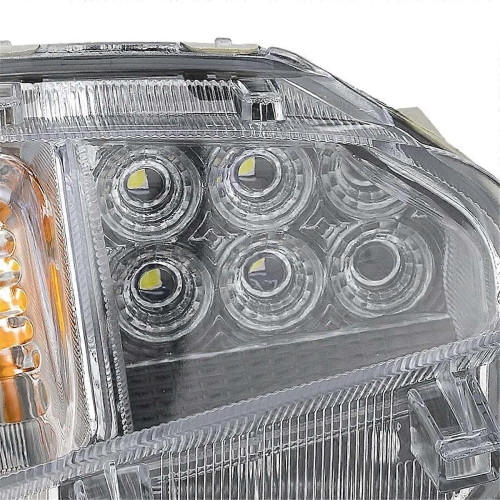
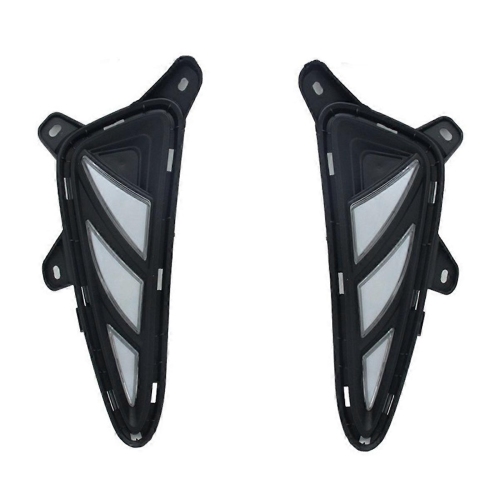
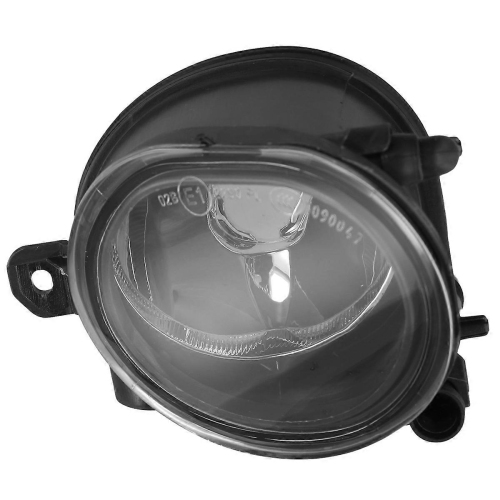
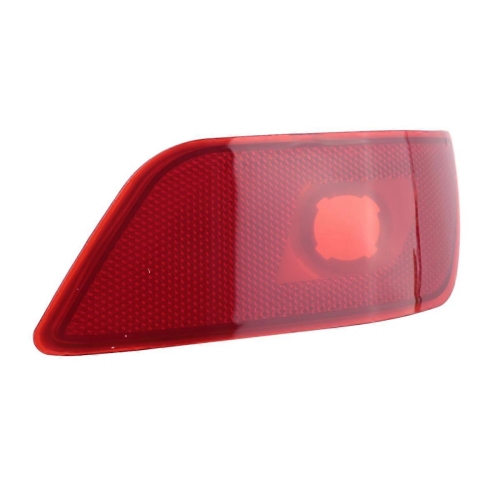
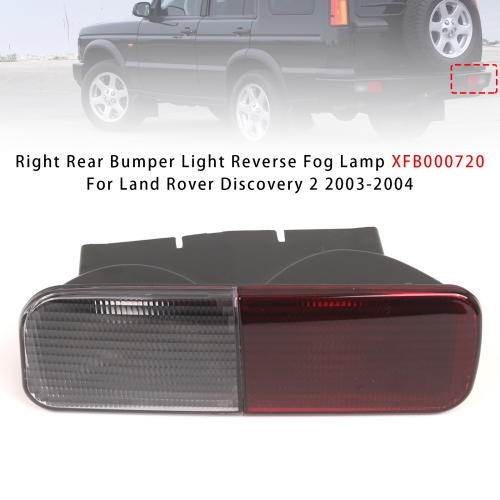
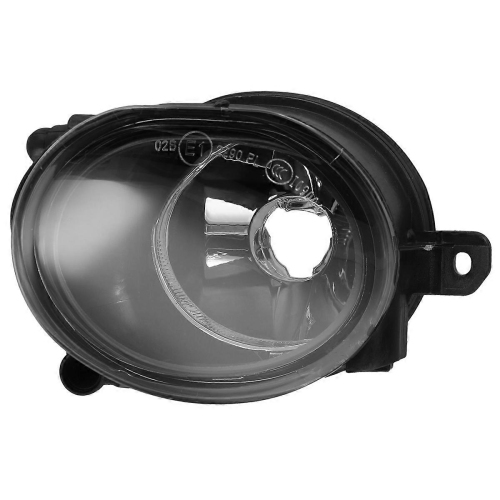
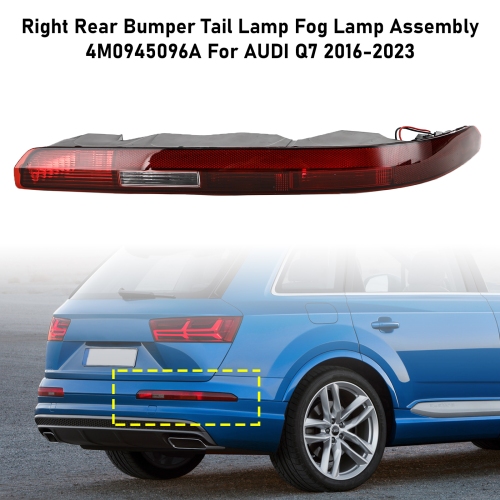
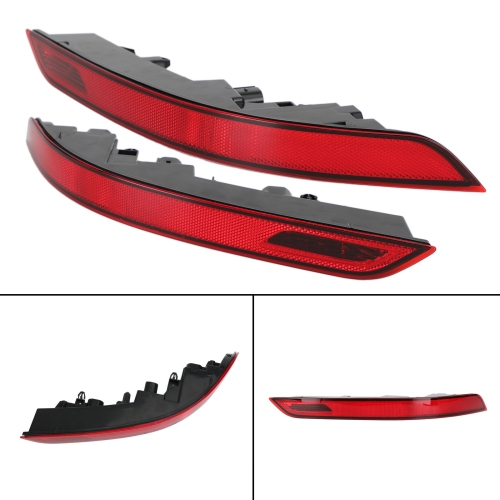
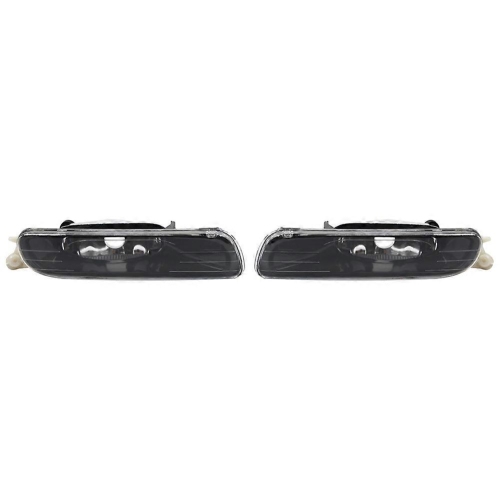
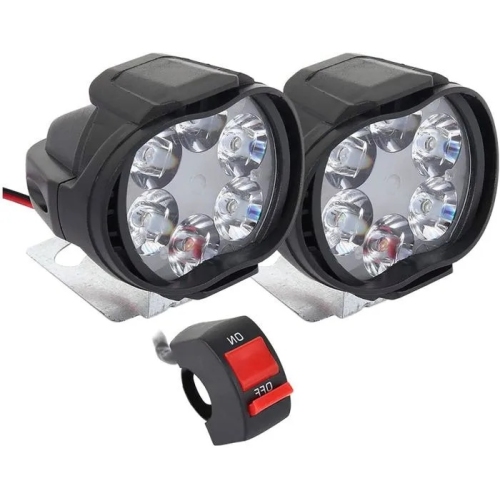
Vehicle fog lights serve a different purpose from the headlights used to see farther down the road. Front fog lights typically sit low in the bumper and spread a broad, shallow beam across the pavement close to the vehicle. On a foggy two-lane road, that light can make the painted edge line and the start of the shoulder easier to pick out without adding as much light at eye level. High beams, by contrast, can reflect off suspended droplets or flakes and make the view ahead look more washed out. Fog lights don’t see through fog, though, and even a well-defined beam can’t make up for a short sightline. Their role is to supplement low beams when visibility is poor, not to replace required headlights or to light up the road at a distance. A fog lamp is also different from a driving lamp, which is designed to send light farther ahead, or a daytime running light, which primarily helps other road users see the vehicle. Some vehicles have a rear fog light as well. That bright red lamp makes the vehicle easier to see from behind in dense fog; it doesn’t illuminate the pavement and can be dazzling once visibility improves. For front fog lights, beam shape and aim generally tell more about how a lamp will perform than brightness alone. A light that fills in the area near the road edge is doing a different job from one that makes the first few metres in front of the hood look unusually bright. Lens colour is another visible difference: clear and selective-yellow lights give the beam a different appearance, but neither colour makes up for stray light above the useful part of the beam. From a damp highway ramp to a rural road with no streetlights, the point is to add useful light where the driver needs it without creating unnecessary glare for oncoming traffic.
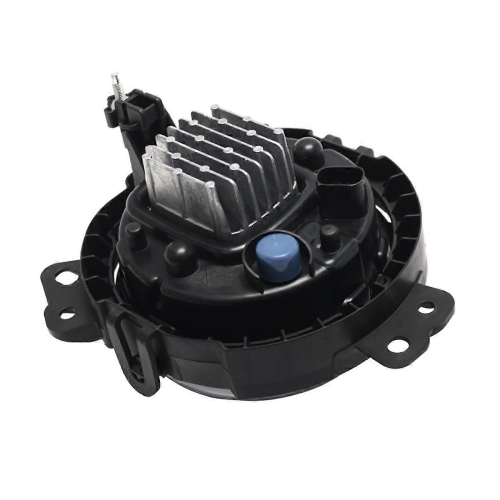
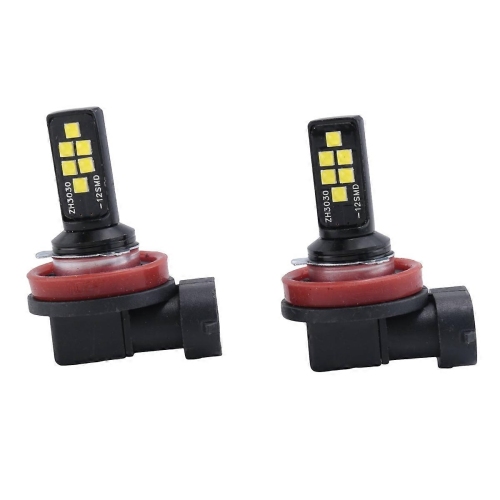
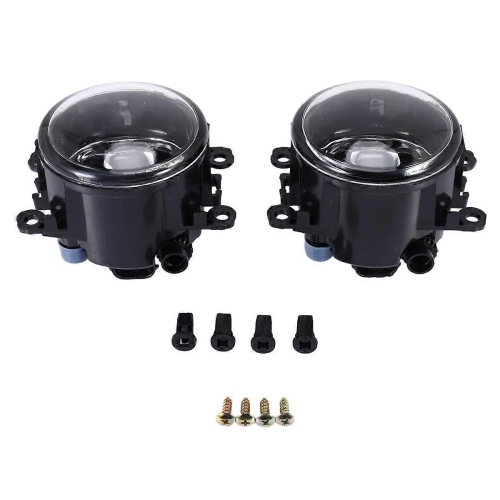
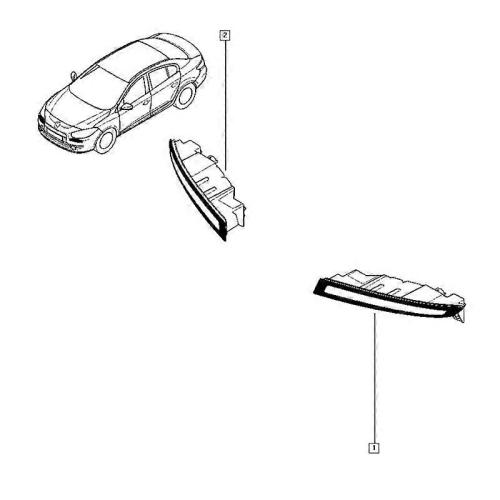
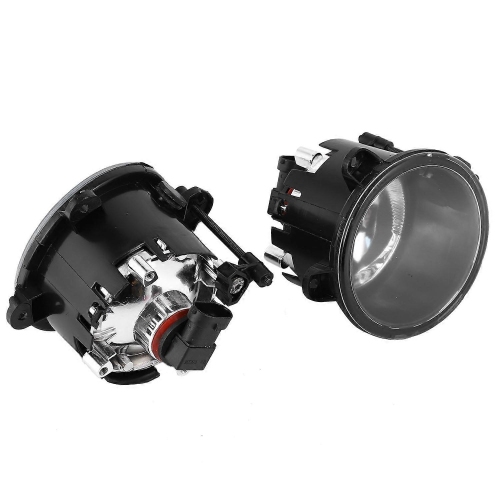
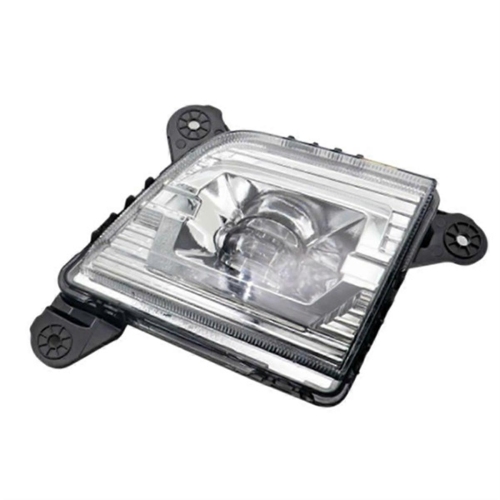
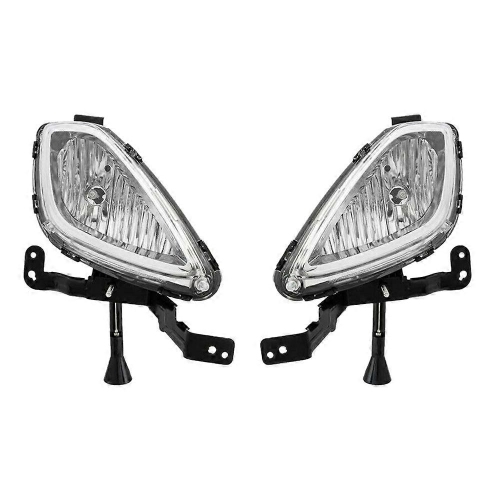
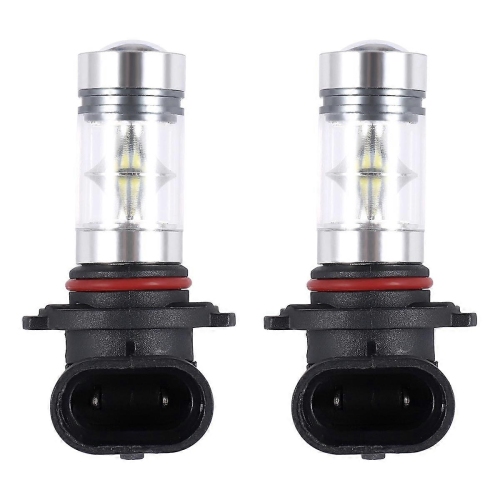
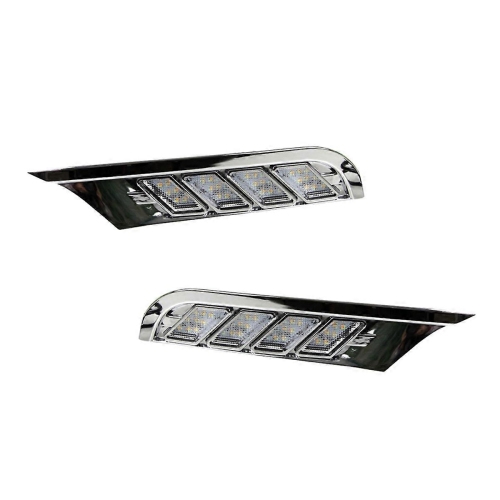
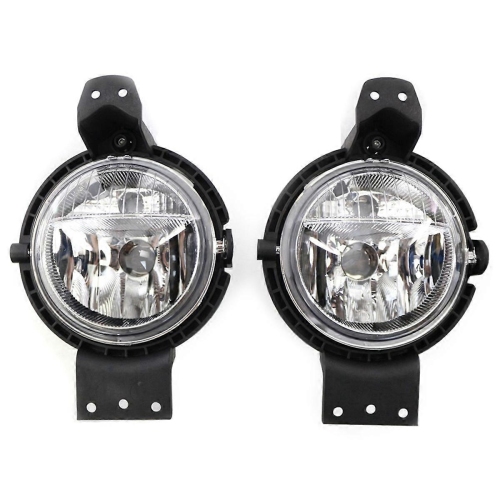
Fit is especially important because two fog lights can look nearly identical from the front while having different mounting tabs, housing depths or electrical connectors. The year, make, model and trim are a starting point, but bumper design, production changes and factory lighting packages can make a difference even between two vehicles that share a model name. A shaped assembly needs to follow the contour of the bumper opening, sit securely in its bracket and leave room behind the housing for the connector and wiring. Some assemblies are specific to the driver or passenger side, with adjusters or tabs that won’t line up on the opposite side. For a vehicle already equipped with fog lamps, Replacement Fog Lights is a starting point for matching the original setup. The condition of the lamp helps determine what needs replacing: a burned-out bulb in a dry, intact housing is a different repair from a cracked lens, a broken mounting tab or a failed sealed LED assembly. With a replaceable bulb, the base, connector and power requirements all matter. A bulb that fits into the socket isn’t necessarily a good optical match for the reflector or projector, especially when changing light-source types. The position of the light source affects where the beam lands, and a poor match can leave bright patches and dark areas even when the lamp looks brighter from outside the vehicle. Adding lights to a vehicle that didn’t come with them involves a different set of fit considerations. A blank panel in the bumper may mark the spot where a factory lamp would sit, but it doesn’t establish that the brackets, wiring or controls are already in place. Whether the work is a replacement or a new installation, road-use requirements and proper aim matter. A lamp can sit flush with the bumper and still point too high, particularly if a bracket is bent or an adjustment point has shifted.
Materials and construction matter on a lamp that sits close to the pavement. Polycarbonate lenses handle impacts well and often have a protective coating to help keep the surface clear. Glass resists scratching but can chip or crack when struck by road debris. Behind the lens, the housing, gasket and connector all help keep spray and grit away from electrical parts. A brief haze inside a vented lamp isn’t always a sign that the seal has failed, but droplets that keep returning or water that collects at the bottom warrant a closer look. LED assemblies also rely on heat management, so clearance behind the lamp can matter for more than physical fit. Basic care is mostly about keeping the lens clear and avoiding damage around the seams. A rinse followed by a wipe with a soft cloth is gentler than rubbing a dry lens coated in road grit, and a high-pressure spray aimed straight at the seals or vents can force water where it doesn’t belong. A lamp that flickers over bumps or a beam that shakes against a garage wall may point to a loose connection or mount rather than a failed bulb. It’s also worth checking the aim after bumper work: a clip can sit just slightly out of place and send the beam noticeably higher than the one on the other side. For a commuter who regularly encounters fog in low-lying stretches, restoring a missing or damaged lamp can bring back useful light at the near edge of the road. For someone maintaining an older vehicle, matching the surrounding trim and reusing sound factory mounting points may matter just as much as the light itself. Fog lights can make a practical gift for someone restoring a vehicle when the exact fit and the work they have planned are already known. In any of those cases, what matters is a secure fit and a controlled beam, not simply a lamp that looks brighter in the driveway.
Top selling and popular products
-
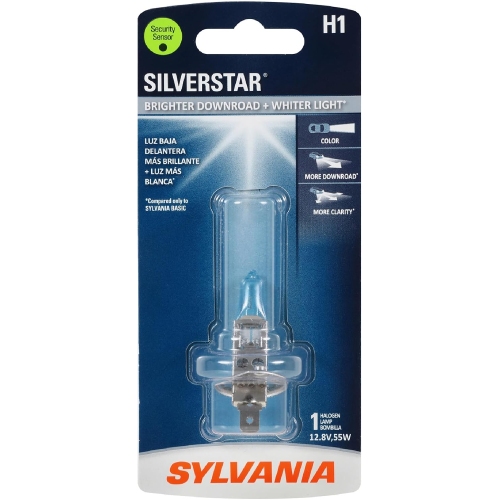 Your price for this item is $45.81
-
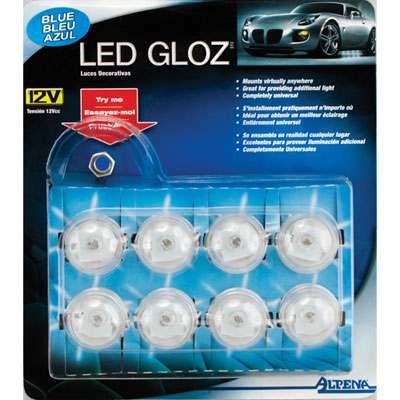 Your price for this item is $16.99
-
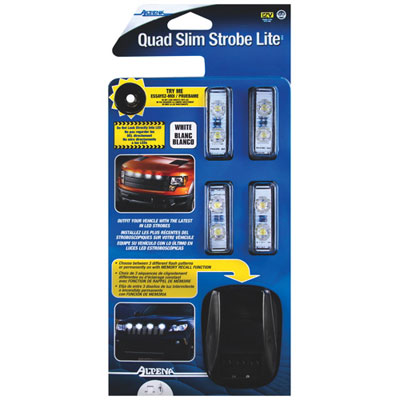 Your price for this item is $48.99
-
 Your price for this item is $36.99
-
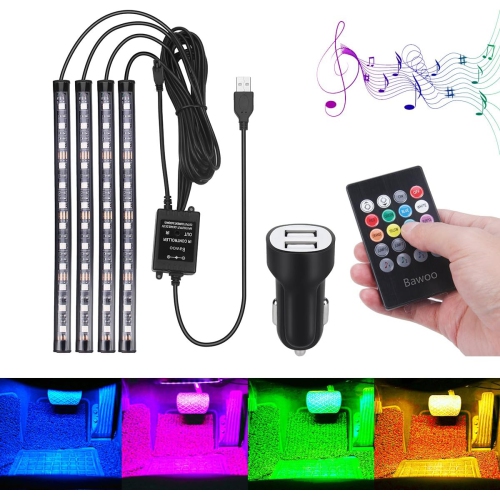 Your price for this item is $36.49
-
 Your price for this item is $30.99
-
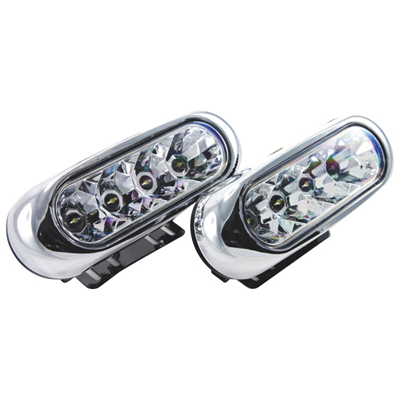 Your price for this item is $43.99
-
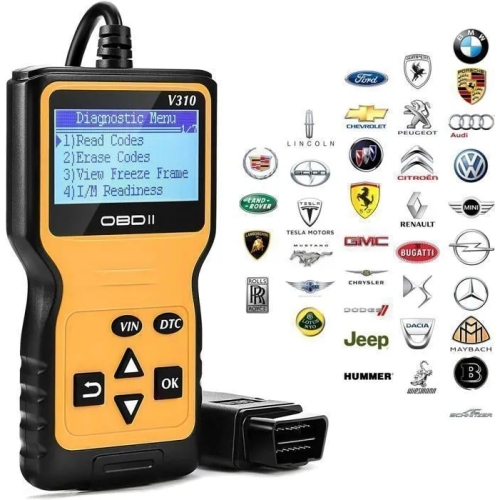 Your price for this item is $59.9
Discover more categories related to Vehicle Fog Lights
Top Collections:
Best Black Friday Deals This Year, Best Black Friday Deals On Electronics, Kindle Devices, Best Black Friday Deals On Apple Products, Best Budget Office Chairs, Best Cameras for Sports Photography, Dyson Airwrap, Canon G7X Cameras, Best Laptops for Writers, Samsung Galaxy Phones
Some products may be subject to Environmental Handling Fees
(EHF) depending on your province.
Learn more about EHFs.