Road Bike Computers
Enhance your cycling experience with road bike computers, the ultimate companion for avid cyclists and fitness enthusiasts. Designed to provide real-time data and metrics, road bike computers are must-have accessories that can help you track your speed, distance, cadence, and even heart rate.
Sort
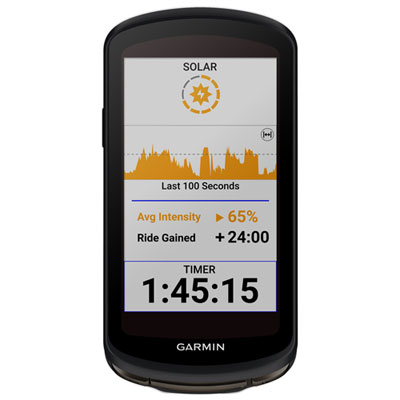
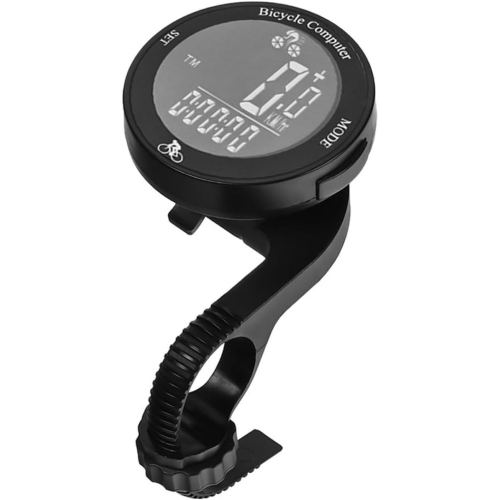
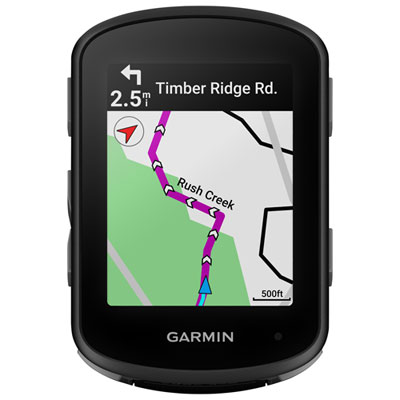
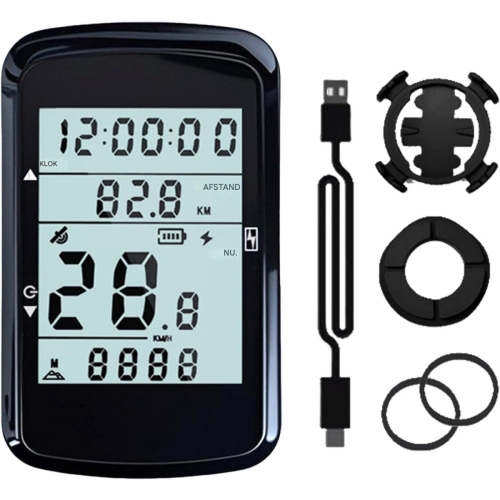
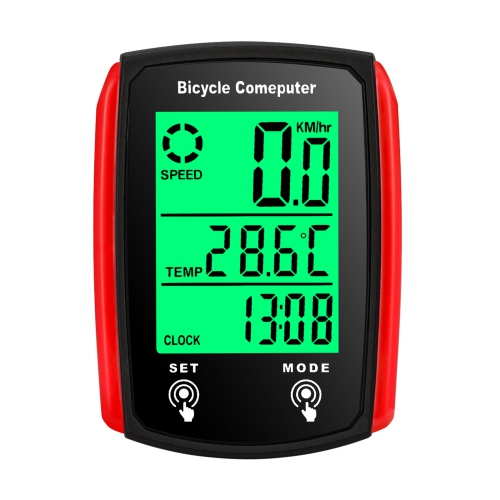
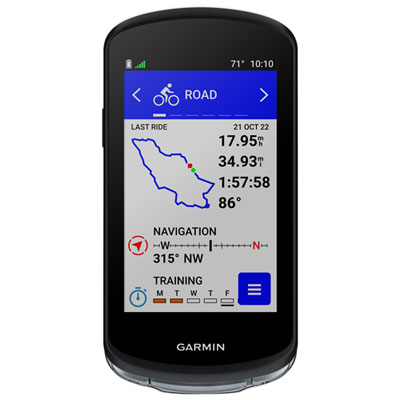
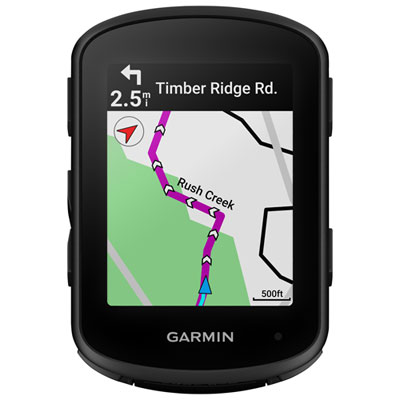
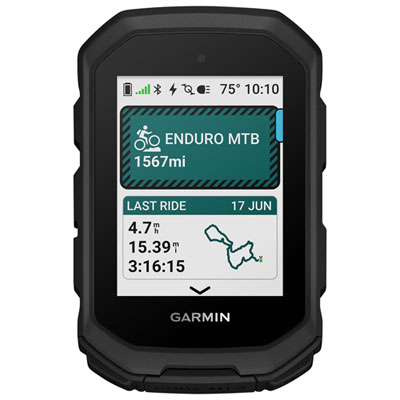
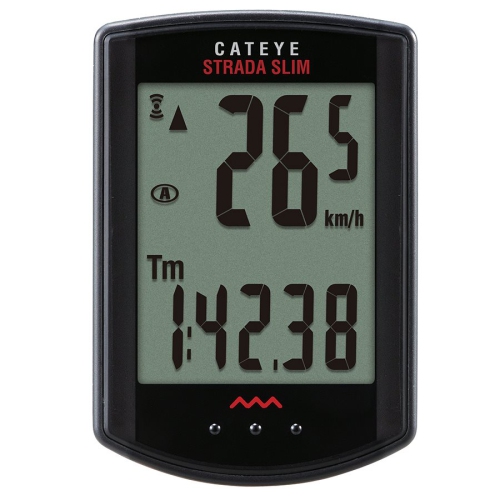
Ride data, route guidance, and training insights in view
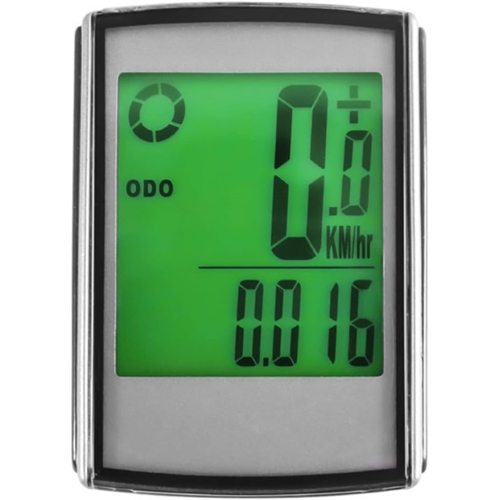
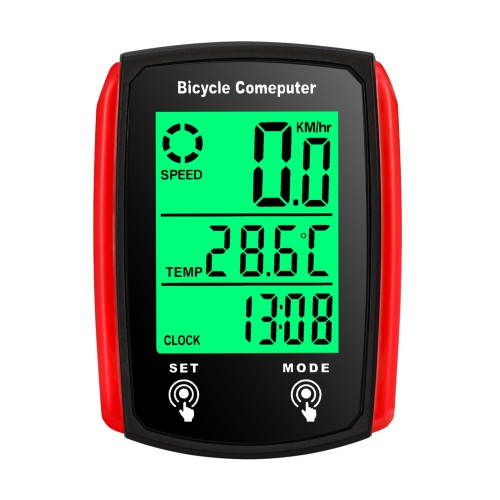
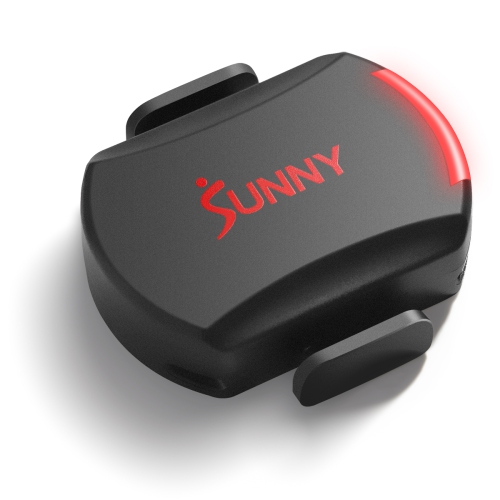
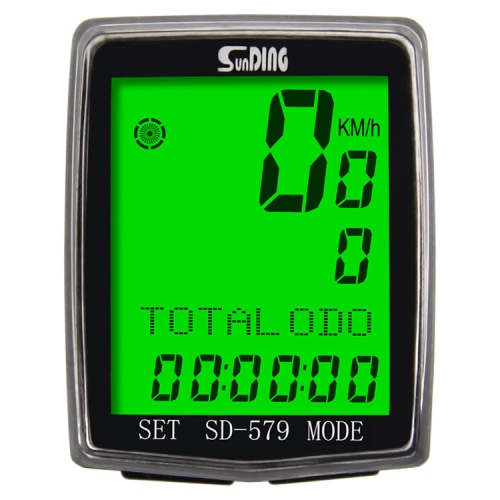
Road bike computers bring useful ride information into view without requiring a phone to be mounted on the handlebars. Depending on the model, a computer may display speed, distance, elapsed time, ride time, cadence, heart rate, elevation, and other training data as you ride. Basic wireless models are often a practical choice for cyclists who want a clear readout of speed and distance without navigation features or a complicated setup. Their large, easy-to-read screens can be especially helpful on bright roads, while wireless sensors keep the handlebar area neat and reduce the need for cables. More advanced units use GPS to record routes, calculate speed and distance, show elevation changes, and provide turn-by-turn directions. A GPS bike computer can be a useful companion for riders exploring unfamiliar roads, planning longer loops, commuting through a busy city, or following a training plan that calls for specific distances and speeds. Screen size, button placement, and display contrast all matter when selecting a model. A compact computer may suit a streamlined road-bike cockpit, while a larger display can make map details and data fields easier to read at a glance. Touchscreen controls can feel familiar to phone users, but physical buttons may be easier to operate with gloves or on rough pavement. Riders who spend time outdoors during the cooler months may also appreciate a computer that remains simple to control when wearing layers or full-finger cycling gloves.
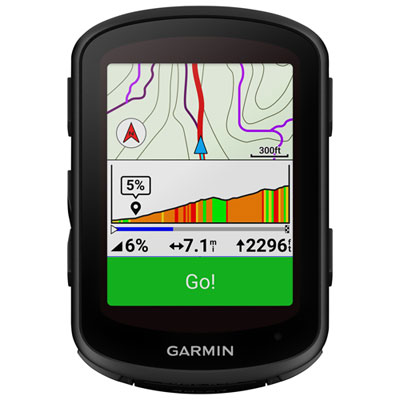
GPS capability is one of the most important distinctions among road bike computers. A computer with GPS can record where you have travelled and may offer stored maps, route guidance, rerouting, points of interest, and elevation profiles. For cyclists who regularly ride in new areas, reliable mapping can reduce the need to stop and check a phone at every junction. Before choosing a model, consider whether navigation is essential or whether speed, distance, and ride time are enough for your usual routes. If you want route guidance, look for a bright colour screen, clear turn prompts, responsive controls, and enough internal storage for maps and saved rides. Dual-band or multi-system GPS support may help maintain a more consistent position in areas with tall buildings, dense tree cover, or winding roads. Browse Bicycle Computers With GPS for options designed around route tracking and navigation. Battery life is another key consideration. Short recreational rides may require only a modest battery, while long-distance cyclists, bikepackers, and endurance riders may prefer a unit that can run for many hours between charges. Features such as navigation, a bright screen, wireless connections, and frequent data recording can affect how long the battery lasts, so compare advertised runtime with the type of riding you actually do. Also check charging connections, charge indicators, and whether the computer can be topped up between rides without removing its mount. A secure handlebar or stem mount is important as well, since a loose computer can be distracting and may be difficult to read when the road surface becomes uneven.
Connectivity can make a bike computer more useful before, during, and after a ride. Bluetooth and other wireless connections may allow a computer to pair with a cadence sensor, speed sensor, heart-rate monitor, power meter, or smartphone. These accessories can help riders measure effort more precisely, compare performance over time, and follow structured workouts. A cyclist who enjoys improving pace on familiar roads might focus on speed, cadence, and heart rate, while someone training for longer distances may place more emphasis on elevation, average speed, battery life, and route guidance. Smartphone compatibility can also make it easier to upload completed rides, review maps, save routes, receive notifications, or synchronize data with a preferred cycling service. Not every rider needs every metric, and an uncluttered display can be more useful than a screen filled with numbers. Consider how many data fields can be shown at once, whether the layouts can be customized, and how easily pages can be changed while moving. Road bike computers can make thoughtful gifts for commuters, weekend riders, fitness-focused cyclists, and anyone preparing for a charity ride or a cycling holiday. A straightforward speed and distance computer may be a comfortable introduction for a new rider, while a GPS model with training features can suit an experienced cyclist who has begun planning more ambitious routes. Installation is generally straightforward, but it is worth confirming handlebar compatibility, sensor requirements, mounting hardware, weather resistance, and the visibility of the display in both strong daylight and low-light conditions. As the weather changes and daylight hours vary, a dependable computer can help riders keep track of familiar routes, manage pace, and return home with a useful record of each ride.
GPS capability is one of the most important distinctions among road bike computers. A computer with GPS can record where you have travelled and may offer stored maps, route guidance, rerouting, points of interest, and elevation profiles. For cyclists who regularly ride in new areas, reliable mapping can reduce the need to stop and check a phone at every junction. Before choosing a model, consider whether navigation is essential or whether speed, distance, and ride time are enough for your usual routes. If you want route guidance, look for a bright colour screen, clear turn prompts, responsive controls, and enough internal storage for maps and saved rides. Dual-band or multi-system GPS support may help maintain a more consistent position in areas with tall buildings, dense tree cover, or winding roads. Browse Bicycle Computers With GPS for options designed around route tracking and navigation. Battery life is another key consideration. Short recreational rides may require only a modest battery, while long-distance cyclists, bikepackers, and endurance riders may prefer a unit that can run for many hours between charges. Features such as navigation, a bright screen, wireless connections, and frequent data recording can affect how long the battery lasts, so compare advertised runtime with the type of riding you actually do. Also check charging connections, charge indicators, and whether the computer can be topped up between rides without removing its mount. A secure handlebar or stem mount is important as well, since a loose computer can be distracting and may be difficult to read when the road surface becomes uneven.
Connectivity can make a bike computer more useful before, during, and after a ride. Bluetooth and other wireless connections may allow a computer to pair with a cadence sensor, speed sensor, heart-rate monitor, power meter, or smartphone. These accessories can help riders measure effort more precisely, compare performance over time, and follow structured workouts. A cyclist who enjoys improving pace on familiar roads might focus on speed, cadence, and heart rate, while someone training for longer distances may place more emphasis on elevation, average speed, battery life, and route guidance. Smartphone compatibility can also make it easier to upload completed rides, review maps, save routes, receive notifications, or synchronize data with a preferred cycling service. Not every rider needs every metric, and an uncluttered display can be more useful than a screen filled with numbers. Consider how many data fields can be shown at once, whether the layouts can be customized, and how easily pages can be changed while moving. Road bike computers can make thoughtful gifts for commuters, weekend riders, fitness-focused cyclists, and anyone preparing for a charity ride or a cycling holiday. A straightforward speed and distance computer may be a comfortable introduction for a new rider, while a GPS model with training features can suit an experienced cyclist who has begun planning more ambitious routes. Installation is generally straightforward, but it is worth confirming handlebar compatibility, sensor requirements, mounting hardware, weather resistance, and the visibility of the display in both strong daylight and low-light conditions. As the weather changes and daylight hours vary, a dependable computer can help riders keep track of familiar routes, manage pace, and return home with a useful record of each ride.
Top selling and popular products
-
 Your price for this item is $155.44
 -
 Your price for this item is $285
 -
 Your price for this item is $499
 -
 Your price for this item is $209.99
 -
 Your price for this item is $199.99
 -
 Your price for this item is $134.99
 -
 Your price for this item is $96.99
 -
 Your price for this item is $120.99
Discover more categories related to Road Bike Computers
Top Collections:
Pokemon Centers, Kindle Devices, Best Budget Office Chairs, Apple iPhones 16, Best Laptops for Writers, iPhone 15 Apple, Canon G7X Cameras, Refurbished Apple Laptops, Alarm Clock, Motorola Razr Phones
Some products may be subject to Environmental Handling Fees
(EHF) depending on your province.
Learn more about EHFs.