Snow Tire Chains
Gear up for winter's challenges with snow tire chains, an essential accessory for navigating icy roads and snowy terrains. These reliable companions are designed to enhance your vehicle's traction, ensuring a safer and more confident driving experience when the weather turns frosty. Whether you're commuting through city streets or embarking on a mountain adventure, snow tire chains offer the peace of mind you need to tackle slippery conditions. Explore our selection to find the perfect fit for your vehicle and embrace the winter season with ease.
Sort


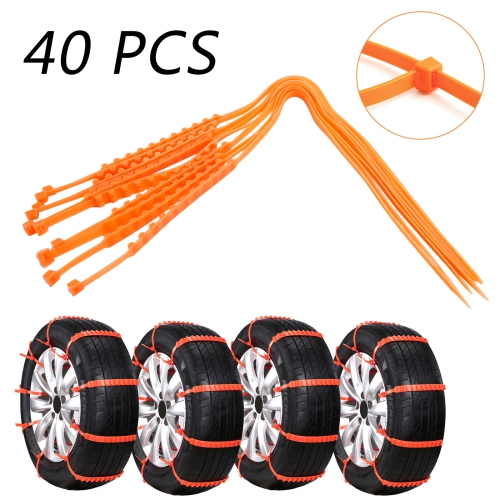


What to know about fitting and using traction chains
Snow tire chains are traction devices designed to help a vehicle maintain grip when roads are covered with packed snow or ice. They wrap around the tread of a tire, adding a textured contact surface that can bite into slippery conditions more effectively than rubber alone. They are especially useful for drivers who travel through rural areas, steep driveways, cottage roads, mountain routes, or regions where heavy snowfall can make a normally passable road difficult to navigate. Commuters, delivery drivers, outdoor enthusiasts, and families travelling through changing winter conditions may all find them helpful to keep in a vehicle as part of a practical cold-weather kit. They can also be a thoughtful gift for someone who drives long distances, visits a ski area, owns a truck or SUV, or spends weekends away from frequently ploughed city streets. When selecting snow tire chains, begin with the exact tire size printed on the sidewall rather than relying only on the vehicle’s make and model. The right fit should match the tire dimensions and leave enough clearance around the wheel well, brake components, suspension, and steering parts. Vehicle manuals may specify approved chain types, installation positions, or clearance limitations, particularly for vehicles with all-wheel drive, low-profile tires, or limited space between the tire and surrounding components. Some drivers prefer traditional steel chains for a firm grip in deep snow, while others may choose cable-style or composite options that can be lighter and simpler to handle. The choice depends on the vehicle, road conditions, storage needs, and how often the chains are likely to be used. Browse the broader Tire Chain selection to compare options that suit different tire sizes and driving setups.
Before heading into a snowy area, practise installing the chains in a safe, dry location such as a garage or driveway. Cold fingers, blowing snow, poor visibility, and traffic at the roadside can make a first installation far more difficult than expected. Lay out each chain and check for twisted links, damaged sections, worn fasteners, or missing tensioners before placing it on the tire. Follow the supplied instructions carefully, and confirm whether the chains belong on the drive wheels or in another position recommended by the vehicle manufacturer. For all-wheel-drive vehicles, the correct arrangement can vary, so the owner’s manual is an important reference. After fitting the chains, drive a short distance and stop in a safe location to retighten or inspect them, since they may settle as the vehicle moves. Proper tension matters: chains that are too loose can strike the wheel well or suspension, while a poor fit may reduce traction and increase the risk of damage. Keep gloves, a flashlight, a mat for kneeling, and a small set of basic tools in the vehicle so installation is less frustrating during a roadside stop. Snow chains are intended for snow- and ice-covered surfaces, not regular dry pavement. Once the road becomes clear, remove them promptly, as bare pavement can wear the chains quickly, affect handling, and cause damage to the road surface or vehicle. Store clean, dry chains in their case after use and inspect them before the next trip. It is also wise to confirm local requirements before travelling, since rules can vary by province, municipality, highway, and mountain pass. Some routes may require drivers to carry approved traction devices or use them when signs, weather conditions, or authorities indicate. Carrying chains does not replace sensible winter preparation: maintain suitable tire pressure, clear snow from the vehicle, keep the fuel level adequate, and bring essentials such as warm clothing, water, a phone charger, and an emergency kit.
Driving with snow tire chains requires a slower, smoother approach than normal winter driving. Accelerate gently, leave extra space for braking, and avoid sudden steering, hard braking, and quick lane changes. Many manufacturers recommend keeping speed at or below 48 km/h, or the limit stated in the chain instructions, because excessive speed can increase vibration, heat, wear, and the chance of a chain breaking. Listen for unusual knocking, scraping, or repeated tapping, and pull over safely if the vehicle feels different or a warning sound develops. A broken chain can damage brake lines, wheel wells, sensors, or suspension components if it continues to rotate. Chains improve traction, but they do not eliminate the risks associated with black ice, reduced visibility, steep grades, or hidden obstacles beneath the snow. They should be used along with careful route planning and a realistic assessment of road conditions. Drivers who rarely encounter heavy snow may keep a set in the trunk for an unexpected trip, while people in areas with frequent storms may want a durable option that is easy to install repeatedly. Before a longer journey, check the forecast and highway advisories, identify suitable places to pull over, and make sure the chains fit the tires currently installed on the vehicle. Keeping the original packaging and instructions with the chains can also make identification and installation easier when conditions are stressful. With the correct size, secure fit, appropriate speed, and timely removal on clear pavement, snow tire chains can provide added confidence when winter roads become deeply covered, slick, or difficult to climb.
Top selling and popular products
-
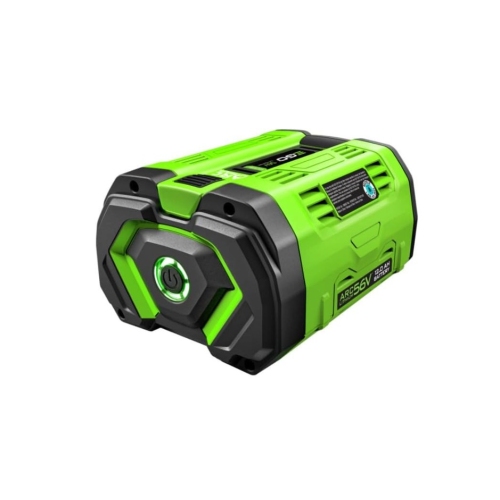 Your price for this item is $674.99
-
 Your price for this item is $39.99
-
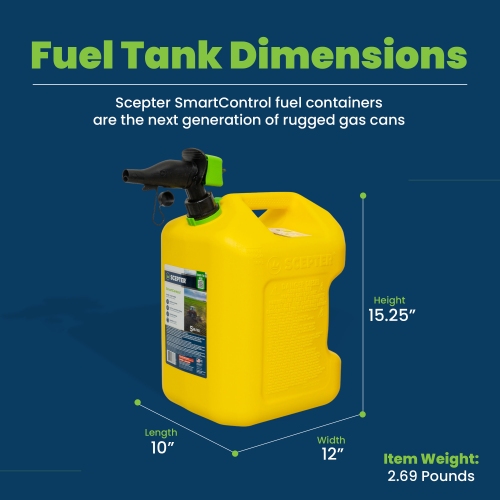 Your price for this item is $90.99
-
 Your price for this item is $854.05
-
 Your price for this item is $116.99
-
 Your price for this item is $941.99
-
 Your price for this item is $99.99
-
 Your price for this item is $199.99
Discover more categories related to Snow Tire Chains


Top Collections:
Pokemon Centers, Kindle Devices, Best Budget Office Chairs, Canon G7X Cameras, Apple iPhones 16, Samsung Galaxy Phones, Refurbished Apple Laptops, Laptops for Students, iPhone 15 Apple, Budget Smartphones
Some products may be subject to Environmental Handling Fees
(EHF) depending on your province.
Learn more about EHFs.