Truck Snow Chains
When winter conditions become challenging, ensuring your truck is equipped to handle icy and snowy roads is crucial for safety and performance. Truck snow chains are an essential accessory for drivers who frequently navigate through harsh winter weather, providing the traction needed to tackle slippery surfaces with confidence. Whether you're hauling heavy loads or simply commuting in unpredictable conditions, having the right set of snow chains can make all the difference. Explore a variety of options designed to fit different tire sizes and driving needs, so you can find the perfect match to keep your journeys smooth and secure during the colder months.
Sort


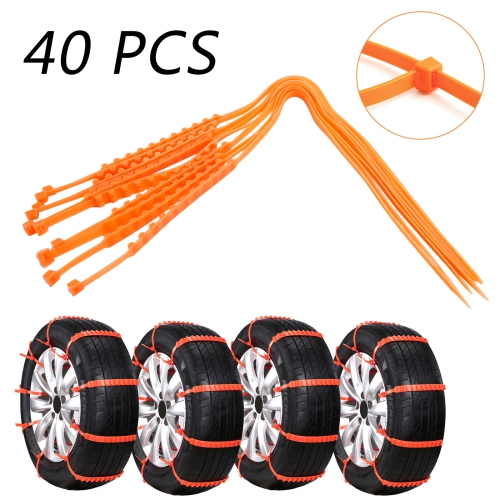


Why chain fit goes beyond tire size
Truck snow chains are removable traction devices that fit around truck tires to help the tread grip snow and ice. They are intended for low-speed travel in suitable conditions, such as a snow-covered access road, an icy incline or a route where chain requirements apply. For pickup owners, rural property owners and commercial drivers, the right fit depends on more than the size of the truck: tire dimensions, wheel clearance, axle configuration and the vehicle manufacturer’s restrictions all matter. A chain set made for a light-duty pickup is not automatically suitable for a loaded work truck, and a heavy-duty design may need more space around the wheel than a smaller vehicle allows. The complete tire size printed on the sidewall is the starting point for matching chains, but the chain manufacturer’s fit chart and the truck’s owner’s manual are equally important. Even tires bearing the same nominal size can differ slightly in shape because of tread design and wear, so a trial fit before travel helps identify problems. Clearance behind the tire deserves particular attention, since chains must not interfere with brake lines, suspension components or nearby bodywork. Trucks with modified suspension, aftermarket wheels or oversized tires may have additional fit considerations. Steel is a common material for truck tire chains, with hardened and alloy steel options designed to withstand repeated contact with packed snow and ice. Link thickness, heat treatment and construction affect wear resistance, weight and handling, while protective finishes can help limit rust without eliminating the need for cleaning. Heavier chains may suit demanding work, but greater weight alone does not make a set a better match. For drivers comparing traction devices across vehicle types, the Tire Chain page provides a broader point of reference. The essential match remains a chain design approved for the tire, the vehicle and the intended use.
Chain patterns and fastening systems shape how truck snow chains feel on the road and how manageable they are to fit. Ladder-pattern chains use cross chains that span the tread at intervals, providing repeated biting edges as the tire turns. Diamond patterns place a more continuous network across the tread and can provide smoother rolling and more consistent lateral contact, depending on their construction. Square-link and V-bar designs offer different gripping surfaces for demanding snow or ice conditions, but their suitability depends on vehicle clearance, the surface being travelled and local rules. Aggressive links are not a substitute for proper fit, and they can damage exposed pavement or other surfaces. Cable-style traction devices have a different construction from conventional link chains and may offer a lower-profile fit, although they are not interchangeable with chains for every truck or every road requirement. Fastening systems also vary. Manual-tension designs depend on correct adjustment and may require compatible tensioners, while self-tightening designs are intended to take up slack as the wheels move. Neither style removes the need to follow the supplied fitting instructions and inspect the installation. A useful distinction is how much reaching, connecting and adjustment a system requires around the wheel, especially when handling cold metal with gloves. Practising on a level surface before a trip makes those differences apparent without the distraction of passing traffic or blowing snow. Chains should sit evenly around the tire, with fasteners secured and no loose sections able to strike the truck. Installation belongs in a safe location away from moving traffic, and any inspection or retensioning after a short distance should follow the chain manufacturer’s directions. Four-wheel drive and all-wheel drive do not establish a universal mounting arrangement: the owner’s manual determines which axle or axles can accept chains. Dual rear wheels require particular care, since dedicated single-tire or dual-tire chain configurations must match the intended installation rather than being improvised from a standard set.
Intended use is another important distinction when comparing snow chains for trucks. A pickup that occasionally travels a steep cottage lane has different demands from a service truck making repeated trips along a snow-packed worksite road. Frequent use places more emphasis on wear resistance, serviceable components and practical storage, while occasional use still calls for a dependable fit and straightforward handling. Drivers towing a trailer or carrying a substantial load need to account for the truck’s operating limits; chains do not increase payload or towing capacity, and additional grip does not cancel the stopping distance associated with a heavy vehicle. They also do not replace appropriate winter tires or careful driving. Sudden acceleration, sharp turns and hard braking can reduce control and put unnecessary stress on the chain assembly. Travel speed must stay within both the vehicle and chain manufacturers’ limits and be reduced further whenever visibility, traction or traffic conditions demand it. Once the road surface no longer warrants chains, removing them at a safe stopping place helps prevent damage to the tires, chains and roadway. Rules vary across Canadian provinces, territories and individual routes, and requirements may differ for passenger vehicles and commercial trucks. Posted signs, official road information and vehicle-class requirements are better references than a broad assumption that chains are permitted or required everywhere. After use, removing grit and road salt, then allowing the chains to dry thoroughly before storage, helps preserve their condition. Inspection should include worn or distorted links, damaged cables where present, and fasteners or tensioning parts that no longer operate properly. Replacement components must be compatible with the chain system rather than improvised. A sturdy carrying case or secured container keeps the assembly together and prevents loose metal from moving around the truck. Gloves, a waterproof kneeling mat and a light can make roadside handling more manageable. With correct fit, attentive care and use within their limits, truck snow chains can be a practical part of preparing a vehicle for demanding winter routes.
Top selling and popular products
-
 Your price for this item is $674.99
-
 Your price for this item is $39.99
-
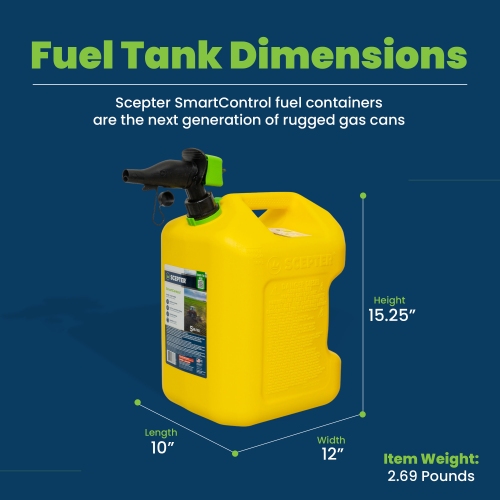 Your price for this item is $90.99
-
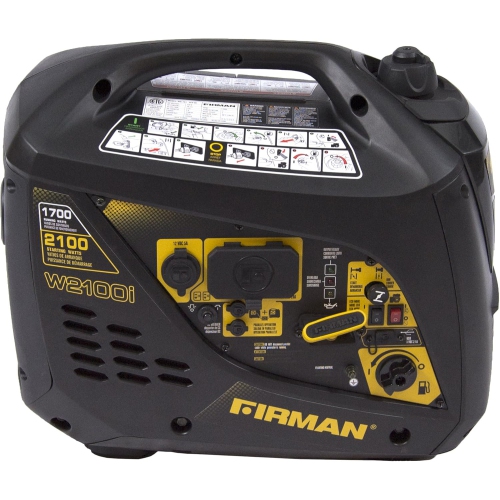 Your price for this item is $854.05
-
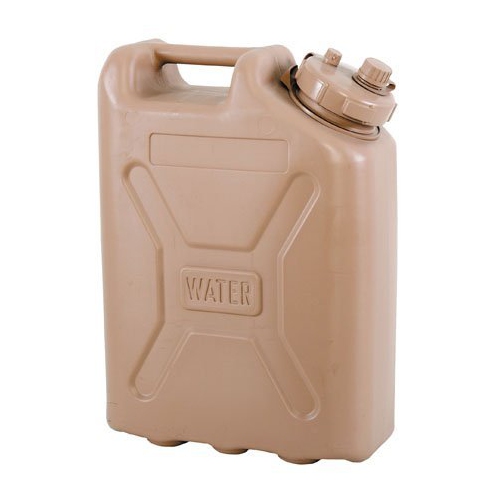 Your price for this item is $116.99
-
 Your price for this item is $941.99
-
 Your price for this item is $99.99
-
 Your price for this item is $199.99
Discover more categories related to Truck Snow Chains

Top Collections:
Pokemon Centers, Kindle Devices, Best Budget Office Chairs, Canon G7X Cameras, Apple iPhones 16, Samsung Galaxy Phones, Refurbished Apple Laptops, Laptops for Students, iPhone 15 Apple, Budget Smartphones
Some products may be subject to Environmental Handling Fees
(EHF) depending on your province.
Learn more about EHFs.