Tire Chain
Navigating snowy or icy roads can be challenging, but tire chains are here to enhance your vehicle's grip and stability, ensuring safer winter travels. Designed to provide optimal traction in harsh conditions, they are an essential accessory for anyone living in areas prone to severe winter weather. Whether you're planning a mountain getaway or simply need to tackle daily commutes during the colder months, tire chains offer peace of mind by improving control and reducing the risk of slipping. Discover a range of options tailored to fit various tire sizes and types, making it easier than ever to equip your vehicle for winter adventures.
Sort












What to know about fit, traction, and winter driving
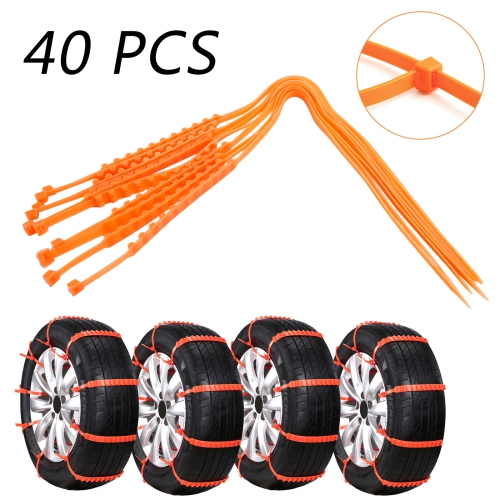
Tire chains are traction devices designed to wrap around a vehicle’s tires and improve grip when snow, ice, or packed winter surfaces make ordinary tread less effective. Their metal links or cables act much like cleats, concentrating the vehicle’s weight into smaller contact points that can bite into slippery ground. They can be useful for drivers who travel through rural areas, steep driveways, mountain roads, unploughed lanes, or regions where winter traction equipment is required by road conditions. They may also be a practical gift for a new driver, a commuter who regularly travels outside the city, or anyone preparing a vehicle for cooler-month driving. Unlike a permanent part of the vehicle, tire chains are typically stored until extra traction is needed, then fitted to the appropriate tires before entering difficult conditions. Begin by checking the tire sidewall for the complete tire size, including the width, aspect ratio, and wheel diameter, and compare it with the chain manufacturer’s fitment information. Vehicle make, model, drivetrain, and available clearance around the wheel well also matter. Some vehicles have limited space between the tire and suspension, brake components, or inner fender, making lower-profile cable-style traction devices more suitable than bulky link chains. Always follow the vehicle owner’s manual, including instructions about which axle should receive the chains and whether the vehicle is approved for their use. A proper fit should feel secure without pressing against nearby components, while an incorrect size can loosen, damage the vehicle, or reduce control. It is worth practising installation in a dry driveway before a storm arrives. Laying the chains out, identifying the inside and outside connectors, and learning how to tighten them while wearing gloves can make roadside installation far less stressful when the pavement is cold, visibility is poor, and snow is collecting around the wheel.
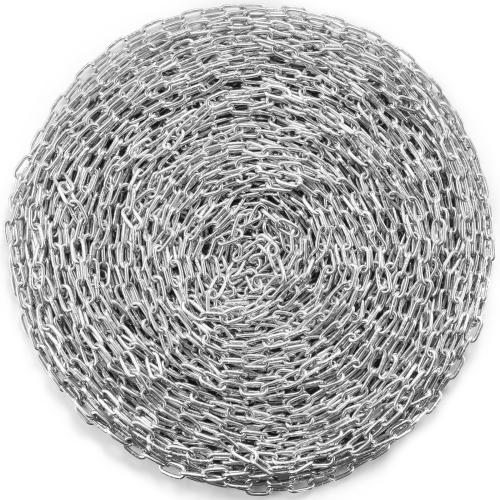
Different tire chain designs suit different types of winter travel. Cable chains generally have a slimmer profile and can provide a quieter, smoother option for standard paved roads, particularly when wheel-well clearance is tight. Traditional link-style or square-link chains are built for a more aggressive grip and may be better suited to deep snow, steep grades, ice-covered routes, or occasional off-road use, provided they are approved for the vehicle and tire size. Diamond-pattern layouts spread the chains across the tire face and can offer balanced wear, smoother steering, and more consistent contact than simpler patterns. Regardless of the style, drive slowly and cautiously after installation. A common maximum speed is under 50 km/h, or the limit specified by the chain manufacturer and local authorities, because higher speeds can cause the chains to break, damage the vehicle, or contribute to a loss of control. Avoid sudden braking, rapid acceleration, and sharp steering, and stop shortly after fitting to check that the chains remain centred and tight. If the chain shifts, rattles against the wheel well, or appears loose, pull over in a safe location and adjust it before continuing. Tire chains should be removed as soon as the route becomes clear and dry; continuing on bare pavement can damage both the road surface and the chains, while also creating unnecessary vibration and reducing handling. Store them clean and dry after use, checking for bent links, broken cables, worn tensioners, or damaged connectors before the next journey. Because the word “diamond” can describe more than one type of chain, shoppers comparing automotive traction equipment with accessories such as Diamond Chains should confirm that the product is intended for vehicle tires. Careful attention to fit, construction, clearance, driving speed, and road conditions helps ensure that the selected tire chains provide dependable support when winter surfaces become difficult to navigate.
Different tire chain designs suit different types of winter travel. Cable chains generally have a slimmer profile and can provide a quieter, smoother option for standard paved roads, particularly when wheel-well clearance is tight. Traditional link-style or square-link chains are built for a more aggressive grip and may be better suited to deep snow, steep grades, ice-covered routes, or occasional off-road use, provided they are approved for the vehicle and tire size. Diamond-pattern layouts spread the chains across the tire face and can offer balanced wear, smoother steering, and more consistent contact than simpler patterns. Regardless of the style, drive slowly and cautiously after installation. A common maximum speed is under 50 km/h, or the limit specified by the chain manufacturer and local authorities, because higher speeds can cause the chains to break, damage the vehicle, or contribute to a loss of control. Avoid sudden braking, rapid acceleration, and sharp steering, and stop shortly after fitting to check that the chains remain centred and tight. If the chain shifts, rattles against the wheel well, or appears loose, pull over in a safe location and adjust it before continuing. Tire chains should be removed as soon as the route becomes clear and dry; continuing on bare pavement can damage both the road surface and the chains, while also creating unnecessary vibration and reducing handling. Store them clean and dry after use, checking for bent links, broken cables, worn tensioners, or damaged connectors before the next journey. Because the word “diamond” can describe more than one type of chain, shoppers comparing automotive traction equipment with accessories such as Diamond Chains should confirm that the product is intended for vehicle tires. Careful attention to fit, construction, clearance, driving speed, and road conditions helps ensure that the selected tire chains provide dependable support when winter surfaces become difficult to navigate.
Top selling and popular products
-
 Your price for this item is $3000
-
 Your price for this item is $159.99
-
 Your price for this item is $329.99
-
 Your price for this item is $149.99
-
 Your price for this item is $264
-
 Your price for this item is $217.55
-
 Your price for this item is $779.99
-
 Your price for this item is $659.99
Discover more categories related to Tire Chain


Top Collections:
Pokemon Centers, Best Cameras for Sports Photography, Kindle Devices, Samsung Galaxy Phones, Canon G7X Cameras, Pokémon 30th Celebration Cards, Refurbished Apple Laptops, iPhone 15 Apple, Laptops for Students, Budget Smartphones
Some products may be subject to Environmental Handling Fees
(EHF) depending on your province.
Learn more about EHFs.