Trailer Hitch
Elevate your towing experience with a reliable trailer hitch from Best Buy Canada, designed to seamlessly connect your vehicle to trailers of all kinds. Whether you're planning a weekend getaway or tackling a big move, the right trailer hitch ensures safety and stability on the road. Explore a variety of options tailored to fit different vehicles and towing needs, making it easy to find the perfect match for your adventures. With quality construction and dependable performance, our selection of trailer hitches is ready to support your journey, wherever it may lead.
Sort
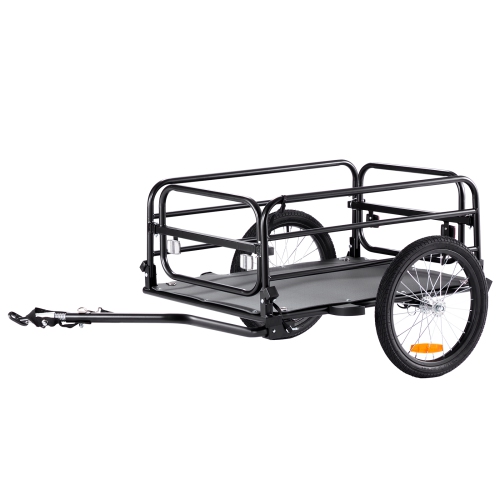
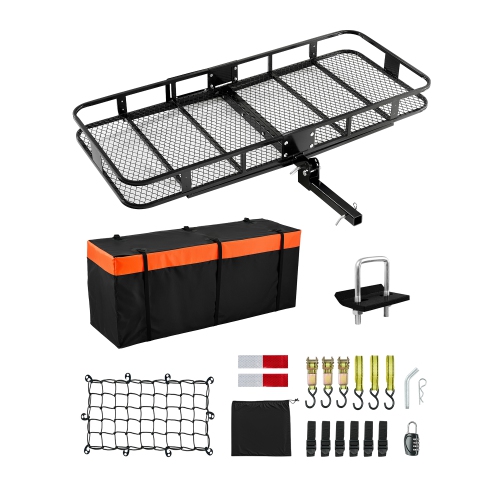
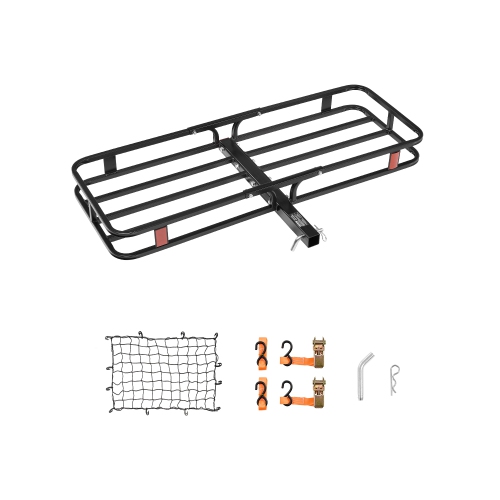
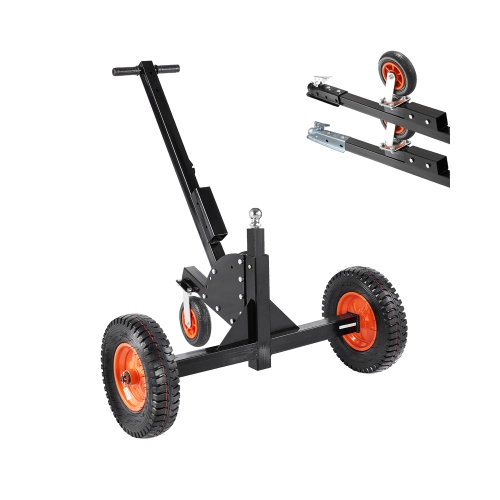

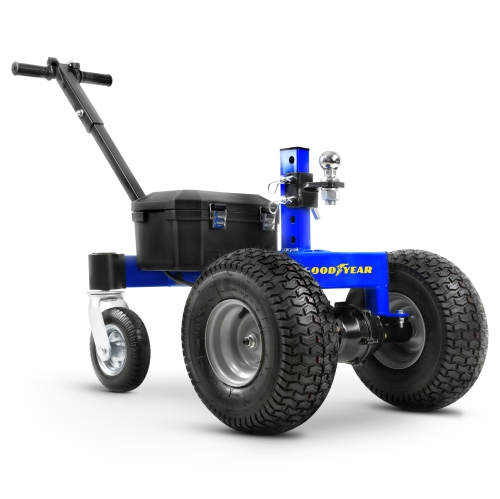
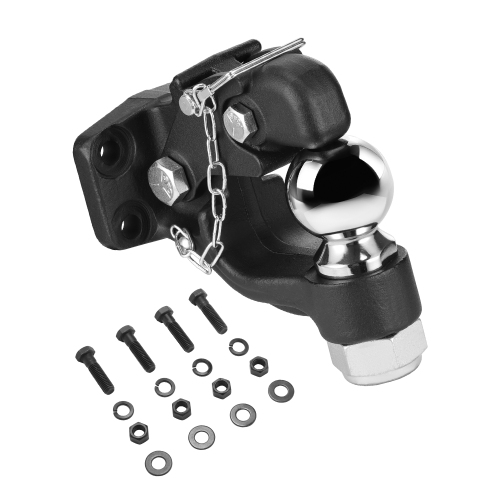
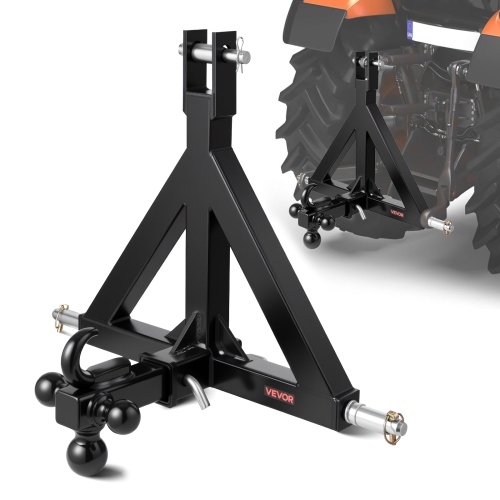
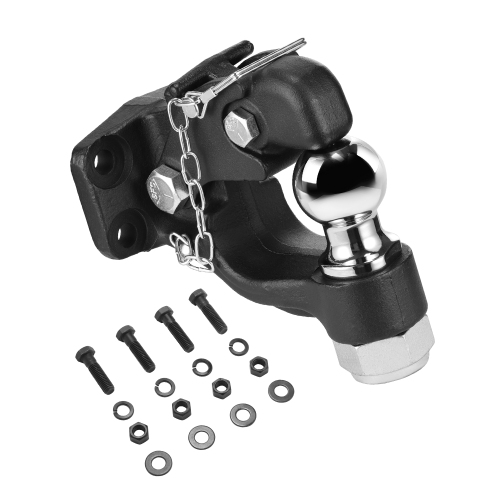
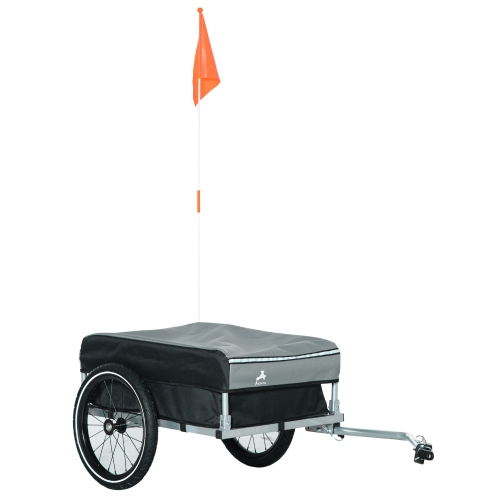
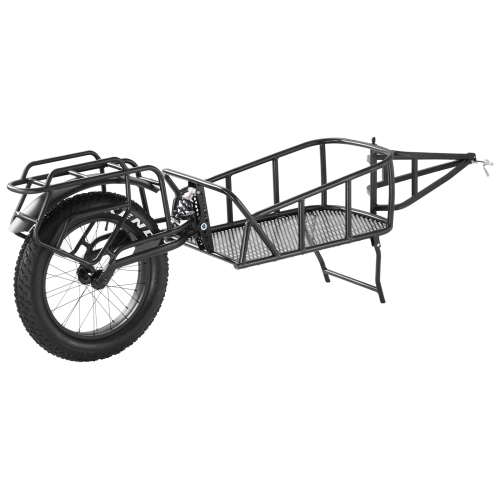
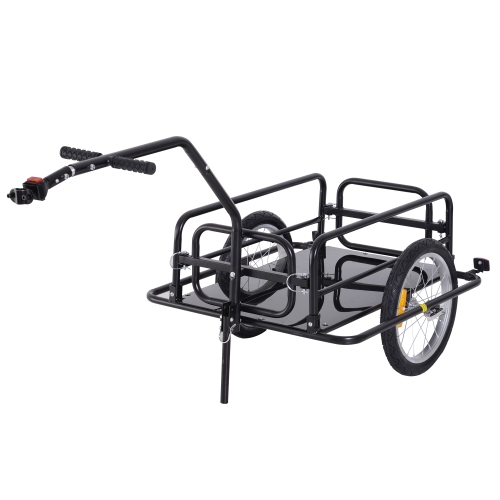
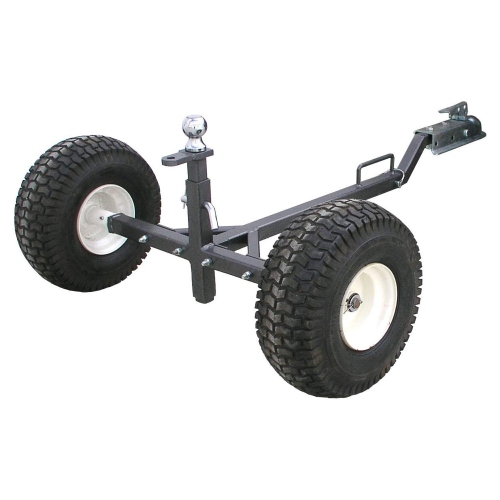
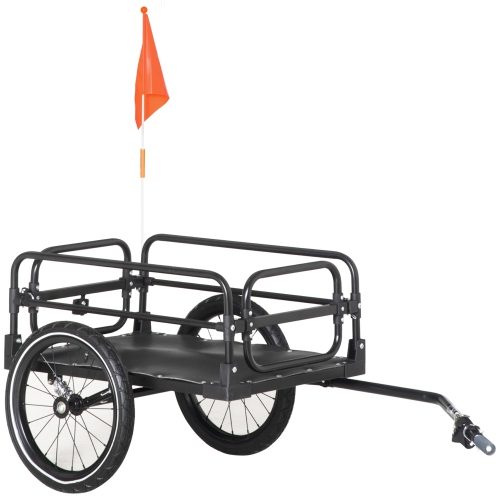
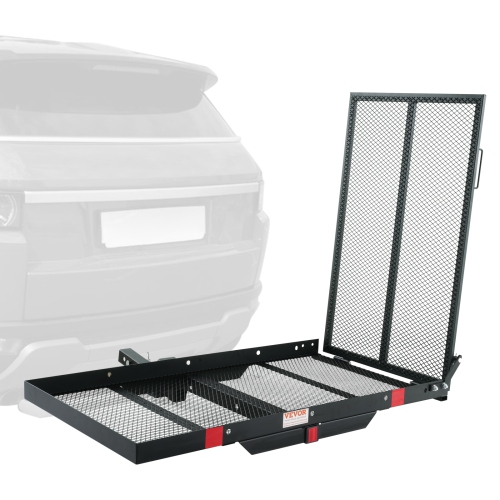
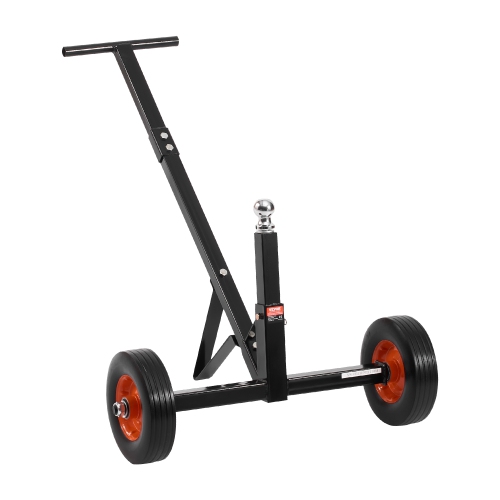
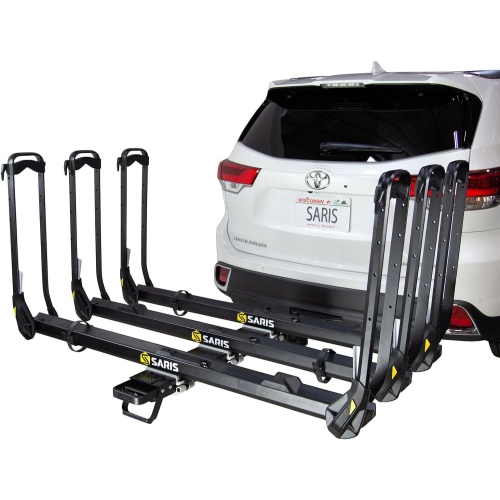
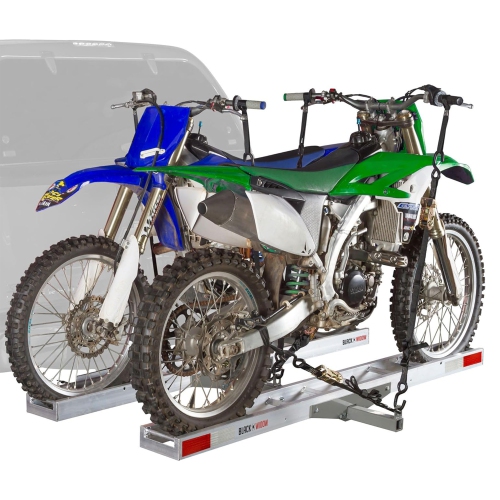
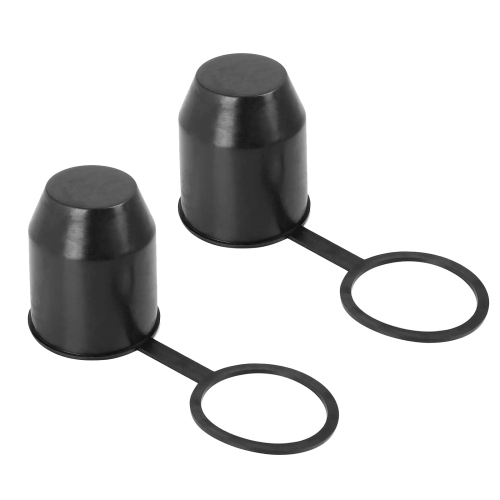
The right connection depends on more than receiver size
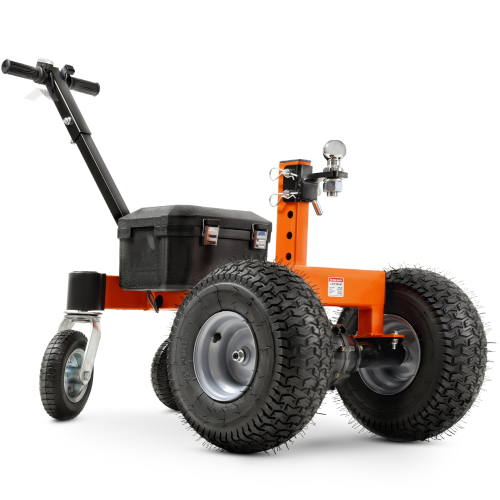
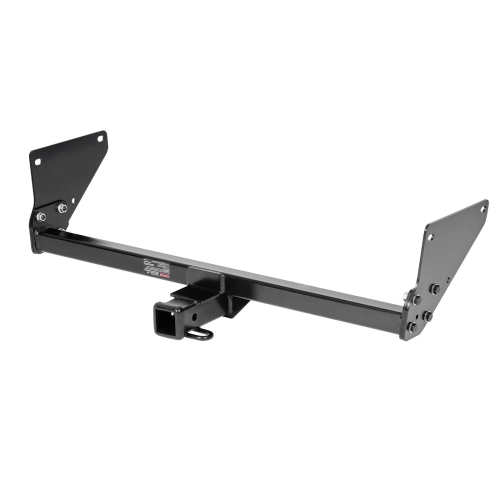
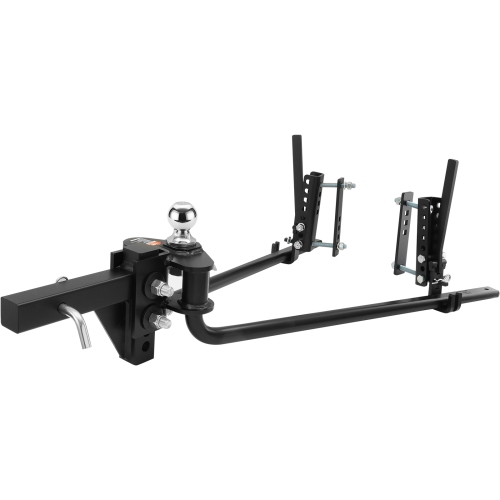
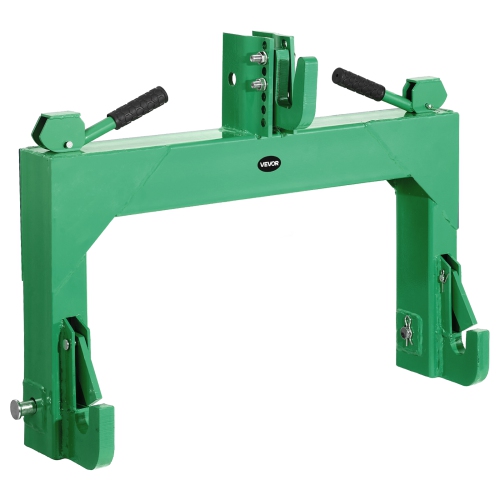
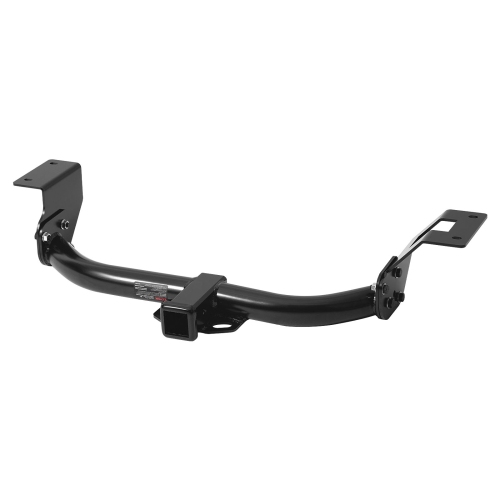
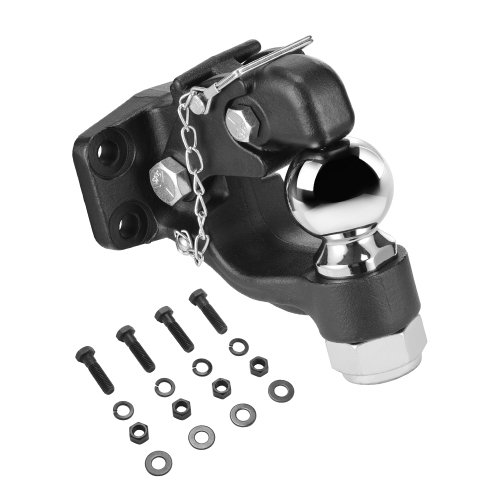
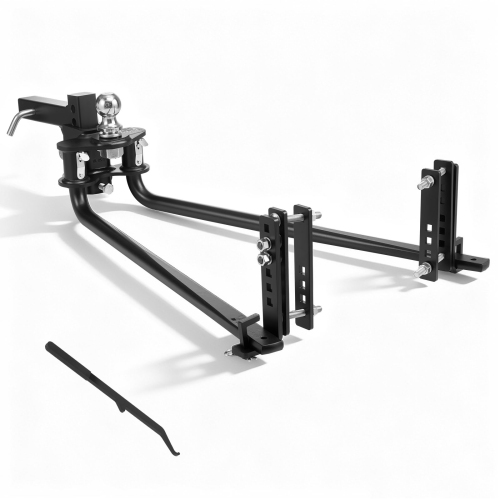
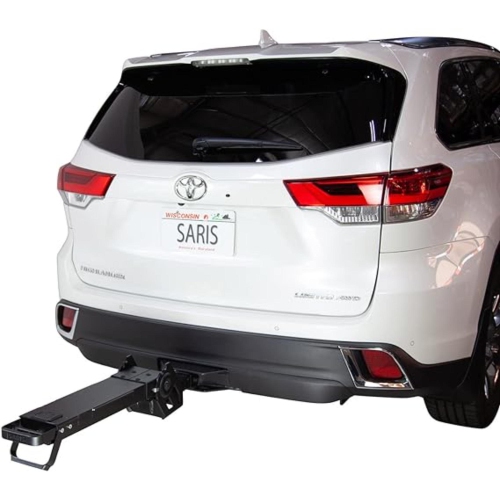
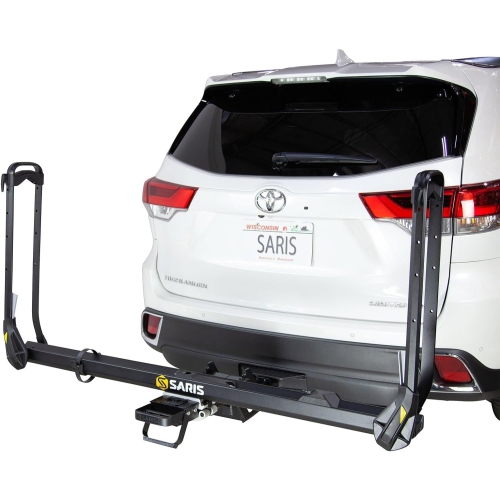
A trailer hitch connects a vehicle to a trailer or provides a mounting point for compatible accessories such as bike racks and cargo carriers. Most rear receiver hitches attach to designated structural mounting points on the vehicle and end in a square tube that accepts a removable ball mount or accessory shank. This arrangement lets one vehicle support different tasks, from pulling a small utility trailer for a home project to carrying bicycles for a family outing. Receiver hitches are grouped into Classes I through V, with higher classes generally designed for greater loads, although the rating on the individual hitch and the vehicle’s towing limits always govern its use. Class I and Class II hitches typically have a 1.25-inch receiver, while Class III and Class IV hitches commonly use a 2-inch receiver. Heavy-duty applications may use 2-inch, 2.5-inch, or 3-inch receivers. Receiver size alone does not establish towing capacity, and accessories with matching dimensions can still have different load ratings or compatibility requirements. Other hitch styles serve more specialized purposes. Bumper hitches attach to a bumper specifically rated for towing, rather than simply any rear bumper. Fifth-wheel and gooseneck hitches mount in a pickup truck’s bed and connect to trailers designed for those coupling systems. A fifth-wheel hitch uses a coupling plate and kingpin connection, while a gooseneck system uses a hitch ball in the truck bed. These designs are often associated with larger travel trailers, livestock trailers, and equipment hauling, but suitability depends on the truck, trailer, and complete installation. For everyday shoppers, intended use is the clearest starting point: carrying two bicycles places different demands on a hitch than towing a loaded boat trailer. The hitch is only one part of that connection, so its design needs to suit both the vehicle underneath it and the trailer or accessory attached behind it.
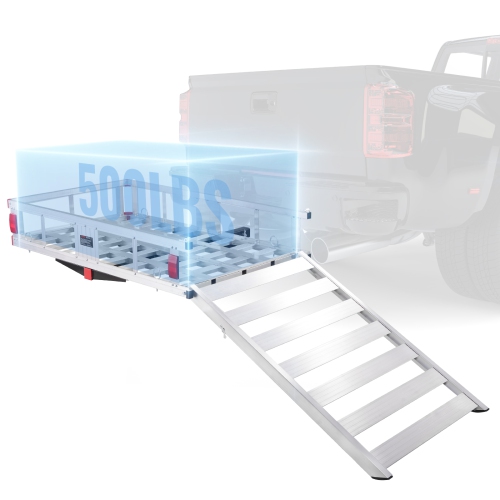
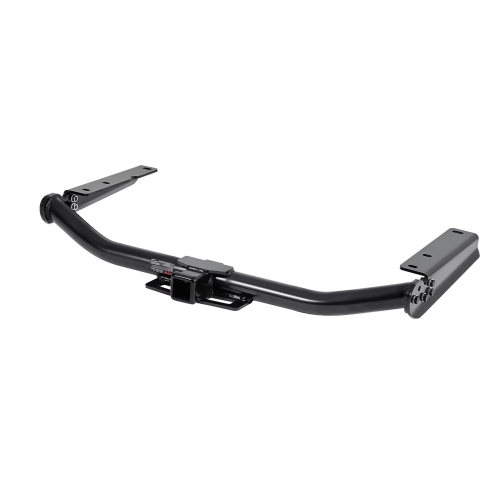
Vehicle fit is more precise than matching a hitch to a general body style. The year, make, model, trim, and sometimes the drivetrain or factory equipment can affect mounting locations and clearance. Two vehicles that look nearly identical may require different hitch designs because of exhaust routing, bumper shape, underbody panels, or spare-tire placement. Many vehicle-specific receiver hitches use existing mounting holes, but some installations require drilling, trimming, or moving components as outlined in the manufacturer’s instructions. A concealed cross tube can keep much of the assembly behind the bumper, while an exposed design leaves more of the hitch visible beneath the vehicle. Either arrangement still needs adequate clearance and access to the receiver opening, hitch pin, and safety-chain attachment points. Materials and construction also matter for long-term use. Welded steel is common for hitch bodies because it supports strong, rigid mounting assemblies, and powder-coated or plated finishes help protect exposed surfaces from corrosion. Some ball mounts use aluminum to reduce handling weight, but material alone is not a measure of towing strength; the stated rating remains essential. Tow ratings involve more than the weight of an empty trailer. Gross trailer weight includes the trailer and everything loaded into it, while tongue weight is the downward force the trailer applies at the hitch. That load also uses part of the vehicle’s payload allowance, alongside passengers and luggage. The permitted load cannot exceed the applicable limits of the vehicle, hitch, ball mount, hitch ball, coupler, or other towing components. An adapter or extension may introduce additional limits, particularly when it moves a load farther behind the receiver. Likewise, a hitch-mounted cargo carrier or bike rack has its own capacity and compatibility requirements. The combined weight of the carrier and its contents matters, even without a trailer attached. A higher-rated hitch does not increase the towing capacity assigned to the vehicle by its manufacturer.
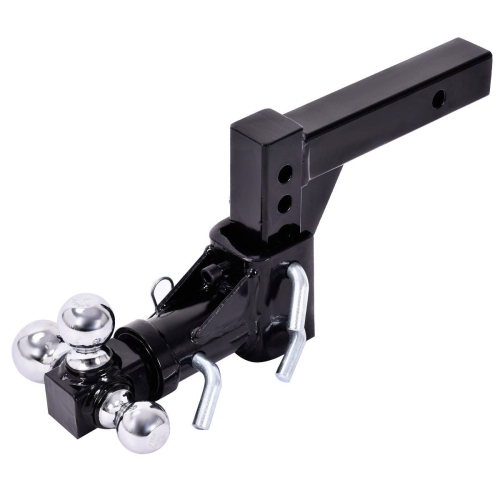
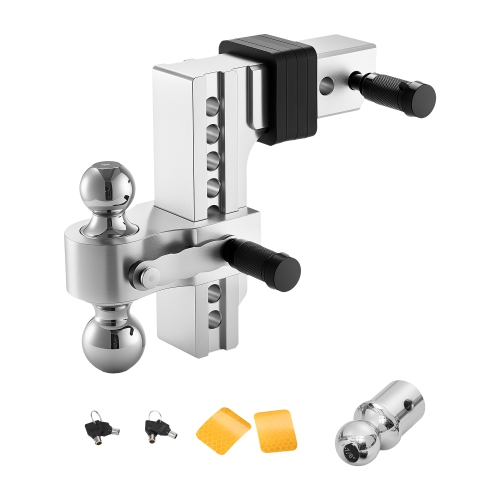
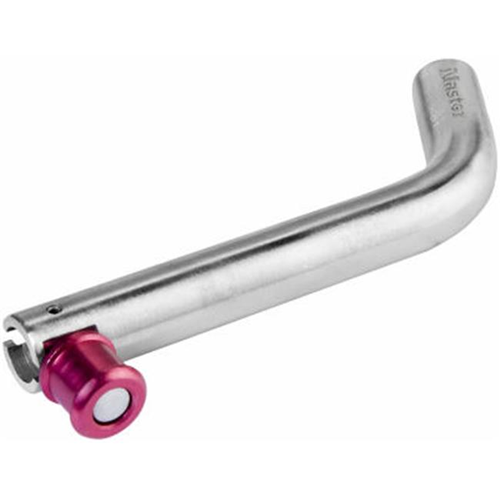
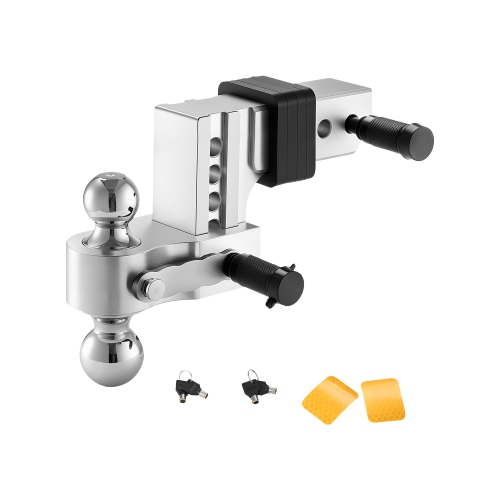
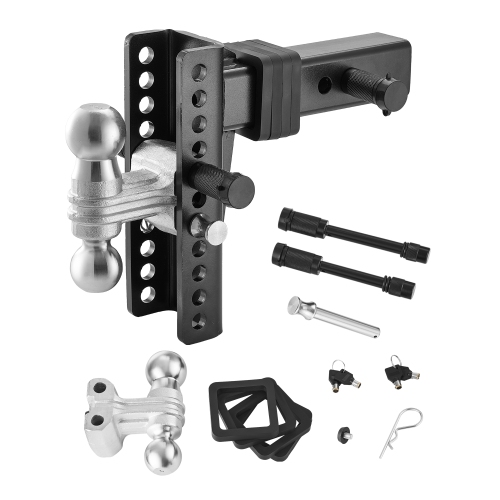
The connection between the receiver and trailer deserves as much attention as the hitch body itself. A ball mount positions the hitch ball at the height needed for the trailer to sit approximately level when coupled and properly loaded. Different vehicles and trailers can require different amounts of rise or drop, and adjustable mounts provide flexibility when more than one trailer is used. The hitch ball’s diameter must match the coupler exactly; a ball that is merely close in size is not a suitable substitute. Common diameters include 1-7/8-inch, 2-inch, and 2-5/16-inch, each with its own application and rated capacity. The ball shank must also suit the mount’s hole size and thickness. A correctly sized hitch pin or locking pin secures the mount in the receiver, while designated safety-chain points provide a separate attachment for the trailer’s chains. Wiring is another part of a complete towing setup. Trailer lighting needs a compatible electrical connection for the required signals, and trailers with electric brakes generally need suitable wiring and a compatible brake controller. Connector shape alone does not confirm that every required circuit is present or working. Related Trailer Accessories can support these connections, along with storage, security, and everyday handling. Care is usually straightforward but should follow the instructions for each component: keep mating surfaces clear of debris, inspect welds and mounting points, check hardware at the specified intervals, and look for damaged finishes, cracks, or excessive wear. Lubrication requirements vary between coupling systems and accessories, so grease should only be applied where directed. Removable components also benefit from secure storage when not in use. For homeowners moving bulky materials, cyclists transporting bikes, or drivers towing recreational equipment, a well-matched trailer hitch adds practical carrying options without relying on guesswork about fit. The most useful setup is one that accommodates the actual load, preserves access to essential vehicle features, and makes routine coupling and inspection straightforward. Before each trip, a brief check of the coupler latch, retaining pin, chains, electrical connection, lights, and load security helps confirm that the assembled system is ready for use.
Vehicle fit is more precise than matching a hitch to a general body style. The year, make, model, trim, and sometimes the drivetrain or factory equipment can affect mounting locations and clearance. Two vehicles that look nearly identical may require different hitch designs because of exhaust routing, bumper shape, underbody panels, or spare-tire placement. Many vehicle-specific receiver hitches use existing mounting holes, but some installations require drilling, trimming, or moving components as outlined in the manufacturer’s instructions. A concealed cross tube can keep much of the assembly behind the bumper, while an exposed design leaves more of the hitch visible beneath the vehicle. Either arrangement still needs adequate clearance and access to the receiver opening, hitch pin, and safety-chain attachment points. Materials and construction also matter for long-term use. Welded steel is common for hitch bodies because it supports strong, rigid mounting assemblies, and powder-coated or plated finishes help protect exposed surfaces from corrosion. Some ball mounts use aluminum to reduce handling weight, but material alone is not a measure of towing strength; the stated rating remains essential. Tow ratings involve more than the weight of an empty trailer. Gross trailer weight includes the trailer and everything loaded into it, while tongue weight is the downward force the trailer applies at the hitch. That load also uses part of the vehicle’s payload allowance, alongside passengers and luggage. The permitted load cannot exceed the applicable limits of the vehicle, hitch, ball mount, hitch ball, coupler, or other towing components. An adapter or extension may introduce additional limits, particularly when it moves a load farther behind the receiver. Likewise, a hitch-mounted cargo carrier or bike rack has its own capacity and compatibility requirements. The combined weight of the carrier and its contents matters, even without a trailer attached. A higher-rated hitch does not increase the towing capacity assigned to the vehicle by its manufacturer.
The connection between the receiver and trailer deserves as much attention as the hitch body itself. A ball mount positions the hitch ball at the height needed for the trailer to sit approximately level when coupled and properly loaded. Different vehicles and trailers can require different amounts of rise or drop, and adjustable mounts provide flexibility when more than one trailer is used. The hitch ball’s diameter must match the coupler exactly; a ball that is merely close in size is not a suitable substitute. Common diameters include 1-7/8-inch, 2-inch, and 2-5/16-inch, each with its own application and rated capacity. The ball shank must also suit the mount’s hole size and thickness. A correctly sized hitch pin or locking pin secures the mount in the receiver, while designated safety-chain points provide a separate attachment for the trailer’s chains. Wiring is another part of a complete towing setup. Trailer lighting needs a compatible electrical connection for the required signals, and trailers with electric brakes generally need suitable wiring and a compatible brake controller. Connector shape alone does not confirm that every required circuit is present or working. Related Trailer Accessories can support these connections, along with storage, security, and everyday handling. Care is usually straightforward but should follow the instructions for each component: keep mating surfaces clear of debris, inspect welds and mounting points, check hardware at the specified intervals, and look for damaged finishes, cracks, or excessive wear. Lubrication requirements vary between coupling systems and accessories, so grease should only be applied where directed. Removable components also benefit from secure storage when not in use. For homeowners moving bulky materials, cyclists transporting bikes, or drivers towing recreational equipment, a well-matched trailer hitch adds practical carrying options without relying on guesswork about fit. The most useful setup is one that accommodates the actual load, preserves access to essential vehicle features, and makes routine coupling and inspection straightforward. Before each trip, a brief check of the coupler latch, retaining pin, chains, electrical connection, lights, and load security helps confirm that the assembled system is ready for use.
Top selling and popular products
-
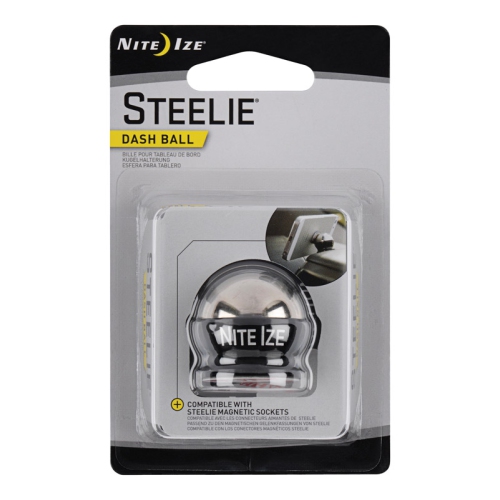 Your price for this item is $26.99
 -
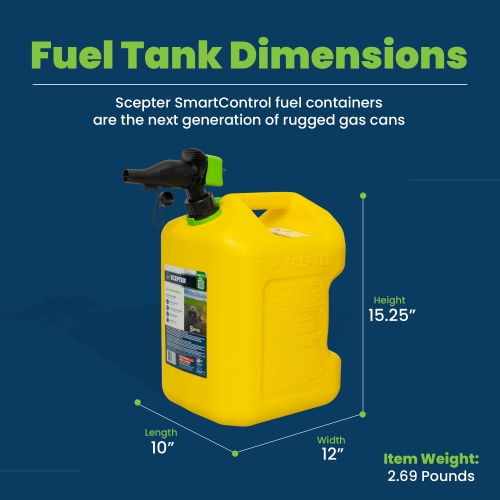 Your price for this item is $104.99
 -
 Your price for this item is $854.05
 -
 Your price for this item is $130.99
 -
 Your price for this item is $1505.99
 -
 Your price for this item is $232.99
 -
 Your price for this item is $46.71
 -
 Your price for this item is $161.99
Discover more categories related to Trailer Hitch
Top Collections:
Pokemon Centers, Kindle Devices, Best Budget Office Chairs, Apple iPhones 16, Best Laptops for Writers, iPhone 15 Apple, Canon G7X Cameras, Refurbished Apple Laptops, Alarm Clock, Motorola Razr Phones
Some products may be subject to Environmental Handling Fees
(EHF) depending on your province.
Learn more about EHFs.