Uniden Radar Detectors
Upgrade your driving experience with a Uniden radar detector, designed to help you stay alert and informed on the road. Whether you're commuting through the city or embarking on a cross-country journey, these devices offer an extra layer of awareness for drivers. Explore a range of Uniden radar detector options at Best Buy Canada and find the perfect fit for your vehicle and lifestyle needs.
Sort
Features that support informed, adaptable everyday driving
Radar detectors are designed to provide drivers with advance awareness of radar and laser signals detected around their vehicle, helping them stay more informed about changing road conditions and posted speed limits. They are commonly used by people who spend long hours on highways, commute between cities, travel for work, or regularly drive through unfamiliar areas where traffic patterns and enforcement zones may vary. A detector can be especially useful on an open road, where a quiet cabin, steady engine noise, and long sightlines make it easier to notice an alert and respond calmly. In busy urban areas, the experience is different: automatic doors, vehicle safety systems, and other sources can create frequent false alerts. That is why filtering is one of the most important features to compare. Advanced filtering can help distinguish likely enforcement signals from common sources of interference, while adjustable sensitivity modes let drivers balance range and alert frequency for highway, city, or mixed driving. GPS-equipped models add another layer of awareness by using location data to recognize familiar alert points, mark locations for future reference, and provide notifications related to speed cameras or red-light cameras where supported. Some models can automatically mute alerts at low speeds or remember recurring false-alert locations, which can make daily commuting less distracting. Before buying or using a radar detector, drivers should review the laws that apply in every province, territory, or state where they drive, since possession and use rules vary by location. A detector is not a substitute for paying attention, following the posted limit, or adapting to traffic, construction, road design, and weather.
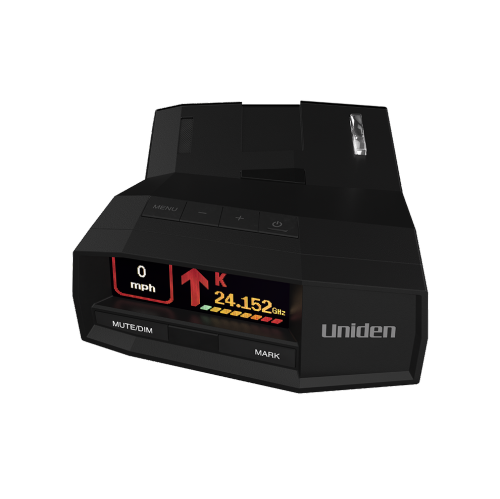
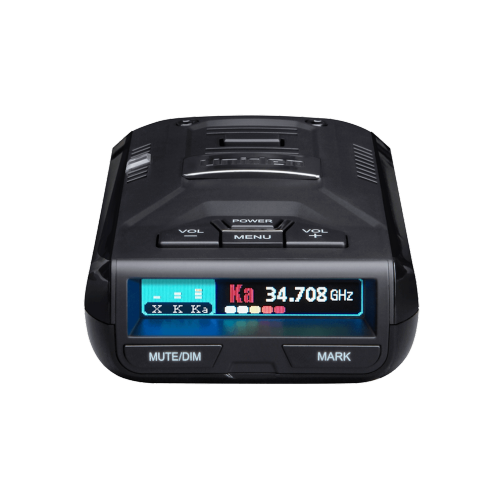
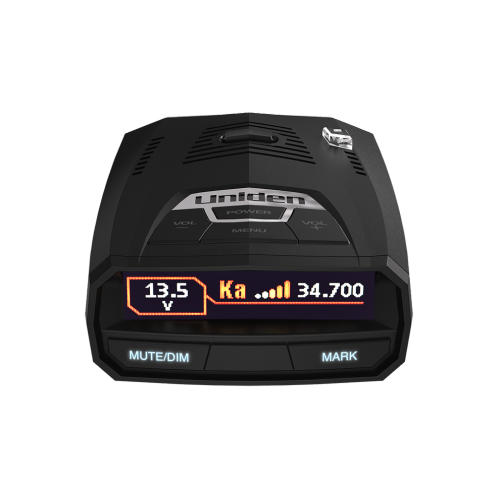
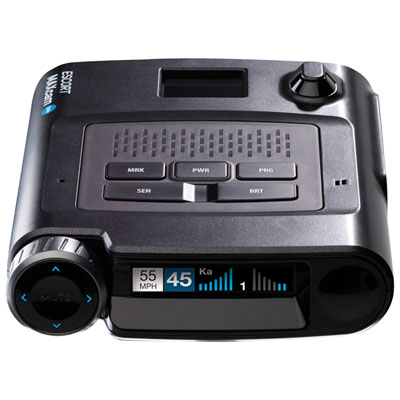
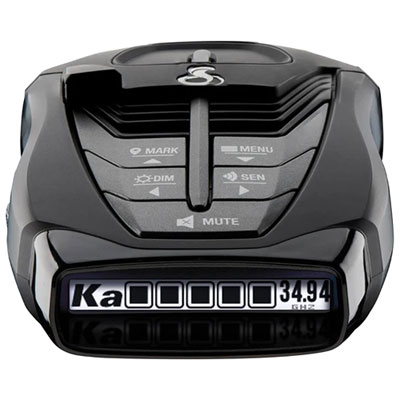
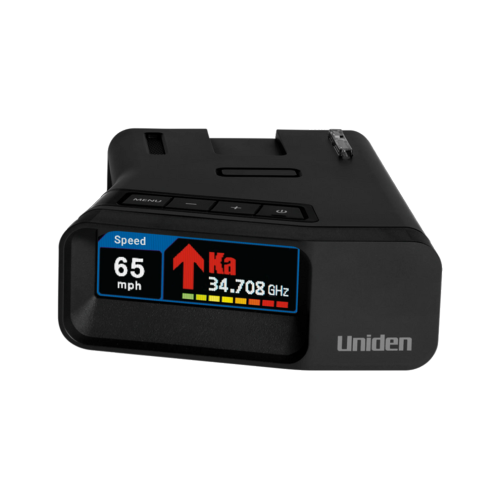
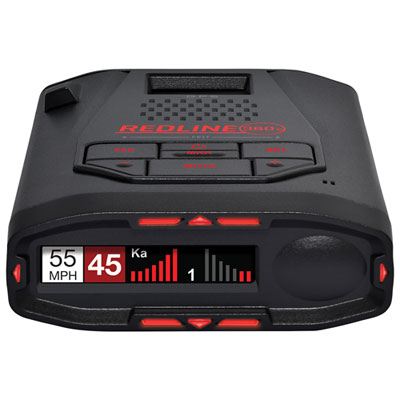
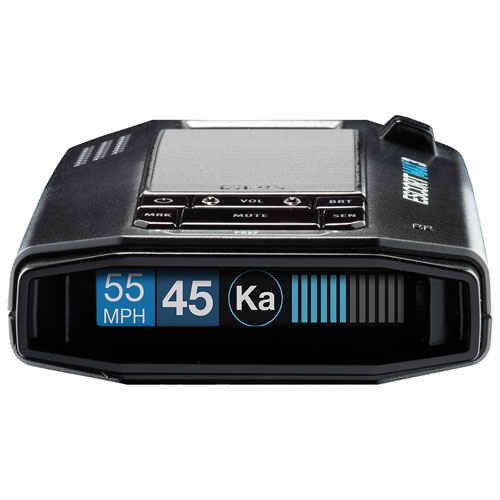
The display and alert system can make as much difference as detection range. A straightforward screen may show the signal band, estimated strength, and vehicle speed in a format that is easy to read at a glance, while a more advanced display may show multiple signals at once and indicate whether a source is ahead, behind, or to either side. Directional arrows are particularly helpful for drivers who want more context than a simple warning tone, especially on divided highways where a signal can come from traffic travelling in the opposite direction. Dual-antenna designs can provide broader directional awareness and help identify threats around the vehicle, while single-antenna designs may suit drivers who prefer a simpler setup or a more accessible price. Alert tones, voice announcements, brightness controls, mute buttons, and quiet modes are also worth considering because they affect how naturally the detector fits into everyday driving. A windshield mount offers quick installation and a clear line of sight, although some drivers prefer a lower-profile placement or a permanent power connection for a tidier dashboard. USB power, hardwiring options, Bluetooth connectivity, Wi-Fi features, and companion apps can simplify updates and make it easier to adjust settings, depending on the model. GPS databases and firmware may require periodic updates, so buyers should consider how updates are delivered and whether the process suits their routine. For a useful starting point when comparing price-conscious options, browse Affordable Radar Detectors. A practical choice should match the driver’s usual route, comfort with technology, preferred display style, and tolerance for alerts rather than relying on one specification alone.
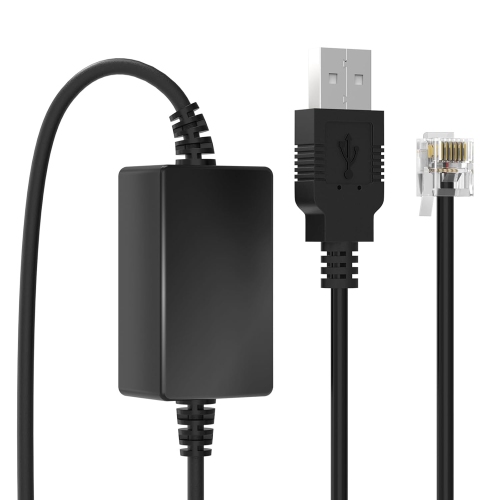
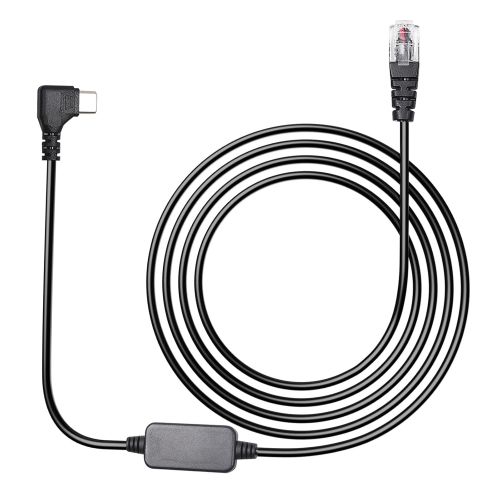
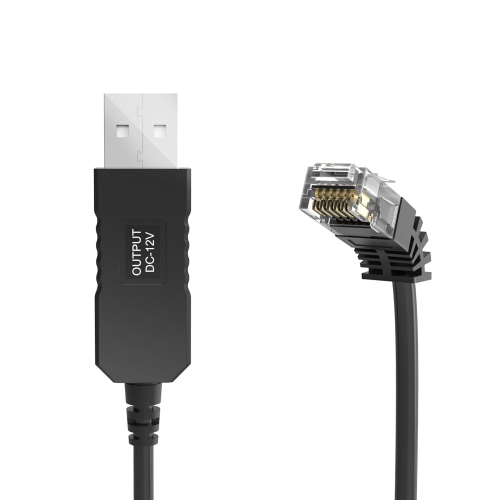
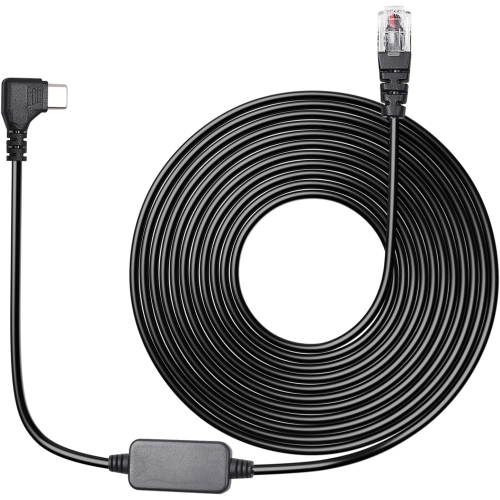
Radar detectors can also be thoughtful gifts for frequent travellers, professional drivers, automotive enthusiasts, and family members who spend a great deal of time behind the wheel. They are easy to appreciate when a driver moves between quiet rural roads, busy city streets, and high-speed routes during the same trip, since settings can often be adjusted to suit each environment. During the cooler months, early darkness, wet pavement, frost, and changing visibility can make every extra source of information feel more valuable, but the detector should always complement careful driving rather than compete with it. The person receiving one may appreciate practical accessories such as a secure mount, a suitable power cable, a carrying case, or an installation kit, particularly if the detector will move between vehicles. When selecting a model for someone else, think about whether they prefer a compact, uncomplicated device or a feature-rich unit with directional arrows, GPS tools, custom alerts, and smartphone connectivity. Consider the vehicle as well: a wide, steeply angled windshield, tinted glass, a large dashboard, or an existing dash camera can affect placement and cable management. Drivers should keep the detector positioned where its sensors have a clear view and where the display can be read without taking attention away from the road. Radar bands, laser detection, range, filtering, GPS functions, update support, mounting options, and provincial regulations all deserve a place in the decision. With the right combination of features and responsible use, a radar detector can become a familiar part of a driver’s routine—quiet in the background during an ordinary commute and ready to provide clear, timely information when the road ahead becomes less predictable.
The display and alert system can make as much difference as detection range. A straightforward screen may show the signal band, estimated strength, and vehicle speed in a format that is easy to read at a glance, while a more advanced display may show multiple signals at once and indicate whether a source is ahead, behind, or to either side. Directional arrows are particularly helpful for drivers who want more context than a simple warning tone, especially on divided highways where a signal can come from traffic travelling in the opposite direction. Dual-antenna designs can provide broader directional awareness and help identify threats around the vehicle, while single-antenna designs may suit drivers who prefer a simpler setup or a more accessible price. Alert tones, voice announcements, brightness controls, mute buttons, and quiet modes are also worth considering because they affect how naturally the detector fits into everyday driving. A windshield mount offers quick installation and a clear line of sight, although some drivers prefer a lower-profile placement or a permanent power connection for a tidier dashboard. USB power, hardwiring options, Bluetooth connectivity, Wi-Fi features, and companion apps can simplify updates and make it easier to adjust settings, depending on the model. GPS databases and firmware may require periodic updates, so buyers should consider how updates are delivered and whether the process suits their routine. For a useful starting point when comparing price-conscious options, browse Affordable Radar Detectors. A practical choice should match the driver’s usual route, comfort with technology, preferred display style, and tolerance for alerts rather than relying on one specification alone.
Radar detectors can also be thoughtful gifts for frequent travellers, professional drivers, automotive enthusiasts, and family members who spend a great deal of time behind the wheel. They are easy to appreciate when a driver moves between quiet rural roads, busy city streets, and high-speed routes during the same trip, since settings can often be adjusted to suit each environment. During the cooler months, early darkness, wet pavement, frost, and changing visibility can make every extra source of information feel more valuable, but the detector should always complement careful driving rather than compete with it. The person receiving one may appreciate practical accessories such as a secure mount, a suitable power cable, a carrying case, or an installation kit, particularly if the detector will move between vehicles. When selecting a model for someone else, think about whether they prefer a compact, uncomplicated device or a feature-rich unit with directional arrows, GPS tools, custom alerts, and smartphone connectivity. Consider the vehicle as well: a wide, steeply angled windshield, tinted glass, a large dashboard, or an existing dash camera can affect placement and cable management. Drivers should keep the detector positioned where its sensors have a clear view and where the display can be read without taking attention away from the road. Radar bands, laser detection, range, filtering, GPS functions, update support, mounting options, and provincial regulations all deserve a place in the decision. With the right combination of features and responsible use, a radar detector can become a familiar part of a driver’s routine—quiet in the background during an ordinary commute and ready to provide clear, timely information when the road ahead becomes less predictable.
Top selling and popular products
-
 Your price for this item is $249.99
 -
 Your price for this item is $929.99
 -
 Your price for this item is $1199.99
 -
 Your price for this item is $549.95
 -
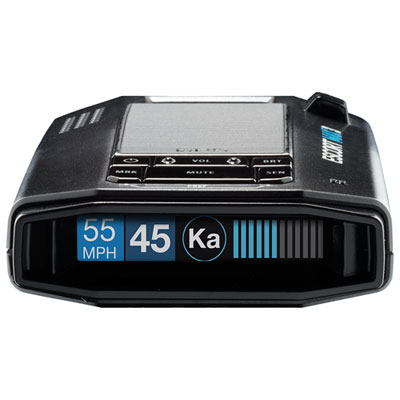 Your price for this item is $699.99
 -
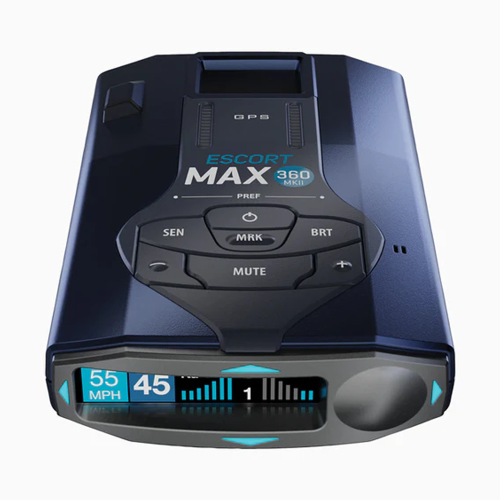 Your price for this item is $849.95
 -
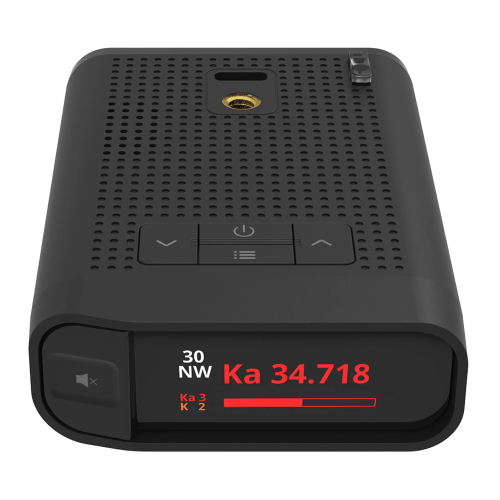 Your price for this item is $598.99
 -
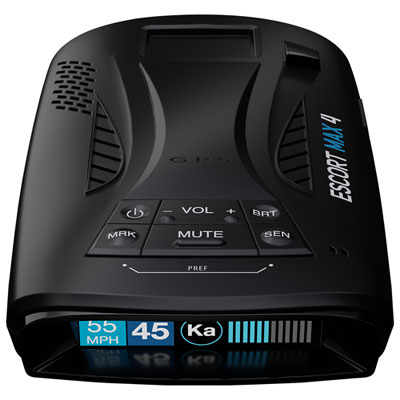 Your price for this item is $649.99
Discover more categories related to Uniden Radar Detectors
Top Collections:
Pokemon Centers, Kindle Devices, Best Budget Office Chairs, Apple iPhones 16, Best Laptops for Writers, iPhone 15 Apple, Canon G7X Cameras, Refurbished Apple Laptops, Alarm Clock, Motorola Razr Phones
Some products may be subject to Environmental Handling Fees
(EHF) depending on your province.
Learn more about EHFs.