Amp Controllers
Amp controllers are essential tools for any audio enthusiast looking to fine-tune their sound system for optimal performance. Whether you're setting up a home theatre, enhancing your car audio, or perfecting your musical instrument setup, these devices provide the control you need to adjust sound levels and achieve the perfect acoustic balance. Explore our selection of amp controllers to find the ideal match for your needs, ensuring every note and beat is delivered with precision and clarity. With a variety of options available, you'll be ready to elevate your audio experience to new heights.
Sort
Solar charging guidance for panels, batteries and off-grid systems
Amp controllers, also called solar charge controllers or solar charge regulators, manage the current flowing from a solar panel array into a battery bank. They are an important part of many off-grid and backup power systems, including recreational vehicles, cabins, workshops, remote communication equipment and portable charging setups. By regulating the charging process, an amp controller helps match the output from the panels with the requirements of the batteries, reducing the risk of overcharging, excessive heat and premature battery wear. The “amp” rating refers to the maximum charging current the controller is designed to handle, so a 10A controller is intended for a smaller setup than a 30A, 60A or 100A model. Choosing the right rating begins with adding the wattage of the solar panels and confirming the voltage of the battery bank. A common sizing calculation is total panel wattage divided by battery voltage, multiplied by 1.25 to provide a 25% operating margin. For example, a 400-watt array connected to a 12-volt battery bank would produce a calculated current of about 33.3 amps before the safety margin, making a controller rated above 40 amps a more suitable starting point. The final choice should also account for the panel array’s maximum voltage and current, the battery chemistry, cable length, ambient temperature and whether more panels may be added later. A controller with additional capacity can make future expansion simpler, but it should still be compatible with the existing system and installed according to the manufacturer’s instructions. It is wise to check every rating rather than selecting a model based only on the amp number printed on the front, since a controller must safely accommodate both the current and voltage produced by the panels.
The two main controller types are PWM, or Pulse Width Modulation, and MPPT, or Maximum Power Point Tracking. PWM controllers are generally straightforward and well suited to smaller, uncomplicated systems where the panel voltage closely matches the battery voltage. They regulate charging by rapidly switching the solar input on and off, gradually reducing the charging contribution as the battery approaches its target level. This design can be a practical fit for compact panel arrays, basic battery banks and installations where keeping the wiring and controls simple is a priority. MPPT controllers use a more advanced conversion process to track the panels’ changing power point and convert excess voltage into usable charging current. This can be particularly helpful with larger arrays, longer cable runs, colder conditions or panel configurations operating at a higher voltage than the battery bank. MPPT models are often considered for RVs, remote cabins and more demanding off-grid installations because they can make better use of available panel output under changing light and temperature conditions. The difference becomes noticeable when the system needs to capture as much usable energy as possible from a limited array, although the benefit depends on the complete installation rather than the controller alone. Look for clear compatibility information for 12V, 24V or other battery-bank configurations, as well as support for the battery type being used. Flooded lead-acid, sealed lead-acid, AGM, gel and lithium batteries can require different charging profiles, voltage limits and temperature settings. A controller with selectable charge stages or a programmable profile can provide more flexibility, while built-in temperature compensation may help adjust charging behaviour as conditions change. Digital displays, indicator lights, Bluetooth connectivity or other monitoring features can make it easier to check battery voltage, charging current, accumulated power and fault conditions without opening the installation or reaching for a multimeter. These features are especially useful in a cabin during the cooler months or in an RV parked between trips, when a quick glance can reveal whether the batteries are charging normally.
When comparing amp controllers, consider how the controller will fit into the entire power system rather than treating it as an isolated component. Confirm that the panel array’s open-circuit voltage will remain below the controller’s maximum input voltage, including the possibility of colder temperatures increasing panel voltage. The controller’s rated output current should meet the calculated charging requirement with room for expected variation, while the battery bank and connected loads should be able to accept the resulting charge. Fuses or circuit breakers are typically required between the panels, controller and batteries, and cable size should be chosen for the current and distance involved to limit voltage drop. Correct polarity is essential, and many installations should be wired with the battery connected to the controller before the solar input, following the instructions supplied with the equipment. Controllers are commonly mounted in a dry, ventilated location away from direct heat, moisture and combustible materials; they should not be enclosed so tightly that heat cannot escape. Anyone setting up a system for the first time may appreciate a model with clear status information and straightforward terminals, while an experienced installer may place greater value on programmable settings, remote monitoring and room for a larger panel array. These products can be useful gifts for someone preparing an RV for extended travel, outfitting a seasonal cabin or building a small backup-power project, provided the recipient’s panel wattage and battery voltage are known before choosing an amp rating. For shoppers whose interests are centred on controlling sound equipment rather than regulating battery charging, Best Buy also offers Music Controllers for music-making and audio setups. Whether the installation is a compact charging station used during warm-weather trips or a more substantial system that remains active through the cooler months, the best amp controller is one that matches the array, battery bank and intended workload, provides the monitoring and protection features needed, and leaves a sensible margin for safe, dependable operation.
The two main controller types are PWM, or Pulse Width Modulation, and MPPT, or Maximum Power Point Tracking. PWM controllers are generally straightforward and well suited to smaller, uncomplicated systems where the panel voltage closely matches the battery voltage. They regulate charging by rapidly switching the solar input on and off, gradually reducing the charging contribution as the battery approaches its target level. This design can be a practical fit for compact panel arrays, basic battery banks and installations where keeping the wiring and controls simple is a priority. MPPT controllers use a more advanced conversion process to track the panels’ changing power point and convert excess voltage into usable charging current. This can be particularly helpful with larger arrays, longer cable runs, colder conditions or panel configurations operating at a higher voltage than the battery bank. MPPT models are often considered for RVs, remote cabins and more demanding off-grid installations because they can make better use of available panel output under changing light and temperature conditions. The difference becomes noticeable when the system needs to capture as much usable energy as possible from a limited array, although the benefit depends on the complete installation rather than the controller alone. Look for clear compatibility information for 12V, 24V or other battery-bank configurations, as well as support for the battery type being used. Flooded lead-acid, sealed lead-acid, AGM, gel and lithium batteries can require different charging profiles, voltage limits and temperature settings. A controller with selectable charge stages or a programmable profile can provide more flexibility, while built-in temperature compensation may help adjust charging behaviour as conditions change. Digital displays, indicator lights, Bluetooth connectivity or other monitoring features can make it easier to check battery voltage, charging current, accumulated power and fault conditions without opening the installation or reaching for a multimeter. These features are especially useful in a cabin during the cooler months or in an RV parked between trips, when a quick glance can reveal whether the batteries are charging normally.
When comparing amp controllers, consider how the controller will fit into the entire power system rather than treating it as an isolated component. Confirm that the panel array’s open-circuit voltage will remain below the controller’s maximum input voltage, including the possibility of colder temperatures increasing panel voltage. The controller’s rated output current should meet the calculated charging requirement with room for expected variation, while the battery bank and connected loads should be able to accept the resulting charge. Fuses or circuit breakers are typically required between the panels, controller and batteries, and cable size should be chosen for the current and distance involved to limit voltage drop. Correct polarity is essential, and many installations should be wired with the battery connected to the controller before the solar input, following the instructions supplied with the equipment. Controllers are commonly mounted in a dry, ventilated location away from direct heat, moisture and combustible materials; they should not be enclosed so tightly that heat cannot escape. Anyone setting up a system for the first time may appreciate a model with clear status information and straightforward terminals, while an experienced installer may place greater value on programmable settings, remote monitoring and room for a larger panel array. These products can be useful gifts for someone preparing an RV for extended travel, outfitting a seasonal cabin or building a small backup-power project, provided the recipient’s panel wattage and battery voltage are known before choosing an amp rating. For shoppers whose interests are centred on controlling sound equipment rather than regulating battery charging, Best Buy also offers Music Controllers for music-making and audio setups. Whether the installation is a compact charging station used during warm-weather trips or a more substantial system that remains active through the cooler months, the best amp controller is one that matches the array, battery bank and intended workload, provides the monitoring and protection features needed, and leaves a sensible margin for safe, dependable operation.
Top selling and popular products
-
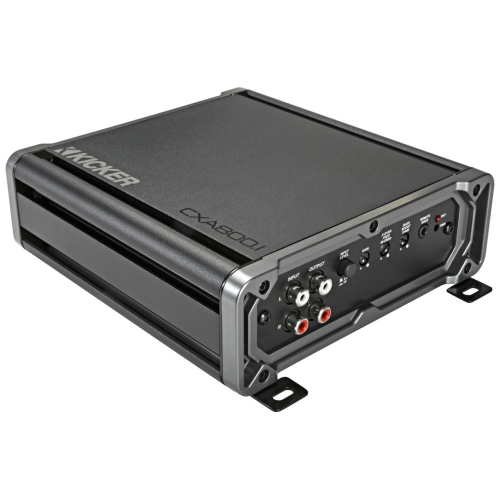 Your price for this item is $449.95
 -
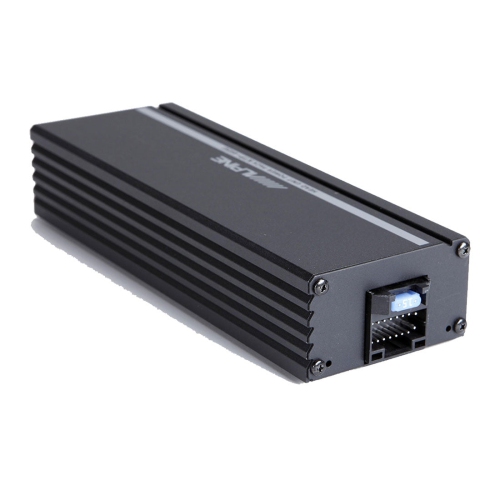 Your price for this item is $398
 -
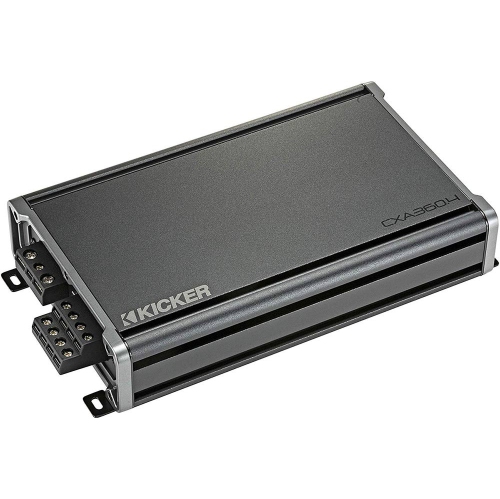 Your price for this item is $349.95
 -
 Your price for this item is $599.95
 -
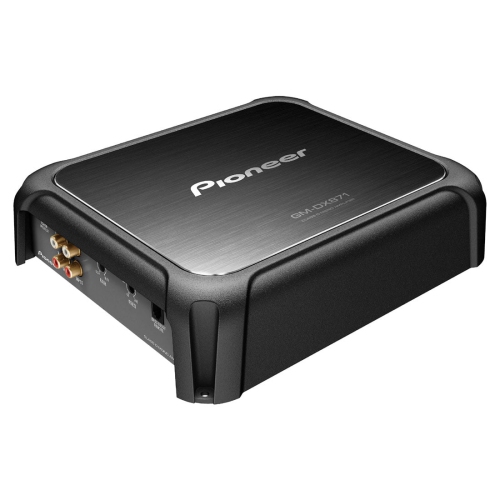 Your price for this item is $248.99
 -
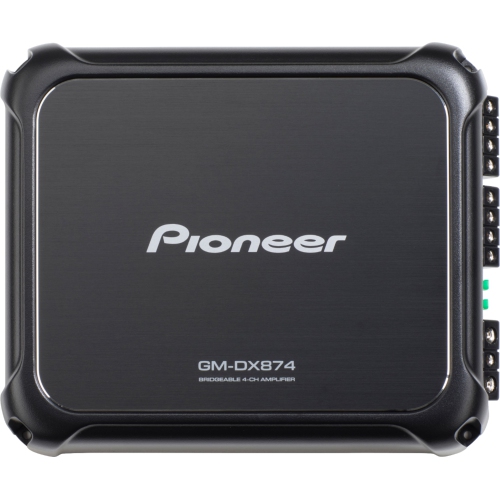 Your price for this item is $328.99
 -
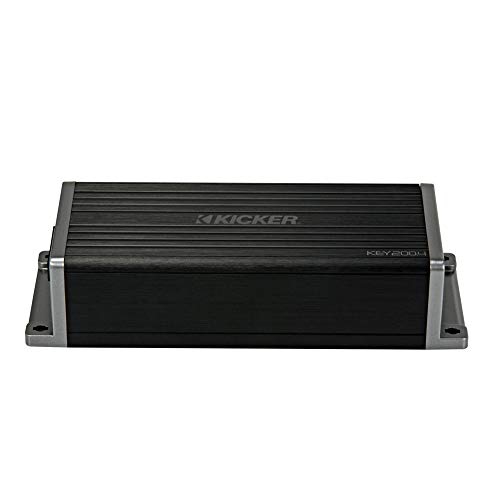 Your price for this item is $449.95
 -
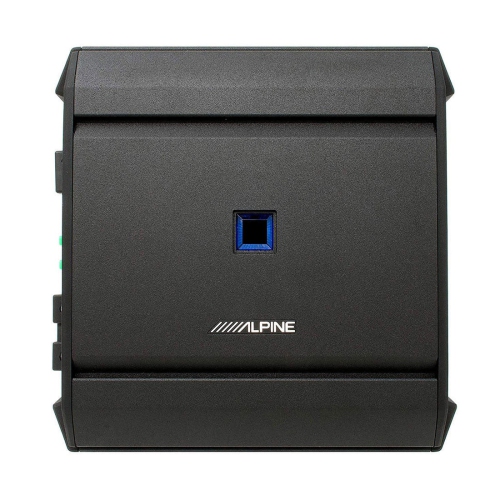 Your price for this item is $219.99
Discover more categories related to Amp Controllers


Top Collections:
Pokemon Centers, Kindle Devices, Best Budget Office Chairs, Apple iPhones 16, Best Laptops for Writers, iPhone 15 Apple, Canon G7X Cameras, Refurbished Apple Laptops, Alarm Clock, Motorola Razr Phones
Some products may be subject to Environmental Handling Fees
(EHF) depending on your province.
Learn more about EHFs.