Automotive Glass Tube Fuses
Automotive glass tube fuses are essential components for protecting your vehicle’s electrical circuits from overload and short circuits. Designed to fit a wide range of automotive applications, these fuses help ensure reliable performance and safety on the road. Whether you’re handling routine maintenance or tackling repairs, finding the right automotive glass tube fuses is key to keeping your car’s electrical system running smoothly. Explore a variety of sizes and ratings to match your specific needs and keep your vehicle powered with confidence.
Sort
![DOLAER [Ul Listed] 220PC Assorted Standard Auto Car Truck Blade Fuses Set- 2A 3A 5A 7.5A 10A 15A 20A 25A 30A 35A-Atc/apr/ato+Atm Mini Automotive](https://multimedia.bbycastatic.ca/multimedia/products/500x500/164/16480/16480915.jpeg)


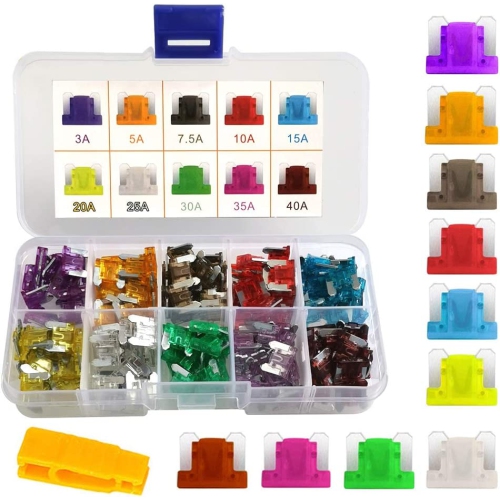
Why correct sizing and ratings matter for older vehicles
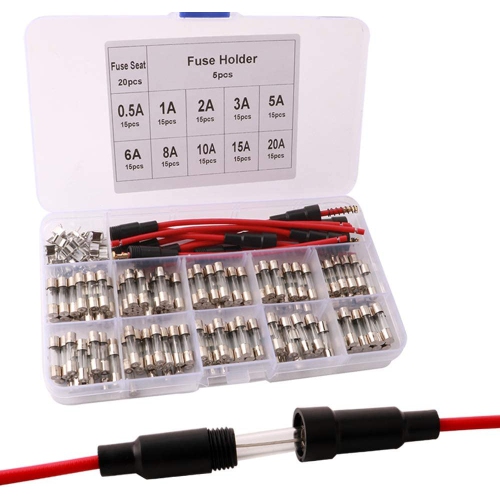
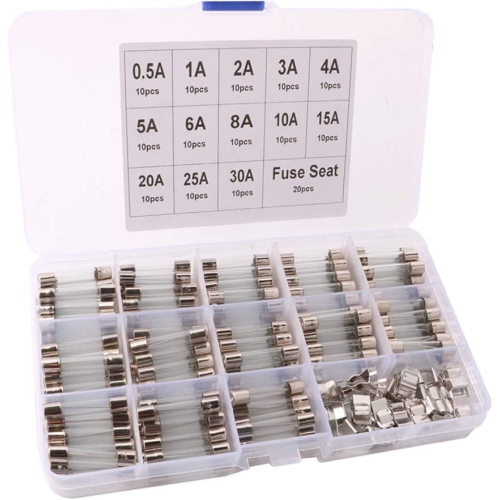
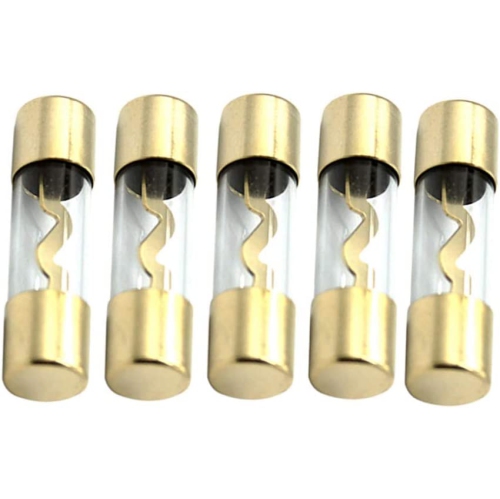
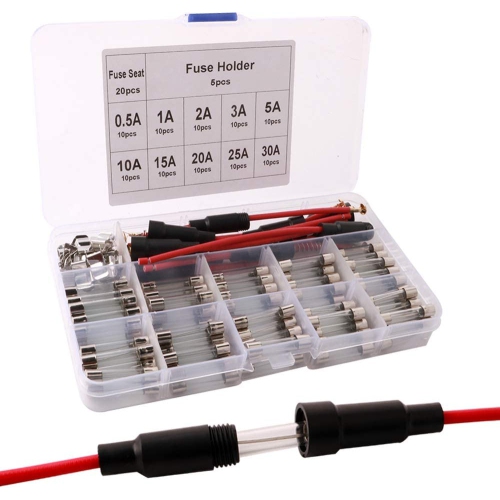
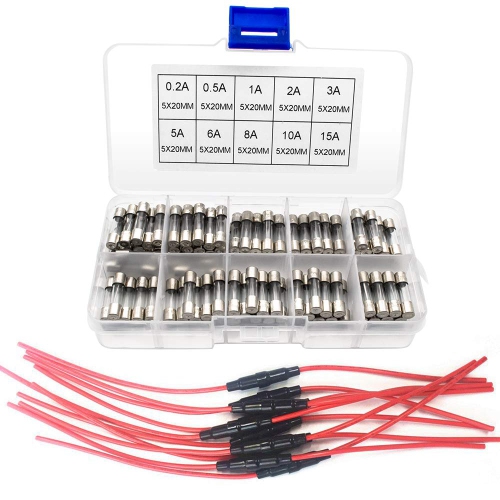
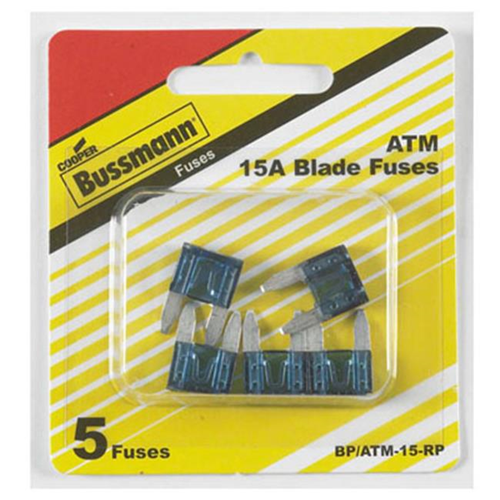
Automotive glass tube fuses are a practical choice for maintaining older vehicles, classic cars, vintage trucks, motorcycles, recreational vehicles, and aftermarket accessories that use traditional fuse panels. They help protect wiring and connected components by interrupting the flow of electricity when a circuit draws more current than it should. In a well-kept older vehicle, these small glass cylinders may sit behind the dashboard, beneath the hood, or inside an accessory panel, quietly protecting lighting, gauges, radios, heaters, power outlets, and other electrical functions. They are especially useful for owners who want to preserve an original electrical system or keep a classic vehicle ready for weekend drives, shows, road trips, and regular errands. A spare assortment can also be a thoughtful and useful gift for someone who enjoys restoring vehicles, working in a home garage, or maintaining a family car with a traditional fuse box. During the cooler months, dependable electrical protection becomes particularly important as heaters, defrosters, lighting, and other accessories may see heavier use. Keeping correctly rated replacements within reach can make a roadside repair or garage check much less stressful, especially when a blown fuse is discovered before a planned drive. For broader replacement needs, shoppers may also wish to explore Fuse Kits when assembling a more complete selection of electrical protection.
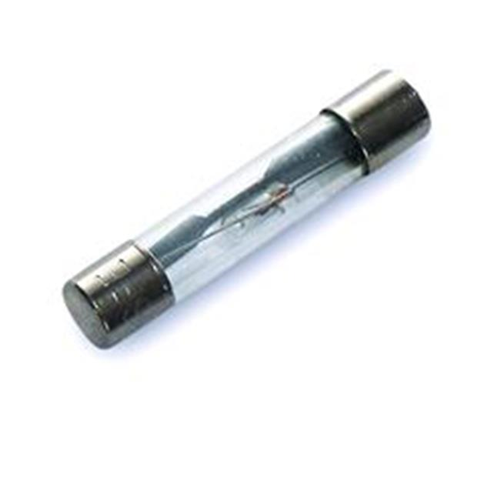
The most important purchasing consideration is size. Automotive glass tube fuses are not interchangeable simply because they look similar, so match the exact length and diameter required by the vehicle or accessory. Common formats include the standard US 1/4 inch x 1-1/4 inch size, often identified as AGC, along with metric 5 x 20 mm fuses. Some older automotive circuits use SFE-style fuses, which can have a similar appearance while differing in length and application. Measuring the original fuse, checking the vehicle manual, reviewing the fuse-panel markings, or consulting the accessory manufacturer’s specifications can help confirm the correct fit. The fuse must sit securely in its holder, with the metal end caps making firm contact on both sides. A fuse that is too short may not connect reliably, while one that is too long or too wide may not fit the holder correctly. It is also wise to inspect the fuse clips and surrounding area for looseness, corrosion, heat discolouration, or melted plastic before installing a replacement. A cloudy tube, separated filament, darkened interior, or visibly broken wire can indicate that the fuse has opened, although a continuity test with a suitable meter offers a more dependable check when the condition is unclear. For someone sorting through a restoration project, placing fuses in a small labelled container by size and ampere rating can save time when several circuits need attention.
Ampere rating is equally important. Replace a blown fuse only with another fuse carrying the identical rating shown on the original fuse, the vehicle documentation, or the circuit label. For example, a 4A fuse should be replaced with a 4A fuse, a 10A fuse with a 10A fuse, and a 20A fuse with a 20A fuse. Installing a higher-rated fuse may allow excessive current to continue through wiring that was not designed to handle it, increasing the risk of damaged components and overheated wiring. Installing a lower-rated fuse may cause repeated opening during normal operation and can make it difficult to identify the underlying fault. If a replacement opens again soon after installation, treat that as a sign that the circuit needs inspection rather than simply fitting another fuse. A pinched wire, damaged accessory, loose connection, moisture intrusion, or failing component may be drawing too much current. Disconnect the vehicle according to the manufacturer’s instructions, allow hot components to cool, and seek qualified assistance when the source of the problem is not clear. Glass tube fuses are available with different response characteristics, so choose according to the circuit’s requirements. Fast-acting fuses are designed to interrupt an overload quickly and are commonly selected for circuits requiring immediate protection, including specific older automotive applications. Time-delay fuses can tolerate a brief startup surge before opening and may be appropriate for circuits where motors, lamps, or other equipment momentarily draw more current when switched on. Using the wrong response type can lead to nuisance failures or less suitable protection, making the original specification an important reference. A small, organized supply of correctly sized and rated automotive glass tube fuses is useful for classic-car owners, restoration enthusiasts, do-it-yourself mechanics, and anyone maintaining an older vehicle with care. Keeping a few spares in a dry, secure location—away from loose tools and metal objects—helps ensure they remain ready when an electrical issue interrupts a drive, a seasonal inspection, or a late-afternoon garage project.
The most important purchasing consideration is size. Automotive glass tube fuses are not interchangeable simply because they look similar, so match the exact length and diameter required by the vehicle or accessory. Common formats include the standard US 1/4 inch x 1-1/4 inch size, often identified as AGC, along with metric 5 x 20 mm fuses. Some older automotive circuits use SFE-style fuses, which can have a similar appearance while differing in length and application. Measuring the original fuse, checking the vehicle manual, reviewing the fuse-panel markings, or consulting the accessory manufacturer’s specifications can help confirm the correct fit. The fuse must sit securely in its holder, with the metal end caps making firm contact on both sides. A fuse that is too short may not connect reliably, while one that is too long or too wide may not fit the holder correctly. It is also wise to inspect the fuse clips and surrounding area for looseness, corrosion, heat discolouration, or melted plastic before installing a replacement. A cloudy tube, separated filament, darkened interior, or visibly broken wire can indicate that the fuse has opened, although a continuity test with a suitable meter offers a more dependable check when the condition is unclear. For someone sorting through a restoration project, placing fuses in a small labelled container by size and ampere rating can save time when several circuits need attention.
Ampere rating is equally important. Replace a blown fuse only with another fuse carrying the identical rating shown on the original fuse, the vehicle documentation, or the circuit label. For example, a 4A fuse should be replaced with a 4A fuse, a 10A fuse with a 10A fuse, and a 20A fuse with a 20A fuse. Installing a higher-rated fuse may allow excessive current to continue through wiring that was not designed to handle it, increasing the risk of damaged components and overheated wiring. Installing a lower-rated fuse may cause repeated opening during normal operation and can make it difficult to identify the underlying fault. If a replacement opens again soon after installation, treat that as a sign that the circuit needs inspection rather than simply fitting another fuse. A pinched wire, damaged accessory, loose connection, moisture intrusion, or failing component may be drawing too much current. Disconnect the vehicle according to the manufacturer’s instructions, allow hot components to cool, and seek qualified assistance when the source of the problem is not clear. Glass tube fuses are available with different response characteristics, so choose according to the circuit’s requirements. Fast-acting fuses are designed to interrupt an overload quickly and are commonly selected for circuits requiring immediate protection, including specific older automotive applications. Time-delay fuses can tolerate a brief startup surge before opening and may be appropriate for circuits where motors, lamps, or other equipment momentarily draw more current when switched on. Using the wrong response type can lead to nuisance failures or less suitable protection, making the original specification an important reference. A small, organized supply of correctly sized and rated automotive glass tube fuses is useful for classic-car owners, restoration enthusiasts, do-it-yourself mechanics, and anyone maintaining an older vehicle with care. Keeping a few spares in a dry, secure location—away from loose tools and metal objects—helps ensure they remain ready when an electrical issue interrupts a drive, a seasonal inspection, or a late-afternoon garage project.
Top selling and popular products
-
 Your price for this item is $49.98
 -
 Your price for this item is $59.9
 -
 Your price for this item is $27.3
 -
 Your price for this item is $872.99
 -
 Your price for this item is $145.99
 -
 Your price for this item is $124.99
 -
 Your price for this item is $508.99
 -
 Your price for this item is $799.99
Discover more categories related to Automotive Glass Tube Fuses
Top Collections:
Pokemon Centers, Kindle Devices, Apple iPhones 16, Canon G7X Cameras, iPhone 15 Apple, Alarm Clock, Flip Phones, Refurbished Apple Laptops, iPhone 14 256GB, Lightweight On-Ear USB-C Headphones
Some products may be subject to Environmental Handling Fees
(EHF) depending on your province.
Learn more about EHFs.