Vehicle Fuses
Whether you're a car enthusiast or simply a responsible vehicle owner, having a reliable set of vehicle fuses is essential for ensuring the smooth operation of your automobile's electrical system. These small but mighty devices play a crucial role in safeguarding your vehicle's electronics by preventing damage from power surges and short circuits. With a wide range of options available, finding the right vehicle fuses to meet your specific needs has never been easier. From standard blade fuses to mini and maxi fuses, our selection offers the perfect solution for every make and model. Explore our collection of high-quality vehicle fuses and keep your ride running smoothly without any electrical hiccups.




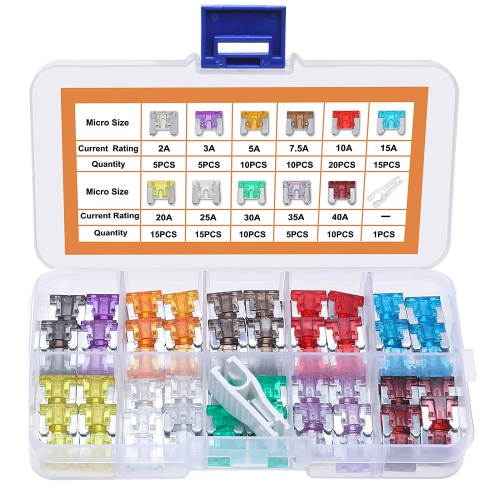
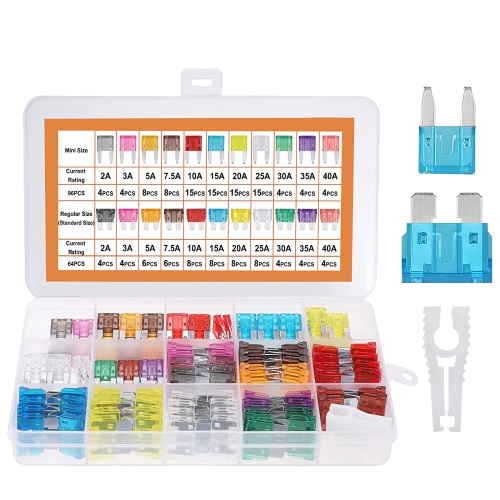
![DOLAER [Ul Listed] 220PC Assorted Standard Auto Car Truck Blade Fuses Set- 2A 3A 5A 7.5A 10A 15A 20A 25A 30A 35A-Atc/apr/ato+Atm Mini Automotive](https://multimedia.bbycastatic.ca/multimedia/products/500x500/164/16480/16480915.jpeg)



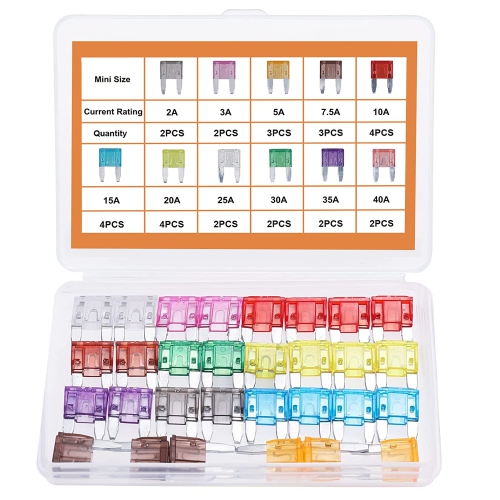
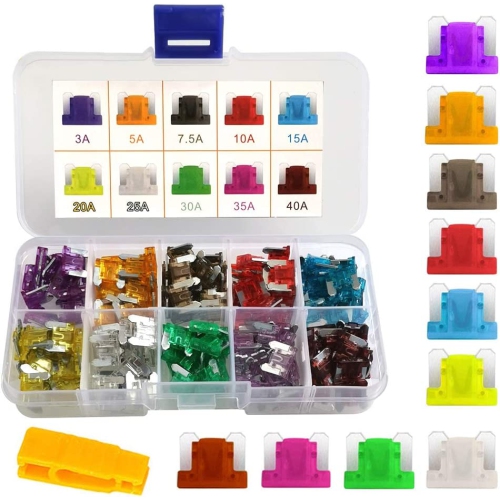
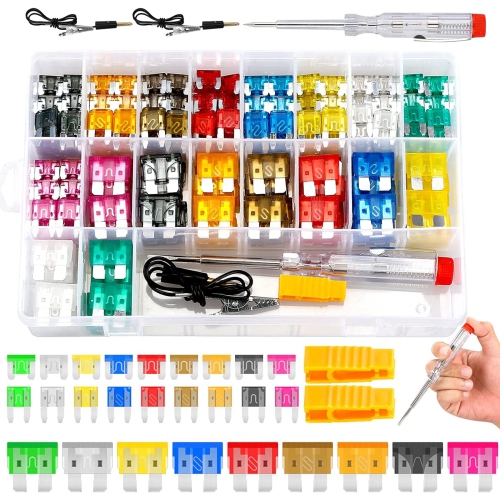
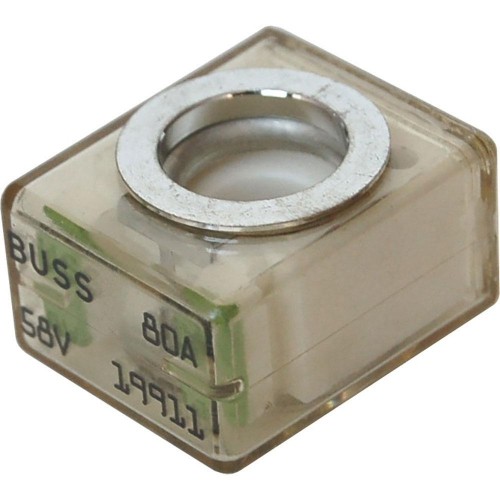
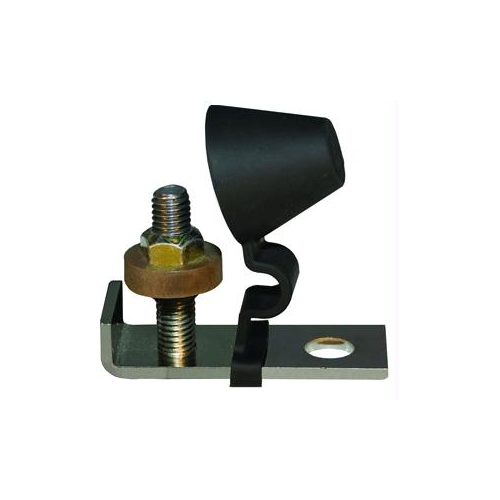
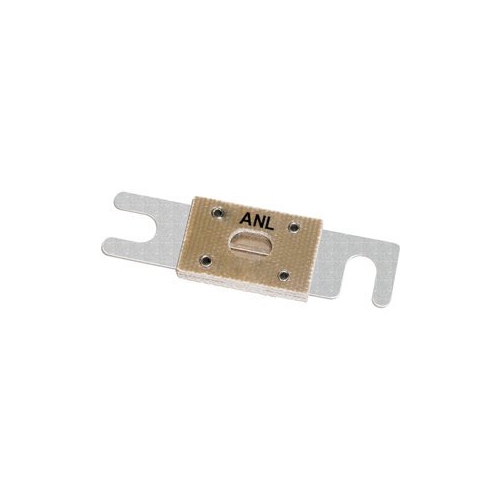
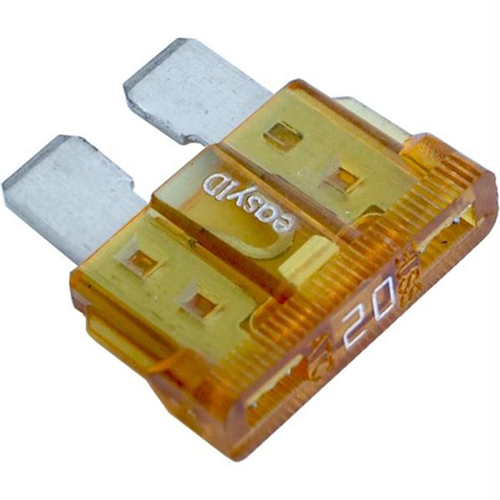
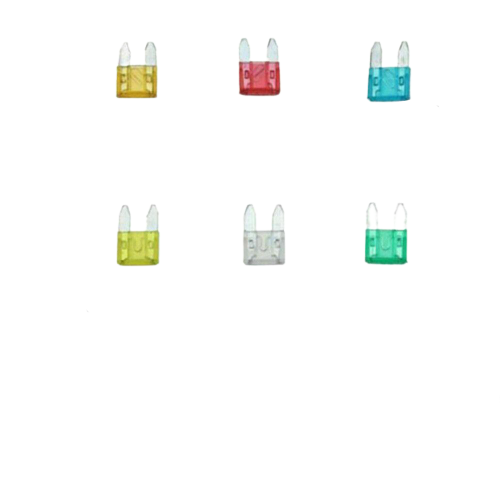

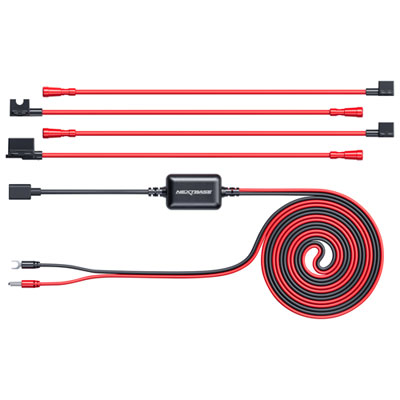
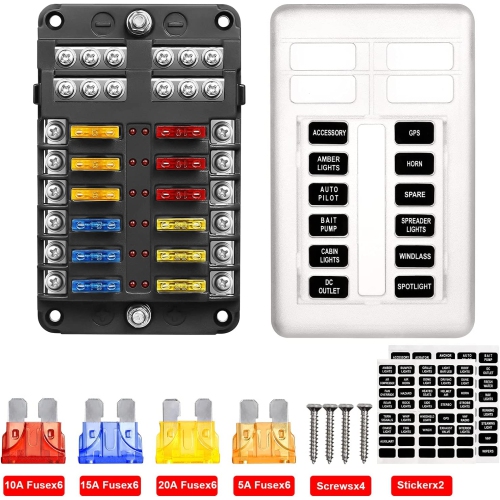
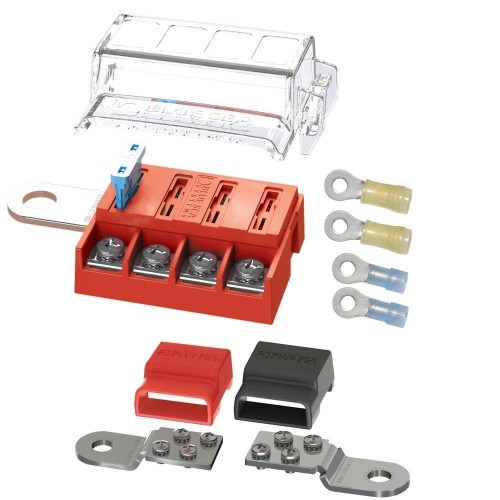
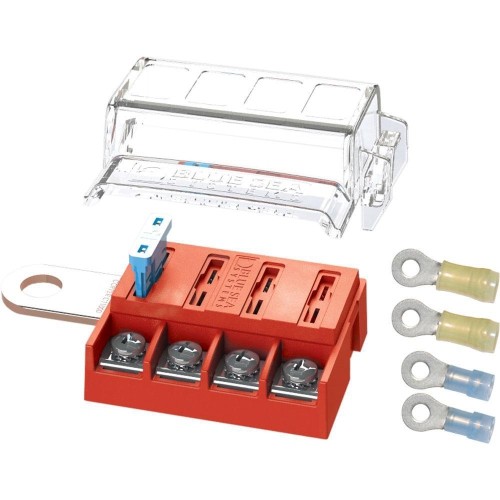
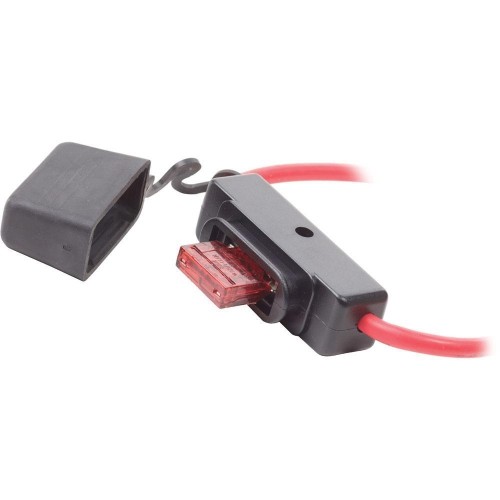
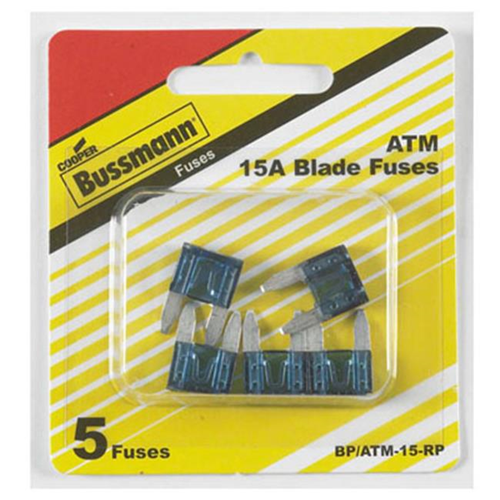
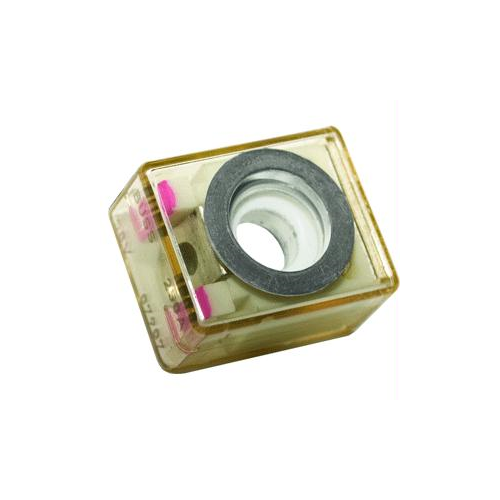
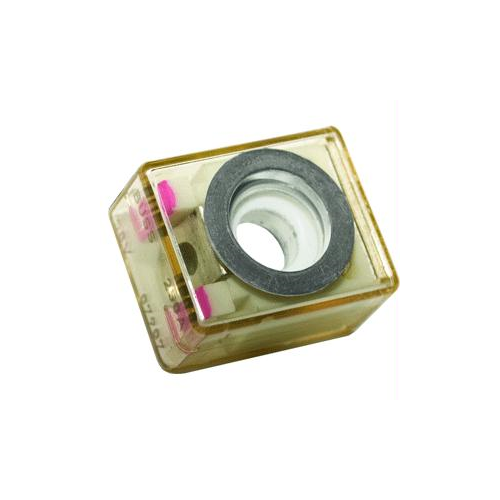
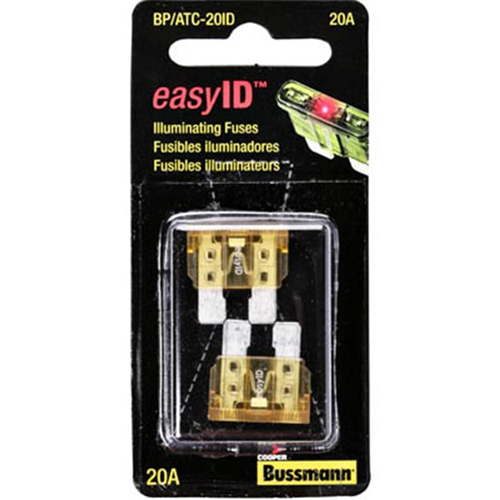

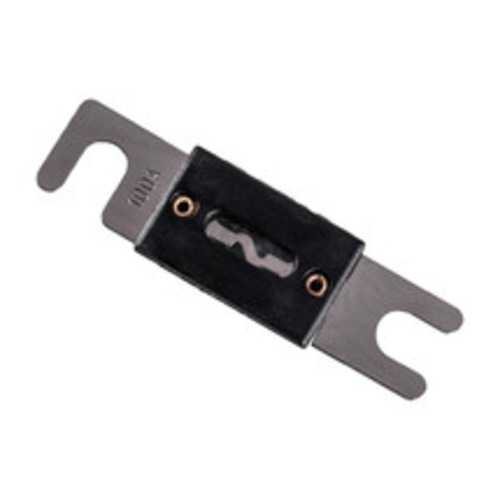
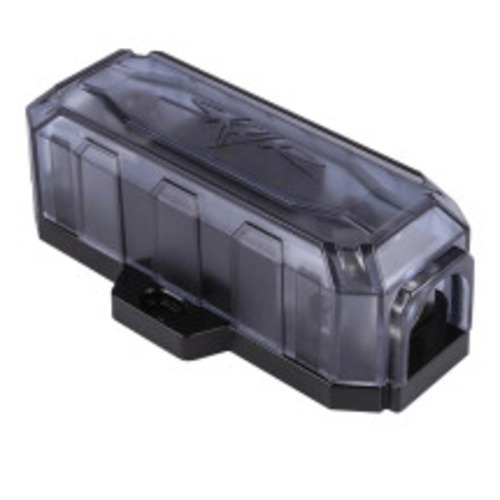
Protect your vehicle’s electrical circuits from excess current
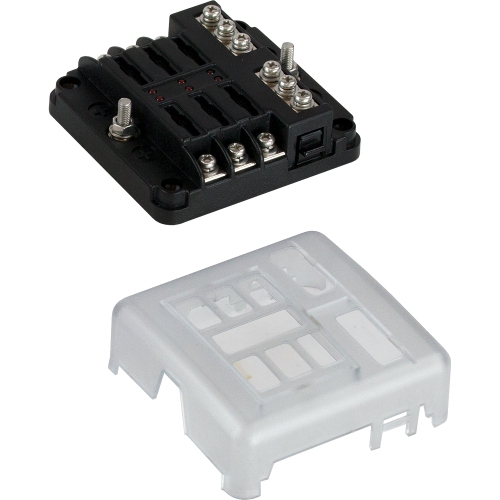
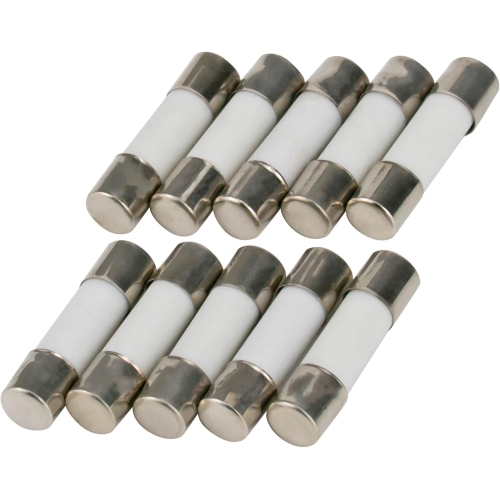
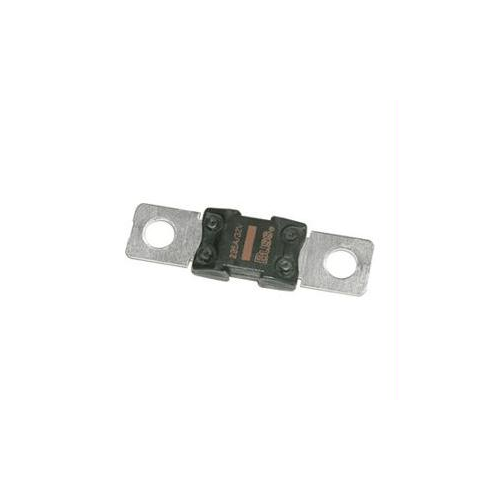
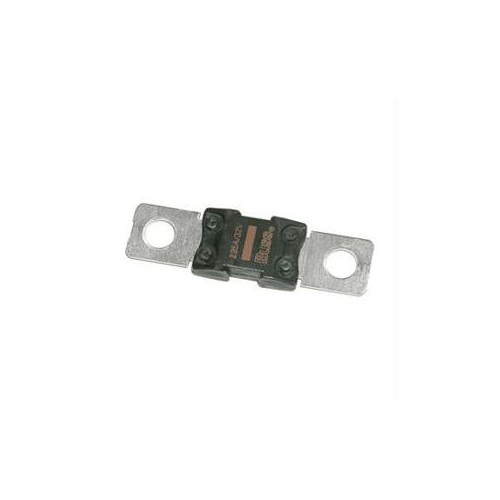
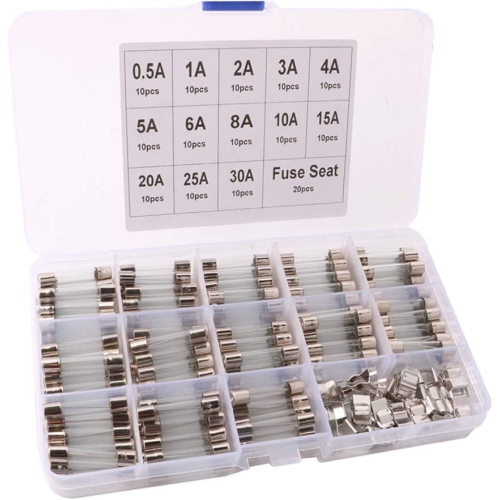
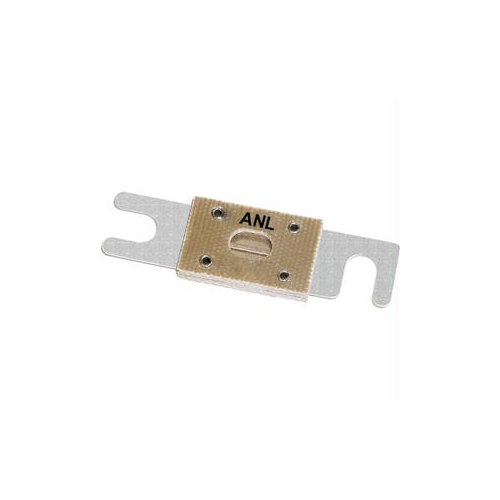
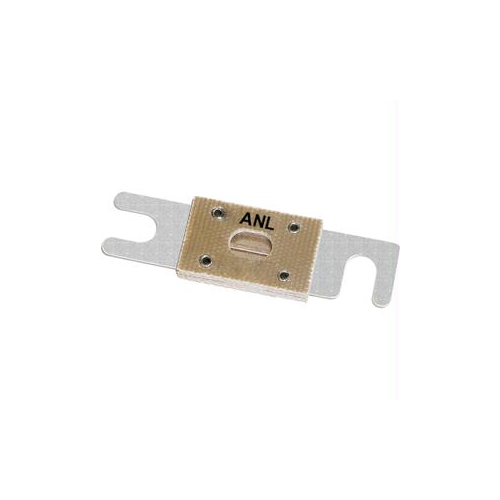
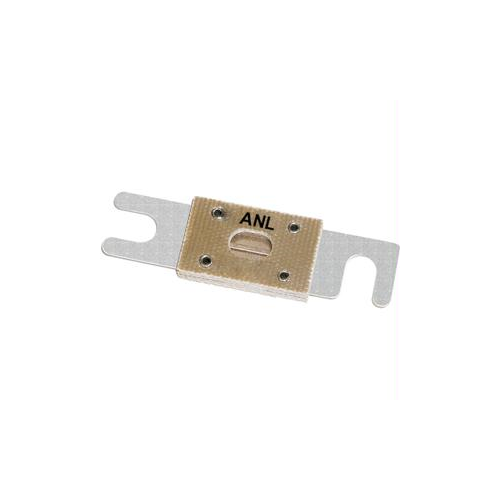
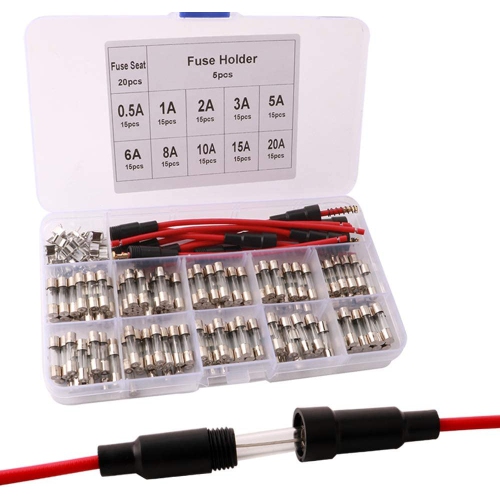
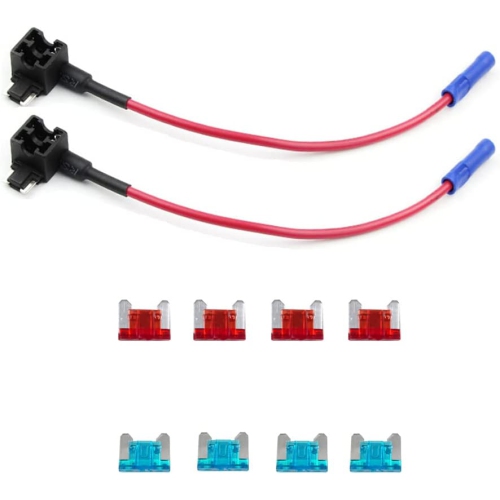
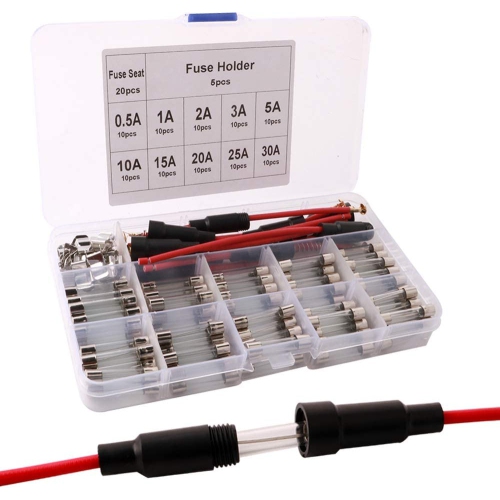
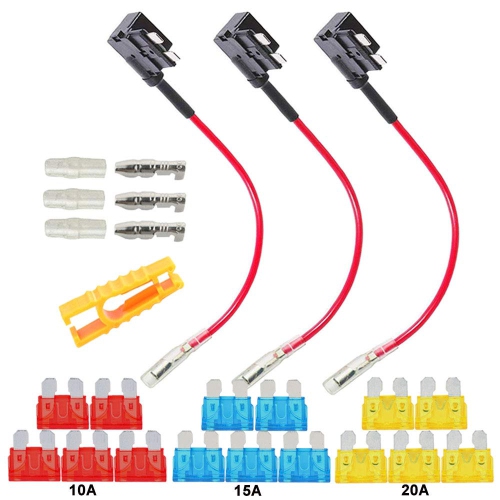
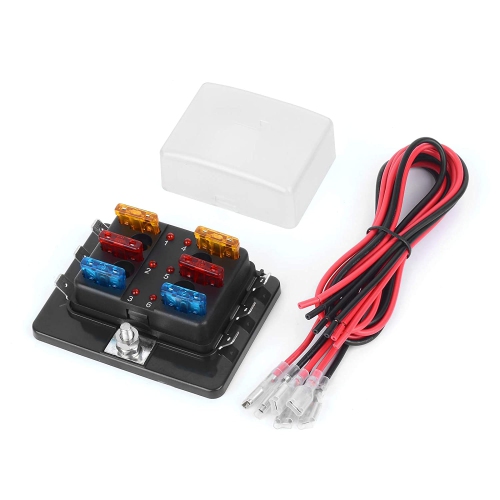
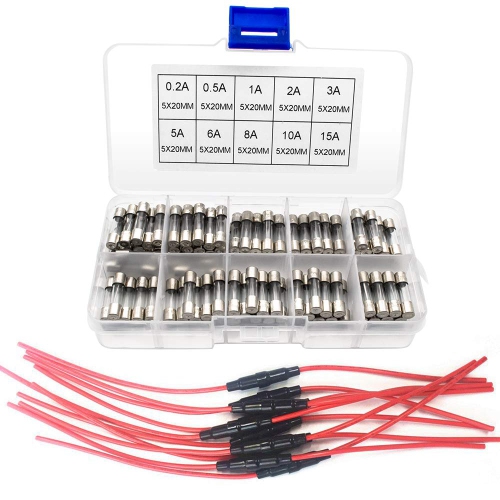
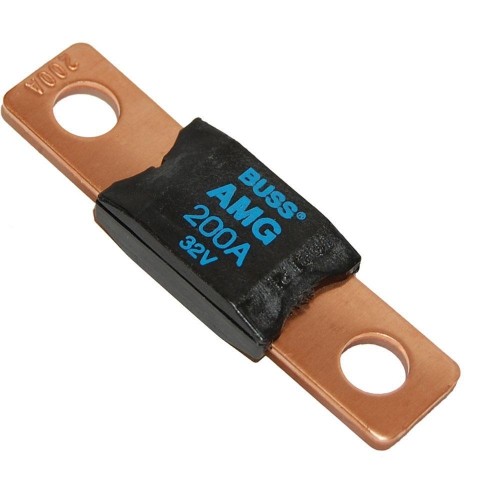
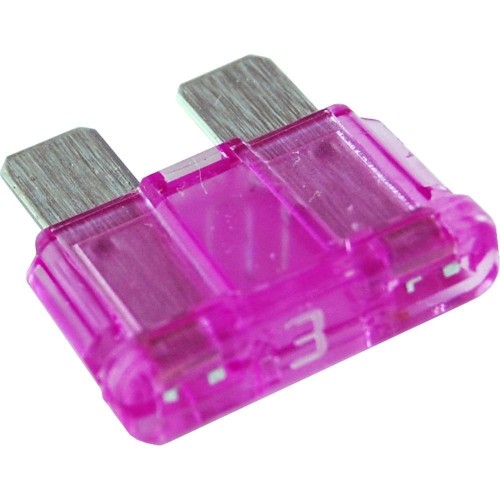
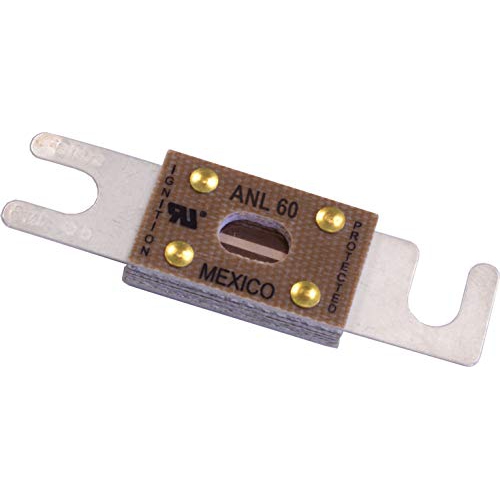
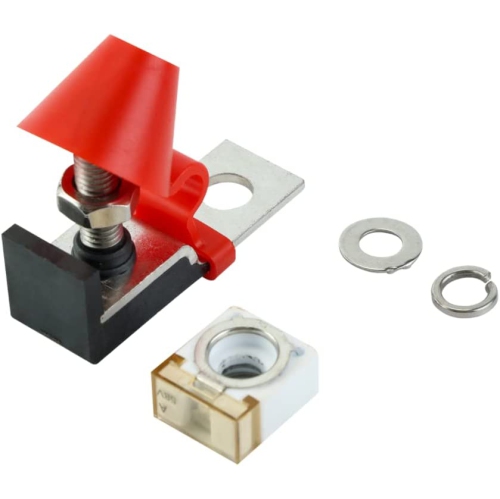
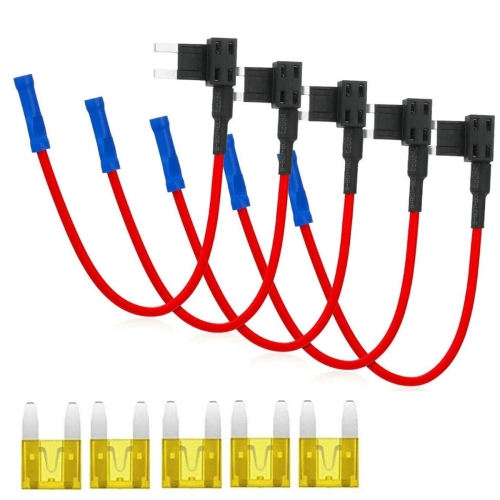
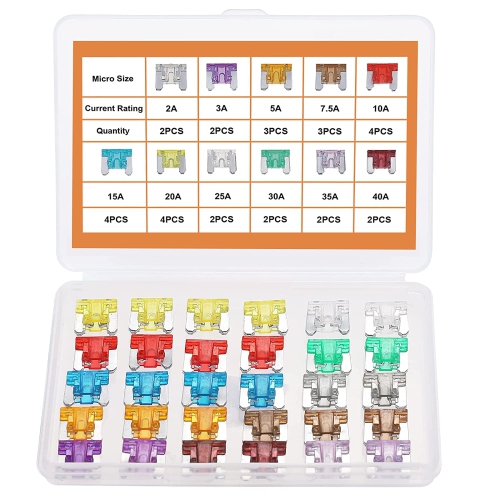
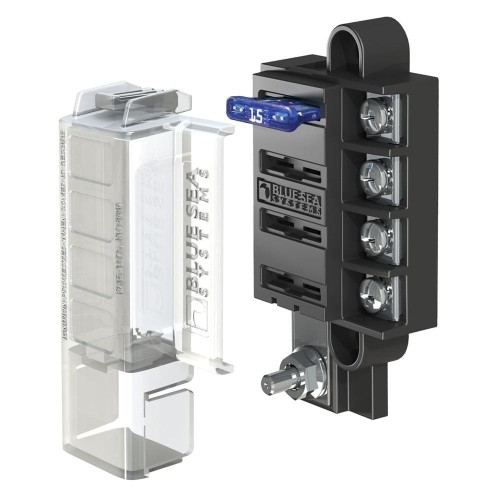
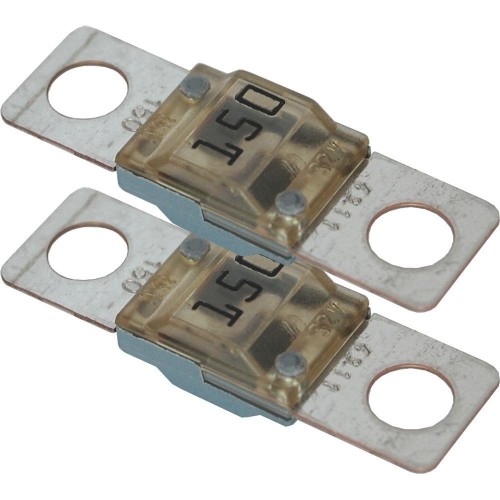
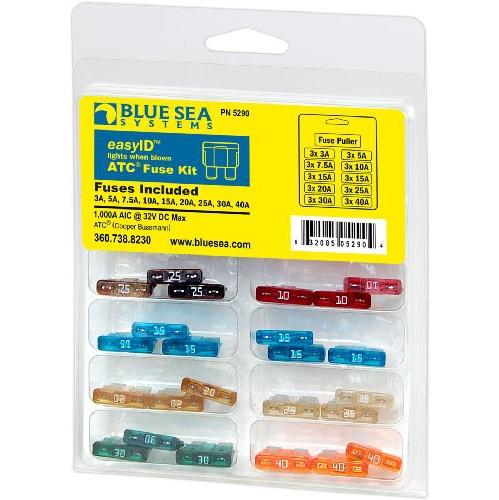
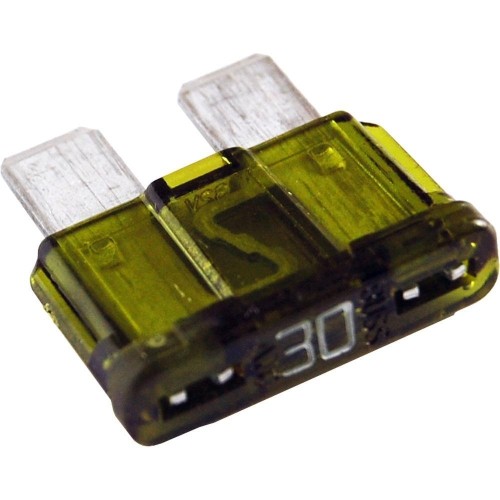
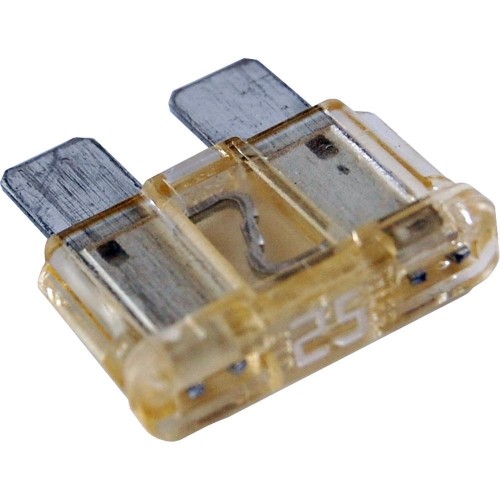
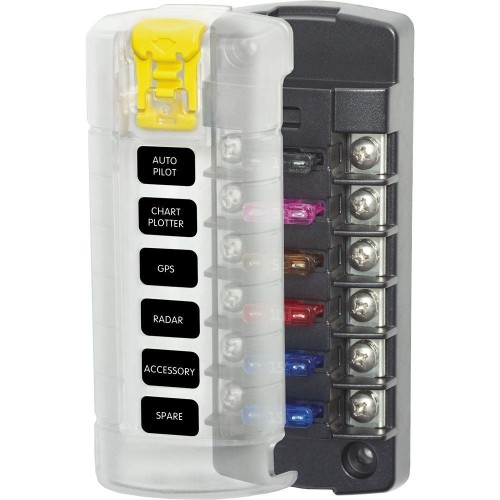
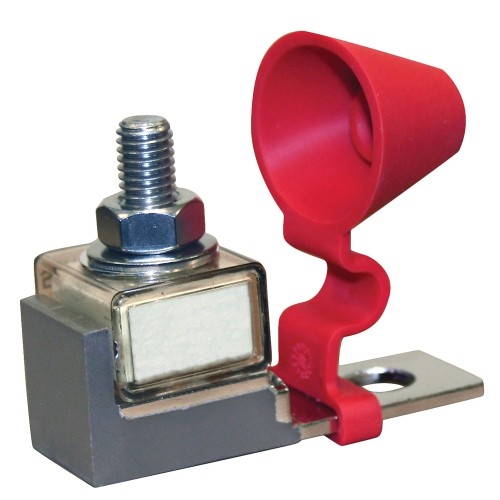
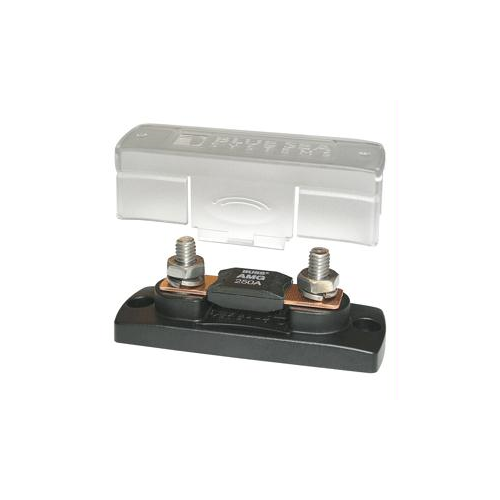
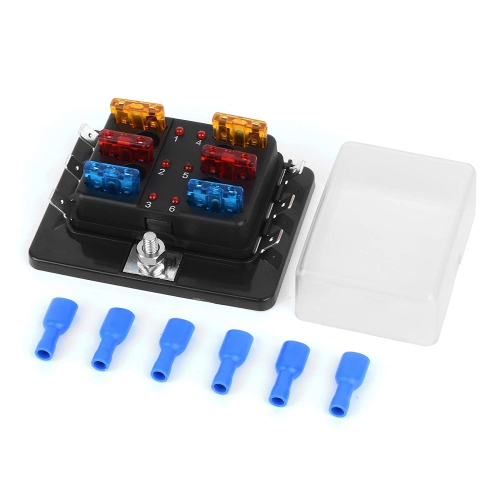
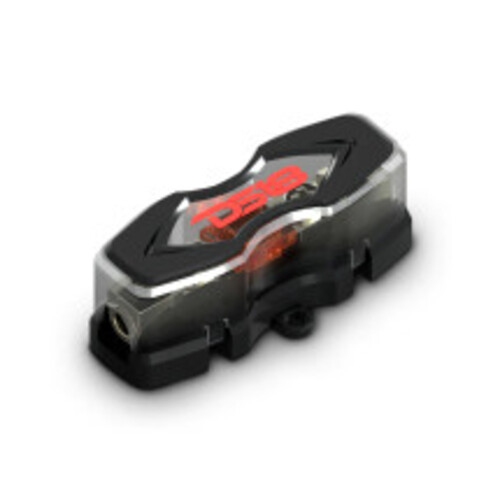
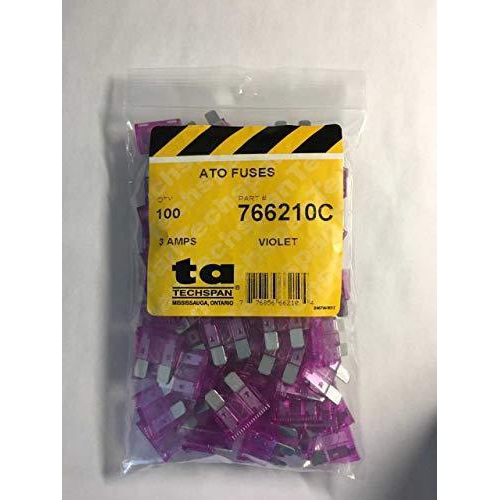
The most common vehicle fuses are blade-style fuses, which have a small plastic body and two flat metal terminals. Standard, mini, and micro versions vary in physical size, so matching the shape is just as important as matching the amperage. Many blade fuses use colour coding to make ratings easier to identify, although the printed number on the fuse should be used for confirmation because colours can vary by design or become difficult to read over time. Larger maxi fuses are made for higher-current circuits and may be used for systems such as cooling fans, alternators, or other heavy electrical loads. Older vehicles and classic cars may use glass tube fuses with a cylindrical body and metal caps at each end. These fuses are not interchangeable with modern blade types, and the vehicle’s original specifications should guide the selection. Fuse assortment kits can be convenient when they include several ratings and sizes, particularly for drivers who maintain multiple vehicles or want a selection for common roadside needs. For installations where several circuits are organized in one location, a Fuse Blocks can provide a central connection point for compatible automotive wiring projects. When inspecting a blown fuse, look through its transparent body or inspection window for a separated metal element, darkened material, or visible scorching. The fuse box may be located in the engine compartment near the battery or fender, or inside the cabin beneath the steering column, behind the glove box, or behind a dashboard side panel. Locations differ by vehicle, so the owner’s manual remains the most reliable reference.
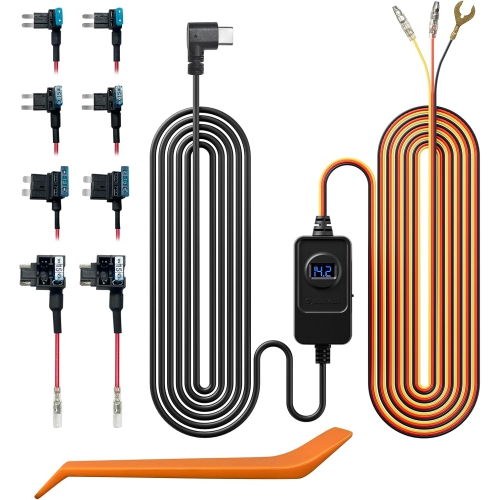
Replacing a fuse is generally a small task, but it still calls for care. Turn off the ignition and electrical accessories before removing the old fuse, and use a fuse puller or suitable tool rather than forcing it out with a sharp object. Install a replacement that matches the original type and amperage, then test the affected function. If the new fuse fails immediately or repeatedly, there may be a short circuit, damaged wiring, a failing component, moisture in a connection, or another issue that requires qualified diagnosis. Repeatedly replacing fuses without investigating the cause can lead to further damage and should be avoided. It is also wise to keep spare fuses dry and protected from dirt, especially in a vehicle that spends time outdoors during cooler months or in changing weather. A small, clearly labelled assortment can make a thoughtful practical gift for a new driver, a student living away from home, a family member who takes frequent road trips, or anyone building a roadside emergency kit. Drivers preparing for darker commutes, colder starts, or longer journeys may appreciate having the correct replacements close at hand, along with a flashlight, gloves, and the vehicle manual. Whether used for a quick replacement or as part of a broader wiring project, vehicle fuses offer a straightforward way to maintain dependable operation while helping protect a car’s electrical circuits.
Top selling and popular products
-
 Your price for this item is $49.98
 -
 Your price for this item is $59.9
 -
 Your price for this item is $27.3
 -
 Your price for this item is $872.99
 -
 Your price for this item is $145.99
 -
 Your price for this item is $124.99
 -
 Your price for this item is $508.99
 -
 Your price for this item is $799.99