Automotive Inline Fuse Holders
Automotive inline fuse holders are essential components for protecting your vehicle’s electrical circuits and ensuring reliable performance. Designed to accommodate a variety of fuse types, these holders make it easy to add or replace fuses in your car, truck, or recreational vehicle. Whether you’re working on a custom installation or maintaining factory wiring, automotive inline fuse holders offer a convenient solution for safeguarding your electronics and accessories. Explore options that fit a wide range of applications and keep your vehicle’s electrical system running smoothly.
Sort
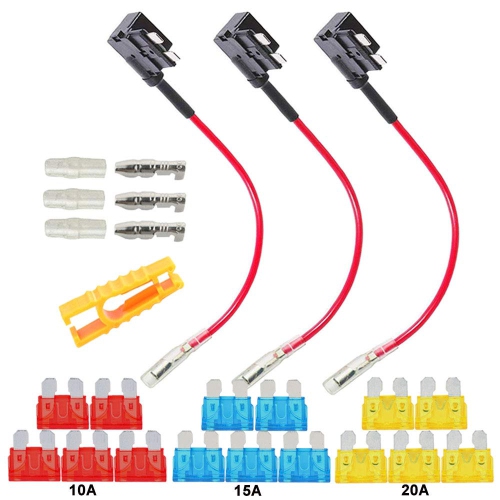
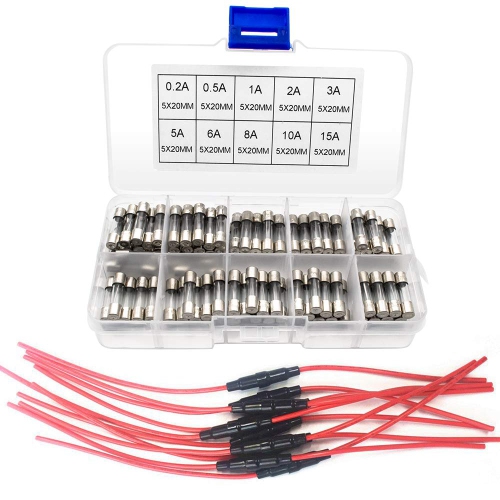
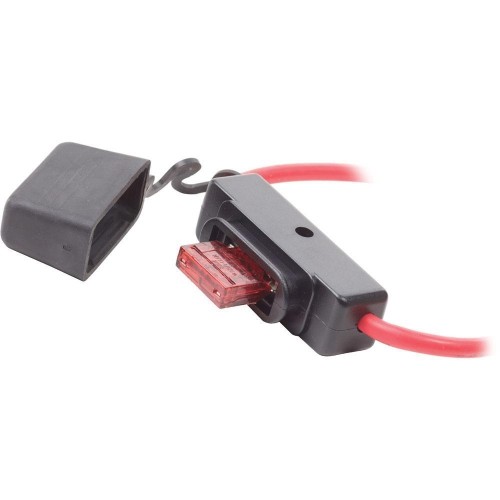
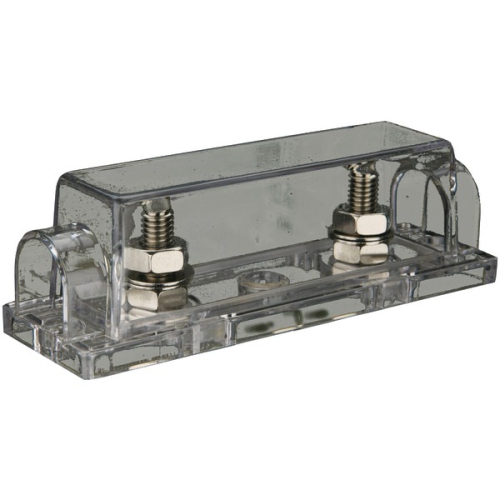

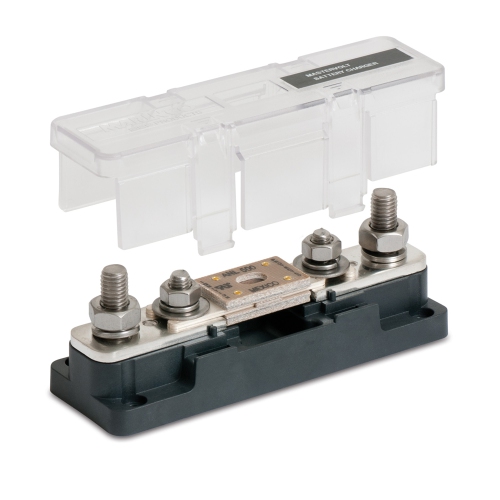
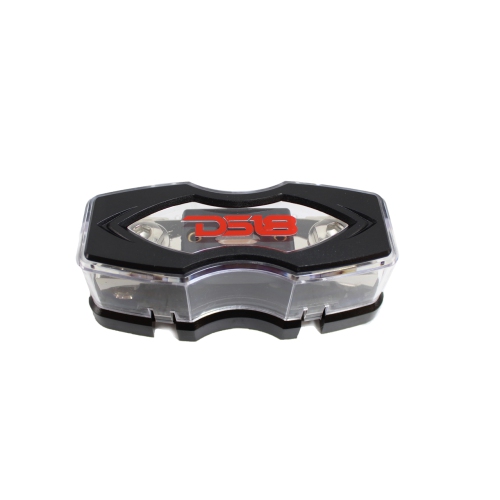

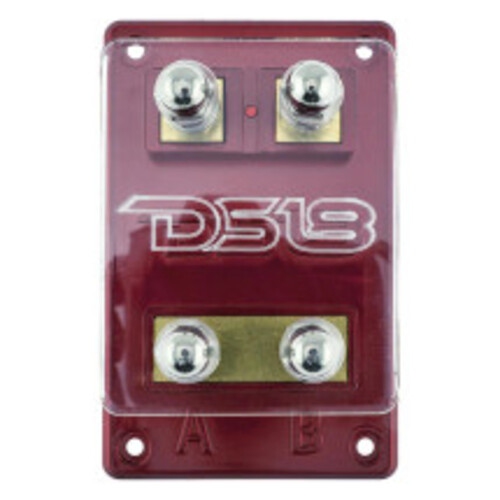
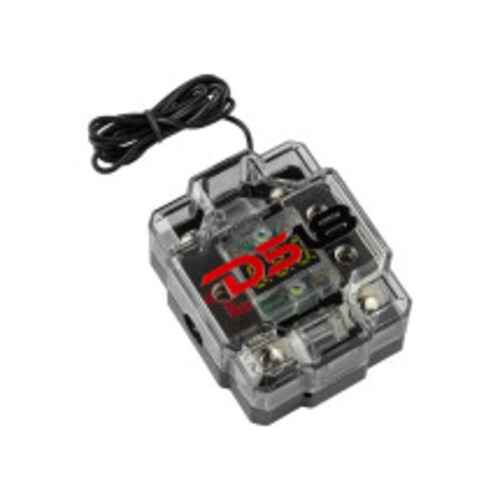
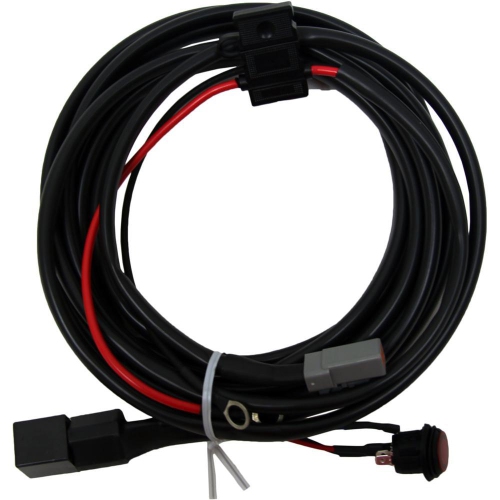
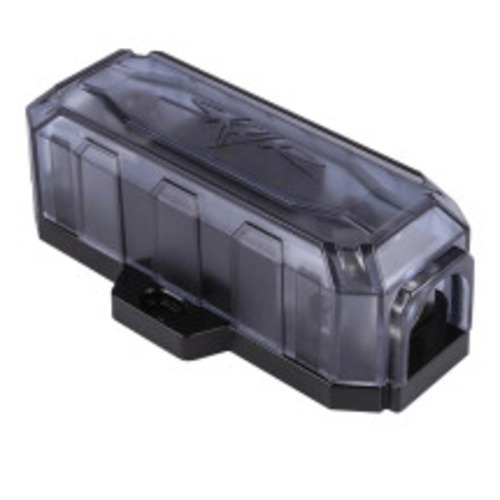
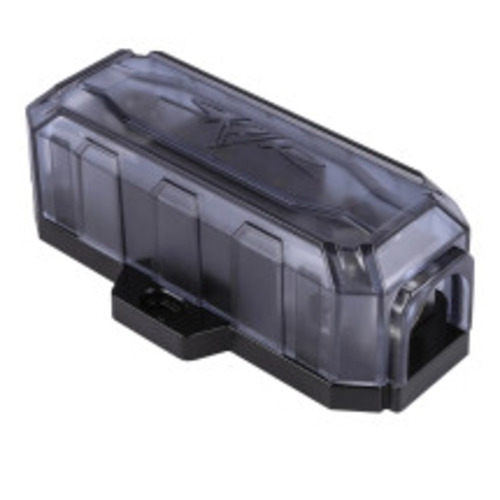
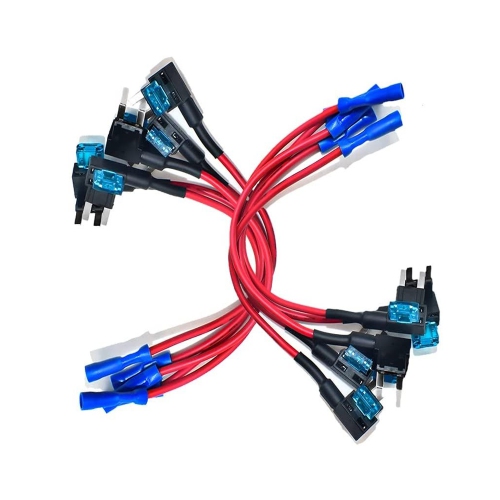
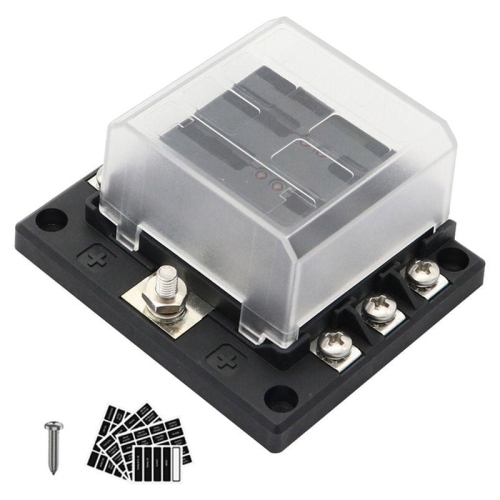
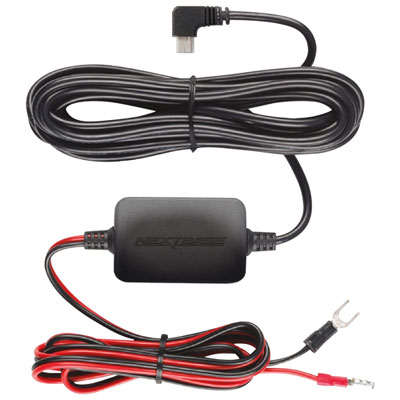
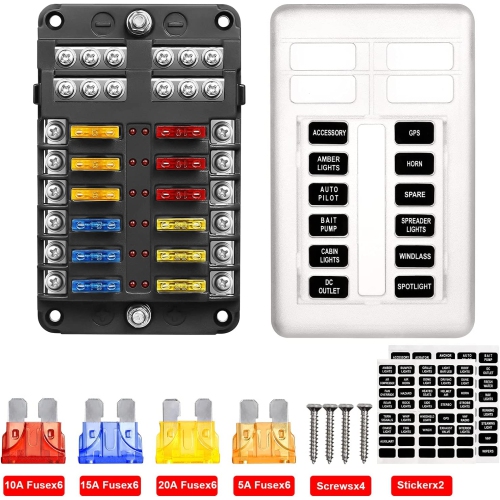
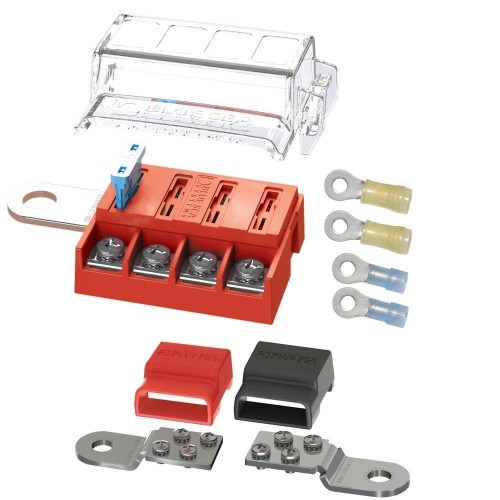
Circuit protection for accessories beyond the original fuse panel
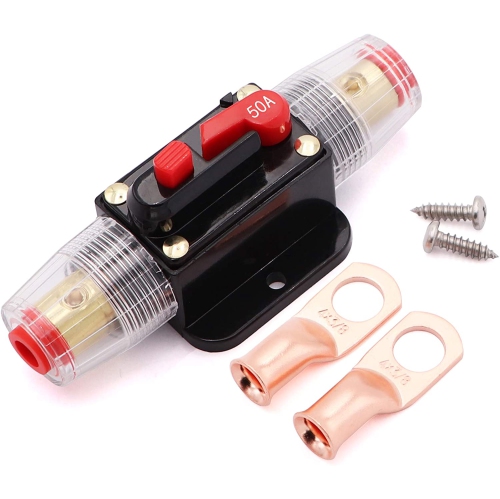
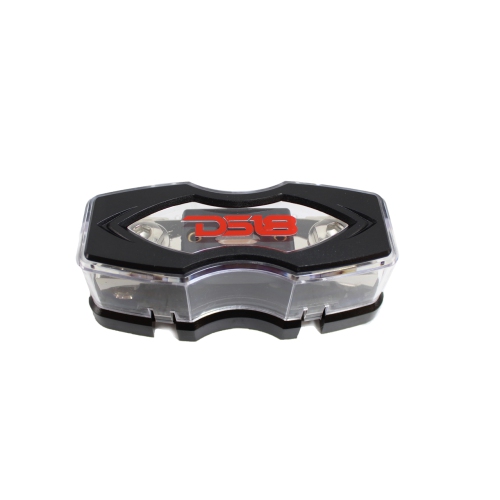
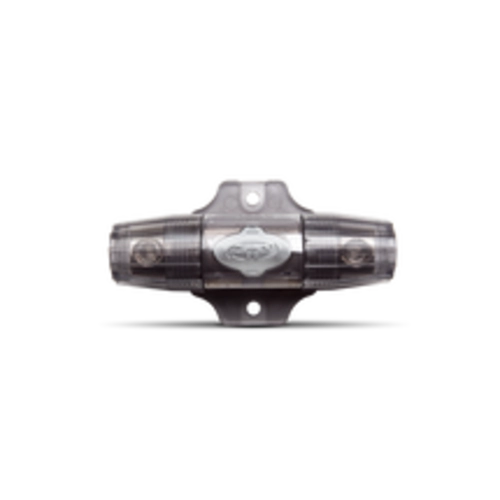
Automotive inline fuse holders house a replaceable fuse directly within a wiring run, providing a practical way to add circuit protection to a vehicle accessory or replace a damaged holder. Used in suitably rated 12V and 24V DC applications, they place the fuse in series with the power supply so that excessive current can interrupt the circuit before wiring is damaged. The holder provides the electrical contacts, insulation, and physical support; the fuse is the component that opens the circuit during an overcurrent condition. These compact assemblies are useful for auxiliary lighting, aftermarket audio equipment, accessory sockets, and other additions that need a dedicated, protected power connection. Unlike a fuse block, which groups several circuits in one location, an inline holder protects an individual wiring branch and can sit close to that branch’s power source. This makes it especially useful when an accessory’s wiring does not route through the vehicle’s original fuse panel. A neat installation might have a holder secured beside a battery connection, with its leads supported along the same path as the accessory cable and its cap accessible for inspection. Automotive technicians, audio installers, vehicle restoration enthusiasts, and experienced DIY owners use these holders for both new installations and repairs. Their value is not limited to large electrical additions: even a modest accessory needs protection appropriate to its wiring. A fuse holder is not a substitute for checking the vehicle’s electrical requirements, and adding one does not increase the capacity of an existing circuit. For an accessory that already includes a specified fuse arrangement, the equipment manufacturer’s requirements remain the starting point. The most suitable holder brings together the right fuse format, DC voltage rating, current capacity, wire size, and mounting style rather than simply fitting into the space beside a cable.
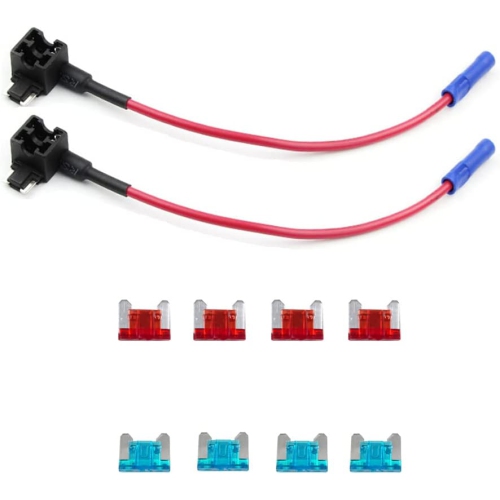
Fuse compatibility is one of the main differences between automotive inline fuse holders. Standard blade holders commonly accept ATO or ATC fuses, while mini blade holders are designed for the smaller ATM format used in many compact electrical installations. Low-profile mini and micro blade formats have their own dimensions and should not be treated as interchangeable with ordinary mini fuses. Maxi blade holders accommodate larger fuses for circuits with higher current requirements, provided the complete assembly is rated for the intended load. Glass tube holders suit certain older vehicle wiring arrangements and accessory designs, but the tube’s length, diameter, and electrical characteristics must match the holder and circuit requirements. For installations that use this cylindrical format, Automotive Glass Tube Fuses are a related component to match by exact size and rating rather than appearance alone. A fuse that fits physically is not necessarily suitable electrically, and the holder’s maximum current rating is not an instruction to install a fuse of that value. Fuse selection must account for the accessory manufacturer’s specification and the safe capacity of the wiring being protected. Some loads also have a brief startup surge, making the specified fuse type and operating characteristics important. Holders with attached wire leads offer a ready connection point, while terminal-style designs allow cable to be attached using the specified connection method. Lead length affects how easily the holder can be positioned without adding unnecessary joints. Wire gauge, expressed in AWG, matters alongside conductor material, cable length, routing, bundling, and insulation rating; a lower AWG number indicates a thicker conductor. There is no single current limit that applies to every installation using a given gauge. Where holder leads join a larger accessory cable, those leads and their connections still need adequate capacity for the chosen fuse. Clear specifications for the entire holder assembly are more useful than judging capacity from housing size or cable insulation thickness.
Materials and construction influence how well an inline fuse holder stands up to everyday vehicle use. Moulded insulating housings keep conductive parts covered, while metal contacts maintain the connection to the fuse blades or end caps. Plated contacts can help resist corrosion, and a secure contact fit reduces the risk of an intermittent connection as the vehicle moves. Rubber or elastomer caps, gaskets, and sealed cable entries can help limit the entry of water and dirt, but a covered holder should not automatically be treated as waterproof. Where exposure is possible, a stated ingress-protection rating and the manufacturer’s installation requirements offer a clearer basis for comparison. A seal is only effective when the correct fuse is seated, the cap closes fully, and the cable entries remain intact. For a holder mounted near an engine bay or beneath interior trim, resistance to vibration, abrasion, and incidental contact with automotive fluids can be important. Mounting tabs or a suitable support arrangement help keep the housing from hanging by its wires, while strain relief reduces pulling at the lead exits. Service access matters too: a fuse that can be inspected without removing extensive trim is easier to maintain, but it still needs protection from accidental contact and damage. In a typical negative-ground vehicle installation, the fuse belongs in the positive supply lead as close to the power source as practical, minimizing the length of unprotected wire. Routing should keep the assembly clear of moving parts and sharp edges, with suitable protection wherever wiring passes through a panel. Installation should follow the vehicle and accessory instructions, with power isolated as directed before work begins. Periodic checks can identify a loose cap, damaged insulation, discoloured housing, corrosion, or a weakened connection. Cleaning and inspection should be carried out with the circuit safely de-energized, without forcing tools into the contacts or compromising seals. A repeatedly blown fuse calls for diagnosis of the circuit, not a higher-rated replacement. When its specifications and construction match the application, an automotive inline fuse holder provides an accessible, serviceable location for the circuit’s fuse.
Fuse compatibility is one of the main differences between automotive inline fuse holders. Standard blade holders commonly accept ATO or ATC fuses, while mini blade holders are designed for the smaller ATM format used in many compact electrical installations. Low-profile mini and micro blade formats have their own dimensions and should not be treated as interchangeable with ordinary mini fuses. Maxi blade holders accommodate larger fuses for circuits with higher current requirements, provided the complete assembly is rated for the intended load. Glass tube holders suit certain older vehicle wiring arrangements and accessory designs, but the tube’s length, diameter, and electrical characteristics must match the holder and circuit requirements. For installations that use this cylindrical format, Automotive Glass Tube Fuses are a related component to match by exact size and rating rather than appearance alone. A fuse that fits physically is not necessarily suitable electrically, and the holder’s maximum current rating is not an instruction to install a fuse of that value. Fuse selection must account for the accessory manufacturer’s specification and the safe capacity of the wiring being protected. Some loads also have a brief startup surge, making the specified fuse type and operating characteristics important. Holders with attached wire leads offer a ready connection point, while terminal-style designs allow cable to be attached using the specified connection method. Lead length affects how easily the holder can be positioned without adding unnecessary joints. Wire gauge, expressed in AWG, matters alongside conductor material, cable length, routing, bundling, and insulation rating; a lower AWG number indicates a thicker conductor. There is no single current limit that applies to every installation using a given gauge. Where holder leads join a larger accessory cable, those leads and their connections still need adequate capacity for the chosen fuse. Clear specifications for the entire holder assembly are more useful than judging capacity from housing size or cable insulation thickness.
Materials and construction influence how well an inline fuse holder stands up to everyday vehicle use. Moulded insulating housings keep conductive parts covered, while metal contacts maintain the connection to the fuse blades or end caps. Plated contacts can help resist corrosion, and a secure contact fit reduces the risk of an intermittent connection as the vehicle moves. Rubber or elastomer caps, gaskets, and sealed cable entries can help limit the entry of water and dirt, but a covered holder should not automatically be treated as waterproof. Where exposure is possible, a stated ingress-protection rating and the manufacturer’s installation requirements offer a clearer basis for comparison. A seal is only effective when the correct fuse is seated, the cap closes fully, and the cable entries remain intact. For a holder mounted near an engine bay or beneath interior trim, resistance to vibration, abrasion, and incidental contact with automotive fluids can be important. Mounting tabs or a suitable support arrangement help keep the housing from hanging by its wires, while strain relief reduces pulling at the lead exits. Service access matters too: a fuse that can be inspected without removing extensive trim is easier to maintain, but it still needs protection from accidental contact and damage. In a typical negative-ground vehicle installation, the fuse belongs in the positive supply lead as close to the power source as practical, minimizing the length of unprotected wire. Routing should keep the assembly clear of moving parts and sharp edges, with suitable protection wherever wiring passes through a panel. Installation should follow the vehicle and accessory instructions, with power isolated as directed before work begins. Periodic checks can identify a loose cap, damaged insulation, discoloured housing, corrosion, or a weakened connection. Cleaning and inspection should be carried out with the circuit safely de-energized, without forcing tools into the contacts or compromising seals. A repeatedly blown fuse calls for diagnosis of the circuit, not a higher-rated replacement. When its specifications and construction match the application, an automotive inline fuse holder provides an accessible, serviceable location for the circuit’s fuse.
Top selling and popular products
-
 Your price for this item is $99.95
 -
 Your price for this item is $74.95
 -
 Your price for this item is $448
 -
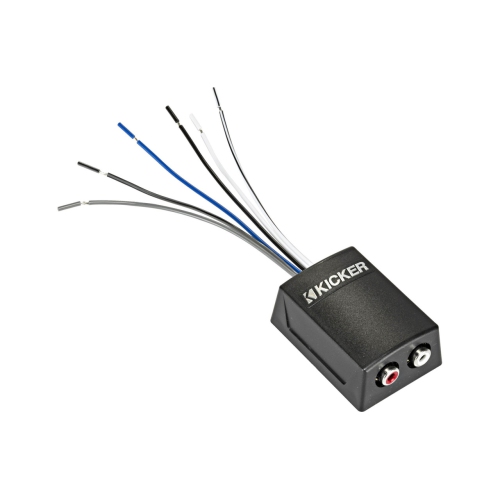 Your price for this item is $57.95
 -
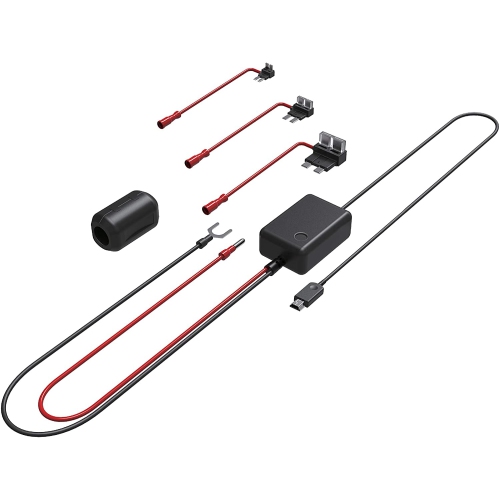 Your price for this item is $49.98
 -
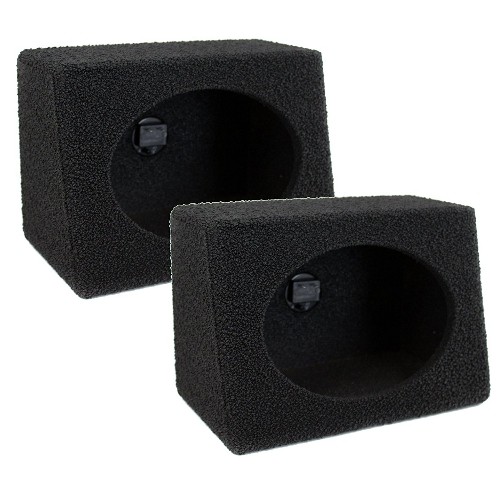 Your price for this item is $87.99
 -
 Your price for this item is $70.95
 -
 Your price for this item is $450.99
Discover more categories related to Automotive Inline Fuse Holders
Top Collections:
Pokemon Centers, Kindle Devices, Apple iPhones 16, Canon G7X Cameras, iPhone 15 Apple, Alarm Clock, Flip Phones, Refurbished Apple Laptops, iPhone 14 256GB, Lightweight On-Ear USB-C Headphones
Some products may be subject to Environmental Handling Fees
(EHF) depending on your province.
Learn more about EHFs.