Fuse Blocks
Fuse blocks are essential components for managing electrical circuits in various applications, from automotive to industrial settings. These devices provide a safe and organized way to distribute power and protect circuits from overloads. Whether you're looking to upgrade your vehicle's electrical system or enhance the functionality of your machinery, fuse blocks offer a reliable solution. Explore our selection of fuse blocks to find the right fit for your needs, ensuring efficient power distribution and safeguarding your equipment from electrical faults.
Sort

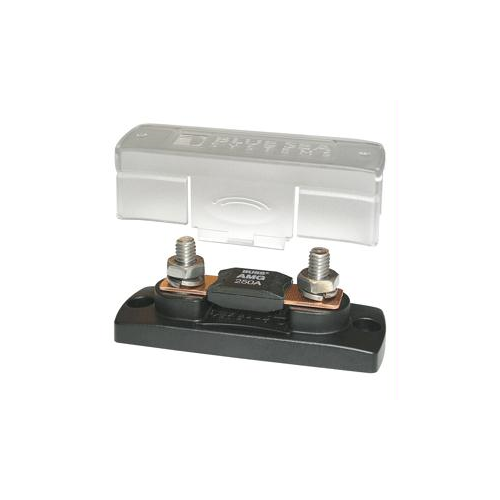
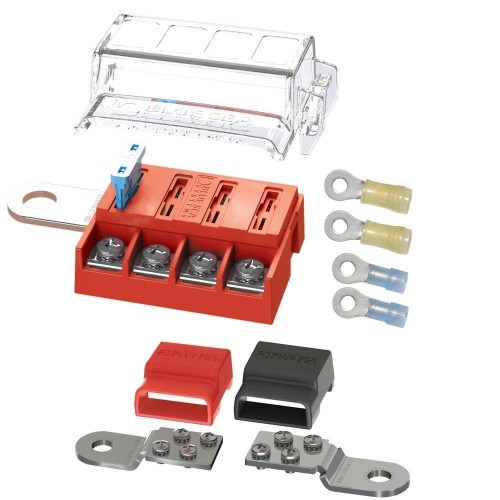
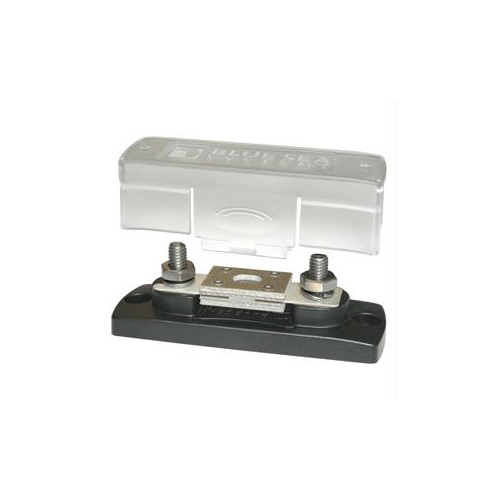
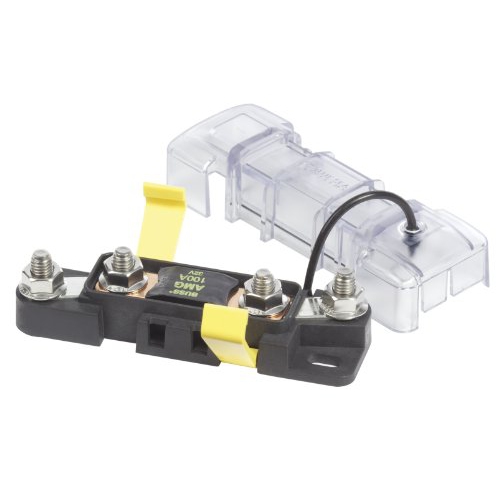
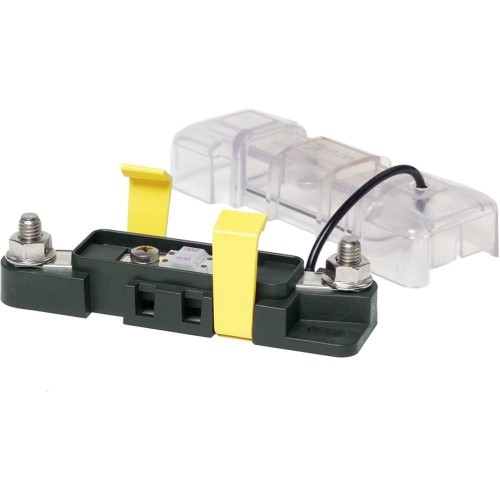
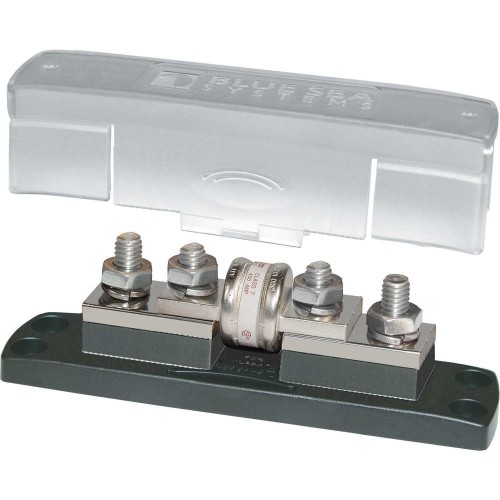
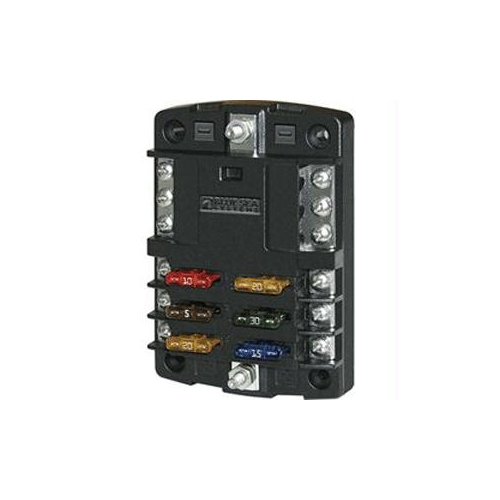
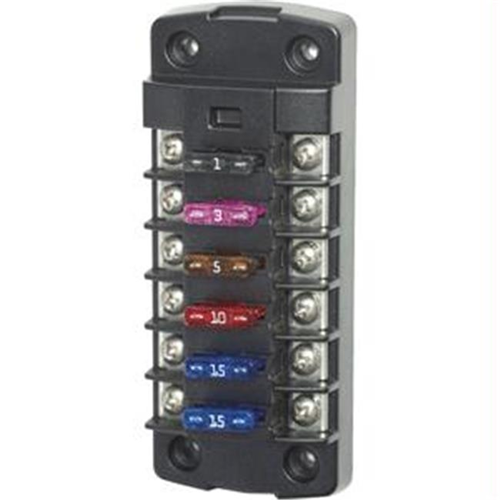
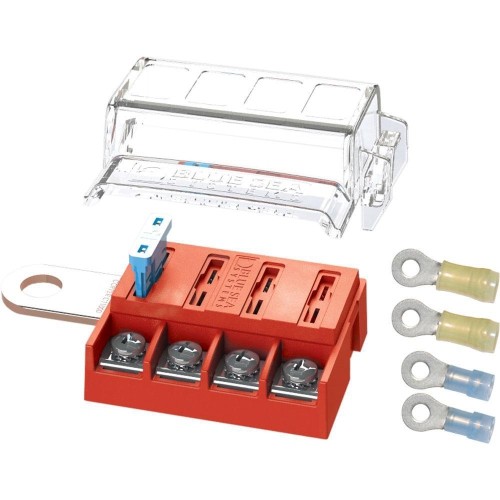
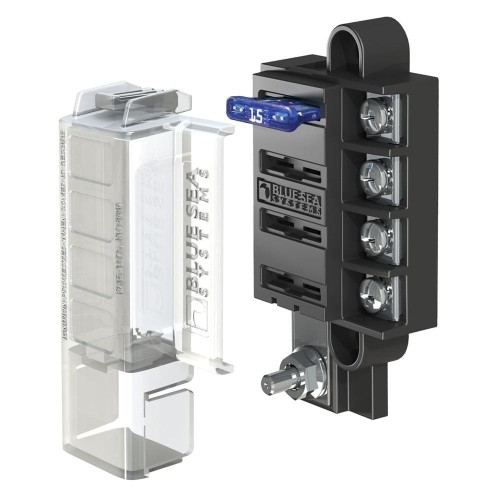
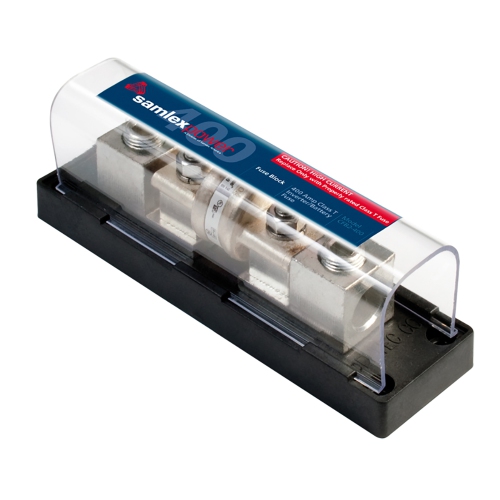
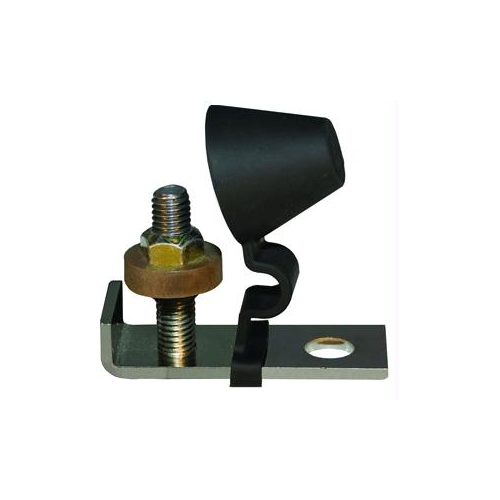
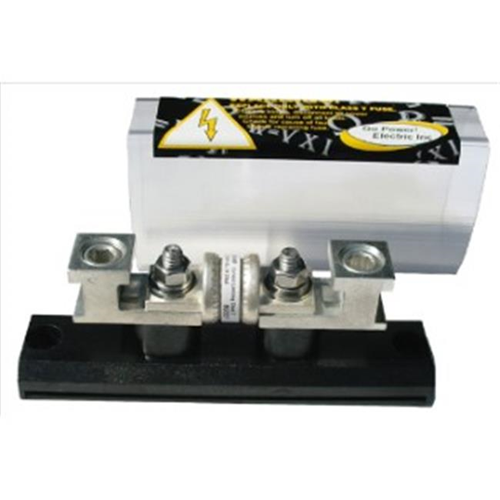
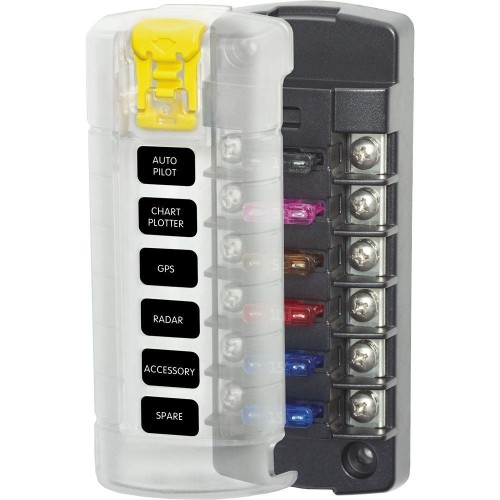
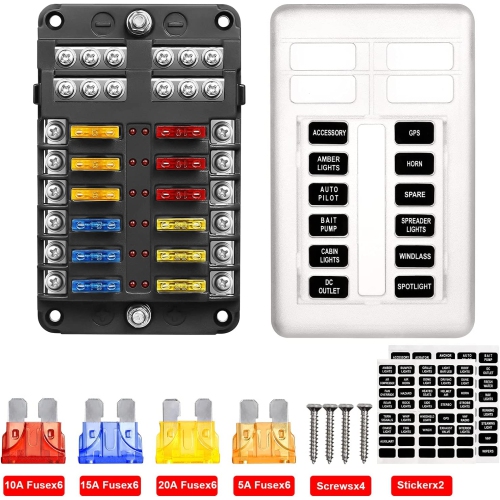
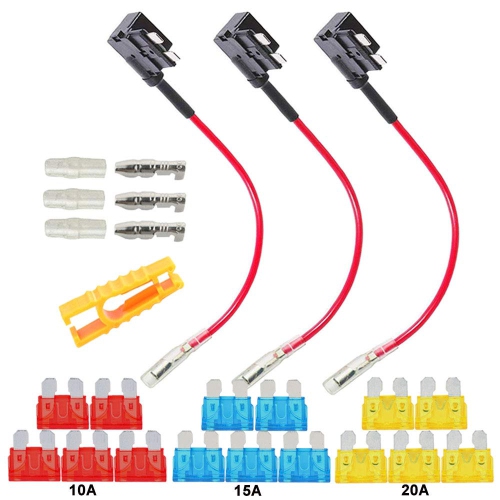
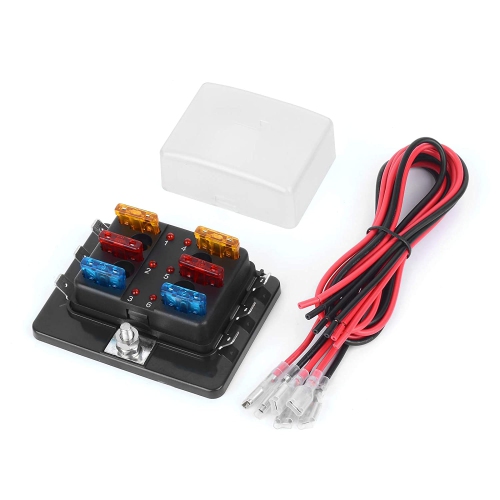
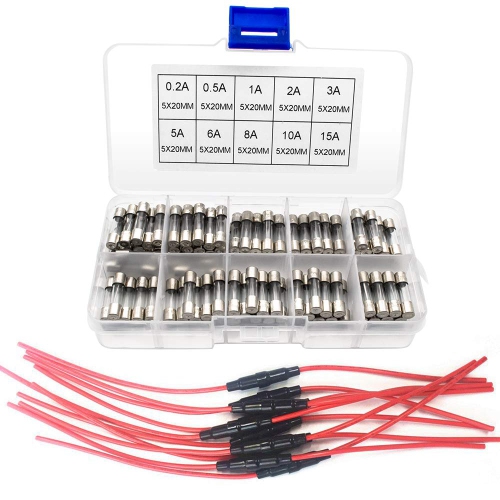
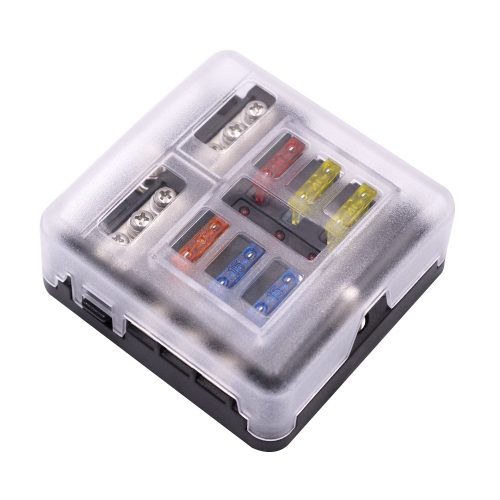
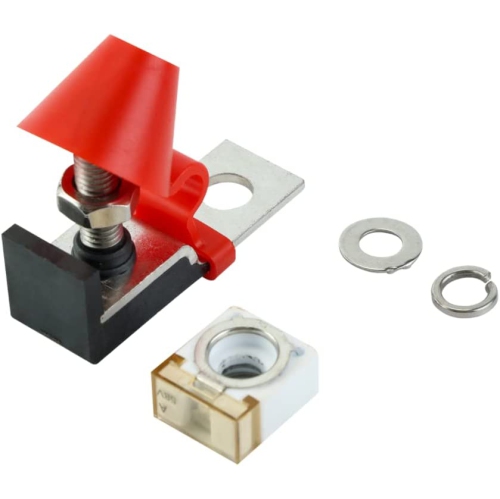
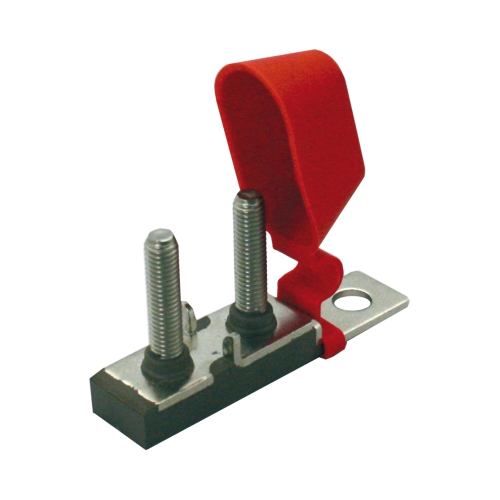
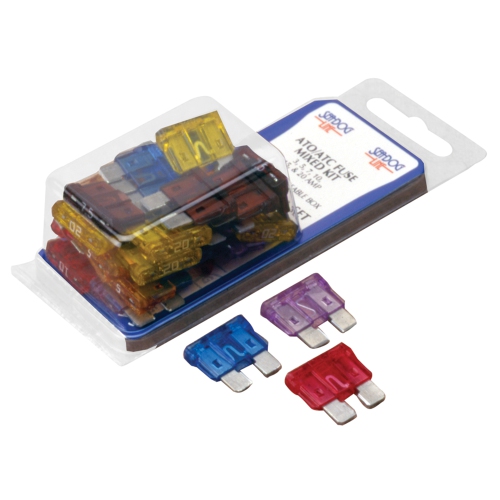
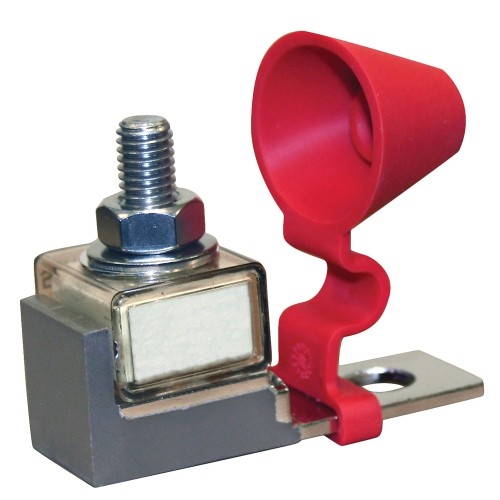
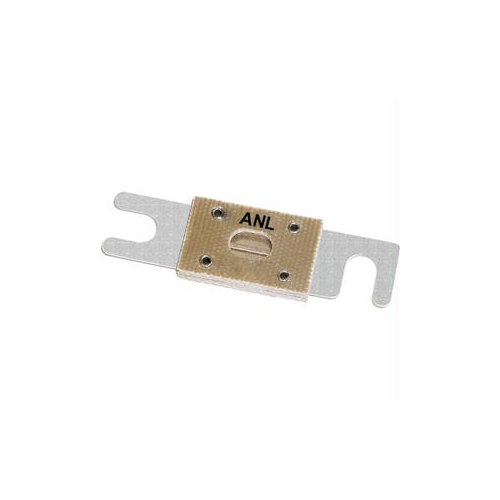
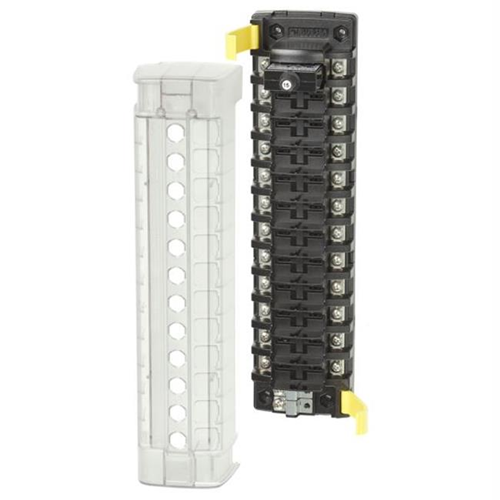
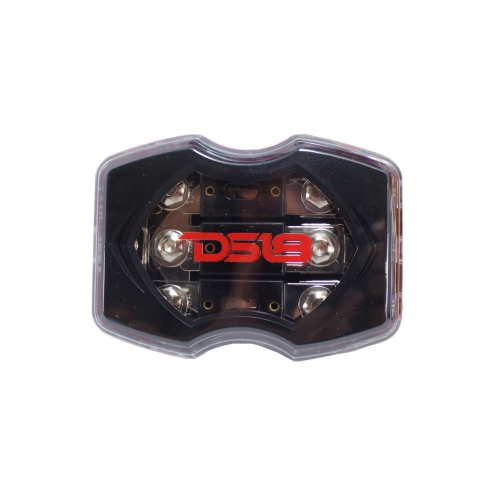
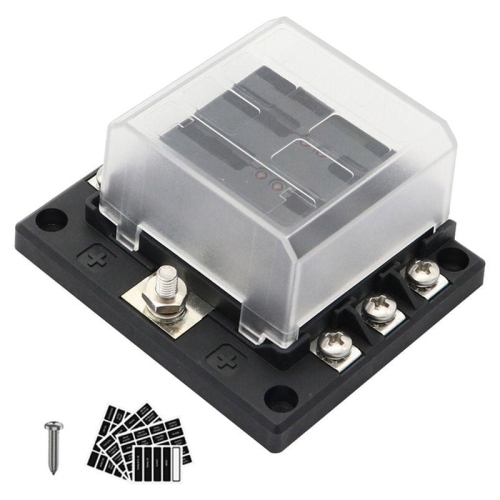
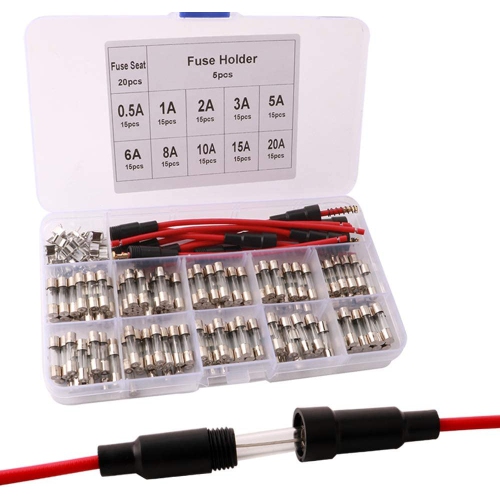
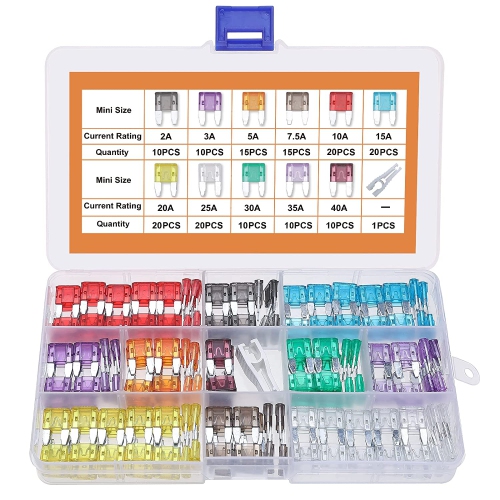
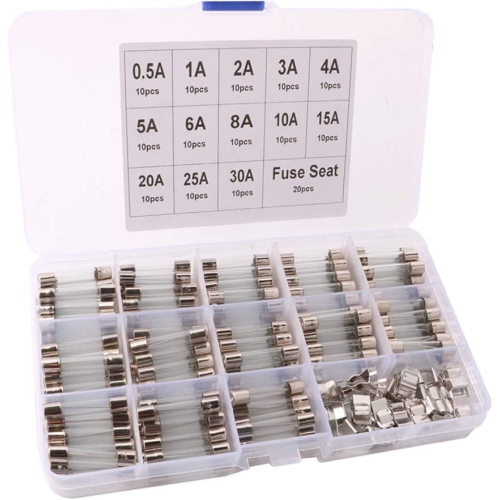
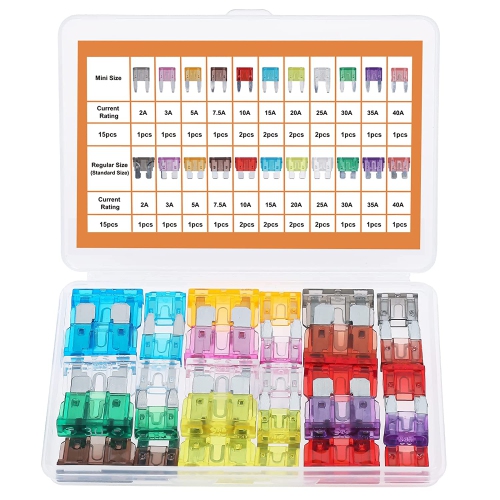
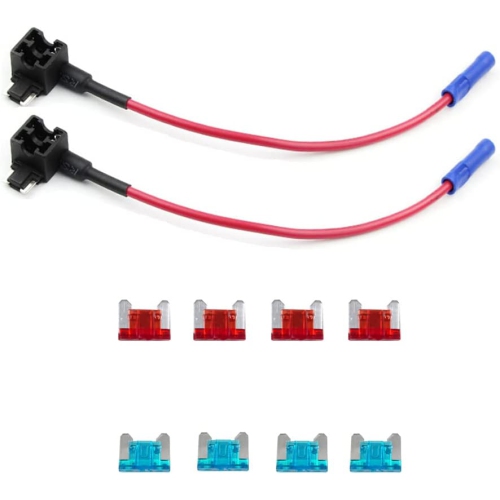
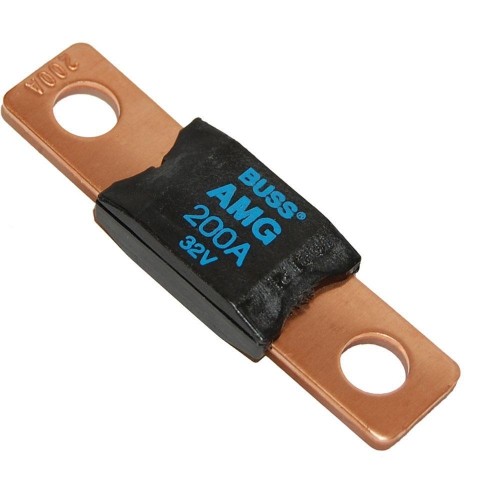
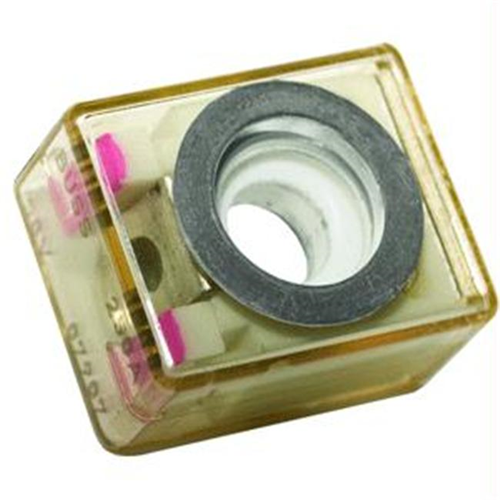
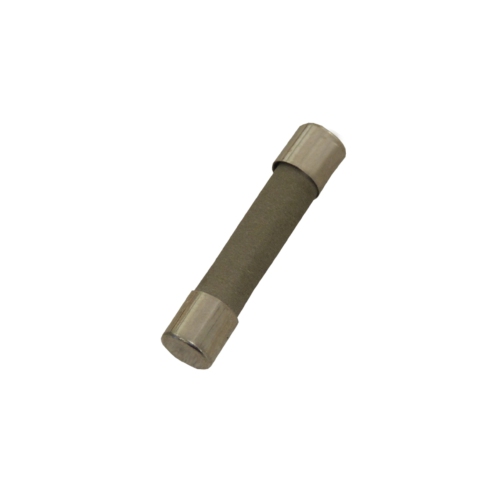
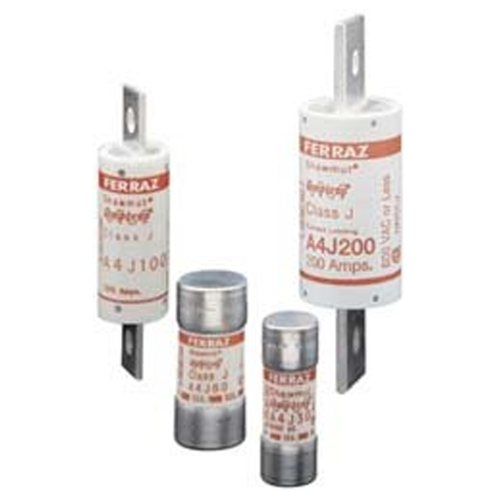
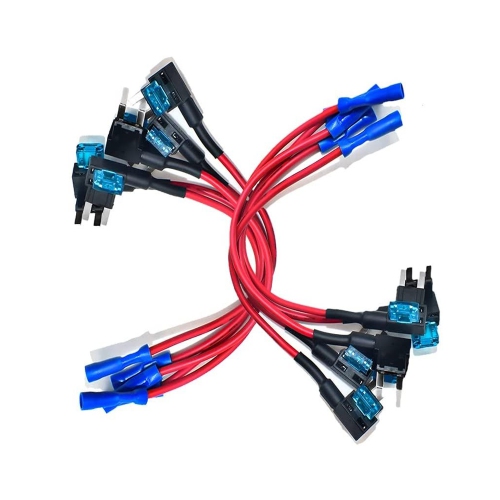
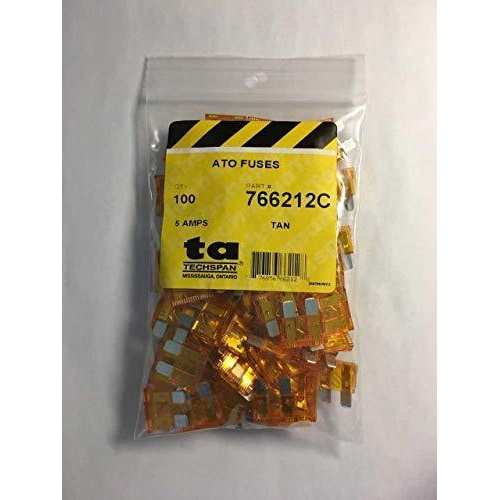
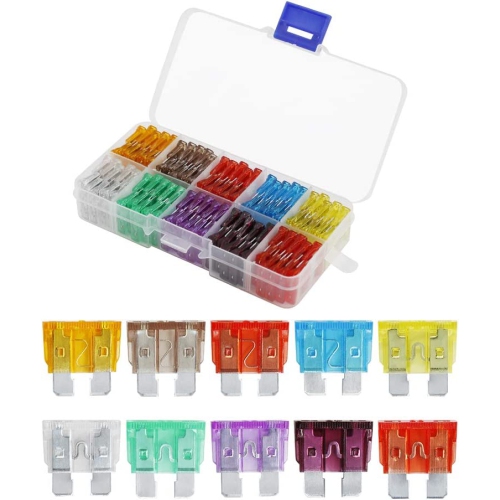
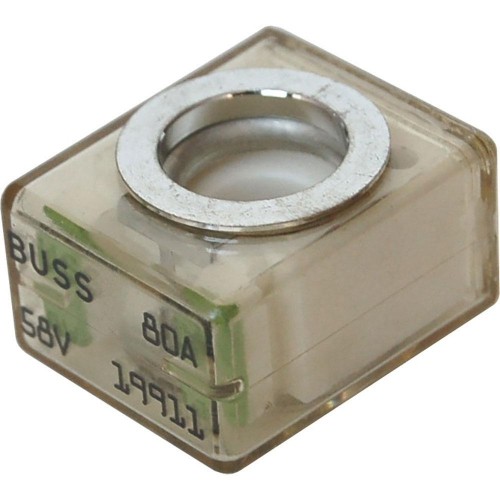
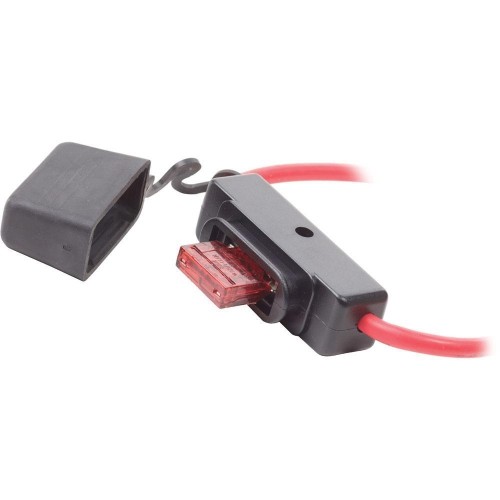
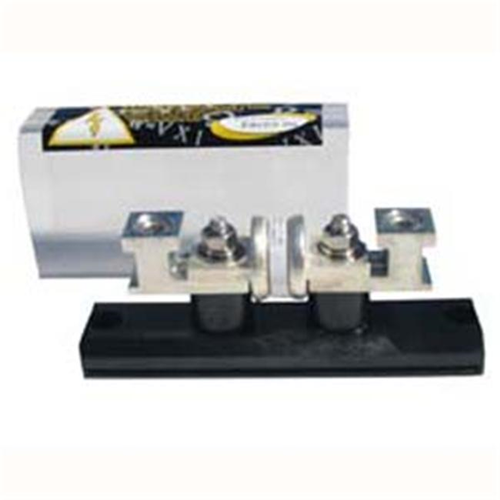
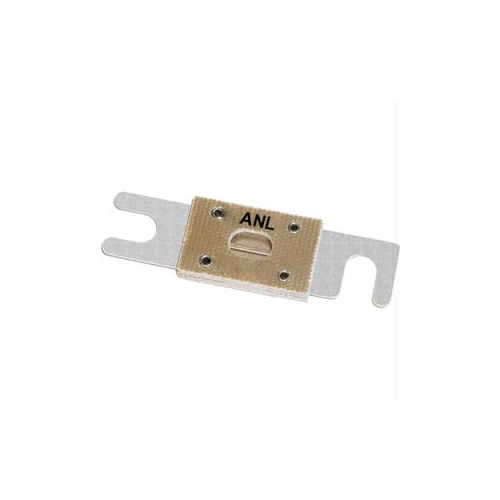
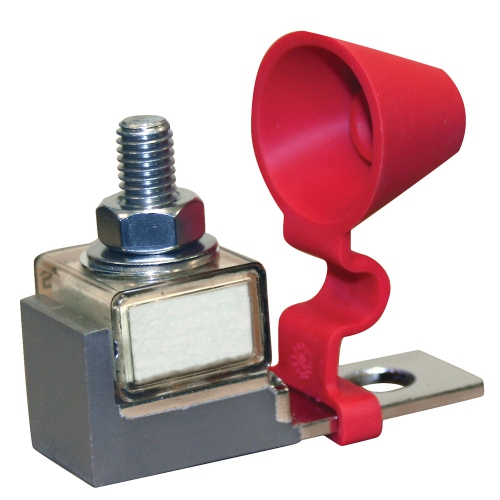
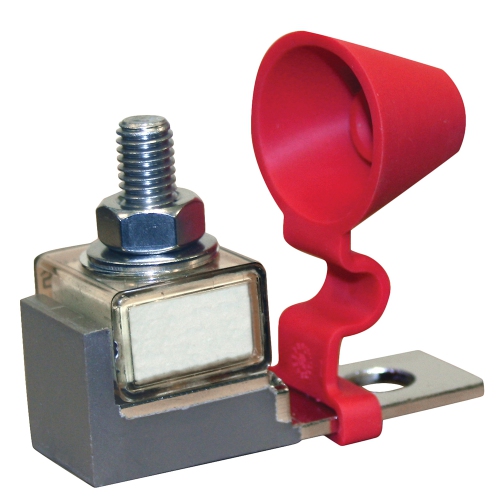
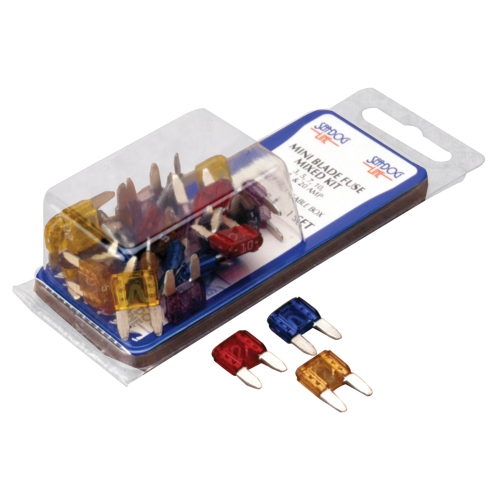
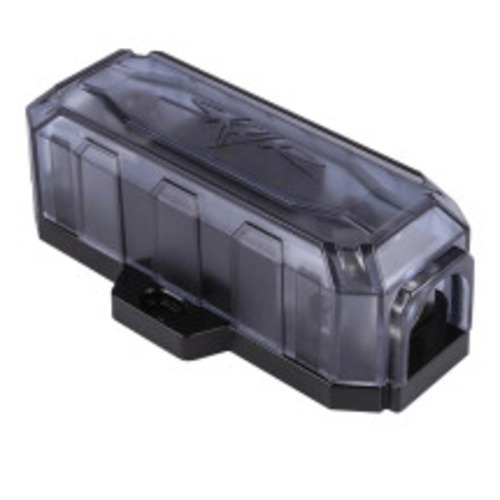
Centralized circuit protection for cleaner, safer accessory wiring
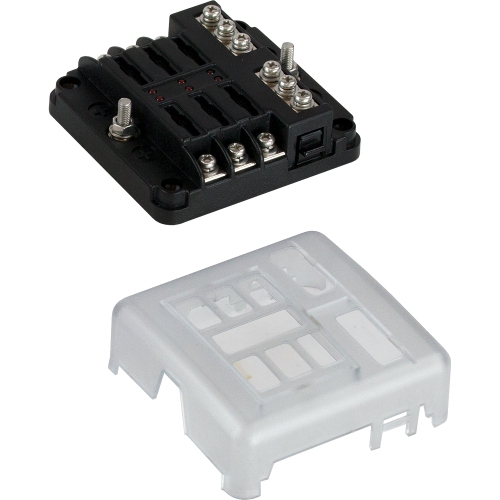
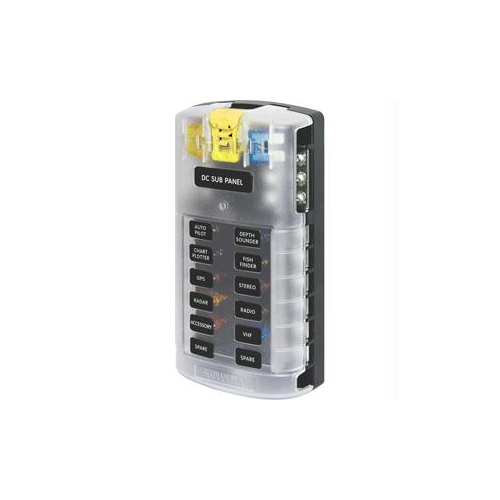
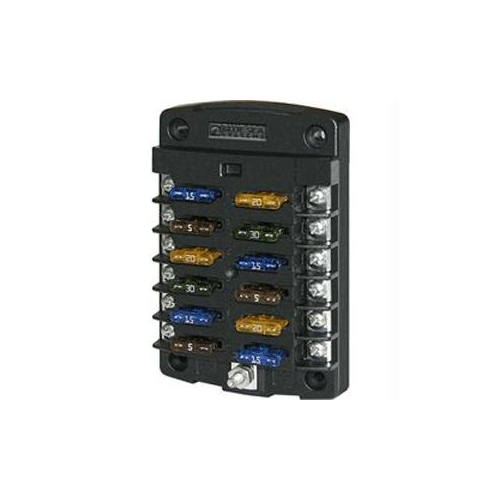
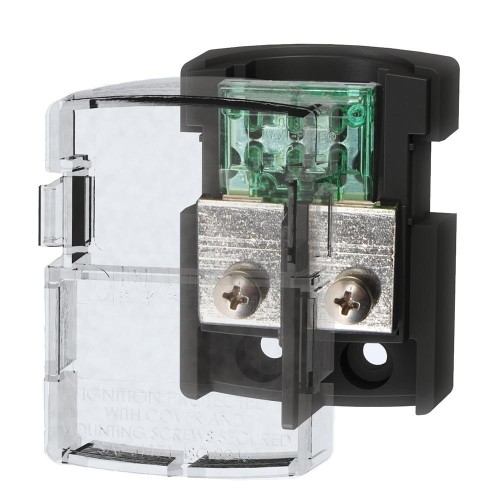
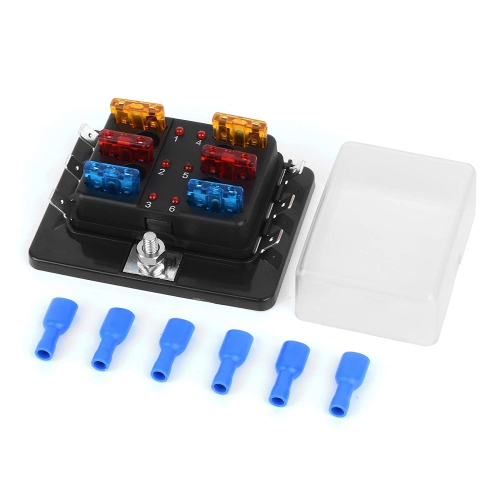
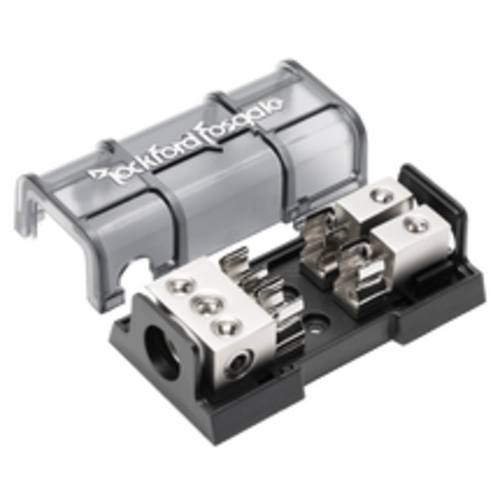
Fuse blocks provide a practical way to organize and protect several electrical circuits connected to a vehicle, boat, recreational vehicle, trailer, or other 12-volt system. Instead of running a separate unfused power cable from the battery for every accessory, a fuse block consolidates the main power connection into one central location and distributes power through individual fused outputs. Each circuit can be matched with an appropriately rated fuse, helping protect its wiring and connected equipment if a short circuit or overload occurs. This makes fuse blocks especially useful when adding auxiliary lighting, audio equipment, communication devices, charging outlets, gauges, pumps, refrigeration equipment, winches, or other electrical accessories. A well-planned installation can make a crowded dashboard, engine compartment, cabin, or storage area much easier to understand and service. Many people discover the value of a fuse block after tracing a tangle of inline fuse holders behind a panel or replacing an accessory only to find that its power lead is difficult to reach. Bringing those circuits together creates a clearer layout, while labelled positions make it easier to identify which fuse protects each function. Depending on the design, a fuse block may accommodate blade-style fuses or another fuse format, and it may include a protective cover, indicator lights, a main feed connection, or a negative bus for grounding several circuits in one place. The right choice depends on the number of accessories being powered, the available space, the electrical system’s voltage, and the current capacity required by each circuit.
When choosing a fuse block, start by making a simple list of every accessory that will connect to it, along with its operating current and recommended fuse size. Leave room for future additions if you expect to install more lights, outlets, or equipment later, but avoid selecting a block without checking its total amperage rating and the rating of its main power connection. A fuse protects the wire as well as the accessory, so the fuse size should follow the equipment manufacturer’s specifications and the capacity of the wire used for that circuit. The main cable leading to the fuse block also needs suitable protection close to the battery or other power source. Look for a layout that provides secure terminals, clear circuit identification, and enough spacing for comfortable access when testing or replacing a fuse. In a vehicle that sees rain, road spray, dust, vibration, or frequent temperature changes, construction and installation location matter just as much as the number of circuits. A covered or sealed design can be helpful where moisture may reach the electrical connections, while a compact format may suit a motorcycle, compact car, camper, or boat with limited room. A matching negative bus can reduce the number of separate ground wires and give the installation a tidy, central termination point, although it does not replace the need for a properly sized ground connection. Anyone working on a vehicle’s electrical system should disconnect the battery before beginning, route wiring away from heat and moving parts, use suitable terminals and insulation, and secure cables so vibration cannot loosen the connections. If the system includes high-current equipment or the installation is unfamiliar, professional assistance is a sensible way to confirm that the wiring, grounding, fuse ratings, and mounting location are appropriate.
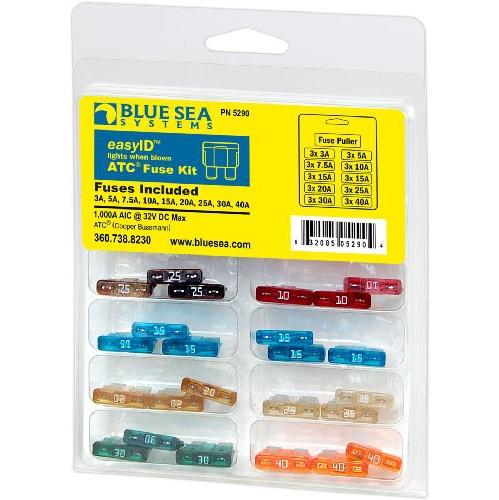
Fuse blocks are often selected by hands-on owners who are upgrading a work truck, preparing a camper for longer trips, adding equipment to a boat, or restoring an older vehicle whose original electrical layout has been modified over time. They can also be useful for hobbyists, mechanics, marine enthusiasts, fleet operators, and anyone who wants a more orderly way to manage accessory circuits. During the cooler months, dependable electrical connections become particularly important for equipment such as auxiliary lighting, cabin fans, heaters, chargers, and communication devices, especially when a vehicle is used before sunrise or on longer journeys. A fuse block is not a substitute for troubleshooting a faulty accessory, and replacing a blown fuse with a higher-rated fuse can create a serious wiring hazard. Repeatedly blown fuses usually point to an overload, damaged insulation, a loose connection, or a problem with the connected device that should be investigated before the circuit is used again. Keeping a few correctly rated replacement Vehicle Fuses on hand can make routine maintenance more convenient, but the replacement must match the specified rating and physical format. For a new installation, draw a basic wiring diagram, label both ends of each circuit, and photograph the finished layout before closing the panel. That small amount of preparation can save time when diagnosing an accessory later, whether the vehicle is parked at home, set up at a campsite, or stopped on the roadside. With careful sizing, secure connections, appropriate circuit protection, and a layout that leaves each fuse accessible, a fuse block can provide a dependable foundation for expanding a vehicle’s electrical system while keeping its wiring easier to monitor and maintain.
When choosing a fuse block, start by making a simple list of every accessory that will connect to it, along with its operating current and recommended fuse size. Leave room for future additions if you expect to install more lights, outlets, or equipment later, but avoid selecting a block without checking its total amperage rating and the rating of its main power connection. A fuse protects the wire as well as the accessory, so the fuse size should follow the equipment manufacturer’s specifications and the capacity of the wire used for that circuit. The main cable leading to the fuse block also needs suitable protection close to the battery or other power source. Look for a layout that provides secure terminals, clear circuit identification, and enough spacing for comfortable access when testing or replacing a fuse. In a vehicle that sees rain, road spray, dust, vibration, or frequent temperature changes, construction and installation location matter just as much as the number of circuits. A covered or sealed design can be helpful where moisture may reach the electrical connections, while a compact format may suit a motorcycle, compact car, camper, or boat with limited room. A matching negative bus can reduce the number of separate ground wires and give the installation a tidy, central termination point, although it does not replace the need for a properly sized ground connection. Anyone working on a vehicle’s electrical system should disconnect the battery before beginning, route wiring away from heat and moving parts, use suitable terminals and insulation, and secure cables so vibration cannot loosen the connections. If the system includes high-current equipment or the installation is unfamiliar, professional assistance is a sensible way to confirm that the wiring, grounding, fuse ratings, and mounting location are appropriate.
Fuse blocks are often selected by hands-on owners who are upgrading a work truck, preparing a camper for longer trips, adding equipment to a boat, or restoring an older vehicle whose original electrical layout has been modified over time. They can also be useful for hobbyists, mechanics, marine enthusiasts, fleet operators, and anyone who wants a more orderly way to manage accessory circuits. During the cooler months, dependable electrical connections become particularly important for equipment such as auxiliary lighting, cabin fans, heaters, chargers, and communication devices, especially when a vehicle is used before sunrise or on longer journeys. A fuse block is not a substitute for troubleshooting a faulty accessory, and replacing a blown fuse with a higher-rated fuse can create a serious wiring hazard. Repeatedly blown fuses usually point to an overload, damaged insulation, a loose connection, or a problem with the connected device that should be investigated before the circuit is used again. Keeping a few correctly rated replacement Vehicle Fuses on hand can make routine maintenance more convenient, but the replacement must match the specified rating and physical format. For a new installation, draw a basic wiring diagram, label both ends of each circuit, and photograph the finished layout before closing the panel. That small amount of preparation can save time when diagnosing an accessory later, whether the vehicle is parked at home, set up at a campsite, or stopped on the roadside. With careful sizing, secure connections, appropriate circuit protection, and a layout that leaves each fuse accessible, a fuse block can provide a dependable foundation for expanding a vehicle’s electrical system while keeping its wiring easier to monitor and maintain.
Top selling and popular products
-
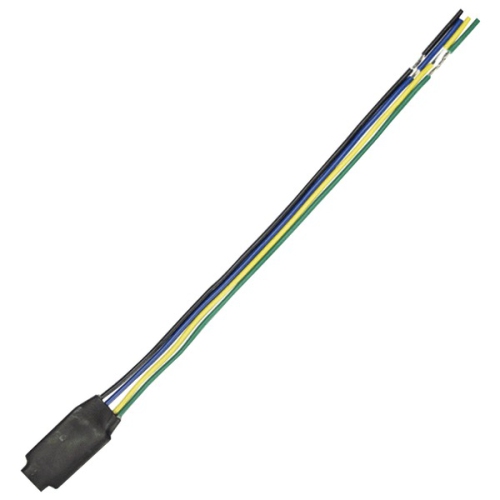 Your price for this item is $49.98
 -
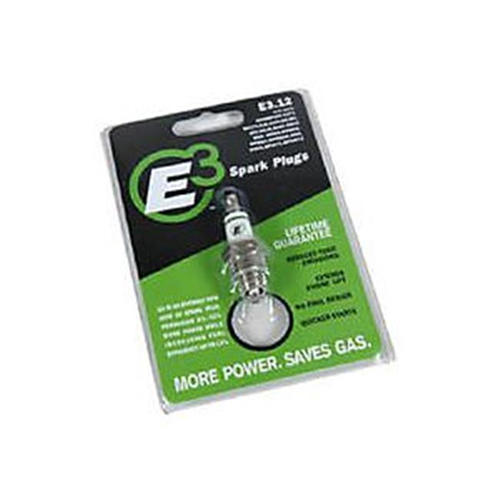 Your price for this item is $27.28
 -
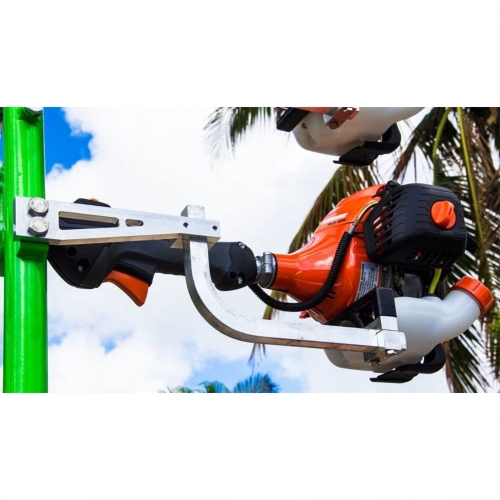 Your price for this item is $872.99
 -
 Your price for this item is $145.99
 -
 Your price for this item is $124.99
 -
 Your price for this item is $508.99
 -
 Your price for this item is $96.99
 -
 Your price for this item is $24.69
Discover more categories related to Fuse Blocks

Top Collections:
Pokemon Centers, Kindle Devices, Apple iPhones 16, Canon G7X Cameras, iPhone 15 Apple, Alarm Clock, Flip Phones, Refurbished Apple Laptops, iPhone 14 256GB, Lightweight On-Ear USB-C Headphones
Some products may be subject to Environmental Handling Fees
(EHF) depending on your province.
Learn more about EHFs.