Bright Car Lights
Upgrade your driving experience with our selection of bright car lights. Illuminate the road ahead with powerful and efficient lighting solutions designed to enhance visibility and safety on the go. Whether you're looking to replace your existing headlights, upgrade your fog lights, or add some stylish accent lighting to your vehicle, we have a wide range of options to suit your needs. Explore our collection of high-quality car lights that offer superior brightness, durability, and performance for a brighter and safer journey ahead.
Sort
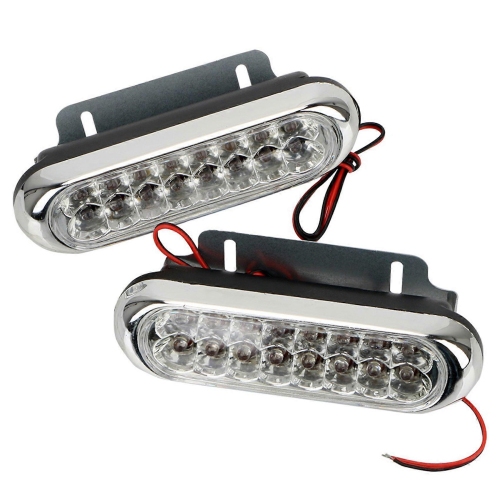
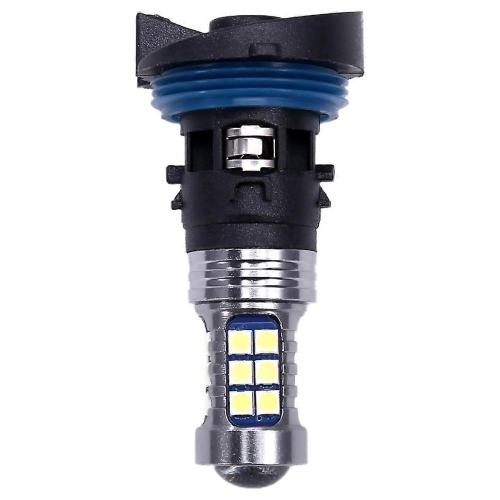
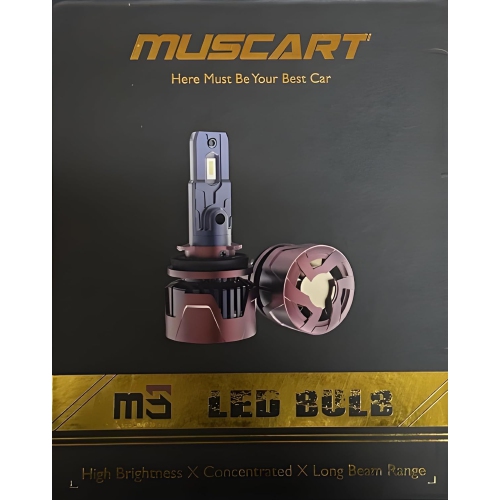
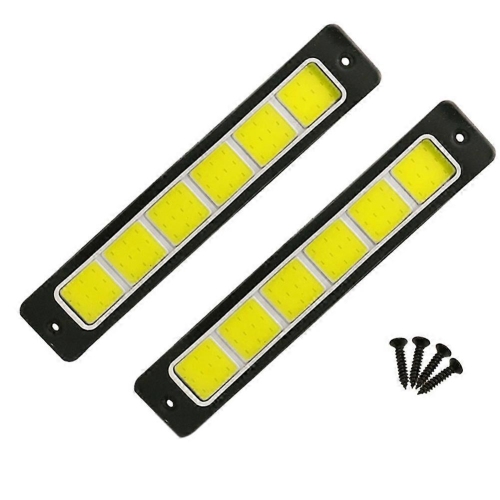
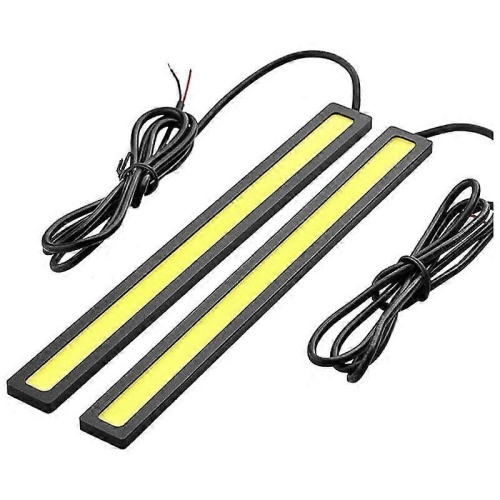
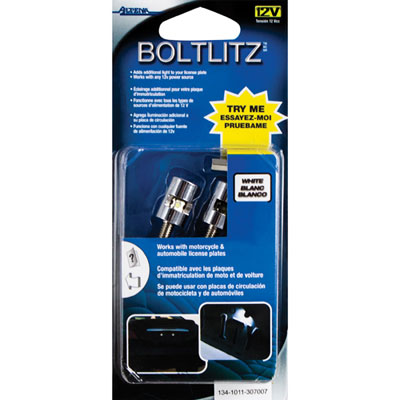
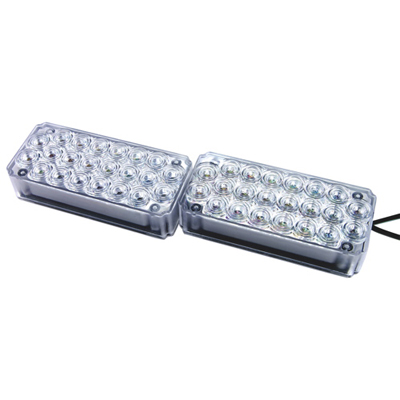
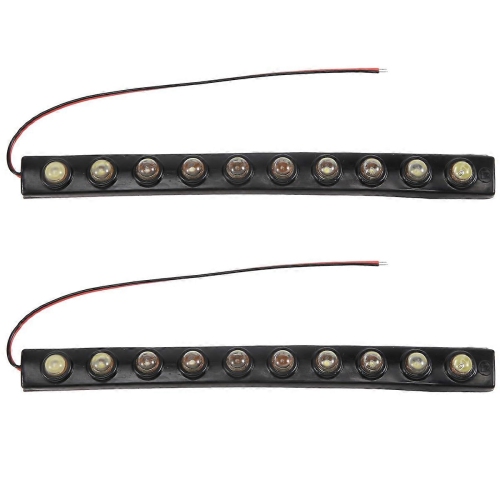
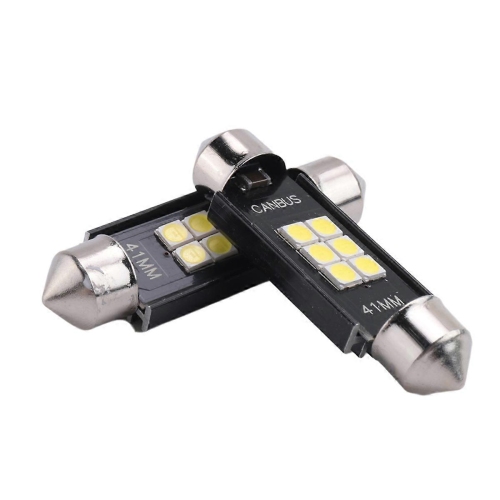
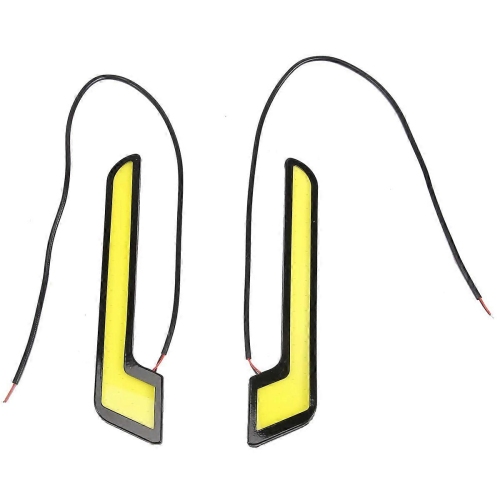
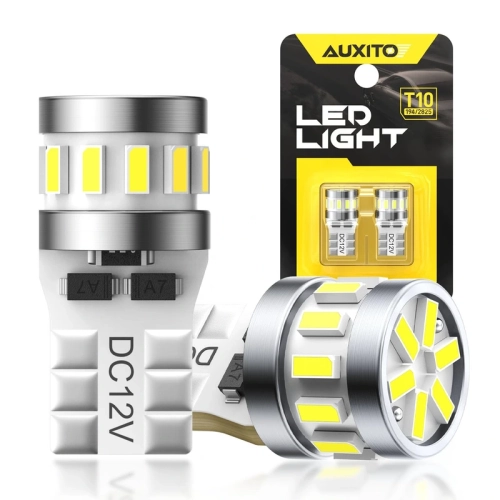
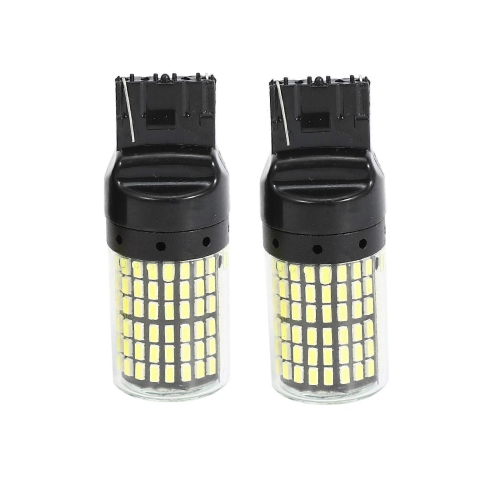
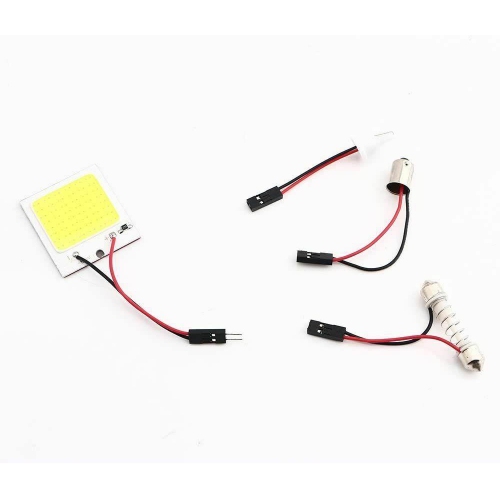
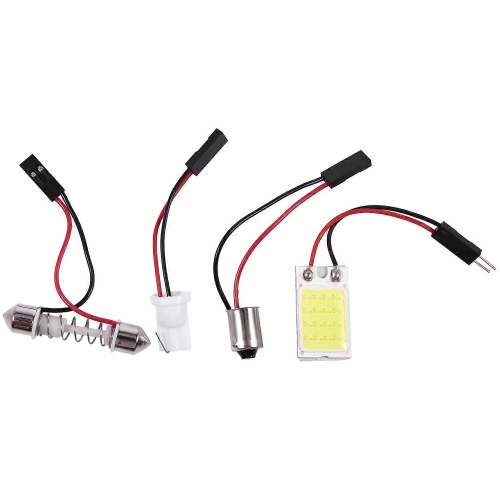
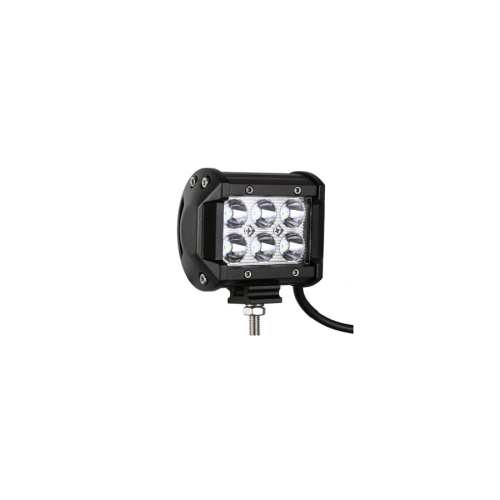
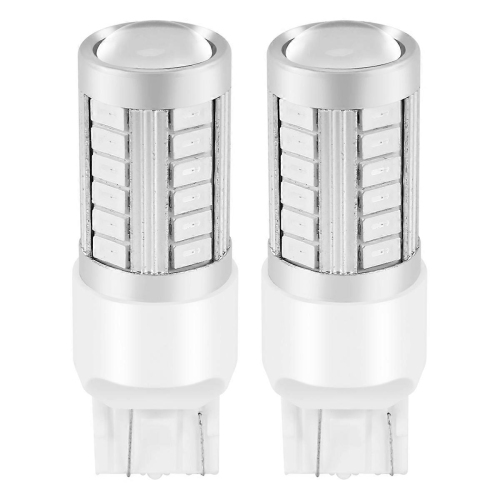




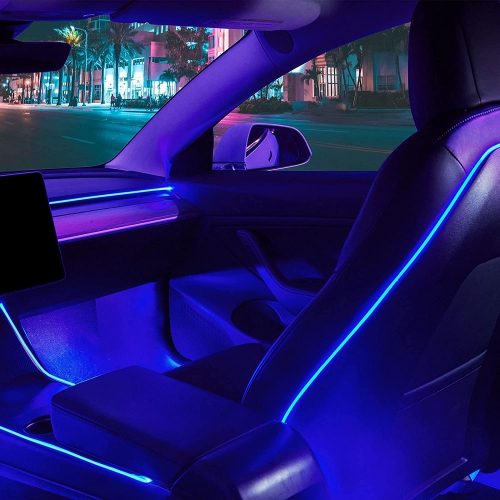
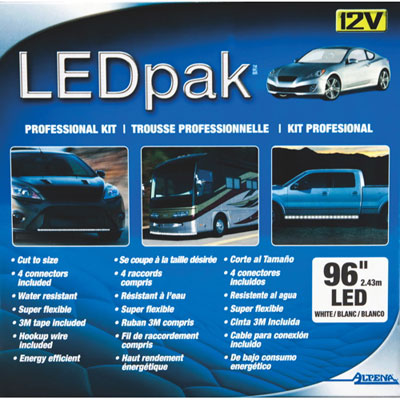
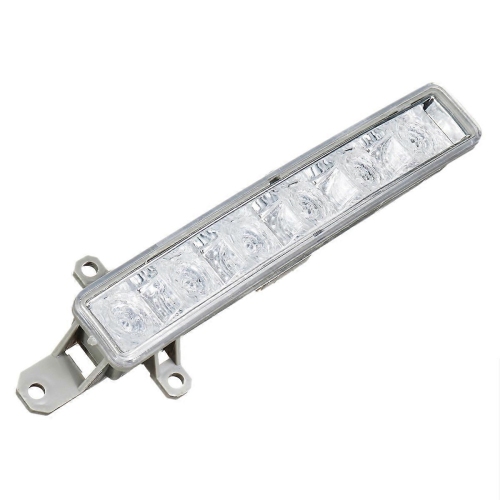
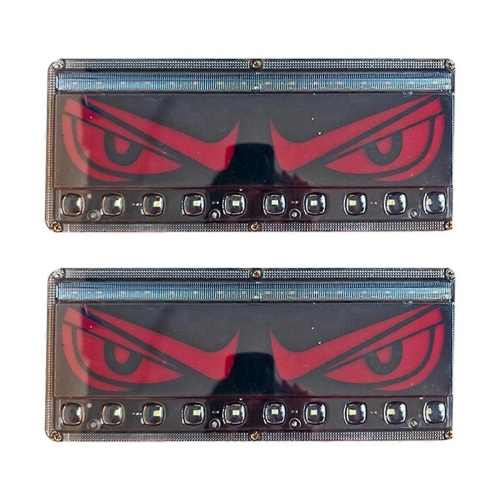
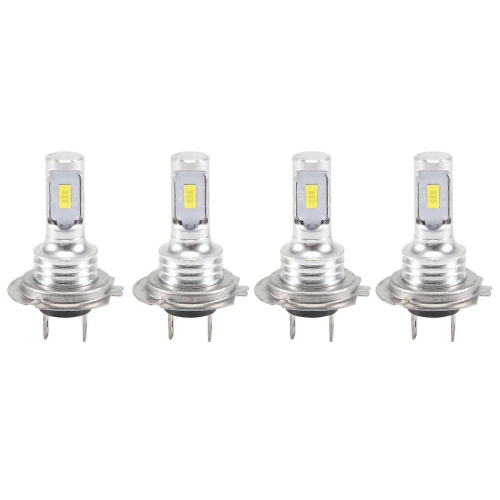
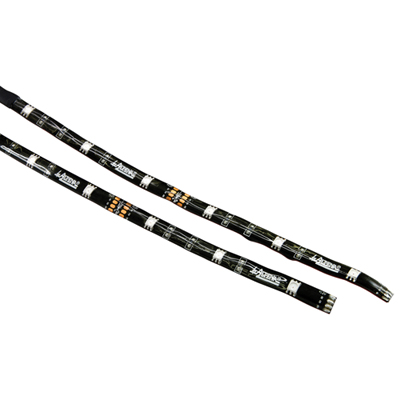
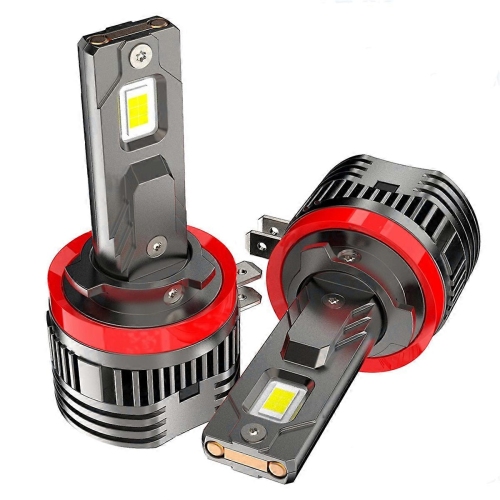
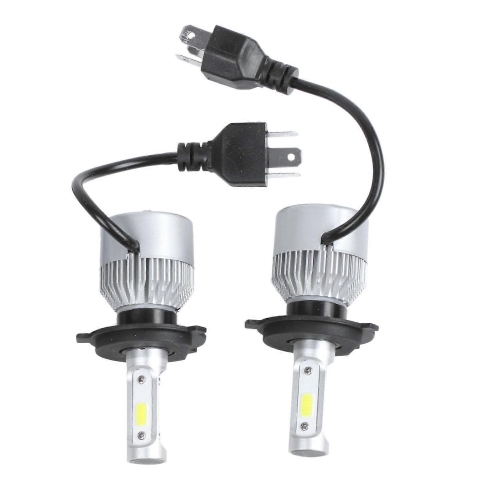
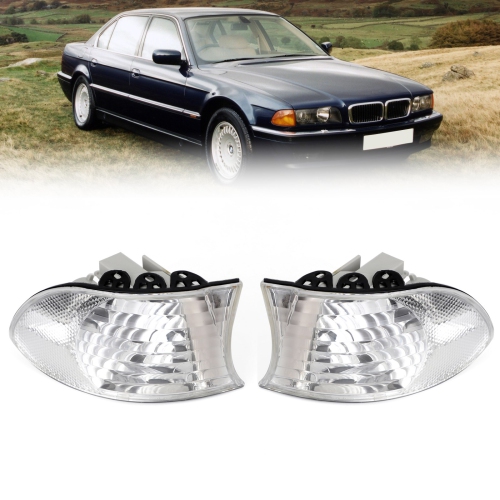
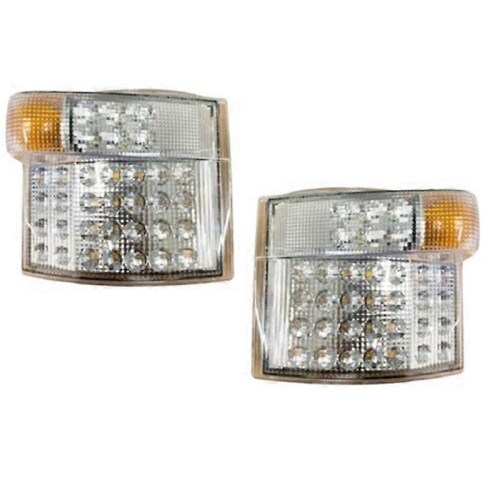
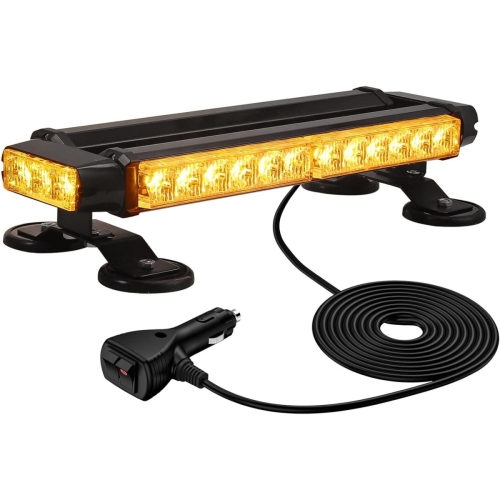
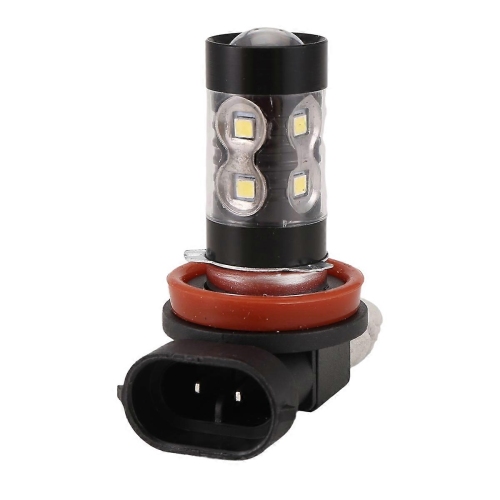

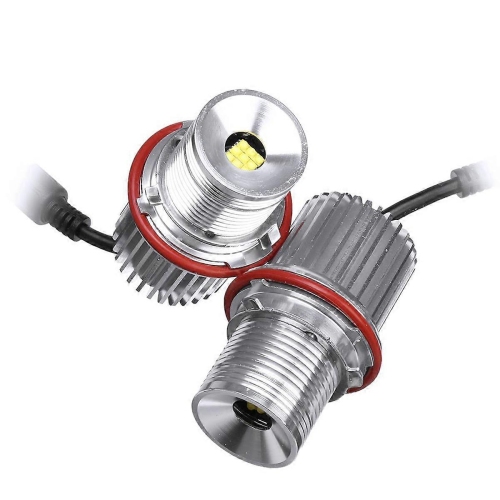
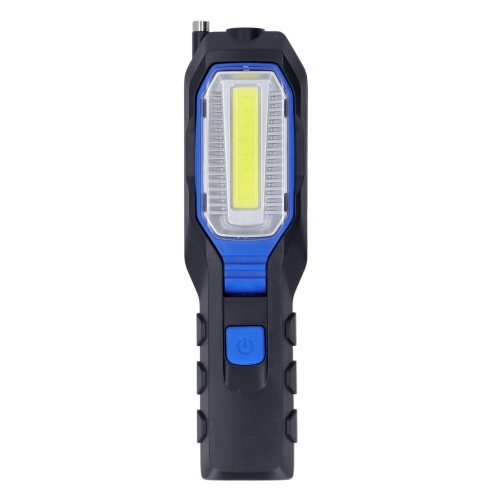
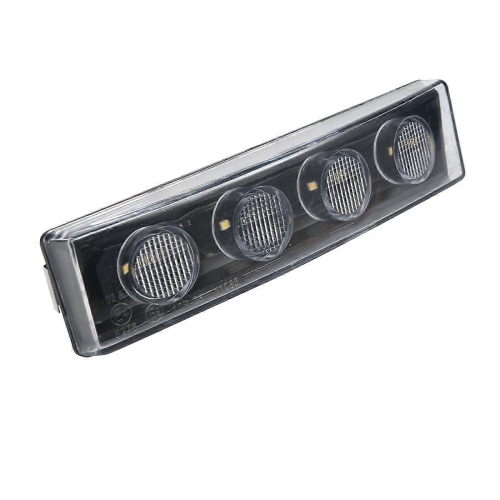
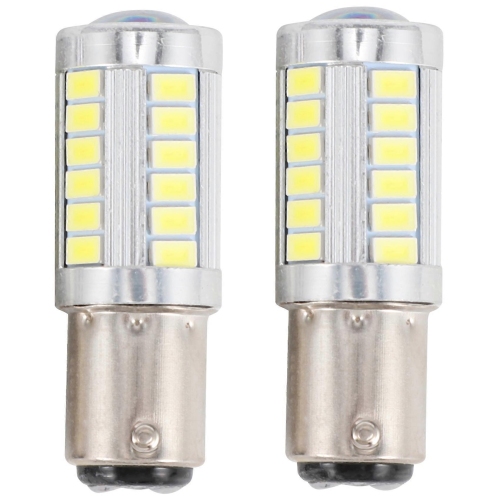
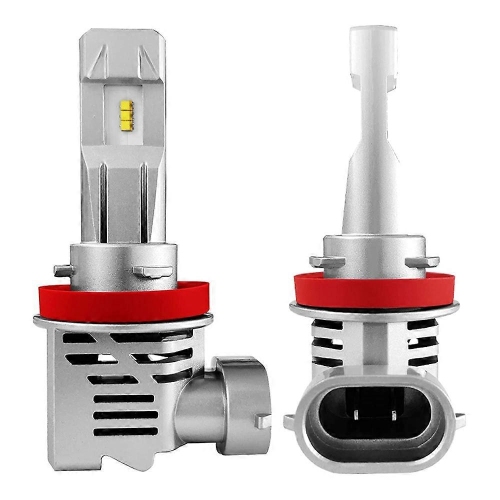
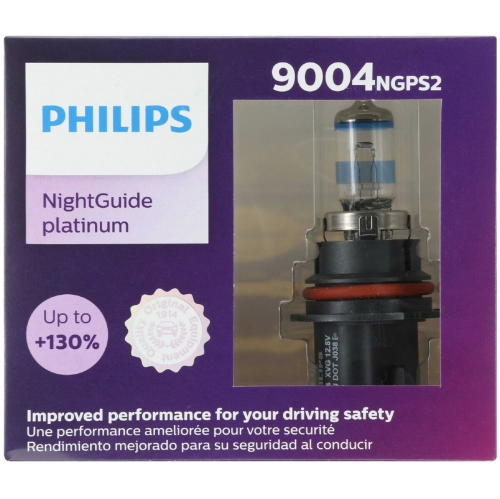
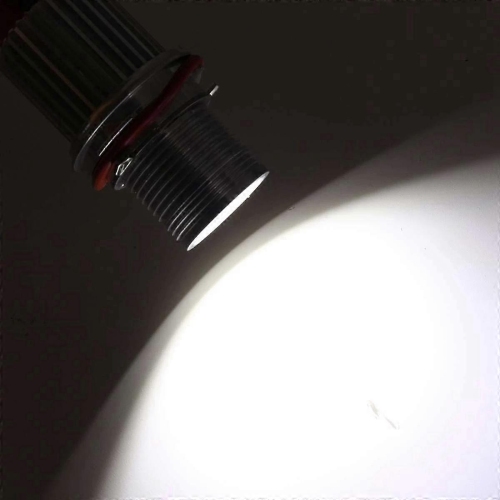
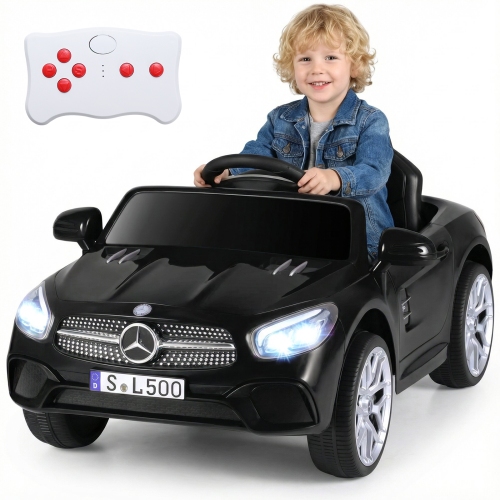
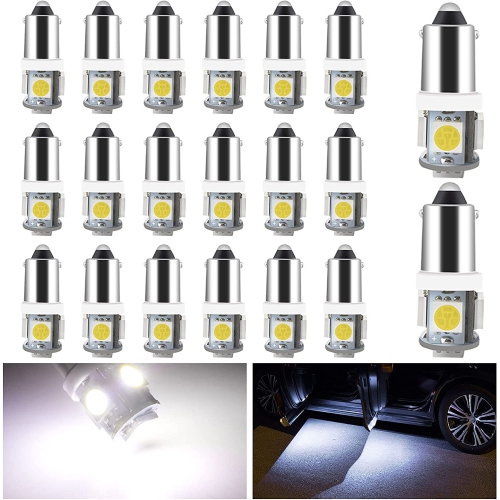
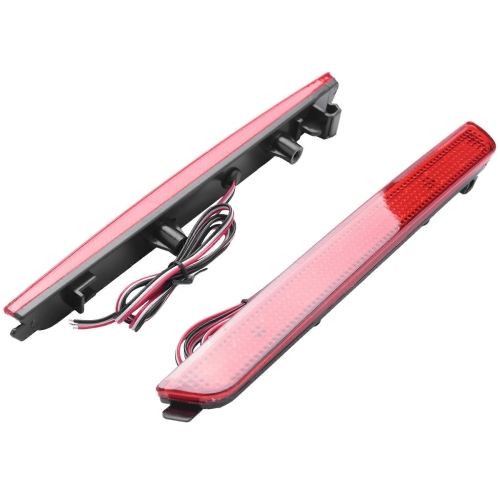
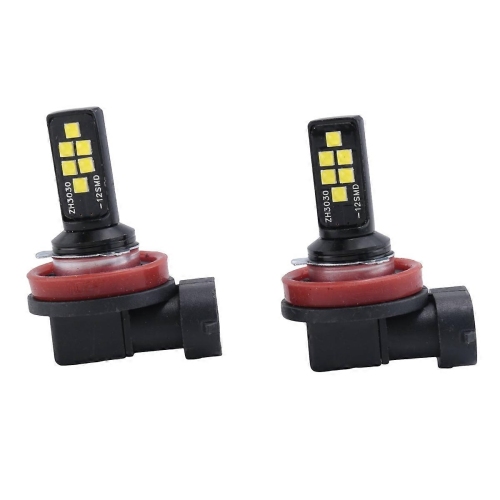
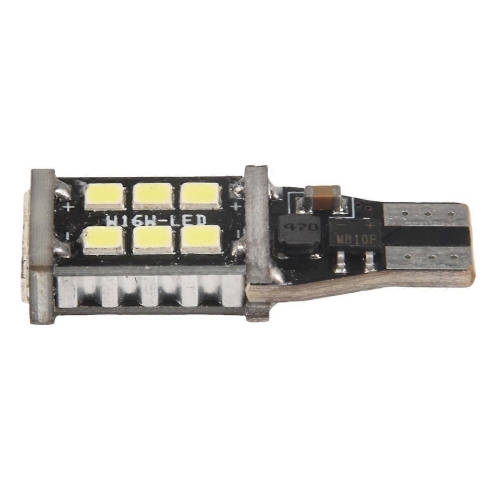
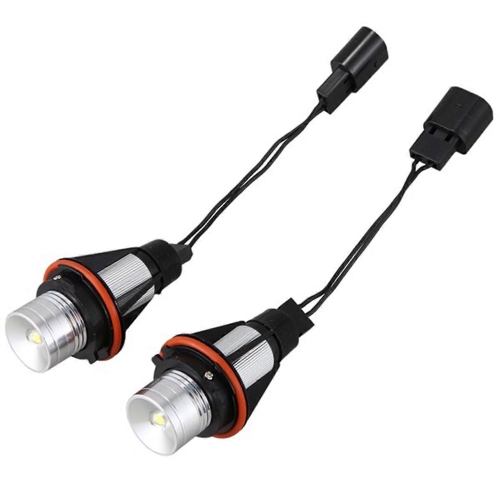
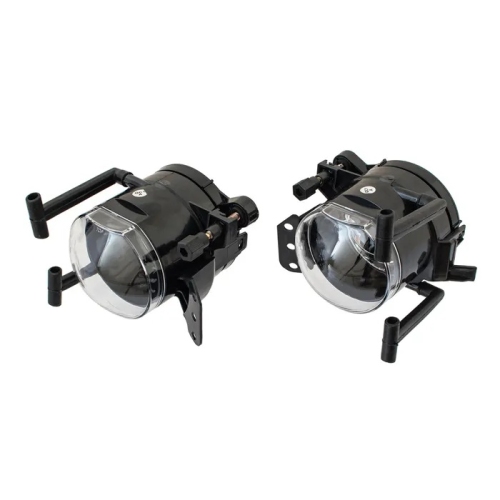
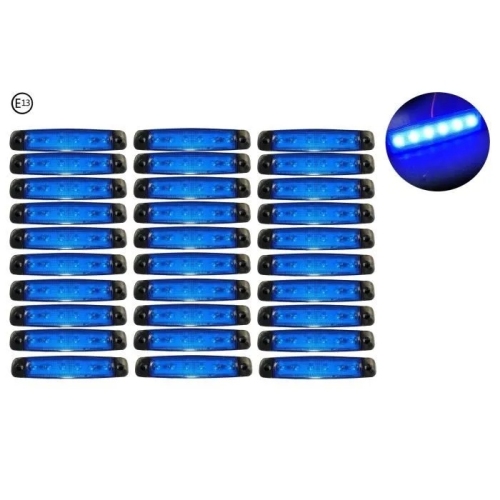
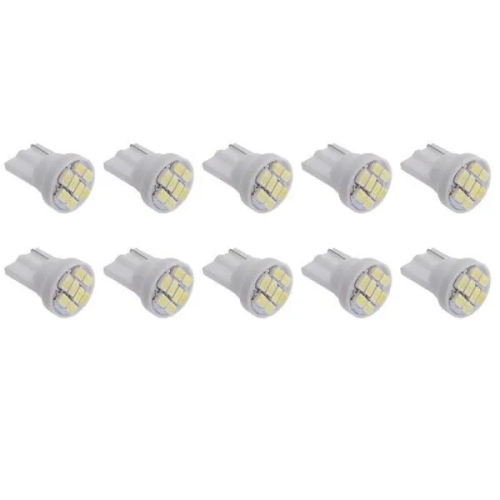
Why headlight performance depends on more than brightness
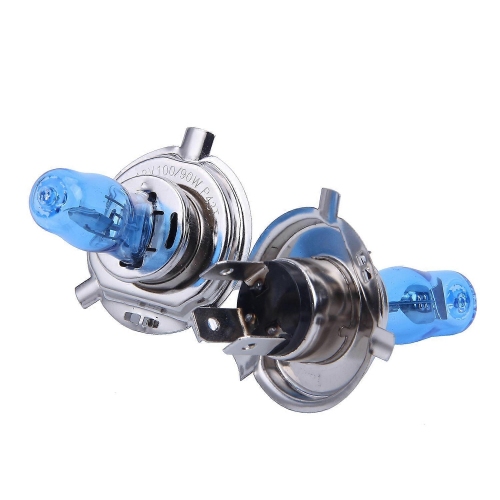
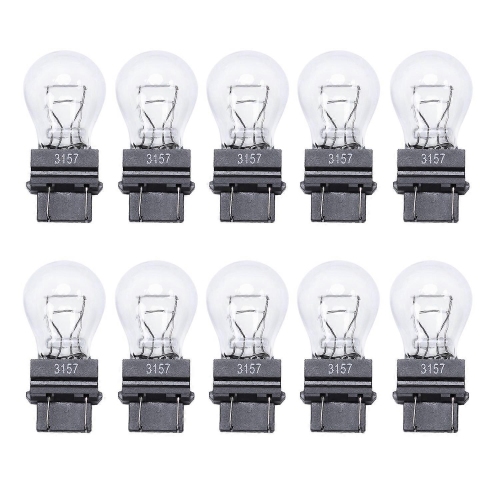
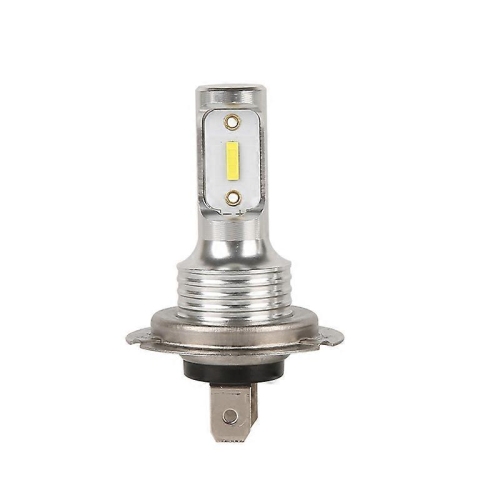
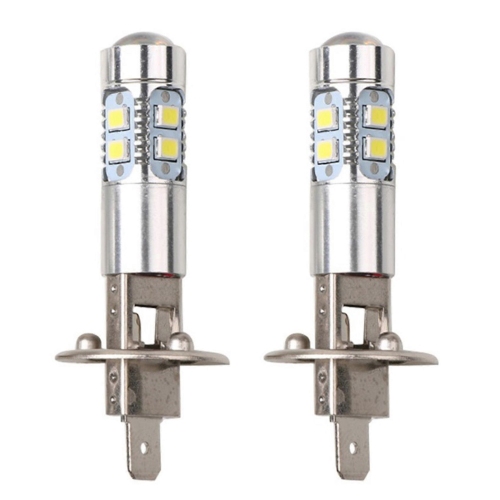
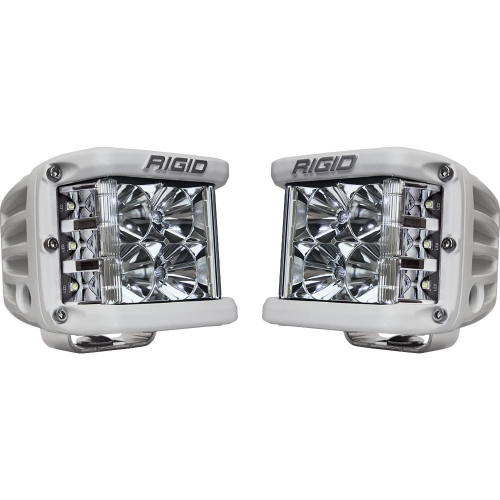
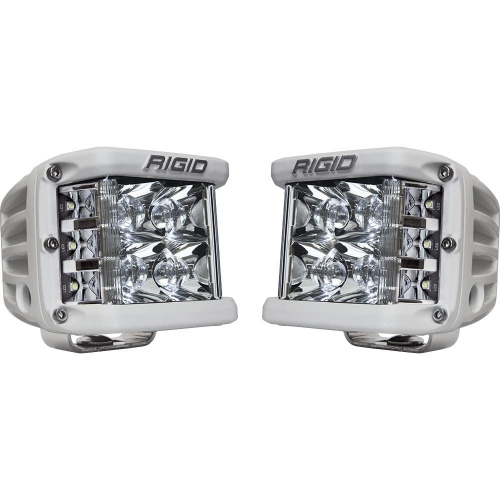
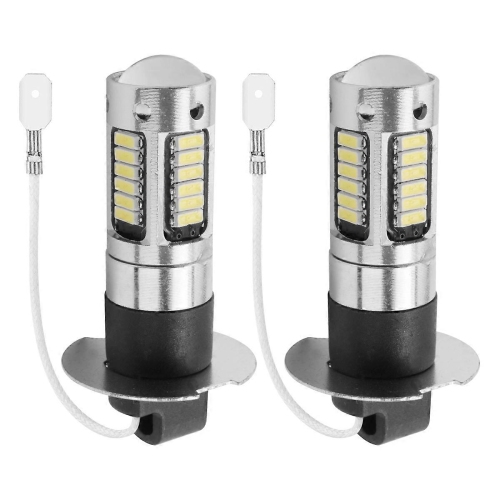
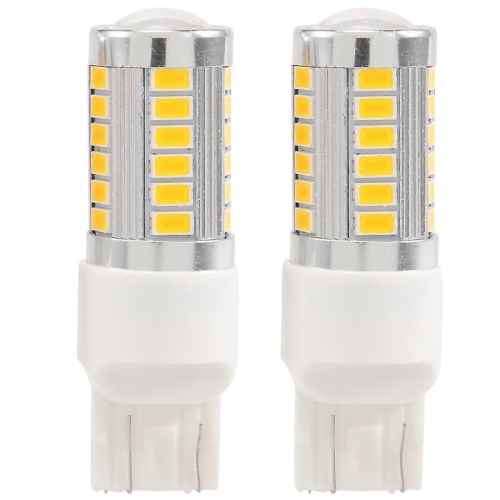
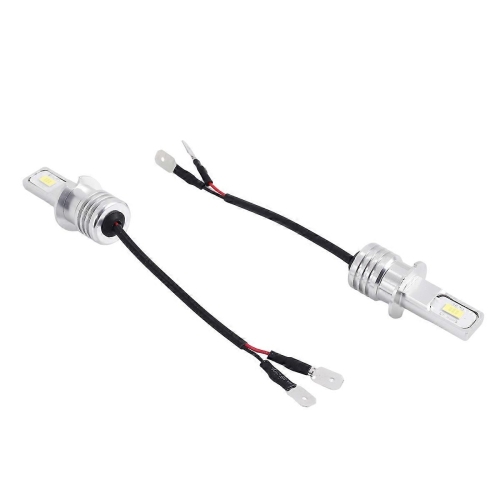
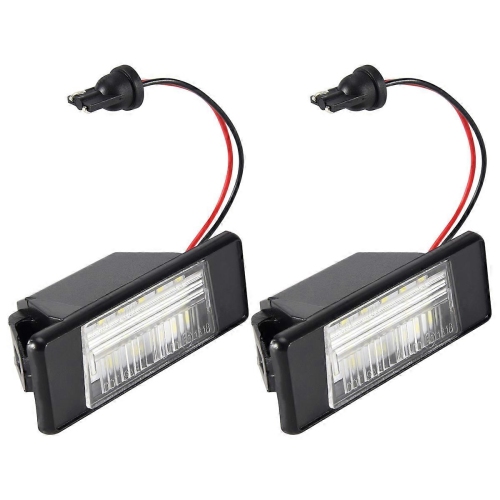
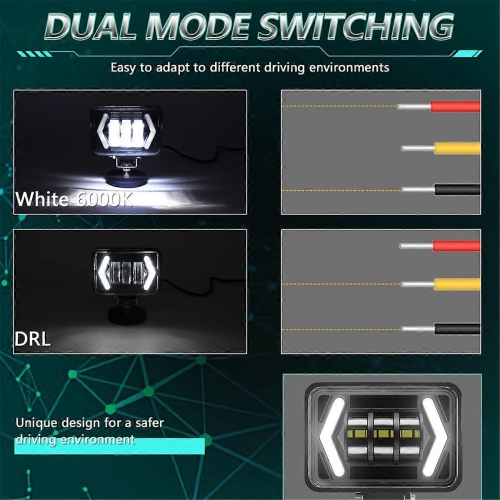
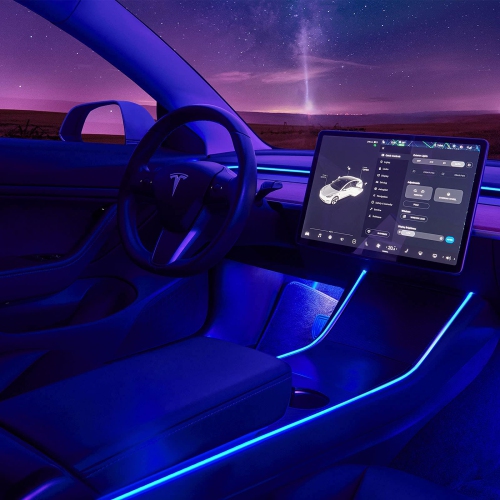
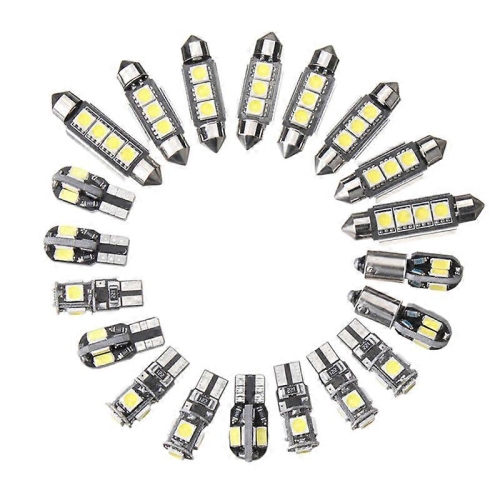
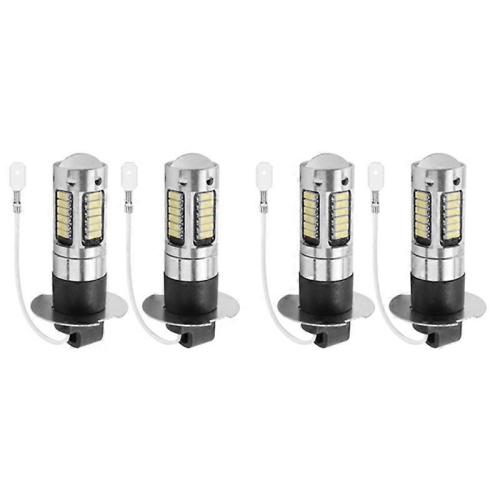
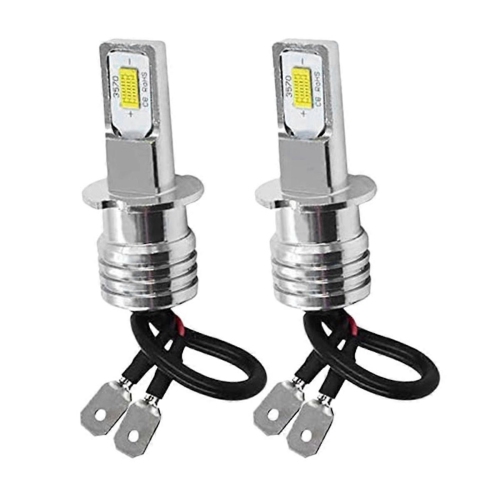
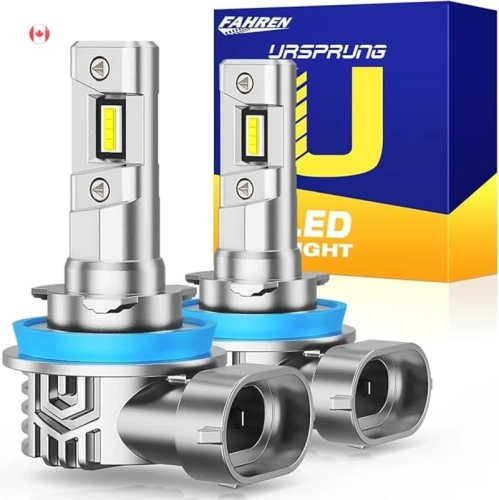
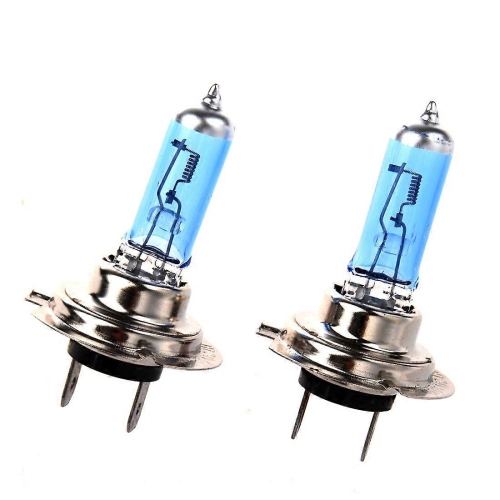
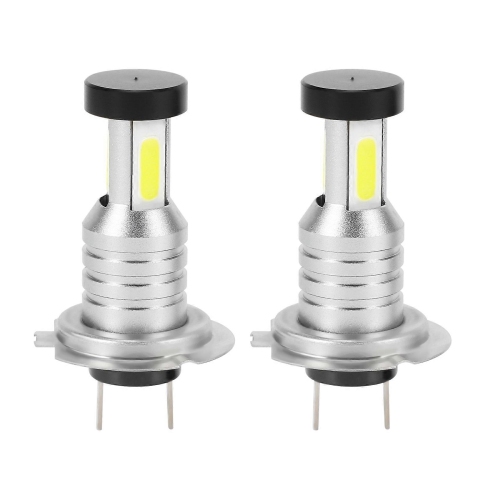
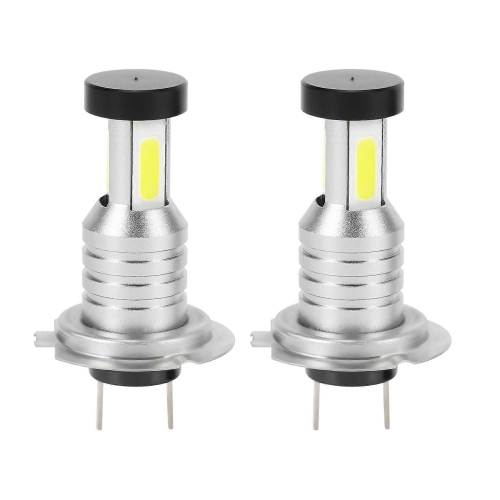
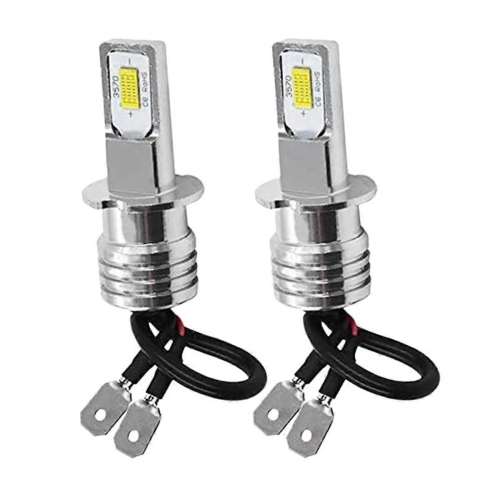
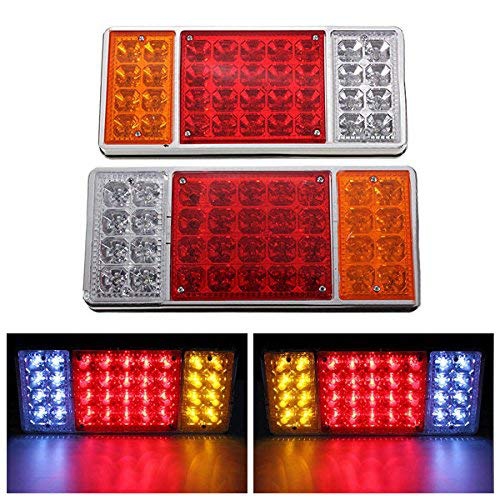
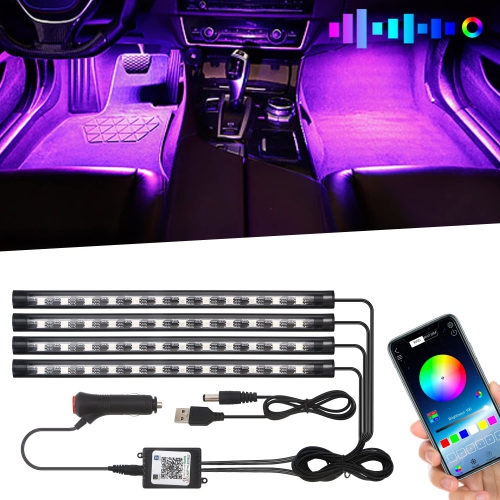
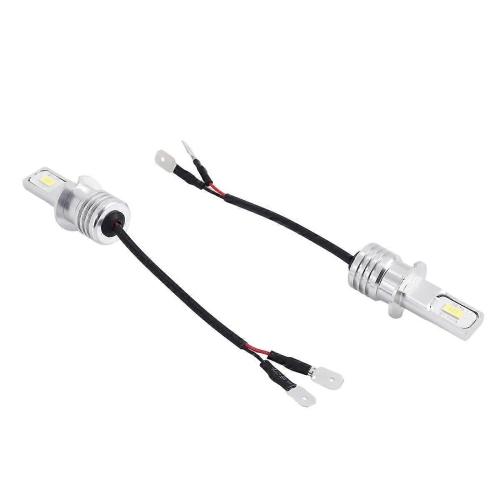
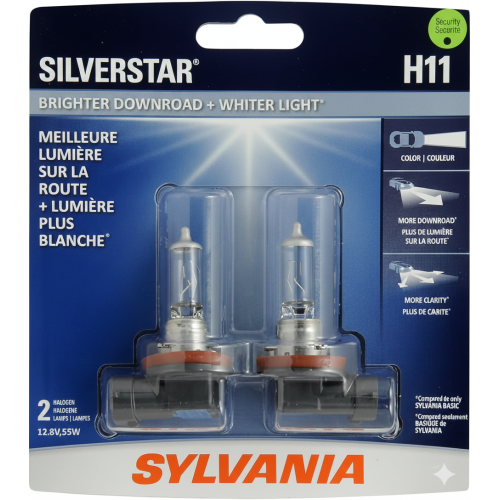
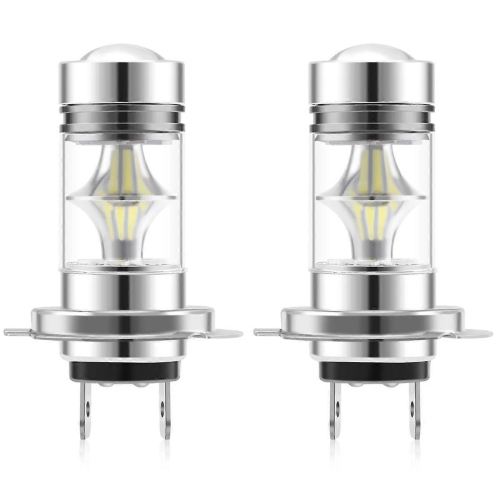
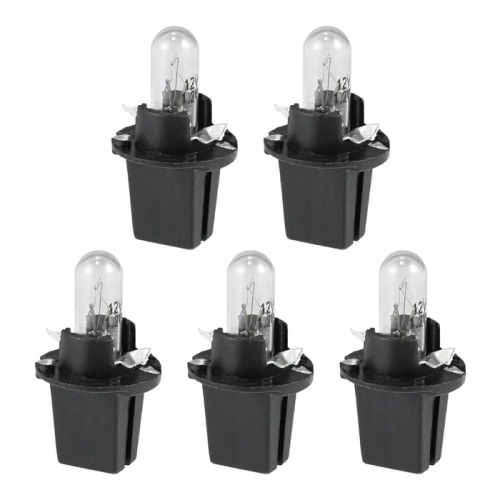
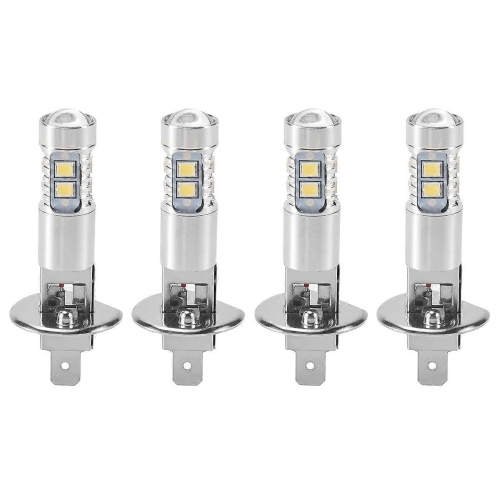
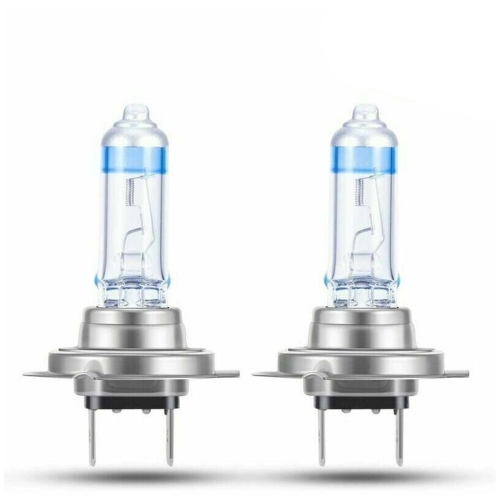
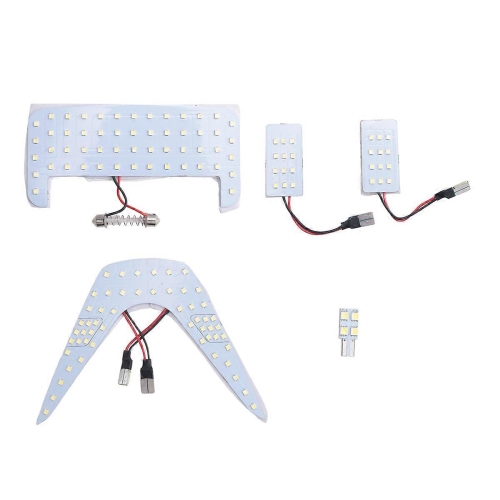
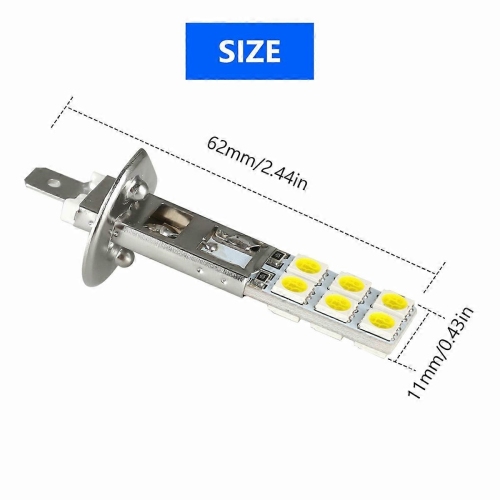
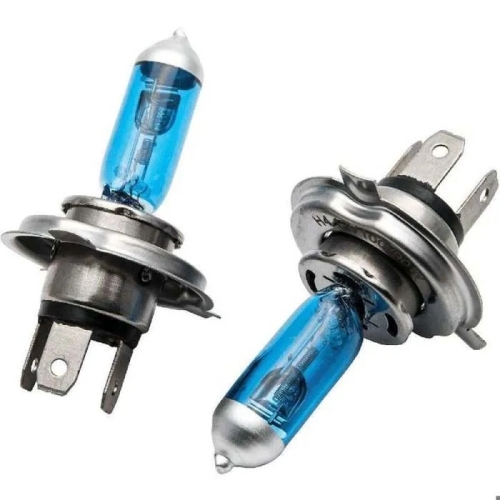
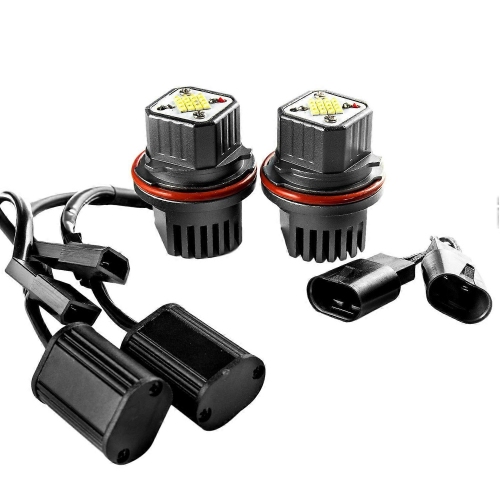
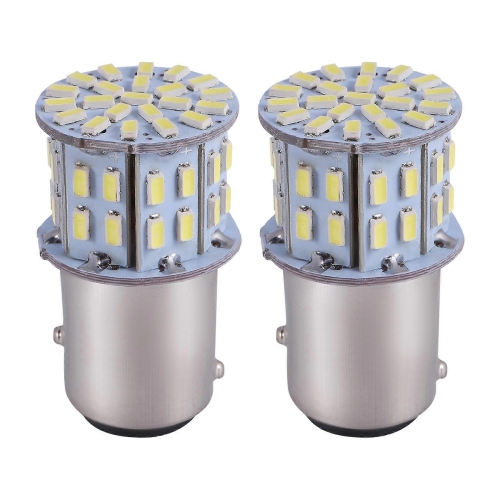
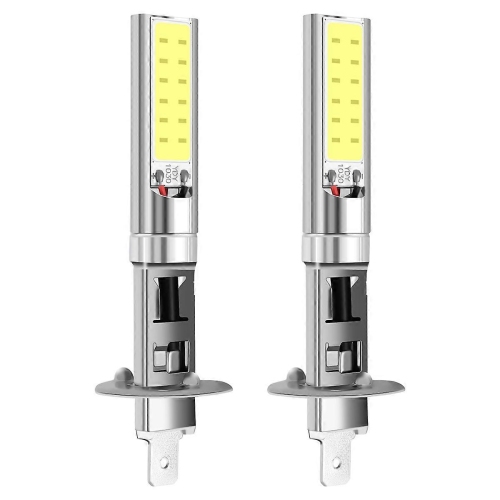
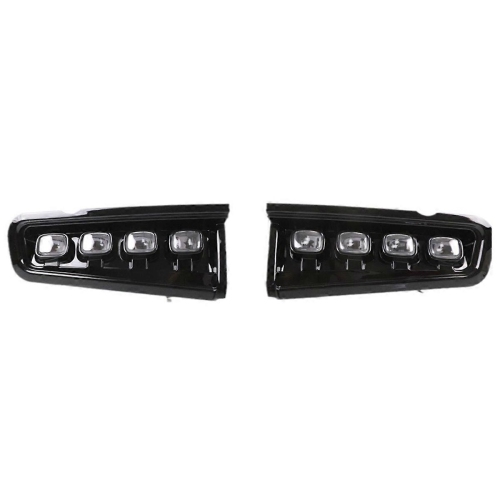
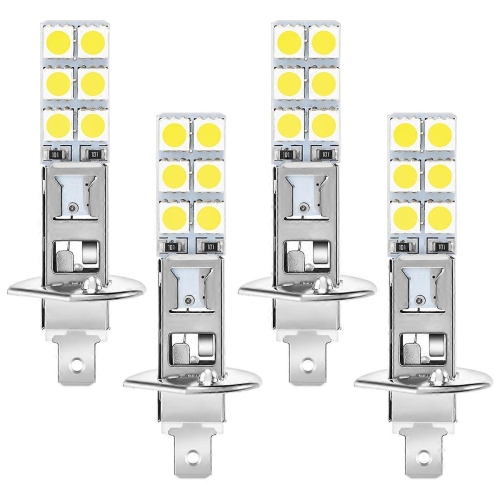
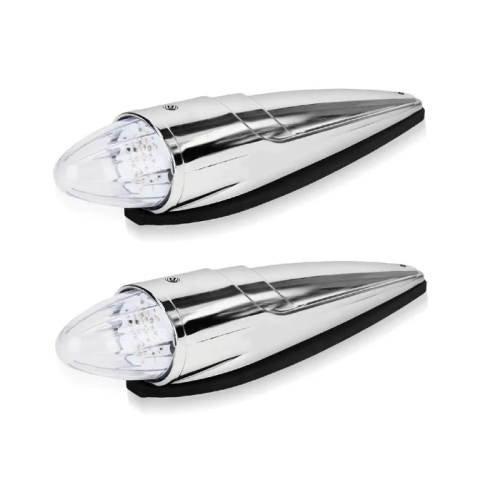
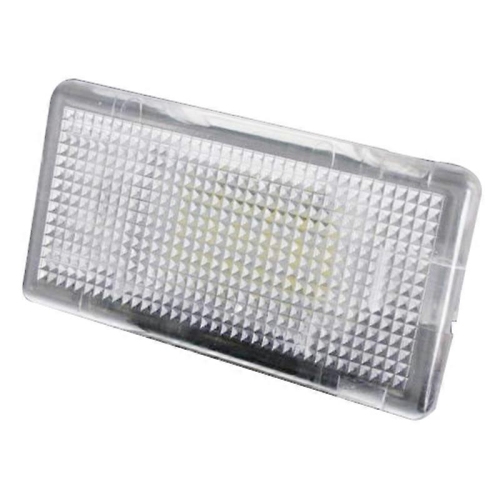
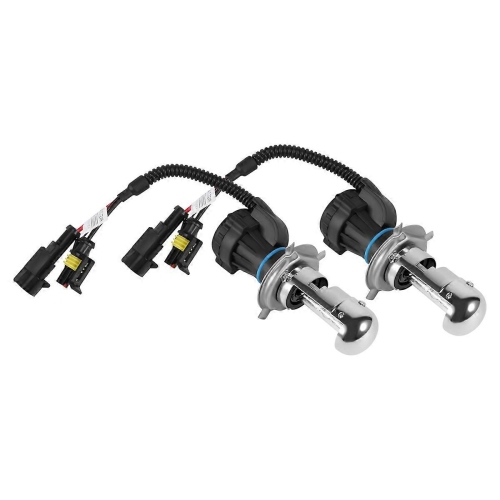
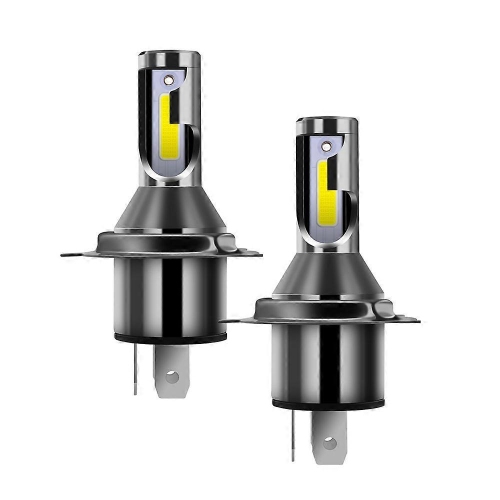
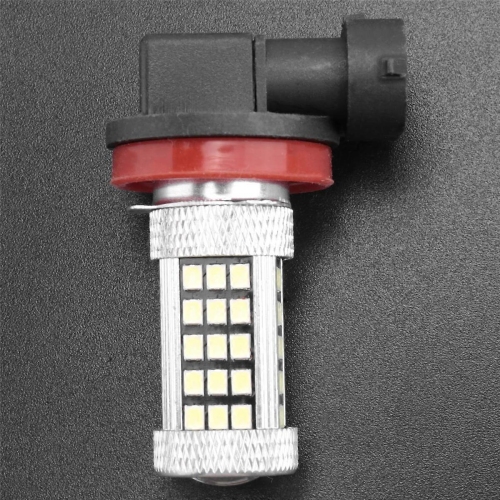
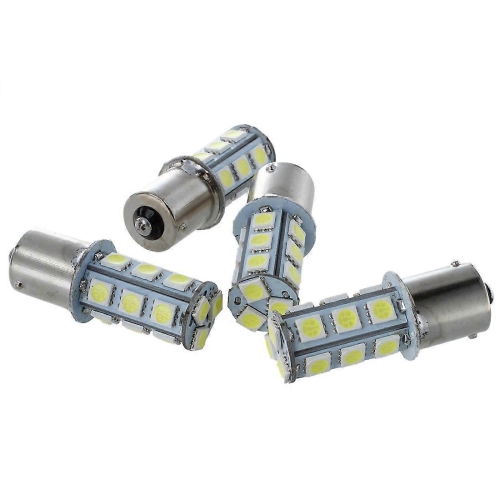
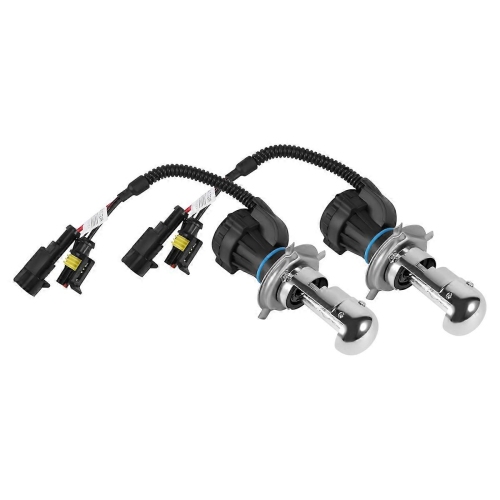
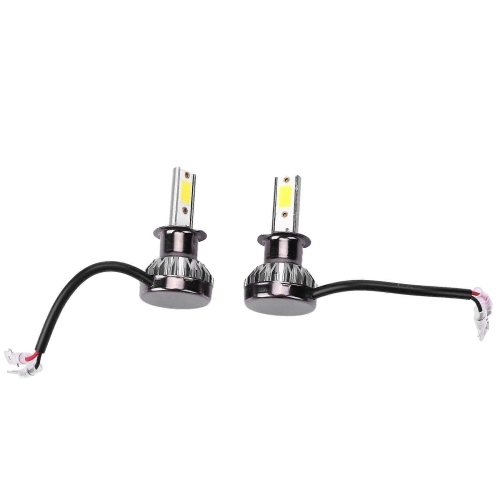
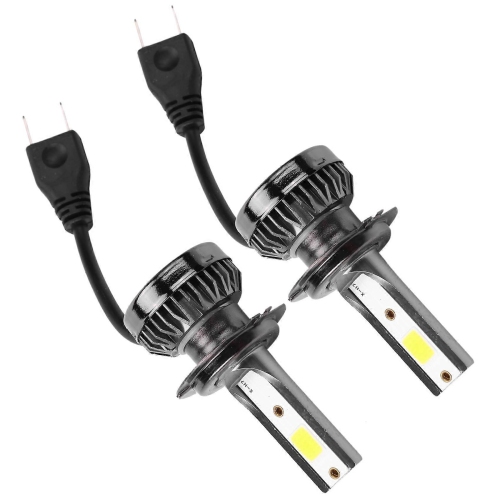
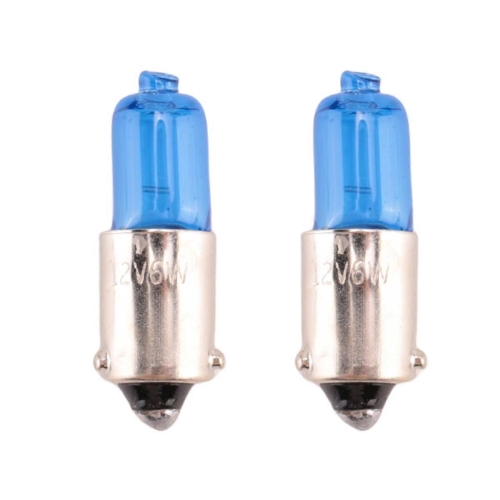
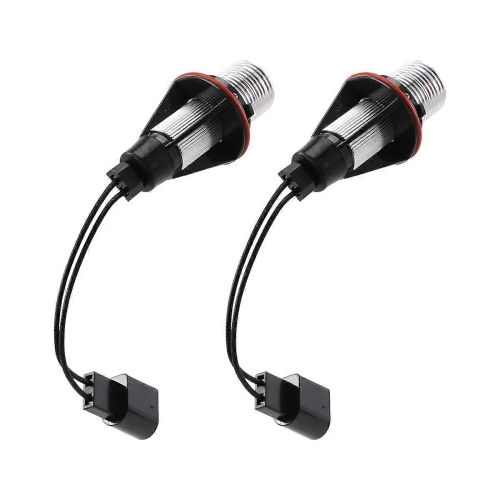
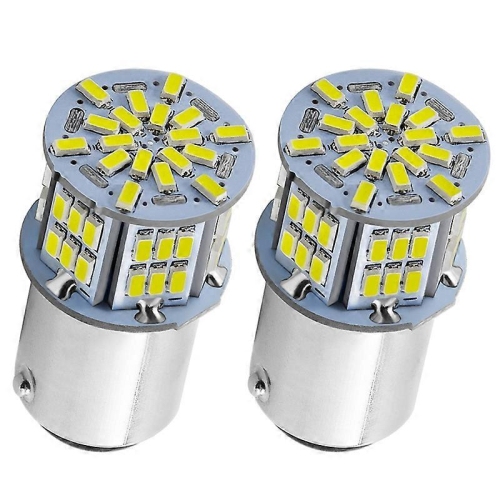
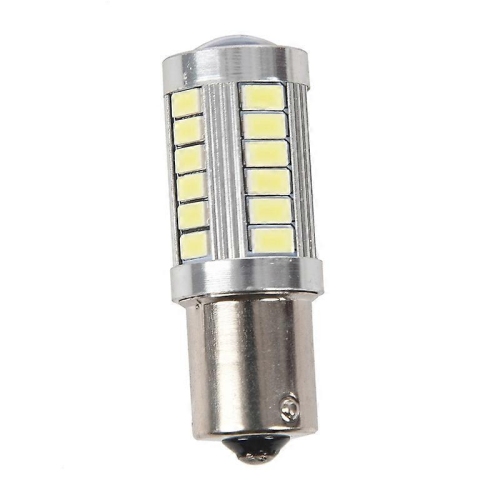
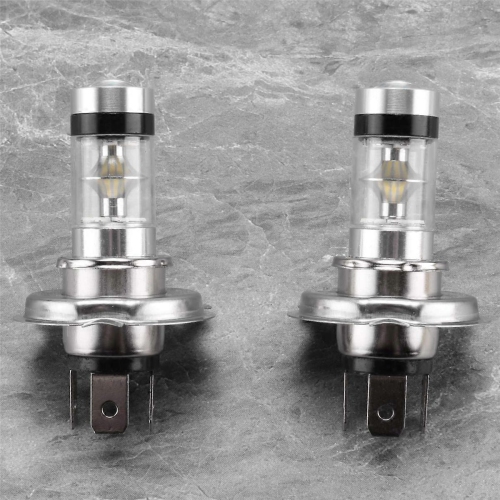
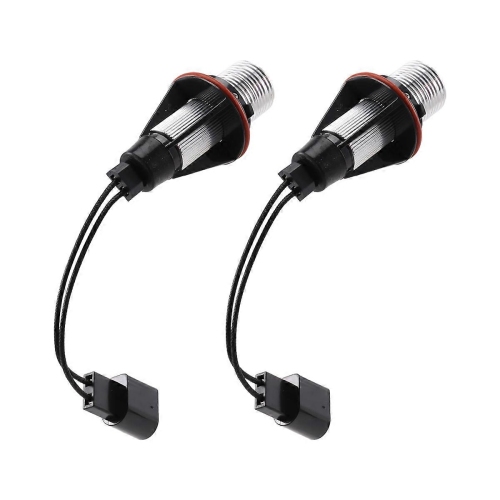
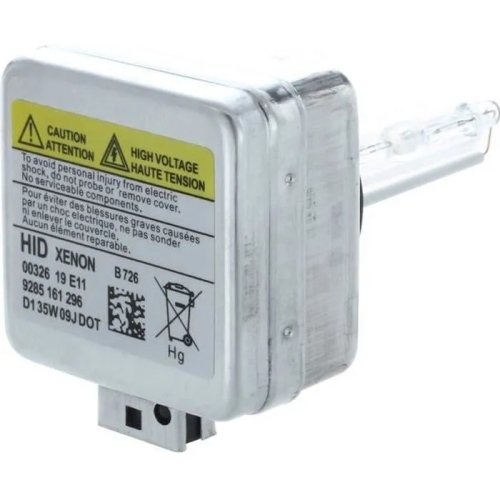
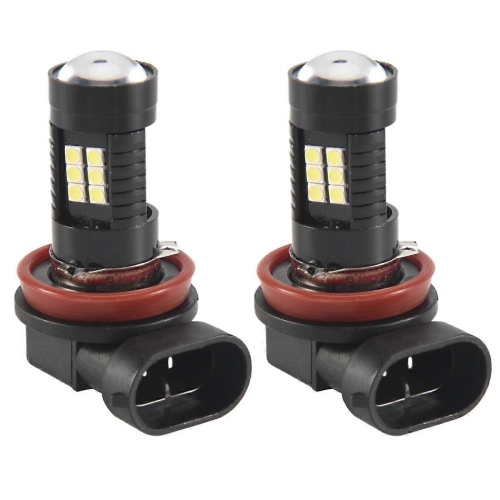
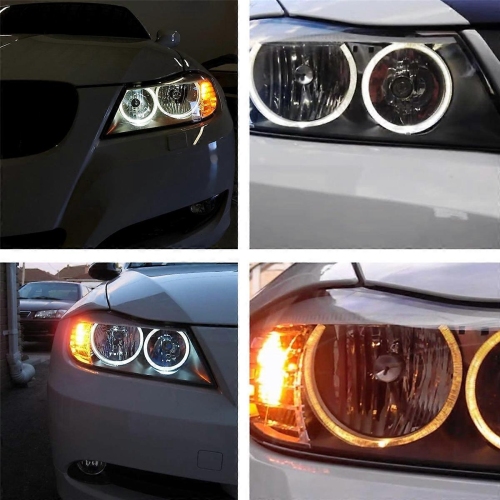
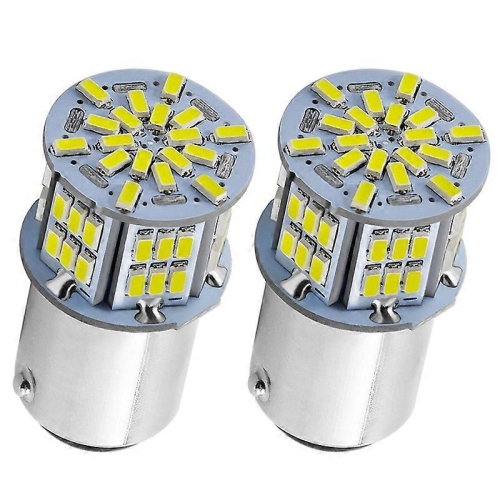
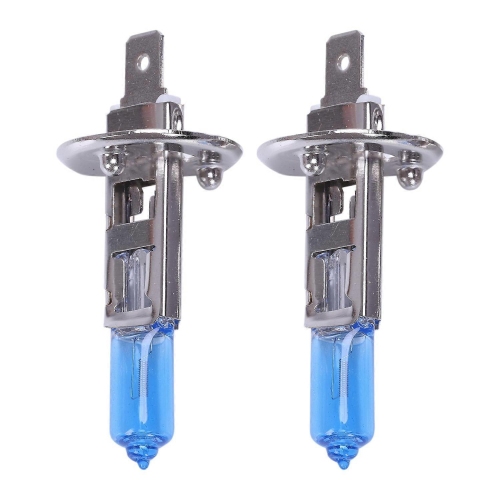
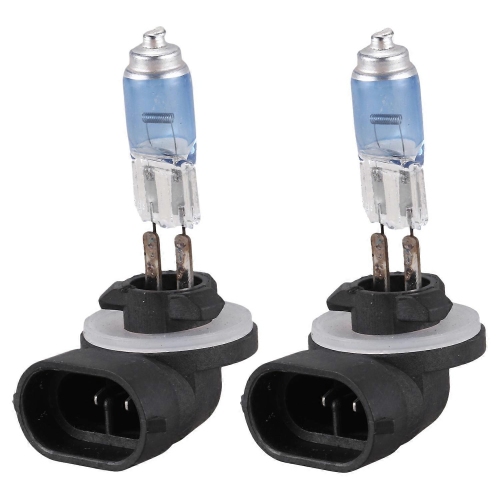
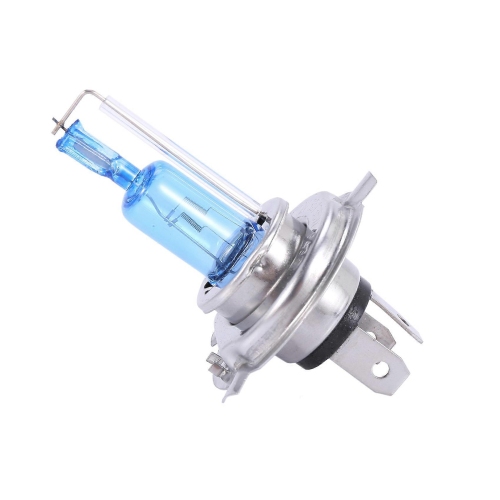
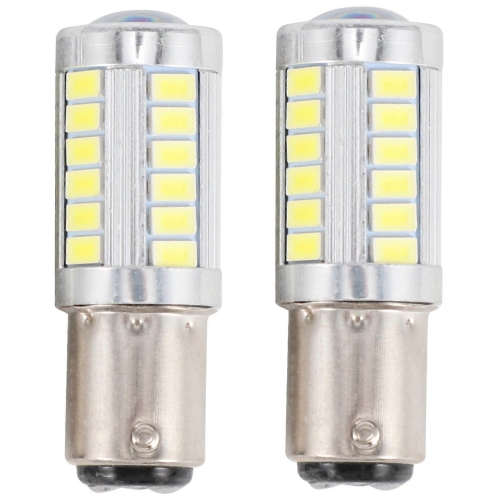
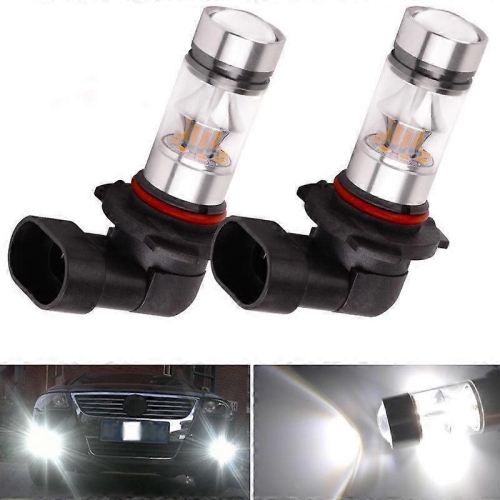
Bright car lights bring together several kinds of automotive lighting, from replacement headlight bulbs to complete lamp assemblies and auxiliary lights designed for particular uses. Their value comes from putting useful light where a driver needs it: across the lane ahead, along the edge of an unlit road, or into a designated work area when a vehicle is parked. Brightness alone does not describe how well a light performs. Lumens measure total light output, while lux measures the amount of light reaching a surface; neither tells the whole story without information about beam shape, distance, and testing conditions. A large lumen figure may refer to a pair of bulbs rather than one bulb, and advertised output is not always measured under comparable conditions. Halogen, LED, and high-intensity discharge, or HID, lighting also produce light differently. Halogen bulbs use a heated filament and commonly have a warmer appearance. LEDs use semiconductor emitters and can produce a range of white-light tones, while HID systems create light through an electrical arc and require compatible operating components. LED and HID headlights can provide more output than some halogen systems, but their usefulness depends on the optics and installation as much as the light source. Colour temperature, expressed in kelvins, describes appearance rather than brightness: a higher number generally looks cooler or bluer, not necessarily more effective on the road. A crisp white beam can make lane markings stand out, yet excessive glare can make driving harder for others. The reflector or projector, lens condition, beam aim, and mounting height all influence that balance. Low beams are designed to illuminate the road while limiting light directed towards other drivers, whereas high beams extend illumination when traffic conditions permit their use. For everyday driving, an even pattern with a controlled upper boundary is more meaningful than an impressive output claim. Useful illumination reveals road edges and objects ahead without creating a harsh hotspot immediately in front of the vehicle or sending stray light towards approaching traffic.
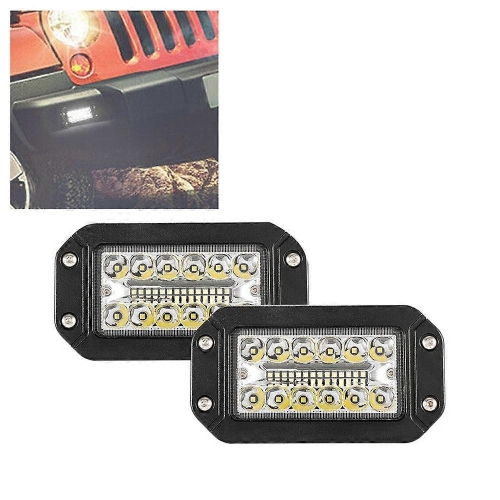
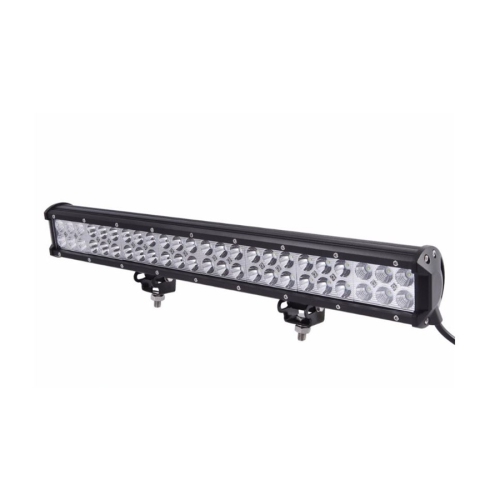
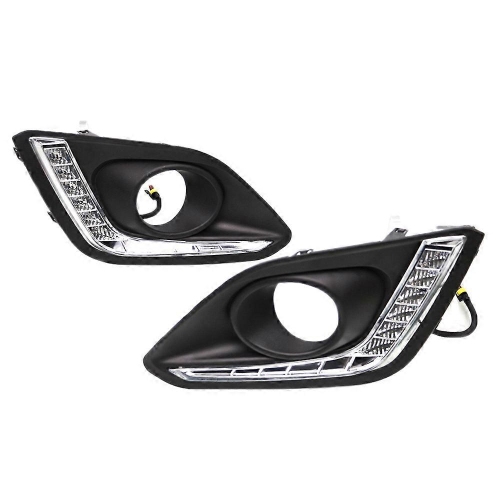
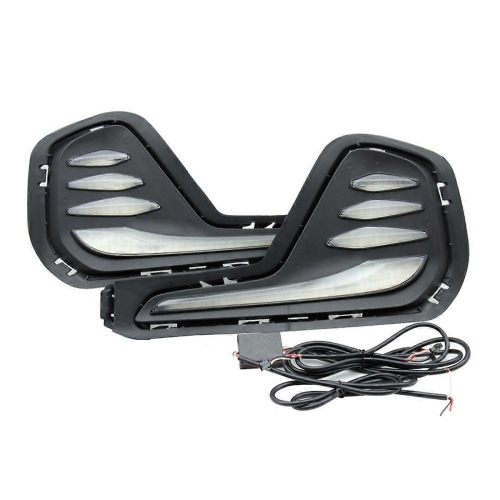
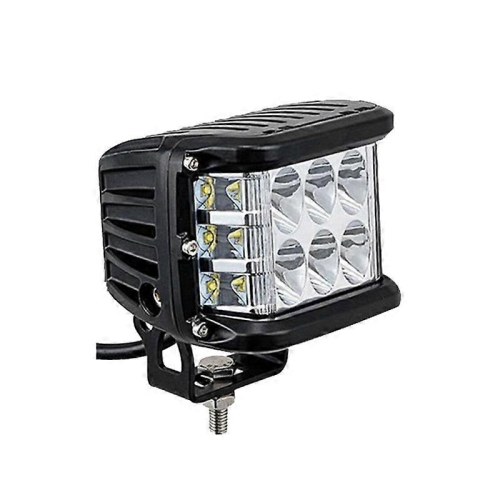
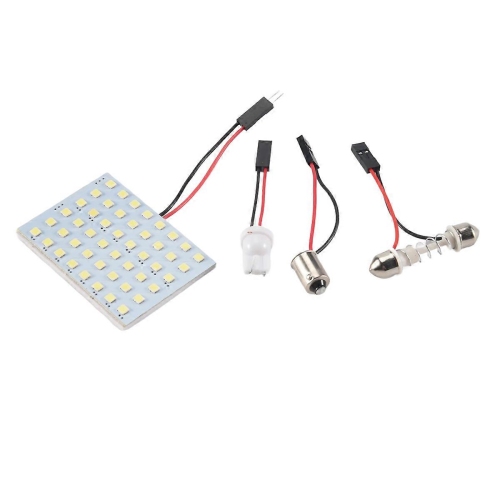
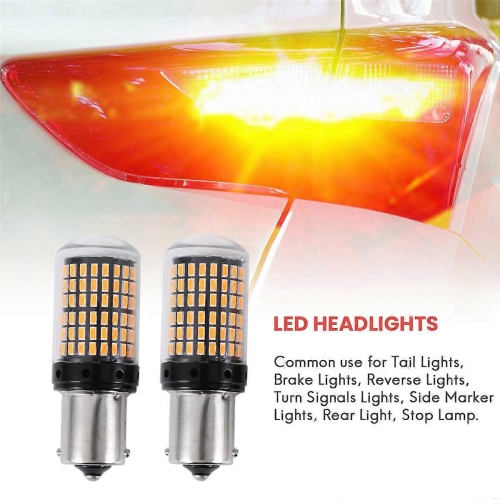
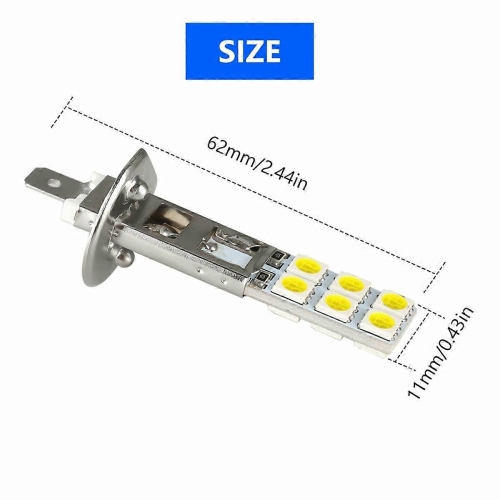
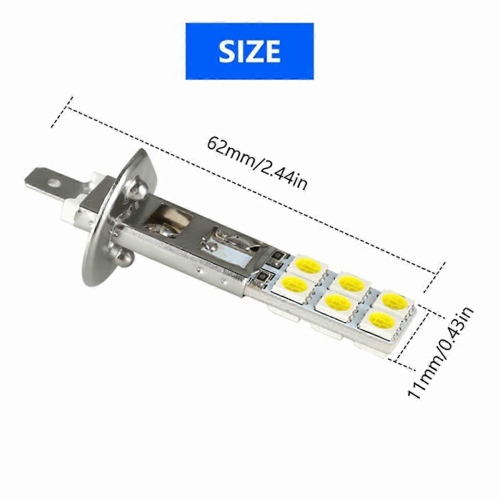
Vehicle compatibility gives bright car lights their practical value. A bulb that fits a socket is not automatically suitable for the headlight assembly around it. The vehicle’s year, make, model, trim, and original lighting system help determine the required bulb type, connector, operating voltage, and physical dimensions. Some vehicles have separate high- and low-beam bulbs, while others combine both functions in one light source. Factory HID and integrated LED assemblies can also require components that differ substantially from conventional replaceable bulbs. Reflector and projector housings are engineered around a particular light source and its position. Replacing a halogen filament with LED emitters in different locations can alter the beam pattern, even when the replacement appears brighter against a garage wall. Compatibility therefore includes the optics, not just the plug. Space behind the housing matters too: heat sinks, cooling fans, wiring, and retaining hardware must fit without preventing the dust cover from closing or interfering with nearby parts. Electrical systems may monitor bulb operation, so an incompatible replacement can trigger warning messages, flicker, or behave incorrectly with daytime running lights. Road-use suitability depends on applicable Canadian vehicle-lighting requirements and provincial or territorial equipment rules, rather than a brightness claim alone. Auxiliary light bars and work lights may be intended for off-road or stationary use and should not be treated as substitutes for approved road-going headlights. Fog lights have their own mounting and beam requirements and are not interchangeable with high beams. Proper aiming remains important after replacement, suspension changes, or adjustments that affect how a vehicle sits. Taller mounting positions can place light closer to the eye level of occupants in lower vehicles, making beam control especially important. Some factory adaptive driving-beam systems selectively reduce illumination around detected vehicles while retaining light elsewhere, but that capability comes from an integrated lighting and control system, not simply a brighter replacement bulb. For commuters, frequent night-time drivers, and owners replacing worn lighting, the most suitable choice is one that restores or improves the intended function without compromising visibility for other road users.
Materials, construction, and care influence how consistently automotive lights perform over time. Headlight assemblies commonly use moulded housings and polycarbonate outer lenses, with seals and protective coatings that help preserve the optical surfaces. Auxiliary lamps may use metal housings, impact-resistant lenses, and sturdy brackets suited to vibration and repeated vehicle movement. A durable mounting system keeps the beam steady, while correctly fitted gaskets and covers help prevent moisture and debris from reaching electrical components. Water-resistance ratings are useful only when understood alongside the manufacturer’s stated installation requirements; they do not make every connection or mounting arrangement equally resistant to water entry. LED lighting also needs effective heat management. Heat sinks and, in some designs, fans move heat away from the emitters, so clearance and an unobstructed cooling path affect long-term performance. For replaceable halogen bulbs, keeping bare fingers away from the glass helps avoid surface contamination that can shorten bulb life. Routine lens cleaning with suitable materials can remove road film that scatters light, while deeply scratched or cloudy lenses may need appropriate restoration or replacement. Harsh solvents and abrasive cleaning methods can damage plastic surfaces or their protective coatings. Persistent condensation, a loose bracket, or an uneven beam deserves attention rather than being masked by a higher-output bulb. Keeping paired headlights in comparable condition can also help avoid an obvious difference in colour or illumination from one side to the other. Bright car lights can be practical gifts for vehicle enthusiasts or drivers maintaining an older car, provided the recipient’s vehicle specifications and intended use are known. A dependable replacement for everyday driving serves a different purpose from a rugged auxiliary lamp for a vehicle used away from public roads. Related lighting options can also be explored through Brightness Lights. For automotive lighting, clear fit information, controlled illumination, sound construction, and manageable upkeep are the details that turn brightness into lasting usefulness.
Top selling and popular products
-
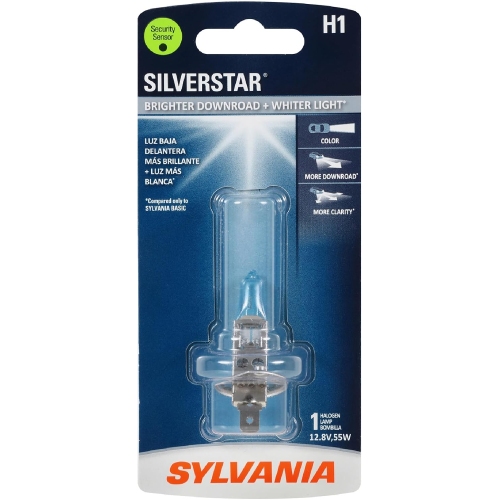 Your price for this item is $45.81
-
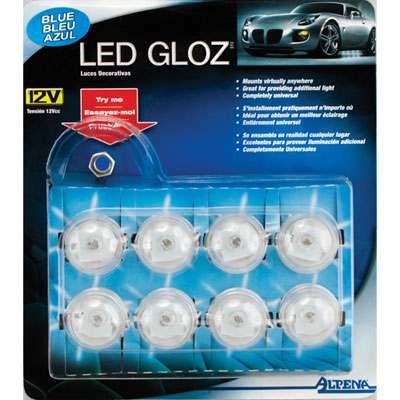 Your price for this item is $16.99
-
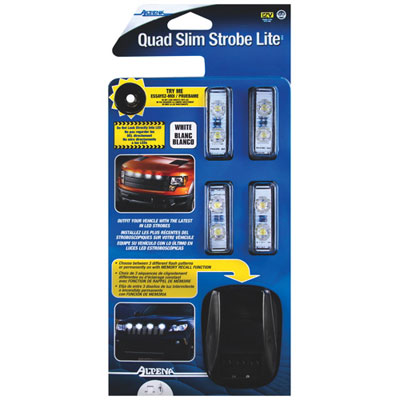 Your price for this item is $48.99
-
 Your price for this item is $36.99
-
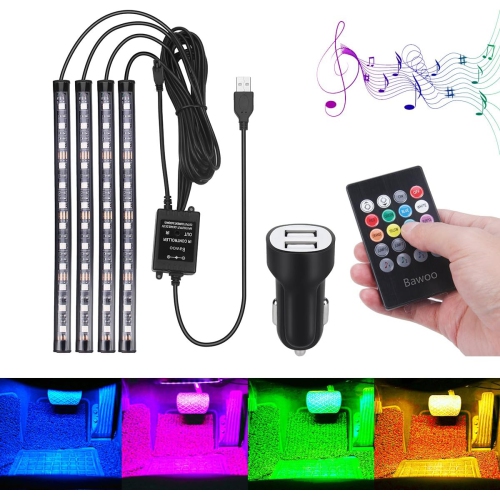 Your price for this item is $36.49
-
 Your price for this item is $30.99
-
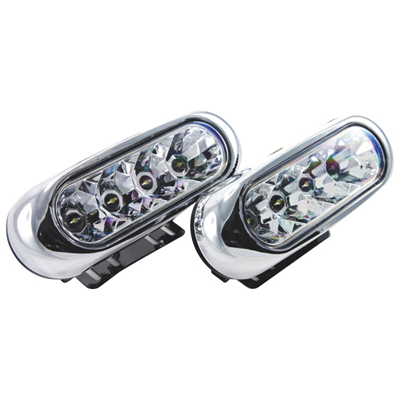 Your price for this item is $43.99
-
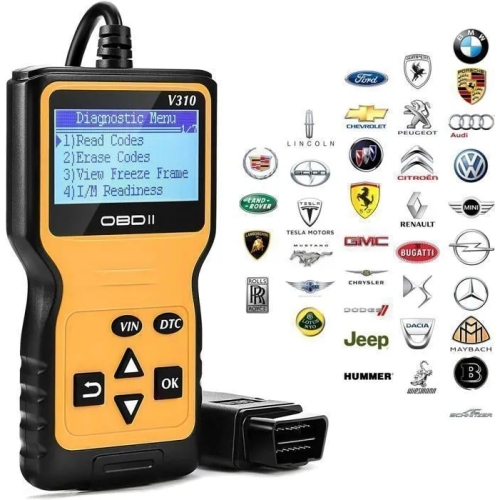 Your price for this item is $59.9
Discover more categories related to Bright Car Lights
Top Collections:
Best Black Friday Deals This Year, Best Black Friday Deals On Electronics, Kindle Devices, Best Black Friday Deals On Apple Products, Best Budget Office Chairs, Best Cameras for Sports Photography, Dyson Airwrap, Canon G7X Cameras, Best Laptops for Writers, Samsung Galaxy Phones
Some products may be subject to Environmental Handling Fees
(EHF) depending on your province.
Learn more about EHFs.